
Mameshiba





Warning: Illegal string offset 'label' in /home/panda/sites/zoonika/wp-content/themes/zoonika/template-parts/animals/animals-param-item.php on line 32
Ð


Breed Description
Mameshiba originated in Japan as a response to a simple request from city dwellers: they wanted a smaller version of the Shiba Inu. In Japanese, “mame” means “tiny,” which is where the name comes from. Breeders within the breed selected the smallest dogs, generation after generation, to maintain size while ensuring that the temperament, color, and health remained typical of the Shiba Inu. This gave rise to a compact companion suitable for apartment living.
The status is straightforward. In the JKC system and the NIPPO club, it is still considered a Shiba Inu, and that is how it is recorded in pedigrees. However, another Japanese organization, KC Japan, has been registering it as “mameshiba” since 2008, leading to some confusion: in one registry, it is listed as a compact Shiba Inu, while in another, it is distinguished as a separate entry. Essentially, the mameshiba is not a new working breed, but a mini version of the beloved Shiba Inu that gained popularity due to narrow streets, short walks, and a trend for small companion dogs.
Appearance
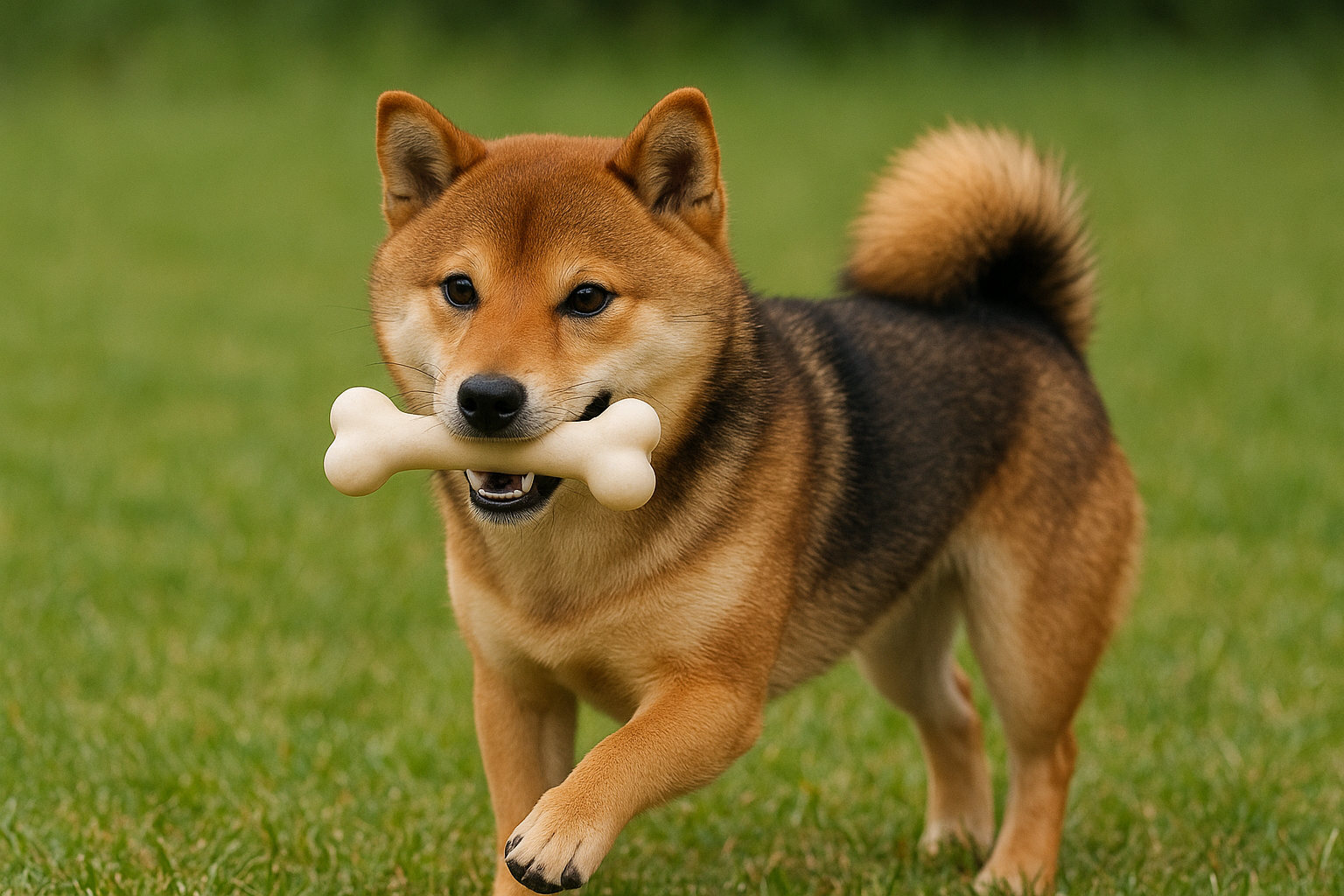
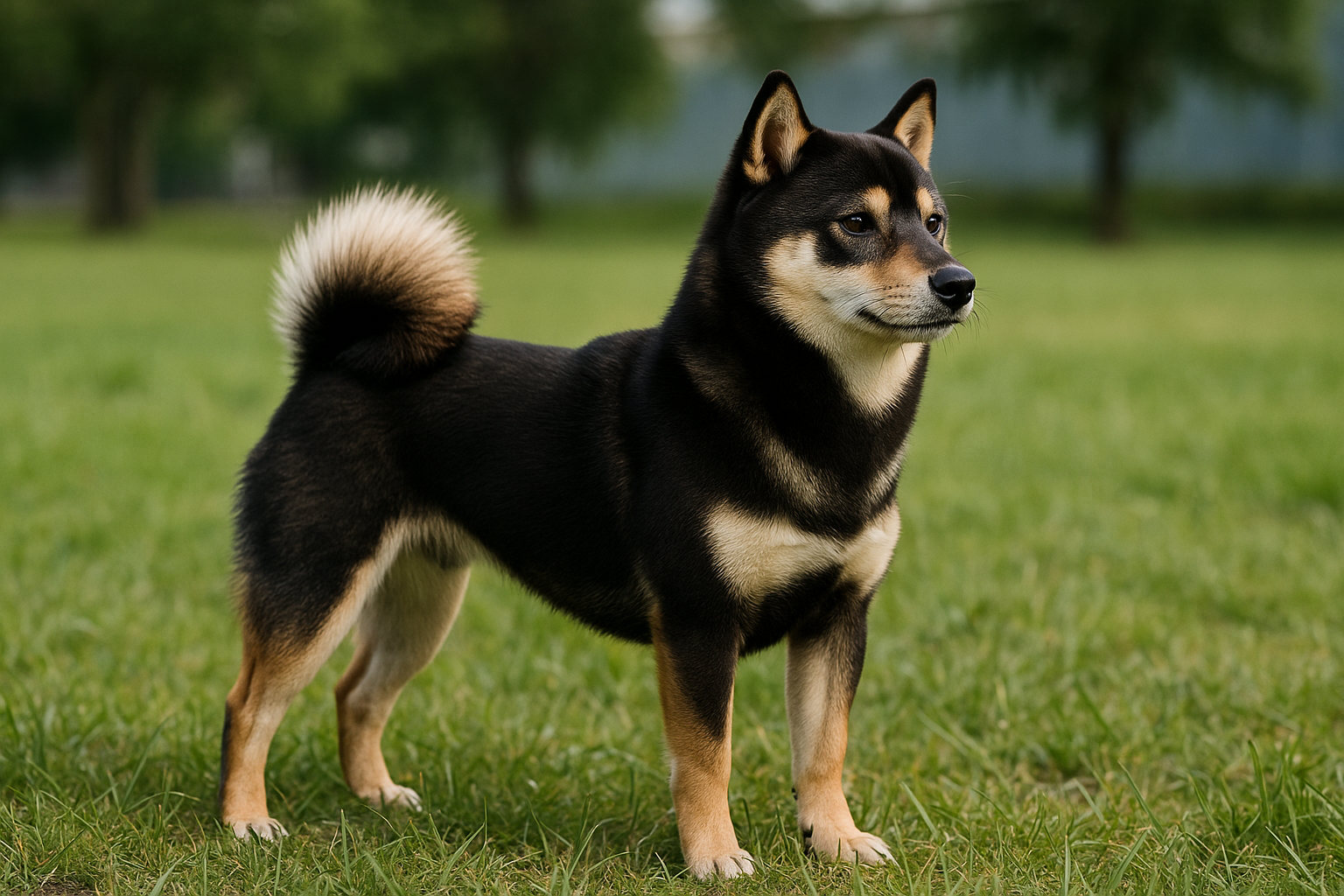
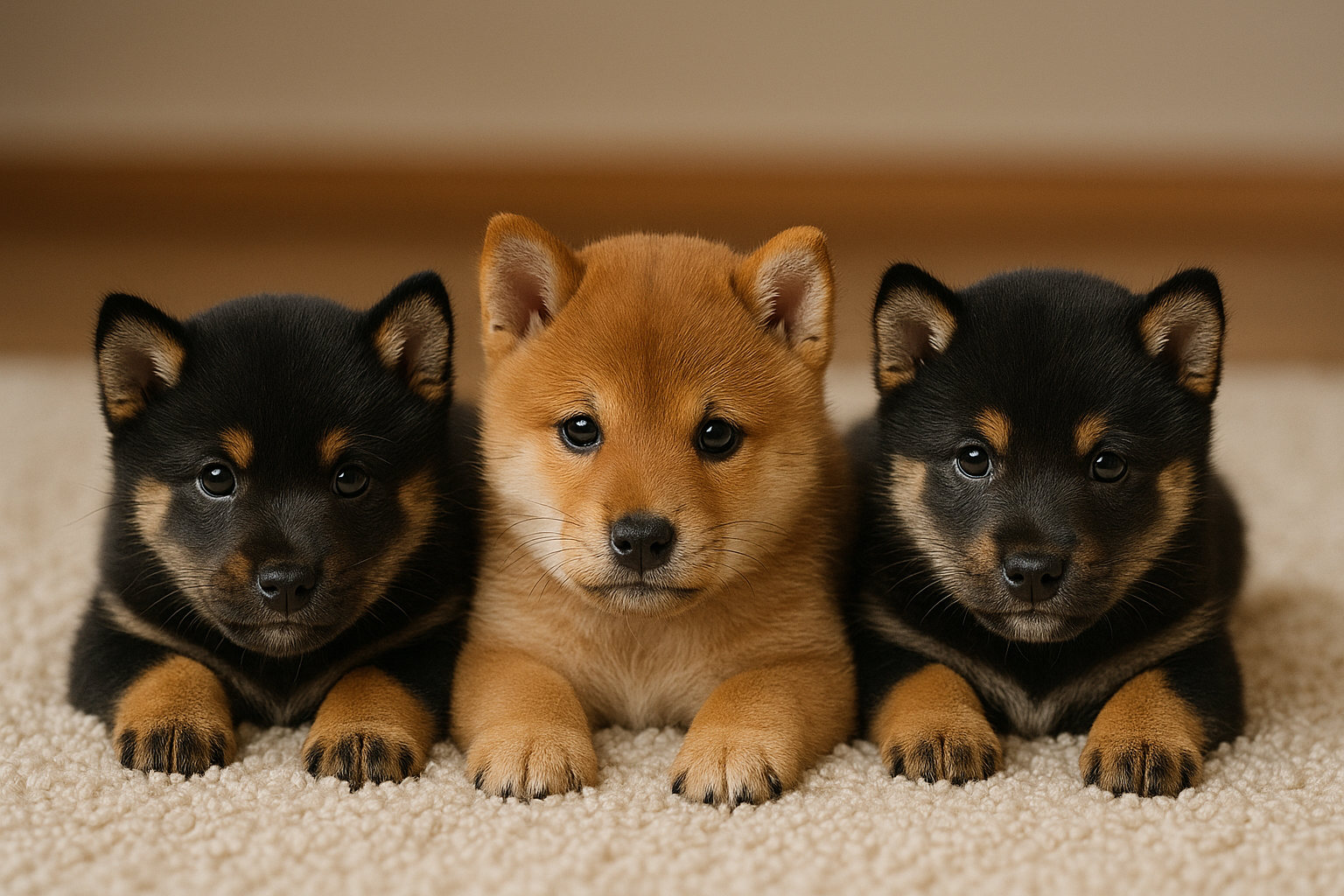
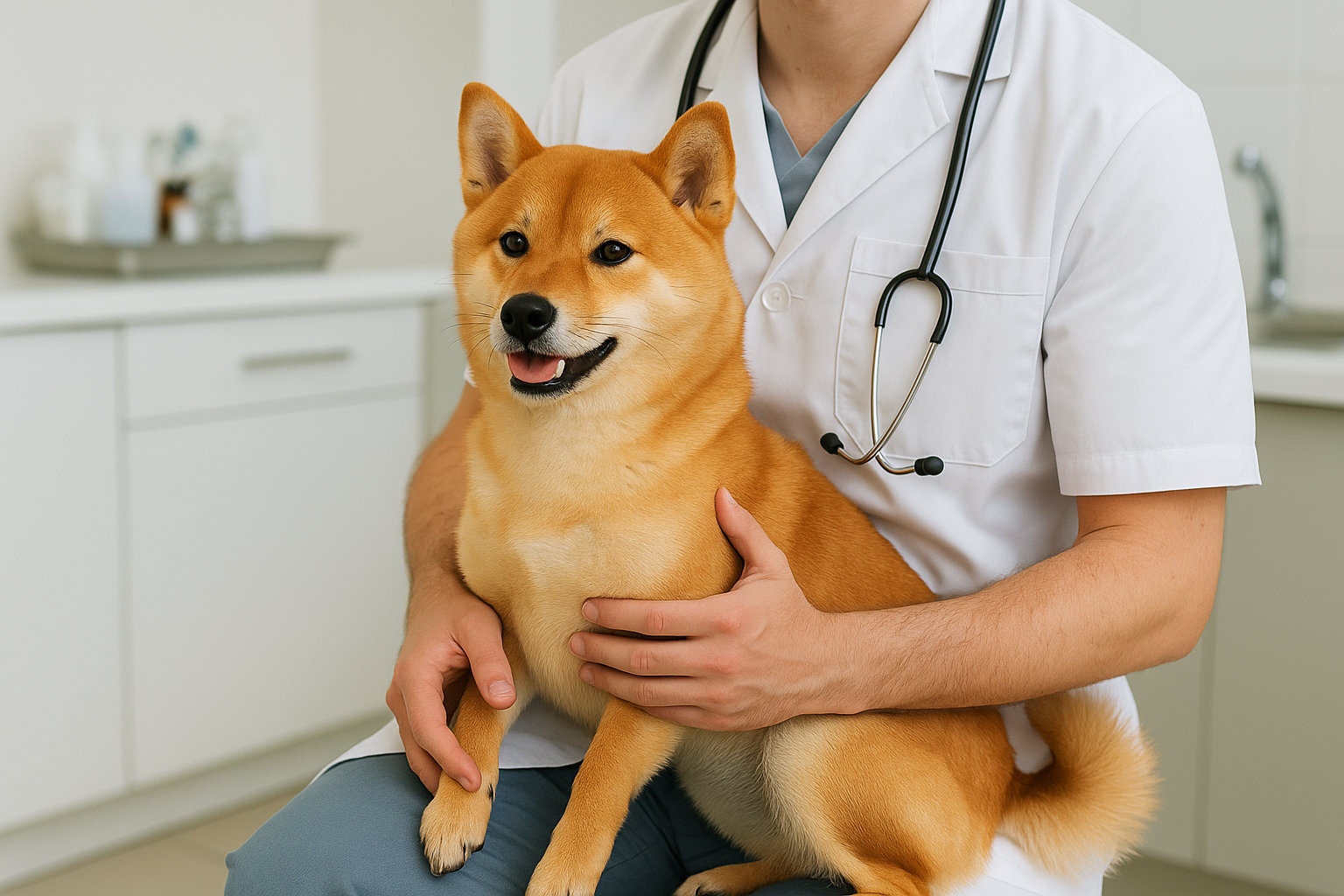
Mamashiba looks like “the same Shiba Inu, just smaller”: a compact, strong body without toy-like fragility, a graceful gait, dense double coat, and that fox-like squint that makes the dog seem a bit ironic. The color remains classic for Shiba Inu – red, sesame, black and tan, cream. In terms of height, this is a mini format: averaging 28-32 cm at the withers, with the standards set by the Japanese KC Japan being males 25-34 cm and females 25-32 cm. The weight is not regulated in the official KCJ standard, but in practice, healthy compact dogs usually weigh between 4.5-6.5 kg. They typically live as long as standard Shibas – expect around 13-16 years with proper care.


Отличительные черты

Голова

Морда

Уши

Глаза

Зубы

Корпус

Конечности

Хвост

Шерсть

Окрас
Character
The character of our Shiba Inu is compact: independent, observant, with a clear sense of self-importance. She quickly reads her surroundings and people, prefers a close circle, and doesn’t impose herself on strangers-she chooses friends selectively and keeps her distance until she decides to approach. In the family, she stays close and engages when needed, without being clingy; she loves routines and the predictability of the day-scheduled walks, short play sessions, and calm evenings at our feet. Her mind is sharp, and her motivation is selective: she gets upset by rudeness, shuts down from boredom, but responds enthusiastically to polite requests with treats or toys-activities should be short, clear, and yield quick success.
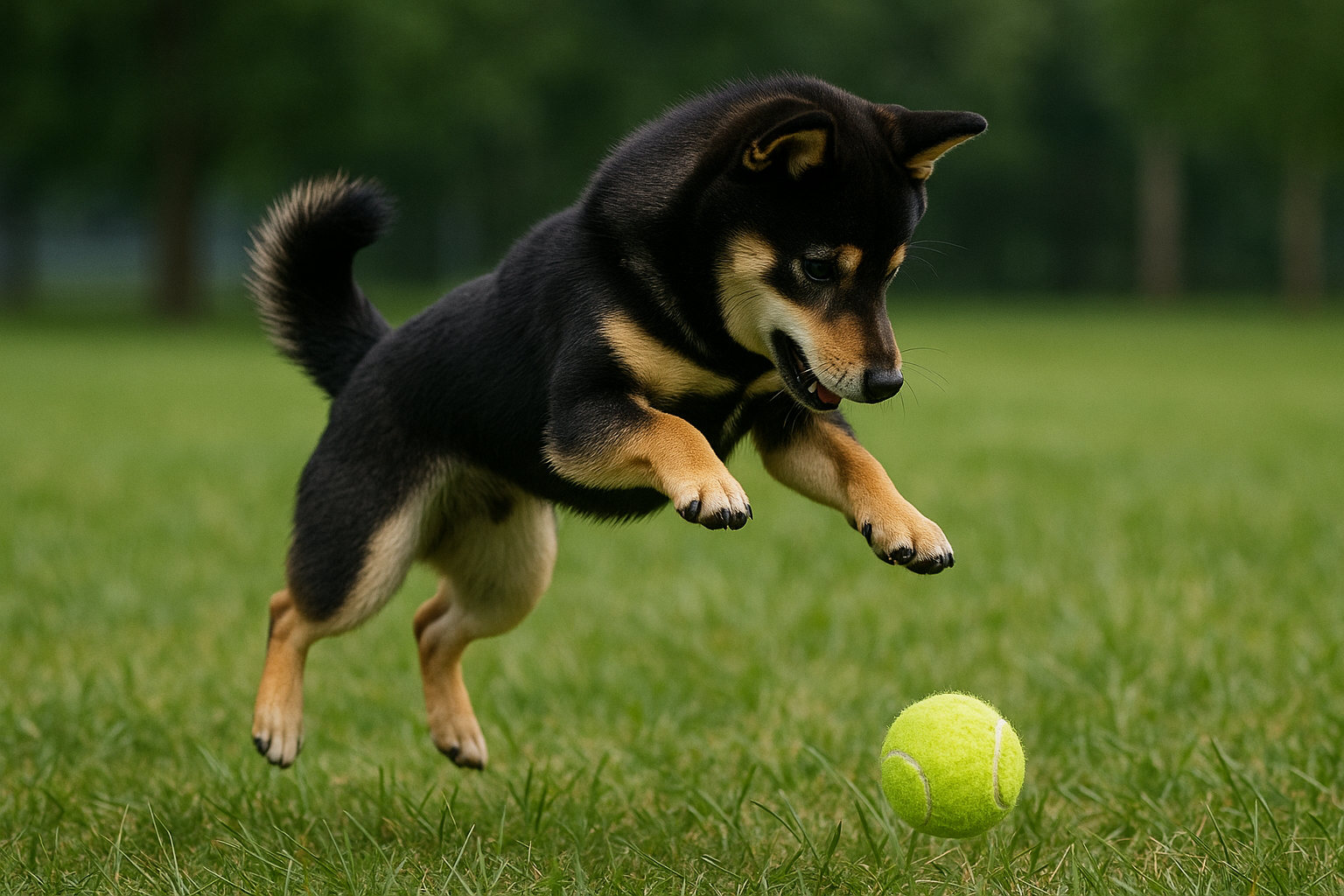
Her habits are almost “cat-like”: she grooms a lot, chooses sunny spots, and observes from higher vantage points. Outside, her ancient hunting instinct kicks in-grass, scents, fast-moving objects-so leash training and recall practice are essential. Indoors, she is quiet and neat, but if she feels stifled, she’ll unleash her energy with spirited “turbo-shiba” runs around the house, after which she returns to being a composed companion. She approaches toys pragmatically-liking those she can carry and “hunt”-and prefers food without fuss or overfeeding. She interacts with other dogs appropriately but without enthusiasm; she feels more comfortable with a couple of familiar friends than in a noisy crowd. This is a partner dog with a character that respects rules, as long as they are explained clearly and without pressure.
Advice for buyers abroad
KC Japan specifically reminds that the pedigree must indicate "Mameshiba" and include certification of size. Otherwise, the dog will legally remain a "Shiba Inu" abroad, even if it outwardly resembles a classic Mameshiba.Care and Maintenance
Mini Shiba Inu thrives in a stable routine with clear rules. At home, she has a cozy base-a draft-free bed, a bowl of fresh water, and toys to carry and “retrieve.” Outdoors, she uses a Y-type harness and a 2-3 meter urban leash, and in safe areas, a 7-10 meter long leash or a cord is used for recall and self-control. Walks should be at a relaxed pace with required nose work-free sniffing of landmarks, searching for simple hidden items, short tracks. Training is based on positive reinforcement using a marker-either a clicker or a vocal “yes”-in short sessions of 5-10 minutes: maintaining eye contact, recall, staying in place, shifting attention, and retrieving objects with an obligatory exchange. If the environment is overwhelming, reduce the difficulty, increase the distance, and incorporate breaks-first calmness, then tasks.
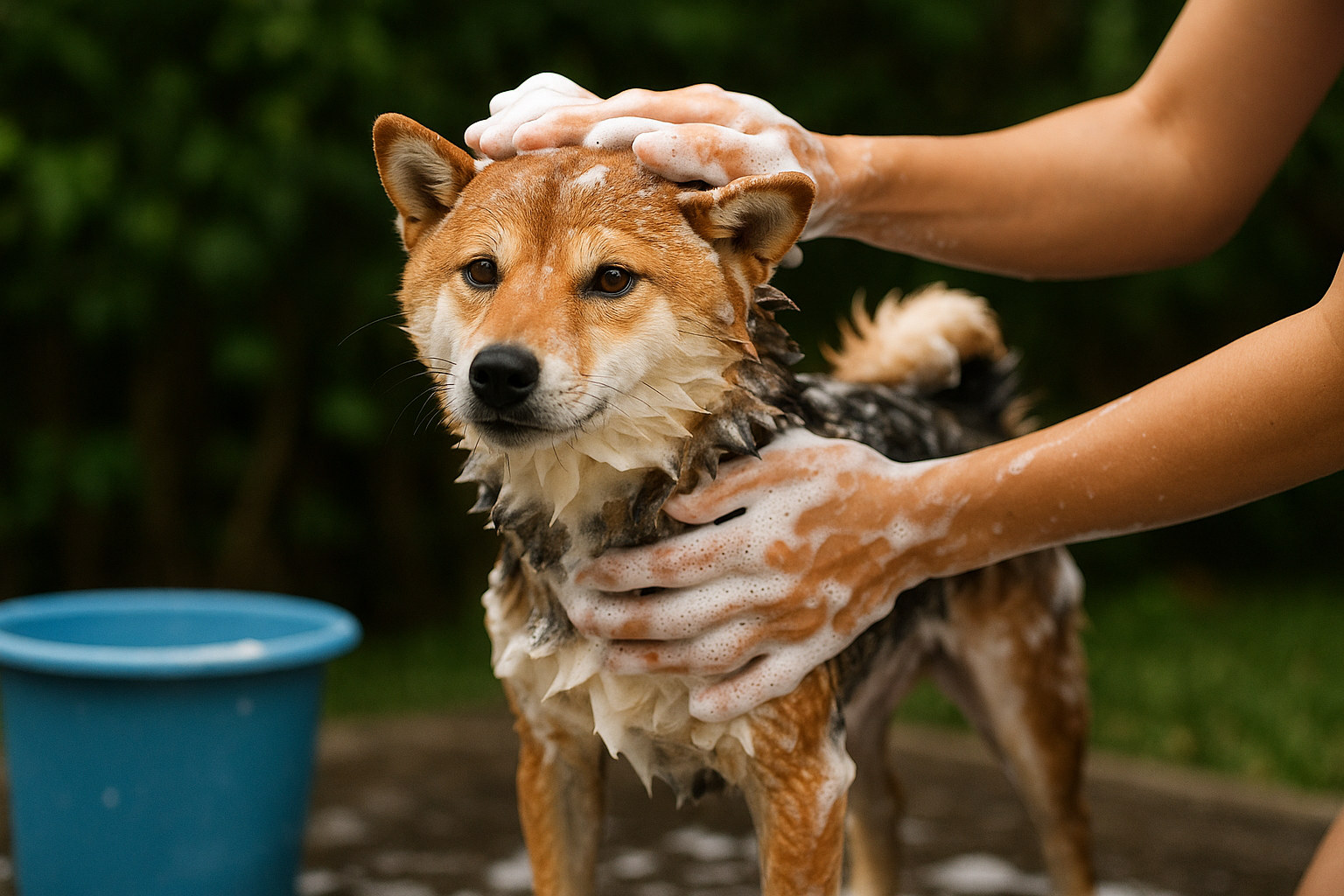
The coat of a mini Shiba is double-layered-guard hairs and a dense undercoat-they should not be clipped or shaved. Grooming is done 2-3 times a week with a soft brush and a metal comb; during shedding, a grooming tool for the undercoat is added, working in short sessions of 5-7 minutes. Bathing is infrequent, approximately every 6-8 weeks with a mild shampoo for double coats, making sure to rinse thoroughly and dry with warm air without overheating. Nails are trimmed with a scissor-type clippers every 2-3 weeks, ears are cleaned with lotion as needed, and teeth are brushed with a finger brush using enzymatic paste 3-4 times a week. After walks, paw pads are inspected: in winter, wash off chemicals with warm water and apply protective balm; in summer, avoid hot asphalt.
The daily food amount is divided into two portions, some given through a sniff mat and interactive feeders to engage the mind without extra calories. Treats are counted within the overall daily allowance, and water is accessible at all times. Standard preventive care includes vaccinations as per schedule, regular treatments for external parasites and worms, annual check-ups, and monitoring of weight and skin-coat condition. For safety, use a tag and microchip, and secure the dog in a crate or with a certified tether in the car. With such an organized lifestyle, the mini Shiba remains manageable, balanced, and willingly engages with the handler.
A chip as a passport - it's already law.
From June 1, 2022, in Japan, puppies from breeders and pet stores must be issued only with a microchip. After the purchase, the owner adds their information to the state registry, which speeds up the search if the dog gets lost.Training and Education
Mameshiba learns readily when it sees a clear logic in the task and a respectful tone from the trainer. The foundation of the training is simple and reliable: positive reinforcement, short sessions, clear criteria, and careful complexity increase. A puppy is given 3-5 minutes of training 3-4 times a day, while an adult dog gets 5-10 minutes 1-2 times. Signals are formed through luring and shaping, with the success marker “yes” introduced immediately, followed by reinforcement with a tiny treat or a short play session, and then transitioning to variable reinforcement while maintaining predictable rules. Initial goals are standard and practical: response to name, eye contact, recall, patience, moving alongside at a calm pace, and release on the marker. At the same time, the dog is taught to go to its spot and relax on a mat so it can recover after excitement and wait for the next command.
Walks are structured as guided activities. In the city, a 2-3 meter leash and Y-type harness are convenient, while longer leashes of 7-10 meters or a long line are used for practicing recalls and self-control in safe areas. Scent tasks, such as free exploration of landmarks, searching for simple “finds,” and short tracks, are a must during outings. Sniffing reduces tension better than any chase, so the opportunity to sniff is used as a behavior enhancer along with food and play.
House rules are straightforward and consistent. There’s a ritual for entering and exiting, waiting at the door, permission to start, a ban on running to the elevator, and a calm gathering of gear. Any required behavior is broken down into steps, criteria are communicated in the same language, and the pace is increased only after stable repetitions. Signs of overload in this breed are easily recognizable: decreased responsiveness, seeking external stimuli, and “sticking” of the nose, prompting the reduction of complexity, allowing the dog to recover, and returning to a level where it can be successful again. This creates a manageable, balanced dog that understands the task, maintains contact, and works honestly alongside the owner. Reliable sources offer healthy puppies with documentation and pedigree.
Color: "white" is allowed, urodzhiro is mandatory, and "eyebrows" are valued in black.
KCJ allows for four basic colors: red, black, sesame, and white, with white understood as light cream. For red, black, and sesame, a urodzhiro area is mandatory-lighter on the belly, chest, and muzzle. In black cats, two small light “eyebrow dots” above the eyes are encouraged. The nose for all colors must be black.
How to Choose a Puppy
Begin choosing a Mameseiba puppy by researching the breeder and their reputation. The kennel should be clean and calm, with fresh water available for the puppies, separate areas for sleeping and playing, and no strong odors. The optimal age for transfer is 8-12 weeks. A documentation package is mandatory: a purchase agreement, a metric or pedigree from the breeder, a veterinary passport with age-appropriate vaccinations and treatments, and a chip or tattoo. Immediately clarify the registry – JKC or KC Japan – and ask to see samples of the parents’ and litter’s documents. Examine the puppy calmly: look for clear eyes and ears without odor, a scissor bite, a dry belly button, clean skin, dense double coat, a curled tail, confident gait, and a straight stance. Conduct simple behavior checks: interest in people, maintaining eye contact for 2-3 seconds, responding to calls, calming quickly after a short play session, and interest in food. Request videos of outdoor walks and a brief introduction with a stranger in a neutral setting. Find out the puppy’s diet and routine, how they are trained to go to their designated spot, and how they are rewarded. In the contract, outli
Health and Diseases
Mameseeba is usually a sturdy dog; it’s important to maintain a healthy weight and provide moderate exercise. Attention should be given to the kneecaps: a dislocated patella should be checked by an orthopedic specialist, and a preventive examination and adjustment of exercise should be done annually. Hip dysplasia is less common, but X-rays are scheduled according to the veterinarian’s plan as the dog ages. Eyes should be checked by an ophthalmologist; early screening for glaucoma and progressive retinal atrophy is crucial, especially if there are signs of tearing or photophobia. Skin and ears may react to allergens, so it’s essential to choose food without drastic changes and maintain cleanliness in the undercoat with gentle cosmetic products. Teeth should be brushed 3-4 times a week with enzymatic toothpaste, and professional cleaning is done as needed. Weight should be kept in a working condition-ribs should be palpable and the waist should be detectable. In summer, protect against overheating and hot asphalt; in winter, wash off reagents and use a paw balm. Vaccinations should follow a schedule, and treatments for fleas, ticks, and worms should occur year-round.
Содержание
-
1. Описание породы
-
2. Внешний вид
- 2.1 Голова
- 2.2 Морда
- 2.3 Уши
- 2.4 Глаза
- 2.5 Зубы
- 2.6 Корпус
- 2.7 Конечности
- 2.8 Хвост
- 2.9 Шерсть
- 2.10 Окрас
-
3. Характер
-
4. Содержание и уход
-
5. Дрессировка и обучение
-
6. Как выбрать котенка
-
7. Здоровье и болезни






Comments
Only registered users can leave reviews.
Enter