
Maltipoo





Warning: Illegal string offset 'label' in /home/panda/sites/zoonika/wp-content/themes/zoonika/template-parts/animals/animals-param-item.php on line 32
Ð


Breed Description
Maltipoo, also known as Moodles, were bred as hypoallergenic (non-shedding) dogs. Although their parent breeds have a long history, their popularity has only recently surged. Many families are drawn to them because of their curly, soft fur, intelligence, and the wonderfully obedient nature of the poodle.
By definition, a Maltipoo is the result of crossing a purebred Maltese and a purebred Toy Poodle, and sometimes other breeds may be involved. The first part of their name comes from “Maltese,” while the second part comes from “Poodle.” Both breeds get along very well with each other. They have similar size, body structure, and particularly resemble each other in temperament.
The question is, what are the advantages of crossing these two dog breeds? Both breeds are fundamentally healthy in all respects and are unique in their own ways. Interestingly, in biological terms, it is incorrect to refer to them as “hybrids.” This term applies only to the crossing of two different species, such as a horse and a donkey (mule).
The problem with designer dogs lies, on one hand, in the creation of an increasingly opaque market that opens the door to dubious breeders and puppy mills. On the other hand, it’s a problem when two breeds with incompatible temperaments are crossed, like a Beagle and a Pug. Fortunately, Maltipoos do not have this issue; these two breeds complement each other well in every way. The inventor of the mix, Australian Wally Conron, distanced himself from this development and called his invention the biggest mistake of his life (refer to the Labradoodle breed). Breeders always promise that their puppies will inherit only the best traits from both parents. This is merely a marketing argument, as it could be the opposite as well. You can’t even accurately predict the texture of a Maltipoo’s fur. However, biologically, the effect of direct crossings between purebred dogs has been proven. This is called heterosis. When representatives of two genetically close populations are crossed, the first generation offspring possess increased adaptability and lifespan. But this is true only for the first generation. Additionally, there is always the question: why? Should we add more genes to
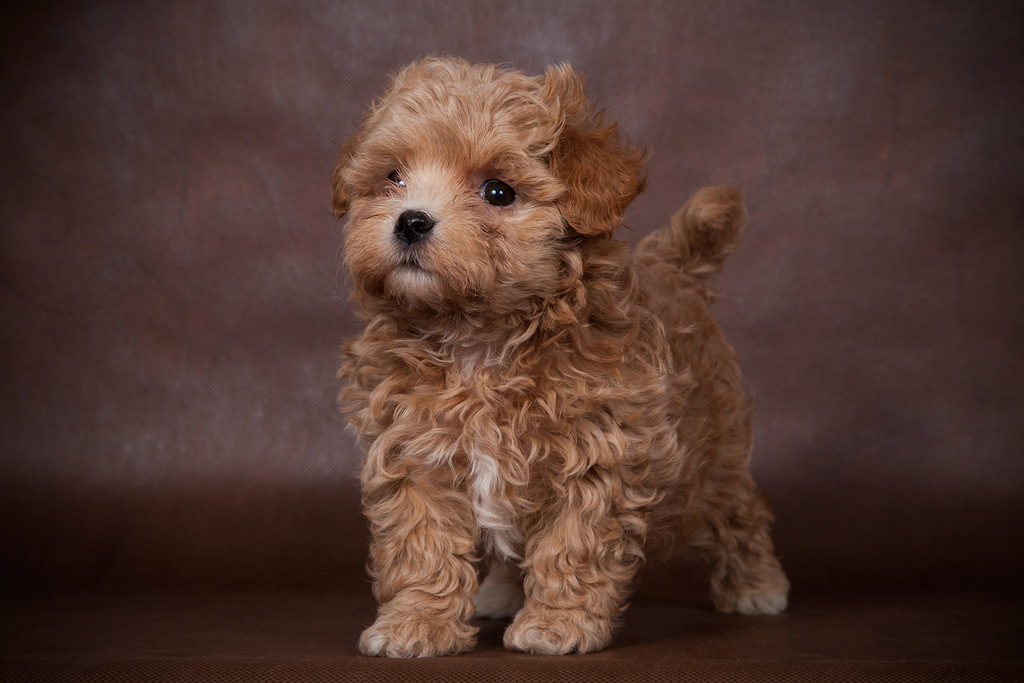
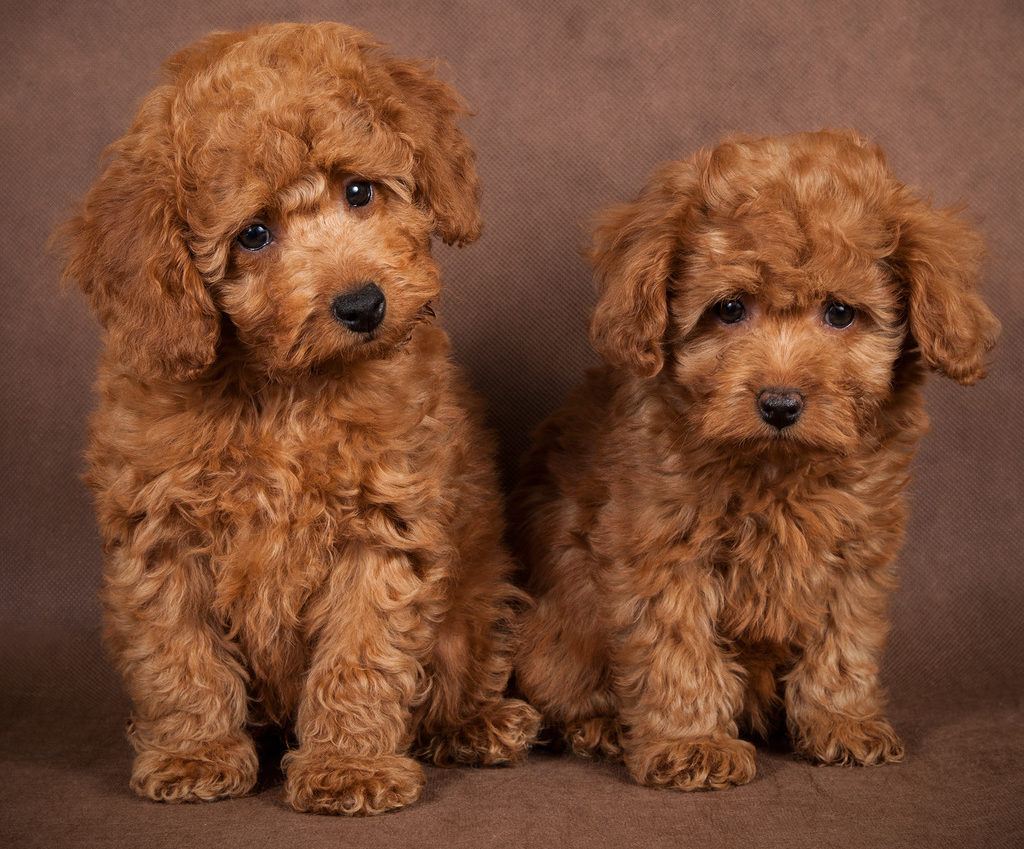
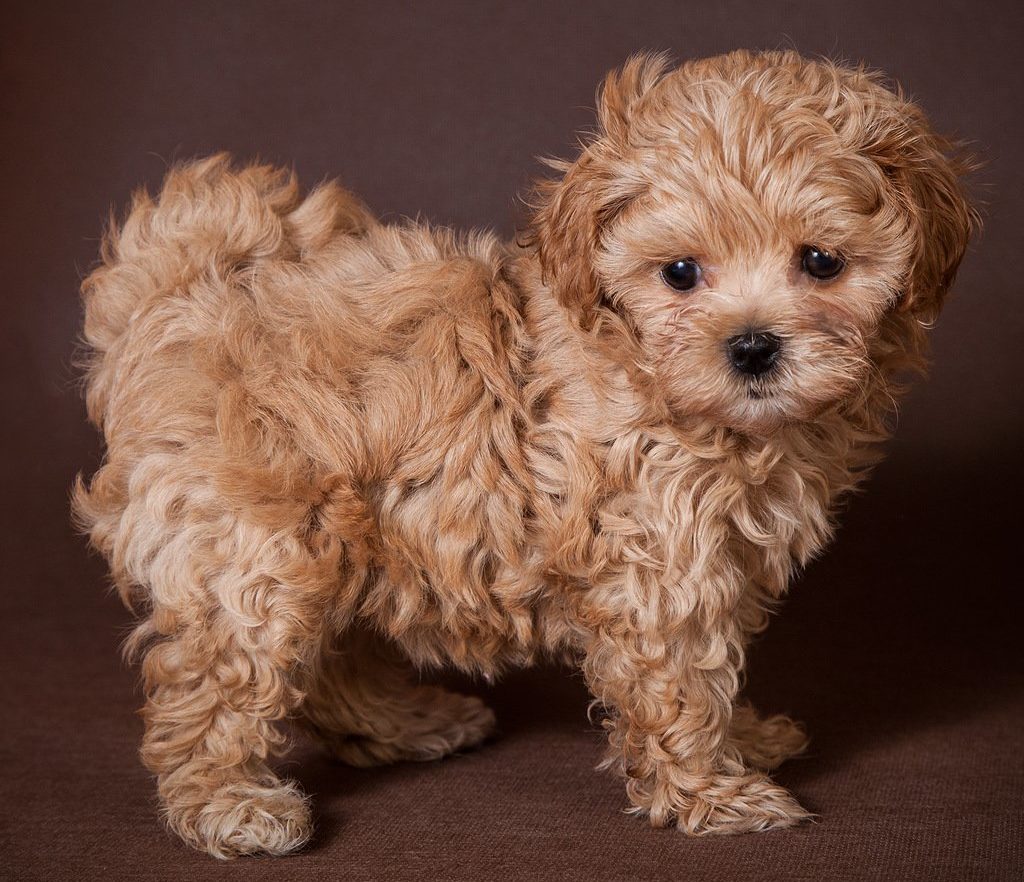
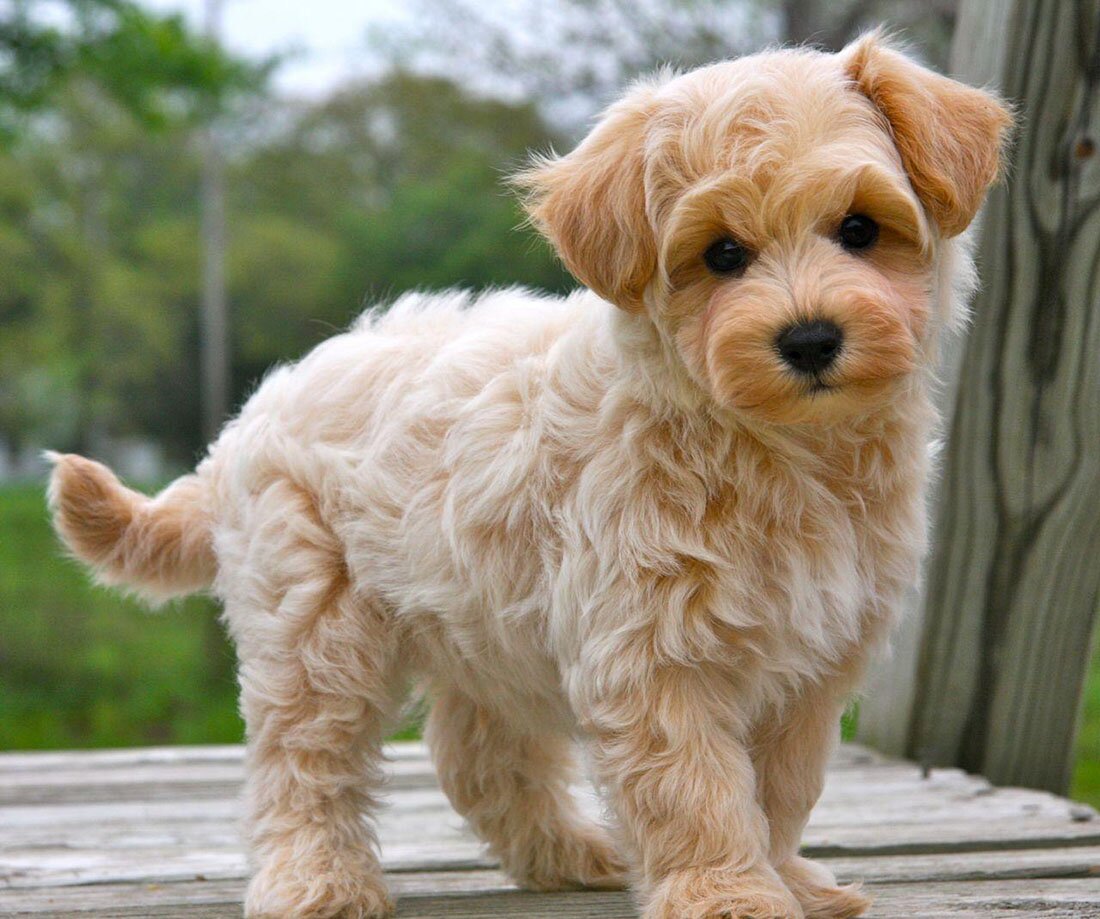
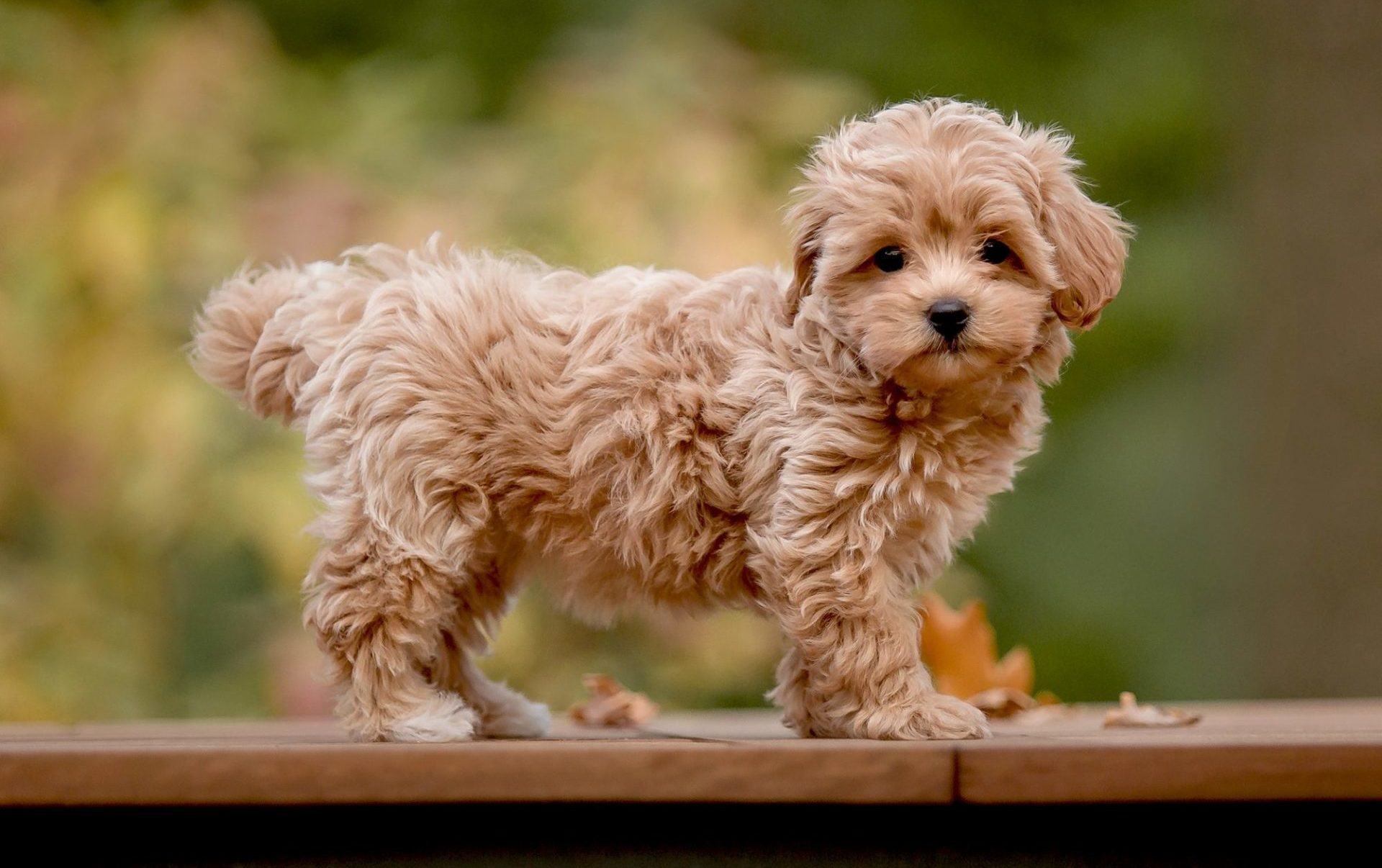
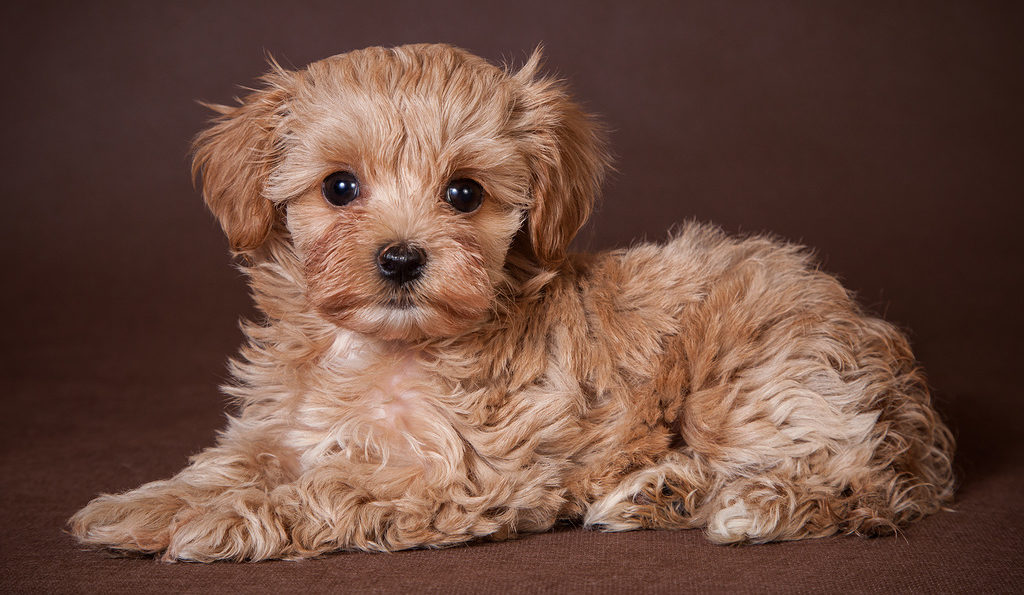
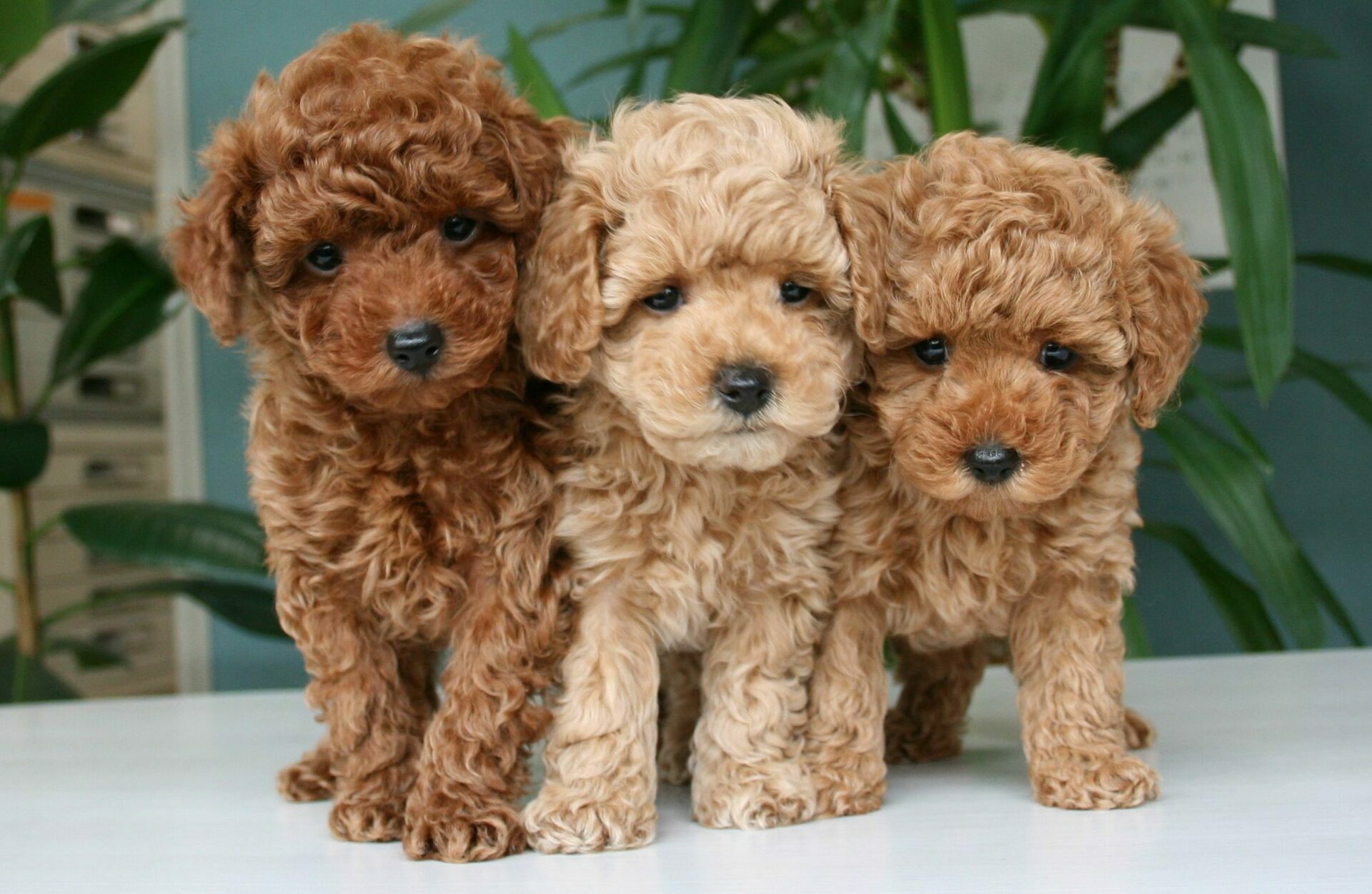
Maltipoos are small dogs with typically unruly fur that often feels like hair, distinguishing this toy breed. Their fur comes in a variety of charming colors, giving them an appealing appearance. Therefore, it’s no surprise that many are interested in having them as part of their family.
Moodles enjoy being part of the family and taking part in daily activities. Moodles are known for their calm and kind temperament, making them the ideal lap dog. They can serve as good watchdogs since they will bark when visitors arrive, but they are not very aggressive. The easygoing nature of Maltipoos makes them excellent companions for family outings.The price for a puppy ranges from 80,000 to 120,000 rubles.
Appearance
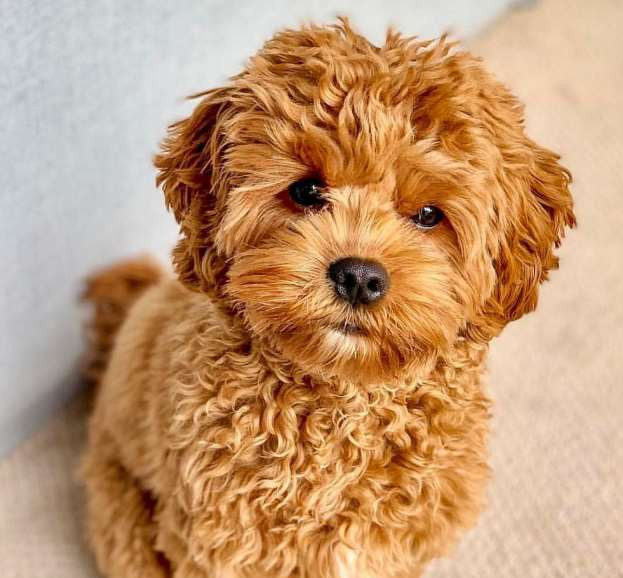
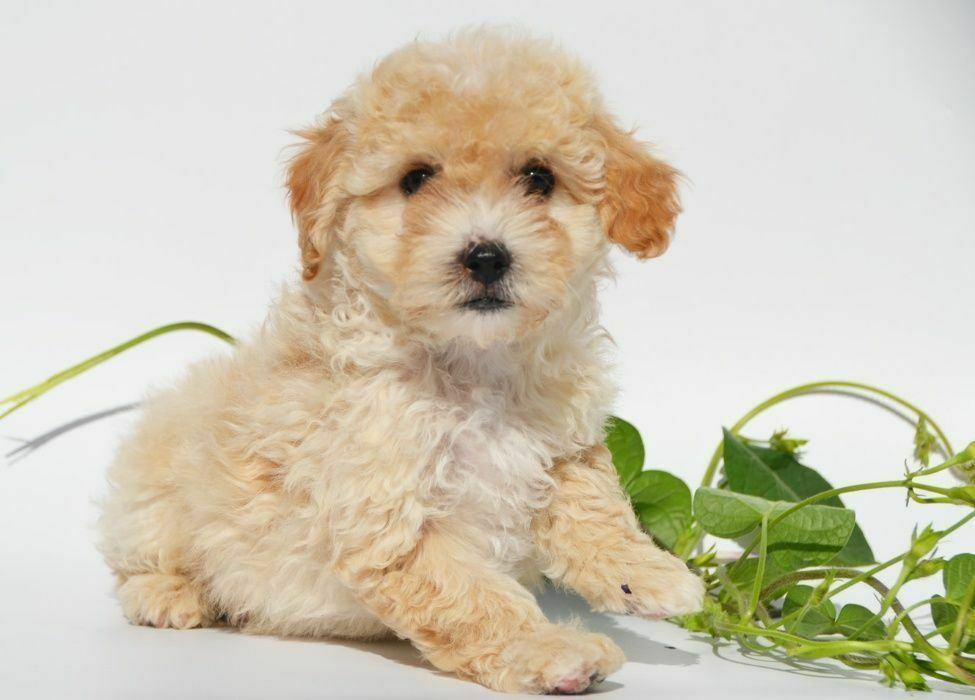
Maltipoo – a dog breed that radiates incredible elegance and unwavering loyalty. The Moodle, also known as the Maltipoo, is a breed achieved through the mixing of Maltese and miniature poodle genetics. Their fur is typically a bit messy and curly, but often fluffy and feels like hair. Moodle sheds very little, making them ideal pets for allergy sufferers.
Due to their thick coat, Moodles require daily brushing and professional grooming every six weeks. Irregular grooming can lead to health issues in this breed. Moodle typically comes in cream, white, silver, or a mix of these colors.
The Maltipoo is a small dog, a sweet companion that feels comfortable even in a city apartment. It is a blend of a purebred Maltese and a purebred miniature or toy poodle. Its figure and coat showcase traits from both original breeds. Generally, it has a somewhat random mix of the wavy medium-length fur of the Maltese and the curly short fur of the poodle. This is because many Maltipoo breeders work with “mixed” parents, that is, from so-called generations ranging from F2 to Fx. From a genetic perspective, hybridization offers advantages and predictability, present only immediately after the crossing of the original breeds (“heterosis effect”). Thus, there is a purebred poodle with a purebred Maltese. The same goes for color predictability. In practice, the spectrum ranges from white to black. We also see a wide range in size.
Maltipoos are sometimes referred to as hypoallergenic dogs. This is attributed to the poodle’s genetics in their blood and/or fur. In reality, poodles shed less than other dogs because they do not have a seasonal coat change. However, it is doubtful why this characteristic should prevail in mixed breeds, given that even the texture and color of their fur cannot be reliably predicted. There is also no substantial evidence that Maltipoos are suitable for allergy sufferers.
A Maltipoo stands between 20 to 30 cm at the shoulder and weighs from 4 to 10 kilograms.
A healthy Maltipoo can live up to 14 years or more with good physical condition.Thus, the appearance of the Maltipoo represents a harmony of elegance, sophistication, and kindness. This dog breed not only captures hearts with its beautiful appearance but also promises to be a loyal and incredibly sweet companion for its owner.


Отличительные черты

Голова

Морда

Уши

Глаза

Зубы

Корпус

Конечности

Хвост

Шерсть

Окрас
Characteristics
The Maltipoo, like its two original breeds, is a trained companion for humans. Unlike small terriers, which were recently reclassified from working dogs to companions, Maltese dogs, like toy poodles, have been known for thousands of years for their role as companion dogs.
The Maltipoo is a smart, curious, and clever little one that always surprises us and brings smiles. Their skills should not be underestimated. However, they should not be overly active or even nervous. Maltipoos should be very obedient. They have a cheerful demeanor and are always eager to play.
Moodles are loving, loyal, and caring individuals. They are also smart and playful dogs that get along well with other people. Moodles usually greet strangers warmly. They enjoy having children in their lives, especially if they can entertain them.
Like any other breed, they will require early and proper socialization to become well-acquainted with other family members.
Moodles are generally friendly and enjoy the company of other pets in the home, especially when they socialize at a young age. Taking them to parks to play and regularly interacting with other pets will help them become more sociable.

Питомники
Выбор питомника по городу, породе и отзывам
Imperial roots
Despite its compact size and incredible cuteness, the Maltipoo has quite a noble origin. This breed boasts a history that dates back to ancient times. Maltipoos are believed to descend from larger dogs that belonged to the aristocracy and even imperial families in the Malay Archipelago. Their high status in society explains not only their exquisite appearance but also the graceful behavior they still exhibit today.Care and Maintenance
Maltipoos can thrive both in large cities and homes, even in small apartments on upper floors. Of course, they require daily walks in fresh air to feel comfortable and fully develop their balanced, friendly nature. Otherwise, they are very low-maintenance pets, as long as they have caregivers and some varied activities. Maltipoos make great family dogs. They get along well with children and are good playmates, but it’s essential for children to treat them as partners rather than toys and to respect their ability to retreat. Maltipoos do not need daily tasks or intense activities, such as agility, to feel comfortable with their owner.
Maltipoos require regular grooming. They often need to be trimmed, a trait inherited from poodles. The frequency depends on their coat condition, but brushing between trims should be sufficient. Maltipoos can have thick, fine, wavy, or curly hair. They shed very little, making them ideal pets for allergy sufferers. You should brush their coat at least twice a week to minimize shedding and keep it clean, shiny, and healthy.
Caring for a Maltipoo will only take a few minutes each week. Brush them weekly with a rubber grooming mitt or a brush with short natural bristles. A fine-toothed flea comb can help remove loose or dead hair. Their undercoat may come out in small clumps. Regular brushing will help keep shedding under control. With regular dental care, they shouldn’t need baths more often than once a month or two. Ears are an important area to check during grooming, so if you notice an odor or see wax buildup, clean the inner ear with a cotton swab using a cleaner recommended by your veterinarian.
Your thorough weekly check will help you quickly recognize potential health issues.
Maltipoos should ideally be fed twice a day. They should eat 1-3 times daily. Some dogs are prone to obesity, so monitor their calorie intake and weight. Treats can be a useful training tool, but giving too many can lead to obesity.
If you have any questions about your dog’s weight or diet, consult your veterinarian. Fresh, clean water should always be available.Maltipoos are very energetic dogs and can become restless or anxious if they are not properly trained and handled. This breed requires a lot of vigorous exercise, much more than an average dog. In addition to brisk walks, try to give your dog some off-leash time in a fenced yard.Keep in mind that their herding instinct may cause them to chase cars or bicycles, so ensure they are properly trained.
Perfect in everything.
The Maltipoo is renowned for its elegant and graceful movement. However, in addition to its sophisticated gait, the Maltipoo possesses exceptional agility. This breed is distinguished by its ability to move so effortlessly and gracefully that it sometimes seems as though it has not four, but eight legs. Their grace and agility make them ideal companions for various activities, including participation in therapy and agility training.Training and Education
Training and educating a Maltipoo is an exciting journey into the world of mutual understanding and the ability to create a harmonious bond between human and pet. With their intelligent and playful nature, Maltipoos are highly trainable and eager to please their owners.
Let’s start with the basics. Given that Maltipoos are naturally sociable and attached to their owners, the initial steps in training should focus on setting clear boundaries and rules. Consistency in approach and positive reinforcement are key to shaping desirable behavior. Rewards, affection, and praise after successfully following a command become a powerful motivator for the Maltipoo.
The breed’s intelligence makes the learning process engaging and dynamic. Maltipoos quickly grasp commands and tricks, enjoying the process of interaction with their owner. It’s important to remember that a positive approach to training fosters a strong bond between the dog and its owner, which contributes to successful learning.
Socialization also plays a crucial role in developing a well-balanced Maltipoo’s character. Early exposure to various people, dogs, and environments helps prevent potential behavioral issues in the future. Visiting public places, parks, and training for various situations will help your Maltipoo become a confident and friendly pet.
An important aspect of training a Maltipoo is ensuring its physical activity and mental stimulation. Games, tricks, and the search for various toys develop the dog’s mind and physique, providing physical and mental benefits.
This small dog is very easy to train, but it also needs to be properly raised. Its sweet, cheerful, and friendly nature can easily mask the fact that it requires consistent guidance and discipline. The Maltipoo gladly accepts this responsibility from its owner. Its high level of intelligence and obedience demands consistent leadership from its humans, which should begin from a young age, just like with other dogs. Sometimes training can be challenging, but not because it cannot or does not want to learn.Maltipoos are trained companion dogs. With their Poodle heritage evident, you can certainly teach them a few tricks.Training a Maltipoo is a captivating activity filled with mutual understanding and affection. With patience, love, and a positive approach, you can develop your Maltipoo’s intellectual and emotional qualities, creating not only an obedient but also a truly devoted companion. Zooinika offers puppies with documentation and health guarantees.
Unchangingly popular crossbreed
Maltipoo embodies not only ancient traditions but also modern trends in the world of purebred dogs. This breed is a popular choice for creating crossbreeds, such as Maltipoo-Poodle (Maltipoo + Poodle) or Maltipoo-Schnauzer (Maltipoo + Schnauzer). These unique mixed breeds combine the distinctive traits of Maltipoo with other breeds, resulting in amazing dogs with diverse personalities and appearances. This trend highlights the versatility and uniqueness of Maltipoo in the world of purebred dogs.
How to Choose a Puppy
Choosing a Maltipoo puppy is an exciting moment filled with joy and responsibility. This breed is known for its incredible cuteness, loyalty, and intelligence, so it’s essential to approach the selection process with particular care.
The first step is to choose a reputable breeder. Research the breeder’s reputation and experience, and read reviews from previous puppy owners. A competent breeder will provide all the necessary information about the parents, their health, and temperament, which is crucial for getting a healthy and well-balanced puppy.
When inspecting the litter, pay attention to the wellbeing of the mother and puppies. Healthy puppies should be active, curious, and full of energy. They should have clean, shiny fur, and clear ears and eyes. Observe how the puppies interact with each other and their mother, as this can give insights into their character.
Check the health of the puppy’s parents. Key aspects include screening for genetic diseases, veterinarian recommendations, and up-to-date vaccinations. Be sure to review the puppy’s documentation, such as pedigree, veterinary certificates, and more.
Interacting with the puppies and their parents is also important. Maltipoos should have a playful, friendly, and social nature. Try to spend time with the puppies, observing how they react to you and other family members. This will help you determine which one best fits your lifestyle and personal preferences.
Finally, be prepared to provide a caring and loving home for your puppy. Prepare a living space, provide necessary toys and accessories. Your attention, love, and patience will be the foundation for a long and happy life for your new Maltipoo friend. Maltipoos make excellent companions for city living and large families.If you wish to share your life with a Maltipoo, you should find a trustworthy breeding kennel and establish contact well before purchasing your pet. Ideally, you should acquire a first-generation mix (F1) of a purebred Poodle and a purebred Maltese. The breeder should meticulously document the litter with photographs. You should have the opportunity to visit the litter along with both parent dogs on-site, complete with documentation and pedigree at Zoonik – a great selection of breeds.
Health and Illnesses
The health of the Maltipoo breed is an essential part of its charm and longevity. This breed, known for its exquisite appearance, is also often distinguished by its excellent physical condition and overall well-being.
One of the key aspects of caring for Maltipoos is regular visits to the veterinarian. Professional check-ups can help identify potential health issues or diseases at early stages, which is crucial for prevention and effective treatment.
One characteristic feature of Maltipoos is their tendency to experience breathing problems, such as tracheal collapse. Owners should pay special attention to symptoms like sneezing, difficulty breathing, or noise when breathing, and consult a veterinarian if such issues are suspected.
Dental problems can also be typical for this breed, so regular hygiene practices, such as brushing teeth and providing suitable chewing toys, help maintain oral health.
Another common issue in Maltipoos is allergies, particularly to pollen and various environmental allergens. If symptoms like itching, rashes, or sneezing occur, it is important to consult a veterinarian for diagnosis and treatment of allergies.
Proper nutrition also plays a significant role in maintaining the health of Maltipoos. Due to their small size and sensitive digestion, owners are advised to choose high-quality food that is suitable for the breed and takes its characteristics into account.There is no data on typical diseases in Maltipoos. Additionally, there is no information on how the genetic predisposition to specific hereditary diseases behaves in the Maltese population compared to the Poodle population. Theoretically, healthy offspring are expected.Schedule veterinary check-ups every six months to ensure your pet remains healthy and happy throughout its life. During these visits, the doctor will conduct a medical examination, measure your dog’s temperature, and monitor its heartbeat. Regular care allows you to track your dog’s growth and development and address any issues with your veterinarian.With care, attention, and regular check-ups, owners can provide their Maltipoos with a fulfilling and long life while enjoying the company of this charming and devoted pet. Thinking about it? There’s a wide selection of listings on the map by cities at Zoonika.
Содержание
-
1. Описание породы
-
2. Внешний вид
- 2.1 Голова
- 2.2 Морда
- 2.3 Уши
- 2.4 Глаза
- 2.5 Зубы
- 2.6 Корпус
- 2.7 Конечности
- 2.8 Хвост
- 2.9 Шерсть
- 2.10 Окрас
-
3. Характер
-
4. Содержание и уход
-
5. Дрессировка и обучение
-
6. Как выбрать котенка
-
7. Здоровье и болезни






Comments
Only registered users can leave reviews.
Enter