
Maltese Bichon





Warning: Illegal string offset 'label' in /home/panda/sites/zoonika/wp-content/themes/zoonika/template-parts/animals/animals-param-item.php on line 32
Ð


Breed Description
Maltese dogs are one of the oldest miniature breeds. They have been mentioned in various historical writings, but their exact origin remains uncertain. Some believe they were developed on the island of Malta, while others think they originated from Italy, and there are those who consider them to be of Asian descent.
It is believed that these small white dogs with luxurious fur have been favored pets in Mediterranean countries for centuries, and these dogs are the ancestors of Maltese. It is suggested that Phoenician traders brought such dogs to Malta, and in 1805, a Maltese knight wrote about a breed of dogs with long, silky hair. The Royal Library of Malta holds a portrait from 1833 depicting a representative of the breed, which closely resembles modern Maltese.
So where do Maltese come from?
The Maltese breed descends from an ancient family of companion dogs known collectively as Bichons. The roots of the Bichon stretch deep into antiquity, which is rare for dog breeds. In the port cities of the Mediterranean, they were valued companions for ladies from noble families and were considered precious gifts. Aristotle described a “Maltese dog that was white and noticeably small” over 2400 years ago. Numerous other letters and works of art attest to the existence and high regard of these little dogs throughout history.
Bichons are small dogs of ancient Mediterranean origin, encompassing cultures from Egypt, Phoenicia, Greece, and Rome. Long ago, across various cultures, people needed dogs as companions and partners for the soul. As lap dogs for wealthy ladies, Maltese traveled around the world. They spread actively from the Mediterranean throughout Europe, especially to England, where their modern breeds were later developed. The great French naturalist Buffon referred to them directly as Maltese over 200 years ago.
The Maltese is a living testament to the fact that companion dogs can be bred for health over centuries. Dogs like the Maltese are a good choice, especially in today’s bustling world filled with crowds. One thing is certain: they are pleasant and intelligent family pets, comfortable in an apartment in a big city and content with urban life. These dogs serve an extremely important function and have beneficial utility; they are simply helpful for our mental well-being and, in some cases, act as therapy companions. In 1955, this historic breed was officially recognized by the International Canine Federation.The Maltese is the ideal companion (and more) for living together in a city apartment. Their intelligence and cheerfulness soothe our souls.The price for a puppy ranges from 40,000 to 90,000 rubles.
Appearance
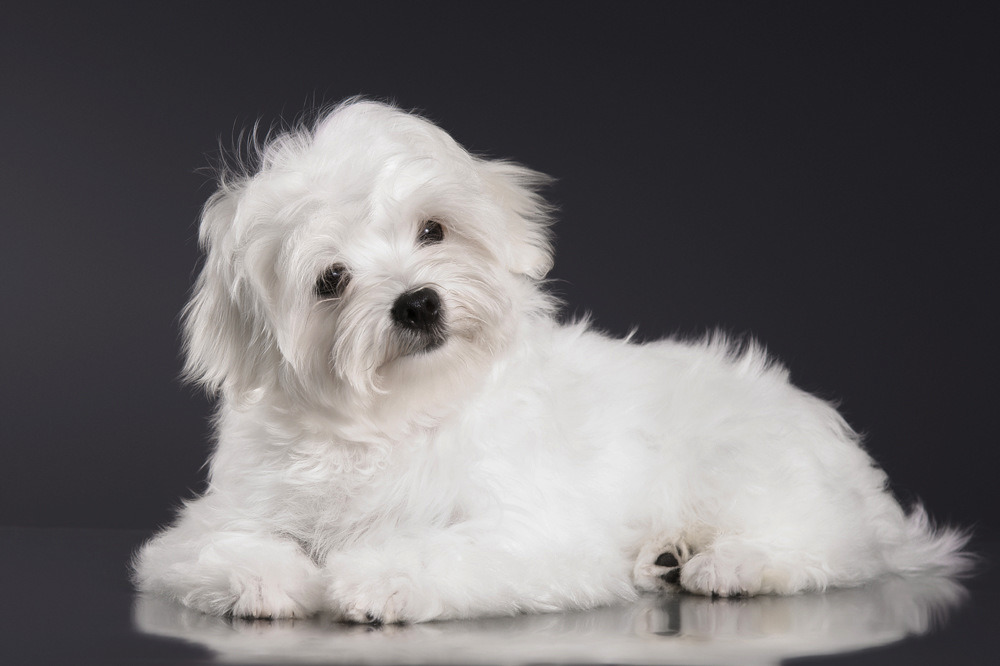
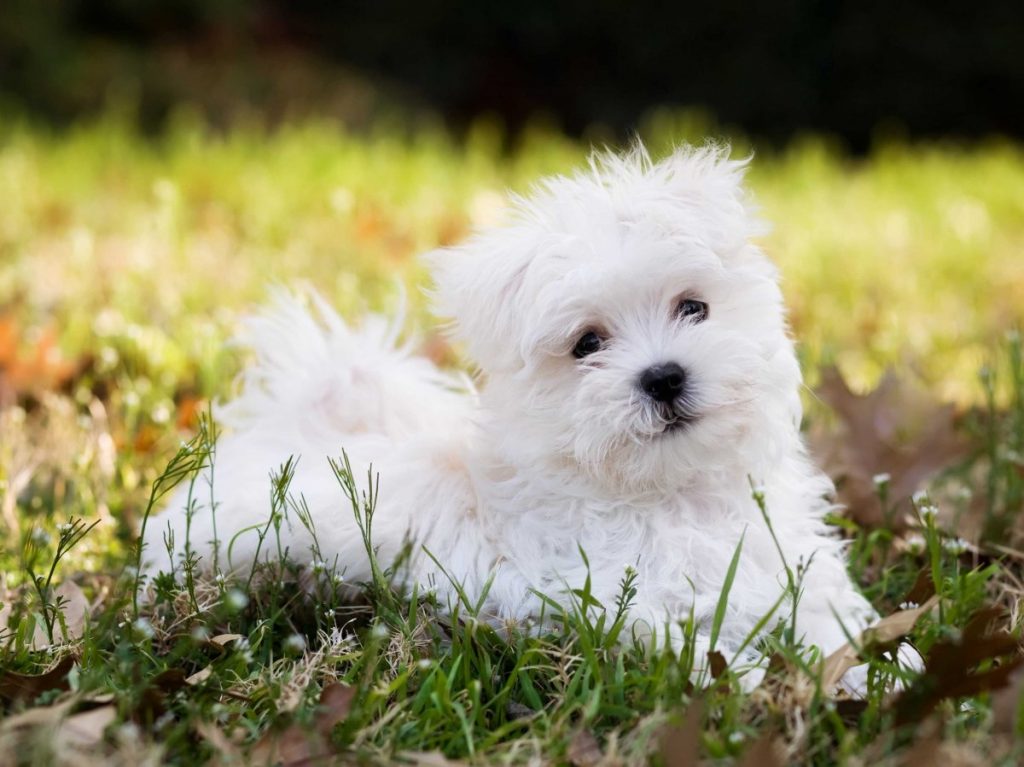
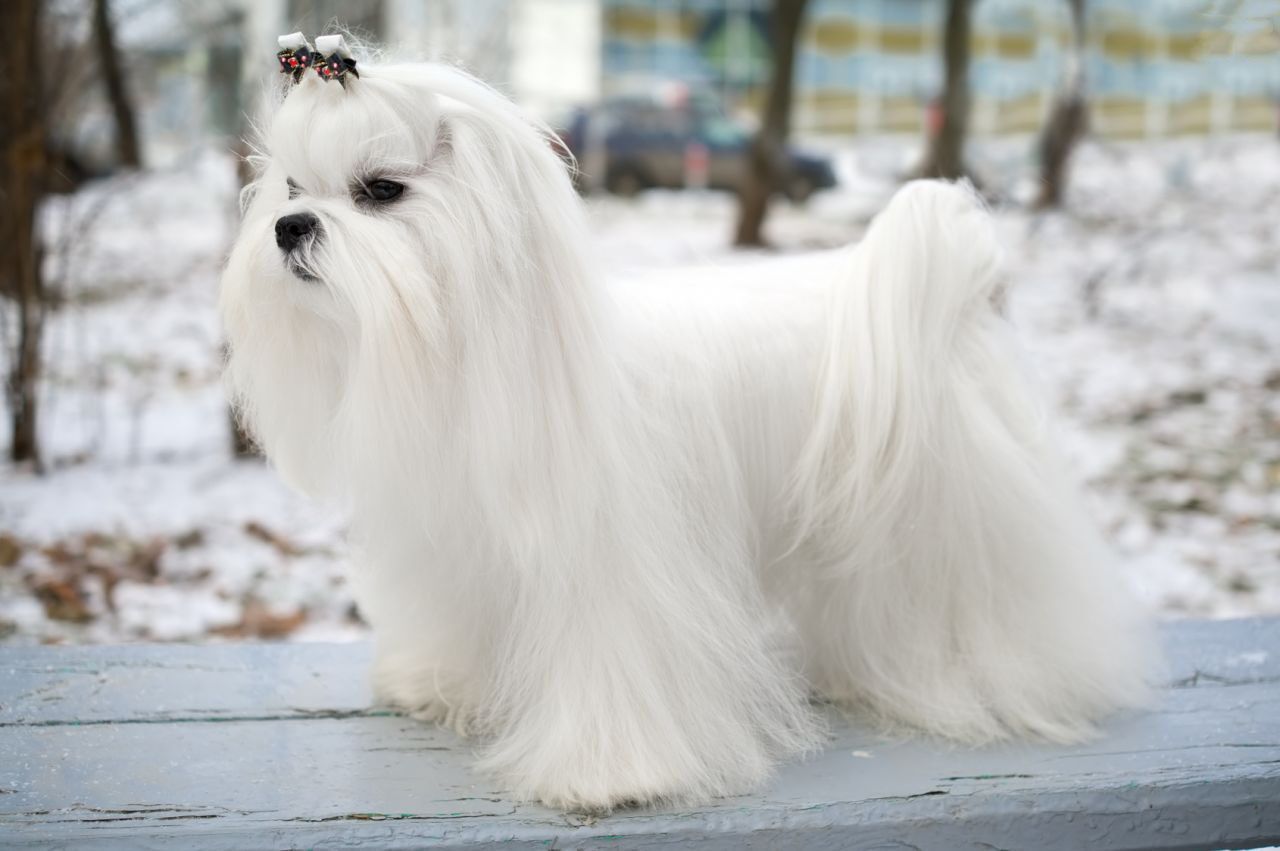
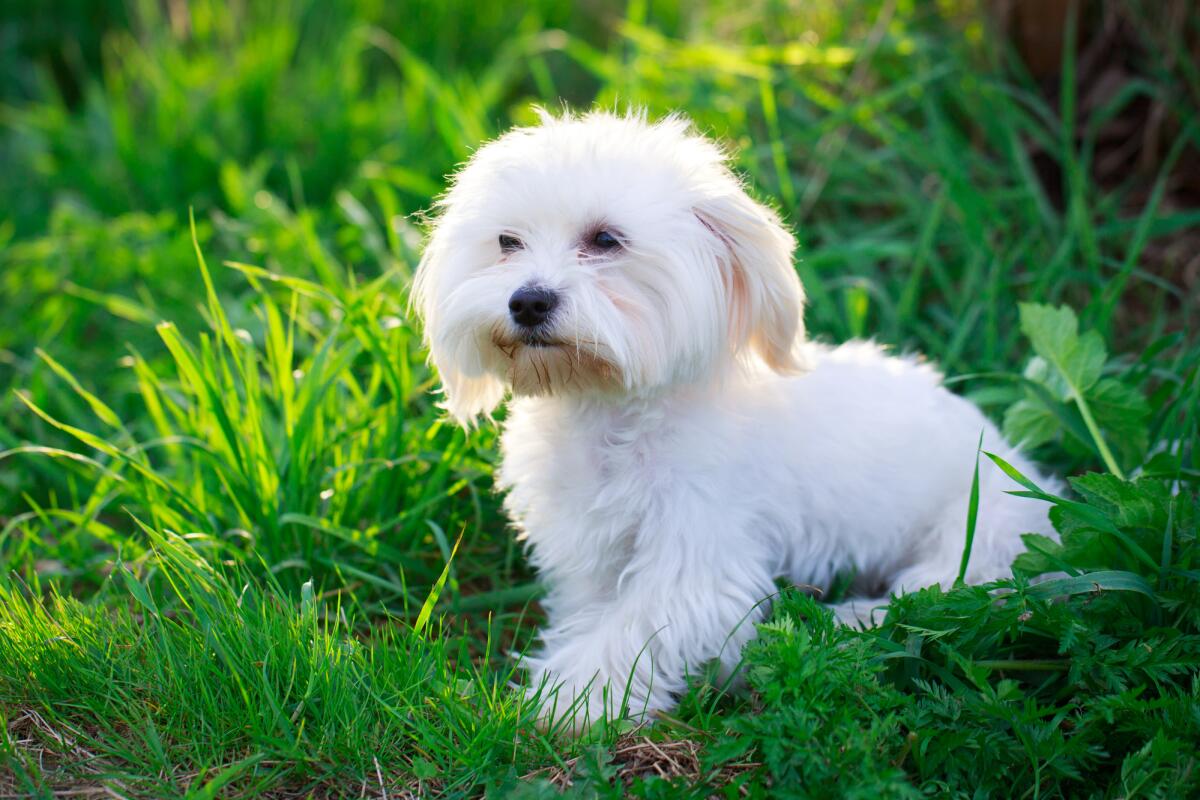
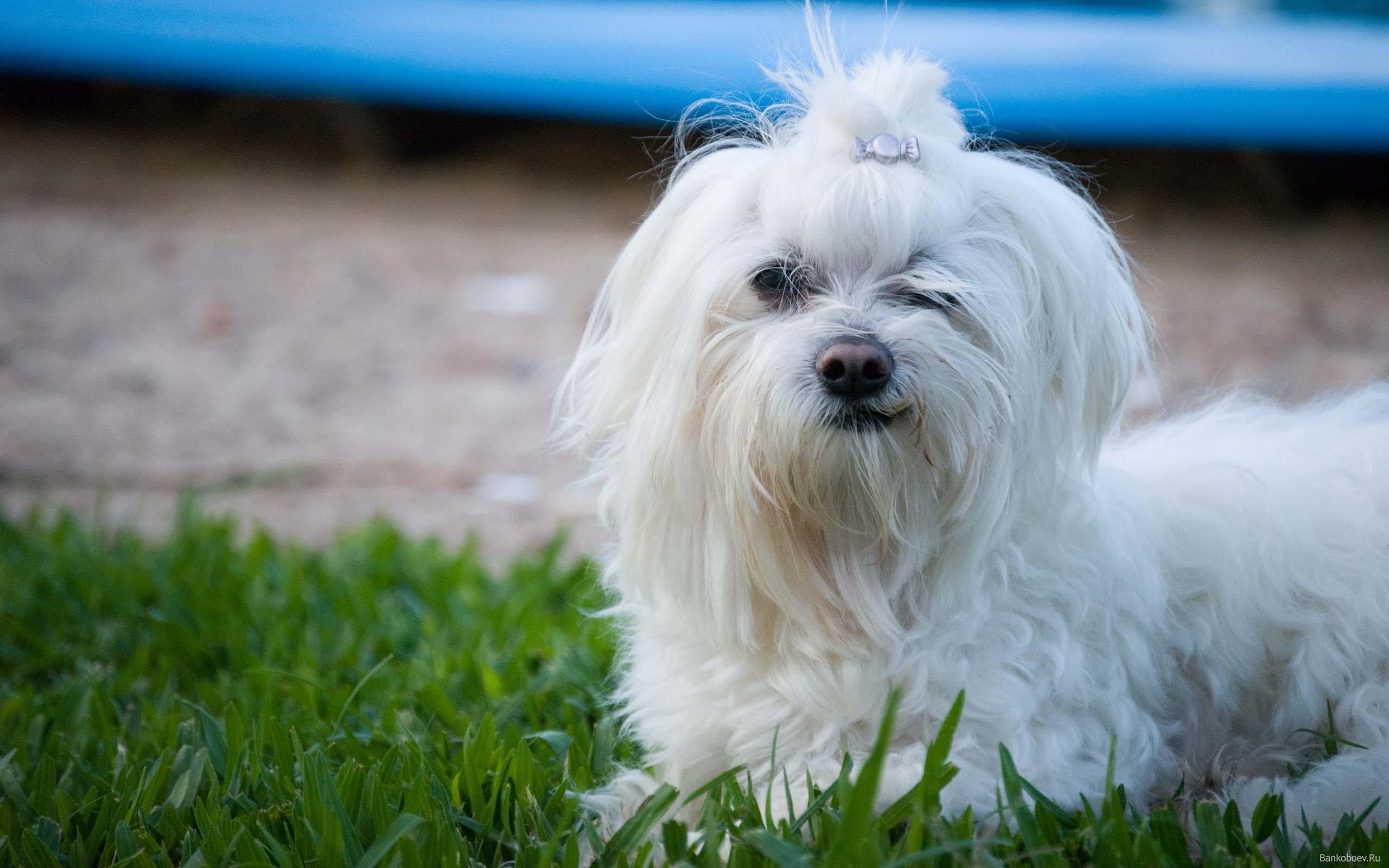
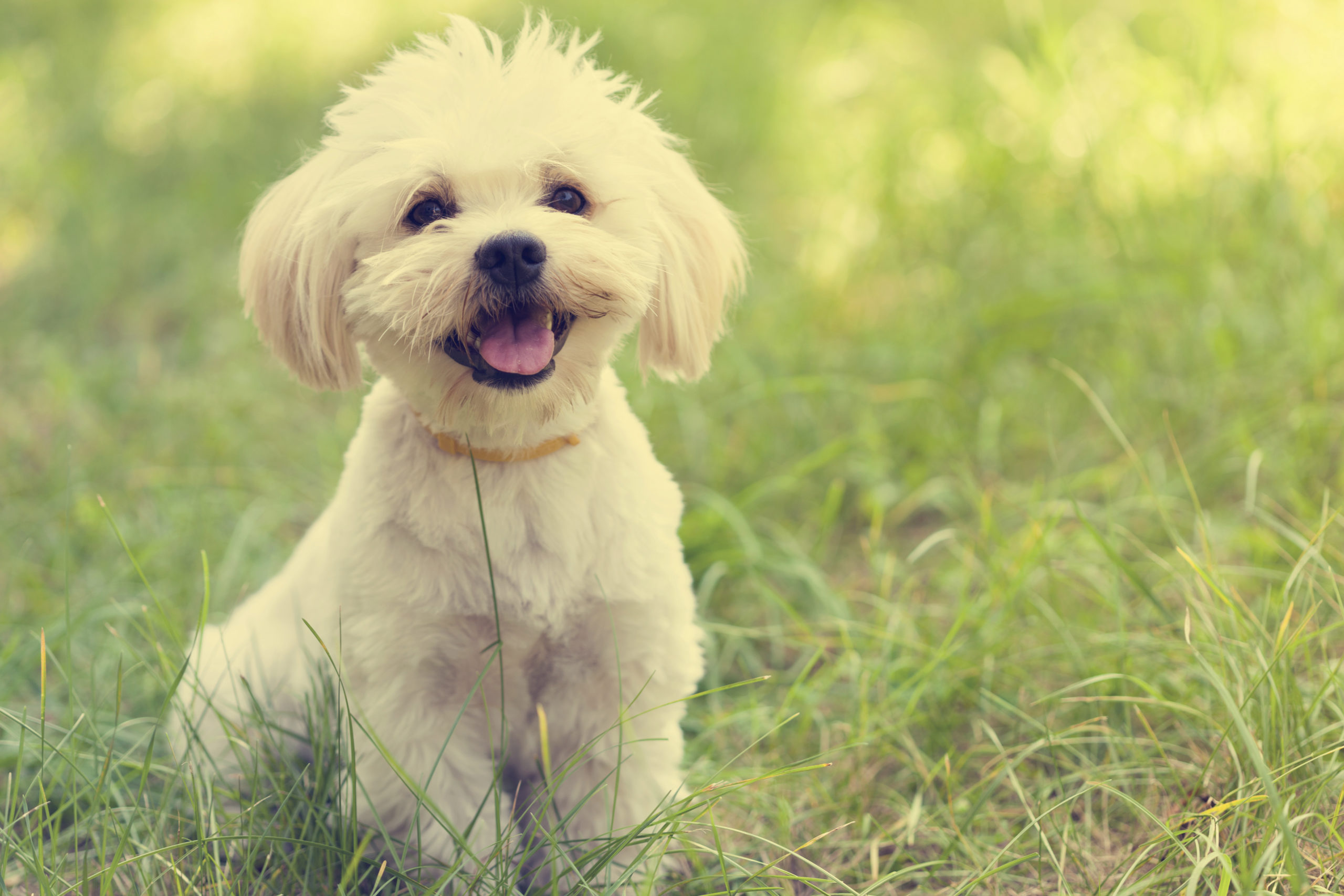
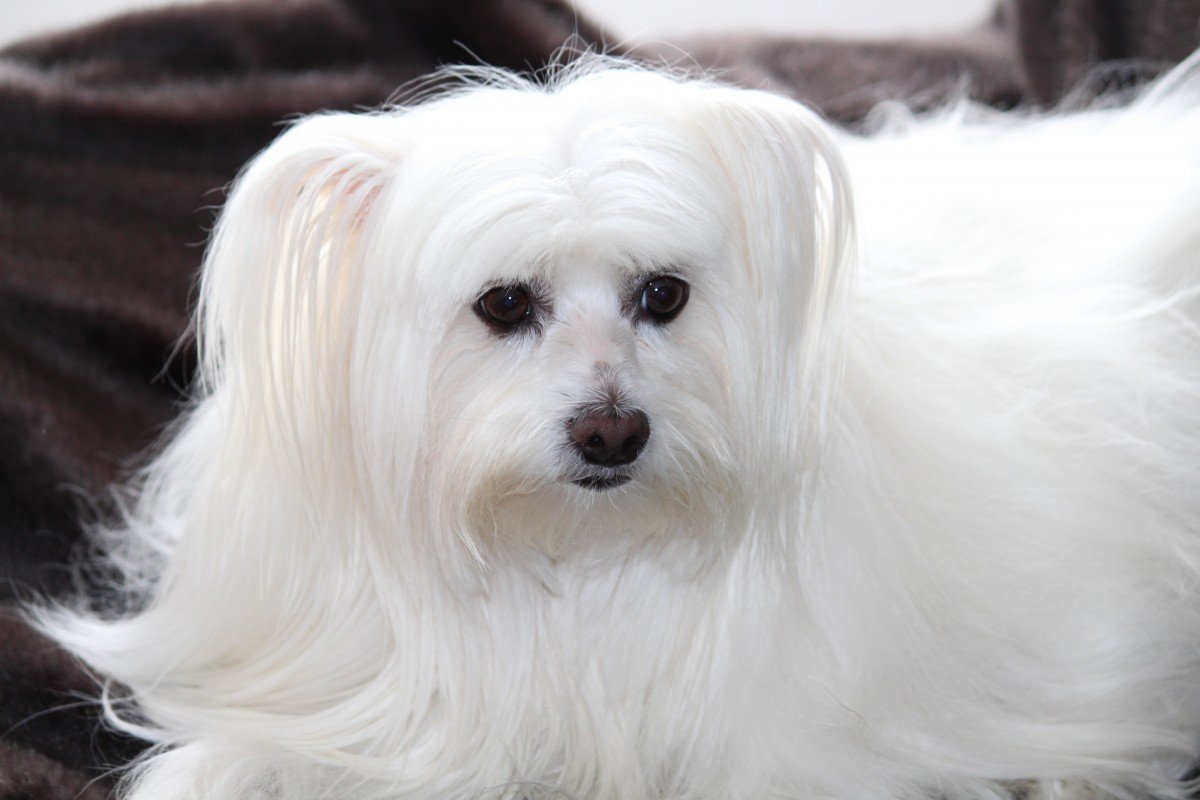
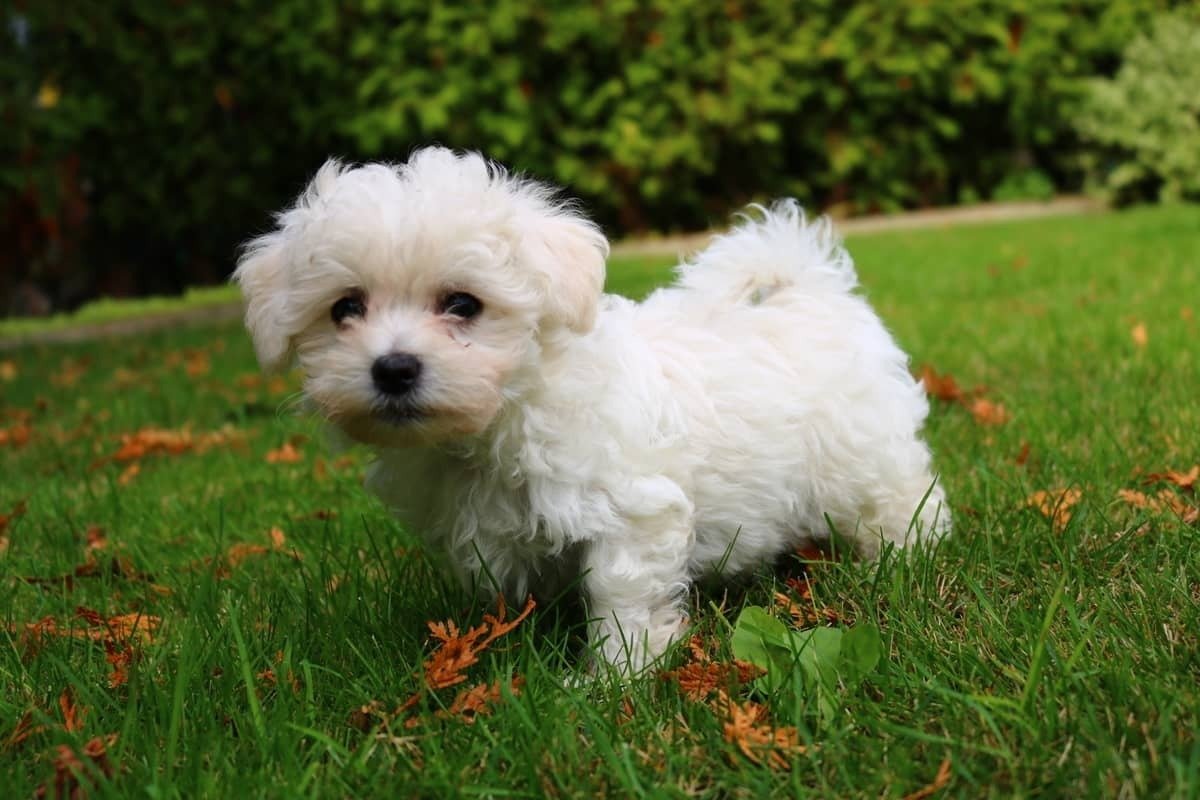
The Maltese is a very small dog with short legs and long, silky, snow-white fur.
The Maltese has a compact, athletic body structure, small floppy ears, and a plume-like tail that curls up over its back.
By the time Maltese dogs reach adulthood, their white locks become silky and smooth, requiring daily brushing along with regular baths to maintain their regal appearance.
They are smart and alert decorative dogs. Despite their size, they are lively and cheerful, enjoying plenty of time with their families. They are happy and brave, making them wonderful pets that can be great family dogs.
The Maltese stands at a height of 21 to 25 centimeters at the shoulder for males and 20 to 23 centimeters for females. Accordingly, their weight ranges from 3 to 4 kilograms.
With proper care, Maltese dogs can live 15 years or more.


Отличительные черты

Голова

Морда

Уши

Глаза

Зубы

Корпус

Конечности

Хвост

Шерсть

Окрас
Character
The Maltese is a trained companion for humans. Unlike small terriers, which were recently reclassified from working dogs to companions, the Maltese has been known for its role as a companion dog for thousands of years. The breed standard describes its character as: “Lively, affectionate, very calm, and very intelligent.” These animals are designed to live for and with us. A delightful dog, smart, curious, and intelligent, constantly surprising us and bringing smiles. However, one should not underestimate the agility of these dogs. Experience shows that Maltese excel in trick training. Nevertheless, they are not overly active. Maltese have a cheerful disposition and are always ready to play. This breed is perfect for novice dog owners.
Maltese can be wonderful companions for both city living and apartment life. They love daily walks outdoors, which helps them feel comfortable and express their balanced and friendly nature. By nature, they are incredibly easy to care for, especially when they have caring owners and a bit of variety in their activities. The only thing to remember is regular grooming of their coat. Though they do not shed, it should be brushed regularly to prevent matting and excessive dirt buildup.
The Maltese is an ideal choice for a family. They get along well with children and can be great play partners. However, it’s important to teach children to respect the dog as a partner, not as a toy. Maltese thrive in the hustle and bustle of city life and are suitable for both large and small families. No daily work routines or intensive activities are required for them to feel happy in the company of their owners.
However, despite their charming and friendly nature, Maltese need regular training. Their smart and obedient temperament can make them ideal for training, but it’s necessary to invest time and effort in their upbringing from an early age. Early socialization also plays a crucial role, helping them learn to manage their emotions in the presence of others.
In summary, the Maltese is a wonderful choice for a family, bringing many joyful moments and the promise of a long and happy life together.

Always at the king's court.
The Maltese was unanimously recognized in the palace by many royal figures and nobility. Emperors and kings adored these fluffy creatures not only for their doll-like appearance but also for their developed intelligence.Care and Maintenance
As Maltese dogs were originally bred as companion animals, they prefer to live indoors. They enjoy being close to their family and love participating in family activities. Despite their typically gentle expression, they remain alert and attentive dogs!
Caring for their coat requires weekly brushing and grooming, especially during shedding periods when daily attention is necessary. Their beautiful, almost non-shedding fur needs regular maintenance and brushing to stay healthy and clean. Bathing occasionally helps keep their coat in good condition, as they tend to get dirty quickly. This not only helps the dog get rid of excess fur but also prevents overheating, particularly in warm weather.
Maltese dogs are very unpretentious regarding food and do not have any special dietary requirements. However, their thick coat can lead to overheating, so they need access to plenty of fresh water, especially in hot weather.
Caring for Maltese dogs does not require significant effort. It’s important to regularly trim their nails to avoid painful issues and check their ears for infections. Make grooming a pleasant activity by rewarding them with treats, and you’ll lay the groundwork for easy veterinary check-ups and other care routines as they age.

Safe for allergy sufferers.
Despite having a rich woolly coat, the Maltese Bichon is surprisingly considered a hypoallergenic breed. So even if you have a sensitivity to fur, you can confidently interact with this lovely little creature.Training and Education
The Maltese, with its intelligence and loyalty, is an excellent candidate for successful training and education. These energetic yet gentle dogs are eager to learn, especially when the process is based on positive methods and incentives.
Given their tendency to be sensitive to their owner’s mood, training Maltese should focus on a gentle and patient approach. Positive reinforcement, such as praise, affection, and treats, works best when training this breed.
It is important to start training at a young age to establish proper behavior patterns. Begin with basic commands like “sit,” “lie down,” “stand,” “fetch,” and “place.” Gradually, you can introduce more complex commands and tricks, such as “shake hands,” “vertical sit,” or “crawl.”
Socializing Maltese with other dogs and people early in their lives is also beneficial. This helps them become confident and friendly in various situations and environments. Interestingly, cats can become their playmates! It’s important to monitor their behavior around new people, as they may exhibit aggression. Regular training and encouragement will help them learn how to behave appropriately in different situations.
In addition to basic commands, it’s essential to teach Maltese rules of proper behavior at home, such as toilet training outdoors and discouraging furniture chewing. With consistency and patience, a Maltese will become an obedient and delightful companion, ready to follow your commands and delight you with its intelligence and loyalty. Zooinika offers puppies with pedigree and health guarantees.
Circus performers
Maltese dogs are incredibly smart with a high level of intelligence, which is why they are often seen in circuses performing. Trainers choose them for their ease of training.
How to Choose a Puppy
Choosing a Maltese puppy is an important and responsible step that requires careful consideration and attention to several key points.
The first step is to study the characteristics of the Maltese breed. Understanding their typical behavior, care requirements, potential health issues, and personality traits will help you determine if this breed fits your lifestyle and expectations.
Equally important is finding a reputable breeder. Look for a breeder with a good reputation who specializes in the Maltese breed and follows ethical breeding practices. Stay in touch with several breeders, ask them questions, and visit their facilities to evaluate the conditions in which the dogs are kept and their behavior.
It’s essential to observe the environment where the puppies and their parents are raised. Puppies should appear healthy, active, and well-socialized. Their parents should also be in good physical and emotional condition. If possible, ask the breeder to show you the puppy’s parents. This will give you a sense of what the future characteristics and appearance of your puppy might be.
Spend time with the puppies, watch their behavior and interactions with each other and with you. Choose a puppy that seems the most social, curious, and suited to your personality and lifestyle.
Also, ensure that the breeder provides all necessary documents confirming the puppy’s lineage and health, such as veterinary certificates, pedigree papers, and vaccination records. Be sure to sign a contract with the breeder that clearly outlines the terms of sale and the rights of both the buyer and the seller.Remember, choosing a puppy is a long-term commitment, so take your time and carefully consider all aspects of your choice. Looking for a puppy? Check Zoonik for trusted breeders with proper documentation.
Health and Illnesses
Maltese dogs are known for their excellent health and longevity, but like all breeds, they can encounter certain health issues. Here are some of the most common diseases and health aspects to consider.
Genetic Diseases. Maltese dogs may have some breed predispositions to specific conditions, such as eye disorders, allergies, heart disease, joint pain, and respiratory problems. It’s important to get a puppy from a reputable breeder who cares about the health and genetics of their dogs.
Eye Problems. Maltese dogs may be prone to various eye issues, such as distichiasis (abnormal eyelash growth) or chalazion (inflammation of the meibomian glands). Regular veterinary visits can help detect and treat these problems early on.
Allergies. This breed may suffer from allergic reactions to food, insects, pollen, and other allergens. If a dog shows symptoms of allergies like itching, rashes, or digestive issues, it’s important to consult a veterinarian to identify the source of the allergy and find appropriate treatment.
Respiratory Problems. Due to their small size, Maltese dogs may be more susceptible to breathing issues, such as tracheal collapse, especially during excitement or physical exertion. Regular physical check-ups and consultations with a veterinarian will help monitor their respiratory health and catch any issues early.
Anxiety and Stress. Maltese dogs can often suffer from anxiety and stress, especially when separated from their owners or during changes in their environment. It’s crucial to provide them with plenty of attention, care, and a cozy resting place to reduce stress levels and maintain their emotional well-being.Regular veterinary visits, proper nutrition, moderate physical activity, and attentive care will help keep your Maltese dog healthy and happy throughout their life.
Содержание
-
1. Описание породы
-
2. Внешний вид
- 2.1 Голова
- 2.2 Морда
- 2.3 Уши
- 2.4 Глаза
- 2.5 Зубы
- 2.6 Корпус
- 2.7 Конечности
- 2.8 Хвост
- 2.9 Шерсть
- 2.10 Окрас
-
3. Характер
-
4. Содержание и уход
-
5. Дрессировка и обучение
-
6. Как выбрать котенка
-
7. Здоровье и болезни






Comments
Only registered users can leave reviews.
Enter