

Mallorcan Sheepdog





Warning: Illegal string offset 'label' in /home/panda/sites/zoonika/wp-content/themes/zoonika/template-parts/animals/animals-param-item.php on line 32
Ð


Breed Description
The Majorcan Shepherd, also known as Ca de Bestiar, has a rich history rooted in the Mediterranean, with origins linked to the Balearic Islands, especially Mallorca. This breed developed as a result of the long evolution of local shepherd dogs that adapted to the climate and terrain. It is believed that its ancestors may have arrived on the islands in ancient times when dogs were brought from the Iberian Peninsula and other regions of Europe. Ca de Bestiar, which translates from Catalan as “herding dog,” was initially used to guard livestock and farmland. Originally, this breed was characterized by endurance and adaptability, which were vital in Mallorca’s arid climate. The dogs protected sheep from predators and safeguarded farmers’ property from thieves. Due to their strength and ability to work independently, Ca de Bestiar gained a reputation as a reliable and loyal guardian. Additionally, they were used in fighting arenas, which further shaped the breed’s traits of courage and fearlessness. However, despite this tough aspect, the dogs remained devoted and affectionate towards their owners. During conquests and trade relations between Mallorca and other r
Appearance
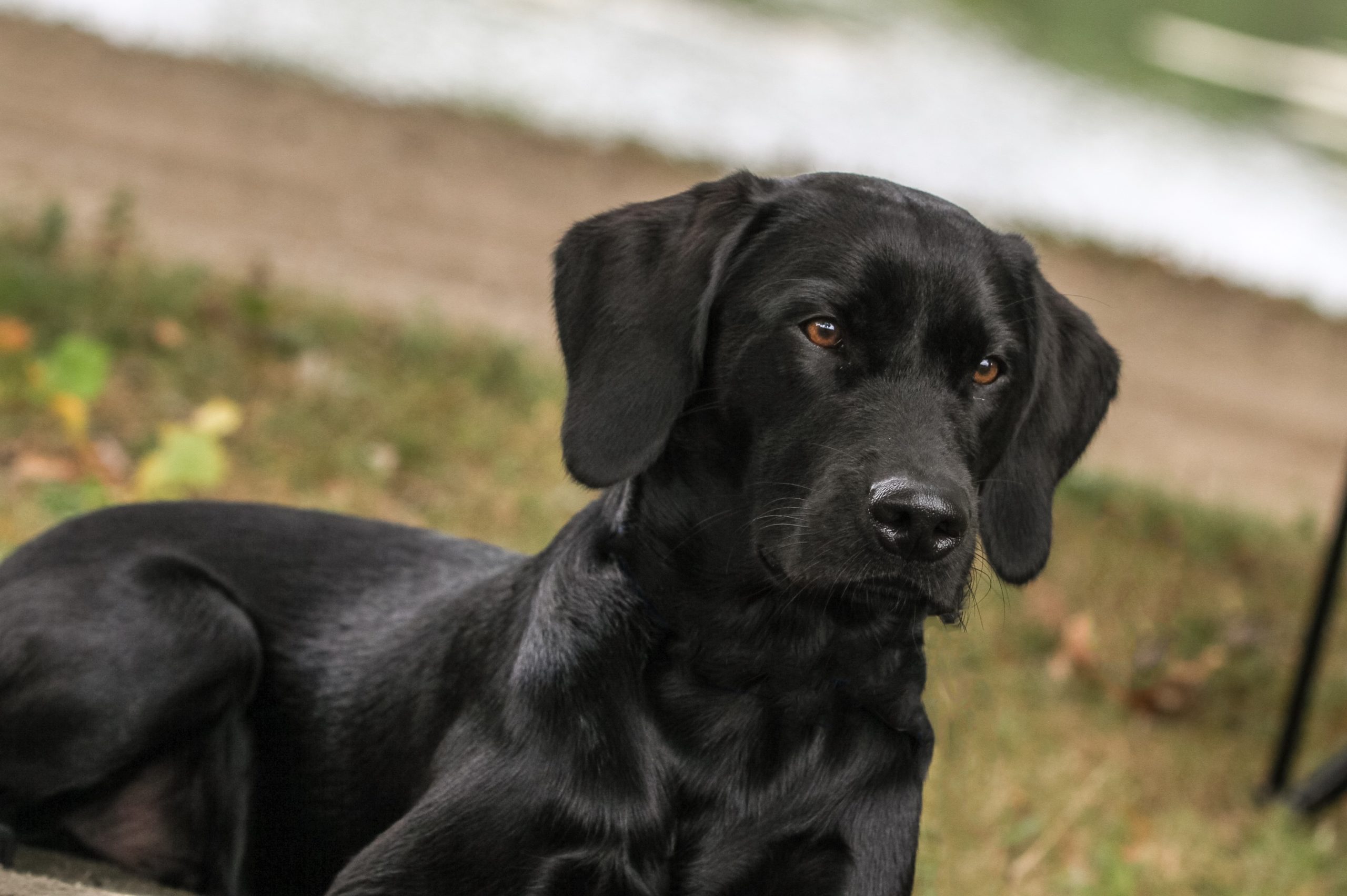
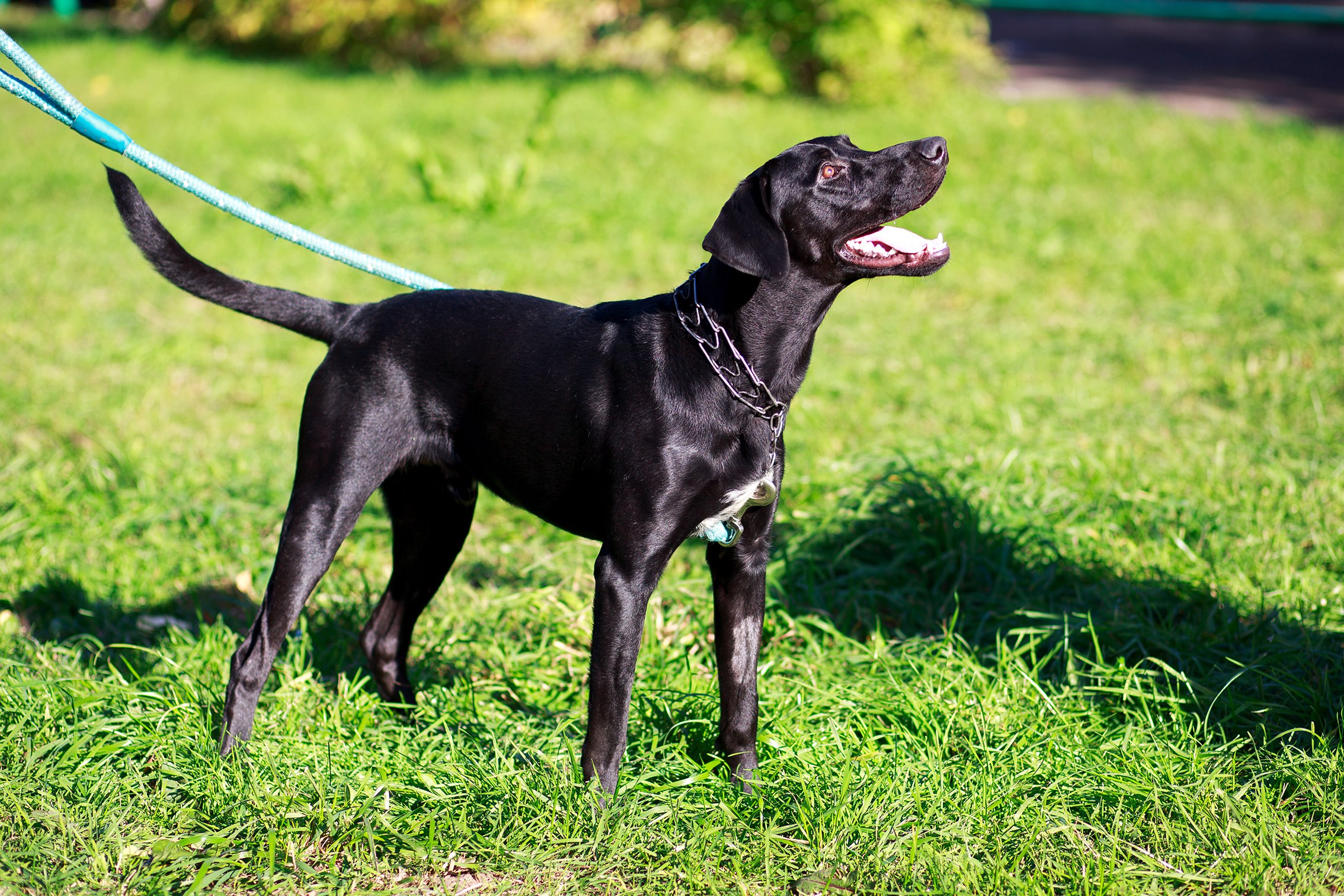
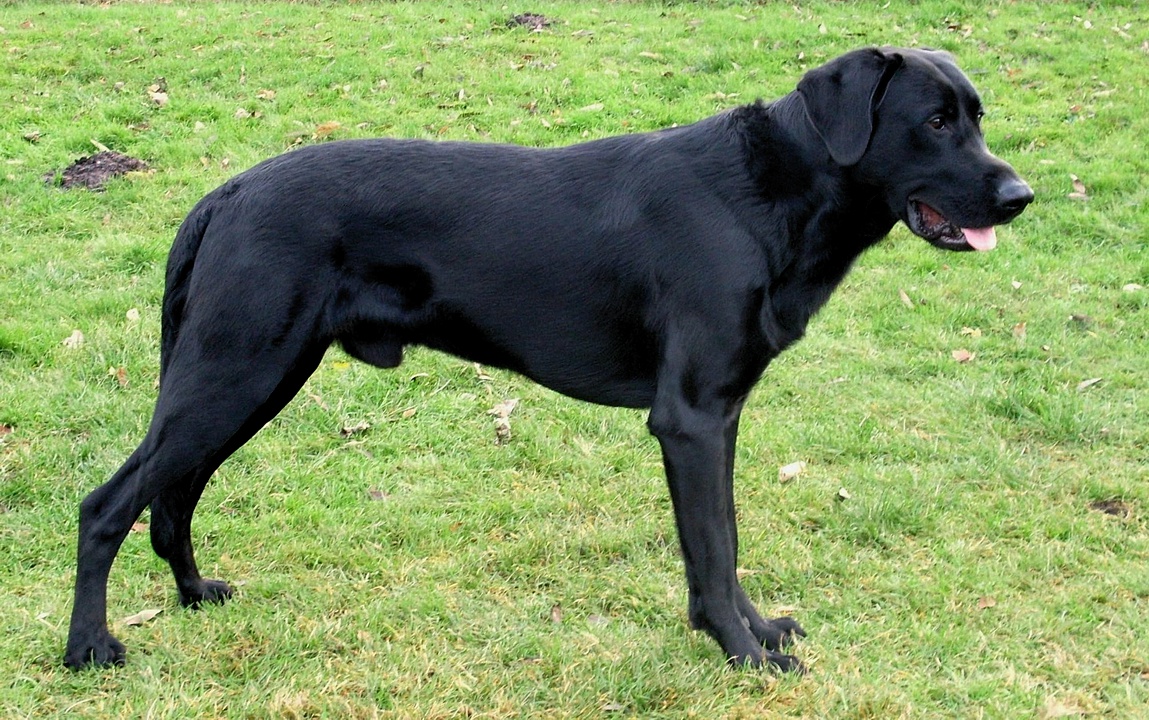
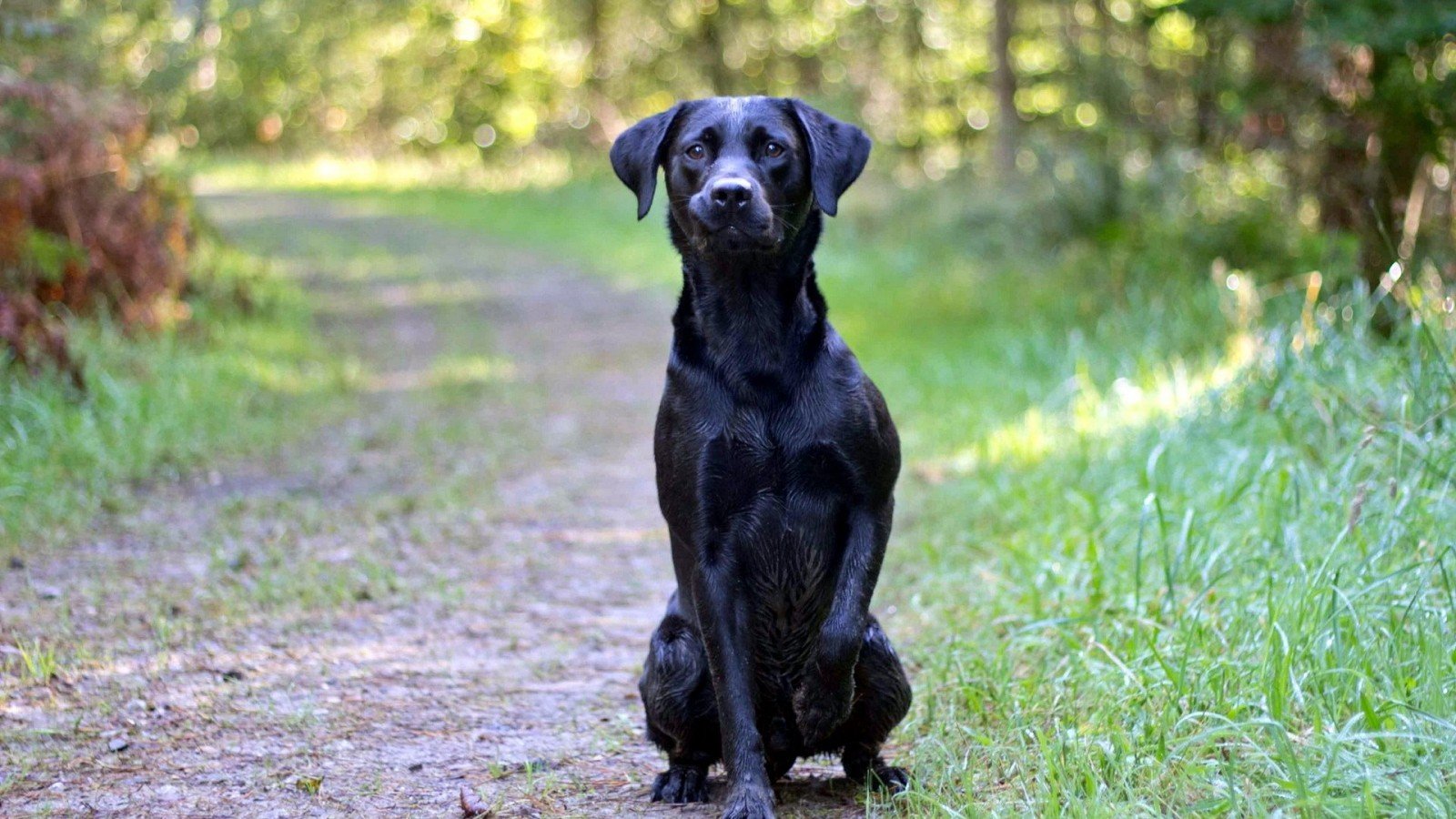
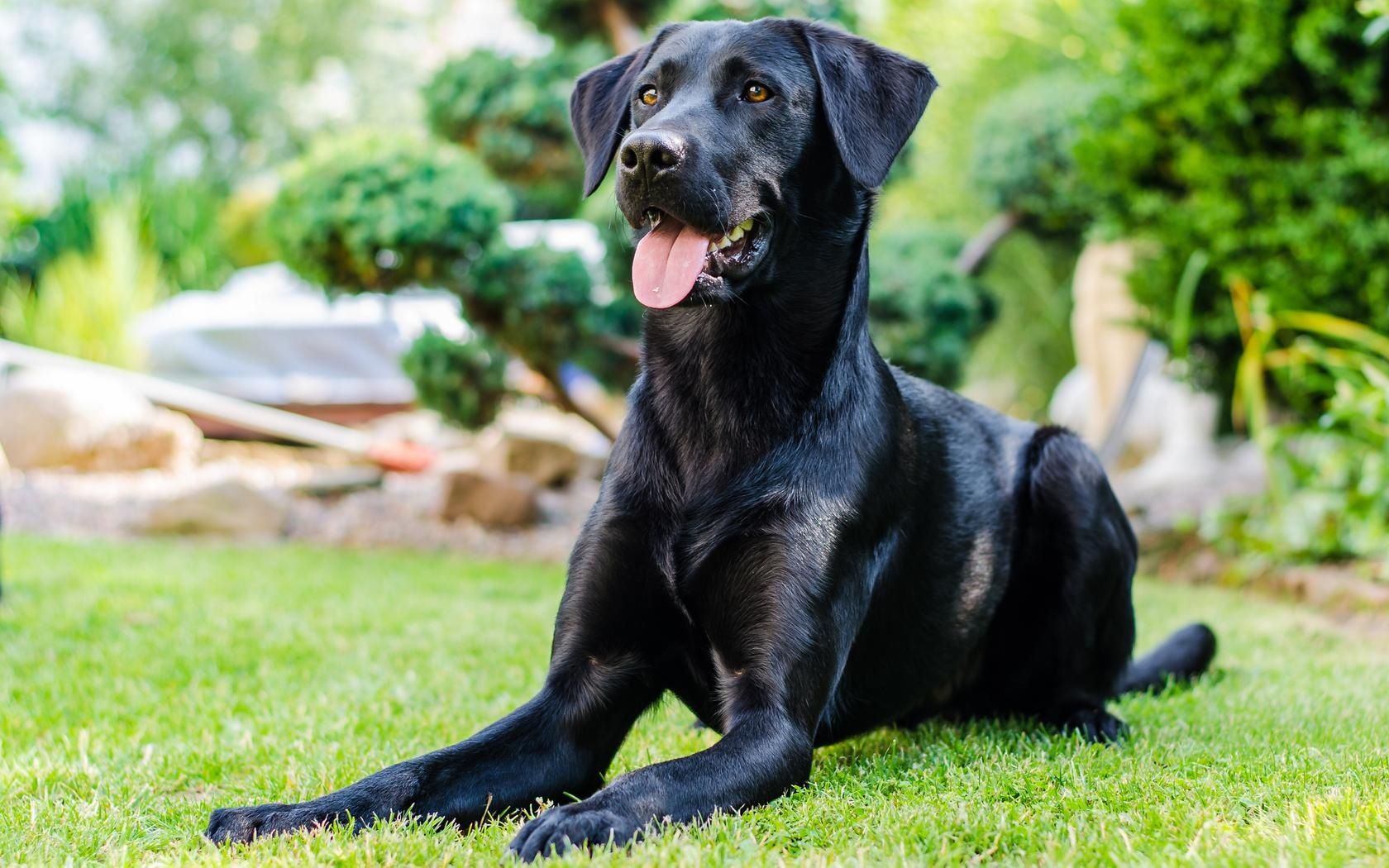
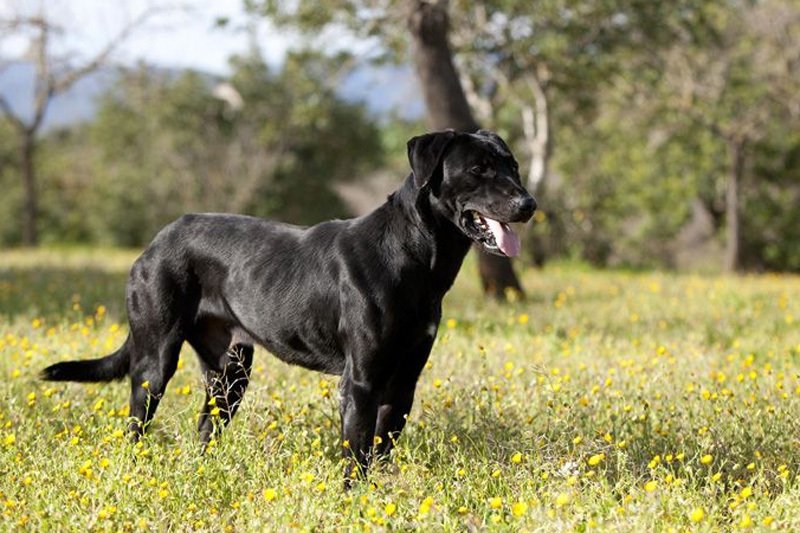
The Majorca Shepherd is a large, strong, and harmoniously built dog that immediately attracts attention with its impressive yet elegant appearance. Its body is muscular, with clearly defined lines and proportions well-suited for working in challenging conditions. The chest is deep, and the back is straight and sturdy, emphasizing the breed’s endurance. The overall look of the dog conveys strength and confidence while retaining a certain lightness of movement, allowing it to be agile and nimble.
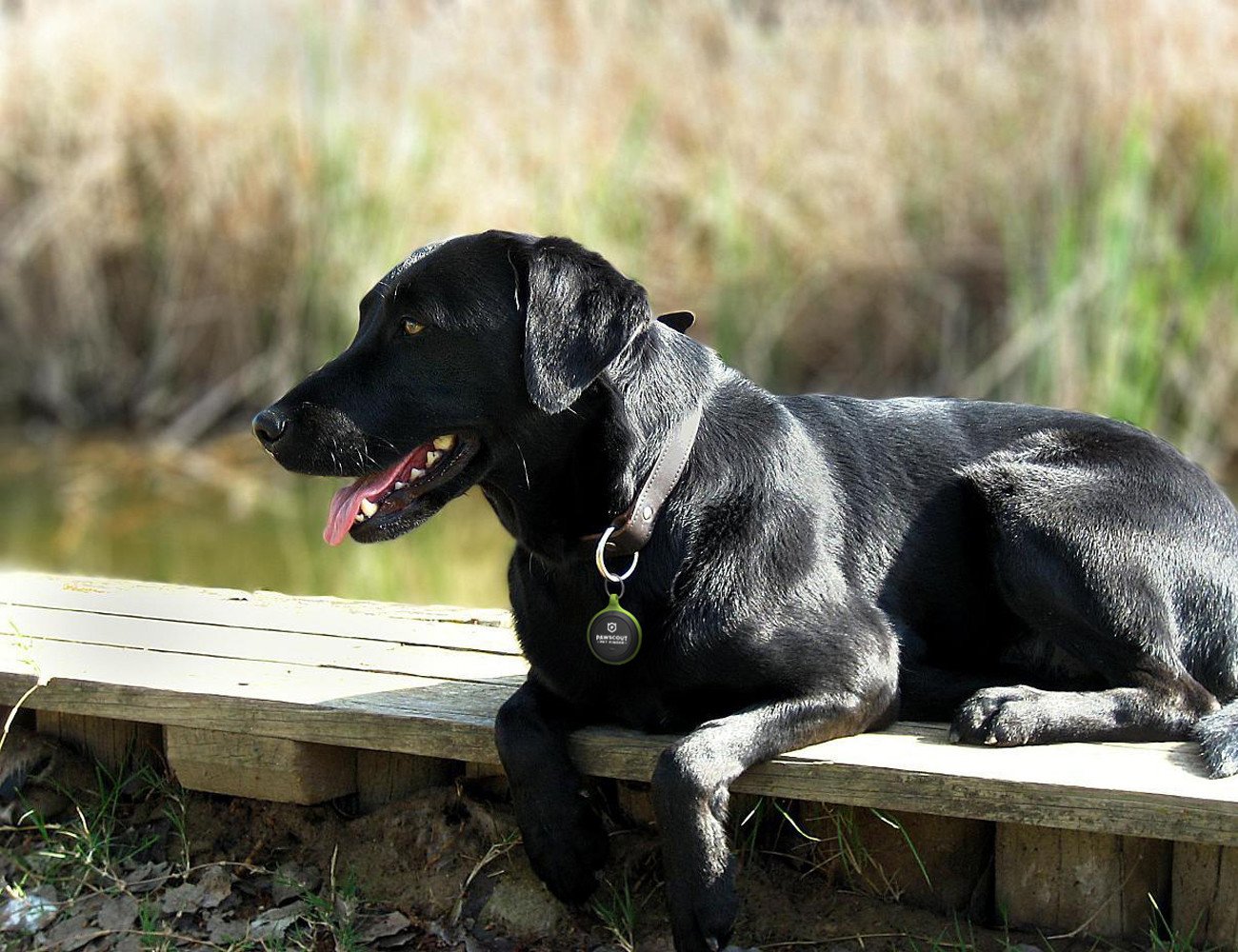
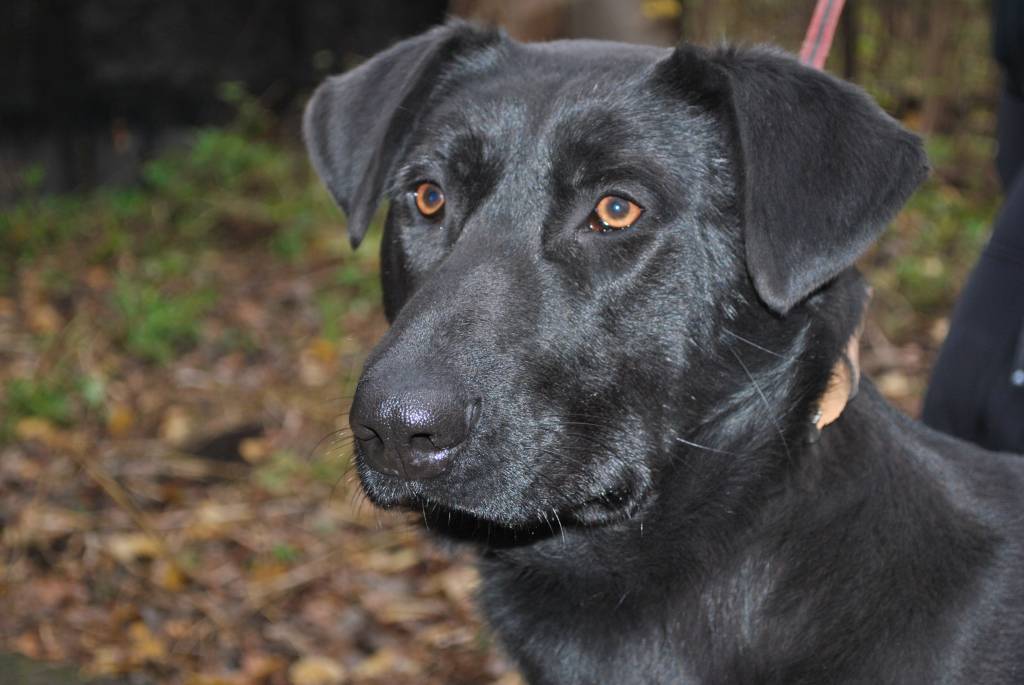
The coat is short, dense, and shiny, fitting closely to the body, which provides protection against adverse weather conditions and requires minimal grooming. The color is most often completely black, giving the dog a strict and imposing appearance. Occasionally, individuals with small white markings on the chest or paws can be found, which is also acceptable according to the breed standard.
The average height of the Majorca Shepherd ranges from 58 to 66 cm at the withers for males and 55 to 62 cm for females. The weight usually varies from 35 to 40 kg, making it quite large but not too heavy to maintain activity and endurance. The lifespan of the Majorca Shepherd is around 10 to 13 years, and with proper care, it can remain active and healthy into old age. This appearance perfectly reflects the breed’s character: strength, resilience, and readiness to protect its family.


Отличительные черты

Голова

Морда

Уши

Глаза

Зубы

Корпус

Конечности

Хвост

Шерсть

Окрас
Character
The Mallorcan Shepherd has a balanced yet confident character, shaped by its historical role as a guardian and protector. It is an independent and determined dog that shows incredible loyalty to its owner and family. Its main trait is vigilance: it is always observant of its surroundings and ready to react instantly to any potential threat. Despite its natural wariness, the Mallorcan Shepherd is not prone to excessive aggression and acts thoughtfully, making it an excellent watch dog.
Within its family, this dog exhibits tenderness and patience. It gets along well with children, demonstrating protective instincts and care, while remaining calm and unobtrusive. The Mallorcan Shepherd seeks close contact with its owner, values attention, and strives to be helpful. With proper socialization, it can also coexist with other animals, although its guarding instinct may manifest in attempts to dominate.
This breed requires activity and tasks that allow it to express its natural abilities. The Mallorcan Shepherd loves long walks, runs, or engaging in work related to guarding or accompanying. Without sufficient physical and mental stimulation, the dog may become bored, sometimes leading to destructive behavior. Its intelligence demands constant interaction, training, and task execution, making obedience training an essential part of life with this breed.
The Mallorcan Shepherd values stability and consistency in its daily routine, disliking chaos and prolonged solitude. It is highly attuned to its owner’s mood but may show stubbornness if it believes its actions are justified. This breed is best suited for people who are willing to dedicate enough time to its upbringing, ensuring an active and fulfilling life. The Mallorcan Shepherd embodies independence, intelligence, and incredible attachment to its family, making it not only an excellent guardian but also a loyal friend.
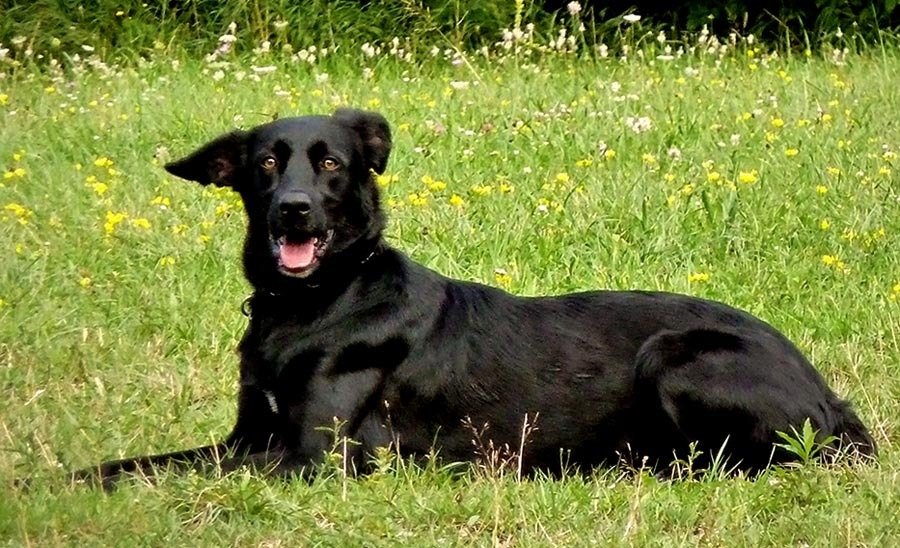
Heroic past
The Mallorcan Shepherd, also known as Ca de Bestiar, has a magnificent history as a war dog used in combat on the Balearic Islands. Their bravery, endurance, and loyalty have made them valuable assistants to fishermen and hunters, and later, guardians and family companions.Care and Maintenance
The Majorca Shepherd does not require complicated care, but its natural strength, activity, and short coat impose certain specific needs in terms of care. The primary focus should be on its physical and mental needs. This breed loves active walks, running, and tasks related to guarding or training. Daily physical activities are a necessary part of caring for a Majorca Shepherd. Without sufficient exercise, the dog may become bored and exhibit destructive behavior.
The Majorca Shepherd has a short, close-fitting coat that needs to be brushed once a week with a rubber brush or soft comb to remove dead hair and maintain shine. Bathing should only be done when necessary, as frequent baths can dry out the skin. It is important to regularly check the ears, as their shape tends to accumulate dirt, which can lead to infections. The eyes and teeth also require attention: cleaning the eyes of discharge and regular teeth brushing can help avoid unpleasant problems. Nails should be trimmed as needed if they do not wear down naturally.
This breed loves stability and respectful treatment. The Majorca Shepherd appreciates being addressed confidently yet calmly, avoiding shouting or harshness. It responds well to affection and attention, and its emotional bond with its owner makes spending time together an important part of its life. However, the dog does not like prolonged solitude, as it becomes strongly attached to the family. It needs close contact with people and opportunities to participate in their lives.
The Majorca Shepherd dislikes monotony and boring activities. It quickly loses interest in repetitive commands or monotonous training, so training and play need to be varied. Excessive hustle or instability in the home is also unsettling for it, as it values a calm and understandable atmosphere. With the right approach, this dog remains healthy, active, and devoted, bringing joy to its owners and becoming a reliable protector of the family.
Loyal friends and defenders
Even outside their homeland, the Majorcan shepherd dog remains a loyal and protective partner to its owner. They show a high degree of devotion and adapt well to their family and home environment. These dogs are capable of learning and, thanks to their guarding instincts, are perfectly suited for the role of protector and companion.Training and Education
The Majorca Shepherd is an intelligent but independent dog that requires a confident and consistent approach to training. Its natural self-reliance can sometimes turn into stubbornness, so it is important to start training at an early age when the puppy is most open to new knowledge. Training should be based on a clear and understandable system of rules, while positive reinforcement in the form of praise, treats, and encouragement for correct actions helps build trust and motivation.
This breed values firmness but does not tolerate roughness. Harsh methods, shouting, or punishment will only undermine its trust and make training more difficult. The Majorca Shepherd responds better to respectful treatment and a calm, confident tone. Its natural intelligence allows it to quickly master commands, especially when related to guarding tasks, companionship, or physical activity. It enjoys training that requires logic and activity, so incorporating game elements into training will make the process more productive.
The dog chooses an owner who exhibits confidence, consistency, and a willingness to spend time on its upbringing. It seeks a strong emotional bond with the owner, who becomes its leader. The Majorca Shepherd obeys those who earn its respect through stability and fairness. It becomes attached to someone who cares for its needs, both physical and emotional, and demonstrates the ability to protect and guide.
This breed is best suited for active and experienced owners who understand how to work with independent dogs. It needs an owner who is ready to provide clear boundaries and tasks so that its natural guarding instincts and energy find the right outlets. With proper training, the Majorca Shepherd becomes a reliable, obedient, and loyal companion capable of protecting its family and fulfilling any assigned tasks. Zooinica unites certified breeders offering puppies with excellent pedigrees.
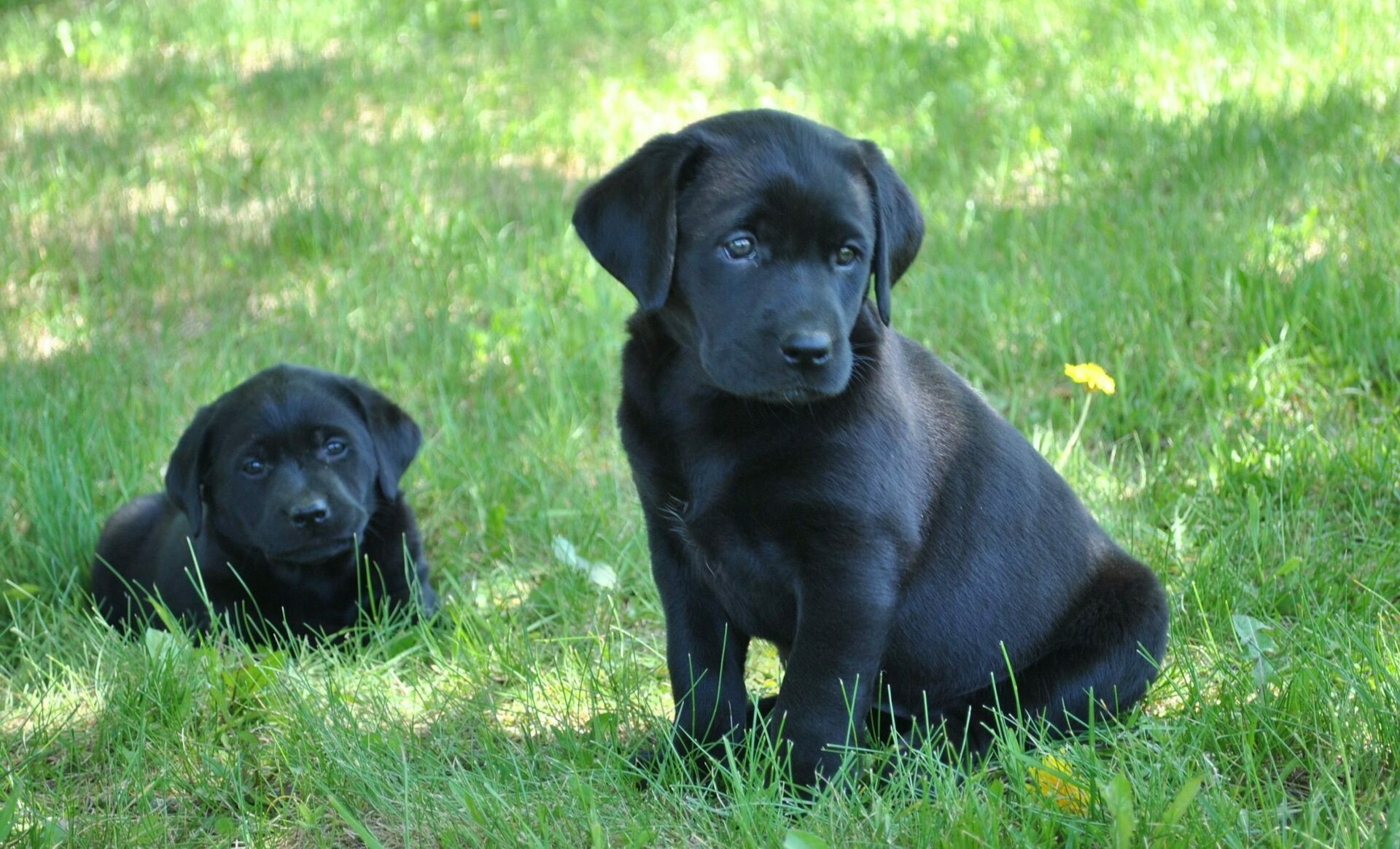
Unique memory
The Mallorcan sheepdog stands out for its unique memory. The dog is capable of remembering and distinguishing around a hundred commands.
How to Choose a Puppy
When selecting a Mallorca Shepherd puppy, it is important to approach the process carefully to ensure it grows healthy and meets breed standards. Start by finding a reliable kennel that specializes in breeding Mallorca Shepherds and has a good reputation. The breeder should provide complete information about the puppy’s parents, their pedigree, achievements, and health status. Inspecting the living conditions of the dogs is also a crucial step: puppies should be raised in cleanliness, receive adequate attention, and be properly socialized.
The puppy should be active, curious, and friendly. Pay attention to its behavior: a healthy puppy does not show excessive aggression or timidity, responds actively to sounds and movement. The coat should be shiny and clean, the eyes clear and free of discharge, ears clean, and skin without irritations. Be sure to evaluate the puppy’s movements: it should walk and run confidently, without any signs of limping.
The documents you need to check include the puppy’s registration certificate, which confirms its lineage and breed standard compliance. This document can later be exchanged for a pedigree. The pedigrees of the parents should also be reviewed: ensure there is no close inbreeding that could negatively affect health. Take note of the parents’ titles in exhibitions and the results of tests for genetic diseases.
The puppy’s veterinary passport should include records of initial vaccinations, deworming, and parasite treatments. This indicates that the puppy has been properly cared for from the first weeks of life. Ask the breeder whether tests for dysplasia and other hereditary diseases were conducted on the parents, which is important for large breeds.
A responsible breeder is always ready to answer questions about the breed and provide recommendations on upbringing, nutrition, and adaptation of the puppy. They should also be interested in ensuring the puppy goes to a reliable owner. Making the right choice of puppy, considering its health, temperament, and adherence to standards, guarantees that it will grow into a full-fledged representative of the breed and become a dependable companion. Zoonica is a site where you can find the best breeders with verified pedigrees.
Health and Diseases
The Majorca Shepherd is generally a healthy and resilient breed, but like other large dogs, it may be prone to certain hereditary or age-related diseases. One of the most common issues is hip and elbow dysplasia, which can lead to pain and limited mobility. This condition is associated with both genetics and excessive physical activity at a young age, making it important to monitor the puppy’s activity level and have regular veterinary check-ups.
Another breed-specific concern may be a tendency toward eye diseases, such as cataracts or progressive retinal atrophy. These conditions can impair vision or lead to blindness. Regular examinations by a veterinary ophthalmologist can help detect and prevent the progression of such issues. Additionally, Majorca Shepherds can be prone to allergies, which may manifest as skin irritations or digestive problems. Choosing high-quality food and avoiding contact with allergens can help minimize these risks.
The breed is susceptible to ear problems due to their shape, which can promote the accumulation of dirt and moisture, creating a favorable environment for infections. Therefore, regular ear cleaning and inspections are necessary. Furthermore, like other active dogs, a Majorca Shepherd may experience limb injuries, especially if it runs or works on challenging terrain frequently.
Obesity, caused by insufficient activity or poor diet, can exacerbate joint and heart problems. It’s important to monitor the dog’s diet, avoiding overfeeding, and to provide adequate physical exercise. The average lifespan of a Majorca Shepherd is 10 to 13 years, and with proper care, regular check-ups, and a balanced diet, they can remain active and healthy into old age.
Prevention, which includes regular vaccinations, parasite treatments, and timely veterinary visits, will help prevent most potential diseases. A caring approach to the dog’s condition and attention to its needs will ensure a long and happy life. Zooinika is the best place to reach a wide audience.
Содержание
-
1. Описание породы
-
2. Внешний вид
- 2.1 Голова
- 2.2 Морда
- 2.3 Уши
- 2.4 Глаза
- 2.5 Зубы
- 2.6 Корпус
- 2.7 Конечности
- 2.8 Хвост
- 2.9 Шерсть
- 2.10 Окрас
-
3. Характер
-
4. Содержание и уход
-
5. Дрессировка и обучение
-
6. Как выбрать котенка
-
7. Здоровье и болезни


Комментарии
Отзывы могут оставлять только зарегистрированные пользователи
Войти