
Lhasa Apso











Warning: Illegal string offset 'label' in /home/panda/sites/zoonika/wp-content/themes/zoonika/template-parts/animals/animals-param-item.php on line 32
Ð


Breed Description
The Lhasa Apso is an ancient breed with a history spanning over two thousand years, originating in the high-altitude monasteries of Tibet. These small yet resilient dogs were considered sacred and were often referred to as “lion dogs” due to their thick fur and bold nature. Lhasa Apsos served as guardians at temples and monasteries, tasked with alerting to the presence of unwelcome guests. Their keen hearing and vigilance allowed them to detect the faintest noise, while their loud and sharp bark caught the attention of larger Tibetan mastiffs, who fulfilled the main protective role.
The breed’s name is derived from the capital of Tibet-Lhasa-which was the spiritual and political center of the region. “Apso” translates from Tibetan as “bearded,” emphasizing the dog’s distinctive appearance with long, flowing hair. Lhasa Apsos were considered talismans of luck and happiness, as well as symbols of spiritual well-being. They were kept only in monasteries and among the nobility, as the breed was deemed too valuable to be entrusted to commoners.
The first mentions of the Lhasa Apso can be found in Tibetan legends and manuscripts, where they are described as “guardians of the soul.” It was believed that the souls of deceased lamas could reincarnate in these dogs until they completed their spiritual journey. This belief elevated the breed beyond mere guardians, making them sacred beings revered with special respect.
For a long time, the breed remained isolated from the outside world until the early 20th century, when Tibetan monks and noble families began gifting Lhasa Apsos to foreign guests as a sign of respect. The first dogs arrived in England and the USA. A pivotal moment for the breed’s popularity came in 1930 when the 13th Dalai Lama gifted several Lhasa Apsos to a friend in America. This gesture not only introduced the unique qualities of the breed to the Western world but also became a symbol of cultural exchange.
Today, the Lhasa Apso maintains a connection to its rich spiritual past. They symbolize loyalty, vigilance, and calmness, embodying the qualities of a reliable companion and a refined protector. This breed continues to draw attention for its character, intelligence, and unique history, making it one of the most esteemed dogs in the world.
The price for a puppy ranges from 40,000 to 120,000 rubles.
Appearance
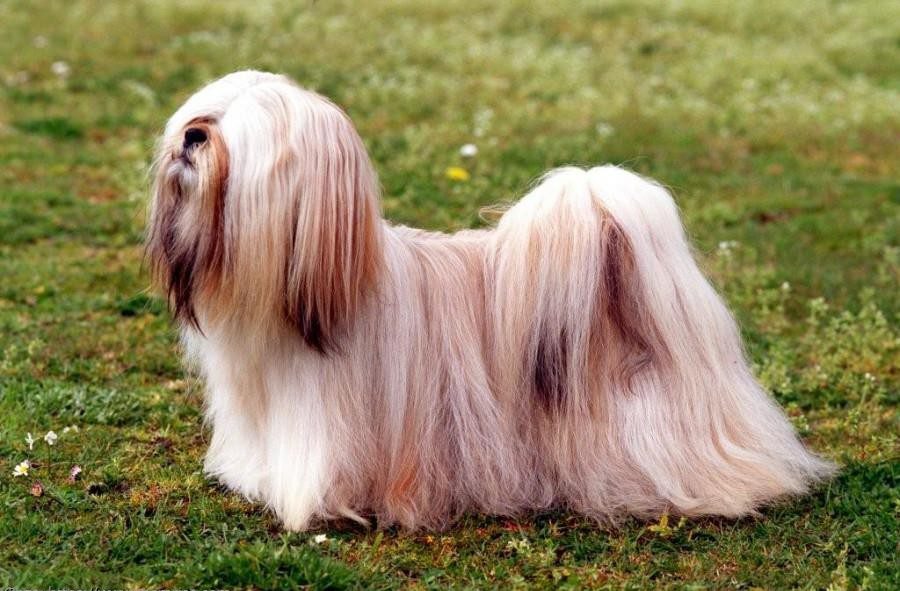
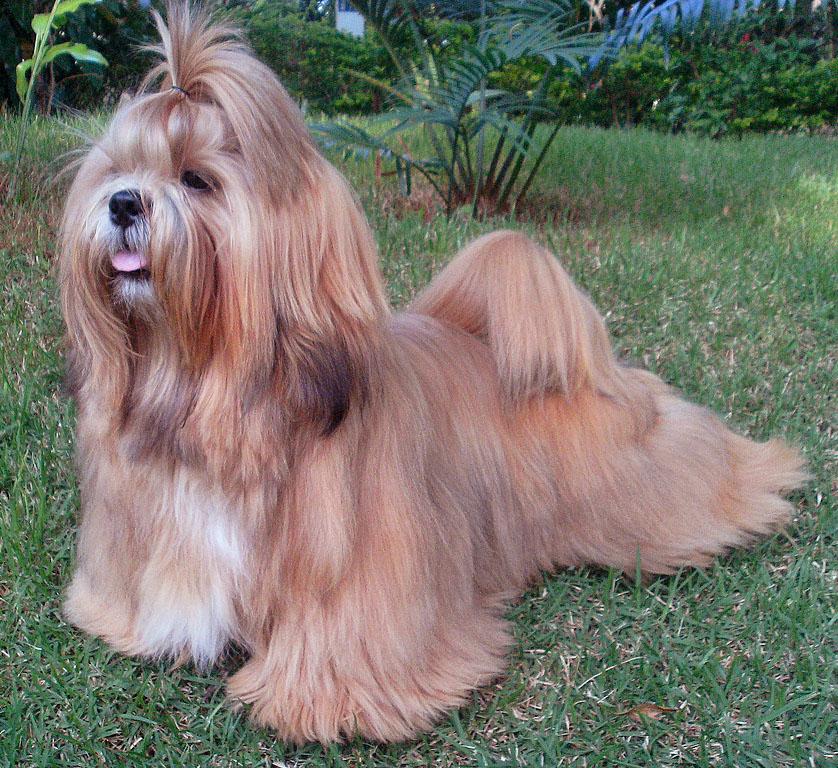
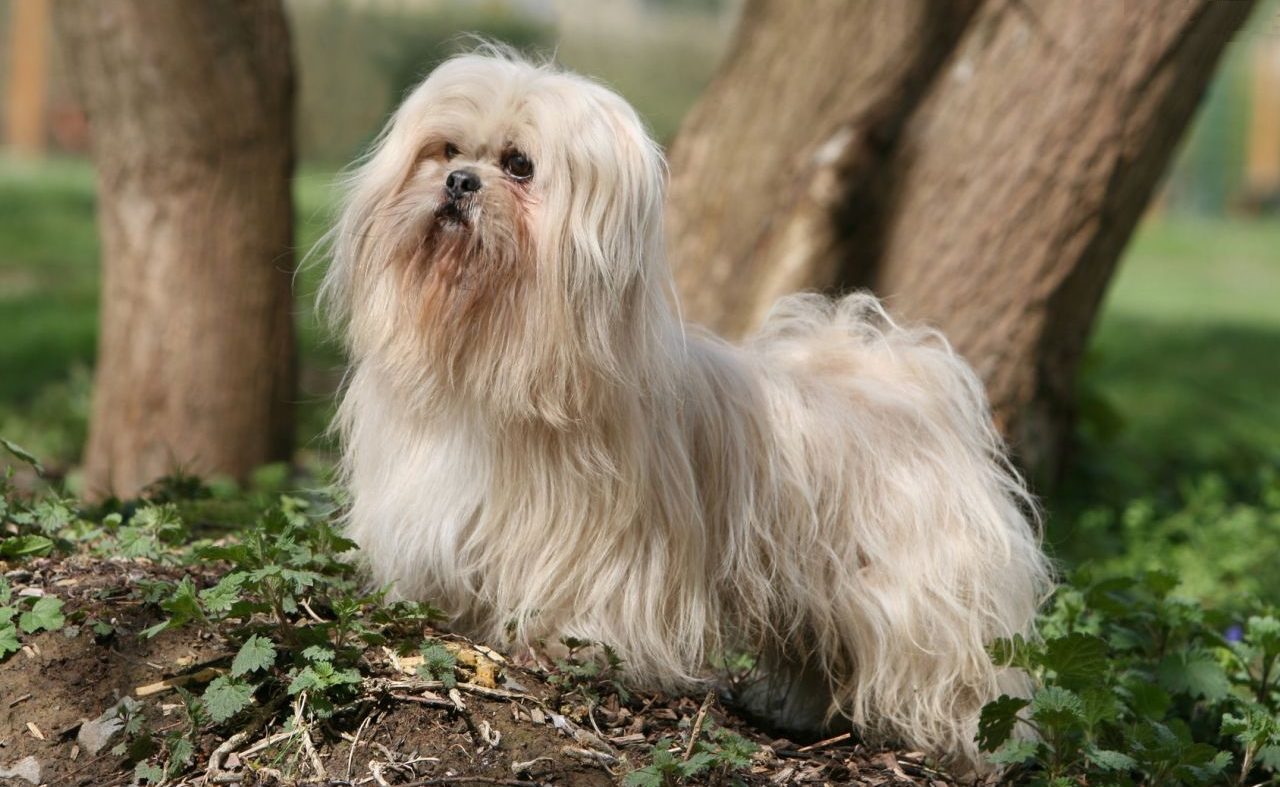
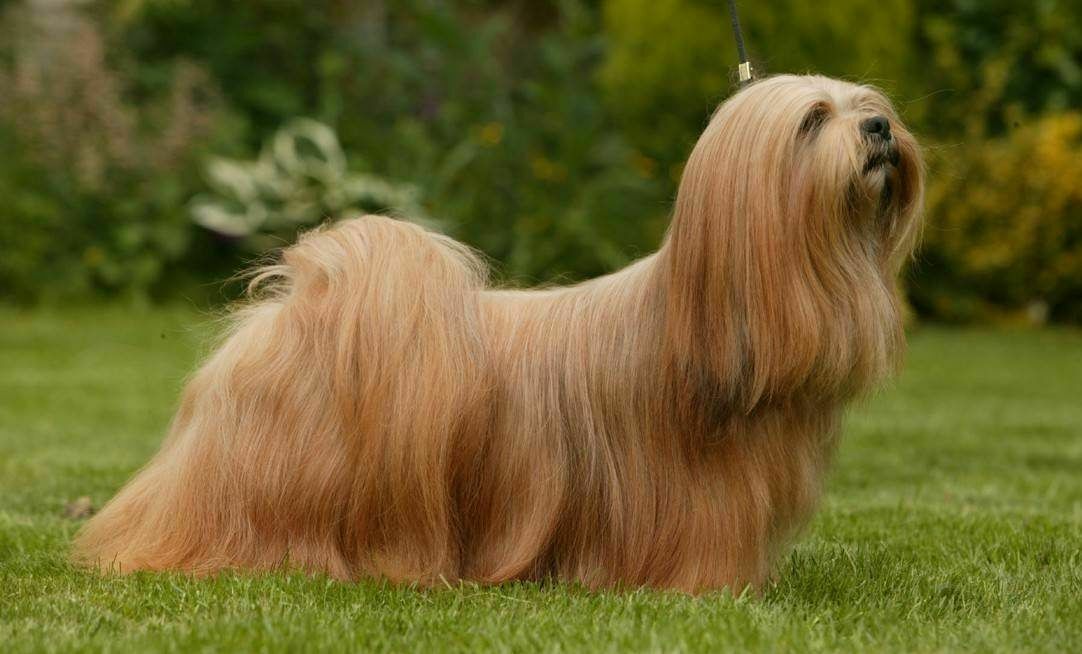
The Lhasa Apso is a small but robust dog with a harmonious physique and an elegant appearance. Its long, thick coat falls to the ground, creating an impression of grace and refinement while also providing protection from harsh climatic conditions. The coat is straight, dense, and has a thick undercoat, giving the dog a noble and well-groomed look. The head of the Lhasa Apso is adorned with abundant fur, forming a distinctive beard and mustache, while the long hair on its ears accentuates its expressive features. The dog’s appearance radiates confidence, calmness, and readiness for action.
Its compact size makes the Lhasa Apso convenient for apartment living. The average height of the dog is 25-28 cm at the withers, and it weighs between 6 to 8 kg. Despite its modest size, the Lhasa Apso possesses endurance and a solid build, indicating its working heritage. The breed typically has a lifespan of 12-15 years, with many individuals remaining active and cheerful even in their senior years. This appearance highlights the balance between decorative elegance and practicality, making the Lhasa Apso a unique breed with a rich heritage.


Отличительные черты

Голова

Морда

Уши

Глаза

Зубы

Корпус

Конечности

Хвост

Шерсть

Окрас
Character
The Lhasa Apso is a dog with a confident, independent, and simultaneously loyal character. It possesses a pronounced intelligence and the ability to adapt quickly to various conditions. These dogs are naturally vigilant and attentive, making them excellent guardians. Despite their small size, Lhasa Apsos are ready to defend their territory and family, showing persistence and courage. They are not prone to excessive aggression but may be wary of strangers, initially observing them before making any conclusions.
Lhasa Apsos become very attached to their families and prefer to spend time near their owners. At the same time, they maintain their independence and can comfortably be alone if they feel safe. These dogs value their personal space and can be somewhat stubborn if pressured to do something against their will. However, with the right approach, they willingly follow commands and impress with their cleverness.
These dogs are characterized by high emotional sensitivity and easily pick up on their owner’s mood. They love routines and stability, quickly acclimating to the household’s schedule and environment. Lhasa Apsos cherish comfort and coziness, happily spending time on a soft mat or beside their owner. They can be playful, especially in their youth, yet they remain composed and are not prone to excessive fussing.
Lhasa Apsos do not tolerate rough handling or harsh punishments. They value respect and gentleness, and in return, offer loyalty and friendliness. This breed is suitable for those seeking an intelligent, calm, and devoted companion, ready to be present in both quiet moments and active endeavors. The Lhasa Apso is a dog with a character that combines independence and a deep emotional bond with its owner, making it unique and one-of-a-kind.
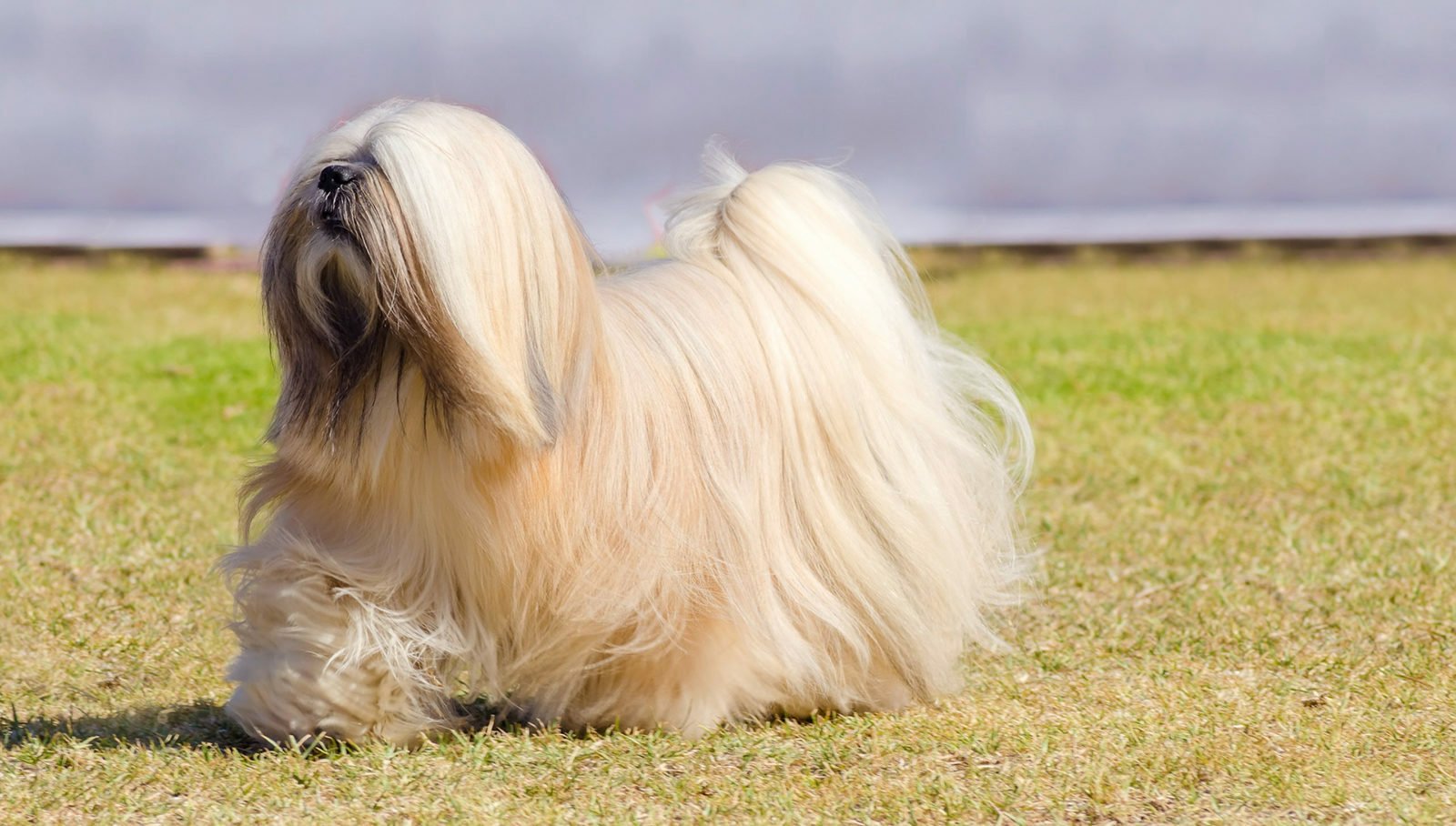
The oldest breed.
Lhasa is a dog breed with ancient roots. Records indicate that as early as 800 B.C., these animals roamed Tibet.Care and Maintenance
Lhasa Apso requires regular and thorough grooming, particularly due to its long coat, which is one of the breed’s main features. The coat should be brushed at least two to three times a week to prevent tangling and matting. It is best to use special combs and brushes designed for long-haired dogs. If you prefer to make grooming easier, you can regularly trim the coat to keep it shorter, simplifying daily maintenance. Lhasa Apso should be bathed about once a month, using a gentle shampoo for long hair to maintain its shine and texture.
The ears of Lhasa Apso require special attention, as their hanging shape can accumulate dirt and moisture, creating a risk of infections. Regular ear cleaning and inspection can help avoid these issues. The eyes also require care: due to the long hair around the eyes, discharge may accumulate and should be carefully removed using a soft, damp cloth or special products recommended by a veterinarian. Lhasa Apso’s teeth are prone to plaque and tartar buildup, so regular tooth brushing and the use of special chew toys or supplements can help maintain their dental health. Claws should be trimmed as needed, especially if the dog spends more time indoors than outside.
Lhasa Apso love attention and enjoy being the center of family life. They appreciate comfort, cozy resting spots, and a calm atmosphere at home. These dogs prefer stability and do not like chaos or frequent changes to their routine. They do not handle roughness or harsh punishment well, as they have a sensitive nature. Lhasa Apso requires a gentle yet consistent approach in communication to build trust with their owner.
These dogs enjoy outdoor walks, but their activity level is moderate, so they do not require intense physical exercise. Two walks a day are sufficient to maintain their health and satisfy their need for activity. Lhasa Apso do not tolerate prolonged loneliness well; they are attached to their owner and need their attention. With proper care and attention, Lhasa Apso remains a healthy, well-groomed, and happy companion that responds with affection and loyalty.
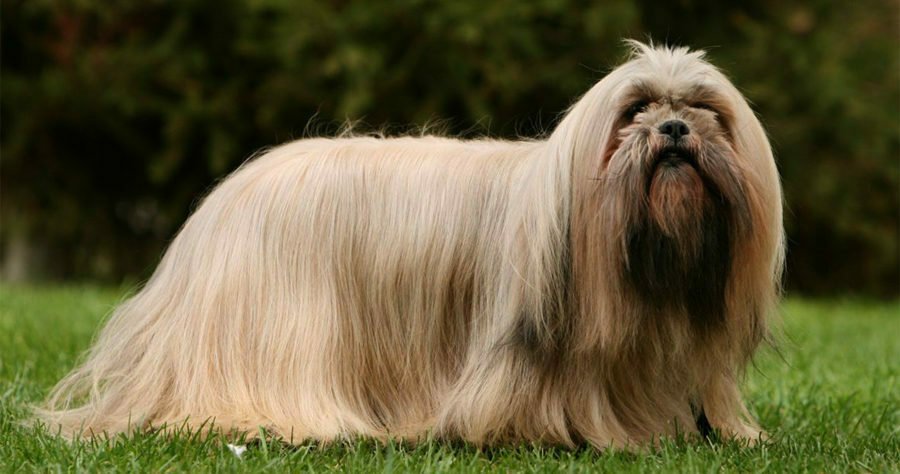
Connected with spirits
It is believed in his homeland that after the death of the Dalai Lama, his spirit reincarnates into a dog to await rebirth.Training and Education
Lhasa Apso is an intelligent yet independent breed that requires a gentle approach to training. These dogs learn quickly, but due to their natural confidence, they can be a bit stubborn. Training should start at an early age using positive reinforcement methods: treats, praise, and play. Lhasa Apsos appreciate respectful treatment and cannot tolerate rudeness or punishment, so it’s important to maintain calm and patience during training. They respond well to consistent commands and clear rules, which helps establish a trusting relationship.
For successful training, it’s important to know that Lhasa Apsos like to feel that their efforts are appreciated. Sessions should be engaging and varied to keep their attention. They tend to lose interest if training becomes monotonous or drags on. It’s best to break training into short sessions that will maintain their motivation.
Lhasa Apsos choose an owner who demonstrates confidence, calmness, and consistency. These dogs bond with those who give them attention, care for them, and respect their independence. They listen to the person who becomes their leader while also showing kindness and gentleness. Lhasa Apsos do not tolerate aggressive handling and quickly lose trust in their owner if they sense unfairness.
These dogs are perfect for people who value calm yet confident pets and are willing to invest time in their upbringing. Lhasa Apsos seek an emotional connection with their owner and respond best to those who build relationships based on mutual respect. With the right approach, they become obedient and loyal companions who are always eager to please their owner. Zooinica gathers the best breeders offering puppies with pedigree.
Intelligent beings
Lhasa Apsos are very intelligent and possess guarding skills. They are well trainable, but only if they are motivated to do so. The breed has a unique persistence and character that sets them apart from other dog breeds.
How to Choose a Puppy
When choosing a Lhasa Apso puppy, it’s important to approach the process carefully to ensure it grows up healthy and meets breed standards. Start by looking for a reputable breeder who specializes in this breed. The breeder should provide information about the puppy’s lineage, the health of its parents, and the conditions in which they are raised. Make sure the puppies are growing up in a clean and friendly environment, have access to socialization, and are being properly fed.
Pay attention to the puppy’s behavior. A healthy and promising Lhasa Apso should be active, curious, and confident. It shouldn’t display excessive aggression or fear. Check the condition of its coat-it should be clean and shiny. The puppy’s eyes should be clear without discharge, its ears should be clean, and its skin should be free of irritations. Also, observe how the puppy moves: its movements should be free without limping or stiffness.
Make sure to review the documents provided by the breeder. The puppy’s registration or certificate confirms its lineage and adherence to breed standards. This document will later be exchanged for an official pedigree. It’s also important to request copies of the parents’ pedigrees to ensure there’s no close inbreeding. Check if the parents have titles or ratings at shows that confirm their breed qualities.
The puppy’s veterinary passport should list all vaccinations, parasite treatments, and health records. The breeder should also provide results of tests for genetic diseases that may occur in Lhasa Apsos, such as progressive retinal atrophy or joint problems.
Before purchasing, inquire with the breeder about the puppy’s diet, habits, and care recommendations. A reliable breeder will always be ready to answer your questions and provide advice on how to help the puppy adapt to its new home. Making the right choice based on all recommendations will ensure that it grows up healthy, well-adjusted, and becomes a worthy representative of the breed. Want a purebred pet? You can find them on Zooinika with documents from trusted breeders.
Health and Diseases
The Lhasa Apso is a breed known for its robust health and long lifespan, typically reaching 12-15 years. However, like other breeds, they are prone to certain conditions that owners should be aware of. One of the most common issues is progressive retinal atrophy, which can lead to deteriorating vision or complete blindness. Regular check-ups with a veterinary ophthalmologist can help detect this condition early and monitor its progression.
Lhasa Apsos are also susceptible to joint problems, such as patellar luxation. This can cause discomfort and limit mobility, especially in older dogs. Weight management, moderate exercise, and regular check-ups can help reduce the risk of such diseases. Another issue that owners sometimes encounter is allergies. These may manifest as skin irritations or gastrointestinal disturbances, making it crucial to select the right food and avoid exposure to potential allergens.
Dental issues can also arise in this breed, such as tartar buildup and gum inflammation. Regular tooth cleaning and the use of special dental toys can help maintain dental health and prevent unpleasant consequences. Due to their long fur and tendency to accumulate dirt around the ears, Lhasa Apsos may suffer from ear infections. Regular cleaning and ear examinations can help prevent these problems.
These dogs do not handle obesity well, which can exacerbate joint and heart issues. It is important to monitor their diet, avoid overfeeding, and ensure moderate activity. Lhasa Apsos require regular grooming to prevent skin infections and mats, which can cause discomfort.
With proper care, regular veterinary check-ups, and timely vaccinations, Lhasa Apsos can remain healthy and active for many years. Owners should closely monitor their pet’s condition to promptly notice and address any potential issues.
Содержание
-
1. Описание породы
-
2. Внешний вид
- 2.1 Голова
- 2.2 Морда
- 2.3 Уши
- 2.4 Глаза
- 2.5 Зубы
- 2.6 Корпус
- 2.7 Конечности
- 2.8 Хвост
- 2.9 Шерсть
- 2.10 Окрас
-
3. Характер
-
4. Содержание и уход
-
5. Дрессировка и обучение
-
6. Как выбрать котенка
-
7. Здоровье и болезни







Comments
Only registered users can leave reviews.
Enter