
Lancashire Heeler





Warning: Illegal string offset 'label' in /home/panda/sites/zoonika/wp-content/themes/zoonika/template-parts/animals/animals-param-item.php on line 32
Ð


Breed Description
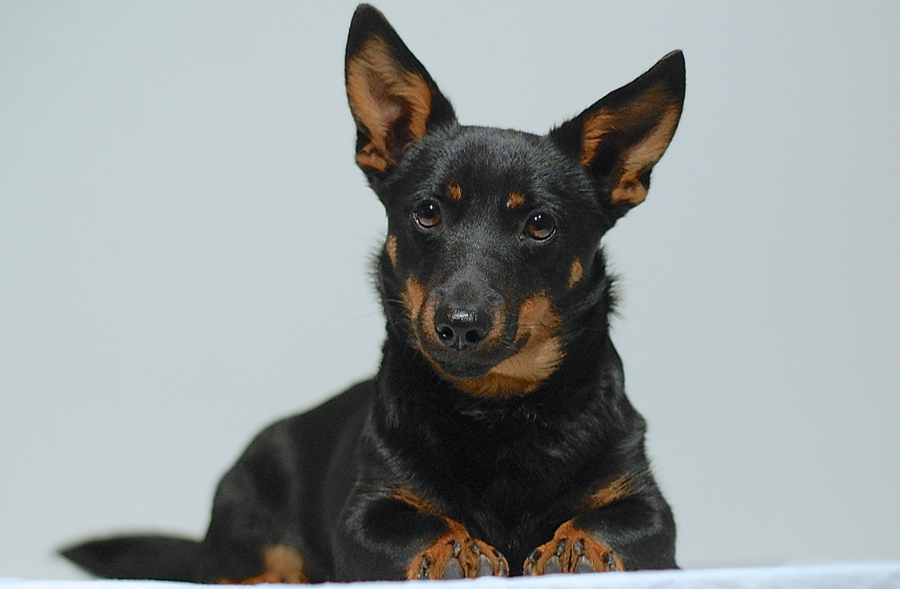
The Lancashire Heeler is a rare and unique breed that originated in England, specifically in Lancashire, in the 18th century. This dog was bred for farm work, with its primary task being the management of cattle. Heelers were distinguished not only by their endurance and agility but also by their remarkable intelligence, making them invaluable helpers to farmers. They assisted in moving herds over long distances and maintaining order on pastures and farms, possessing an innate instinct for herding animals.
The origin of the Lancashire Heeler is linked to the efforts of English farmers to create a dog that combined strength, agility, and compact size. This involved crossing Manchester Terriers with Welsh Corgis, resulting in a breed with outstanding working qualities. From the terriers, the Heeler inherited energy, quick reflexes, and keen intelligence, while the Corgis contributed short legs and the ability to work with large animals while remaining unobtrusive and agile.
Dogs of this breed were popular in Lancashire and other agricultural areas of England, but over time, due to the mechanization of farming, their numbers began to decline. The breed was on the brink of extinction by the early 20th century. In the mid-century, efforts by enthusiasts like Mrs. Gwen McInnes began to restore the breed. Her efforts helped preserve the genetic diversity and working qualities of Heelers, as well as to regain their popularity among farmers and lovers of rare breeds.
The Lancashire Heeler was officially recognized as a distinct breed in the 1970s. An association was formed in the UK to focus on the breed’s preservation and promotion of its standards. Today, although these dogs remain rare, they are valued for their loyalty, versatility, and outstanding working abilities. They have adapted well to the role of family pets while maintaining their natural instincts and energetic character.
The story of the Lancashire Heeler is an example of how a breed created for hard work has managed to retain its unique qualities and become a valuable companion for modern humans. Their connection to England’s rural past and their remarkable ability to adapt to new conditions make these dogs a true treasure in the canine world.
The price for a puppy ranges from 40,000 to 55,000 rubles.
Appearance
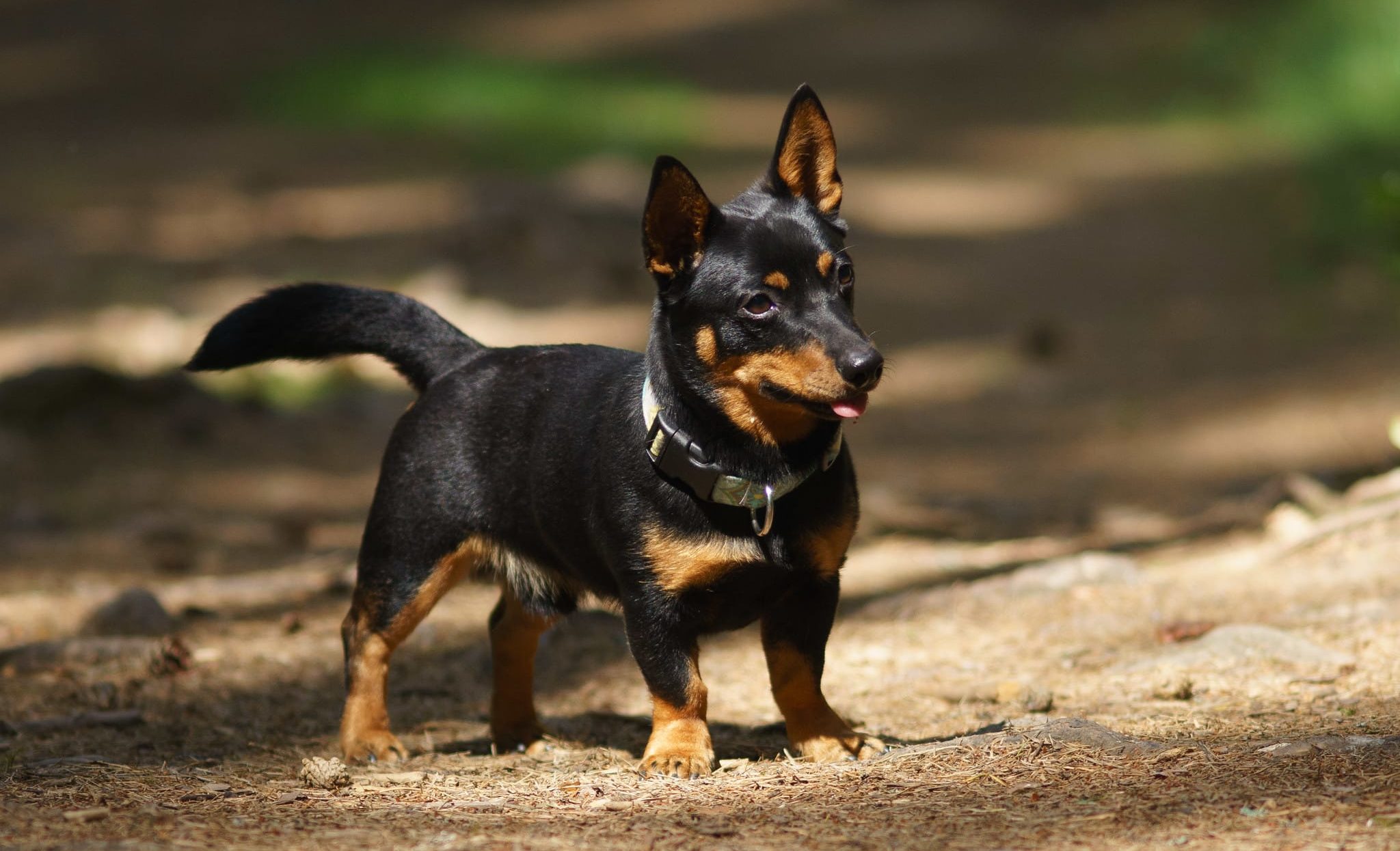
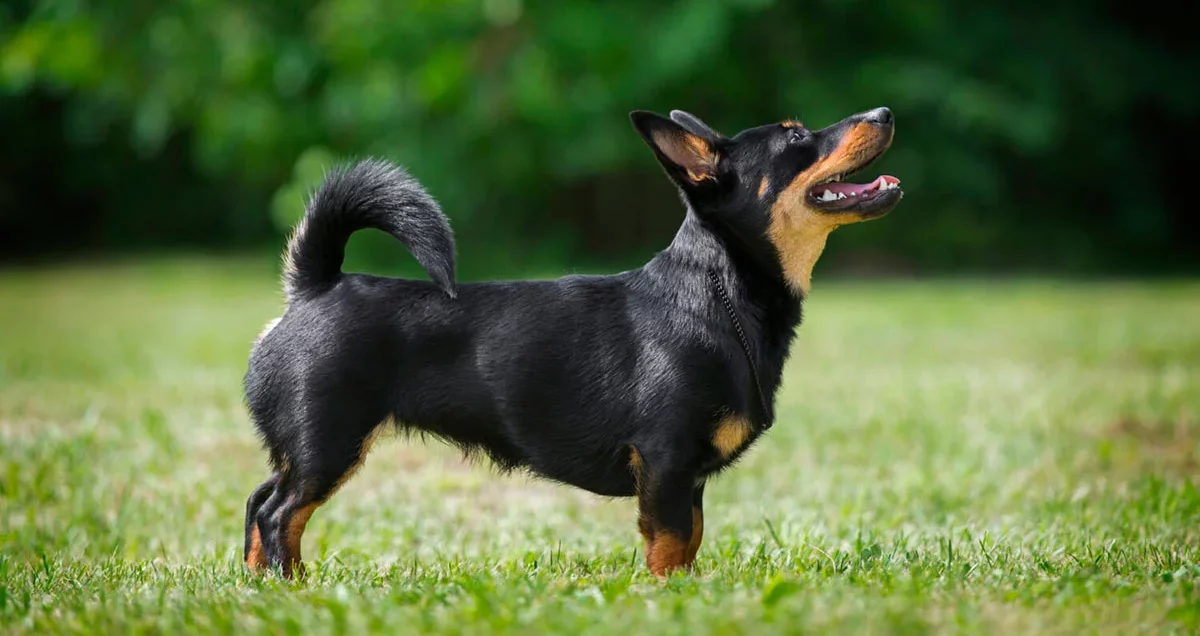
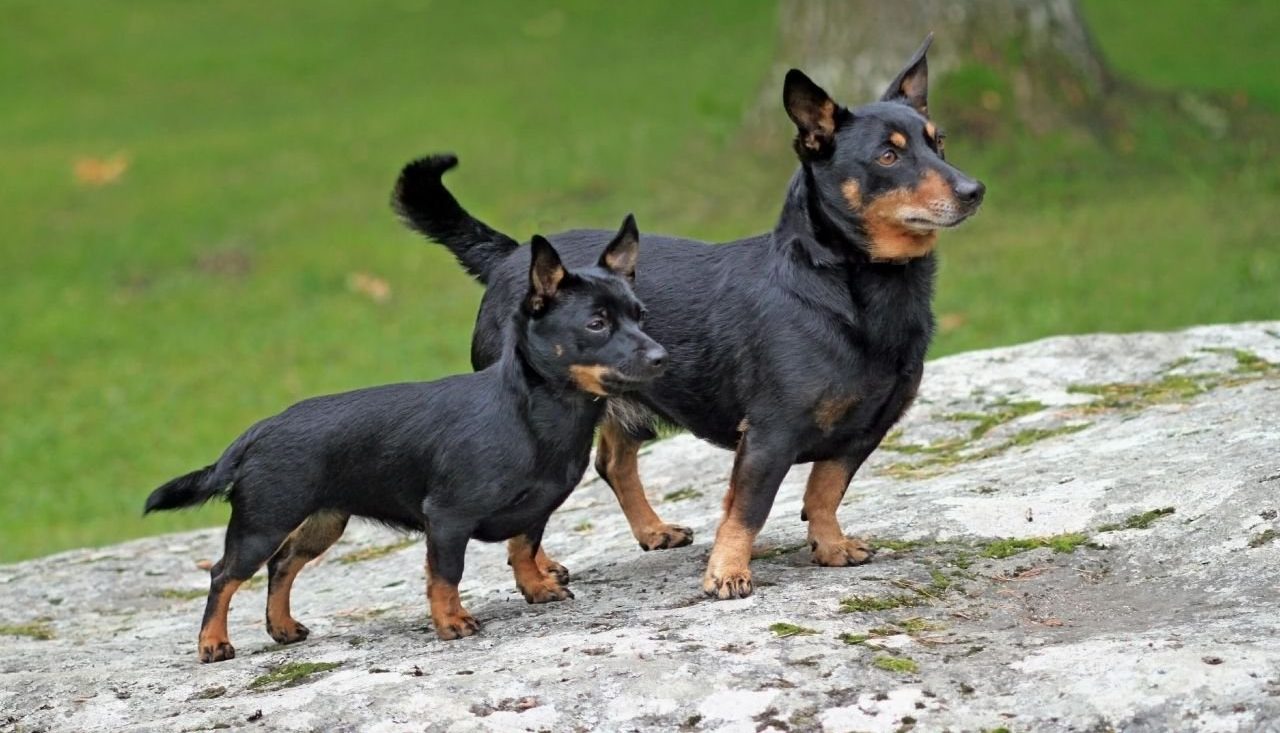
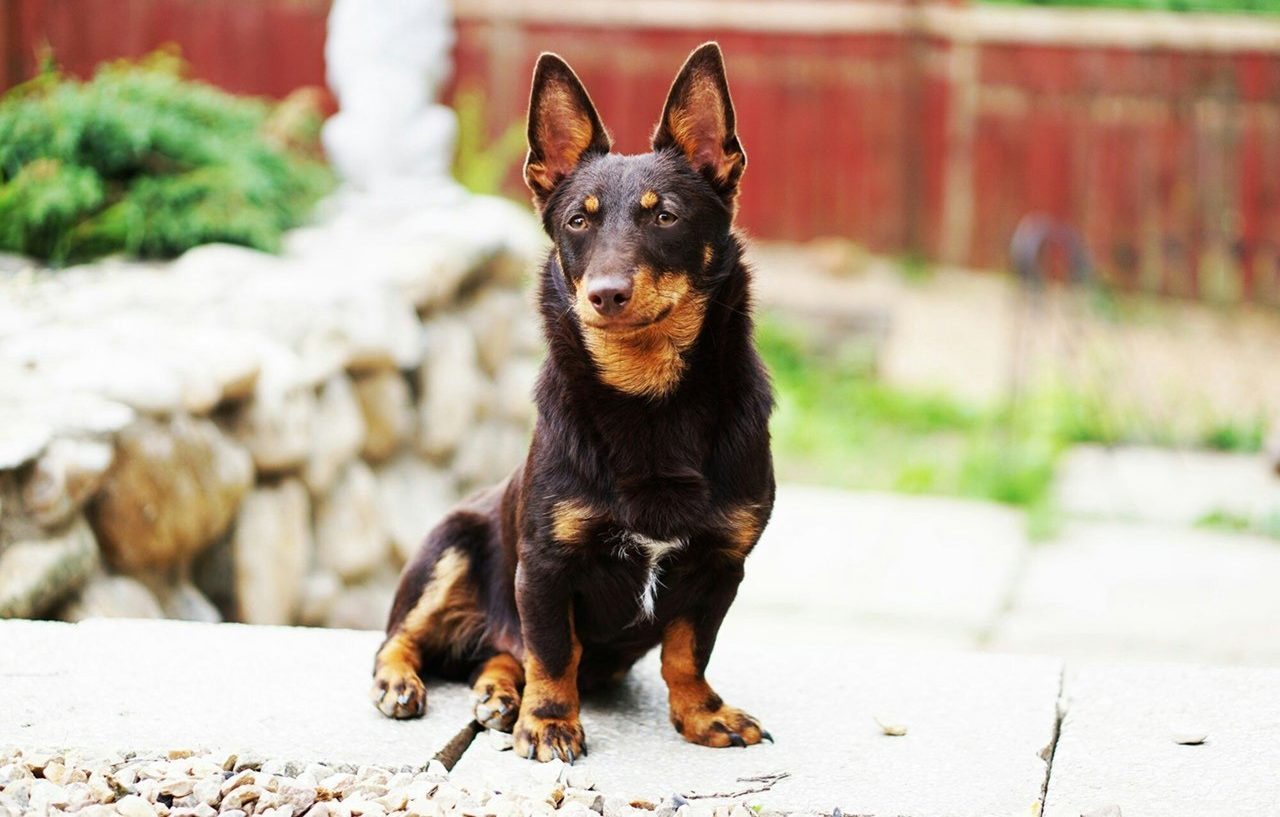
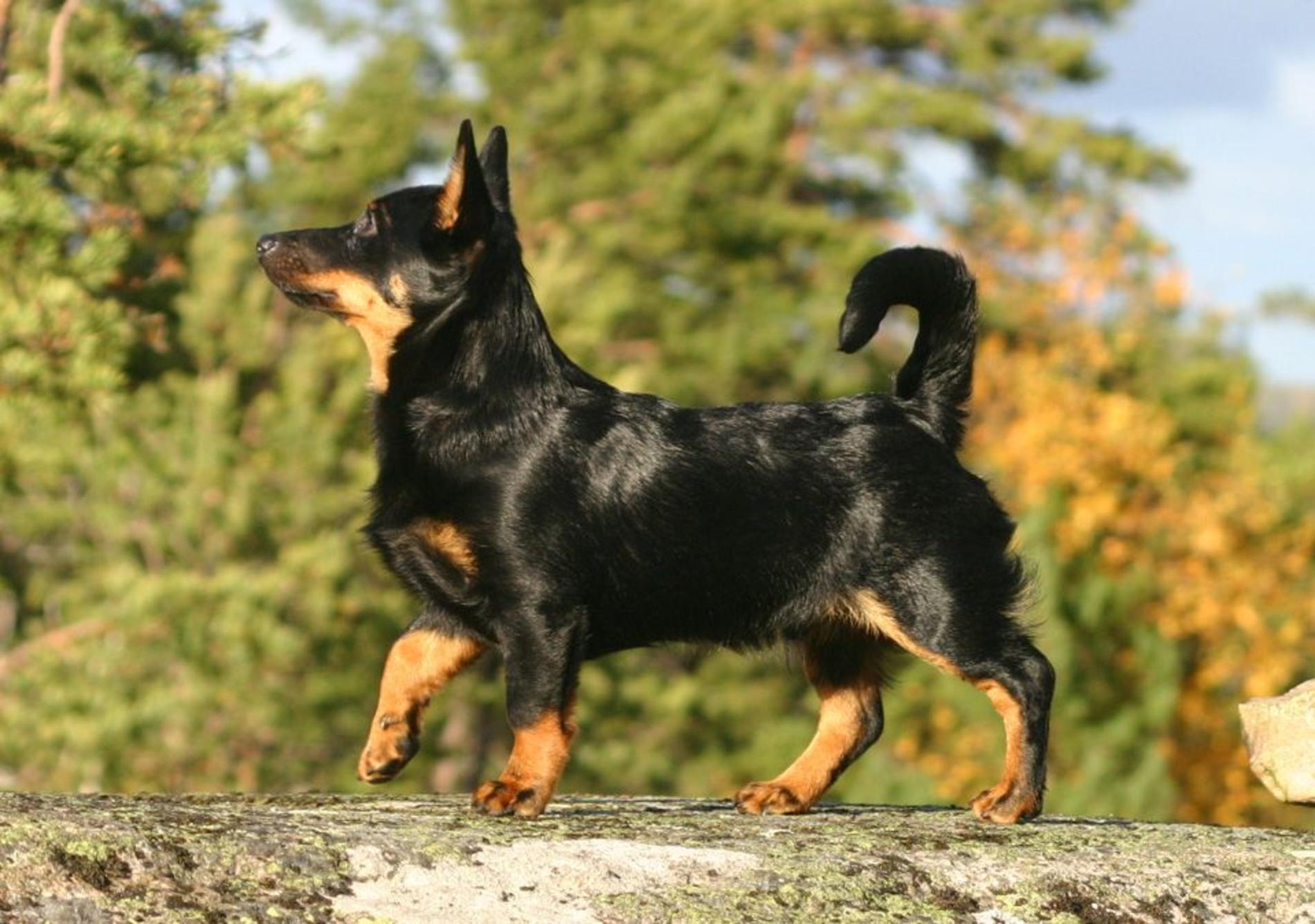
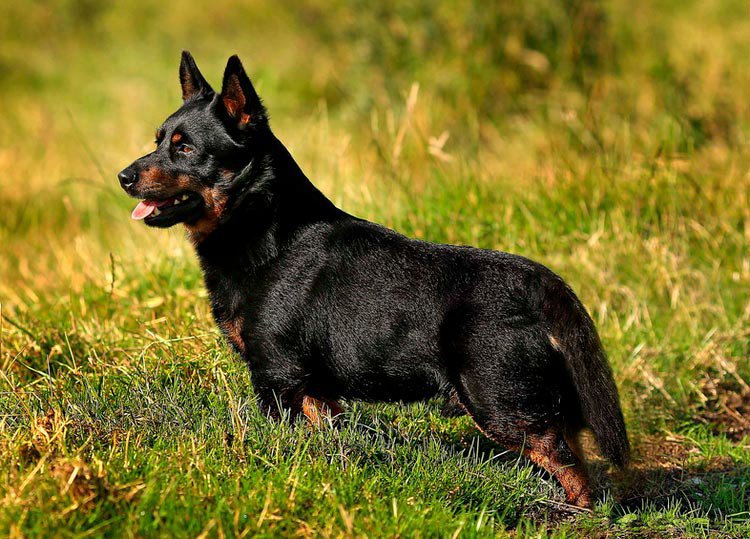
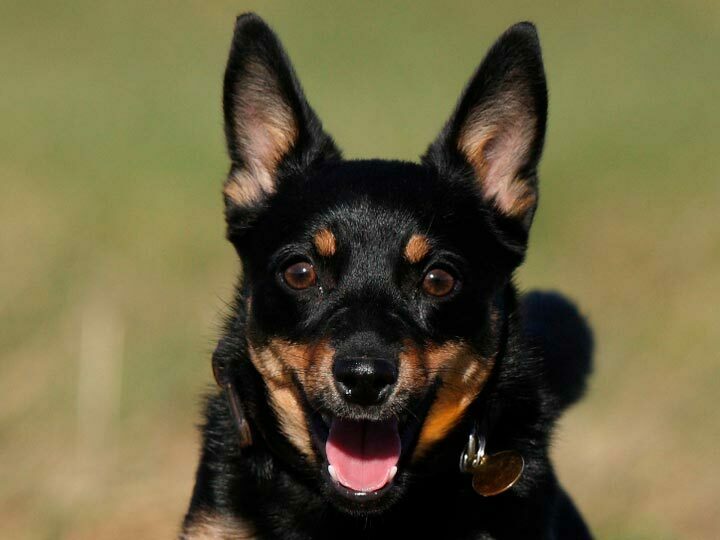
The Lancashire Heeler is a small but sturdy dog with a harmonious and compact build that conveys strength and endurance. Its proportional body, low stance, and short legs highlight its working origins, allowing it to effectively manage livestock. The Heeler has an elongated, muscular body, a well-developed chest, and strong limbs, making it agile and resilient. The dog’s appearance reflects its energetic and industrious nature.
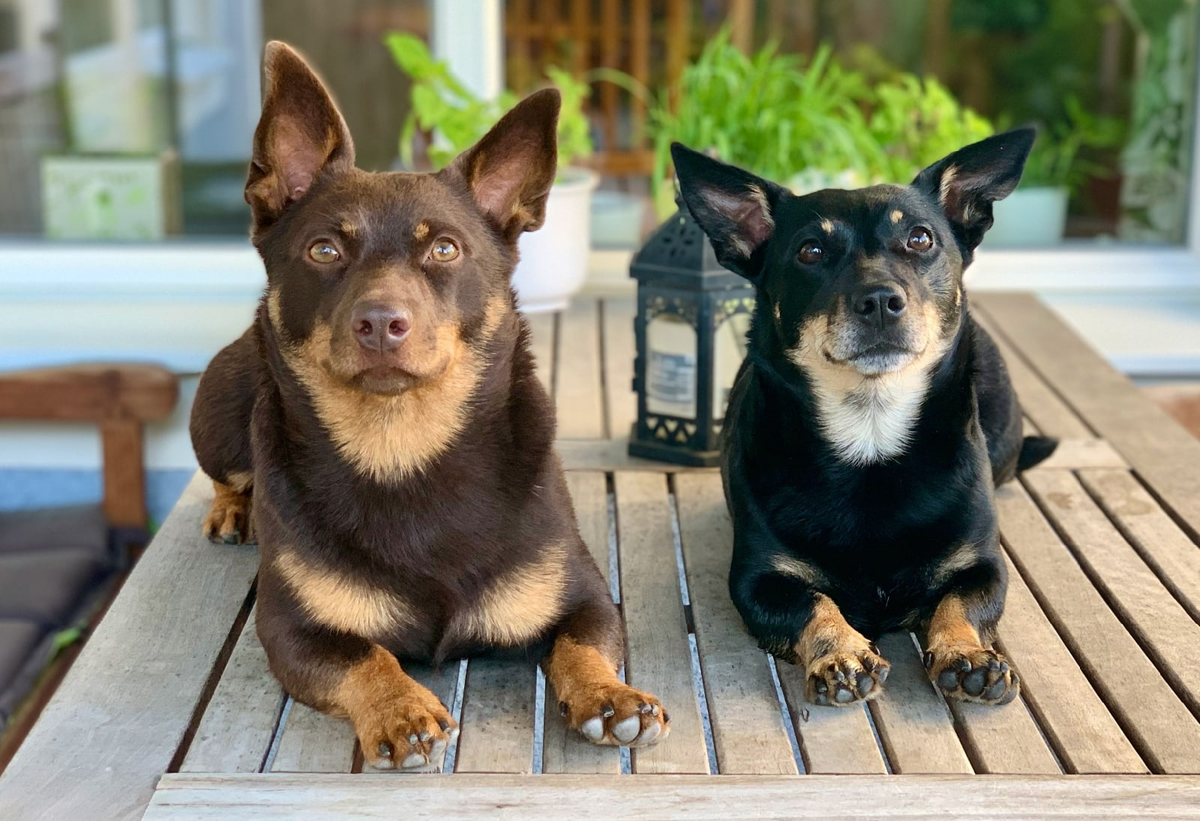
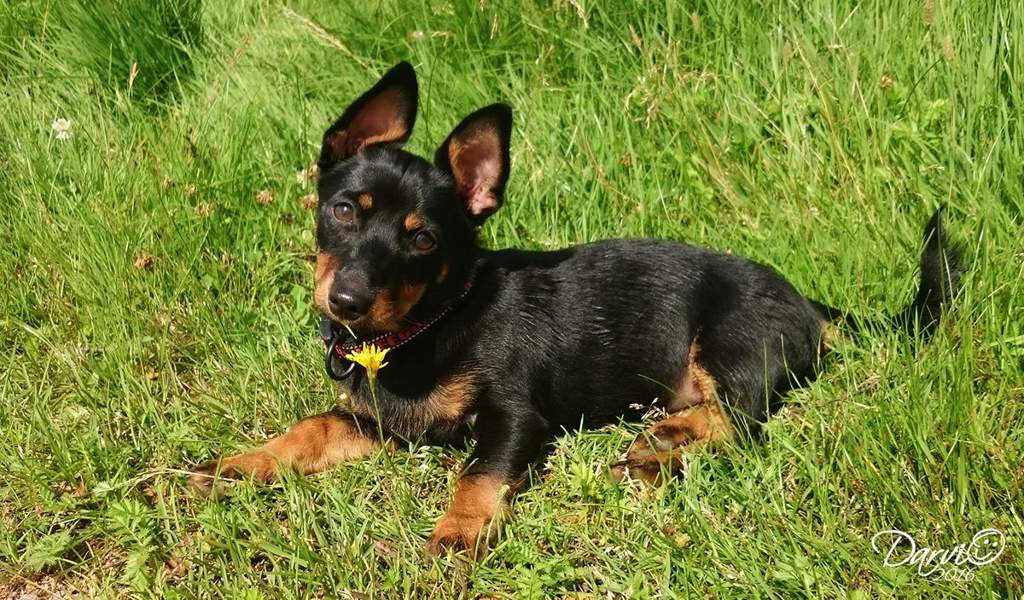
The coat of the Lancashire Heeler is short, dense, and close-fitting, providing excellent protection from the elements. The fur is resistant to dirt and easy to care for, with a texture that emphasizes the breed’s practicality. The main colors include black with tan or liver with tan, both of which appear bright and expressive.
The average height of the Lancashire Heeler is 25-31 cm, and its weight ranges from 5 to 9 kg, making this breed compact yet powerful. Its size allows for mobility and maneuverability, making it invaluable for working with cattle or in other active tasks. The compact format makes the Heeler suitable for both rural work and city living.
The lifespan of the Lancashire Heeler is typically 12-15 years, indicating the breed’s robust health and endurance. With proper care and sufficient exercise, these dogs maintain their activity and vitality well into old age. The appearance of the Lancashire Heeler fully aligns with its working and friendly qualities, making it a versatile dog for both work and family.


Отличительные черты

Голова

Морда

Уши

Глаза

Зубы

Корпус

Конечности

Хвост

Шерсть

Окрас
Character
The Lancashire Heeler has a vibrant and energetic character, making it an excellent companion and loyal assistant. This dog is active, intelligent, and incredibly loyal to its owners. It strives to be part of the family and participates in all aspects of life, whether it’s walks, playtime, or simply relaxing at home. Heelers are known for their friendly nature and ability to get along with people, including children, although they may be cautious or even wary of strangers, displaying an innate sense of protection.
These dogs are very energetic and always ready for activity. They love long walks, running, playing with balls, and other physical exercises. Their natural intelligence requires not only physical but also mental stimulation, so they happily engage in training, problem-solving games, or completing tasks. The Lancashire Heeler possesses independence but understands and obeys its owner when it feels respect and leadership.
The working instincts of this breed are still strong; hence, Heelers often exhibit herding behavior, such as trying to gather other animals or even children into a “herd.” This trait reflects their history as working dogs. They enjoy having a purpose and being useful, so without sufficient activity or tasks, they can become bored.
The Lancashire Heeler has a strong sense of attachment and does not cope well with long separations from its owner. This dog thrives in the company of people and actively seeks contact. While independent enough to explore the surrounding world on its own, it always returns to its owner. Heelers have sharp hearing and attention to detail, making them good watchdogs, although their small size doesn’t allow for aggressive protection.
This breed values attention and consistent training. It adapts well to any living conditions, whether a house with a large yard or an apartment, as long as its needs for activity and social interaction are met. The Lancashire Heeler is a dog with a distinctive personality, loyal to its owner and ready to accompany them on any life adventures.
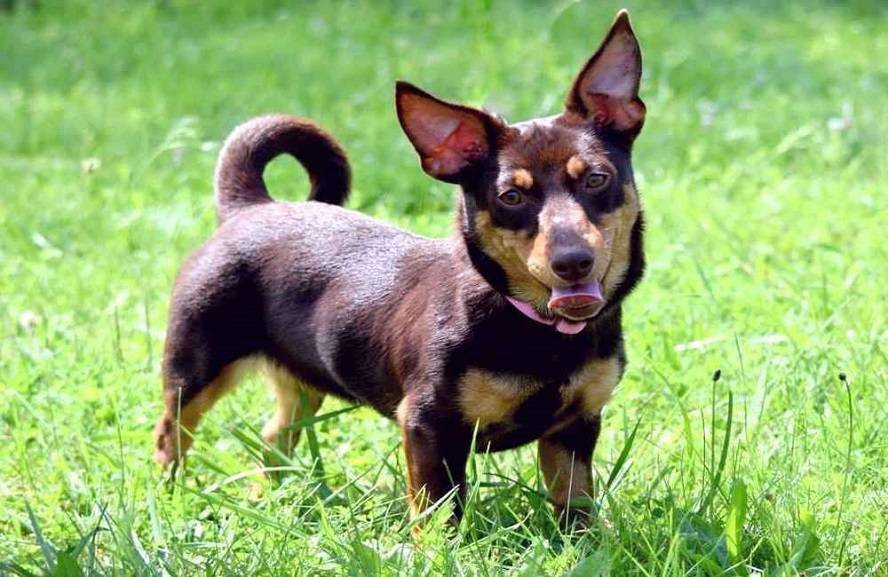
The oldest hunting breed.
The Lancashire Heeler is one of the oldest hunting dog breeds developed in England for hunting rabbits and other game. These dogs are renowned for their endurance and excellent hunting skills, which often led them to participate in hunting events.Care and Maintenance
The Lancashire Heeler requires moderate yet regular care that takes into account its activity level, compact size, and the characteristics of its short coat. This breed has a dense, smooth, and close-lying coat that does not require complicated grooming. It is sufficient to brush it once a week with a soft brush to remove dead hair and maintain shine. The Heeler should be bathed as needed, using gentle shampoos to avoid drying out the skin. After walks in dirty or wet weather, the coat can be wiped down with a damp cloth.
The ears of the Lancashire Heeler need regular inspection and cleaning to prevent dirt buildup and infection. This is especially important if the dog frequently spends time outdoors or actively explores its environment. Teeth should be brushed a few times a week with dog-specific toothpaste or by using chew toys that help prevent tartar buildup. Nails should be trimmed as needed if they do not wear down naturally.
These dogs love active walks, play, and physical activity. Heelers enjoy tasks that challenge their intelligence; therefore, activities that include searching for items, following commands, or agility games will be great options for them. A lack of activity or boredom can lead to destructive behavior, as this breed needs constant engagement and interaction.
The Lancashire Heeler does not handle loneliness well and loves being close to family. They appreciate attention and participation in all of their owner’s activities, whether walking, playing, or simply spending time together at home. Heelers dislike monotony and require a variety of activities to keep their interest. Harsh treatment or yelling is also unacceptable, as this breed is sensitive to tone and responds to kindness and respect.
The diet of a Lancashire Heeler should be balanced, taking its activity level into account. This breed tends to gain weight if overfed or not given enough exercise. Regular walks, a clear feeding schedule, and attention to the dog’s overall condition will help keep it healthy and energetic. The Lancashire Heeler loves interaction, respect, and an active lifestyle, and meeting their needs allows for the full expression of the best qualities of this breed.
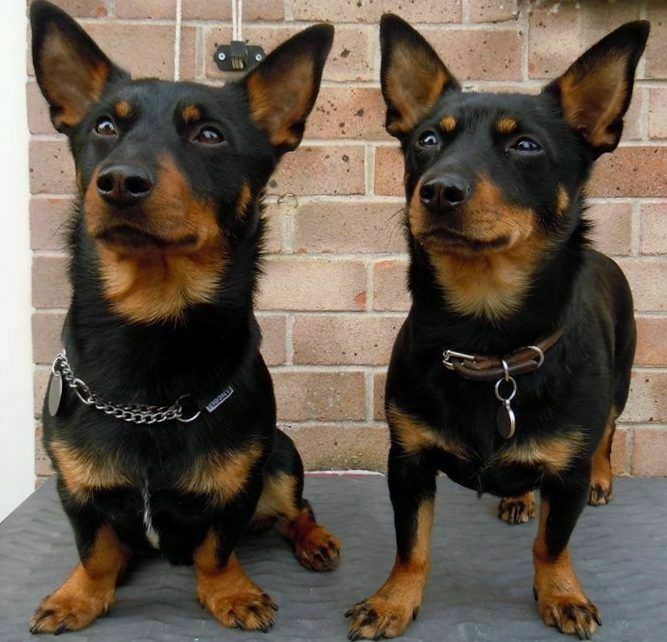
Sensitive nose
Lancashire healers have an excellent sense of smell, which makes them exceptionally effective hunters. They can track game and participate in trophy hunting events, thanks to their distinctive intuition and remarkable hunting skills.Training and Education
The Lancashire Heeler possesses high intelligence and natural curiosity, making it an easily trainable and responsive dog. Training is best started at a young age to establish good habits and instill basic commands. The education should be consistent, engaging, and varied, as heelers quickly lose interest in monotonous activities. These dogs respond excellently to positive reinforcement, such as treats, praise, and play. Harsh methods and shouting are unacceptable, as heelers are sensitive and may lose trust in their owner.
The dog learns best in a playful manner, as it loves intellectual challenges and active interaction. The herding instinct of the Lancashire Heeler makes it particularly receptive to commands related to guidance, so games involving balls, searching for objects, and obstacle courses are great for training. Heelers also have a natural drive to complete tasks, making them well-suited for agility, obedience, and other active sports.
This breed prefers an owner who can provide an active and fulfilling lifestyle while exhibiting patience and respect. The heeler bonds with those who give it enough attention and maintain an emotional connection. These dogs dislike harsh treatment and are more obedient to those who create a positive and friendly atmosphere. They especially value consistency and clear rules, which provide them with a sense of security and order.
The Lancashire Heeler follows an owner it considers a leader, but one who is fair and attentive. This breed is independent, yet with the right approach, it shows exceptional loyalty and obedience. Successful training requires a combination of physical activity, intellectual challenges, and emotional interaction. This approach will not only cultivate a disciplined and balanced heeler but also create a strong bond between the dog and its owner. At Zooinika, we only offer verified deals with health guarantees.

Athlete healers
Although they are often associated with hunting, Lancashire Heelers are also excellent sports partners. They demonstrate impressive results in agility and other sports competitions, thanks to their endurance, agility, and quickness of action.
How to Choose a Puppy
Choosing a Lancashire Heeler puppy requires careful attention to ensure it grows into a full-fledged representative of the breed. The first step is to find a reliable breeder who specializes in this rare breed. The breeder should be willing to show the conditions in which the puppies are kept, introduce you to their parents, and provide detailed information about their lineage and health. Meeting the puppy’s parents will help you understand what qualities and physical traits the puppy might have in the future.
The puppy should be active, curious, and friendly. When examining, pay attention to its behavior: a healthy puppy shows interest in the surrounding world, readily engages, and is not afraid of new sounds or objects. Its coat should be clean and shiny, the eyes clear, and the ears free of odor and dirt. Check how the puppy moves to ensure there are no signs of limping or discomfort.
Documents play an important role in the selection process. The puppy should have a registration certificate (puppy card) confirming its lineage and compliance with breed standards. This document is later exchanged for a pedigree. It’s also important to review the lineage of the puppy’s parents to ensure there is no close inbreeding and no hereditary diseases. A responsible breeder will provide test results for the parents regarding hip dysplasia, eye diseases, and other genetic issues typical of the breed.
The puppy’s veterinary passport should contain records of vaccinations and preventive treatments against parasites. The breeder should inform you about the diet, feeding schedule, and specific care requirements for the puppy. Ensure that the breeder actively socializes the puppies, acclimating them to people and sounds so they are prepared for life in a new home.
Choose a puppy that fits your lifestyle and needs. The Lancashire Heeler is an active and intelligent breed that requires time, attention, and plenty of physical activity. A puppy with proper socialization, a good pedigree, and robust health will grow into a full representative of the breed and become a loyal companion for many years.
Health and Diseases
The Lancashire Heeler generally has good health, but, like many breeds, it is predisposed to a number of genetic and age-related conditions. One of the most common issues is hip and elbow dysplasia, which can cause discomfort and reduced mobility. Regular veterinary check-ups, weight control, and moderate physical activity help reduce the risk of developing this condition.
Another genetic problem seen in Lancashire Heelers is progressive retinal atrophy, which can lead to deteriorating vision or complete blindness. It is important to have regular eye examinations by a veterinarian, especially as they age, to detect any potential changes early. Additionally, some individuals of the breed may experience eye conditions such as cataracts or distichiasis (excess eyelashes).
Due to their active lifestyle, Heelers sometimes encounter limb injuries, particularly if they are overly energetic while running or jumping. Owners should pay attention to the quality of play surfaces and regularly check their paws to avoid injuries. Also, like many small and medium breeds, they may experience dental issues such as tartar buildup or gum inflammation. Regular dental care, including brushing and using special chew toys, helps maintain oral health.
Lancashire Heelers tend to gain weight, especially with insufficient physical activity and overfeeding. Excess weight can exacerbate joint and cardiovascular issues, so it is vital to maintain a feeding schedule and monitor the dog’s diet. Given their energy levels, Heelers require high-quality nutrition that includes sufficient protein and healthy fats.
The lifespan of Lancashire Heelers generally ranges from 12 to 15 years. With proper care, regular veterinary check-ups, and attention to their physical and emotional needs, these dogs can remain active and joyful well into old age. Preventive measures such as timely vaccinations, deworming, and routine health examinations will help keep your pet healthy and happy. Zoonica is the best place to reach a wide audience.
Содержание
-
1. Описание породы
-
2. Внешний вид
- 2.1 Голова
- 2.2 Морда
- 2.3 Уши
- 2.4 Глаза
- 2.5 Зубы
- 2.6 Корпус
- 2.7 Конечности
- 2.8 Хвост
- 2.9 Шерсть
- 2.10 Окрас
-
3. Характер
-
4. Содержание и уход
-
5. Дрессировка и обучение
-
6. Как выбрать котенка
-
7. Здоровье и болезни






Comments
Only registered users can leave reviews.
Enter