
Labradoodle




Warning: Illegal string offset 'label' in /home/panda/sites/zoonika/wp-content/themes/zoonika/template-parts/animals/animals-param-item.php on line 32
Ð


Breed Description
The Labradoodle breed is a unique mix of two wonderful breeds: the purebred Labrador Retriever and the standard Poodle. The name consists of parts reflecting the breed’s origins: the first part from the Labrador Retriever and the second from the Poodle. Both breeds share similar traits in size, build, and temperament, making them ideal complements to each other.
Retrievers and Poodles have historically been renowned for their qualities as hunting and companion dogs that work in water. Thus, the combination of these two breeds was quite natural. In the 1980s, Wally Conrons, a dog breeder with the Royal Guide Dogs Association, inspired by the need to create a guide dog for blind people with allergies to dog hair, came up with the idea to crossbreed the Labrador Retriever with the Poodle. This is how the Labradoodle breed came to be.
Initially, there was little interest in the new breed. However, after Conrons coined the name “Labradoodle,” it gained significant media attention and became popular, especially in the USA. Online databases emerged, allowing people to order a Labradoodle puppy and other “designer” hybrid dogs. These new Labradoodles became a true fashion novelty. Online databases were created where people could create their own crossbreeds from all types of original breeds and order them online.
The Labradoodle can certainly be a good dog, but likely not better than a purebred Labrador or Poodle. When it comes to allergy suitability, it is better to go with the original Poodle if in doubt. This raises the question of the necessity of new breeds. Is it really needed to develop new breeds alongside the more than 360 recognized dog breeds? Designer dogs like the Labradoodle are not recognized by any of the world’s dog breeders associations.
The Labradoodle is the result of crossing the sociable Labrador with the friendly Poodle, first appearing in Melbourne, Australia, in the late 1980s. These dogs were created to reduce genetic diseases that can be inherited in purebred breeds. Thanks to their kindness and cheerful nature, Labradoodles quickly became popular.
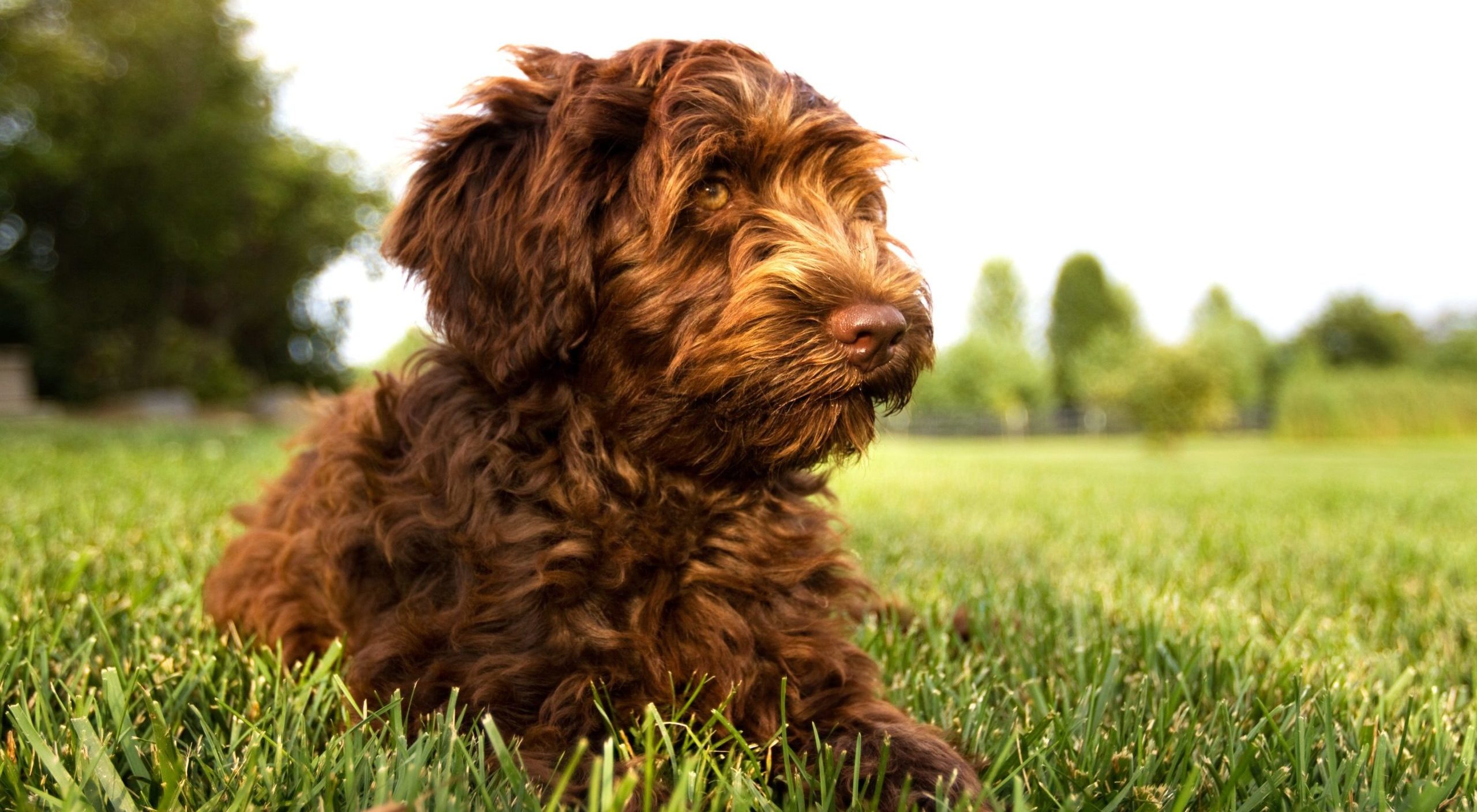
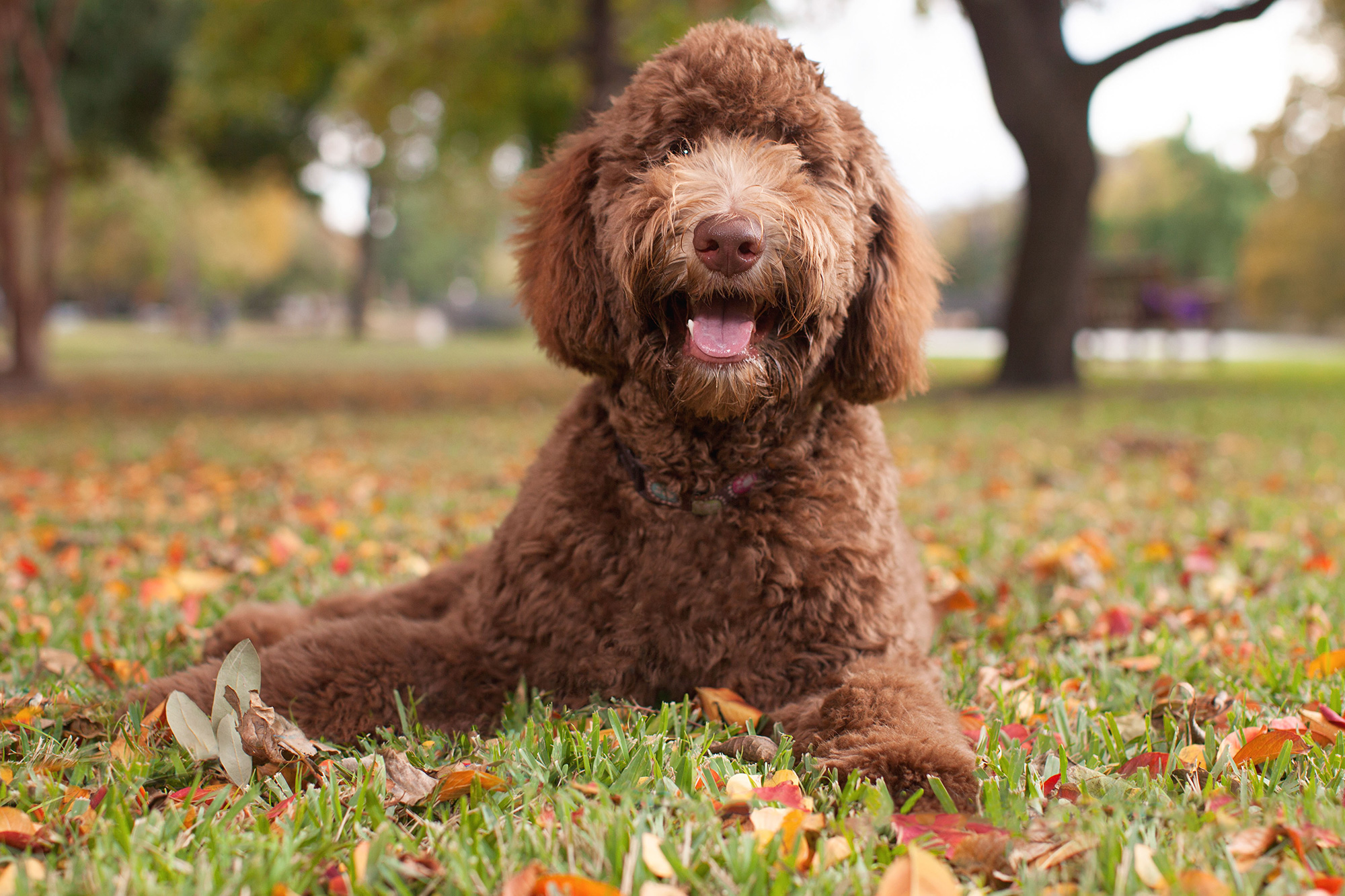
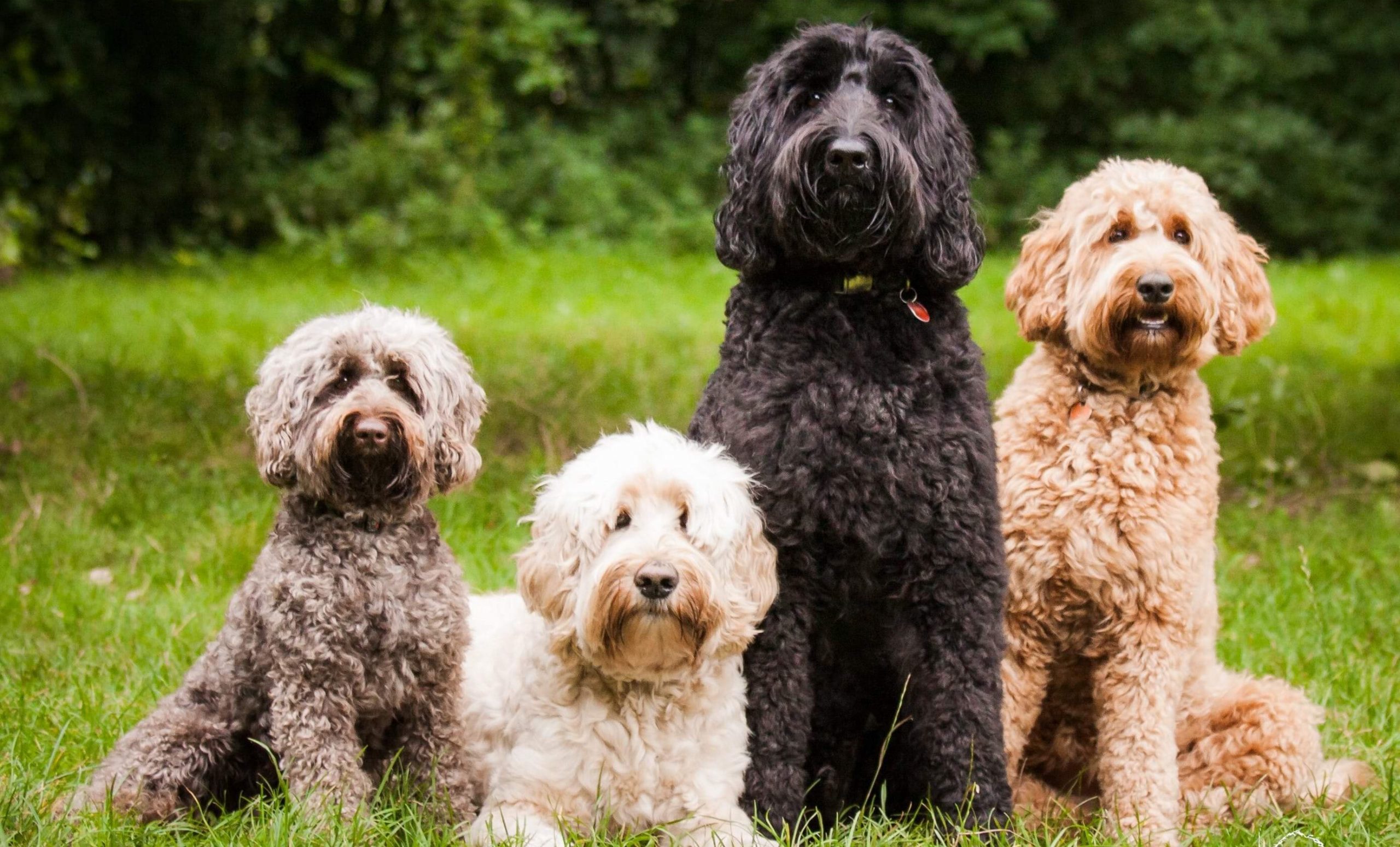
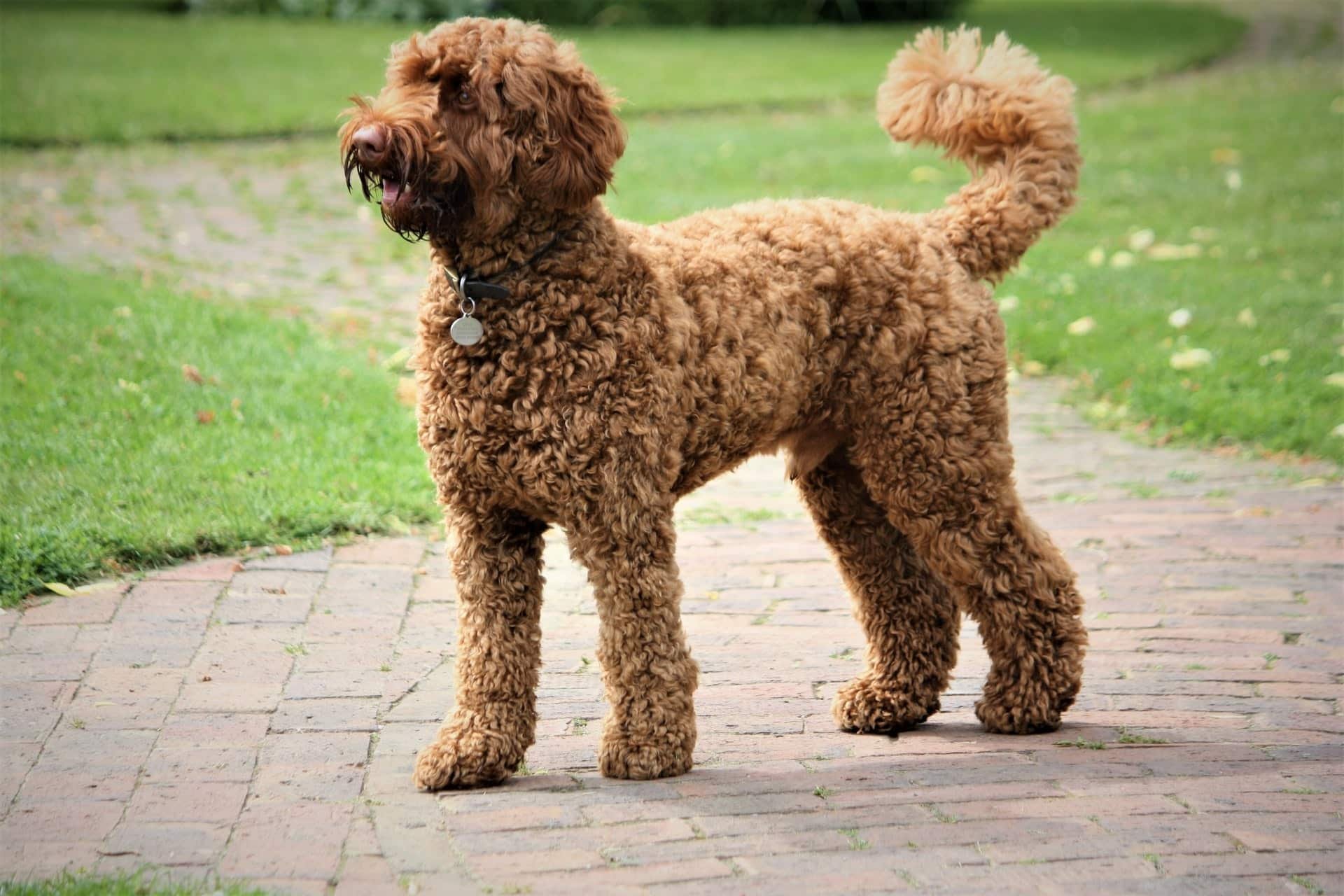
Labradoodles come in a variety of coat textures ranging from long and curly to short and straight, in various combinations. They have long legs, a slender build, and floppy ears. Because they are a mix of two breeds, their appearance can vary significantly within the same litter. Although the hybrid has not yet shown stable characteristics in coat and temperament, Labradoodles remain extremely popular and affectionate dogs.The Labradoodle is a cheerful and sociable companion, eager to please its owner. These dogs love water and, like their parents, are excellent swimmers. Labradoodles are loyal and enthusiastic, making them great family and therapy partners, which eases the process of training them.The cost of a Labradoodle puppy can range from 80,000 to 120,000 rubles depending on various factors, including location and the breeder’s reputation.
Appearance
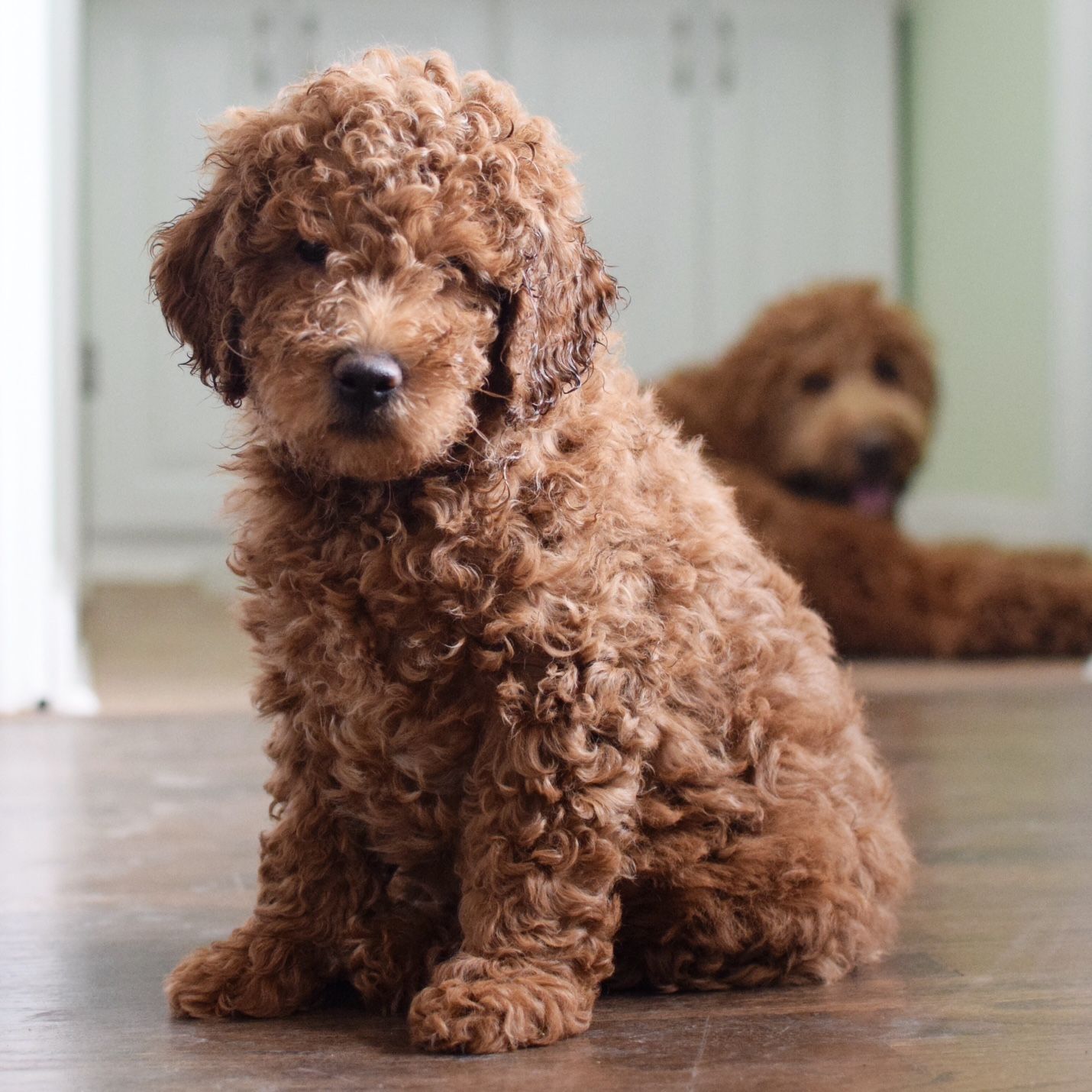
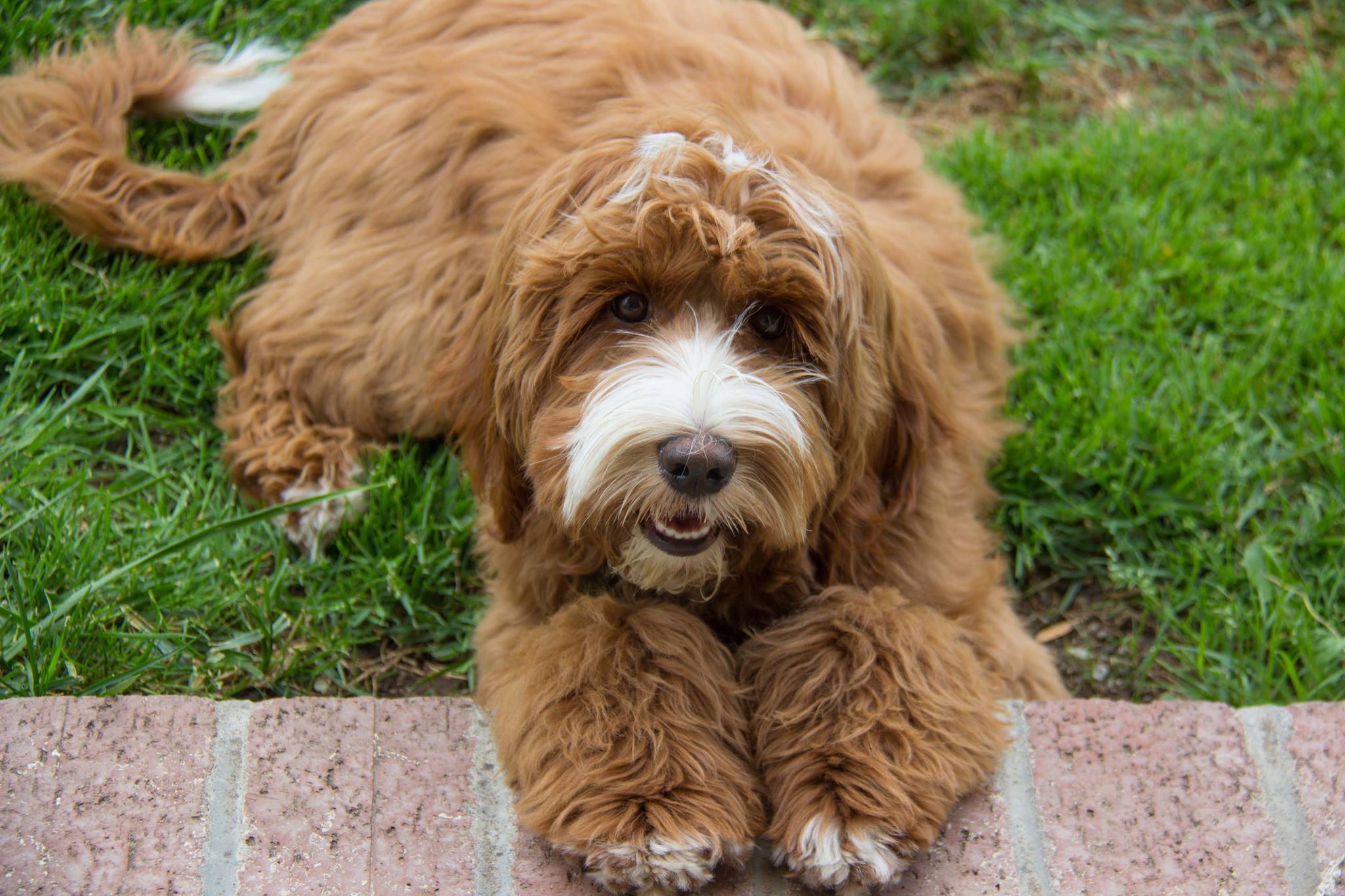
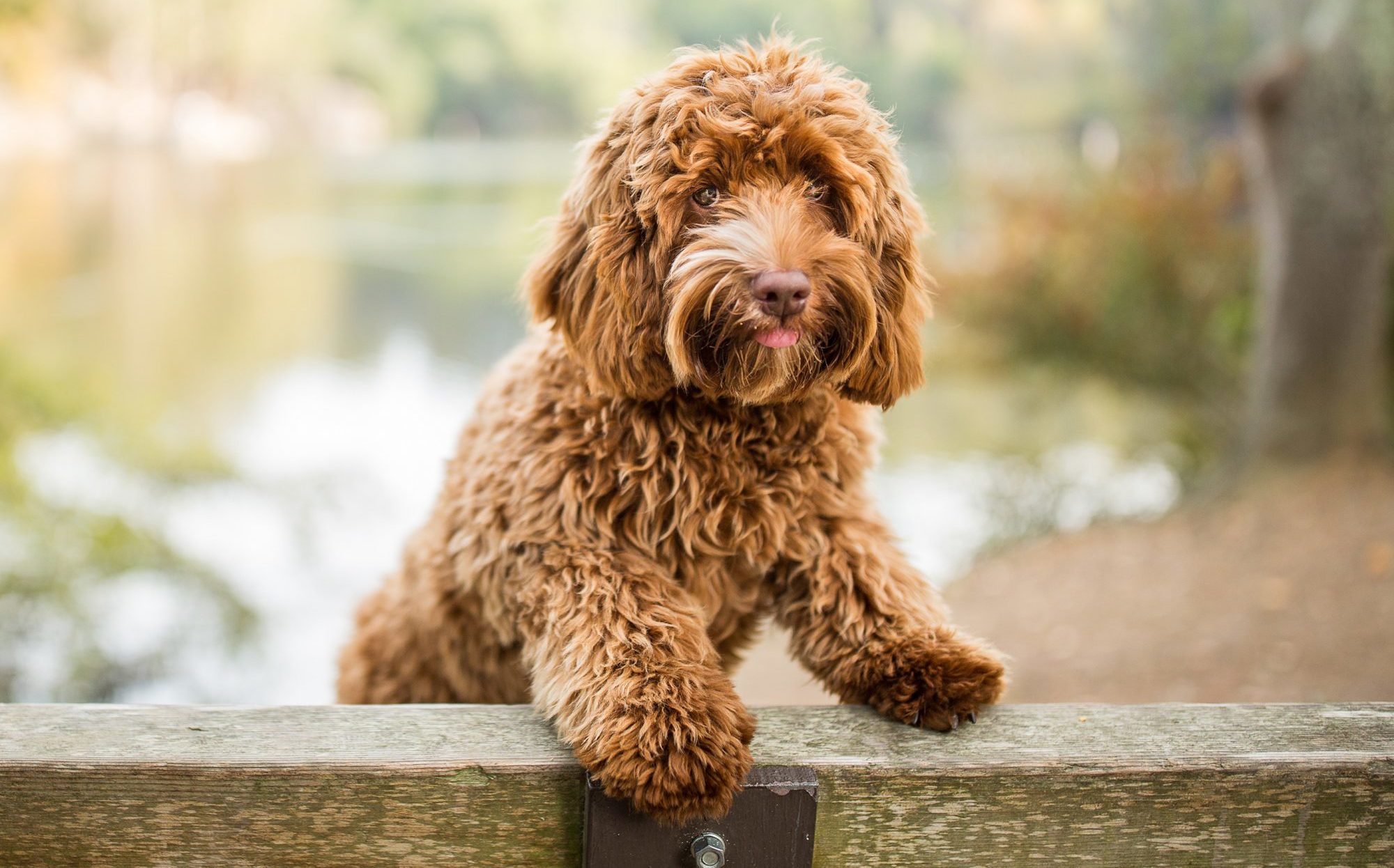
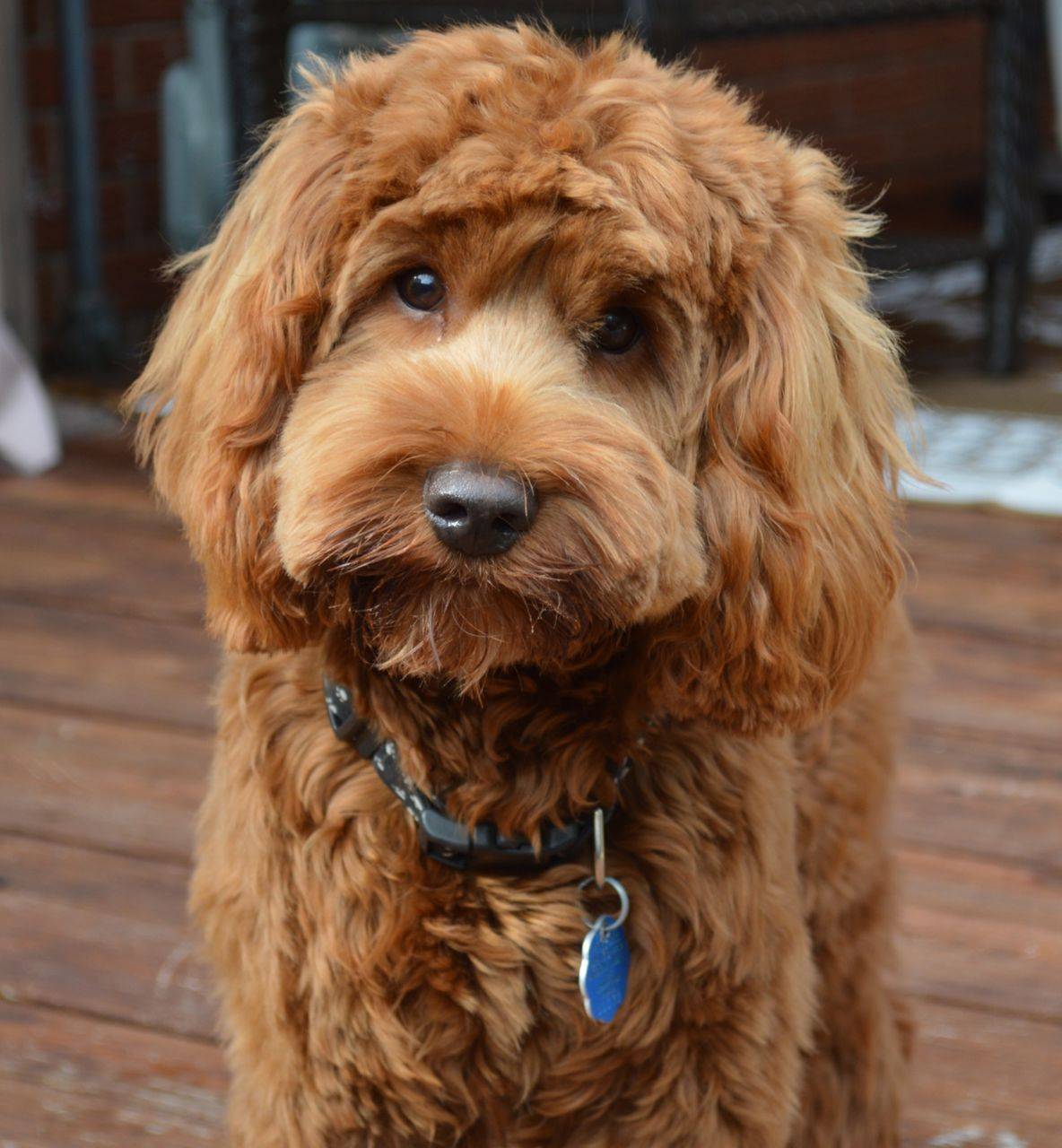
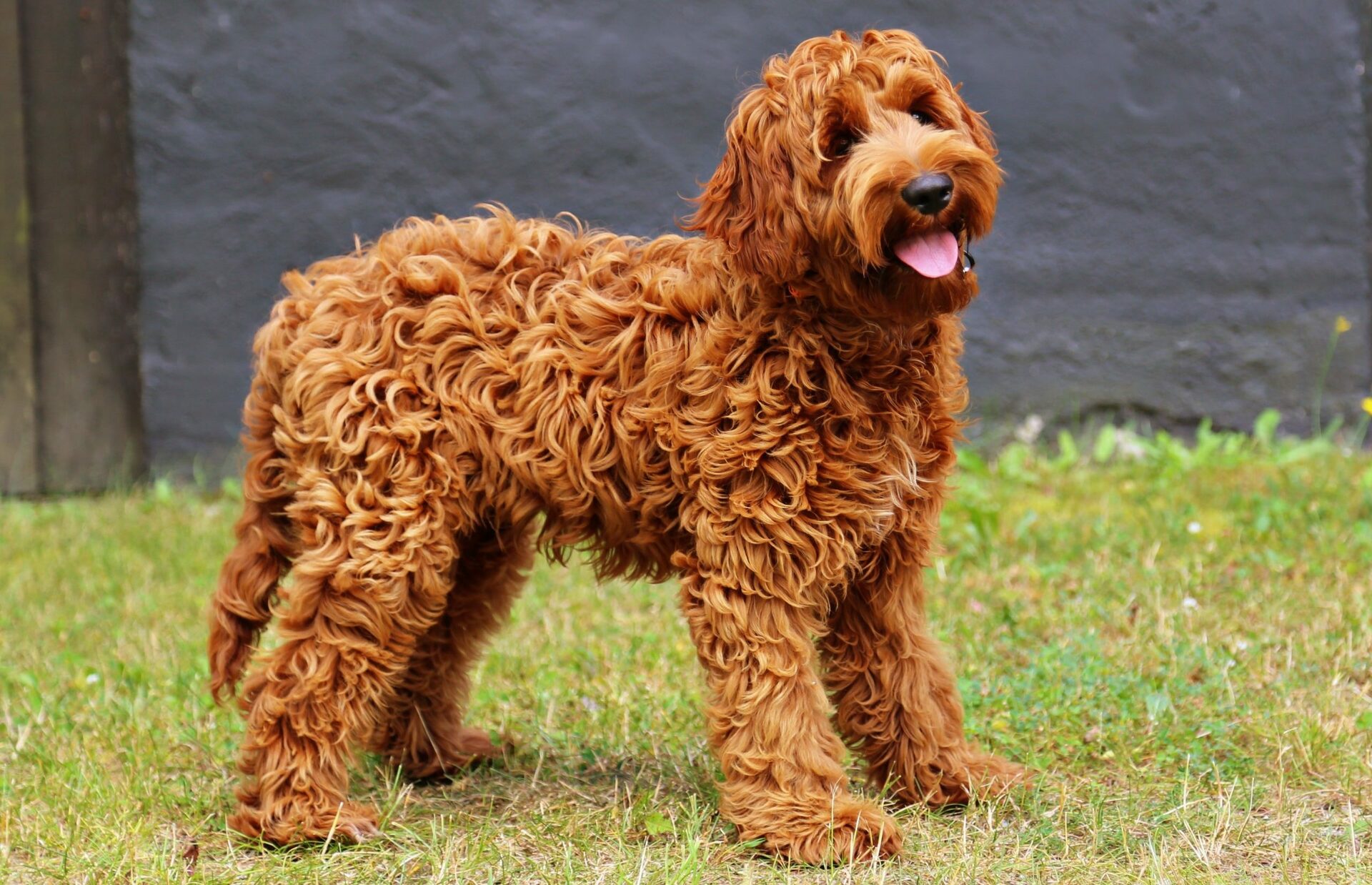
The Labradoodle is a medium-sized dog with an elegant appearance. By definition, it is a mix of a purebred Labrador Retriever and a purebred standard Poodle, so the offspring’s external characteristics may largely exhibit traits from either the Labrador or the Poodle. Its coat is usually of medium length, predominantly featuring Poodle-like curls. However, these dogs often display a very wide range of behaviors and appearances.
Labradoodles are often considered hypoallergenic dogs. This is because Poodles are hypoallergenic. In fact, Poodles shed less than other dogs, as they do not have a seasonal shedding cycle. However, there is no evidence that this characteristic will prevail in Labradoodles, as it is impossible to predict their coat characteristics. Therefore, there is no reliable information that Labradoodles are suitable for allergy sufferers. A scientific study even demonstrated that the amount of allergens in a Labradoodle’s coat does not differ from that in other dogs’ coats. The same applies to Poodles-though at least we know they shed less.
The height of a Labradoodle at the withers ranges from 35 to 63 centimeters, according to statistics from the American Association of Australian Labradoodles, and their weight ranges from 20 to 40 kilograms.
A Labradoodle born to healthy parents can live for 15 years or more, which is quite a long lifespan for a medium-sized dog. Since Labradoodles are hybrids, their characteristics can vary widely depending on the specific traits inherited from each parent breed.


Отличительные черты

Голова

Морда

Уши

Глаза

Зубы

Корпус

Конечности

Хвост

Шерсть

Окрас
Character
It is only possible to determine the character of a Labradoodle to a limited extent in advance. It’s a kind of genetic lottery, at least for generations descended from Labradoodles themselves. However, generally speaking, they are very good family dogs, highly obedient and friendly with children. Here, the genetics of the parents intersect in a very positive and supportive way.
Labradoodles possess high intelligence and productivity. Both of their ancestors were hunting dogs, specializing in waterfowl hunting, and they were also used as versatile service dogs. Therefore, a Labradoodle needs active mental and physical engagement. Only under this condition will they be a good family dog.
This intelligent four-legged friend may have above-average learning ability along with high social skills. Labradoodles love to be active and require mental stimulation.
Labradoodles make excellent pets; they are friendly, devoted, and playful, but they are not suitable for protection! They are warm and companionable and treat everyone as if they are their best friends. As energetic companions, they are loyal to their families and live an active and full life. This cheerful and calm breed of dog was bred not to be aggressive.
A Labradoodle gets along well with other pets in the house, provided there is early socialization. Living with cats is also quite suitable for them, but small parrots and hamsters are better kept in a cage, as their hunting instinct may surface.
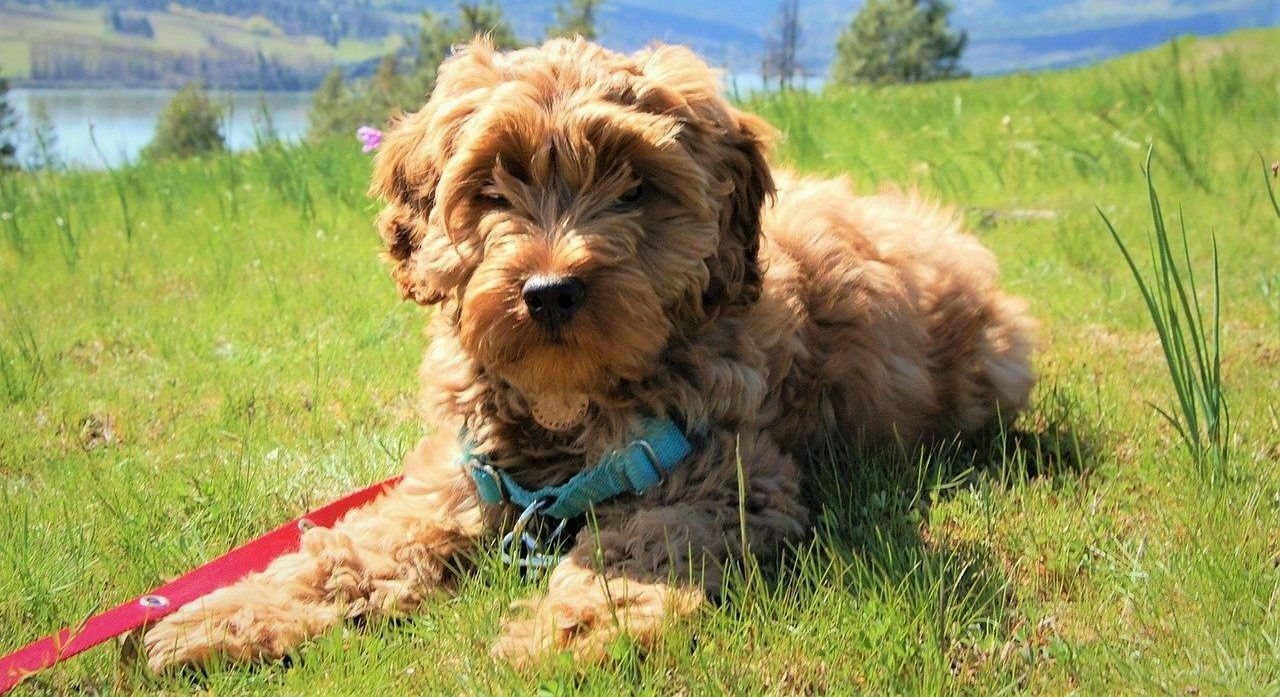
The most trainable.
The Labradoodle is rightly considered one of the easiest breeds to train. The pet's high intellectual qualities will please the owner. However, it is important to remember that it is recommended to conduct training independently without seeking help from instructors.Care and Maintenance
Taking care of a Labradoodle is easy; it just requires some time and attention. The most crucial thing for them is a close bond with their family.
Both ancestors of the Labradoodle were working companion dogs, so they inherited a strong desire to serve their owner and family. The breed excels in dog sports, and some individuals can handle professional tasks such as search and rescue work.
Labradoodles also need plenty of exercise, preferably outdoors. They have inherited a love for water from their parents, but individual preferences can vary even within the same litter.
The breed cannot be considered completely hypoallergenic; currently, there is no solid scientific evidence to support this.
Regular grooming is essential for their coat. Frequent grooming is necessary, which involves not just trimming but also de-shedding the undercoat, a trait inherited from the Poodle. Otherwise, Labradoodles are easy to care for. It’s important to start grooming routines from an early age. Gradually acclimate your pet to brushing and inspection to avoid many issues in the future. Trim their nails once or twice a month if your dog is not naturally wearing them down to avoid painful cracks and other problems. Check their ears weekly for redness or an unpleasant smell that may indicate infection. A thorough weekly inspection can help identify potential health issues early on.
Labradoodles are considered low-shedding, which makes them ideal for people allergic to dog hair. However, they do shed a bit during transitional seasons. Weekly brushing will help reduce the amount of hair in the house and keep their plush coat healthy.Labradoodles do not have specific dietary restrictions. High-quality food is beneficial for their health, and like most dogs, they enjoy meaty bones and fresh meat. Commercial dog food is also suitable for them. Experts recommend feeding dogs 1 to 2.5 cups of quality dry food daily, divided into two meals. It’s important to choose food that is nutritious for the dog. The more nutritious the food, the less your dog will need to meet its needs. Monitor your dog’s weight to prevent potential health problems and discuss the optimal diet with your veterinarian.
Serving people is the foundation of everything.
The Labradoodle was bred with a specific purpose - to serve and assist people as a guide dog and therapist.Training and Education
Many Labradoodles have established themselves as excellent service and working dogs. Both parent breeds are extremely obedient and eager to work for the benefit of their owners. Labradoodles are easy to maintain, and moreover, they are easy to train.
Training and educating Labradoodles is not a complicated process. Labradoodles are characterized by their intelligence and loyalty, making them great students ready for new tasks and commands. They have an open temperament, so their intentions are immediately apparent.
One of the key aspects of successful training for a Labradoodle is positive reinforcement. These dogs love to be praised and rewarded for good behavior. Therefore, using treats, toys, or simply verbal praise can be a powerful motivator for them.
It is important to start training at a young age when the dog is still open to learning new things. Consistency and regularity are the keys to success. Short, regular training sessions will help the dog remember commands and strengthen the bond with the owner.
In addition to basic commands (sit, lie down, stay, etc.), Labradoodles can be taught various skills that match their intelligence and energy. For example, retrieving, searching for items, working in limited areas, as well as specialized tasks such as search and rescue.
It is worth noting that training a Labradoodle requires patience and consistency. It’s essential to consider the individual characteristics of each dog and approach training with regard to their personality and needs.It is also important to remember that training should not only be about teaching commands but also about strengthening the relationship between the dog and its owner. In the process of training, you establish contact and understanding with each other, which is the foundation of a strong and harmonious bond between you. Zooinica brings together certified breeders offering puppies with excellent pedigrees.
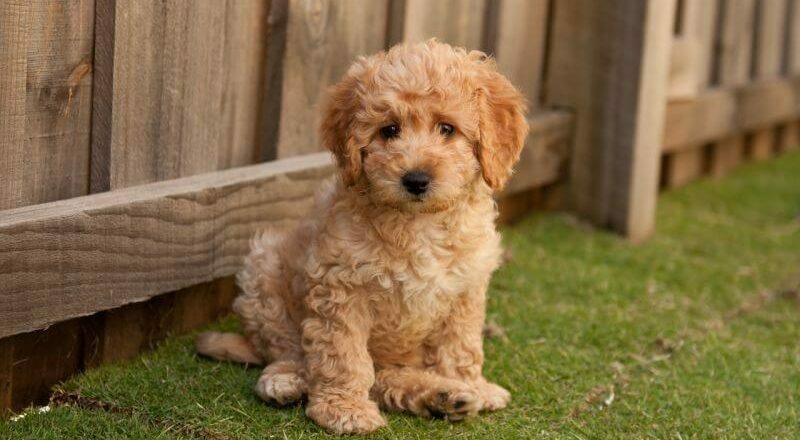
A variety of sizes and shades.
Labradoodles are a very distinctive breed, ranging in size from as small as 20 cm to full-sized at 65 cm at the withers. Their coat color knows no bounds, with any color variations possible.
How to Choose a Puppy
If you’ve decided to share your life with a Labradoodle, it’s important to find a breeder with an impeccable reputation long before the dog becomes part of your family. The ideal choice is to acquire a puppy that results from the crossing of a purebred poodle and a purebred Labrador retriever. It’s crucial that the breeder has thoroughly documented parentage and that you have the opportunity to meet the litter, including the mother dog (and, preferably, the father) in person on-site. Avoid purchasing a Labradoodle online, as there is a high risk of buying from dog traders or unethical breeders who may conceal the actual conditions and health of the puppy. This risk is especially significant when acquiring “designer dogs.” The federal Russian portal about dogs, Zoonika, compiles all breeders and kennels in Russia.
It’s important to remember that a Labradoodle is a hybrid breed, and the characteristics of puppies can vary greatly, even within the same litter. Therefore, it’s essential to conduct research and learn about the traits of both parent breeds before making a purchase to understand what qualities your future pet may inherit.
The Labradoodle is one of the first “designer dogs” and is generally characterized by high trainability, friendliness, and a willingness to work. On Zoonika, it’s simple, quick, and safe, with a quality guarantee.
Health and Illnesses
Information about typical diseases in Labradoodles is lacking. There is also no data on the predisposition to hereditary diseases in the retriever and poodle populations. However, it can be assumed that they have strong health.
Regular visits to the veterinarian are necessary to ensure your pet’s health and well-being. It is recommended to schedule veterinary visits at least twice a year or according to recommendations based on your dog’s condition. During these visits, the veterinarian will conduct a medical examination, measure your pet’s temperature, and check their heartbeat. Discuss any health concerns or issues regarding your pet with the veterinarian, as this is an important part of disease prevention.
Some key issues to watch for may include patellar luxation, Legg-CalvГ©-Perthes disease, hip dysplasia, and heart murmurs.
Содержание
-
1. Описание породы
-
2. Внешний вид
- 2.1 Голова
- 2.2 Морда
- 2.3 Уши
- 2.4 Глаза
- 2.5 Зубы
- 2.6 Корпус
- 2.7 Конечности
- 2.8 Хвост
- 2.9 Шерсть
- 2.10 Окрас
-
3. Характер
-
4. Содержание и уход
-
5. Дрессировка и обучение
-
6. Как выбрать котенка
-
7. Здоровье и болезни






Comments
Only registered users can leave reviews.
Enter