
Korean Jindo




Warning: Illegal string offset 'label' in /home/panda/sites/zoonika/wp-content/themes/zoonika/template-parts/animals/animals-param-item.php on line 32
Ð


Breed Description
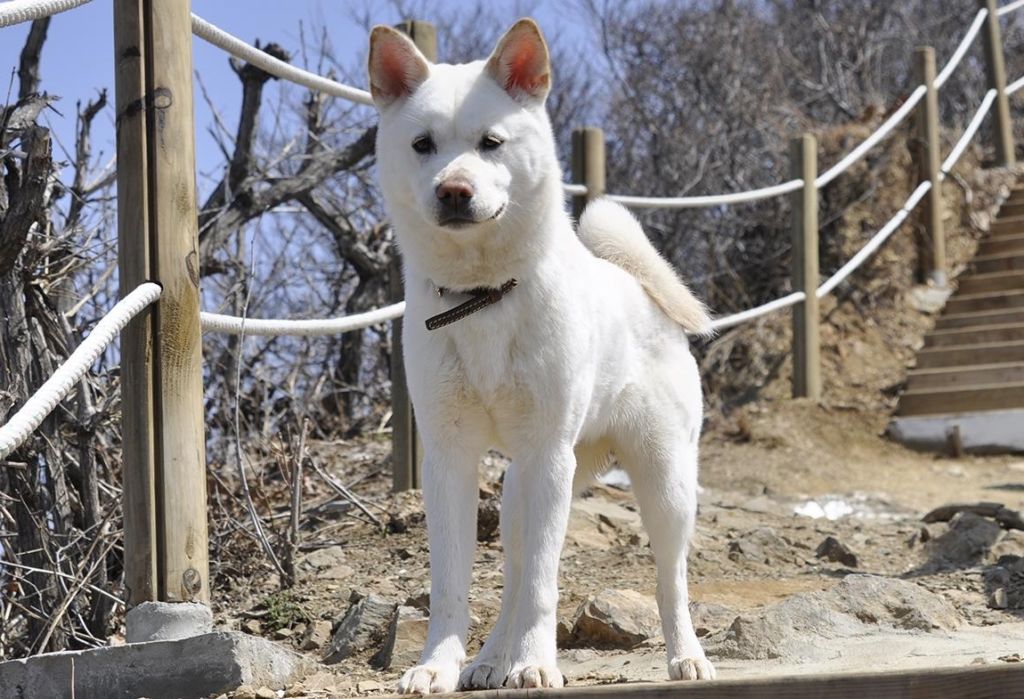
The Korean Jindo is an ancient dog breed that is a national pride of South Korea. Its origin is shrouded in legends, and its history spans several centuries. This breed is believed to have originated on Jindo Island, located off the southwestern coast of the Korean peninsula. The Korean Jindo was recognized as a national treasure of Korea in 1962, highlighting its cultural and historical significance. It is believed that the ancestors of the Jindo may have been brought to the island in ancient times. One theory suggests that the breed was introduced by the Mongols during their invasion of Korea in the 13th century. Another theory posits that the dogs were on the island long before that and developed from local breeds. The unique geographical isolation of Jindo Island allowed the Jindo to maintain its purity and develop without significant external interference, making this breed genetically homogeneous. Initially, Jindos were used for hunting large game, including boars and deer. Due to their endurance, speed, and incredible loyalty to their owners, they became not only hunting companions but also reliable guardians of homes and property. The instinc
Breed Description
The Korean Jindo is an ancient dog breed that is a national pride of South Korea. Its origins are shrouded in legends, and its history spans several centuries. The birthplace of this breed is the island of Jindo, located off the southwestern coast of the Korean Peninsula. The Korean Jindo was designated a national treasure of Korea in 1962, highlighting its cultural and historical significance.
It is believed that the ancestors of the Jindo may have been brought to the island in ancient times. According to one version, the breed was introduced by the Mongols during their invasion of Korea in the 13th century. Alternatively, the dogs may have been on the island long before that and evolved from local breeds. The unique geographical isolation of Jindo island allowed the Jindo to maintain its purity and develop without significant external influence, making this breed genetically uniform.
Originally, Jindos were used for hunting large game, including boars and deer. Due to their endurance, speed, and incredible loyalty to their owners, they became not only hunting companions but also reliable guardians of homes and property. The instinct to return home is one of the most notable traits of the Jindo. There are many stories of dogs of this breed finding their way back to their owners even after long separations and over great distances.
Jindos were valued not only for their working qualities but also for their loyalty. In Korean culture, there are numerous legends about the fidelity of these dogs to their owners, which has made them a symbol of loyalty and love. In traditional Korean villages, Jindos were often kept as part of the family and trained to protect the home, family members, and livestock.
For a long time, the breed remained known only in Korea, but in the 20th century, it began to gain recognition beyond its borders. In the 1980s, the first representatives of the Jindo were brought to the United States and Europe, where they attracted the attention of breeders due to their vibrant personality, natural beauty, and trainability. However, strict export restrictions on the breed from South Korea still make it a rarity outside its homeland.
Today, the Korean Jindo continues to be an important part of Korean culture. On Jindo Island, there is a conservation program for this breed, as well as a national center for the study and breeding of Jindos, where research is conducted on their genetics and behavioral traits. Thanks to these efforts, Jindos remain one of the most recognizable symbols of Korea, embodying ancient history, loyalty, and working qualities.The price for a puppy ranges from 60,000 to 200,000 rubles.


Отличительные черты

Голова

Морда

Уши

Глаза

Зубы

Корпус

Конечности

Хвост

Шерсть

Окрас
Appearance
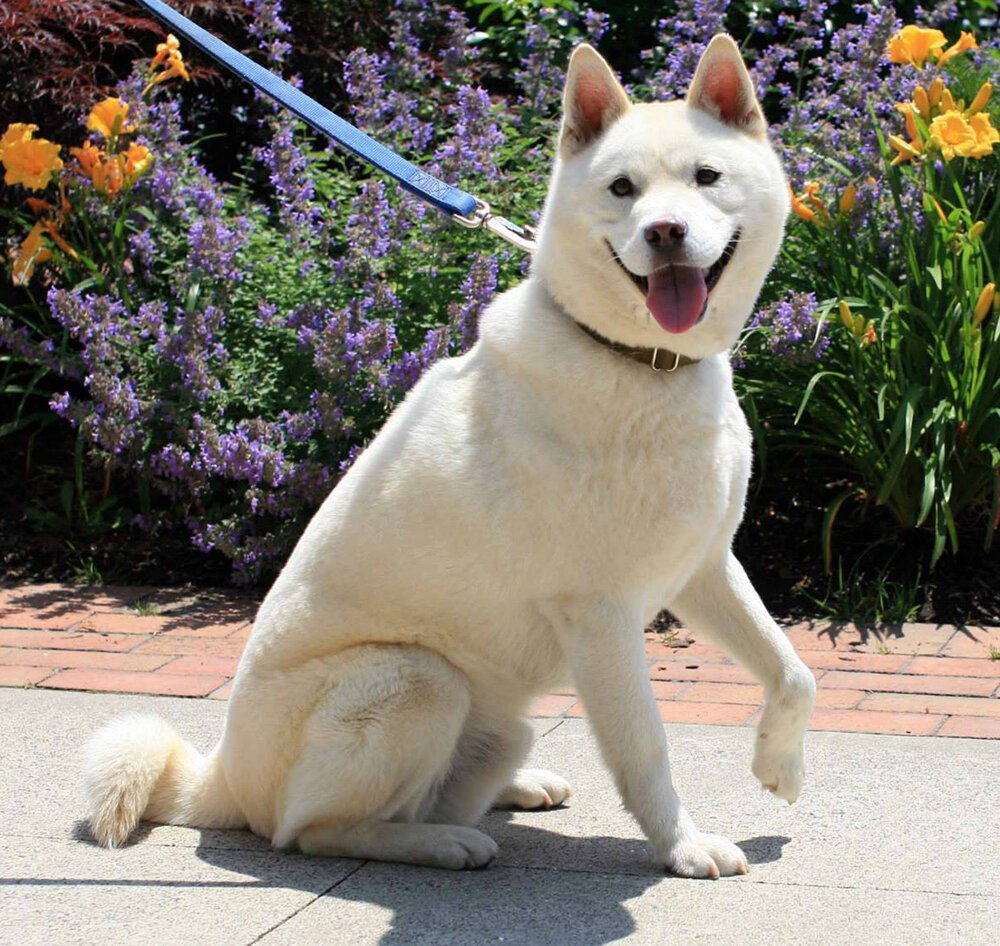
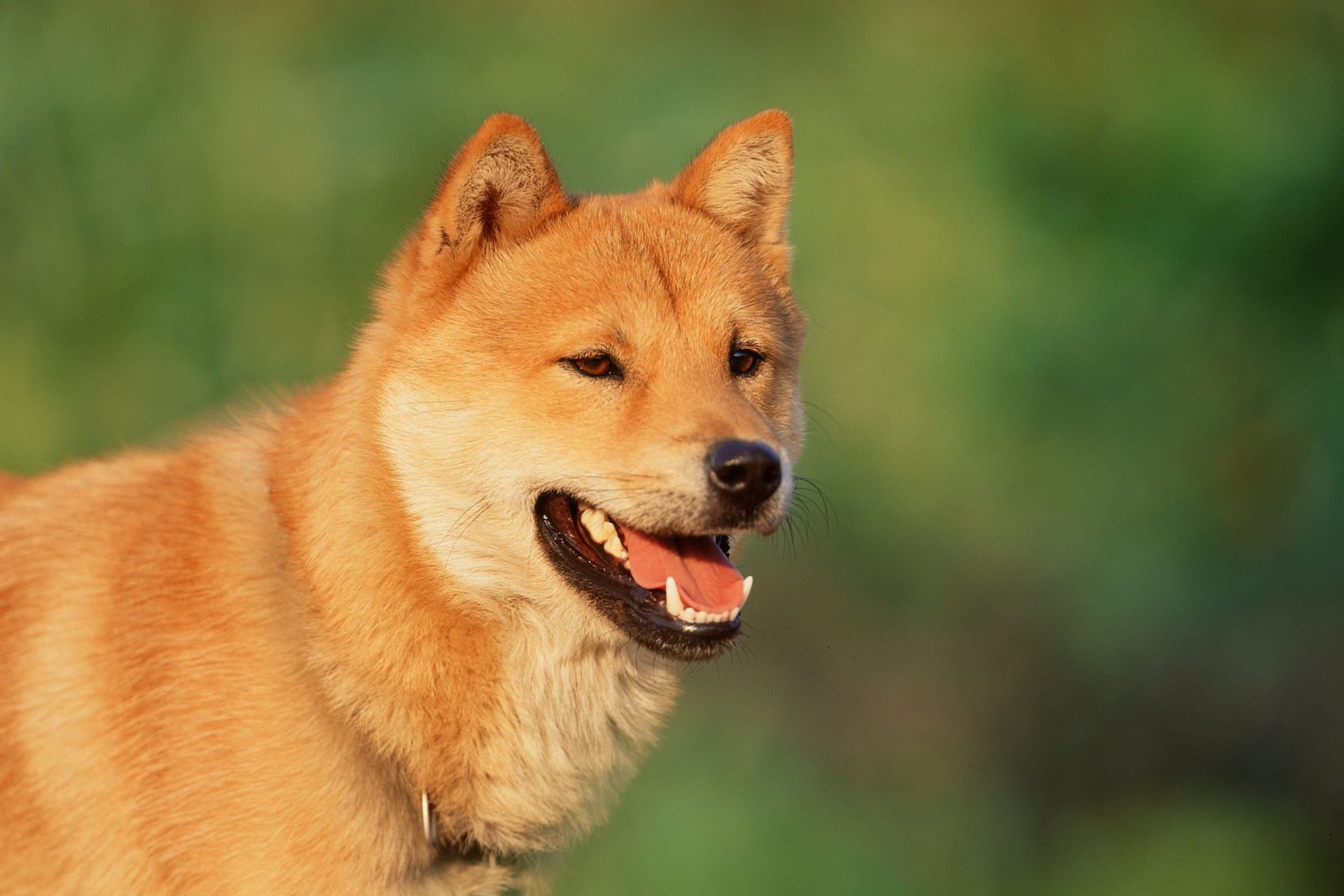
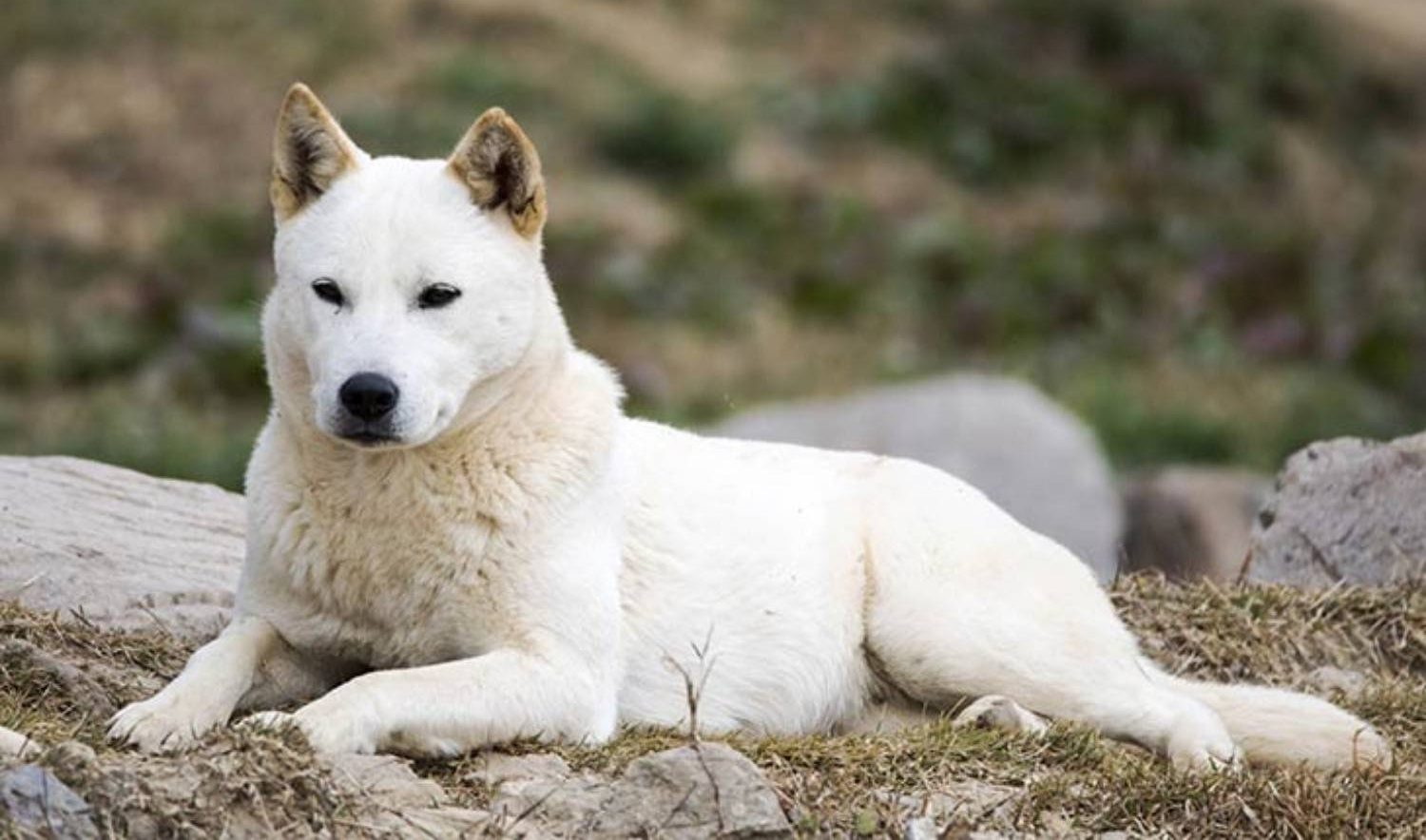
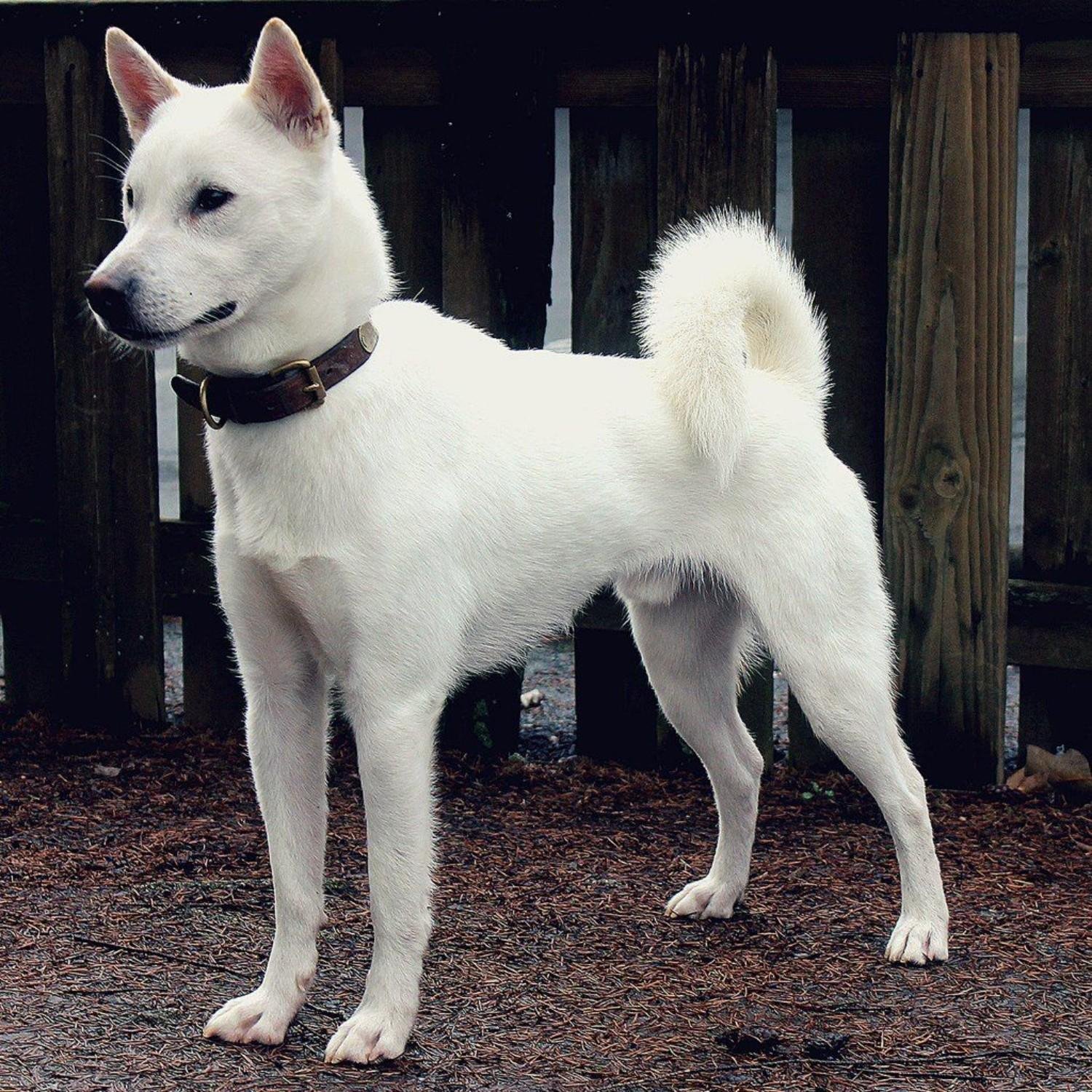
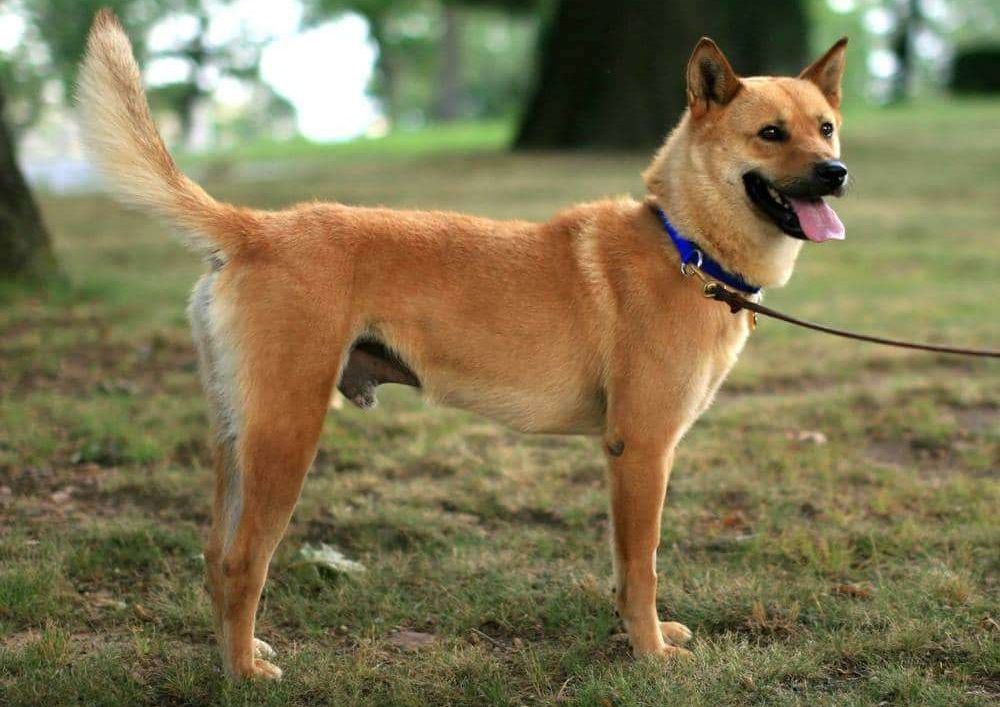
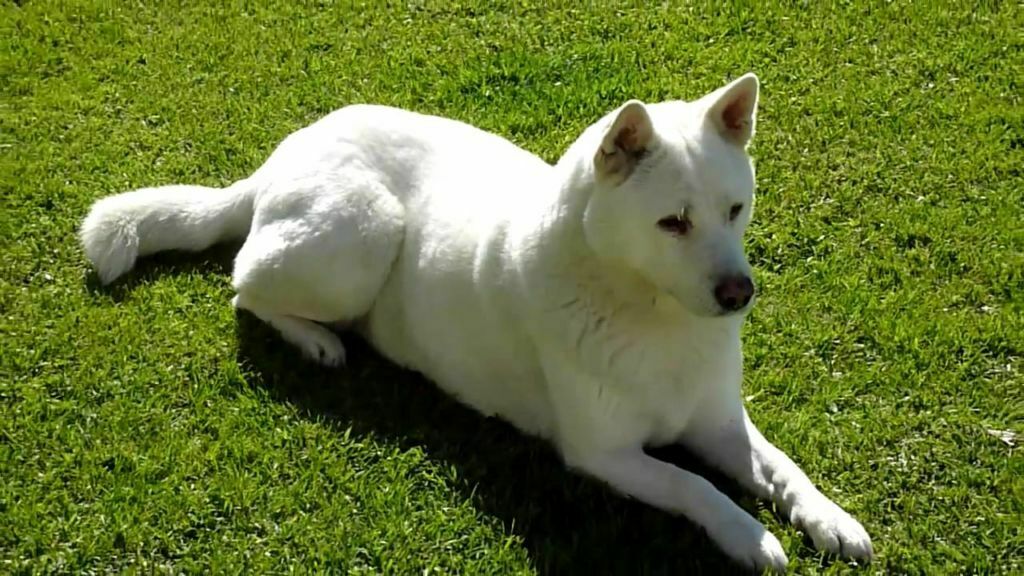
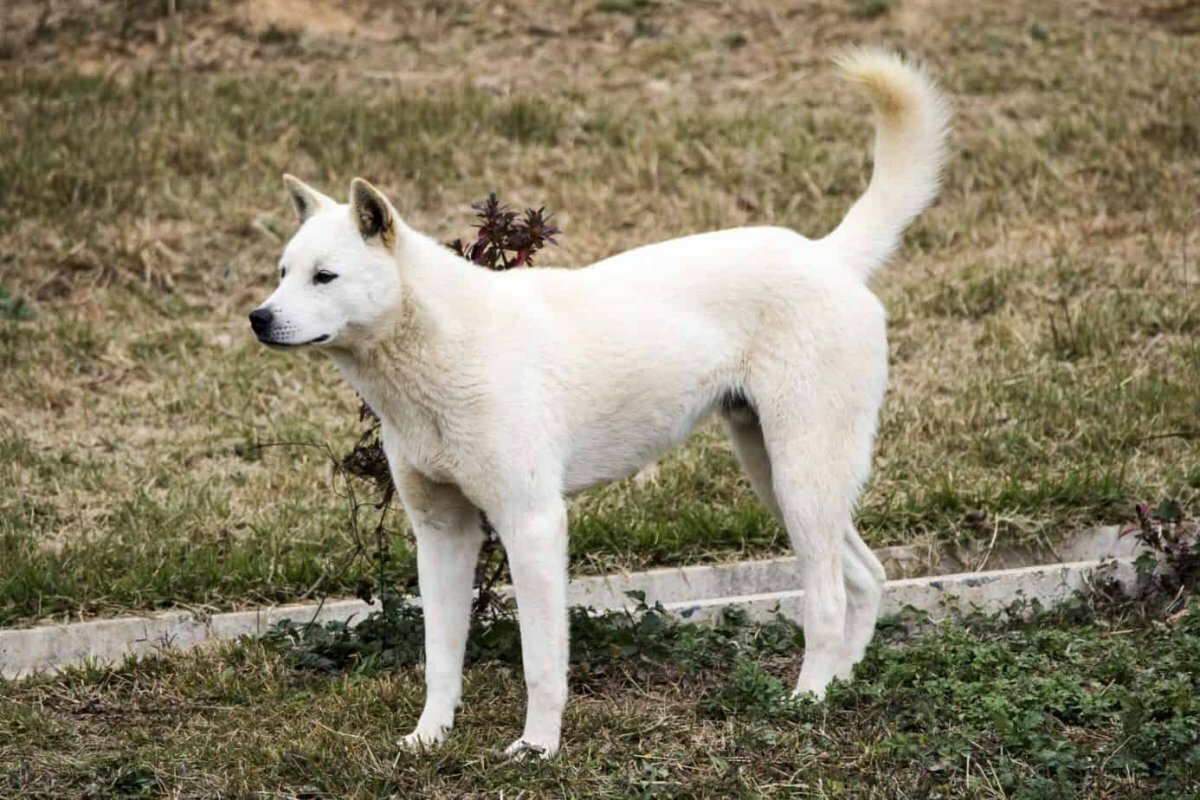
The Korean Jindo is a medium-sized dog with a harmonious and muscular build that combines strength and grace. It has a compact, proportional body that emphasizes its activity and endurance. The appearance of the Jindo conveys its natural strength and confidence, making this breed versatile for both hunting and guarding. Its coat is double, thick, and dense, providing protection against various weather conditions. It lies close to the body, creating a neat and well-groomed look.
The average height of a Jindo ranges from 48 to 55 cm at the withers, with males typically being larger and more powerful than females. The average weight varies from 15 to 23 kg, making them sturdy and resilient while still being agile and light on their feet. The lifespan of the Korean Jindo is between 12 to 15 years, which is typical for medium-sized breeds. With proper care and a balanced diet, they can maintain their activity and health throughout their lives.
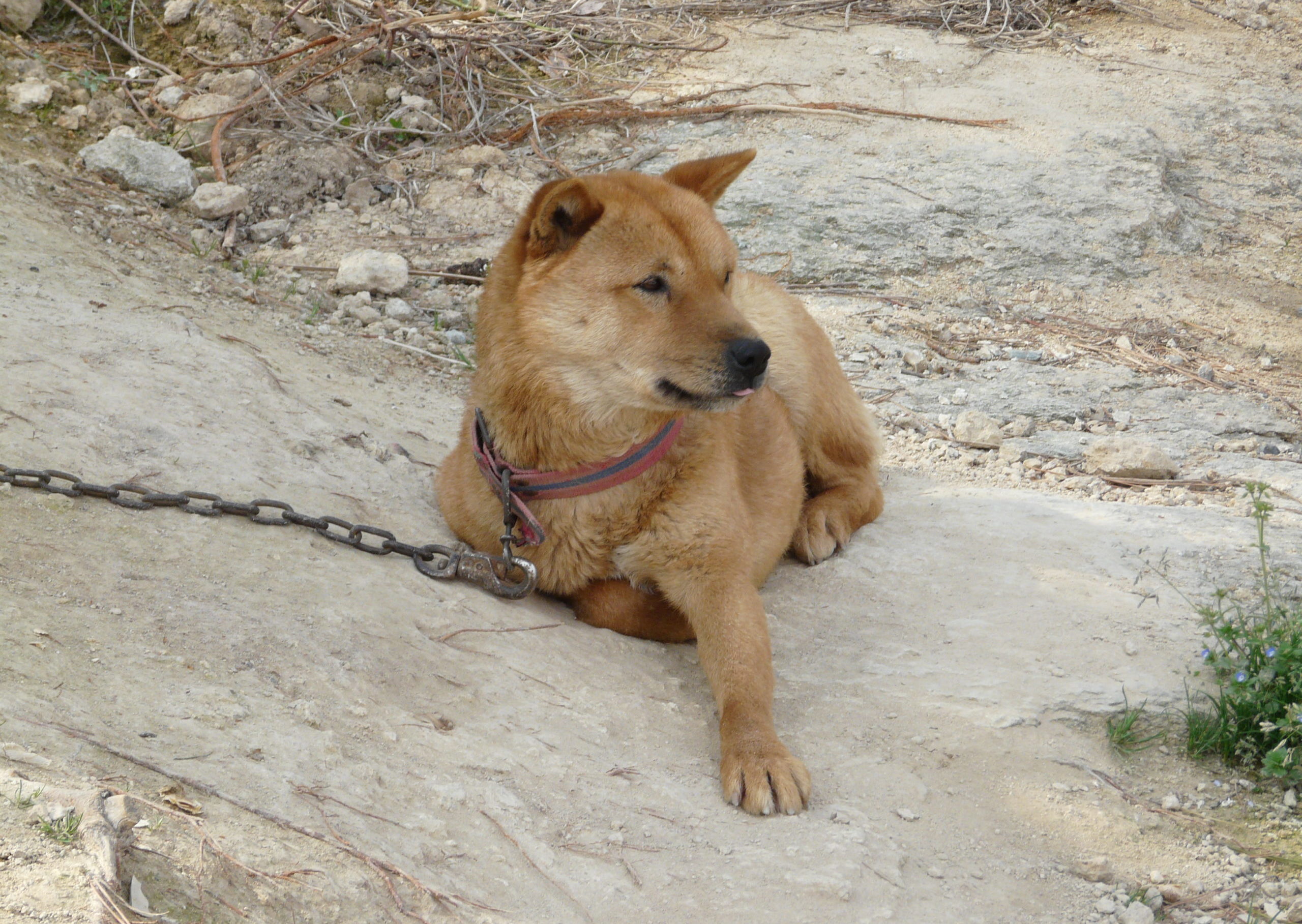
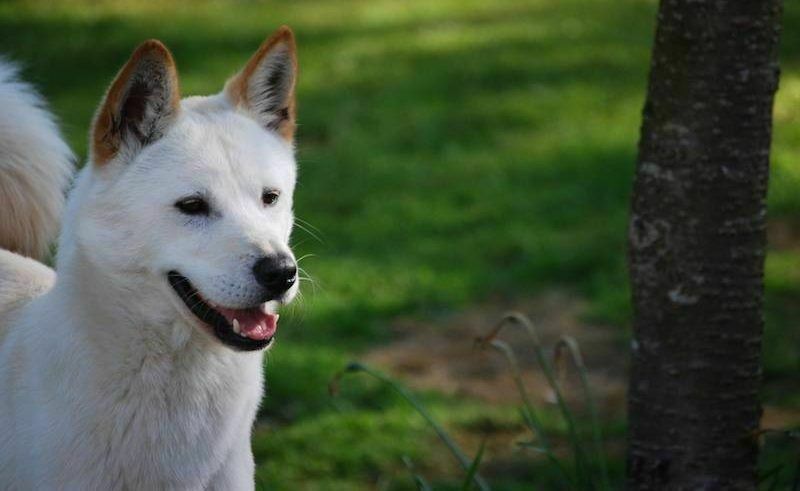
Jindos have high-set ears and an expressive gaze that highlights their alertness and intelligence. Their coat colors can vary widely, from white and red to brindle and black, with each variation harmoniously complementing the overall appearance of the dog. The Jindo’s looks fully reflect its character-confident, strong, and loyal.
Rare breed
Korean Chindo dogs are a treasure of South Korea and are legally protected. It is very difficult to export them outside the country, so the breed is rarely found in other countries.Character
The Korean Jindo possesses a bright, confident, and independent character that harmonizes with its incredible loyalty to its owner. This dog is known for its intelligence, willpower, and natural wariness. It is perfectly suited for home protection, as it is always alert and diligently defends its territory. A Jindo demonstrates determination in its actions while remaining balanced and calm unless it senses a threat.
Attachment to its owner is one of the key traits of the Jindo. These dogs are incredibly loyal and often form a particularly strong bond with one family member, although they treat all household members with love and respect. A Jindo rarely seeks the company of strangers and may show caution towards outsiders until it is assured of their safety. This makes them not only excellent guardians but also thoughtful companions who are always attuned to their owner’s moods and behavior.
The Jindo is an active breed that enjoys physical exertion and mental challenges. These dogs happily participate in long walks, love to run, and explore new places. They have a developed hunting instinct, which makes them prone to chasing small animals. Therefore, it’s important to train them in obedience from an early age and to familiarize them with commands to control this natural instinct.
Jindos are characterized by their independence and may sometimes display stubbornness, especially when they feel the situation is under their control. This requires patience and confident guidance from the owner. However, they are not prone to destructive behavior if their physical and mental needs are met. A vital part of their habits is vigilance: even during rest, a Jindo remains alert and quickly responds to any unusual sounds or movements.
These dogs love routine and stability, preferring clear rules and consistency in their owner’s actions. They cannot tolerate rudeness or unfair treatment, but gladly follow someone who shows respect and leadership qualities. The Korean Jindo is a combination of loyalty, intelligence, and strength, making them not only reliable protectors but also wonderful friends for those who are ready to respect their individuality.
One-partner love or monogamy.
The Korean Jindo is a unique one-person dog; it bonds to its owner so closely that it will only leave them in the case of death.Care and Maintenance
The Korean Jindo requires care that considers its physical and psychological characteristics. This breed has dense and thick fur with a double coat, providing protection against various weather conditions. It is easy to clean and does not need complicated maintenance, but regular brushing (1-2 times a week) helps remove dead hair and maintain a healthy appearance. During the seasonal shedding period (in spring and fall), the dog should be brushed more frequently to manage the heavy shedding of the undercoat.
Bathing is needed infrequently, as Jindo fur has self-cleaning properties. It is sufficient to bathe the dog every few months or as it gets dirty. Keeping the ears, eyes, and teeth clean is also important to prevent infections. The dog’s paws should be checked after walks, especially if it has been on rough terrain, as this breed is active and loves to explore its surroundings.
The Jindo enjoys active walks, physical exercise, and tasks that stimulate its intelligence. These dogs love long walks, runs, and opportunities to play in open spaces. They joyfully participate in training, especially if the activities involve problem-solving tasks. The Jindo values consistency in its daily routine and feels best in a stable environment where it knows its role and the rules.
However, the Jindo does not like solitude and boredom. This breed can become restless or stubborn if it does not receive enough attention, physical activity, or mental stimulation. They also do not tolerate rough treatment or unfair punishment. The Jindo is a very sensitive dog that reacts to the owner’s mood and behavior, so it is important to remain calm and confident with them.
This breed does not enjoy close contact with strangers and may show caution if it does not feel safe. The Jindo respects its owner when it sees a confident and fair leader. By providing respect, care, and attention to the dog, you will gain a loyal and reliable friend who values honesty and clear rules.
Water opponent
The Korean dog does not like water at all. The dog avoids bodies of water, and household washing can turn into a nightmare unless the puppy is trained from an early age.
Training and Education
The Korean Jindo is a smart and independent dog that requires a special approach to training. Effective training is based on respect, patience, and consistency. This breed tends to be self-sufficient and can make decisions on its own, which makes it an excellent guard dog but can create challenges for inexperienced owners. Training should begin at an early age while the puppy is still forming its habits and perception of the world.
The Jindo responds well to positive reinforcement, such as praise, treats, and play-based learning techniques. This dog cannot tolerate harshness or physical punishment, as it can undermine its trust and make it less responsive. Instead, a confident and friendly approach should be used, building a relationship based on respect and mutual understanding. Short but regular training sessions with a variety of tasks will help hold the Jindo’s attention and maintain its interest.
Socialization is an important stage in raising this breed. From an early age, the Jindo needs to be introduced to new people, animals, and environments in order to become more open and confident in its surroundings. Without proper socialization, a Jindo may become overly cautious or even distrustful of strangers.
The Jindo tends to choose an owner who demonstrates leadership qualities, remains calm, consistent, and fair. It respects those who can establish clear rules and adhere to them, striking a balance between discipline and care. This dog gravitates towards one person in the family with whom it establishes a particularly strong bond but will respect other family members if it sees its owner respects them.
The Jindo listens to a confident and experienced owner who understands its independent nature and gives it enough time to respond to commands. It tends to analyze situations, so it may delay following a command if it deems it necessary. Such a personality requires the owner to be patient and able to stay calm. With the right approach, the Jindo becomes an incredibly loyal, reliable, and obedient companion, ready to protect its family and follow the rules. At Zoonica, elite breed puppies with a full set of documents are offered.
How to Choose a Puppy
Choosing a Korean Jindo puppy requires careful consideration to ensure that the dog grows up healthy, loyal, and in line with breed standards. The first step is to find a responsible breeder who specializes in this breed and can provide comprehensive information about the puppies’ lineage. The puppy’s parents should have stable temperaments, be healthy, and meet breed standards, which guarantees good potential for the offspring.
When evaluating a puppy, pay attention to its behavior. A Jindo puppy should be curious, confident, and moderately active. It should not display excessive aggression or be overly timid. A slight wariness of strangers is acceptable, as this trait is inherent to the breed, but the puppy should show interest in its surroundings and not be afraid of new sounds or movements. A lively yet balanced temperament is indicative of a promising puppy.
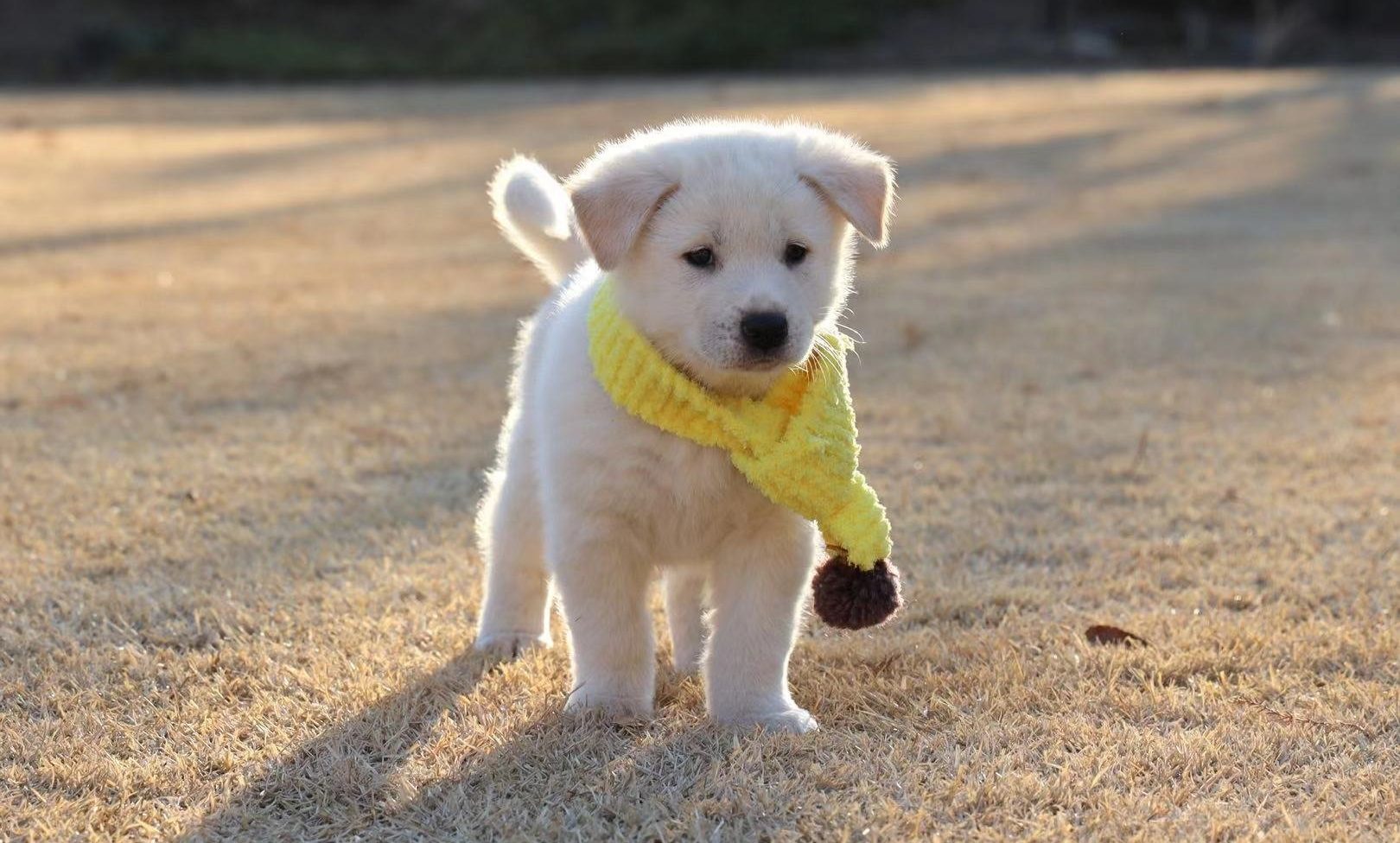
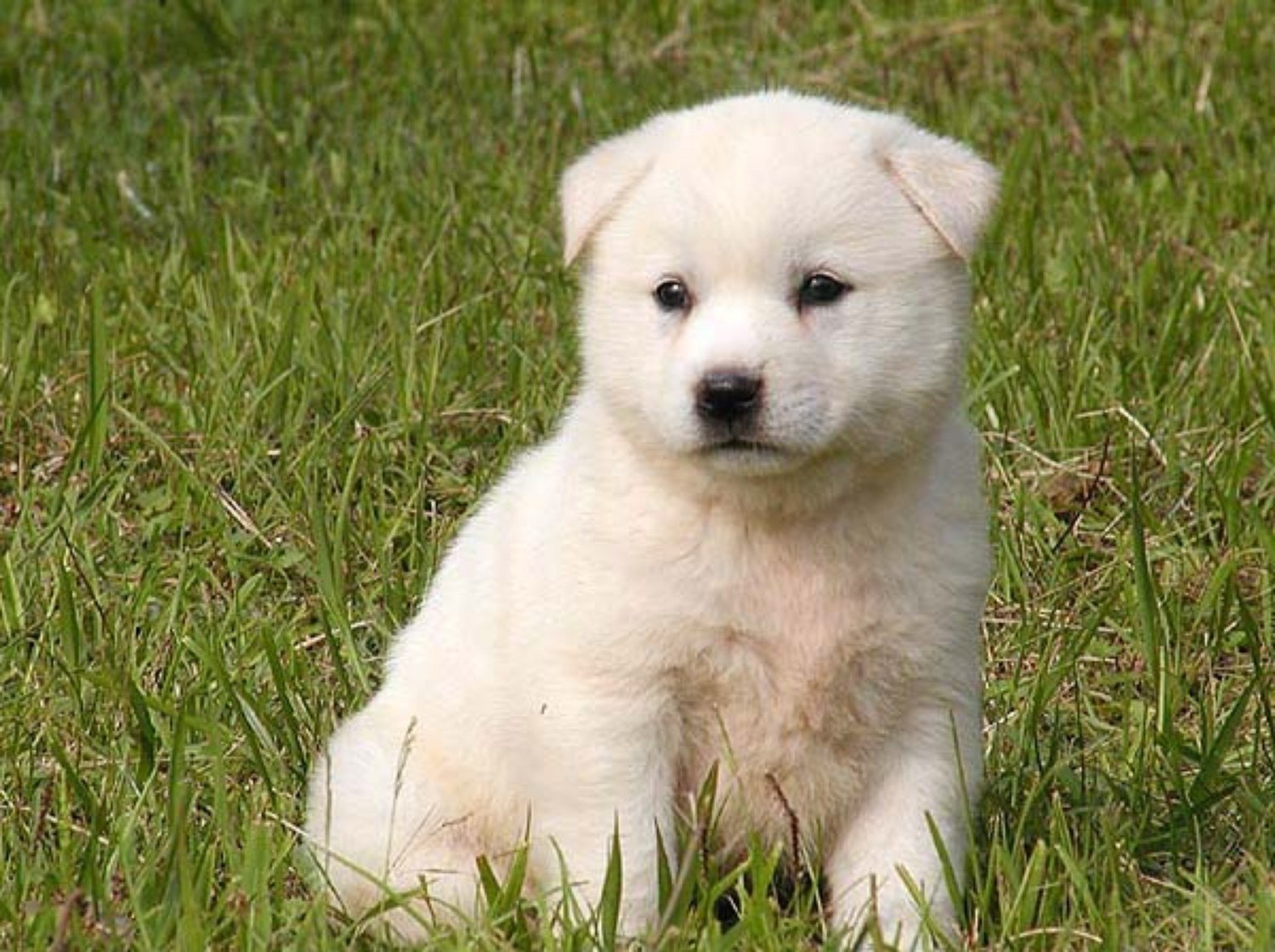
Visually, the puppy should be sturdy with good body proportions. Its coat should be dense and healthy-looking, free from bald patches or signs of skin irritation. The eyes should be clear, bright, and free of discharge. The legs should be strong, and movements should be confident and smooth. Jindo puppies may not have completely upright ears at a young age, which is normal. The tail is typically curled in a ring or a semicircle over the back, in accordance with breed standards.
Documentation plays a key role. The puppy should have a veterinary passport with vaccination and deworming records, as well as a pedigree or puppy registration document that confirms its lineage. Ask the breeder about the health of the parents, including information on hereditary diseases, to ensure the puppy has good genetic predispositions.
Consider the breed’s characteristics: the Jindo is a dog with a strong guarding instinct and a need for an emotional bond with its owner. Choose a puppy that fits your lifestyle, and be prepared for the time and attention it will require for proper upbringing. With the right choice and care, the puppy will grow into a confident, devoted, and intelligent companion, becoming an indispensable member of the family. Zooinika offers favorable deals depending on the breed and pedigree.
Содержание
-
1. Описание породы
-
2. Внешний вид
- 2.1 Голова
- 2.2 Морда
- 2.3 Уши
- 2.4 Глаза
- 2.5 Зубы
- 2.6 Корпус
- 2.7 Конечности
- 2.8 Хвост
- 2.9 Шерсть
- 2.10 Окрас
-
3. Характер
-
4. Содержание и уход
-
5. Дрессировка и обучение
-
6. Как выбрать котенка
-
7. Здоровье и болезни






Comments
Only registered users can leave reviews.
Enter