
Komondor




Warning: Illegal string offset 'label' in /home/panda/sites/zoonika/wp-content/themes/zoonika/template-parts/animals/animals-param-item.php on line 32
Ð


Breed Description
The Komondor is an ancient breed of shepherd dogs with an astonishing history that traces back to the distant past. Its origins are closely linked to the history of Hungarian shepherds, although dogs of this breed have also been known in other Central European countries. According to one version, the Komondor is a descendant of ancient molosser dogs that were used as guardians of herds in ancient times. There is also a theory that the breed may have developed as a result of crossbreeding these molossers with local breeds, such as shepherds, which helped create the ideal protector for sheep and other livestock. Historically, the Komondor was intended to protect large cattle and sheep from predators like wolves, bears, and even dogs, as well as from bandits, who were quite numerous in the Middle Ages. These dogs assisted shepherds by deterring attacks and safeguarding the herd, demonstrating outstanding bravery and loyalty. The very word “Komondor” comes from the Hungarian “komondor,” which translates to “dog with long hair.” The appearance of the Komondor-its long, dense coat that forms distinctive “cords”-allows it to be exceptionally resilient to weather co
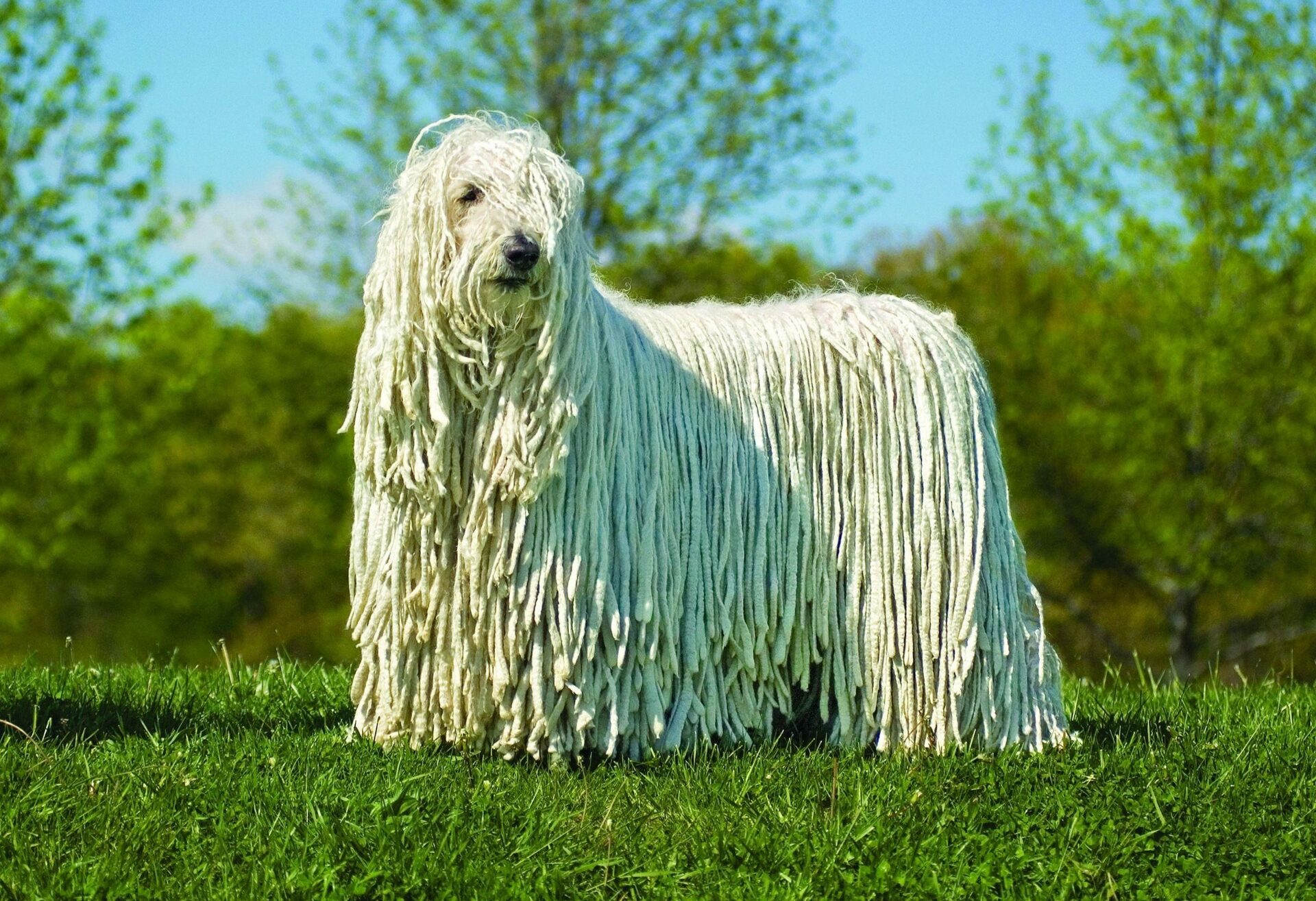
Appearance
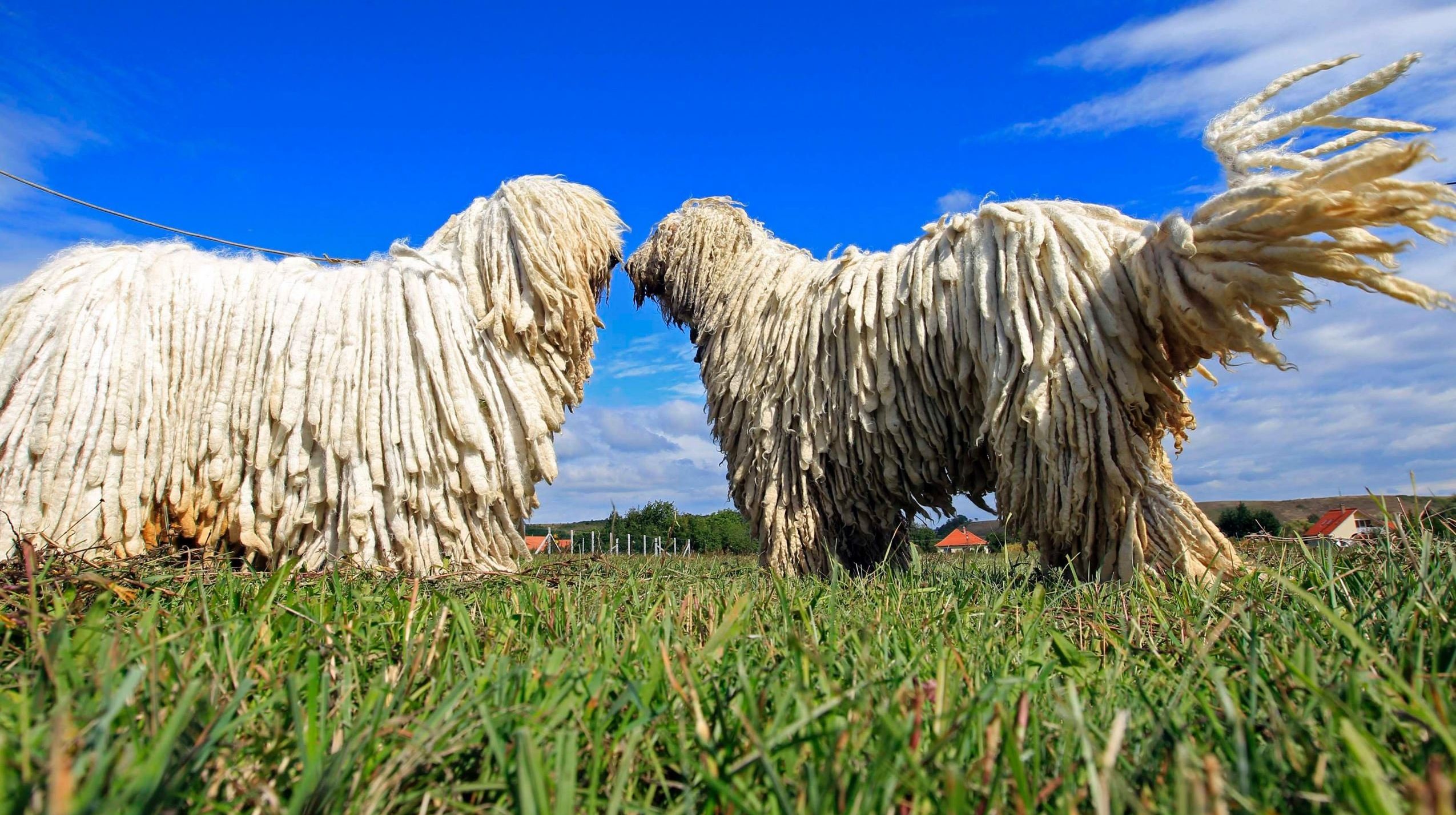
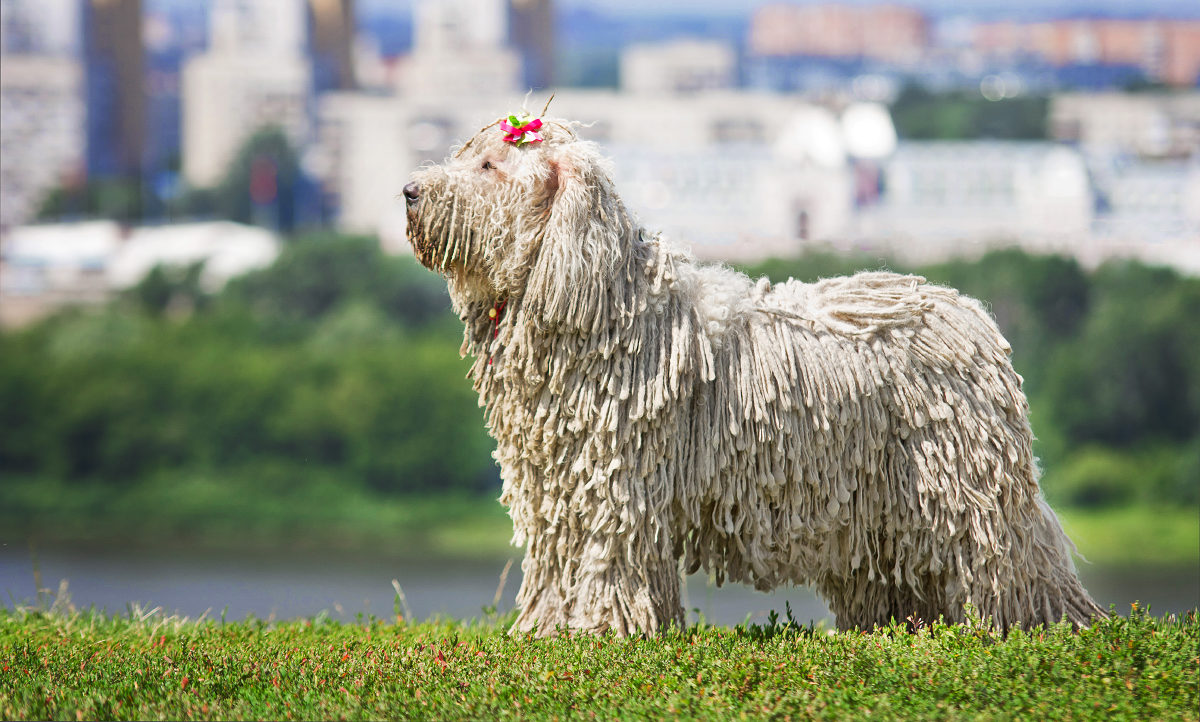
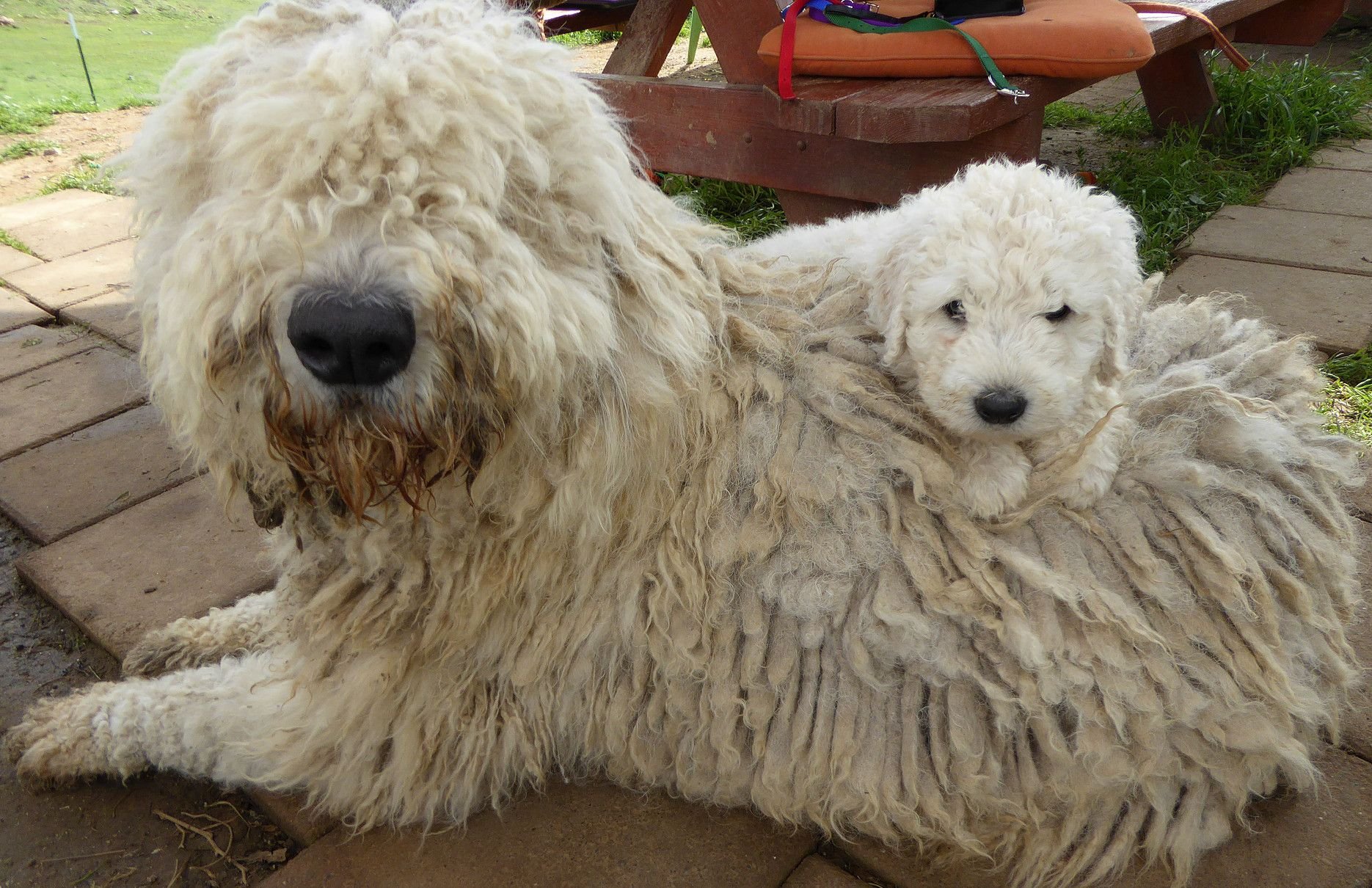
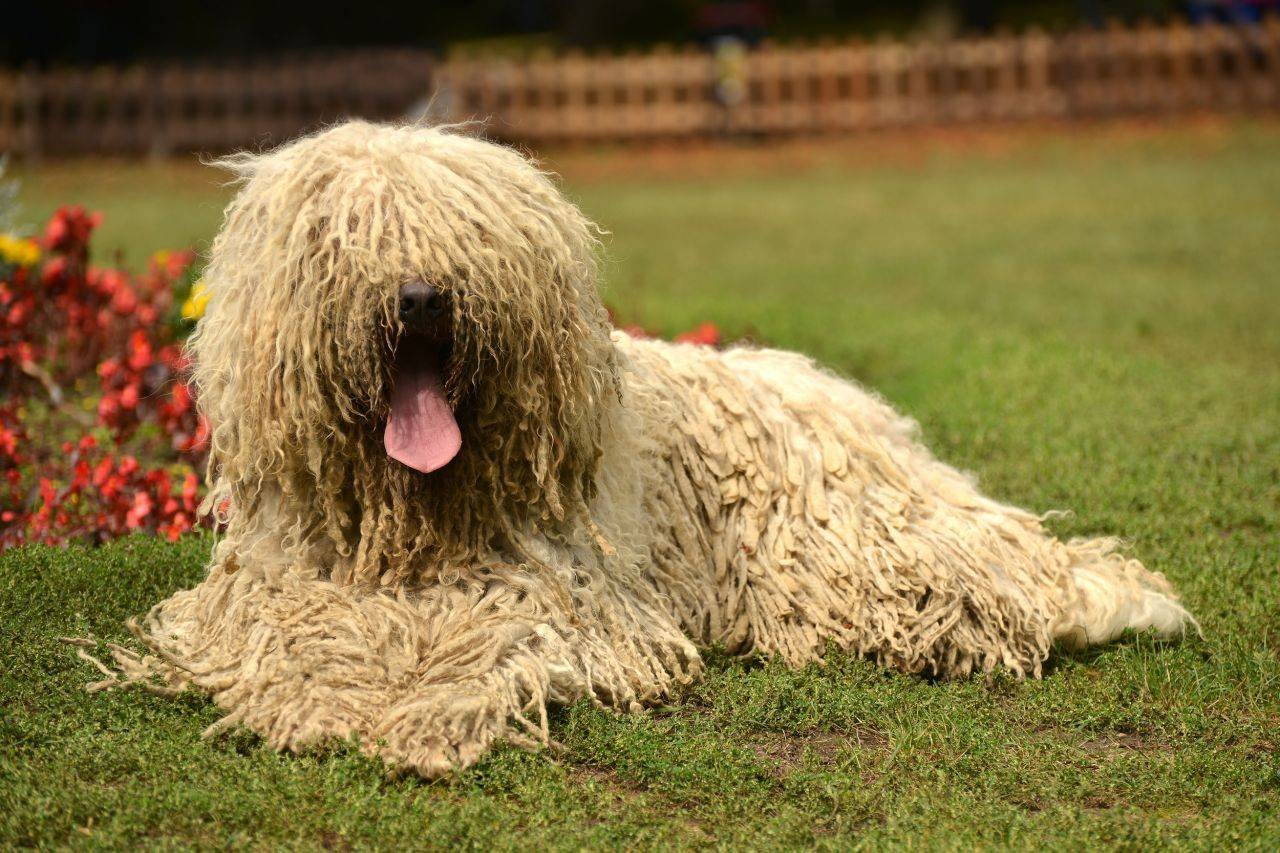
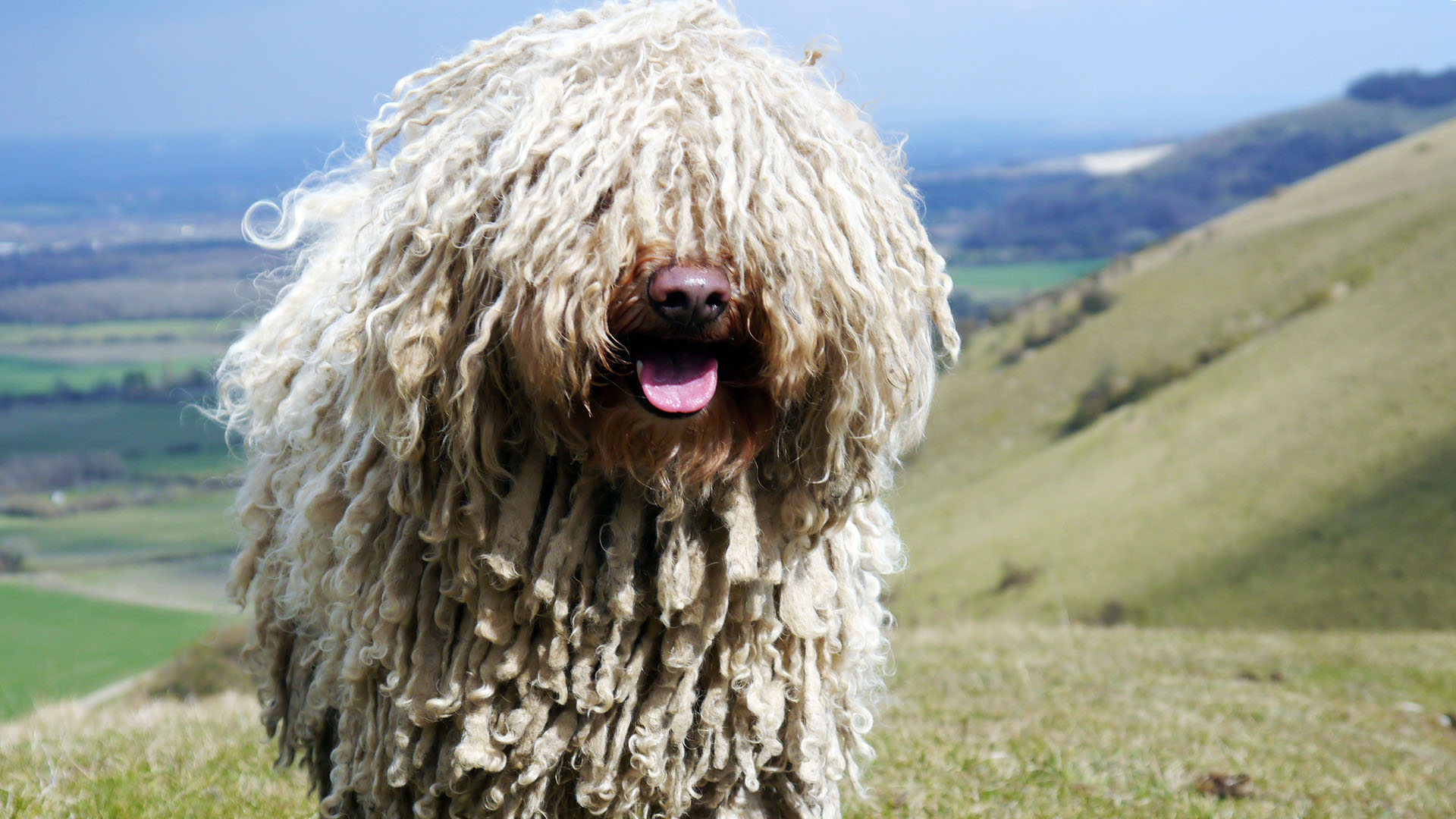
The Komondor is a large, impressive dog with a unique appearance that is unmistakable among breeds. Its long, dense coat hangs in cords or “locks,” creating an impression of grandeur and strength. It is one of the largest shepherd breeds, with a well-proportioned body that demonstrates power and endurance. The average height of males is about 70-80 cm at the withers, while females measure 65-75 cm. Their weight ranges from 50 to 60 kg for males and 40 to 50 kg for females, making them some of the most massive dogs in the world.
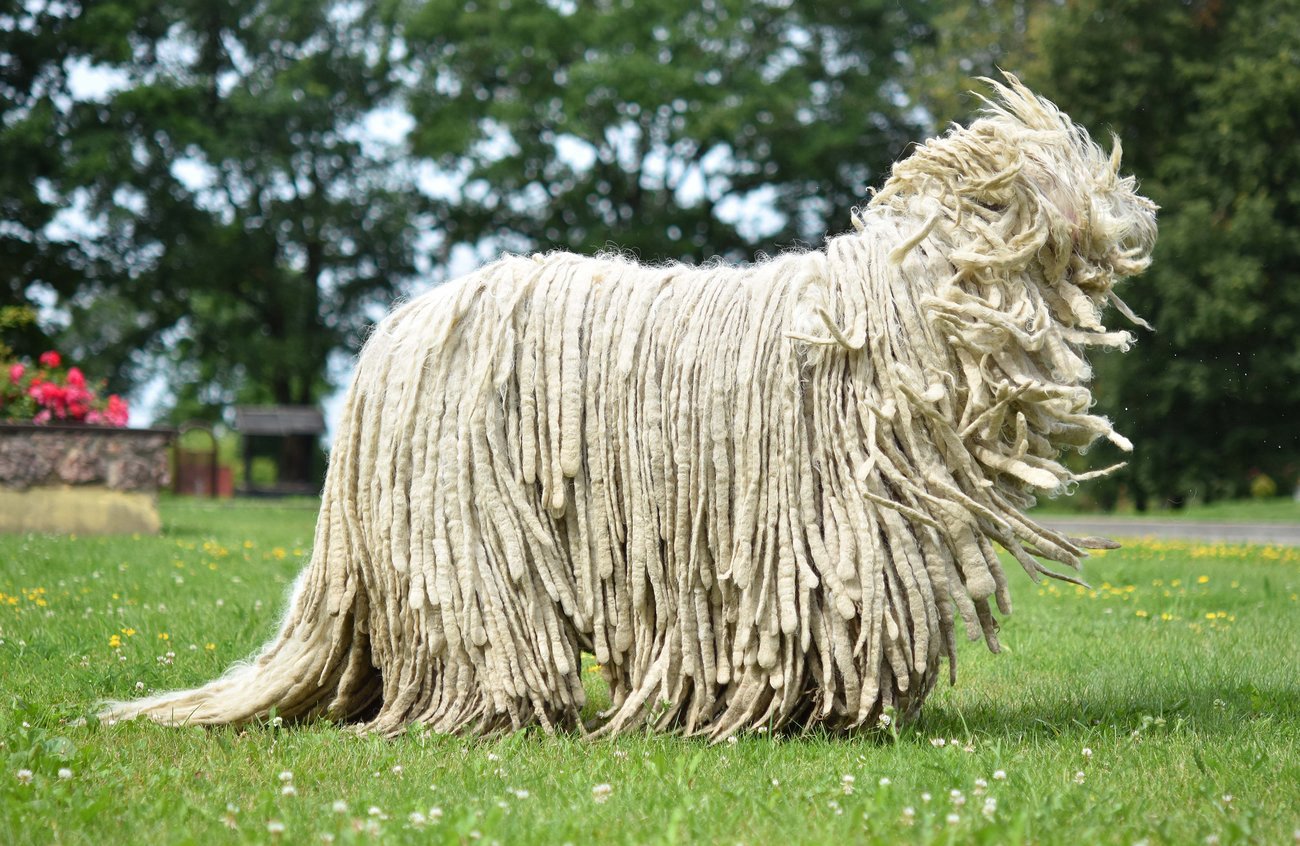
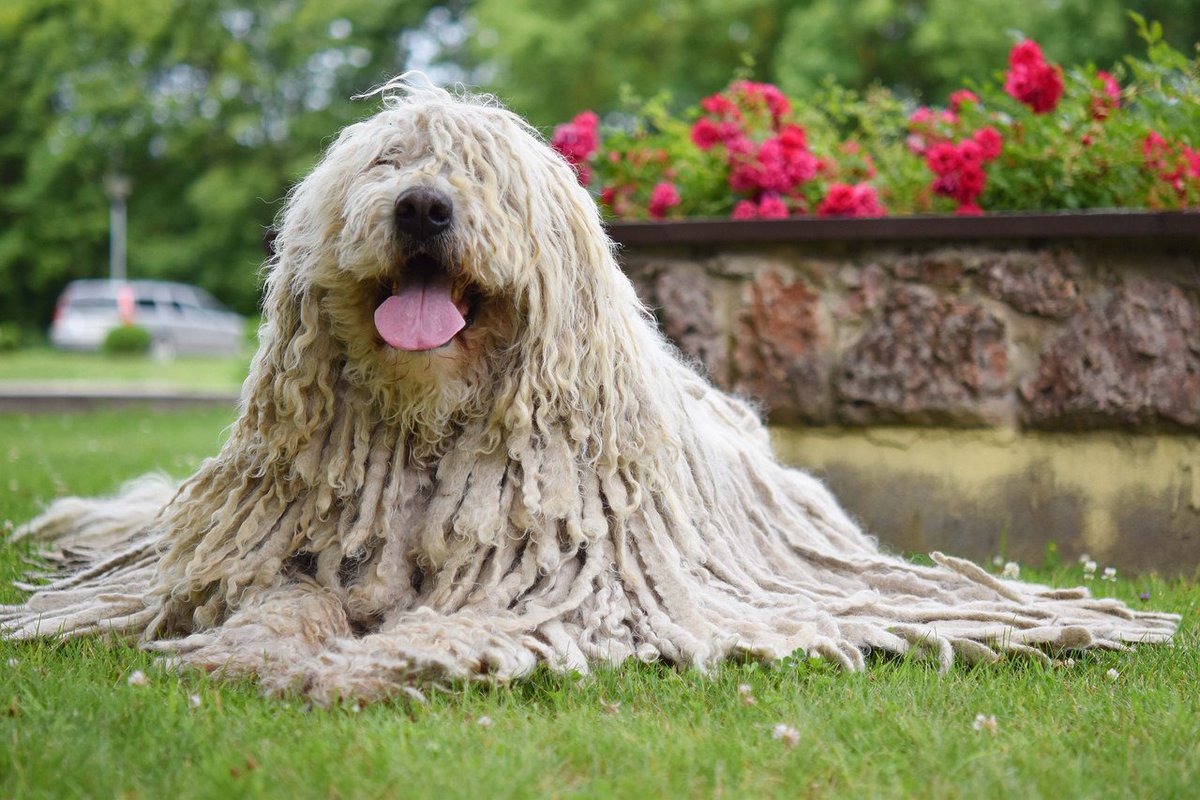
The Komondor’s coat is its main distinguishing feature. It consists of two layers: a soft undercoat and a harsh outer hair, which together form the characteristic “cords.” This coat provides excellent protection against cold, heat, and predator bites, making it ideal for work on pastures. The coat color is always white, allowing the dog to blend in with sheep herds and remain inconspicuous to predators.
Komondors have a robust physique, with powerful yet smooth movements that emphasize their confidence and readiness to work. Despite their size, they are surprisingly graceful and capable of quick maneuvers, which is important for their shepherding tasks.
The average lifespan of a Komondor is about 10-12 years, which is typical for such a large breed. These dogs maintain their activity and productivity for most of their lives if they receive proper care, nutrition, and exercise. Their appearance and physical traits fully align with their historical purpose: protection and guarding.


Отличительные черты

Голова

Морда

Уши

Глаза

Зубы

Корпус

Конечности

Хвост

Шерсть

Окрас
Characteristics
The Komondor is not just a large and powerful dog; it is also intelligent, loyal, and possesses a strong instinct for protection. From a young age, they exhibit wariness and independence, making them excellent guardians and herders. Despite their strength and impressive size, Komondors are not aggressive by nature unless they sense a threat to themselves or their territory. They are very loyal to their owner and family, often forming a close emotional bond with them. However, they may be cautious around strangers, demonstrating reserve and even wariness.
These dogs have outstanding protective instincts and can act independently, making decisions without their owner’s intervention. This is linked to their historical purpose of defending livestock from predators like wolves and bears. If a Komondor feels threatened, it will not wait for a command; it will act immediately. This is why early socialization and clear guidance from the owner are vital for these dogs. Without proper upbringing, they can become dominant and difficult to manage.
Komondors are dogs that love to work and tackle tasks. They are not typical household “couch” pets. They need space, physical activity, and the opportunity to fulfill their roles, whether that involves guarding territory, helping on a farm, or simply enjoying walks outdoors. They also possess a natural instinct to guard their territory, so it is important to provide them with space for play and exercise.
Despite their independence and decision-making abilities, Komondors are not cruel or aggressive towards their owner. They can be affectionate and friendly, especially toward those they consider part of their “pack.” However, Komondors do not tolerate insincerity and will remain loyal only to those who show them genuine care and respect. They are sensitive to their owner’s mood and respond to changes in their emotional state, making them not only excellent protectors but also empathetic companions.
Thus, the character of the Komondor can be described as bold, intelligent, loyal, and somewhat stubborn. This breed is suited for experienced owners who can provide the right guidance and attention without suppressing their independence.
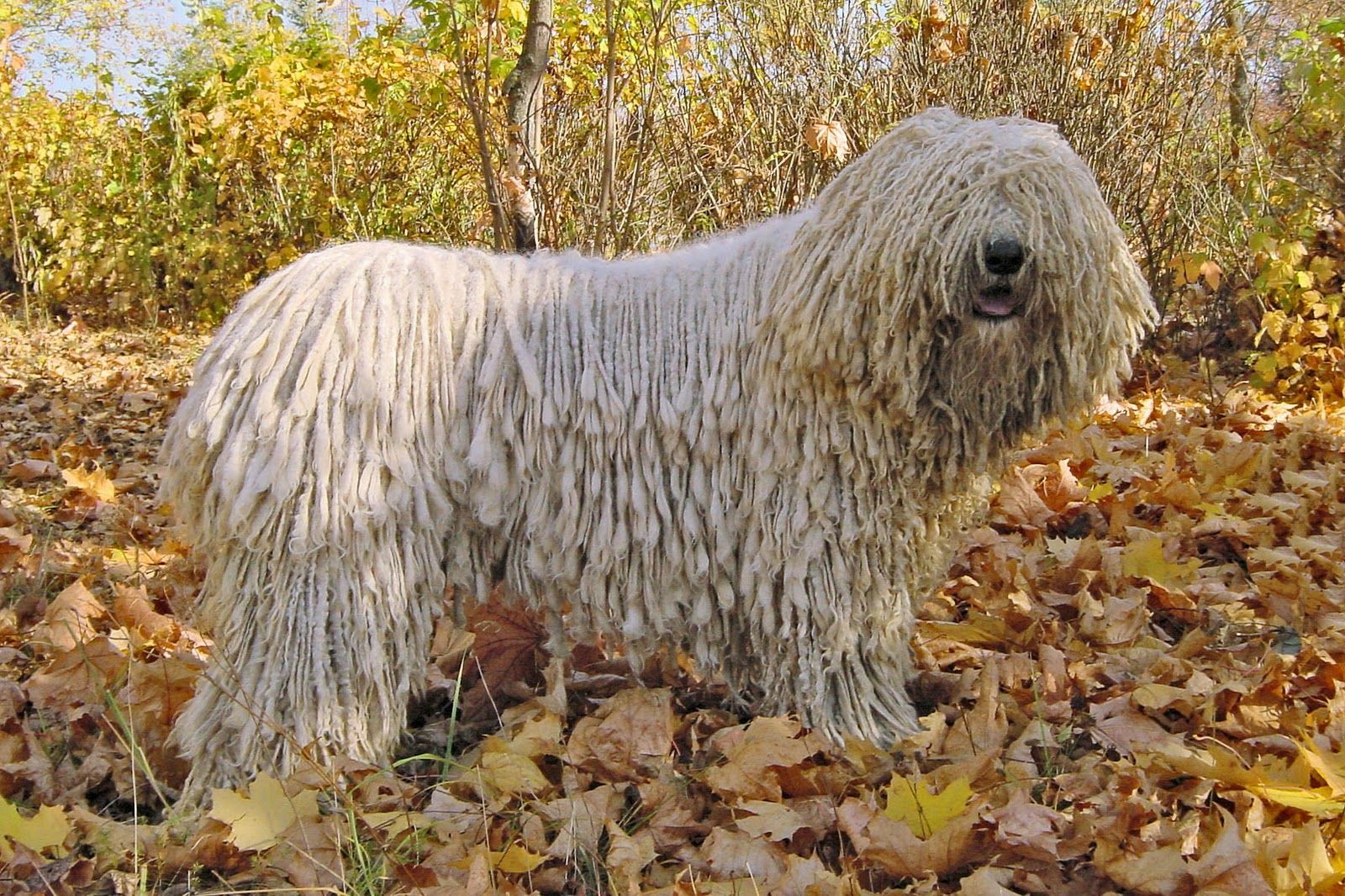
Excellent vision
Komondors have excellent eyesight, despite the dreadlocks falling over their eyes.Care and Maintenance
The Komondor is a dog with special needs that requires attentive and constant care. One of the most noticeable features of this breed is its long, wavy coat, which can quickly become tangled and unattractive without proper attention. The coat of the Komondor forms unique “cords,” and regular grooming is essential for their proper formation. It is best to start grooming from a young age to get used to the process and prevent matting. Maintaining the coat in good condition requires a significant amount of time: grooming should be regular, and the “cords” should be separated by hand to prevent them from clumping together.
The Komondor is very active and needs plenty of space for play and physical activity. It enjoys long walks, the chance to run and play, and will be happy to perform various tasks that relate to its natural instincts. It does not like to stay idle at home, as this breed was developed for work. If not physically and mentally engaged, it can become restless or even destructive.
However, it is important to remember that the Komondor, despite its great strength and independence, cannot tolerate abuse. It needs a firm but fair approach, respect, and consistency in training. It is essential for the owner to be confident and not fall for manipulation, as Komondors, like many other herding dogs, can be stubborn.
The Komondor is not a typical “house” dog that is satisfied with sitting on the couch. It needs ample space for activity and self-expression. This breed also does not particularly enjoy warm conditions, and due to its dense coat, it can overheat in too warm or humid environments, so it is important to monitor the temperature and provide shade and water during the summer.
Regarding nutrition, the Komondor does not require special diets, but it does need quality food to support its health and energy needs. This breed is prone to obesity, so it is important to control portion sizes and monitor food intake.
The Komondor also enjoys being in the company of its owner and family but has a strong territorial instinct. It will guard its home and family, and if it feels that something threatens them, it will protect them without hesitation. These dogs do not like close contact with unfamiliar people and prefer to avoid situations where they are unsure of their safety.Thus, the Komondor is a dog that requires a lot of attention and care, especially in terms of coat maintenance and physical activity. If provided with sufficient exercise, love, and respect, this loyal and devoted friend will become a reliable protector and an excellent companion for the family.
Born a shepherd.
Komondors are excellent herders. They are always on alert and quickly gather any strayed animals. Interestingly, because of their unique wool, these dogs blend in completely with the herd and easily manage it.Training and Education
Training a Komondor requires patience, confidence, and consistency. This is an intelligent and independent dog that is capable of making decisions on its own, so traditional training methods may not always work. For successful training, it is important to use a gentle yet persistent approach. The Komondor responds best to positive reinforcement such as praise, treats, and encouragement for following commands. Harshness, yelling, or physical punishment can lead to a loss of the dog’s trust and complicate the training process.
Training should begin at an early age when the puppy is still forming its habits and attachments. Socialization plays a key role: the Komondor must become accustomed to different people, animals, and situations to avoid developing excessive suspicion or aggression. Commands should be clear and concise, and training should be consistent. This dog can easily get bored with monotony, so training sessions should be engaging and varied.
The Komondor chooses an owner who exhibits confidence, persistence, and fairness. It respects those who can be a leader while also showing care and respect. The owner should be prepared to devote time not only to the dog’s physical exercise but also to its mental stimulation, as Komondors enjoy working and feeling useful.
This breed tends to bond with one person, although it will protect all family members. The Komondor listens to those who demonstrate leadership qualities while remaining calm and consistent in their actions. It values stability and clear rules that help it understand its role in the family. However, if the dog feels ignored or treated unfairly, it may become stubborn or even express displeasure.
The Komondor is best suited for experienced owners who understand the needs of large and independent breeds. This is a dog that requires a confident owner, ready to give it attention, respect its individuality, and provide space for expressing its natural instincts. With proper training and guidance, the Komondor becomes a reliable, loyal, and obedient companion willing to fulfill its duties. Puppies with pedigree and health guarantees are offered at Zoonik.
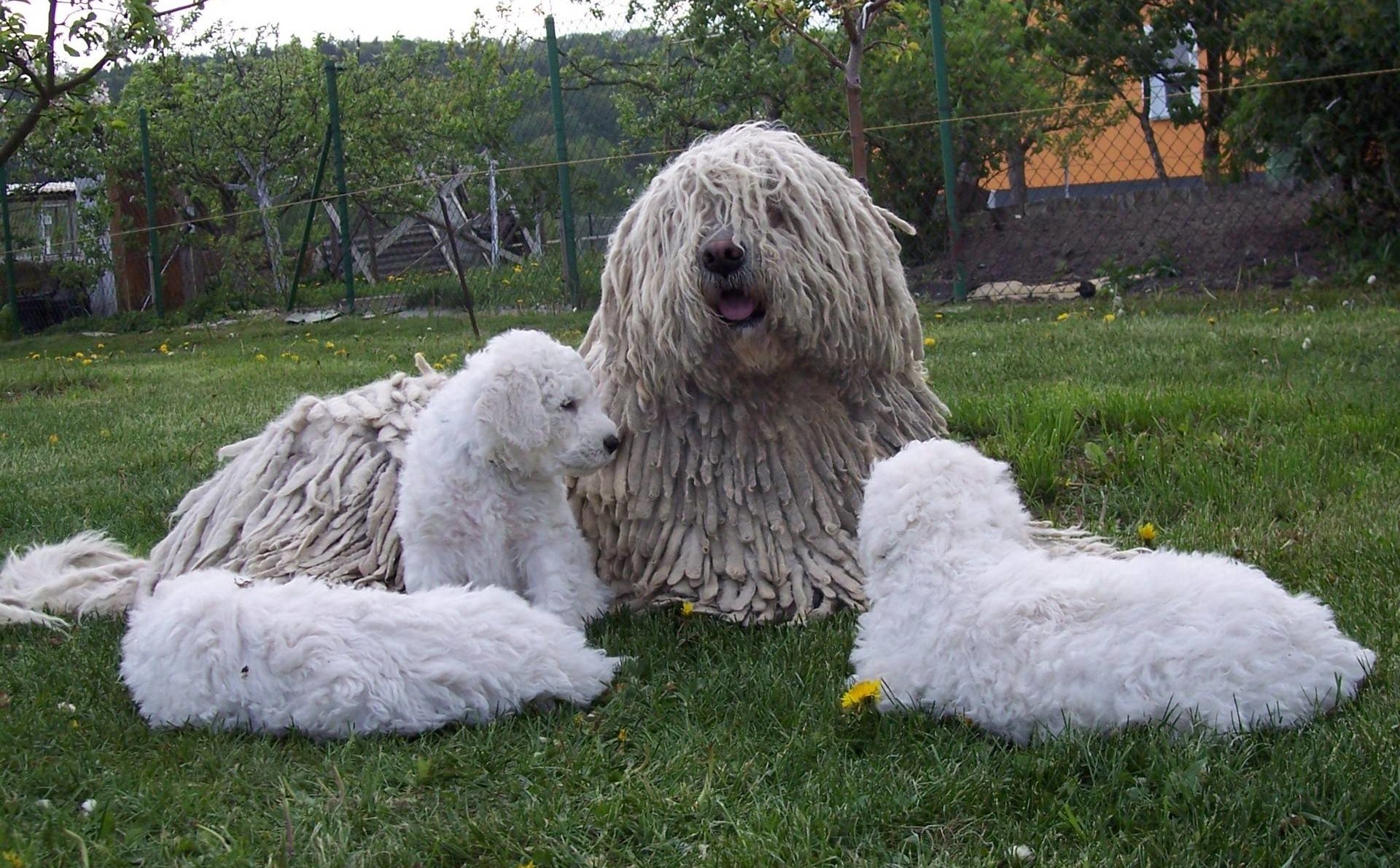
Dreads to the rescue.
Dreadlocks on a Komondor are not just for show; they can also protect the animal from attacks. The brave dog springs into action without hesitation to defend the flock entrusted to her. Her thick coat suffocates enemies, and even a bear has little chance in a confrontation with a Komondor, let alone a wolf.
How to Choose a Puppy
When selecting a Komondor puppy, it’s important to consider several factors to ensure it becomes a true representative of the breed and develops all the qualities characteristic of this unique guardian. Start by choosing a responsible kennel that has been breeding this breed for many years. Make sure the puppy’s parents have good pedigrees and have been tested for genetic diseases that can be passed on to the offspring.
The puppy should be active, curious, but not overly aggressive or timid. Pay attention to its behavior on the first day of your acquaintance: the Komondor is an independent breed, and the puppy should show interest in the surrounding world without being excessively cautious or, conversely, overly compliant. Healthy puppies typically exhibit curiosity and openness as they explore their environment while still maintaining a connection with their mother and siblings.
Avoid choosing a puppy that is too weak or excessively nervous, as this may indicate health or socialization issues. It’s also important to consider the physical characteristics of your future pet. Komondors often have thick fur that, as they age, develops into characteristic “cords,” but a puppy under six months will not yet display these features. Be prepared for the dog to require specific grooming care, especially in its early years.
In terms of temperament, select a puppy that balances activity and calmness. Puppies that are overly aggressive or too shy may be challenging to train and socialize in the future. Ensure that the puppy does not display excessive dominance or fear, as this can affect its behavior later on.
It is also helpful to familiarize yourself with training and upbringing methods for Komondors in advance to choose a suitable puppy that can learn basic commands and adapt to life in your family. At Zooinik, you will find only verified offers with a health guarantee.
Health and Diseases
Komondors generally have robust health, but like all breeds, they are prone to certain conditions. One of the most common issues is hip and elbow dysplasia. This hereditary disease can cause pain and lameness, particularly in large and active dogs. Regular veterinary check-ups and monitoring physical activity at an early age can help minimize the risk of its development.
Another issue is gastric torsion, which is characteristic of large breeds with deep chests. This dangerous condition requires immediate intervention. To prevent it, it is recommended to feed the Komondor small portions several times a day and to avoid vigorous physical activity right after meals.
Komondors may also be susceptible to eye diseases such as progressive retinal atrophy and cataracts. Regular veterinary examinations can help identify these issues early and prevent vision deterioration. Additionally, some individuals of the breed may experience entropion (eyelid inversion), which requires surgical correction.
Skin problems, such as dermatitis, can arise from inadequate grooming. If the coat is not brushed and “braids” are not separated, skin irritation or even infections may occur. Regular grooming of the coat and skin helps prevent these issues.
Despite their impressive size, Komondors are prone to obesity, especially when lacking physical activity. This can exacerbate joint and cardiovascular problems. Monitoring their diet and ensuring regular exercise are essential for maintaining their health.
With proper care, timely disease prevention, and regular veterinary check-ups, Komondors can remain active and healthy throughout their lives, which typically last 10-12 years. Zooinica is the best place to reach a wide audience.
Содержание
-
1. Описание породы
-
2. Внешний вид
- 2.1 Голова
- 2.2 Морда
- 2.3 Уши
- 2.4 Глаза
- 2.5 Зубы
- 2.6 Корпус
- 2.7 Конечности
- 2.8 Хвост
- 2.9 Шерсть
- 2.10 Окрас
-
3. Характер
-
4. Содержание и уход
-
5. Дрессировка и обучение
-
6. Как выбрать котенка
-
7. Здоровье и болезни






Comments
Only registered users can leave reviews.
Enter