
Keeshond (wolfspitz)




Warning: Illegal string offset 'label' in /home/panda/sites/zoonika/wp-content/themes/zoonika/template-parts/animals/animals-param-item.php on line 32
Ð


Breed Description
The Keeshond, also known as the Wolfspitz, is one of the oldest breeds, with a history closely tied to the Netherlands and Northern European countries. This breed emerged as a result of natural selection in harsh conditions where endurance, versatility, and loyalty were valued. For centuries, Wolfspitzes have been loyal companions to farmers, sailors, and even revolutionaries, making them not only working dogs but also a symbol of the people’s spirit. The breed’s history dates back to the Middle Ages when spitz-type dogs spread widely across Northern Europe. It is believed that the ancestors of the Keeshond arrived in the region with ancient Germanic and Scandinavian tribes. These dogs were used as guardians on farms, protecting property and livestock, as well as accompanying barges on the canals of the Netherlands. Their sharp minds and adaptability made them invaluable companions in everyday life. The name “Keeshond” is associated with the era of political revolutions in 18th-century Holland. The leader of the popular movement against the aristocracy, Cornelis (Kees) de Gyselaar, owned a dog of this breed, which became a symbol of the struggle for freedom. S
Appearance
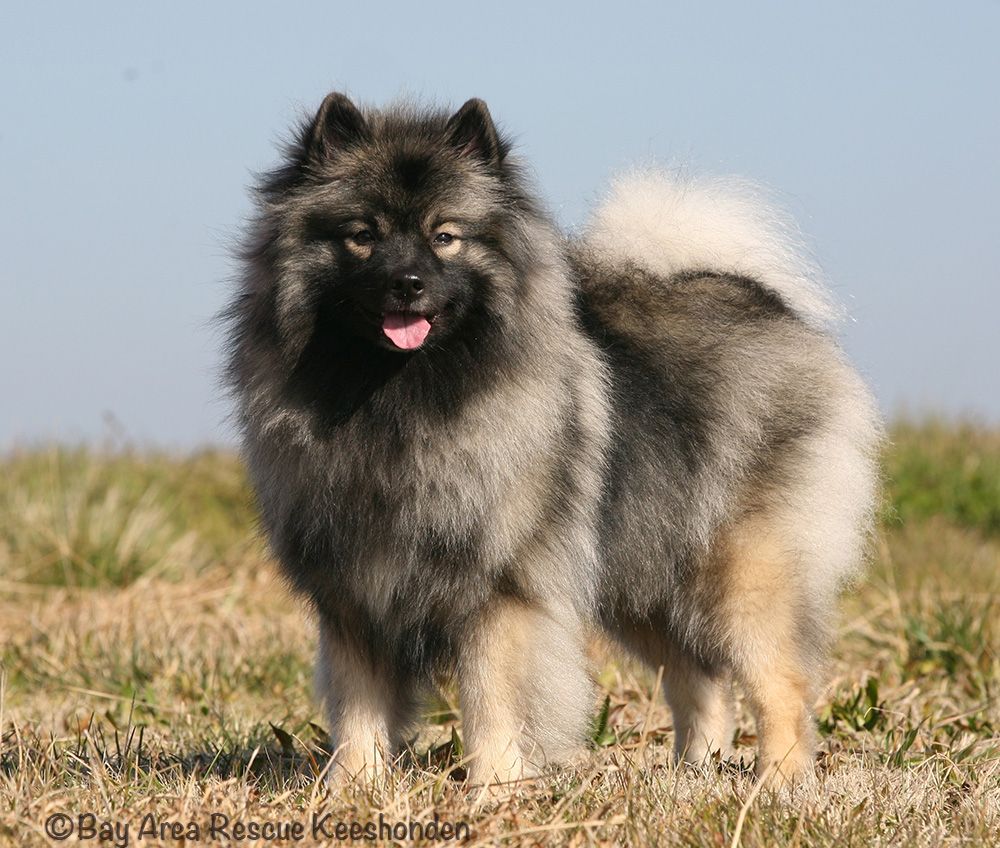
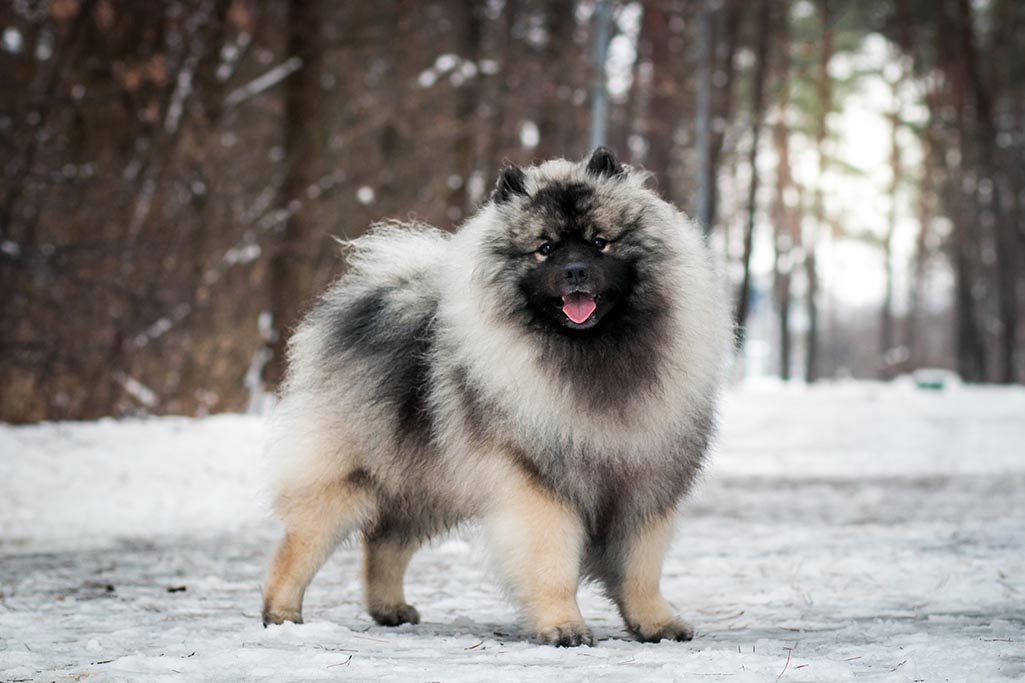
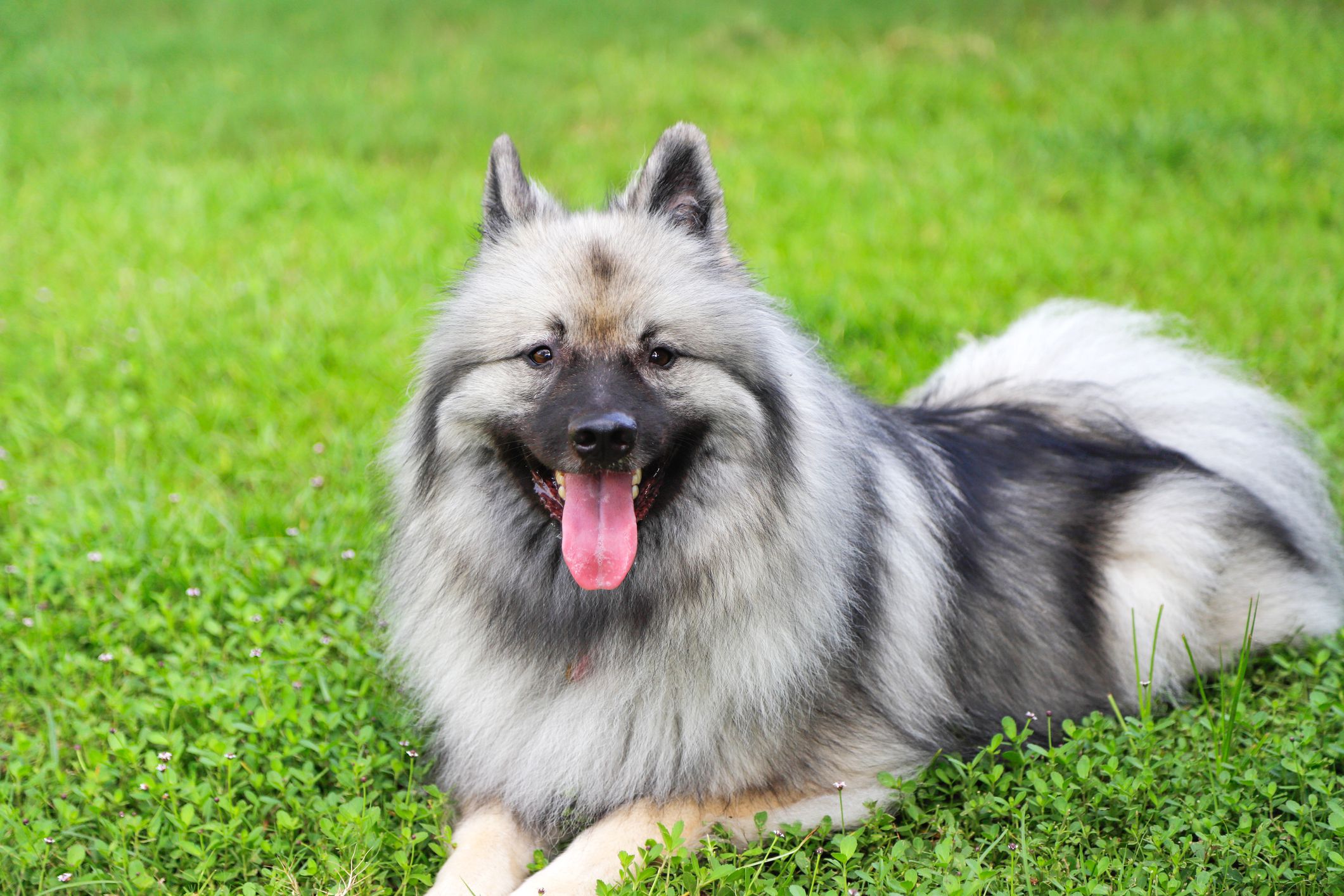
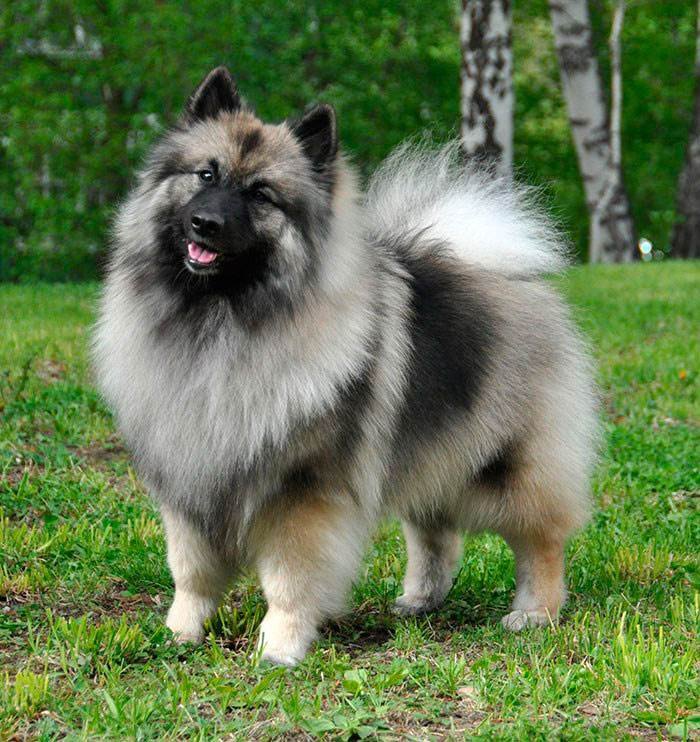
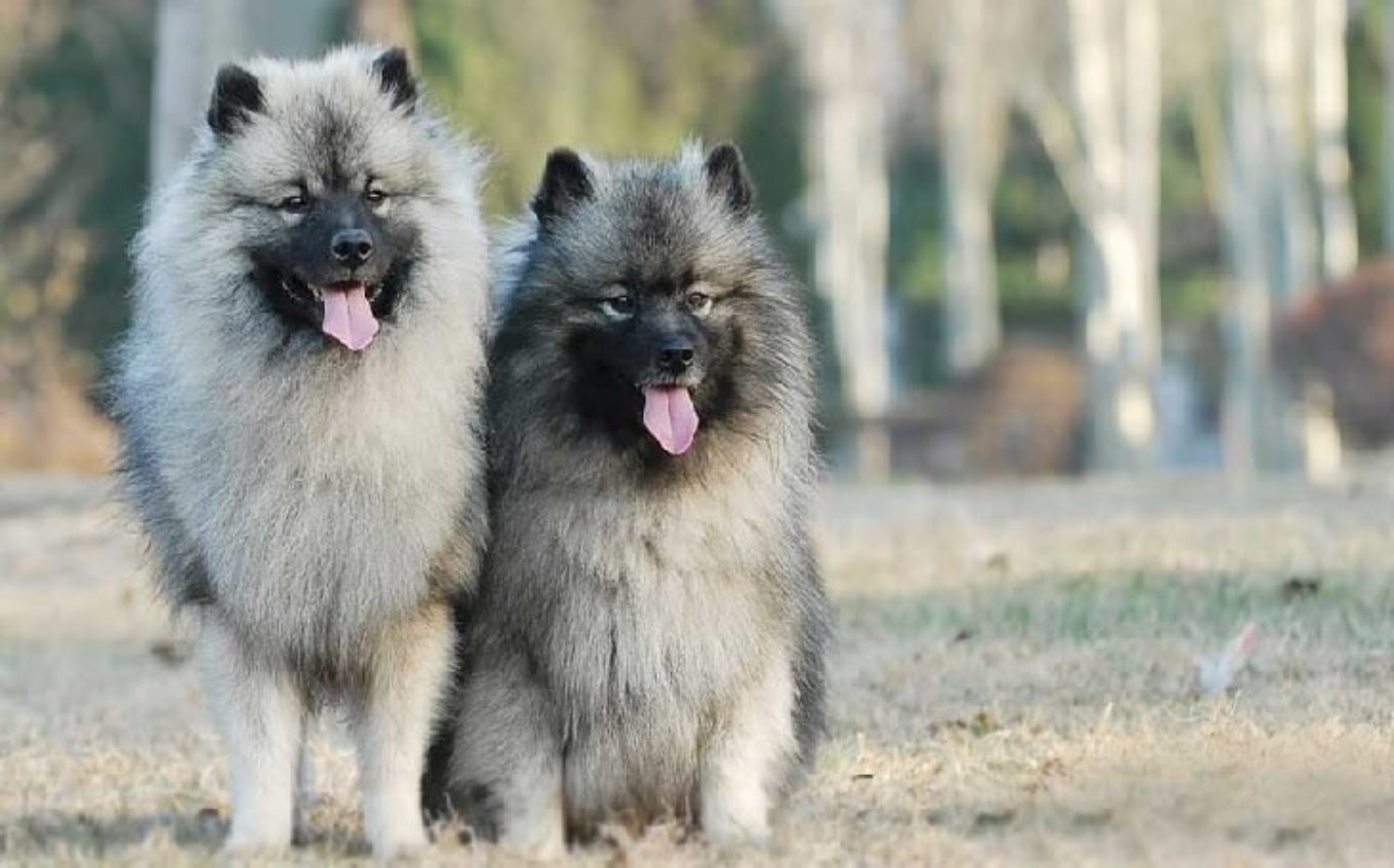
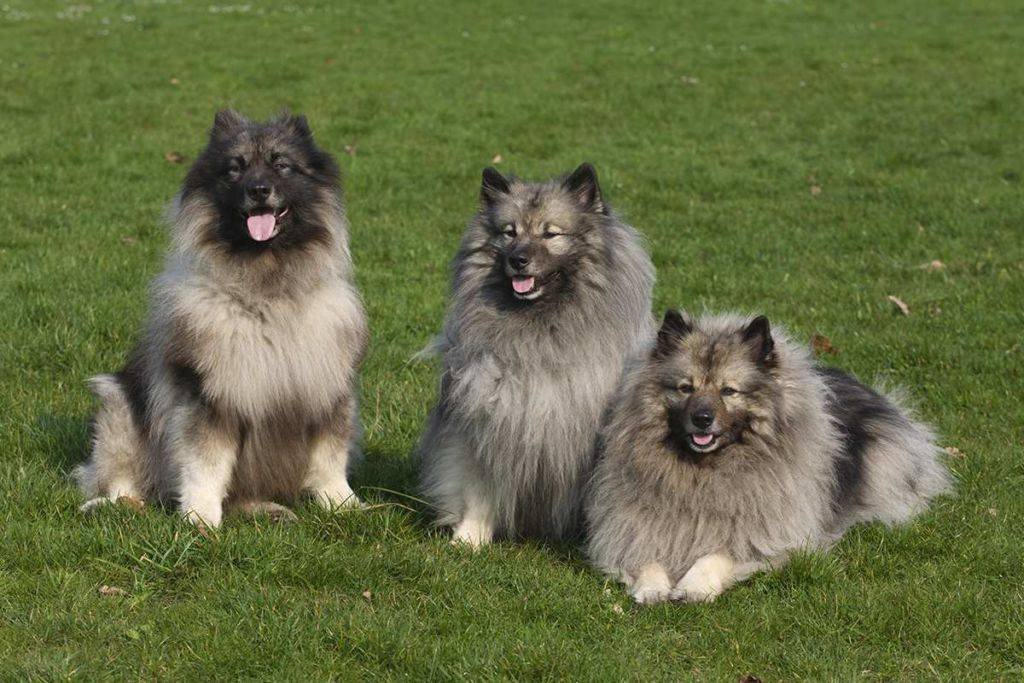
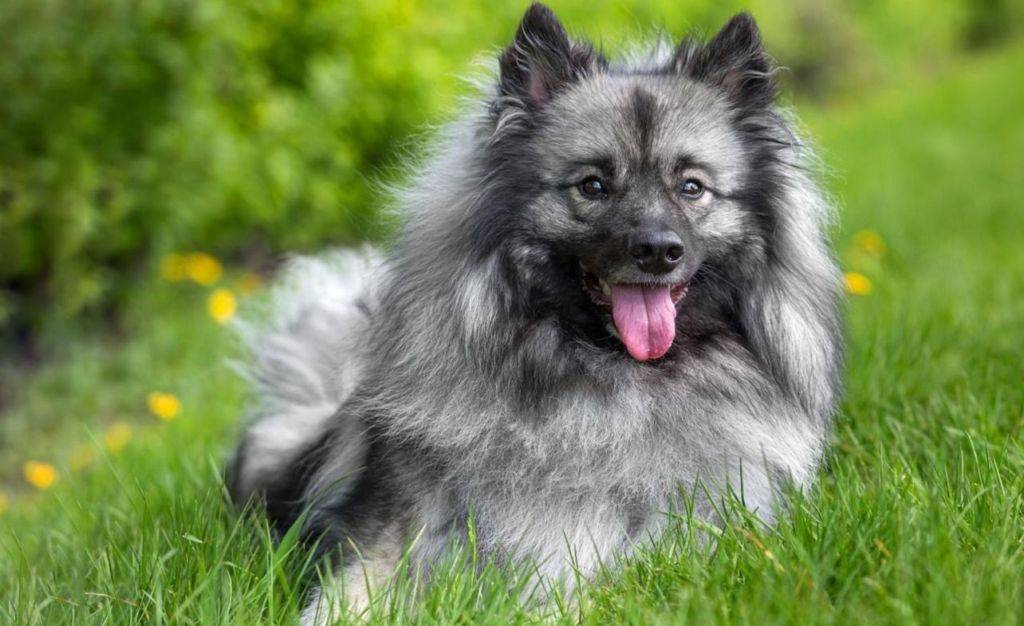
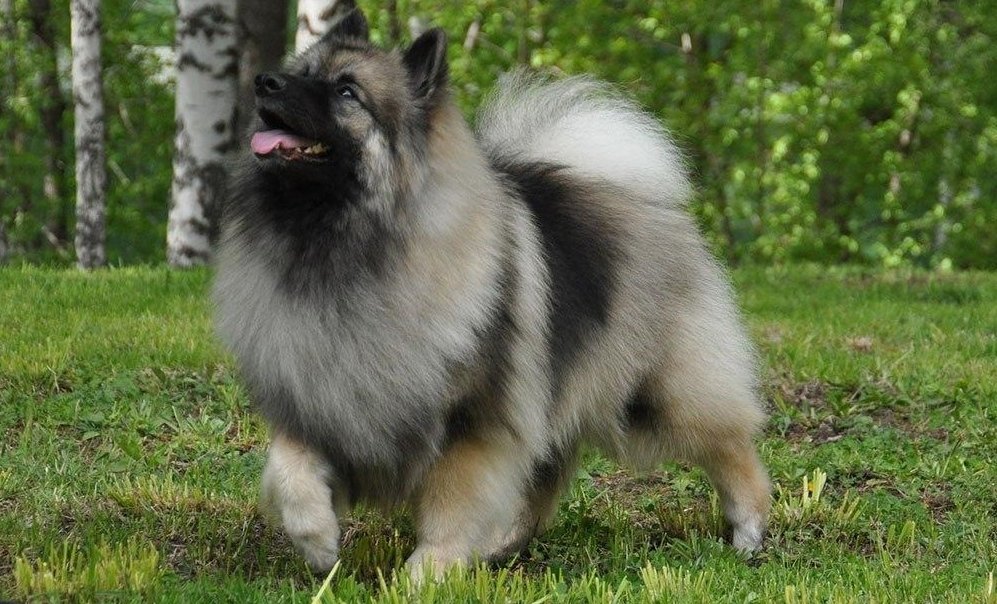
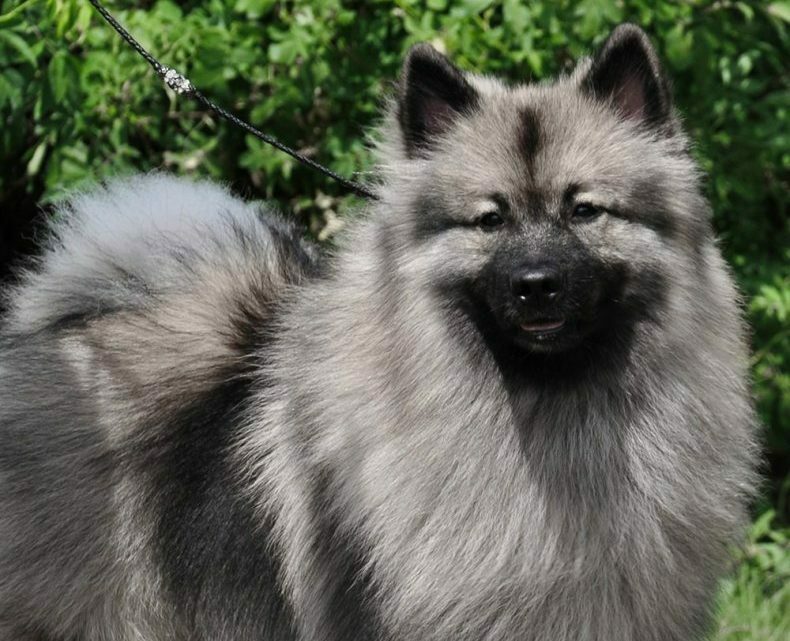
The Keeshond is a medium-sized dog with a luxurious, fluffy coat that gives it an impressive and elegant appearance. Its body is proportional and sturdy, with well-developed muscles, making it resilient and adaptable to various conditions. The striking coat, with a thick undercoat and a coloration reminiscent of a wolf, adds a unique expressiveness to the dog. The lines of the body are smooth and harmonious, highlighting the Keeshond’s natural grace.
The average height of males is 45-50 cm, while females are around 43-48 cm. Weights range from 16 to 20 kg, making this breed compact and suitable for home living. The dense fur creates an illusion of greater mass, but beneath it lies a well-proportioned body, perfectly suited for an active lifestyle.
The lifespan of a Keeshond is typically 12-15 years, characteristic of medium-sized breeds. With proper care and attention, these dogs maintain their activity and vitality throughout their lives. The appearance of the Keeshond reflects its lively and friendly character, as well as its ability to be not just a companion but also a reliable guardian.


Отличительные черты

Голова

Морда

Уши

Глаза

Зубы

Корпус

Конечности

Хвост

Шерсть

Окрас
Character
The Keeshond is a dog with a bright, friendly, and balanced character. It is known for its strong attachment to family, incredible sociability, and ability to get along with people. This makes it an excellent companion for families with children, elderly individuals, and those seeking an active yet balanced friend. Keeshonds quickly adapt to any environment and easily handle new situations while remaining calm and confident.
This breed is celebrated for its intelligence and ability to learn. Keeshonds quickly grasp commands and enjoy participating in training, especially when the sessions are structured as games. They love physical activity and require plenty of exercise, but they do not exhibit hyperactivity. These dogs appreciate attention and involvement in family life, adore being the center of attention, and often display a sense of humor, surprising with their antics.
The Keeshond has an innate vigilance and a guarding instinct. It is cautious towards strangers, but never aggressive without reason. It may bark frequently to alert its owners of approaching guests or unusual sounds, making it an excellent watchdog. However, with proper training, this instinct can be kept in check.
These dogs love being around people and do not tolerate solitude well. If left alone for an extended period, a Keeshond may show signs of anxiety and boredom. The breed requires close emotional contact and involvement in daily life. Their cheerful nature easily lifts the spirits of those around them, making them a true focal point.
In everyday life, the Keeshond displays curiosity, a love for walks, and exploration. It is an active yet unobtrusive dog that values a balance between play, interaction, and rest. It happily accompanies its owners on walks, engages in active pursuits, or simply sits nearby, enjoying their company. The Keeshond is a dog that brings joy, tranquility, and reliability to its family’s life.

Receptive like children.
Keesshonds are very intelligent and perceptive animals; they absorb and adopt behaviors like children. The dog’s temperament largely depends on upbringing and training.Care and Maintenance
Caring for a Keeshond requires regular attention, especially to its luxurious thick coat, which is one of the breed’s most distinctive features. The coat needs to be brushed 2-3 times a week to avoid matting and to keep it looking beautiful and well-groomed. During seasonal shedding periods, which occur in spring and fall, brushing should be done daily, as the undercoat renews itself actively. Bathing is necessary infrequently, about once every few months or as needed, since the coat has excellent self-cleaning properties.
The ears of a Keeshond need to be checked and cleaned regularly to prevent the development of infections. Teeth require care at least once or twice a week to avoid tartar buildup. Paws and nails should also be examined after walks, especially if the dog has walked on rough terrain. If the nails do not wear down naturally, they need to be trimmed.
Keeshonds love to spend time with their families. They enjoy long walks, active play, and tasks that stimulate their mental abilities. These dogs feel great at home but require regular outdoor activity. Prolonged inactivity can lead to boredom, which manifests as excessive barking or destructive behavior. The Keeshond values attention and close interaction with its owner, so it is important for it to feel like part of the family.
This breed does not tolerate loneliness well and is not suitable for people who are often away. If left alone for long periods, a Keeshond may experience stress and anxiety. Additionally, due to its thick coat, the dog is sensitive to hot weather, so it should be kept out of direct sunlight in the summer and provided access to a cool place and fresh water. A Keeshond does not respond well to rough treatment or neglect-it is sensitive to the owner’s tone and mood and reacts best to kind and respectful treatment.
High level of intelligence
German Spitz dogs have a high level of intelligence. They are capable of making independent decisions, which can cause some difficulties during training and the upbringing process.Training and Education
The Keeshond is an intelligent and responsive dog that responds well to gentle yet consistent training. For successful education, it is important to use positive reinforcement methods: praise, treats, and encouragement for properly following commands. These dogs quickly grasp new tasks, but they can sometimes be a bit stubborn if they feel the training has become monotonous. Keeping training interesting by making it diverse and engaging is crucial. Keeshonds particularly respond well to tasks that stimulate their intellect, such as searching for objects or performing complex combinations of commands.
It is best to start training at an early age to develop basic obedience skills and proper behavior. Socialization also plays a vital role: from a young age, the dog should be introduced to new people, animals, and environments to grow up confident and balanced. Keeshonds do not tolerate rudeness and coercion; therefore, any stressful or harsh approach to training may lead to a loss of trust. Patience and respect are key principles when working with this breed.
This dog chooses an owner who demonstrates confidence, calmness, and a willingness to devote enough time and attention to it. Keeshonds are drawn to emotional connections and voice intonations, so they gravitate toward those who show care and friendliness. Dogs of this breed quickly bond with their owners and seek to be close to them as much as possible. They obey well when trust is established, and rules of behavior are clearly defined.
Keeshonds are well-suited for families where sharing the responsibility of dog care is valued or for active individuals willing to dedicate time for walks, play, and training. This dog thrives with an owner who understands its emotional needs and is ready to include it in everyday activities. With the right approach, a Keeshond becomes an obedient, responsive, and incredibly loyal companion. At Zoonyka, elite breed puppies are offered with a complete set of documents.
Specialists in rescue teams.
Keeshonds are excellent working dogs, often used in search and rescue operations in difficult-to-reach areas, such as under rubble or after avalanches.
How to Choose a Puppy
When choosing a Keeshond puppy, it is important to pay attention not only to its appearance but also to its character, as these dogs are known for their lively and energetic nature. First and foremost, the puppy should display healthy curiosity, be active and friendly. It should match your temperament and be ready for interaction, which is particularly important considering that Keeshonds are very attached to their owners and love to be the center of attention.
One of the main factors to consider when choosing a puppy is its lineage. A purebred Keeshond should come from reputable lines, and it is essential that the puppy’s parents have stable temperaments and are socially adapted. Parents that are poorly socialized or aggressive can pass on such traits to their offspring. Choose a puppy whose parents have good characteristics, verified by the breeder.
Keeshond puppies, like other breeds, need proper socialization from an early age. This should be apparent from the puppy’s behavior in the kennel: it should not be overly shy or, conversely, excessively aggressive. It should show healthy curiosity, unafraid of new environments or unfamiliar people. A good puppy will respond calmly to new stimuli while remaining cautious and demonstrating healthy wariness.
It is also important to ensure that the puppy has undergone necessary veterinary checks and vaccinations. Make sure the puppy has all the required documents, including a veterinary passport, as well as certificates for vaccinations and deworming. A responsible breeder will definitely provide such information.
When choosing a puppy, remember that Keeshonds are not only dogs with beautiful appearances, but they also have a character that requires attention and care. Select a puppy that will fit your lifestyle and your willingness to invest time in training and socializing this active and loyal breed. Want a purebred pet? You can find documented ones from reputable breeders at Zooinika.
Health and Illnesses
Keeshonds are a healthy and resilient breed, but, like any other, they may have certain predispositions to diseases. One of the most common issues in this breed is hip and elbow dysplasia. This condition can lead to limping and joint pain, especially if the dog’s physical activity is not monitored during its younger years. Regular veterinary check-ups can help detect dysplasia early, allowing for timely treatment.
Another problem that Keeshonds may face is progressive retinal atrophy (PRA) – an inherited condition that can lead to partial or complete blindness. This disease also shows no obvious symptoms in its early stages, so regular eye examinations can assist in diagnosis and prevention of progression.
Keeshonds can be prone to heart diseases, particularly cardiomyopathy, which hinders the heart’s normal function. This condition also requires timely monitoring and can be prevented with proper care and nutrition.
There is also a risk of developing allergies, including skin allergies that can cause itching and inflammation. Skin issues often arise from immune disorders or poor diet, so it’s important to keep an eye on your dog’s skin and coat condition.
Overall, Keeshonds are generally healthy when given good care, proper nutrition, and regular veterinary check-ups. Responsible ownership can significantly reduce the risks of illnesses, ensuring a long and active life for your pet.
Содержание
-
1. Описание породы
-
2. Внешний вид
- 2.1 Голова
- 2.2 Морда
- 2.3 Уши
- 2.4 Глаза
- 2.5 Зубы
- 2.6 Корпус
- 2.7 Конечности
- 2.8 Хвост
- 2.9 Шерсть
- 2.10 Окрас
-
3. Характер
-
4. Содержание и уход
-
5. Дрессировка и обучение
-
6. Как выбрать котенка
-
7. Здоровье и болезни





Comments
Only registered users can leave reviews.
Enter