
Kangal (Anatolian Shepherd)




Warning: Illegal string offset 'label' in /home/panda/sites/zoonika/wp-content/themes/zoonika/template-parts/animals/animals-param-item.php on line 32
Ð


Breed Description
Kangal, also known as the Anatolian Shepherd, is one of the oldest and most respected breeds, whose origins are closely tied to the history of the shepherding culture in Turkey. These majestic dogs have been used for centuries as flock guardians and protectors against predators, including wolves, jackals, and even bears. The breed originated in central Turkey, in the Sivas region, particularly around the town of Kangal, which gave the breed its name. The unique climate and geographical conditions of this area contributed to the Kangal developing as a strong, resilient, and independent breed. The history of the Kangal dates back to ancient times when central Anatolia was a key region for nomadic shepherds moving with their flocks. These dogs became indispensable companions, capable of protecting sheep and goats from predators even in the harshest conditions. The Kangal was not just a guardian but also a symbol of status: owning such a powerful and intelligent animal was considered a sign of wealth and high social standing. Legends say that the ancestors of the Kangal arrived in the region with Assyrian or Sumerian tribes, and later the breed evolved under
Appearance
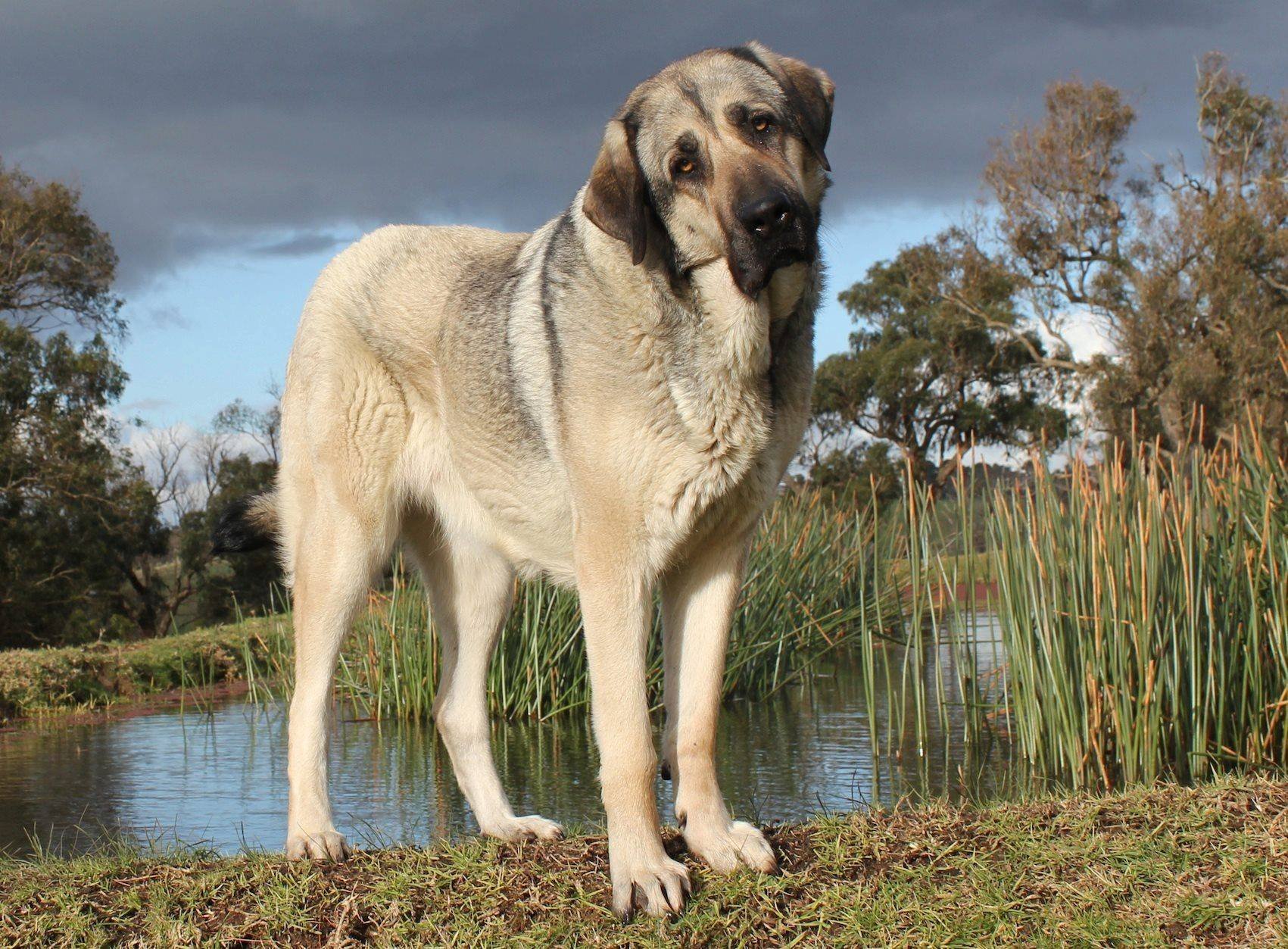
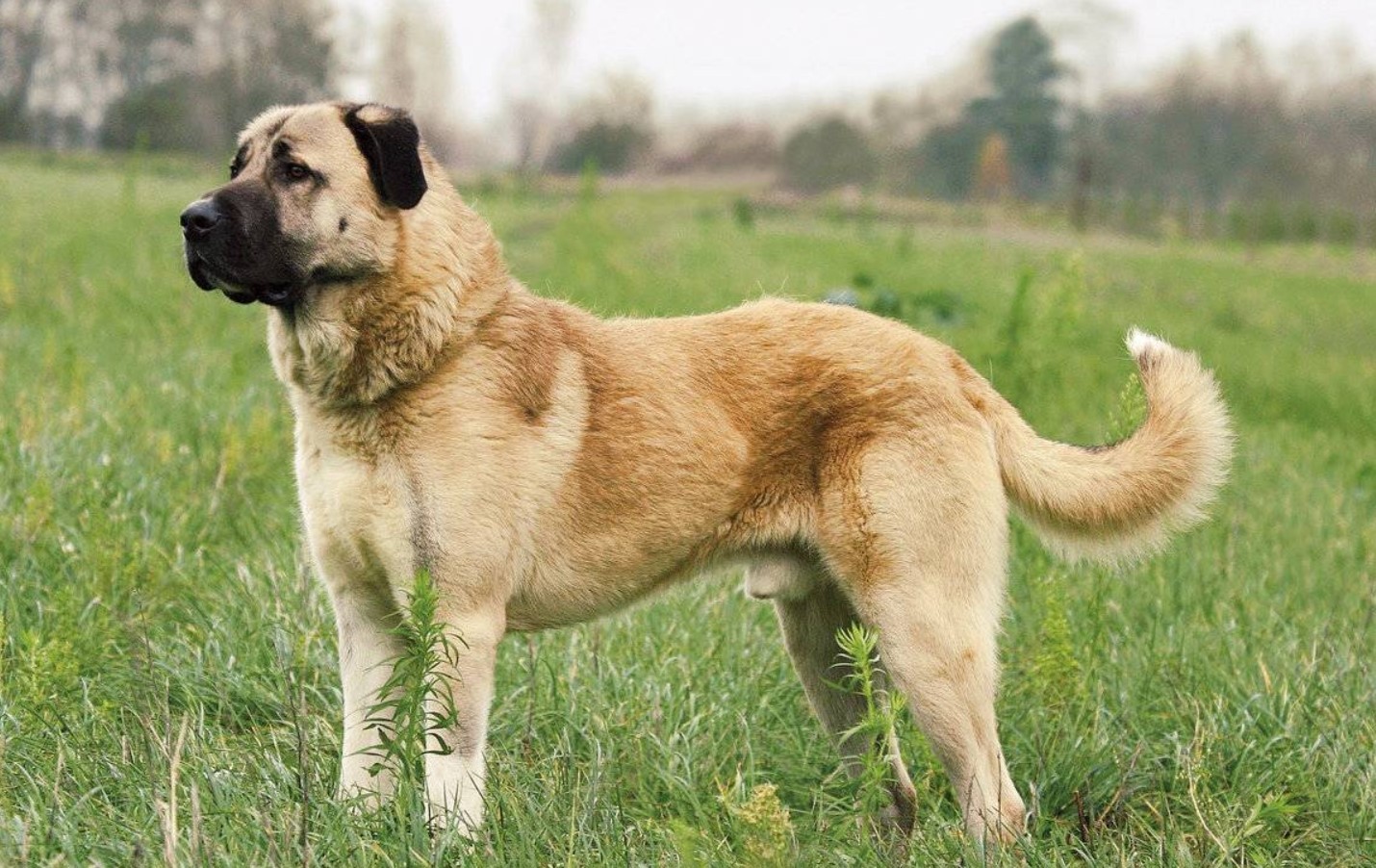
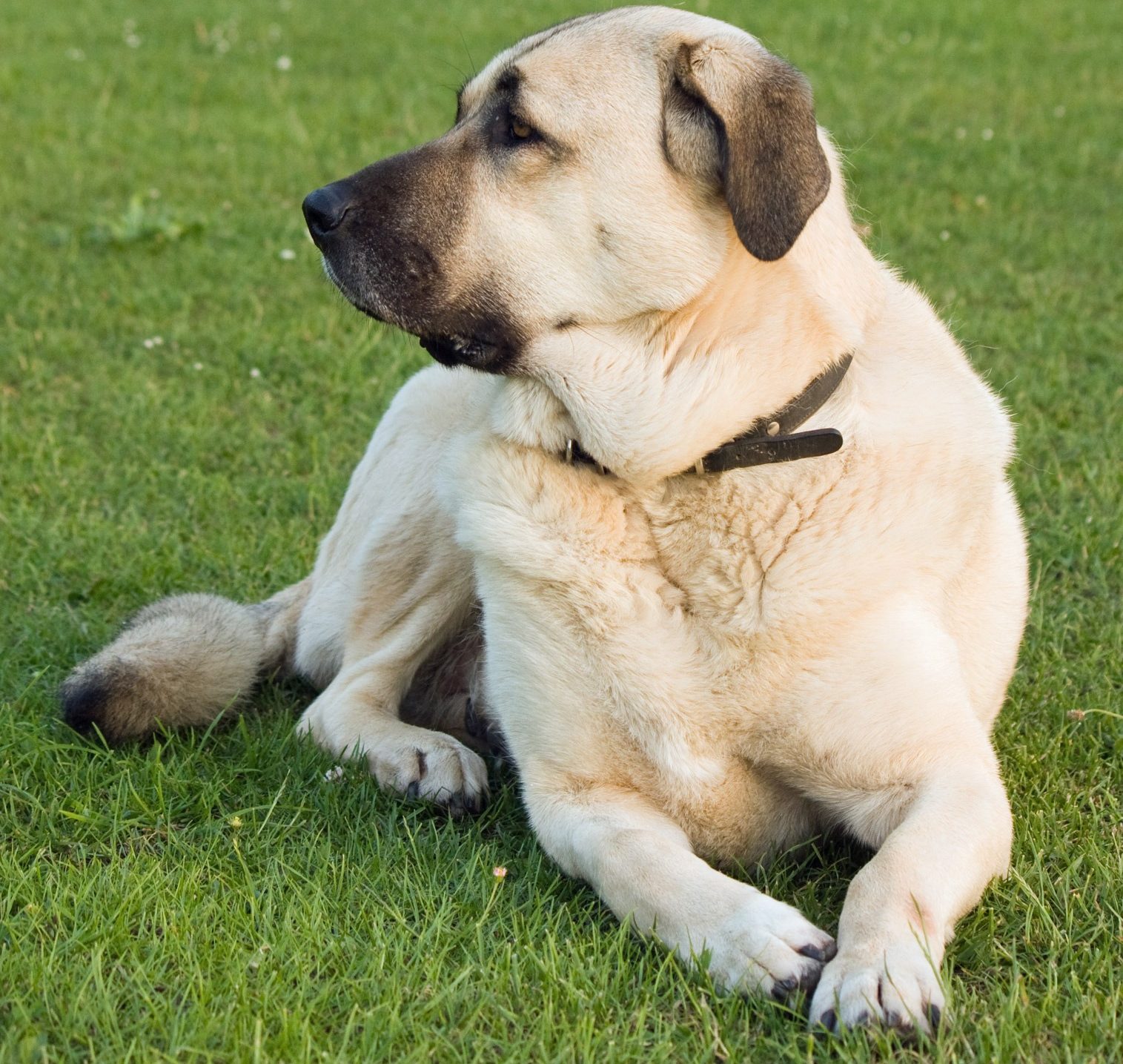
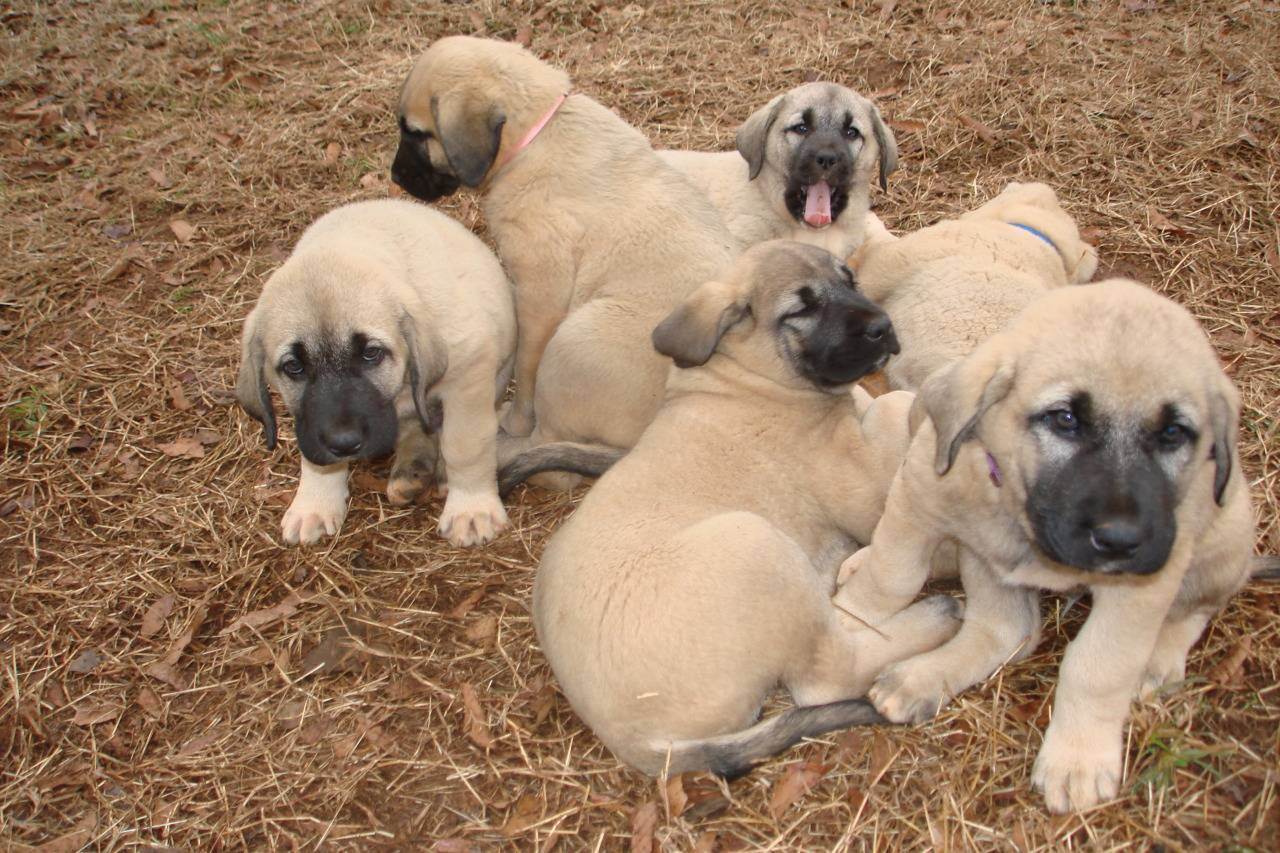
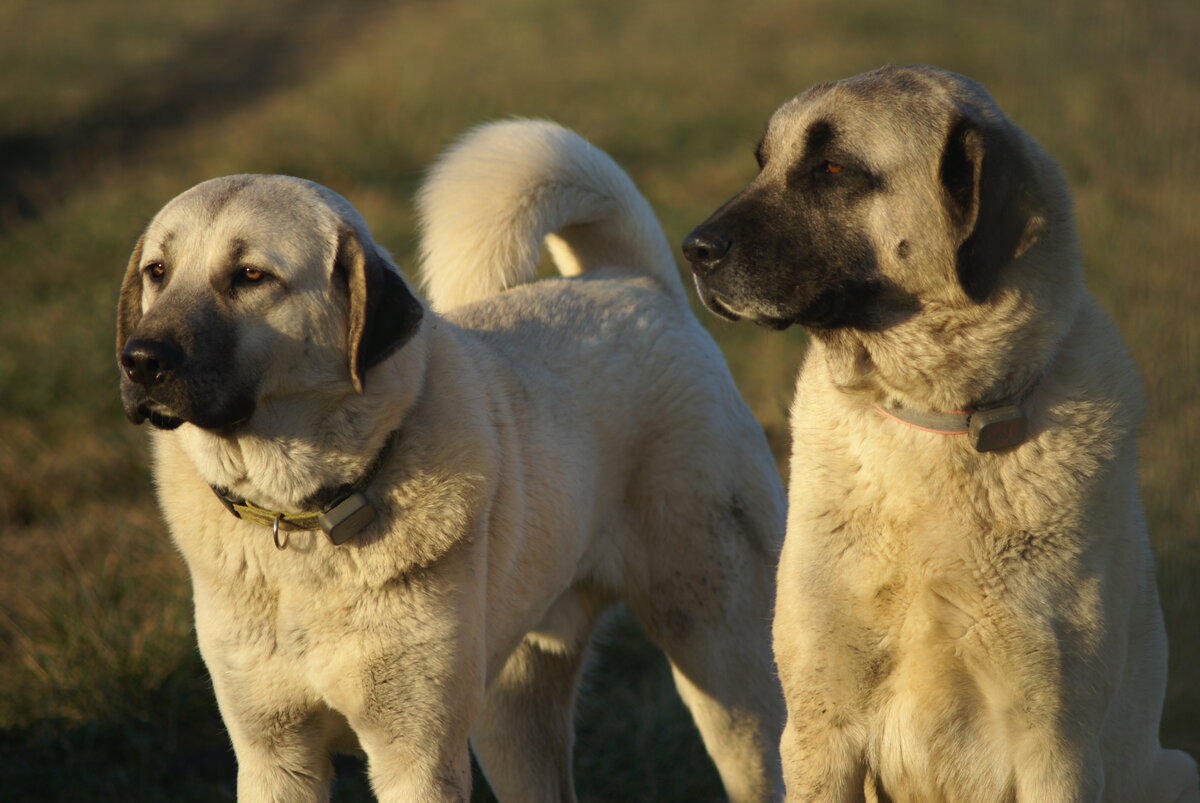
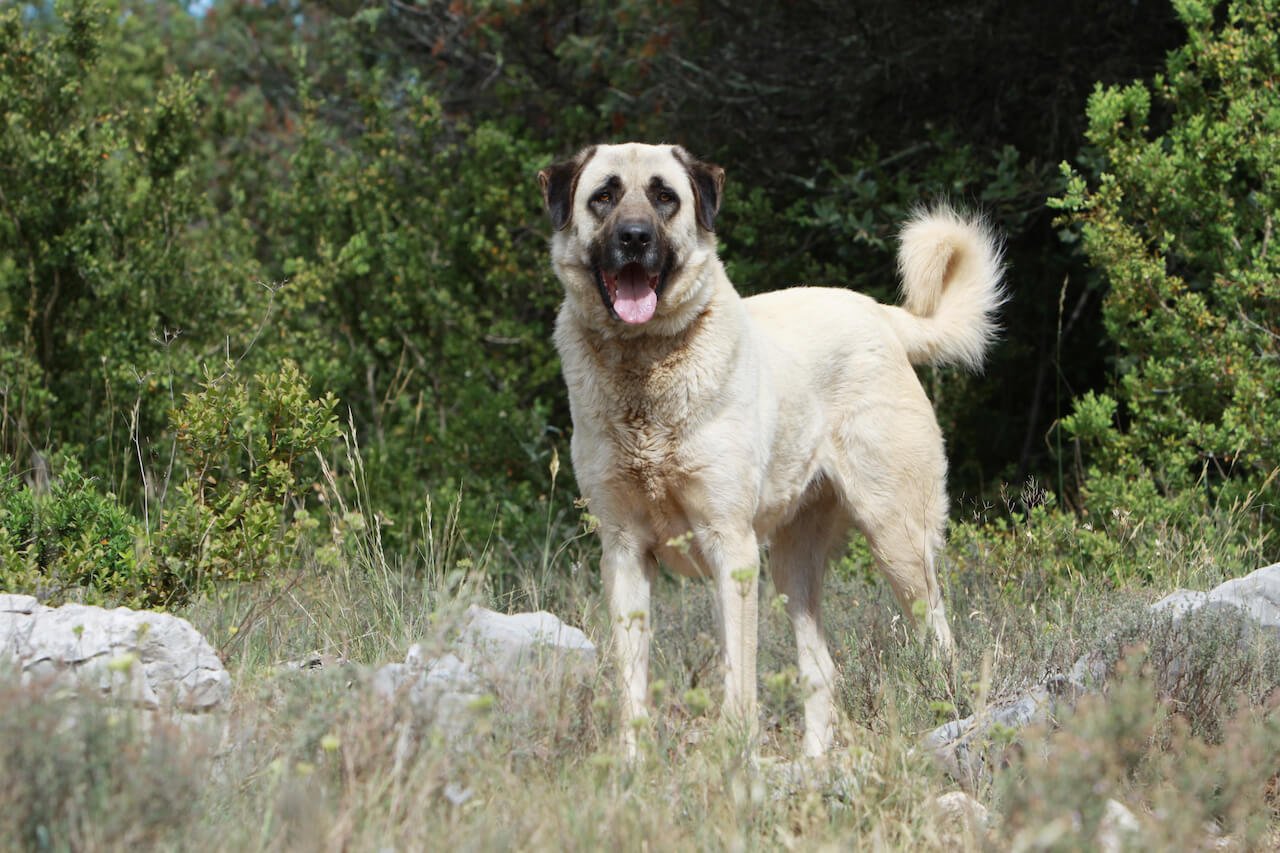
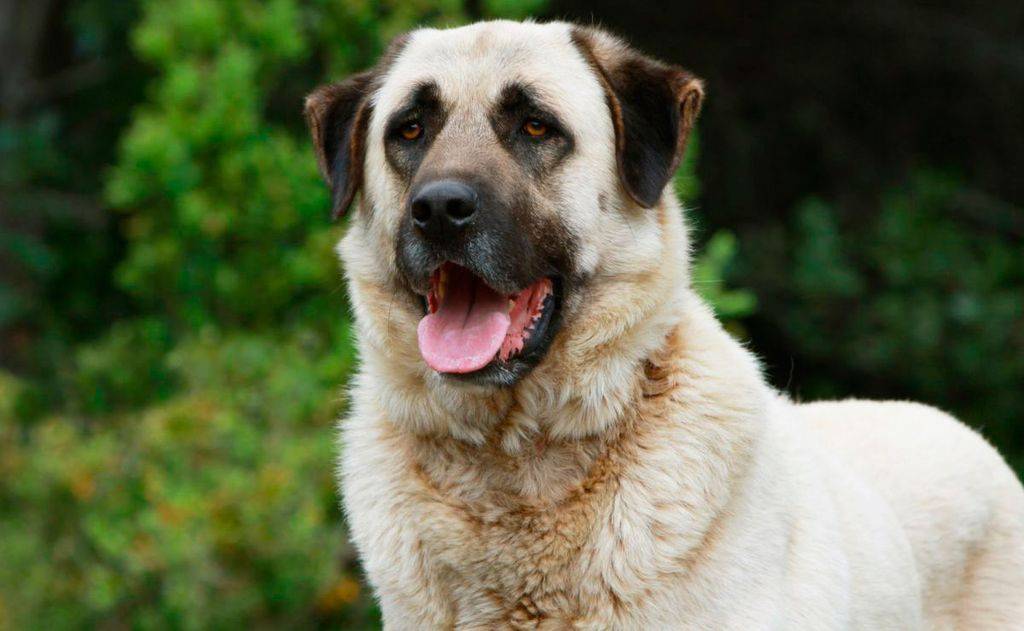
The Kangal is a large, powerful, and well-proportioned dog with a noble and impressive appearance that highlights its strength, endurance, and confidence. The Kangal’s body is muscular but not heavy, ensuring a combination of power and agility. Its coat is short, dense, and coarse, protecting the dog from harsh weather conditions, which is especially important for work in mountainous and steppe regions. The coat is usually light in color, ranging from light fawn to grayish sand, with a distinctive black mask on the face and dark ears, giving the dog an expression of seriousness and vigilance.
The Kangal has an expressive head, a strong neck, and powerful limbs, which emphasize its working qualities. The tail is usually held low but raises and curls into a ring over the back when the dog is excited. Its movements are confident, smooth, and energetic, reflecting its natural endurance and readiness for active work.
The average height of a Kangal is 70-80 cm for males and 65-75 cm for females. Weights range from 50 to 66 kg for males and 40 to 55 kg for females. These sizes make the Kangal one of the largest herding breeds, capable of handling the most challenging tasks.
The lifespan of a Kangal averages 12-15 years, which is quite long for dogs of such a large size. With proper care, a balanced diet, and regular physical activity, a Kangal maintains its vitality and strength into old age. Its appearance embodies calmness, confidence, and power, perfectly matching its role as a guardian and protector.


Отличительные черты

Голова

Морда

Уши

Глаза

Зубы

Корпус

Конечности

Хвост

Шерсть

Окрас
Character
The Kangal is a dog with a balanced, brave, and confident nature, making it an unsurpassed protector and a reliable companion. Its main trait is unconditional loyalty to its family. The Kangal always clearly recognizes who belongs to its “flock” and will defend it to the last, displaying exceptional courage and selflessness. At the same time, the dog demonstrates calmness and prudence, responding to situations with composure rather than excessive aggression.
This breed is characterized by high intelligence and the ability to make decisions independently. Historically, Kangals have worked in isolation from humans, guarding livestock, which has led to the development of their independent thinking. They assess situations well and react only when truly necessary. This makes them not only excellent guardians but also dogs that do not require constant supervision.
The Kangal is a natural leader but is obedient and respects the authority of its owner when they demonstrate calmness and confidence. The dog tends to exhibit dominant behavior, requiring consistent training with clear rules. It learns quickly, especially when the training is based on mutual respect and positive reinforcement. Yelling or harshness can undermine trust, while fair treatment makes the Kangal loyal and obedient.
These dogs get along well with children, showing patience and a protective instinct, but due to their large size, it’s important to monitor interactions, especially with small kids. Kangals are generally cautious of strangers, but do not display unprovoked aggression. They tend to be vigilant, especially if they sense a potential threat.
The Kangal’s natural activity level requires regular physical exertion. They love long walks, freedom in open spaces, and tasks where they can demonstrate their intelligence and strength. However, in a home environment, they behave calmly and unobtrusively, preferring to be near their family.
The Kangal dislikes solitude and requires a close emotional bond with its owner. It is attached to its home and territory, making it a reliable protector. However, without sufficient attention, socialization, and activity, it can become bored and destructive. Kangals appreciate structured interactions in which they feel useful and do not tolerate neglect or indifference.This breed embodies strength, intelligence, and loyalty. The Kangal is perfect for people who value confident, independent, and devoted dogs ready to be not just reliable guardians but also cherished family members.
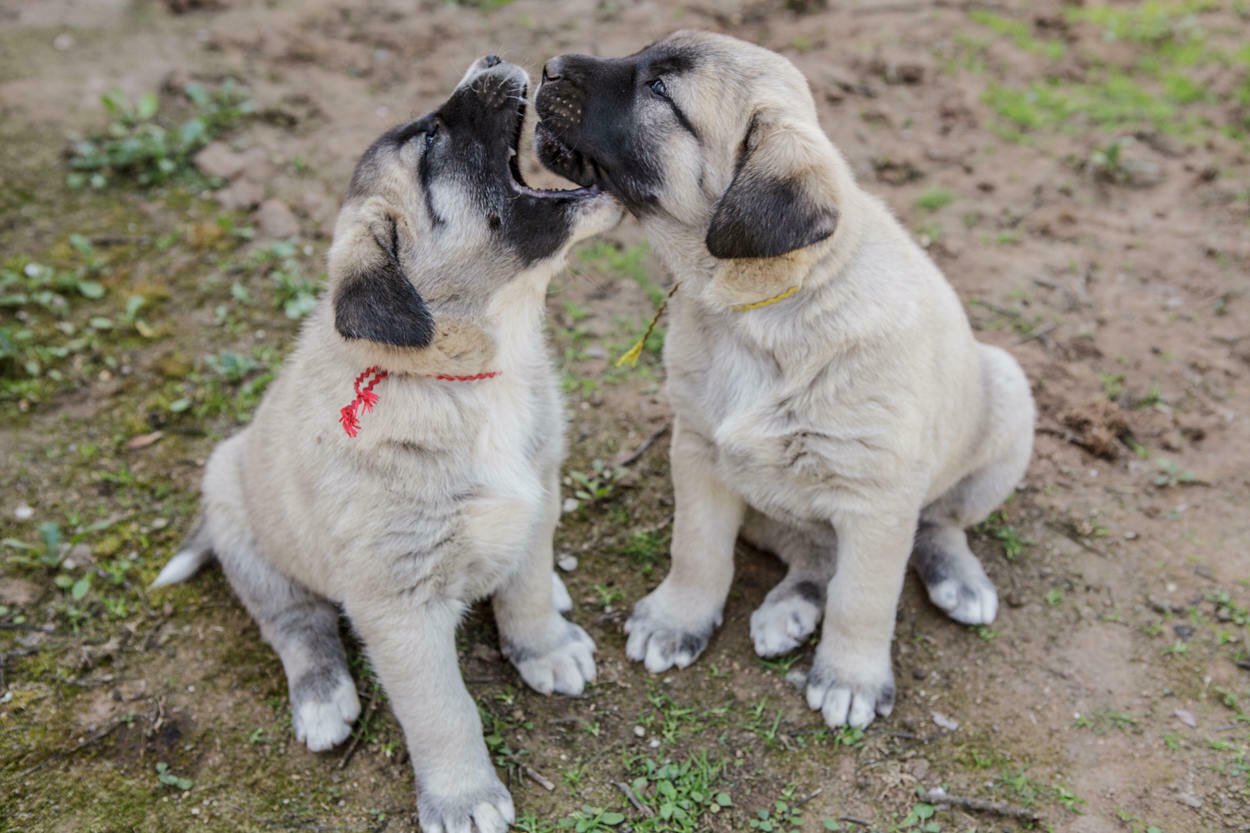
King of the Mountain
An interesting feature of the breed is its habit of sitting higher up, climbing on a hill. This behavior comes from their ancestors, who herded large flocks of sheep and specifically sought higher ground to use as a vantage point.Care and Maintenance
Caring for a Kangal requires consideration of its natural characteristics, activity levels, and physical endurance. This breed was developed to work in harsh conditions, making it relatively low-maintenance, but regular care supports its health and comfort.
The Kangal has short, dense fur with a thick undercoat, making it resistant to various weather conditions. Grooming is minimal: brushing the dog 1-2 times a week is enough to remove dead hair and maintain cleanliness. During shedding seasons (typically in spring and autumn), more frequent brushing is necessary to ease the fur renewal process. Frequent bathing is not required; washing the Kangal 2-3 times a year or as needed with a gentle shampoo suffices.
Regular checks of the ears, eyes, and teeth are essential for preventing infections and other issues. Ears should be inspected for dirt and inflammation, as they can be prone to moisture buildup. Teeth should be cleaned to prevent tartar formation. Paws also need attention, especially if the dog spends a lot of time outdoors.
Kangals thrive on an active lifestyle. They need spacious areas for movement and work. This is a dog that enjoys long walks, runs, and tasks related to territory protection. Kangals love tasks that allow them to express their natural guarding instincts, such as watching over an area or following commands related to protection.
Kangals do not tolerate confinement or a lack of physical activity well. This breed is not suited for apartment living unless it is provided with regular and extended exercise opportunities. A lack of activity can lead to boredom and undesirable behaviors, such as furniture destruction or excessive vocalization.
This breed values close contact with its owner and family, preferring to be near the people it protects. Kangals do not handle loneliness well and require an emotional bond with their owner. If left isolated for long periods, they may become apathetic or, conversely, exhibit dominant behavior.Kangals cannot tolerate rough or unfair treatment. They are sensitive to their owner’s mood and respond better to calm, yet confident guidance. Consistency in training and respectful treatment is key to establishing a trusting relationship with this breed.Diet should be balanced and appropriate for the dog’s activity level. Kangals are prone to bloat, so they should be fed 2-3 times a day in small portions and should avoid heavy physical activity immediately after eating.Kangals enjoy freedom, space, attention, and tasks that keep them mentally and physically active. They do not tolerate loneliness, inactivity, or aggression from their owner. With proper care, this breed becomes a harmonious, confident, and reliable companion.
Speed run
The Anatolian shepherd dog is characterized by incredible speed. This is aided by a specific feature in the structure of its legs, where the length of the limbs is significantly longer than the line of the back.Training and Education
Training a Kangal requires patience, confidence, and a deep understanding of its natural instincts. This breed is known for its intelligence, independence, and strong character, so the approach to training should be based on mutual respect and consistency. Kangals are capable of making independent decisions, as they originally worked far from their owner to guard flocks, but they also seek to please their human if they see them as a reliable leader.
It is best to start training a Kangal at an early age when the puppy is open to socialization and new knowledge. The first task is socialization: the puppy needs to learn how to react calmly to unfamiliar people, other animals, and various external stimuli. This is important so that its natural caution does not turn into excessive suspicion or aggression.
Kangals respond excellently to positive reinforcement methods: praise, treats, and encouragement for desirable behavior. It is important to avoid shouting or physical corrections, as this can cause stubbornness or distrust. The dog values fairness and consistency in commands. Training sessions should be clear and not too long to avoid fatigue or loss of interest.
This breed chooses an owner who demonstrates leadership qualities: calmness, confidence, and the ability to make clear decisions. A Kangal respects those who show their dominance not through aggression, but via the ability to manage situations. Dogs of this breed are sensitive to their owner’s emotional state and quickly bond with the person who provides stability and attention.
A Kangal listens to those who have earned its respect. This breed requires an owner who is willing to be consistent yet friendly. Kangals are best suited for experienced owners who understand the needs of a large and independent dog. They require clear rules and defined boundaries to know what is expected of them.
Specialized training, such as protection or obedience training, allows a Kangal to express its working qualities. It is also important to give the dog enough time to act independently, so it feels confident and comfortable. A Kangal dislikes excessive strictness or attempts to suppress its natural instincts.Kangals are best suited for owners who are ready to devote time to training, physical activity, and emotional connection. This breed appreciates a caring yet assertive leader, and with the right approach, it can become not only obedient but also an incredibly loyal companion. In Zooinika, elite breed puppies are offered with a complete set of documents.
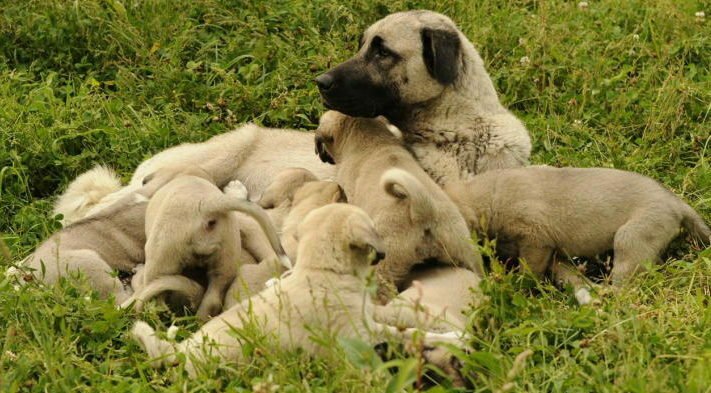
Strength and power
The Kangal is an exceptionally strong breed, capable of easily handling not only its primary purpose of guarding flocks. In African countries, the dog has protected people from cheetahs.
How to Choose a Puppy
Choosing a Kangal puppy is a process that requires a serious approach to ensure that your future pet truly represents the breed, embodying its unique qualities: strength, endurance, and a calm temperament. This breed, with its ancient roots, deserves attention to every detail during the selection process.
The first step will be to find a reputable kennel, ideally located in Turkey or closely associated with regions where purebred Kangals are bred. A good breeder will proudly share the breed’s history, demonstrate pedigrees, and introduce you to the puppy’s parents. Make sure the kennel is registered with an official canine organization, such as the FCI or its national affiliates, and that the puppies are raised in conditions close to their natural environment-with sufficient space for movement and socialization.
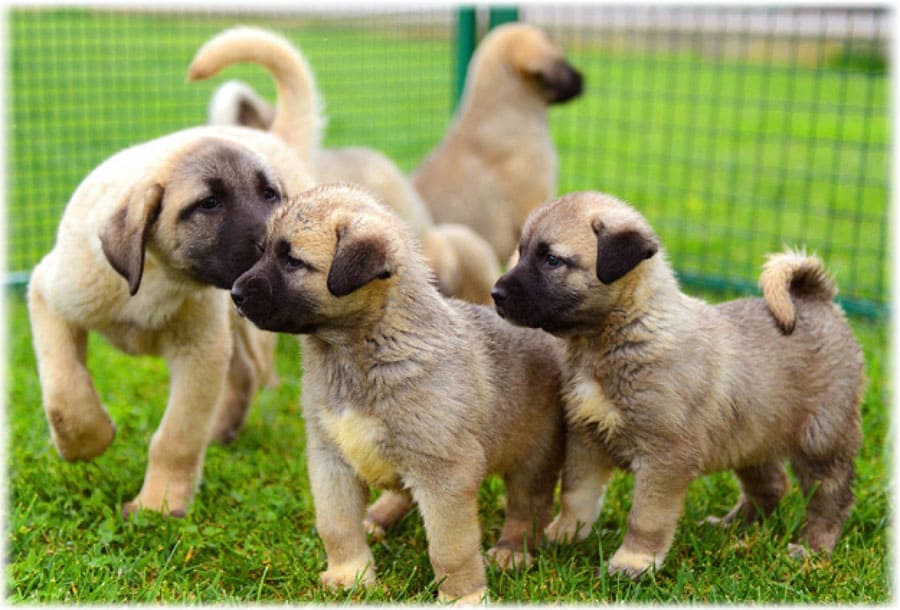
A Kangal puppy should be active, confident, and display natural curiosity. This indicates good health and proper socialization. Avoid puppies that appear apathetic, excessively fearful, or aggressive. Examine their appearance: the coat should be thick and clean, the eyes clear, and their movements smooth and free. The puppy should show good physical traits: strong legs, a broad chest, and confident behavior.
Documents are a key element in choosing a Kangal puppy. The puppy’s registration certificate or metrics should include complete pedigree information, confirming that the puppy comes from purebred representatives of the breed. Pay special attention to the health of the parents. True Kangals are known for their endurance, but ensure that the puppy’s parents have been tested for hip and elbow dysplasia, as well as screening for hereditary diseases common in large breeds.
Be sure to review the puppy’s veterinary passport. It should include records of initial vaccinations and deworming. Ask what food the puppies are being fed to avoid digestive issues when transitioning to a new diet. The breeder should also provide advice on care, training, and a schedule for future vaccinations.
If possible, meet the puppy’s parents. Their appearance, behavior, and confidence will give you insight into what your Kangal may become. The parents should be calm, self-assured, and in good physical shape, indicating proper selection.The kennel should keep dogs clean and well-cared for, providing enough space for movement and interaction with people. Such conditions contribute to the proper development of the puppies’ psyche. A responsible breeder will not only show you pedigrees and documents but also share useful tips for raising a Kangal, as this is a dog with a strong personality that requires a respectful yet consistent approach.Choosing a Kangal puppy is not just about acquiring a dog but also about starting a long-lasting and faithful relationship with a protector, friend, and symbol of ancient traditions. By approaching this thoughtfully, you will gain a reliable companion who will delight you with its strength, calmness, and loyalty. Compare options from reputable breeders on Zooinika and select your ideal pet.
Health and Illnesses
Kangal, or Anatolian Shepherd, is known for its natural endurance and robust health, which is not surprising given its origins and long adaptation to harsh conditions. However, like other large breeds, the Kangal has a predisposition to a number of diseases that owners should be aware of to ensure the pet enjoys a long and healthy life.
One of the most common issues is hip and elbow dysplasia. This condition is associated with improper joint development and can cause pain, discomfort, and reduced mobility, especially in older dogs. To prevent dysplasia, it is important to choose a puppy from tested parents, as well as to monitor proper nutrition and moderate physical activity, particularly during the growth period.
The Kangal’s large build makes it prone to gastric torsion, which is characteristic of dogs with deep chests. This acute condition requires immediate veterinary intervention. To prevent torsion, it is recommended to feed the Kangal 2-3 times a day in small portions, avoid vigorous activity right after meals, and control water access after eating.
Kangals may sometimes suffer from eye diseases, such as entropion (eyelid inversion) or progressive retinal atrophy. Regular veterinary check-ups can help detect problems at an early stage and prevent vision deterioration. Special attention should be paid to eye cleanliness, especially if the dog spends a lot of time outdoors.
Some representatives of the breed may suffer from allergies or skin issues caused by external irritants, such as insect bites, or reactions to food. Symptoms may include itching, redness, or hair loss. Regular skin inspections and the use of quality food can help avoid these problems. It is also important to treat the dog for fleas and ticks in a timely manner.
The Kangal is an active breed that requires sufficient physical activity. A lack of exercise can lead to obesity, which increases the burden on joints and the heart. Maintaining a proper diet and regular walks will help keep the dog in good shape.Overall, the breed has a strong immune system, but regular vaccinations and parasite prevention are essential to avoid infectious diseases. Kangals also need periodic veterinary examinations to timely detect potential issues.The average lifespan of a Kangal is 12-15 years, which is quite long for a large dog. With proper care, balanced nutrition, and attention to its physical and emotional well-being, the Kangal will remain healthy and active throughout its life, delighting you with its calmness, strength, and loyalty. – the best site about animals, where you can buy or sell a puppy.
Содержание
-
1. Описание породы
-
2. Внешний вид
- 2.1 Голова
- 2.2 Морда
- 2.3 Уши
- 2.4 Глаза
- 2.5 Зубы
- 2.6 Корпус
- 2.7 Конечности
- 2.8 Хвост
- 2.9 Шерсть
- 2.10 Окрас
-
3. Характер
-
4. Содержание и уход
-
5. Дрессировка и обучение
-
6. Как выбрать котенка
-
7. Здоровье и болезни






Comments
Only registered users can leave reviews.
Enter