
Kai




Warning: Illegal string offset 'label' in /home/panda/sites/zoonika/wp-content/themes/zoonika/template-parts/animals/animals-param-item.php on line 32
Ð


Breed Description
The Japanese Kishu Ken, or Kishu, is one of the oldest breeds in Japan, with origins closely tied to the mountainous region of Kishu on Honshu Island. These dogs have historically lived in the wooded mountain areas of Yamanashi Prefecture, where the region’s isolation fostered the natural development of the breed without significant external interference. Kishu Ken are known as “tiger dogs” due to their characteristic brindle coat, which helps them blend into their surroundings. The breed is believed to have formed several thousand years ago and was used by local hunters for tracking and catching game.
These dogs were valued for their versatility and endurance. They assisted hunters in capturing boars, deer, and even small bears. Thanks to their agility and excellent sense of smell, Kishu Ken were indispensable in harsh mountain conditions. Their natural wariness and independence allowed them to work effectively away from their owners, returning with their catch or leading hunters to its location.
Originally, the Kishu Ken remained an exclusively regional breed, with its population limited to mountainous areas. The dogs did not leave their historical habitat, which helped maintain their purity. They were considered a treasure by local hunters who cared for the breed but did not engage in systematic breeding. However, in the early 20th century, with growing interest in traditional Japanese breeds, Kishu Ken began to attract the attention of cynologists.
In 1931, the breed was officially recognized by the Japanese Kennel Association, Nihon Ken Hozonkai (Nippo), as a national treasure of Japan. This event helped preserve the breed and popularize it beyond the Kishu region. Due to their outstanding working qualities, Kishu Ken gained a reputation as a reliable and loyal hunting dog. At the same time, their remarkable ability to adapt to various conditions made them favorites among dog breeders.
Today, Kishu Ken continues to maintain its status as a rare and valuable breed. It is known for its loyalty to its owner, exceptional endurance, and natural beauty. Despite its limited distribution, Kishu Ken remains an important part of Japan’s cultural heritage, embodying the spirit and traditions of its historical homeland.
The price for a puppy ranges from 30,000 to 70,000 rubles.
Appearance
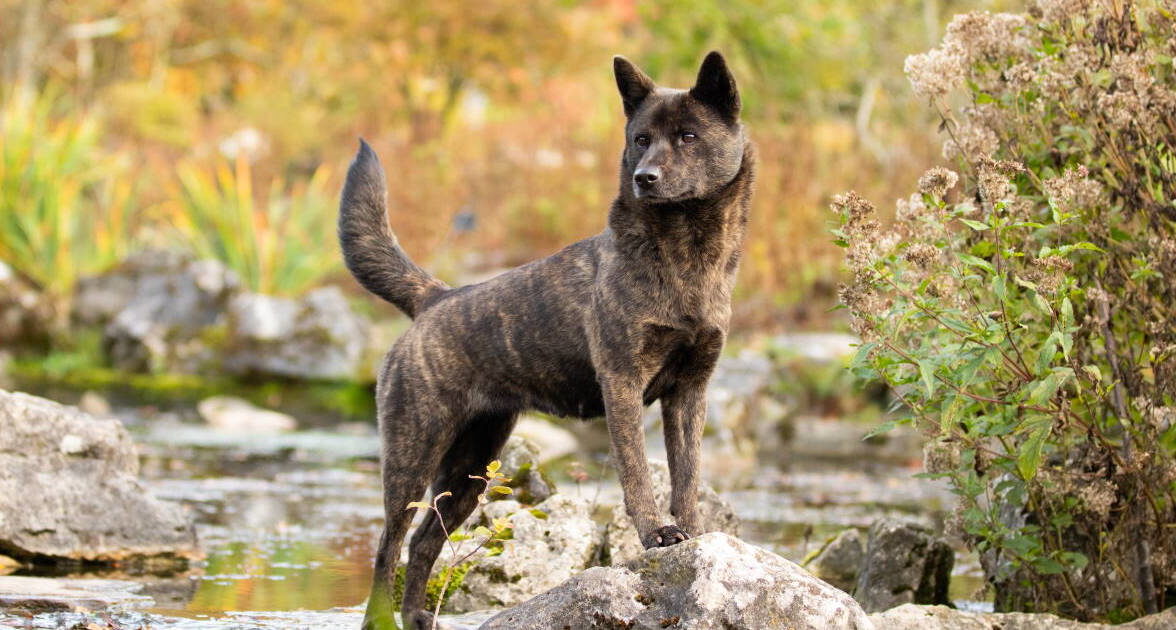
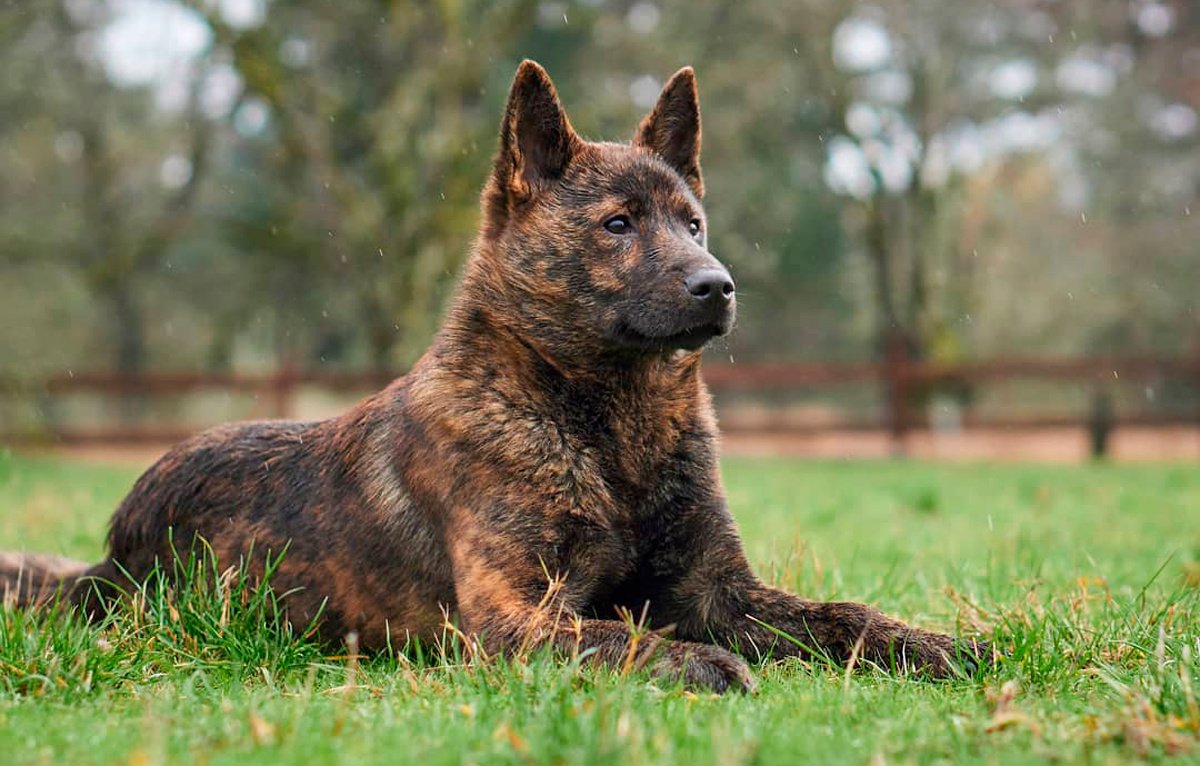
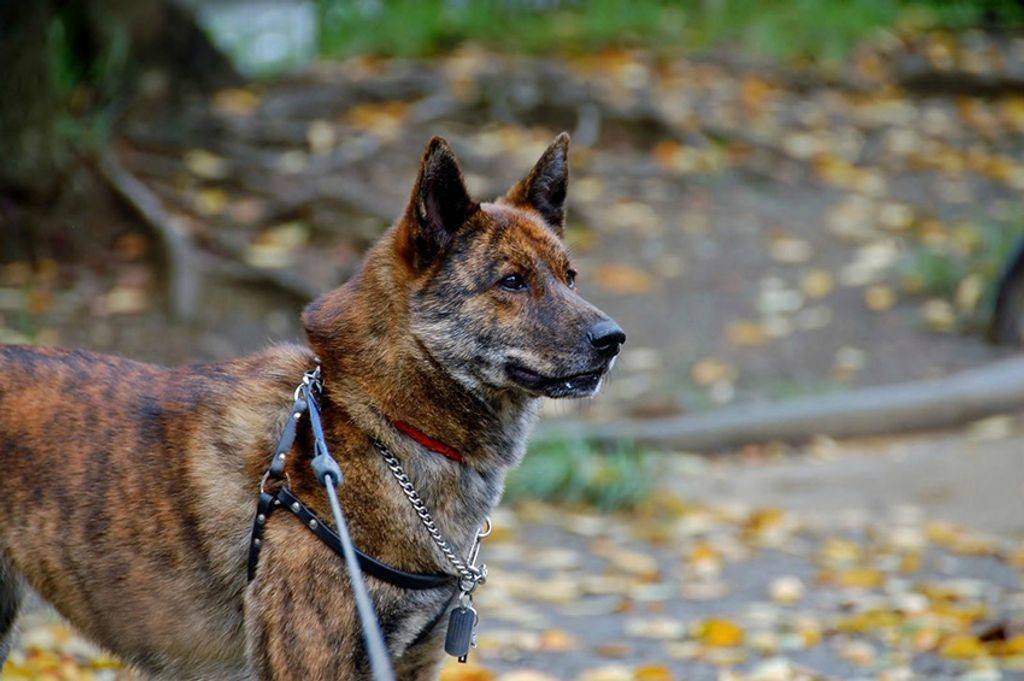
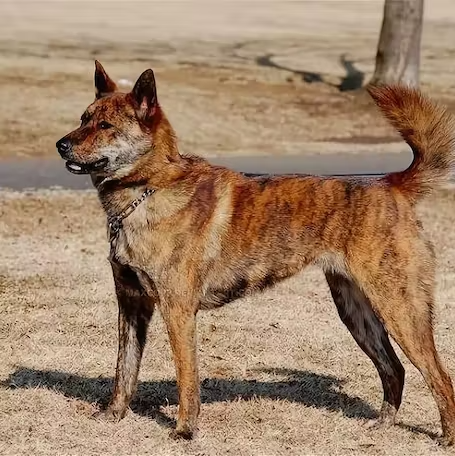
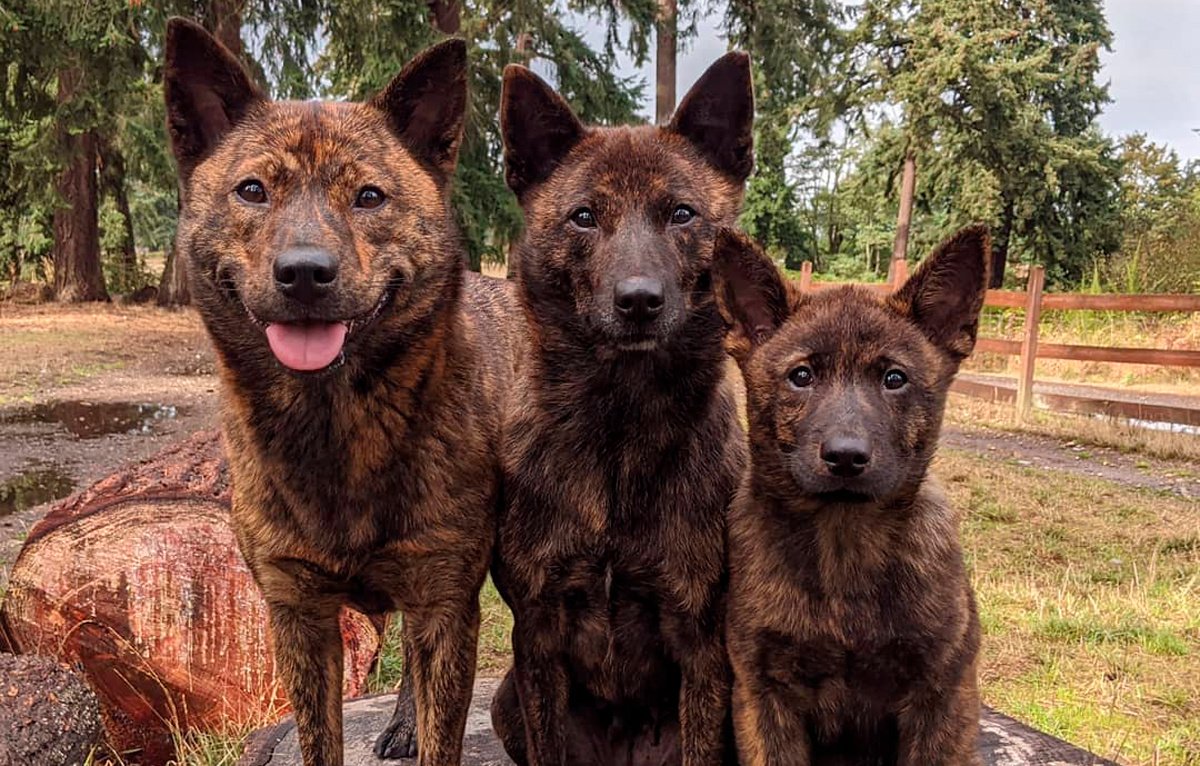
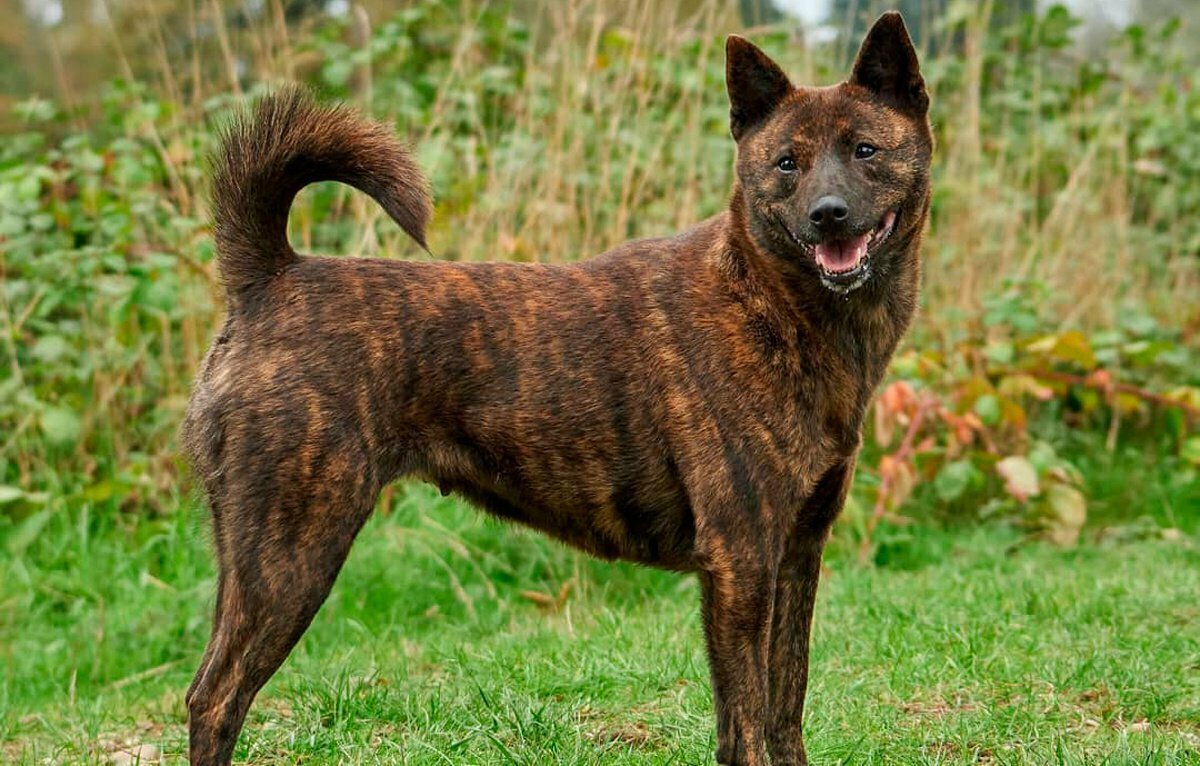
The Japanese Kishu, or Kishu Ken, is a medium-sized dog with an elegant yet muscular build, perfectly suited for mountain living. Its body is compact and harmoniously constructed, with a strong back and well-developed chest. The Kishu’s appearance is highlighted by its distinctive brindle coat, which can be red, black, or gray, featuring unique stripes that make each dog one of a kind. The fur is dense, double-layered, with a soft undercoat, providing protection against bad weather and adaptation to harsh conditions.
The head of the Kishu is graceful, with a well-defined transition from the forehead to the muzzle. The ears are small, triangular, and erect, giving the dog an expression of attentiveness and alertness. The tail is typically curled in a ring or semicircle and rests on the back, emphasizing the breed’s grace and confidence.
The average height of the Kishu Ken is 45-56 cm at the shoulder for males and 40-50 cm for females. Weights range from 14 to 20 kg, making them compact yet powerful dogs. These dimensions are ideal for maneuvering in forested and mountainous terrain, where the breed has historically excelled.
The lifespan of the Japanese Kishu is 12-15 years. It is a breed with robust health that maintains activity and zest for life into old age with proper care. The appearance of the Kishu Ken embodies a balance between natural beauty, strength, and adaptability, making it not only an effective hunter but also an elegant companion.


Отличительные черты

Голова

Морда

Уши

Глаза

Зубы

Корпус

Конечности

Хвост

Шерсть

Окрас
Character
The Japanese Kishu, or Kishu Ken, is a dog with a balanced, independent, yet loyal character. It is known for its attachment to its owner and family, while maintaining a natural wariness towards strangers. This trait makes the Kishu an excellent guard dog, always alert to its surroundings but not excessively aggressive. They exhibit courage and confidence, especially in situations that require protection or leadership.
The Kishu Ken is intelligent and quickly learns, which is related to its hunting background. This breed tends to make independent decisions, as it historically worked away from its owner. However, the Kishu strives to please its owner when it feels respect and fairness. It has a good understanding of human emotions and can adapt to various circumstances, making it a great companion.
These dogs possess high energy levels and enjoy an active lifestyle. The Kishu loves walks, especially in nature, where it can utilize its hunting instincts by exploring the territory or tracking small animals. It enjoys physical exercise and games that require agility and cleverness.
In a home environment, the Kishu behaves calmly and reservedly. It gets along well with children, exhibiting patience and care but requires early socialization to be friendly with other animals. At the same time, the Kishu Ken retains a natural sense of territory and may be cautious around unfamiliar people.
The Kishu Ken does not tolerate loneliness well and requires a close emotional bond with its owner. It needs attention, interaction, and regular activities to feel needed and harmonious. This breed does not respond well to harshness or unfair treatment. The Kishu reacts best to a gentle, yet confident approach based on mutual trust.
The Japanese Kishu is an independent yet loyal dog that suits active individuals or families who appreciate its intelligence, energy, and innate sense of protection. It is a loyal, brave, and attentive friend that fits perfectly both as a hunter and a home companion.
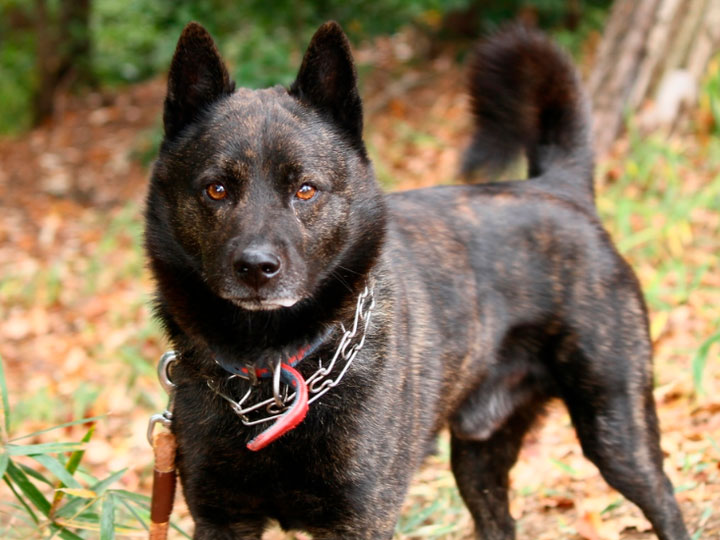
Natural monument
Kai is an extremely rare and strong breed of dog. They are expressive and slender, but not exaggerated. This breed is officially recognized as a natural monument in Japan.Care and Maintenance
Caring for the Japanese Kishu requires consideration of its natural traits, activity level, and inherent endurance. The Kishu’s coat is dense and double-layered, with a thick undercoat that makes it weather-resistant but requires regular grooming. Brushing the dog once a week is sufficient to keep the coat in good condition and remove dead hair. During seasonal shedding, which occurs twice a year, more frequent brushing is necessary to help the dog shed its undercoat. Frequent bathing is not needed; washing the Kishu every few months or as necessary with gentle shampoos will prevent damage to the natural protective layer of the skin.
The Kishu enjoys physical activity and outdoor walks. Its natural energy and curiosity make it a great companion for long walks, hikes, or runs. This breed particularly enjoys tasks that allow it to showcase its hunting skills: playing scent games, tracking, or training activities. Without regular physical and mental stimulation, the Kishu can become bored and destructive.
The emotional bond with its owner is very important for the Kishu. It does not like solitude and prolonged neglect. This dog seeks to be part of the family and does not cope well with being ignored. It appreciates when its owner spends time with it, whether training, playing, or simply being nearby. The Kishu values respect and clear boundaries during training. Harshness, yelling, or unfair treatment can break the trust between the dog and its owner.
The Kishu does not like cramped spaces or a lack of room. Living in a small apartment without regular walks can negatively impact its behavior and overall well-being. It values the ability to move freely, so ideal conditions would be a house with a yard or ample time spent outdoors.
Feeding should be balanced, considering the dog’s activity level. The Kishu tends to maintain good physical condition, but it is important to avoid overfeeding, especially if the activity level decreases. Regular veterinary check-ups, vaccinations, and parasite prevention will help keep its health at a high level.
The Japanese Kishu loves activity, attention, and a close connection with its owner. It cannot tolerate harshness, prolonged solitude, and inactivity. With proper care, attention, and companionship, the Kishu will not only remain healthy but also become a harmonious companion, delighting with its intelligence, energy, and loyalty.
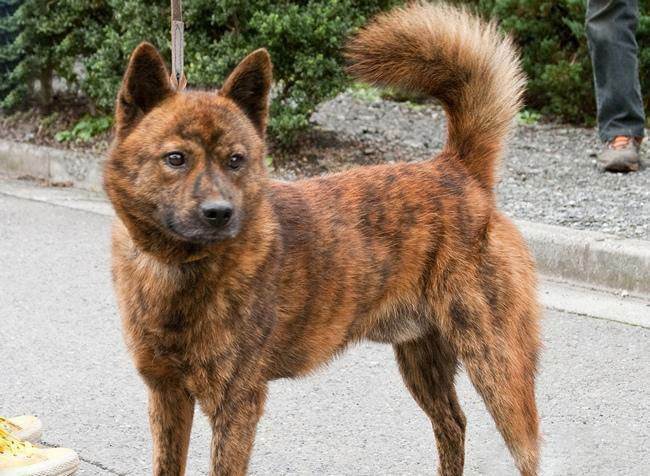
Unique mask
One of the remarkable features of the Japanese Kishu's appearance is their expressive "mask." This distinctive coloring around the eyes creates the impression that the dog is wearing a mask. This marker becomes part of their charm, making their gaze even more mysterious and appealing. This trait emphasizes the breed's uniqueness and gives it a distinctive look.Training and Education
The Japanese Kishu, or Kishu Ken, is an intelligent and independent dog that requires a patient, confident, and consistent approach to training. Training for this breed should start at an early age to establish a foundation of obedience and socialization. The Kishu has a natural tendency to make independent decisions, so it is crucial to build a trusting relationship with it, as well as to establish clear boundaries and rules.
Training should be based on positive reinforcement, including praise, treats, and play elements. The Kishu learns quickly when the sessions are engaging and varied. However, monotony or overly long sessions can lead to boredom and a decrease in motivation. It is important to remember that the Kishu possesses hunting instincts, so incorporating tasks related to tracking and scent work will make the training more enjoyable.
Socialization plays a key role in raising a Kishu. From an early age, it is necessary to introduce the dog to different people, animals, and situations so that it learns to respond appropriately to the world around it. This breed can be wary of strangers, but with proper socialization, it remains calm and confident.
The Kishu chooses an owner who demonstrates leadership qualities, confidence, and care. This breed is oriented towards emotional connection, so the owner must be patient, consistent, and willing to spend time on joint activities. The Kishu listens to those who show respect for its character, avoiding harshness or excessive pressure. The dog should see its owner as a reliable partner that it can trust.
The Kishu is best suited for active individuals or families that appreciate its independence but are willing to dedicate time for training, play, and walks. This breed values clear rules but requires respectful treatment and friendly interaction. With the right approach, the Kishu becomes a loyal, devoted, and well-mannered companion, ready to follow its owner and accomplish set tasks. Zoonica features the best breeders offering puppies with pedigree.
Talented seekers
K9s possess amazing skills in searching and detecting, which has made them invaluable for search and rescue operations. Their excellent sense of smell and intelligence make K9s ideal candidates for training in search and rescue work. These dogs, despite their sophistication, are capable of serving in conditions that require quick and effective detection.
How to Choose a Puppy
Choosing a Japanese Kishu, or Kishu Ken, requires careful consideration to ensure it grows up healthy and meets breed standards. Start by looking for a reliable kennel registered with an official kennel organization, such as FCI or its national branches. The kennel should provide comprehensive information about the puppy’s lineage, living conditions, the health of the parents, and their achievements.
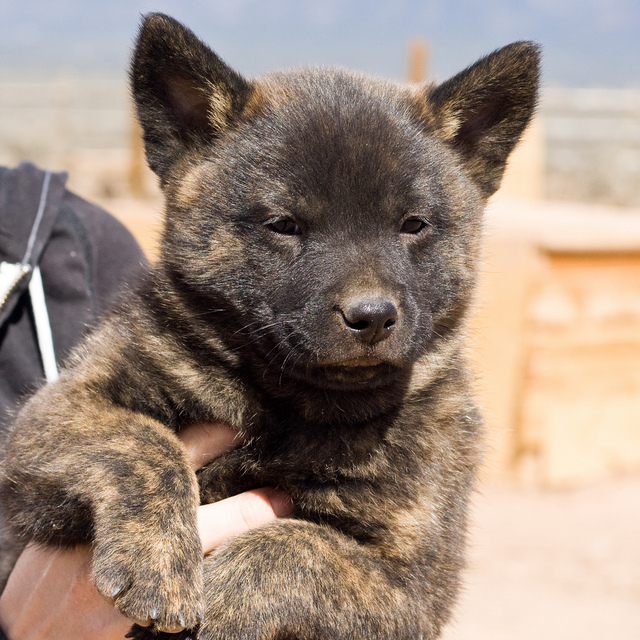
The puppy should be active, curious, and confident. Its behavior should not show excessive fear or aggression. Appearance is also important: the puppy’s coat should be shiny, eyes clear, and nose moist and cool. The puppy should have strong legs and a proportional build. Pay attention to its movements-they should be free and confident, without signs of lameness.
The puppy’s documents are a key aspect of the selection process. The puppy card or metric should contain pedigree information, including details about the parents and their accomplishments. The puppy’s parents should have been tested for hereditary diseases common to the breed, such as hip dysplasia, skin issues, or genetic eye defects. These tests help ensure that the puppy is less likely to inherit such problems.
The puppy’s veterinary passport should include records of vaccinations, deworming, and overall health status. Ask the breeder what food the puppy has been eating to ensure a smooth transition to your diet, minimizing stress on its digestive system.
It is important to meet the puppy’s parents if possible. Their temperament and behavior will give you an idea of how your pet may grow. The parents should be balanced, friendly, and meet breed standards. The conditions in the kennel also matter: cleanliness, socialization of the puppies, and available play space indicate the breeder’s conscientiousness.
Choosing a Japanese Kishu puppy should be a deliberate decision based on the verification of its health, documents, and living conditions. This will ensure you have a healthy, active, and well-adjusted representative of the breed that will become a loyal friend and companion. Zoonika is the best option for pedigree from trusted breeders.
Health and Diseases
The Japanese Kai, or Kai Ken, is considered one of the healthiest and most resilient breeds, thanks to a long history of natural selection in the harsh mountainous conditions of Japan. However, like all breeds, the Kai has a predisposition to certain diseases that owners should be aware of.
One potential issue is hip dysplasia. This condition is common in many medium and large dog breeds and is related to improper joint development, which can cause pain and limit mobility. Regular veterinary check-ups, maintaining a healthy weight, and moderate exercise can help minimize the risk of its occurrence.
Kai may be susceptible to certain skin conditions, such as dermatitis and allergies. These can be triggered by external factors, such as parasites, or reactions to inappropriate diets. Regular skin inspections, quality food, and timely treatments for fleas and ticks can help prevent skin issues.
Eye diseases, including progressive retinal atrophy or cataracts, are less common but can be inherited. Regular visits to a veterinary ophthalmologist can help identify problems early and prevent the deterioration of vision.
The tendency for stomach torsion, typical in dogs with deep chests, is rare in Kai but preventive measures are still necessary. It is recommended to feed the dog small portions multiple times a day and avoid vigorous activity immediately after eating to minimize the risk.
The Kai Ken has a strong immune system, making it resilient to infectious diseases, provided vaccinations are administered on time. However, it is important to follow the vaccination schedule, parasite prevention, and deworming to maintain the dog’s health.With proper care, regular veterinary check-ups, and a balanced diet, the Japanese Kai can maintain its health and activity into old age. The average lifespan of this breed is 12-15 years, and with attention to its physical and emotional well-being, it can live a long and happy life. Zoonika is the best place to reach a wide audience.
Содержание
-
1. Описание породы
-
2. Внешний вид
- 2.1 Голова
- 2.2 Морда
- 2.3 Уши
- 2.4 Глаза
- 2.5 Зубы
- 2.6 Корпус
- 2.7 Конечности
- 2.8 Хвост
- 2.9 Шерсть
- 2.10 Окрас
-
3. Характер
-
4. Содержание и уход
-
5. Дрессировка и обучение
-
6. Как выбрать котенка
-
7. Здоровье и болезни






Comments
Only registered users can leave reviews.
Enter