

Kadebo (Mallorcan Mastiff)









Warning: Illegal string offset 'label' in /home/panda/sites/zoonika/wp-content/themes/zoonika/template-parts/animals/animals-param-item.php on line 32
Ð


Breed Description
The CadГЁbo, or Majorcan Mastiff, is a breed with a rich and captivating history closely tied to life on the Balearic Islands, particularly Mallorca. This is a powerful and resilient dog whose origins trace back to the era of conquests and trade in the Mediterranean. The name “CadГЁbo” comes from the Catalan “Ca de Bou,” meaning “bull dog,” highlighting its historical use for herding livestock and protection against bulls.
The first mention of the ancestors of the CadГЁbo dates back to the 13th century when livestock farming and trade flourished on Mallorca. Dogs resembling the CadГЁbo were used to protect herds and farmers’ property. However, a crucial stage in the breed’s formation occurred in the 18th and 19th centuries when the Balearic Islands came under the influence of the British Empire. The English brought their Bulldogs and Mastiffs to the islands, which were crossed with local guard dogs. The goal of this crossbreeding was to create a hardy and strong breed capable of working as a guardian, protector, and participant in bull baiting, which was a popular spectacle at the time.
The CadГЁbo quickly earned the respect of the local population due to its courage, strength, and ability to make independent decisions in extreme situations. These dogs not only protected livestock and homes but were also used as guards for trade caravans that often fell victim to attacks. Their powerful build, imposing appearance, and strong territorial instincts made them ideal defenders.
Over time, the popularity of animal fights diminished, and the CadГЁbo lost its function in this context. However, its role as a family guardian and companion only strengthened. In the early 20th century, the breed faced a crisis related to urbanization and a decline in demand for working dogs. Nevertheless, thanks to the efforts of enthusiasts, the CadГЁbo was preserved, and by the 1920s, they began to be actively showcased at exhibitions.
In the 1960s, interest in the breed grew due to its versatile qualities. Modern CadГЁbos are not only guardians but also loyal, balanced dogs that are great for family life. Their origin emphasizes the unique connection between the history of Mallorca, Mediterranean culture, and the development of protective dog breeds. Today, the CadГЁbo remains a symbol of its homeland and embodies strength, loyalty, and protective instinct.
The price for a puppy ranges from 25,000 to 35,000 rubles.

Appearance
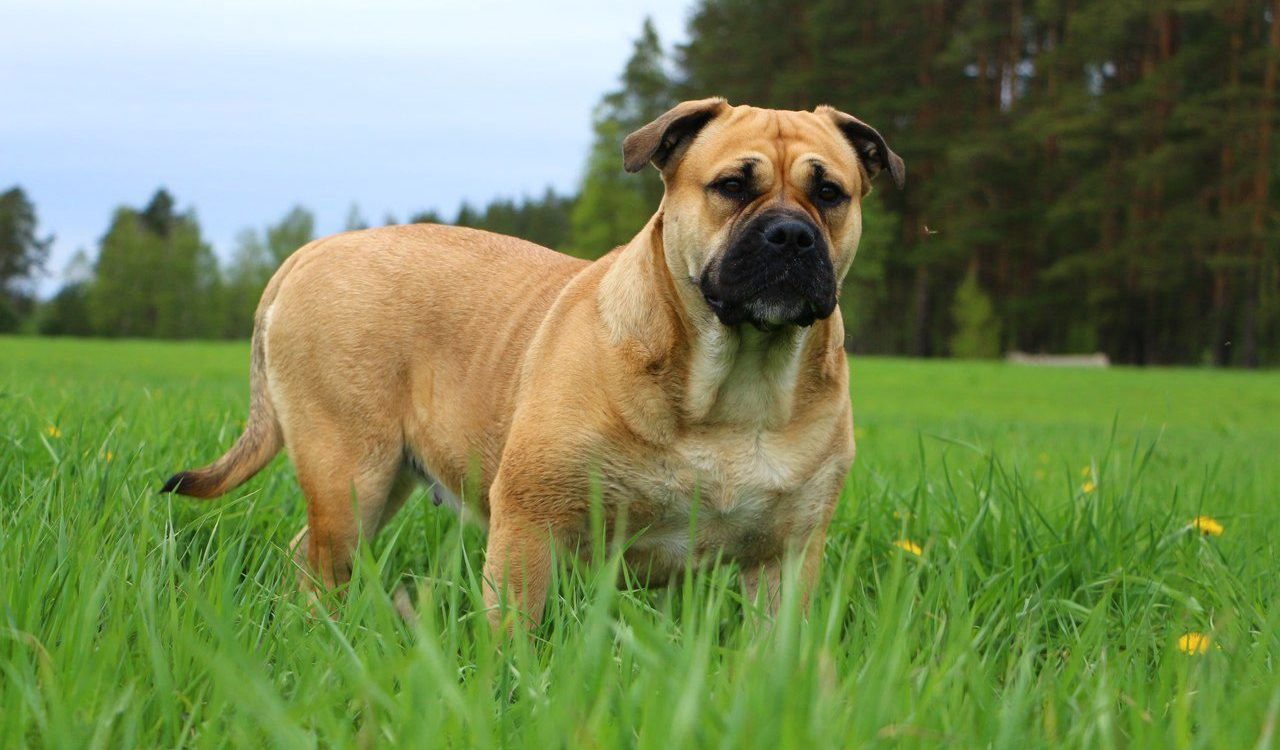
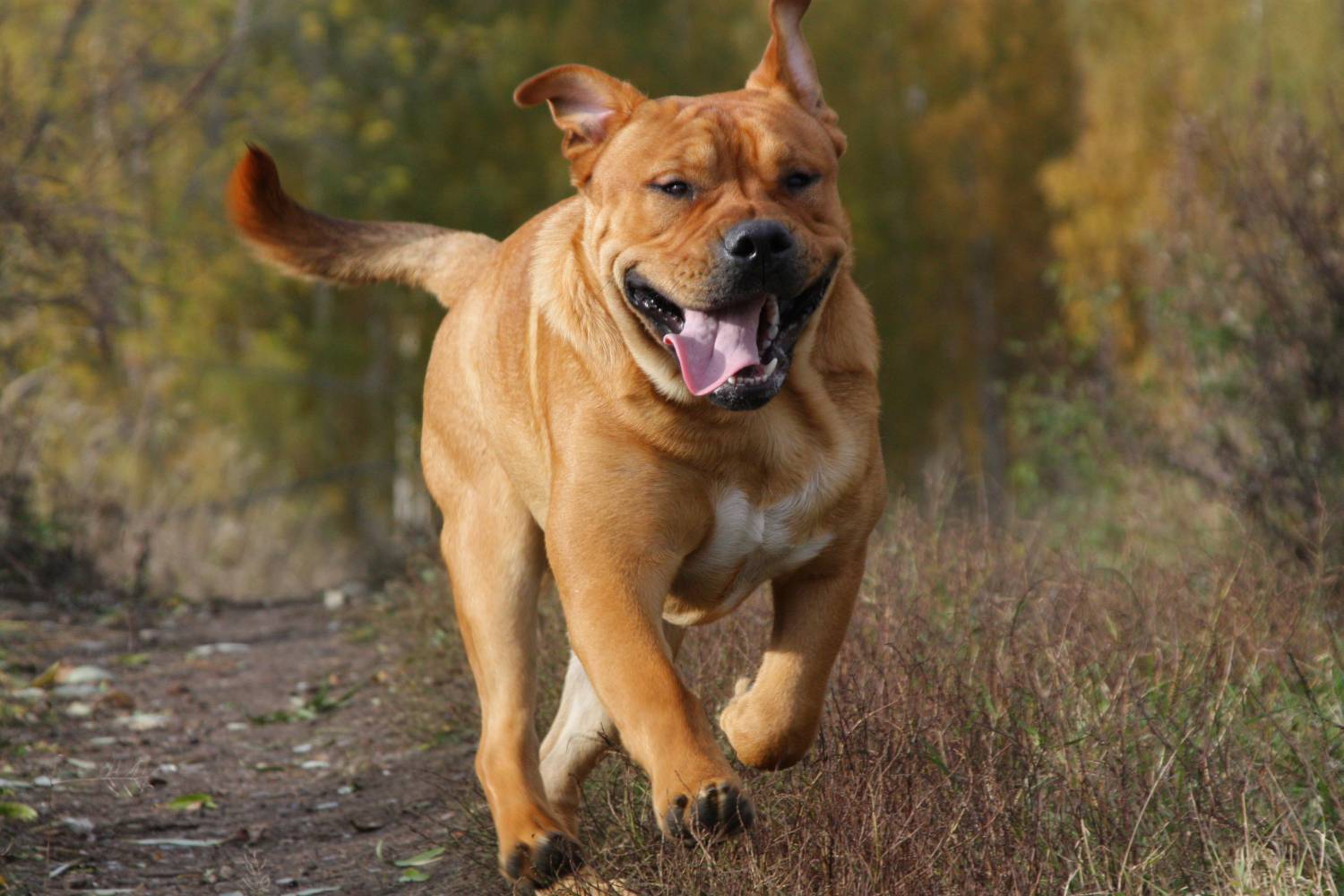
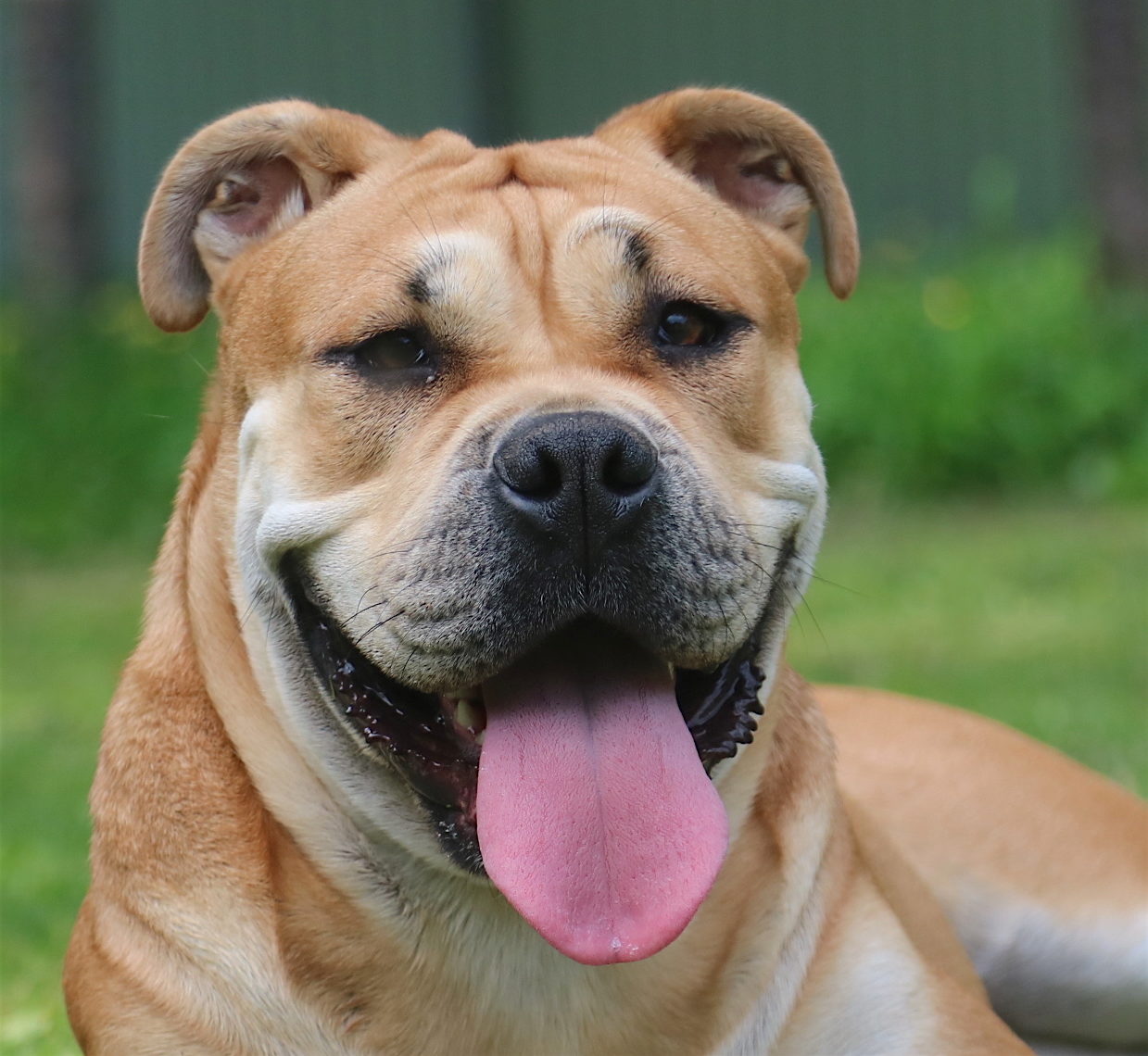
The Cadibo, or Majorca Mastiff, is a powerful, harmoniously built dog with a sturdy physique and an impressive appearance. It has a broad body, a deep chest, and strong limbs, emphasizing its physical endurance and working nature. The head is large, with clearly defined musculature and a strong jaw, giving the dog a confident and imposing expression. The coat is short, dense, shiny, and has a rough texture that provides protection against the elements and requires minimal grooming. The Cadibo’s gaze is always calm, attentive, and self-assured, highlighting its balanced temperament.
The average height of the Cadibo is 55-58 cm for males and 52-55 cm for females, making it a medium-sized dog capable of combining power and agility. Weights range from 30 to 38 kg for males and 25 to 34 kg for females, corresponding to their strong and compact build. These parameters provide the dog with the strength and flexibility needed for security functions.
The lifespan of a Cadibo typically ranges from 10 to 12 years. With proper care, balanced nutrition, and moderate physical exercise, these dogs maintain their health and activity well into their old age. The appearance of the Cadibo emphasizes their natural strength, reliability, and loyalty, making them ideal guardians and faithful companions.


Отличительные черты

Голова

Морда

Уши

Глаза

Зубы

Корпус

Конечности

Хвост

Шерсть

Окрас
Character
The Kadebo, or Majorcan Mastiff, has a balanced, confident, and loyal character. This breed is known for its bravery and vigilance, making it an excellent guard and protector. Kadebo instinctively senses the boundary between safety and threat, responding to situations with composure and confidence. They are not prone to excessive aggression, but when necessary, they quickly take action to protect their family or territory.
Family attachment is one of the key traits of the Kadebo’s character. They demonstrate incredible loyalty to their owner and family members, becoming not just a guardian but also a companion that always seeks to be near. Kadebo gets along well with children, showing patience and care, and can be gentle and friendly within the family circle. However, they are often wary of strangers, displaying a natural protective instinct.
This breed is intelligent, independent, and capable of making decisions, which makes them a reliable partner. Kadebo quickly adapts to new environments and exhibits a high level of trainability, especially when training occurs in a calm, consistent setting. They respect confident and fair owners who can establish mutual understanding with them.
In everyday life, Kadebo is active and enjoys spending time outdoors. They appreciate walks, active games, and physical exercises that allow them to expend their energy. At home, the dog behaves calmly, preferring to rest beside its owner while observing the world around. Kadebo does not like being alone and requires attention because an emotional connection with their family is important to them.
These dogs do not tolerate rough treatment or injustice. They respond better to respectful treatment, kindness, and clear rules. Kadebo is a faithful, reliable, and balanced friend that combines protective instincts with the ability to be affectionate and attentive to those close to them.
Impressive dimensions
Kadebo are large dogs with impressive sizes. Males can weigh up to 70 kg and stand 70 cm tall at the shoulder, while females are usually smaller. Their large and powerful physique gives them an impressive appearance and makes them stand out in a crowd.Care and Maintenance
Taking care of a Cadenbo, or Majorca Mastiff, is relatively straightforward but requires attention to its physical, emotional, and working needs. The primary focus should be on maintaining its fitness, grooming its coat, and creating conditions for a healthy life.
The Cadenbo has a short, close-lying coat that doesn’t require complicated care. It is sufficient to brush the dog 1-2 times a week with a soft-bristle brush or a rubber glove to remove dead hair and keep the coat shiny. Bathing should be done as needed, usually 3-4 times a year, to avoid disrupting the skin’s natural protective layer. Regular checks of the ears, eyes, and teeth are important to prevent infections or irritations, especially if the dog spends a lot of time outdoors.
Cadenbos appreciate regular physical activity. These dogs enjoy active walks, games, and tasks that stimulate their intellect. Outdoor walks, playing with a ball, or obedience training will not only help maintain the dog’s health but also strengthen the bond with the owner. Despite their activity, Cadenbos behave calmly at home, but they can become bored and destructive if not provided with enough physical and mental stimulation.
Cadenbos do not tolerate loneliness and isolation. They need attention and interaction with their owner, as this breed is family-oriented. Extended periods without attention can lead to stress and behavioral problems. Additionally, Cadenbos are sensitive to roughness and unfair treatment. The best way to interact with them is through a respectful approach with clear and consistent rules.
Nutrition should be balanced, with sufficient protein to maintain muscle mass and energy. It’s important to monitor portions, as Cadenbos are prone to weight gain if overfed or not given enough physical activity. Regular veterinary check-ups, vaccinations, and parasite prevention will help maintain the dog’s overall health.
Cadenbos love spending time with family, being part of daily life, and feeling useful. They dislike inactivity, loneliness, and aggressive treatment. With proper care, attention, and love, a Cadenbo can become not only a reliable protector but also a loyal friend, always ready to support its owner.
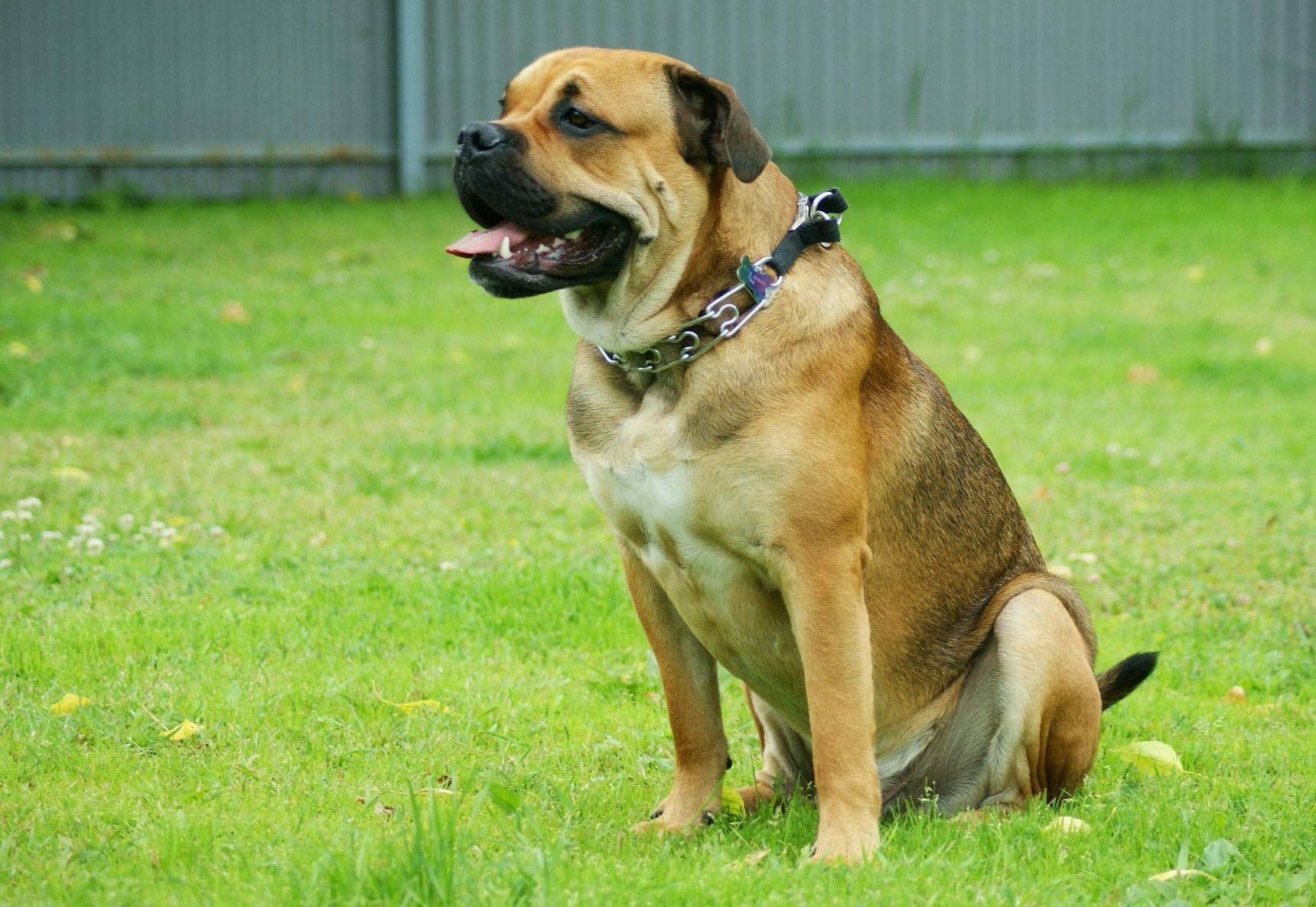
Character and level of dedication
Kadebos are known for their calm and even-tempered nature. They have a high level of devotion to their family and owner and can be excellent companions and guard dogs. Their ability to form strong attachments makes them ideal dogs for families and owners looking for a loyal and protective friend.Training and Education
Kadebo is an intelligent and independent breed that, with proper training, becomes not only a reliable guardian but also an obedient companion. Training this dog requires patience, consistency, and respect for its character. Kadebo is prone to making independent decisions, reflecting its historical role, so training must be based on trust and collaboration.
The best method for training Kadebo is positive reinforcement, which includes praise, treats, and playtime. These dogs learn quickly if the sessions are engaging and varied. It is recommended to start training at an early age while the puppy is open to socialization and learning new skills. Socialization is especially important for Kadebo so that it can learn to properly respond to strangers, other animals, and new situations. Sessions should be short but regular to maintain interest and prevent fatigue.
Kadebo chooses a owner who demonstrates confidence, fairness, and consistency. This breed appreciates calm and reliable leaders who establish clear rules while showing care and attention. The owner must be patient, ready for mutual respect and the establishment of an emotional connection. Kadebo does not obey out of fear; it listens to those it considers worthy leaders and partners.
These dogs respond well to training if the owner shows persistence without aggression. Aggressive or harsh training methods are unacceptable, as they can lead to distrust and stubbornness. Kadebo best responds to a confident yet gentle approach, which demonstrates that the owner is reliable and trustworthy. Gentle encouragement and clear instructions help the dog understand what is required of it.
Kadebo is suitable for owners who are willing to dedicate time to its upbringing and engage in joint activities. This breed requires attention but is not overly demanding, making it a good fit for people leading an active lifestyle. With proper training and attention, Kadebo becomes a well-behaved, balanced, and reliable companion, ready to protect its family and be a loyal friend. We offer the best, who care for every puppy from the very first days of its life.
History and role in culture
The Cadebos have an ancient and rich history. Their ancestors were used to guard the estates of Mallorca and for watchkeeping tasks in Mallorca, one of the Balearic Islands. For many years, they have been an integral part of local culture and traditions, and now they are becoming an increasingly popular breed in many countries.
How to Choose a Puppy
Choosing a Cadoodle puppy requires a careful approach to ensure it grows up healthy and meets breed standards. Start by selecting a reputable kennel registered with an official canine organization, such as the FCI or its national branches. A responsible breeder provides complete information about the puppy’s parents, their lineage, achievements at shows, and health tests.
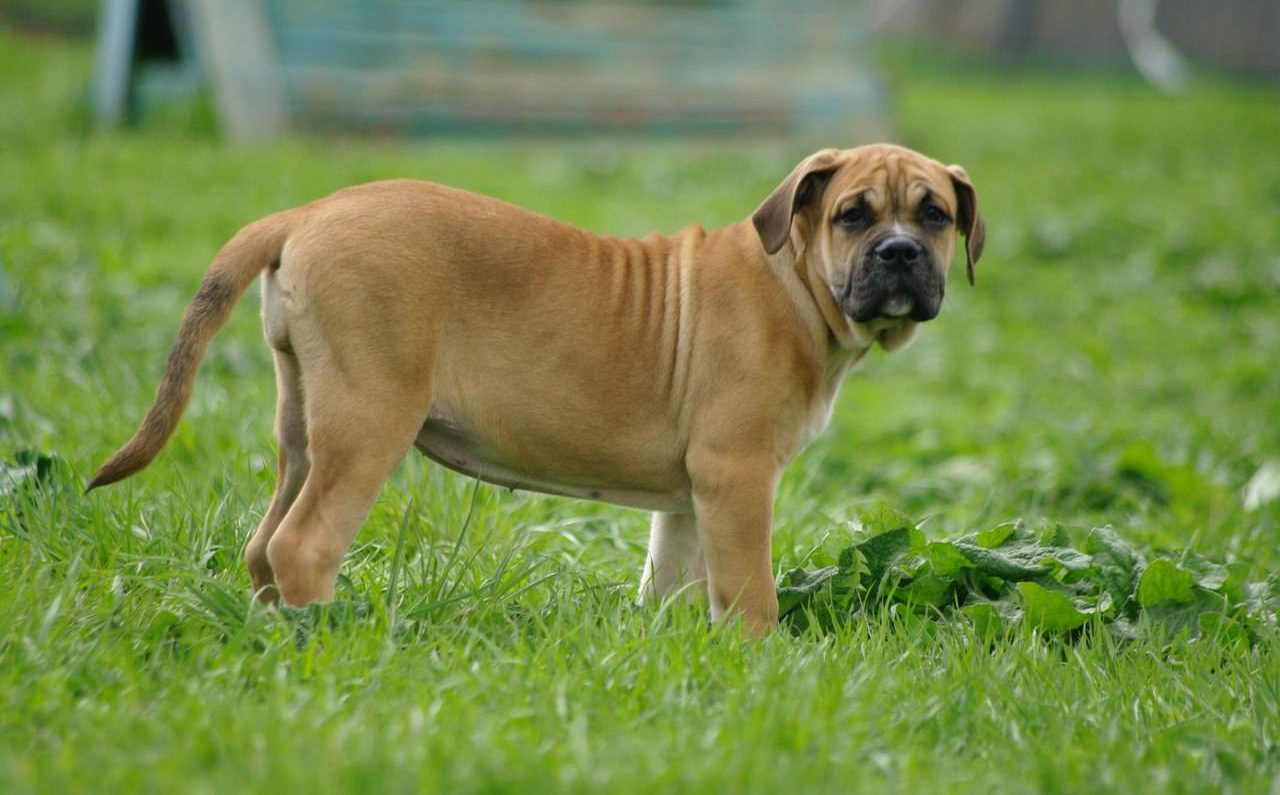
The puppy should be active, curious, and friendly, with a balanced temperament. Pay attention to its appearance: the coat should be shiny and clean, the eyes clear, and the nose moist and cool. The puppy should be well-fed, with sturdy legs and a proportional build. Its movements should be confident, without limping or signs of weakness.
Documentation plays a key role in confirming the puppy’s breed and health. The puppy’s registration card or certificate should contain information about its lineage, including titles and working qualities of the parents. It’s important to ensure that the puppy’s parents have been tested for hereditary diseases common to the breed, such as hip dysplasia, heart issues, and skin conditions. This information will help minimize the risk of genetic problems being passed down.
The puppy’s veterinary passport should have notes on its initial vaccinations and deworming. Ask the breeder about the type of food used for the puppy to avoid making sudden dietary changes, which can lead to digestive issues. It’s also essential to inquire about the vaccination schedule and care recommendations.
If possible, meet the puppy’s parents. Their appearance, behavior, and health will give you an idea of how your pet might grow. The parents should be well-balanced, friendly, and meet breed standards. The living conditions of the puppies in the kennel are also important: cleanliness, adequate space, and socialization indicate the breeder’s integrity.
Making the right choice for a Cadoodle puppy, based on careful consideration of its health, documentation, and living conditions, will ensure you have a healthy and harmonious companion that meets all breed requirements and becomes a reliable family member. Zooneka offers attractive deals-depending on the breed and lineage.
Health and Diseases
The Cadebo, or Majorcan mastiff, is considered a resilient and sturdy breed, but like all dogs, it has a predisposition to a number of health issues that owners should keep in mind. One of the most common problems is hip and elbow dysplasia. This hereditary condition, typical for large breeds, can cause discomfort, pain, and restrict mobility. To prevent it, it is important to choose a puppy from parents tested for dysplasia and to ensure moderate physical activity, especially during the growth period.
Another issue for the breed is skin diseases. Due to its short coat and sensitive skin, the Cadebo may be prone to dermatitis, allergies, or irritations, particularly in hot climates. Regular skin examinations and the use of hypoallergenic grooming products can help prevent these issues. It is also essential to protect the dog from parasites such as fleas and ticks, which can cause itching and infections.
The Cadebo may suffer from gastric torsion, which is typical for dogs with deep chests. This condition requires immediate veterinary intervention as it is life-threatening. To prevent it, it is recommended to feed the dog small portions several times a day and to avoid vigorous physical activity immediately after eating.
Heart diseases, such as cardiomyopathy, can also occur in this breed. Regular veterinary check-ups, including heart function assessments, can help detect potential issues early. A healthy diet and maintaining a normal weight also reduce the burden on the heart.
Eye diseases, such as progressive retinal atrophy or eyelid entropion, are less common but require attention. Regular veterinary check-ups can help identify and treat problems early to avoid deterioration of vision.
The Cadebo is prone to weight gain if overfed or not adequately exercised. Excess weight can increase the strain on the joints and heart, so maintaining a proper feeding regimen and ensuring regular walks and moderate physical activity is crucial.With proper care, regular check-ups, and disease prevention, the Cadebo can remain healthy and active throughout its life, which typically ranges from 10 to 12 years. Caring for the physical and emotional well-being of the dog will provide it with a long and comfortable life.
Содержание
-
1. Описание породы
-
2. Внешний вид
- 2.1 Голова
- 2.2 Морда
- 2.3 Уши
- 2.4 Глаза
- 2.5 Зубы
- 2.6 Корпус
- 2.7 Конечности
- 2.8 Хвост
- 2.9 Шерсть
- 2.10 Окрас
-
3. Характер
-
4. Содержание и уход
-
5. Дрессировка и обучение
-
6. Как выбрать котенка
-
7. Здоровье и болезни


Комментарии
Отзывы могут оставлять только зарегистрированные пользователи
Войти