
Japanese Spitz





Warning: Illegal string offset 'label' in /home/panda/sites/zoonika/wp-content/themes/zoonika/template-parts/animals/animals-param-item.php on line 32
Ð


Breed Description
Japan is an amazing country not only because of its rich history. The Japanese Spitz is another wonder from the Land of the Rising Sun. Its international name is “Japanese Dwarf Spitz,” but in its homeland, it is known as Nihon Supittsu.
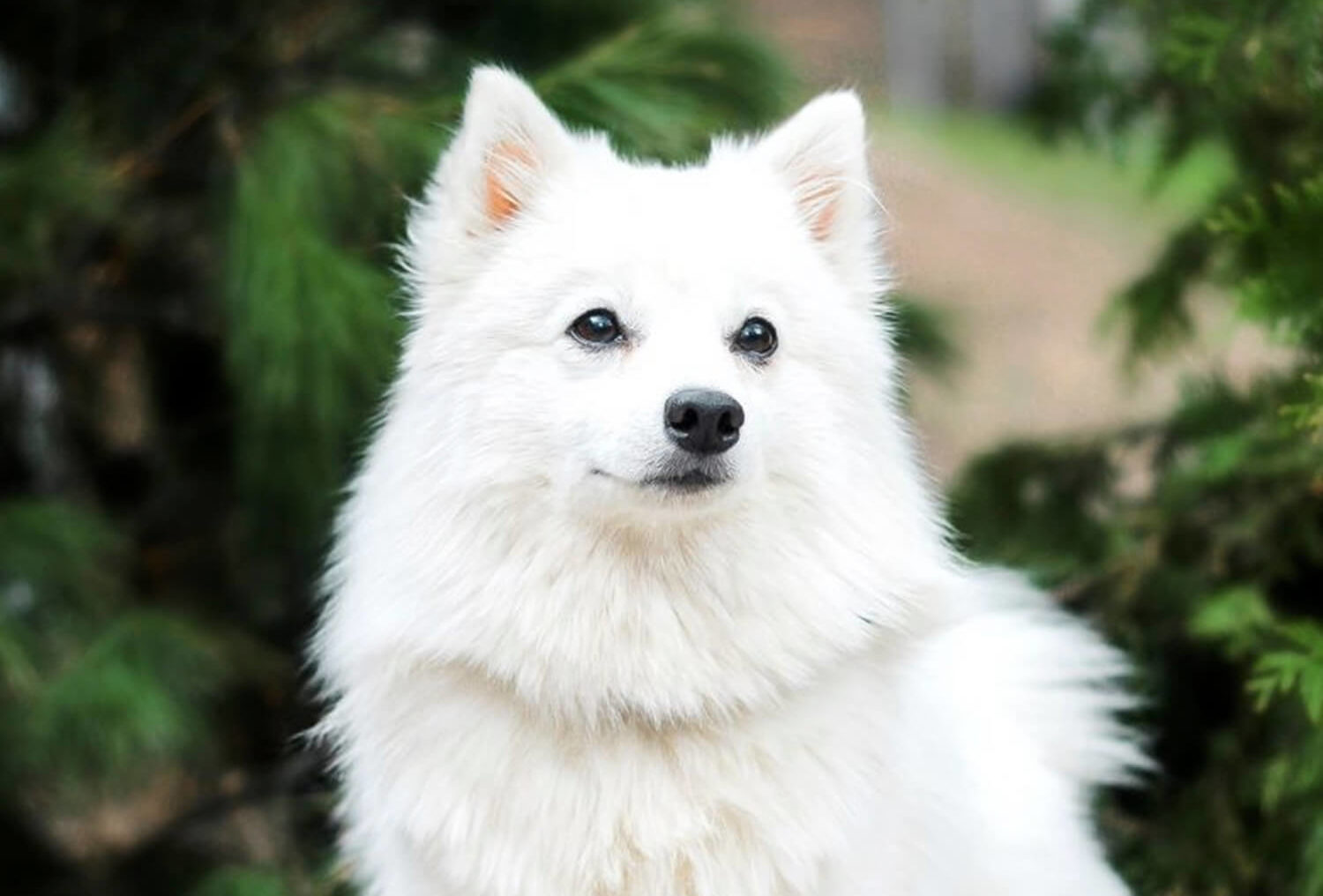
This compact dog, with white fur as pristine as the snow on Mount Fuji and pointed ears, is a smaller version of the Samoyed, although the exact ancestry of the Japanese Spitz is not definitively known. Some dog enthusiasts see similarities with the German Spitz. They claim that the official introduction of the Japanese Spitz in Japan occurred after an international dog exhibition in Tokyo in 1921, where the German version of the breed was showcased. According to legend, the “German” was so well-received in Japan that just a few years later, Japanese breeders developed a completely new breed with unique characteristics. This was between 1925 and 1930.
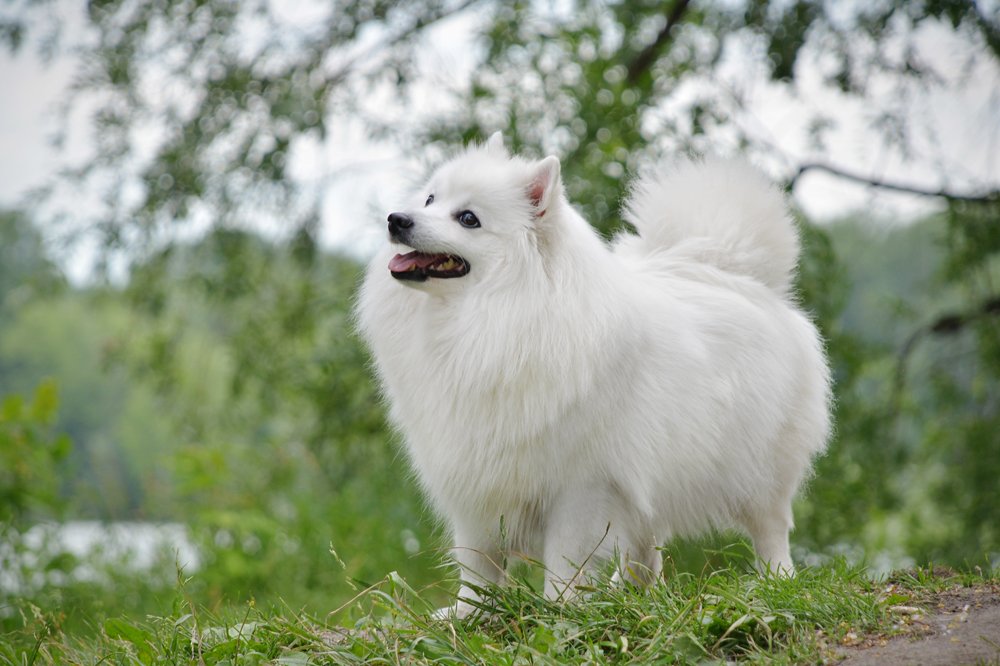
However, it was only in 1964 that the breed “Japanese Spitz” was recognized by canine experts around the world, except in the USA, where there is a different perspective on the breed’s origins. In America, it is considered an Eskimo dog rather than a distinct Japanese breed. Let’s leave that question to geneticists. Today, it can confidently be stated that the Nihon is one of the most popular and beloved breeds among Spitz enthusiasts worldwide. With its unique pure white coat, expressive and intelligent eyes, it enchants with its grace and cleverness. The fluffy tail almost always signals that the dog is doing well and is ready for active play. These adorable little creatures get along easily with children, coexist harmoniously with other pets, and always attract attention with their appearance. Undoubtedly, the Japanese Spitz is a companion dog. Its small size and calm demeanor during travels make it easy to take the pet along on outings. An adult Spitz stands between 25 to 40 centimeters tall and weighs 5-9 kilograms, making it easy to take on long journeys.
Despite their almost complete lack of aggression, these dogs possess guarding qualities. They are very clean, love to play with children, are remarkably intelligent, and easily learn simple commands during training. Despite their small size, the “Japanese” are quite strong and enjoy active outdoor play. They thrive both in country houses and urban apartments. They love to be the center of attention, which can sometimes lead to issues. For example, in a home of stay-at-homes, the snow-white dog might find it boring and may cause some inconvenience to its owners with its hyperactivity. However, with the right approach to upbringing and early socialization, puppies of this breed can indeed find a common language in families that prefer a calm home environment.
Appearance
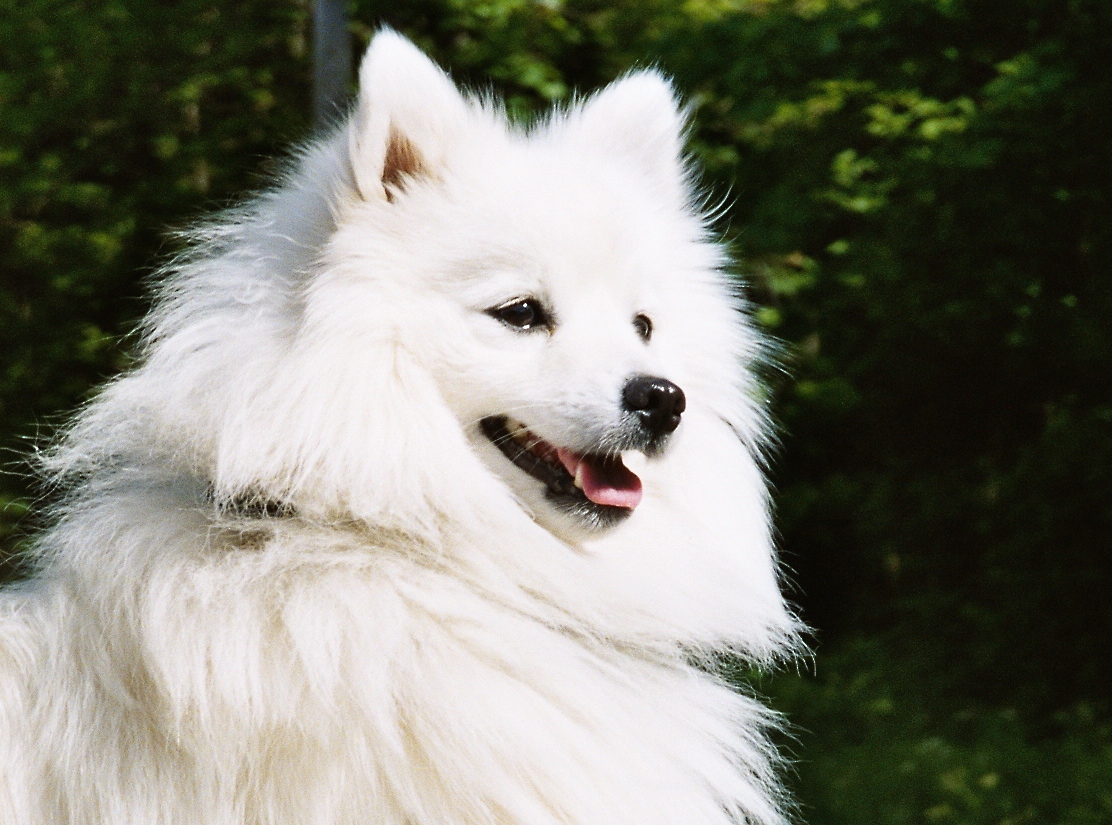
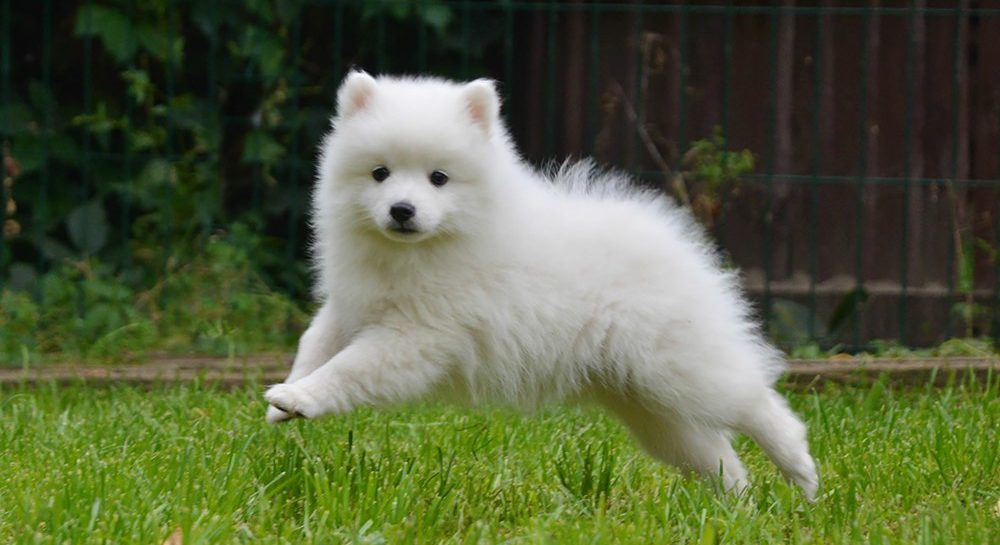
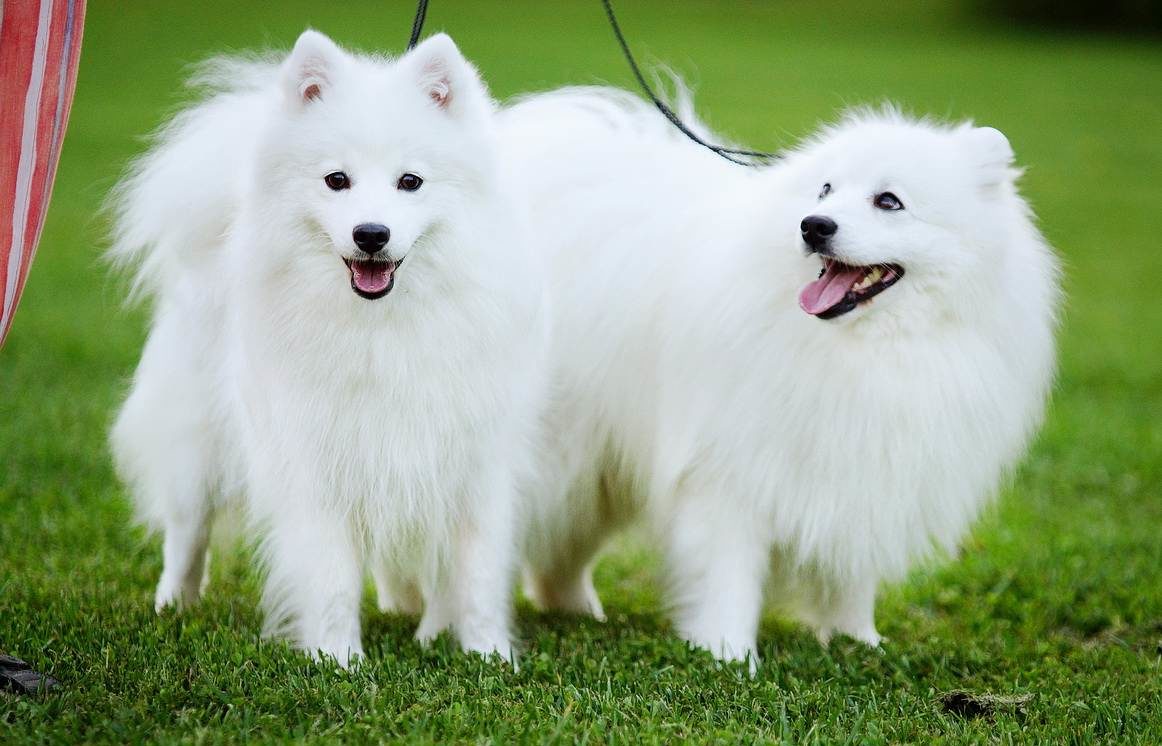
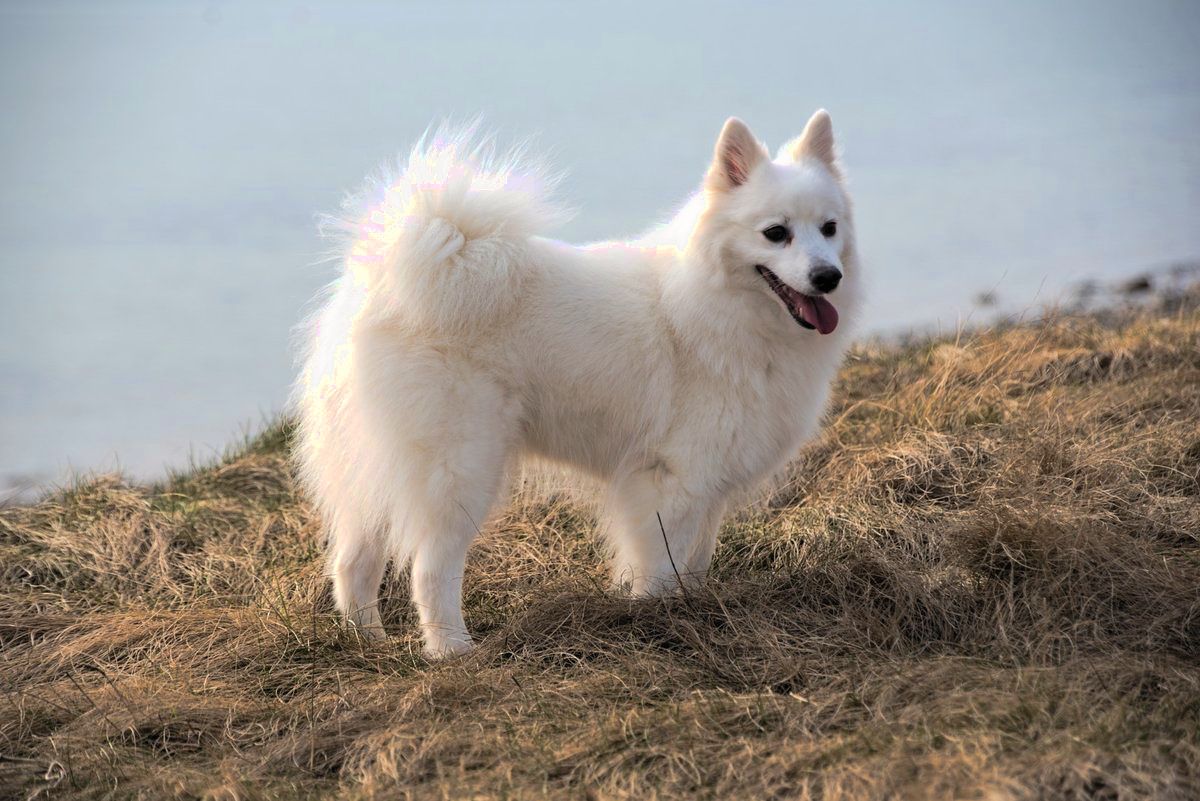
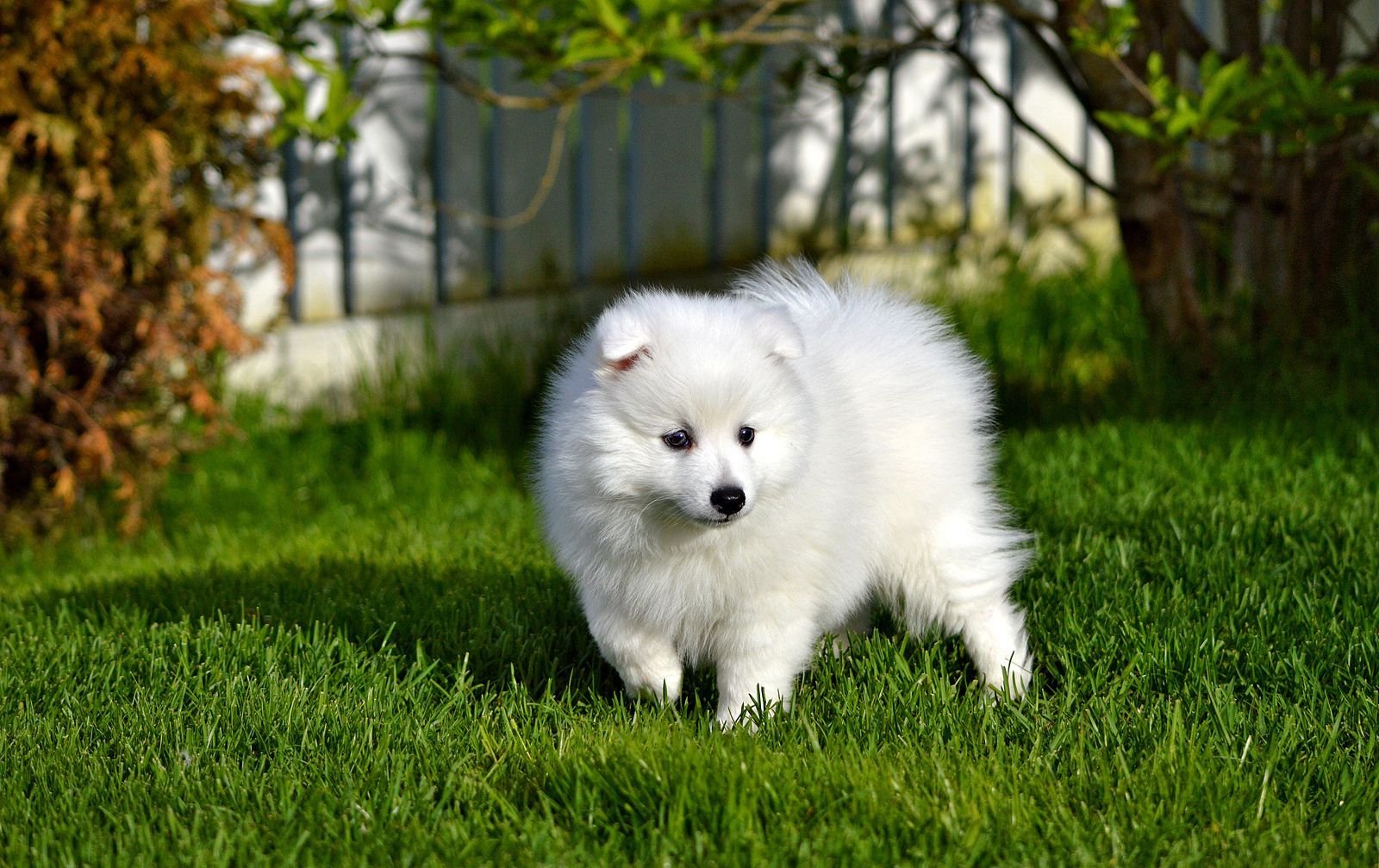
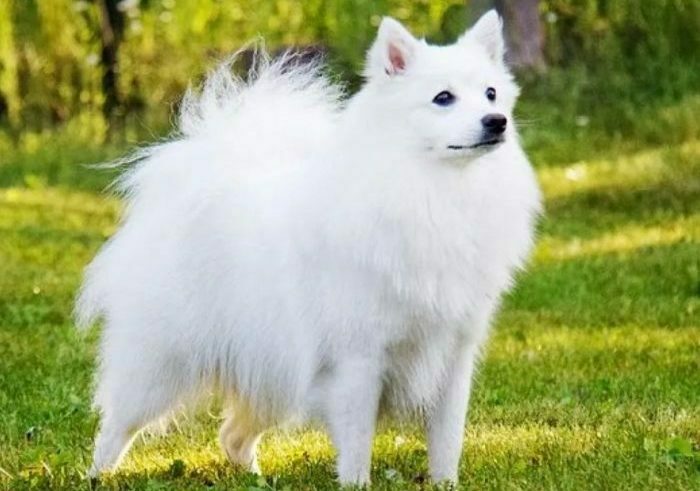
A beautiful small dog. Weighing between 6-9 kg, it usually stands 30-38 cm tall at the withers. It catches attention with its long white fur, which has a short undercoat. The fur on the face and legs is short, but it is long on the tail and the back parts of the legs above the knees. Its strong chest and shoulders are particularly notable, covered with straight, long, thick fur of perfect white color. From the side, this “hairstyle” resembles a lion’s mane. The tail is typically arched over the back and fluffy. It’s worth noting that the coat of the Japanese Spitz is unique in its own way: it is capable of repelling liquid dirt. Therefore, it is nearly impossible to see a dirty Japanese Spitz on walks. However, one should not forget the famous Russian proverb that says if one tries, dirt can be found everywhere.
The attentive, piercing intelligent gaze of the Japanese Spitz is considered another hallmark of this breed.
An energetic, completely non-aggressive, cheerful dog, it is always the center of attention. It is proud but not willful. Cowardice is not characteristic of this breed. The Japanese Spitz is the ideal companion. This breed is also notable for not being noisy, so there is no need to worry if there are infants in the house; they will not be awakened by the sudden loud barking of their four-legged friend.


Отличительные черты

Голова

Морда

Уши

Глаза

Зубы

Корпус

Конечности

Хвост

Шерсть

Окрас
Character of the Nihon Spitz – is a companion dog. It thrives equally well in city apartments and country houses. It is intelligent, affectionate, and gets along with all family members. The presence of other pets is not a problem. This breed is one of the most sociable in the world. Even if there is a large dog in the house, the “Japanese” will find a way to communicate with it.
Children will love playing with this dog. The complete lack of aggression is a significant advantage over other Nihon breeds. However, when needed, it is ready to defend its friends. Japanese Spitz are very active and love outdoor walks. Their build allows for long walks and active games that can last over one and a half hours.
Stubbornness and sensitivity are part of the breed’s character. But all of this is balanced by its forgiving nature. It is important to distract the dog with play, and all grievances are forgotten. Dogs are not vengeful and always strive to be the center of attention.
Although the Japanese Spitz is a medium-sized dog, it is important to ensure the animal’s safety when playing with younger children. Children are very curious, and with the Nihon’s cute eyes, their curiosity can get the better of them, possibly harming the dog’s eyes accidentally. The same caution should be taken during walks in the woods: it is crucial to remove sharp sticks from the walking area for the dog’s safety.
The snow-white companion is always ready to share joy with its owners and genuinely feels upset when something seems off. Like a magnet, it is drawn to adventures. It is always ready for action, but at the same time, it won’t become a nuisance with its constant presence and is willing to wait its turn. If you look into its eyes during this time, you may see an unprecedented sadness and feel guilty. Many owners consider Japanese Spitz to be a unique “remedy” for melancholy.
Excessive cowardice and uncontrolled barking are recognized as deviations from the norm, and such dogs are not recommended for breeding.
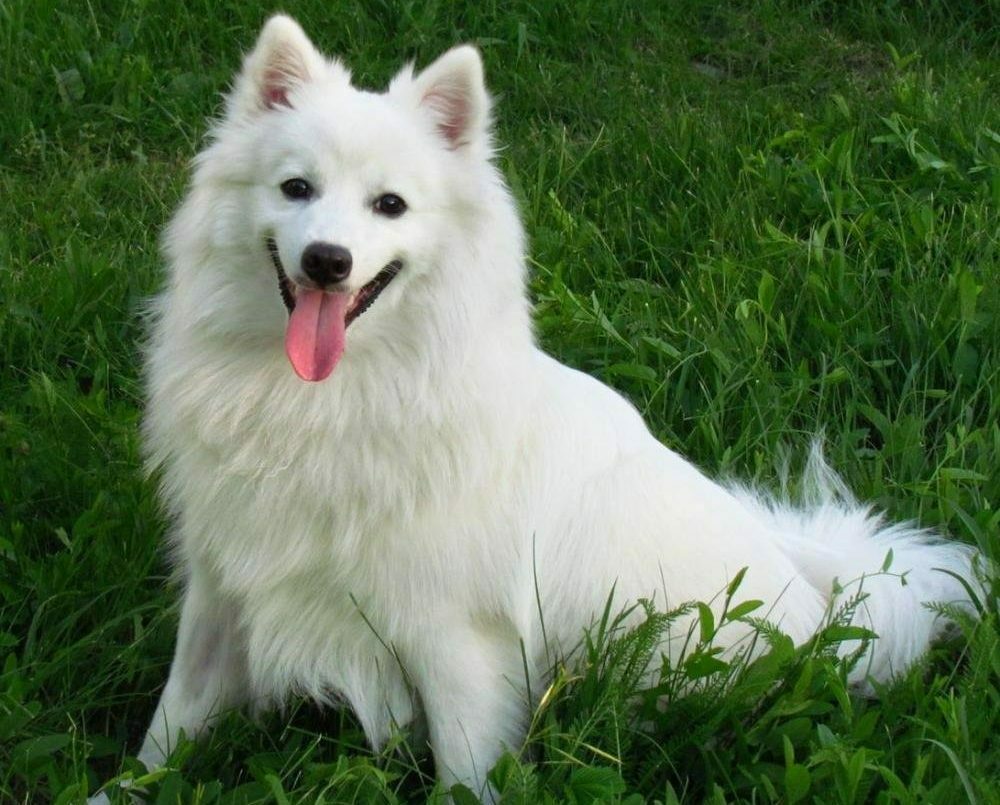
Smiling is a characteristic feature of the Japanese Spitz.
The lips of the Shiba Inu are thick and fit snugly against the jaws, which gives the impression that the Nihon Supitsu is always smiling at you.Care and Maintenance
It cannot be said that the Japanese Spitz requires no care at all. Its long coat and thick undercoat need regular grooming. Otherwise, it may lead to health issues for the animal. To minimize shedding problems, you should regularly brush your pet with special brushes and occasionally shorten the coat using clippers. Besides reducing shedding issues that occur twice a year, brushing helps avoid flea problems and maintains a neat appearance. Daily checks of the eyes, brushing, and regular nail trimming are the minimum actions that will bring the maximum joy from your pet. For those who want to do the best for their dog, it’s advisable to use professional grooming services.
After walks, you should wash your dog’s paws but not bathe them. Otherwise, fur issues may arise. Wipe your pet’s gentle eyes from any possible discharge to preserve its unique gaze. Show care for them, and let your pet feel your love-it’s so important!
Take nutrition seriously. Do not overfeed your pet, even with daily active walks. Choose food based on recommendations from the breeder or veterinarians at the clinic where the dog will be monitored. The food should be high in fiber, and providing clean water is crucial. Remember that the FCI standard calls for the presence of white teeth in Japanese Spitz, so regular tooth cleaning should not be overlooked. Do this at least once a week.
Don’t forget the importance of cleaning your dog’s ears. You can learn how to do this; it’s essential to perform regular cleaning.
All these efforts will be rewarded when your family sees that white bundle of joy eager to obey your commands or the happy eyes of children playing with it. It’s worth it.
To Russia through the circus.
The breed came to Russia through a circus. The trainer N. Pavlenko was gathering dogs from all over the world for his new circus act. From Japan, he brought back Nihon Supittsu. However, he needed only male dogs. He sold the female puppies to anyone interested.Training and Education
The Japanese Spitz breed has proven itself to be disciplined and capable of learning and training. It can be said without a doubt that training should be based on praise. Strictness is not acceptable. The Nihon might simply get offended, as it possesses a strong sense of dignity.
Daily outdoor activities will soon yield results, and the dog will learn to do what you want from it. Sessions should be brief but conducted daily, starting from a young age. The Spitz will quickly remember basic commands. Rewards during training will speed up the process and motivate your pet to accomplish more complex tasks.
Over time, Japanese Spitzes adapt to their owners’ daily routines and follow them without causing much inconvenience. However, it is better if the training coincides with outdoor walks.
Some breeders have managed to train their pets to use a litter box, which is very convenient for owners in urban settings.
One of the fundamental stages of training is getting the dog accustomed to its own place. Despite all the affectionate glances and vibes coming from the pet, you must not allow it to sleep in the same bed as you-this rule also applies to Japanese Spitzes.
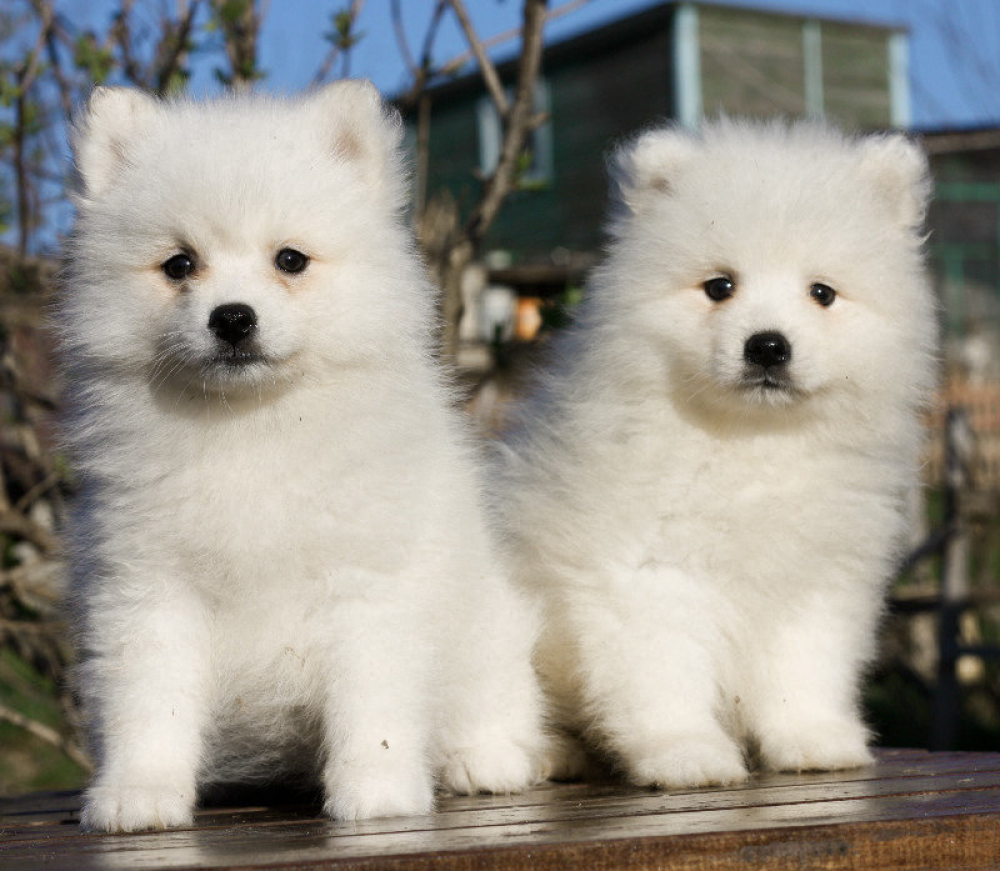
For your own motivation during the training of the Nihon, imagine it dashing towards you through deep white snow-this fluffy white ball, full of energy… Zoonika brings together certified breeders offering puppies with excellent pedigrees.
Snow-white fur coat with a unique effect
A dog’s fur has the unique property of repelling dirt due to its oily coating. This means the dog always stays in a pristine white coat.
How to Choose a Puppy
When choosing a puppy, be sure to review the dog’s documents provided by the breeder. Never buy a dog from online ads. Your pet is a new family member, and all responsibility for its life and health will fall on you.
Clearly define and prepare a space for the dog in your home. Additionally, make sure to purchase all necessary items in advance: a bed, leashes and harnesses, grooming brushes, and nail clippers. Decide in advance which veterinary clinic will care for your Spitz.
Familiarize yourself with FCI standards and begin selecting a puppy.
Answer a few additional questions: what gender should the Japanese Spitz puppy be, what are your reasons for getting a dog, and who in your family will be the primary owner? With the answers to these questions, you can proceed with the purchase.
Remember, in reality, it’s not you who chooses the dog; the dog chooses its owner! With documents and pedigree available at Zoonika, there’s a wide selection of breeds.
Health and Diseases
The Japanese Spitz is generally a healthy breed with a strong immune system, but it is prone to certain diseases that owners should consider. Among the genetic issues, the breed may experience patellar dislocation, which manifests as limping or pain during movement. Regular monitoring of physical activity and timely treatment can help manage this problem.
Japanese Spitzes may also have a predisposition to allergies, both food and contact-related. Symptoms include itchy skin, redness, or hair loss. To minimize risk, it is important to choose the right diet and use hypoallergenic grooming products.
Eye diseases, such as progressive retinal atrophy (PRA) or cataracts, can develop in some individuals. These conditions are often genetic, so it is crucial to pay attention to the health of the parents when selecting a puppy. Regular veterinary check-ups can help detect and prevent complications early on.
Additionally, Japanese Spitzes may tend to have dental issues, including tartar buildup and gingivitis. Regular tooth brushing and the use of special chew toys contribute to maintaining oral health.
Despite their small size, Japanese Spitzes require regular exercise to avoid weight gain, which can negatively affect their overall health and strain their joints. Maintaining a balanced diet and avoiding overfeeding is important.
The average lifespan of a Japanese Spitz is 12 to 16 years. With proper care, a balanced diet, and regular veterinary check-ups, the dog remains active and healthy throughout its life, delighting owners with its cheerful and friendly nature.
Содержание
-
1. Описание породы
-
2. Внешний вид
- 2.1 Голова
- 2.2 Морда
- 2.3 Уши
- 2.4 Глаза
- 2.5 Зубы
- 2.6 Корпус
- 2.7 Конечности
- 2.8 Хвост
- 2.9 Шерсть
- 2.10 Окрас
-
3. Характер
-
4. Содержание и уход
-
5. Дрессировка и обучение
-
6. Как выбрать котенка
-
7. Здоровье и болезни







Comments
Only registered users can leave reviews.
Enter