
Japanese Chin





Warning: Illegal string offset 'label' in /home/panda/sites/zoonika/wp-content/themes/zoonika/template-parts/animals/animals-param-item.php on line 32
Ð


Breed Description
Despite its name, the Japanese Chin originates from China, where the breed served as a court toy in imperial families. This miniature decorative dog arrived in Japan in 673 through Korea. It wasn’t until nearly a thousand years later, in 1613, that the first Japanese Chin appeared in Europe. It’s worth noting that the breed quickly won the favor of the aristocracy in Europe as well.
The Japanese Chin received official recognition from the International Kennel Federation in 1956.
The average lifespan of dogs of this breed is 10-12 years, but with proper care, they can live up to 15-16 years.
A remarkable fact: the Japanese Chin is genetically much closer to wolves than most northern breeds, such as Samoyeds.
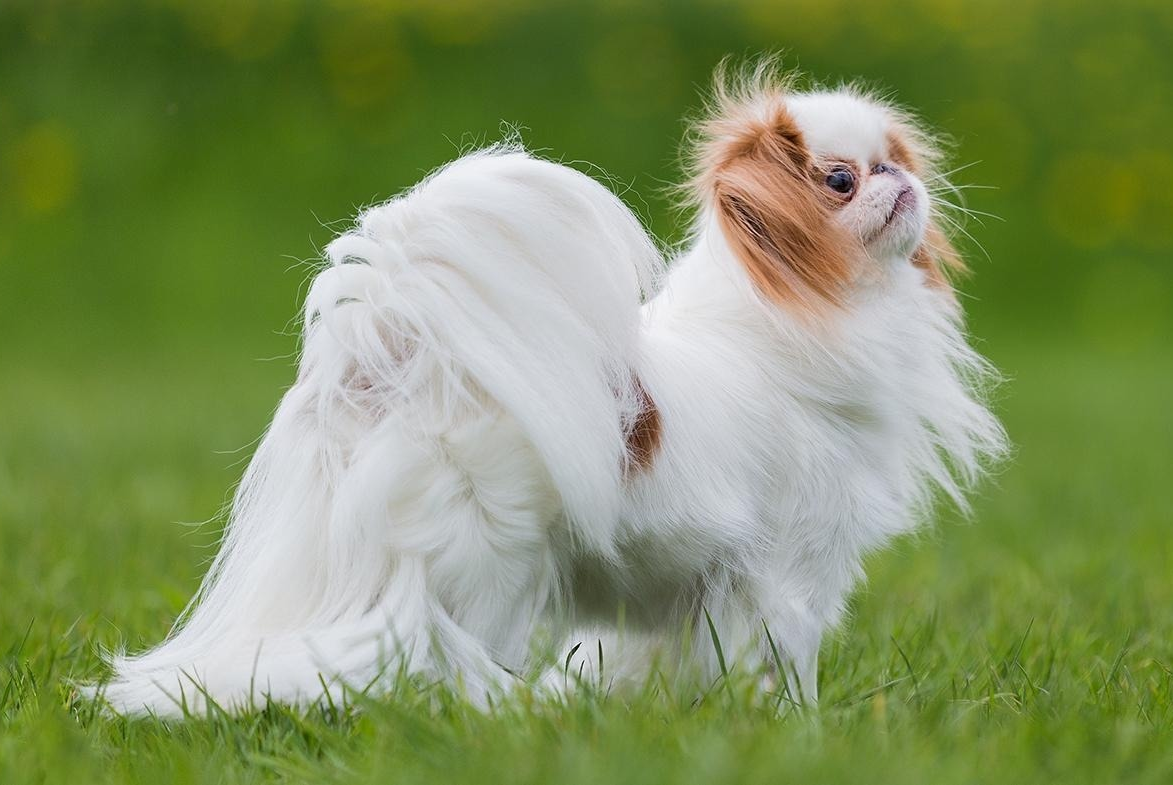
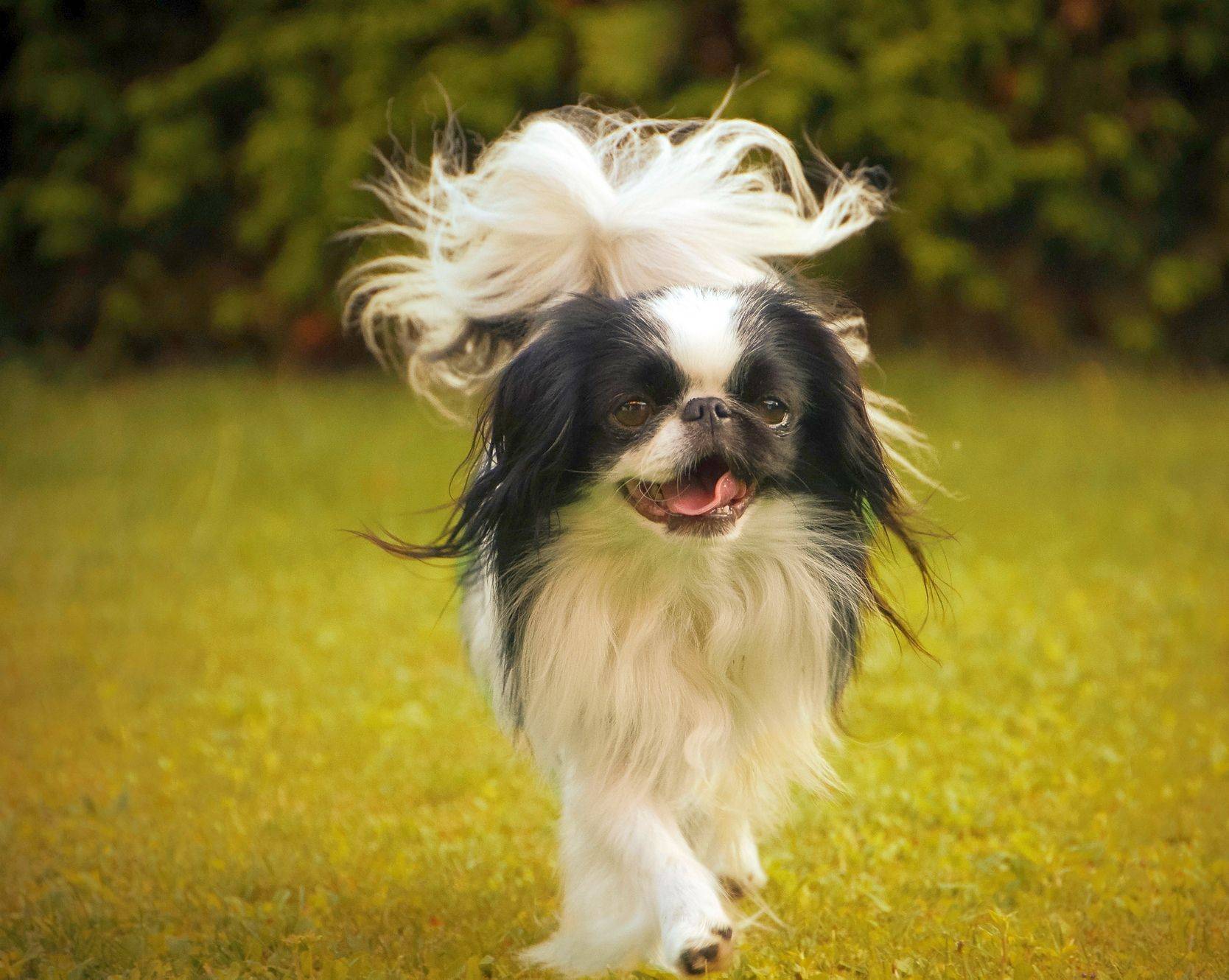
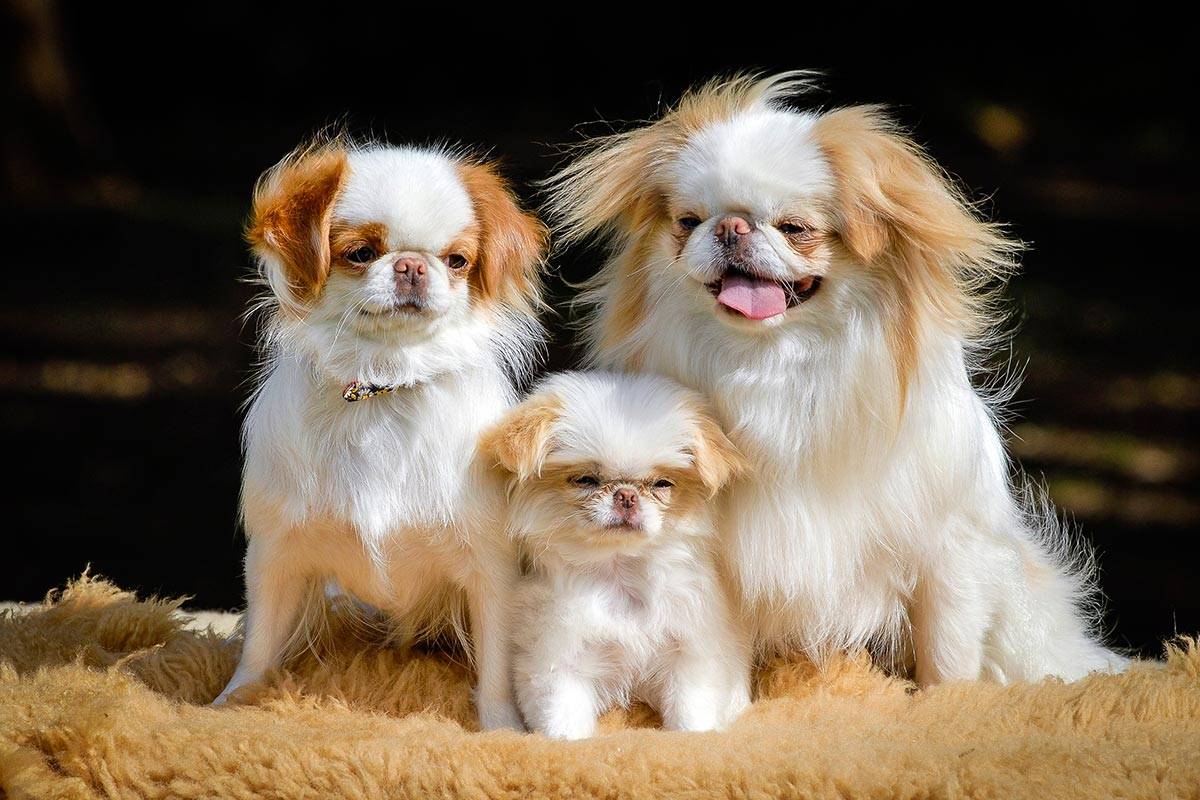
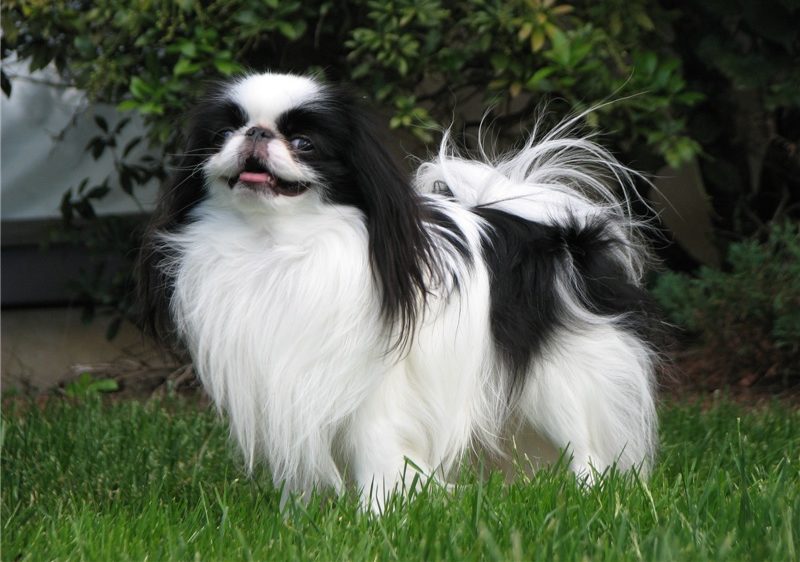
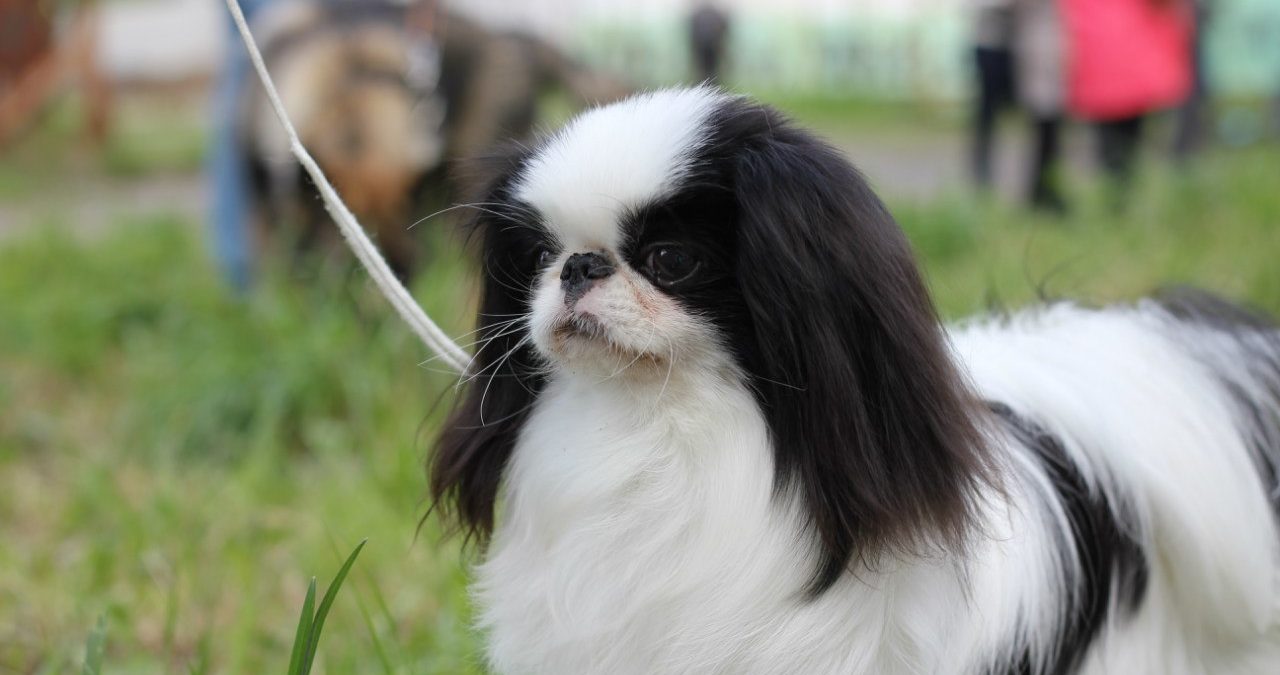
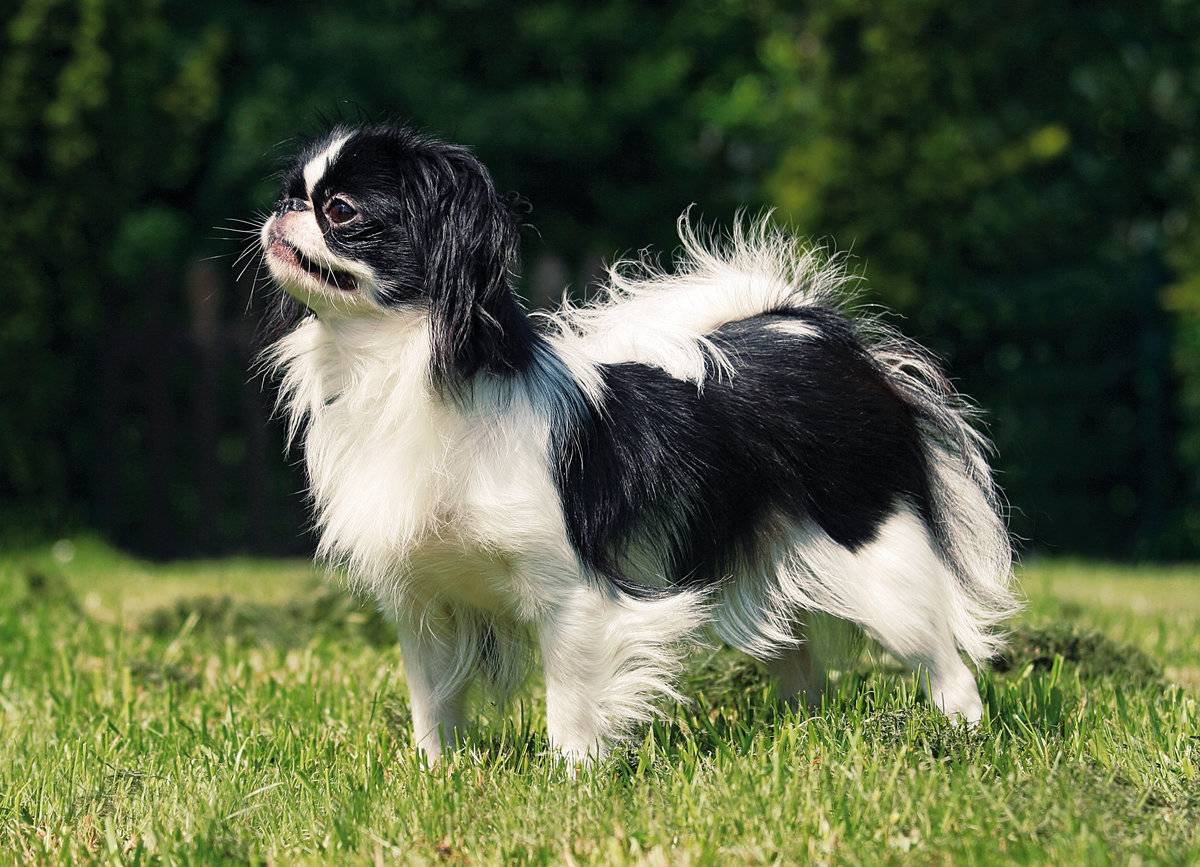
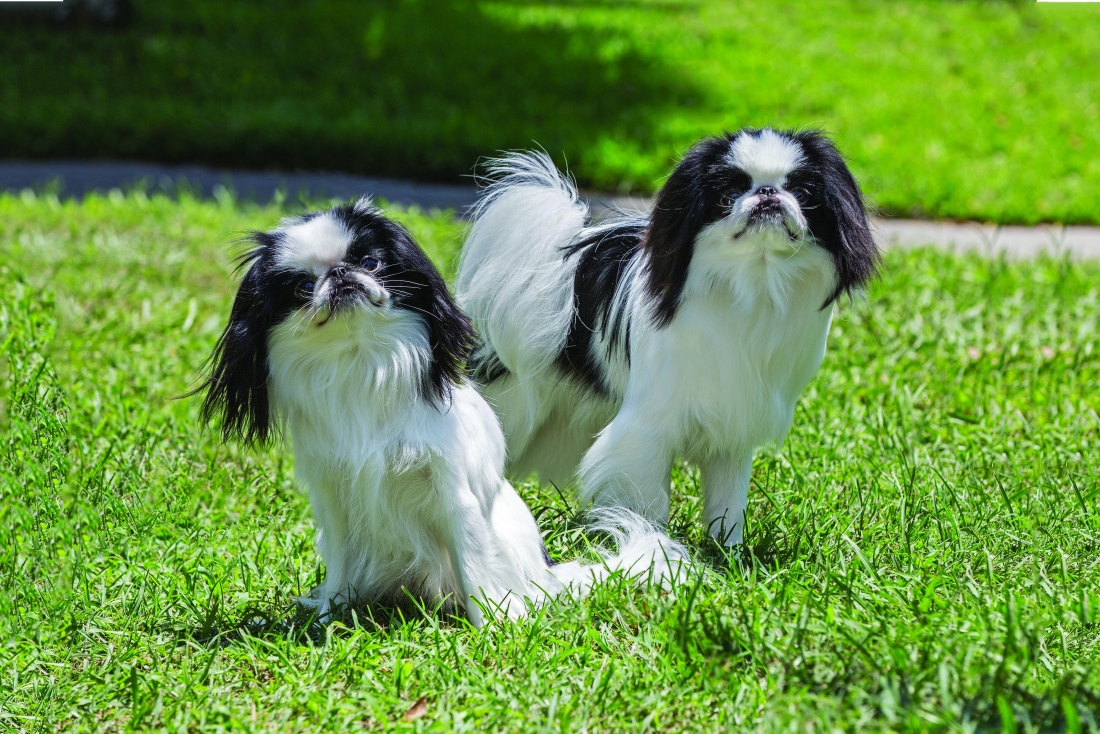
From the moment they arrive, the dog will instantly become a beloved member of the family. Miniature, with a flat nose, short legs, and long silky fur, the Chin (as admirers call the breed) gets along wonderfully with children, entertains them, and serves as a living toy. An adult weighs just over 3 kilograms and stands about 25 centimeters tall at the shoulder. The short, flat muzzle is valued for its cheerful demeanor. Their playful and entertaining nature makes the Chin an excellent four-legged nanny for both children and adults.
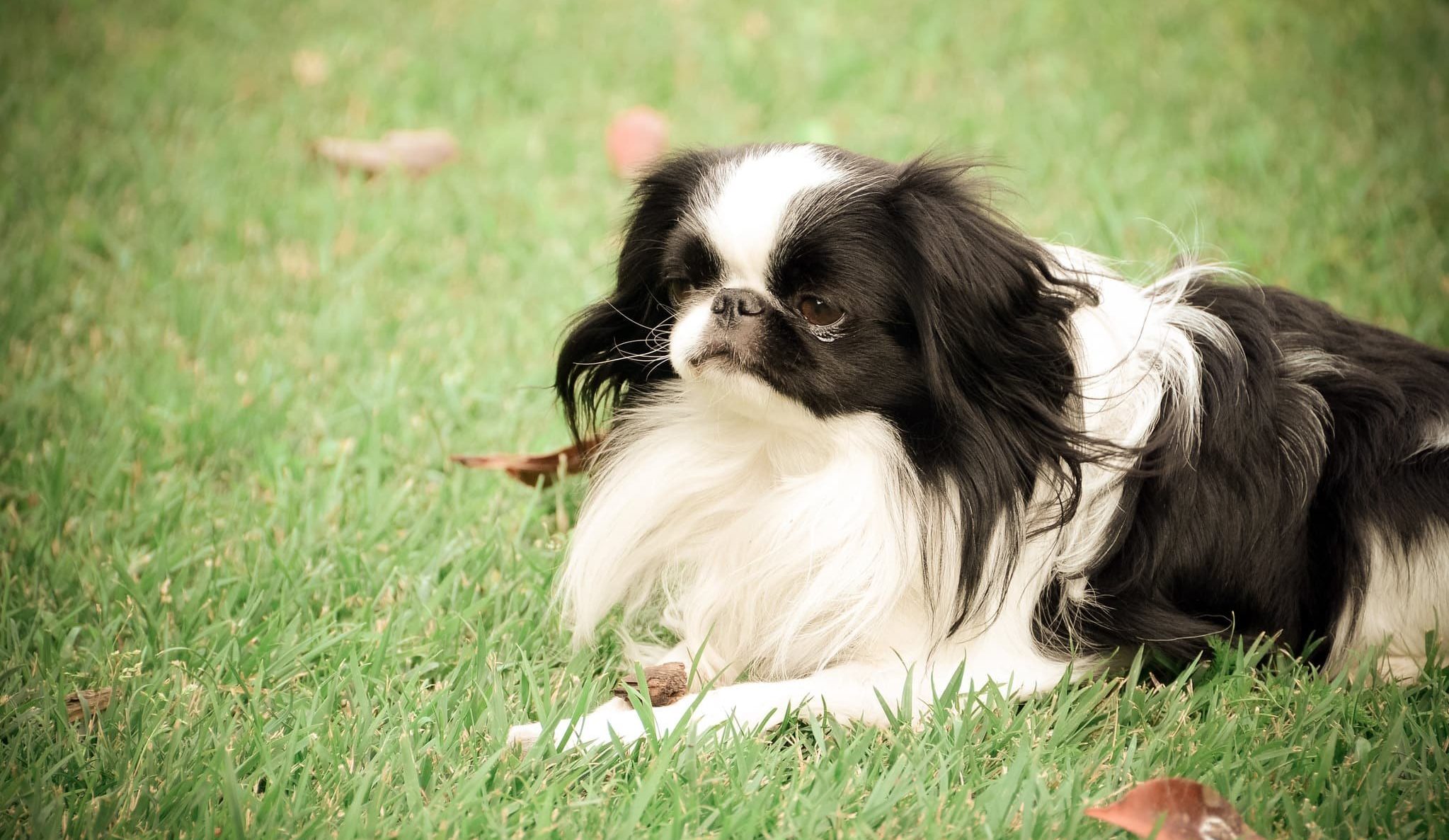
As noted, the Japanese Chin has thick, straight hair that is either black and white or white and red. It is a very clean breed that loves to groom its coat thoroughly.With an incredibly charming appearance, it often brings smiles to those around it. Dogs of this breed are quite intelligent and good-natured. They usually adapt to their owner’s temperament and habits. For instance, if the owner is a homebody, that won’t be a problem for the “Chin.” If the owners lead an active lifestyle, the pet will enjoy even long walks.Owners almost unanimously agree that the Japanese Chin is a dog of entertainment, a little furry celebration that captures the hearts of every family member. However, caution is advised when small children are around, as they may accidentally injure their little friend.This dog is relatively low-maintenance, easily trainable, and doesn’t have special dietary needs, making it well-suited even for small apartments. The Japanese Chin can adapt to its owner’s character and daily routine, including walks. Most importantly, the Chin simply loves to entertain the whole family. It’s impossible to look into its bright eyes without feeling
Appearance
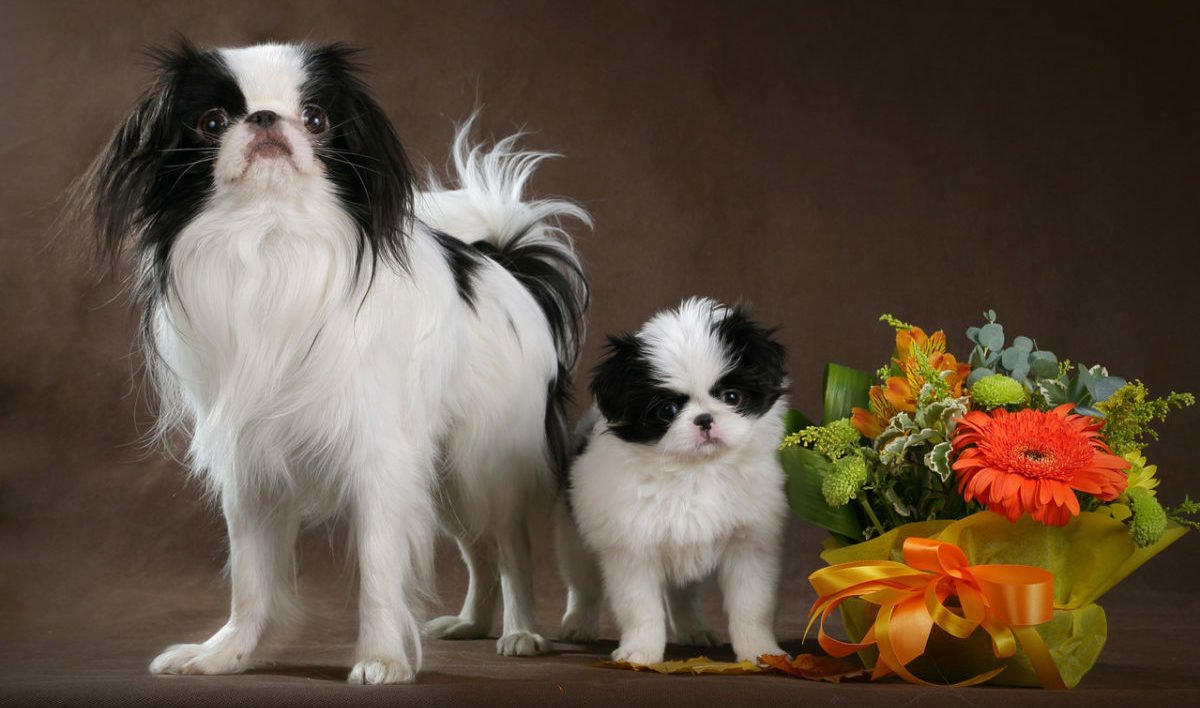
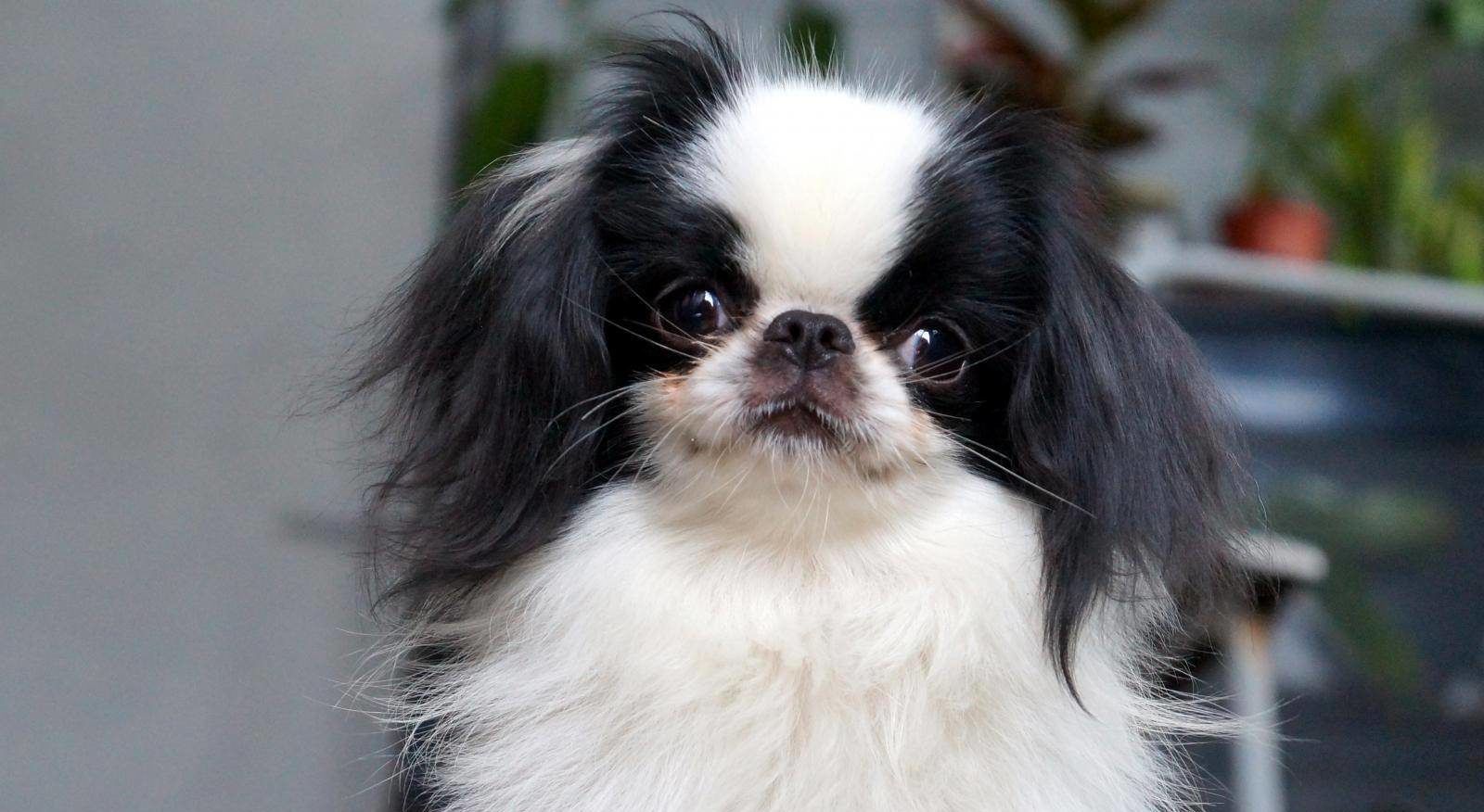
A miniature dog with thick, long, silky fur that is either black and white or white and red. Other color combinations are also acceptable: white, lemon-white, black. They are quite energetic, cheerful, and intelligent. The muzzle is short, even slightly convex, and the nose is flat.
With a height at the withers of 20-25 centimeters, a healthy adult dog should weigh no less than 3 kilograms. The average lifespan of these dogs is 10-12 years, but sometimes they can reach 15-16 years.
The Chin possesses a unique grace and posture that are characteristic of this breed. Its gentle yet mischievous gaze invites play and fun, which accompany Chins from their very first appearance in the home.
It should be noted that the playful and wide-open eyes are the most vulnerable spot for dogs of this breed. A pet may get injured while playing or walking outside.


Отличительные черты

Голова

Морда

Уши

Глаза

Зубы

Корпус

Конечности

Хвост

Шерсть

Окрас
Character
The Japanese Chin is a companion dog with a gentle temperament. However, its cheerful nature and delicate build can harm the dog during play with larger companions or small children, who may inadvertently injure the dog while hugging it. Moderate activity, friendliness, and intelligence make the Chin a family favorite. The dog is quite clever and tends to adopt its owners’ daily routine when learning new behavioral rules. Like all “toy breeds,” the Chin does not back down even in front of a larger opponent. In this case, however, it won’t come to direct confrontation-the Chin will “attack” from a distance with a frenzied bark that sometimes turns into a wheeze. Like a fluffy flower, dogs of this breed attract the attention of the entire family, taking advantage of this to beg for treats after performing another “trick.” Early socialization and training are important here. Like people, Chins can have their favorite family member. They do not chew on furniture, scratch wallpaper, and live harmoniously with cats under one roof. They are very clean and can even groom a companion living nearby, offering their owners a wealth of positive emotions while observing this activity. Th
Imperial breed
Japanese Chins lived in the palaces of emperors for several centuries. The Japanese considered these dogs sacred, and each individual had its own servant, doctor, and guardian. Japanese Chins were present at all sorts of festivities and ceremonies.Care and Maintenance
Japanese Chins are low-maintenance dogs that do not have special demands of their owners. Shedding will not pose problems for any family member, as the dog’s size and the amount of fur during shedding are quite minimal. Additionally, the fur of the Chin is considered hypoallergenic. However, it is still advisable to regularly brush the dog and check that no tangles form in areas with long hair. If necessary, overly long hair in certain spots can be trimmed with special combs or clippers. Particularly attentive owners prefer grooming, which truly makes their pet feel like an imperial dog.
The Chin easily adapts to its owner’s daily routine and enjoys even short walks. After a walk, it is recommended to wash the fur on the dog’s paws, tail, and belly. Nail care is one of the few things loving owners always keep an eye on. If the dog does not go for walks often, its nails do not wear down naturally, and they must be trimmed regularly to ensure the dog does not experience discomfort while walking and playing. The frequency of nail trimming is individual, but it should be done at least once a month. Another drawback of infrequent walks is that the dog may request to go outside early in the morning. A 20-30 minute walk is enough to put the dog in a good mood. Two to three walks a day are quite sufficient for it.
Since the ears are covered with long hair, they should also be checked regularly. Ears must always be clean, without discharge or unpleasant odor. Avoid getting water in them while bathing, and after walks, it is advisable to check the inner part of the ear for symptoms of any issues: redness, inflammation, or pain. If any of these symptoms appear, a visit to the veterinarian is necessary. During walks, it is important to watch out for any debris or sharp branches in the areas where the dog is let out. The dog’s wide-open eyes can often suffer from such hazards.
Despite all its charm and doll-like appearance, the Japanese Chin is still a dog and must have its own place. Do not allow it to jump onto the owner’s bed, as this can harm the training relationship: the dog will see itself as equal to the owner and may display unprecedented stubbornness.
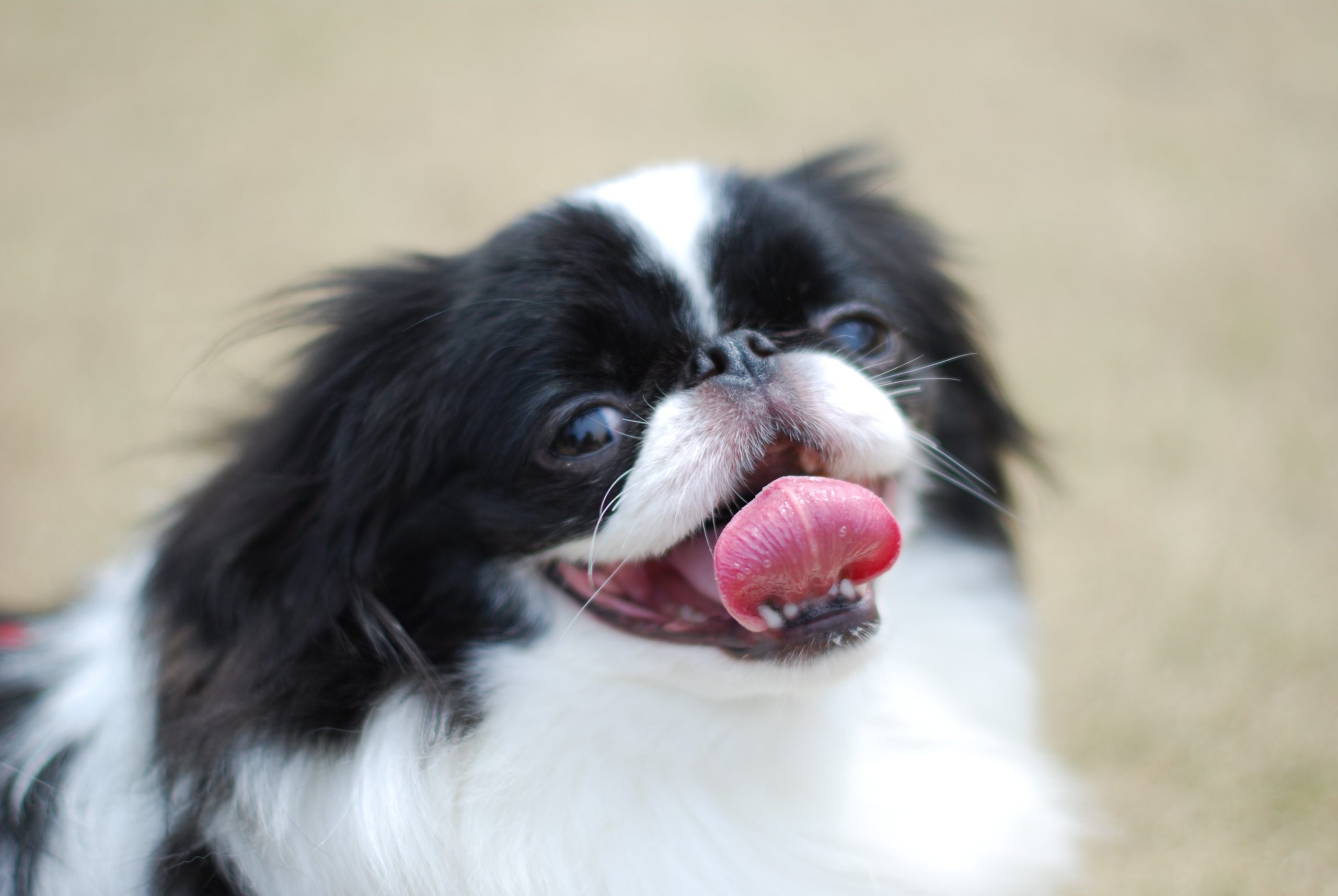
Playing outdoors with Chins brings immense aesthetic pleasure. These cheerful dogs, like little children, are always ready to tumble and play with their companions tirelessly. Their wide-open mouths resemble smiles, providing owners with a boost of positivity for the entire day.
Cub of a lion and a monkey.
There is a legend that the Japanese Chin is the offspring of a lion and a monkey. According to the tales, the lion fell in love with a cute little monkey, but the difference in size and weight was a problem for him. So, he turned to a wizard, who reduced his size. The pair came together, and from this union, a lovely baby was born-the Japanese Chin.Training and Education
The Japanese Chin is quite intelligent and easily trainable. The most important thing when working with your pet is not to scold the dog but to use positive reinforcement for successful task completion. In some cases, the Chin may show stubbornness, but this is more an indicator that the trainer is doing something wrong. A simple trick can help achieve the desired results. Long training sessions can tire the dog out. It’s enough to practice certain skills 2-3 times a day in a playful manner during walks, making sure to praise the dog afterward. Your pet will be very grateful. On an instinctive level, Chins are capable of sensing their owner’s feelings and understand their mood very well; therefore, it’s best not to begin training when you’re in a bad mood. A calm, kind atmosphere at home positively influences the Chin. Often, they understand things intuitively, even things they weren’t explicitly taught. The Japanese Chin is more of a house dog than a yard dog; they are very observant and often notice habits of their owners that the owners themselves may not even be aware of.
How nice it is when your beloved pet brings you your slippers as you come home from work. They look sweetly into your eyes and cheerfully wag their fluffy tail, smiling with an innocent smile… at Zoonika, they offer elite breed puppies with a complete set of documents.
Ladies' restroom dog
In ancient Japan, hina dolls were an adornment for women’s attire, worn in the sleeves of their kimonos. It was believed that dogs brought love and happiness to the home.
How to Choose a Puppy
Before you start selecting a puppy, you should weigh all the pros and cons. The Japanese Chin, like any other dog, requires attention and care.
Carefully choose a breeder. Check that they have the proper documents for the dog. Avoid purchasing a pet based on online ads. Make sure the puppy meets the international FCI standards.
Determine who in the family will be the dog’s owner, who will train and walk it. Like any living being, a pet can fall ill, so it’s wise to find a good veterinary clinic in advance.
Decide where the dog’s place will be in the house and prepare it. Leashes, harnesses, grooming brushes or clippers, shampoos, and nail clippers should all be purchased ahead of time. Don’t skimp; it’s better to buy quality accessories.
If these questions are resolved, the arrival of a Chin will bring many happy moments to your home. Zoonika offers attractive deals, depending on the breed and pedigree.
Health and Diseases
There are no significant health issues commonly associated with this breed of dog. However, there are some conditions specific to Chihuahuas.
Among the most common health problems in the Japanese Chin are heart murmurs, patellar luxation, hip dysplasia, and Legg-Perthes disease.
Due to their short noses, Chins are classified as brachycephalic dogs, which can lead to breathing difficulties that worsen in hot weather and during physical activity.
As for the digestive system, no major health problems have been observed, but it is important to choose the right food. Both a breeder and a veterinarian at the clinic responsible for your pet’s care can assist with this. It is best if the food is high in fiber. If the dog does not overeat, there is no need to worry about obesity.
Содержание
-
1. Описание породы
-
2. Внешний вид
- 2.1 Голова
- 2.2 Морда
- 2.3 Уши
- 2.4 Глаза
- 2.5 Зубы
- 2.6 Корпус
- 2.7 Конечности
- 2.8 Хвост
- 2.9 Шерсть
- 2.10 Окрас
-
3. Характер
-
4. Содержание и уход
-
5. Дрессировка и обучение
-
6. Как выбрать котенка
-
7. Здоровье и болезни






Comments
Only registered users can leave reviews.
Enter