
Italian greyhound (Levrette)




Warning: Illegal string offset 'label' in /home/panda/sites/zoonika/wp-content/themes/zoonika/template-parts/animals/animals-param-item.php on line 32
Ð


Breed Description
The Levrette, or Italian Greyhound, is one of the oldest breeds, with a history spanning several millennia. Its roots trace back to Ancient Egypt, where images of dogs remarkably similar to modern Levrettes adorned the tombs of pharaohs. These graceful, small dogs accompanied the nobility and were regarded as symbols of wealth and status. Later, the breed spread across the Mediterranean, where its popularity rapidly grew.
In Ancient Rome, Levrettes became favored pets among the aristocracy. They were appreciated not only for their elegant appearance but also for their exceptional hunting abilities. Small yet fast and agile, Levrettes were used for hunting small game, especially rabbits. Additionally, their small size made them convenient to keep in homes, further increasing their popularity among the noble Romans.
During the Renaissance, the Levrette became a darling of European monarchs and aristocrats. Their images can be found in paintings by renowned artists like Titian and Botticelli, where the dogs are depicted alongside their owners, symbolizing grace and nobility. In this era, Levrettes gained the status of a royal breed, kept at the courts of France, England, and Spain. Notable figures such as Queen Victoria and King Frederick the Great paid special attention to the breed, with Levrettes becoming not only companions but a vital part of their image.
The breed continued to develop in Italy, which became its second home, leading to the name “Italian Greyhound.” Here, these dogs were bred with a keen focus on their grace, elegance, and affection for humans. Levrettes were valued for their friendly nature and ability to form special bonds with their owners.
In the 18th and 19th centuries, the breed’s popularity began to decline, but thanks to the efforts of enthusiasts, especially in the UK, the breed was preserved and gradually regained its standing. Today, the Levrette remains a symbol of sophistication and nobility, maintaining a connection to its rich historical heritage. It combines grace and energy, and its centuries-old history only highlights its uniqueness.
The price for a puppy ranges from 30,000 to 40,000 rubles.
Appearance
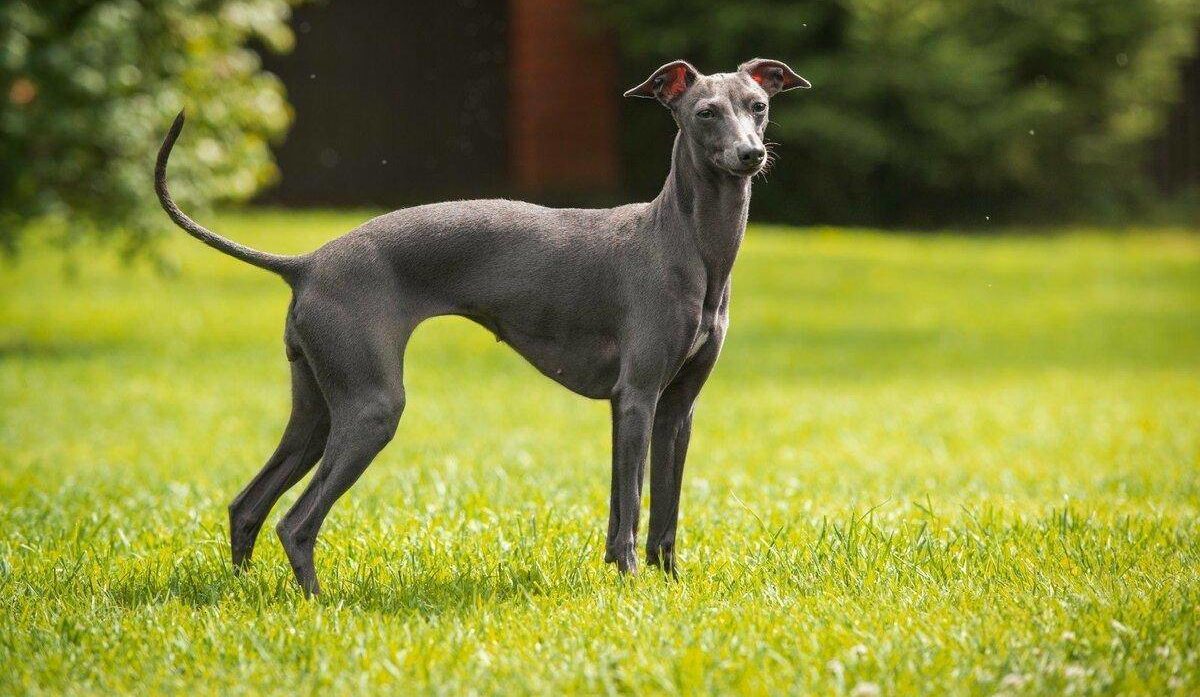
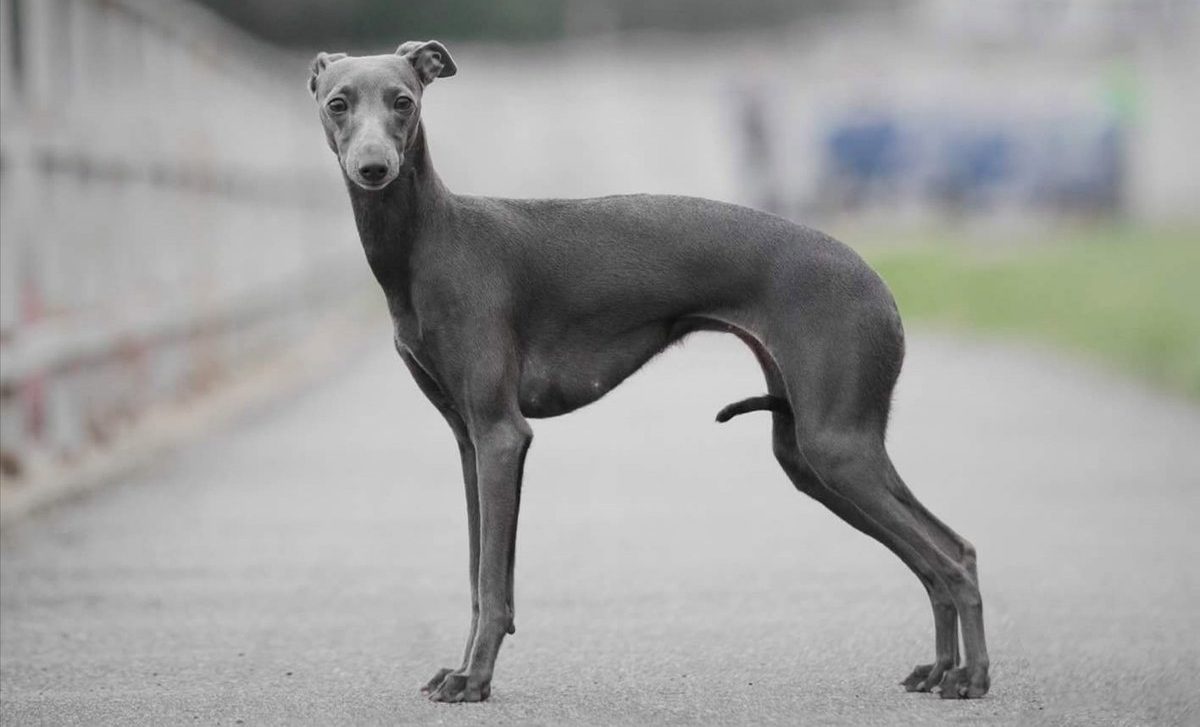
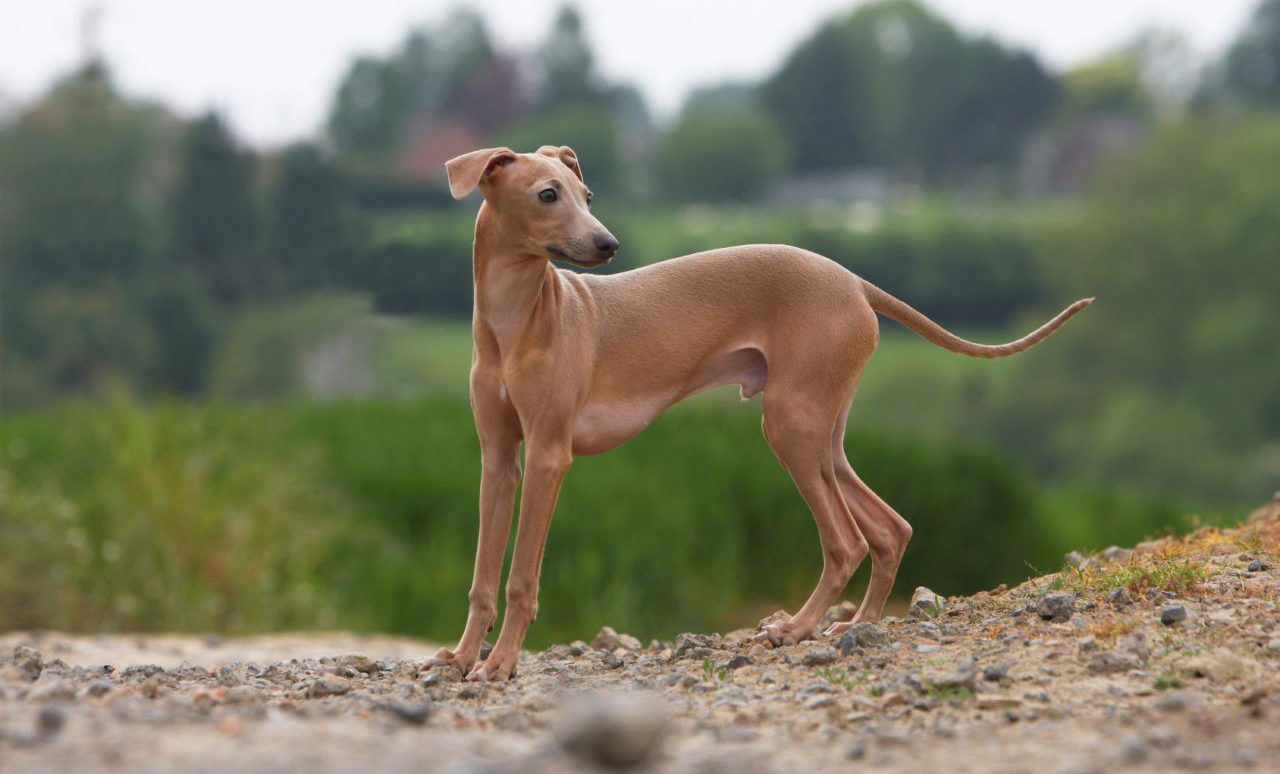
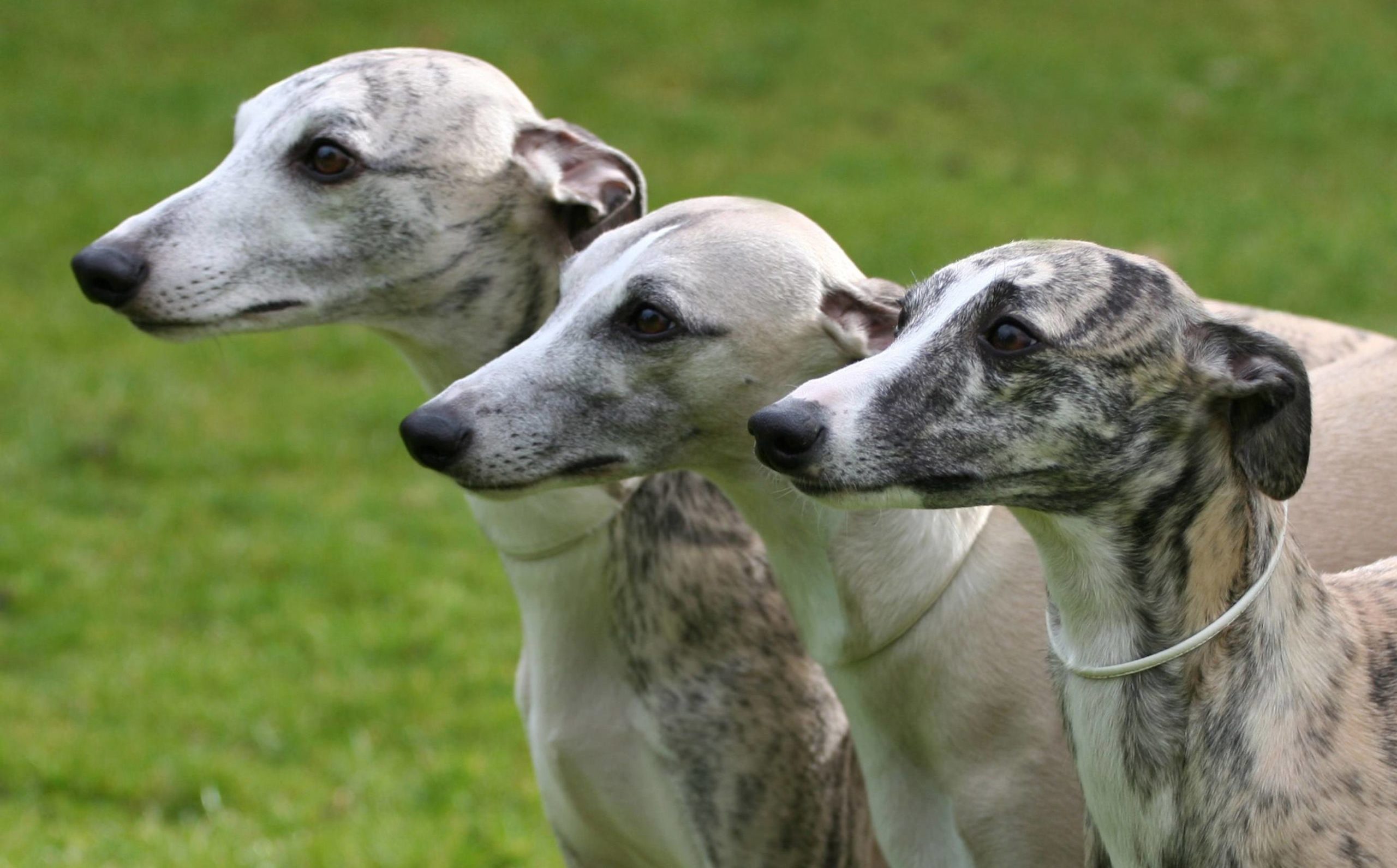
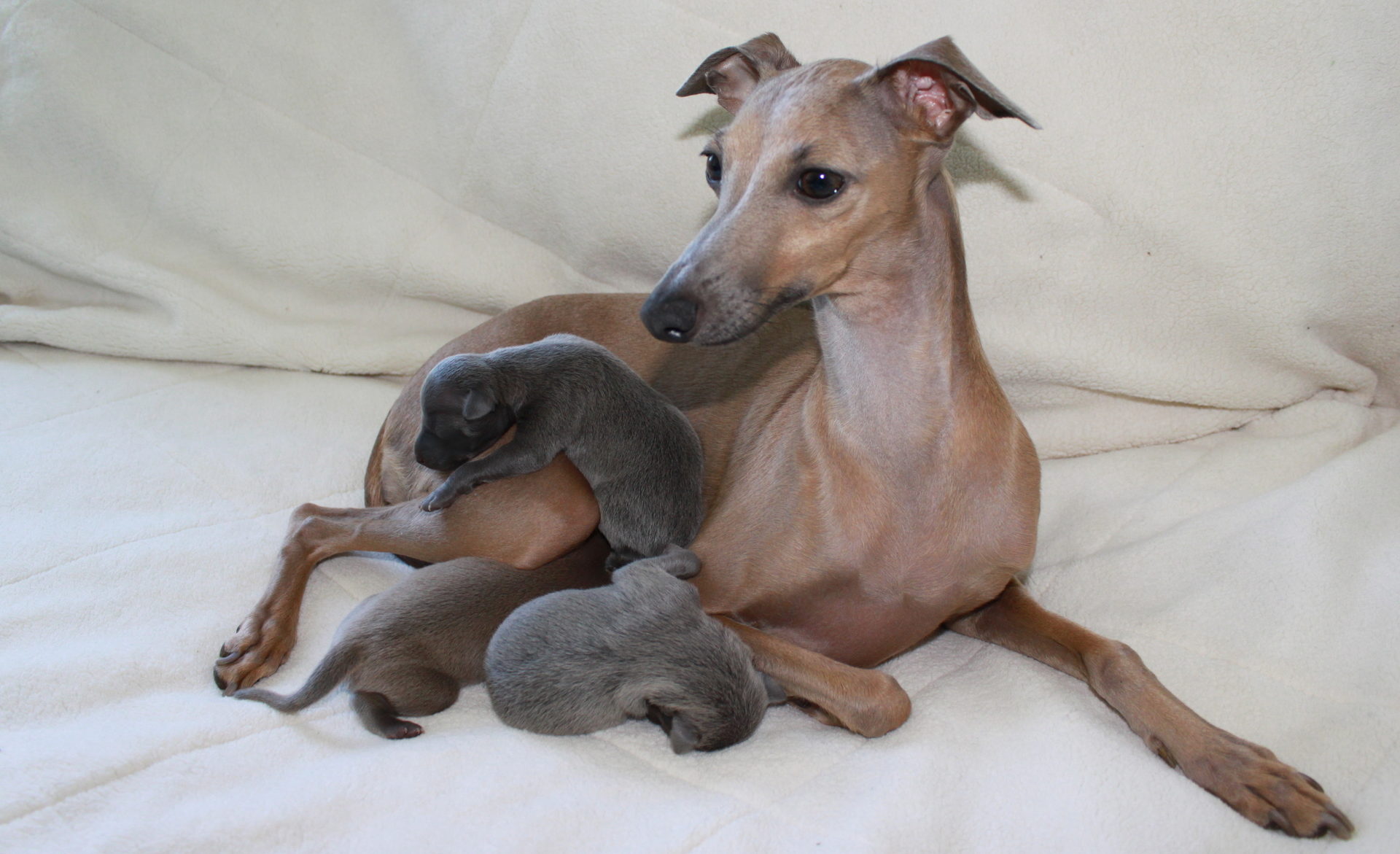
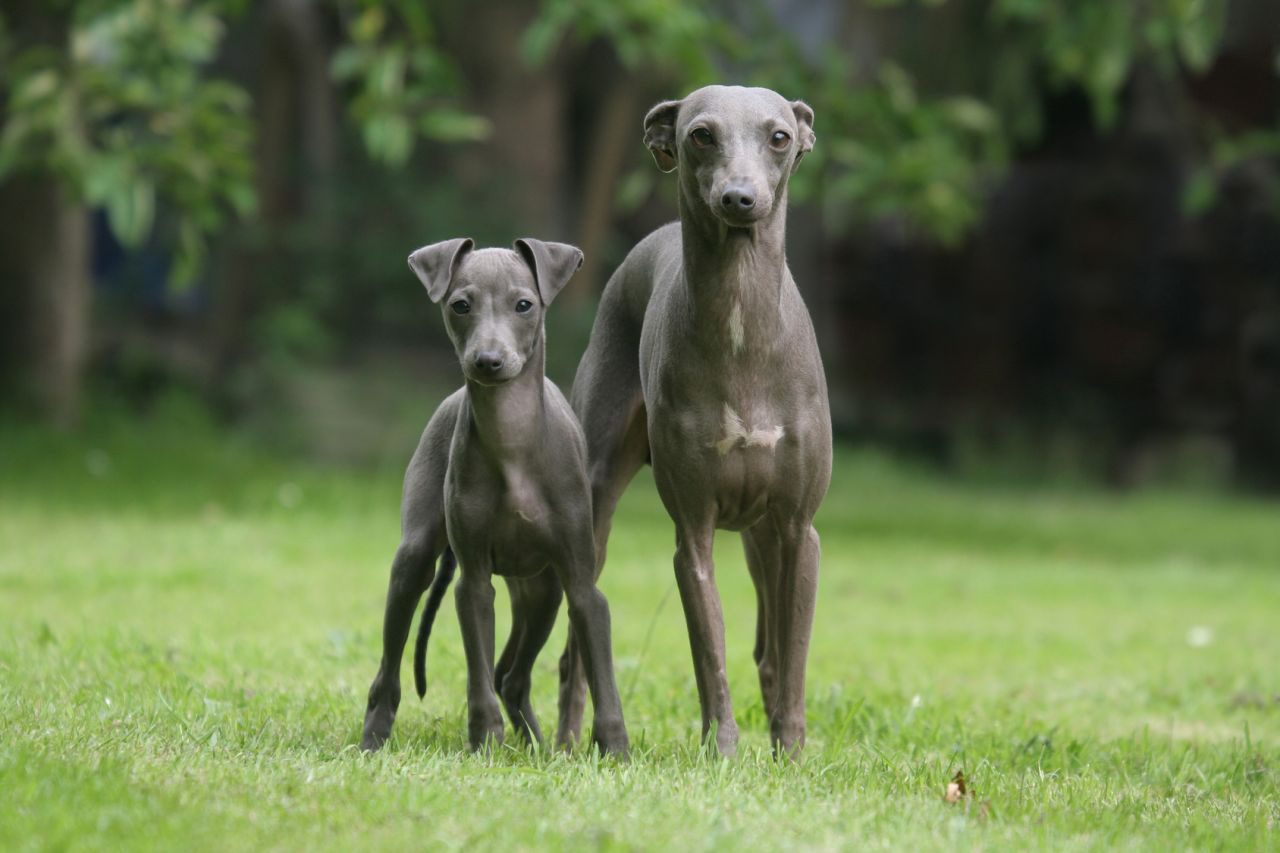
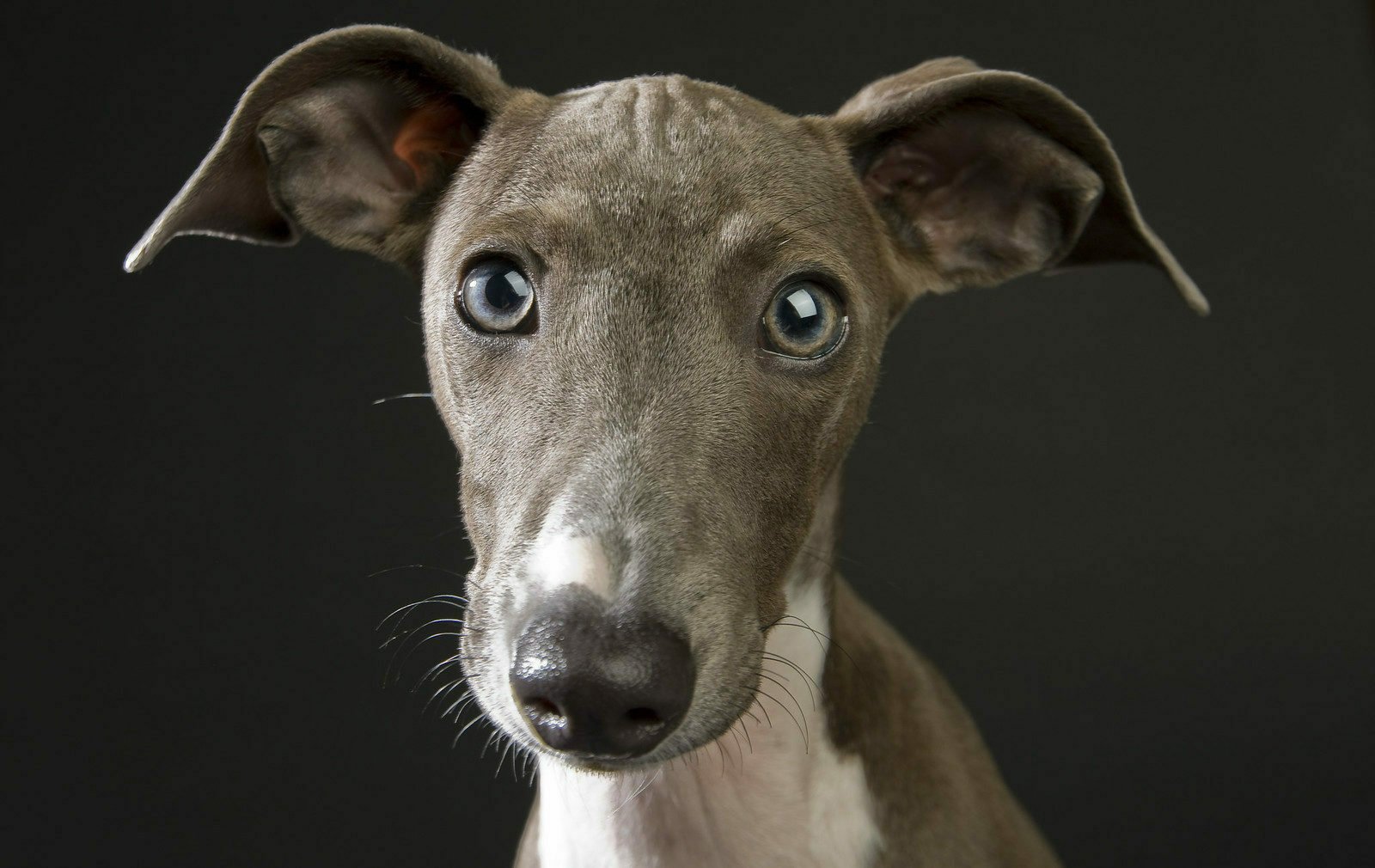
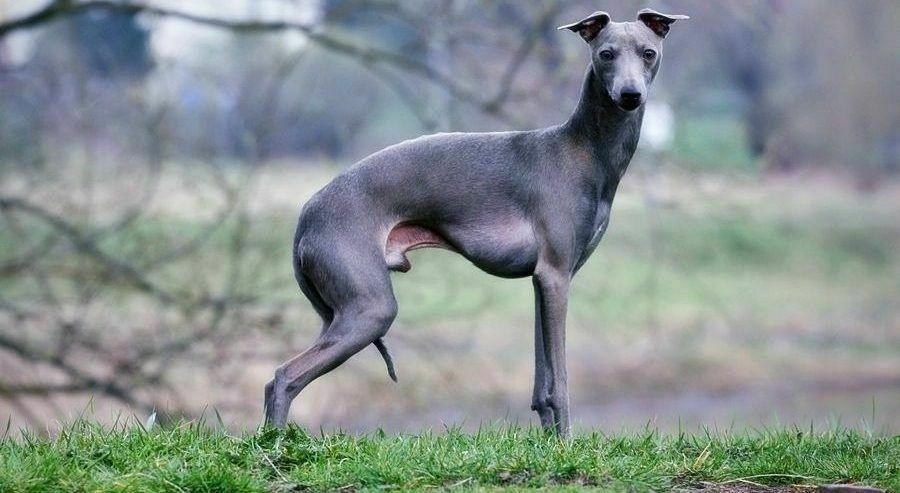
The Levrette is a miniature yet elegant dog with a graceful and refined build that emphasizes its natural elegance. It has a slender, well-balanced body with elongated lines and long, slender limbs that give it an airy and aristocratic quality. The appearance of the Levrette embodies a combination of fragility and strength: its musculature is well-developed enough to provide excellent speed and agility, while still remaining light and delicate. The head has soft lines and an attentive expression that highlights its intelligence and friendly nature.
The Levrette’s coat is short, smooth, and tightly fitting to the body, making it easy to care for and accentuating its elegant silhouette. The coloration can vary from solid shades of gray, red, or cream to black or blue. Its appearance always elicits admiration due to the harmony of all proportions and overall sophistication.
The average height of a Levrette is 32-38 cm, and its weight ranges from 3.5 to 5 kg, making it one of the smallest sighthounds. Despite its small size, it possesses the endurance and activity characteristic of all sighthound breeds. The lifespan of a Levrette typically ranges from 12 to 15 years, with many dogs maintaining their activity and liveliness even in older age. Its appearance perfectly combines refinement and energy, making the Levrette a unique and unforgettable breed.


Отличительные черты

Голова

Морда

Уши

Глаза

Зубы

Корпус

Конечности

Хвост

Шерсть

Окрас
Character
The Levrette is a dog with a soft, friendly, and loyal character that quickly bonds with its owner and loves being the center of attention. These dogs are incredibly sensitive and emotional, making them excellent companions for those looking for a close connection with their pet. The Levrette enjoys comfort and coziness, preferring to spend time next to a person, whether engaging in active play or enjoying quiet moments of rest. These dogs tend to choose one person in the family to whom they feel a special attachment, while still being friendly to all household members.
Levrettes are characterized by their distinct energy and curiosity. They love to explore the world around them and eagerly participate in active games. Despite their small size, a Levrette retains the traits of a sighthound: it enjoys running at high speed and demonstrates natural agility and grace. This makes it an excellent choice for people who are willing to dedicate time to active walks and play.
Despite their liveliness, the Levrette remains a sensitive and gentle dog that does not cope well with loneliness. These dogs need constant attention and close contact with their owner; otherwise, they may experience stress or boredom. Levrettes love being at the center of the family, following their owners around the house and trying to partake in all their affairs.
They also possess remarkable intuition, easily picking up on a person’s mood and trying to adapt to it. A Levrette can be energetic and playful, but in a calm environment, it quickly shifts to quiet rest beside its owner. However, despite their attachment, these dogs maintain their independence, which they express during moments of play or exploration.
Levrettes do not tolerate rudeness or injustice; they require gentle and respectful treatment. With their loyalty and delicate nature, they easily capture the hearts of their owners, remaining devoted and affectionate companions throughout their lives.
Dog of breeding legends
The Levrette is one of the oldest dog breeds known to humanity. Their ancestors are mentioned in ancient tribal legends and myths, indicating a long history of the breed. Levrettes were revered in various cultures and were used for hunting, guarding, and sporting events.Care and Maintenance
The Levrette requires delicate care that takes into account its refined physique, short coat, and sensitive nature. The Levrette’s coat is smooth and close-fitting, so it does not need frequent brushing. Wiping it down with a soft brush or damp cloth once a week is sufficient to maintain cleanliness and shine. These dogs shed very little, making them convenient for indoor living. Levrettes should only be bathed when necessary, using gentle shampoos to avoid drying out their already sensitive skin.
Due to the lack of a thick undercoat, Levrettes are sensitive to the cold and prefer warmth. In cold weather, they must wear warm clothing during walks to protect against chilling. They also dislike prolonged exposure outdoors in damp or windy weather, so walks are best planned in more comfortable conditions.
The Levrette’s ears require regular inspection, as their shape encourages the accumulation of dirt. Ears should be cleaned with a gentle solution recommended by a veterinarian to avoid inflammation. The large, expressive eyes of Levrettes also require care-check for discharge and wipe with a soft cloth when needed. Their teeth should be brushed several times a week since the breed is prone to tartar buildup and gum disease. Regular dental care helps prevent oral health issues.
Levrettes love comfort, soft beds, and warm spots where they can relax peacefully. They do not tolerate roughness, loud noises, or chaotic environments. These dogs appreciate predictability and a calm atmosphere. Levrettes enjoy receiving attention and spending time with their owners, but don’t impose activities if they want to rest. It is important for them to feel surrounded by care and respect.
Levrettes do not handle loneliness well. Leaving them alone for too long can lead to stress or destructive behavior. They adore walks, but due to their small size and fragility, they are not suited for overly vigorous or rough play. A Levrette appreciates gentle, respectful treatment and care, and with this approach, it will be healthy, happy, and devoted to its owner.
Compliant nature
In addition to their outstanding physical qualities, Levrettes are also known for their magnificent temperament. They are often described as friendly, agreeable, and elegant dogs that are perfect as family pets. They get along well with children and other animals, and they possess a calm and balanced mind.Training and Education
The Levrette is an intelligent, sensitive, and affectionate dog that responds well to training when treated gently and with respect. Its delicate psyche cannot tolerate harshness, so it is crucial to use only positive methods during training: treats, praise, and encouragement. Levrettes quickly understand what is expected of them, especially when training takes place in a friendly and calm atmosphere. These dogs strive to please their owners, but they may exhibit stubbornness if they feel pressured or treated unfairly.
Training is best started at an early age, with a focus on socialization. The Levrette should become accustomed to various sounds, people, animals, and situations to grow up confident and balanced. Basic commands such as “sit,” “come,” or “heel” will help establish a connection and provide clear guidelines for the dog. Due to their natural inclination for movement, Levrettes particularly enjoy tasks involving running or agility games.
These dogs easily pick up on their owner’s mood, making it important to remain calm and patient during training. Levrettes dislike monotony, so it’s essential to keep training interesting and brief to maintain their motivation. They love it when training turns into a game and happily perform tasks that bring them joy and positive emotions.
The Levrette chooses an owner who gives it attention, care, and creates a comfortable environment. It bonds with those who show gentleness and patience, as well as those who are willing to spend time with them. Levrettes value emotional connections and strive to be close to those they consider family. They obey those they respect and see as leaders, but that leader must be calm and friendly, not authoritarian.
These dogs are ideal for people who can provide them with close contact, care, and an active lifestyle, but without excessive strictness. A Levrette will obey someone who knows how to build a trusting relationship with them, becoming a loyal and obedient companion ready to delight its owner every day. At Zoonika, they offer puppies with documentation and a health guarantee.
Graceful sprinters
Despite their elegance and sophistication, Levrettes are a breed with very high speed capabilities. They can reach speeds of up to 64 km/h and are considered one of the fastest dog breeds. They have a noble and graceful run, making them some of the best athletic partners for racing and other agility competitions.
How to Choose a Puppy
When choosing a Levrette puppy, it is important to approach the process carefully to ensure it grows up healthy and meets breed standards. Start by selecting a responsible kennel that specializes in breeding Levrettes and is willing to provide complete information about the puppy’s lineage and health status. The breeder should be ready to show the puppy’s parents so you can assess their appearance, temperament, and compliance with breed standards. The living conditions for the puppies also play a crucial role-they should be clean, spacious, and conducive to socialization.
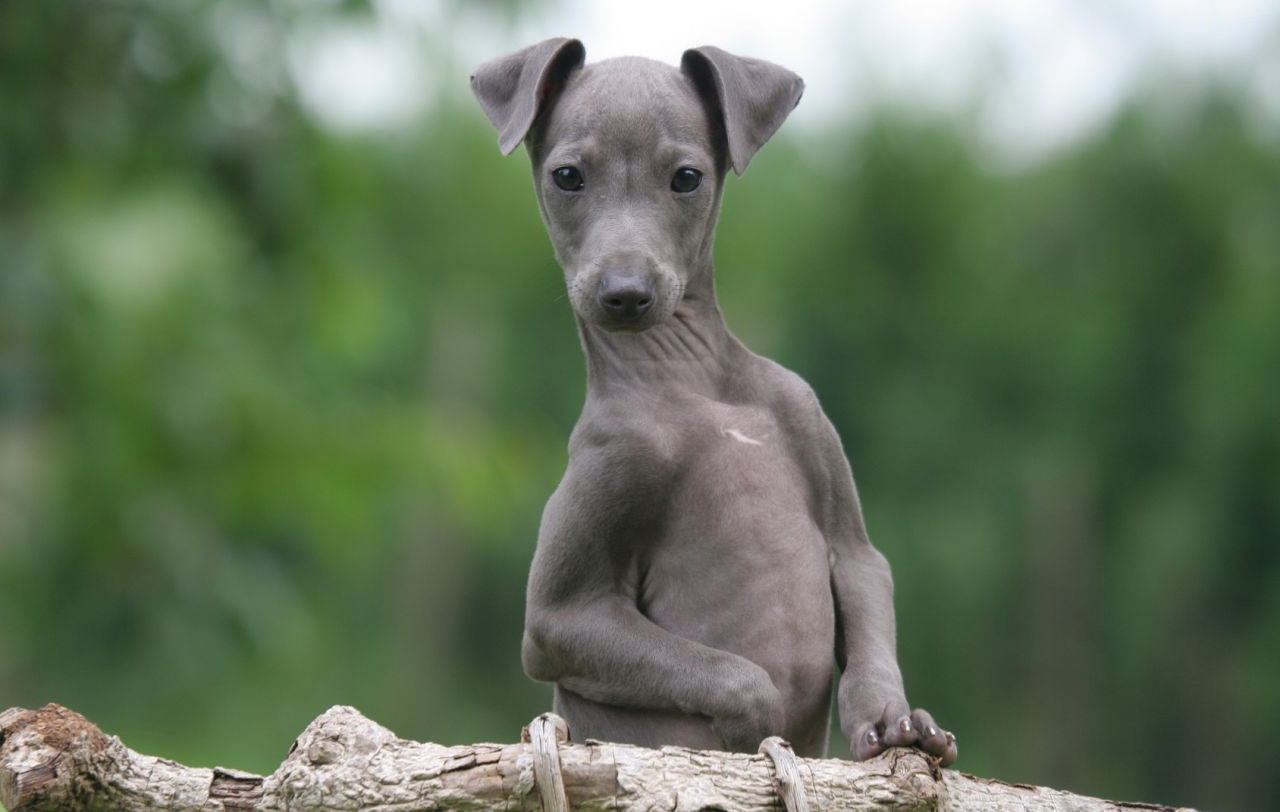
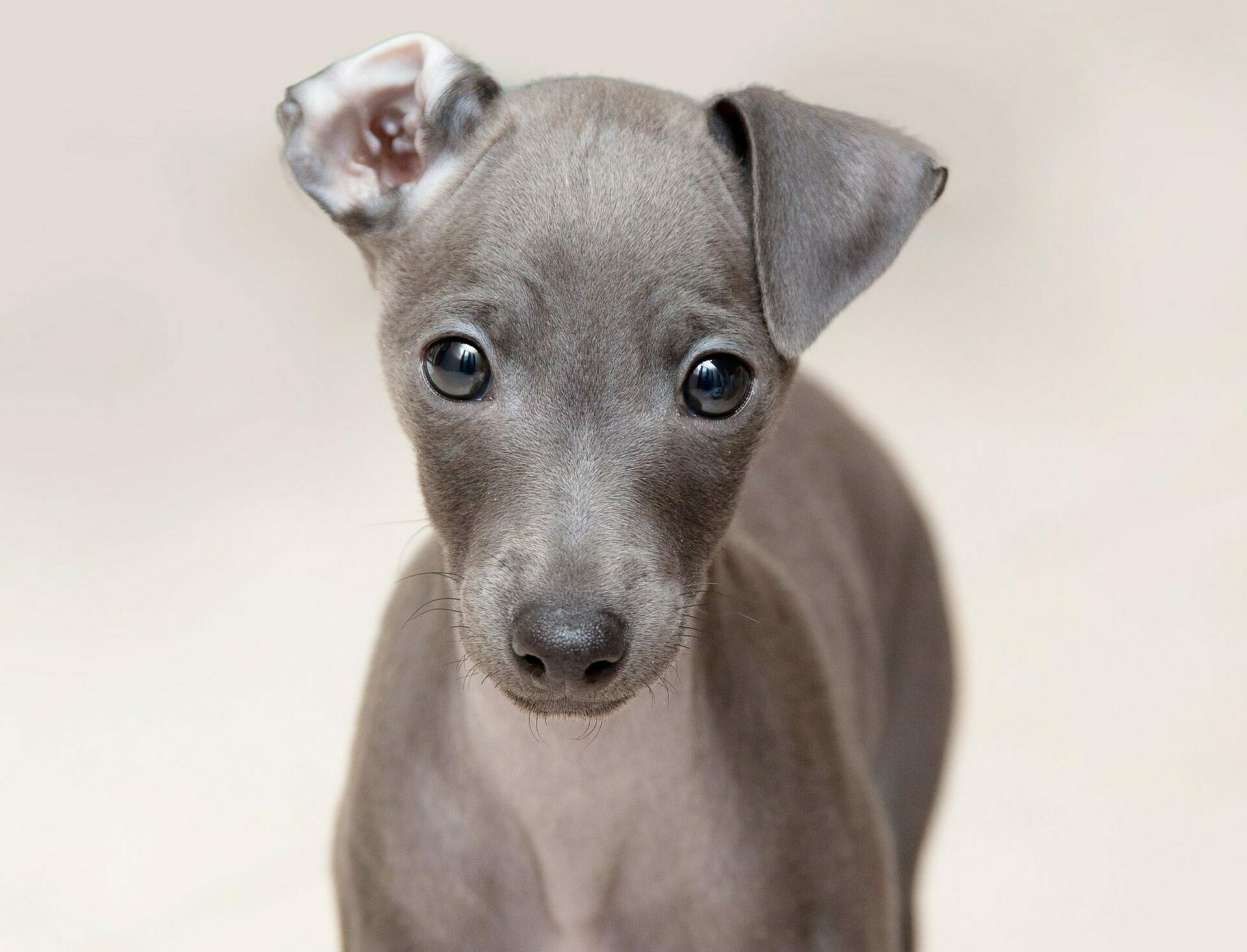
A Levrette puppy should be active, curious, and friendly. When inspecting, pay attention to its behavior: a healthy puppy is easily approachable, shows interest in its surroundings, and does not exhibit excessive shyness or aggression. Its coat should be smooth and shiny, eyes should be clear and free of discharge, ears clean, and body without signs of irritation or injury. Check how the puppy moves: movements should be light and free, without signs of lameness.
Documents to check include the pedigree (puppy card) confirming the puppy’s origin and breed standard compliance. This card is later exchanged for an official pedigree. It is also important to review the parents’ pedigrees to ensure there is no close inbreeding and that there are titled ancestors, indicating the purity of the line. The breeder should provide test results for the parents regarding hereditary diseases common in Levrettes, such as progressive retinal atrophy and joint disorders.
The puppy should have a veterinary passport with records of vaccinations and parasite treatments. Additionally, be sure to ask the breeder about the puppy’s diet, care requirements, and living conditions to ensure a smooth transition to its new home. A reliable breeder will not only provide information about each puppy but also give recommendations for ongoing care, socialization, and training.
When choosing a puppy, consider your lifestyle and the breed’s needs. The Levrette is a dog that requires attention, care, and warmth, so it is essential to choose an active and healthy puppy with typical breed traits to ensure it becomes a full representative of its breed and your loyal companion.
Health and Illnesses
The Italian Greyhound generally has good health, but like any breed, it is prone to certain diseases that owners should be aware of. Due to their fragile body structure, Italian Greyhounds are susceptible to injuries, especially fractures of the long bones in their limbs. This can occur during unsuccessful jumps or overly active play, so it is important to monitor their physical activity closely and avoid excessive strain, especially at a young age when the skeleton is still developing.
Italian Greyhounds are prone to dental issues such as tartar buildup and gum inflammation. Regular tooth cleaning, use of special toys, and oral care supplements can help prevent these problems. Additionally, progressive retinal atrophy-a genetic eye disease-can lead to vision deterioration or blindness. Regular veterinary check-ups can help detect signs of this condition in a timely manner.
The breed is sensitive to cold due to its short coat and thin undercoat, making Italian Greyhounds prone to hypothermia. During the cold season, they need protection in the form of warm clothing while walking, as well as comfortable conditions at home. Italian Greyhounds can also be susceptible to stress, which may manifest as stomach issues or even heart problems. It is important to maintain a stable and calm environment for the dog.
Joint problems, such as patellar luxation, can also occur in this breed. This condition can limit the dog’s mobility and cause discomfort. Regular check-ups and monitoring of physical activity can help avoid complications. Italian Greyhounds are prone to allergies, which may present as skin issues or digestive problems. Choosing a hypoallergenic diet and managing exposure to potential irritants can help reduce risks.
The average lifespan of an Italian Greyhound is 12-15 years. With proper care, a balanced diet, and regular veterinary visits, these dogs can remain active and bring joy to their owners for many years. Attending to their physical and emotional needs helps minimize disease risks and ensure a high quality of life for your pet. Considering getting one? There’s a fast selection of advertisements available on the Zoonika map by city.
Содержание
-
1. Описание породы
-
2. Внешний вид
- 2.1 Голова
- 2.2 Морда
- 2.3 Уши
- 2.4 Глаза
- 2.5 Зубы
- 2.6 Корпус
- 2.7 Конечности
- 2.8 Хвост
- 2.9 Шерсть
- 2.10 Окрас
-
3. Характер
-
4. Содержание и уход
-
5. Дрессировка и обучение
-
6. Как выбрать котенка
-
7. Здоровье и болезни





Comments
Only registered users can leave reviews.
Enter