
Irish Terrier





Warning: Illegal string offset 'label' in /home/panda/sites/zoonika/wp-content/themes/zoonika/template-parts/animals/animals-param-item.php on line 32
Ð


Breed Description
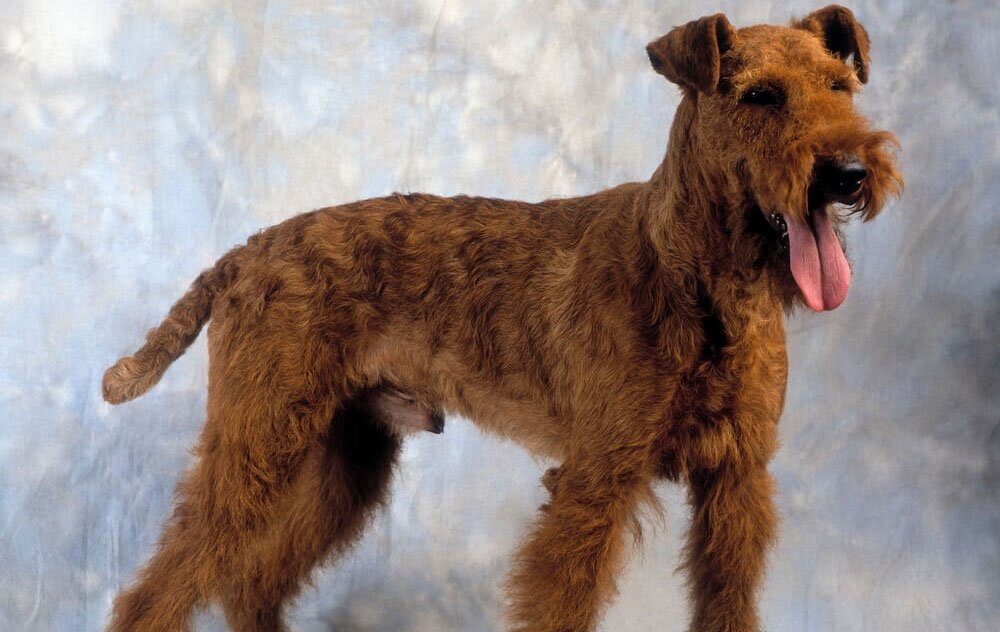
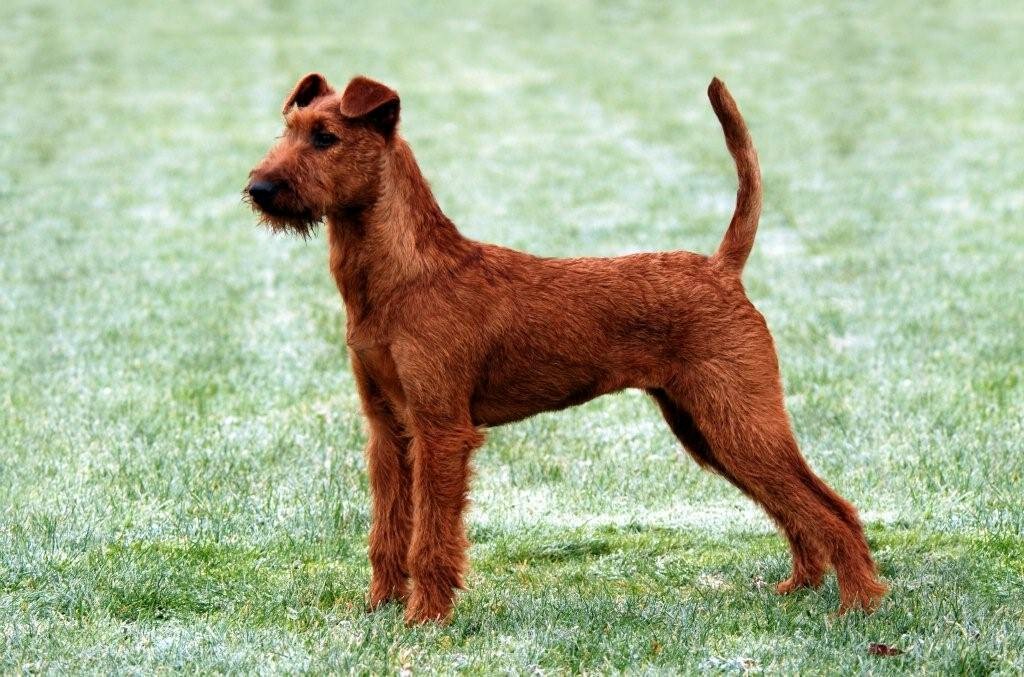
The fastest of terriers, proudly known as the “Red Irish” in its homeland. The long-legged Irish terrier received this unofficial name due to its distinctive reddish coat. Like all terriers, the Irish takes its name from the Latin word “terra” – earth, and is considered one of the oldest breeds in Ireland.
Endurance and strength marked these dogs, which were used during hunting. Packs of dogs were meant to chase foxes or badgers. If the animal managed to hide in a burrow, the dog had to “force” it out. Naturally, the creature underground was extremely dangerous, but Irish terriers were known for their strong jaws, fearless nature, and ability to think in extreme situations.
Although today these dogs are increasingly used as household companions, their hunting instincts remain embedded in their DNA. Looking back in history, it is important to note that their value was not only confirmed in hunting. Farmers relied on the red Irish terriers to guard their estates. Rats, mice, and martens were common prey for these versatile dogs of that time. When necessary, they could also handle thieves.
At that time, almost all terriers came in various colors, as there were no strict requirements for coat colors. Preserving the working qualities of the breed was much more important. Different parts of the Emerald Isle could have a greater number of dogs with a predominance of certain shades. L. Beckmann wrote in his works that the “Irish terrier” began its existence as a distinct breed in 1847. However, in England, the four-legged Irish hunters were not taken seriously. They were considered yet another variety of a single hunting breed. Despite this, on March 31, 1879, the first Irish Terrier Club was established in Dublin. It was only after breeders managed to stabilize the red coat of their dogs that England recognized the breed as independent. Subsequently, Irish emigrants popularized their dogs in the United States. It is noteworthy that today Americans highly value terriers with red coats.
An interesting fact: during World War I, terriers from the Emerald Isle served on the front lines as messengers. They were tied to bags with reports and sent to headquarters for delivering valuable information.
Jack London loved this breed so much that he anthropomorphized it in his story “The Call of the Wild.”
Appearance
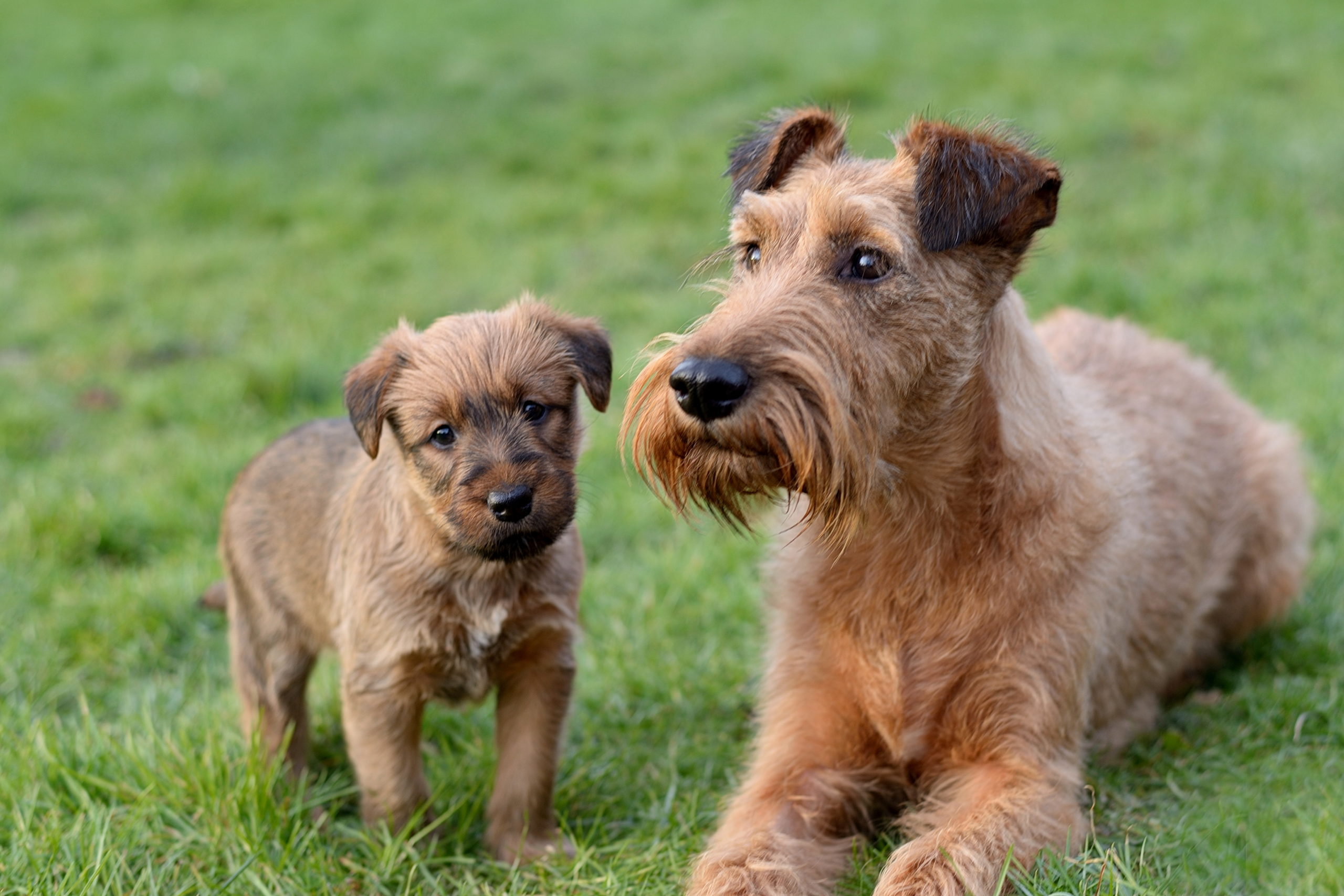
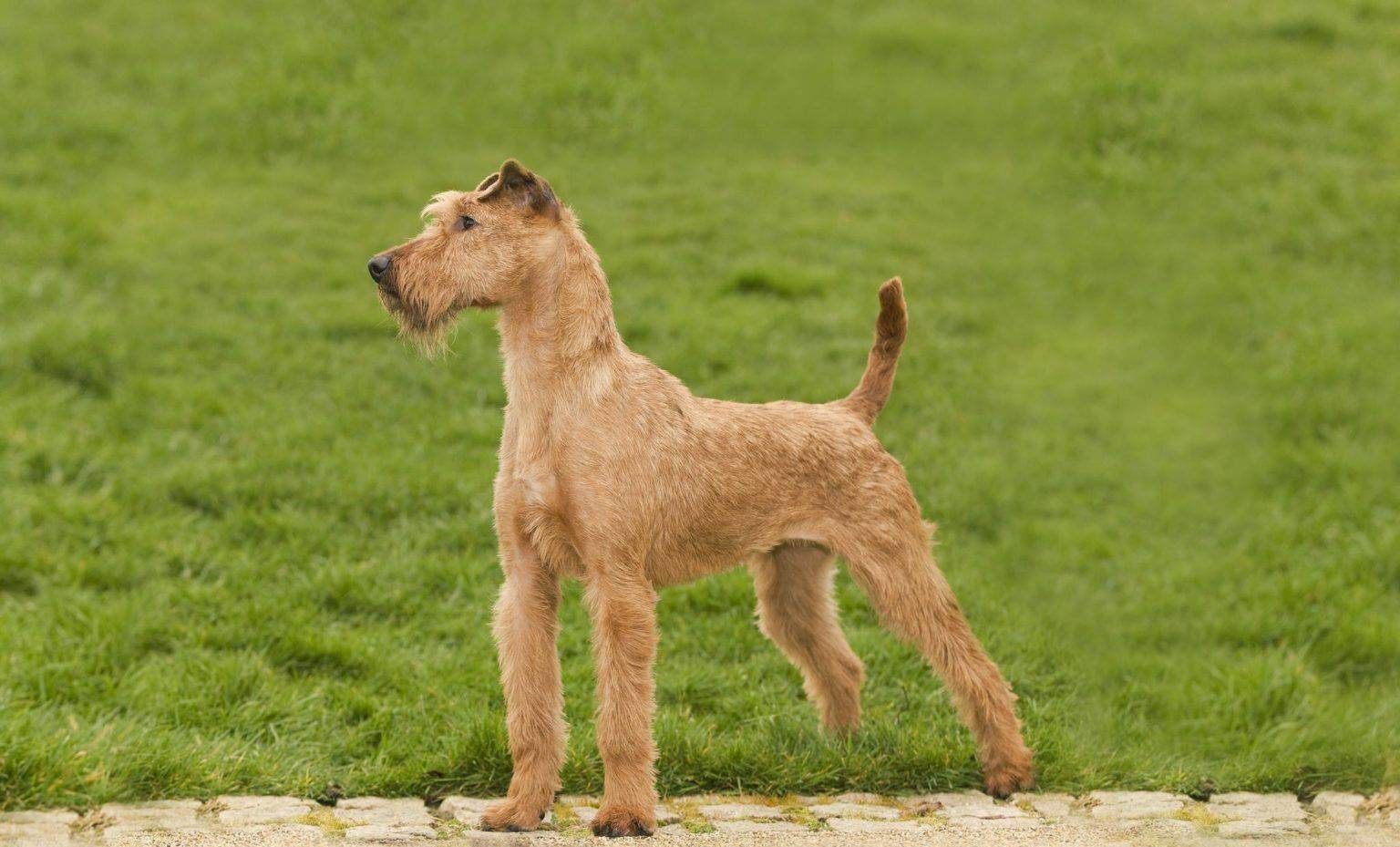
Like all terriers, the Irish Terrier is a dry yet muscular, resilient, and fearless dog of medium size. An adult dog stands about 45 cm at the shoulder and weighs between 11.4 to 12.5 kg. The bearded companions from the Emerald Isle typically live for 12 to 15 years. Of course, with more attention to grooming, your dog will be with you longer.
This breed can confidently be called versatile, as owners often keep such dogs as family companions. However, inexperienced dog owners may find it challenging to manage this breed due to its complex character and hyperactivity.
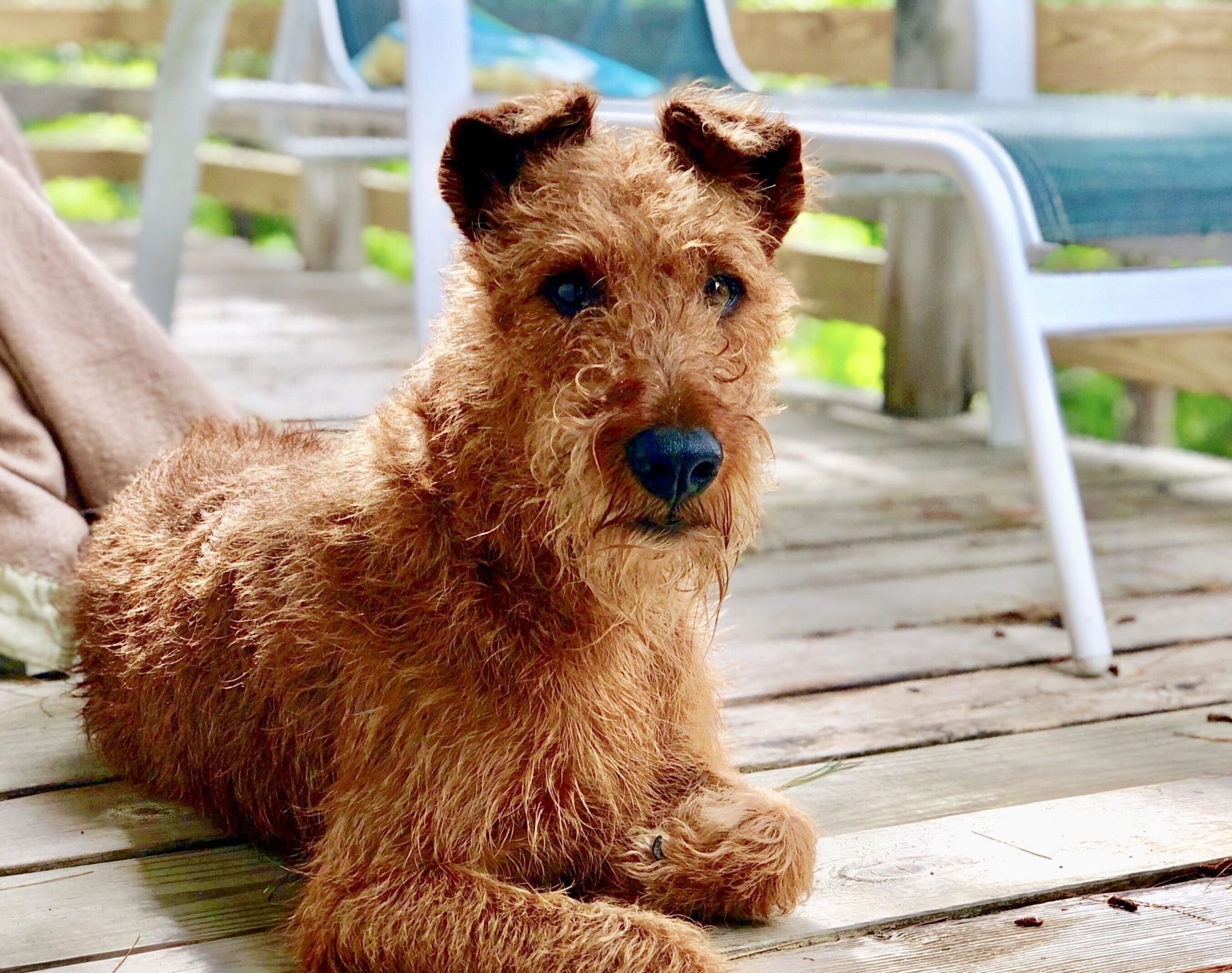
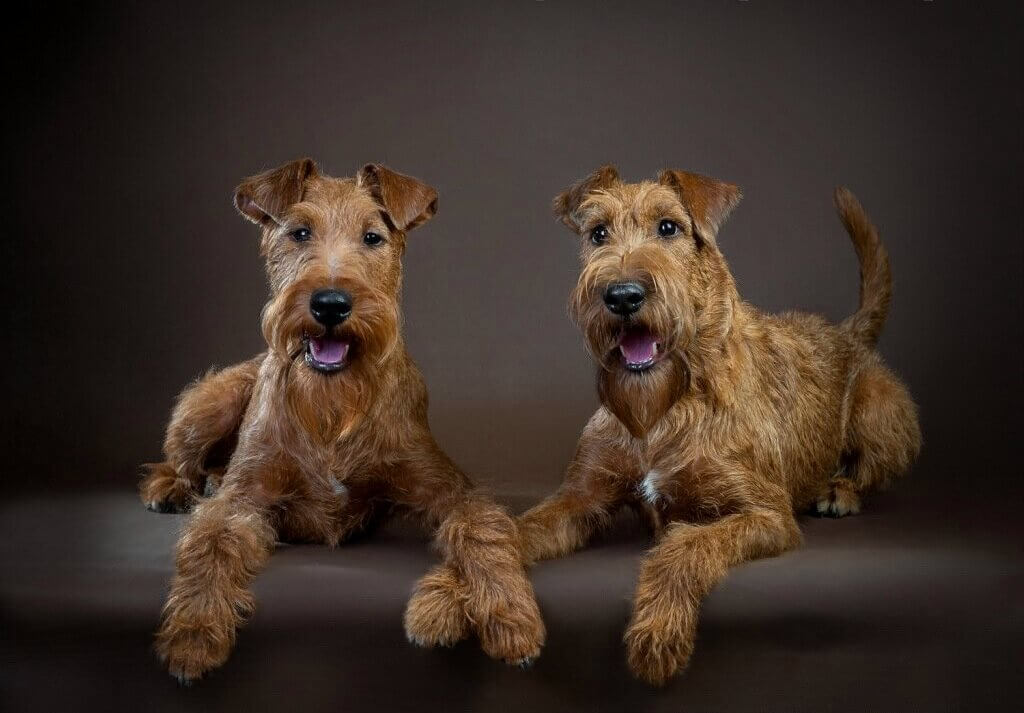
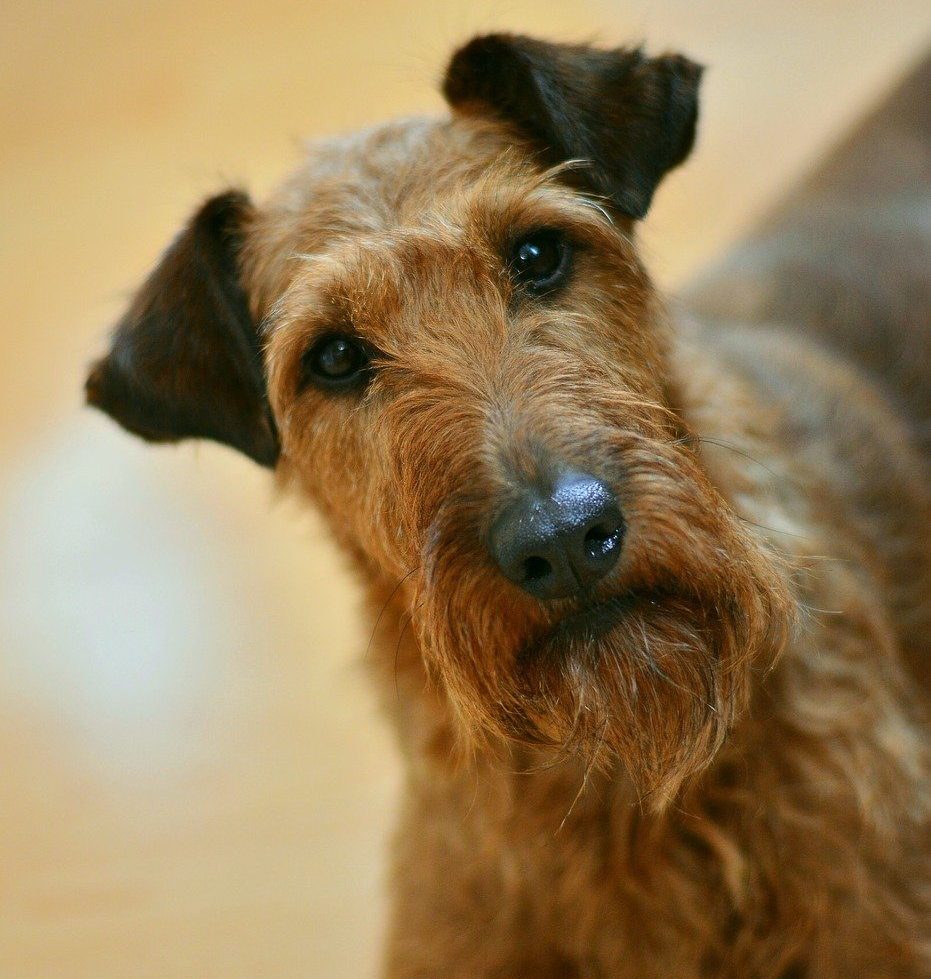
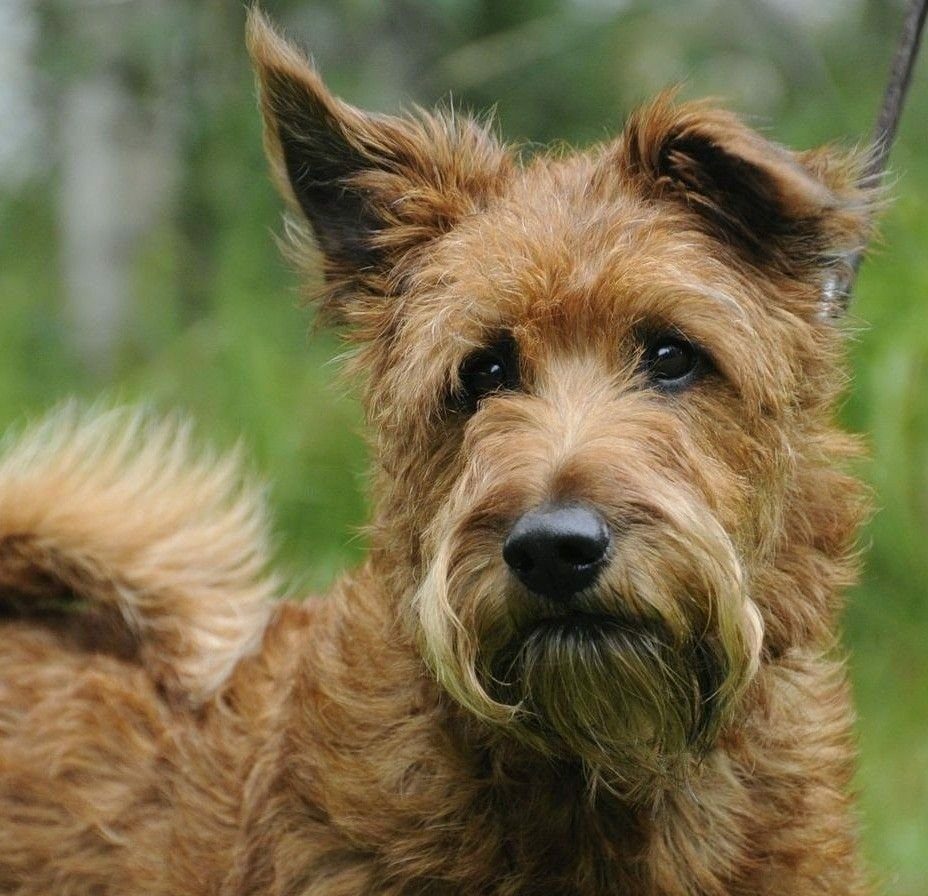
In appearance, the dog can be compared to a heavy drinker suddenly deciding to take up athletics. Sometimes, the beard on its face and folded ears give it a quirky look. It is said that this is why Red Irish Terriers are unofficially nicknamed “mavericks.”
However, such a nickname and impulsive nature do not prevent these dogs from being favorites among both adults and children. Little kids, of course, might struggle with the temper of the bearded dog. But older children find such a companion absolutely essential. With it, they can not only play soccer but also feel secure both outdoors and at home.


Отличительные черты

Голова

Морда

Уши

Глаза

Зубы

Корпус

Конечности

Хвост

Шерсть

Окрас
Character
The rural roamer, brawler, tireless hunter, vigilant guard, and reliable protector-these traits barely scratch the surface of the multifaceted character of the Irish Terrier. Fearless and uncompromising in battles with beasts, this dog is so devoted to its owners that the extent of its loyalty is astonishing.
There is a belief that such dogs are hot-tempered and willful. However, this is not entirely accurate. Poor upbringing is the root of all problems that can arise with this furry Irish companion. In reality, the Wheaten Terrier is a sly and imaginative creature like no other. Dogs love to walk and are ready to romp outside tirelessly for hours. Yes, the Irish Terrier often gets into scrapes; it does not back down from anyone. Moreover, these dogs are indifferent to their own injuries, especially when defending members of their family.
In a domestic setting, a dog can behave quite differently. It may become completely calm and balanced for a while. One secret: this happens only when the dog has had plenty of exercise and is utterly exhausted. But as soon as the “batteries” are recharged, it all begins again and again.
Would such a handsome creature be suitable for elderly owners? If the dog’s owners are able to frequently walk their pet, the Irish Terrier will get along beautifully with them without any issues. After all, the reds do not like solitude and will have company at home.
Despite their hunting instincts, “Irish” can peacefully coexist with their meowing counterparts, especially if they grew up together or if the cat was already in the house. With small rodents, however, this is unlikely; the dog will likely take on the role of executioner.
We should also note the sensitivity of Irish Terriers. They can inexplicably sense the mood and well-being of their owners even when they are not around. The dog always worries when one of the owners falls ill, and it will try various “tricks” to lift your spirits.The heightened sensitivity is always on. No outsider can approach unnoticed. However, the dog will not charge at them but will loudly alert the owner to an unexpected guest.There is a common notion about “mood swings” and “unpredictability” among representatives of this breed. While there is some truth to this, it should not be taken in a negative light.Curiously, Irish Terriers love to frolic in water so much that there is a joke that during the Great Flood, even Noah could not take an Irish Terrier with him for fear it would swim away.
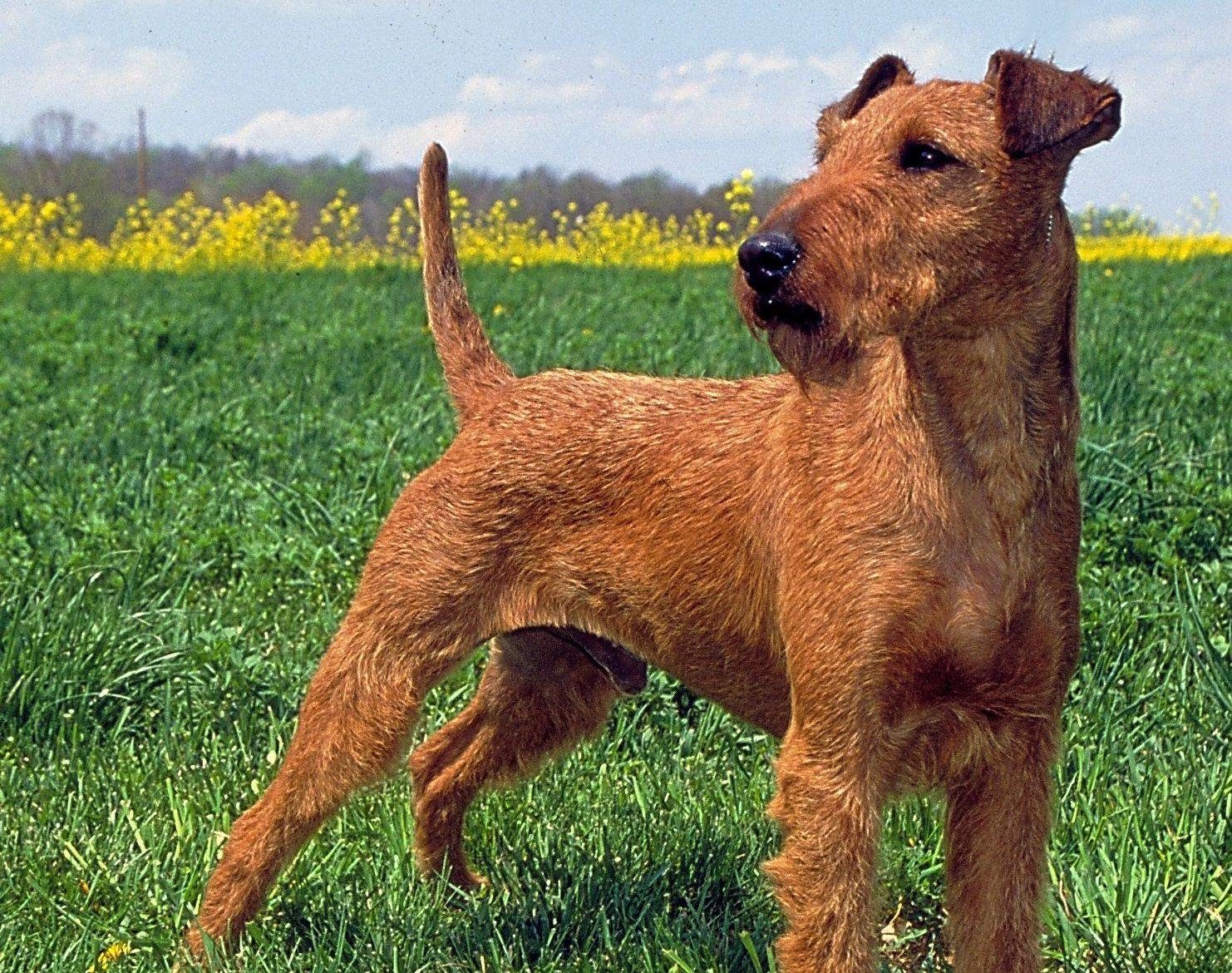
Fearless
This is truly a fearless dog. If a battle is at hand, the Irish Terrier will fight to the last drop of blood.Care and Maintenance
The Irish Terrier is ready to live with its owner in any conditions. This breed is perfectly suited for apartment living. It is essential to ensure the dog gets daily walks lasting at least 1.5 hours; otherwise, the dog may become bored and its temperament could worsen.
Irish Terriers do not shed, so you are unlikely to find tufts of fur scattered around your home. However, every silver lining has a cloud. Watchful guardians bark loudly at suspicious noises outside the door, which can be inconvenient for neighbors. To minimize noise, it is crucial to socialize the dog as early as possible.
If the Irish Terrier lives in a country house, these neighbor issues may not arise. However, you need to ensure a safe area for your dog. A fence lower than 2 meters will not contain this adventurous breed, which may escape in search of adventures or dig up all the flower beds. Surprisingly, dogs living in the countryside are generally more active and spirited than their urban counterparts.
How difficult is it to care for such a dog? Essentially, most of the effort involves training and walking. Apart from that, the breed is rather low-maintenance.
The coat is odorless and does not shed, but it requires plucking. Trimming the Irish Terrier’s fur is typically done twice a year, and the fur can even be used as yarn for a belt that helps with lower back issues.
After walks, you must wash the dog’s paws to remove dirt and check for injuries. It’s important to trim the fur between the paws of the Wheaten Terrier. If not done in time, matting from dirt or small stones can form, leading to serious injuries.Claws should ideally be trimmed with special clippers, and this procedure should be performed at least once every ten days. Neglecting regular trimming could lead to painful walking for the dog, and a sedentary lifestyle can be detrimental to the Irish Terrier’s health.Pay attention to your loyal companion’s ears. Although they hang down and cover the ear canal, dirt or ticks can still find their way in during the summer. Weekly ear cleaning can help prevent various infections and inflammations. If you notice your dog scratching its ear or shaking its head frequently, please inspect it or consult a veterinarian, as an insect may be lodged inside.The dog’s eyes should be checked daily as they are always visible. This allows you to notice any inflammation in time. A little tearing is normal, but if tears flow excessively or a white discharge appears in the corners of the eyes, a visit to the veterinarian is necessary. A folk remedy of
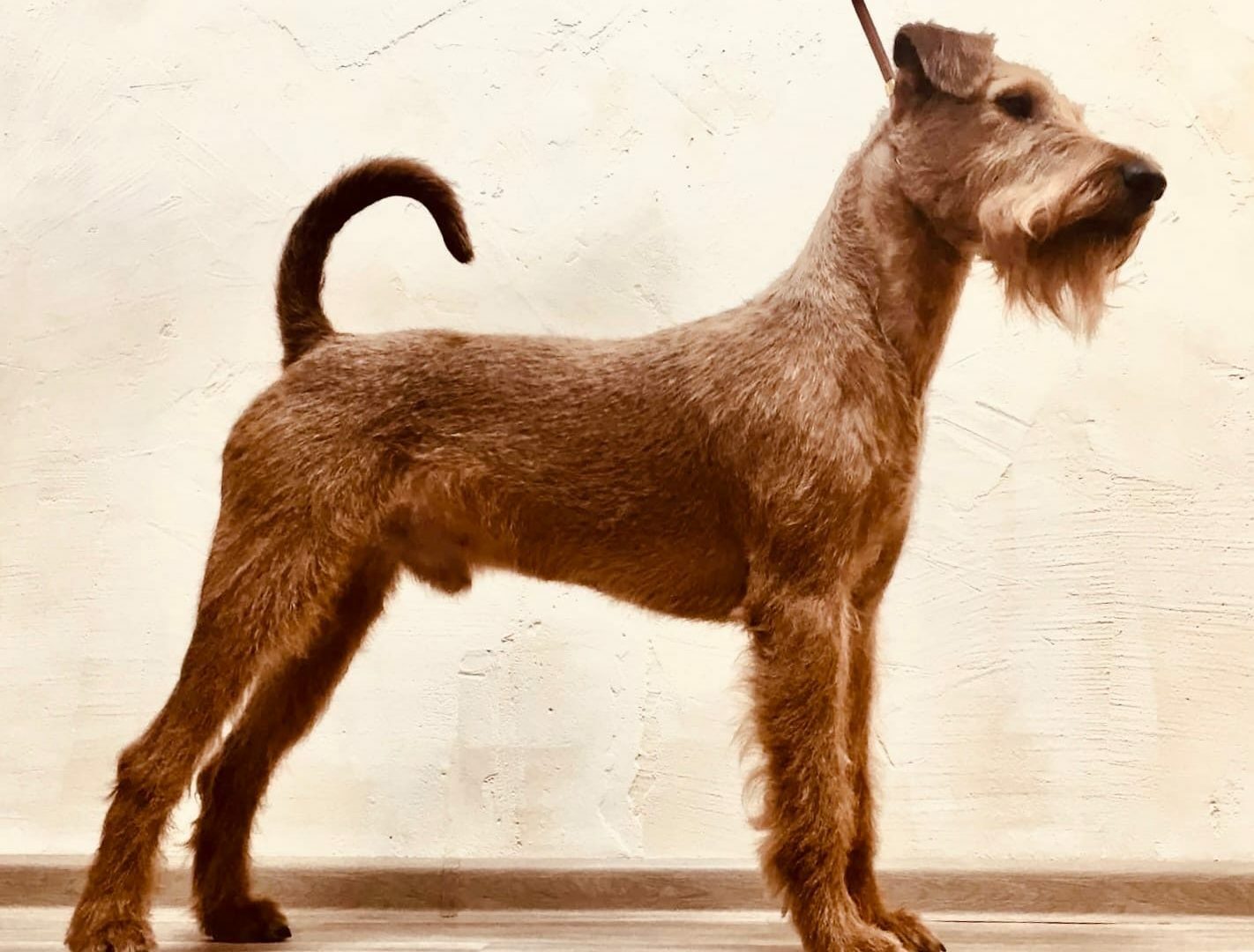
A dog with special fur.
Interestingly, this breed has no undercoat at all, and shedding bypasses them. However, their coat is multifunctional: it protects against damage, cold, and is also water-resistant.Training and Education
It’s important to understand that the character of the Irish Terrier is influenced not only by its genetics. The owner’s interaction with the puppy plays a huge role in shaping its character.
Clearly define the rules of your behavior towards the puppy and always adhere to them. Leadership qualities are embedded in the dog’s genes, and you must be an unquestionable leader in its eyes. Only then will your dog respect you.
One of the main rules in dog training is prioritizing rewards over punishment. This is especially true for the Irish Terrier. Always reward and praise your dog when it deserves it, even a little. At the same time, make it clear when it has done something wrong. This way, the dog will understand what is good and what is bad.
You cannot force a red Irish Terrier to do anything. Its proud nature will not allow it to submit, and the animal’s energy will be directed toward resistance. You will lose respect in the dog’s eyes, and will not be able to regain it. The dog may agree to do what is expected of it, but this will be aided by its favorite treat, not by yelling or violence.
Interestingly, if you want to have a classic Irish Terrier by your side, don’t grab it by the scruff when it is small. This will have a very negative impact on the puppy’s psyche. As a result, your “little daredevil” will grow into a cowardly and cunning dog.
Around 6-7 months, you can use not only treats as a reward. Try rewarding your dog with its favorite toy and observe its reaction. Believe me, it’s worth it.Start training your puppy from the very first moments it arrives in your home. Like all babies, it loves to play but may start “getting into mischief” when left alone for too long. During playtime, gradually introduce new commands. However, don’t overwhelm your furry friend with training; 15-20 minutes is enough before your student gets tired.By 3 months, the puppy should have learned and clearly follow commands that will be useful during walks: “no,” “come,” and it should respond to its name without hesitation. It’s also crucial that the dog always hears you and obeys.During walks, remember to practice new commands. Elite breed puppies with complete documentation are offered at Zooinics.
Poaching breed
Since ancient times, terriers were primarily recognized as dogs for poachers. However, the situation has fundamentally changed; Irish terriers are increasingly being recruited for police and rescue teams.
How to Choose a Puppy
It is important to understand what kind of owner an Irish Terrier needs. An active lifestyle, enough time for walks with the dog, and self-confidence are all essential qualities. Consider what it means to “get a puppy.” This is a new family member with its own needs, health issues, and quirks. Are you ready to take responsibility for its life?
Start your journey by researching films and literature about the breed. We recommend thoroughly studying the breed standard for the Red Irish Terrier and beginning your search for a kennel. In reality, the breed is not very popular. In Russia, there aren’t many kennels that specifically breed Irish Terriers. If you don’t plan to participate in exhibitions in the future, you can take a chance and buy a puppy from a private seller.
Otherwise, we recommend following general guidelines for selecting a puppy. After choosing a kennel or breeder, examine the documents of the puppy’s parents. Pay close attention to the conditions in which the dogs are kept. If the conditions at the kennel are satisfactory, check if the puppy has a microchip and review its veterinary passport. Request to see all the puppies to assess their behavior. An aggressive puppy doesn’t mean it’s the best choice. A fearful puppy is also a bad sign. A healthy puppy should be active and cheerful. Its nose should be moist and cool, and its gaze should be clear and fearless. Be sure to check the puppy’s eyes; there should be no cloudiness in the iris. Clean fur and ears indicate that the breeders have taken good care of the puppies. Note that purchasing a puppy younger than 8 weeks is not advisable. A classified ad platform is the best place to start your search among many listings.
Health and Diseases
To the great delight of many, the Irish Terrier boasts excellent health. While a strong immune system can’t prevent common ailments found in dogs of all breeds, there are certain conditions that the breed from the Emerald Isle is more prone to.
One such condition is thyroid dysfunction. To prevent it or at least minimize the risk, it is recommended to feed the dog a balanced diet. Premium brands typically offer food containing all necessary vitamins and minerals.
Cystinuria is a severe hereditary kidney disease, which particularly affects males due to their physiology. The illness is diagnosed through DNA screening. If the disease is detected, such dogs are not recommended for breeding.
Another genetic condition common in Irish Terriers is hyperkeratosis. This skin disease manifests on the pads of the dog’s paws. Most often, initial symptoms are visible by the time the dog reaches six months of age. Diagnosing it at earlier stages has not yet been possible. The breed standard lists disqualifying traits such as thickened pads and calloused feet.
Содержание
-
1. Описание породы
-
2. Внешний вид
- 2.1 Голова
- 2.2 Морда
- 2.3 Уши
- 2.4 Глаза
- 2.5 Зубы
- 2.6 Корпус
- 2.7 Конечности
- 2.8 Хвост
- 2.9 Шерсть
- 2.10 Окрас
-
3. Характер
-
4. Содержание и уход
-
5. Дрессировка и обучение
-
6. Как выбрать котенка
-
7. Здоровье и болезни





Comments
Only registered users can leave reviews.
Enter