
Icelandic dog





Warning: Illegal string offset 'label' in /home/panda/sites/zoonika/wp-content/themes/zoonika/template-parts/animals/animals-param-item.php on line 32
Ð


Breed Description
The Icelandic dog, also known as the Icelandic spitz or Icelandic shepherd, is a unique and majestic breed, deeply rooted in the history and culture of Iceland. This breed embodies reliability, endurance, and excellent hunting qualities. It is believed that the shepherd originated from dogs brought from Denmark and Sweden. In the late 19th century, a disease wiped out more than 75% of the shepherds in Iceland, nearly leading to their extinction. As a result, the import of this breed was banned to ensure their recovery. This decision was ultimately successful. Perhaps that is why this breed is still considered rare today.
The origins of the Icelandic dog trace back deep into the past, to the times of the Vikings. It is believed that these dogs were brought to Iceland in the 8th-9th centuries from the eastern coast of Spitsbergen and other areas of Scandinavia. Their primary purpose was to serve as herding and hunting partners, as well as companions in the harsh climatic conditions of northern regions. These dogs were highly valued by the Vikings, accompanying them on long sea voyages and serving as reliable guard dogs on land.
These dogs have a distinct character that includes intelligence, loyalty, and excellent hunting skills. They possess energy and endurance, making them great companions for active owners. The Icelandic dog is known for its trainability, sociability, and willingness to interact.
Today, the Icelandic dog remains popular as a loyal companion and a reliable hunting partner. Its historical significance and characteristic traits make this breed not only a wonderful pet but also a living piece of Scandinavian history.
This type of dog is sometimes referred to as the “Ice Dog.” They are active dogs that typically enjoy most forms of exercise, including swimming. They are very people-oriented and usually stay close to you during walks or runs. The Icelandic dog can compete in agility, flyball, rally, scent work, and obedience, and their talents are often not limited to just dog sports. Some participate in therapy work, search-and-rescue missions, and perform their traditional role of herding livestock on farms.
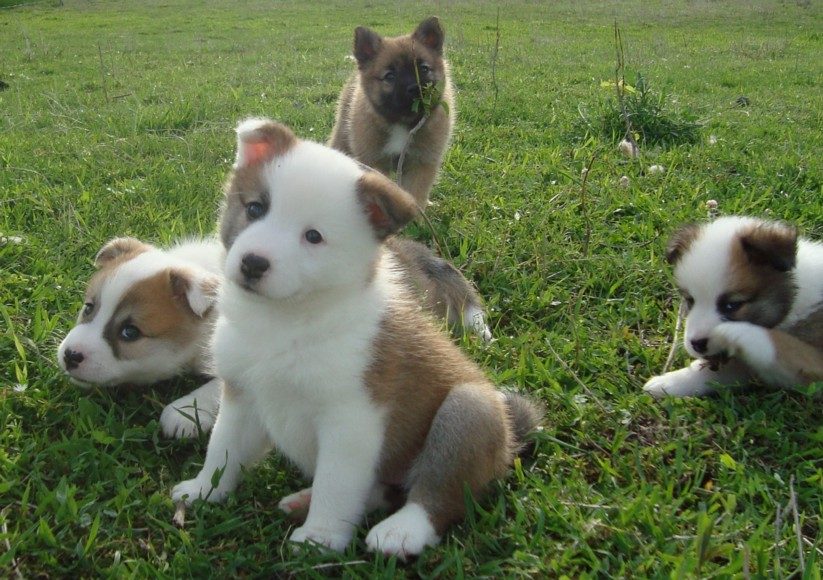
The price for a puppy ranges from 15,000 to 25,000 rubles.
Appearance
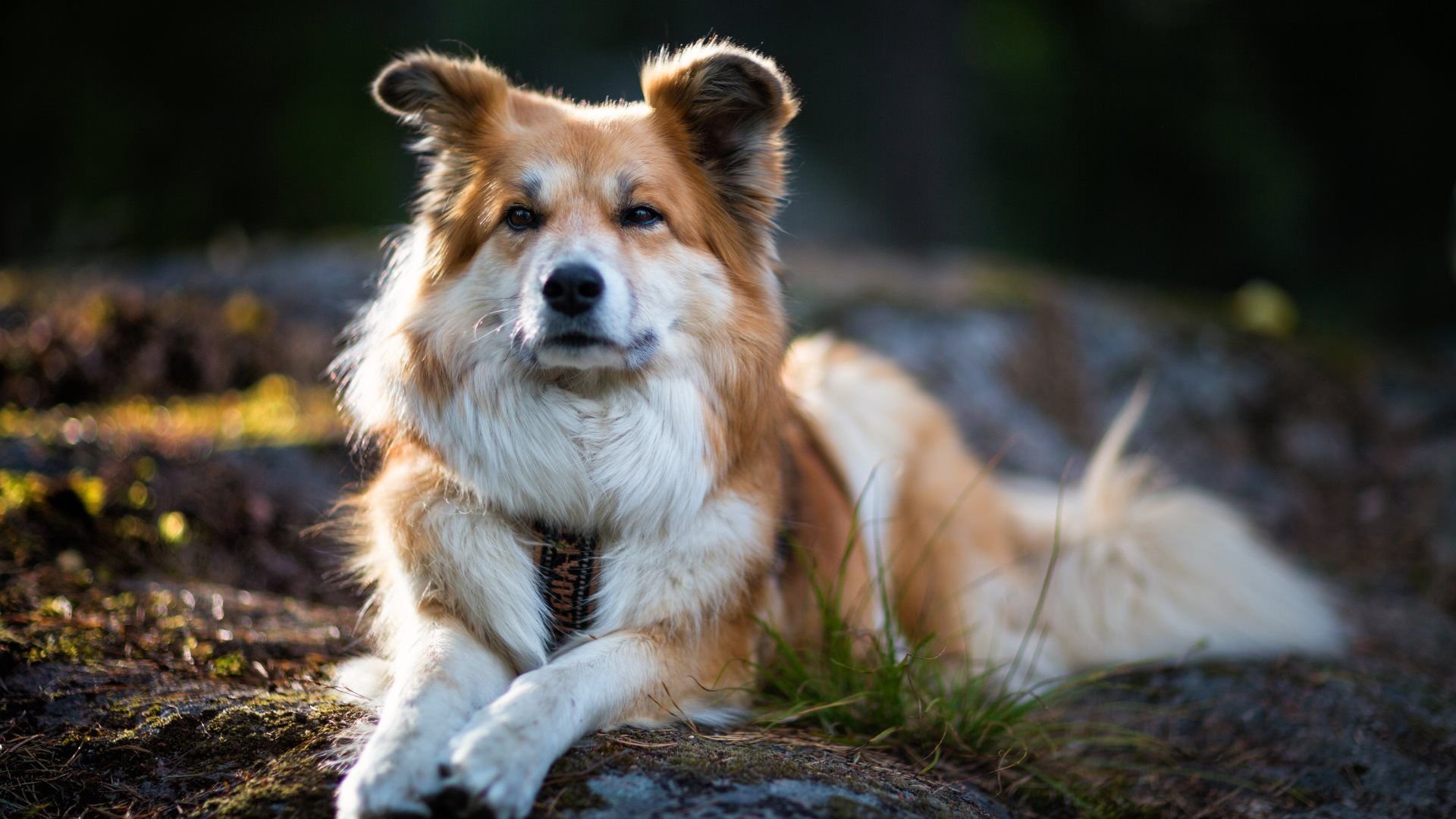
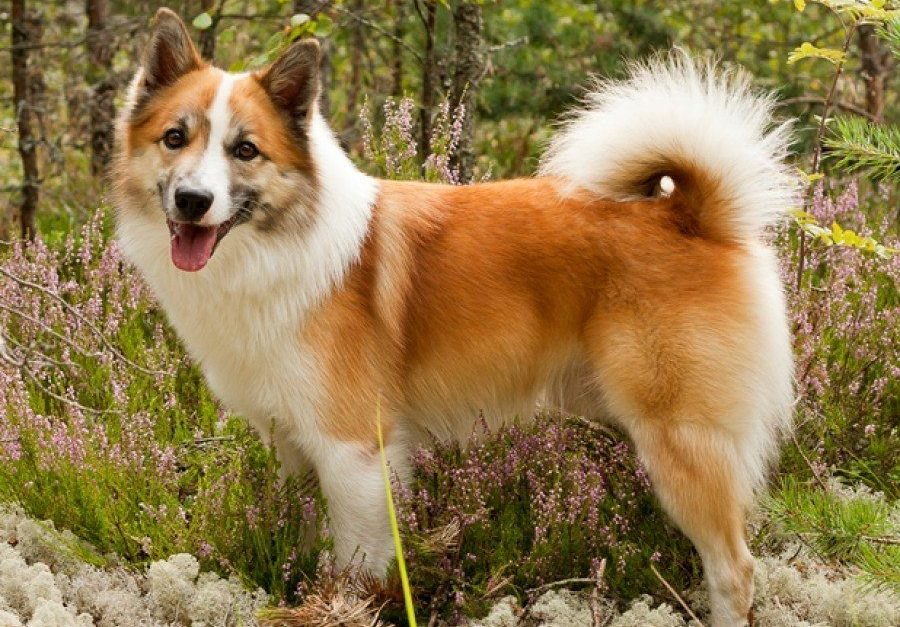
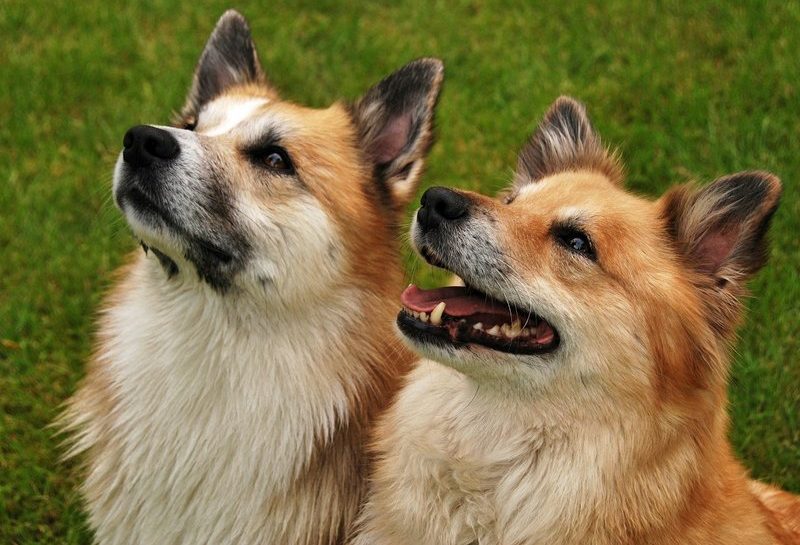
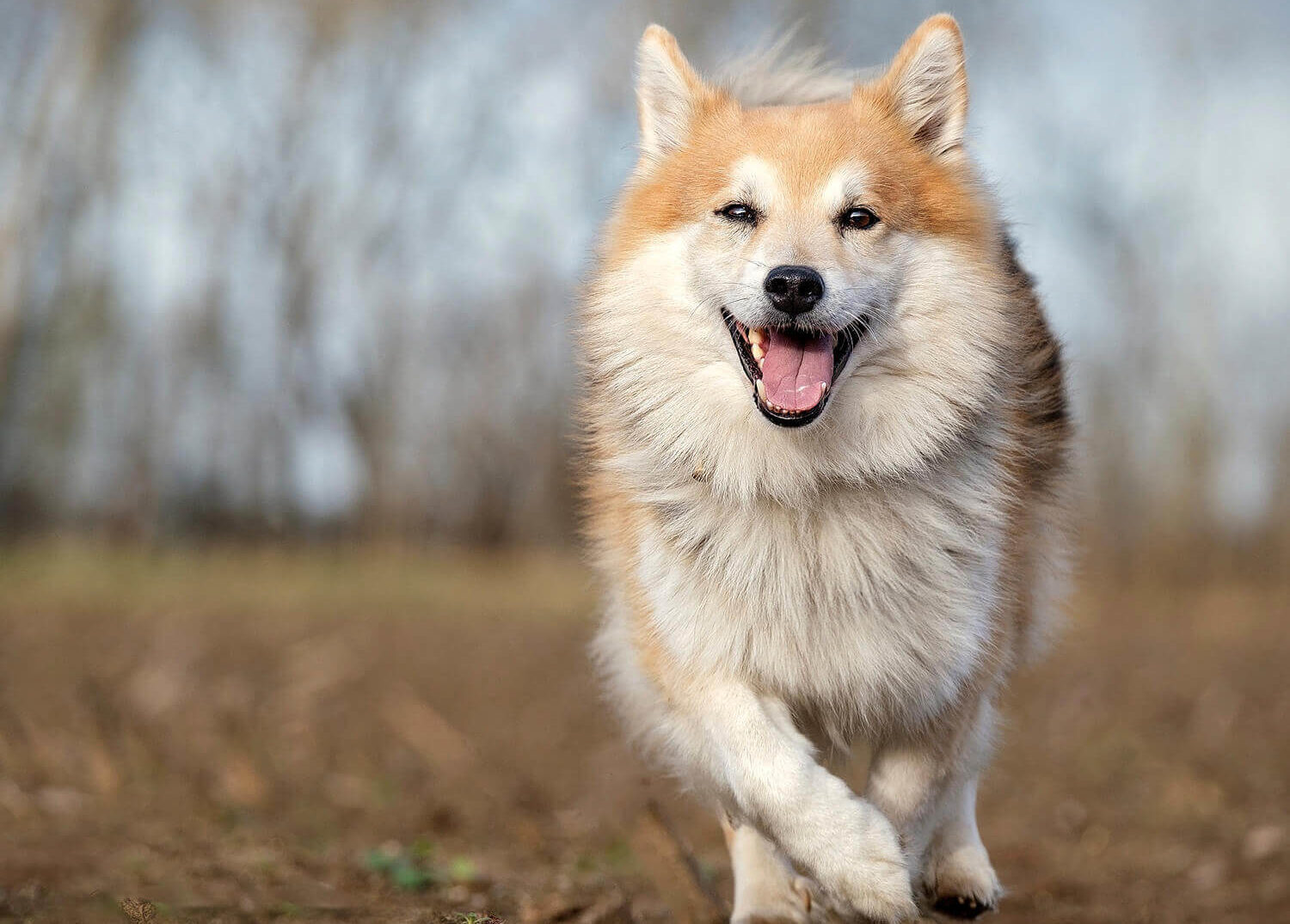
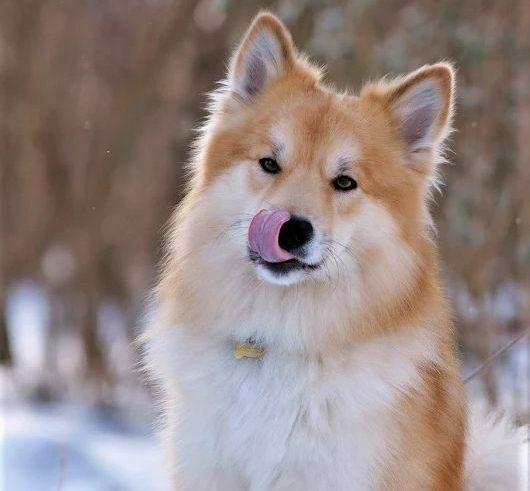
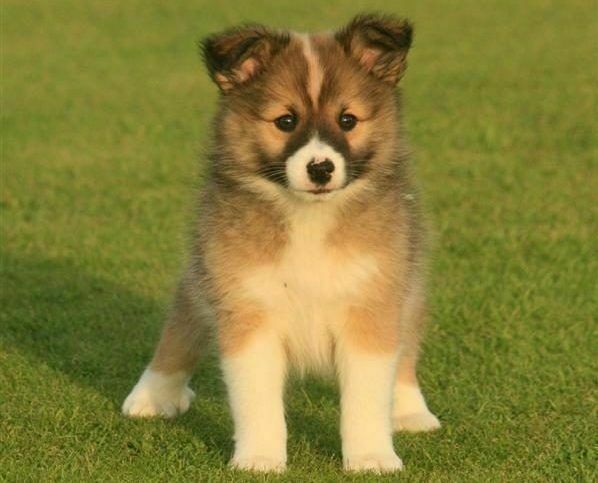
The Icelandic dog is a medium-sized breed with a sturdy and compact build. Their appearance resembles that of spitzes and huskies, combining a muscular physique with graceful movements. This breed has a distinctive curled tail, medium-length ears, and a dense, double coat that provides excellent insulation against cold temperatures. Their gaze is sharp, intelligent, and alert.
The Icelandic dog is also known for its exquisite color palette, which includes various shades of black, white, gray, red, and even golden.
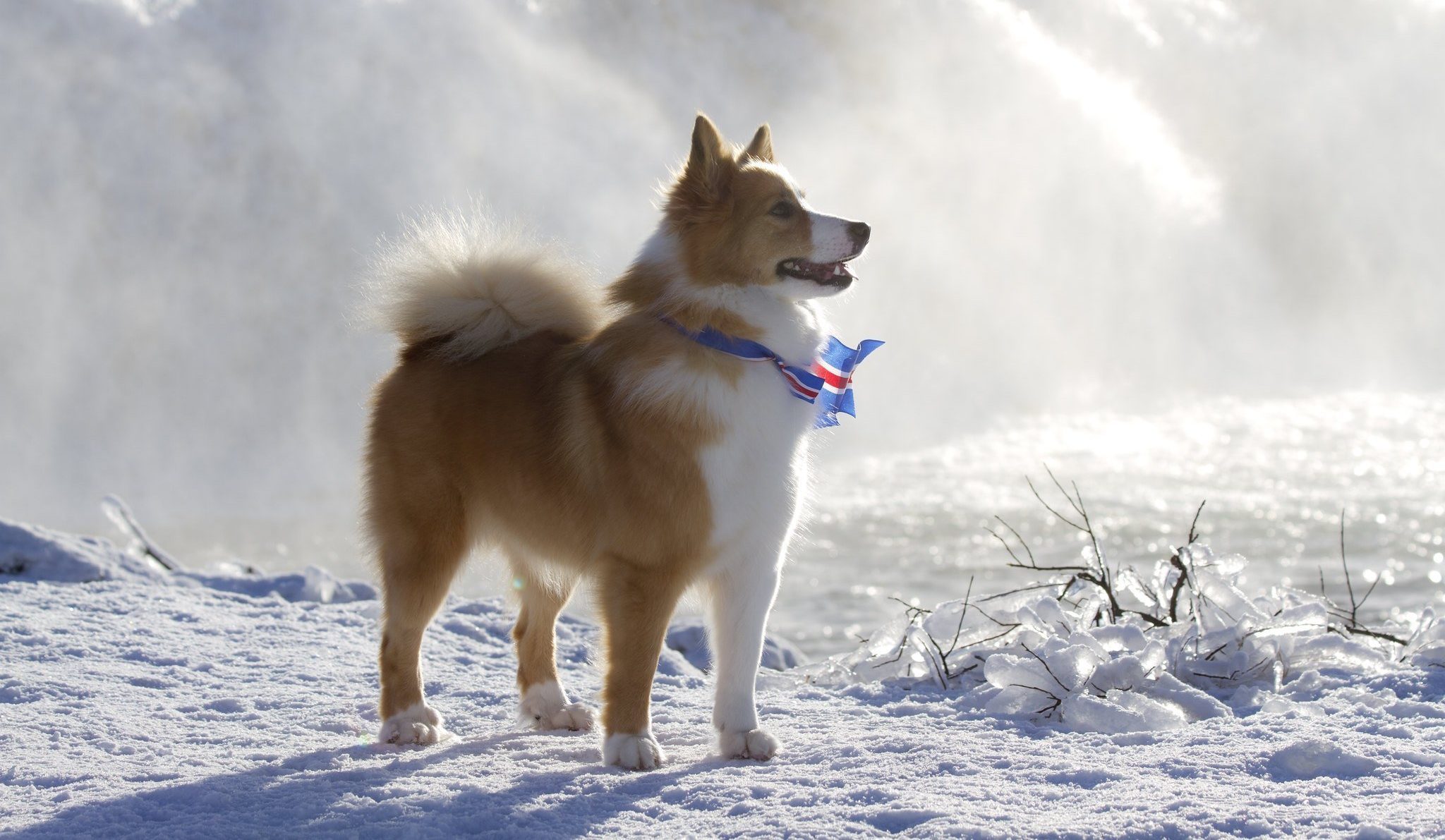
The Icelandic shepherd is a northern herding spitz, slightly smaller than average, strong, with erect ears and a curled tail.
Their expression is gentle, intelligent, and happy. The breed is characterized by a confident and lively posture.
There are two types of coat: short and long, both thick and very weather-resistant. There is a notable difference in appearance between the sexes.
They range from small to medium size: males have a height at the withers of 45 cm, while females are slightly shorter at 40 cm. A healthy adult dog weighs between 9 to 14 kg, with males being heavier.


Отличительные черты

Голова

Морда

Уши

Глаза

Зубы

Корпус

Конечности

Хвост

Шерсть

Окрас
Character
The character of the Icelandic dog is an exciting blend of energy, adaptability, and loyalty. A representative of this breed possesses numerous unique traits that make it an extraordinary companion and a faithful friend.
Icelandic dogs are known for their outstanding intellectual abilities. They were developed in harsh northern climates, which fostered their resourcefulness and survival instincts. These dogs are quick learners and enjoy solving various tasks, making them ideal for active participation in different training programs.
The Icelandic dog is a loyal companion and a loving family member. It strives to be close to its owners and actively participates in their daily lives. These dogs are great with children and become reliable protectors for their families.
Strong and resilient, Icelandic dogs possess remarkable energy. They need active engagement and physical exercise to express their vitality and satisfy their innate need for movement. Playful and enthusiastic, they find joy in running, climbing, and learning new tricks.
These dogs have a well-developed guarding instinct. Being vigilant and courageous, Icelandic dogs provide reliable protection for their homes and families. They can quickly respond to changes in their environment, making them excellent watchdog partners.
Due to their origin and history, Icelandic dogs can exhibit independence in their actions. This makes them unique and allows them to make decisions on their own in unconventional situations.The Icelandic dog is a breed that embodies the best traits of its past, creating a unique combination of service ability, loyalty, and friendliness. Its versatile character makes this breed ideal for various families and owners who value not only the activity and cleverness of their pet but also its sincere love and devotion.
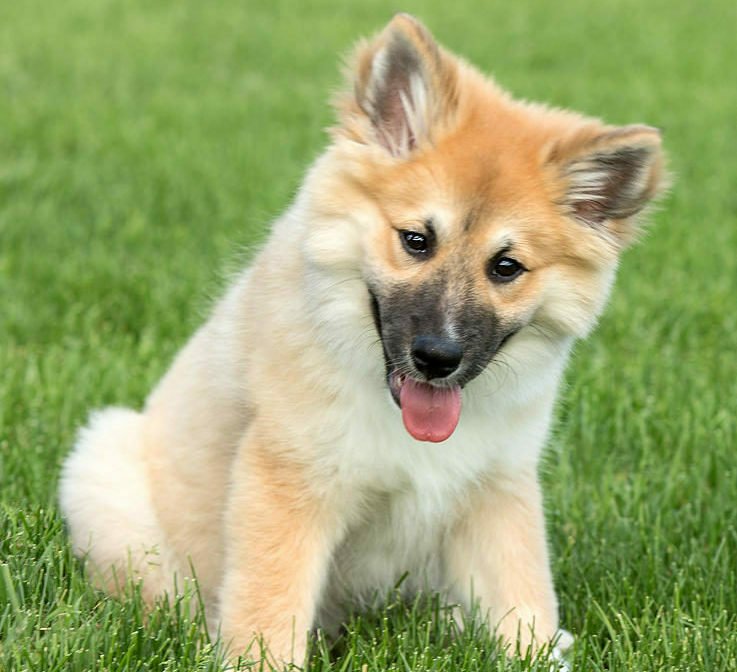
Icelandic dog - companion in Viking raids.
One of the remarkable facts about the Icelandic dog breed is its historical involvement in Viking expeditions. These brave and resilient dogs were loyal companions to the Vikings, accompanying them on long sea voyages and on land. Due to their endurance and ability to adapt to various conditions, Icelandic dogs became an integral part of Viking culture and history.Care and Maintenance
Caring for and maintaining an Icelandic dog requires attentiveness, activity, and love, considering their character and physiological traits. This breed, based on its origins, is an intelligent and energetic dog, and their care should meet their needs.
Icelandic dogs are energetic and resilient animals that require regular physical exercise. Long walks, active play, and time spent outdoors will help keep them in good shape and prevent negative behaviors associated with a lack of activity.
The coat of Icelandic dogs consists of a double layer, with a coarse outer layer and a soft undercoat. Regular brushing will help prevent matting and reduce shedding during seasonal changes. It’s also important to pay attention to hygiene procedures, such as regular cleaning of ears and eyes.
Like many dog breeds, Icelandic dogs can experience dental issues. Regular tooth brushing and providing chew toys will help maintain oral health and prevent tartar buildup.
The Icelandic dog is a friendly and sociable breed that requires socialization. Early exposure to various people, other dogs, and different situations will help them develop into well-balanced and confident individuals.
Icelandic dogs have a high level of intelligence and need mental stimulation. Various games, puzzles, and training will support their cognitive abilities and prevent boredom.Regular veterinary visits are essential for health monitoring, vaccinations, and preventive check-ups. This is also a time for consultations regarding nutrition, additional vaccinations, and other general care issues.Icelandic dogs are sensitive to the cold, so they need adequate protection in colder weather. This may include paw socks, warm blankets, and other measures to maintain a comfortable temperature.Caring for an Icelandic dog is truly a thoughtful process that requires dedication and attention. By providing them with sufficient physical and mental stimulation, proper nutrition, and regular veterinary check-ups, these dogs will be appreciative and loyal companions for many years.
A unique tail is an elegance of appearance.
One of the distinctive features of the Icelandic dog breed is the unique position of the tail. Their tail is set high and held in a curled ring above the back. This exquisite appearance makes them outstanding representatives of purebred dogs and gives them a unique and attractive look. Additionally, the thick fur on the tail enhances their elegance and provides protection against harsh climatic conditions.Training and Education
Training and education of an Icelandic dog is an exciting process grounded in its mental abilities, loyalty, and resilience. This breed has a high intelligence and quick learning capacity, making them excellent students. Here are some key points to consider when training and educating an Icelandic dog.
Icelandic dogs respond best to positive reinforcement. Whether it’s praise, treats, or playtime, it’s important to highlight and encourage desired behavior. This creates a positive experience and motivates the dog to actively participate in training.
Socialization at an early age is a crucial aspect of training an Icelandic dog. It is essential to provide them with numerous opportunities to meet different people, children, other dogs, and various situations. This helps develop a balanced character and allows the dog to adapt to diverse scenarios.
Training and education require consistency and patience. Icelandic dogs, being smart and intellectual, can quickly understand requirements, but it’s important to be consistent in applying commands and rules. Also, considering their lively nature, patience becomes an important quality for successful training.
Icelandic dogs need diverse tasks and mental stimulation. They possess hunting instincts, and games aimed at utilizing this instinct can be extremely effective. Additionally, variety in tricks and commands helps maintain their interest in training.
Each Icelandic dog is unique, and an individualized training approach is key. Some may quickly grasp new commands, while others may require more time and patience. Adapting training methods to the individual needs of the dog ensures more successful results.It is important that training is not associated with negative emotions for the Icelandic dog. Maintain a positive experience by helping the dog understand that following commands brings joy and satisfaction.All these aspects contribute to a successful and effective training process for the Icelandic dog. The intelligence and loyalty of this breed make them not only wonderful companions but also excellent students ready to engage in various exciting training activities.Icelandic dogs are smart, energetic, and strong-willed, making them easy to train. They work best with positive reinforcement and other reward-based approaches. Avoid harsh actions or training methods, as they may not respond well to them.They enjoy the attention they receive from their family, so they are likely to follow your commands. Train them as early as possible to lay a solid foundation.Icelandic sheepdogs love long walks or hikes. Daily moderate exer
Susceptibility to cognitive training
Icelandic dogs, in addition to their exquisite appearance and historical significance, also stand out for their high intelligence and receptiveness to training. These clever dogs quickly learn new commands, tricks, and tasks, making them ideal for various intellectual exercises. Mind-stimulating games not only maintain their physical activity but also fulfill their intellectual needs.
How to Choose a Puppy
Choosing a puppy of the Icelandic Sheepdog breed is an important step that requires careful and considered attention. This breed has unique personality traits and physical characteristics, and making the right choice can lead to an extraordinary life together. Here are a few key points to consider when selecting an Icelandic Sheepdog puppy.
The first step in choosing an Icelandic Sheepdog puppy is to thoroughly research the breed. Familiarize yourself with their temperament, physical traits, grooming needs, and breed standards. This will help you better understand whether this type of dog fits your lifestyle and expectations.
Choosing a reliable breeder is a crucial step. Look for professionals with a good reputation and positive reviews. Communicating with the breeder will allow you to ask questions, learn more about the puppy’s parents, their living conditions, and upbringing methods.
The health of the puppy is a priority. Make sure the breeder conducts regular health check-ups for both the parents and the puppies. Ask for information about vaccinations, deworming, and other veterinary procedures. A healthy start in life is the foundation for a long and happy life together.
Observe the personality and behavior of the puppies. Icelandic Sheepdogs have distinct personalities, and even at a young age, you can notice individual traits. Playfulness, curiosity, and sociability are signs of a healthy and balanced puppy.
Clarify your expectations regarding your future pet. If you are looking for an active companion, be sure to spend time with the puppy, playing and interacting with it. If exhibition or working qualities are important to you, discuss this with the breeder and choose a suitable puppy.Pay attention to small details, such as the condition of the fur, the cleanliness of the ears and eyes. A healthy puppy should look active and well-groomed. Also, clarify if there are any specifics you should know about the puppy.If possible, meet the puppy’s parents. This can give you insight into the future character and appearance of the puppy. Additionally, interacting with the parents can help you assess the conditions in which the dogs are raised.Choosing an Icelandic Sheepdog puppy is an individual process that requires time and attention. Remember that your choice will impact many years of life together, so investing effort in making the right choice is worthwhile. Find out how to do so at ZooNika and get an excellent pet.
Health and Diseases
Caring for the health of an Icelandic dog is not just about prevention; it is also an expression of care and love for this loyal four-legged companion. The breed generally has good health, but like all dogs, they are susceptible to certain illnesses and require attentive medical care.
Prevention and Care:
Regular Veterinary Check-Ups: Regular visits to the veterinarian are a fundamental part of caring for the health of an Icelandic dog. The vet will conduct an examination, update vaccinations, and help identify problems early on.
Proper Nutrition: Balanced and high-quality nutrition plays a key role in the overall health of the dog. The Icelandic dog, like many other breeds, requires high-quality proteins, vitamins, and minerals.
Physical Activity: Icelandic dogs are active and energetic, and regular physical activity helps keep them in good shape. Walks, running, and play are all ways to maintain your dog’s health.
Dental Care: Taking care of the teeth is important for preventing oral diseases. Regular tooth brushing and providing chew toys can help maintain healthy teeth and gums.Common Diseases:Hip Dysplasia: This condition is common in many medium and large breeds, including Icelandic dogs. It is related to improper development of the hip joint, which can lead to pain and restricted movement. Regular check-ups and weight management can help manage this condition.Breed-Specific Amyloidosis: This genetic disease is associated with the accumulation of amyloid in organs such as the liver and kidneys. Testing the parents before breeding and regular veterinary check-ups can help identify this condition early.Glaucoma: Increased pressure inside the eye can be an issue for Icelandic dogs. Regular veterinary examinations can help with timely detection and management of this disease.Allergies: Icelandic dogs may be prone to allergies from food, environmental substances, or flea bites. Careful monitoring of changes in behavior and skin condition can help detect allergies promptly.Caring for the health of an Icelandic dog requires attention, knowledge, and regular medical ove
Содержание
-
1. Описание породы
-
2. Внешний вид
- 2.1 Голова
- 2.2 Морда
- 2.3 Уши
- 2.4 Глаза
- 2.5 Зубы
- 2.6 Корпус
- 2.7 Конечности
- 2.8 Хвост
- 2.9 Шерсть
- 2.10 Окрас
-
3. Характер
-
4. Содержание и уход
-
5. Дрессировка и обучение
-
6. Как выбрать котенка
-
7. Здоровье и болезни






Comments
Only registered users can leave reviews.
Enter