
Hokkaido





Warning: Illegal string offset 'label' in /home/panda/sites/zoonika/wp-content/themes/zoonika/template-parts/animals/animals-param-item.php on line 32
Ð


Breed Description
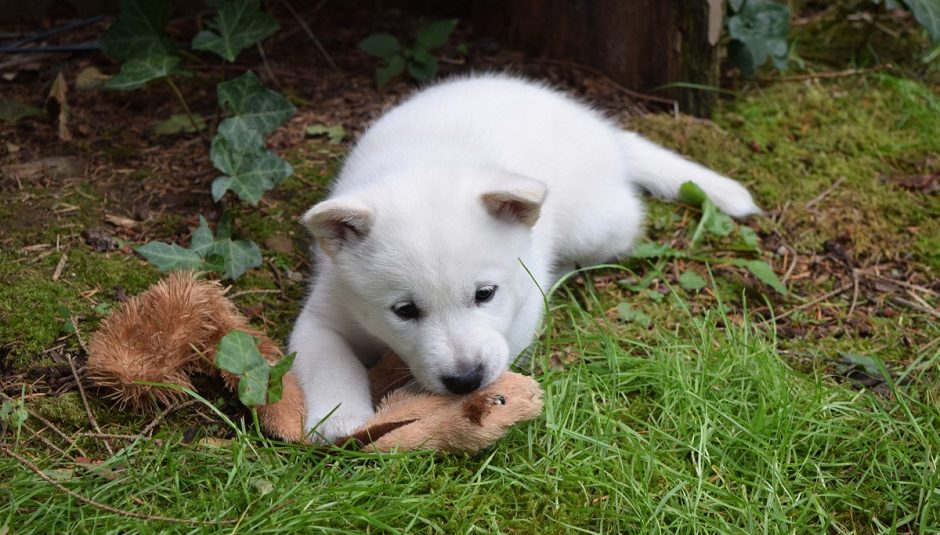
Hokkaido is an ancient dog breed from Japan. It is also known as “Ainu-ken,” “Seta,” and “Ainu dog.” The name Hokkaido comes from the prefecture in the northwest of Japan around the city of Odate, which is still considered a dog city in Japan. Hokkaido is the largest of the six Japanese dog breeds recognized by the FCI. This breed is believed to have originated from medium-sized Japanese dogs that accompanied emigrants from the Japanese island of Honshu to Hokkaido during the Kamakura period (around 1140 AD).
In 1937, the Ainu dog was designated as a “Natural Monument” in Japan, named after its place of origin, Hokkaido. Since ancient times, these dogs have been bred for hunting bears and other game. Their robust nature allows them to survive in harsh cold conditions and heavy snowfall. Hokkaidos respond quickly to situations and have high endurance.
By 1964, the breed was officially recognized by the FГ©dГ©ration Cynologique Internationale (FCI). In Russia, there are virtually no litters of this dog breed, and in Japan’s northern island, it is represented in only small numbers and is quite rare.
The Hokkaido dog is an extremely rare and unique breed, officially recognized by the Japanese as a natural monument. The cost of a Hokkaido dog ranges from 160,000 to 200,000 rubles.
Appearance
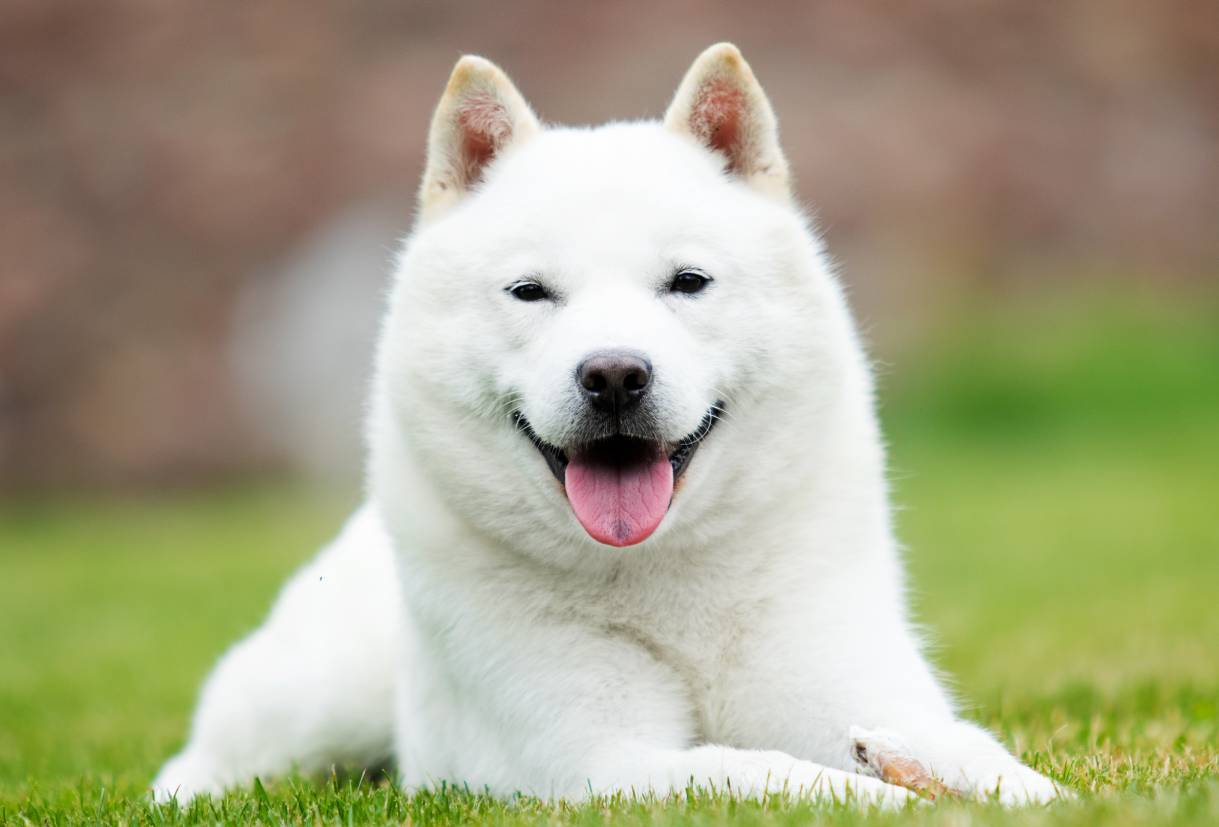
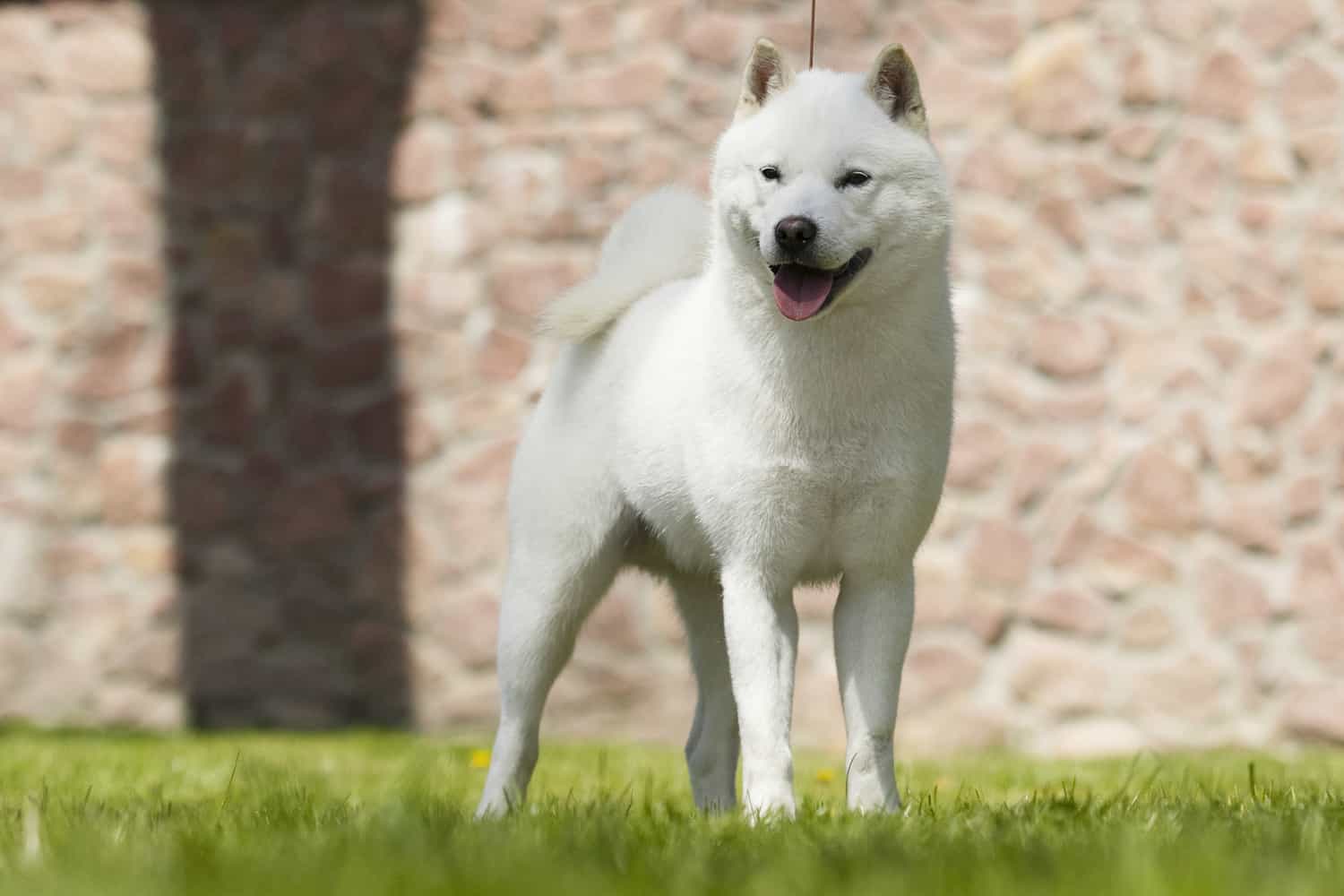
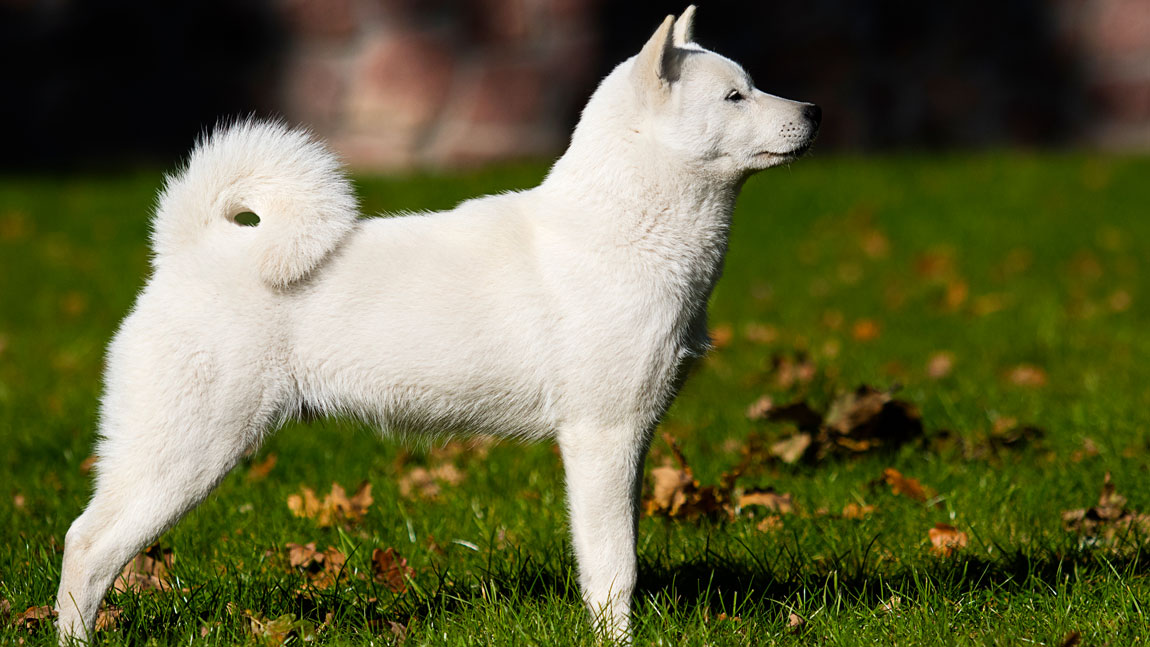
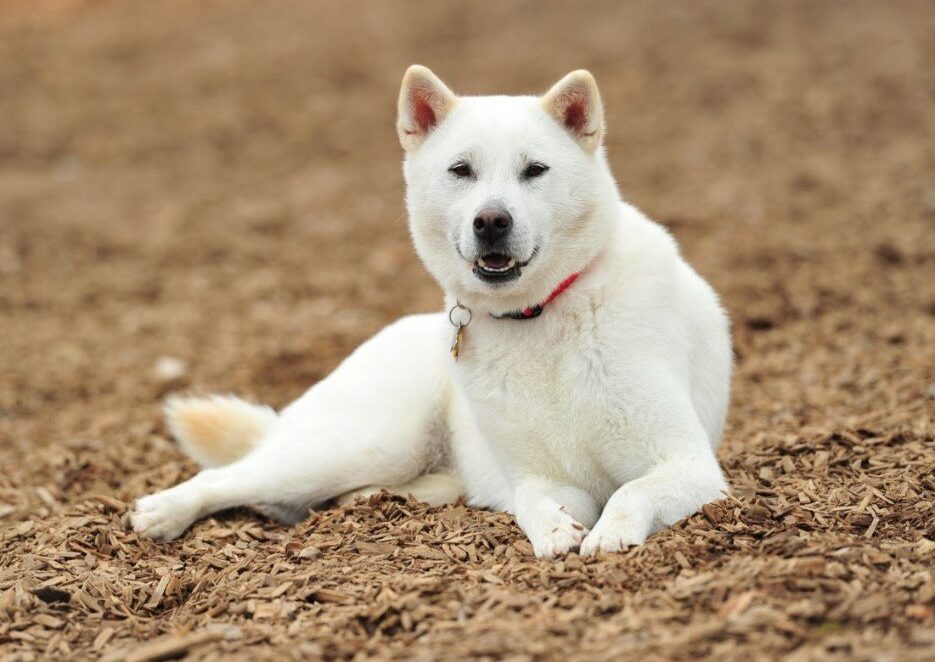
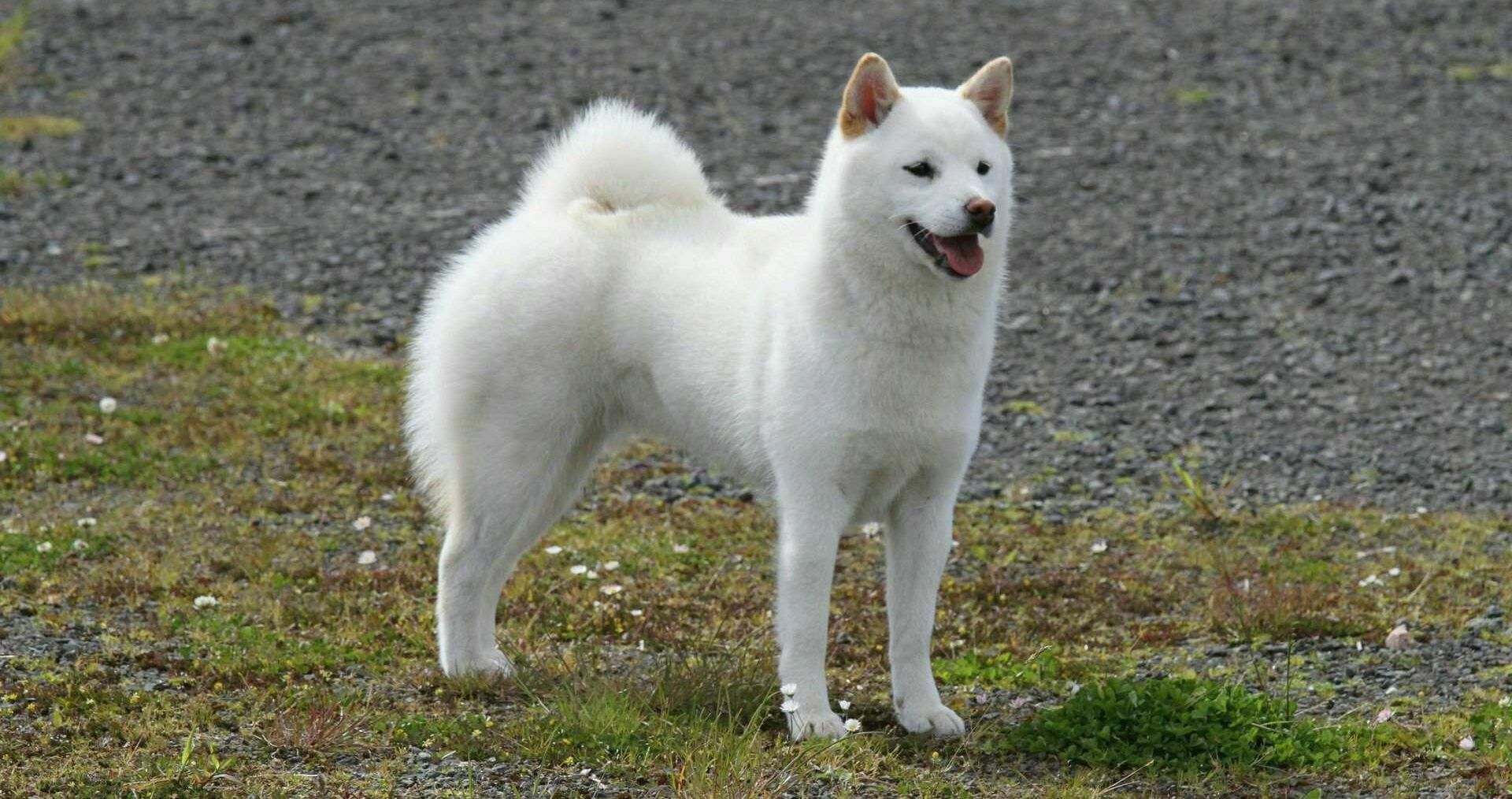
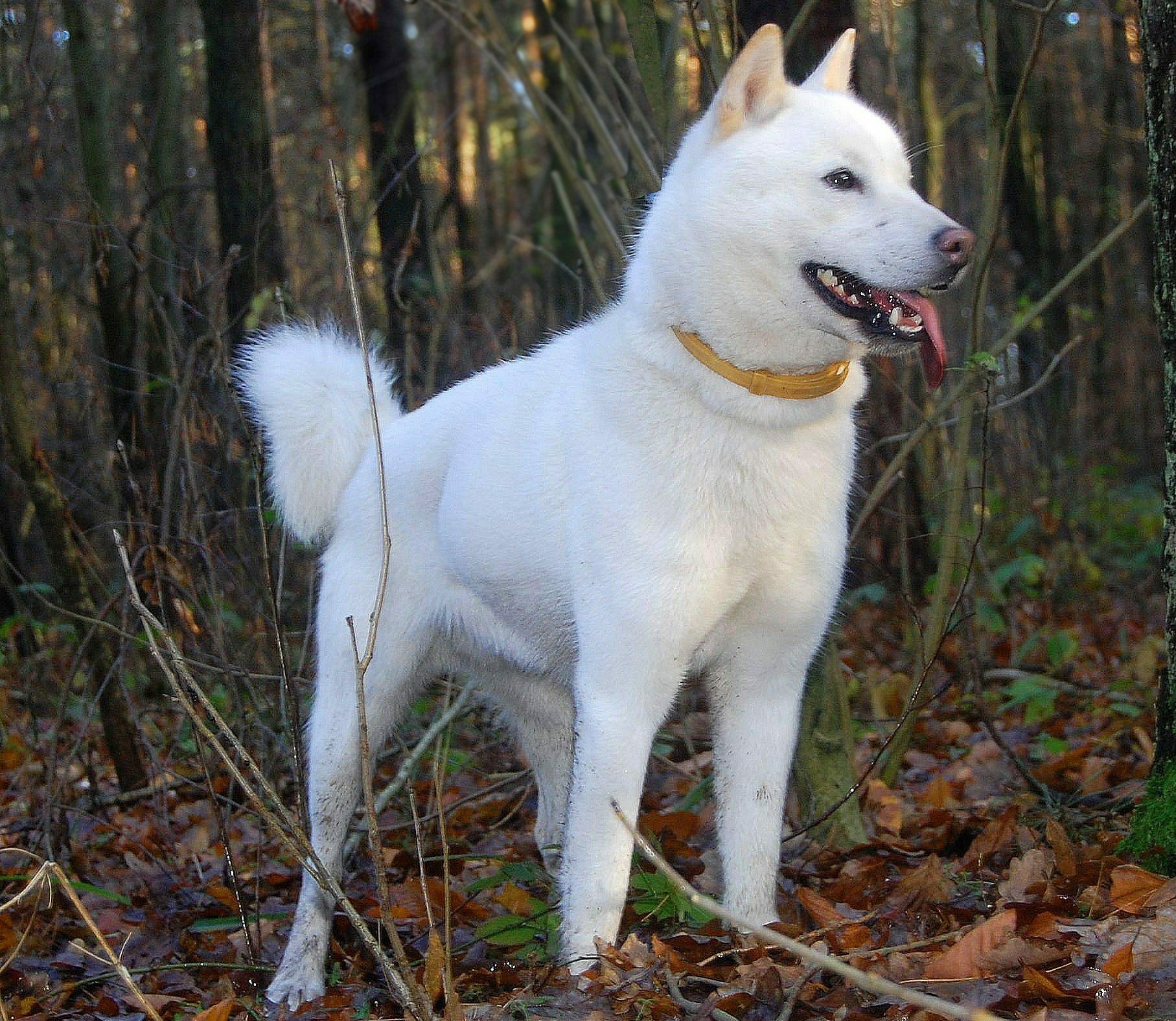
The Ainu is an ancient dog from northern Japan, extremely rare, resembling a smaller and stronger Akita Inu, often found in Europe. The Hokkaido dog is a stately, lively breed with incredible confidence. It possesses the calm and elevated charm characteristic of Japanese dogs. The official standard describes it as: “A medium-sized dog of even proportions, with a strong bone structure and powerful body, exhibiting clear gender characteristics. The muscles are well-developed and defined.”
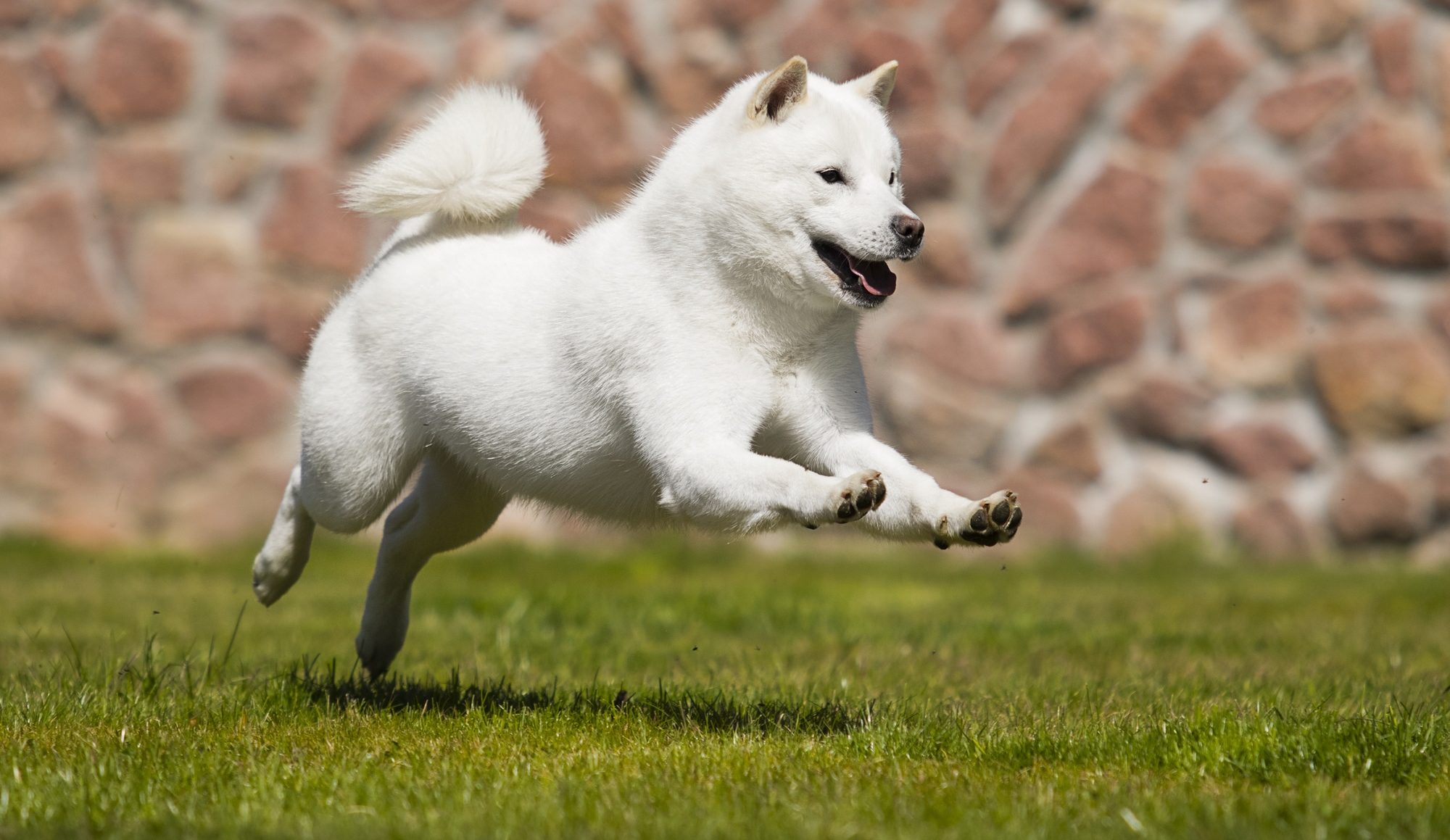
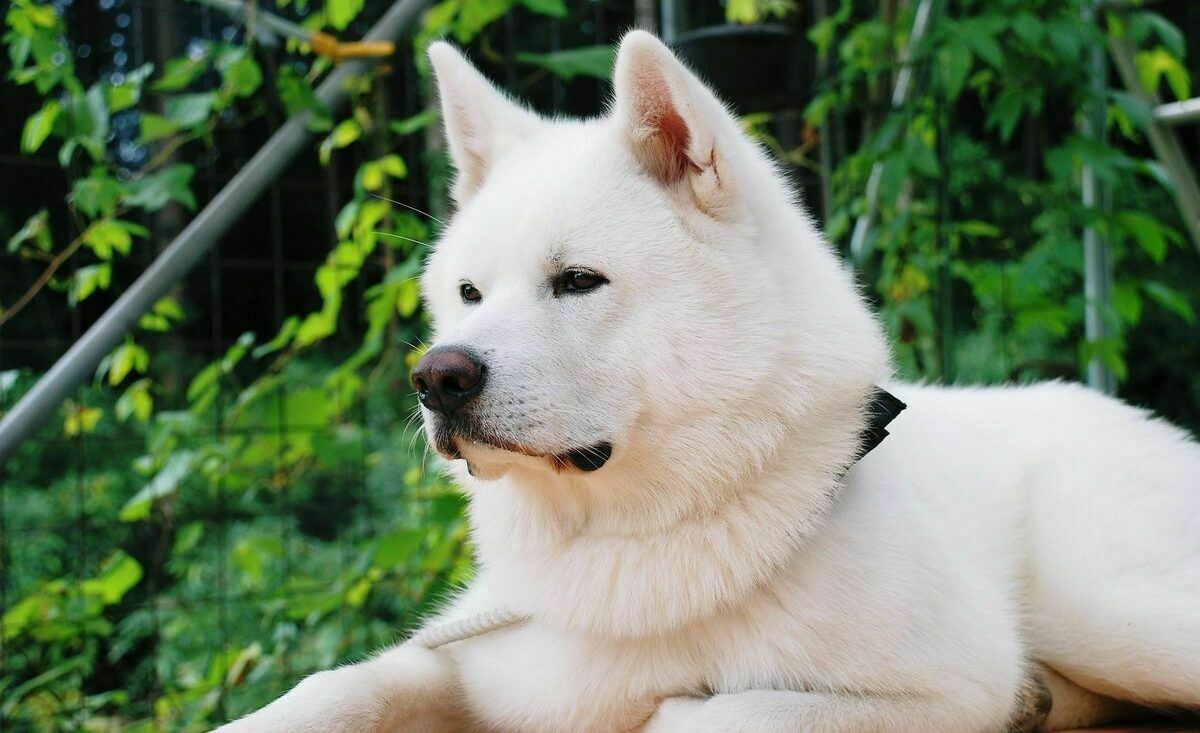
It has a proportional but not overburdened physique, reminiscent of natural grace without excess. Its appearance is wolf-like, especially marked by its head. The coat is dense, with a stiff and straight outer layer and a soft, thick undercoat. The fur on the tail is quite long, standing upright, while the tail itself is curled over the back. The Hokkaido dog can come in various colors such as sesame, brindle, red, black, black and tan, and white.
It measures between 45 to 62 cm. There is no statistical data on the lifespan of the Hokkaido dog. Preliminary data suggests that adult individuals may reach up to 12 years of age.


Отличительные черты

Голова

Морда

Уши

Глаза

Зубы

Корпус

Конечности

Хвост

Шерсть

Окрас
Character
The Hokkaido is an independent, self-assured dog. It belongs to the “lone dog” type, as described by Nobel laureate Konrad Lorenz. The owner must first earn its recognition. The temperament of the Hokkaido dog is quite similar to that of other Japanese breeds, particularly the Akita Inu, which was used for many years as a working dog on the northern Japanese island. There is little documentation and reports about this extremely rare dog. The official standard summarizes it as: “Remarkably persistent, natural, and distinct in behavior. Devoted by temperament, adaptable, very vibrant, and bold. Also characterized by common sense and vitality.”
The Hokkaido requires an experienced owner with a rich background in dog training. Cooperation with such a breed, based on mutual respect and understanding, will be a special gift and unique experience. The character of the Hokkaido impresses with its strong and independent nature, shaped by the harsh climate and demanding roles of hunting assistants on Hokkaido Island, Japan.
The breed is also characterized by its independence. They possess a strong spirit and often display leadership qualities. This independence makes them excellent hunters and work partners since they can make decisions and act according to circumstances on their own.
Hokkaidos have a high level of intelligence and deep understanding. They quickly grasp commands and instructions, easily adapt to various situations, and show ingenuity in problem-solving. Hokkaidos are very perceptive and often demonstrate a creative approach to challenges.
Despite their independence, these dogs are extremely loyal and remain devoted to their owners until the end. They develop a deep emotional bond with family members and are ready to protect them in any circumstance. This loyalty makes them ideal companions and friends for the whole family.
Hokkaidos are known for their bravery and determination. They are not afraid to face difficulties and are ready to overcome any obstacles to achieve their goals. This courage makes them excellent partners in hunting and other activities.An important character trait of Hokkaidos is their caution and vigilance. They always approach unfamiliar situations and people with care, making them great watchdogs and family protectors.The vocal nature of Hokkaidos allows them to make a wide range of sounds. While they may bark at passersby and other animals, their true vocal range is revealed when they are excited or happy. Be prepared for this expressive breed to let out a loud howl in such moments! Fully devoted to their family, the Hokkaido dog wants what it wants. If the dog no longer wants to play, it will stop.Their instinctual behaviors related to hunting and prey searching can hinder them from being around other animals and unfamiliar people, but good training can help. They are oriented toward pack behavior, which drives them to protect every family member they are connected with.Despite their medium size and weight, Hokkaidos are suitable for any living space. Whether you
Too independent
Hokkaido dogs can show loyalty and affection to their owners, but they also possess a strong and independent character. This makes them excellent companions for active people who can provide them with enough physical and mental stimulation.Care and Maintenance
Hokkaido dogs, originating from the harsh climate of Japan’s northern island, require special care and attention. Hokkaido is a relatively rare dog breed worldwide, so any potential owner should consider its maintenance before bringing one home. If the dog is acquired as a puppy, it has much to learn about the surrounding world, but proper nutrition, training, and care are crucial. Take these care tips into account to help your pet live its best life.
Hokkaido dogs are energetic and active pets that need a significant amount of physical activity every day. Daily walks, playtime, and the opportunity to run around freely are essential for maintaining their excellent physical condition and overall health.
While Hokkaido dogs are loyal to their owners, they may be wary of strangers and other dogs. Therefore, early socialization plays an important role. It is important to introduce them to different people, other dogs, and various situations so they can develop confidence and feel comfortable in different environments.
Hokkaido dogs make excellent companions for nearly any family! Whether you live alone or have a big family with many children, Hokkaido dogs adapt well. If they grow up with small children, they easily bond with them and are devoted to their loved ones.
As with any breed, take the time to teach young children how to play properly with this dog. The weight of a Hokkaido gives it significant bulk, and children who play too rough can put both their pets and themselves at risk.
Hokkaido dogs are intelligent dogs with strong personalities. They respond well to positive training methods, such as rewards and praise. Structured training will help them learn basic commands and develop disciplined behavior.The coat of a Hokkaido requires regular grooming, especially during seasonal shedding periods. Daily brushing will help minimize shedding hair and prevent matting. Professional grooming services can also be utilized as needed. The coat has dirt- and water-repellent properties, making it easy to care for. They shed their undercoat twice a year, with most of the thick undercoat coming out, particularly after winter. During shedding season, frequent brushing is a must as Hokkaido dogs lose a lot of hair, which can last from 2 to 4 weeks.The beautiful coat colors of Hokkaido – black, white, brindle, red, fawn, and sesame – are a striking sight, requiring regular grooming. Their fur is incredibly thick and needs to be brushed at least twice a week to prevent matting. They go through two shedding periods each year, which requires additional care.When it comes to bathing, don’t be surprised if your Hokkaido dog resists it. Because their fur is very th
Historical Origin
Hokkaido dogs originate from Japan, where they were bred by the Ainu, the indigenous people of Hokkaido Island. This breed has ancient roots and is considered one of the oldest among Japanese breeds. The Ainu used Hokkaido dogs as reliable helpers in hunting bears and other game. Their unique ability to adapt to the harsh climatic conditions of Hokkaido made them indispensable in their work.Training and Education
Keeping a Hokkaido is easy for an experienced dog owner. However, it’s essential to understand the nature of Ainu dogs and to train and guide them consistently. The Hokkaido, perhaps even more than other Japanese breeds, requires a high level of personal space. It is both self-confident and strong.
The Hokkaido dog is not favored by everyone. They are not particularly interested in other dogs, and if they are, it is usually with the intent to dominate, especially among males. The hunting instinct in Hokkaidos is still very much alive. This means that walks can become stressful without proper parental control. Even well-behaved dogs may need to be leashed depending on their individual traits. Hokkaidos tend to develop a strong protective instinct toward their family, which should never be unchecked. The owner must take responsibility and be the one to determine what needs to be “protected,” when, and how. They are excellent guard dogs that enjoy taking the offensive. Their strong independence and natural self-confidence require considerable patience and dog training experience. Therefore, Hokkaidos are not suited for beginners. Hokkaidos are very attentive and intelligent, understanding what is expected of them. They are also willing to comply if there is a strong connection between the dog and the owner. You cannot just tolerate their stubbornness; you truly need to appreciate it to be happy with them. Once such harmonious relations are established and the que
Hokkaidos are easily trainable, partly due to their intelligence. Their pack mentality can make them a bit stubborn, but it also allows them to understand the hierarchy within the home. If you want this dog to be obedient, you must assert yourself as the alpha from the very beginning.
Even with special training, they should always be treated with kindness rather than aggression (unless an unfamiliar person wants their behavior directed specifically at them).
With the ability to adapt to any environment, Hokkaidos are quite active dogs that need time and space for exercise. With a lifespan of 12-15 years, they should be taken to places where they can run, play, and engage in sports. They will be happy in any home-even in an apartment-if you take the time to go outside with them for open and free exercise.
Active owners are best suited for Hokkaidos-they love to accompany on hiking and camping trips. They excel in endurance sports like weight pulling or dock diving. Even puppies that never learn to love bathing often excel at swimming later.Members of this breed respond excellently to positive training methods, including praise, encouragement, and rewards. An approach based on love and patience helps them better understand the desired behaviors and motivates them to cooperate.Hokkaidos are intelligent and intellectually developed dogs that enjoy obeying various commands and exercises. Structured training that includes repetition, gradual complexity, and systematic practice helps them better grasp the material.From an early age, Hokkaido puppies should be exposed to various situations, people, and other animals to successfully adapt to diverse environments and conditions. Regular walks in public spaces, interactions with friendly dogs, and socializing with different people foster their social skills.One important factor to consider when working with Hokkaido puppies (as opposed to adult dogs) is their initial introduction to essential care and socialization aspects.
A strong survival instinct.
Hokkaido dogs are known for their strong survival instincts, which have evolved through natural selection over many generations. They possess a high degree of independence and skills in hunting large animals such as bears and deer. This remarkable instinct makes them appealing to those who value a strong and reliable partner.
How to Choose a Puppy
Acquiring a Hokkaido puppy requires careful planning. It’s important to ensure that this independent dog fits your lifestyle. However, obtaining a Hokkaido puppy in Europe can be challenging.
Choosing the right Hokkaido puppy is a responsible step that requires thorough analysis. Before starting your search, study the breed’s characteristics: their temperament, care needs, size, and activity level. This will help determine if this breed is suitable for you and your lifestyle.
Selecting a reputable breeder is a key factor. The Zounika portal has a list of verified breeders from Russia. Before visiting a kennel, learn about the breeder’s reputation, experience, and methods of dog breeding.
When choosing a Hokkaido puppy, pay attention to its health. A healthy puppy will be active, have a good appetite, and a bright look. Look for signs of illness or hereditary issues.
If possible, meet the puppy’s parents to assess their temperament and appearance, which may give you an idea of what your future pet will be like.
Ensure that the puppy has all necessary documents confirming its pedigree and health.Have a trial meeting with the puppy to evaluate its character and how it interacts with you and your family.Choosing a Hokkaido puppy is a serious decision that requires time and careful consideration. By following the steps of selection, you can find the perfect pet that will be a loyal friend to your family for many years.If a Hokkaido isn’t the right fit for you, consider other breeds, such as the Japanese Spitz, Shiba Inu, or Akita. Zounika is the best place to browse through a multitude of listings.
Health and Diseases
Hokkaido dogs are prone to various diseases and conditions that need to be considered for maintaining their health. Here are the most common diseases in this breed:
Hip Dysplasia (HD). This disorder is associated with the improper development of joints, which can lead to pain, limping, and restricted mobility. Hokkaido dogs have a predisposition to this condition, so it’s important to have them regularly checked for HD.
Allergies. Hokkaido dogs may suffer from allergic reactions to various allergens, such as dust, pollen, food ingredients, or environmental substances. Allergy symptoms can include itching, rashes, rough skin, and even breathing issues.
Epilepsy. Some Hokkaido dogs are prone to epileptic seizures, which manifest as involuntary convulsions and loss of consciousness. Epilepsy can be managed with medication but requires careful monitoring and care from the owner.
Glaucoma. This condition is characterized by increased pressure in the eyes, which can lead to vision loss and serious complications. Regular veterinary visits to check eye pressure can help detect and manage this condition.
Dermatitis. Due to their dense fur, Hokkaido dogs may encounter various skin issues, such as dermatitis and inflammation. Regular grooming, proper nutrition, and avoiding allergens can reduce the risk of these problems.Heart Diseases. Some individuals of the breed may be susceptible to heart diseases, such as mitral stenosis or arrhythmias. Regular veterinary visits for audio and electrocardiographic examinations can help identify and manage such conditions.It is important to remember that Hokkaido dogs have a predisposition to various diseases, and good care along with regular veterinary visits can help prevent or minimize the risk of their occurrence.
Содержание
-
1. Описание породы
-
2. Внешний вид
- 2.1 Голова
- 2.2 Морда
- 2.3 Уши
- 2.4 Глаза
- 2.5 Зубы
- 2.6 Корпус
- 2.7 Конечности
- 2.8 Хвост
- 2.9 Шерсть
- 2.10 Окрас
-
3. Характер
-
4. Содержание и уход
-
5. Дрессировка и обучение
-
6. Как выбрать котенка
-
7. Здоровье и болезни






Comments
Only registered users can leave reviews.
Enter