
Havanese Bichon





Warning: Illegal string offset 'label' in /home/panda/sites/zoonika/wp-content/themes/zoonika/template-parts/animals/animals-param-item.php on line 32
Ð


Breed Description
The Havana Bichon, originating from an ancient family of guide dogs collectively known as bichons, has roots that can be traced back to antiquity with remarkable clarity. In the port cities of the Mediterranean, they were cherished companions of women from elite families and were considered valuable gifts. Aristotle described the “Melitaean dog of remarkably small size” over 2400 years ago. Numerous other inscriptions and artworks, such as a vase painting dating back to 100 BC and stone sculptures, testify to the existence and high regard for these small dogs since ancient times.
Bichons are small dogs from the ancient Mediterranean region, which at that time saw the global exchange of cultures from Egypt, Greece, and Rome. Meanwhile, similar dogs existed in China, Japan, and among the Incas. While they have coexisted, they are not closely related to bichons. Clearly, people recognized the need for a companion dog across various cultures very early on. The Havana breed is closely related to the Maltese breed, which has pure white fur. However, unlike the Maltese, the Havana breed can have a variety of coat colors and is often slightly larger than other bichons.
Bichons, like companions of wealthy women, arrived in the New World with Spanish conquistadors. In Cuba, they gained some notoriety and were later named “Havana” in honor of the capital. However, these dogs became extinct in Cuba long ago. For about 40 years, Havana breeds have been purposefully bred again.
The Havana breed is also related to the Maltese. In ancient history, these lively small indoor dogs, which did not perform any practical tasks, were sold by sea traders worldwide because they were popular companions for royalty and aristocrats. They became the pet choice of Cuban aristocrats and wealthy planters, named after the capital Havana, where the breed gained popularity.
They are docile, easy to train, intelligent, and eager to please, making them good at tricks and preferred for circus acts. With their cheerful and loving temperament, they get along wonderfully with children and excel in obedience and agility. The Havana breed is an amazing therapy dog due to its gentle nature and can easily fit into anyone’s lap.
The price of a puppy is between 30,000 to 60,000 rubles.
Appearance
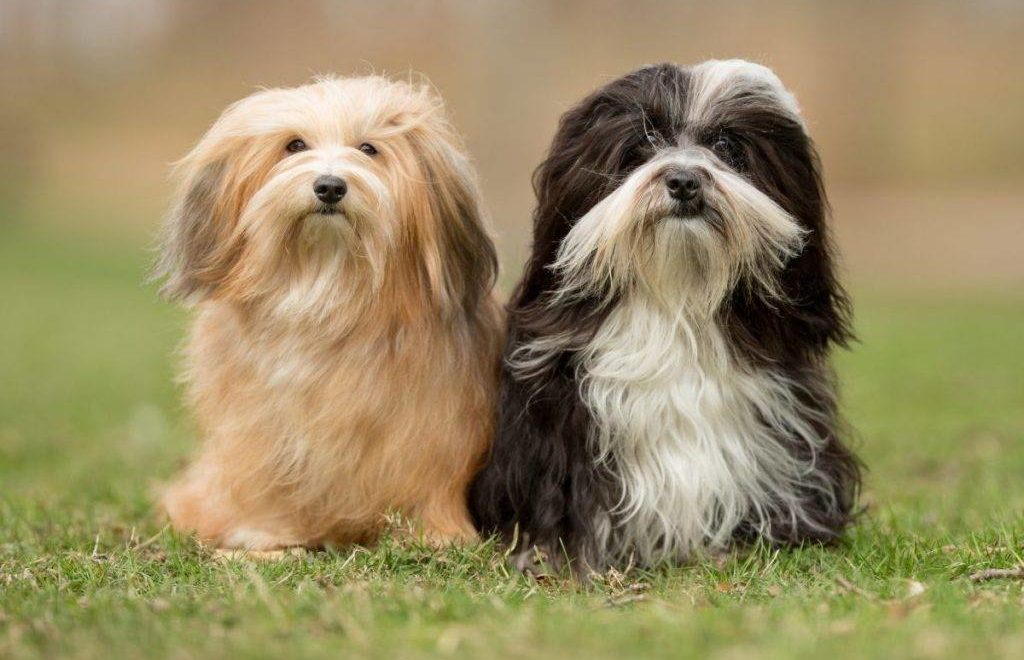
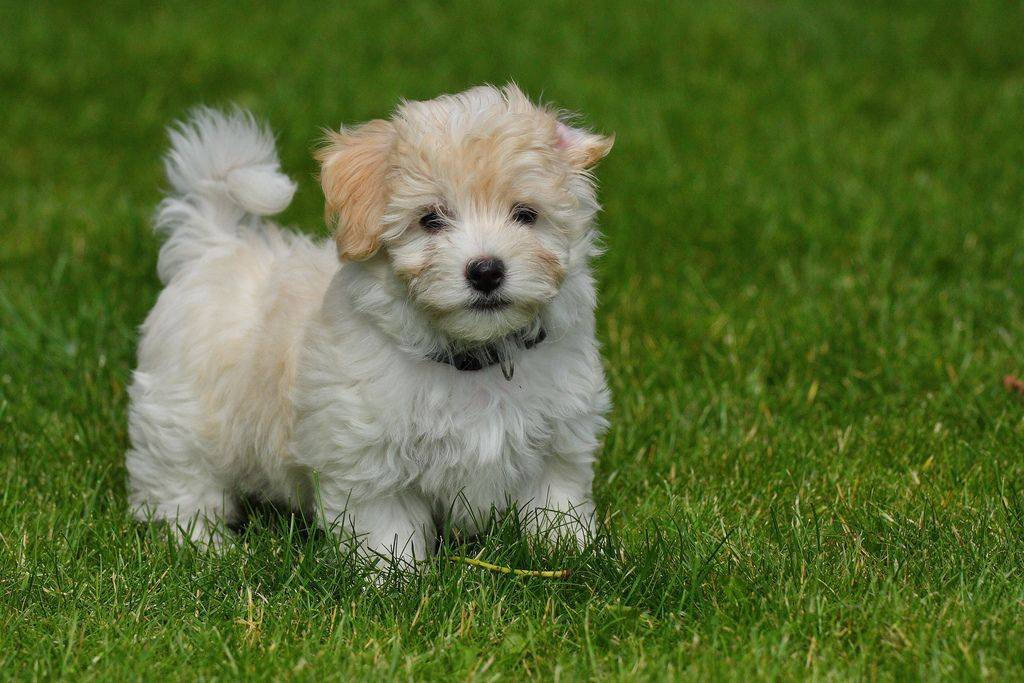
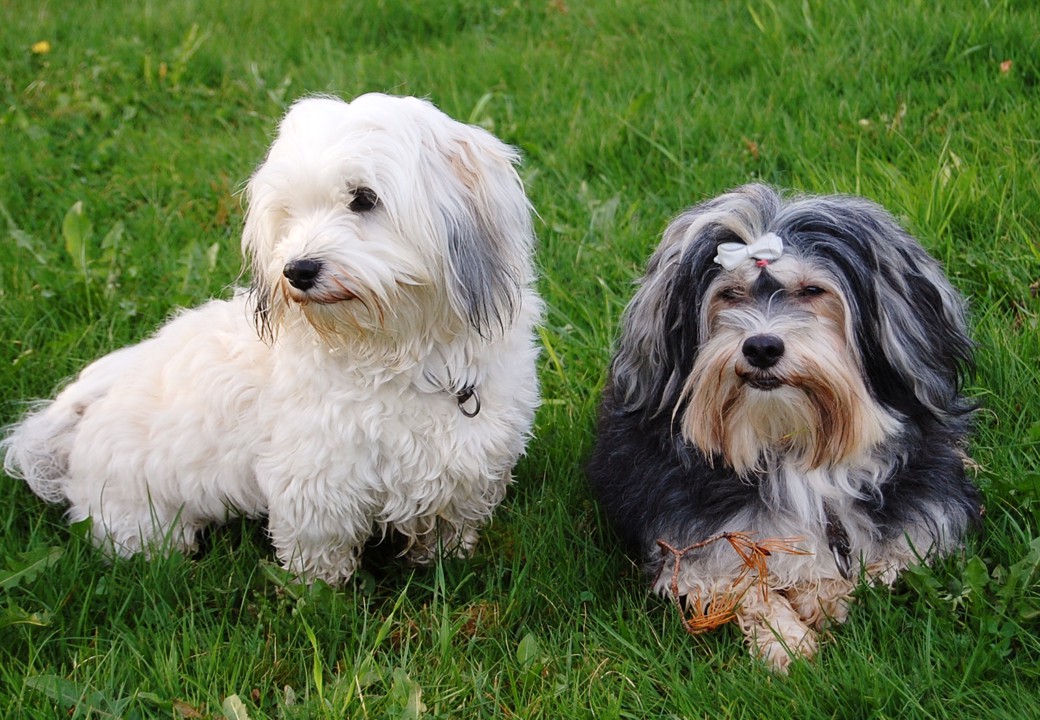
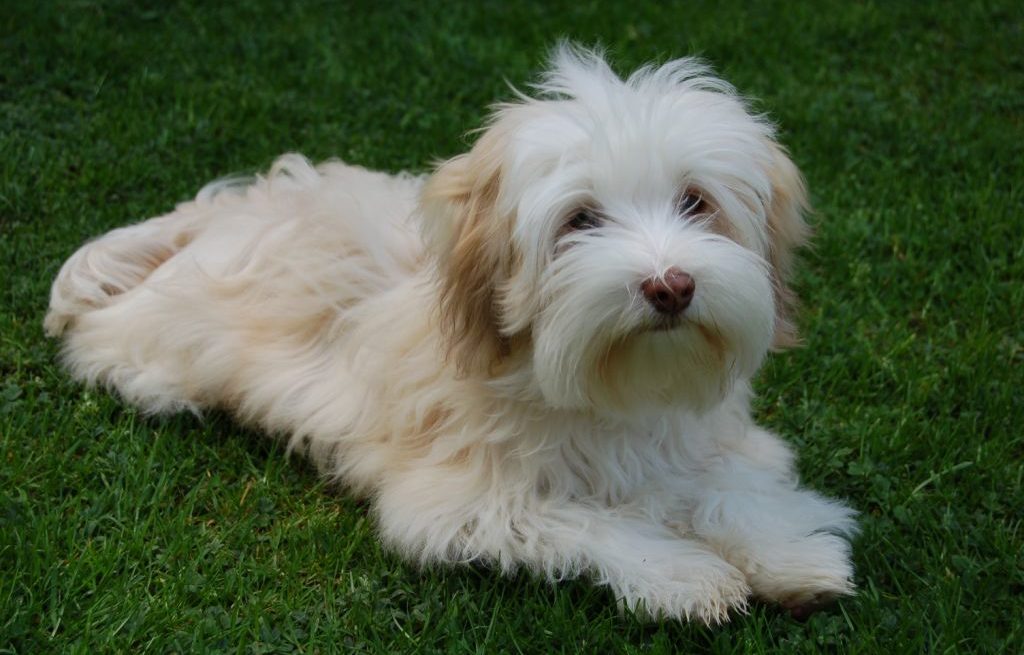
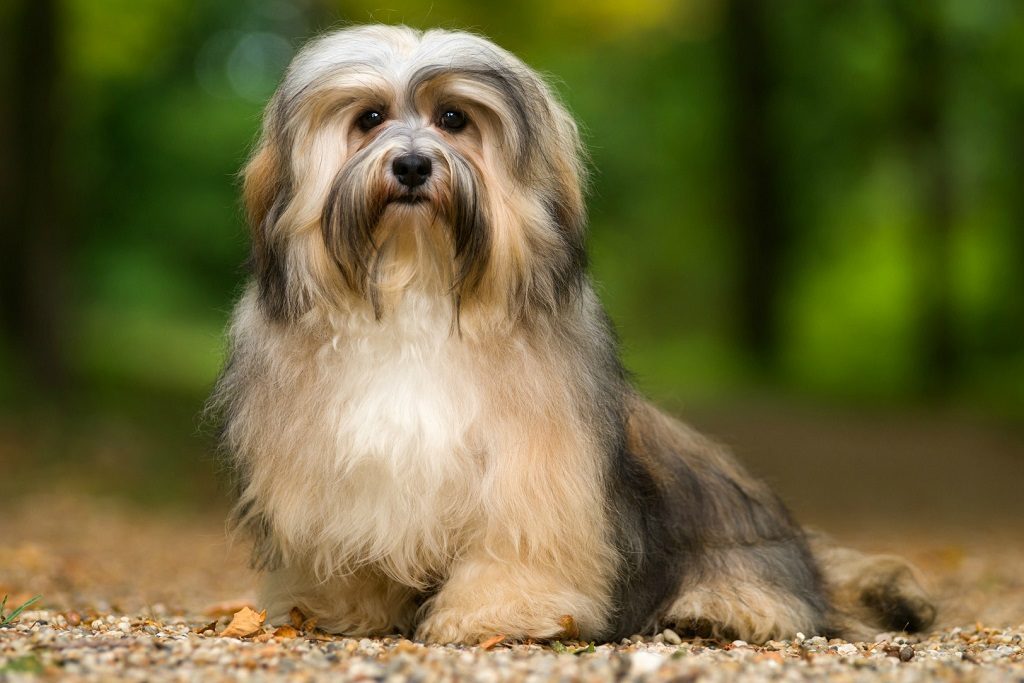
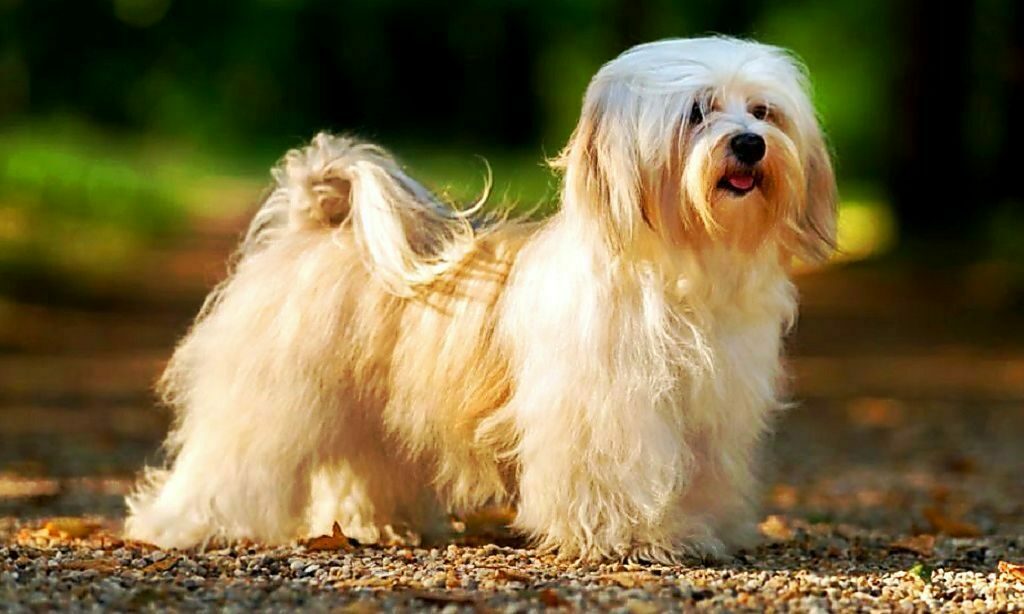
The Havanese is a small, low-set dog with quite long, soft, somewhat wavy fur. It can form curly strands. The top coat is very long, ranging from 12 to 18 cm. However, it has almost no undercoat. The seasonal shedding from winter to summer does not occur. Its coloration is a wrinkled mix of various shades from light brown to tobacco brown and Havana. The weight is quite varied and can range from 3.5 to 7 or 8 kg. This wide range of sizes is quite desirable from a health perspective. The tail is held high and is preferably curled over the back. These small dogs have also been used to guard against rats, mice, and other pests. This breed may appear here and there. Additionally, as watchdogs, they served a role similar to today’s alarm systems. But the Havanese does not bark. The Roman historian and naturalist Pliny reported on the therapeutic effects of these dogs for stomach ailments and, of course, as a bed warmer and living heat source. The similar features of Bichons have passed down from the Middle Ages. Some dog lovers like to smile at toy dogs such as Bichons and even sometimes consider them a “wrong development” in modern society. But this is far from the t
The Havanese is a sturdy little dog, low on its legs, with long, thick fur that is soft and preferably wavy. Its movements are lively and elastic.
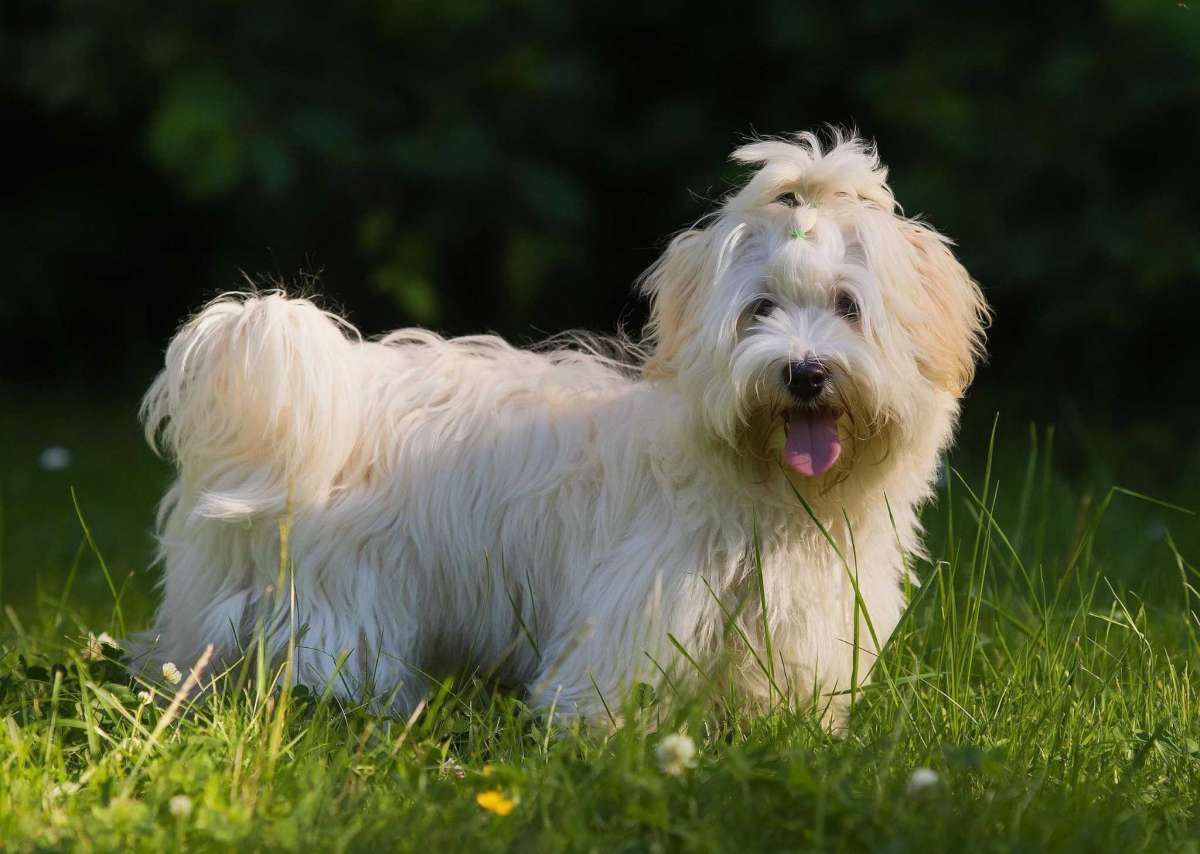
The fur is dense but silky, soft, and light, and it does not shed easily. The hair is long and can range from straight to curly, although wavy is considered ideal for the show ring.
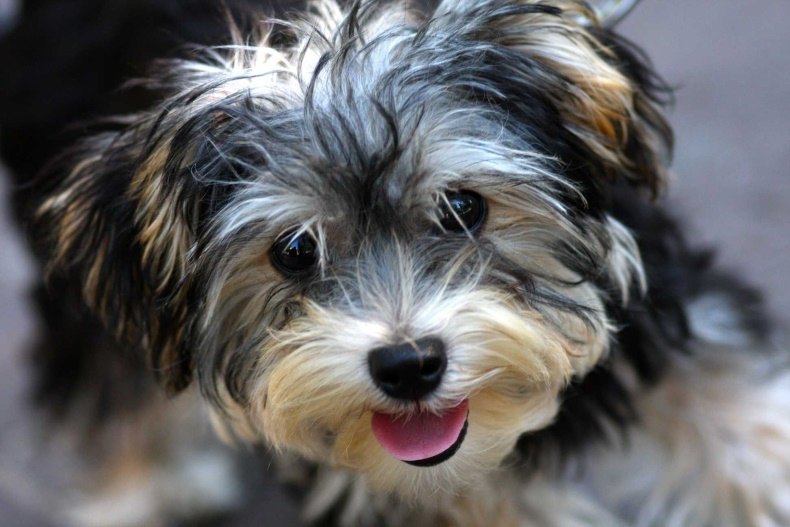
It comes in white, black, black-and-tan, sable, gray, and many other colors and markings.
Their height can range from 23 to 20 centimeters and can weigh from 3 to 6 kilograms. Havanese dogs are lively and often playful, yet still cautious with visitors and uninvited guests. They love the attention they receive when they do amusing things, which makes them joyful companions for their owners.
The expected lifespan of Havanese is about 15 years.Small but sturdy, this dog has a compact build, somewhat longer than its height at the withers. Its coat is abundant and thick, and its tail arches over its back, resembling a plush plume.


Отличительные черты

Голова

Морда

Уши

Глаза

Зубы

Корпус

Конечности

Хвост

Шерсть

Окрас
Character
The Havana Bichon is an experienced companion. Unlike small terriers, which have only recently been retrained from working dogs to companions, the Havana Bichon has been fulfilling the roles of service and companion for thousands of years. He is free of roughness that might limit his passion for bringing joy to his family. He wants to live for his loved ones. This charming dog is intelligent, curious, and clever, continuously surprising us and making us smile. Also, the agility of these dogs shouldn’t be underestimated. Numerous reports indicate that Havanas can be easily taught small tricks. However, they are not overly energetic and aren’t prone to nervousness. Havanas are cheerful beings that always enjoy playing games.
The Havana dog is a wonderful family pet that gets along with everyone. They are very affectionate with children and love to play with them all day. Since they generally spend more time with kids, it’s important to teach them how to interact properly with the dog to ensure that both don’t get hurt during playtime.
Typically, Havanas get along well with other pets if they are properly socialized. To introduce them to other animals, allow them to partake in outdoor activities, as they enjoy engaging in fun exercises. While they are not aggressive, there may be times when they become quite playful and mischievous with new people.
Lively, affectionate, smart, with a friendly nature and incredible sociability.
Made for heat
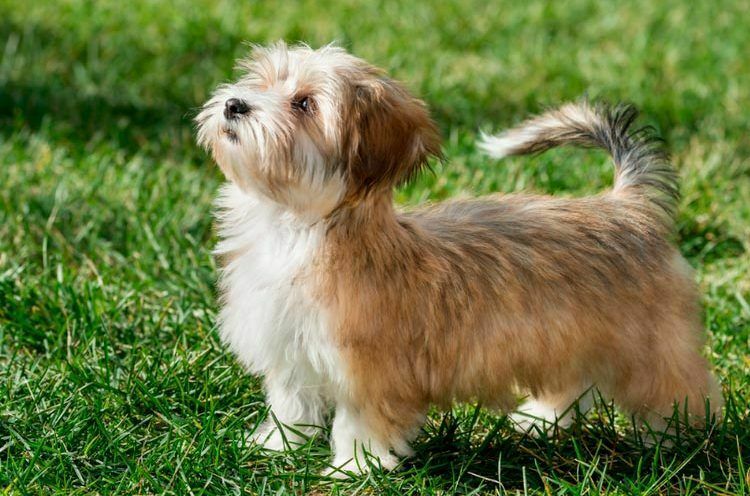
This purebred Bichon was specifically designed for warm climates, as its homeland is Cuba. They are wonderfully adapted to high temperatures due to their unique coat, which is structurally similar to silk. It is soft and protects the dog from sunburns. In Cuba, grooming services are never used to ensure their natural protection from the sun.Care and Maintenance
Havanese dogs can be well kept in the city and in apartments, even in small apartments on high floors. Of course, they require daily walks in nature to feel comfortable and to develop their balanced, friendly nature. Otherwise, they are quite low-maintenance as long as they have their routines and some varied activities. Their coat, however, needs regular grooming to prevent matting. You will only need to brush it. Havanese do not require haircuts. Grooming can also help strengthen the bond between the dog and its owner. They should be accustomed to regular grooming during their puppy stage.
The grooming needs of the Havanese breed depend on whether you prefer long or short fur, as well as whether it is silky or fluffy. A Havanese with a full coat requires regular grooming and trimming, as well as weekly baths, while a Havanese with short fur requires professional grooming every six to eight weeks and bathing every two weeks.
Regular brushing and cleaning of the coat are necessary. The fur does not need trimming. Only the hairs obstructing the eyes can be trimmed if necessary.
Their fur will need to be brushed several times a week between professional grooming sessions to remove tangles and knotted hair. Tear staining is common in Havanese. Clean the area around the eyes with a soft, damp cotton ball or cloth. Their nails grow quickly and need to be trimmed daily.
Although Bichons do not shed much, this does not mean they are hypoallergenic. Regular trimming and professional grooming are also expected. However, they do shed occasionally, especially during seasonal changes. Their shedding is determined by the genetic makeup of their fur.
Havanese dogs are quite modest and do not have special dietary requirements but can be fairly greedy. You should avoid them becoming overweight. This is good for their overall health and reduces the risk of joint problems. For this purpose, special low-calorie foods are available on the market.Feed Havanese dogs between 1/2 to 1 cup of high-quality dry food per day. Keep them in good shape by measuring their food and feeding them twice a day, rather than leaving food out all the time. And, like with other dogs, the healthier the food, the better.Monitor their diet to prevent them from gaining excess weight. Always provide them with safe and clean water to keep them hydrated.
Star popularity
These little dogs from Havana have always been popular among celebrities. One renowned writer, Ernest Hemingway, could not resist their charm during his stay in Cuba. Charles Dickens had a Havana Bichon named Tim, who was one of his many pets.Training and Education
A small dog is very easy to train. However, it also needs to be disciplined. Its sweet, quirky, and friendly nature can often lead to overlooking the fact that it requires constant guidance and training. It happily accepts this responsibility from its owner. Its excellent suitability as a family and city dog should not be mistaken for the idea that this little four-legged friend needs less training. On the contrary, its high intelligence and obedience almost demand consistent leadership from its humans, which, like with other dogs, should begin in puppyhood. Sometimes we find it challenging, but not because the dog cannot or does not want to learn. Rather, we, as humans, tend to be enchanted by this little guy as a “cute bundle of fur,” and then we indulge him. The Havanese is the perfect family dog that can thrive very well in an apartment. They get along well with children. Havanese are great playmates, but as always, children should treat them as partners and not as toys, respecting this little dog’s signals for retreat. The Bichon is an excellent companion that can also handle the sometimes hectic city life.
The Havanese does not have high activity demands. Many reports indicate that Havanese are good at learning small tricks, which can bring joy to both the dog and the owner.
Havanese dogs are very easy to train. They enjoy learning new tricks and commands to please their families. Such affectionate and sociable dogs want to make their family happy, so they do everything to learn quickly.
However, these dogs shut down whenever they face abuse or punishment. This is why it is best to reinforce positive approaches, as Havanese respond better to this, especially to food rewards.
Havanese need light exercise to meet their energy levels. They require regular brisk walks or friendly playtime in the backyard with their families, especially since they are happiest when accompanied. Playtime indoors can also provide a good source of exercise! Zoos offer puppies with documentation and health guarantees.
Local celebrity
Small Havanese have also become a local celebrity in Cuba. They are the only local breed highly valued by Cuban aristocrats and wealthy planters. Thus, Cuba is known not only for its beaches, cigars, and rum, but also for the beautiful representatives of the Havanese breed.
How to Choose a Puppy
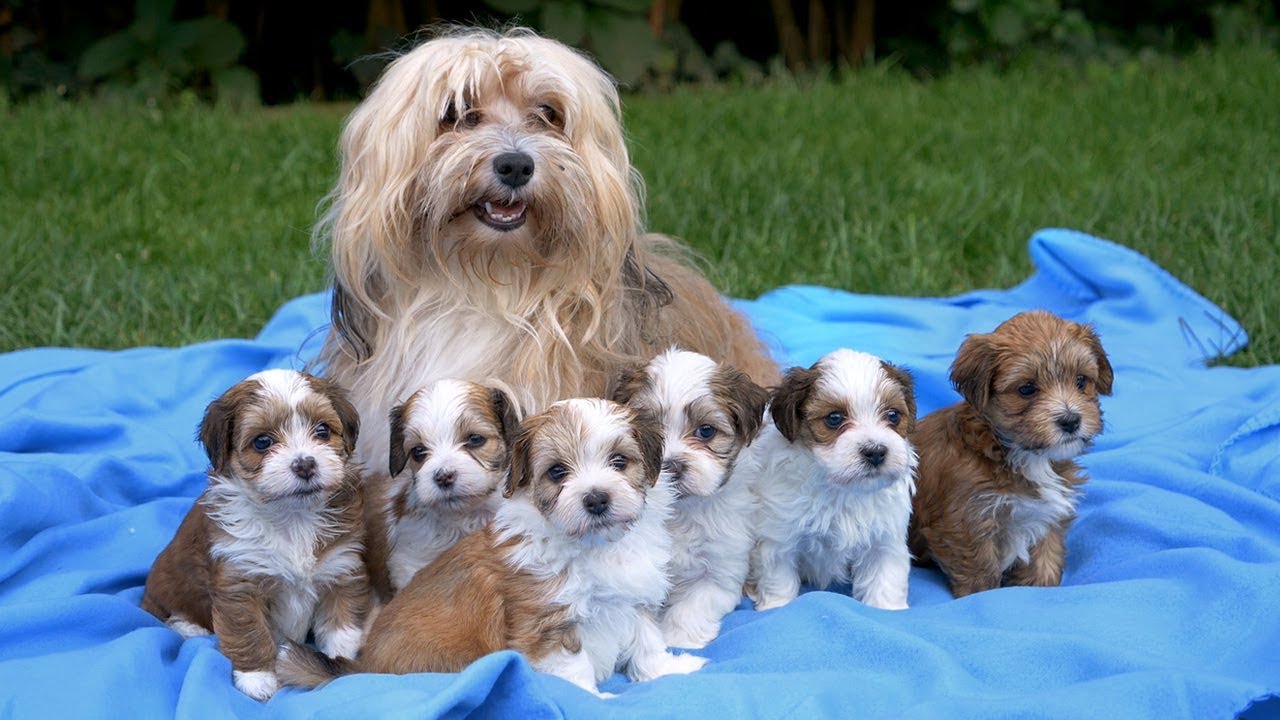
If you want to share your life with Havanese, you should look for a breeder well in advance of acquiring one and get in touch with them. The breeder should be affiliated with the VDH and must have tested their dogs for specific risks associated with hereditary diseases. Additionally, there should be no inbreeding, which you can assess by checking the pedigree for any repeating names. The breeder should have well-documented information about the litter, including photographs. You should be able to visit the litter along with the mother dog by appointment on-site. Unfortunately, with small breeds like the Havanese, there are many shady suppliers from backyard breeders or puppy mills abroad who profit significantly from puppy sales.
Crossbreeds with Havanese are quite common and generally do not pose problems. Professional dog traders love to sell such mixes as so-called “one-time overstock.” However, it is certainly not just a one-time episode.
The Havanese breed is the ideal companion for living together in a city apartment, and anywhere people feel comfortable with each other. Its intelligence and cheerfulness are simply remarkable. Zooinca offers good deals – depending on the breed and pedigree.
Health and Illnesses
Veterinary care is essential for your dog’s health and well-being; however, the frequency of treatments and check-ups will vary by dog. Scheduled six-month visits to your veterinarian for health checks are important to ensure they are healthy and happy at all stages of life.
Regular care for your dog gives you the opportunity to monitor their growth and development, discuss any concerns with your veterinarian, and is a key part of preventive care.
The Havanese breed is a healthy breed. However, the kneecap is often affected by the hereditary condition of patellar luxation. Therefore, when purchasing a puppy, make sure that both parents do not have PL (PL 0/0). Additionally, cataracts are one of the conditions commonly found among Havanese dogs.
Main health concerns: Legg-CalvГ©-Perthes disease, hip dysplasia, heart murmurs.
Содержание
-
1. Описание породы
-
2. Внешний вид
- 2.1 Голова
- 2.2 Морда
- 2.3 Уши
- 2.4 Глаза
- 2.5 Зубы
- 2.6 Корпус
- 2.7 Конечности
- 2.8 Хвост
- 2.9 Шерсть
- 2.10 Окрас
-
3. Характер
-
4. Содержание и уход
-
5. Дрессировка и обучение
-
6. Как выбрать котенка
-
7. Здоровье и болезни






Comments
Only registered users can leave reviews.
Enter