
Greyhound




Warning: Illegal string offset 'label' in /home/panda/sites/zoonika/wp-content/themes/zoonika/template-parts/animals/animals-param-item.php on line 32
Ð


Breed Description
The Greyhound is one of the oldest and most noble dog breeds, with a history spanning over 4,000 years. It is believed that this breed originated in Egypt, where it was used as a hunting dog. Initially, Greyhounds were intended for hunting game using their speed and endurance, making them one of the fastest dogs on Earth. The ancient Egyptians depicted these dogs on the walls of tombs, and they were used as symbols of nobility and grace.
Dogs resembling Greyhounds appear in ancient Greek and Roman texts and artifacts. They were popular among the aristocracy in Ancient Rome and Greece, where they were used for hunting hares, deer, and other animals. Greyhounds were valued for their exceptional speed, ability to work alongside humans, and fearlessness.
With the development of trade and travel, Greyhounds spread throughout Europe. In the Middle Ages, these dogs became a symbol of aristocratic status, especially in England, where they were used for sport hunting. Notably, there were even laws in England regulating the ownership of Greyhounds, restricting them to the aristocracy. One of the most famous episodes in the breed’s history was the prohibition on ownership of these dogs by peasants and commoners, making them the dogs of kings and nobility.
In the 19th century, the breed was improved and standardized, gaining recognition as a racing dog, a role that remains significant today. Interestingly, Greyhounds are one of the few dog breeds whose members retain their hunting instincts and abilities, including the drive to chase moving objects quickly. This is explained by their deep historical roots and a long selection process aimed at preserving their working qualities.
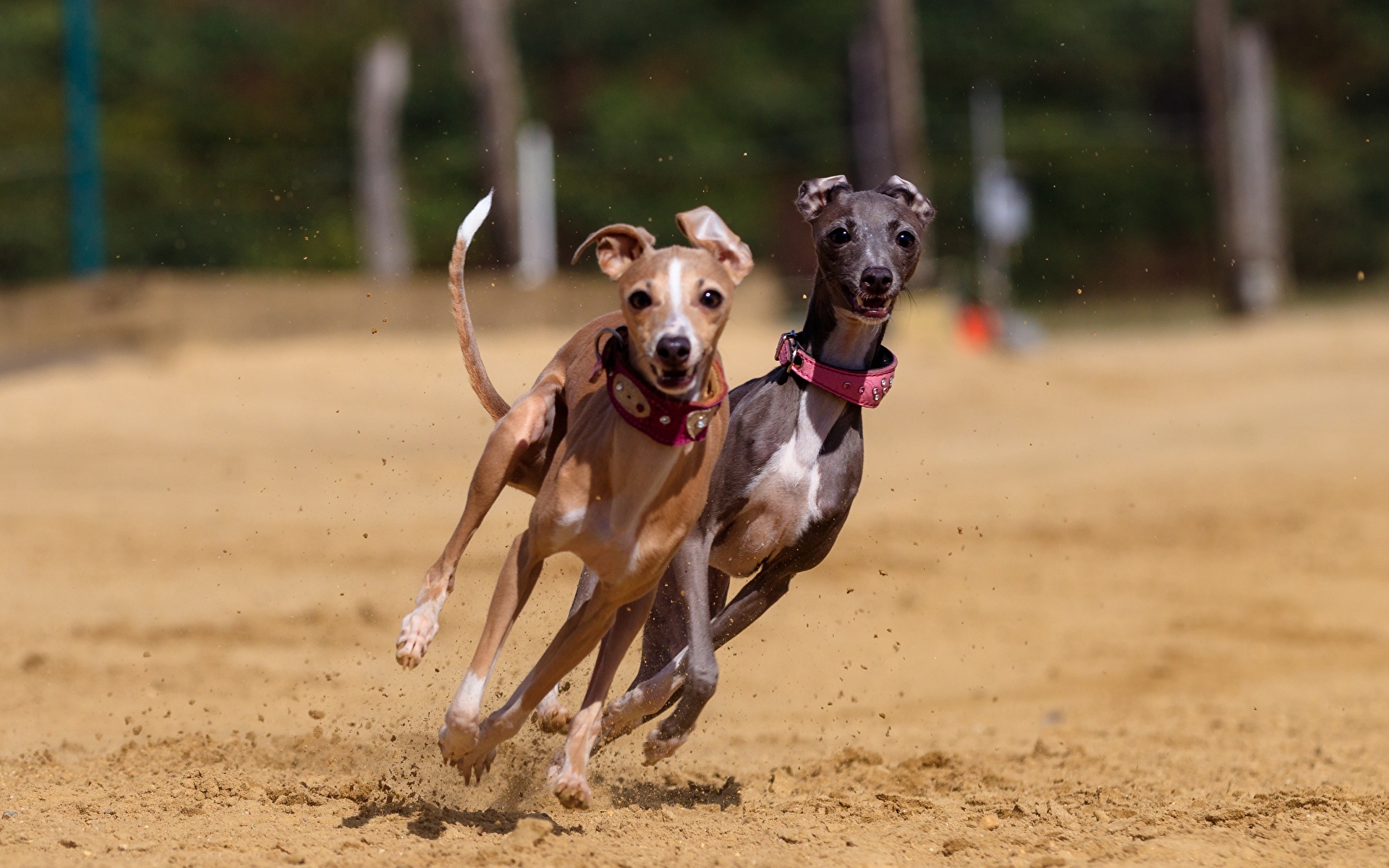
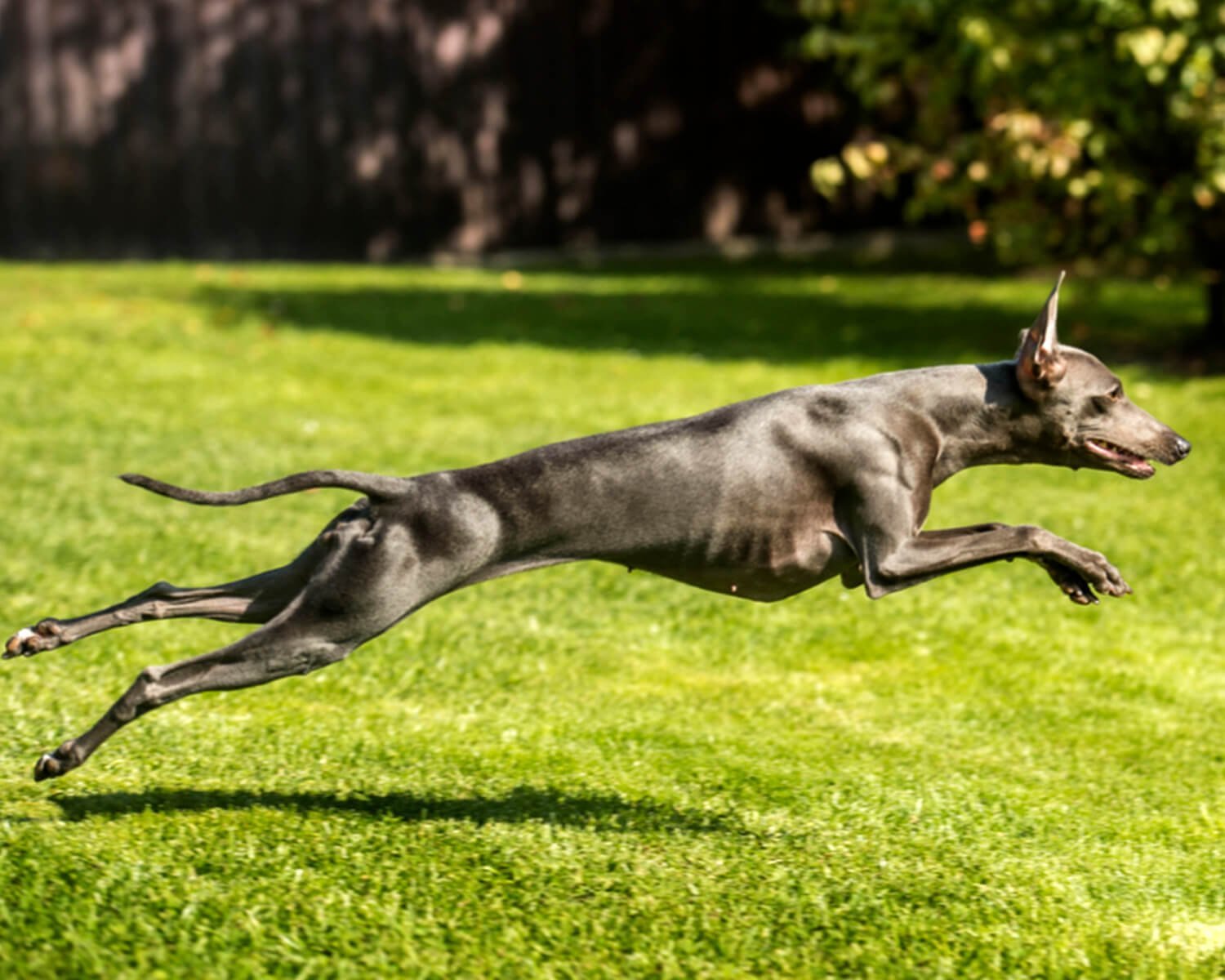
Greyhounds continued to evolve and gain popularity over the centuries, and in modern times, they are known not only as excellent racing dogs but also as loyal, calm companions. It’s worth noting that Greyhounds are exceptional runners, capable of reaching speeds up to 70 km/h, making them one of the fastest dogs in the world. This speed and grace have become synonymous with the breed itself.
Thus, the Greyhound has a rich and fascinating history, starting from Ancient Egypt and continuing through the ages as a symbol of speed, nobility, and elegance. Dogs of this breed remain not only great hunters but also valuable companions in modern life.The price for a puppy ranges from 25,000 to 44,000 rubles.
Appearance
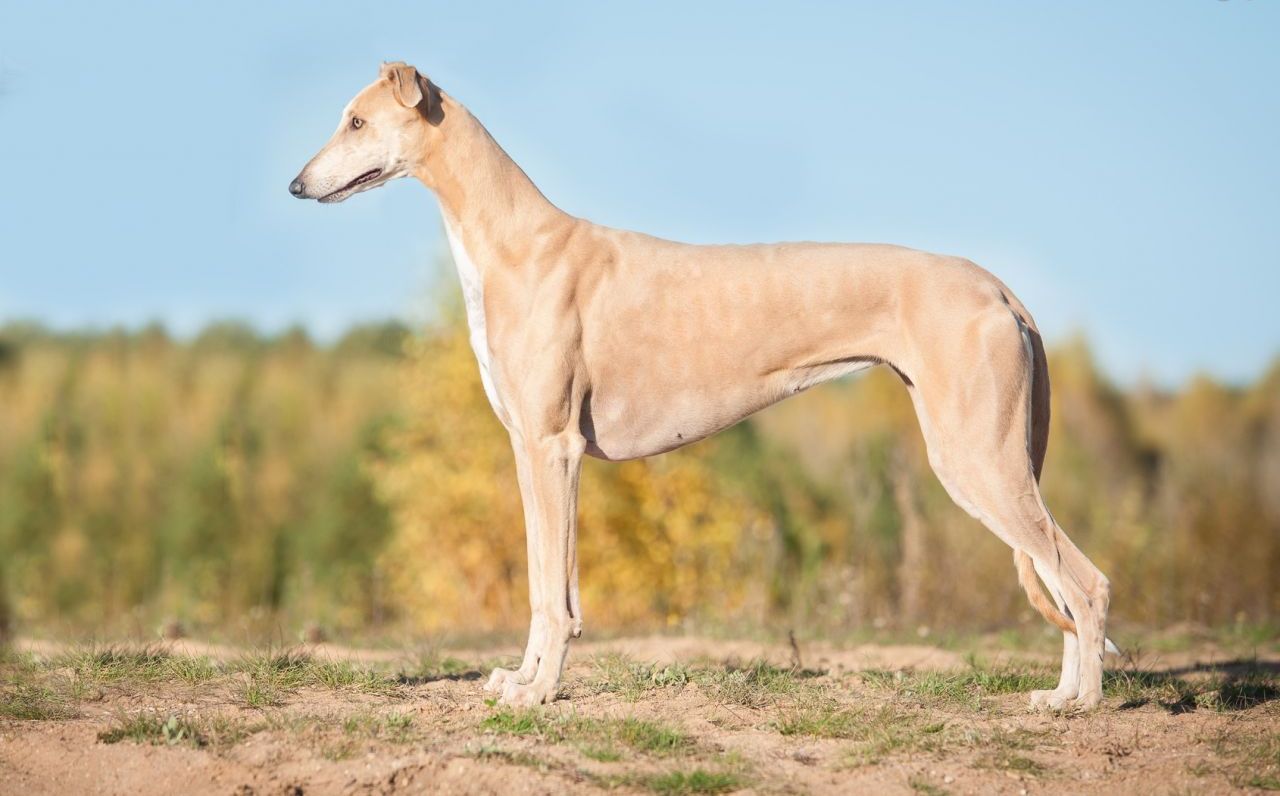
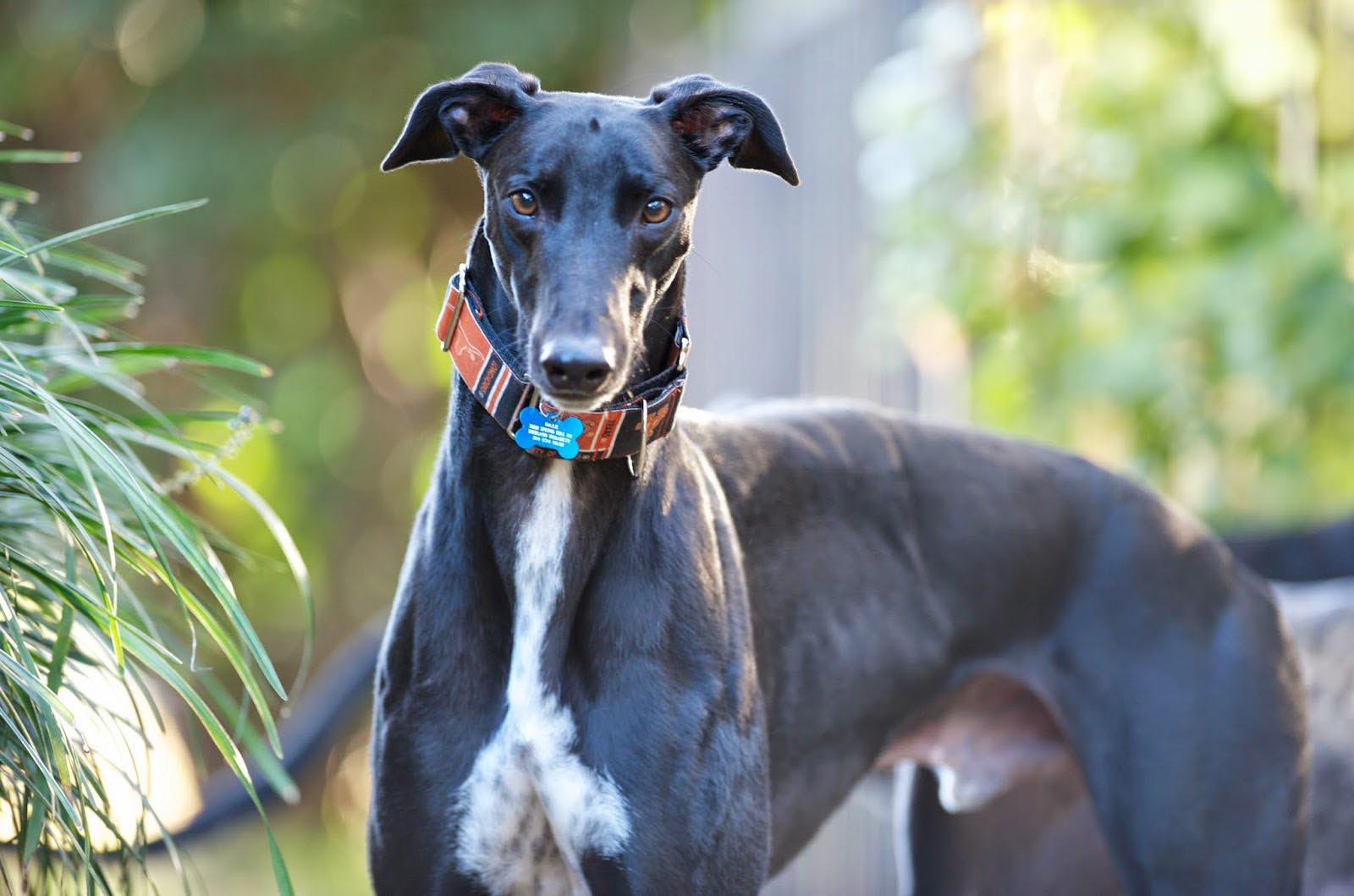
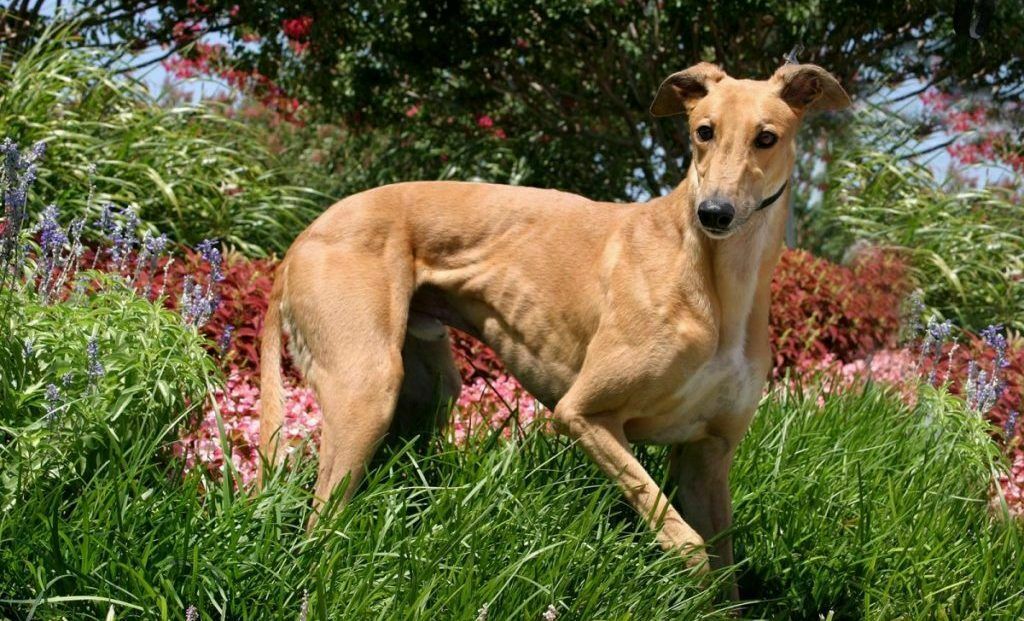
The Greyhound is an elegant and slender breed of dog, known for its exceptional speed and grace. The average height of a Greyhound at the shoulder ranges from 68 to 76 cm, making it a medium to large-sized dog. The weight of a Greyhound typically varies from 27 to 40 kg, depending on gender and build, which corresponds to its muscular and athletic physique. The lifespan of a Greyhound is around 10-14 years, which is normal for such active and fast-growing dogs.
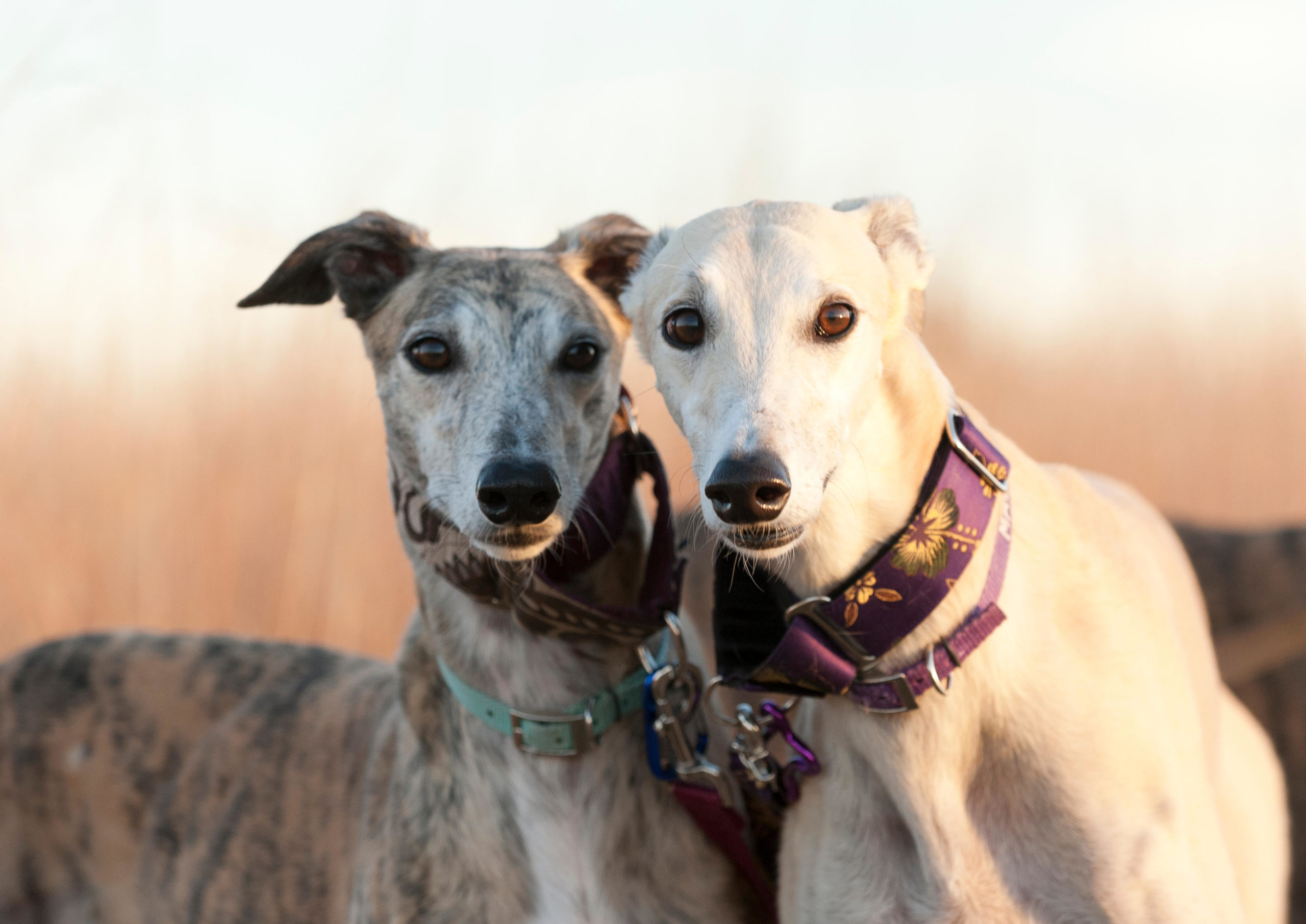
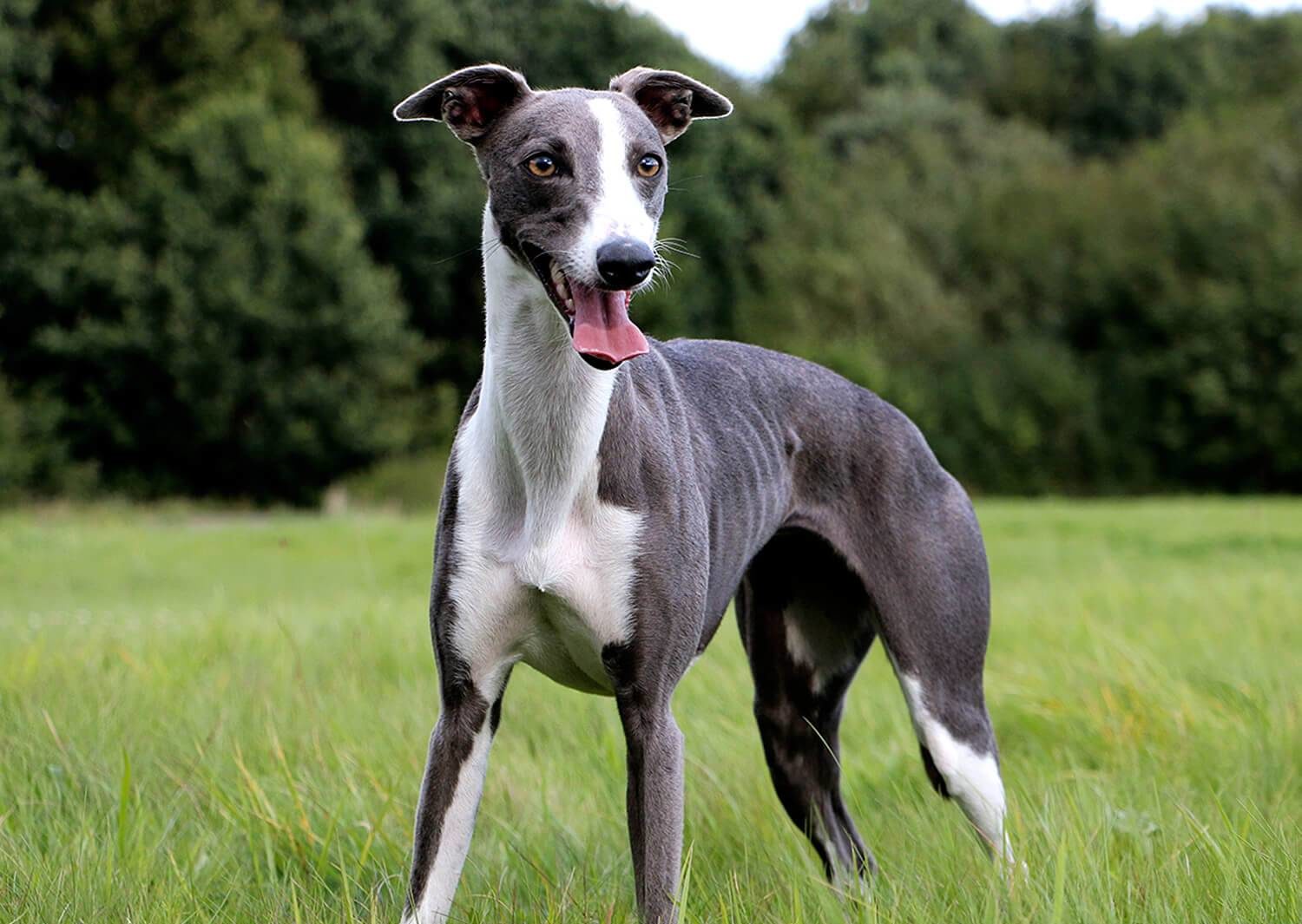
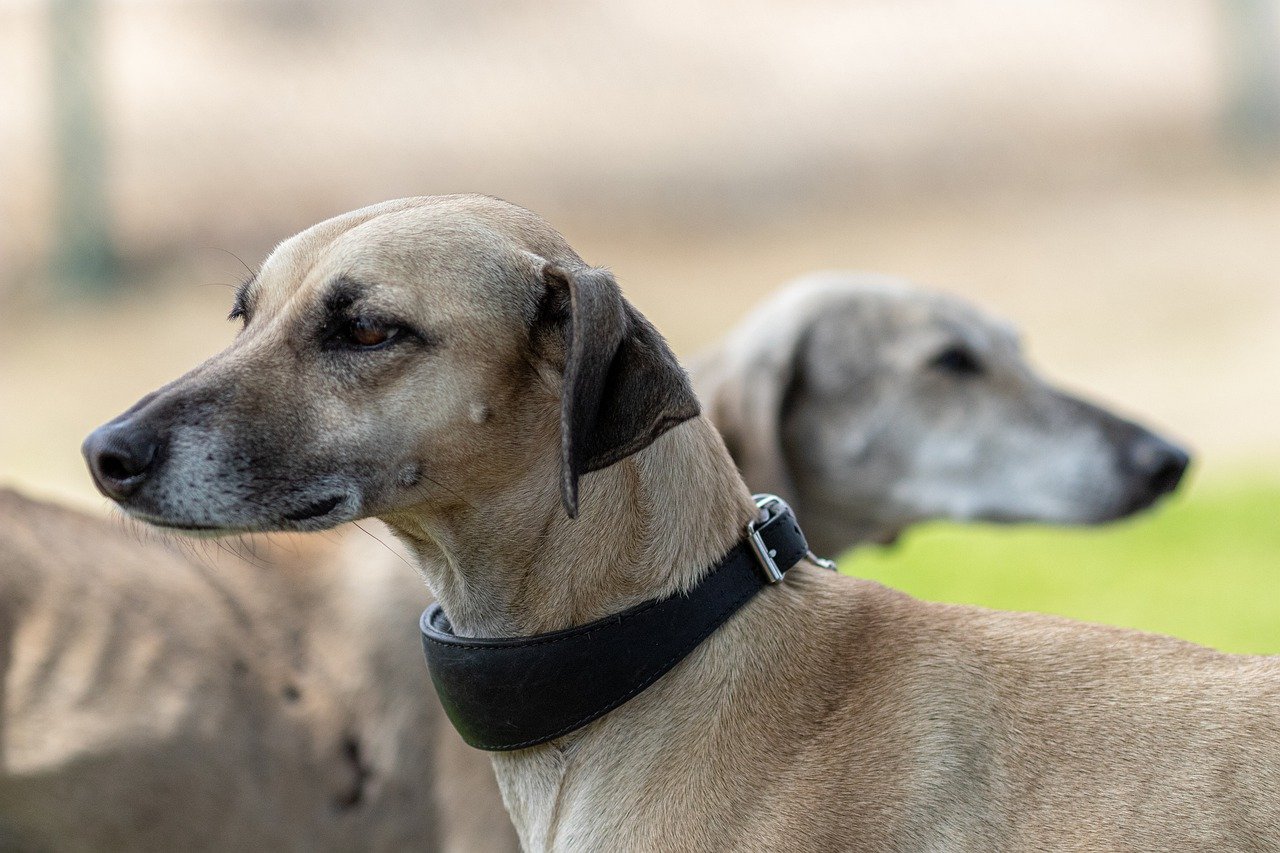
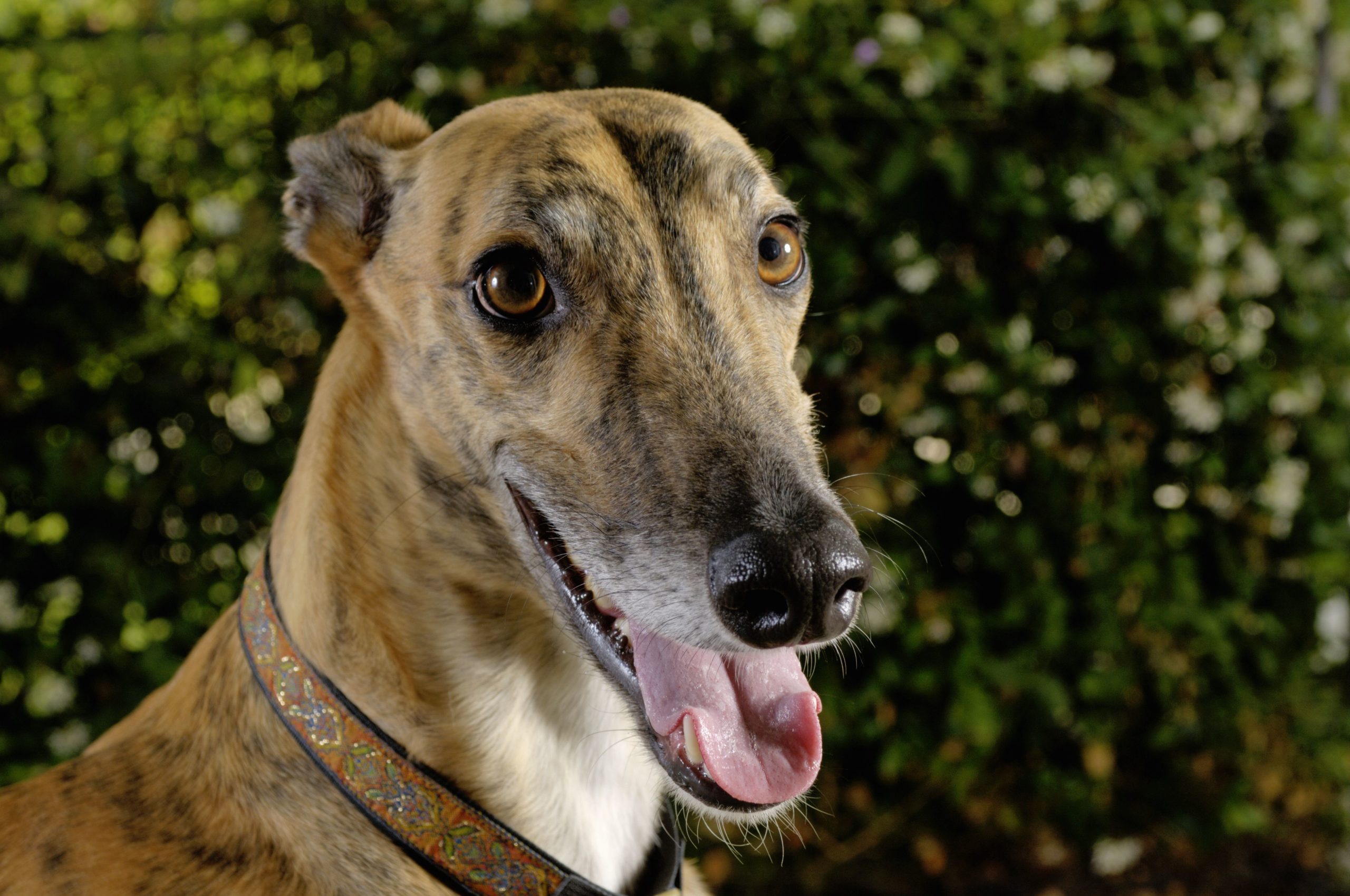
The Greyhound’s appearance is characterized by an elongated, sleek body, reminiscent of a sports car shape: it is perfectly adapted for speed and agility. This dog has long limbs, a narrow build, and a low center of gravity, which gives it incredible maneuverability and speed. The coat of the Greyhound is short, smooth, and close to the body, making it almost imperceptible and reducing wind resistance while running. The colors can vary, including different shades of gray, black, white, red, and brindle, giving each dog a unique look.
The head of the Greyhound tapers from a broad skull to an elegant muzzle, which helps reduce air resistance while running. The ears of these dogs are typically erect, small, and with thin edges, enhancing their refined expression. The eyes are dark and expressive, reflecting the determination and focus required for successful hunting or racing.
These dogs are also known for their tails, which are long, thin, and pointed, usually held low and slightly curved at the end. The tail adds to their elegant appearance and plays an important role in maintaining balance during swift running.
The Greyhound is a dog that embodies grace and speed. Its slender figure, swift movements, and elegance make it one of the most graceful breeds, and it consistently attracts attention with its regal appearance and outstanding physical abilities.


Отличительные черты

Голова

Морда

Уши

Глаза

Зубы

Корпус

Конечности

Хвост

Шерсть

Окрас
Character
The Greyhound is a dog with a balanced and calm character, primarily known for its incredible speed but also possessing a friendly and tranquil nature in everyday life. Despite its fame in sports racing and hunting, the Greyhound is not overly active at home. It is a dog that prefers to spend time resting in its spot, often fulfilling its natural need for relaxation after exerting its energy in races or intensive training.
The Greyhound is very affectionate and loyal to its owner. It easily bonds with family members, making it a great companion. These dogs are generally calm and not prone to aggression, which makes them good household pets. However, despite their tranquil nature at home, they retain a strong hunting instinct, which manifests in their tendency to chase fast-moving objects such as cats, squirrels, or even cars. This makes Greyhounds very alert and watchful outdoors, ready to sprint after any living creature.
Greyhounds typically do not tend to bark excessively, making them suitable for apartment living if they are active enough in other aspects of life. They are very obedient and easy to train, especially when training involves running and agility. These dogs prefer quiet walks and enjoy time spent outdoors, but they also happily spend time relaxing in the cozy surroundings of home.
A notable characteristic of Greyhounds is their high sensitivity. They may be shy or cautious around unfamiliar people and animals; however, with time and socialization, they become more confident. An important aspect of their upbringing is creating a safe and comfortable environment where they can relax and reveal their friendly nature.
In general, the Greyhound is a balanced and devoted dog that leads a calm life at home but displays all its hunting qualities and speed outdoors. They are ideal pets for people seeking a dog that combines activity and tranquility harmoniously.
The fastest
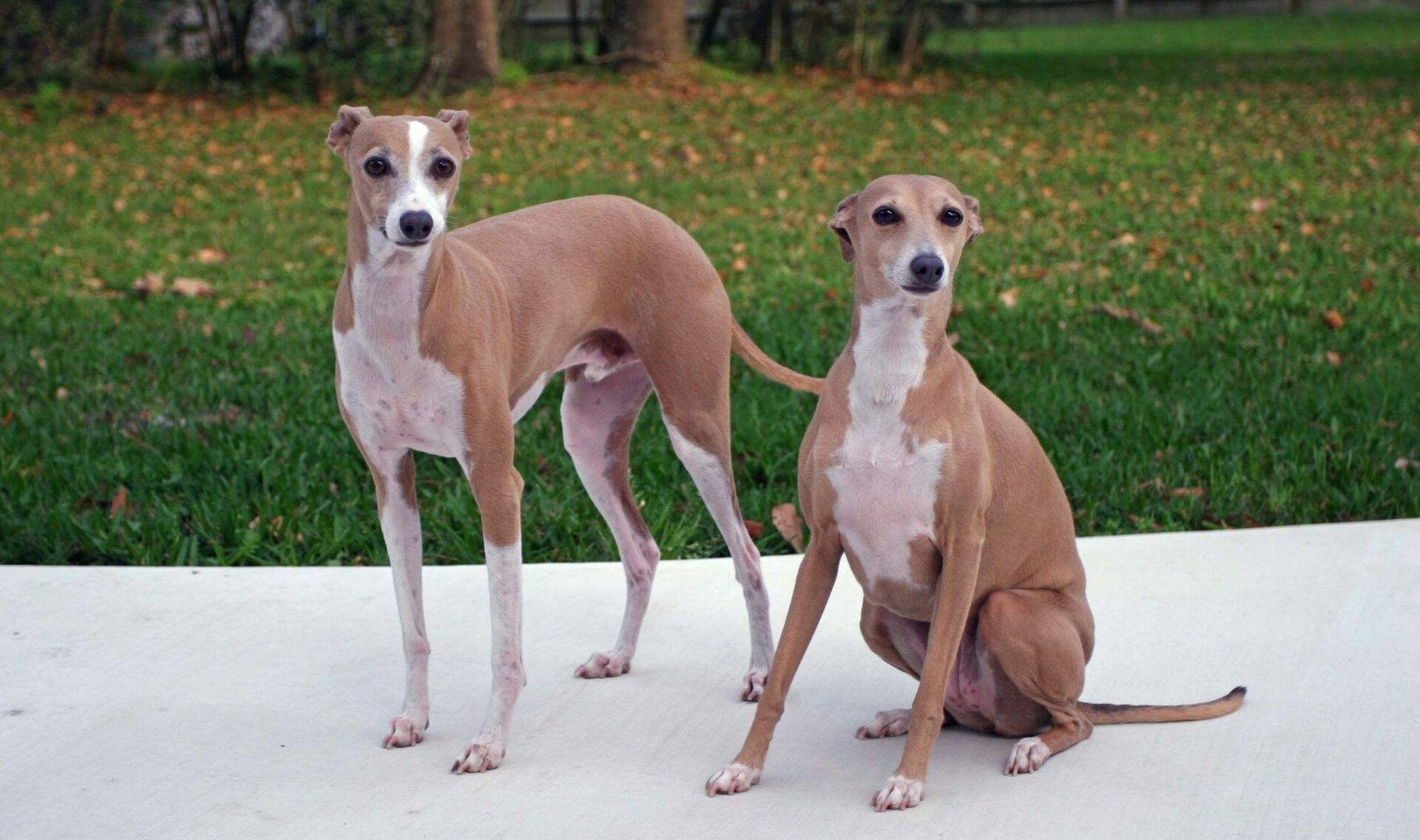
Greyhounds are truly the fastest of all hounds. The breed was specifically developed for field hunting.Care and Maintenance
The Greyhound is a breed that requires special attention in its care, considering its characteristics as a sporty and fast-running dog. Despite its activity outdoors, the Greyhound leads a calm lifestyle at home and can spend a lot of time resting, making its care relatively simple but still necessary.
Caring for a Greyhound’s coat doesn’t require complicated procedures. The breed has short and smooth fur, which makes maintenance easier. To keep the coat in good condition, regular brushing once or twice a week is sufficient. This helps prevent the accumulation of dust and dirt and improves blood circulation in the skin. Bathing a Greyhound should be done as needed, using a gentle dog shampoo to avoid damaging the natural protective layer of its fur.
Physical activity is a key part of caring for a Greyhound. Despite its tendency to rest at home, this breed requires regular exercise to maintain good physical condition. Greyhounds love to run and have a passion for high speeds, so regular walks on a leash and time outdoors, especially in safe running areas, are very important. They enjoy sprinting, but it is crucial to do so in enclosed or fenced spaces to prevent escape, as their chasing instinct can be very strong.
Diet for a Greyhound also needs to be monitored, as this breed tends to have rapid metabolic processes. It is important to feed the dog a balanced diet that matches its age, activity level, and health status. While the breed tends to maintain a slim figure, it is essential to keep an eye on their diet to avoid obesity. Meal portions should be moderate, and the food should be high quality and well-balanced.
What does a Greyhound enjoy? This breed loves to spend time with its owner, especially when it involves active play or walks. Greyhounds adore chasing, which makes them happy during ball games or speed training. Additionally, they greatly appreciate moments of solitude and can spend time curled up in a cozy spot for sleep, highlighting their calm and serene nature at home.
What doesn’t a Greyhound like? Greyhounds dislike the cold and may feel uncomfortable in chilly weather due to their short fur. In colder months, they will need protective clothing, especially during outdoor walks. Furthermore, they do not like loud noises and can be sensitive to sounds, which requires attention during socialization and training. Excessive roughness in handling can also impact their behavior, as Greyhounds are very sensitive to their owner’s mood and tone of voice.Overall, caring for a Greyhound includes regular walks and outdoor play, maintaining a good coat condition, and proper nutrition. These dogs love close interaction with their owners and easily become loyal companions.
Sony
Greyhounds love to sleep, often dozing off in the most uncomfortable places and doing so instantly. At home, they prefer to lie around rather than get into mischief.Training and Education
The Greyhound is a breed with a strong hunting instinct and high sensitivity, which affects its training process. Generally, Greyhounds are intelligent dogs, but their independence and desire to run fast can make training more challenging, especially for beginners. For successful training, it’s important to consider the breed’s characteristics and apply methods specifically suited for this dog.
Greyhounds respond best to training that uses positive reinforcement. These dogs react well to praise, treats, and play, making the learning process more enjoyable and effective. Harsh methods or physical punishment can damage the relationship with the dog and worsen its behavior. Instead, it is essential to use motivation, encouragement, and patience. It’s also worth noting that Greyhounds may be less tolerant of repetitive, monotonous training, so it’s advisable to vary tasks and incorporate different activities, such as running or playing with a ball.
Training should be brief but consistent. Greyhounds can easily become bored if sessions are too lengthy, so it’s better to have several short training sessions a day rather than one long one. Making the training interesting and engaging is important, for example, by using toy chases or exercises that involve movement and speed, allowing them to showcase their natural abilities.
Who is suitable for Greyhound training? This breed is best suited for experienced owners who can establish clear boundaries while being patient and consistent in their training. Greyhounds are not always inclined to unquestioning obedience and need a confident but calm owner who understands their needs. Novices without experience with independent-minded dogs may face challenges.
A Greyhound chooses its owner based on confidence, patience, and the ability to demonstrate leadership. They respect owners who show kindness, fairness, and consistency. Greyhounds bond with owners who can establish a trusting relationship and create a comfortable environment where the dog feels safe. Despite their independence, these dogs become loyal and attached to those who can meet their needs for physical activity and attention.
A Greyhound listens to those who can prove themselves as fair and consistent leaders. These dogs can be somewhat stubborn, but if the owner demonstrates confidence and patience, the Greyhound will follow their commands. It’s also important to remember that Greyhounds have a tendency to chase moving objects, so controlling this chasing instinct in safe conditions is crucial.In conclusion, successful training of a Greyhound requires patience, consistency, and confidence from the owner. The dog will obey those who create a positive, safe atmosphere and understand its needs while also considering its independence and natural instincts. Zooinica offers the best way to find a pedigreed dog from trusted breeders.
Hunting eye
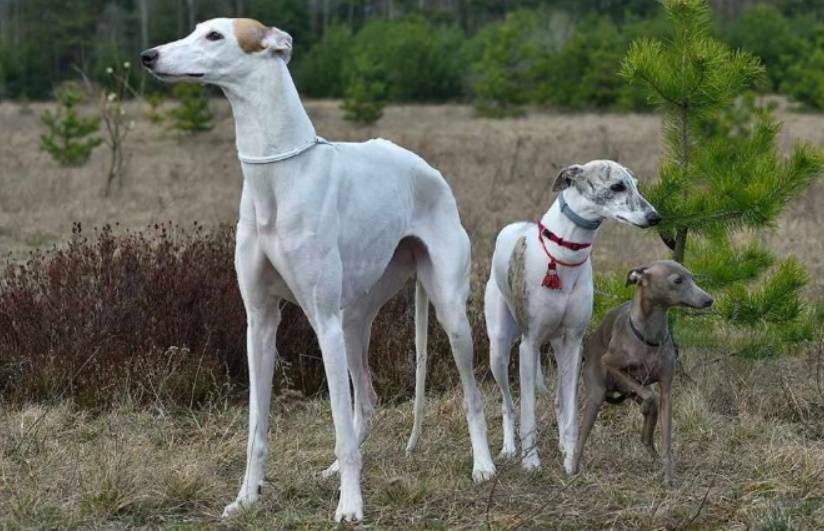
The vision of greyhounds is perfectly developed, and during hunting, the dogs rely entirely on it. However, their olfactory receptors are much weaker, which is where the balance of the dog lies.
How to Choose a Puppy
Choosing a greyhound puppy to ensure it becomes a true representative of the breed requires careful attention and awareness of breed standards. To ensure the puppy grows up healthy and meets these standards, it’s essential to carefully select the kennel, verify documents, and assess the puppy’s health.
How to choose a puppy?
Kennel. First and foremost, it’s important to choose a reliable kennel that specializes in breeding greyhounds, has a good reputation, and adheres to breed standards. Such a kennel should be registered with official kennel clubs, such as FCI (FГ©dГ©ration Cynologique Internationale) or corresponding national clubs. This guarantees that dogs are bred according to standards and checked for hereditary diseases.
Pedigree Check. The puppy’s pedigree is a vital document confirming its purebred status. It should list all of the puppy’s ancestors and their achievements, as well as health information about the parents. Ensure that the pedigree is verified by a recognized kennel organization. This will help you avoid issues concerning the puppy’s lineage and potential hereditary diseases.
Veterinary Passport. The veterinary passport should contain information about vaccinations and parasite treatments, as well as results from health inspections. The puppy must be vaccinated according to its age, and all vaccinations should be recorded in this document. This also helps verify that the puppy is healthy and has undergone necessary preventive procedures.
Health Certificate of the Puppy. The kennel is obliged to provide you with a health certificate for the puppy, confirming that it has undergone a veterinary examination and does not have genetic or infectious diseases. The puppy should be healthy and free from issues with its eyes, cardiovascular system, joints, or other organs.Parents’ Medical Test Results. Ensure that the puppy’s parents have undergone medical tests for common hereditary diseases such as hip dysplasia, heart issues, or eye problems. The results of these tests should be available for review, which will help you avoid risks associated with genetic problems.Sales Contract. Before taking the puppy home, make sure a sales contract is signed with the kennel. It should outline all parties’ obligations, as well as guarantees regarding the puppy’s health and conditions for returning or exchanging the animal in case hereditary diseases are discovered in the future.What to Consider When Choosing a Puppy?The puppy should be active, curious, and healthy, with clear eyes, clean ears, and a good appetite.The puppy should be socialized, not fearful of contact with people or other animals.Pay attention to the
Health and Diseases
The Greyhound is a breed that is generally known for its good health and endurance, but, like all dog breeds, it can be prone to certain diseases. Being aware of these conditions can help owners identify issues early and take necessary steps to maintain their pet’s health.
1. Hip Dysplasia
Greyhounds may be susceptible to hip dysplasia, a hereditary condition where the joint develops improperly. This can lead to pain, lameness, and arthritis. To prevent joint issues, it is important to monitor the dog’s weight, as excess weight can increase stress on the joints. Regular veterinary check-ups and timely treatment can help manage this condition.
2. Heart Problems
Like many other large breeds, Greyhounds can suffer from cardiomyopathy- a disease of the heart muscle that can lead to heart failure. This condition is more common in older dogs. Regular heart health checks at the veterinarian are important to catch any problems early.
3. Eye IssuesGreyhounds may be prone to various eye diseases, such as cataracts or progressive retinal atrophy (PRA), which can lead to impaired vision or even blindness. Cataracts result in the loss of clarity of the eye’s lens. Regular eye examinations by a veterinarian are essential to prevent such diseases.4. Gastrointestinal DisordersGreyhounds, like many other long-bodied dogs, may encounter issues related to the stomach and intestines. One common condition is bloat, which occurs when the stomach fills with air and begins to expand. This condition requires immediate veterinary attention as it can be life-threatening.5. ObesityAlthough Greyhounds are known for their sleek and muscular build, it is important to monitor their diet and level of physical activity to avoid obesity. This problem can lead to heart diseases, joint issues, and other systemic problems. A balanced diet and regular exercise are crucial for maintaining a Greyhound’s health.6. AllergiesGreyhounds can be susceptible to skin diseases and allergies. Symptoms might include itching, redness, or inflammation of the skin. Allergens can be both external (like pollen or chemicals) and internal (such as food). If y
Содержание
-
1. Описание породы
-
2. Внешний вид
- 2.1 Голова
- 2.2 Морда
- 2.3 Уши
- 2.4 Глаза
- 2.5 Зубы
- 2.6 Корпус
- 2.7 Конечности
- 2.8 Хвост
- 2.9 Шерсть
- 2.10 Окрас
-
3. Характер
-
4. Содержание и уход
-
5. Дрессировка и обучение
-
6. Как выбрать котенка
-
7. Здоровье и болезни




Comments
Only registered users can leave reviews.
Enter