
Greenland dog




Warning: Illegal string offset 'label' in /home/panda/sites/zoonika/wp-content/themes/zoonika/template-parts/animals/animals-param-item.php on line 32
Ð


Breed Description
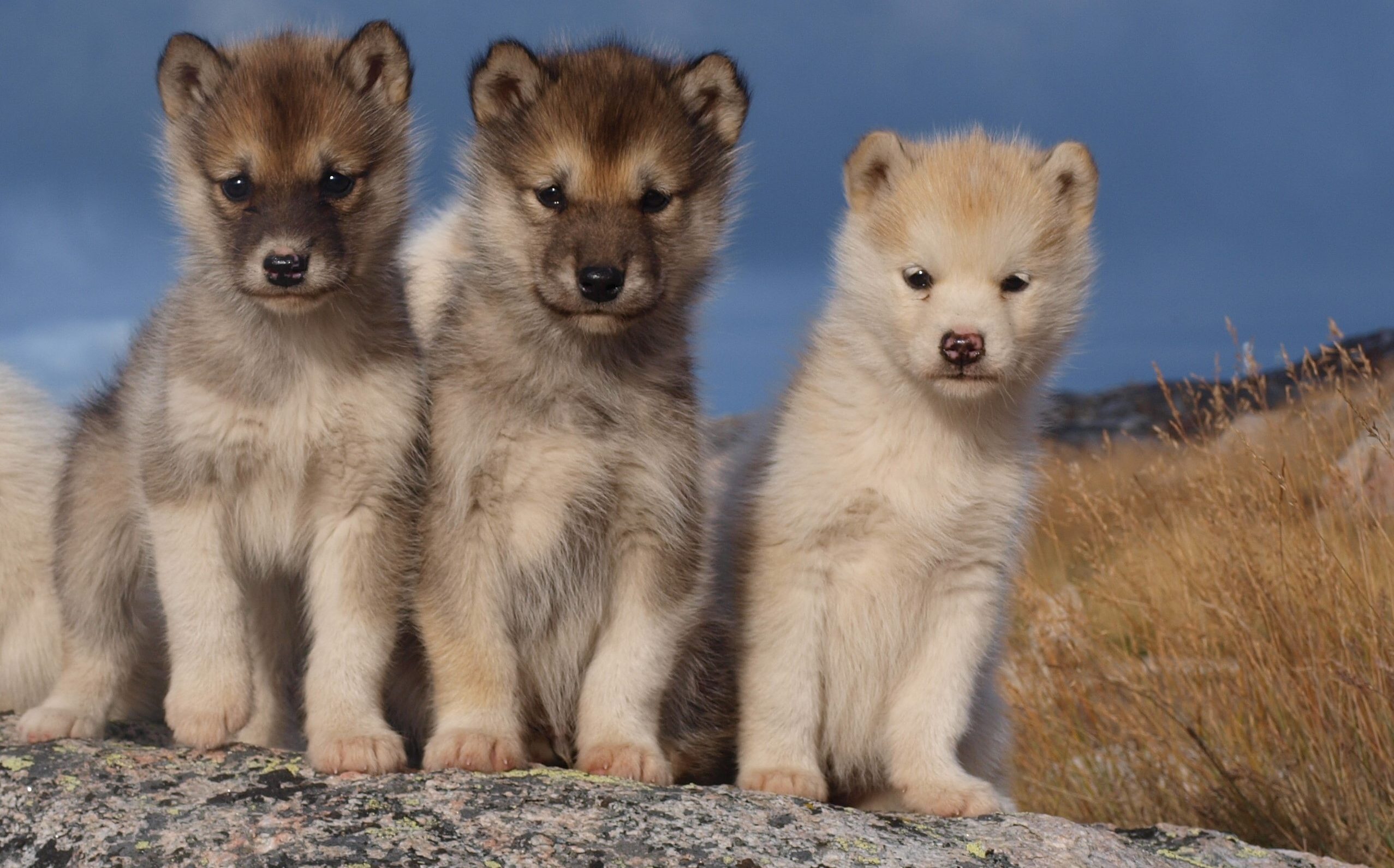
The Greenland dog is an ancient breed with a long and interesting history tied to life in the extreme conditions of the Arctic. It is believed that its ancestors originated in Greenland, where they were used by indigenous peoples for hunting, transporting loads, and as guard dogs. The Greenland dog is a true representative of northern breeds, adapted to life in harsh climates, and still plays an important role in the lives of the inhabitants of Arctic territories.
The breed’s origins are linked to ancient northern dogs brought to Greenland, likely by Vikings in the 9th-10th centuries, when they began to settle the island. The Vikings used these dogs for working with reindeer and hunting large game. These dogs adapted well to the cold regions; their fur provided excellent protection against low temperatures, and their strong build and endurance allowed them to work under harsh conditions.
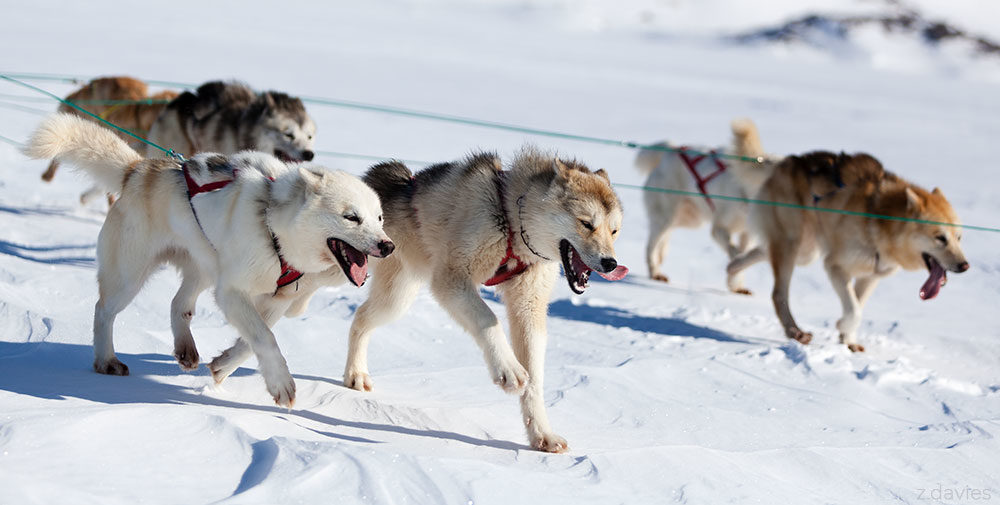
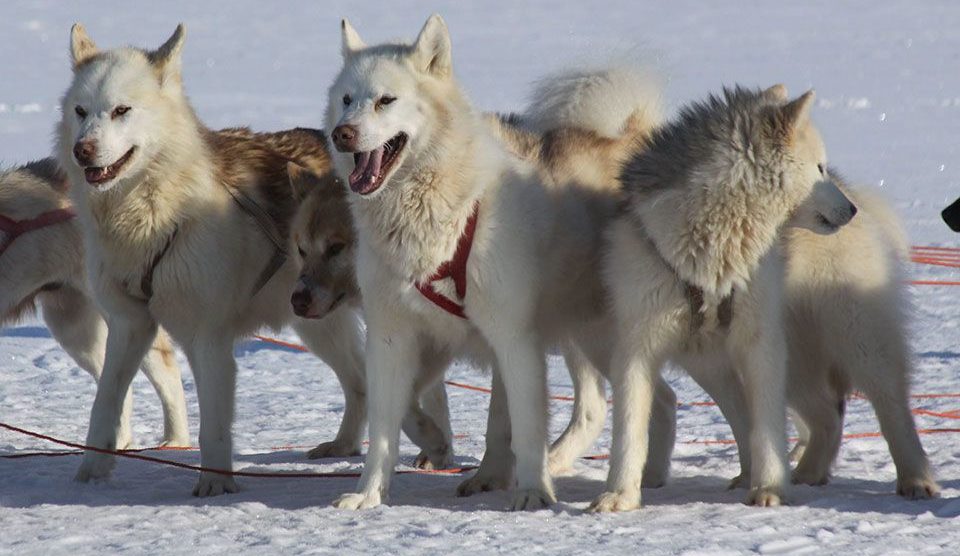
It is known that Greenland dogs were closely associated with the Inuit, who used them as heavy working dogs. They participated in pulling sleds, fishing, and other tasks requiring great physical strength and endurance. These dogs were indispensable to the population of Greenland, as survival in such harsh conditions would be impossible without strong, resilient dogs for moving and hunting.
One interesting aspect of the Greenland dog’s origin is its role in hunting marine animals. Unlike many other northern breeds, the Greenland dog was actively used to catch marine animals, such as seals, due to its excellent swimming skills and hunting instincts.
Over time, Greenland dogs became less common outside Greenland, but they continued to be an important help for local residents. In the 20th century, the Greenland dog began to attract the attention of dog breeders for its endurance and excellent working qualities. However, despite this, the breed remains relatively rare and is primarily used in areas where it historically fulfilled its roles, such as in Greenland and other parts of Canada.
The Greenland dog represents a mix of strength, endurance, and attachment to its owner. It is very loyal to its owner, has an independent nature, but is also a wonderful companion and reliable worker in any extreme conditions. Unlike many other working dogs, it has a great ability to survive in harsh natural conditions and thrives in frosty winter landscapes.The price for a puppy ranges from 160,000 to 300,000 rubles.
Appearance
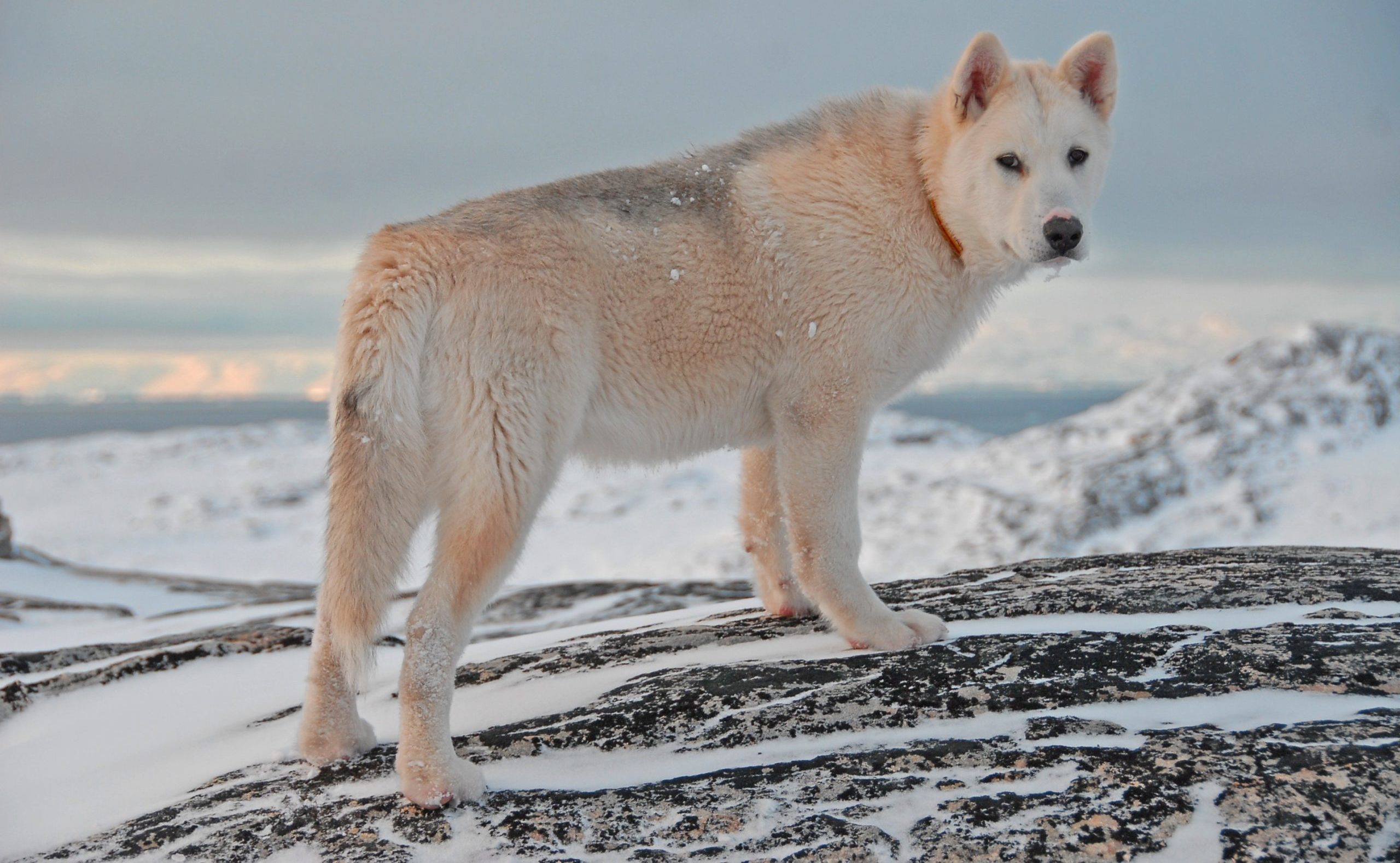
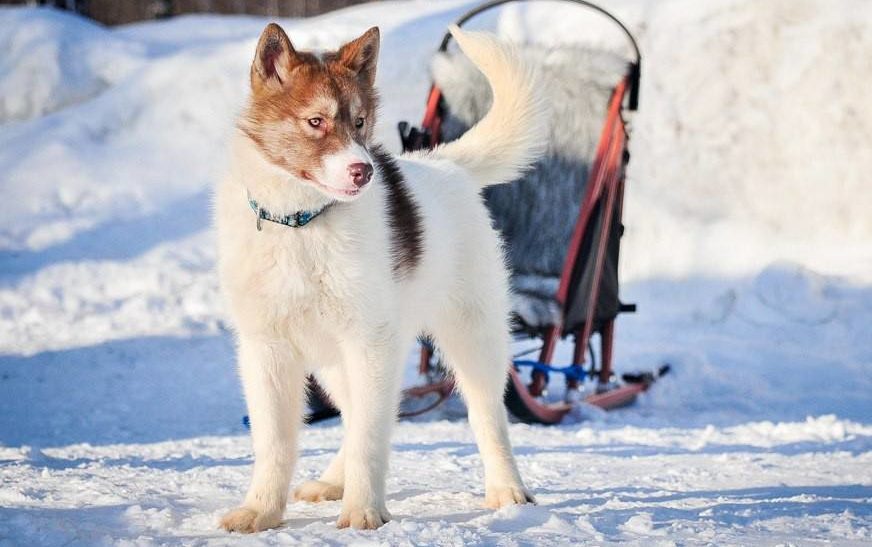
The Greenland Dog is a large, powerful breed, perfectly suited for life in harsh climatic conditions. The average height of these dogs ranges from 60 to 65 cm at the shoulder, classifying them as medium to large-sized dogs. The weight of a Greenland Dog typically varies from 30 to 40 kg, corresponding to its muscular and resilient physique. The lifespan of a Greenland Dog is about 12-15 years, which is a good indicator for such strong and working breeds.
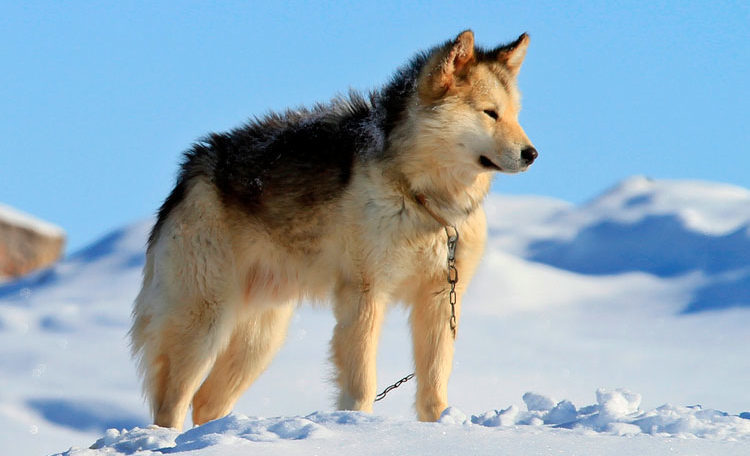
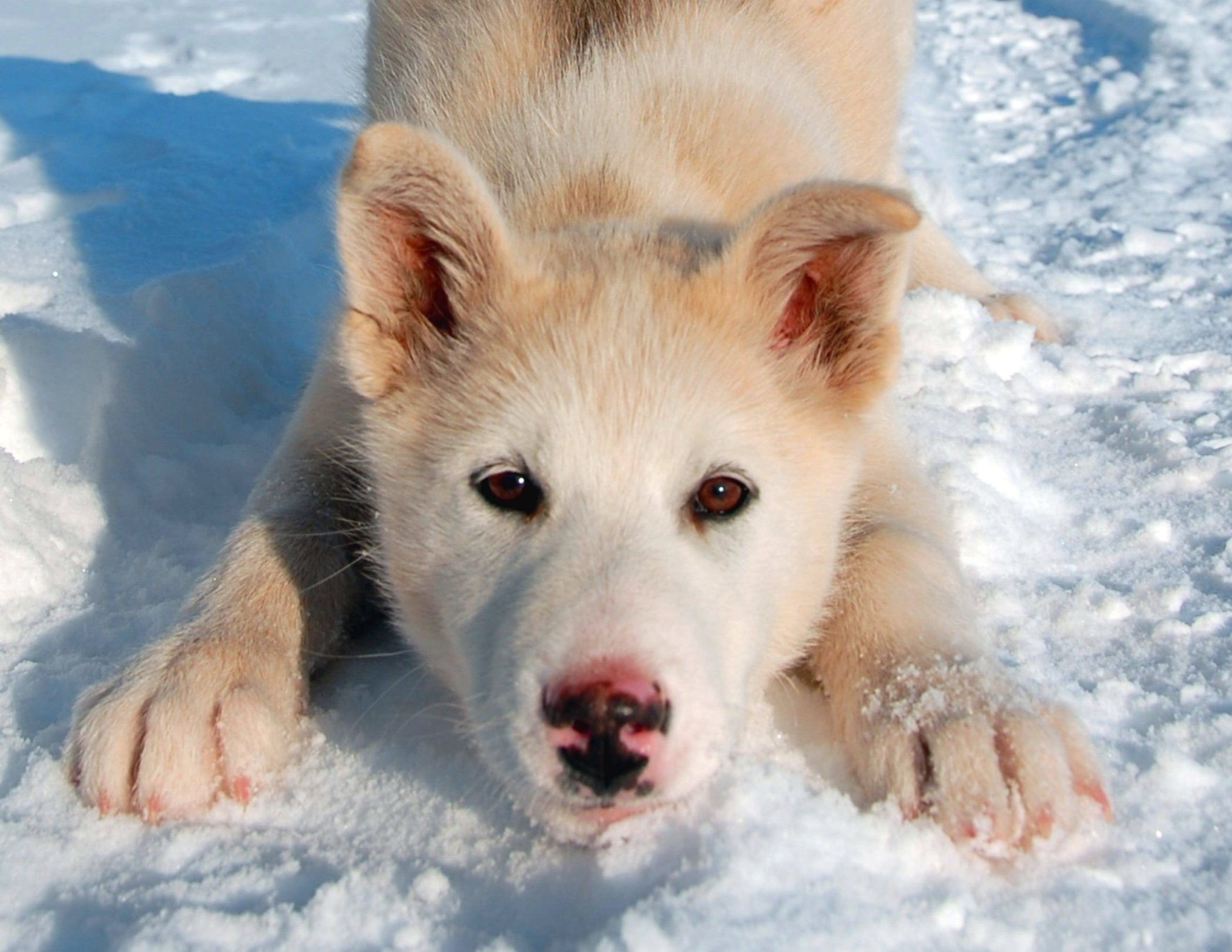
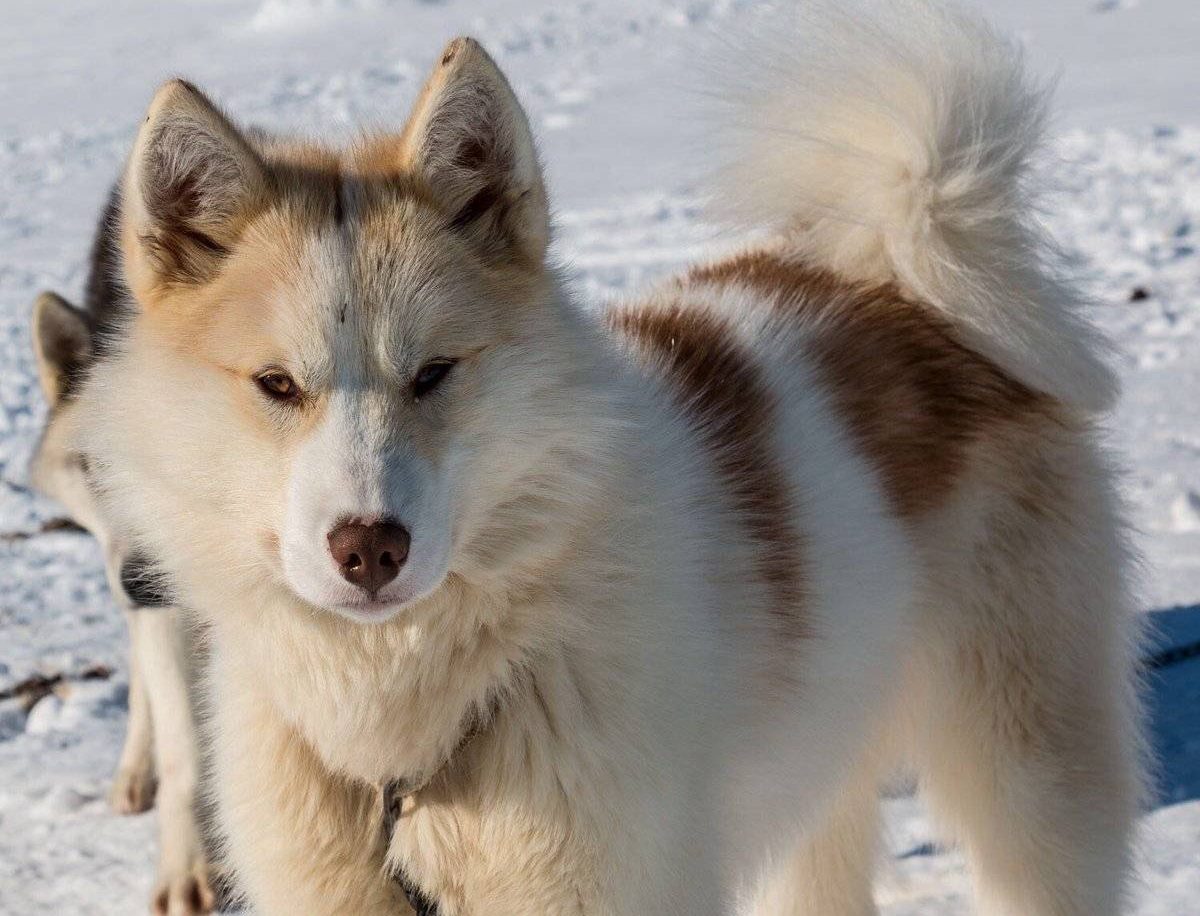
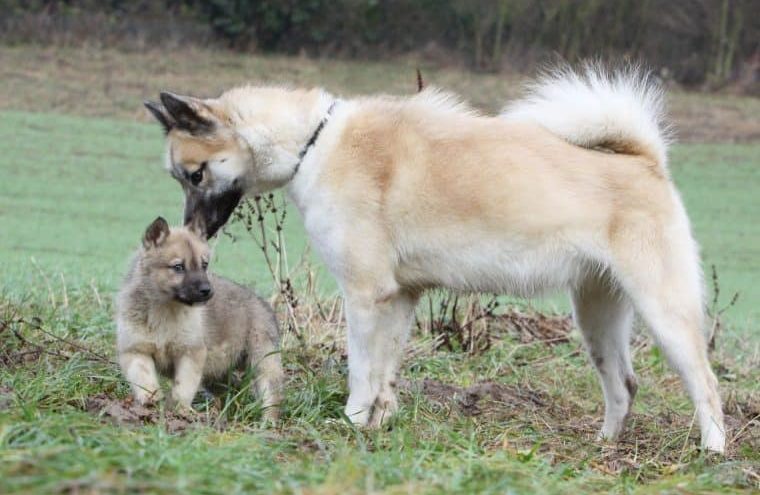
The appearance of the Greenland Dog impresses with its strength and resilience. It has a sturdy and well-balanced body, ideal for working in tough conditions. These dogs have thick and dense fur, with a heavy undercoat that helps them retain heat in cold environments. The fur is upright and has a coarse texture, providing not only protection from the cold but also an elegant appearance. The most common color is white, although various shades, such as cream, gray, or red with white markings, can also be found.
The head of the Greenland Dog is broad, with a strong skull and expressive features. The ears are erect, of medium length, and well-furred, further highlighting its natural strength and resilience. The eyes are dark, almond-shaped, with an intelligent and perceptive gaze that reflects the dog’s alertness and confidence.
The tail is medium-length, covered in thick fur, often curved in a semicircle, which adds elegance to its appearance. Overall, the Greenland Dog is a dog with a confident and powerful build, attracting attention with its noble and resilient looks.


Отличительные черты

Голова

Морда

Уши

Глаза

Зубы

Корпус

Конечности

Хвост

Шерсть

Окрас
Character
The Greenland Dog is a breed with a strong and independent character, combining many working qualities necessary for survival in the extreme conditions of the Arctic. These dogs are known for their loyalty to their owners and their ability to work autonomously, making them excellent helpers, although this also requires confidence and patience from their owners.
The Greenland Dog possesses high energy and endurance, a reflection of its history working in harsh climates. They enjoy being kept busy, and a lack of activity may lead to boredom or destructive behavior. They thrive on physical exertion and active games involving running or body work. Despite their strength and activity, the Greenland Dog is not prone to aggression, making them a good friend and guardian for the family.
By nature, these dogs are watchful and protective. They are very alert and cautious around strangers, which makes them excellent defenders of territory. This strong instinct is inherent in the Greenland Dog. However, despite their protective abilities, they are deeply attached to their family and extremely loyal to their owner.
The Greenland Dog is also quite independent and can be a bit stubborn, which can make training challenging for inexperienced owners. They do not always respond to blind obedience, requiring confidence and consistency from their handlers. These dogs respond best to positive reinforcement techniques-using praise and treats. Yet, it is important to remember that despite their independence, the Greenland Dog is very much attached to its owner and will be eager to assist when they sense guidance and assurance.
The Greenland Dog loves physical activity and, despite its history as a working dog, adapts well to being a companion, happily spending time with the family on walks. They need regular exercise and sufficient activity to stay in shape. They are great dogs for those who lead an active lifestyle and are ready to dedicate time for daily walks or training.
Overall, the Greenland Dog is a loyal, strong, and independent pet that becomes a wonderful friend for the family, while also requiring respect for its natural instincts and needs. This breed adapts beautifully to life in extreme conditions but can also be excellent companions in more comfortable environments if provided with enough activity and attention.
Arctic expedition and heroic achievements
The Greenland dog, historically used for transporting cargo and heavy sleds in Arctic conditions, played a key role in the success of many famous Arctic expeditions. In particular, in the early 20th century, Greenland dogs were used in Robert Peary's famous expedition to the North Pole. Their outstanding pulling power and endurance helped the scientists achieve incredible distances in the harsh conditions of Arctic ice.Care and Maintenance
The Greenland Dog is a breed that requires special attention in its care, especially considering its origins and working qualities. It’s important to remember that this breed was developed for life in harsh Arctic conditions, which shapes its needs for care and interaction.
Grooming is one of the most important aspects of caring for a Greenland Dog. It has a thick, double coat with a dense undercoat, which protects it from the cold. This coat requires regular brushing, especially during shedding periods when the undercoat can mat badly. It is recommended to brush the dog two to three times a week to keep the coat in good condition and prevent tangling. Bathing should only be done as needed, as frequent washing can damage the protective layer of the fur.
Physical activity is extremely important for a Greenland Dog. This breed has high energy levels and endurance, so it needs plenty of exercise. Greenland Dogs love to run, pull sleds, and participate in active outdoor games. Regular walks and active outdoor training are essential for maintaining their health and good mood. Greenland Dogs are not suited for apartment living without regular walks and activities, as excess energy can lead to destructive behavior.
Diet should be balanced and aligned with the dog’s level of physical activity. Greenland Dogs are prone to weight gain if they do not get enough exercise, so it is important to monitor their diet, paying attention to portion sizes and the quality of food. The diet should include all necessary vitamins and minerals to maintain their health, especially considering their high physical demands.
What does a Greenland Dog love? They enjoy activity and attention from their owners. These dogs like to work and stay busy, whether it’s dragging heavy objects or participating in active games outdoors. They are also very attached to their owners and love spending time with them, whether on walks or just relaxing comfortably at home. These dogs appreciate attention and respect and do not like to be left alone for long periods, as they may feel abandoned.
What does a Greenland Dog not like? They do not like heat and overheating, so it’s important to avoid long walks on hot days during the summer. They are not particularly picky about grooming, but they do not tolerate rough handling or harsh training methods. Greenland Dogs can be stubborn, so using patience and positive reinforcement techniques is key for successful training. Additionally, they dislike being in small, confined spaces, especially without opportunities for active play and movement.Overall, a Greenland Dog needs regular activity, attention, balanced nutrition, and grooming. These dogs are perfect for owners with an active lifestyle who are ready to attend to their needs and provide comfortable living conditions.

Unique socialization and intelligence
The Greenland Dog, in addition to its physical qualities, is also known for its outstanding intelligence and sociability. These dogs develop deep connections with the members of their "pack," whether it's family or a team of dogs during winter races. Their ability to work collectively and adapt to various conditions makes them not only excellent working dogs but also wonderful companions in a home environment.Training and Education
The Greenland Dog is an intelligent and independent breed that requires a patient and confident owner. It has a strong guarding instinct, high energy levels, and endurance, so successful training must be approached with particular attention and understanding of its characteristics.
How to train a Greenland Dog?
The Greenland Dog requires confidence and consistency in training. Like most northern breeds, it can be a bit stubborn and independent, so it’s important not to show cruelty or rudeness. This breed responds well to positive reinforcement training-praise, treats, or play as rewards for following commands. Greenland Dogs dislike monotony, so training sessions should be brief and engaging.
It’s important to consider that the Greenland Dog was bred to work in harsh conditions and is quite self-reliant. Thus, its natural instincts can be utilized during training. For example, engaging it in play or tasks that require effort will help the dog feel useful and encourage its learning. It’s best to start with simple commands and gradually increase the complexity to avoid exhausting the dog.
Due to its guarding instinct and watchful nature, the Greenland Dog will be wary of strangers, making it important to teach it how to distinguish situations where it needs to protect versus when it should remain calm. This will help the dog become a good protector and a family pet that is easy to live and work with.
Who is suitable for training a Greenland Dog?The Greenland Dog is best suited for experienced owners who can be patient and consistent. Due to its independence and strong character, beginners may find it challenging to establish the right connection with this breed. It’s essential that the owner is prepared for intense activity and is willing to invest time in training and socializing the dog. Furthermore, owners with experience working with large working breeds will find it easier to communicate with a Greenland Dog.How does a Greenland Dog choose its owner?A Greenland Dog bonds with an owner who can demonstrate leadership qualities and meet its needs for activity, social interaction, and care. These dogs typically choose those who display confidence and consistency in their actions. If the dog senses that its owner is a reliable and experienced leader, it will respect and obey them. Generally, a Greenland Dog will be loyal to its owner, following commands and assisting in tasks.Whom does it listen to?A Greenland Dog will listen to the owner who establishes clear boundaries and stability in their relationship. These dogs are very sensitive to their ownerвЂ
Resilience to harsh climatic conditions.
The Greenland dog is adapted to harsh Arctic conditions, and its physical characteristics make it ideal for working in cold climates. One of the unique traits of this breed is its remarkable thermoregulation. The ability to regulate its body in low temperatures allows them to successfully cope with Arctic frosts, making the Greenland dog a wonderful companion in winter conditions.
How to Choose a Puppy
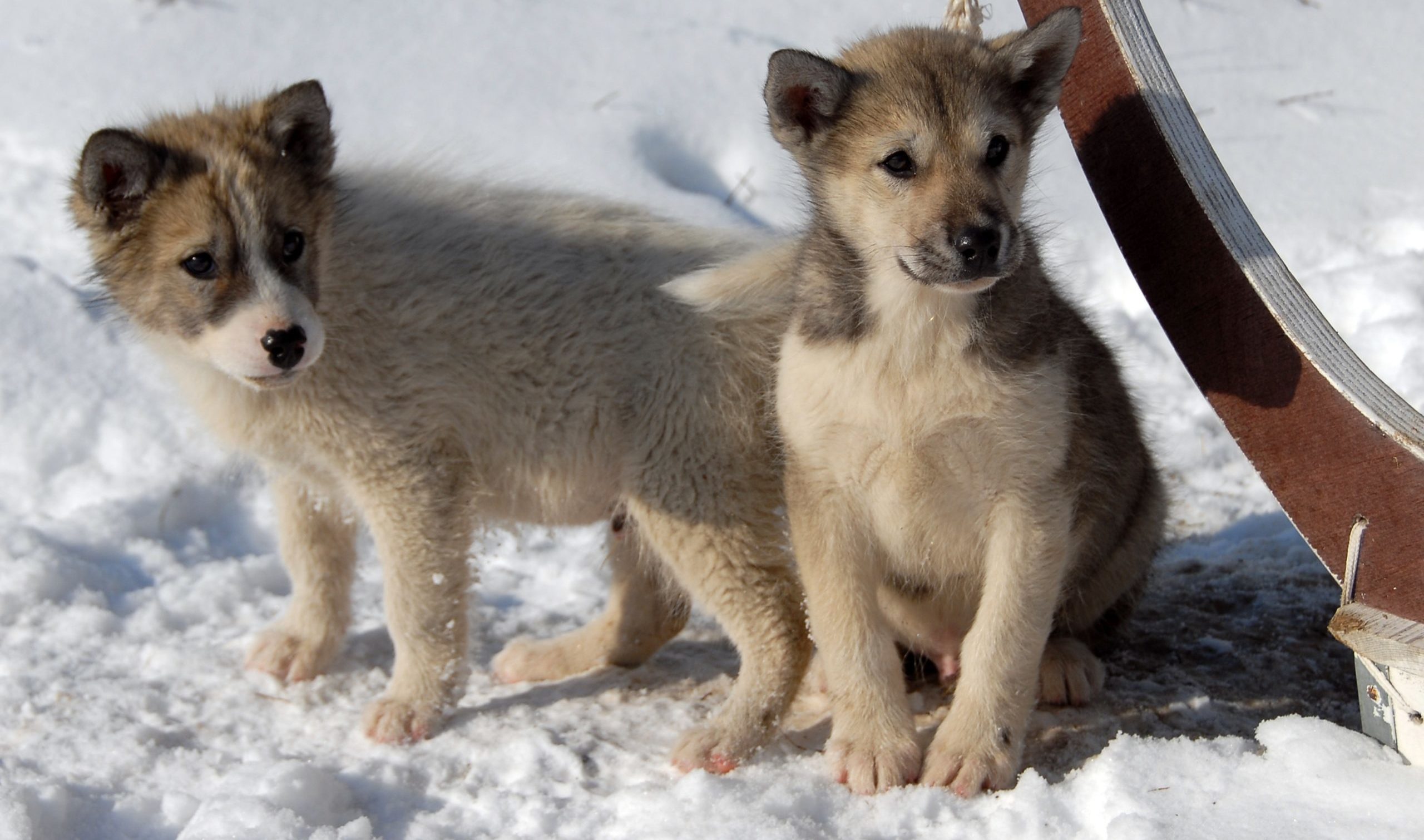
Choosing a Greenland dog puppy is an important and responsible process that requires attention and knowledge about the breed. To ensure the puppy becomes a true representative of the breed, it is essential to select a reliable kennel, carefully check documentation, and pay attention to the puppy’s health.
How to Choose a Puppy to Become a True Representative of the Breed
Choosing a Kennel
The first step in the process of selecting a puppy is finding a trustworthy kennel that breeds Greenland dogs. The kennel should be registered with official kennel organizations, such as the FCI (FГ©dГ©ration Cynologique Internationale) or relevant national kennel clubs. This guarantees that dogs are bred according to breed standards and selection rules. A reputable kennel is always ready to provide information about its animals and show you their living conditions.
Meeting the Puppy’s Parents
When choosing a puppy, it is crucial to meet its parents, as they can greatly influence the character and health of the offspring. The parents should be healthy, have good temperaments, and conform to breed standards. It is important that both parents have undergone necessary veterinary examinations and tests for hereditary diseases.Inspecting the PuppyThe puppy should be active, curious, with clear eyes and no signs of illness (such as runny nose, red eyes, diarrhea, etc.). Pay attention to the puppy’s behavior-it should not be overly fearful or aggressive. The puppy should be well-socialized, interact with people, and be open to engagement.The Puppy’s PedigreeIt is very important for the puppy to have a pedigree that confirms its lineage and purebred status. The pedigree should be issued by an official kennel organization and should list all the puppy’s ancestors and their achievements. Checking the pedigree will help ensure that the puppy is a true representative of the breed and that there are no hidden hereditary problems.What Documents to Check at the KennelPedigreeThis is one of the most important documents. The pedigree should list all the
Health and Diseases
The Greenland dog is a healthy and resilient breed with excellent physical abilities for working in extreme conditions. However, like any other breed, Greenland dogs can experience specific health issues that owners should be aware of to ensure a long and active life for their pet.
1. Hip Dysplasia
Like many large breeds, the Greenland dog may be predisposed to hip dysplasia-a condition where the joint develops improperly, leading to pain, lameness, and arthritis. This genetic condition makes it essential to choose a puppy only from healthy parents who have been tested for dysplasia. Preventive measures include monitoring the puppy’s physical activity during growth to avoid overexertion and keeping an eye on their weight to reduce stress on the joints.
2. Cardiovascular Diseases
The Greenland dog may develop cardiomyopathy-a condition affecting the heart muscle that can lead to reduced heart function. Although this problem occurs less frequently than in some other large breeds, owners should monitor their dog’s heart health, especially in older age. Regular veterinary check-ups and timely diagnostics can help avoid serious consequences.
3. Eye ProblemsGreenland dogs can be prone to eye diseases such as cataracts (clouding of the lens) or progressive retinal atrophy (PRA), which can lead to deterioration of vision. To prevent these diseases, regularly check the dog’s eyes with a veterinarian, particularly as they age or show signs of vision decline.4. ObesityA Greenland dog may gain excess weight if not provided with sufficient physical activity. Obesity can lead to various problems, such as joint diseases, cardiovascular disorders, and diabetes. To avoid obesity, it is crucial to balance their diet properly and ensure regular physical exercise.5. Allergies and Skin DiseasesGreenland dogs can suffer from allergies or skin conditions, such as eczema or dermatitis. This may manifest through itching, redness, inflammation, or hair loss. It is important to monitor the dog’s skin condition closely, especially during shedding periods when their coat may require extra care. Additionally, being cautious about their diet is necessary, as allergic reactions can be triggered by certain foods.6. Dental ProblemsLike many large dogs, Greenland dogs can experience dental issues, such as tartar buildup or gum disea
Содержание
-
1. Описание породы
-
2. Внешний вид
- 2.1 Голова
- 2.2 Морда
- 2.3 Уши
- 2.4 Глаза
- 2.5 Зубы
- 2.6 Корпус
- 2.7 Конечности
- 2.8 Хвост
- 2.9 Шерсть
- 2.10 Окрас
-
3. Характер
-
4. Содержание и уход
-
5. Дрессировка и обучение
-
6. Как выбрать котенка
-
7. Здоровье и болезни





Comments
Only registered users can leave reviews.
Enter