
Greek shepherd dog




Warning: Illegal string offset 'label' in /home/panda/sites/zoonika/wp-content/themes/zoonika/template-parts/animals/animals-param-item.php on line 32
Ð


Breed Description
The Greek Shepherd Dog, or as it is often called in Greece, Ellinikos Pimenikos, is an ancient dog breed with roots deeply embedded in the history of Greek civilization. These dogs have accompanied shepherds and guarded flocks for thousands of years, being an integral part of life in Greece’s mountainous and rural regions.
Origin and History
It is believed that the Greek Shepherd Dog emerged during antiquity, around 1,000 to 2,000 years BC. Its ancestors were large guard dogs brought to the Balkan Peninsula from the East, possibly from Mesopotamia. These dogs mixed with local breeds, forming a strong and resilient breed capable of enduring the harsh conditions of mountainous landscapes.
The ancient Greeks, known for their close relationship with nature and animals, actively used dogs to protect their herds. Sheep and goats were the main sources of sustenance and income, so protection from predators like wolves and bears was vital. The Greek Shepherd Dog stood out for its strong protective instinct, tolerance for harsh climates, and ability to work tirelessly for hours.
Who Bred the Breed?
Although it’s impossible to pinpoint a specific “first” breeder due to its ancient origins, Greek shepherds have acted as breeders for centuries. They selected the strongest, most enduring, and loyal dogs for breeding, focusing on protective qualities and adaptability to local conditions. It was a natural process where only the best representatives survived and continued in breeding.Greek Shepherd Dogs gained particular popularity in the regions of Thessaly, Epirus, Macedonia, and the island of Crete. These areas were famous for their pastures and high mountains, where only the most reliable guardians were needed.Main Tasks and Role in SocietyThe Greek Shepherd Dog served two primary functions: protecting the flock and accompanying the shepherd. It was distinguished by its ability to make decisions independently in critical situations. For instance, the dog could recognize a threat, whether it was a predator or a person, and act to eliminate it without the owner’s command.A peculiar feature of this breed is its unique approach to guarding. The Greek Shepherd Dog did not attack first but always positioned itself between the flock and the threat, waiting for
Appearance
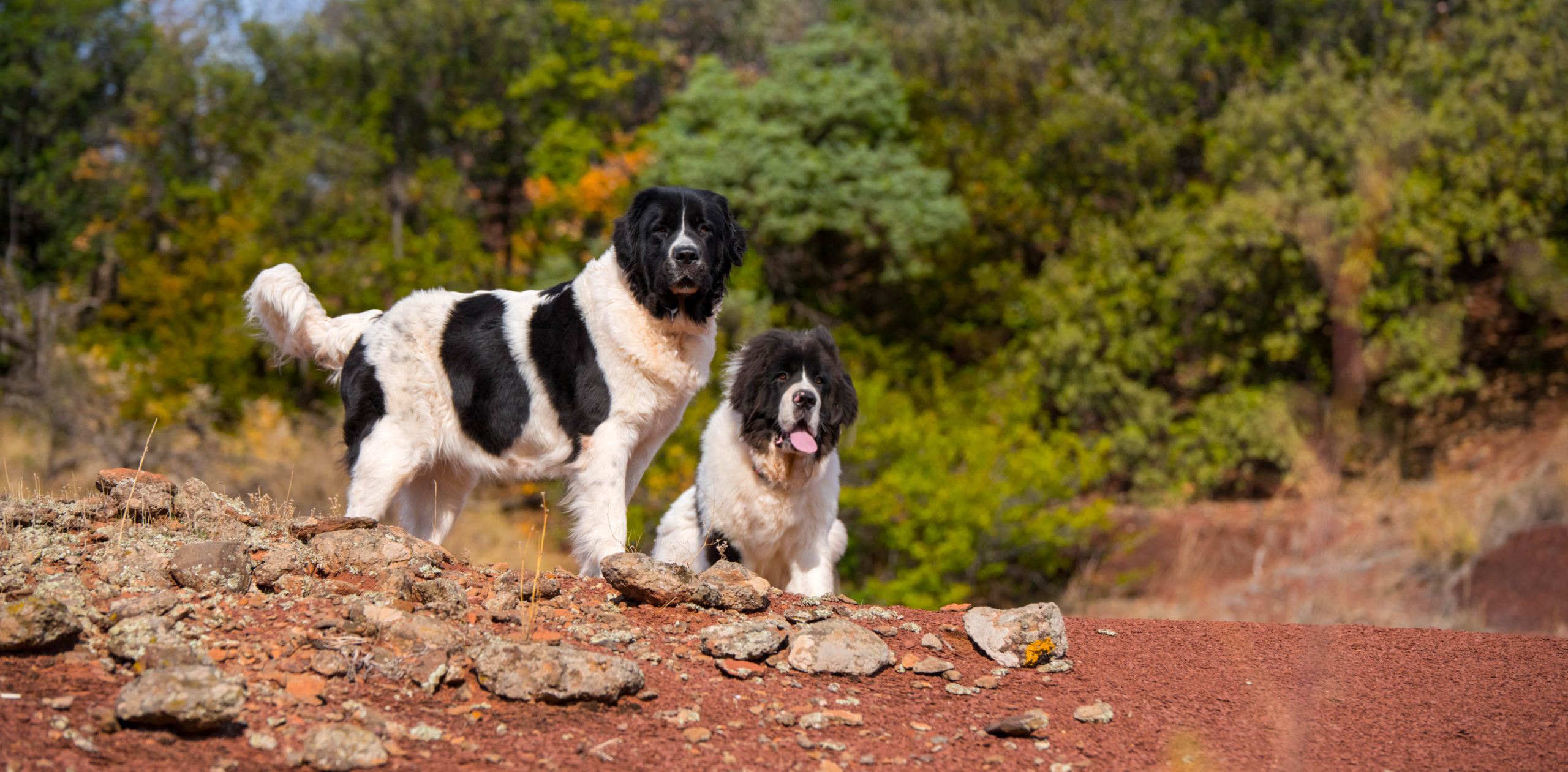
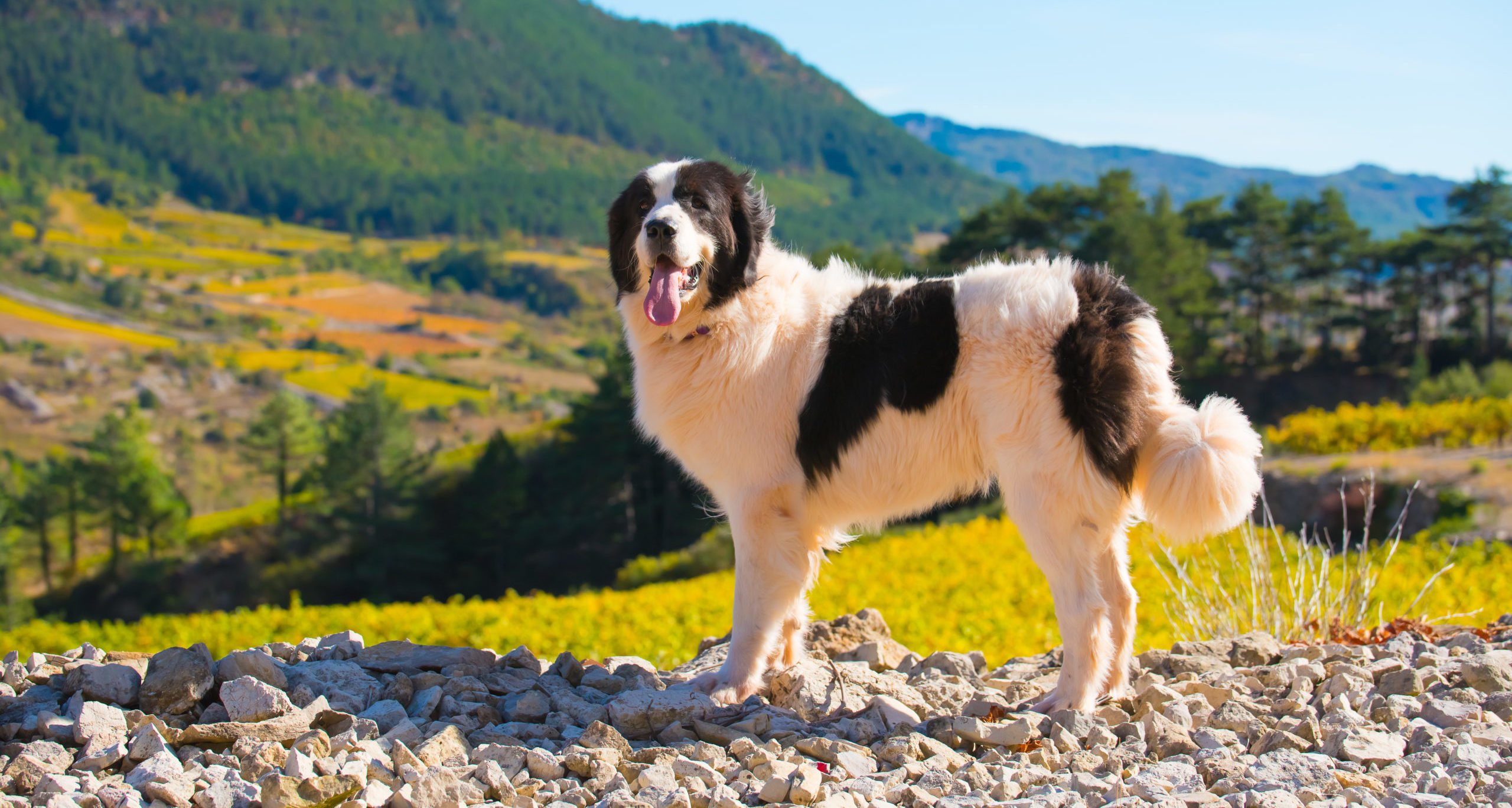
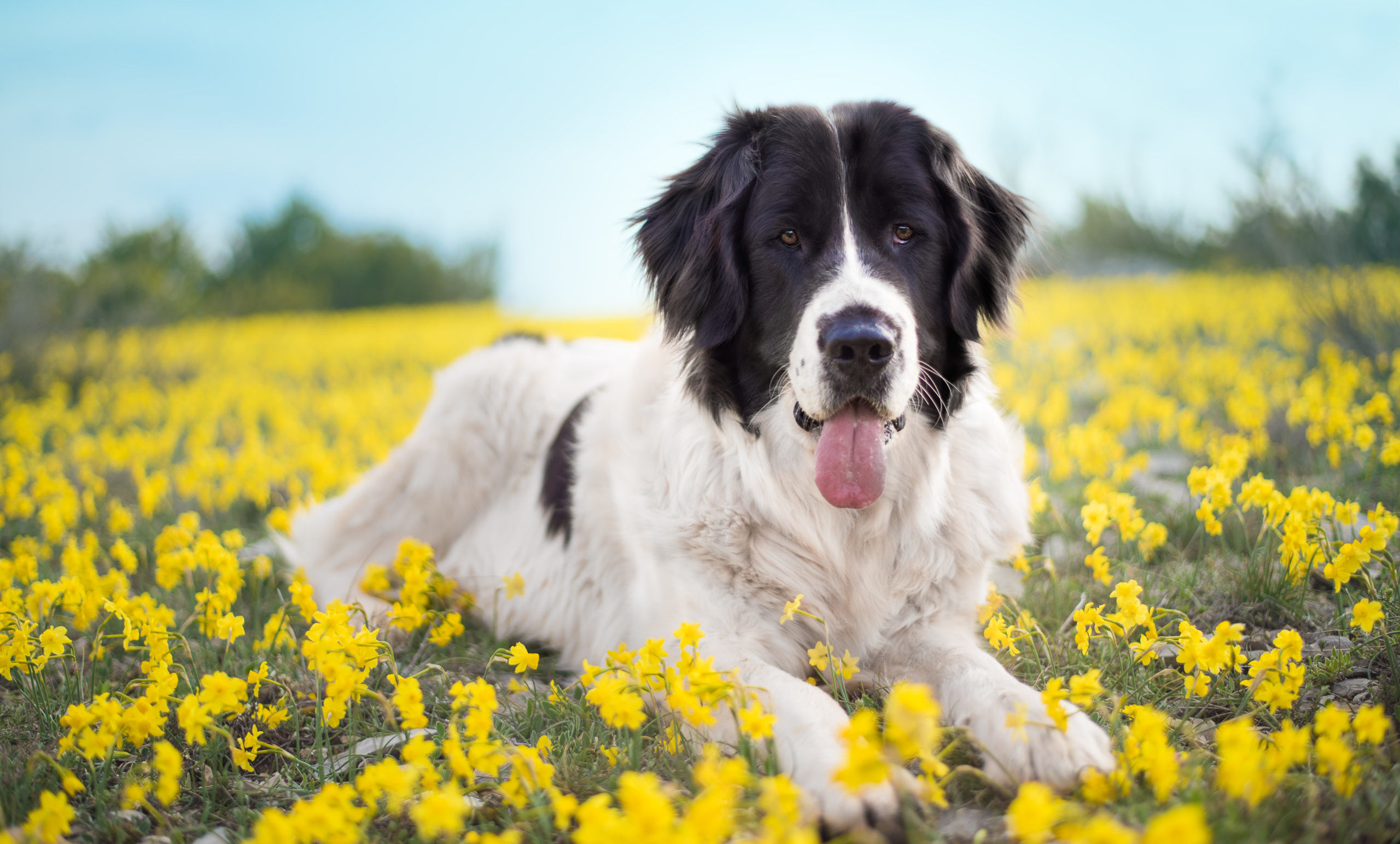
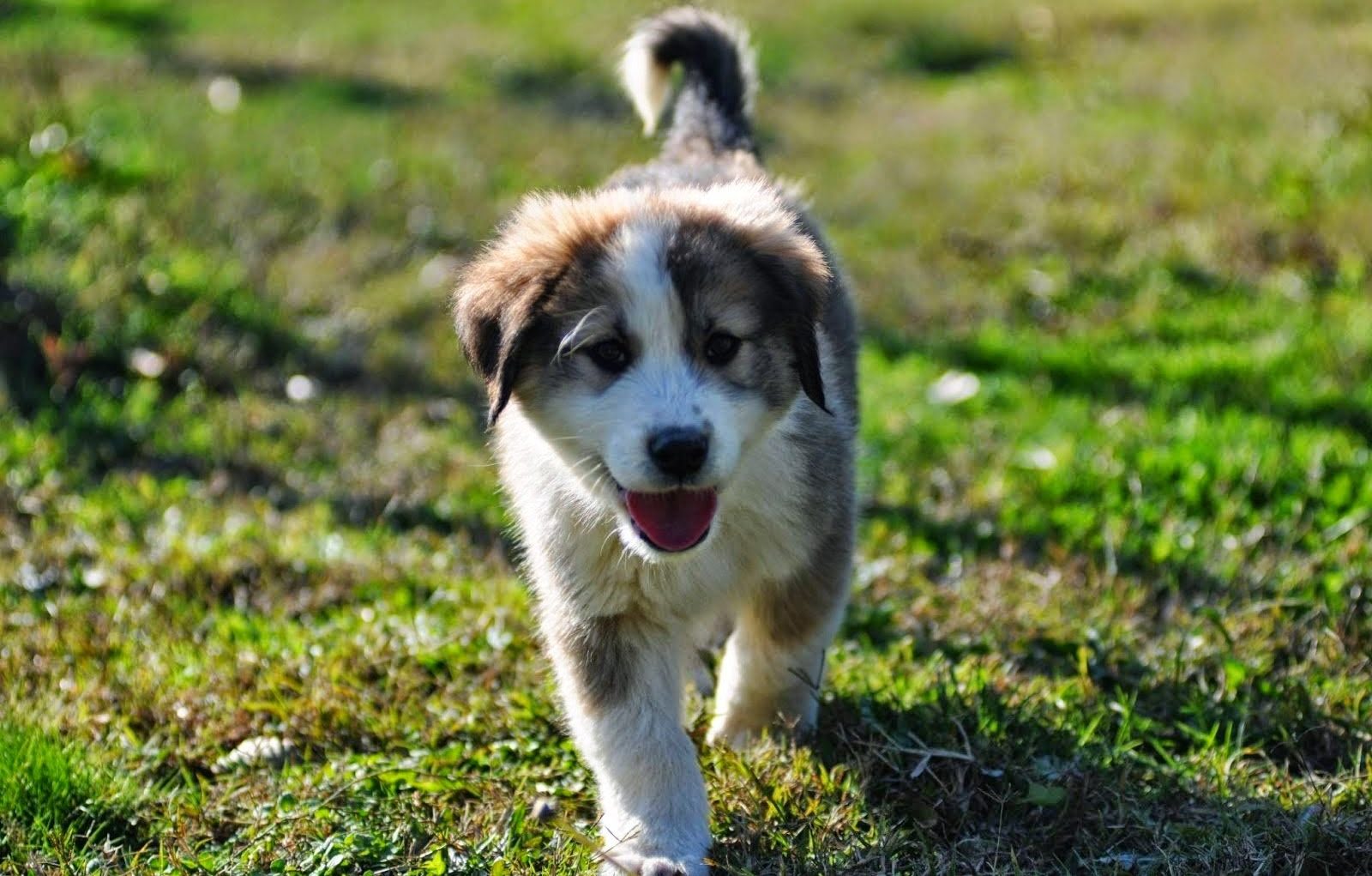
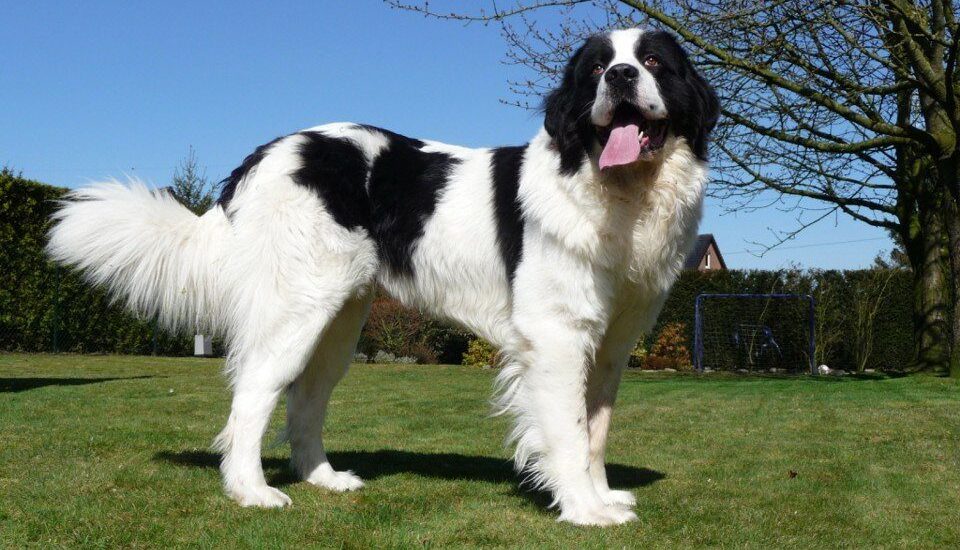
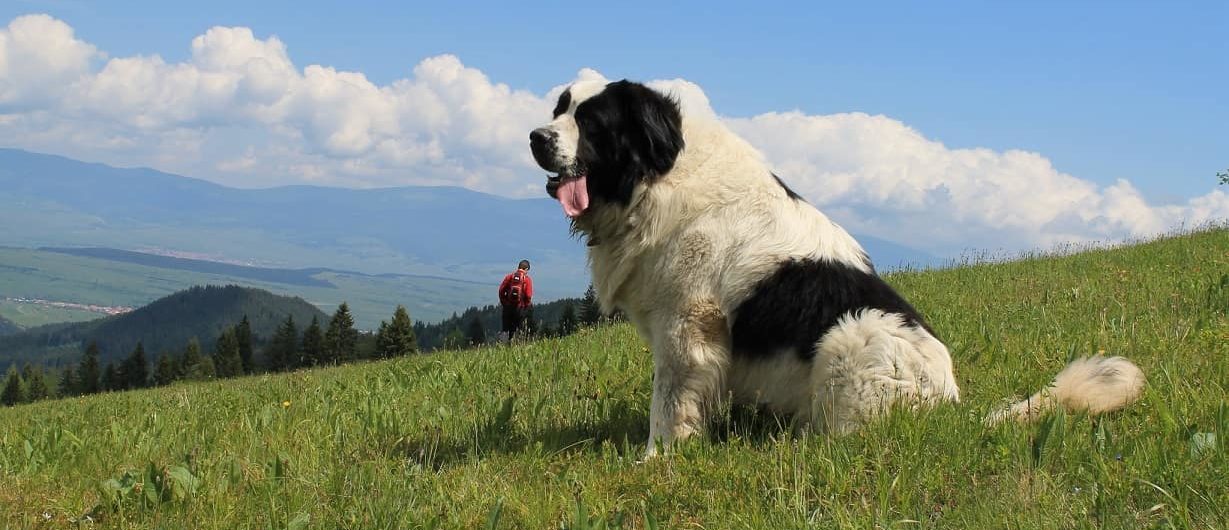
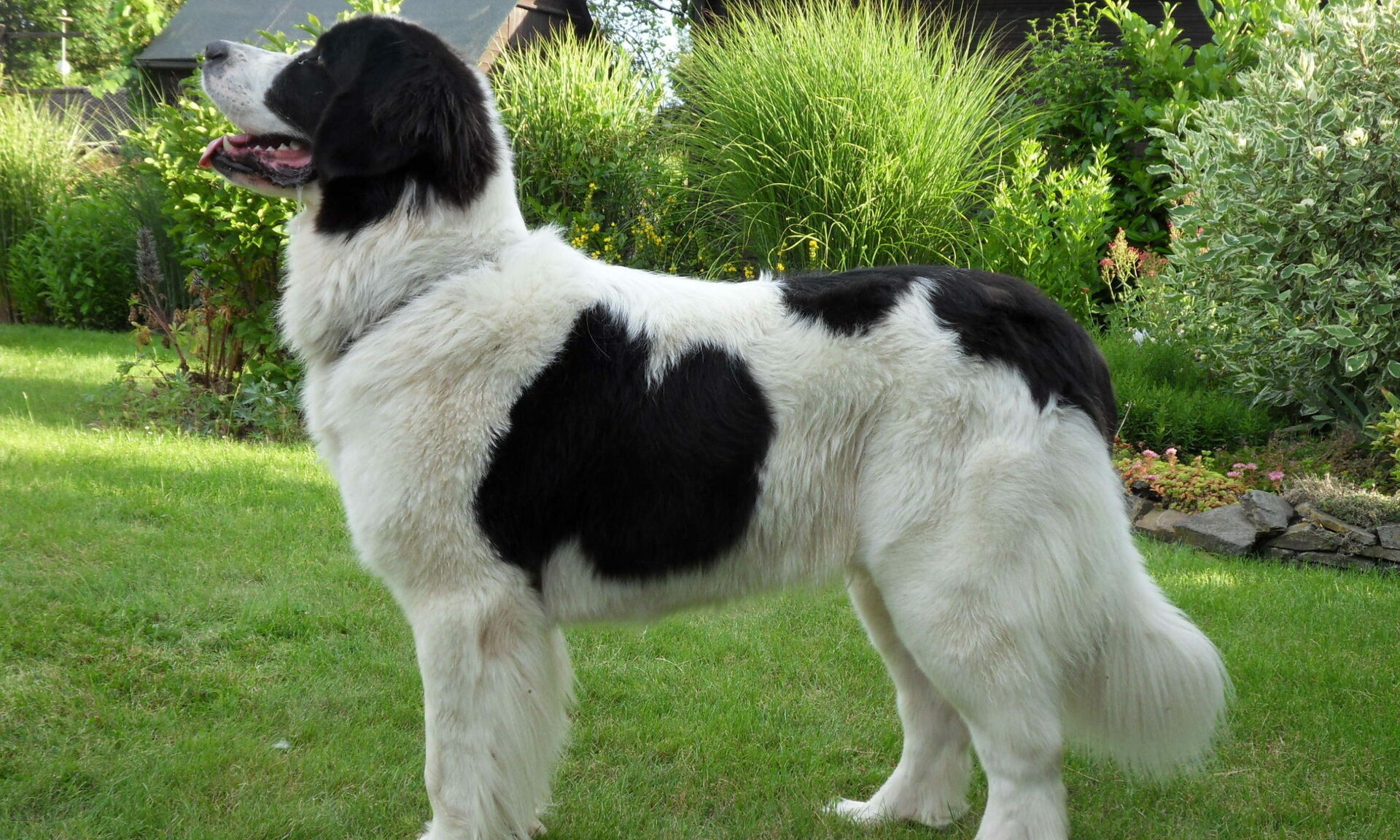
The Greek Shepherd is a powerful yet harmoniously built dog that impresses with its physical endurance and natural grace. Its appearance reflects a naturalness shaped over centuries by the harsh conditions of mountainous landscapes and daily work. This medium-sized dog has a sturdy build that is ideal for long walks and intense physical activity.
The average height of a Greek Shepherd is about 60-75 cm at the shoulder, making it large enough to command respect and effectively protect herds from predators. Its average weight ranges from 32 to 50 kg, providing an optimal combination of strength and agility. This proportionality allows the dog to be both stable and maneuverable while capable of swift actions when necessary.
The coat of the Greek Shepherd is one of its defining traits. It is dense and thick, helping the dog adapt to various weather conditions, from heat to cold. Coat colors can vary, with shades of gray, black, white, or fawn being common. Its fur also protects the skin from insect bites and minor injuries in dense underbrush or rocky areas.
The lifespan of a Greek Shepherd averages between 10 to 12 years. This longevity is due to its robust health and the natural selection process, where only the most resilient and strong individuals have participated over the centuries. This makes it a loyal companion and a dependable helper for many years.
The Greek Shepherd, with its appearance and natural traits, embodies ancient beauty, strength, and loyalty, maintaining its roots in the modern world.


Отличительные черты

Голова

Морда

Уши

Глаза

Зубы

Корпус

Конечности

Хвост

Шерсть

Окрас
Character
The character of the Greek shepherd dog has been shaped in conditions that demanded absolute reliability, independence, and decision-making ability. This breed stands out for its remarkable balance of strength, restraint, and loyalty, making it an ideal protector and faithful companion.
The Greek shepherd dog is known for its calm confidence. It is not prone to aggression but has a powerful protective instinct. Its approach to guarding is rational: it does not leap into action unnecessarily but carefully analyzes the situation. This makes it an excellent guardian, capable of distinguishing a real threat from minor disturbances.
These dogs are incredibly devoted to their owner and family. Their loyalty knows no bounds, and they are always ready to protect their loved ones, even at the risk of their own safety. At the same time, they do not require excessive attention-the Greek shepherd dog values respectful treatment and is willing to take initiative when it feels trusted.
The dog adapts well to various conditions, whether living in the mountains, a village, or even a city, as long as it receives physical activity and the opportunity to feel needed. It gets along well with children, especially if raised in a family environment from an early age.
One of the main traits of the Greek shepherd dog is its inclination towards independent actions. It is used to working without constant directives from its owner, a result of its historical role as a herd dog. This does not mean it does not obey commands, but its behavior always reflects an ability to think independently.
These dogs love to observe their surroundings. They often take positions from which they can see the entire area, whether it be a pasture or a yard. This habit stems from their innate sense of responsibility for their territory and its inhabitants.The Greek shepherd dog is an active breed. It requires regular physical exercise, whether through long walks, play, or work. Its natural endurance allows it to handle intense activity with ease, and it happily accompanies its owner in various activities, from runs to hikes.Despite its energy, the dog knows how to behave calmly at home. It is rarely pushy but is always happy for interaction and care. Its habit of establishing a close emotional bond makes it not just a guardian but a true family member.The Greek shepherd dog is a dog with a deep character, combining natural intuition, intelligence, strength, and tenderness. Its behavior reflects centuries of wisdom that has been instilled in this breed through its long history.
Story in the countryside
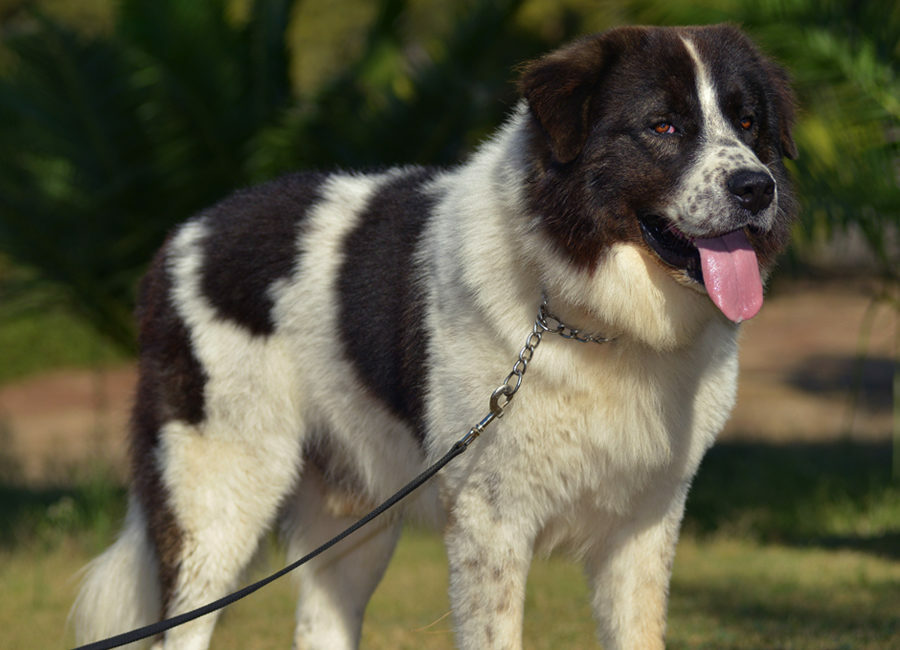
The Greek shepherd dog, also known as the "Greek Bergamasco," has an intriguing history that begins in the rural areas of Greece. These dogs were bred as guard and herding partners for farmers and shepherds, facing the challenging conditions of rural life. Their strength, endurance, and intelligence have made them indispensable helpers in guarding flocks and family homes.Care and Maintenance
The Greek Shepherd does not require complex care, but certain aspects of its maintenance are important for keeping the dog healthy and in a good mood. Its dense coat needs regular brushing, about once or twice a week, to remove dead hair and prevent matting. During seasonal shedding, grooming may need to be more frequent. Frequent bathing is not necessary; washing the dog two to three times a year or as needed is sufficient to maintain the natural oil balance of the coat.
Particular attention should be paid to the condition of the ears and eyes, especially if the dog spends a lot of time outdoors. Ears should be regularly checked and cleaned to prevent inflammation, while eyes should be cleaned if there is any dirt. Paws and nails also require care. If the dog is active outdoors, its nails naturally wear down, but they may need to be trimmed during city walks. After walks on rocky terrain, it’s important to check the paws for cuts or splinters.
A balanced diet plays a crucial role. The Greek Shepherd prefers high-quality food or natural diets that include meat, vegetables, and grains. Avoid overfeeding, as excess weight can strain the joints and decrease activity. This breed requires daily physical activity: long walks, runs, or active games help maintain its physical fitness and mental health. Without exercise, the dog may become bored and even exhibit destructive behavior.
The Greek Shepherd values freedom and the opportunity to showcase its intelligence, so it enjoys tasks that require cleverness. It loves spending time outdoors, especially in spacious areas where it can explore. Interaction with its owner and participation in activities also bring it joy, as it appreciates close contact with the family.
However, this dog does not tolerate solitude well. Long absences from its owner can cause stress and apathy. It also dislikes having its instincts go unfulfilled – as a natural protector, the Greek Shepherd needs tasks and activities. Roughness or aggressive behavior towards it is unacceptable, as the dog highly values respect and fair treatment. It feels uncomfortable in confined spaces where movement is limited, so it’s important to allow it to be active and utilize its natural qualities. Caring for a Greek Shepherd involves attending to its needs, which helps establish a deep bond between the owner and the dog.
A breed with a multifaceted character.
The Greek shepherd is known for its strong character and intelligence. They are not only excellent guards but also loyal companions. This breed possesses a variety of personality traits, ranging from confidence and resilience in difficult situations to affection and devotion to their owners. This unique blend of characteristics makes the Greek shepherd not only a reliable guard but also a wonderful companion.Training and Education
The Greek Shepherd is an intelligent and independent dog that requires training based on respect, patience, and consistency. This breed tends to make decisions on its own, so it’s important that the training is pressure-free but has a clear structure. It’s best to start training at an early age when the puppy is more open to learning and easily adapts to new rules. Dogs of this breed respond well to positive reinforcement, especially praise, treats, or play. They value trusting relationships, so harshness and punishment will only worsen their behavior.
Training should be varied and include tasks that allow the dog to showcase its natural cleverness. Simple repetitions can quickly become boring, as the Greek Shepherd enjoys challenges and tasks that require situational analysis. Activities that involve guarding territory, searching for objects, or navigating an area are most suitable. They quickly learn commands, but it’s essential to regularly reinforce them to solidify skills. Additionally, the dog should be socialized from a young age to feel confident in the presence of other people and animals.
The Greek Shepherd tends to choose one owner to whom it will be most devoted. This choice is usually based on who gives it the most attention, care, and confidence. However, it can listen to and respect other family members if it feels they are fair and confident in their actions. Dogs of this breed appreciate calmness and consistency, so the most suitable owner will be someone capable of being a firm yet kind leader.
It listens to those who have earned its respect by demonstrating fairness and decision-making skills. At the same time, it intuitively senses people’s moods and behavior, making it particularly sensitive to its owner. Roughness or inconsistent behavior from a person can diminish its trust, and in such cases, the dog may begin to show stubbornness or ignore commands. The Greek Shepherd is ideal for experienced dog owners who understand the importance of balancing firmness with affection.
Defenders of the home and family.
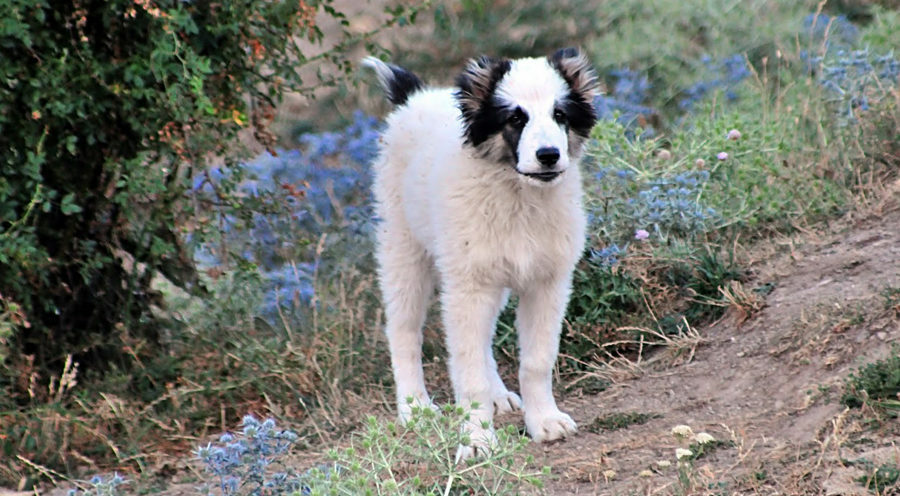
Greek Shepherds are impressive in their protection, making them excellent guardians of homes and family properties. They exhibit a high level of vigilance and are ready to defend their owners and their possessions from any threat. The intervention of a Greek Shepherd can be decisive and effective, making them valuable allies in ensuring the safety of the household.
How to Choose a Puppy
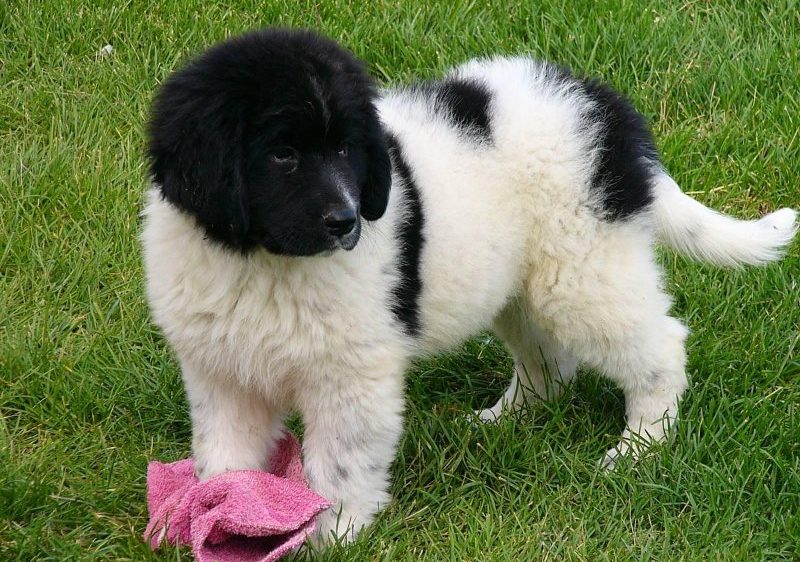
When choosing a Greek Shepherd puppy, it is important to pay attention to its physical and psychological condition, as well as the reputation of the kennel. The puppy should be active, friendly, and show interest in the surrounding world. A healthy puppy has clear eyes, shiny fur, even breathing, and firm skin. Observe the puppy’s behavior: a proper representative of the breed should not be overly timid or aggressive, but should display confidence and curiosity.
It is necessary to check the puppy’s lineage. The kennel should provide documents confirming the pedigree to ensure that the puppy meets breed standards. This includes the puppy’s birth certificate or registration card, which lists the parents and their titles if they participate in exhibitions. It is also important to verify the veterinary passport, which should note vaccinations and parasite treatments given according to age. Make sure the kennel has a dog breeding license and that the conditions for keeping the puppies meet standards: cleanliness, proper nutrition, and socialization.
Pay attention to the puppy’s parents. If possible, look at their appearance and behavior, as many character traits are inherited. The parents should appear healthy, well-groomed, and balanced in behavior. A good breeder is always ready to answer questions about the breed, keeping conditions, specific traits of the puppy, and to provide recommendations for care. When choosing a Greek Shepherd puppy, it is important to consider not only its appearance but also the breeder’s willingness to support you with advice in the future. Zoonyka is the best place to choose from a variety of listings.
Health and Diseases
The Greek Shepherd is a breed that has developed in harsh conditions, making it resilient and resistant to most diseases. Natural selection has preserved the breed’s strong health, and many individuals can live up to 12-14 years with proper care. However, like any breed, there are predispositions to certain illnesses that should be taken into account.
One of the most common issues is joint diseases, such as hip or elbow dysplasia. This is related to their active lifestyle and large size. For prevention, it’s important to monitor their weight, avoid overfeeding, and provide moderate exercise, especially in puppyhood. It’s also advisable to choose a puppy from a reputable breeder who tests the parents for genetic diseases.
Another potential problem can be bloating, especially in adult dogs. This condition is typical for large breeds with deep chests and can be life-threatening. To prevent it, it’s recommended to feed the dog small portions several times a day, avoid active play right after meals, and use special bowls for slow feeding.
Thanks to their thick coat, the Greek Shepherd is well-protected from weather conditions but may be prone to skin diseases if their coat and skin are not properly cared for. Regular grooming and inspections can help prevent issues such as dermatitis or allergic reactions. It’s also important to keep their ears clean, especially if the dog spends a lot of time outdoors, to avoid ear infections.
The Greek Shepherd has a strong immune system, but timely vaccinations and parasite prevention, such as fleas, ticks, and worms, remain essential. Regular veterinary visits, examinations, and tests can help identify potential problems early and ensure a long, healthy life for the dog. With proper care, the Greek Shepherd remains energetic, active, and reliable for many years.
Содержание
-
1. Описание породы
-
2. Внешний вид
- 2.1 Голова
- 2.2 Морда
- 2.3 Уши
- 2.4 Глаза
- 2.5 Зубы
- 2.6 Корпус
- 2.7 Конечности
- 2.8 Хвост
- 2.9 Шерсть
- 2.10 Окрас
-
3. Характер
-
4. Содержание и уход
-
5. Дрессировка и обучение
-
6. Как выбрать котенка
-
7. Здоровье и болезни






Comments
Only registered users can leave reviews.
Enter