
Great Swiss Mountain Dog




Warning: Illegal string offset 'label' in /home/panda/sites/zoonika/wp-content/themes/zoonika/template-parts/animals/animals-param-item.php on line 32
Ð


Breed Description
The Greater Swiss Mountain Dog, sometimes referred to as “Gross,” is a breed that has won many hearts with its impressive appearance and loyalty to its owners. These magnificent dogs embody strength, intelligence, and loyalty, making them ideal partners for both work and companionship.
The history of the Greater Swiss Mountain Dog spans several centuries. This breed originates from the Swiss Alps, with roots that reach deep into history. It is believed that the ancestors of the Swiss Mountain Dogs were brought to the region by Swiss monks and monasteries in the Middle Ages. Here, the dogs were used for various purposes, including guarding, draft work, and herding. This versatility has become part of their heritage.
However, by the mid-19th century, the Greater Swiss Mountain Dog was on the brink of extinction due to changes in the agrarian environment and technological advancements. Their salvation came from dedicated breeders in Bern, who started working diligently to revive the breed. Thanks to the efforts of these dog enthusiasts, the breed began to thrive once again.
Today, the Greater Swiss Mountain Dog is known for its remarkable strength and endurance. They are utilized as working dogs in various fields, such as search and rescue operations, draft work, and even therapeutic tasks due to their friendly nature.
In terms of temperament, Greater Swiss Mountain Dogs are generally kind and devoted to their families. They easily socialize and make excellent companions, especially if they have the opportunity to expend extra energy through active pursuits and exercise.
In conclusion, the Greater Swiss Mountain Dog is a breed with a rich history that has weathered many challenges while maintaining its unique personality and utility in the modern world. These powerful yet friendly dogs continue to win hearts with their loyalty and steadfastness, making them deservedly popular worldwide.The price for a puppy ranges from 40,000 to 50,000 rubles.
Appearance
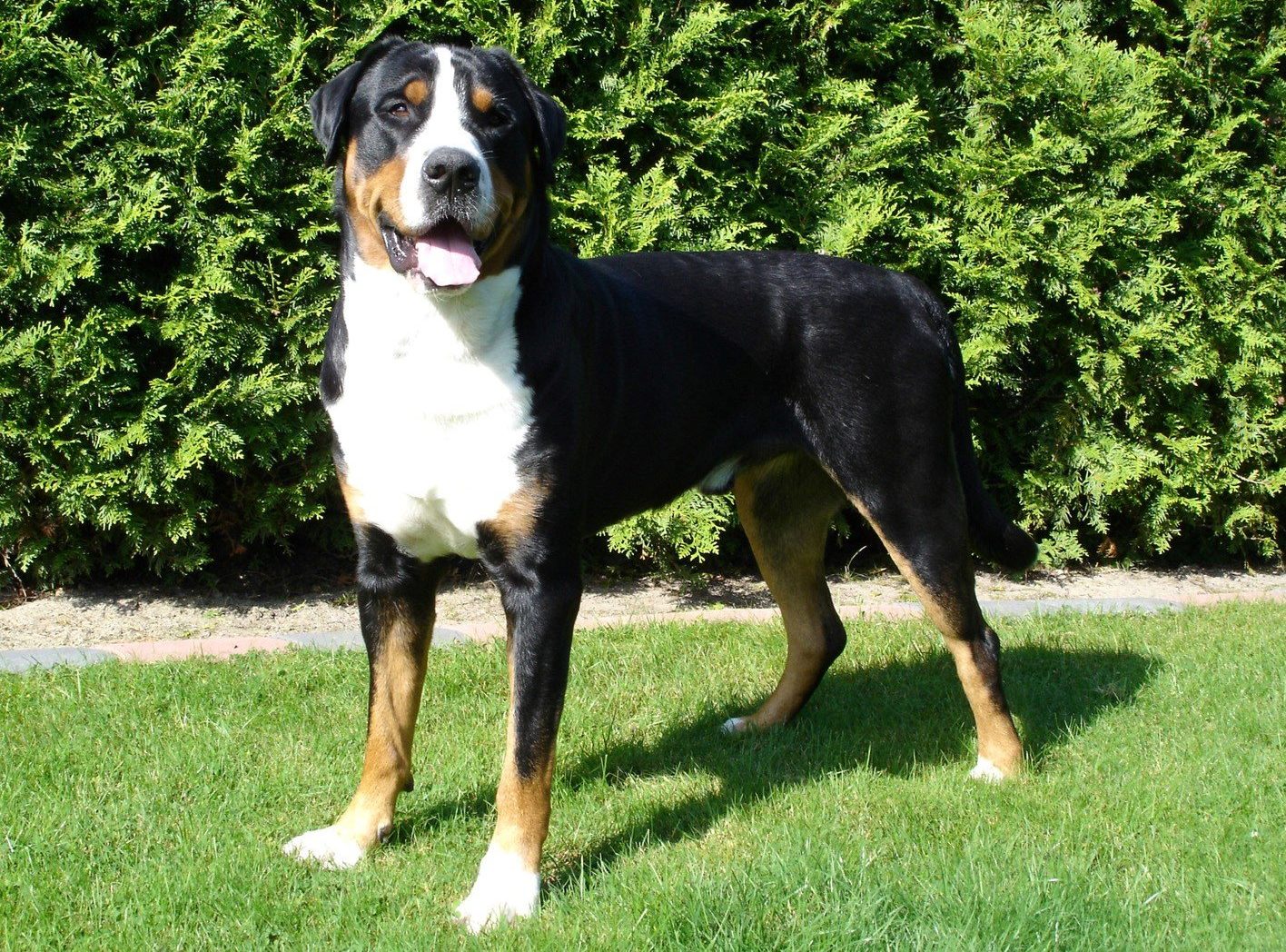
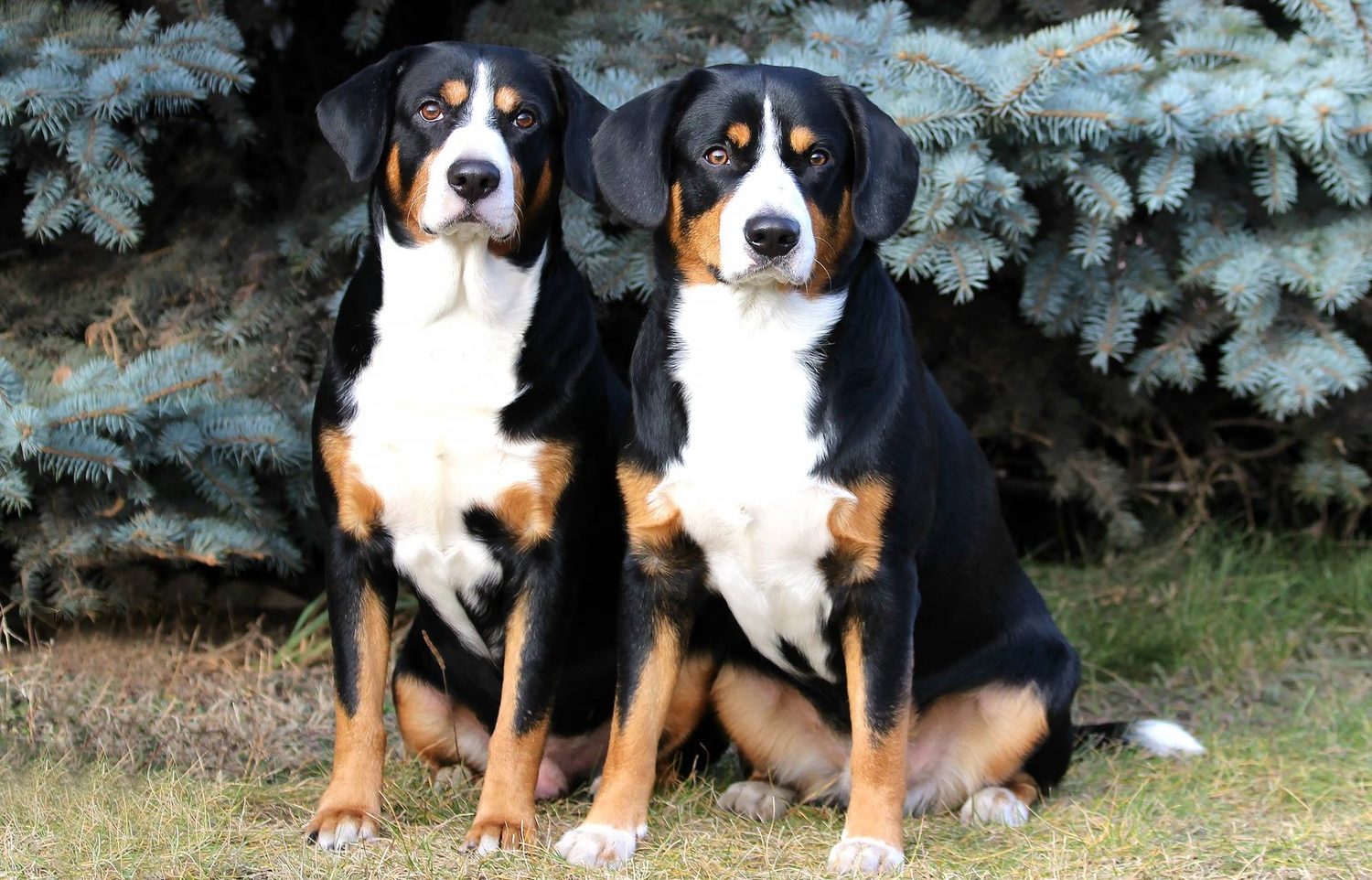
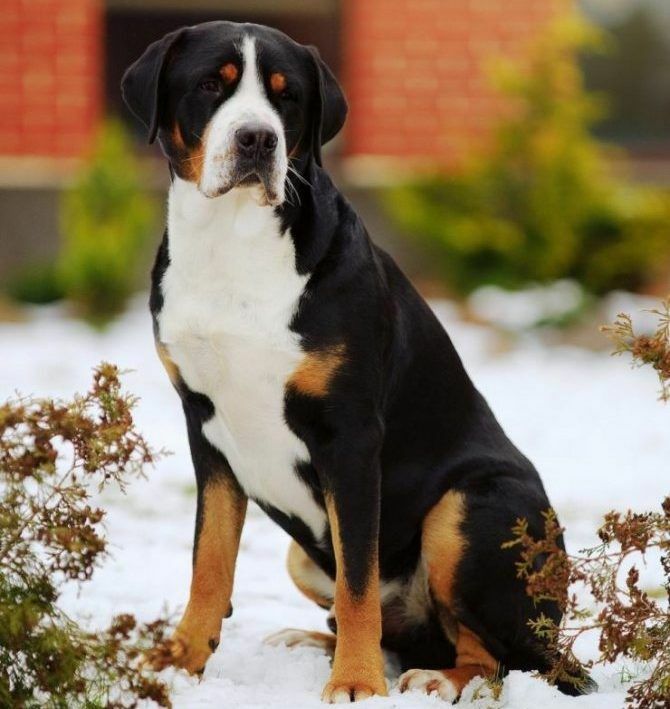
The Bernese Mountain Dog is an impressive and muscular breed known for its striking appearance and gentle character. These dogs typically stand between 60 and 70 cm at the shoulder and weigh between 40 and 50 kg, making them quite large and strong animals. The average lifespan of a Bernese Mountain Dog is around 10-12 years.
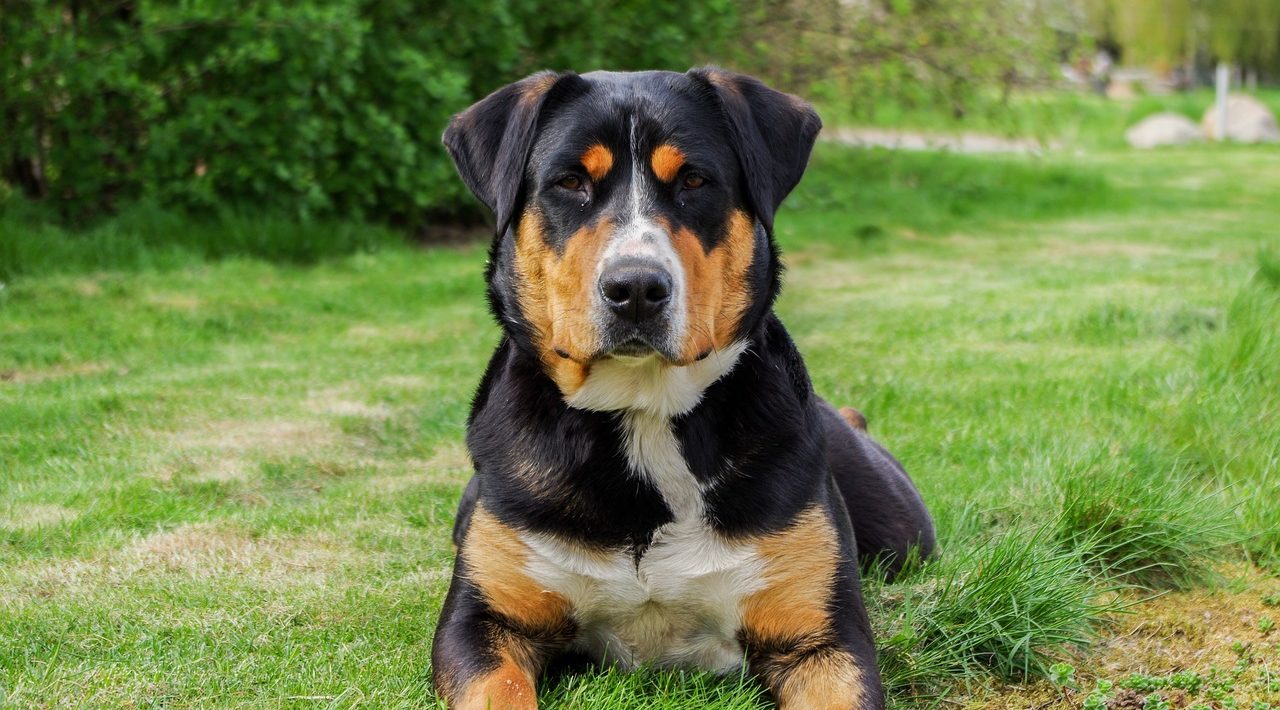
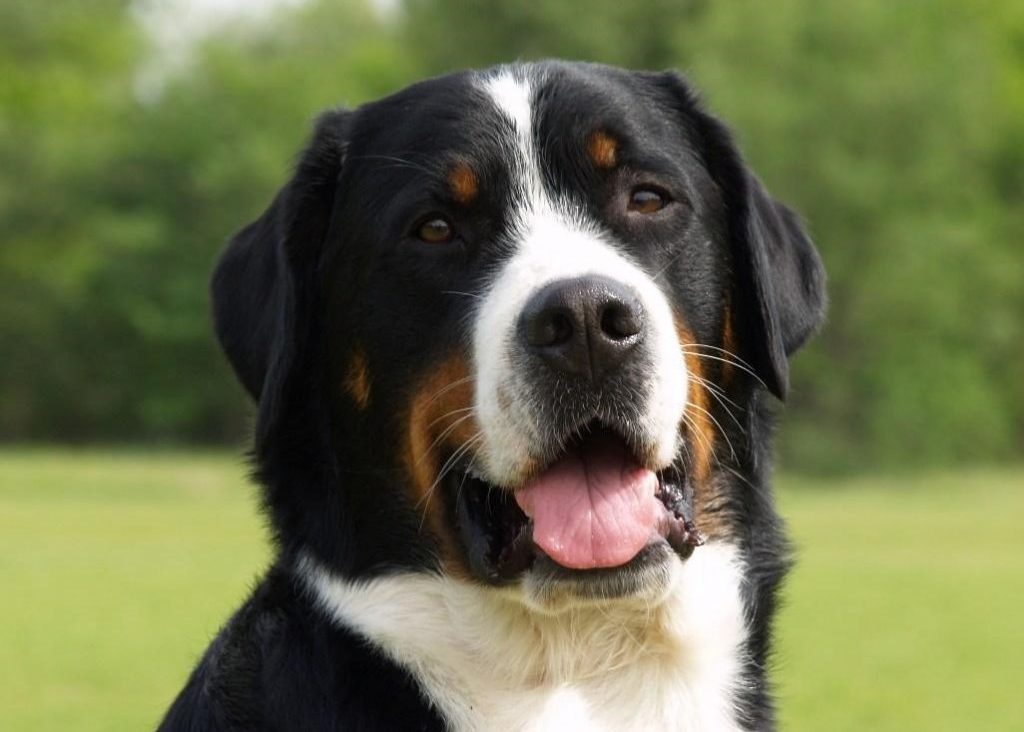
These dogs have a broad and massive head with harmonious features. The skull is rounded, and the forehead is flat, giving them a confident and imposing look. Their large, dark eyes express friendliness and intelligence, while their droopy, triangular ears add softness to their overall appearance.
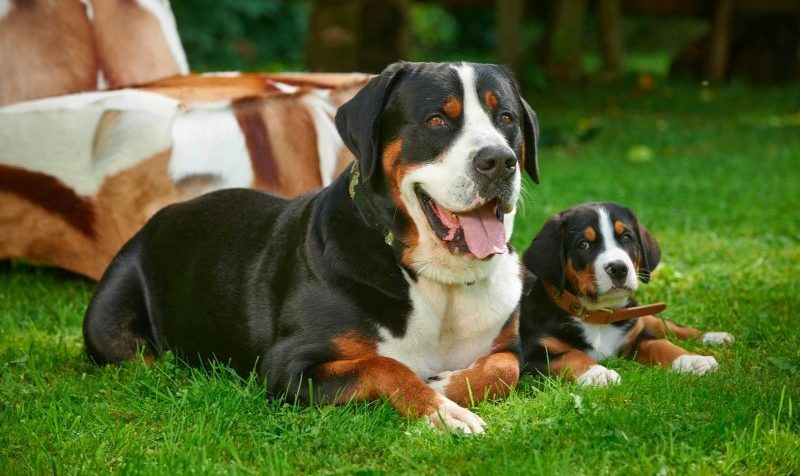
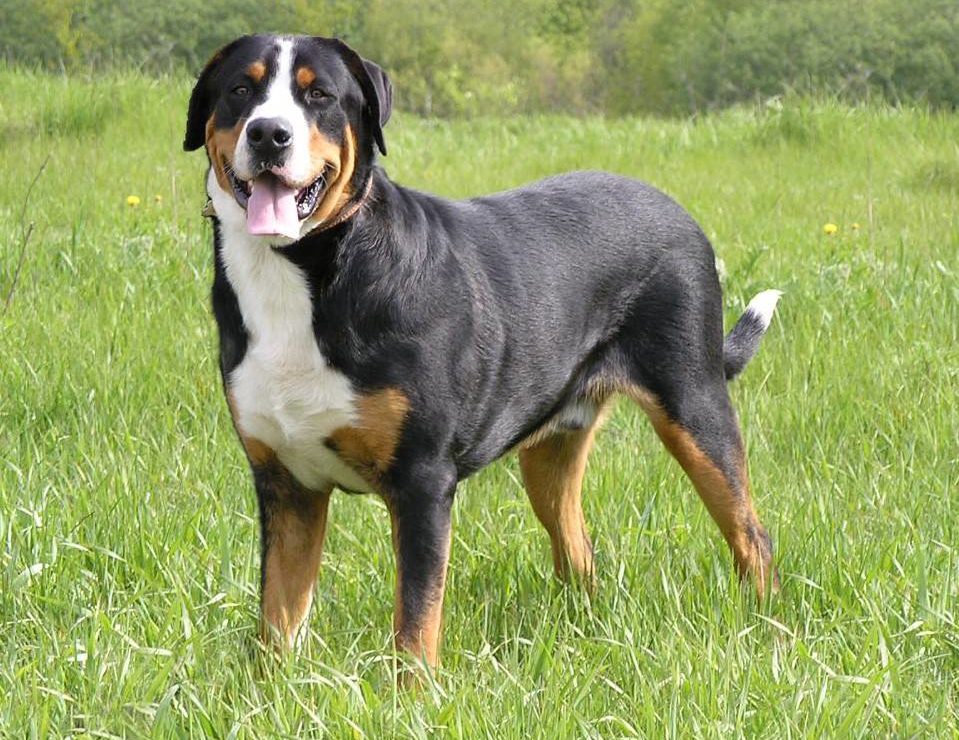
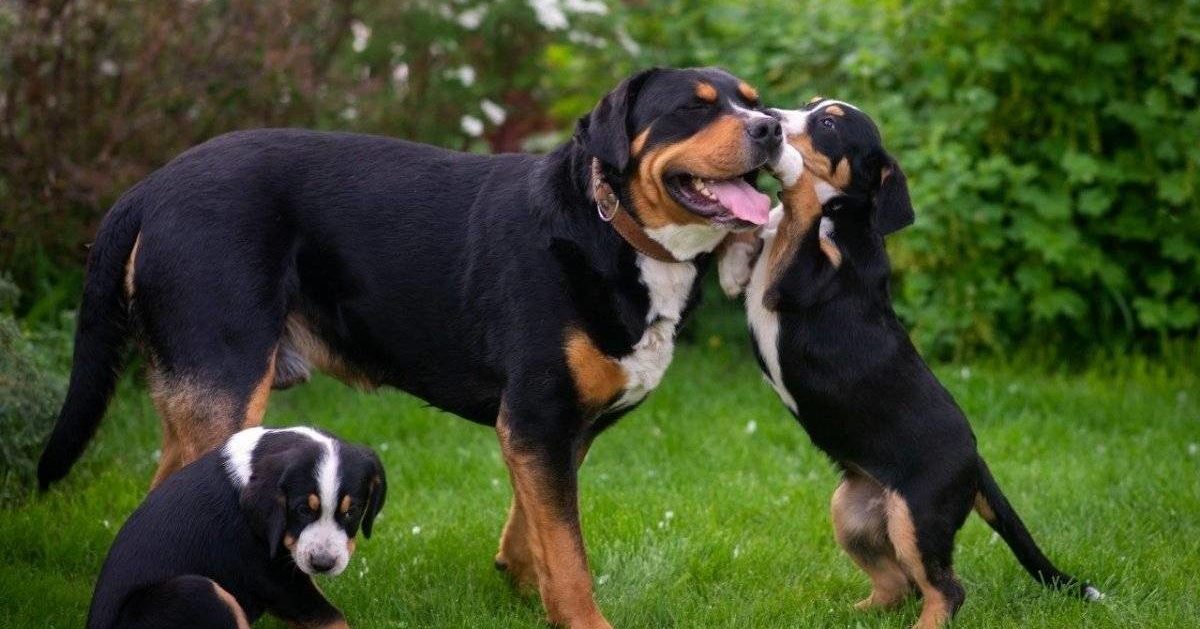
The coat of the Bernese Mountain Dog is short, dense, and thick, protecting them from adverse weather conditions. Their coloration is usually tricolored: black, white, and rust, with distinctive white markings on the chest and legs, making each individual unique.
The body of these dogs is strong and muscular, with a well-developed chest and a straight back, providing them with great stability and endurance. Their limbs are powerful and straight, ensuring good maneuverability and stability in motion.
Overall, the Bernese Mountain Dog is a stunning breed that combines strength, grace, and kindness. Their expressive appearance and friendly nature make them excellent companions for active individuals and families willing to give them the attention and care they need.


Отличительные черты

Голова

Морда

Уши

Глаза

Зубы

Корпус

Конечности

Хвост

Шерсть

Окрас
Character
The Greater Swiss Mountain Dog is a breed that possesses a unique character and a strong spirit. Their nature combines several important traits that make this breed especially appealing to many dog owners.
Loyalty and devotion: Swiss Mountain Dogs are renowned for their unwavering loyalty to their owners. They form deep emotional bonds with their families and are willing to go through fire and water to protect their loved ones. This loyalty makes them excellent family pets and great companions for individuals.
Intelligence and cleverness: Swiss Mountain Dogs are intelligent and capable of learning. They were bred for various working tasks, including guarding, draft work, and herding, and they have the intellect to perform these tasks effectively. They learn quickly and can easily master commands and tricks.
Kindness and friendliness: Despite their powerful physique, Swiss Mountain Dogs are known for their kindness and friendliness. They are often referred to as “gentle giants” and get along well with children and other dogs. They generally exhibit tolerance and friendliness toward strangers, making them excellent companions during walks and in social settings.
Activity and energy: Swiss Mountain Dogs are an active breed, requiring regular physical exercise and active participation in family life. They love outdoor activities and can be great partners for active people engaging in hiking, running, or other sports.
Protective instinct: Like other working dog breeds, Swiss Mountain Dogs have a well-developed protective instinct. They can be excellent guardians while remaining friendly to family and close friends.The Greater Swiss Mountain Dog is a breed that combines strength, intellect, and kindness. Their loyalty and devotion make them great companions in life, while their ability to learn and intelligence make them versatile working dogs. If you are looking for a partner who will be loyal and devoted while also engaging with you in outdoor activities, a Greater Swiss Mountain Dog could be your perfect companion.
Many-faced worker
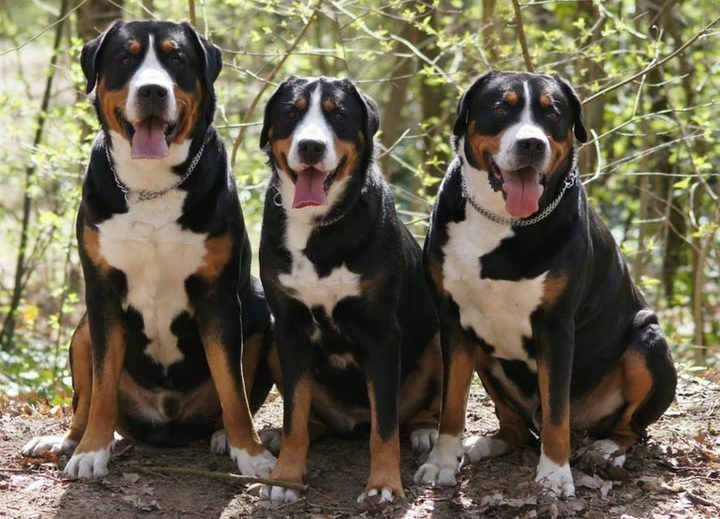
The Great Swiss Mountain Dog, although known for its large and muscular build, was actually bred for a variety of working tasks. These intelligent and strong dogs were used for herding, draft work, guarding, and as loyal companions to their owners. Their adaptability and devotion have made them versatile workers capable of handling various kinds of jobs.Care and Maintenance
Caring for a Bernese Mountain Dog: Attention, Activity, and Affection
The care and maintenance of a Bernese Mountain Dog require a specific approach, considering their powerful physique and active nature. Here are the key aspects of caring for this breed:
Physical Activity: Bernese Mountain Dogs are active dogs that need daily exercise. Regular walks, outdoor games, and activities like hiking or running will help them expend their accumulated energy. They are also well-suited for participating in training and sporting events.
Socialization: Effective socialization is important for a Bernese Mountain Dog to ensure friendly and safe behavior in society. Early exposure to various people, dogs, and situations will help them develop confidence and calmness.
Training and Mental Stimulation: Bernese Mountain Dogs are intelligent and trainable. Regular training and mental challenges will help them stay balanced and content. Building positive training methods and rewards is crucial for creating a strong bond with this breed.
Grooming: Bernese Mountain Dogs have a double coat that requires regular maintenance. Weekly brushing helps remove excess fur and keeps their coat in good condition. Special attention should be paid to the ears and areas between the toes to prevent potential issues.Health and Veterinary Care: Regular veterinary visits are necessary to monitor health and for preventive care. Bernese Mountain Dogs can be prone to certain hereditary diseases, so it’s important to keep an eye on their condition and follow recommended vaccinations and check-ups.Proper Nutrition: Maintaining a proper diet and monitoring weight is essential for Bernese Mountain Dogs to prevent obesity and related joint problems. It’s important to choose high-quality food that suits the dog’s age and activity level.Living Space: Keep in mind that Bernese Mountain Dogs require ample space. Having a large backyard or access to open areas would be ideal for them.Despite their strength, Bernese Mountain Dogs are gentle and loyal companions, making them great for families and active owners. Proper care and attention to their needs will ensure a long and happy life in your compan
Good giant
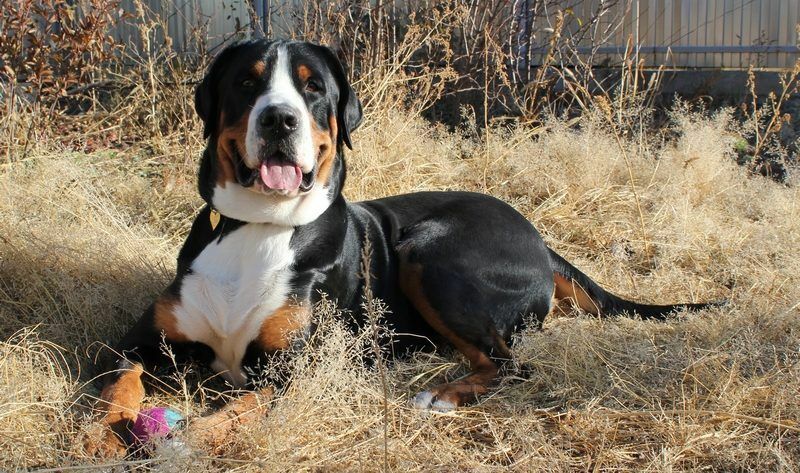
Leonberger dogs are often referred to as "gentle giants" due to their large physical build and friendly nature. Despite their impressive appearance, they are usually friendly and affectionate, both with family and strangers. They often make excellent babysitters for children and loyal companions for all family members.Training and Education
Training and education of the Bernese Mountain Dog can be an engaging and rewarding experience, but it can also be challenging, given their large size and intelligence. Here are some key aspects to consider when working with this breed.
Positive Training: Bernese Mountain Dogs respond well to positive reinforcement. Use praise, treats, and play as motivation for them. They typically aim to please their owners, so encouraging positive behavior will be the best strategy.
Early Socialization: Start socializing your Bernese Mountain Dog as early as possible. Introduce them to various people, animals, and situations. This will help them develop confidence and prevent fears and aggression in the future.
Leash Training: Due to their size and strength, teaching good leash walking skills is important. Make sure to use a reliable collar or harness to facilitate control over them. Training commands like “sit,” “stay,” and “no” on a leash will help establish safe and manageable behavior.
Command Training: Bernese Mountain Dogs are intelligent and can learn many commands and tricks. Start with basic commands like “sit,” “down,” “stand,” and “come.” Gradually increase the complexity and variety of commands to keep the sessions interesting and stimulating.
Physical Activity: In addition to mental challenges, Bernese Mountain Dogs need physical activity. Regular walks, runs, ball games, and other forms of exercise will help them expend energy and remain calm at home.Consistency and Patience: Bernese Mountain Dogs can be stubborn at times, so it is important to be consistent and patient during training. Avoid harshness or punishment, as this can lead to negative reactions.Professional Support: If you’re struggling with training on your own, consider reaching out to a professional trainer or instructor. An experienced specialist can help you develop a tailored training program for your Bernese Mountain Dog.Bernese Mountain Dogs can be loyal and devoted companions with the right training and education. With consistency, a positive approach, and socialization from a young age, they can become wonderful companions and partners in various activities, whether it’s sports, protection, or friendly family outings. We offer the best care for every puppy from their very first days of life.
Mixed heritage
The breed known as the Greater Swiss Mountain Dog has its origins in the Alps and shares common roots with other Swiss mountain dogs, such as the Bernese Mountain Dog. Externally, they may appear similar, but there are distinctive features, such as their long, smooth coat and large size, that make the Greater Swiss Mountain Dog a unique and impressive representative of the breed.
How to Choose a Puppy
When selecting a puppy of the Greater Swiss Mountain Dog breed, it’s important to follow certain criteria to ensure you have a loyal and healthy companion for many years. Here are some steps to help you make the right choice:
Research the Breed: Before you begin your search for a puppy, take time to learn about the Greater Swiss Mountain Dog breed. Understanding their character, needs, and characteristics is essential to meet their physical and mental demands.
Choosing a Breeder: Select a reputable and responsible breeder who adheres to breed standards and pays attention to the health and temperament of the puppies. Ask for recommendations from other Greater Swiss Mountain Dog owners or reach out to breed clubs for information on reliable breeders.
Visiting the Kennel: If possible, visit the kennel in person. This will give you the opportunity to assess the conditions in which the puppies, their parents, and siblings are kept. Healthy and happy puppies typically appear lively and cheerful.
Health of the Parents: Ensure that the puppy’s parents have positive test results for genetic diseases associated with the breed, such as hip and elbow dysplasia. The breeder should provide you with health information about the parents.
Socialization: Puppies should be well-socialized with people and other animals. Ask the breeder to describe what measures have been taken to socialize the puppies in their early age.Contract and Guarantee: Sign a contract with the breeder that outlines sales terms and health guarantees for the puppy. This is important to protect your interests and those of the dog.Preparation for Training: Before bringing the puppy home, ensure that you are prepared for its training and care. Provide a home environment, feeding, and attention that it deserves.Choosing a puppy is an important step that will impact your life and the dog’s life for many years. Therefore, strive to be a attentive and caring owner, and your Greater Swiss Mountain Dog will be a loyal friend and reliable companion throughout its life.
Health and Diseases
The Greater Swiss Mountain Dog is a breed with outstanding physical characteristics and impressive resilience. However, like all breeds, there are specific health traits and potential issues that owners should be aware of.
Key health aspects and possible diseases of Greater Swiss Mountain Dogs:
Hip and elbow dysplasia: These are common problems in large dog breeds, including Greater Swiss Mountain Dogs. Hip and elbow dysplasia can cause pain and limit the dog’s movement. Regular veterinary visits and X-ray examinations can help identify and manage this issue.
Ligament and tendon injuries: Due to their physical activity and robust build, Greater Swiss Mountain Dogs are prone to ligament and tendon injuries. It’s important to provide them with necessary rest after physical exertion and to monitor their activity levels.
Heart problems: Some Greater Swiss Mountain Dogs may be predisposed to heart issues, such as dilated cardiomyopathy. Regular veterinary check-ups can help identify and manage these concerns.
Eye problems: Greater Swiss Mountain Dogs can be susceptible to various eye diseases, including distichiasis (improper tear drainage) and cataracts. Regular veterinary visits and ophthalmologic examinations can aid in early detection and treatment of these issues.Stomach issues: Greater Swiss Mountain Dogs have deep chests, which can increase the risk of bloat and torsion. To prevent this dangerous situation, divide their meals into smaller portions, avoid intense physical activities after feeding, and use an elevated bowl for feeding.Obesity: Due to their size and appetite, Greater Swiss Mountain Dogs can be prone to obesity. Regular weight monitoring and a balanced diet are essential for maintaining their health.In conclusion, the Greater Swiss Mountain Dog is a breed with remarkable physical structure and health, but they are also subjected to certain hereditary and environmental factors requiring attention. Regular veterinary visits, healthy nutrition, an active lifestyle, and awareness of their physical condition will help your Greater Swiss Mountain Dog remain healthy and vibrant for many years. – the best site for animals where you can
Содержание
-
1. Описание породы
-
2. Внешний вид
- 2.1 Голова
- 2.2 Морда
- 2.3 Уши
- 2.4 Глаза
- 2.5 Зубы
- 2.6 Корпус
- 2.7 Конечности
- 2.8 Хвост
- 2.9 Шерсть
- 2.10 Окрас
-
3. Характер
-
4. Содержание и уход
-
5. Дрессировка и обучение
-
6. Как выбрать котенка
-
7. Здоровье и болезни






Comments
Only registered users can leave reviews.
Enter