
Golden Retriever









Warning: Illegal string offset 'label' in /home/panda/sites/zoonika/wp-content/themes/zoonika/template-parts/animals/animals-param-item.php on line 32
Ð


Breed Description
The Golden Retriever, known for its friendly nature and outstanding working qualities, originated in Scotland in the 19th century. The breed’s history is linked to Lord Dudley Marjoribanks, better known as Lord Tweedmouth. He played a key role in developing the Golden Retriever, aiming to create the perfect hunting dog capable of working both on land and in water, as well as being a gentle and devoted companion for its family.
Lord Tweedmouth began his work in the 1860s by crossing a yellow retriever named Nous, who was unusual for his time, as most retrievers were dark-colored, with a Tweed Water Spaniel-a hardy and intelligent breed with excellent working traits. From this union came puppies with a golden coat, which became the foundation for further breeding. Later on, an Irish Setter, Bloodhound, and even a Bull Terrier were added to enhance certain qualities, such as scenting ability, endurance, and friendliness.
Golden Retrievers quickly gained popularity due to their versatile abilities. They were invaluable helpers during hunting, especially in the challenging conditions of Scotland, where a dog needed to work in marshy terrain and cold waters. Their soft mouths allowed them to retrieve game without damaging it, which was particularly valuable to hunters. Additionally, their natural intelligence and friendly demeanor made them excellent companion dogs.
The breed began attracting attention beyond Scotland, and by the early 20th century, Golden Retrievers participated in shows and gained recognition in England. The first official breed standard was accepted in 1913, and in 1920 the breed was registered with the English Kennel Club under its modern name. The Golden Retriever continued to grow in popularity, becoming one of the most sought-after breeds in the world.
Today, the Golden Retriever is known not only as a hunting dog but also as a versatile aide. It is used as a guide dog, therapy dog, and in search and rescue operations. The history of the Golden Retriever exemplifies how determination, love for dogs, and an understanding of their natural traits led to the creation of a breed that perfectly combines working abilities, intelligence, and friendliness.
The price for a puppy ranges from 60,000 to 80,000 rubles.
Appearance
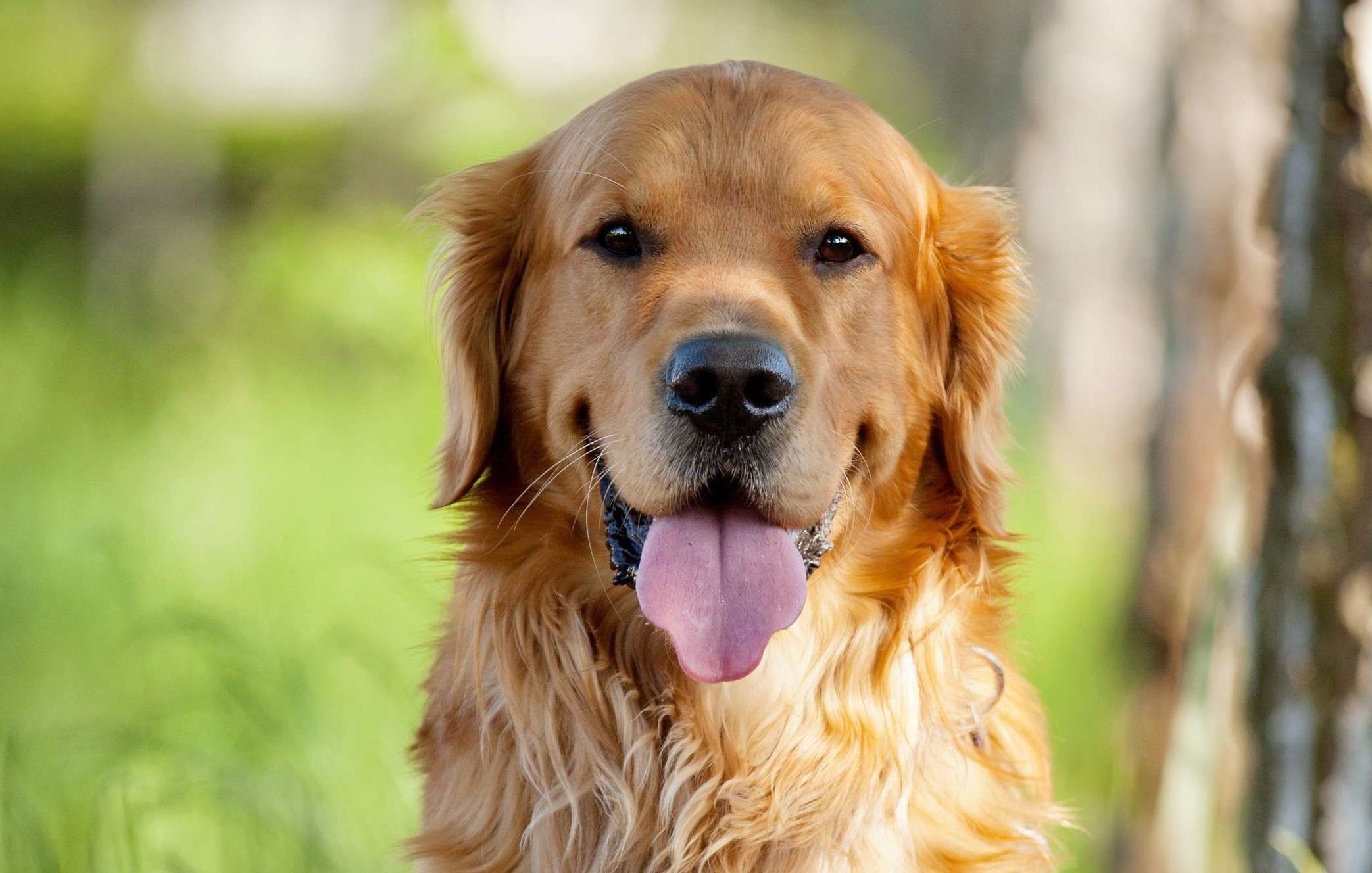
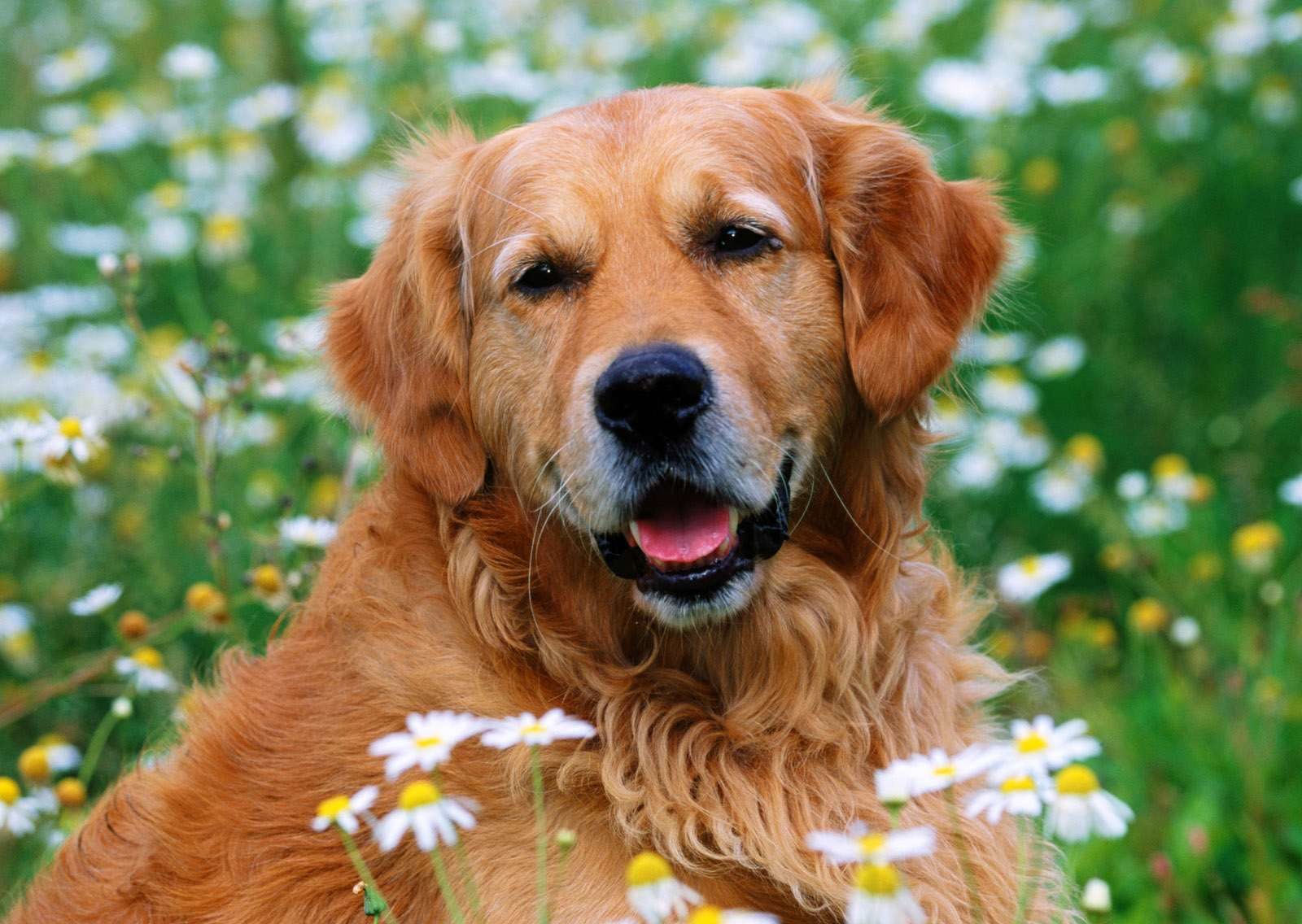
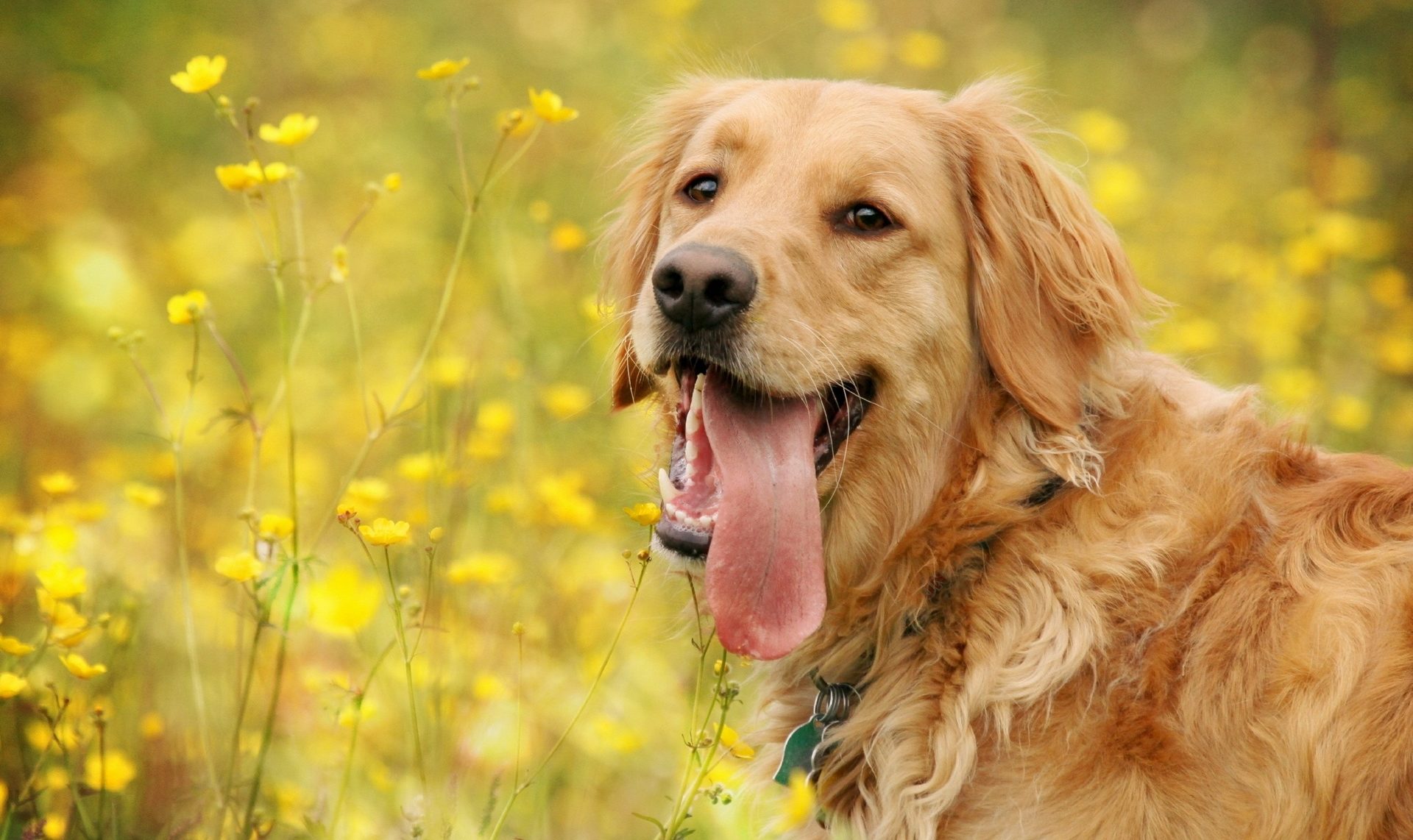
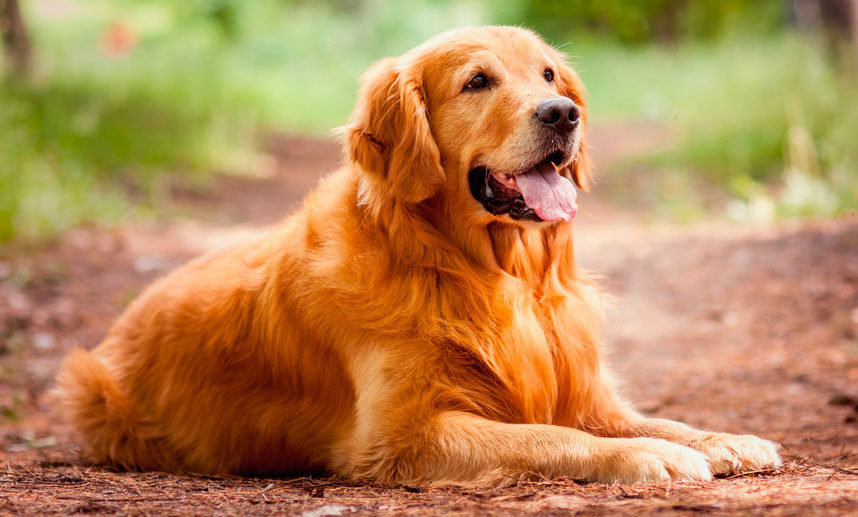
The Golden Retriever is a medium-sized dog with a harmonious and elegant build that highlights its endurance and natural grace. Its appearance radiates friendliness, thanks to the gentle expression of its face and intelligent, dark eyes. The coat of the Golden Retriever is one of the breed’s most recognizable features: thick, soft to the touch, with a dense undercoat, it can be straight or slightly wavy. The color ranges from light golden to rich gold, creating an impression of sunny brilliance. The coat provides excellent protection against water and cold, making it suitable for work in any weather conditions.
The average height of a Golden Retriever is 56-61 cm at the withers for males and 51-56 cm for females. Weight varies from 27 to 36 kg for males and 25 to 32 kg for females, providing a balance between strength and agility. The proportions of the body allow the retriever to be not only active but also enduring, while its powerful limbs make its movements smooth and confident.
The average lifespan of a Golden Retriever is 10-12 years. With proper care, a balanced diet, and adequate physical activity, these dogs maintain their energy and playfulness into old age. The appearance of a Golden Retriever emphasizes its purpose: to be a resilient, reliable working dog, as well as a charming and devoted companion for the family.


Отличительные черты

Голова

Морда

Уши

Глаза

Зубы

Корпус

Конечности

Хвост

Шерсть

Окрас
Character
The Golden Retriever is the embodiment of friendliness, intelligence, and loyalty. With a balanced and gentle temperament, it makes an ideal companion for people of all ages. This breed is known for its sociability and eagerness to please its owner, which allows retrievers to establish deep emotional connections with their families. They are affectionate with children and tolerant of other animals, making them an excellent choice for families of various compositions.
Golden Retrievers are extremely intelligent, which makes them easy to train and fond of tasks that require cleverness. They eagerly follow commands, engage in active play, and participate in training sessions. This breed values praise and encouragement, making the training process enjoyable and productive for them. However, despite their learning inclination, they can be slightly stubborn if they feel a lack of attention or motivation.
Golden Retrievers have a high energy level and require regular physical activity. They love long walks, swimming, and outdoor games. Without sufficient exercise, they may get bored, sometimes resulting in destructive behavior. These dogs love to be part of family activities and seek to participate in all aspects of their owner’s life. They do not tolerate loneliness well, preferring to always be close to people.
By nature, Golden Retrievers are attentive and intuitive, making them excellent helpers in various fields, whether as guide dogs, in search and rescue operations, or in therapeutic roles. Their natural sensitivity allows them to pick up on their owner’s mood and adapt to the situation. These dogs always strive to bring joy and be helpful, which makes them unique and beloved around the world.

Not for allergy sufferers
Golden Retrievers are not suitable for people with fur allergies. They shed a lot, and during the transitional season, fur will be practically everywhere.Care and Maintenance
The Golden Retriever requires regular and attentive care to maintain its health, beauty, and good spirits. Its thick coat needs to be brushed regularly, at least two to three times a week, to prevent matting and to remove dead hair. During seasonal shedding periods, grooming should be intensified, as the coat renews particularly actively. The dog should only be bathed when necessary, using gentle shampoos to avoid damaging its natural oil layer. Special attention should be paid to ear cleaning, as Retrievers may be prone to ear infections, especially if they swim frequently.
This breed is active and requires daily physical exercise. Walks, running, and outdoor games bring joy to the Retriever and help keep it in good physical shape. Swimming is one of the breed’s favorite activities, as their coat and body structure are ideally suited for working in water. In addition to physical activity, the Retriever needs mental stimulation: learning new commands, finding objects, or completing tasks. Without sufficient activity, the dog may become bored, leading to undesirable behaviors like destroying items.
Golden Retrievers love interacting with people and struggle with loneliness. A long absence of their owner can cause stress and anxiety in the dog. This breed values attention and participation in family life, always striving to be close to their humans. They respond poorly to rudeness and unfairness, preferring a gentle yet confident approach in communication. Retrievers dislike prolonged inactivity-they want to be useful and engaged in an active life.
To keep a Retriever comfortable, it needs a high-quality diet, balanced in vitamins and minerals, as well as regular veterinary visits for preventive check-ups. Caring for a Golden Retriever involves a combination of love, attention, and an active lifestyle that help keep it a happy and healthy companion.
Top 5
Golden Retrievers hold an honorable 4th place in the ranking of the smartest and most intellectually developed dogs. Over 130 breeds participated in the ranking.Training and Education
The Golden Retriever is one of the most trainable breeds, thanks to its high intelligence, gentle nature, and eagerness to please its owner. It is best to train them using positive reinforcement: praise, treats, or play. These dogs gladly respond to commands if they feel approval and interest from their owner. It is recommended to start training at an early age to lay the foundation for obedience and social skills. Retrievers are particularly successful at mastering basic commands, search tasks, and retrieving items, as well as more complex exercises, when the learning process is engaging and consistent.
This breed is characterized by patience and persistence but can become bored with overly repetitive training. It is important to combine physical and mental tasks to maintain the dog’s interest. Due to their natural friendliness, retrievers socialize easily, so training should be paired with interaction with other dogs and people. Harsh methods or punishment are absolutely unacceptable, as they can undermine the dog’s trust in its owner.
The Golden Retriever chooses the owner who shows the most care, attention, and consistency in their actions. These dogs thrive on emotional connection and are quick to sense a person’s mood. A retriever listens to someone who demonstrates confidence, calmness, and friendliness without requiring dominance. They instinctively gravitate towards people who can give them enough time and love to be part of the family.
The Golden Retriever is perfect for both active individuals and families willing to provide a balance of physical activity, care, and interaction. This dog seeks to be useful and happy alongside those who view it not just as a pet but as a loyal friend. Zooinika offers puppies with pedigree and health guarantees.
The most popular dog.
Goldies have established themselves as the most popular and recognizable breed. Many actors and celebrities are owners of such pets.
How to Choose a Puppy
Choosing a Golden Retriever puppy requires a careful approach to ensure that it grows into a well-rounded representative of the breed. Start by looking for a reliable kennel registered with a canine organization, such as FCI or its national affiliates. It’s important to ensure that the breeder pays attention to the health and socialization of the puppies, provides high-quality nutrition, and cares about their living conditions. A good breeder will happily share information about the puppy’s lineage, the temperament of the parents, and the characteristics of the breed.
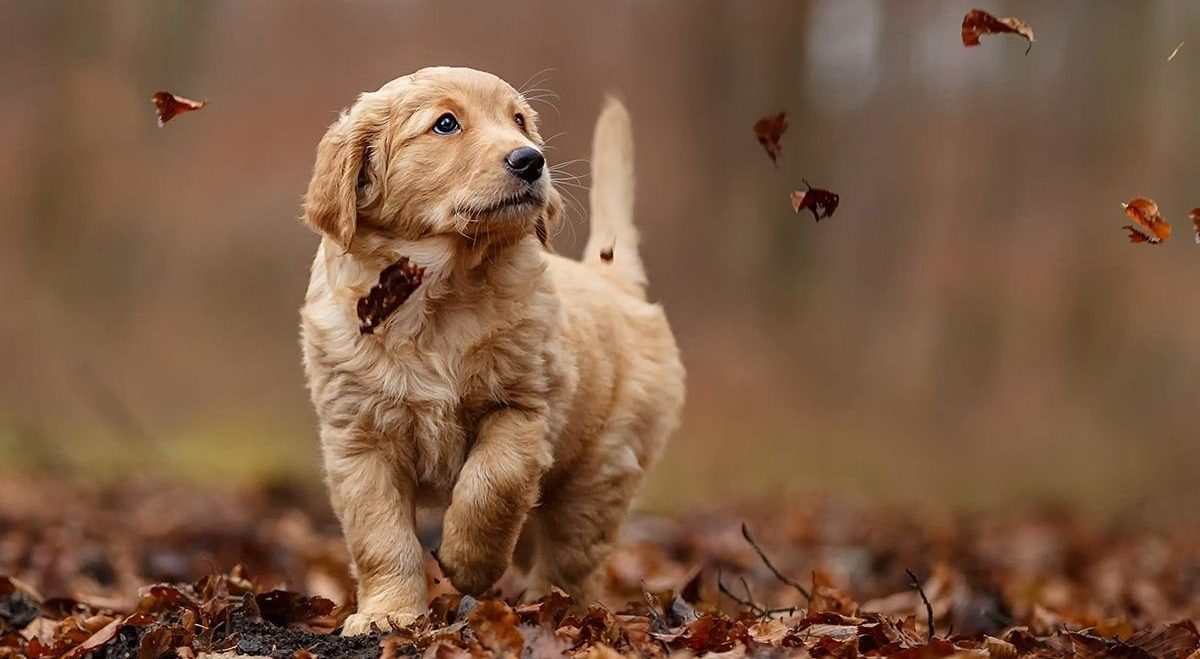
The puppy should be active, friendly, and curious. It should not display excessive aggression or fear, and its behavior should demonstrate an interest in the surrounding world. Pay attention to its appearance: the coat should be soft and shiny, the eyes clear, the nose moist, and the body strong and proportional. The puppy should move freely without any signs of lameness.
Equally important in the selection process are the documents. The puppy should have a puppy card or a pedigree that includes information about the parents, their achievements in shows or working trials. This confirms adherence to breed standards. The puppy’s parents should be tested for genetic diseases, such as hip and elbow dysplasia, as well as hereditary eye issues. The breeder should provide a veterinary passport for the puppy, with records of vaccinations and parasite treatments.
If possible, meet the puppy’s parents. Their character, appearance, and behavior will give you an idea of what your pet might grow into. The parents should be confident, balanced, and healthy. It’s also important to pay attention to the living conditions of the puppies: cleanliness and sufficient space for play and socialization indicate the breeder’s diligence. Choosing the right Golden Retriever puppy will ensure you have a healthy, cheerful companion that meets breed standards. Want a purebred pet? You can find one with documents from verified breeders at Zoosnika.
Health and Diseases
Golden Retrievers are a breed known for their robust health, but they are prone to a number of hereditary conditions that owners should be aware of. One of the most common issues is hip and elbow dysplasia, which can cause discomfort and decreased mobility in dogs. To prevent this condition, it is recommended to choose a puppy from parents tested for dysplasia and to ensure balanced physical activity, especially during their younger years.
Another prevalent issue is eye diseases, such as cataracts, corneal dystrophy, and progressive retinal atrophy. These conditions can lead to vision deterioration, so regular veterinary check-ups are essential for early detection and treatment. Some dogs of this breed may also experience entropion (an eyelid turning inward), which requires surgical intervention.
Golden Retrievers are also prone to skin conditions and allergies, which may present as itching, redness, and hair loss. This can be related to diet, environment, or reactions to parasites. Regular grooming, a proper diet, and protection against fleas and ticks can help minimize these risks.
Another feature of the breed is a predisposition to cancer, such as lymphoma or osteosarcoma. Regular veterinary check-ups and attention to any changes in the dog’s condition can help detect potential issues early. Some Golden Retrievers may develop hypothyroidism, which affects metabolism and requires medication.
It’s important to monitor the dog’s weight, as their tendency toward obesity can exacerbate joint and heart problems. With proper care, a balanced diet, and regular exercise, Golden Retrievers typically live 10-12 years, remaining active and bringing joy to their owners. Routine prevention and timely veterinary visits are the keys to a long and healthy life for the dog. – the best website for animals where you can buy or sell a puppy.
Содержание
-
1. Описание породы
-
2. Внешний вид
- 2.1 Голова
- 2.2 Морда
- 2.3 Уши
- 2.4 Глаза
- 2.5 Зубы
- 2.6 Корпус
- 2.7 Конечности
- 2.8 Хвост
- 2.9 Шерсть
- 2.10 Окрас
-
3. Характер
-
4. Содержание и уход
-
5. Дрессировка и обучение
-
6. Как выбрать котенка
-
7. Здоровье и болезни







Comments
Only registered users can leave reviews.
Enter