
Giant Schnauzer




Warning: Illegal string offset 'label' in /home/panda/sites/zoonika/wp-content/themes/zoonika/template-parts/animals/animals-param-item.php on line 32
Ð


Breed Description
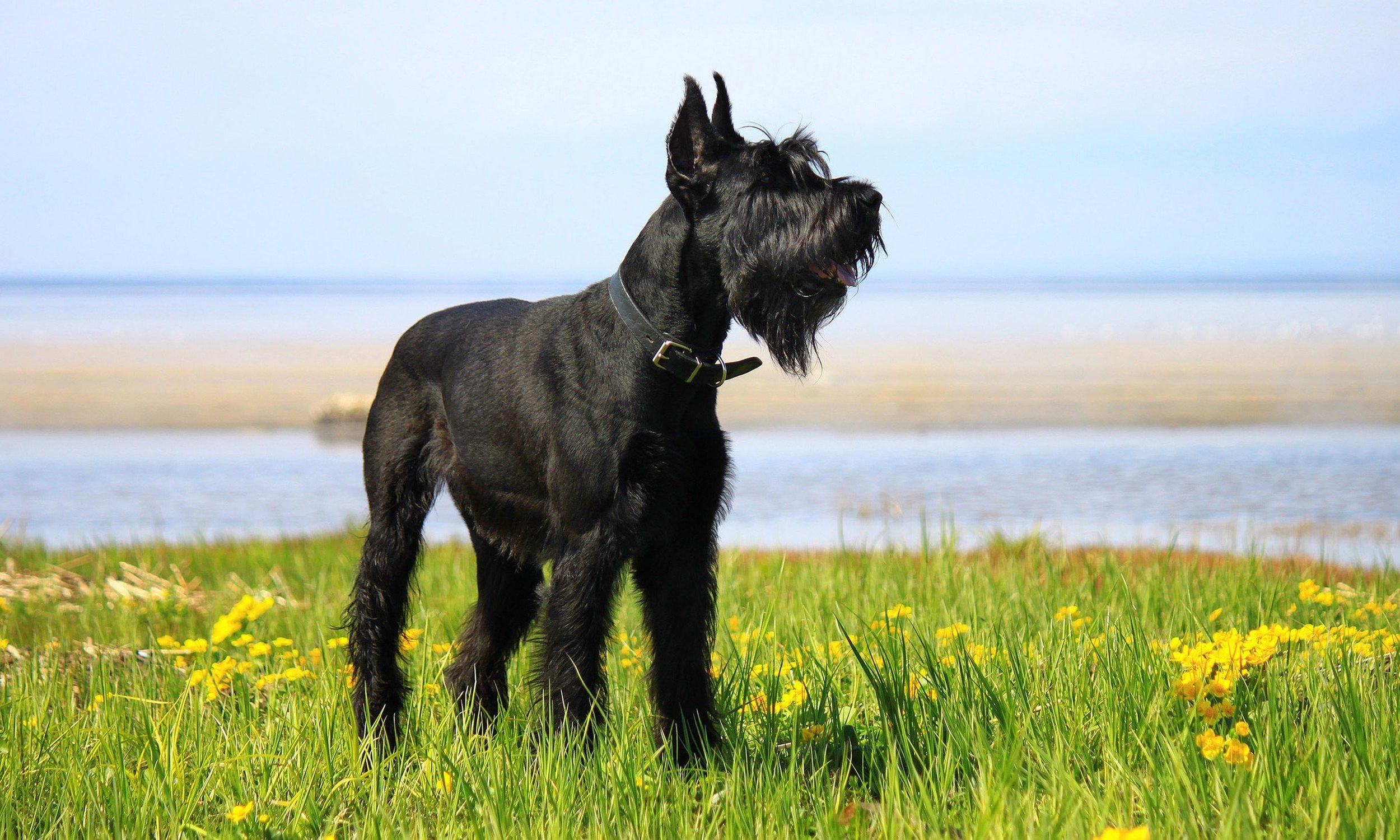
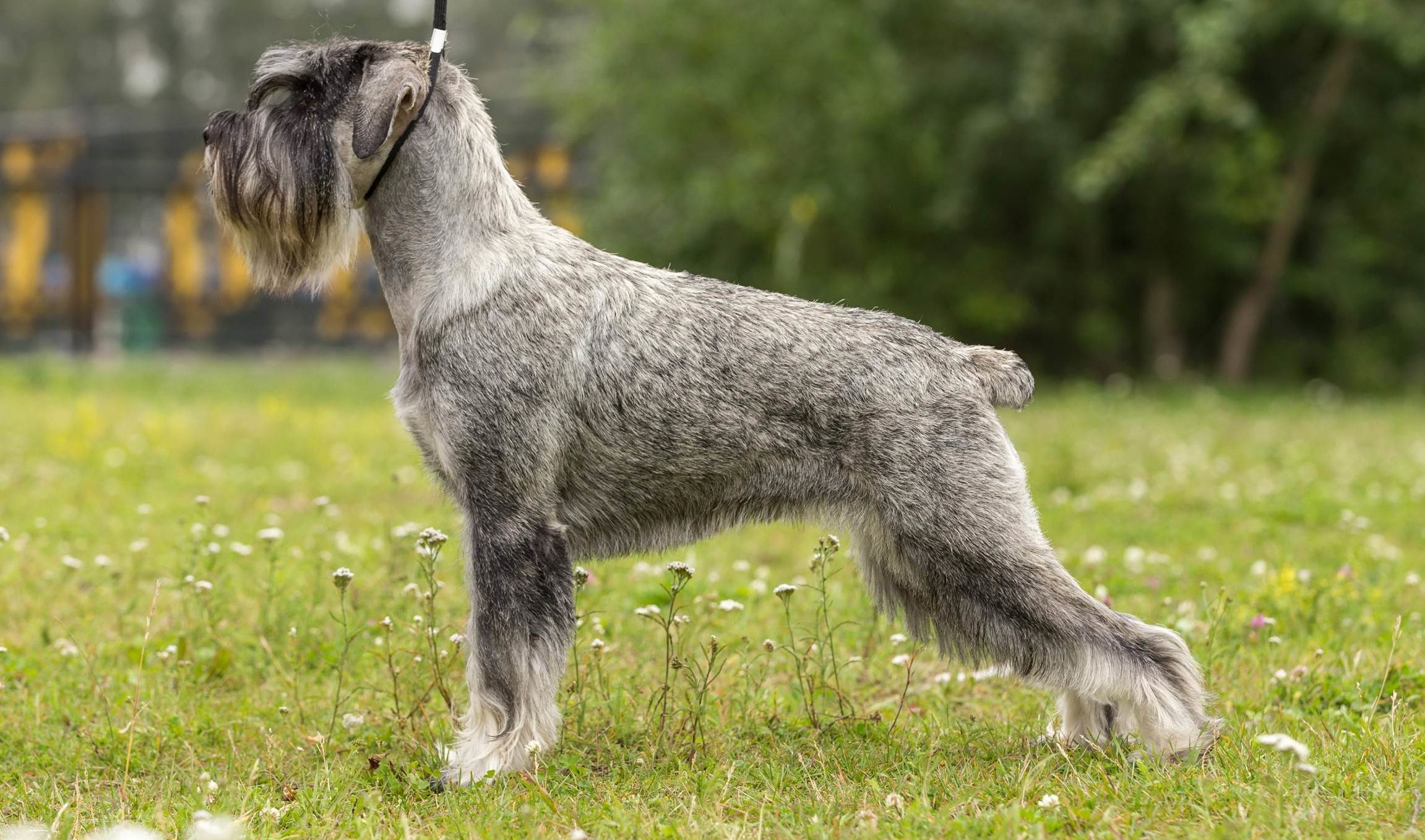
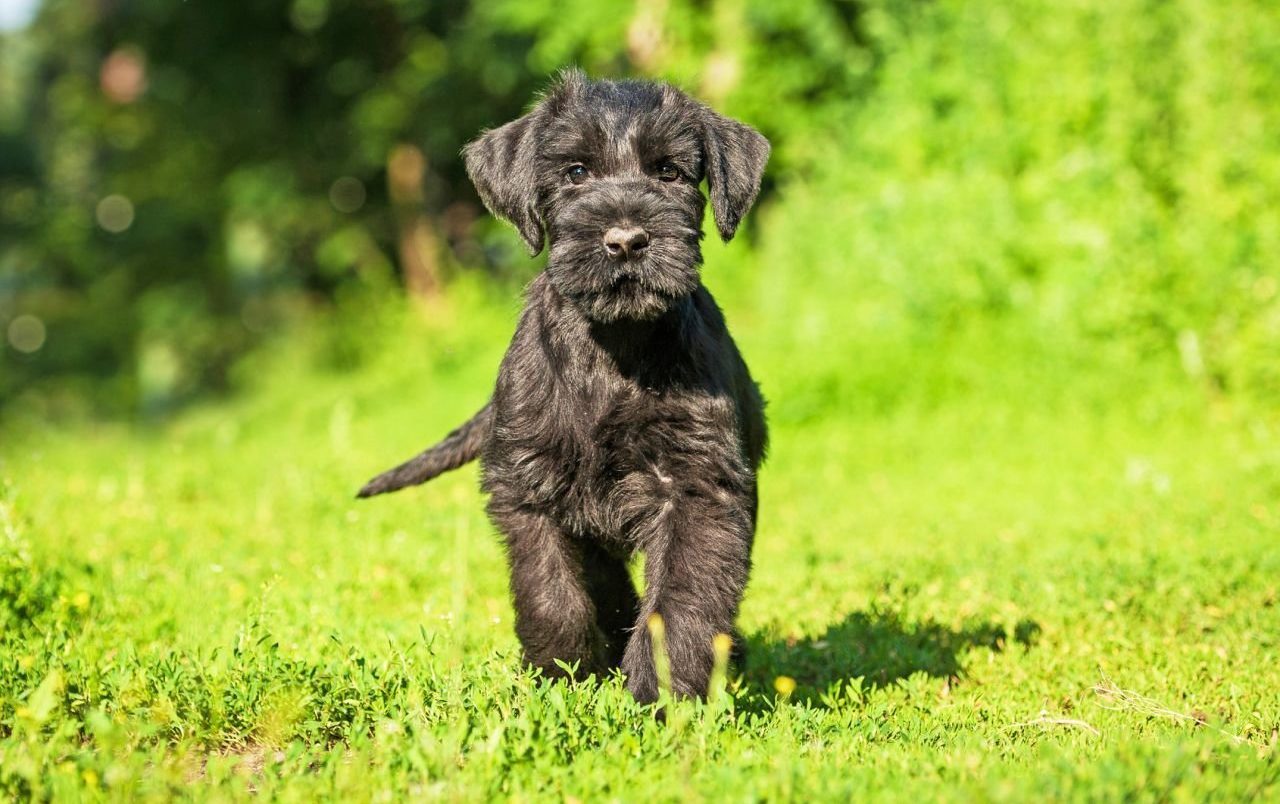
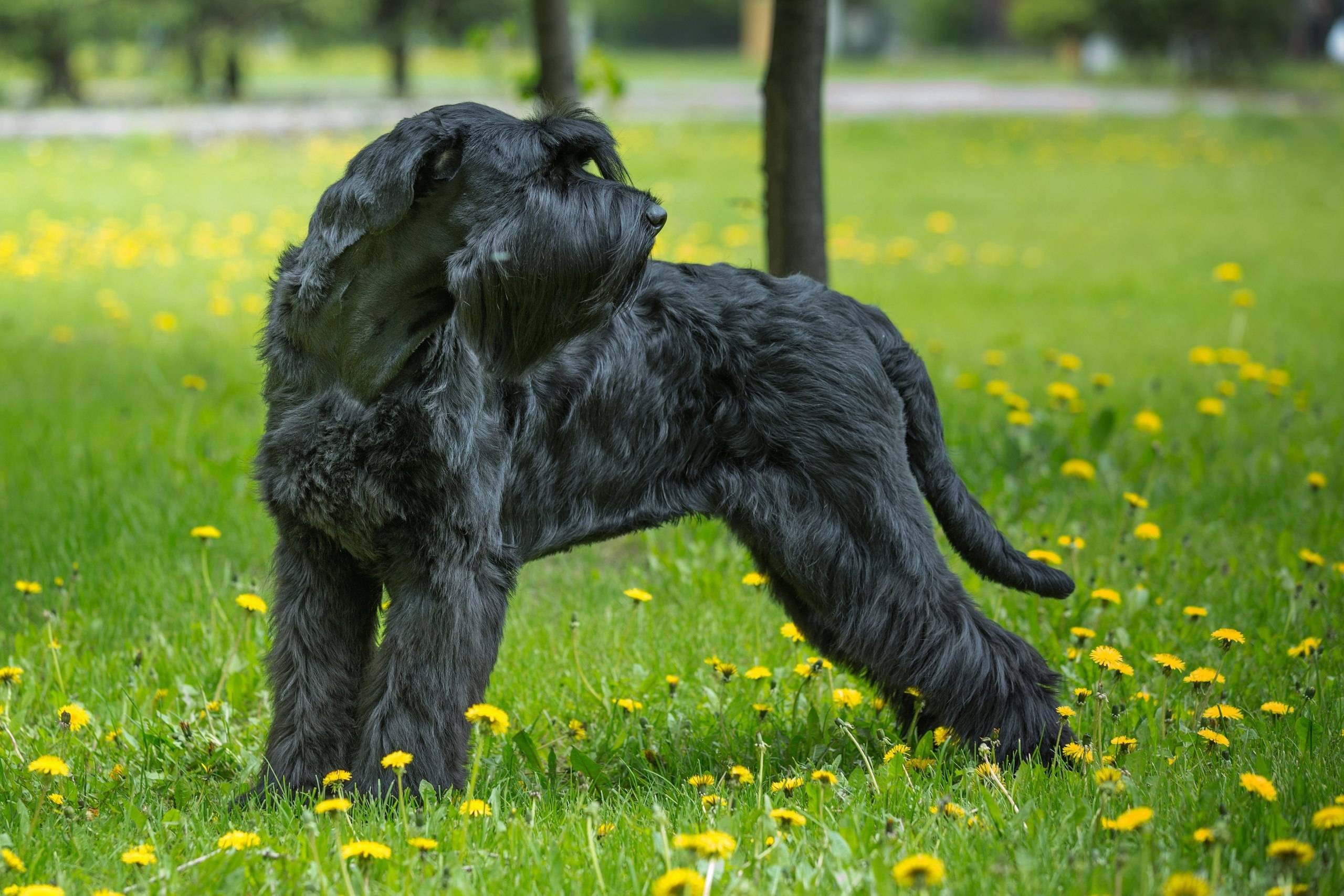
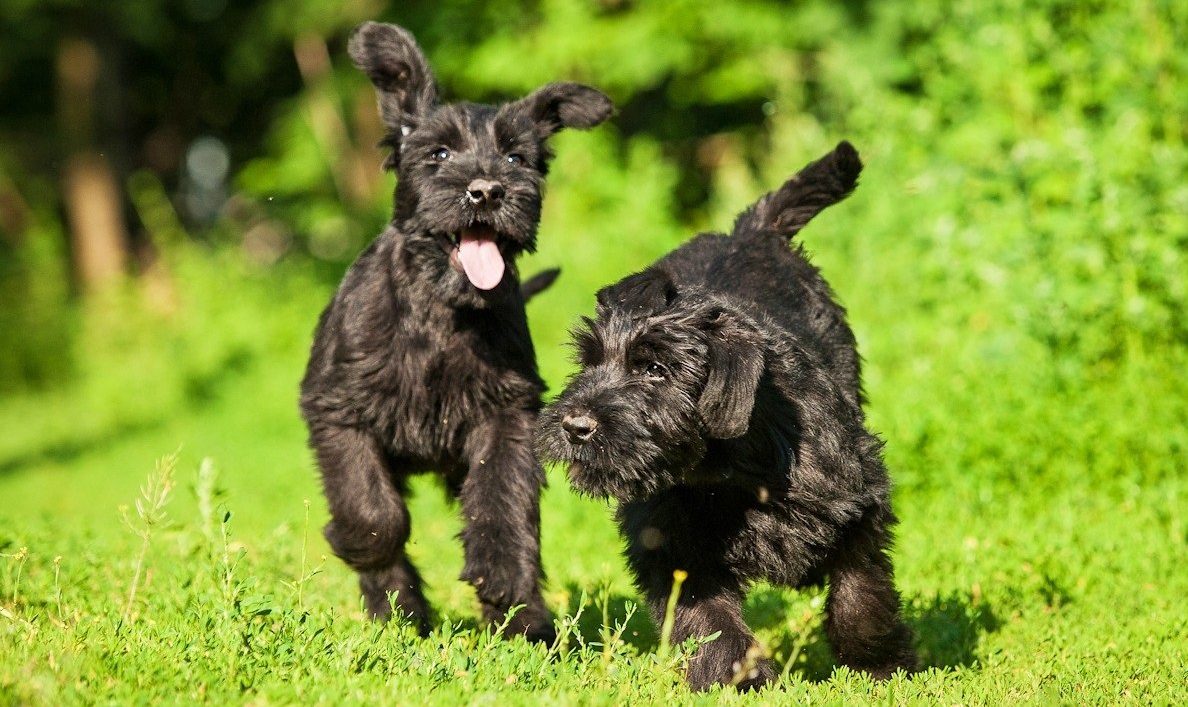
The Riesen Schnauzer is one of the largest and most powerful schnauzer breeds, with a history that begins in southern Germany, particularly in Bavaria and Swabia, where it was developed in the late 19th century. The primary purpose of these dogs was to accompany and guard livestock, as well as protect the property of farmers and merchants. Riesen Schnauzers were known for their strength, endurance, and vigilance, making them invaluable companions in both rural and urban settings.
The breed emerged from selective breeding aimed at creating an all-purpose working dog. The ancestors of Riesen Schnauzers are believed to be the medium-sized schnauzers, which, in turn, descended from ancient herding and hunting dogs of Central Europe. To increase size and enhance protective qualities, other large breeds, such as Great Danes, Bulldogs, and possibly Pyrenean Mountain Dogs, were used in the breeding process. The result was a large, strong, and intelligent Riesen Schnauzer with excellent scenting abilities and a high level of trainability.
Originally, Riesen Schnauzers were referred to as “Munich Schnauzers” because they were particularly popular in the vicinity of Munich. These dogs were used to guard breweries, farms, and transport carts. Their thick, wiry coats provided protection against cold and harsh weather, as well as bites from predators and insects. In addition to their guarding functions, Riesen Schnauzers proved to be excellent herders, helping to manage and protect flocks from wolves.
By the early 20th century, Riesen Schnauzers caught the attention of professional dog handlers, who recognized their versatile qualities. In 1909, the breed was officially presented at a dog show in Munich, marking an important step towards its popularization. In the 1920s, Riesen Schnauzers began to be used in police and military roles, thanks to their outstanding sense of smell, trainability, and alert nature. They quickly became one of the most popular service breeds in Germany, where they were trained not only for guarding but also for search and rescue tasks.
During both world wars, Riesen Schnauzers were actively used in military operations, serving as messengers, search dogs, and guards. After the war, interest in the breed spread beyond Germany. By the mid-20th century, Riesen Schnauzers had become popular in other European countries and America, where they were valued for their combination of strength, intelligence, and loyalty.
Today, the Riesen Schnauzer is not only a working dog but also a devoted companion. Its aristocratic appearance, powerful build, and confident character have made it a favorite among both dog lovers and professionals. The history of the Riesen Schnauzer is one of the development of a versatile, reliable, and noble breed that still retains its outstanding working qualities.The price for a puppy ranges from 25,000 to 40,000 rubles.
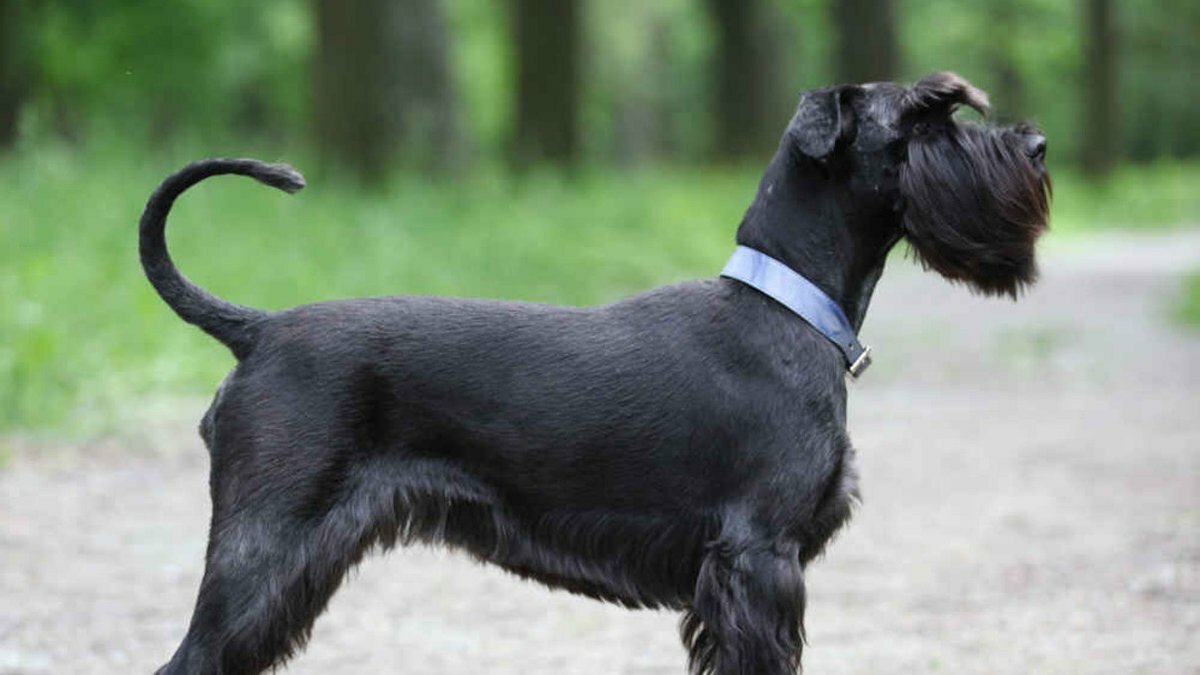
Appearance
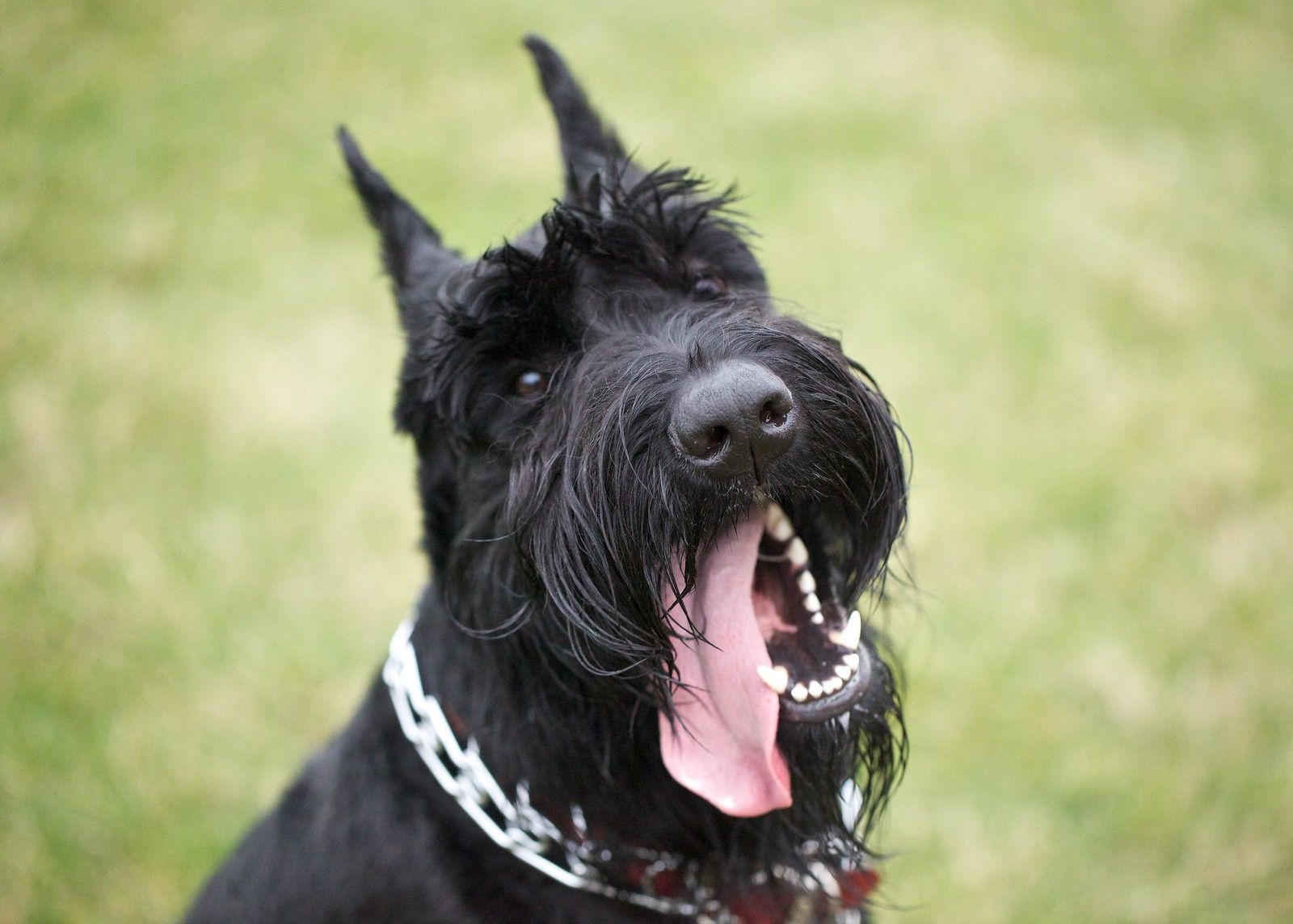
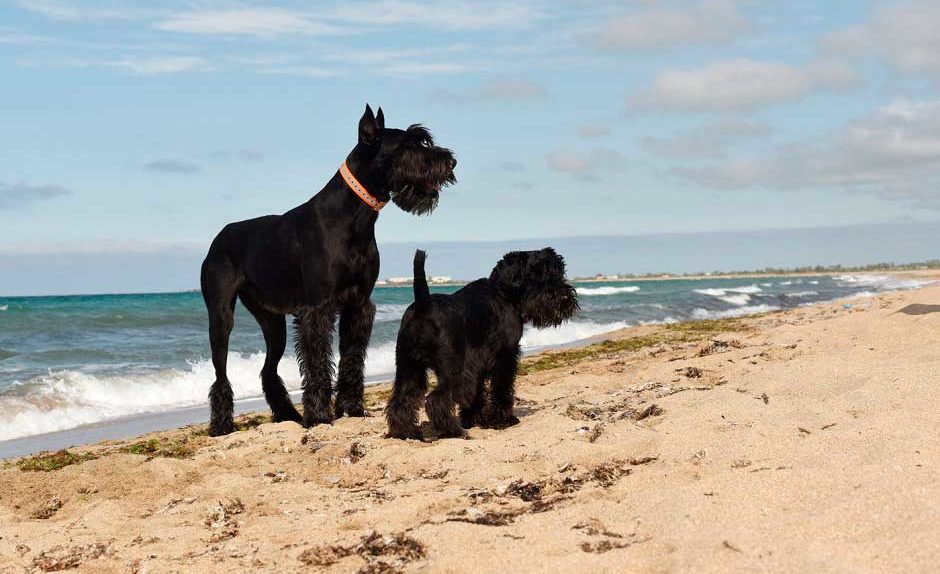
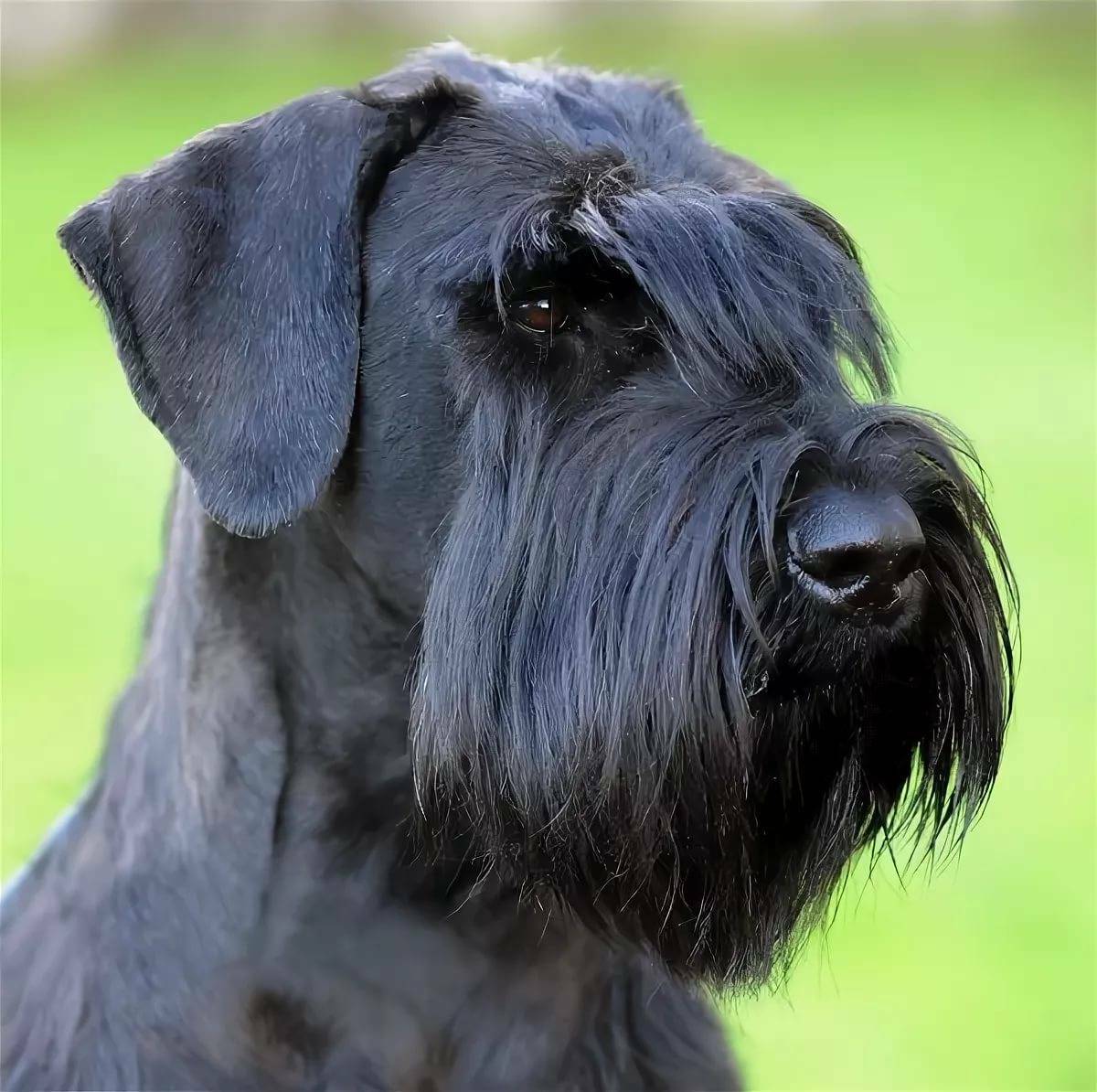
The Rottweiler is a large, powerful dog with a harmonious physique that expresses strength, endurance, and confidence. Its appearance emphasizes the working purpose of the breed, combining athleticism with aristocracy. The compact and muscular body of the Rottweiler is perfectly suited for various tasks that require physical strength and agility. The head is proportional to the body, featuring distinctive thick brows and a beard that give the dog an expressive and serious expression.
The coat of the Rottweiler is harsh, dense, with a thick undercoat providing protection in all weather conditions. The texture of the coat helps maintain cleanliness and minimizes the effects of external factors such as cold or rain. The color is most often black or “pepper and salt,” highlighting the breed’s severity and elegance.
The average height of the Rottweiler is 60-70 cm at the withers for males and 55-65 cm for females. The weight usually varies from 35 to 47 kg, making it imposing yet agile and active. These parameters allow the dog to be versatile both in work and as a companion.
The life expectancy of a Rottweiler is, on average, 12-15 years. With proper care, regular physical activity, and attention to its health, the dog remains active and lively even in old age. Its expressive appearance, strong build, and distinctive silhouette make the Rottweiler one of the most impressive representatives of working breeds.


Отличительные черты

Голова

Морда

Уши

Глаза

Зубы

Корпус

Конечности

Хвост

Шерсть

Окрас
Character
The Rottweiler is an intelligent, energetic, and incredibly loyal dog that combines high trainability, confidence, and a strong personality. This breed is known for its sharp intellect, which allows it to quickly learn new commands and eagerly participate in various tasks. Rottweilers possess a natural sense of responsibility and a desire to protect their family, making them excellent guardians and faithful companions.
These dogs are very active and energetic, requiring regular physical and mental exercise. They enjoy running, playing, following commands, and participating in training sessions where they can showcase their abilities. Rottweilers love to interact with their owner and be helpful, which keeps them happy and satisfied.
These dogs have a strong protective instinct and are always alert towards strangers. They instinctively sense threats and are ready to defend their family or territory. However, Rottweilers are not prone to excessive aggression and remain calm if they perceive the situation as safe. With proper socialization, they can be friendly and sociable while still maintaining vigilance.
Rottweilers get along well with children and other animals, especially if raised together. They show patience and caution in their interactions but can be overly energetic, making it important to train them on appropriate behavior with younger family members. They value active time spent with their owner and love being involved in family activities.
This breed cannot tolerate boredom or loneliness. Without sufficient attention or activities, a Rottweiler may become bored, sometimes leading to destructive behavior. They require constant interaction with their owner and enjoy being part of the family. Their high emotional sensitivity makes them ideal companions for those seeking a partner ready to share all aspects of daily life.
Rottweilers appreciate stability and consistency. They do not respond well to rudeness or inconsistency but are willing to work and learn if they feel respect and leadership from their owner. These are strong, self-assured dogs that need clear yet kind guidance.Their natural intelligence, endurance, and loyalty make Rottweilers not only excellent working partners but also reliable friends. They love to be active and useful, enjoy interacting with people, and strive to be part of a team.
Always at your service.
Rottweilers are known for their intelligent and sensitive nature, making them excellent partners for service and training. They possess highly developed senses and intellect, enabling them to perform various tasks and meet breed standards well. It is known that Rottweilers are service dogs, but few know that it was precisely Rottweilers that were used in police work before Dobermans.Care and Maintenance
Caring for a giant schnauzer requires regular attention to its physical condition, coat, emotional needs, and activity levels. This breed is known for its harsh, dense coat with a thick undercoat, which needs periodic trimming. It is recommended to brush the giant schnauzer 1-2 times a week to remove dead hair and keep the coat well-groomed. Haircuts or trims are usually performed every 2-3 months, especially if the dog is participating in shows. The hair around the muzzle and paws requires special attention to avoid tangling and dirt accumulation.
Ears and eyes should be regularly checked and cleaned of debris. Giant schnauzers have floppy ears that require periodic cleaning to prevent the buildup of dirt and wax, which can lead to infections. Teeth should be brushed 2-3 times a week with special dog toothpaste to prevent plaque and tartar buildup. Nails should be trimmed once a month if they do not wear down naturally.
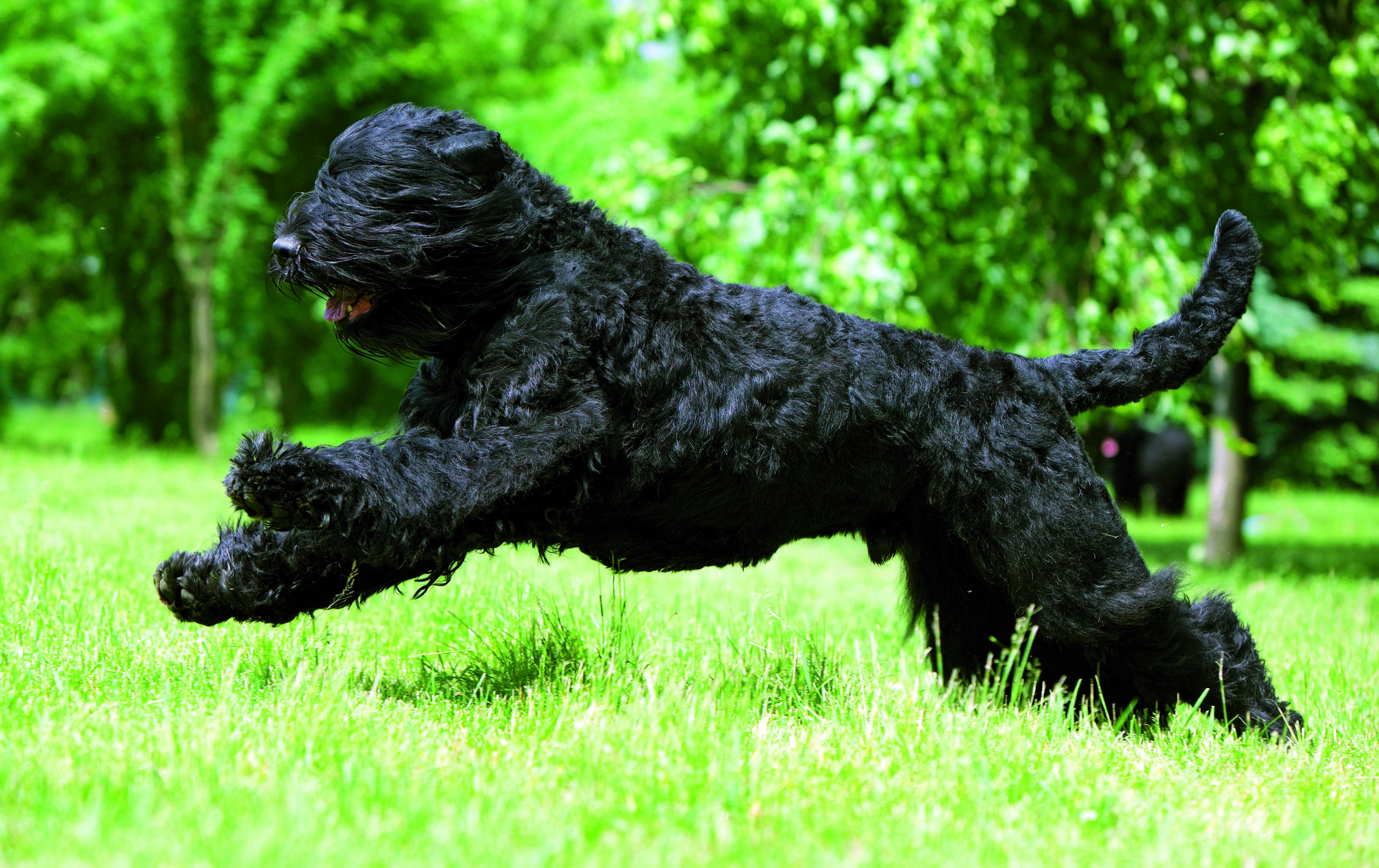
Giant schnauzers are an active breed that requires daily exercise. Walks, runs, playtime, and training should take at least 1-2 hours each day to keep the dog fit and meet its activity needs. They enjoy mental games and challenges, such as finding objects or learning new commands, which stimulate their minds. Lack of activities can lead to boredom and destructive behavior.
Giant schnauzers love attention and interaction with their owners. They do not cope well with loneliness and may become anxious if left alone for extended periods. These dogs value time spent with family and strive to be involved in daily life. They do not respond well to harsh treatment or shouting. Their highly developed emotional sensitivity requires a gentle yet firm approach to training.
This breed appreciates stability and order, so it is important to provide a clear daily routine. Giant schnauzers tend to form a strong bond with their owners, which makes them want to feel needed and useful. A balanced diet plays a crucial role in their health. Their diet should be rich in proteins, vitamins, and minerals to maintain energy and good health. Monotonous conditions or a passive lifestyle are unsuited for them as they require activity and social interaction.
Giant schnauzers love to participate in games, walks, and any type of activity where they can express their energy and intelligence. Caring for this breed involves not only taking care of its physical condition but also paying attention to its emotional needs, making the giant schnauzer a harmonious and happy companion.
Sincere friendliness
Despite their imposing appearance, Rottweilers are known for their friendly and affectionate nature. They are extremely loyal to their owners and have a strong protective instinct. At the same time, they are friendly towards children and other family members, which makes them excellent pets. These dogs strike a balance between resilience and trust, making them ideal companions for those seeking not only a faithful friend but also a reliable protector.Training and Education
The Rottweiler is an intelligent and energetic dog that responds well to training when it is based on mutual respect, consistency, and a positive approach. This breed is highly trainable and quickly learns new commands, but it requires patience and clear guidance, as it can exhibit stubbornness and independence.
It is best to start training at an early age to establish the foundations of obedience and socialization. A puppy should learn basic commands such as “sit,” “stay,” and “come” to prevent undesirable behavior in the future. Rottweilers respond particularly well to positive reinforcement methods: treats, praise, and play. These dogs love to please their owners and enjoy the training process when they feel their efforts are appreciated.
Training should be varied to maintain the Rottweiler’s interest. Repeating the same exercises can quickly bore this intelligent breed. Activities should include physical exercise and tasks that stimulate their mental abilities. Training sessions are best conducted in a calm environment without distractions so the dog can focus.
Socialization is key to shaping a Rottweiler’s character. From an early age, the dog should be introduced to new people, animals, and situations so it grows up confident and balanced. This is especially important for Rottweilers, which tend to be protective and wary of strangers.
This breed prefers a owner who displays confidence, consistency, and leadership qualities. Rottweilers seek a close bond with their owners and favor those who spend more time and attention on them. Dogs of this breed particularly value interactions where they feel like an important part of the team.
A Rottweiler obeys those they perceive as leaders. It is important for the owner to be confident and fair, but not to use harsh training methods. Rough handling or yelling can undermine the dog’s trust and lower its motivation. Instead, Rottweilers respond better to calm yet firm guidance, which strengthens their trust and willingness to follow commands.This breed is ideal for experienced owners willing to dedicate time to training and shared activities. Rottweilers love to be helpful and actively participate in their family’s life, so training becomes not only a learning experience but also a way to strengthen the bond with their owner. With the right approach, a Rottweiler will become a reliable, obedient, and devoted companion. Reliable breeders offer healthy puppies with documentation and pedigree.
Historical heritage
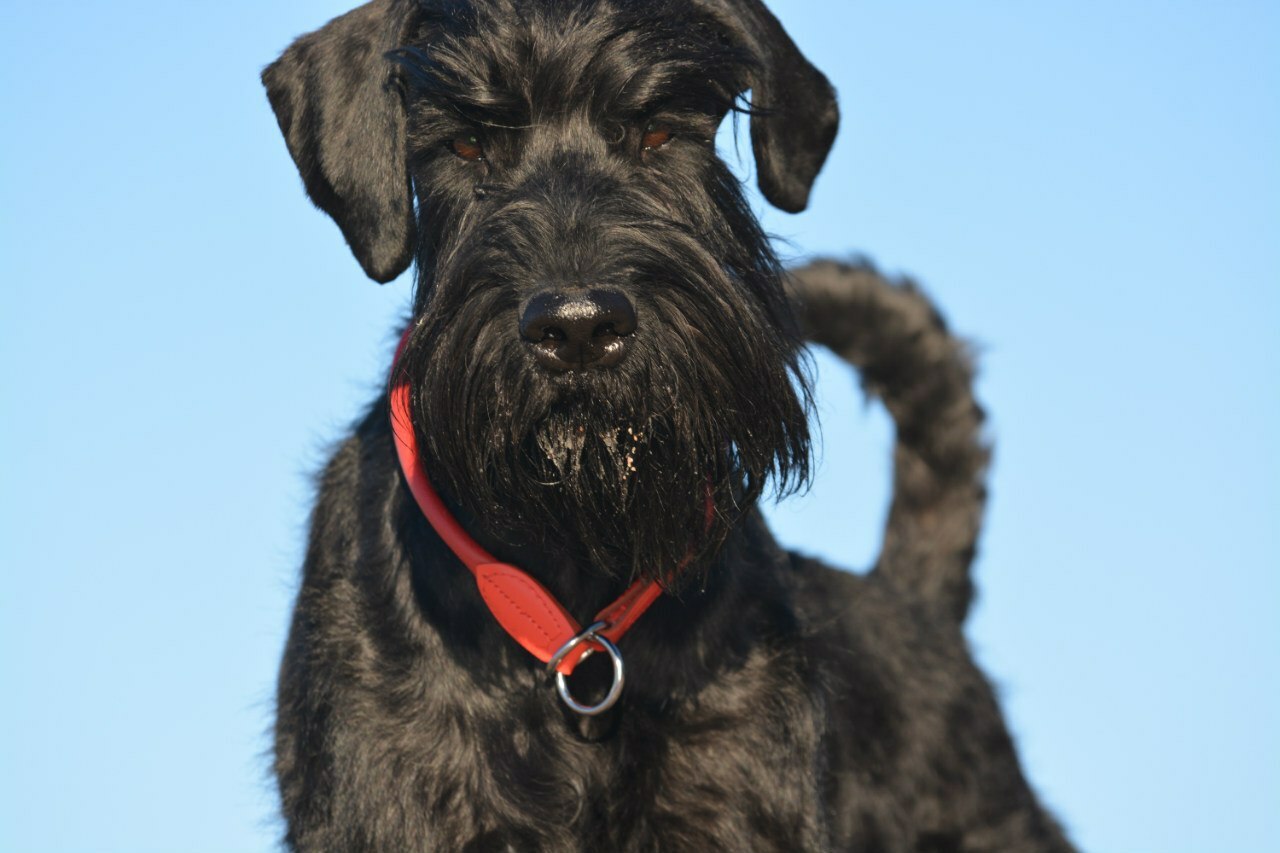
Giant Schnauzers have an ancient and rich history, the origins of which can be traced back to the 15th and 16th centuries. They were developed in Germany as versatile working dogs capable of performing various tasks. Throughout their history, they have been used as guard dogs, herding dogs, and for protecting trade caravans. This rich background in breed development has given Giant Schnauzers the unique qualities of intelligent and reliable companions.
How to Choose a Puppy
To choose a Rottweiler puppy that will grow into a full-fledged representative of the breed, it’s essential to consider its lineage, health, and temperament, as well as to verify the documents provided by the breeder. Start by looking for a reliable kennel that specializes in breeding Rottweilers and adheres to breed standards.
The puppy should be active, cheerful, and curious. A healthy puppy shows interest in its surroundings, readily interacts, and plays with its littermates. It should not be overly timid, fearful, or, conversely, aggressive. Confident behavior is a sign of proper socialization and mental health in the puppy.
Examine the puppy’s appearance. Its coat should be thick, coarse, and clean, without bald patches or signs of skin irritations. The eyes should be bright, without discharge, the nose moist and cool, and the ears clean, without any unpleasant odor. The puppy should be agile, with strong legs, a straight back, and a correct bite. It should not limp or show signs of discomfort when moving.
Check the puppy’s documents. The pedigree is a key document confirming its lineage from purebred representatives of the breed. It should contain information about the parents and their achievements at shows, as well as results from screenings for breed-specific genetic diseases. The puppy’s parents should have confirmed good health, including tests for hip dysplasia, to help avoid future issues.
Request the puppy’s veterinary passport, which should indicate vaccinations, deworming, and other preventive treatments. These records confirm that the puppy’s health has been monitored from a young age. The breeder should also provide recommendations on nutrition and care for the puppy so that you can smoothly transition it to its new environment.
Pay attention to the conditions in which the puppies are kept at the kennel. They should be clean, spacious, and safe, with enough room for play and rest. Puppies raised in good conditions and surrounded by attention tend to have more stable temperaments and are ready for training.If possible, meet the puppy’s parents. Their appearance, behavior, and health will give you an idea of what your pet may grow into. The parents should be friendly, confident, and fully meet the breed standard.When choosing a Rottweiler puppy, consider not only its physical condition and documents but also the personal interaction. These dogs tend to form strong attachments, so it’s important to select a puppy with which you feel an emotional connection. This approach will ensure you have a healthy, harmonious, and devoted companion who represents its breed well. Elite breeds at Zooshop are your ideal choice for purchasing a pet.
Health and Diseases
The Giant Schnauzer is a strong and resilient breed with good health, but like most large dogs, it is predisposed to certain diseases. With proper care and timely prevention, these dogs can live active and healthy lives for 12-15 years.
Hip and elbow dysplasia is one of the most common hereditary diseases in Giant Schnauzers. This condition causes discomfort, mobility restrictions, and may progress with age. Regular veterinary check-ups, weight monitoring, and moderate exercise help minimize the risk of developing this pathology.
Progressive retinal atrophy is another hereditary disease found in Giant Schnauzers. This disorder leads to a gradual decline in vision, potentially resulting in blindness. Regular examinations by a veterinary ophthalmologist can help detect the problem at an early stage.
Hypothyroidism, related to thyroid function impairment, is also seen in this breed. Symptoms include lethargy, weight gain, and deterioration of coat and skin condition. It is diagnosed through blood tests and can be managed with medication.
Giant Schnauzers may develop bloat (gastric dilation-volvulus), which is a life-threatening condition. To reduce the risk, it is recommended to feed the dog several small meals throughout the day and to avoid vigorous exercise immediately after eating.
Allergies, both food-related and to external irritants, are not uncommon in this breed. They may manifest as itching, rashes, and skin irritation. Timely identification and elimination of allergens, as well as the use of hypoallergenic food, can help address the issue.Epilepsy is a rare but possible condition in Giant Schnauzers. This chronic state manifests as seizures. Symptoms can be effectively managed with appropriate treatment and regular monitoring by a veterinarian.Giant Schnauzers are prone to tartar and plaque buildup, which can lead to gum disease and tooth loss. Regular tooth brushing and the use of special chewing toys help maintain oral health.Obesity is another potential issue, especially with insufficient activity. This breed requires regular exercise to stay in good shape. Portion control and maintaining a balanced diet play crucial roles in preventing excess weight.With proper care, attention to physical condition, and regular veterinary check-ups, Giant Schnauzers can maintain their health and vitality into old age, delighting their owners with their energy, intelligence, and loyalty. Thinking about it? There is a huge selection of ads on the
Содержание
-
1. Описание породы
-
2. Внешний вид
- 2.1 Голова
- 2.2 Морда
- 2.3 Уши
- 2.4 Глаза
- 2.5 Зубы
- 2.6 Корпус
- 2.7 Конечности
- 2.8 Хвост
- 2.9 Шерсть
- 2.10 Окрас
-
3. Характер
-
4. Содержание и уход
-
5. Дрессировка и обучение
-
6. Как выбрать котенка
-
7. Здоровье и болезни






Comments
Only registered users can leave reviews.
Enter