
German Spitz





Warning: Illegal string offset 'label' in /home/panda/sites/zoonika/wp-content/themes/zoonika/template-parts/animals/animals-param-item.php on line 32
Ð


Breed Description
The German Spitz is one of the oldest dog breeds, with roots tracing back possibly to Arctic terrier dogs that inhabited Northern Europe over 6,000 years ago. These ancestors, adapted to harsh conditions, had thick fur that protected them from the cold and an energetic, independent character, which is reflected in the appearance and behavior of the modern Spitz. It is believed that the first Spitz dogs originated in Germany, where they were used as guard dogs to protect homes, yards, and even small farms. Their loud, ringing barks made them ideal for this role, despite their compact size.
In the Middle Ages, German Spitz dogs became popular among peasants due to their hardiness, energy, and easy adaptability to various conditions. They guarded livestock, assisted on farms, and became loyal companions to their owners. Their independent nature and endurance made them ideal dogs for rural life, where they served as both guardians and family pets.
Later, during the Renaissance and Baroque periods, German Spitz began to win the hearts of aristocrats. Their miniature varieties were especially valued as decorative companions at court. For example, in the 18th century, these dogs became favorites of European nobility, including Queen Charlotte of England. She played a significant role in popularizing the breed beyond Germany, especially in Great Britain. By the 19th century, the Spitz was associated not only with working qualities but also with a refined lifestyle.
Intentional breeding began in Germany in the 18th and 19th centuries, when the breed started to be divided into several varieties based on size and color. The focus was primarily on enhancing their fluffy coats, expressive faces, and overall elegant appearance. German Spitz dogs became symbols of beauty, loyalty, and versatility while remaining strong and active.
By the 20th century, the breed gained international recognition, and various types-from the miniature Pomeranian Spitz to the larger Keeshonds-found their admirers around the world. Today, the German Spitz remains popular for its striking appearance, ability to be a devoted companion, and a remarkable history that makes it a living legacy of centuries-old dog breeding traditions.
The price for a puppy ranges from 30,000 to 80,000 rubles.
Appearance
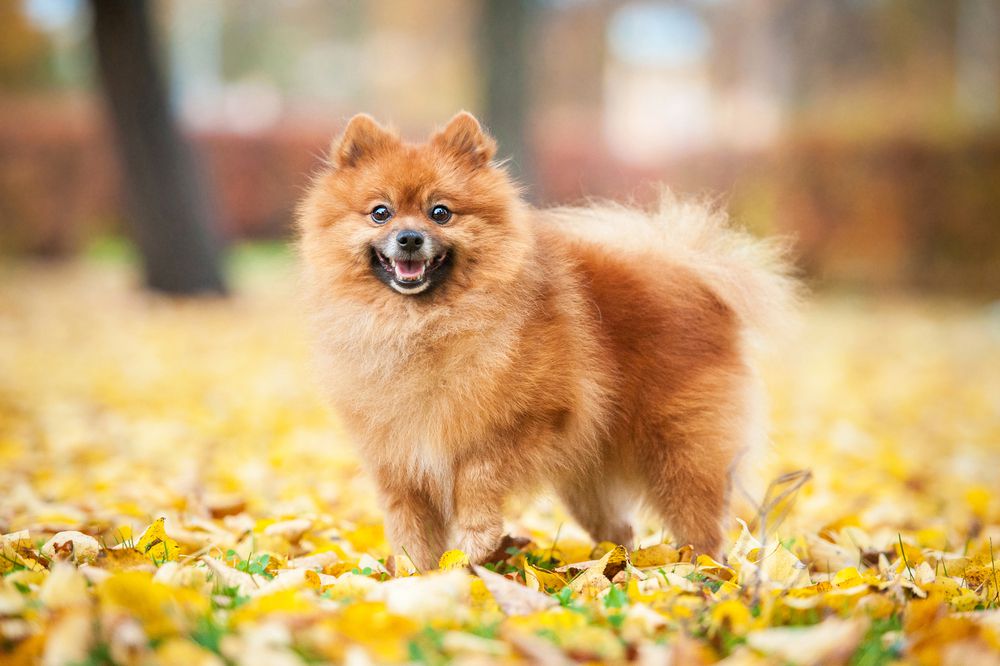
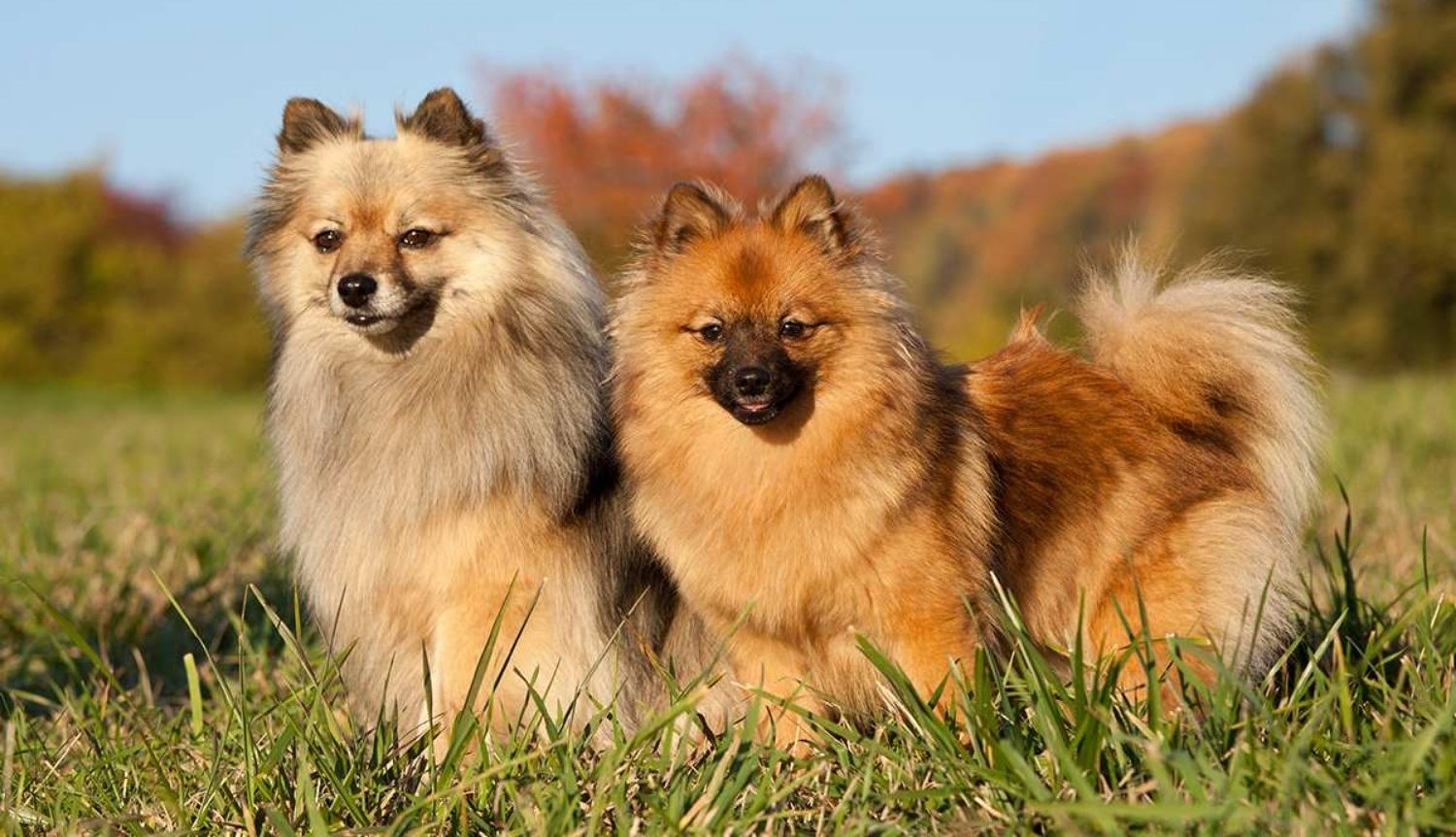
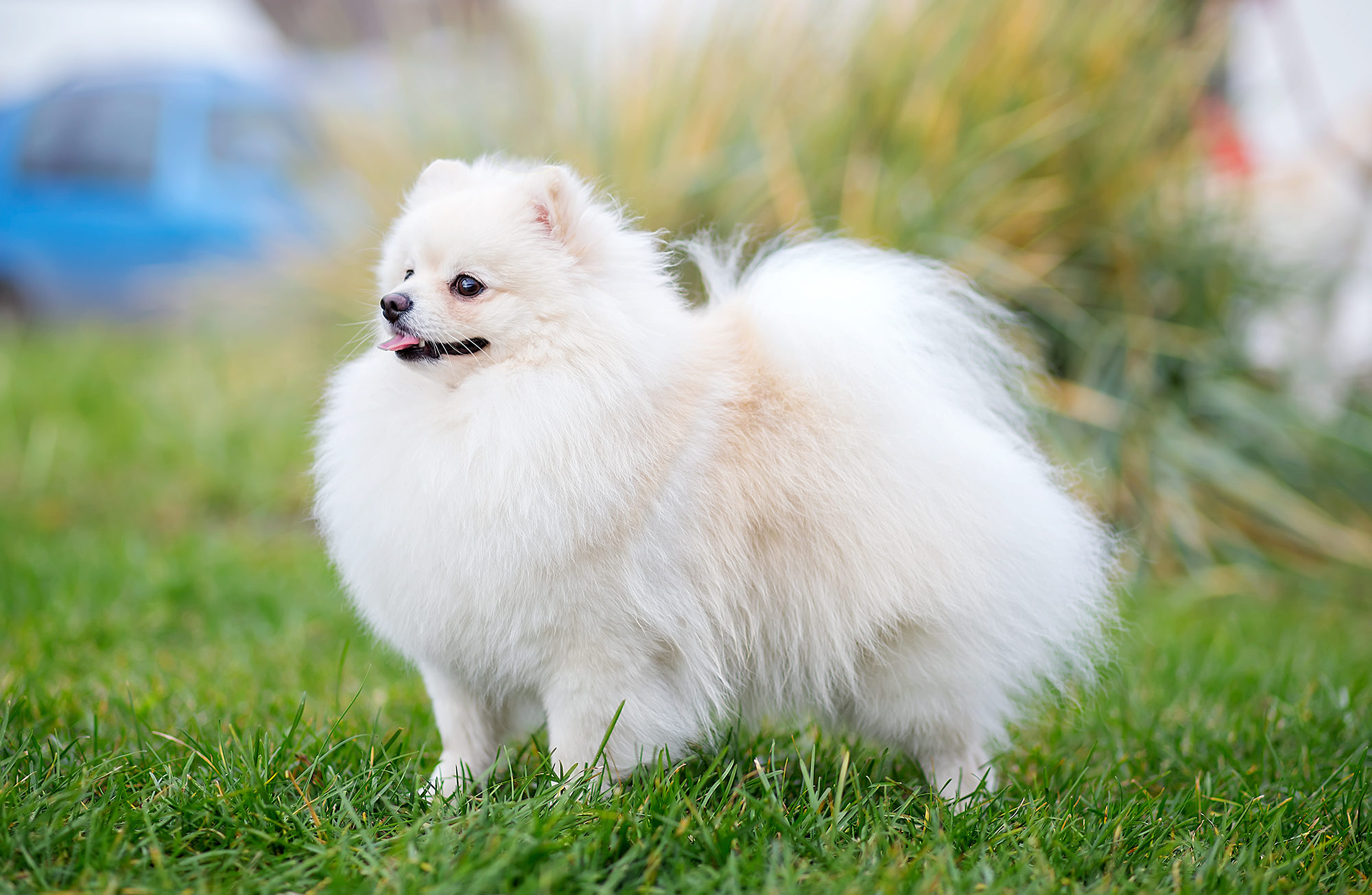
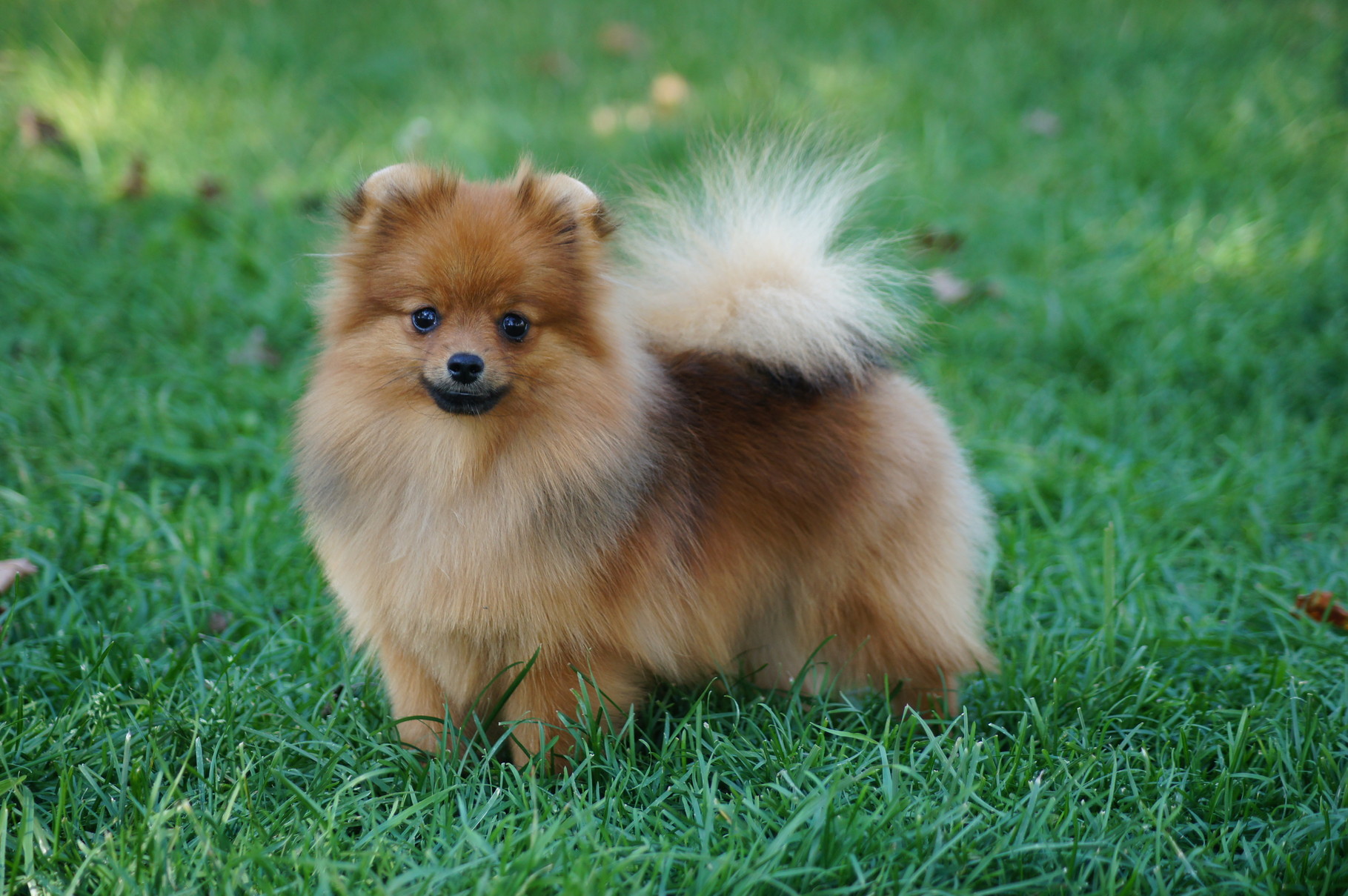
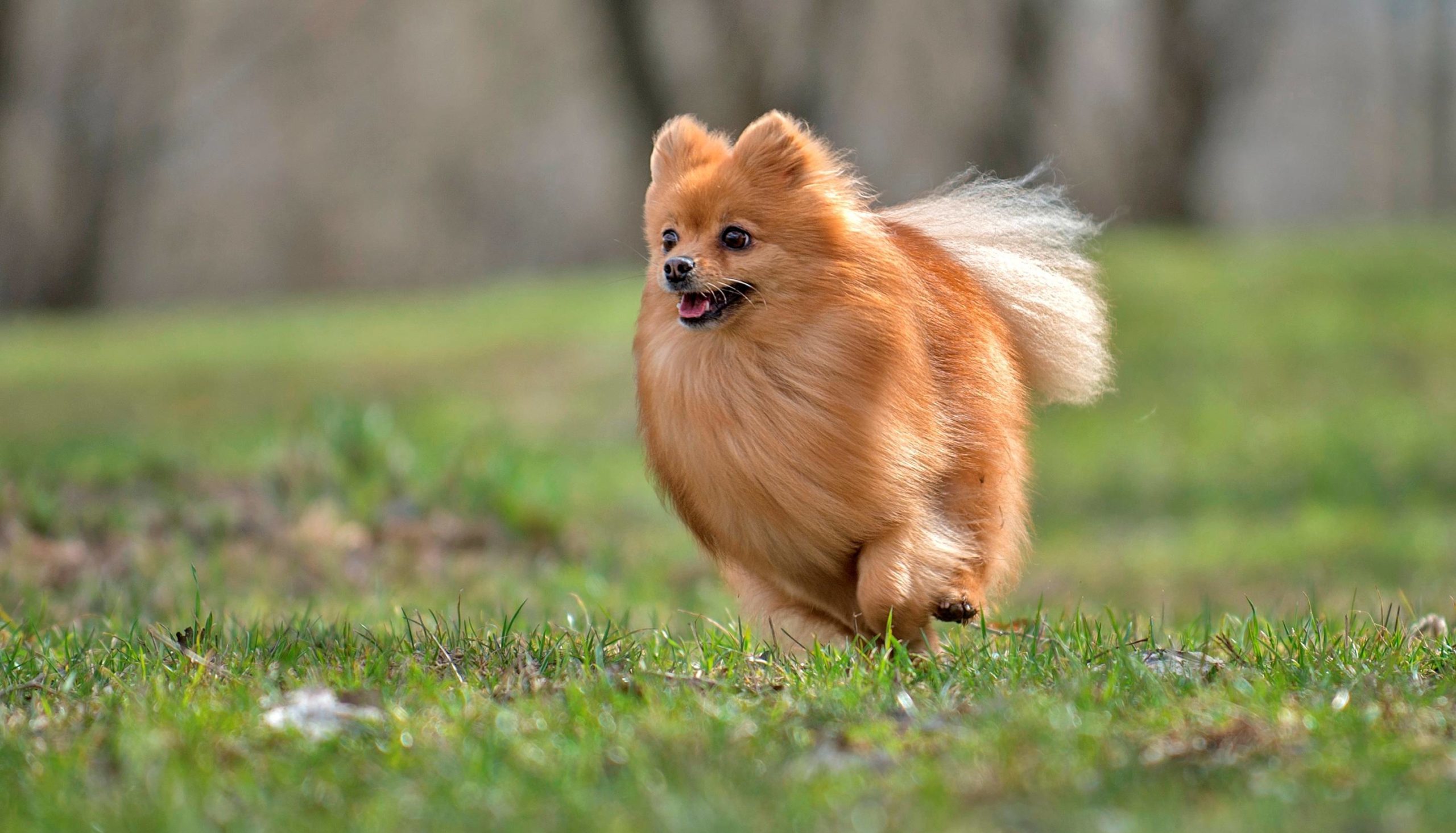
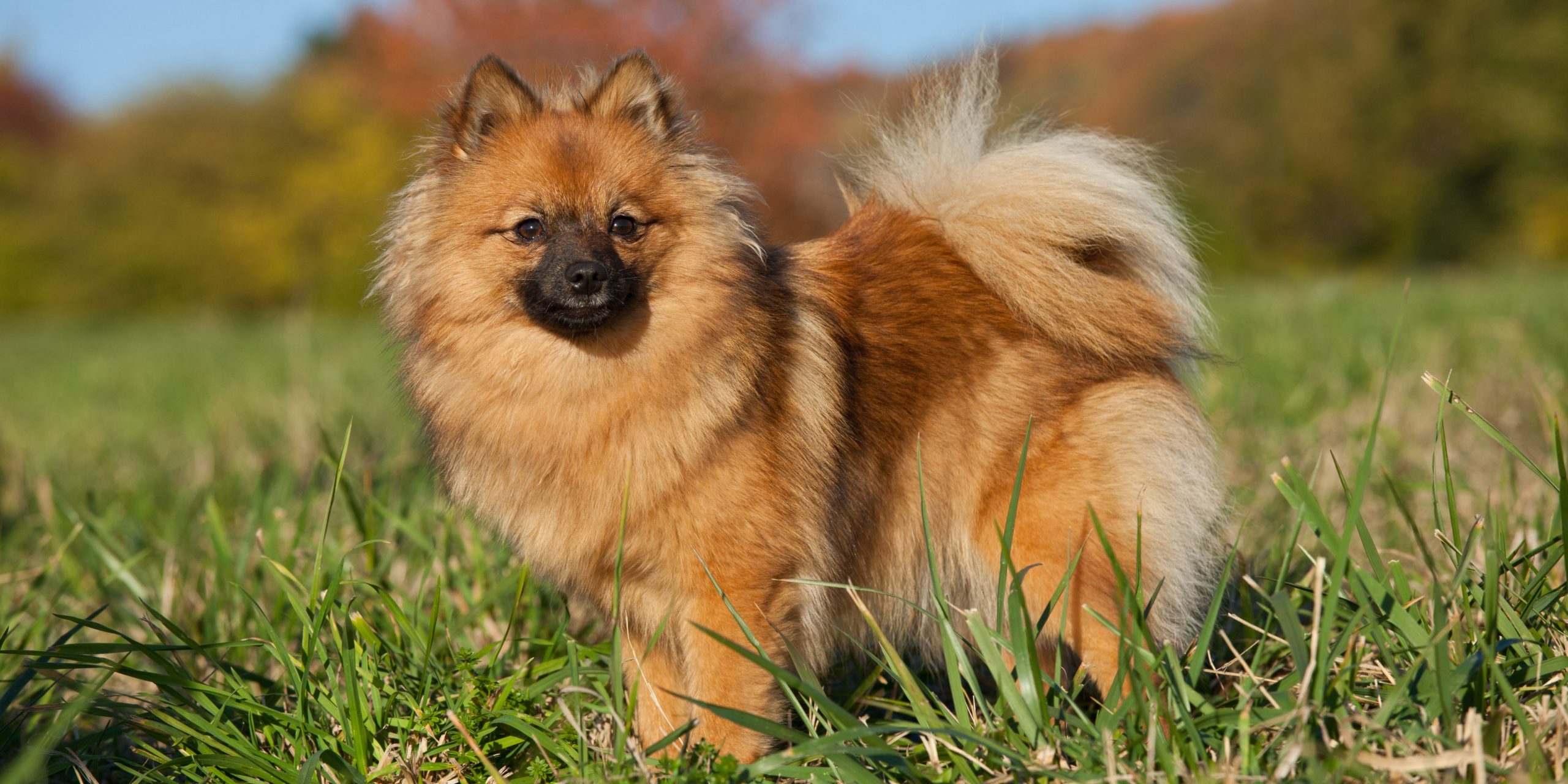
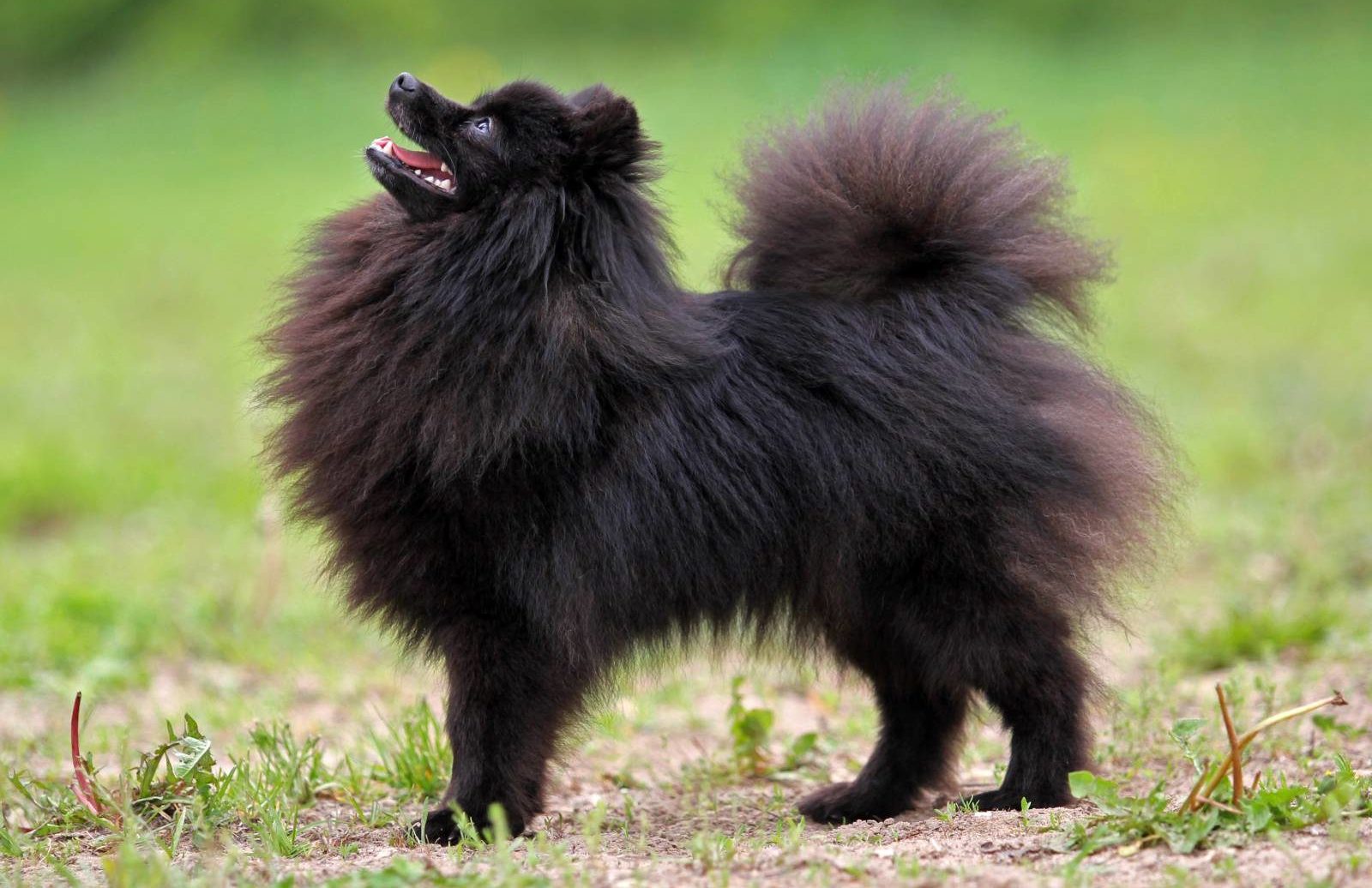
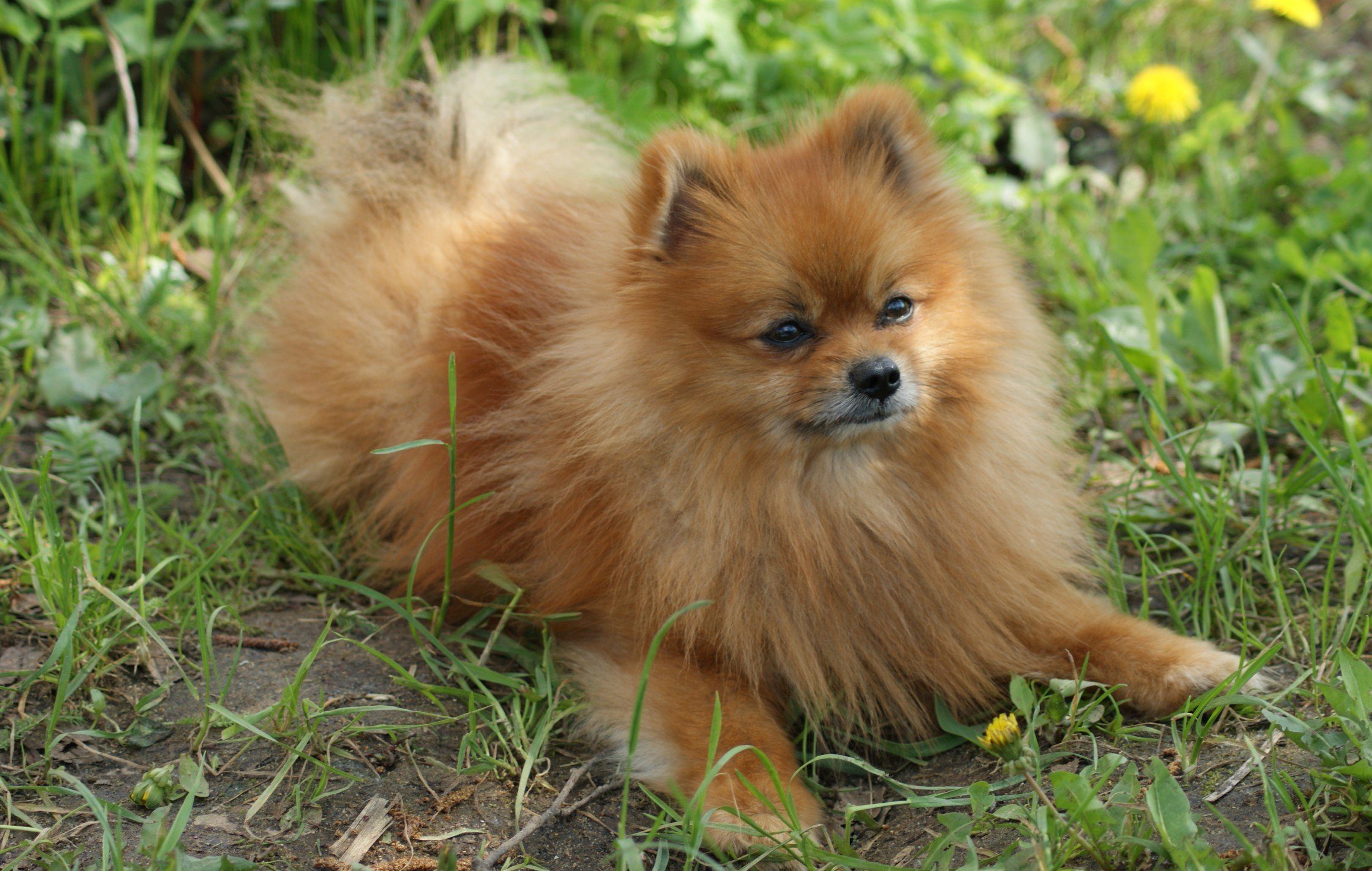
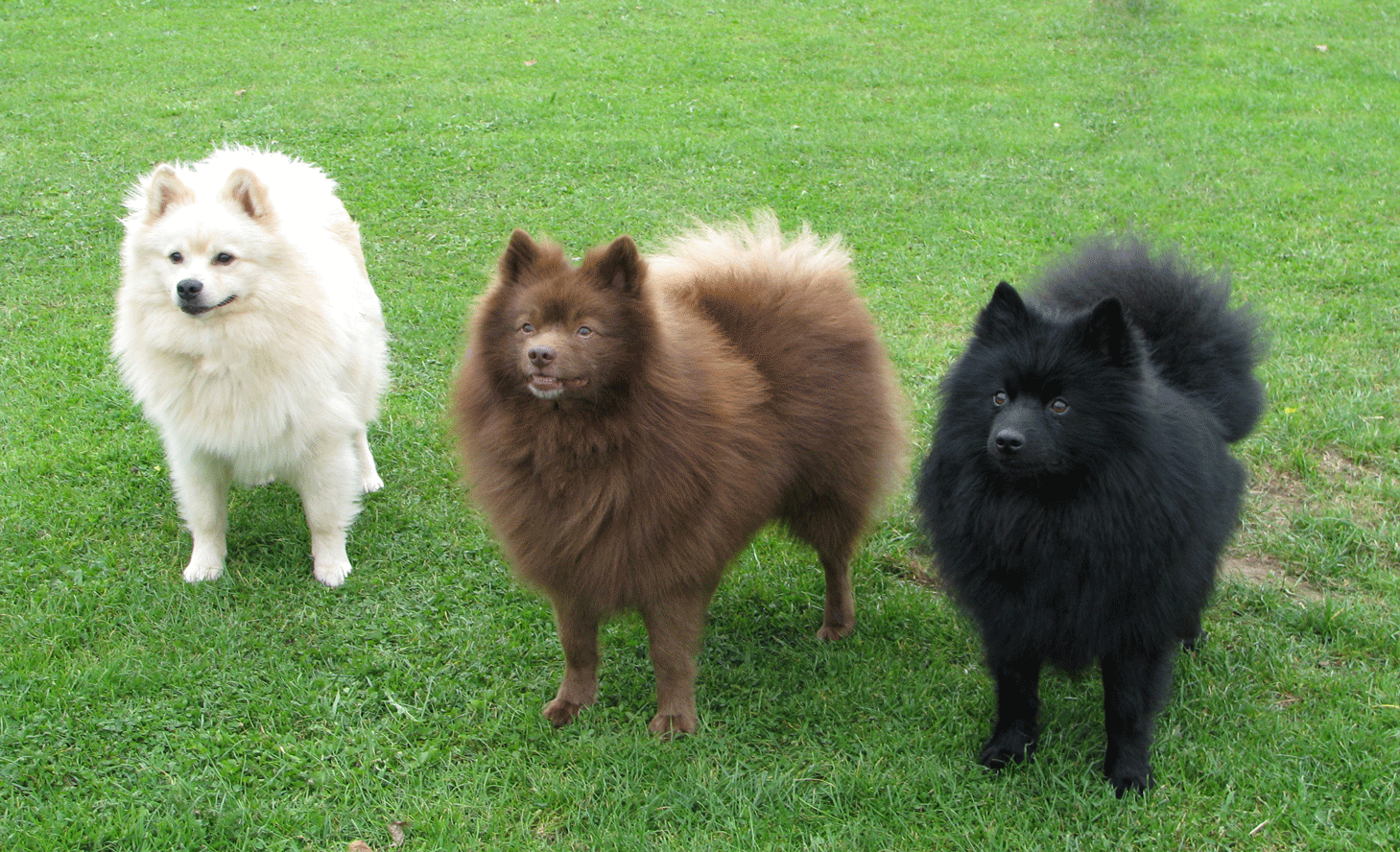
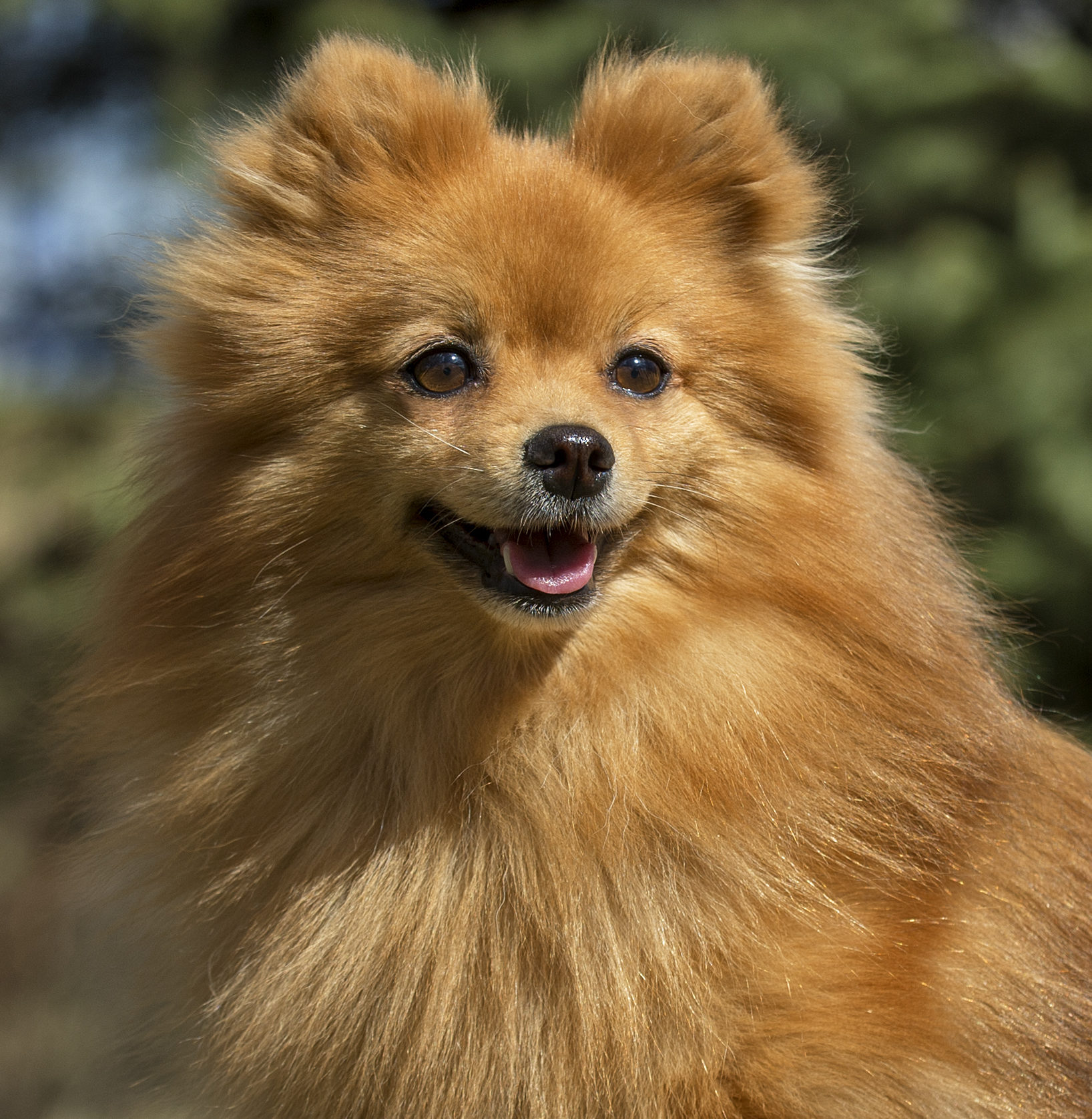
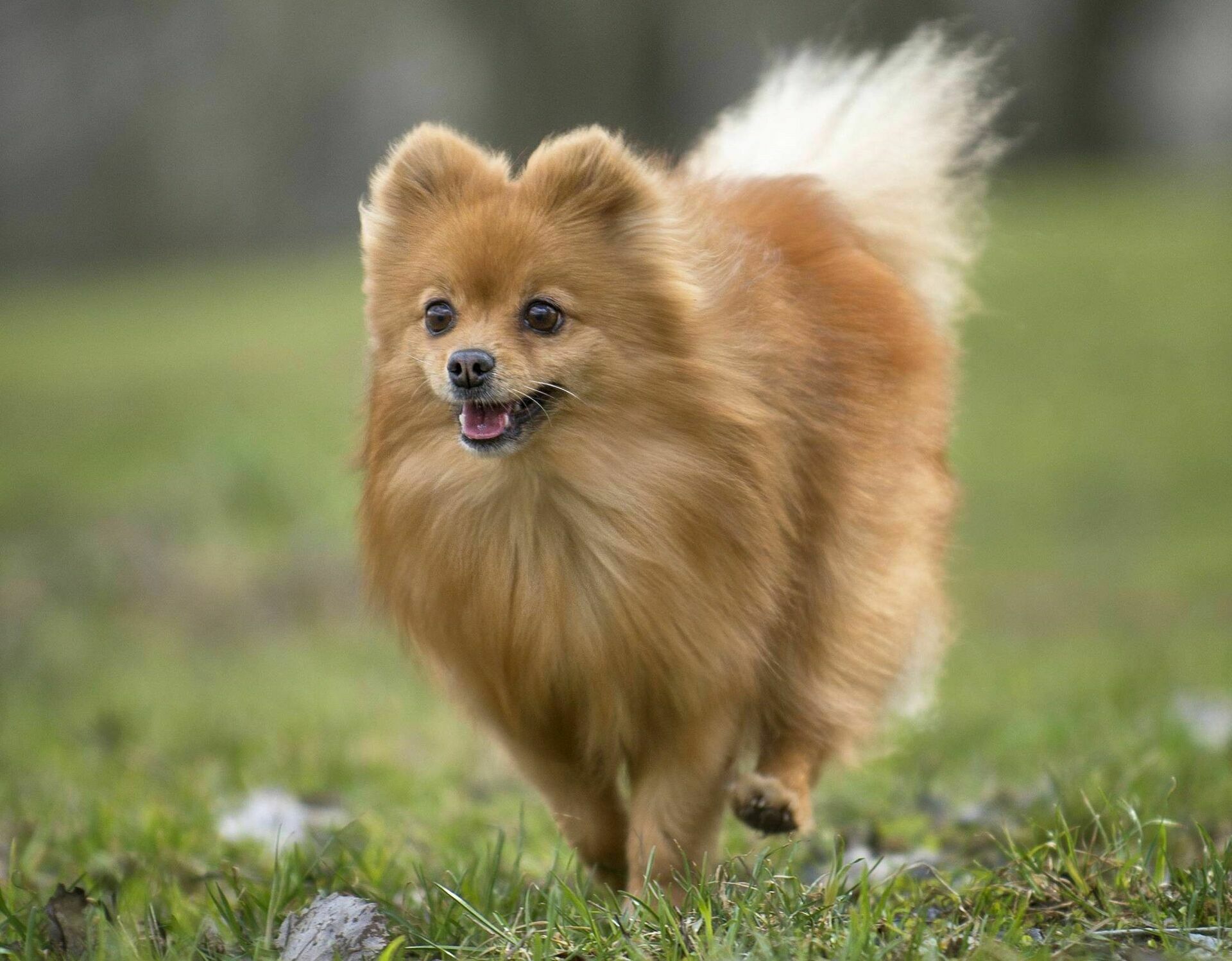
The German Spitz is a dog with a bright, memorable appearance that combines elegance and natural harmony. Its distinctive feature is the dense, fluffy coat with a thick undercoat, which evenly covers its body and forms a voluminous ruff around the neck, giving the dog a majestic look. The fur creates the impression of a fluffy cloud, emphasizing the compact size and proportionality of the body. The tail is set high and dramatically curled over the back, adding even more grace to the Spitz. Its almond-shaped eyes and intelligent, lively gaze highlight its sociability and energetic nature.
Spitzes vary in size depending on the variety. The average height is 23-30 cm at the shoulder, and their weight usually ranges from 3 to 12 kg, making them compact yet sturdy. Larger varieties, such as the Keeshond, can reach 40-50 cm, while the smallest representatives, the Pomeranian Spitz, rarely exceed 20 cm and weigh only 2-3 kg. Their sizes make German Spitzes suitable for both city apartments and country living.
The lifespan of a German Spitz ranges from 12 to 16 years, making it a long-lived breed among dogs. These dogs maintain their activity and cheerfulness throughout their lives, remaining loyal companions to their owners. The appearance of the German Spitz perfectly reflects its character: it is an energetic, intelligent, and friendly dog, always ready to be the center of attention and delight those around it with its charm.


Отличительные черты

Голова

Морда

Уши

Глаза

Зубы

Корпус

Конечности

Хвост

Шерсть

Окрас
Character
The German Spitz has a vibrant, cheerful, and friendly personality that makes it an ideal companion for people of all ages. This breed is characterized by high energy levels and curiosity, always ready for play, walks, and exploring the world around them. They are very intelligent and quick-witted, allowing them to learn commands swiftly and adapt to their owner’s lifestyle. The German Spitz loves being the center of attention and receiving praise, making it not only a loyal friend but also a great participant in various events and competitions.
These dogs are incredibly devoted to their families and enjoy spending time with people. They get along well with children, sharing in their energy and cheerful spirit. Spitzes are not prone to aggression but possess an innate vigilance, making them excellent guard dogs. They respond to the slightest sounds and always alert their owners to the arrival of guests or strangers with their bright, energetic barking. Despite this, they are not overly cautious if socialized properly from a young age.
The habits of the German Spitz include actively participating in family life. They love to go for walks, play ball, or perform various tasks that stimulate their mental abilities. Due to their energy, they require regular physical activity, although they do not need extreme exercise and can adapt well to apartment living. However, a lack of activity may lead to boredom and the development of undesirable behavioral habits, such as excessive barking.
Spitzes are independent yet strongly bond with their owners. They do not like being alone for long periods and prefer constant interaction and engagement. Dogs of this breed are very sensitive to their owner’s mood and are always ready to offer support, whether through play or quietly resting nearby. Their natural responsiveness and love for companionship make them one of the most popular companions.
The German Spitz is a dog with a lively temperament and balanced character, always ready to delight its owner with its energy, intelligence, and affectionate behavior. It is an excellent choice for those seeking a loyal, sociable, and energetic friend.
Wolf-dog
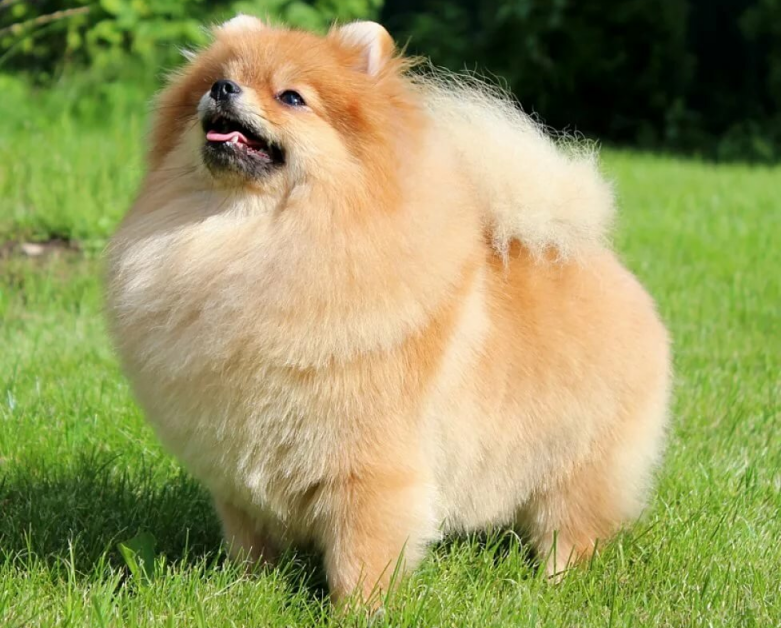
In his dog breed classification system in the 18th century, Count Buffon officially categorized the spitz as a type of wolf-dog. This decision was confirmed by a Danish naturalist. In the 19th century, the "wolf-dog" became extremely popular.Care and Maintenance
The German Spitz requires regular, but uncomplicated care to maintain its luxurious appearance and health. The main focus is on the coat, which is the pride of the breed. The thick and fluffy fur needs to be brushed 2-3 times a week with a brush that has long bristles to remove dead hair and prevent matting. During shedding, which occurs twice a year, daily brushing is necessary. The Spitz does not need to be bathed frequently-just as needed, using a gentle shampoo to avoid drying out the skin.
The eyes and ears of the Spitz also require regular checks and care. Ears should be cleaned once a week to prevent dirt buildup and infections. Eyes should be wiped with a soft, damp cloth if any discharge appears. Teeth need special attention due to the breed’s tendency to develop tartar. Brushing with specialized toothpaste and using chew toys will help keep them healthy. Nails should be trimmed once a month if they do not wear down naturally.
This breed loves an active lifestyle, so daily walks and playtime are essential. Engaging physical and mental activities help prevent boredom and excessive vocalization, which Spitzes may be prone to. They enjoy playing with a ball, exploring new areas, and solving problems that stimulate their intellect. Spitzes value attention and close contact with their family, so time spent with their owners is very important for their emotional well-being.
The German Spitz does not like prolonged solitude and may experience stress if left alone for too long. It needs emotional attention and seeks to be involved in family life. Spitzes do not tolerate harshness or rough treatment-they are sensitive to tone and respond better to a gentle yet confident approach. This breed also struggles with boredom and lack of activity, so it is important to regularly provide opportunities for movement and new experiences.
With proper care and attention, the German Spitz remains a healthy, active, and cheerful companion that brings joy to its owners. Respectful treatment, regular grooming, and an active lifestyle are key factors in creating a comfortable environment for this breed.
Stubborn beauties
They exhibit stubbornness and a strong character. The upbringing of a German Spitz should begin at an early age with restraint and tenderness. They are easy to train and become wonderful companions, especially for children who know how to show them respect.Training and Education
The German Spitz is an intelligent and energetic dog that responds well to training, especially when a gentle yet consistent approach is used. This breed has a vibrant personality and independence, so it’s important to start training at an early age to establish basic behavior rules. Spitzes learn quickly but can be stubborn if the training process becomes monotonous or too strict. The best way to engage a Spitz is through positive reinforcement: praise, treats, and play. They love attention and happily follow commands if they see enjoyment or reward in doing so.
Training should consist of short but varied sessions to keep the dog interested. The German Spitz loves mental challenges and becomes actively involved in training when it’s presented in a playful manner. Teaching basic commands, such as “sit,” “lie down,” or “come,” is best combined with active exercises that match the breed’s natural energy. Training should also include managing vocalization, as they tend to bark excessively. The command “quiet” should be one of the first to master.
The German Spitz chooses the owner who spends the most time with them and provides an emotional connection. This person should be patient, attentive, and ready to engage actively with the dog. Spitzes are drawn to people who exhibit leadership qualities while showing respect and gentleness. They respond sensitively to the owner’s mood and quickly bond with those who create a stable and comfortable environment for them.
Spitzes obey those who demonstrate consistency and confidence in training. If the owner is inconsistent or hesitant, the dog may start to ignore commands or try to establish its own rules. Moreover, harshness and aggression are unacceptable, as they can undermine trust and induce stress in the dog. The German Spitz is best suited for active, attentive, and caring owners who appreciate its vibrant character and are willing to devote enough time and attention to it. With the right approach, this breed becomes obedient, loyal, and very responsive, remaining an active and joyful companion. Find your puppy through trusted sources on Zoonyka.
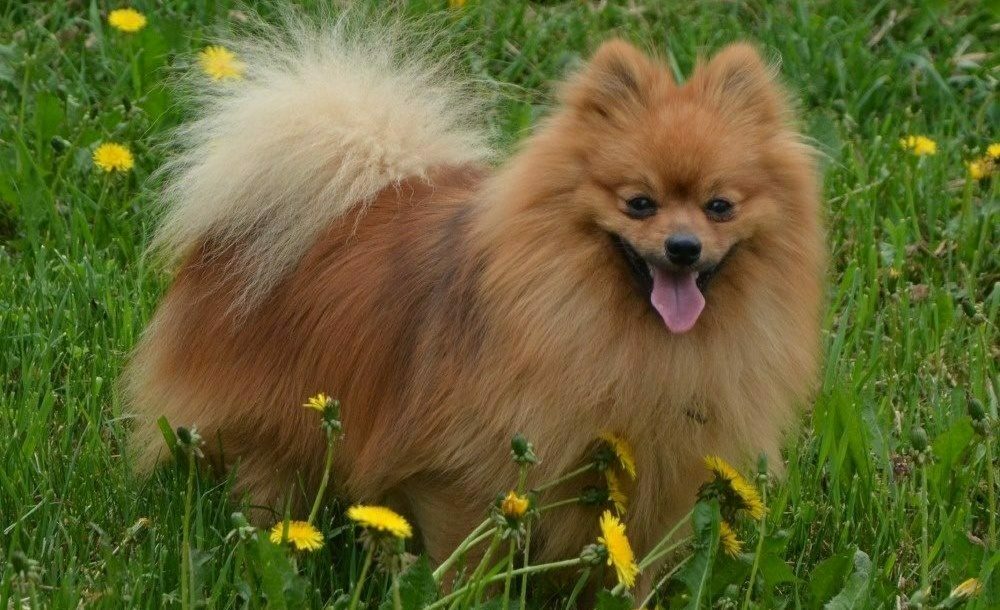
Little brave ones
Despite their delicate build, Pomeranians are brave guardians. They are always alert and capable of standing up for themselves and their families.
How to Choose a Puppy
Choosing a German Spitz puppy requires careful consideration to ensure you get a healthy pet that meets breed standards. First and foremost, consult a reputable kennel that specializes in breeding German Spitzes. A reliable breeder will be able to provide information about the puppy’s parents, their pedigree, achievements, and health. The parents should not only conform to the breed standard in appearance but also possess a balanced and friendly temperament, as these traits are passed on to the offspring.
When selecting a puppy, pay attention to its behavior. A German Spitz should be curious, active, and confident, but not aggressive or fearful. A puppy that is eager to interact and shows interest in people and its surroundings is likely to grow up to be sociable and self-assured. Avoid excessively timid or lethargic puppies, as this may indicate potential socialization issues or health problems.
Visually inspect the puppy: its coat should be thick, clean, and shiny, with no bald spots or skin irritations. The eyes should be clear and free of discharge, the nose moist but not drippy. Ears should be clean and odorless, and the paws should be strong and properly shaped. It’s also important to observe how the puppy moves; its gait should be smooth, without signs of limping or discomfort.
Check the documentation provided by the breeder. The puppy’s registration card verifies its pedigree and compliance with breed standards. The parents’ pedigree should demonstrate that there is no inbreeding and should include titled ancestors. Make sure the parents have been tested for hereditary diseases typical of the breed. The puppy’s veterinary passport should include records of initial vaccinations, deworming, and overall health status.
Discuss feeding, care, and socialization recommendations with the breeder. A good breeder will always be ready to help with advice and answer any questions. When choosing a German Spitz puppy, trust your instincts: it’s important that you feel a connection and a readiness to care for it. With the right approach, you will acquire a loyal, vibrant, and active companion that will bring you joy for many years.
Health and Diseases
The German Spitz is generally known for its strong health and longevity, typically living between 12 to 16 years. However, like all breeds, it has predispositions to certain diseases that owners should be aware of. One of the most common issues is a knee joint pathology known as patellar luxation, which can manifest as limping or discomfort during movement, making regular vet check-ups and activity monitoring particularly important.
Another potential problem is the development of tartar, which is common in dogs with compact jaws. Regular tooth brushing or the use of special oral hygiene products can help prevent gum diseases and tooth loss. Some Spitz dogs may also show a tendency to eye diseases, such as progressive retinal atrophy, which can lead to impaired vision. Regular visits to an ophthalmologist can help detect issues at early stages.
The breed is also prone to allergic reactions, which may present as itching, skin rashes, or digestive disorders. Choosing quality food, excluding potential allergens, and timely treatment can help minimize risks. Due to their dense fur, Spitz dogs sometimes suffer from skin infections or irritations if grooming is insufficient. Regular brushing helps avoid these problems and keeps the skin healthy.
Some representatives of the breed may be prone to trachea problems, such as tracheal collapse, which manifests as coughing or difficulty breathing, especially with excess weight or intense activity. Weight management and moderate exercise can reduce risks. Additionally, Spitz dogs may encounter hereditary endocrine disorders, such as hypothyroidism, which affects metabolism and overall activity.
Regular preventive check-ups with a veterinarian, balanced nutrition, and proper grooming of fur and teeth can help minimize disease risks and ensure that the German Spitz leads a long and active life. Careful attention to their health and timely diagnosis of any deviations are key factors in maintaining a good condition for this breed.
Содержание
-
1. Описание породы
-
2. Внешний вид
- 2.1 Голова
- 2.2 Морда
- 2.3 Уши
- 2.4 Глаза
- 2.5 Зубы
- 2.6 Корпус
- 2.7 Конечности
- 2.8 Хвост
- 2.9 Шерсть
- 2.10 Окрас
-
3. Характер
-
4. Содержание и уход
-
5. Дрессировка и обучение
-
6. Как выбрать котенка
-
7. Здоровье и болезни







Comments
Only registered users can leave reviews.
Enter