
German Jagdterrier





Warning: Illegal string offset 'label' in /home/panda/sites/zoonika/wp-content/themes/zoonika/template-parts/animals/animals-param-item.php on line 32
Ð


Breed Description
The German Jagdterrier is a unique breed of hunting dogs, whose history began in Germany in the early 20th century. The breed was developed with the aim of creating a versatile hunting dog, ideally suited for working both underground and above ground. The initiators of the Jagdterrier’s creation were a group of experienced cynologists and hunters, among whom Karl Erdle and Walter Zangenberg played a significant role. Their goal was to develop a breed with high endurance, a sharp sense of smell, courage, and a strong hunting instinct, which would surpass other terriers in working qualities.
The breed’s history began with a disappointment in the existing fox terriers at the time, which became more focused on external attractiveness and show standards than on hunting abilities. In the 1920s, German cynologists began selective breeding, using black-and-tan fox terriers as a foundation. These dogs were known for their endurance and instincts, but they needed refinement to become more purposeful and effective hunters. Later, blood from old English terriers and other working breeds was added to the mix, which helped create a dog with unique physical and behavioral traits.
The breed was initially formed as a specialized hunting dog capable of working in challenging conditions, such as dense forests, marshy areas, and burrows of wild animals. The German Jagdterrier proved to be a versatile assistant: it easily tracked and pursued game, hunted small to medium animals, including foxes, badgers, and hares, and also showed abilities in water hunting. Its compact size and exceptional endurance made it ideal for these tasks.
The breed was officially recognized in Germany in the 1930s. Its popularity quickly spread among hunters due to its exceptional working qualities and fearlessness. The German Jagdterrier not only became a favorite among hunters but also gained recognition as a dog capable of working in the most challenging conditions. Today, the breed remains true to its origins, continuing to be used as a working dog, thanks to its natural energy, bravery, and unique skills.
The history of the German Jagdterrier is an example of how focused breeding efforts can lead to the creation of a breed that becomes a standard of versatility and dedication to its work. Its origins are closely tied to German hunting traditions, and its character and abilities make it an indispensable companion for those who value determination, energy, and intelligence.
The price for a puppy ranges from 15,000 to 30,000 rubles.
Appearance
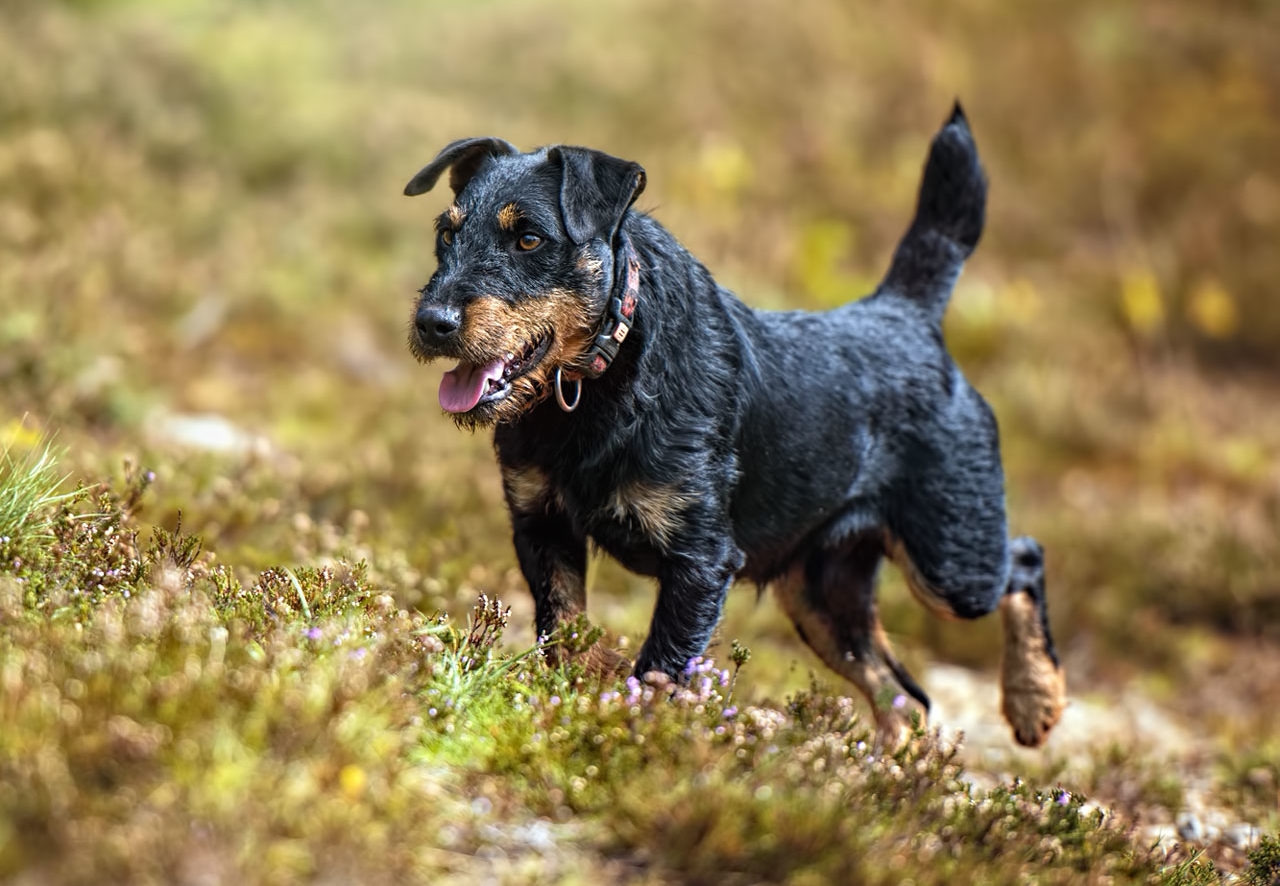
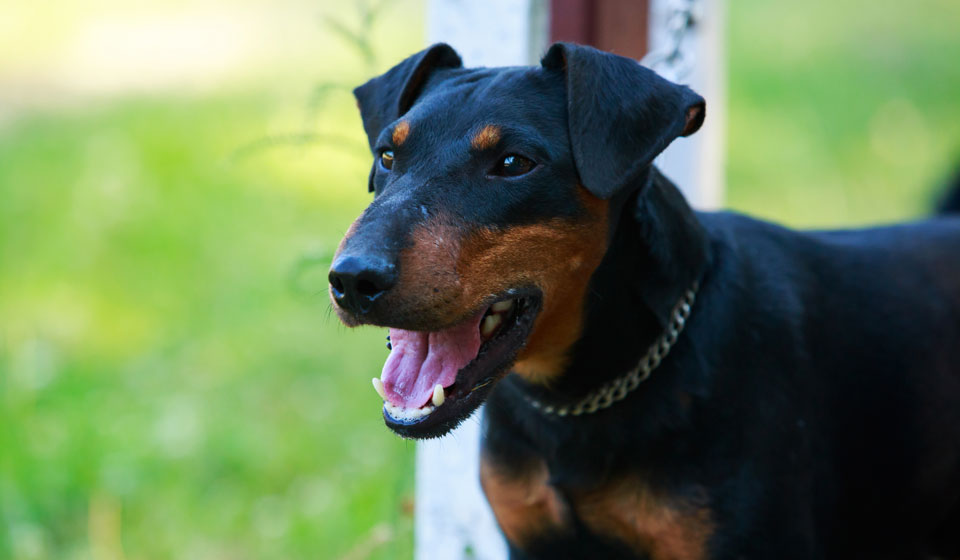
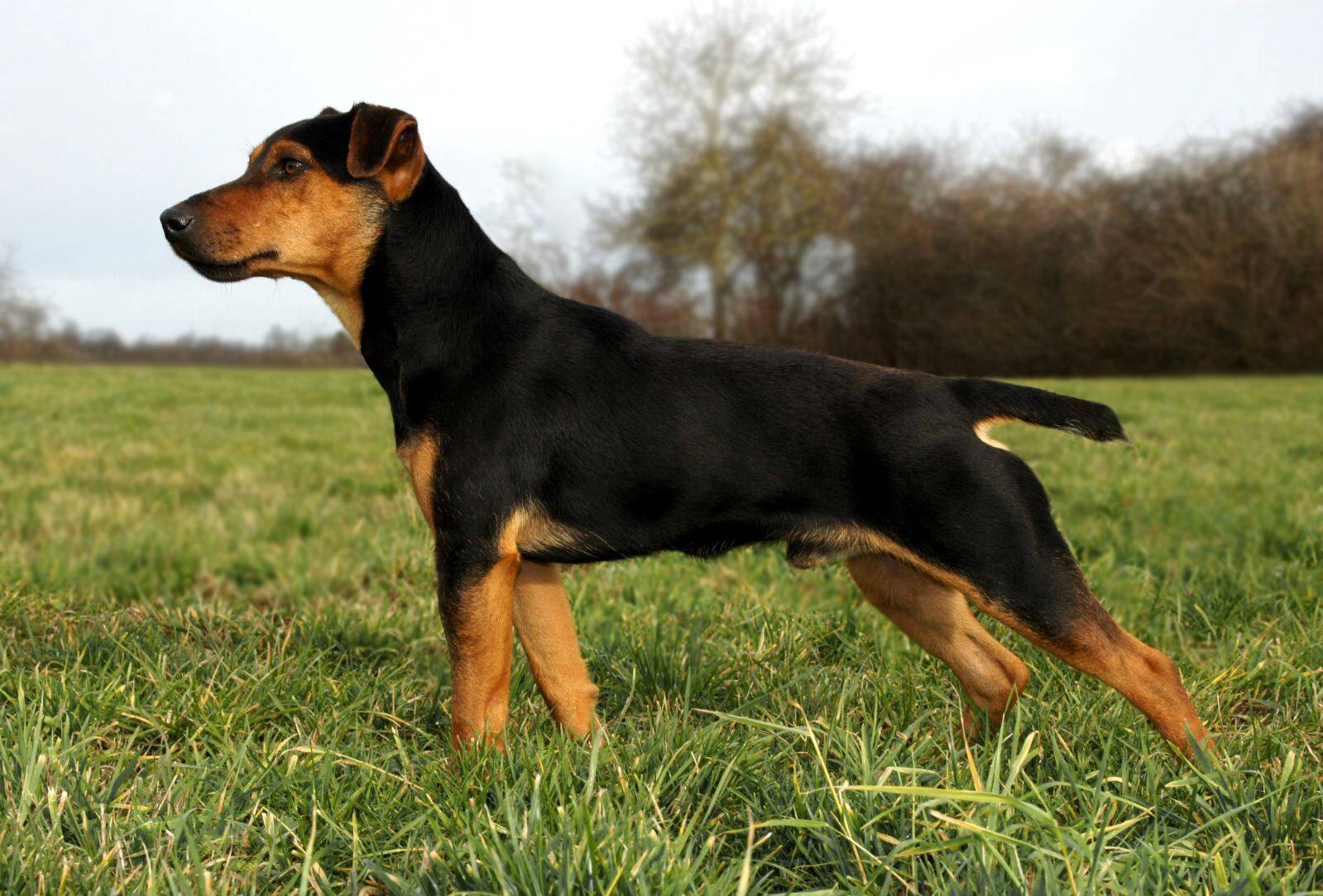
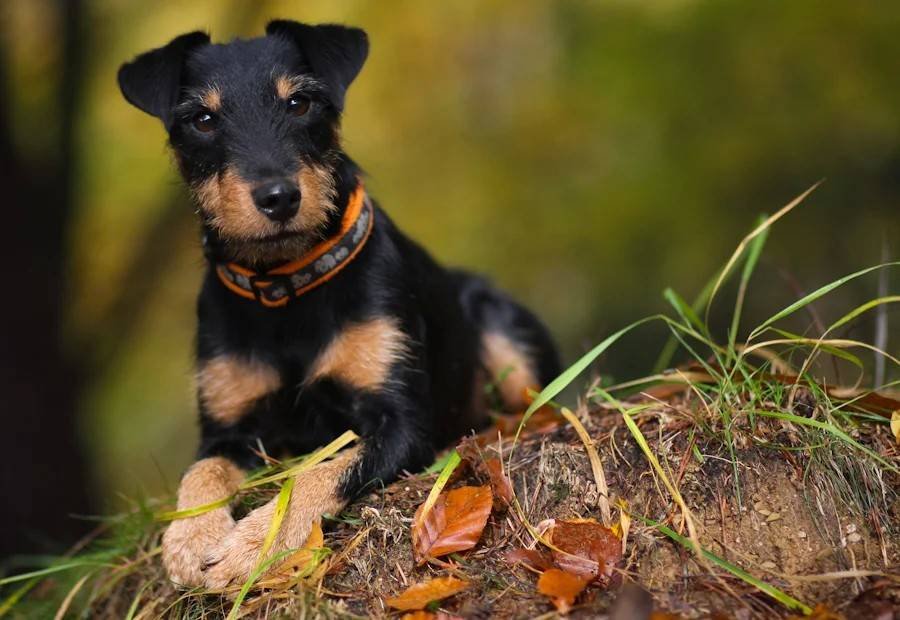
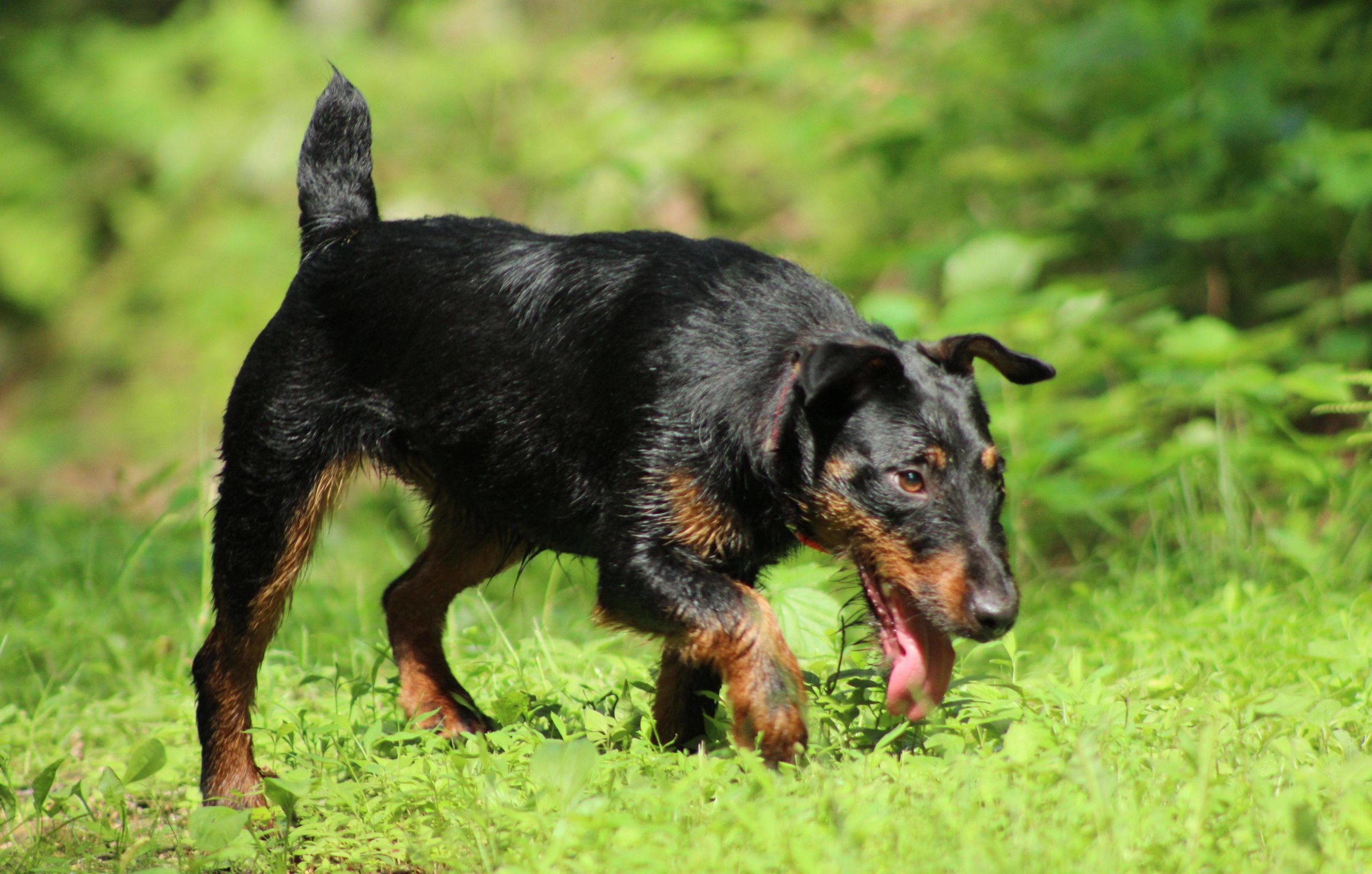
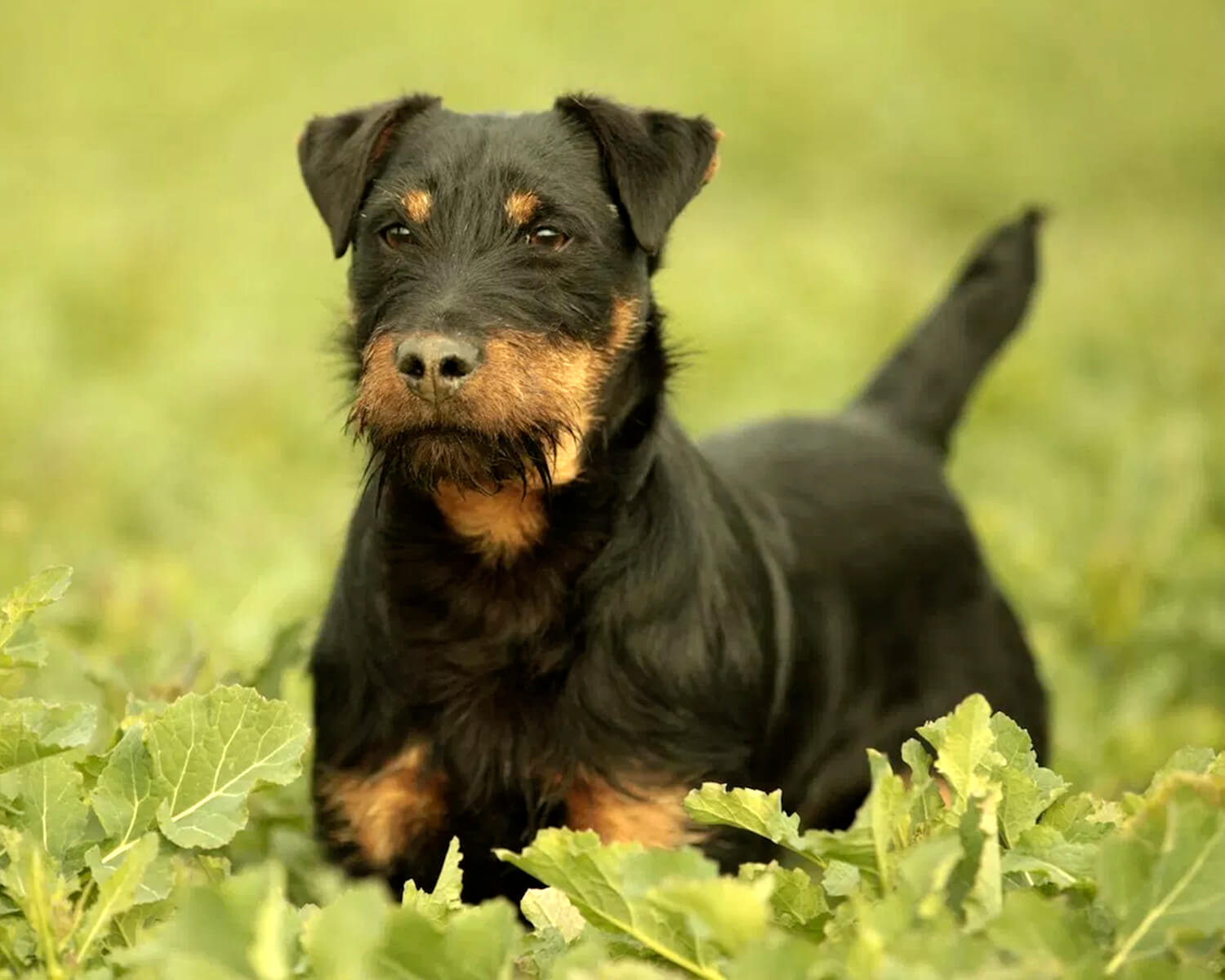
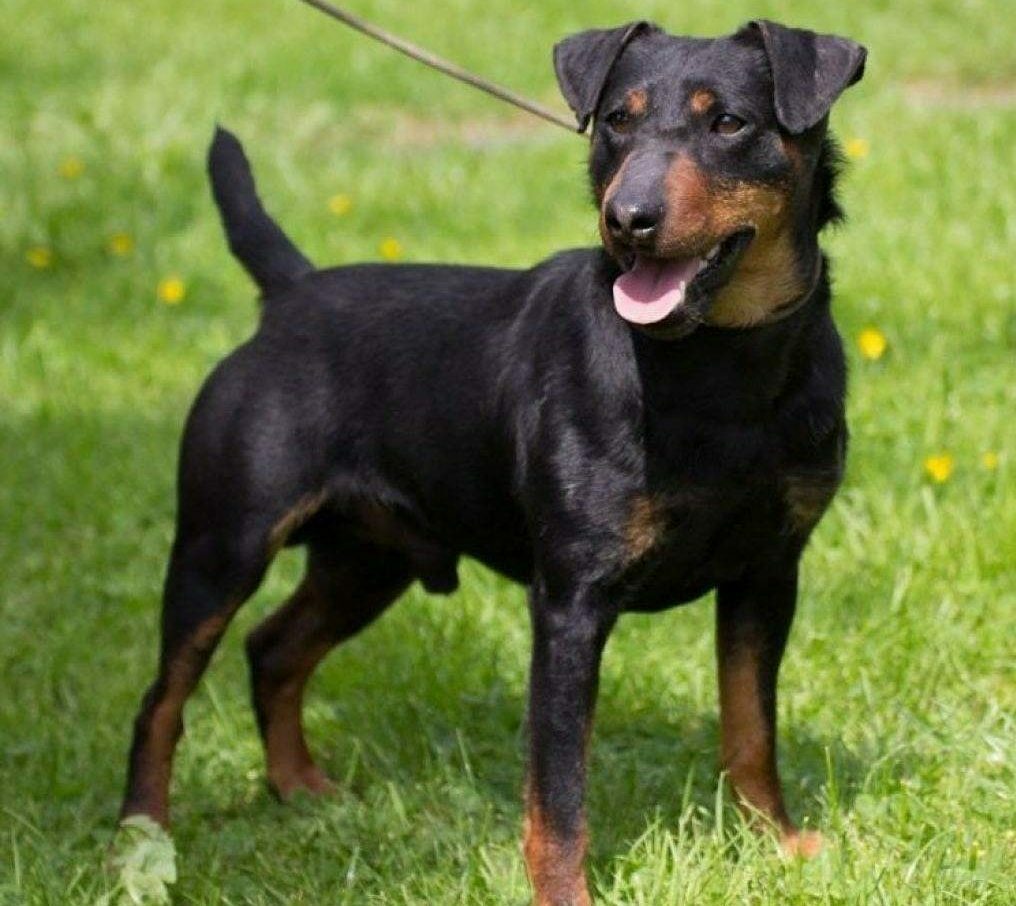
The German Jagdterrier is a compact, strongly built dog with well-defined musculature and an athletic physique that emphasizes its working nature. Its body is balanced, with a straight back, deep chest, and strong limbs, making it extremely resilient and agile. The appearance of the Jagdterrier signifies its determination and readiness for action. It has short, dense fur that reliably protects against bad weather and injuries when working in tough conditions. The overall look highlights a combination of strength, agility, and speed, making this dog ideal for hunting.
The size of the Jagdterrier allows it to work effectively in confined spaces, such as burrows. The average height of the breed is 33-40 cm at the withers, and its weight ranges from 7.5 to 10 kg, which makes the dog compact yet strong. These dimensions make the Jagdterrier versatile for various types of hunting, whether it’s tracking game above ground or working underground.
The lifespan of the German Jagdterrier averages 12-14 years. During this time, the dog maintains its activity and working qualities for most of its life. Its endurance and robust health allow it to easily adapt to any conditions, making the Jagdterrier not only an effective hunter but also a loyal companion. The appearance of this breed perfectly reflects its energetic, determined character and working nature.


Отличительные черты

Голова

Морда

Уши

Глаза

Зубы

Корпус

Конечности

Хвост

Шерсть

Окрас
Character
The German Jagdterrier is an energetic, determined, and courageous dog that fully lives up to its reputation as a versatile hunter. Its character combines independence and loyalty, making it an ideal partner for an experienced owner. Jagdterriers are known for their incredible endurance and persistence; they never give up, even in challenging conditions. This breed has a highly pronounced working instinct and is always ready for action, whether it’s hunting, training, or playing.
This breed is highly active and requires constant physical and mental stimulation. Jagdterriers love to work, and without daily tasks, they may become anxious or even exhibit destructive behavior. They are natural explorers, keenly investigating their surroundings, and should never be left unsupervised in open spaces, as their hunting instincts may take over. Jagdterriers enjoy games involving searching, running, and chasing, and can spend hours completing tasks that challenge their intelligence and endurance.
Despite their independence, the German Jagdterrier bonds closely with its owner and family. They are loyal, ready to protect their loved ones, and often display guarding qualities. Although Jagdterriers are not prone to aggression, they can be wary of strangers, making them excellent watchdogs. They get along well with children, especially if raised with them, but may be overly energetic for young ones, requiring caution during interactions.
Dogs of this breed tend to be stubborn and require a consistent approach to training. They listen only to those who demonstrate leadership and confidence but cannot tolerate harsh treatment. Proper socialization from an early age will help avoid potential issues with other dogs or small animals, as Jagdterriers have a strong hunting instinct.
The German Jagdterrier is a dog that loves an active lifestyle, close contact with its owner, and the opportunity to continually develop its natural abilities. It is perfect for experienced and active individuals who are ready to provide the necessary level of activity and attention. With the right approach, this energetic and intelligent pet becomes an invaluable companion and a loyal friend.
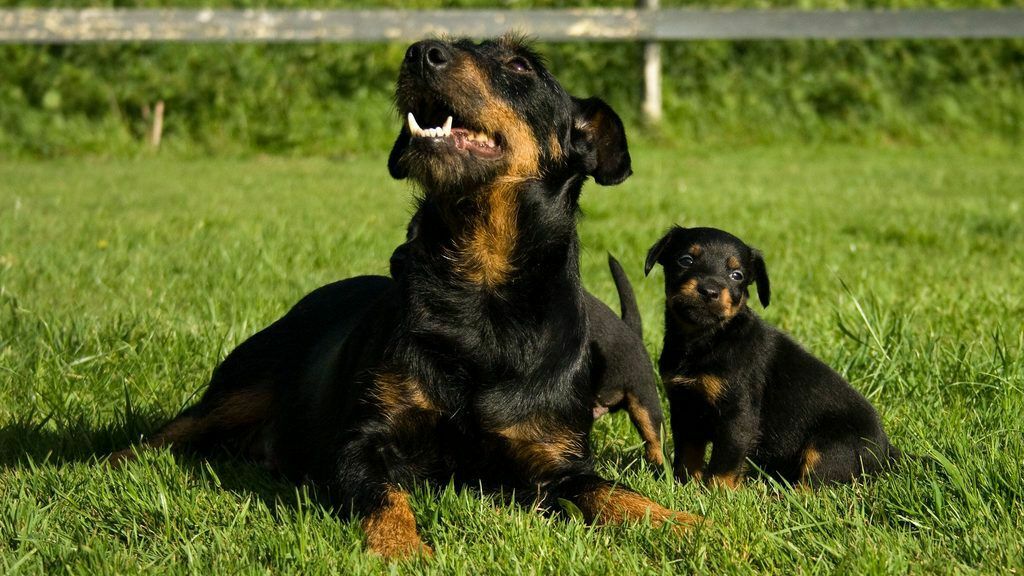
Fearless hunters
German Jagdterriers are known for their fearlessness and high pain threshold, which is precisely why they often perish during hunts.Care and Maintenance
Caring for a German Jagdterrier is straightforward but requires consistency and attention to the breed’s specifics. This dog’s coat is short, dense, and resistant to dirt, so it’s sufficient to brush it once a week with a rubber brush or glove to remove dead hair and maintain a well-groomed appearance. The Jagdterrier should only be bathed when necessary, using mild shampoos to avoid disturbing its natural skin barrier. This breed values comfort, so it’s important to ensure their coat remains dry and clean, especially after hunting or vigorous walks.
The Jagdterrier’s ears require regular checking and cleaning, as its activity and tendency to work in dirty areas can lead to dirt buildup or inflammation. Eyes should be inspected and cleaned as needed with a damp cotton pad. Teeth also need attention, as Jagdterriers are prone to tartar build-up. Regular brushing with special toothpaste or using chew toys can help maintain dental health. Nails should be trimmed if they do not wear down naturally, especially if the dog doesn’t have enough time on hard surfaces.
The Jagdterrier loves activity and requires long walks and training every day. It enjoys games related to searching, chasing, or obeying commands. These dogs need tasks that stimulate their mental and physical activity; otherwise, they may start to show anxiety or destructive behavior. They dislike boredom and lack of attention-left alone for long periods, Jagdterriers may begin to bark or chew on objects.
The breed does not tolerate rough handling or a monotonous training approach. A Jagdterrier values confidence and respect from its owner, so training methods should be firm yet gentle. They do not like prolonged solitude, as it can cause stress and boredom. It’s also important to consider that the Jagdterrier struggles to adapt to a passive lifestyle-it needs to be part of an active family or work according to its purpose.
With proper care, regular exercise, and attention to its needs, the German Jagdterrier remains healthy, energetic, and ready for new challenges, joyfully sharing its energy with its owners.
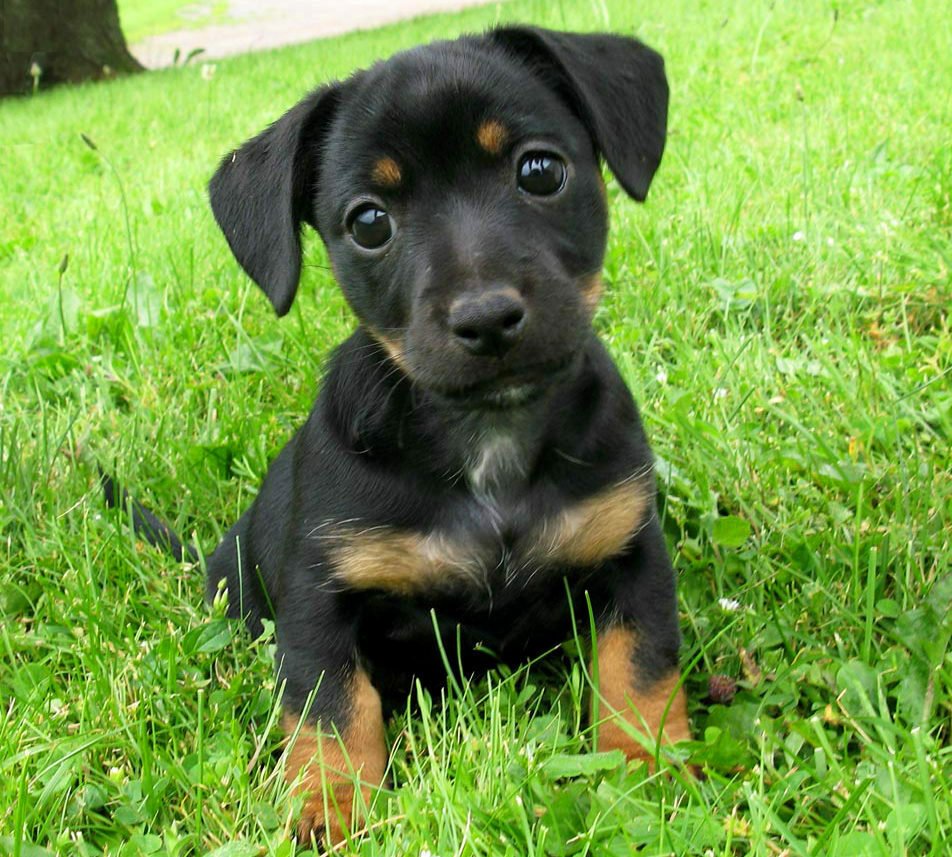
Universalists
Jagdtterriers are versatile hunters, primarily focused on burrowing game. With proper training, they can be effectively used for tracking, hunting boar and bear, as well as retrieving shot game from water bodies.Training and Education
The German Jagdterrier is an intelligent and energetic dog that requires a consistent and confident approach to training. This breed has a strong character and independence, making it essential to start training at an early age while the puppy is open to new knowledge and more easily learns the rules. The foundation of training should consist of obedience commands such as “come,” “sit,” “place,” as well as controlling natural instincts like hunting and barking. Jagdterriers quickly grasp commands but can show stubbornness if the training is boring or monotonous.
The best way to motivate a Jagdterrier is through praise, treats, and active games. These dogs love tasks that allow them to utilize their natural talents, such as search games or commands related to chasing. Training should be varied to maintain the dog’s interest. Harshness and rudeness are unacceptable-Jagdtterriers can lose trust in their owner or start displaying negative behavior. Instead, it is important to show firmness, confidence, and patience.
A Jagdterrier chooses an owner who can be an authority figure while also ensuring a close emotional connection. This person should be active and willing to invest time in training, walks, and play. Jagdterriers are drawn to those who demonstrate leadership and stability, while respecting the dog’s individuality. They quickly bond with those who create a comfortable and enriching environment.
A Jagdterrier listens to someone who is consistent and persistent in training. Inconsistency or indecisiveness from the owner can lead the dog to ignore commands or make its own decisions. This breed is suitable for experienced owners who understand the characteristics of hunting dogs and are ready to channel their energy in the right direction. With the proper approach, a Jagdterrier becomes an obedient, loyal, and reliable partner, eager to carry out commands with enthusiasm and full commitment. Zoopark offers the best options for puppies with pedigrees.
Harsh selection
There is a hunting belief that it’s better to go hunting with a dark-colored dog, as animals are less likely to be frightened. This is the reason why light-colored German hunting terriers were strictly eliminated during selection.
How to Choose a Puppy
When selecting a German Jagdterrier puppy, it’s important to consider the working qualities and unique characteristics of the breed. The first step is to contact a reputable kennel where experienced breeders specialize in this breed. The breeder should provide detailed information about the puppy’s parents, their working achievements, and temperament, as these traits are often passed down to the offspring. The puppy’s parents should be balanced, active, and demonstrate the typical hunting instincts of the breed.
German Jagdterrier puppies should be curious, active, and confident in their actions. Pay attention to their behavior in a group setting: a healthy and promising puppy does not show excessive fear or aggression, is open to contact, yet may also exhibit independence. Choose a puppy that shows interest in the surrounding world while remaining attentive to people.
External examination also plays a crucial role. The puppy’s coat should be dense, shiny, and free of bald patches. Its eyes should be clear and free of discharge, and its ears should be clean with no odor. Check the puppy’s paws and gait-the puppy should move confidently and show no signs of limping. It’s also important to ensure that the puppy has a sturdy build and meets breed standards.
Documents are another important aspect. The breeder should provide a puppy card confirming the dog’s lineage. It’s essential to review the pedigree of the parents to ensure there is no close inbreeding and to check for titled ancestors, especially those who have participated in hunting or sporting trials. The puppy’s parents should have results from tests for hereditary diseases characteristic of the breed.
Inquire with the breeder about the conditions under which the puppy was raised. A German Jagdterrier should receive proper socialization and initial skills in interacting with people from an early age. This is especially important for developing its confident and obedient character. The breeder should also provide recommendations for feeding, care, and initial training.
When choosing a puppy, consider your lifestyle and your readiness to meet the breed’s needs for activity and training. The German Jagdterrier is an energetic, intelligent, and demanding dog that can be an excellent companion for an experienced owner willing to channel its natural talents appropriately. Choosing the right puppy will ensure its healthy development and full compliance with breed standards. Find out how at Zoonik and get an excellent pet.
Health and Diseases
The German Jagdterrier is a breed known for its robust health and endurance, which is a result of selective breeding focused on working qualities. However, this breed has a predisposition to certain health issues that owners should be aware of. One common problem is hip dysplasia, which can cause discomfort and limit the dog’s mobility. To prevent this, it is important to avoid excessive physical activity at a young age and monitor the pet’s weight.
Another potential issue is patellar luxation, especially in dogs leading an active lifestyle. Regular veterinary check-ups can help detect and address such deviations in a timely manner. Jagdterriers can also suffer from allergies, which manifest as skin itching, irritation, or digestive disorders. Allergic reactions can be triggered by food, pollen, or parasites, so it is essential to regularly treat the dog for fleas and ticks and to choose an appropriate diet.
Dogs of this breed are sometimes prone to eye diseases, such as progressive retinal atrophy, which can lead to deteriorating vision. Regular check-ups with a veterinary ophthalmologist can help prevent the development of such problems. Additionally, Jagdterriers may have a tendency towards dental and gum diseases, making regular tooth brushing and the use of chew toys important parts of care.
As active hunting dogs, Jagdterriers can sometimes sustain injuries while working in challenging conditions. Cuts, scrapes, and even bites from other animals require attentive care and prompt treatment. Owners should inspect their dog after each hunt or long walks in rugged terrain. Moreover, Jagdterriers may experience stomach issues due to low-quality food or overeating, so it’s crucial to maintain a proper diet and feeding schedule.
In general, with proper care, a balanced diet, and regular preventive check-ups with a veterinarian, the German Jagdterrier can maintain its health and activity throughout its life, which averages 12 to 15 years. Attentive care for the dog’s condition will help prevent most potential problems and ensure its well-being. Zounika is the best place to reach a wide audience.
Содержание
-
1. Описание породы
-
2. Внешний вид
- 2.1 Голова
- 2.2 Морда
- 2.3 Уши
- 2.4 Глаза
- 2.5 Зубы
- 2.6 Корпус
- 2.7 Конечности
- 2.8 Хвост
- 2.9 Шерсть
- 2.10 Окрас
-
3. Характер
-
4. Содержание и уход
-
5. Дрессировка и обучение
-
6. Как выбрать котенка
-
7. Здоровье и болезни






Comments
Only registered users can leave reviews.
Enter