
Fox Terrier





Warning: Illegal string offset 'label' in /home/panda/sites/zoonika/wp-content/themes/zoonika/template-parts/animals/animals-param-item.php on line 32
Ð


Breed Description
The Fox Terrier is one of the most well-known and oldest terrier breeds, which formed in England during the 18th and 19th centuries. Initially, they were bred for hunting foxes, as reflected in the breed’s name (“fox” – fox, “terrier” – burrowing dog). These dogs became indispensable companions for hunters due to their ability to penetrate narrow fox burrows, flush out game, and work in harmony with humans.
The breed was developed from local terriers used in England for hunting small animals and protecting farms from pests. Breeders aimed to produce a dog with a compact yet sturdy build, capable of running fast, being resilient, and sufficiently brave to work with aggressive animals. To achieve these qualities, they utilized the old English white terrier, black-and-tan terrier, greyhounds, and possibly beagles. From the greyhounds, the Fox Terrier inherited elegance and speed, while from the terriers it gained tenacity and fighting spirit.
Fox Terriers became popular among English hunters, especially among the aristocracy. These dogs accompanied riders during fox hunts, showcasing not only their working capabilities but also excellent trainability. They quickly earned respect as a versatile breed, capable of working in the field and serving as companions in home settings.
In 1876, the breed was officially recognized, and soon it began to be divided into two varieties: smooth-coated and rough-coated Fox Terriers. Although both varieties share common roots, their development proceeded in parallel to enhance specific qualities of coat and appearance. Smooth-coated Fox Terriers gained popularity as refined companions, while rough-coated ones earned a reputation as working dogs with outstanding endurance.
Fox Terriers became popular beyond England in the late 19th century when they started to be exported to Europe and America. Their versatility and energy made them favorites not only among hunters but also among everyday families. In the 20th century, Fox Terriers achieved cult status through their participation in shows, cinema, and pop culture.
Today, Fox Terriers maintain their historical purpose, remaining active and bold companions. Their history exemplifies how selective breeding and natural talents can create a dog that is both a working assistant and a loyal friend. The Fox Terrier continues to symbolize energy, courage, and unyielding curiosity.
Appearance
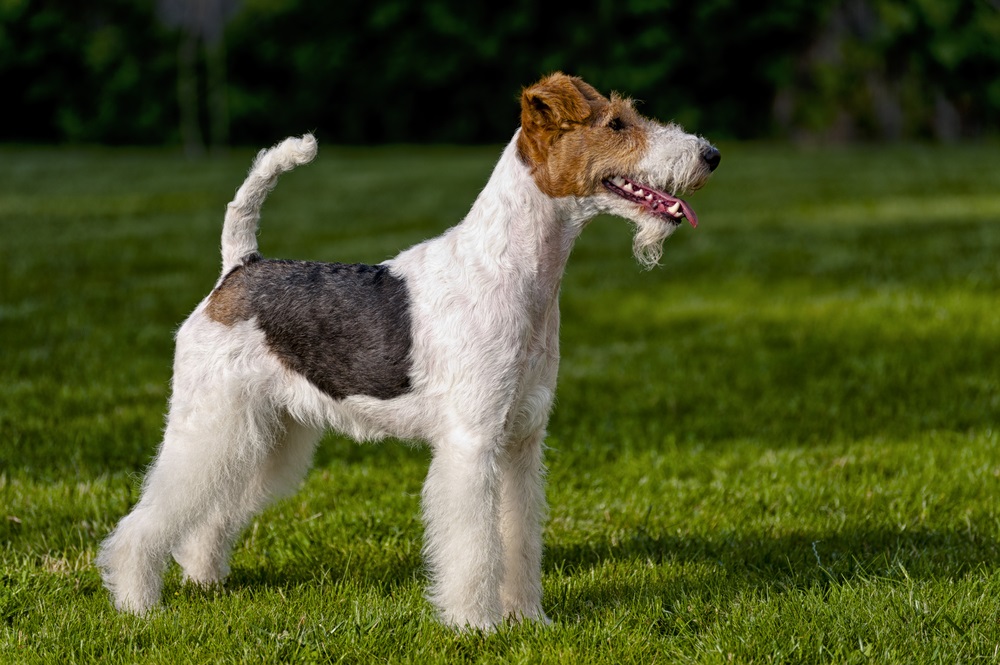
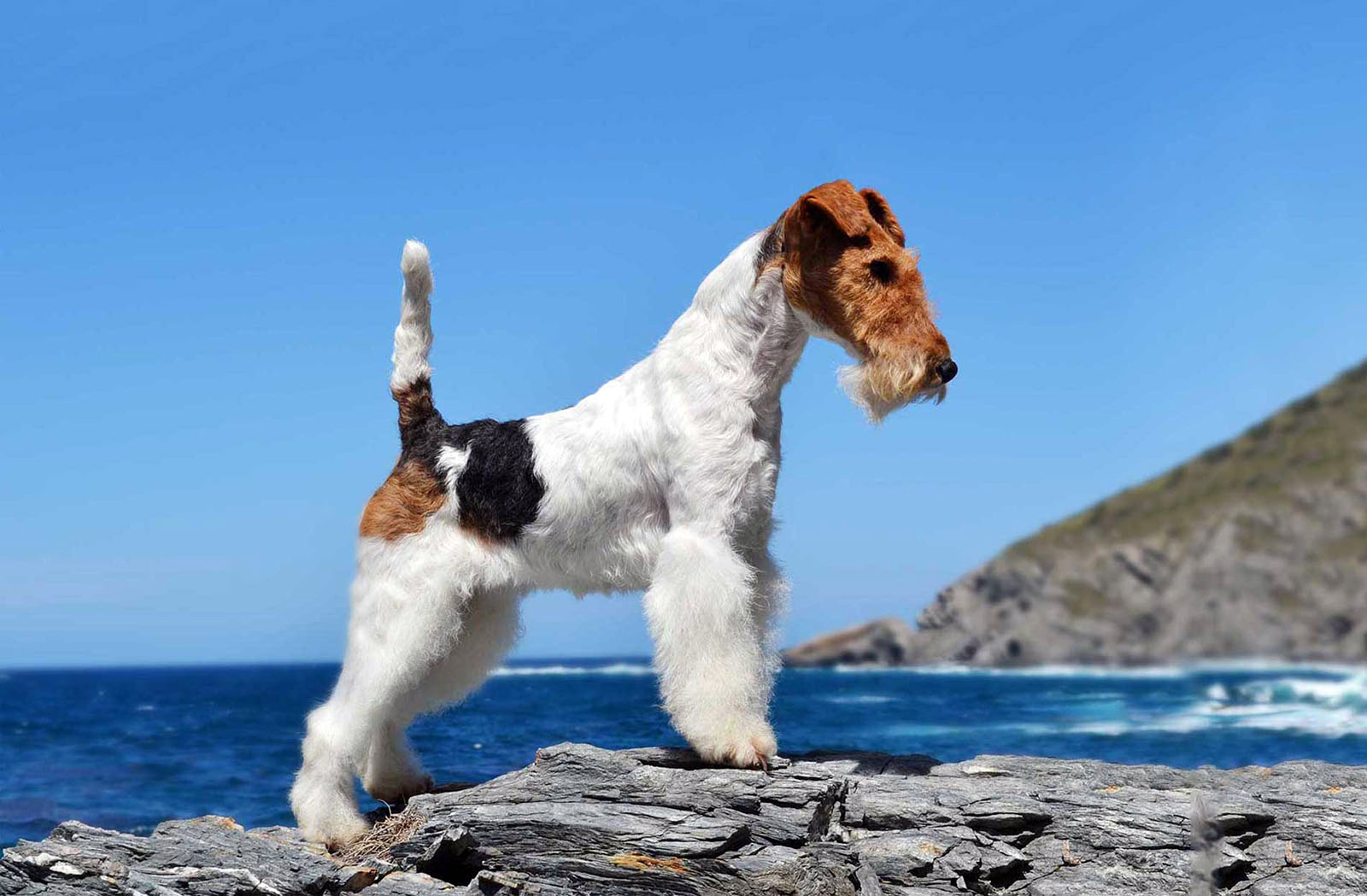
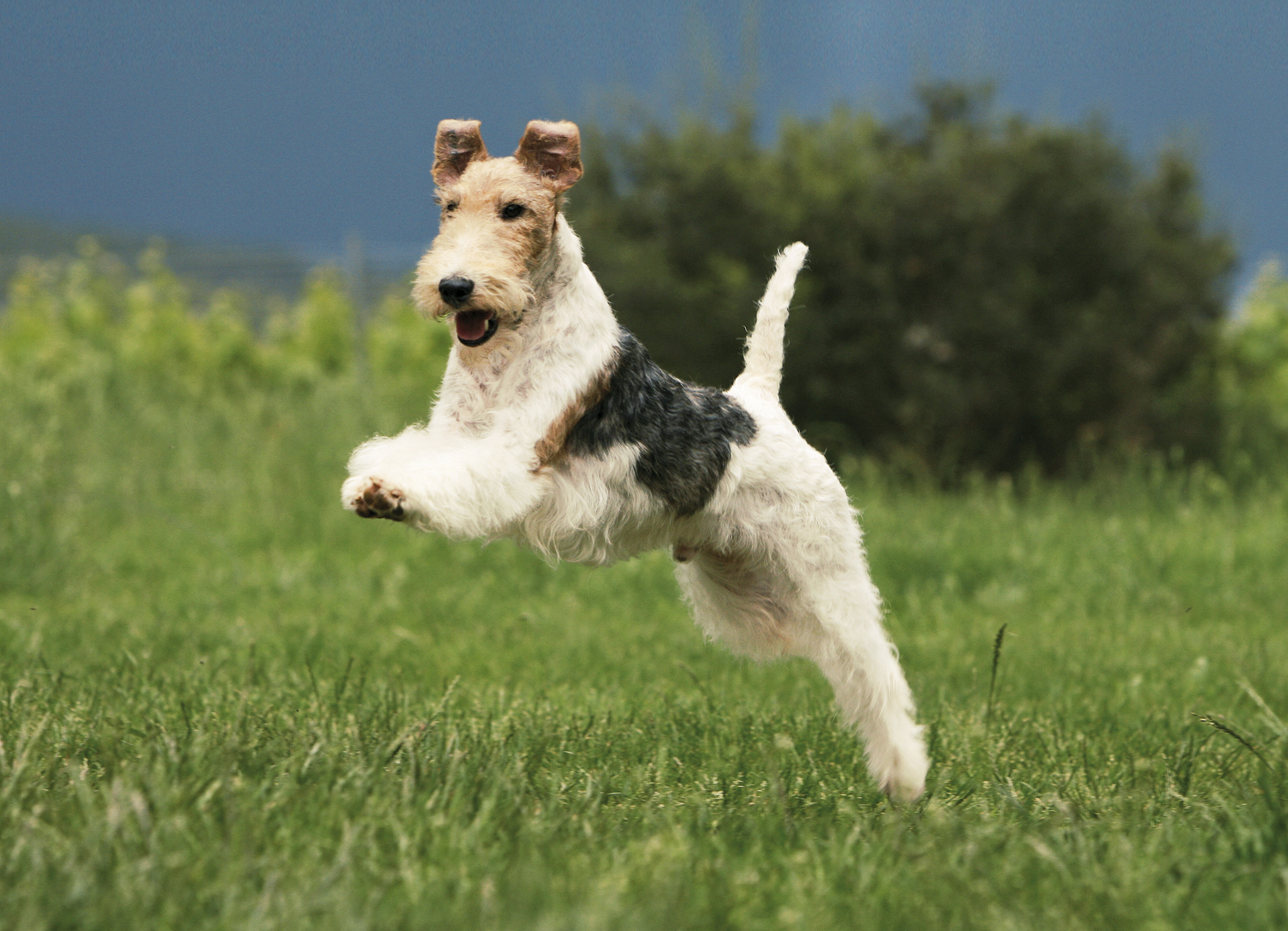
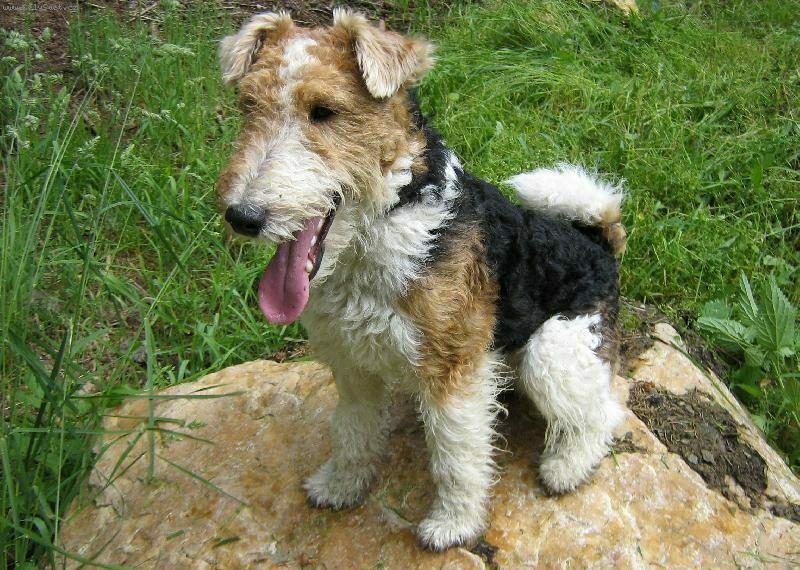
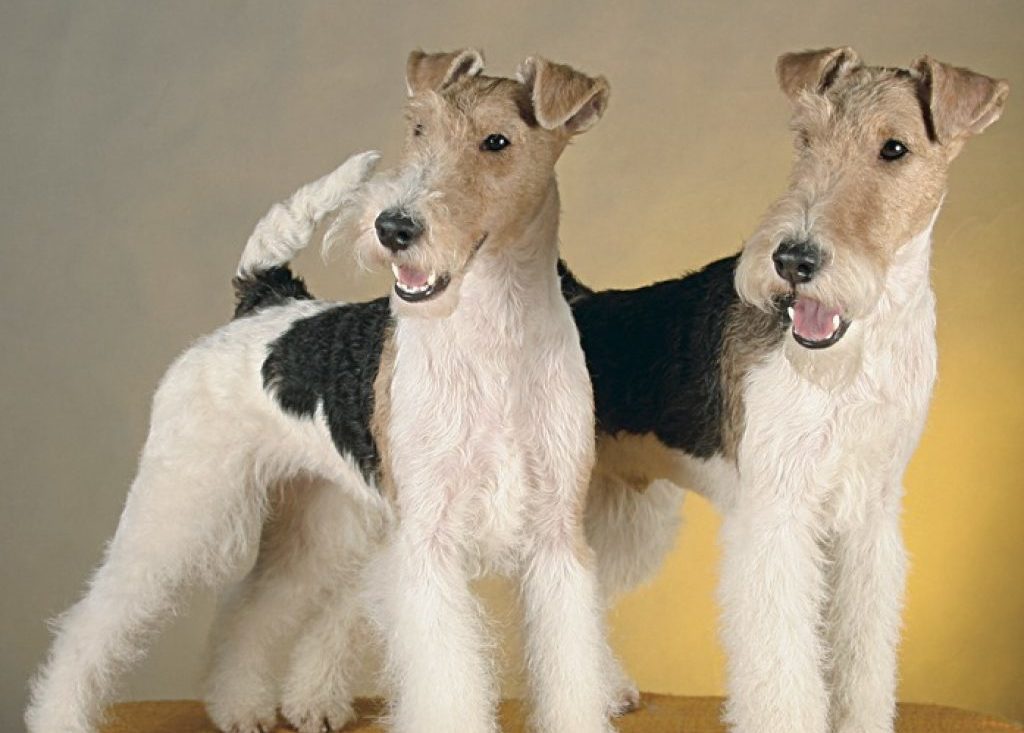
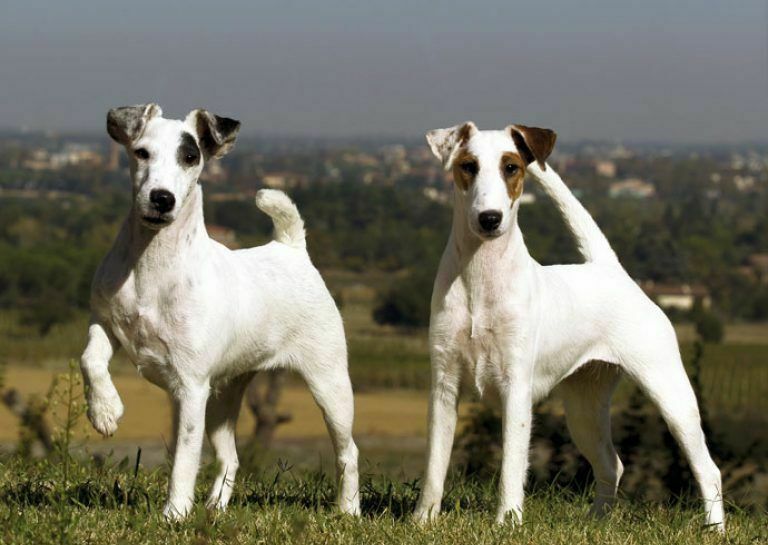
The Fox Terrier is a medium-sized dog with a compact and muscular build, combining elegance and energy. Its sturdy body and proportional lines highlight the versatility of the breed, designed for active work and long walks. Fox Terriers appear lively and confident, with light and swift movements that make them perfect for an active lifestyle.
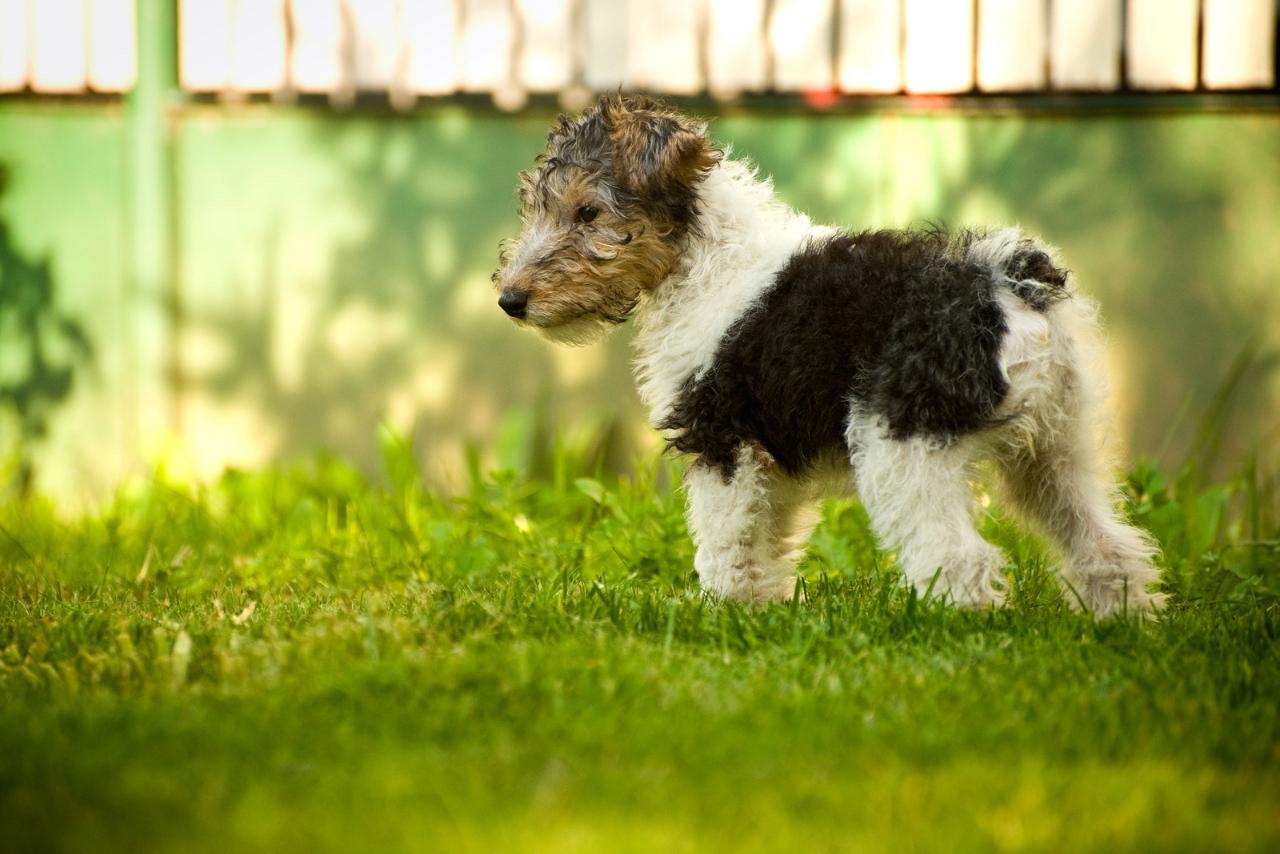
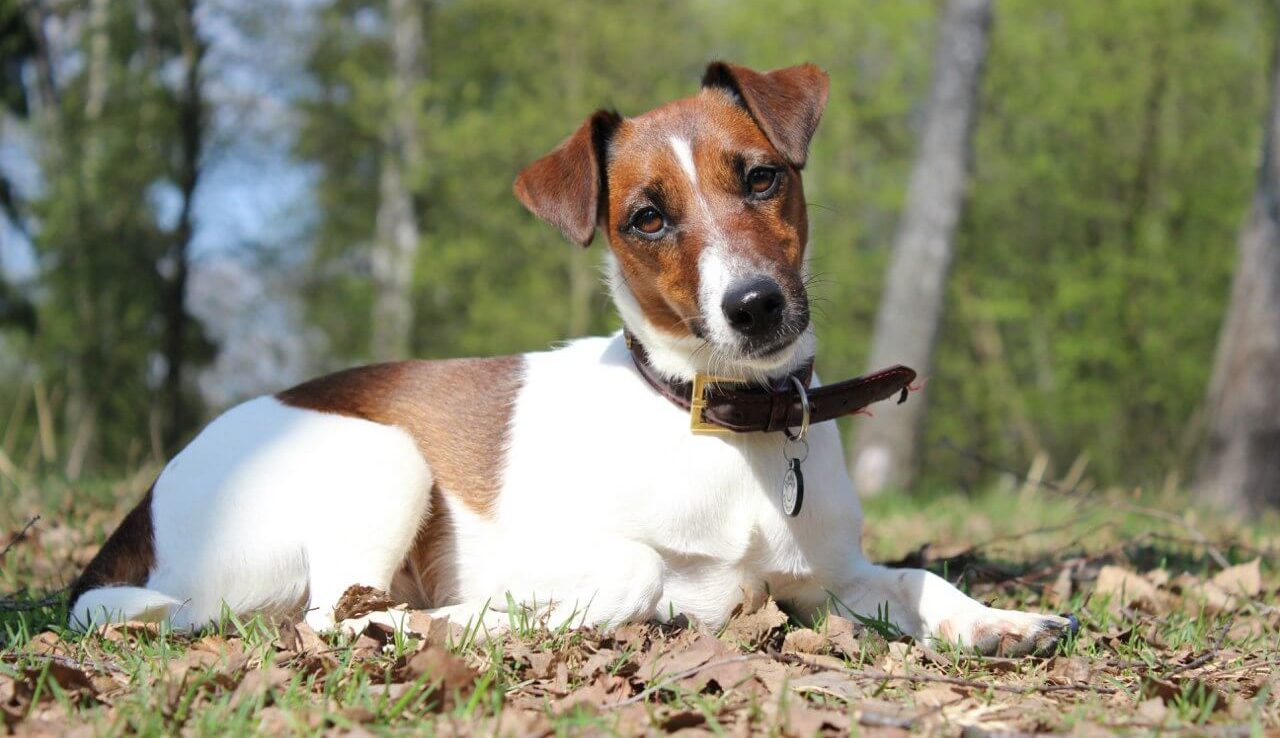
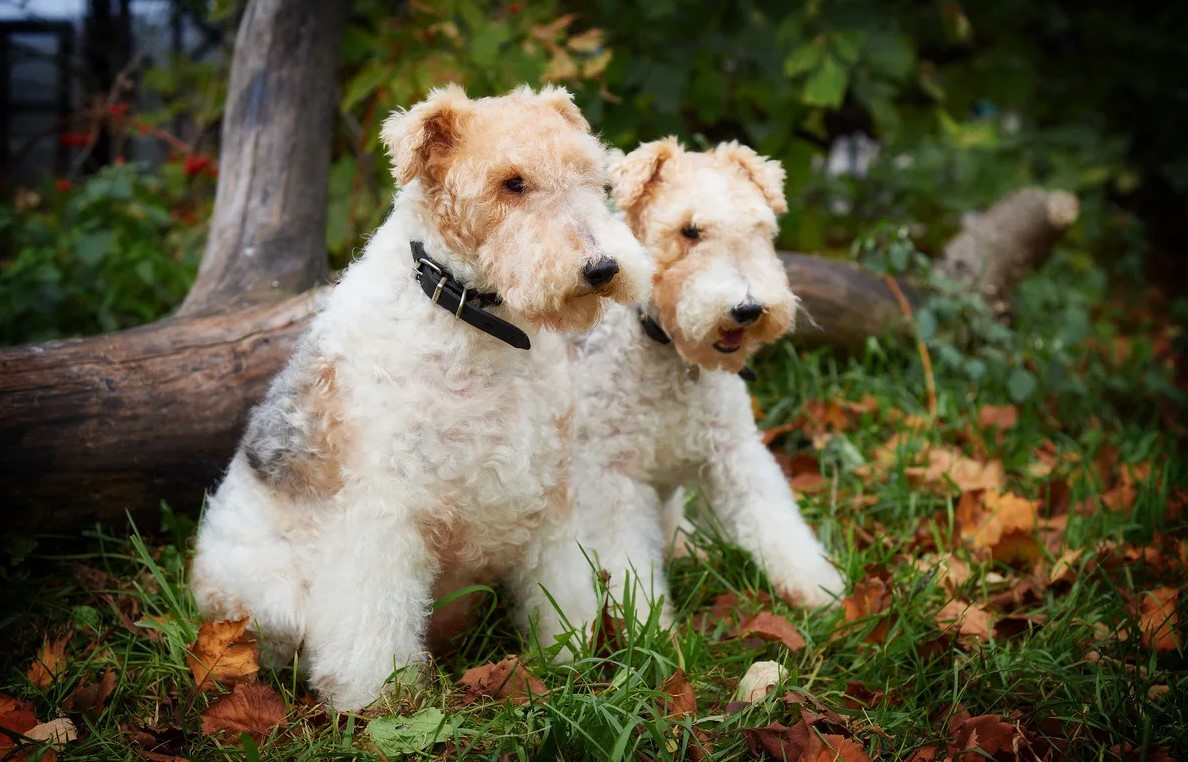
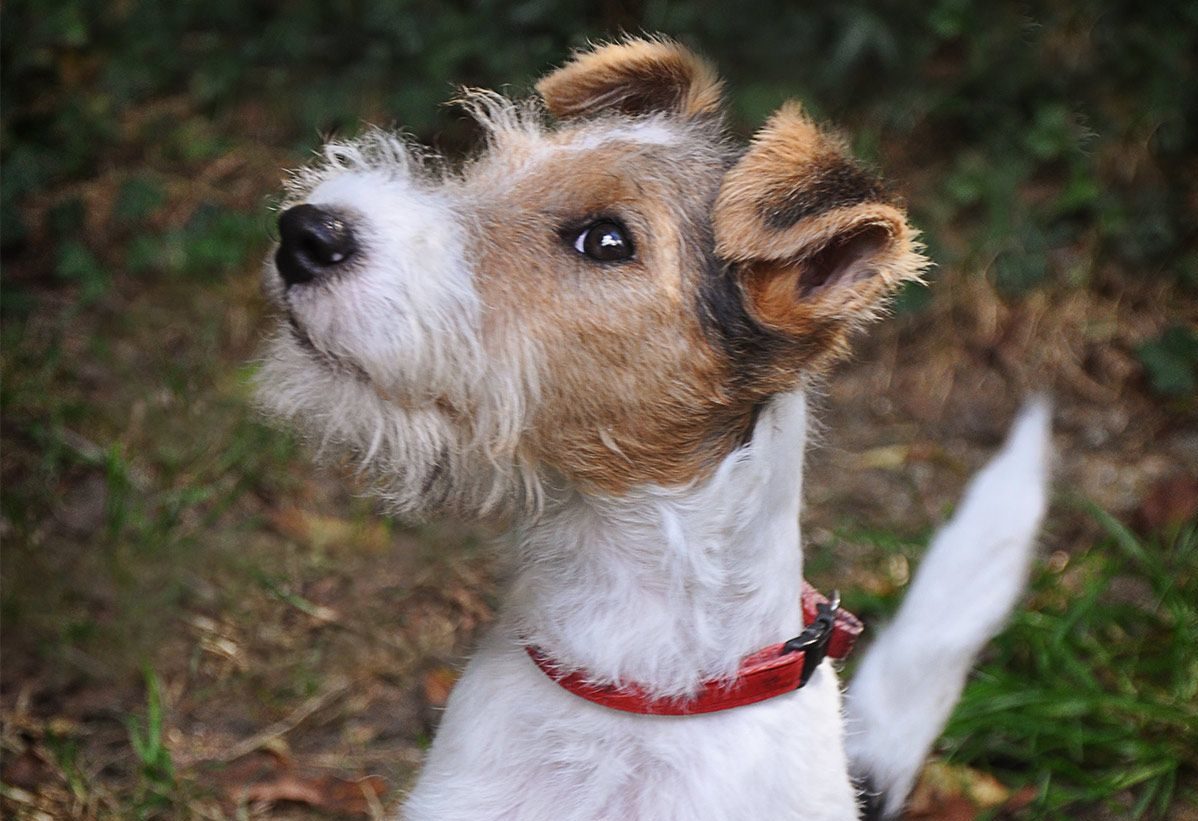
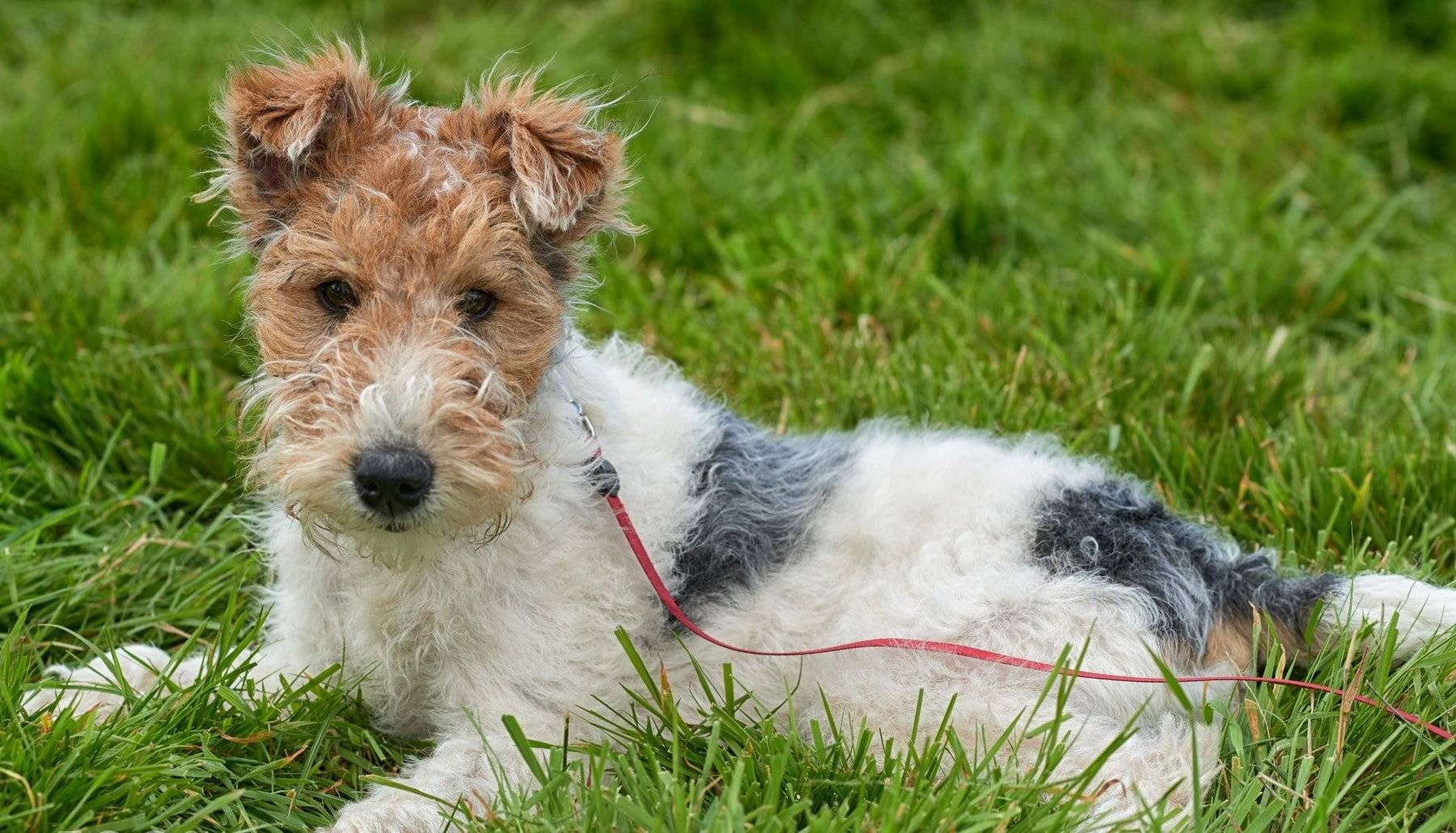
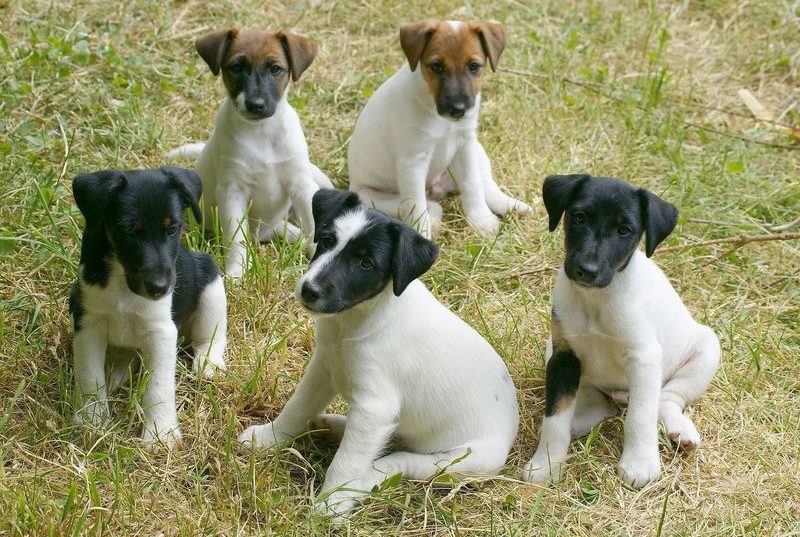
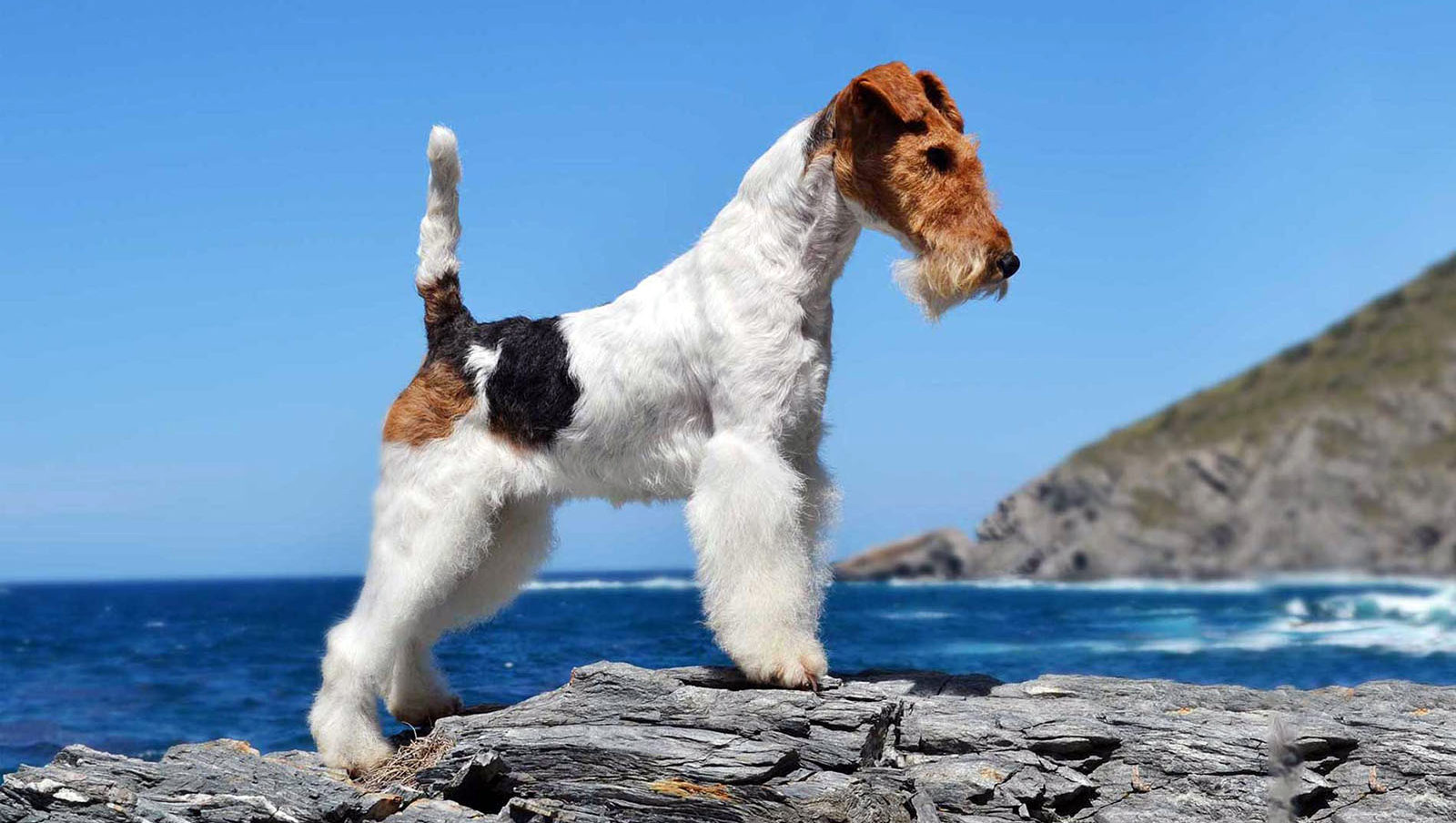
The coat can be either rough and dense (for wire-haired types) or smooth and short (for smooth-haired types). Both coat types provide protection from the elements and give the dog a well-groomed appearance. Common color combinations include white with black, red, or brown patches, making their appearance bright and expressive.
The average height of a Fox Terrier is 36-39 cm at the shoulder, and their weight ranges from 7 to 9 kg. These dimensions make them compact and suitable for various living conditions, from urban apartments to country houses. Despite their modest size, Fox Terriers possess powerful muscles and endurance, enabling them to handle physical activities and demanding tasks.
The lifespan of a Fox Terrier is typically 12-15 years. With proper care, balanced nutrition, and regular exercise, they remain active and playful into old age. The appearance of the Fox Terrier reflects its essence: a cheerful, energetic, and courageous dog always ready for new adventures.


Отличительные черты

Голова

Морда

Уши

Глаза

Зубы

Корпус

Конечности

Хвост

Шерсть

Окрас
Character
The Fox Terrier is a vibrant personality with boundless energy and a strong character, always ready for adventure. These dogs are characterized by incredible cheerfulness and curiosity, making every walk a true exploration of the surrounding world. They love to move, play, seek new things, and actively interact with their owner. Fox Terriers are natural hunters, so their instinct to explore manifests in tracking small animals, which requires control during walks.
Dogs of this breed are incredibly intelligent and resourceful, but their independence can sometimes make them stubborn. They quickly grasp commands but will only obey when they find meaning in it. For them, clear guidance is important, but so is respectful treatment. Fox Terriers love to be engaged, participate in games, and take on tasks that require mental effort.
These dogs are incredibly devoted to their family. They quickly bond with their owner and enjoy being close, participating in family life, whether it’s active recreation or quiet evenings at home. Despite their love for people, Fox Terriers can be slightly wary of strangers, which makes them good watchdogs. They are not prone to aggression but are always ready to protect their loved ones if they sense a threat.
Fox Terriers adore being the center of attention and eagerly participate in joint activities, whether it’s a walk, playing with children, or a training session. However, due to their active nature, they dislike boredom and solitude. If left without attention for too long, they may start seeking out entertainment, which may not always align with their owner’s desires.
These dogs are perfect for active people who enjoy spending time outdoors. Their energy and optimism are infectious, making them true companions for those ready to share their love of movement and new experiences. Fox Terriers are always full of life, and their vibrant character makes them ideal friends for those who appreciate activity, cleverness, and unending positivity.
Star Dog
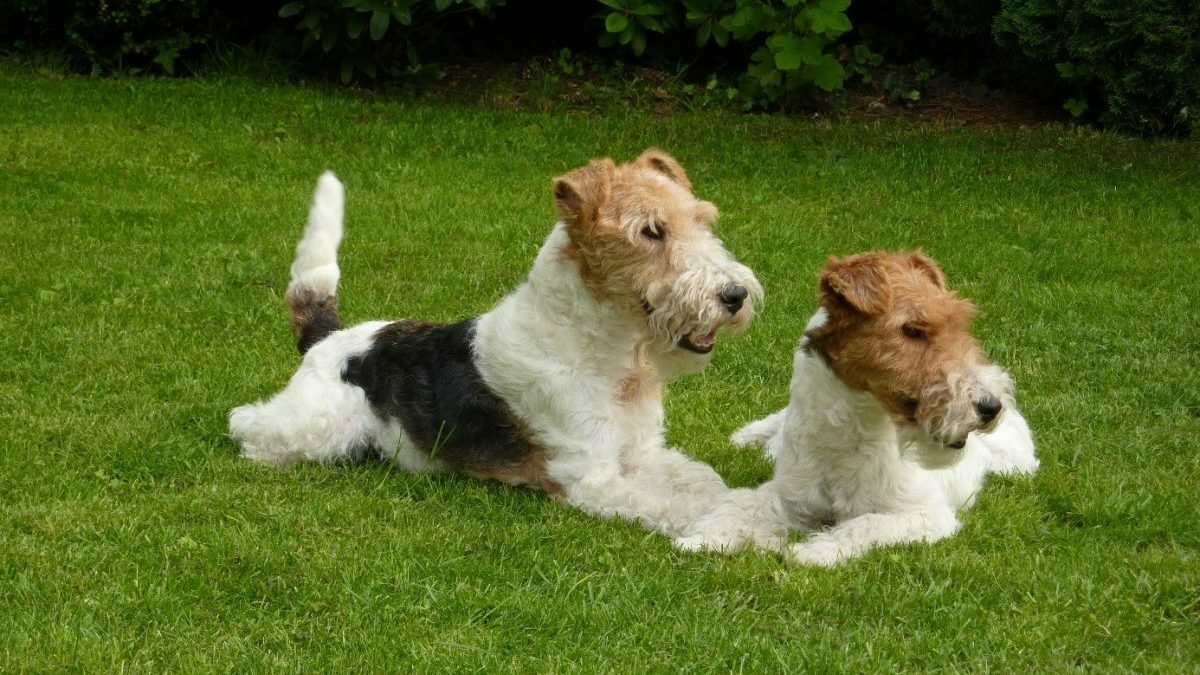
The Fox Terrier is mentioned in "Three Men in a Boat" by Jerome K. Jerome. Additionally, this breed was loved by Yuri Nikulin, Maxim Gorky, and other famous people.Care and Maintenance
The Fox Terrier is an energetic and active breed that requires regular care and attention to its physical and emotional needs. These dogs are generally healthy and low-maintenance, but it’s important to consider the breed’s specific characteristics to keep them in good condition.
The coat of a Fox Terrier requires grooming based on its type. Wire-haired Fox Terriers need regular trimming to remove dead hair and maintain its texture. Smooth-haired Fox Terriers only require occasional brushing to remove fallen hairs and keep their coat shiny. Bathing should be done only when necessary, as their fur has natural protective properties.
Fox Terriers love active walks and should be taken out at least twice a day. They enjoy running, playing with a ball, frisbee, and other activities that let them expend their energy. These dogs prefer open spaces, but it’s important to remember their hunting instinct: during off-leash walks, they may become distracted by small animals.
Feeding should be balanced, with sufficient protein to support their activity level. Fox Terriers can gain weight quickly if overfed, so portion sizes should be adjusted according to their physical activity. It’s essential they receive quality food or home-cooked meals tailored to their needs.
These dogs thrive on attention and cannot tolerate loneliness. If left alone for long periods, they may seek out their own entertainment, which can include damaging furniture or engaging in other undesirable behaviors. Fox Terriers love being close to their families and actively participating in their lives, making them best suited for owners who can dedicate time to interaction and shared activities.
They do not tolerate rough handling and demand a respectful and fair approach. These dogs greatly appreciate friendliness, consistency, and praise. Fox Terriers enjoy being rewarded for their achievements and quickly lose interest if they sense harshness or pressure. Caring for a Fox Terrier involves a mix of physical activity, attentive grooming, and emotional support, which makes them happy and fulfilled family members.
Why white?
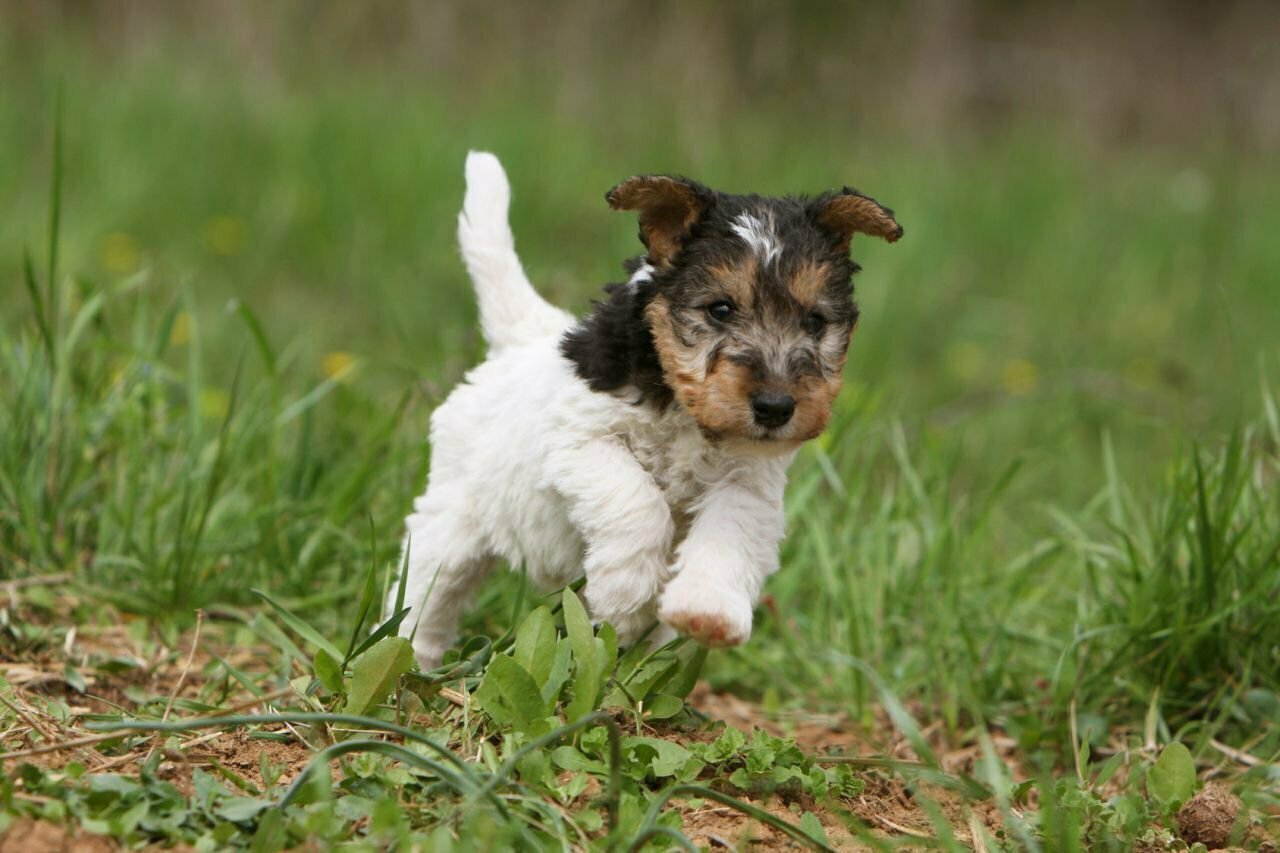
Initially, preference was given to white-coated fox terriers. This is because they are easier to see from a distance and harder to confuse with a fox if the dog gets dirty during a hunt.Training and Education
It is best to train a Fox Terrier using positive reinforcement, as these dogs are intelligent but also have an independent nature. They quickly grasp commands when they see a purpose in them and receive rewards in the form of praise, treats, or play. It is important to show patience and consistency, as the stubbornness and strong temperament of the Fox Terrier can sometimes complicate the training process. Harshness or abruptness in training is unacceptable, as it can undermine the dog’s trust and decrease its motivation.
Training should begin at an early age to establish a foundation of obedience. Teaching the Fox Terrier basic commands such as “come,” “stay,” and “place” is crucial, especially considering their tendency to chase small animals. These dogs learn best through short but engaging training sessions that maintain their interest. Activities that require cleverness, such as tricks or agility, also help unleash their potential and keep their minds active.
Fox Terriers choose an owner who combines confidence with a gentle approach. They tend to obey those who demonstrate consistency and can set boundaries without resorting to harshness. These dogs value attention and interaction, so training is most successful with those who are willing to actively engage them and use a creative approach.
Fox Terriers are best suited for people with an active lifestyle who can provide them with the necessary physical and mental stimulation. They get along well with owners who appreciate their energy and tirelessness. These dogs are obedient when they feel respect and have established a strong emotional bond with a person. A well-trained Fox Terrier becomes not only obedient but also an incredibly loyal friend, ready to follow its owner on any adventure. Zooinika offers puppies with pedigrees and health guarantees.
Jealous little motor
It is well known that fox terriers are very energetic. However, in addition to that, they often get jealous of their owner when they are kept with other dogs.
How to Choose a Puppy
When selecting a Fox Terrier puppy, it is important to consider its health, temperament, and pedigree. Start by looking for a reliable breeder with a good reputation who specializes in Fox Terriers. The breeder should be willing to provide all information about the puppies, their parents, and their living conditions.
Pay attention to the puppy’s behavior. A healthy and psychologically balanced puppy is active, curious, and eager to engage. It should show interest in the surroundings without excessive fear or aggression. Observe how it interacts with its littermates and people: the puppy should be confident but not dominant.
Examine the puppy. Its coat should be clean and shiny, the skin should be free of redness, irritation, or bald patches. The eyes should be clear and free of discharge, and the nose should be moist and cool. The ears should be clean and odorless. The puppy should move freely without signs of limping or discomfort.
Ask the breeder for the puppy’s pedigree. This document confirms its lineage and ensures there are no close relative connections in the family. The pedigree also provides information about the accomplishments of ancestors, such as show titles or working qualities.
Make sure to check the veterinary passport. The puppy should be vaccinated according to its age and treated for parasites. The passport should include vaccination dates, details of medications, and veterinarian notes. Inquire about upcoming vaccinations to plan for future care.
If possible, meet the puppy’s parents. Their appearance, health, and behavior will give you an idea of what your pet may grow into. The parents should be friendly, balanced, and meet breed standards.Evaluate the living conditions in the kennel. The premises should be clean, spacious, and have access to fresh water and nutritious food. Puppies raised in such conditions are generally better socialized and physically developed.Choose a puppy that shows interest in you, demonstrates confidence, and willingly engages. This approach will ensure you have a healthy, active, and psychologically stable companion who will be a full-fledged member of your family.
Health and Diseases
Fox Terriers are a robust and resilient breed, but they are prone to certain health issues that owners should be aware of. One of the most common problems is patellar luxation, especially in active dogs that frequently jump and run. This condition can lead to limping and discomfort, so regular check-ups and activity monitoring can help minimize risks.
Eye diseases, such as cataracts and progressive retinal atrophy (PRA), are seen in the breed. These conditions can result in vision deterioration or blindness, so regular veterinary visits and genetic testing of the puppy’s parents can help reduce the likelihood of their occurrence.
Fox Terriers are prone to allergies, which can be either skin or food-related. Symptoms include itching, skin redness, hair loss, or digestive issues. It is important to identify the source of the allergy and adjust the dog’s diet or living conditions accordingly.
Dental problems such as tartar buildup and gum inflammation are common in the breed. Regular teeth cleaning, along with the use of special toys or treats for dental care, can help prevent these conditions.
Epilepsy can occasionally occur in Fox Terriers, manifesting as seizures that may vary in severity. This hereditary condition can be mitigated by purchasing a puppy from a reputable breeder who conducts tests for genetic disorders.
Due to their high activity level, Fox Terriers are susceptible to injuries, especially to ligaments and joints. Monitoring their safety during play and walks, as well as promptly addressing any potential injuries, is essential for maintaining their health.The lifespan of Fox Terriers ranges from 12 to 15 years. With proper care, a balanced diet, regular physical activity, and preventive veterinary check-ups, they can remain active and healthy into old age. Caring for a Fox Terrier requires attention, but with the right approach, this breed can bring joy to its owners for many years to come. – the best website about animals where you can buy or sell a puppy.
Содержание
-
1. Описание породы
-
2. Внешний вид
- 2.1 Голова
- 2.2 Морда
- 2.3 Уши
- 2.4 Глаза
- 2.5 Зубы
- 2.6 Корпус
- 2.7 Конечности
- 2.8 Хвост
- 2.9 Шерсть
- 2.10 Окрас
-
3. Характер
-
4. Содержание и уход
-
5. Дрессировка и обучение
-
6. Как выбрать котенка
-
7. Здоровье и болезни






Comments
Only registered users can leave reviews.
Enter