
Flemish bouvier




Warning: Illegal string offset 'label' in /home/panda/sites/zoonika/wp-content/themes/zoonika/template-parts/animals/animals-param-item.php on line 32
Ð


Breed Description
Bouvier des Flandres is a herding dog originating from Flanders, Belgium. The name “Bouvier” comes from the French word “Boeuf,” meaning “ox” or “large cattle.” This indicates its primary use as a herding dog for managing livestock and horses. If a herd animal was stubborn, the dog would leap at it and guide it in the right direction. Thus, it drove unruly cows forward or returned strayed animals to the herd. The Bouvier also deterred intruders. It was particularly important for the dog to work independently, be resilient, and healthy. These were the main criteria for selective breeding over the centuries, as described by its breeder club.
The Flemish Bouvier is a very strong dog that was also used as a draft dog and for operating various mechanisms, such as oil presses. With the modernization of agricultural equipment, this original use diminished, and today, the Bouvier des Flandres is mainly used as a guard dog on farms and as a service and police dog. Its build, behavior, especially keen sense of smell, activity, and intelligence make it an excellent search, liaison, and patrol dog, as well as a companion for foresters.
During World War II, the breed was greatly reduced and was on the brink of extinction. In 1955, the International Canine Federation (FCI) officially recognized the breed. It wasn’t until 1977 that the “German Bouvier Club” was established. Fortunately, there exists a small but sustainable community of herding dog breeders and breed enthusiasts, evidenced by around 100 puppies annually under the auspices of VDH.
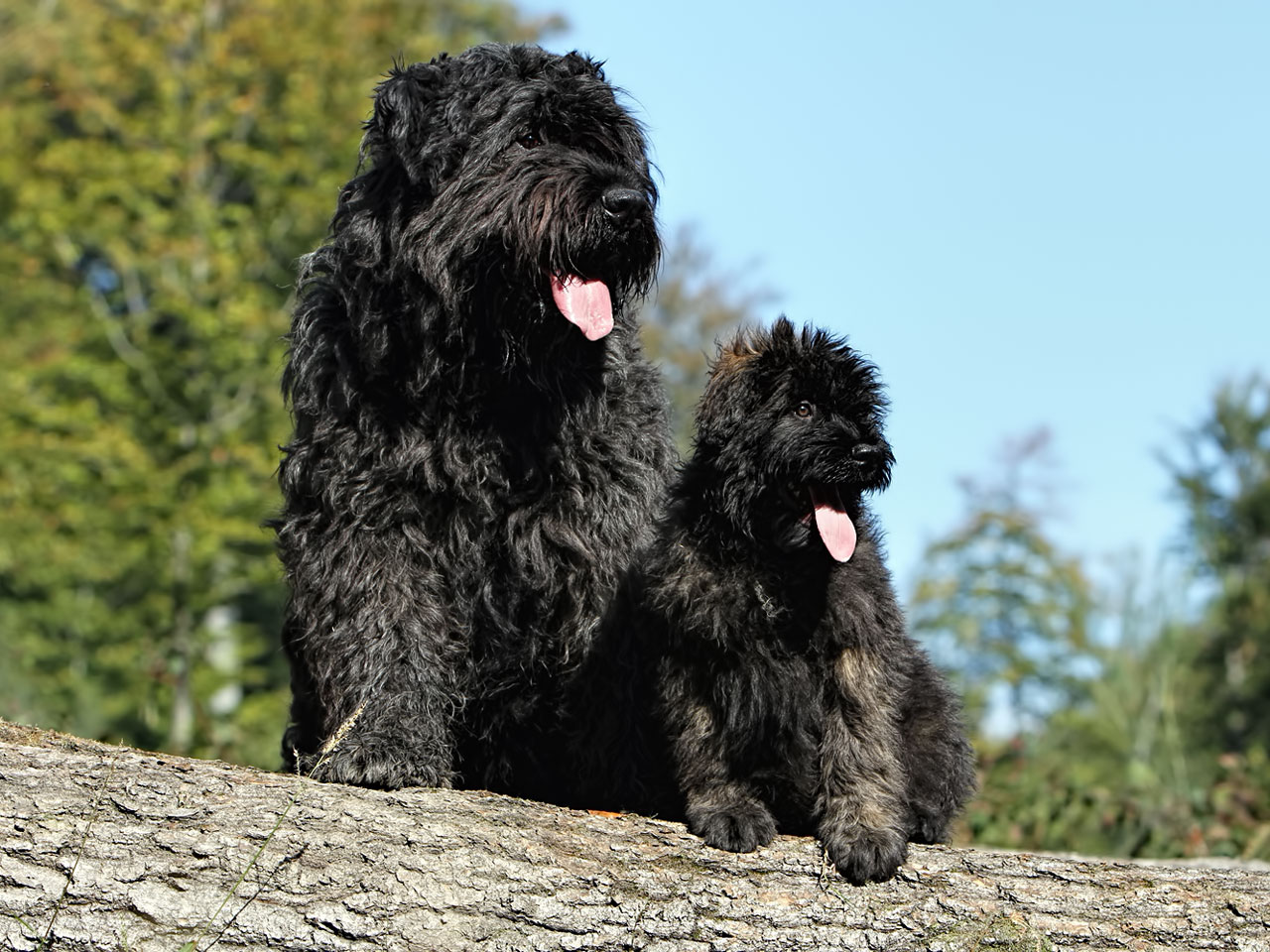
These are impressive and strong dogs, reaching 69 cm in height and weighing up to 43 kilograms. They are known for their good guarding instincts. Currently, they serve as guard and police dogs, as well as family pets.
The price for a Bouvier puppy can reach 50,000 rubles.
Appearance
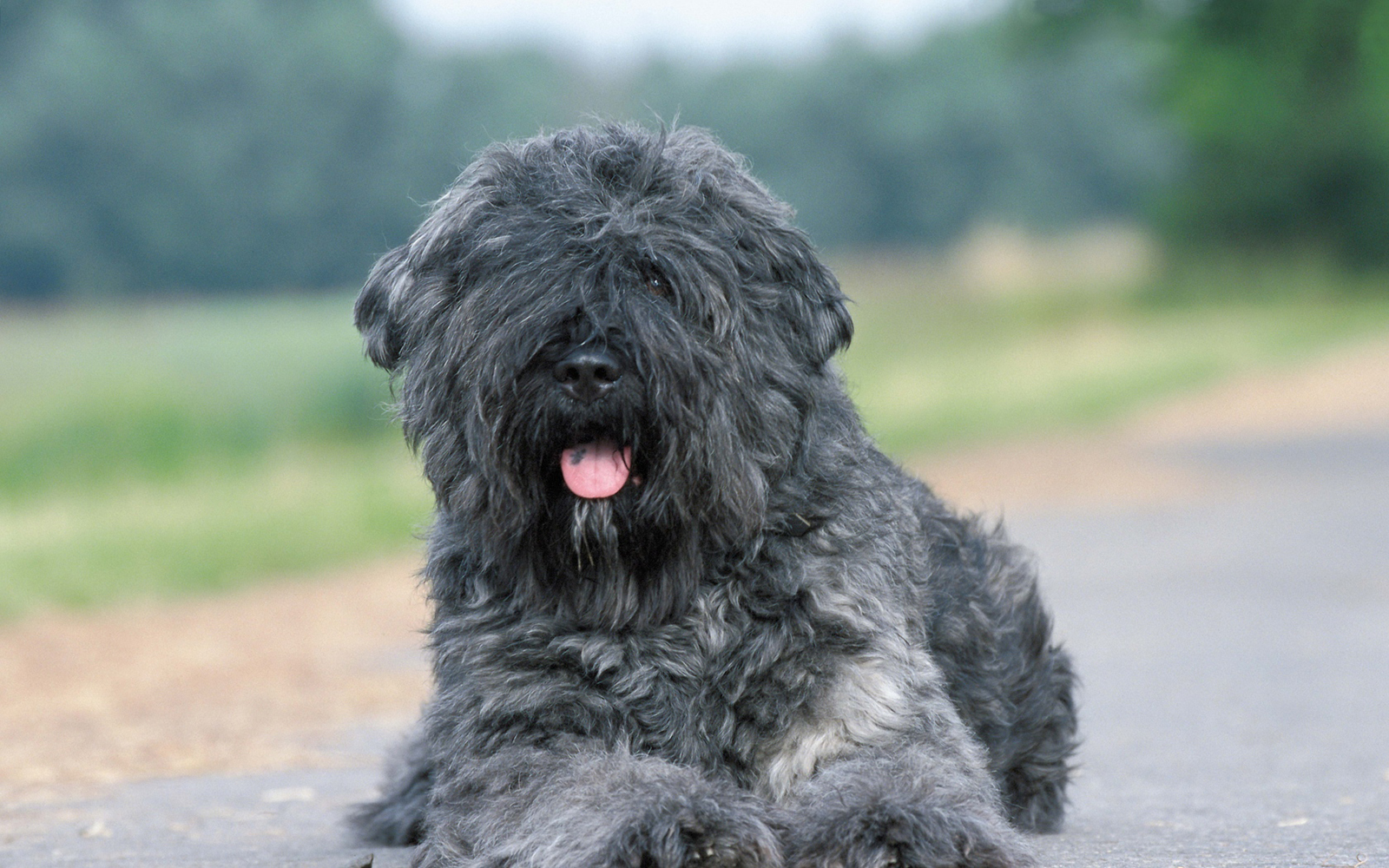
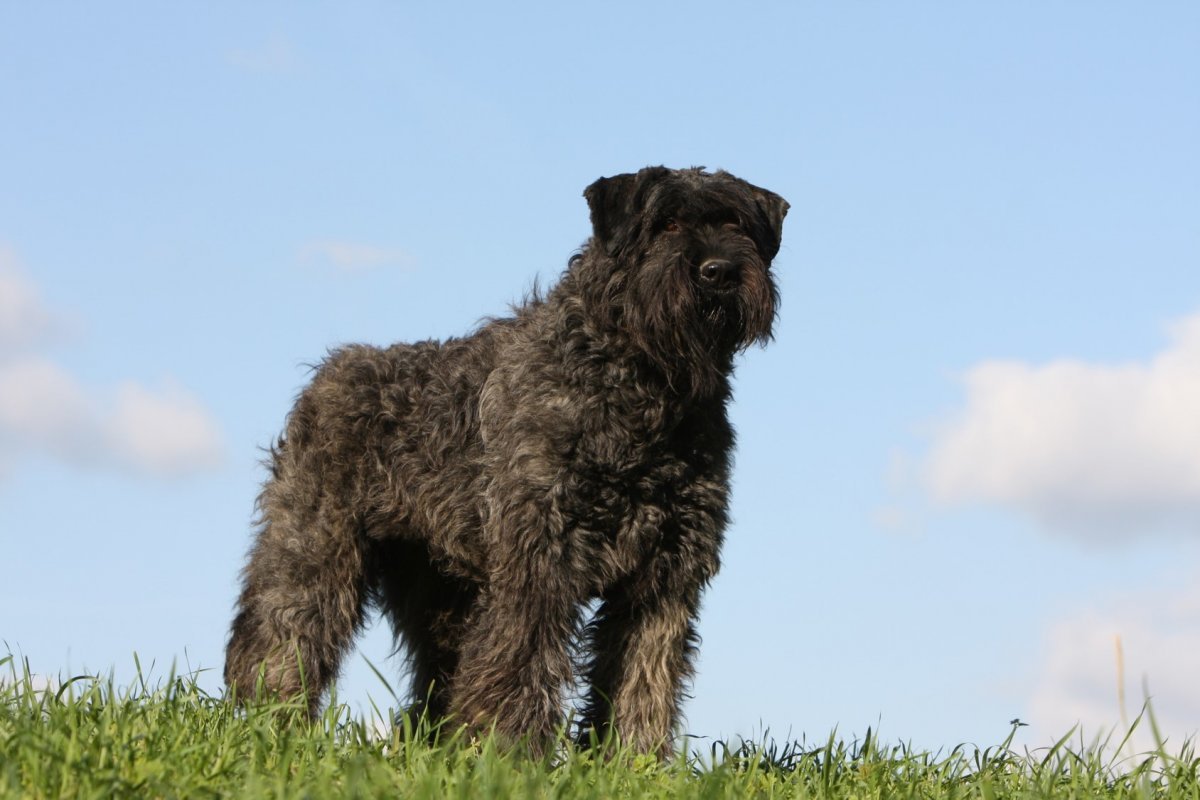
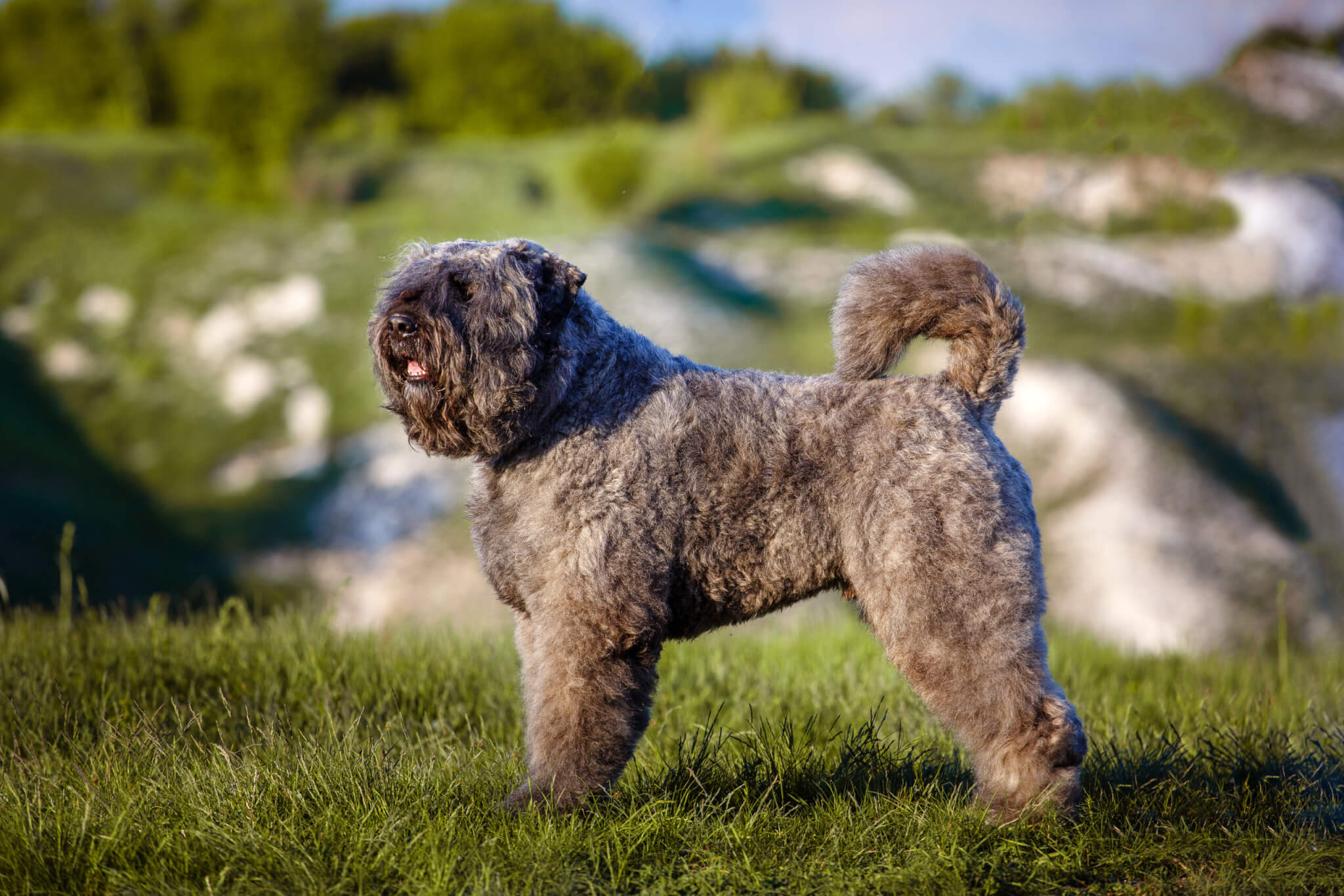
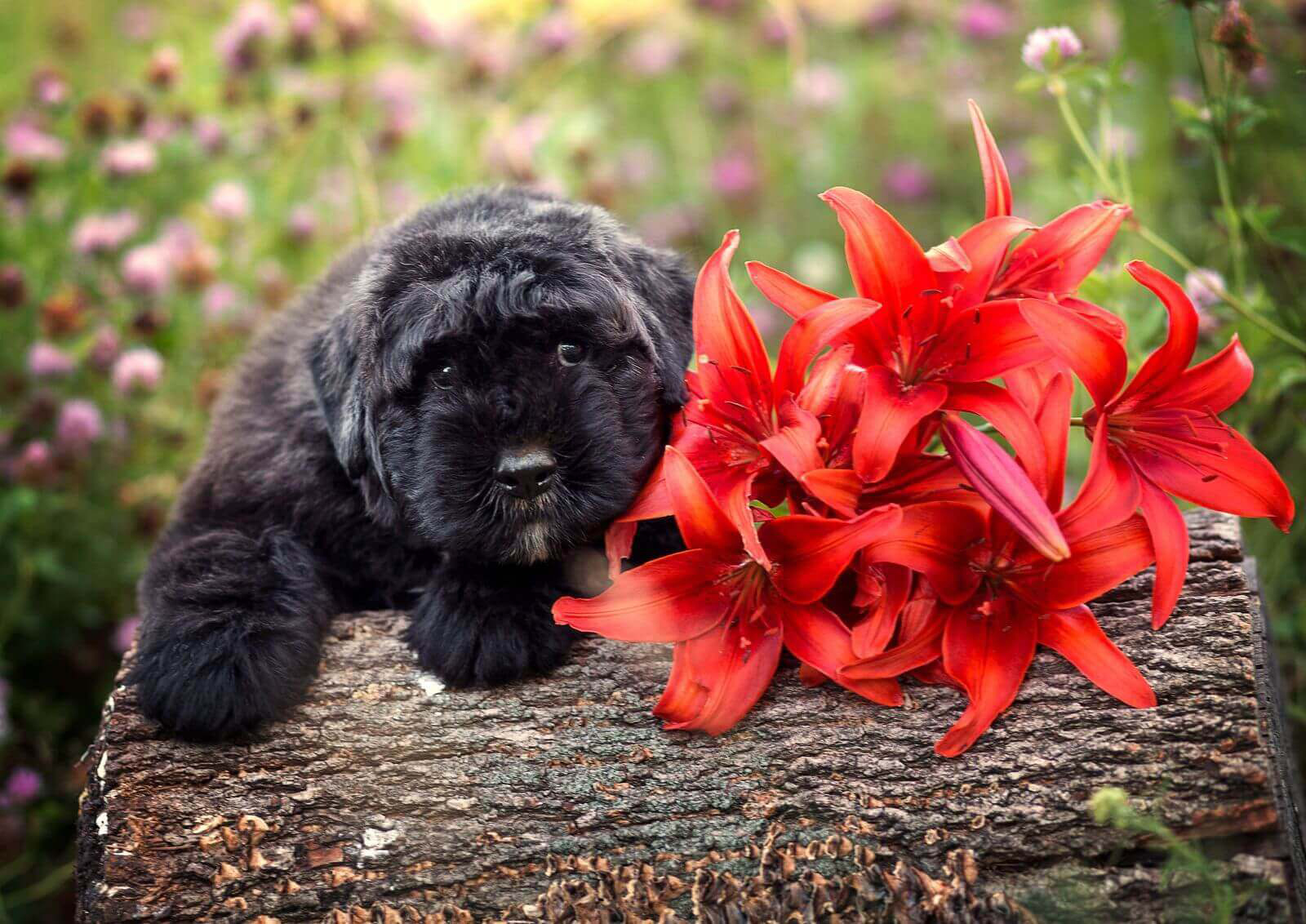
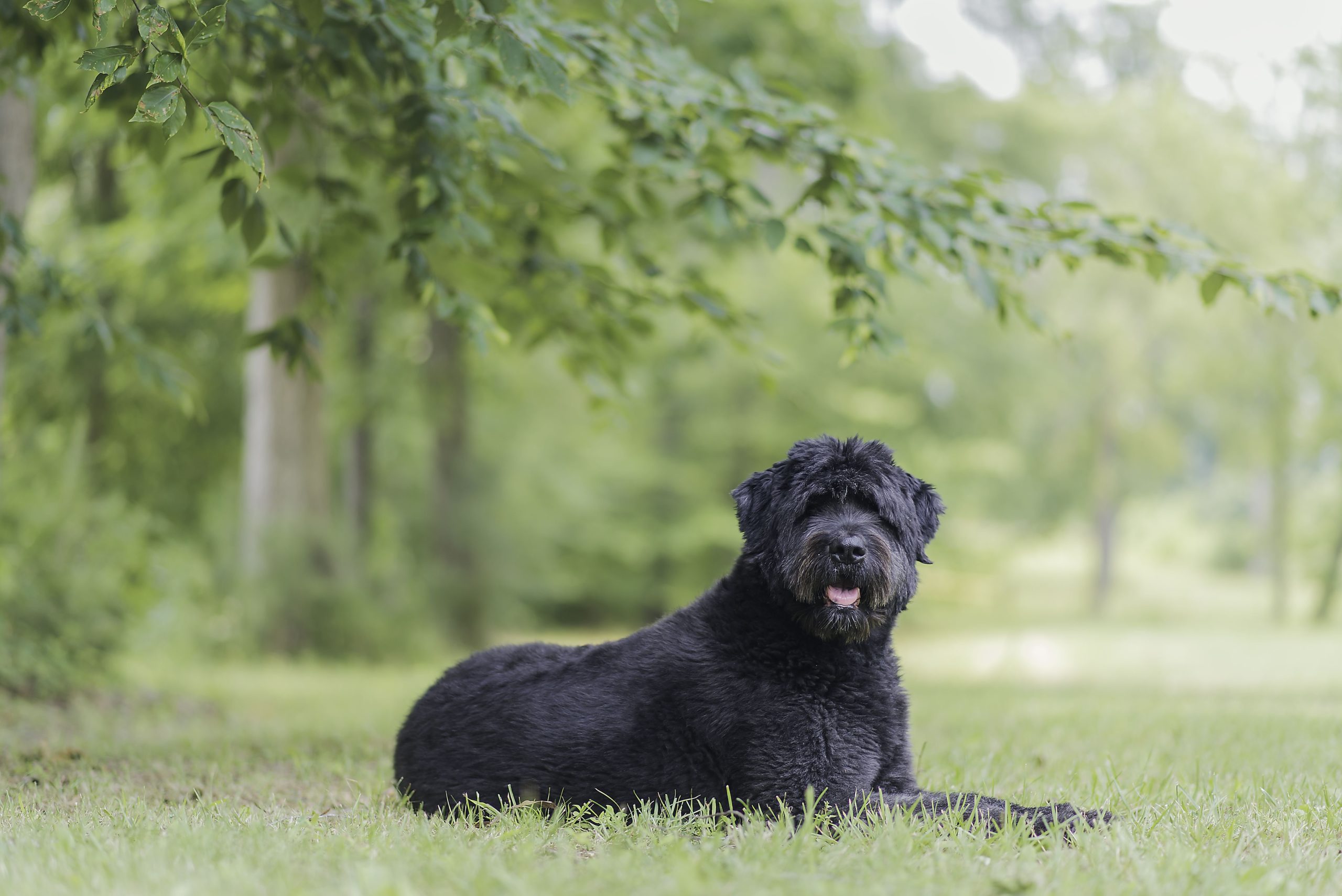
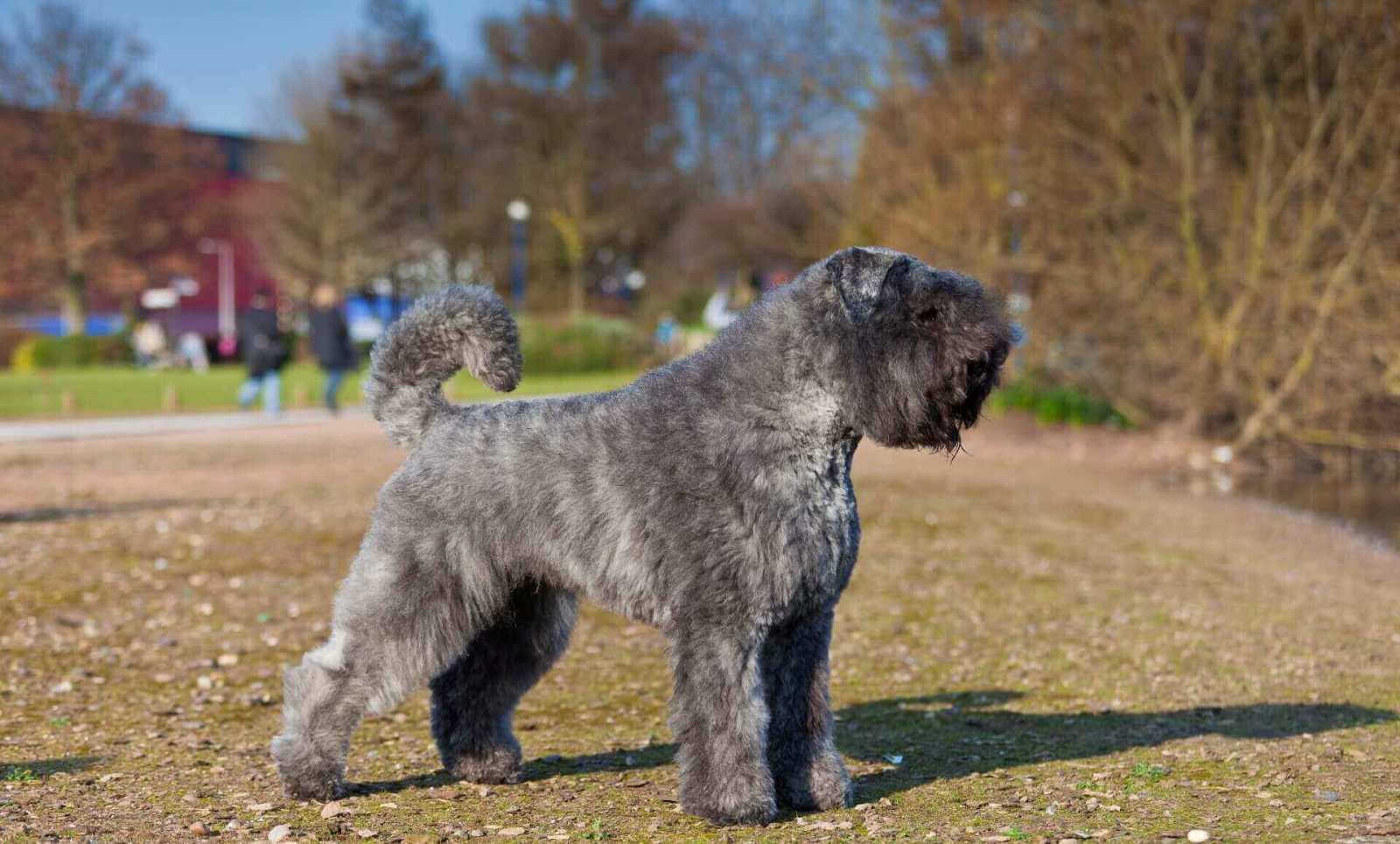
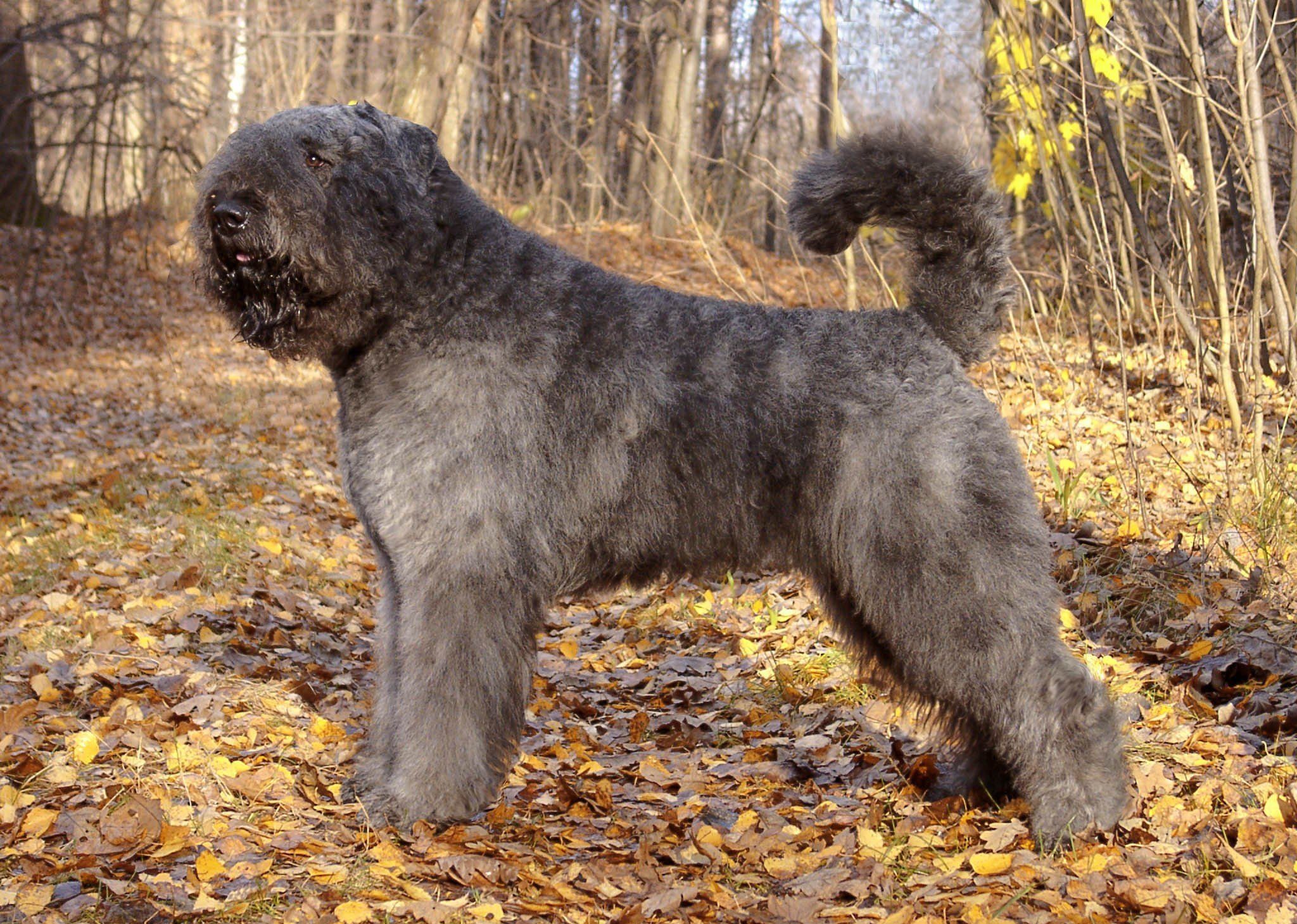
The Bouvier des Flandres, or Flemish cow dog, is an impressive and quite large breed. At first glance, it resembles an especially powerful black Royal Poodle. However, it is a shepherd dog specifically bred for working with cattle, which is reflected in its Flemish name: Koehond. The breed standard describes its appearance as follows: “Compact, stocky. The body is short and dense with strongly muscled, powerful limbs. The dog gives an overall impression of great strength without coarseness.”
The lively appearance reflects intelligence, energy, and boldness. Its harsh beard gives it a commanding look. With its tousled coat and muscular build, the Bouvier des Flandres embodies the image of a robust traveler, full of strength, endurance, and energy. The breed comes in various colors, including black, fawn, brindle, gray, and “salt and pepper.” Some may have a white patch on the chest.
The coat should be very abundant. The outer hair, along with a dense undercoat, forms a protective layer adapted to the sharp weather changes in its native Ardennes. Acceptable colors include gray, brindle, or black with a silver tint, and solid black. The height of males should be 65 cm at the withers, and females 62 cm. Male weight should be between 35-40 kg, while females should be 27-35 kg.
The average lifespan of the Bouvier des Flandres is about 12 years.


Отличительные черты

Голова

Морда

Уши

Глаза

Зубы

Корпус

Конечности

Хвост

Шерсть

Окрас
Character
The Bouvier des Flandres is an ancient herding dog with a multitude of skills. Today, it excels as a family dog. The breed standard describes its character as follows: “The Bouvier des Flandres possesses a calm and thoughtful demeanor of an intelligent yet determined dog. Its fiery gaze reflects intelligence, energy, and courage.”
Ancient herding instincts, including guarding and managing livestock, are still alive in the Bouvier. Now, it watches over its human family; however, it is not pushy and generally does not seek leadership. The Flandres is smart, hardworking, and vigilant, but not prone to barking. Its working abilities are desirable, and the standard even states that the Flemish herding dog must retain its working qualities, with any deviations that may affect these abilities strictly curtailed.
Many Bouvier des Flandres successfully participate in canine tests and achieve excellent results in various dog sports. The Bouvier is energetic, agile, and enduring, which requires active owners. Since it has almost no hunting instinct, it is well-suited as a companion for outdoor walks, as well as for cycling or horseback riding. It has a sensitive nature and needs close contact with its family. With children, it behaves with surprising calmness and tact. It is large and agile enough to enjoy active play with great joy.
The Bouvier des Flandres is not suited for kennel life or solely as a guard dog. It approaches strangers with caution initially, but not hostility. Due to its strength, it is not suitable for inexperienced owners.
Despite its size, Bouvier dogs are calm and compliant, known for their pleasant character, making them ideal family pets. Their size may be intimidating, but they are gentle and kind. In fact, they are courageous defenders and loyal to their family. Flandres dogs are also obedient and intelligent, enhancing their appeal. They are smart, balanced, versatile working dogs that also excel as guard dogs.
The Bouvier is a wonderful family dog, devoted and protective of its family, including children. They are known for their attachment to family members and can be great playmates for kids. They play well with children, but interactions with toddlers and small kids should be supervised closely. Early acquaintance and socialization with children will teach them how to behave around them. Their excellent character, big heart, and sharp mind make Bouvier dogs favorites around the world.Bouvier dogs should be raised alongside other dogs and animals to give them the best chance of getting along when they grow up. Bouvier dogs have a strong prey drive and will chase other animals, but they can learn to live peacefully with house cats if raised together. With proper socialization and training, they typically just ignore other animals in the home.
Universal working dogs
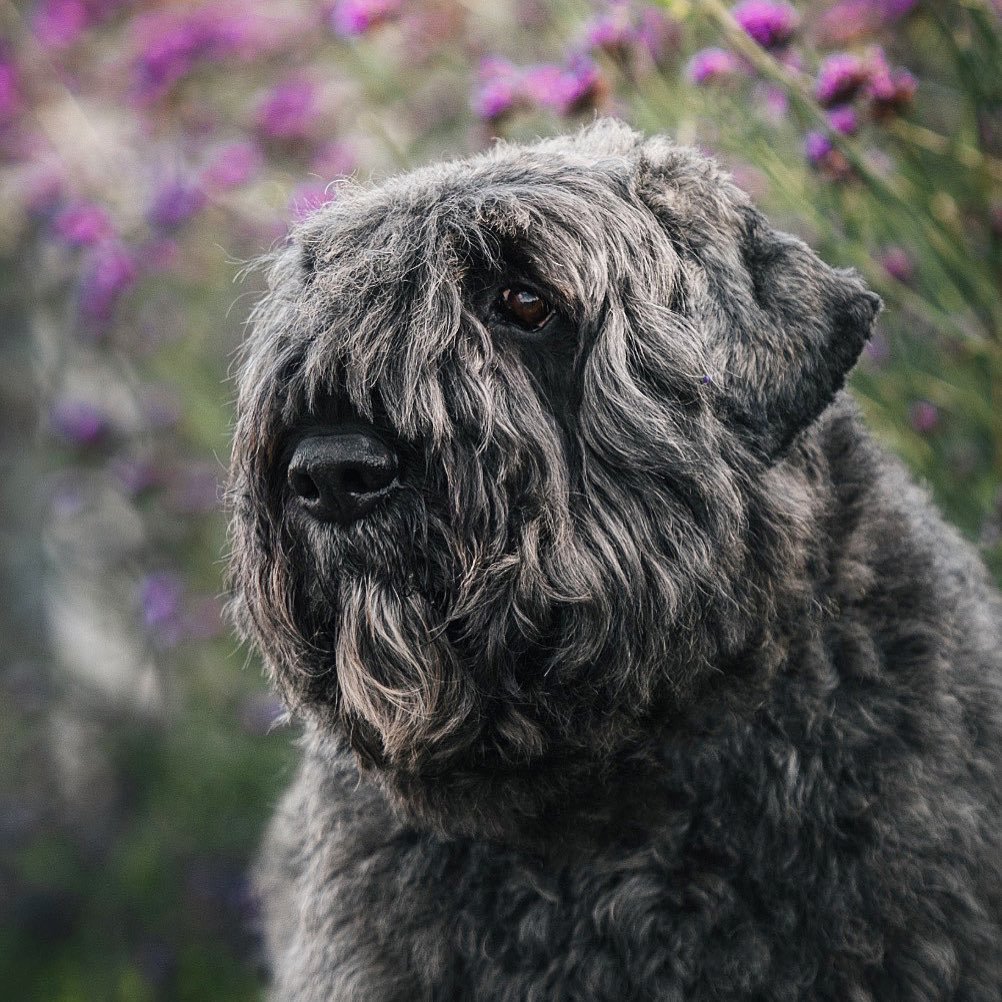
Flemish Bouvier dogs were originally bred as versatile working dogs on farms in Belgium. They performed many tasks, including herding and guarding livestock, pulling carts, and even working in oil mills. Due to their strength, endurance, and intelligence, Bouvier dogs handled a wide variety of responsibilities. Their primary job-herding cattle-was made possible by their natural instincts and exceptional physical conditioning. Bouvier dogs could make decisions on their own and work without constant supervision from humans, making them indispensable helpers on the farm.Care and Maintenance
The Bouvier is a gentle yet spirited dog. It wants to be part of the family and can behave well with proper training. An ideal setting would be a home with a garden in the countryside. Keeping it in a small city apartment is not recommended. In the car, it travels best in a professional transport crate.
The Bouvier has heavy bones and powerful muscles beneath its waterproof coat and impressive head, accentuated by a beard and mustache. They require moderate grooming to keep their coat clean and healthy. Like all dogs with fluffy fur, they can get dirty quickly. The bathing frequency depends on the dog’s daily activity. Every few months, their coat may need a trim. Many Bouvier owners turn to professional groomers, while others groom them at home with a large comb or brush. The beard also occasionally requires cleaning.
The Bouvier sheds minimally but still needs regular brushing to maintain its coat in optimal condition. Its undercoat is soft and dense, waterproof, and protects against bad weather. The topcoat is straight and coarser than the undercoat.
Bathe them every six weeks and brush weekly with a brush or mitt to remove dead hair, ensuring they are happy and looking good.
Providing your dog with raw, meaty bones can help prevent the formation of dental plaque and tartar. If your dog’s nails do not wear down naturally, trim them once or twice a month to avoid painful splits and other problems. Make grooming a positive experience filled with praise and rewards.
Particular attention should be given to Bouvier puppies. They grow rapidly from four to seven months, making them susceptible to bone diseases. Feed your puppy a high-quality, low-calorie diet to prevent too rapid growth (22-24% protein and 12-15% fat). It is recommended to give them 3-5 cups of high-quality dry food daily, divided into two meals. Maintain a healthy weight and avoid overfeeding.The Bouvier eats relatively little for its size. As with most large dog breeds, it’s important to avoid bloating. It can thrive on natural foods if done professionally.
Unique wool
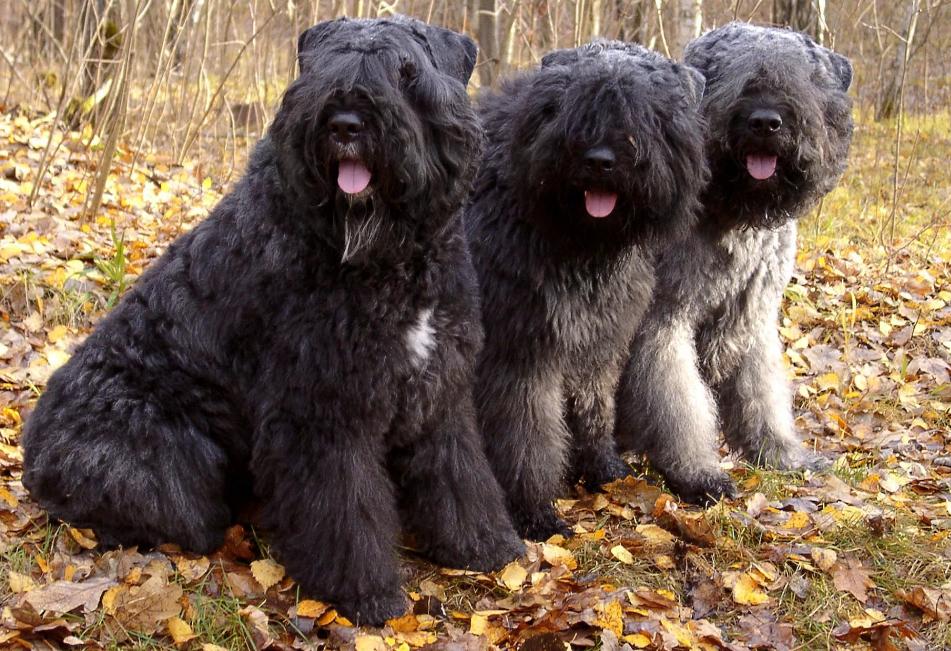
One of the most striking features of the Flander's Bouvier is its coat. The dense, coarse, and slightly wavy fur of these dogs gives the impression that they are always ready for harsh weather conditions. This coat not only protects the dog from the elements but also requires special care. Regular brushing helps keep it in good condition and prevents matting. Additionally, the characteristic beard and mustache give the Bouvier a stern and impressive expression, making their appearance even more memorable.Training and Education
The Bouvier des Flandres is an energetic dog, and they are happiest when they have a job to do. They require long daily walks or runs to maintain their health, needing about 70-90 minutes of active exercise each day.
They are very intelligent and require a lot of mental stimulation and engaging activities. This breed also loves playing with a ball and retrieving items. Keeping them active will prevent obesity, anxiety, boredom, and the development of destructive habits.
Bouviers learn quickly and respond well to training. Although they may be stubborn and sometimes headstrong, novice trainers can manage to train them with a bit of persistence and positive reinforcement strategies.
Bouviers are easily trained for almost any sport or activity and generally excel in this. They possess a strong hunting instinct, so early socialization is essential.
Training should begin as soon as the Bouvier puppy arrives home. Repetition, proper socialization, and exercise are effective training tools. It is worth noting that despite their stubbornness and tendency to dominate, this breed learns quickly.
The Bouvier des Flandres is easy to train. This Flemish dog is open and honest, and they love working alongside their owner. It is important to find the right balance between consistency and gentleness for this very temperamental, hardworking, and sensitive dog. A close emotional and trust-based bond is always the foundation. Ideally, after training, continue engaging in various dog sports.An active working dog should be physically and mentally stimulated. Since they were originally bred for work in harness, pulling sports are a good option. Tracking, search work, agility, and mantrailing also suit them well. They enjoy long walks and are good at running alongside a bike or horse. With their agility, maneuverability, and athleticism, they are suitable for all types of dog sports. At Zoonyka, the best options for pedigree puppies are available.
Extraordinary intuition
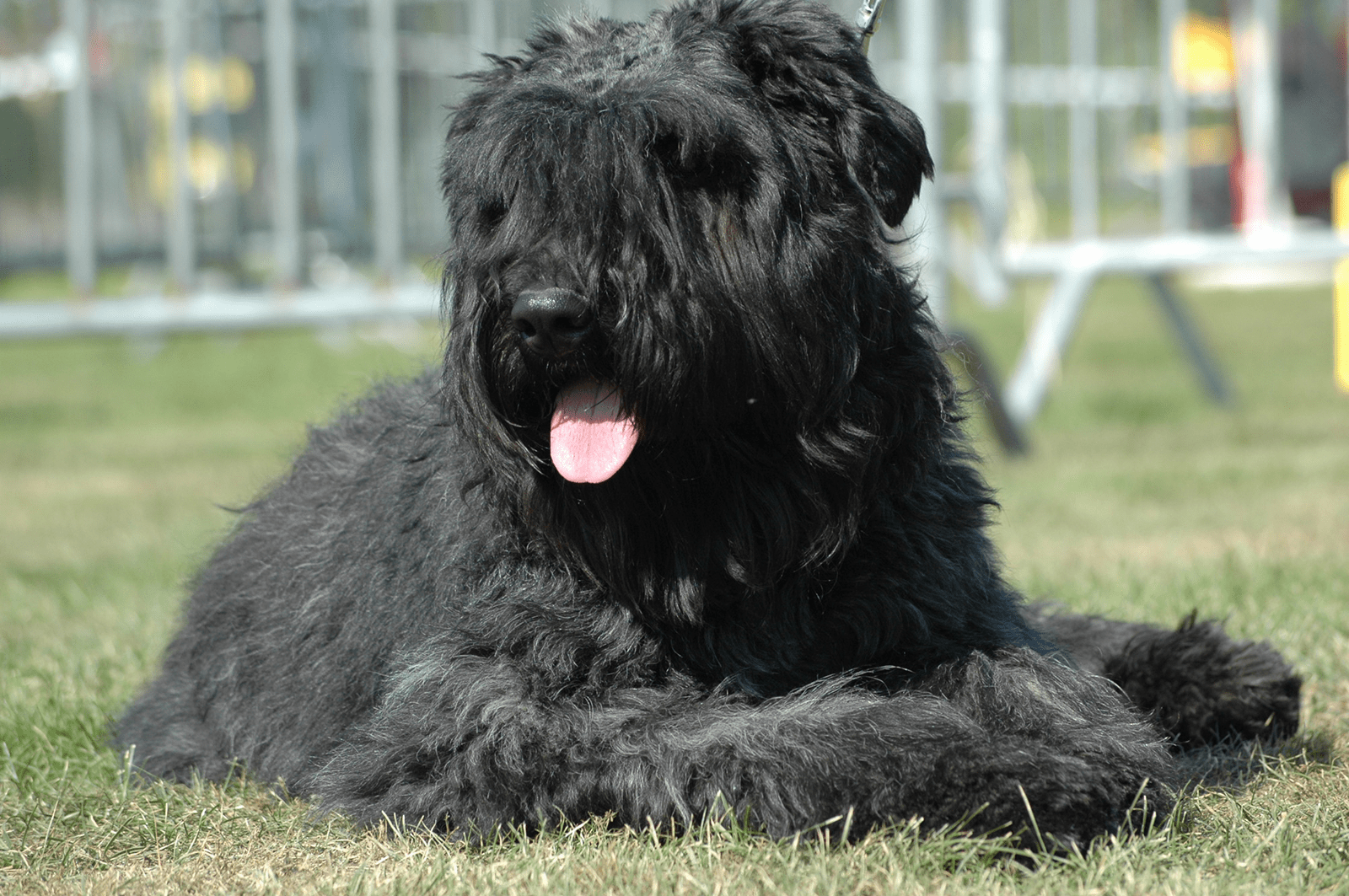
Flemish Bouviers are known for their outstanding guarding qualities and natural intuition. These dogs possess sharp minds and the ability to quickly assess a situation, making them excellent watchdogs. Bouviers can instinctively sense a threat and react swiftly to it, protecting their family and territory. Their calm and balanced nature allows them to maintain control of the situation and not succumb to panic. Due to these qualities, Flemish Bouviers are often used not only as home guardians but also in police work and security services.
How to Choose a Puppy
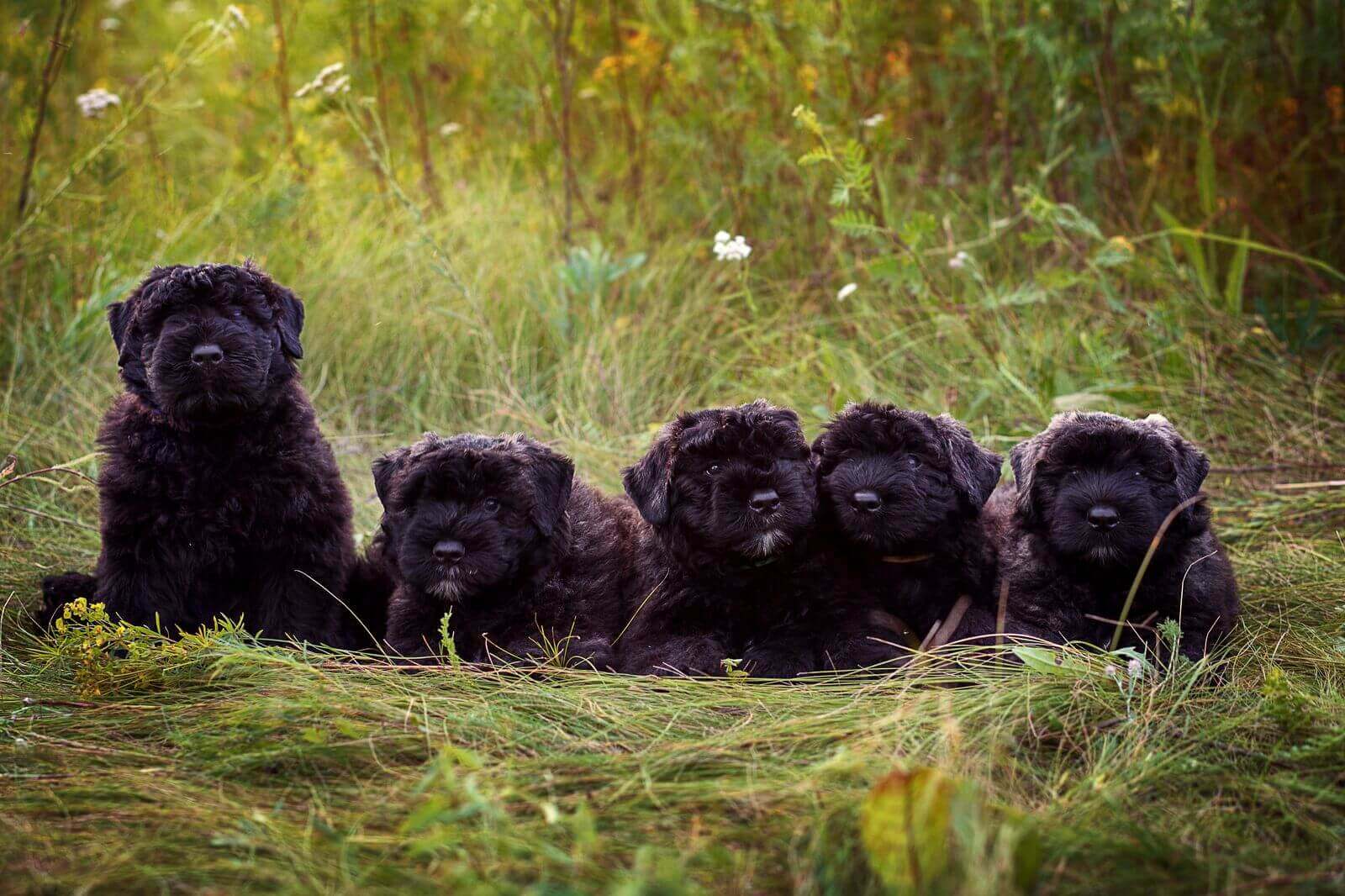
Choosing a Flanders Bouvier puppy requires careful preparation and a thoughtful approach. This powerful, intelligent, and loyal breed demands a responsible owner. If you are interested in a Bouvier des Flandres, you should look for a reputable breeder in Russia who is a member of the “Bouvier Club.” Avoid inbreeding, which can be assessed by the pedigree-there should be no repeated names. A trustworthy breeder should document the litter with photos. Please do not buy a dog online, as there is a high risk that the puppy will come from a reseller. You can find all dog breeders with addresses on the federal Zoonica portal.
Let’s consider the main steps that will help you choose a healthy and suitable Flanders Bouvier puppy.
Researching the Breed
Before choosing a puppy, it is important to understand the characteristics of the Flanders Bouvier. This breed is known for its strength, endurance, and protective instincts. Historically, Flanders Bouviers were used for herding livestock, pasturing, and performing other farm tasks. Today, they often serve as guard and police dogs and make excellent family pets. Understanding the breed’s characteristics will help you assess whether such a dog is a good fit for you and your family. The federal Zoonica portal features all known dog breeds.
Finding a Reliable Breeder
Finding a verified breeder is a key step in selecting a healthy and well-socialized puppy. It is advisable to approach breeders who are registered with official kennel clubs and have a good reputation. Talk to breeders, visit their websites, learn about the living conditions of the puppies and their parents. Pay attention to how the breeder cares for their dogs and what measures are taken to ensure their health.Checking the Puppy’s HealthThe puppy’s health is one of the most important aspects when making a choice. The breeder should provide medical documents confirming the health of the puppy and its parents. This includes vaccinations, parasite treatments, and genetic disease test results. It is also important to visit a veterinarian for an independent health evaluation of the puppy before purchasing.Assessing TemperamentThe Flanders Bouvier is known for its calm and balanced temperament. However, each puppy has its individual traits. When selecting a puppy, observe its behavior: the puppy should be curious, friendly, and active, but not aggressive or overly timid. Watch how it interacts with people and other dogs.Checking Living ConditionsVisit the place wh
Health and Diseases
The Flemish Bouvier is a breed of dog known for its endurance, strength, and loyalty. These dogs have robust health and, with proper care, can live long and active lives. However, like all breeds, Flemish Bouviers are prone to certain health issues.
The Flemish Bouvier is a sturdy and healthy breed that was developed to perform heavy physical tasks on farms. They have a powerful build, well-developed muscles, and strong bones. The average lifespan of a Flemish Bouvier is around 10-12 years. Proper nutrition, regular exercise, and timely veterinary care can significantly improve the quality and longevity of a dog’s life.
Genetic Diseases
Despite their generally good health, Flemish Bouviers can suffer from some genetic disorders. It is important to consider these predispositions when selecting a puppy and caring for an adult dog.
One of the most common genetic disorders in Flemish Bouviers is hip dysplasia. This condition is characterized by improper formation of the hip joint, which can lead to pain and limping. Early diagnosis and regular vet check-ups can help control this condition. Treatment may include conservative methods, such as physiotherapy and anti-inflammatory medications, and in severe cases, surgical intervention may be required.
Another joint-related issue is elbow dysplasia. This disease also causes pain and restricts mobility. To prevent and treat this condition, it is important to monitor the dog’s weight, avoid excessive strain on the joints during young age, and conduct timely veterinary examinations.Flemish Bouviers may be prone to certain heart diseases, such as dilated cardiomyopathy (DCM). This condition is characterized by an enlargement of the heart and a decrease in its functionality. Regular veterinary examinations and echocardiography can help detect and manage this condition early. Treatment may include medication to support heart function.Eye DiseasesFlemish Bouviers can also suffer from various eye diseases. Some of these may be genetic, while others develop as a result of injury or infection.Cataracts are a clouding of the eye’s lens, which can lead to impaired vision and even blindness. This condition can be congenital or develop with age. Treating cataracts usually requires surgical intervention.Progressive Retinal Atrophy (PRA) is a genetic disorder that leads to gradual vision deterioration and can result in complete blindness. Unfortunately, there is no effec
Содержание
-
1. Описание породы
-
2. Внешний вид
- 2.1 Голова
- 2.2 Морда
- 2.3 Уши
- 2.4 Глаза
- 2.5 Зубы
- 2.6 Корпус
- 2.7 Конечности
- 2.8 Хвост
- 2.9 Шерсть
- 2.10 Окрас
-
3. Характер
-
4. Содержание и уход
-
5. Дрессировка и обучение
-
6. Как выбрать котенка
-
7. Здоровье и болезни


Комментарии
Отзывы могут оставлять пользователи, зарегистрированные на сайте. Администрация портала проверяет достоверность каждого отзыва.