
Finnish Spitz





Warning: Illegal string offset 'label' in /home/panda/sites/zoonika/wp-content/themes/zoonika/template-parts/animals/animals-param-item.php on line 32
Ð


Breed Description
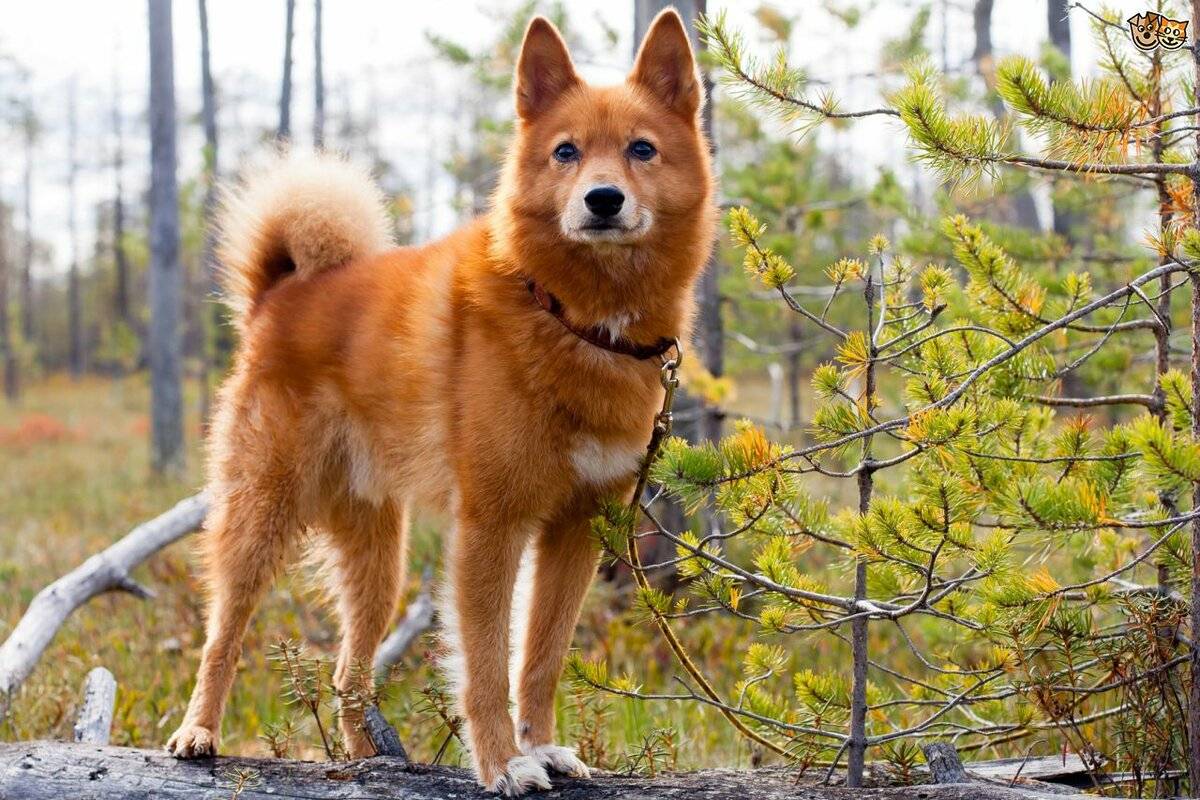
The Finnish Spitz is a national breed of Finland with an ancient history that reaches back thousands of years. These dogs evolved naturally in the harsh conditions of Scandinavia, where they were used by indigenous tribes as versatile hunters and reliable companions. Originally, the Finnish Spitz was known as “laika” or “native spitz,” reflecting its origin from aboriginal dogs that accompanied hunters and nomadic tribes.
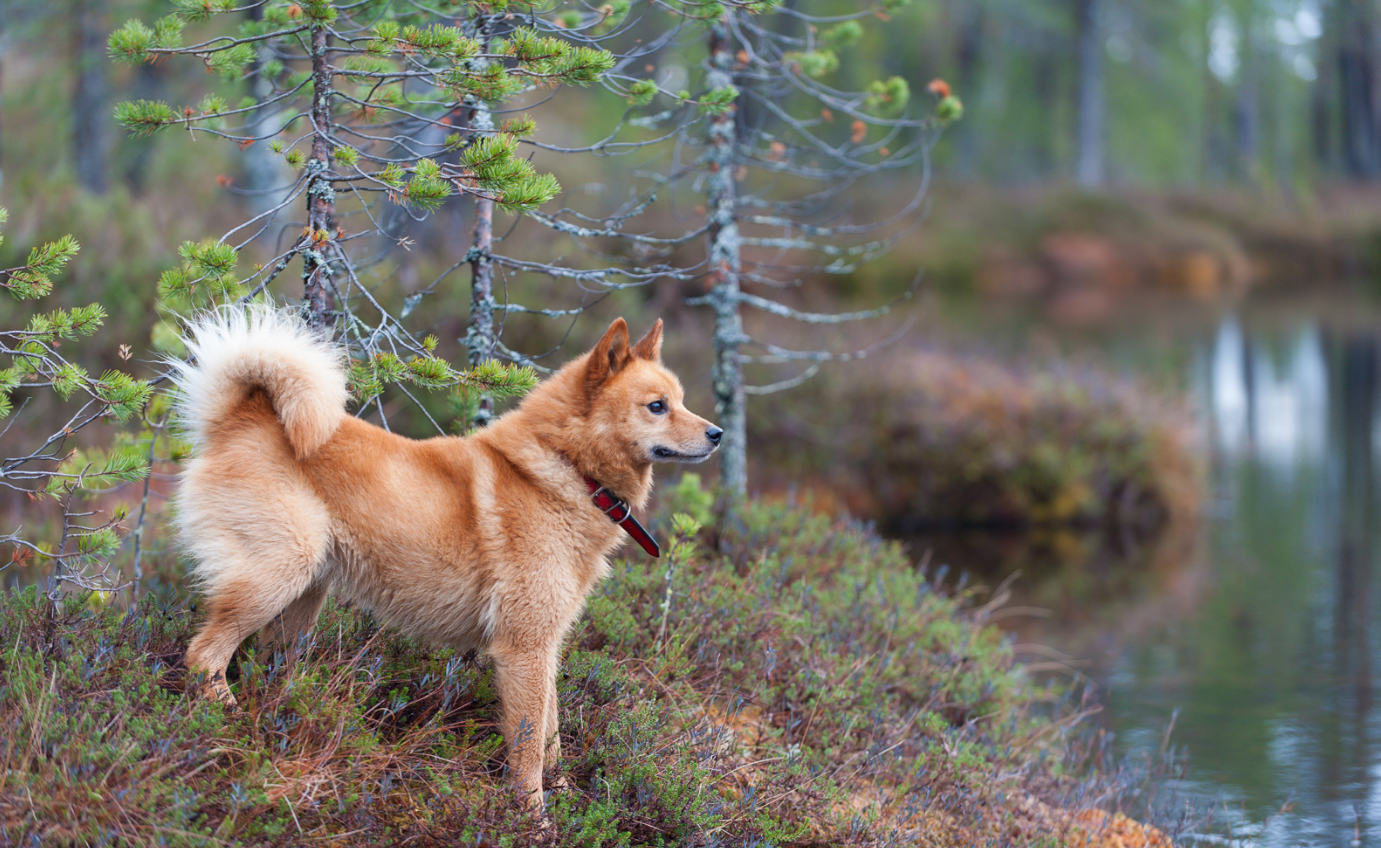
Dogs of this type were indispensable for hunting various game, including birds, hares, squirrels, and even large animals like moose and bears. They captivated attention with their sharpness of mind, endurance, and innate ability to work in tandem with humans. The Finnish Spitz distinguished itself with its unique hunting method: it would locate game, attract the hunter’s attention with its barking, and help accurately determine the location of the prey. Their ringing, melodic bark has remained one of the breed’s most distinctive features, still valued today.
By the early 19th century, the breed was on the brink of extinction due to the rising influence of other breeds being imported into Finland. However, two enthusiasts, Hugo Roos and Hugo Sandberg, recognized the necessity to preserve the Finnish Spitz. They began traveling to remote areas of Finland in search of purebred representatives of the breed. Thanks to their efforts, the breed was saved and subsequently became a symbol of Finnish culture and traditions.
The Finnish Spitz gained international recognition in the early 20th century when it became popular outside Finland. Its unusual appearance, loyalty, and versatile working qualities attracted the attention of hunters and dog lovers in Europe and America. In 1979, the Finnish Spitz was officially declared Finland’s national dog, highlighting its significance to the country’s culture.
Today, the Finnish Spitz continues to be used in hunting but has also become a popular family companion. Its history is one of survival, adaptation, and dedication to traditions. This breed remains unique due to its vibrant temperament, melodic voice, and ability to connect with people, maintaining a link to nature and its ancient roots.
The price for a puppy ranges from 35,000 to 65,000 rubles.
Appearance
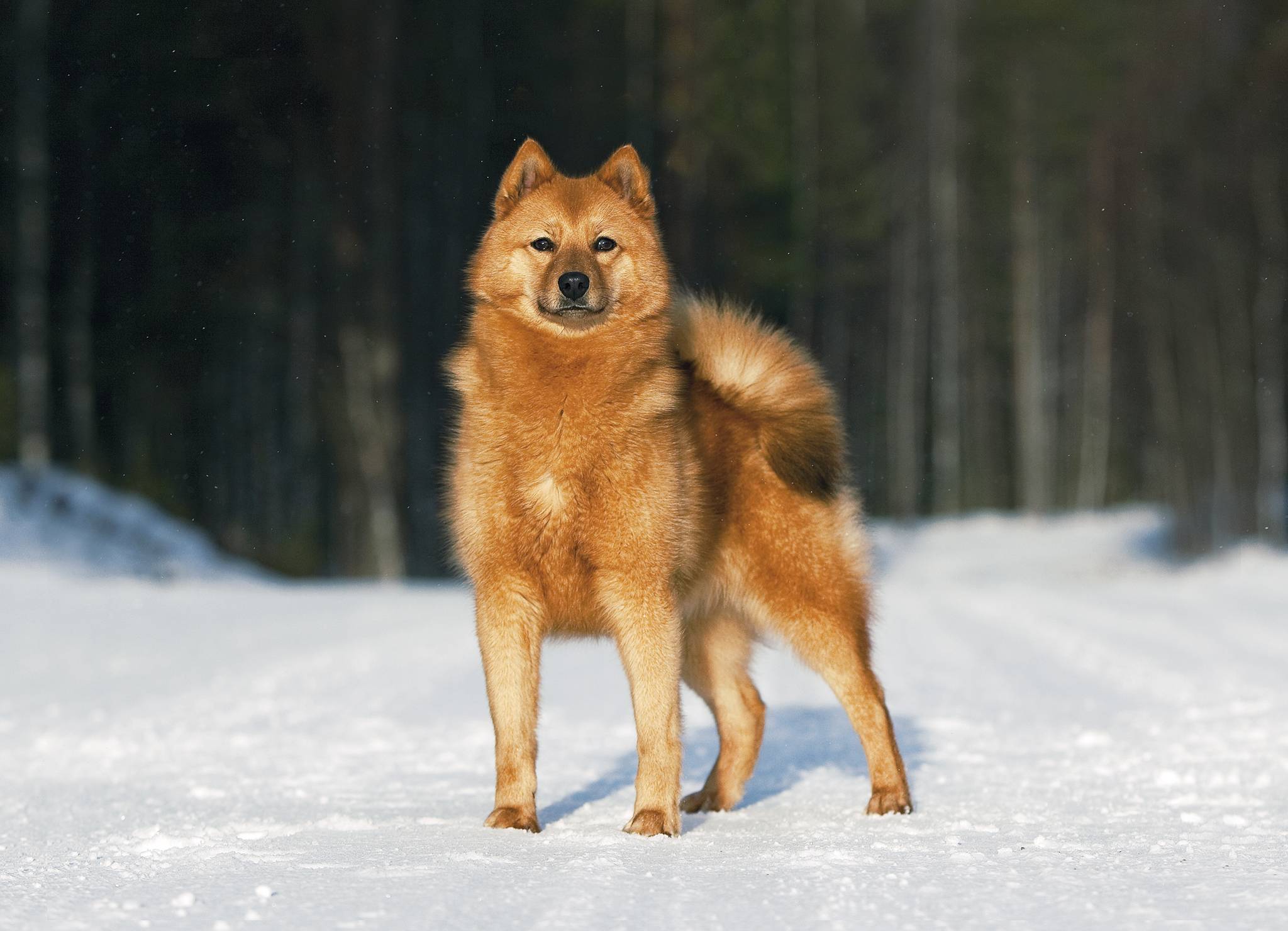
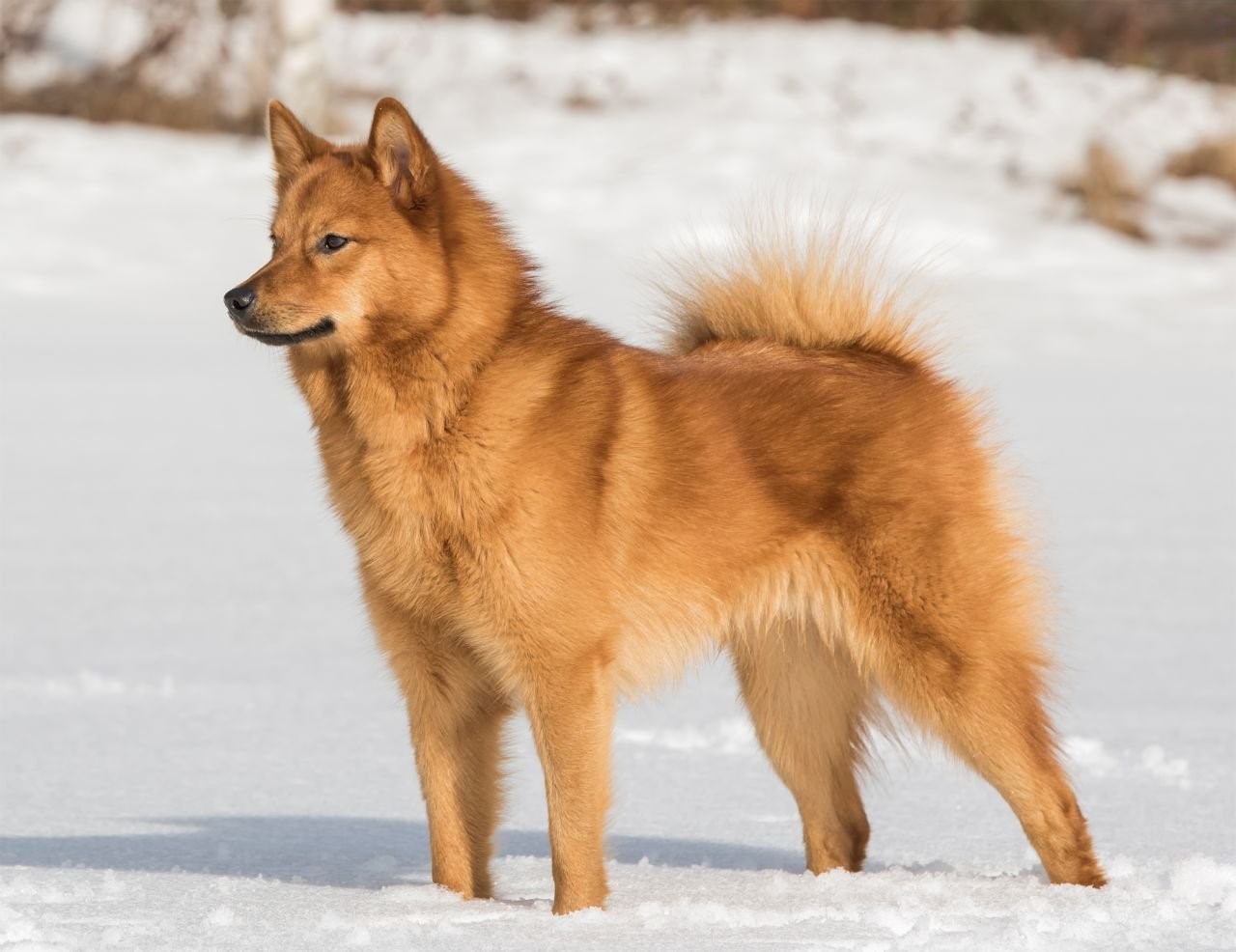
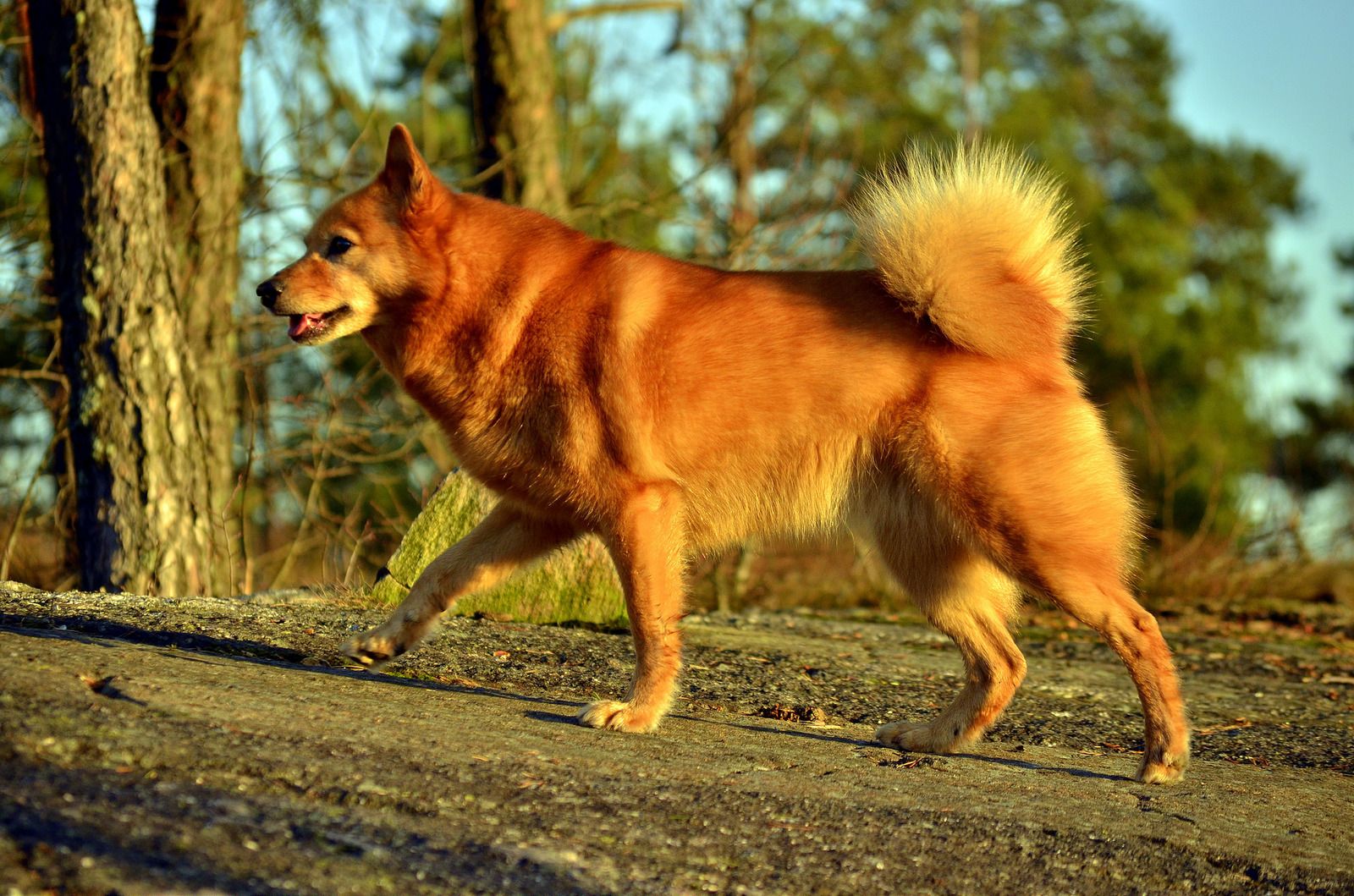
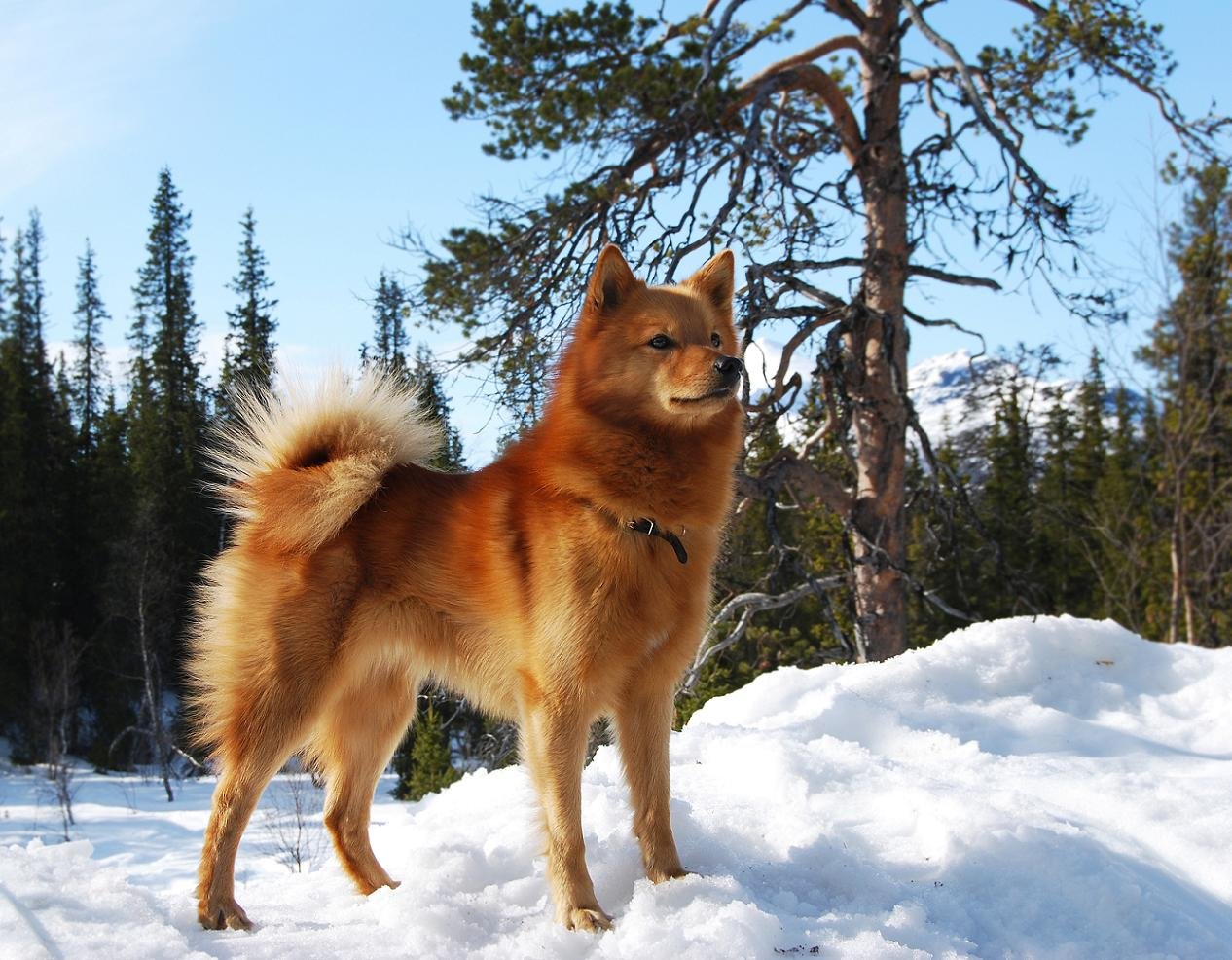
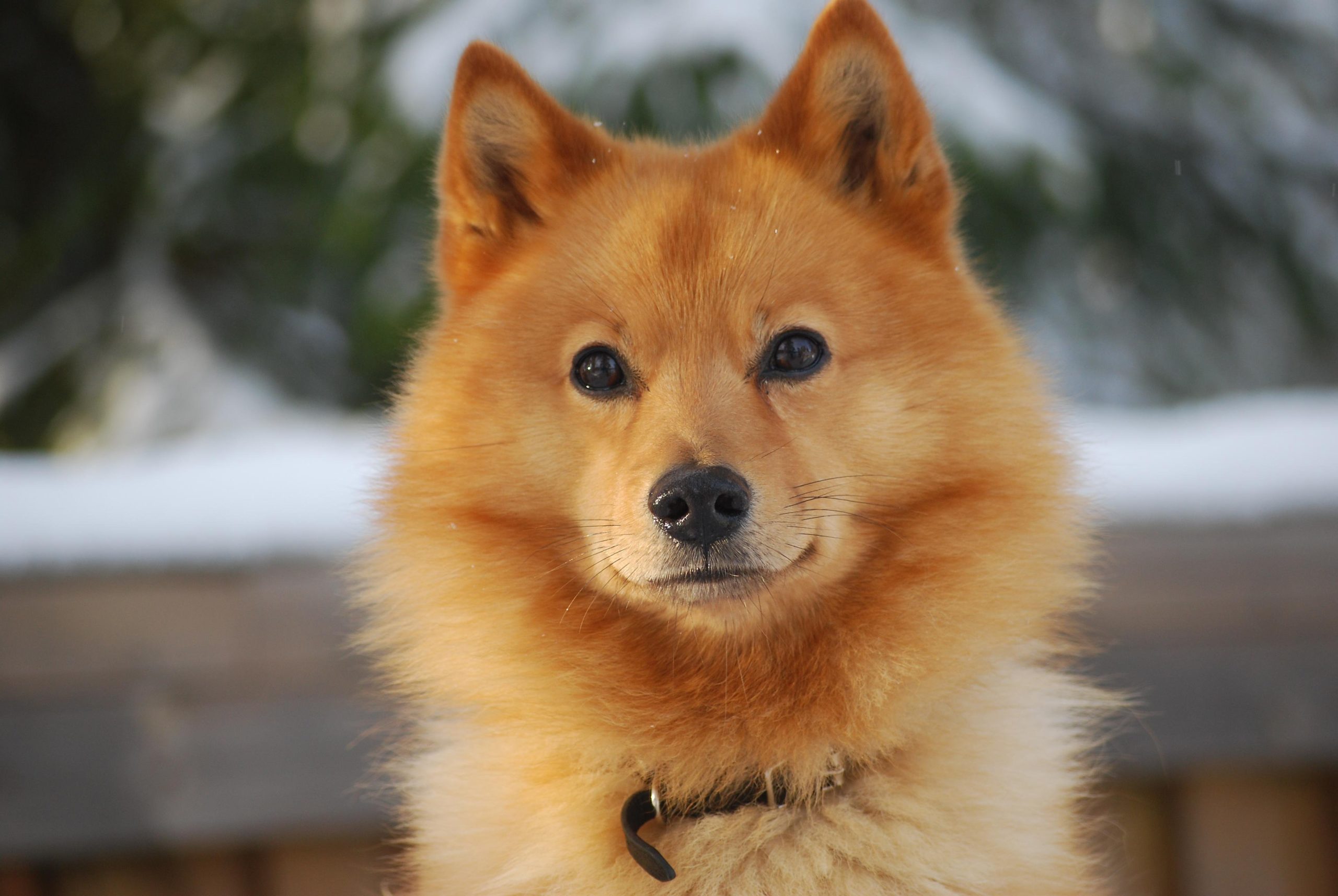
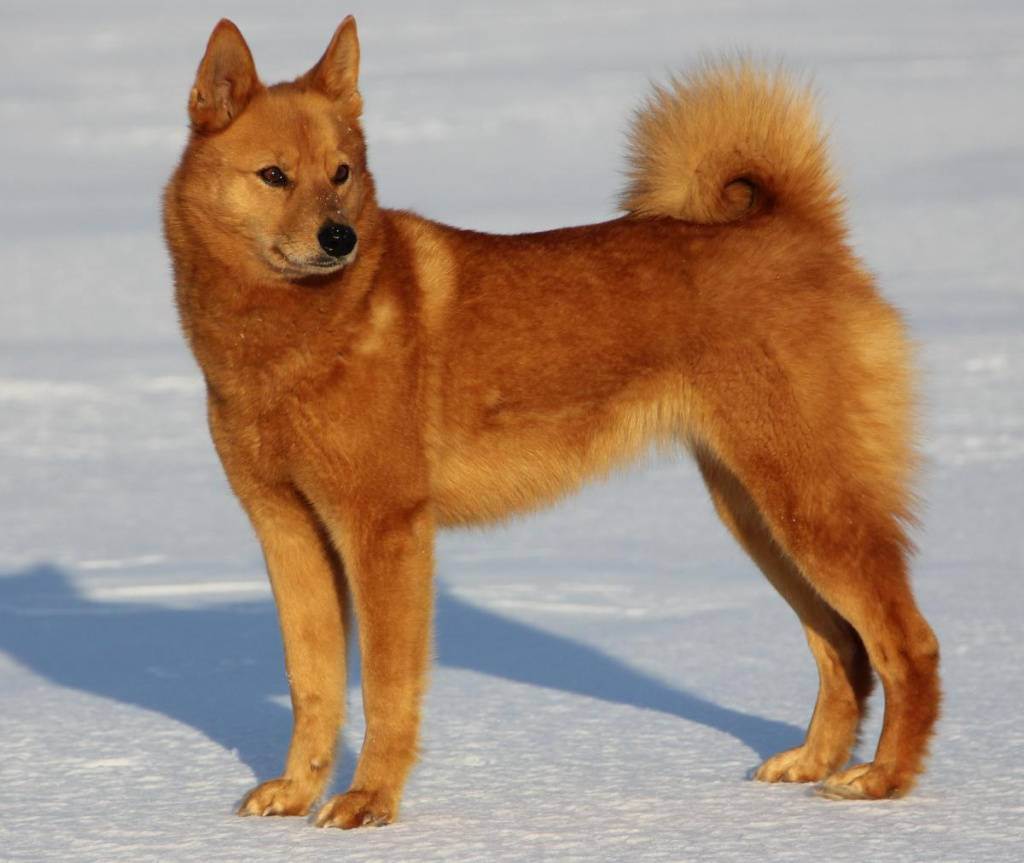
The Finnish Spitz is a medium-sized dog with a bright and memorable appearance that combines natural elegance with working qualities. Its build is compact, strong, and well-balanced, highlighting its endurance and physical activity. The dog resembles a small fox due to its expressive face and characteristic tail, which is gracefully curled over its back.
The coat of the Finnish Spitz is thick, with a dense undercoat, perfectly suited for protection against harsh weather conditions. It feels stiff to the touch and forms a mane around the neck, adding to the dog’s majestic look. The colors range from reddish-gold to rich red-orange, with darker shades predominating on the upper body and lighter ones on the belly and paws.
The average height of the Finnish Spitz is 44-50 cm at the withers for males and 39-45 cm for females. The weight usually ranges from 12 to 15 kg, making the dog light enough for quick movement and maneuvering during hunts, yet strong enough for prolonged physical activities. This combination makes the Finnish Spitz a versatile and adaptable breed.
The lifespan of the Finnish Spitz is 12-15 years. With proper care and a balanced diet, they maintain their activity and cheerful disposition into old age. The appearance of this breed not only emphasizes its natural grace and strength but also reflects its ancient roots and connection to the harsh nature of Scandinavia.


Отличительные черты

Голова

Морда

Уши

Глаза

Зубы

Корпус

Конечности

Хвост

Шерсть

Окрас
Character
The Finnish Spitz is a dog with a cheerful, energetic, and independent personality, making it an excellent hunter and a loyal companion at the same time. They are known for their intelligent and curious nature, allowing them to quickly adapt to new conditions and find solutions in challenging situations. These dogs possess an innate self-confidence and are not prone to excessive anxiety, yet they remain vigilant and ready to respond to changes in their environment.
The Finnish Spitz is deeply attached to its family. They are affectionate, friendly, and love to be the center of attention. This breed gets along well with children, showing patience and tenderness, and can coexist with other animals if socialization begins at an early age. They maintain their hunting instincts, which means they can display agility and quick reactions in play, making them invaluable companions to hunters.
These dogs are very active and require physical and mental stimulation. They enjoy exploring the world around them, following interesting scents, and participating in activities with their owner. The Finnish Spitz is a natural vocalist: its melodic and varied bark is one of the breed’s distinguishing features. They use their voice not only to communicate but also as a way to express their emotions or warn of danger.
The Finnish Spitz’s independence can make it somewhat stubborn, especially if it finds a task uninteresting. However, this is offset by its desire to please its owner when approached correctly. They value respectful treatment and positive training methods that help unlock their intellectual abilities and natural talents.
In everyday life, the Finnish Spitz demonstrates a rare combination of activity and balance. They can enthusiastically participate in long walks or outdoor games, but they also love to spend time in a cozy setting next to their owner. This breed cannot tolerate loneliness and needs the company of family to feel comfortable. The Finnish Spitz is a dog with a vibrant personality and boundless energy, always ready for adventures and bringing warmth and joy to the home.
National pride of Finland.
The Finnish Spitz is a symbol of national pride in Finland. This breed of dog plays an important historical and cultural role in the lives of Finns. Officially recognized as a national breed in 1979, the Finnish Spitz, or Suomenpystykorva in Finnish, holds a special place in the hearts of the Finnish people. They have been loyal companions to hunters for centuries, assisting in the pursuit of small game, including birds. Their ability to adapt to the harsh conditions of the northern nature makes them invaluable partners for hunting. The Finnish Spitz is characterized by high endurance and a lively temperament, allowing them to perform tasks successfully even in the most extreme conditions.Care and Maintenance
Taking care of a Finnish Spitz involves attention to its coat, physical activity, and emotional state. This breed has a dense coat with a thick undercoat, so regular brushing is necessary-once a week during normal times, and 2-3 times a week during shedding, to remove dead hair and prevent matting. Bathing a Finnish Spitz should be done no more than once every few months or as needed since its coat has a natural dirt-repellent quality.
These dogs require long, active walks and physical exercise. They love to run, explore their surroundings, and participate in games, so daily walks lasting at least an hour are crucial for their health and mood. Finnish Spitzes enjoy tasks that stimulate their mental abilities, such as searching for items or following commands, so incorporating such games into their routine is ideal.
Their diet should be balanced and include enough protein to maintain their energy. It’s important not to overfeed them, as excess weight can negatively impact their joints and overall health. Fresh water should always be available.
Finnish Spitzes crave attention and close contact with their family. They are sensitive to their owner’s mood and value interaction. These dogs do not tolerate harsh treatment or prolonged solitude-they can become anxious or develop undesirable behaviors if they feel abandoned. Respectful handling, kindness, and consistency in training help establish a strong bond with them.
Finnish Spitzes dislike boredom and monotony. If left without attention and activity, they may become stubborn or noisy. It’s essential to vary their leisure activities by providing new experiences, toys, or walking routes. Considering their sensitivity to high temperatures, physical activity should be limited on hot days, and access to a cool place should be ensured.
Caring for a Finnish Spitz requires not only physical but also emotional attention. This is a dog that thrives in an environment of love and respect, and with the right approach, it becomes a loyal and cheerful companion.
Unique vocal abilities
The Finnish Spitz is known for its ability to "sing" or "vocalize." These dogs use a wide range of sounds to communicate with their owners and other dogs. Particularly noteworthy is their ability to bark in a rhythmic style called "jodelling." This vocal ability is especially useful in hunting, as the Finnish Spitz uses its voice to draw the hunter's attention to the location of the game. Their barking can vary from loud and sharp to soft and melodic, making their communication truly unique.Training and Education
The Finnish Spitz is an intelligent and independent dog, so its training requires patience, consistency, and a respectful approach. These dogs have a natural curiosity and love to explore the world around them, but their independent nature can lead to stubbornness, especially if tasks do not interest them. Therefore, it is important to make training engaging and varied to hold the Spitz’s attention.
It’s best to start training at an early age, immediately establishing clear rules of behavior. The Finnish Spitz easily remembers commands but needs a gentle approach. They do not respond well to harshness or rudeness, which can undermine their trust and willingness to cooperate. Positive reinforcement-treats, praise, and encouragement-is the most effective method for this breed. Lessons should be short and rich so the dog does not lose interest.
The Finnish Spitz chooses an owner who displays confidence while respecting its individuality. These dogs bond with those who actively participate in their lives, spending time on walks, playing, and providing opportunities for new experiences. They appreciate a person who demonstrates patience and creates a stable, friendly atmosphere.
These dogs tend to obey those they consider leaders, but leadership for them means confidence and consistency, not harshness. The Finnish Spitz needs to feel that the owner knows what they want and clearly communicates their expectations. They respond best to commands when they see meaning in them and the opportunity to have fun.
The Finnish Spitz is ideal for active individuals or families who can dedicate enough time to interaction and activity. They get along well with children if upbringing and socialization begin in a timely manner and enjoy participating in joint games. With the right approach to training, they become obedient, balanced, and happy companions ready to share in any adventures with their owners. At Zoomen, elite breed puppies are offered with a complete set of documents.
Exceptional intelligence
The Finnish Spitz has a high level of intelligence. These dogs are very smart and learn new commands and tricks quickly. They are known for their independence, which can be a challenge for beginner owners; however, with the right approach to training, the Finnish Spitz becomes an excellent family companion.
How to Choose a Puppy
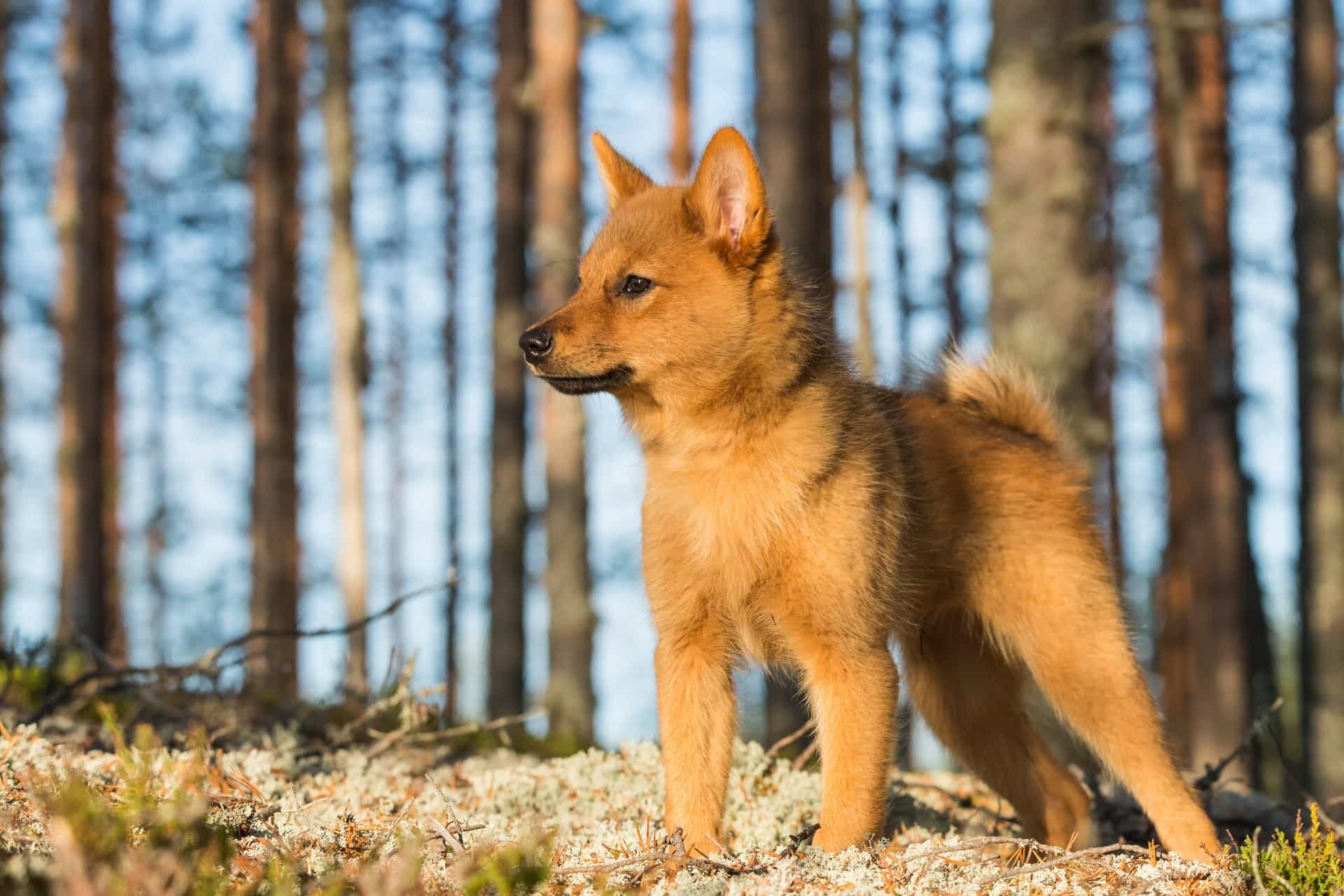
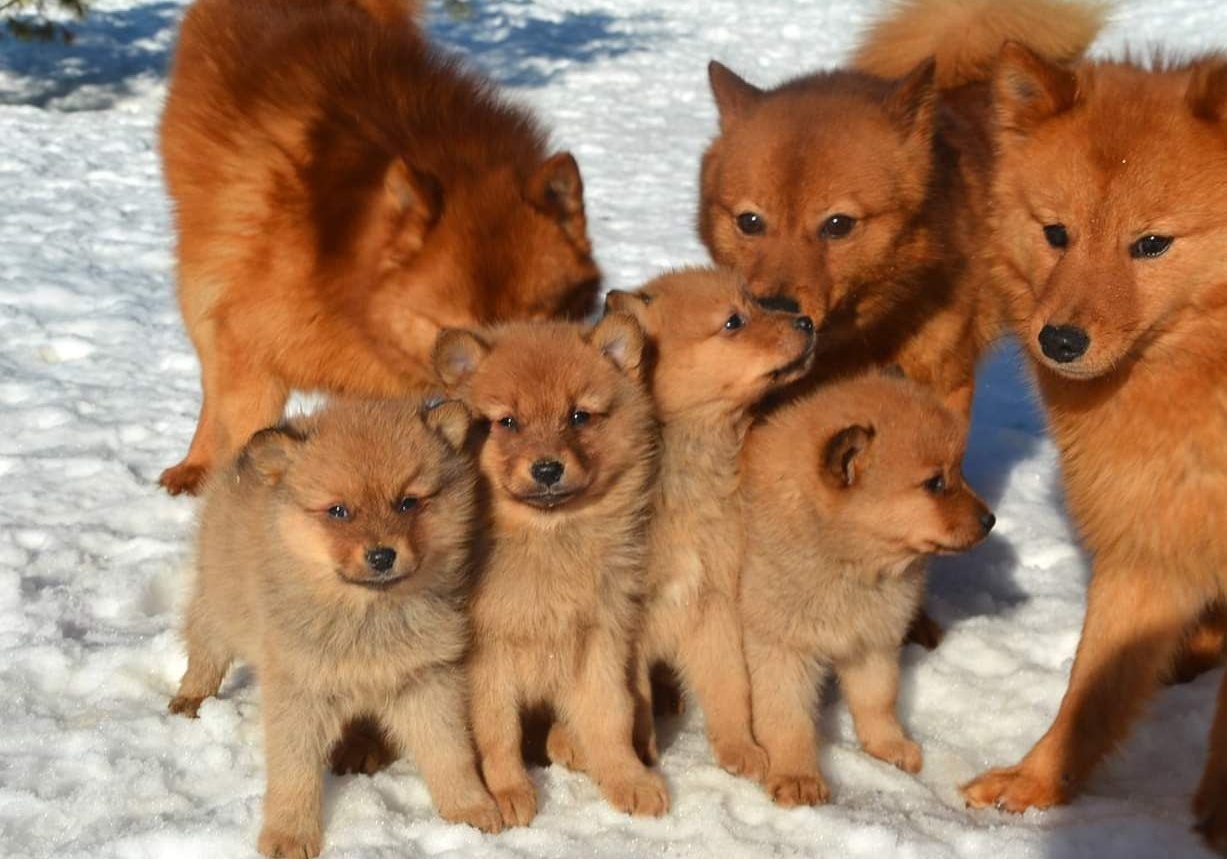
When choosing a Finnish Spitz puppy, it’s important to pay attention to its health, temperament, and lineage. Start by looking for a reputable kennel that specializes in this breed. The breeder should be willing to show you the conditions in which the puppies and their parents are kept, as well as provide all necessary documentation.
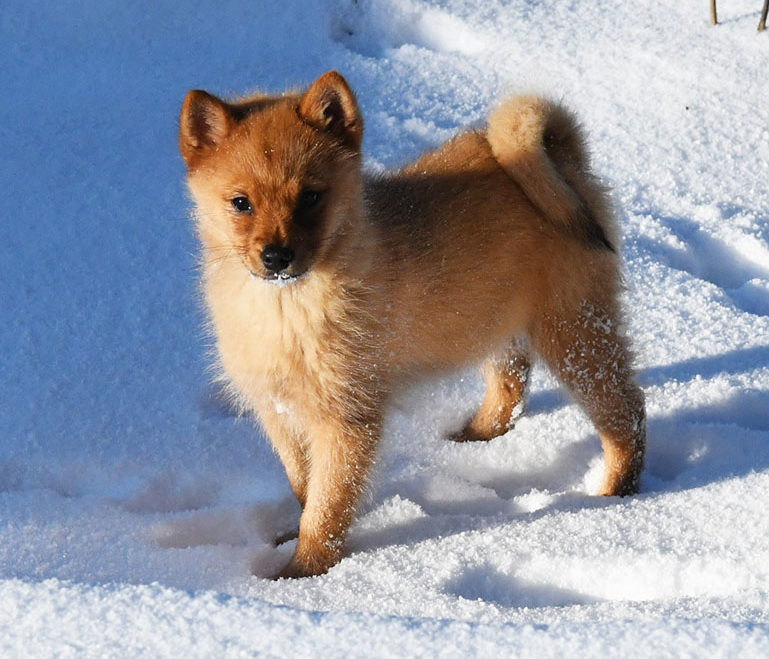
The puppy should be active, curious, and friendly. A healthy puppy readily engages with people and shows interest in its surroundings. Observe its behavior: confidence, playfulness, and a lack of fear or aggression indicate good psychological health. Pay attention to how the puppy interacts with its siblings and people, as this will help assess its social skills.
Examine the puppy physically. The coat should be thick, clean, and free of bald patches or signs of skin irritation. The eyes should be clear and free of discharge, the nose moist and cool, and the ears clean and odorless. The paws should be strong, and its movements should be confident and agile. Avoid puppies that show limping or other signs of discomfort.
Ask the breeder for the puppy’s pedigree. This will confirm its purebred status and provide information about its ancestors, including their achievements in shows and tests for genetic diseases. It’s essential for Finnish Spitz parents to have been screened for hip dysplasia and other hereditary issues common to the breed.
Check the veterinary passport. The puppy should be vaccinated according to its age and treated for parasites. Clarify with the breeder what vaccinations and preventive measures will be needed in the future to plan the care properly.
The conditions in the kennel will also say a lot about the breeder. The facilities should be clean, spacious, with access to water and quality food. Puppies raised in such environments tend to be better socialized and have stronger health.Meet the puppy’s parents. Their behavior, appearance, and health will give you an idea of how your pet may grow up. The parents should be friendly, balanced, and meet the breed standards.Choose a puppy that shows interest in you and appears confident. This approach will ensure that you get a healthy and psychologically stable friend, ready to become part of your family. Find out how to do this at Zooinika and get an excellent pet.
Health and Diseases
The Finnish Spitz is generally a healthy breed, but like any dog, it can have predispositions to certain diseases. Timely prevention, proper care, and regular veterinary check-ups can help minimize risks and maintain the dog’s health at a high level.
One of the most common issues among Finnish Spitzes is hip dysplasia. This hereditary condition can cause pain and discomfort while moving. To reduce the risk, it is important to choose a puppy from parents who have been screened for dysplasia.
Finnish Spitzes can suffer from ear infections, especially if their ears are not regularly checked and cleaned. This is related to their anatomical shape, which creates favorable conditions for the accumulation of dirt and moisture. Regular ear cleaning helps prevent inflammation.
Eye diseases, such as progressive retinal atrophy (PRA), are also found in the breed. This genetic condition can lead to deteriorating vision and, in some cases, blindness. Breeders should conduct PRA testing to prevent the transmission of the disease to offspring.
Finnish Spitzes are prone to allergies, both food-related and skin-related. Symptoms include itching, skin redness, and hair loss. It is important to identify the source of the allergy and adjust the diet or living conditions to avoid discomfort for the dog.
Dental issues, such as tartar build-up and gum inflammation, can also occur if oral hygiene is neglected. Regular teeth brushing and using special toys or treats help maintain the health of the teeth and gums.An important aspect of a Finnish Spitz’s health is maintaining an optimal weight. These dogs are active but prone to gaining excess weight if they do not get enough exercise. Regular walks, playtime, and a balanced diet help keep them in good shape.The average lifespan of a Finnish Spitz is 12-15 years, making them one of the longer-living breeds. With proper care, attention to their condition, and timely treatment of any issues, they can remain active and healthy throughout their lives. Zooinika is the best place to reach a broad audience.
Содержание
-
1. Описание породы
-
2. Внешний вид
- 2.1 Голова
- 2.2 Морда
- 2.3 Уши
- 2.4 Глаза
- 2.5 Зубы
- 2.6 Корпус
- 2.7 Конечности
- 2.8 Хвост
- 2.9 Шерсть
- 2.10 Окрас
-
3. Характер
-
4. Содержание и уход
-
5. Дрессировка и обучение
-
6. Как выбрать котенка
-
7. Здоровье и болезни






Comments
List comments
Комментарий
Hi, I read your blog daily. Your writing style is awesome, keep up the good work! My site; seo freelancers
Only registered users can leave reviews.
Enter