
Finnish Hound




Warning: Illegal string offset 'label' in /home/panda/sites/zoonika/wp-content/themes/zoonika/template-parts/animals/animals-param-item.php on line 32
Ð


Breed Description
The Finnish Hound is a unique breed whose roots are closely linked to the history of Finland. The development of the breed was shaped by the needs of local hunters as well as the characteristics of the Finnish climate and landscape.
It began to take form when Finland was part of the Russian Empire. During that period, hunting served both as a means of sustenance and as a popular pastime among Finnish aristocrats and peasants. Harsh winters, dense forests, and swampy areas necessitated the creation of a dog capable of effectively working in such conditions.
The main work on breeding the Finnish Hound began in 1889. Various European hounds were used in its creation, including German, French, and Swiss breeds. Particularly significant influences came from Swiss hounds like the Bernese Hound and the Lucerne Hound.
From the German and French hounds, the Finnish Hound inherited endurance and the ability to work stubbornly on a scent trail. Swiss hounds contributed excellent scenting abilities and resilience to harsh climates. The crossing of these breeds resulted in a dog that easily adapted to the diverse conditions of Finnish nature.
Efforts to improve the breed and increase its popularity among hunters were prioritized by Finnish breeders. They paid special attention to the working qualities of the dogs, their stamina, keen sense of smell, and ability to work in teams or independently.
In 1947, the Finnish Hound was officially recognized by the International Canine Federation (FCI). This recognition marked an important step in promoting the breed outside of Finland and opened new opportunities for its spread and participation in international exhibitions.The characteristics of the Finnish climate and landscape significantly influenced the breed’s formation. Dense forests, swamps, and severe winters demanded high endurance and the ability to work under extreme conditions. The Finnish Hound was specifically targeted for hunting hares and foxes, which required not only stamina but also intelligence to deal with clever and quick animals.In the modern world, the Finnish Hound continues to be popular among hunters in Finland and other countries. Its outstanding working qualities, friendly character, and endurance make it an ideal hunting dog in challenging conditions. Additionally, due to its balanced temperament, the Finnish Hound is increasingly becoming a household pet that delights its owners with loyalty and energy.Today, the Finnish Hound actively participates in various hunting trials and exhibitions, showcasing its exceptional skills and
Appearance
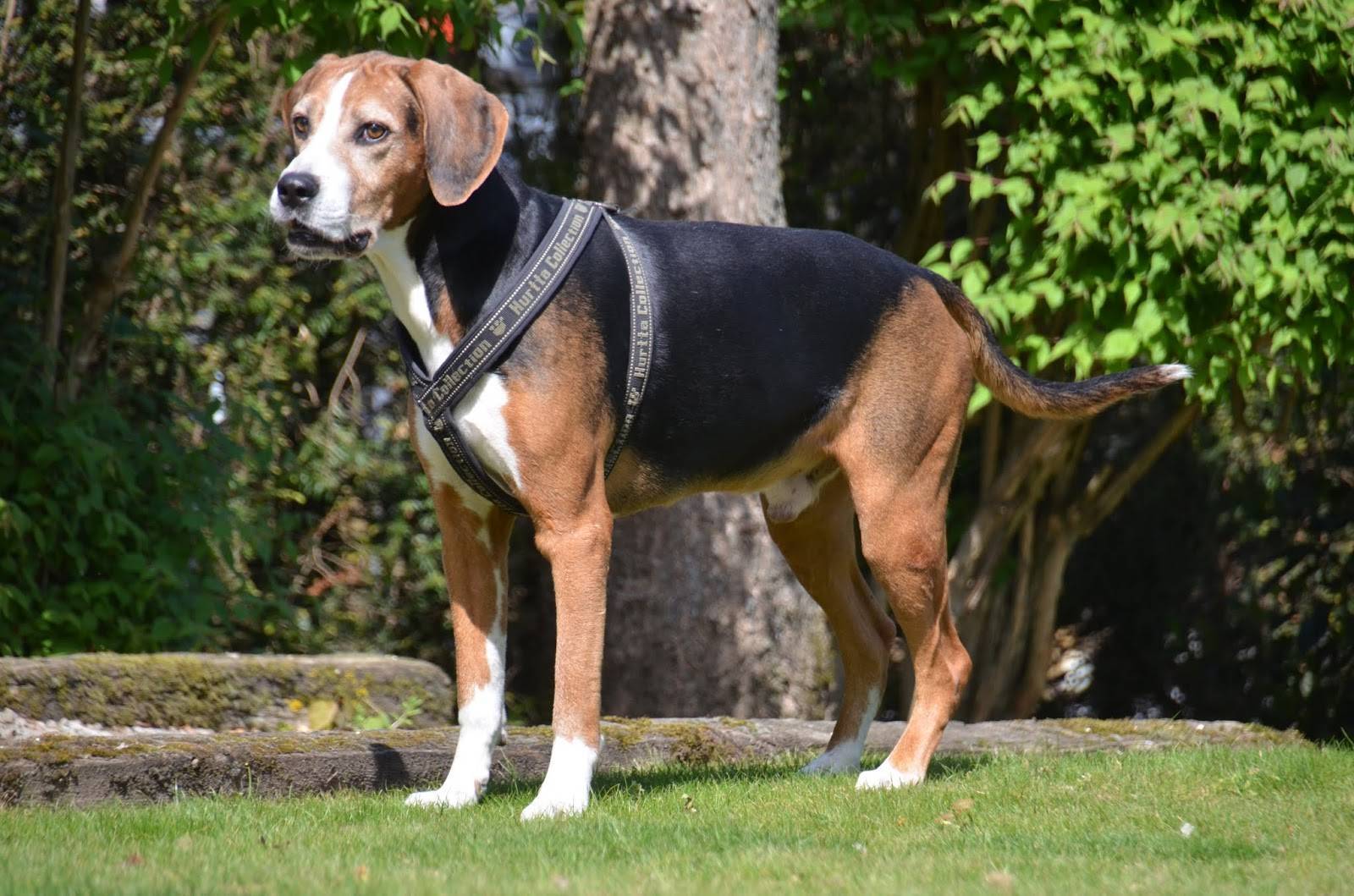
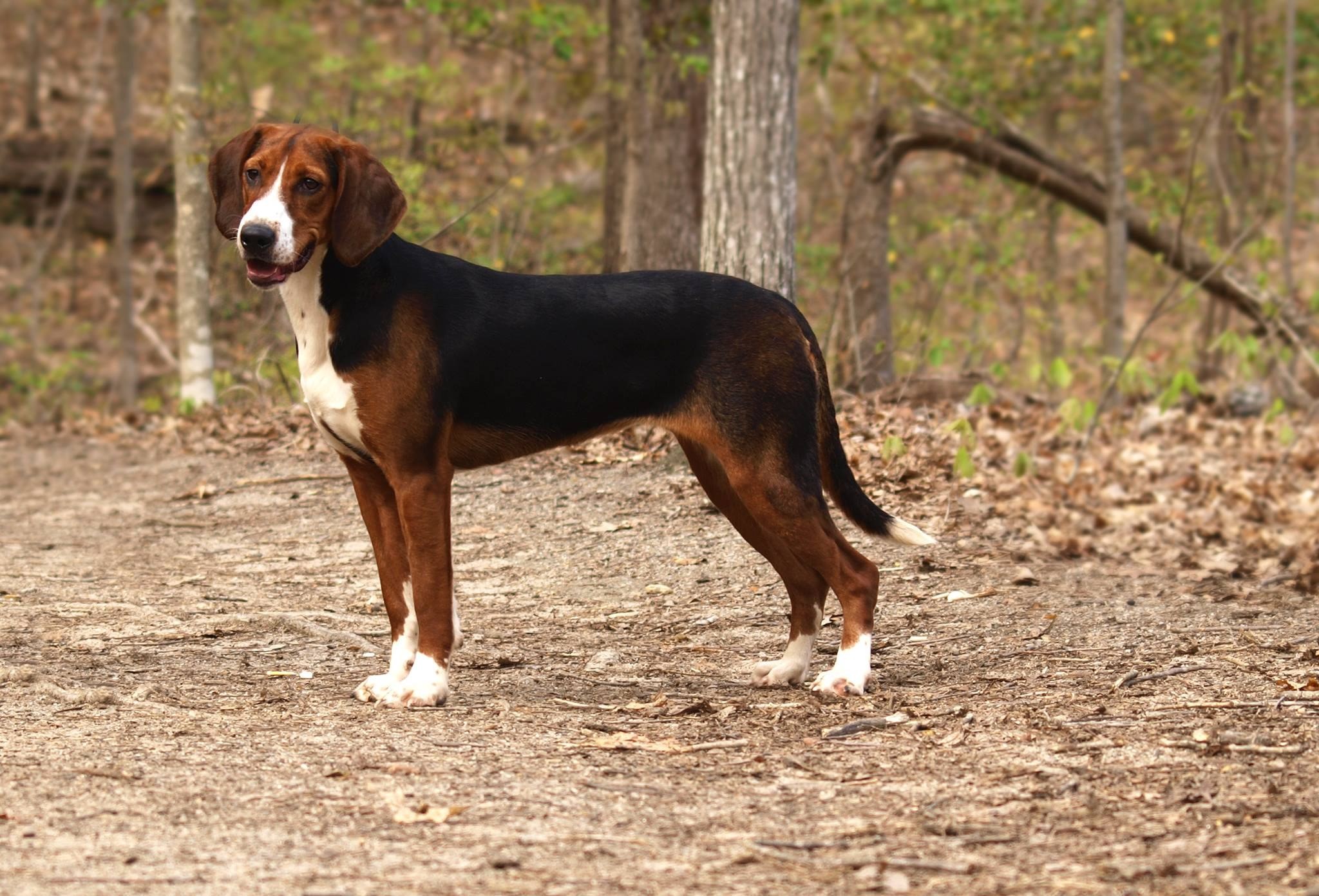
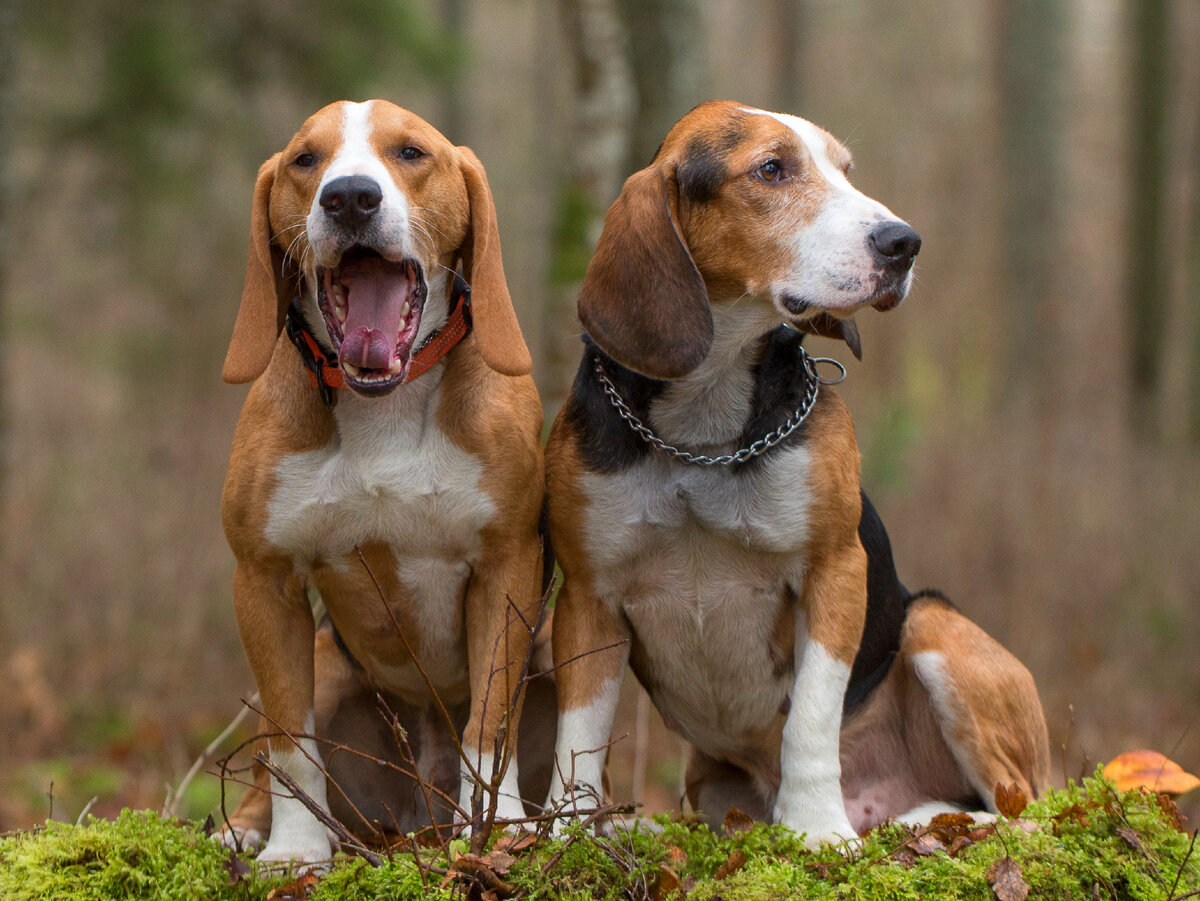
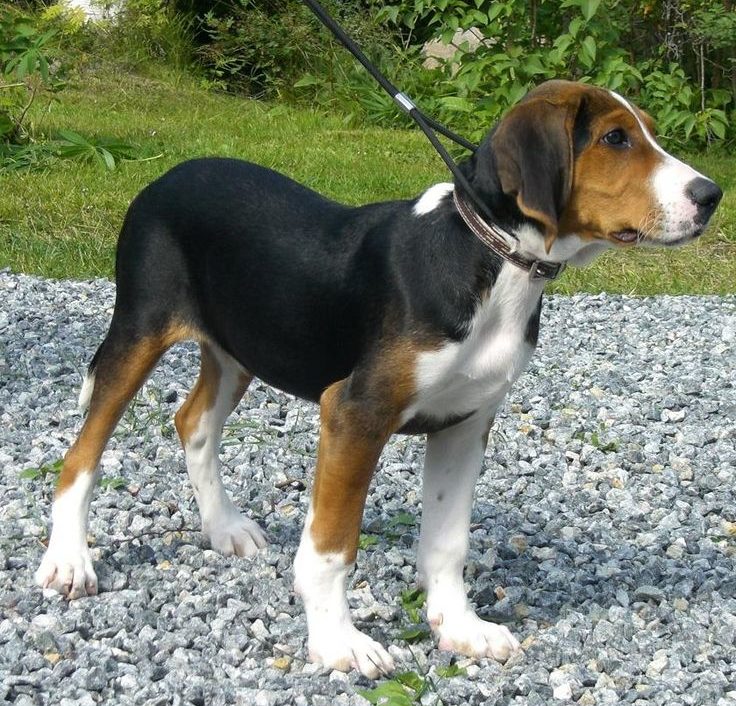
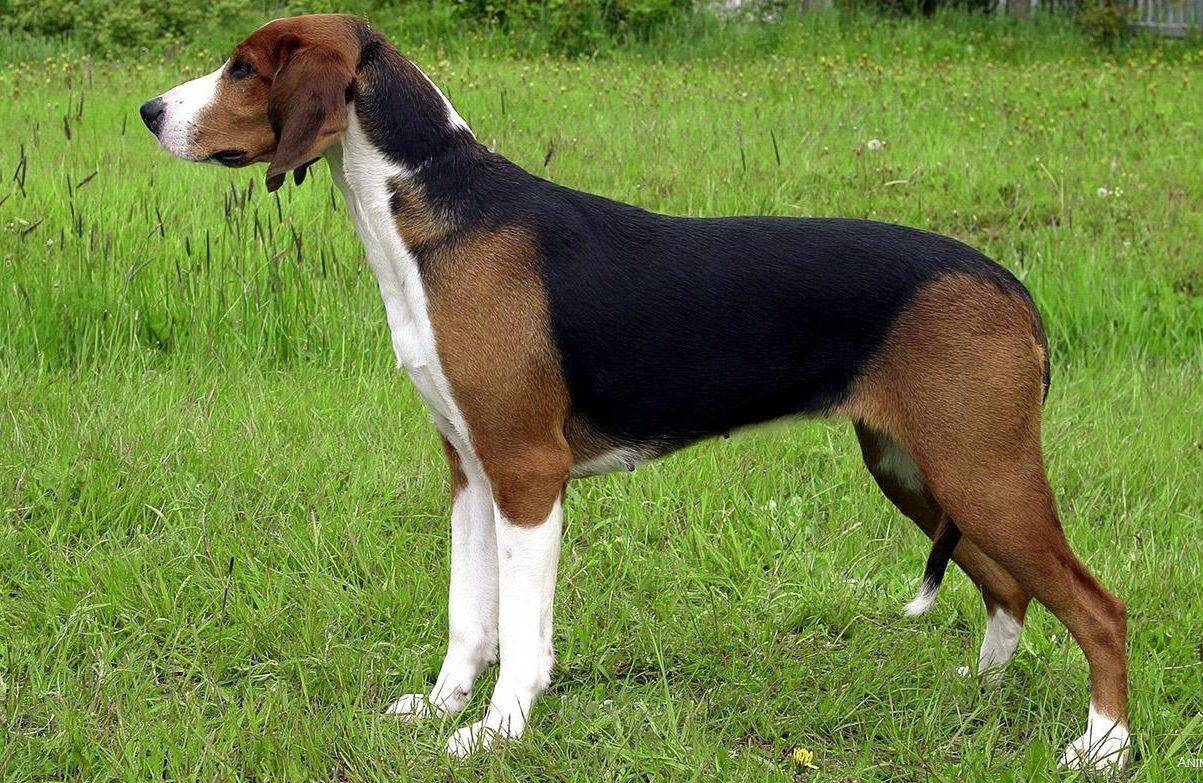
Medium-sized, well-proportioned dogs with an elegant and athletic appearance. According to the breed standard, the Finnish Hound should have well-balanced proportions and a strong, yet not coarse, build.
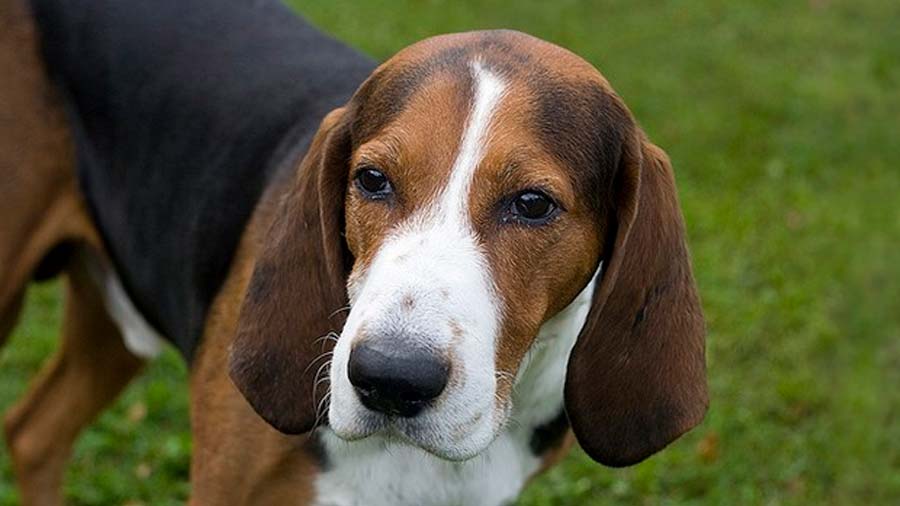
The height at the withers for males is 55-61 cm, while for females it is 52-58 cm. Weight ranges from 20 to 25 kg, depending on the sex and individual traits of the dog. The head of the Finnish Hound is long and narrow, with a distinct transition from the forehead to the muzzle. The skull is slightly rounded, with moderately developed cheekbones. The muzzle is straight, long, and gradually narrows to the tip of the nose, which should be black with well-developed nostrils.
The gaze is lively and friendly, highlighting the breed’s character. The ears are covered with short, dense fur.
The neck is muscular with a slight curve and no dewlap. The back is straight and strong, the chest is deep but not overly wide. The ribs are moderately arched, and the belly is tucked up, emphasizing the dog’s athletic build.
The coat is short, dense, and lies close to the body. The undercoat provides protection against cold and inclement weather. Clarity and symmetry of color are significant when evaluating conformity to the breed standard.
Overall, Finnish Hounds are well-proportioned dogs with elegant lines and a strong but not coarse build. Their appearance reflects a combination of endurance, strength, and agility, making them ideal for hunting and an active lifestyle.


Отличительные черты

Голова

Морда

Уши

Глаза

Зубы

Корпус

Конечности

Хвост

Шерсть

Окрас
Characteristics
Finnish Hounds were specifically bred for hunting various game. They possess unique traits that make them ideal companions for both hunters and active families. A distinctive feature of Finnish Hounds is their loyalty and exceptional sense of smell, allowing them to effectively track their prey.
One of the main characteristics of the breed is their high energy levels. These dogs require significant physical activity and will be happy to spend hours running and exploring their surroundings. This makes them unsuitable for people who lead a sedentary lifestyle. However, if you enjoy long walks or runs, a Finnish Hound will make an ideal companion.
The intelligence of Finnish Hounds deserves special mention. They are easy to train and quickly learn commands, but they require consistency and patience during training. It is important to note that these dogs have a strong hunting instinct, so their socialization from an early age plays a crucial role. Without proper upbringing, Finnish Hounds can exhibit stubbornness and independence, making them harder to manage.
Despite their hunting nature, Finnish Hounds also have a friendly and affectionate temperament. They get along well with children and other pets, especially if properly socialized. Within the family, a Finnish Hound manifests as a loyal and caring friend, always ready to be by your side and maintain a connection with its owner.
Another feature of Finnish Hounds is their vocalization. These dogs are quite “talkative” and can produce various sounds, ranging from barking to specific hunting calls. This quality is particularly appreciated by hunters, as it helps them track the dog’s location during hunting. However, for city dwellers, this may become an issue, especially if neighbors are sensitive to noise.
Finnish Hounds have robust health and an average lifespan of about 12-15 years. They are rarely prone to genetic diseases, making them a good choice for those looking for a healthy and resilient pet. Regular veterinary check-ups and a proper diet are essential for maintaining their health.Caring for Finnish Hounds does not require special efforts. Their coat is easy to clean and does not need frequent baths. Regular brushing is sufficient to remove dead hair. It is important to monitor the condition of their ears and teeth, as this contributes to overall hygiene and prevents potential issues.Finnish Hounds are excellent companions for those who value an active lifestyle and can pay attention to both the physical and mental needs of the dog. These animals combine strength, endurance, and loyalty, making them unique among other breeds. A Finnish Hound will be more than just a pet; it will be a wonderful friend and partner, capable of bringing joy and activity into your life.
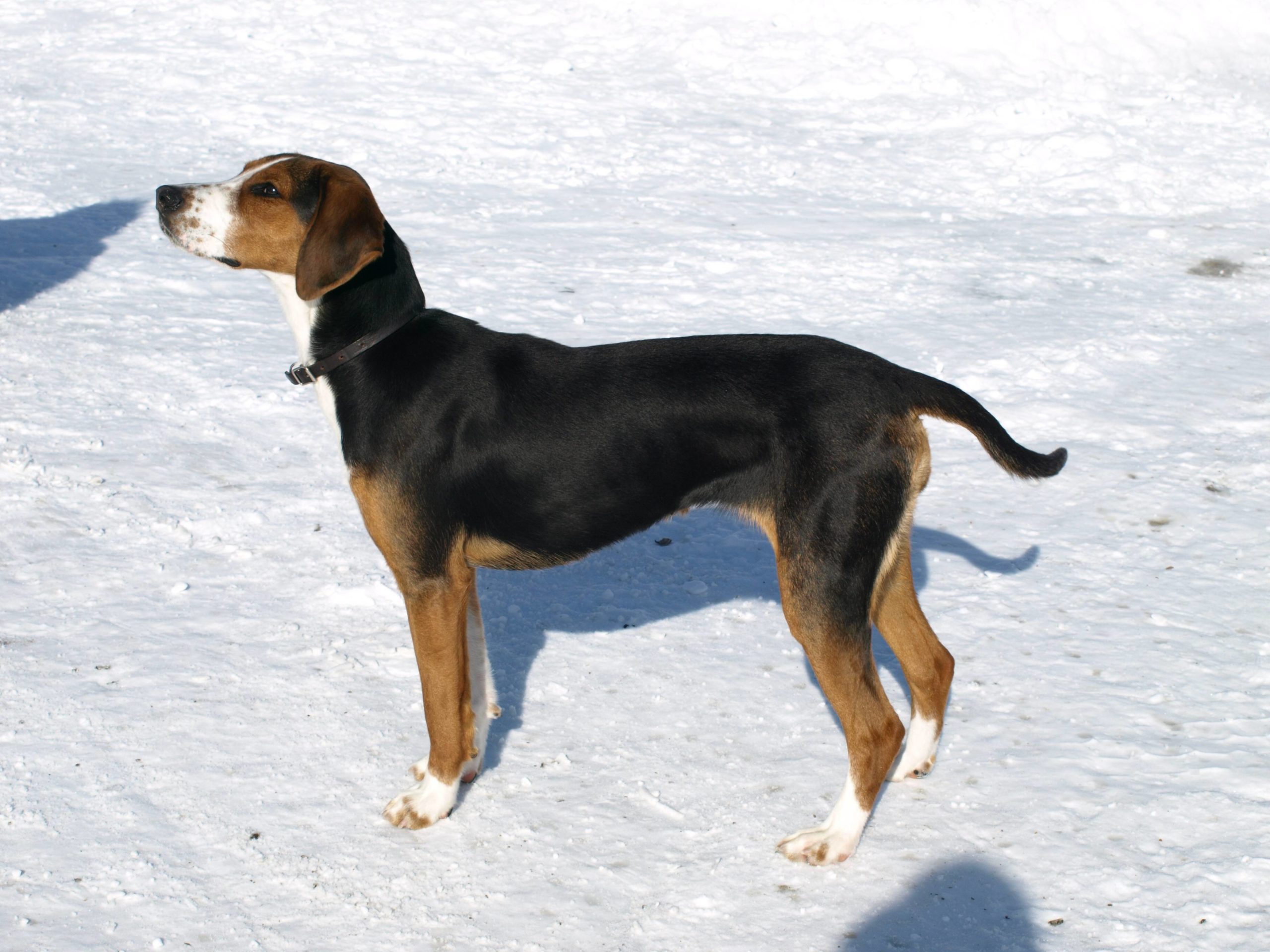
Tricolor and nothing else!
When breeding the breed, the tricolor coat had more significant importance than the other exterior parts.Care and Maintenance
It is important to consider the needs and characteristics of Finnish Hounds to ensure a comfortable and healthy life for them.
One of the key aspects of keeping Finnish Hounds is providing them with sufficient physical activity. These dogs are extremely active and require regular long walks. The minimum walk duration should be around two hours a day, and it is preferable that part of the time the dog can run off-leash in a safe area. Finnish Hounds love to explore their surroundings, so walks should be diverse and include different routes and activities, such as running, playing, and training.
The nutrition of Finnish Hounds also plays an essential role in their care. These dogs require a balanced and high-quality diet to maintain their energy and health. Their diet should be based on high-quality food rich in proteins, fats, and carbohydrates. When selecting food, it is important to consider the dog’s age, weight, and activity level. It is also advisable to periodically include natural products, such as meat, fish, vegetables, and fruits, to diversify their diet and provide additional vitamins and minerals.
Grooming Finnish Hounds is relatively simple. Their short and dense coat does not require complicated care. It is sufficient to brush the dog regularly, about once a week, to remove dead hair and prevent matting. Bathing a Finnish Hound is recommended as needed, usually every few months or when heavily soiled. Using quality dog shampoos will help maintain the skin and coat in good condition.
An important aspect is the care for their ears, eyes, and teeth. Regular checks and cleaning of the ears will help prevent infections and inflammations. Special lotions and cotton swabs can be used for this purpose. The eyes should be regularly wiped with a damp cloth or cotton pad to remove dirt and prevent inflammation. Finnish Hounds’ teeth need regular brushing with dog toothpaste to avoid tartar buildup and gum issues. It is recommended to periodically give the dog chew toys and bones for natural teeth cleaning.
Socialization and training of Finnish Hounds are crucial. These dogs are highly intelligent and easy to train, but they require a consistent and patient approach. Socialization should begin at an early age to acclimatize the dog to various people, animals, and situations. This will help avoid aggressive or fearful behavior in the future. Basic commands and training skills should be learned from puppyhood, gradually increasing the complexity of tasks and reinforcing skills.Finnish Hounds have a strong hunting instinct, so it is essential to provide mental stimulation. Interactive toys, object searches, and obedience training help satisfy their need for mental activity. These dogs love solving problems and will gladly follow commands and participate in various activities.Finnish Hounds are generally healthy, but like any breed, they can be prone to specific illnesses. Regular vet visits, vaccinations, and preventive check-ups will help identify and prevent potential issues in a timely manner. It is important to monitor the condition of the dog’s joints and bones, especially in older age, as active dogs may be susceptible to musculoskeletal diseases.Finnish Hounds adapt wel
In the woods, urgently!
Regardless of whether the dog is used for hunting or kept as a companion, it is necessary to take it to the park or the nearest forest for training in a familiar environment.Training and Education
Training a Finnish Hound should begin at an early age. Puppies of this breed learn quickly and are curious, so it’s important to establish clear rules of behavior right away. One of the owner’s first tasks is to teach the puppy to go to the toilet. Regular walks at the same time will help the dog quickly understand where to relieve itself. It is important to praise the puppy for good behavior and to avoid punishments that could create fear and distrust.
Socialization is crucial in the upbringing of a Finnish Hound. These dogs need to get used to various people, animals, and environments. Regular walks in the park, meetings with other dogs, and trips to new places will help the Finnish Hound become confident and calm in any situation. It is vital to introduce the dog to new sounds, smells, and visual stimuli to prevent potential fears and aggressive behavior in the future.
Training a Finnish Hound requires patience and consistency. These dogs are easily trainable but can sometimes show stubbornness. It is best to start training with basic commands like “sit,” “lie down,” “come,” and “heel.” Using positive reinforcement, such as treats and praise, will help the dog learn commands more quickly. Regular training sessions should be held, repeating commands to reinforce skills.
Finnish Hounds have a strong hunting instinct, so obedience training should include impulse control exercises. Commands like “no” and “leave it” will help manage the dog’s behavior in situations where it might react to game or other distractions. Attention-holding exercises, such as play with toys and treats, can also be beneficial, teaching the dog to focus on the owner rather than external stimuli.
Special attention should be given to teaching the Finnish Hound the skills necessary for hunting. If you plan to use the dog for hunting, it is advisable to consult a professional trainer who can help develop the required skills. Training should begin with simple exercises, gradually increasing the complexity of tasks. For example, tracking training can include finding hidden objects by scent and retrieve exercises.
Mental stimulation plays an important role in the life of a Finnish Hound. These dogs need intellectual challenges to satisfy their natural curiosity and activity level. Interactive toys, puzzles, and games that involve searching for objects will keep the dog engaged and prevent the development of destructive behavior. Regular training and games also strengthen the bond between the dog and the owner. Find your puppy through verified sources.
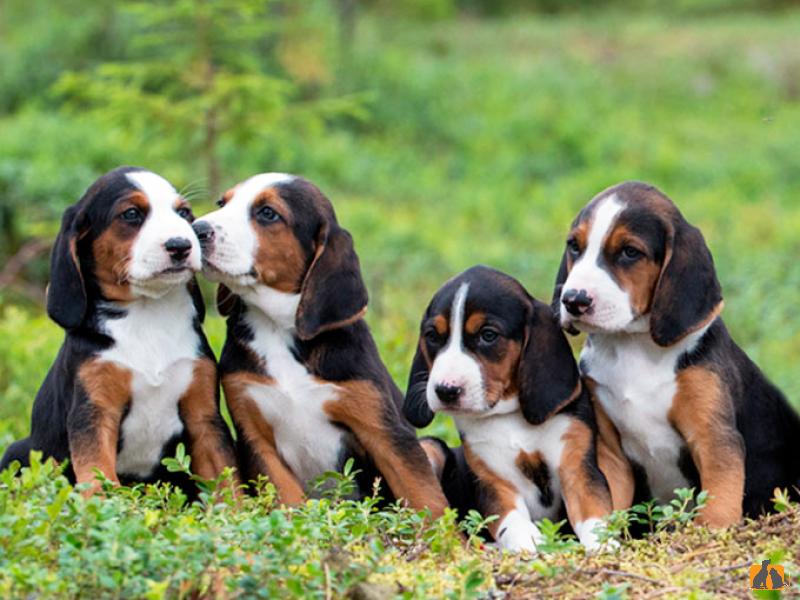
Only cold?
They say that FG is only taken hunting in their homeland after the winter cold has ended.
How to Choose a Puppy
Choosing a Finnish Hound puppy is a responsible process that requires careful consideration and knowledge of specific criteria. This breed is known for its hunting instinct, energy, and friendly nature, so it’s important to select a healthy and promising puppy that will be a great companion and a reliable helper on hunts.
The first step in choosing is to find the right breeder. The breeder’s reputation plays a key role, as the health and proper development of the puppy depend on them. The breeder should provide all necessary documents for the puppies, including pedigrees and veterinary certificates. It’s essential to ensure that the puppy’s parents have undergone the necessary medical examinations and have no hereditary diseases. A reliable breeder will also be ready to answer all your questions and offer conditions for viewing the puppies.
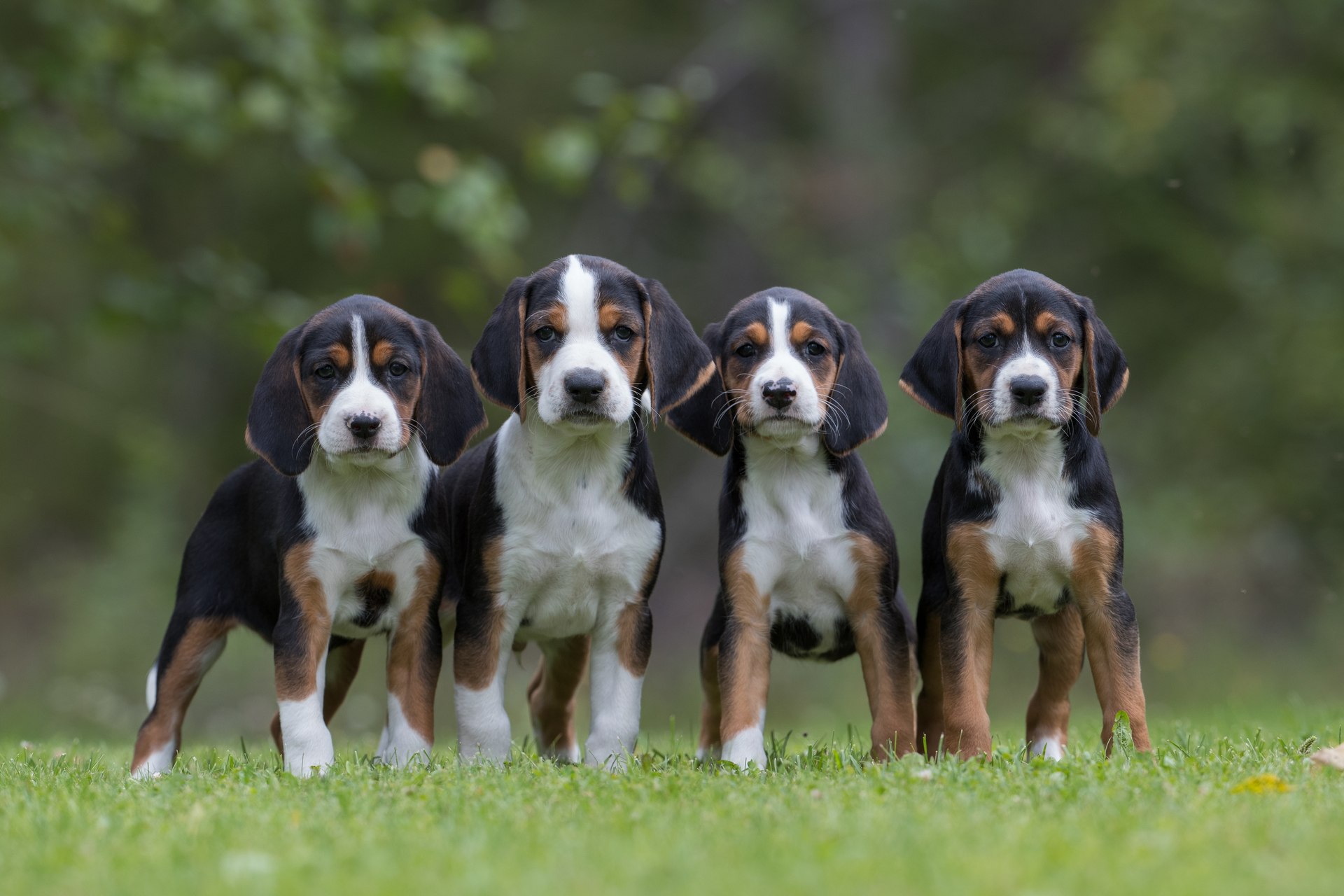
When inspecting the litter, pay close attention to the overall condition of the puppies. Healthy puppies are always active, playful, and curious. Their fur should be shiny, eyes clear with no discharge, and ears clean and odor-free. Puppies should not be apathetic or aggressive. A healthy Finnish Hound puppy always eats with pleasure.
Special attention should be given to the puppy’s character. Finnish Hounds are generally friendly and sociable dogs, but each puppy may have its individual temperament. Observe the puppies’ behavior in the group: choose a puppy that shows interest in people, is not afraid of new objects, and actively explores the surroundings. Avoid puppies that exhibit excessive shyness or aggression, as this may indicate problems with socialization or health.
Another important aspect is checking the puppy’s pedigree. Learn as much as you can about the puppy’s parents and ancestors: their achievements at shows, hunting skills, and health status. This will help you get an idea of the puppy’s genetic potential and potential characteristics. The pedigree may also provide information about breed-specific diseases, helping you be more prepared for possible issues in the future.
When choosing a Finnish Hound puppy, consider your personal preferences and goals. If you want a dog for hunting, choose puppies from working lines that display strong hunting instincts. If you need a companion, select a puppy with a more balanced character that will bring you joy with its company and playfulness. With documents and pedigree available at Zoonik, there’s a wide selection of breeds.
Health and Diseases
One of the most common diseases among Finnish hounds is hip dysplasia. This hereditary condition is characterized by improper development of the hip joint, leading to pain and difficulty in movement. Symptoms include lameness, reluctance to engage in physical activity, and visible pain when walking or standing. Early diagnosis and appropriate treatment, including medication and, in severe cases, surgery, can significantly improve the quality of life for the dog.
Another frequent ailment in Finnish hounds is hypothyroidism, caused by insufficient thyroid function. Symptoms of hypothyroidism include weight gain, lethargy, dry skin and coat, and decreased activity. The diagnosis is confirmed through a blood test, and treatment typically involves lifelong hormone medication.
Ear problems are also common in Finnish hounds, especially due to their susceptibility to ear infections. Often, infections are caused by moisture and dirt entering the ears during active walks and hunting. Regular ear cleaning and prompt treatment at the first signs of infection, such as itching, unpleasant odor, and discharge, can help prevent chronic issues.
Eye diseases, such as progressive retinal atrophy (PRA), can also occur in Finnish hounds. PRA is a hereditary condition that leads to gradual vision loss and can ultimately result in complete blindness. Early diagnosis can slow disease progression, although there is no complete cure. Regularly check your dog’s vision with a veterinarian and monitor any changes in behavior to catch vision problems early.
Epilepsy is a neurological disorder characterized by periodic seizures. The causes can be both genetic and acquired. At the first signs of seizures, it is crucial to visit a veterinarian for an examination and the prescription of anticonvulsant medications.
They may also suffer from allergies caused by various factors such as food, pollen, or insect bites. Symptoms include itching, skin discoloration, hair loss, and digestive issues.
Содержание
-
1. Описание породы
-
2. Внешний вид
- 2.1 Голова
- 2.2 Морда
- 2.3 Уши
- 2.4 Глаза
- 2.5 Зубы
- 2.6 Корпус
- 2.7 Конечности
- 2.8 Хвост
- 2.9 Шерсть
- 2.10 Окрас
-
3. Характер
-
4. Содержание и уход
-
5. Дрессировка и обучение
-
6. Как выбрать котенка
-
7. Здоровье и болезни






Comments
Only registered users can leave reviews.
Enter