
Estonian Hound




Warning: Illegal string offset 'label' in /home/panda/sites/zoonika/wp-content/themes/zoonika/template-parts/animals/animals-param-item.php on line 32
Ð


Breed Description
The Estonian Hound has an interesting and rich history that dates back to the 1920s. During this time, Estonia began actively breeding hunting dogs, aiming to create a breed perfectly adapted for local conditions and the hunting of small game like hares and foxes.
The ancestors of the Estonian Hound included various European hound breeds. Breeds such as the English Foxhound, Swiss Hound, and Finnish Hound were involved in the breeding process. These breeds were chosen deliberately: each possessed special traits that Estonian breeders aimed to inherit and improve upon. The Foxhound was known for its endurance and ability to pursue for long distances, the Swiss Hound was famous for its keen sense of smell and voice, while the Finnish Hound excelled in hunting skills and adaptability to harsh climatic conditions.
In the creation of the Estonian Hound, particular attention was paid not only to hunting qualities but also to the appearance and behavior of the dogs. It was important to obtain a medium-sized dog with good physical attributes and a stable temperament. Estonian breeders sought to create a breed that would be versatile for various types of hunting while remaining friendly and obedient in family settings.
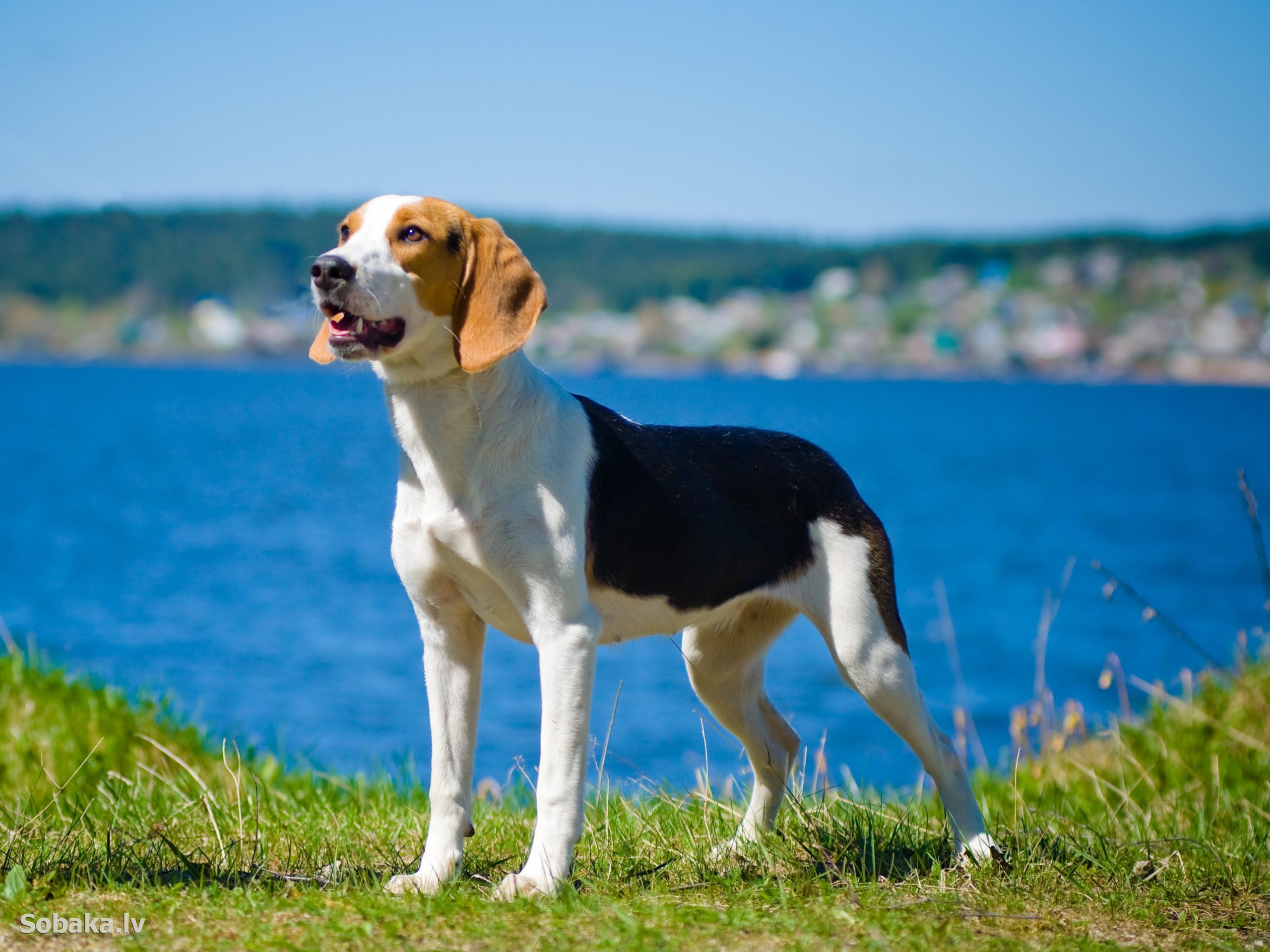
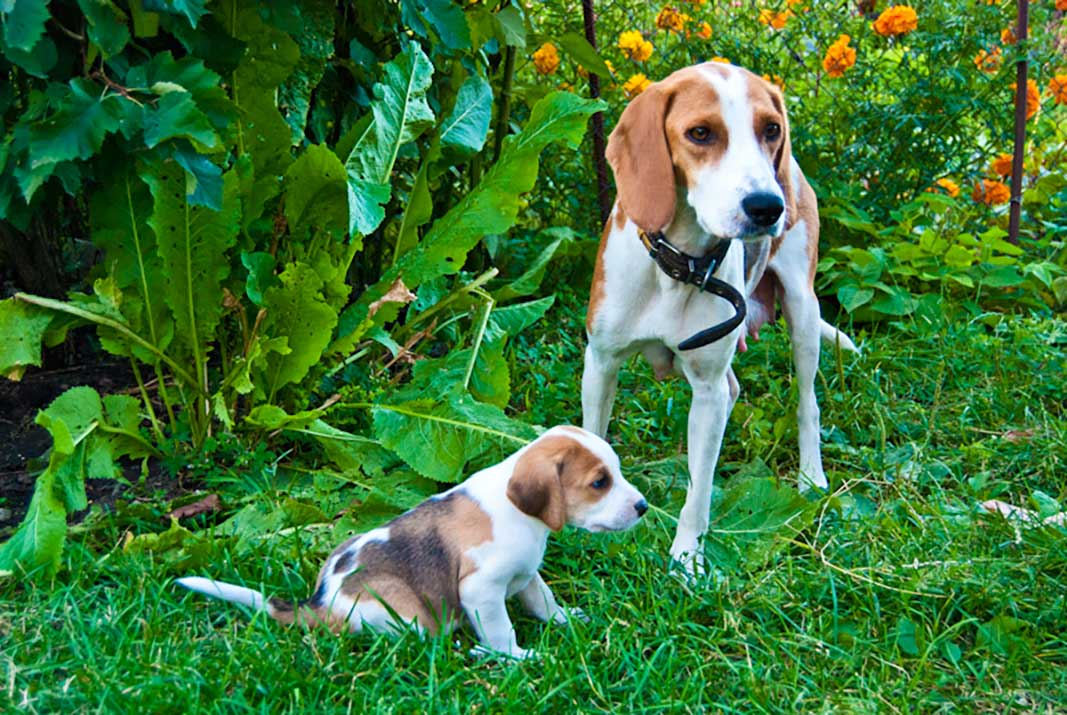
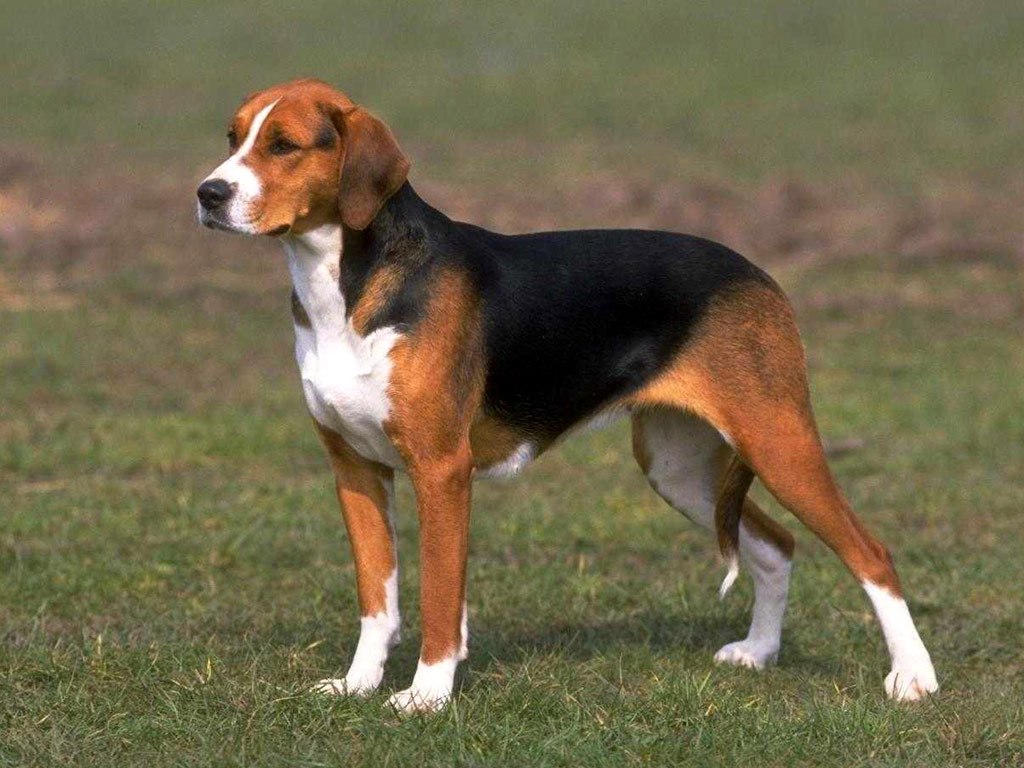
In 1954, the Estonian Hound was officially recognized as a breed. This was a significant step in the breed’s development, as it established a single standard to be followed in breeding. According to the standard, the Estonian Hound should be medium-sized, with a robust build, long ears, and expressive eyes. The coat is short and dense, with colors varying from black and tan to shades of red and white with spots.
The Estonian Hound specializes in hunting small to medium game. With its excellent sense of smell and endurance, it can track prey over long distances without losing the scent. Its loud and melodic bark allows hunters to track the dog’s movements and know when it has caught up to the game. Additionally, the Estonian Hound performs well in finding injured animals, making it invaluable during hunts.
Today, the Estonian Hound remains a popular breed among hunters, especially in the Baltic and Scandinavian countries. Puppies of this breed typically range from 500 to 1000 euros, depending on pedigree, parental achievements, and living conditions. Purchasing a puppy of this breed is an investment not only in a great hunter but also in a loyal companion for many years.The Estonian Hound continues to evolve and improve. Modern breeders strive to maintain the breed’s best qualities while enhancing its working characteristics and adapting it to changing conditions. As a result, the Estonian Hound remains one of the most versatile and reliable hound breeds, capable of bringing joy to its owners while successfully fulfilling its hunting duties.
Appearance
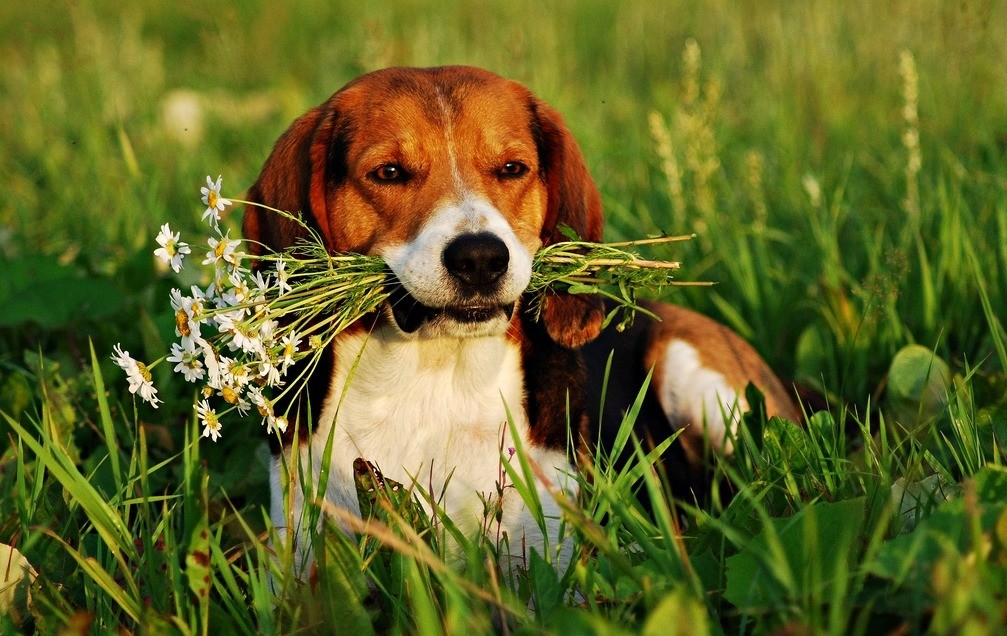
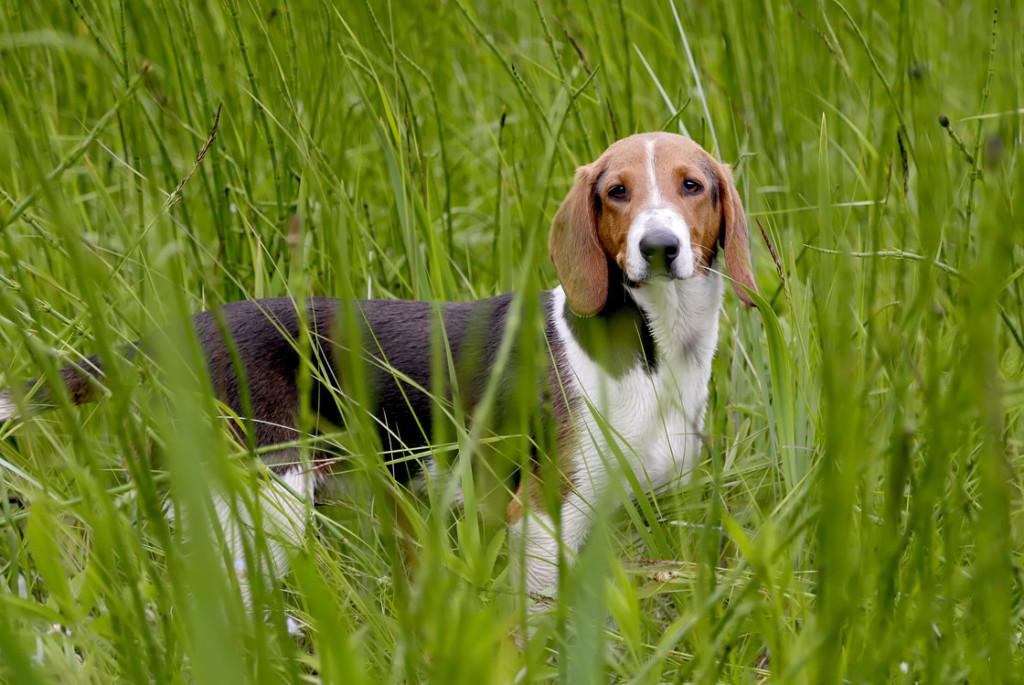
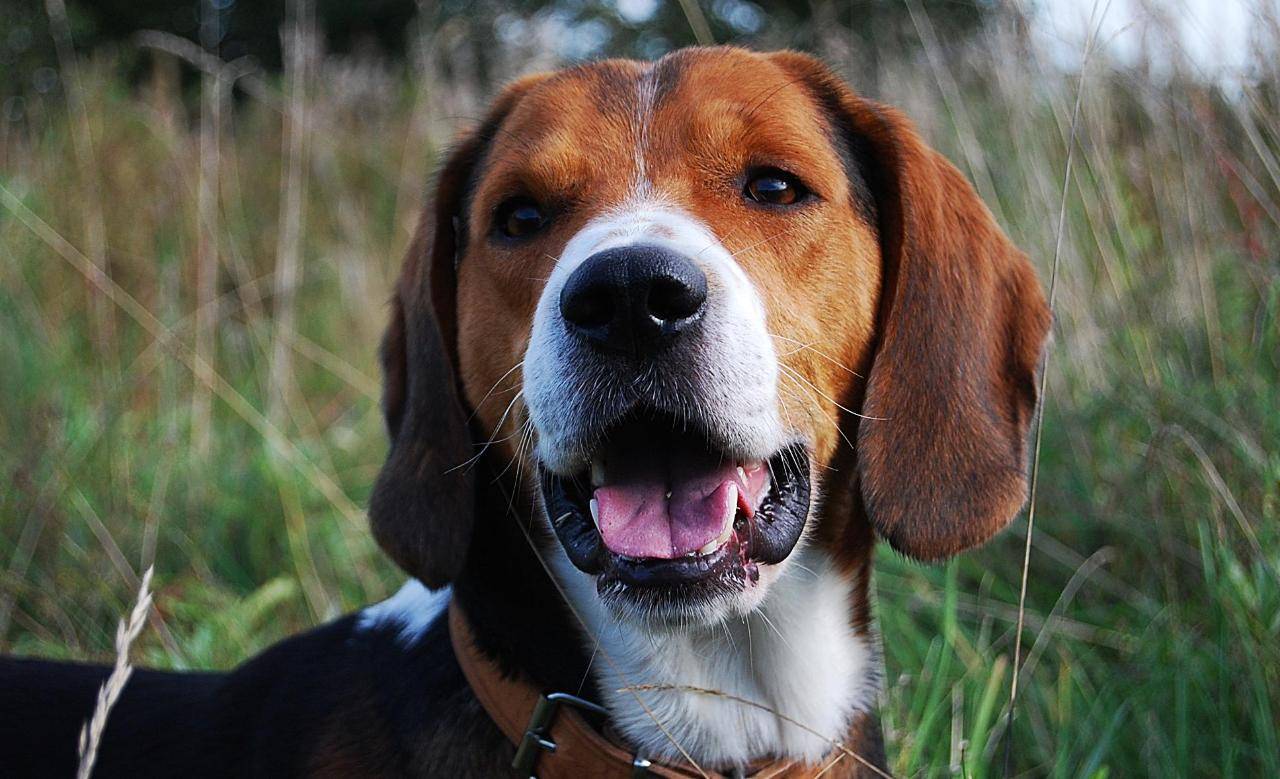
Estonian Hounds are a breed distinguished by their appealing and harmonious appearance. These dogs immediately attract attention with their elegance and endurance. Males typically stand 45-52 cm at the withers, while females measure 42-49 cm. Males weigh between 15-20 kg, and females range from 13-18 kg.
Estonian Hounds possess not only an attractive exterior but also excellent physical condition. Their appearance combines strength, endurance, and elegance, making these dogs ideal for both hunting and an active family lifestyle. They radiate confidence and calmness, which, along with their physical attributes, makes them wonderful companions.
Estonian Hounds are not only superb hunters but also fantastic companions. Their adaptability to various living conditions makes them versatile pets. They thrive equally well in a country house with a large area for running or in a city apartment, provided their owner gives them enough attention and ensures they get the necessary activity.
They boast strong health and a long lifespan, making them an excellent choice for those seeking a loyal and reliable friend for many years. Their innate resilience and vivacity create an atmosphere of joy and energy in any home. Estonian Hounds are dogs that bring joy and activity into their owners’ lives, becoming an integral part of the family.


Отличительные черты

Голова

Морда

Уши

Глаза

Зубы

Корпус

Конечности

Хвост

Шерсть

Окрас
Character
The Estonian hound is a breed that stands out not only for its exceptional hunting skills but also for its unique character. These dogs possess vivid personality traits that make them not only great hunters but also loyal, devoted companions.
First and foremost, the friendliness of Estonian hounds should be noted. They are extremely sociable and easily find common ground with people and other animals. This trait makes them excellent family pets that get along well with children and can coexist with other household pets. Due to their good-natured temperament, Estonian hounds rarely show aggression, making them safe for families.
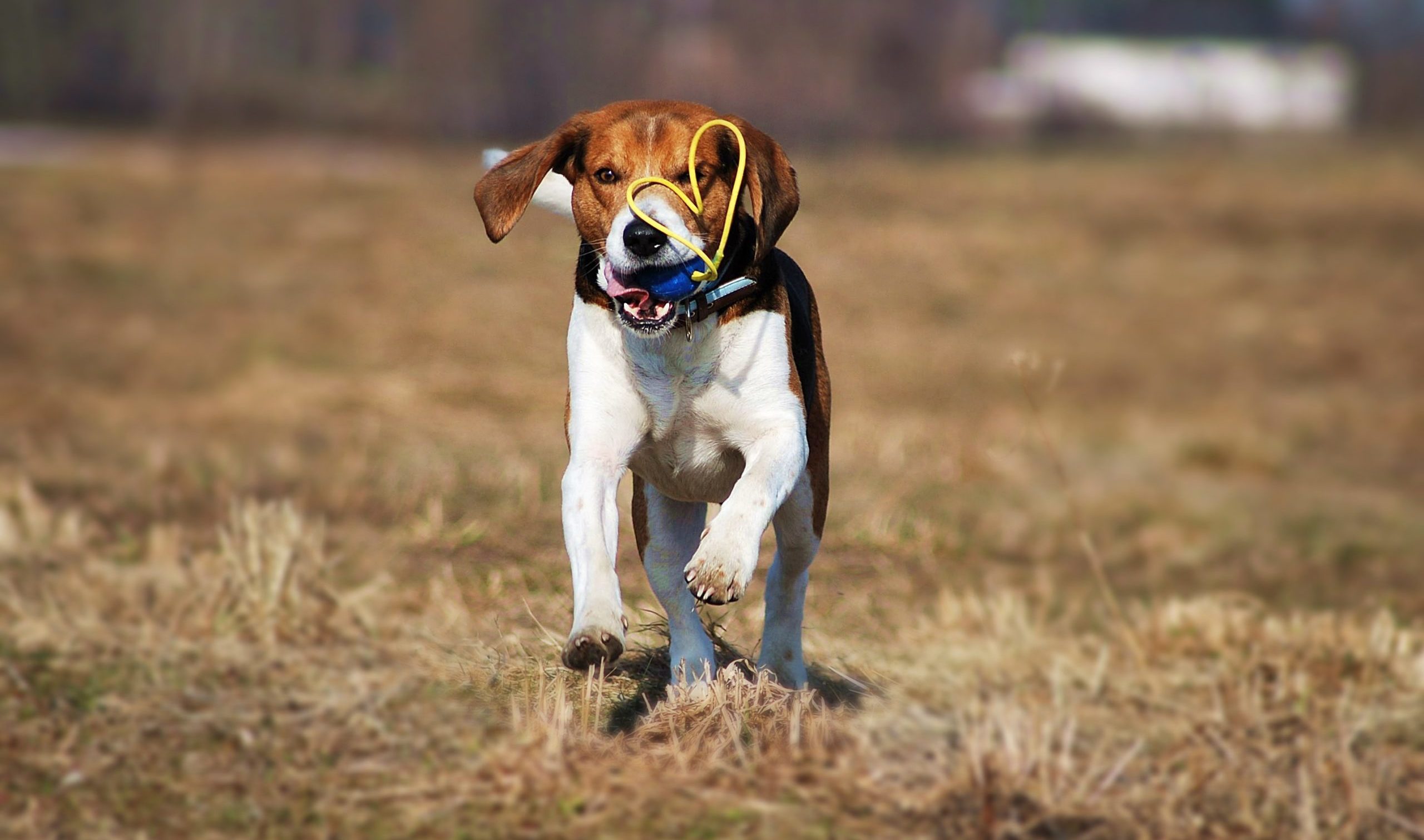
Estonian hounds are known for their energy and activity. These dogs require plenty of physical exercise and space for active play. They enjoy running, jumping, and participating in various physically engaging activities. Therefore, owners of these dogs should be prepared for long walks and active games. Regular physical activity is essential to maintain the physical and emotional health of the Estonian hound.
Despite their energy, Estonian hounds have a balanced and calm character. In a home environment, they behave quietly and are not prone to destructive behaviors if they receive enough physical exercise. These dogs know how to relax and enjoy the comforts of home, making them ideal pets for those seeking a balance between activity and tranquility.
One key trait of Estonian hounds is their loyalty. They form strong attachments to their owners and are willing to follow them everywhere. This loyalty makes them great companions who are always ready to support their person. Estonian hounds strive to please their owners, which facilitates the training and teaching process.
These dogs possess a high level of intelligence and curiosity. They quickly learn new commands and rules, making them trainable and obedient. However, due to their independence and natural hunting instincts, the Estonian hound may also display some autonomy. This quality requires the owner to be patient and consistent in training to establish clear boundaries and rules of behavior.Estonian hounds are also known for their keen sense of smell and excellent hunting skills. They have an innate ability to track game and work with great enthusiasm and determination. These qualities make them indispensable in hunting, where they demonstrate outstanding endurance and stamina. Estonian hounds can operate in various conditions and handle a range of tasks, making them versatile hunting dogs.Despite their hunting roots, Estonian hounds adapt well to urban life. They calmly accept the noise and hustle of the city, as long as they have the opportunity for regular physical exercise. These dogs enjoy being the center of attention and participating in family activities, making them excellent companions for active individuals who can provide them with the necessary activity and attention.Int
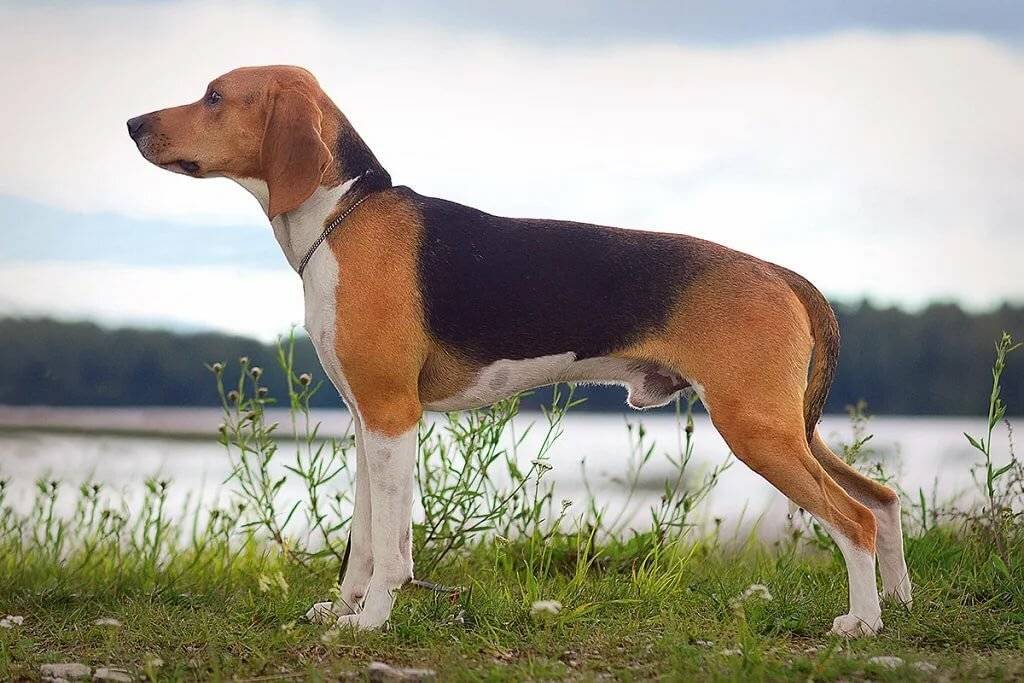
Эстония или Туманный Альбион?
The Estonian Hound is a national symbol of Estonia, although its appearance is similar to that of the British Beagle.Care and Maintenance
The Estonian Hound is a breed that requires special care and attention to maintain its health, well-being, and active lifestyle. These dogs have a unique character and need a specific approach to their care. Here are five key recommendations to help you create optimal conditions for your Estonian Hound.
Estonian Hounds are energetic and active dogs that need regular physical exercise. Bred for hunting and pursuing game, they require plenty of movement to keep fit and maintain their mental health. Daily long walks, runs, and outdoor play should be an integral part of their routine. It is beneficial to organize activities that stimulate their natural instincts, such as searching for objects or tracking scents.
Lack of physical activity can lead to destructive behavior and various behavioral problems. Keep in mind that this breed requires both physical and mental stimulation. Teaching new commands and engaging in games that develop intelligence will help keep your dog active and happy.
Proper nutrition is crucial for your Estonian Hound’s health and longevity. It’s important to provide a balanced diet rich in essential vitamins and minerals, considering your dog’s age, weight, activity level, and individual characteristics.
It is recommended to use high-quality feeds designed for active breeds. You may also add natural foods to their diet, such as lean meats, fish, vegetables, and fruits. Monitor their food intake to avoid obesity, which can negatively impact their health.
Don’t forget the importance of constant access to fresh water. Water should be clean and available at all times, especially after vigorous play and walks.Estonian Hounds have short, dense coats that require minimal care. Regular brushing will help keep the coat in good condition, preventing matting and removing dead hair. It’s advisable to brush your dog once a week, especially during shedding periods when their coat changes most intensively.Additionally, pay attention to the condition of the skin. Clean and healthy skin is essential to avoid various dermatological issues. Regularly check the skin for irritations, parasites, or wounds. Use flea and tick treatments, especially in warmer weather when parasite activity increases.Oral hygiene is an important aspect of caring for an Estonian Hound. The dog’s teeth should be clean and healthy, so regular brushing with dog-specific toothpaste is recommended. This will help prevent tartar buildup and gum disease. In addition to brushing, you can use special chew toys and treats that promote dental cleaning.Nails also require attention. If the dog doesn’t naturally wear down its nails during walks and pl
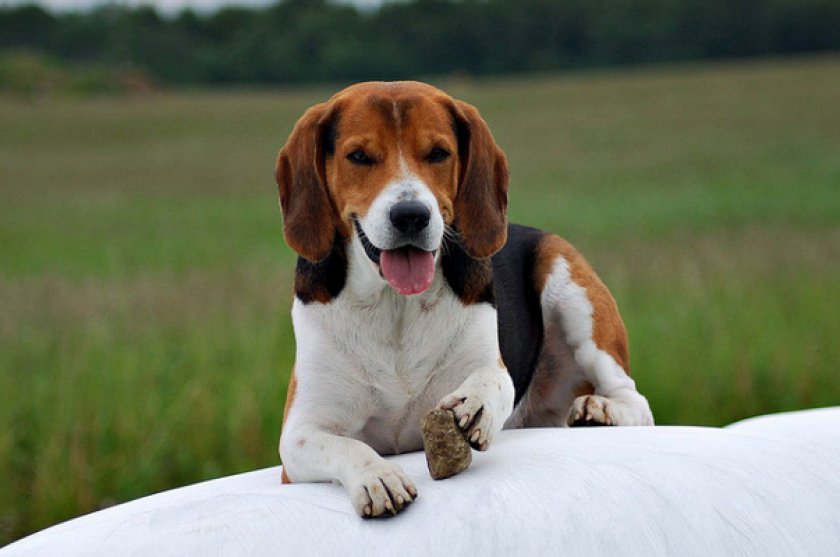
Very skilled hunter!
The abilities of Estonian hounds are so impressive that with some dedication from the owner, they can take such a companion hunting by the age of 10 months.Training and Education
The upbringing and training of Estonian Hounds require special attention and approach. These dogs are known for their intelligence, energy, and hunting instincts, making the learning process engaging and exciting. Proper upbringing and training will help you raise a well-behaved, balanced, and loyal companion.
Training an Estonian Hound should start at a very early age. Puppies of this breed are highly receptive to learning and quickly grasp new commands. Initial sessions should be short but frequent to avoid overwhelming the puppy and to maintain its interest. Basic commands, such as “sit,” “lie down,” “come,” and “place,” should be introduced gradually, rewarding the dog with treats and praise.
One of the key aspects of raising an Estonian Hound is socialization. These dogs should get used to different people, animals, and situations from an early age. Gradual exposure to new surroundings and experiences will help the dog become confident and calm. It’s important to provide the puppy with positive interactions to prevent the development of fears and aggression in the future.
Estonian Hounds respond well to positive reinforcement techniques. Use treats, toys, and praise to encourage good behavior. This approach helps establish a trusting relationship between the dog and the owner, making the training process more effective and enjoyable for both. Punishments and harshness are not recommended, as they can cause fear and distrust in the dog.
Success in training an Estonian Hound depends on consistency and regularity in sessions. Dogs of this breed thrive on clarity and stability in rules. Set clear commands and stick to them, so the dog understands what is expected. Regular training will reinforce learned skills and prevent the forgetting of commands.
Estonian Hounds need a lot of physical activity. Long walks, runs, and outdoor play are essential for maintaining the dog’s physical health and mental well-being. Moreover, these dogs have high intelligence and require mental stimulation. Activities such as scent games, puzzles, and obedience tasks will satisfy their need for mental engagement.Estonian Hounds are natural hunters, and their instincts may manifest in everyday life. It is important to teach the dog to control its instincts and respond to the owner’s commands. Working on obedience during walks, training to return on command even amid distractions, and using a leash in the initial stages will help address these challenges.If you lack sufficient experience in dog training, it’s helpful to seek assistance from a professional dog trainer. An experienced trainer can create a personalized training program for your dog, taking into account its unique traits and needs. Professional sessions will help you achieve desired results faster and build a strong bond with your pet.It’s essential to encourage not only the execution of commands but also any positive behavior. This will help the dog understand whic
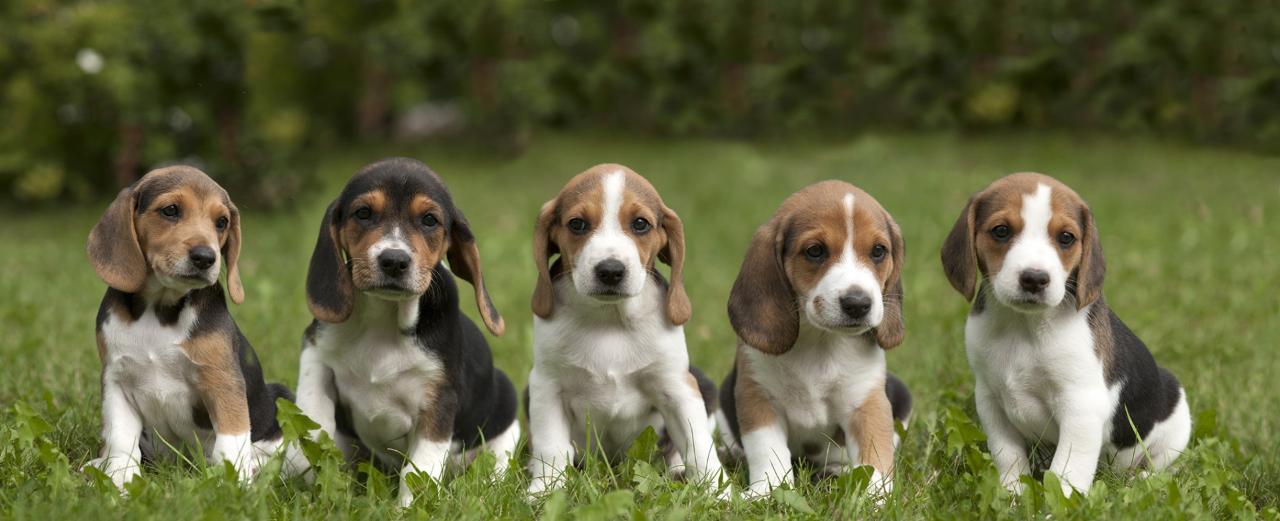
Size doesn't matter.
Despite the fact that the specialty of Estonian Hounds is small game, they have so much courage that they do not shy away even in front of a boar.
How to Choose a Puppy
Choosing an Estonian Hound puppy is a responsible step that requires careful consideration. First, define your goals: are you looking for a hunting dog or a family companion? Pay attention to the health of the puppy’s parents. The breeder’s reputation matters – they should provide information about vaccinations and the conditions in which the puppies are raised. The best place to buy is a specialized kennel that breeds the breed.
Visit the kennel in person. Evaluate the conditions in which the puppies are kept, their activity levels, and behavior. A healthy puppy should be playful, curious, have a shiny coat, and clear eyes. Observe the social behavior of the puppies; they should be friendly and not show signs of aggression or fear.
It’s important to choose a puppy that matches your expectations regarding temperament. If you need an active dog for hunting, select a more energetic puppy. If you’re looking for a calm companion, focus on a balanced little one.
Spend some time with each puppy to understand which one suits you best. Your intuition also plays a role. Remember, choosing a puppy is the beginning of a long and strong relationship. Want a purebred pet? You can find one with paperwork from trusted breeders at Zooinka.
Health and Diseases
Estonian Hounds, like any other breed, have certain characteristics in their immune system that should be considered when caring for them. Overall, these dogs are known for their robust health and endurance; however, there are several aspects related to their immunity and predisposition to certain diseases that every owner should be aware of.
Although Estonian Hounds are considered a healthy breed, they have a predisposition to some conditions:
– Hip dysplasia. This genetic disorder is often seen in large and active dogs. It leads to improper development of the hip joints, causing pain and mobility issues. Regular veterinary check-ups and maintaining an optimal weight can help reduce the risk of this condition.
– Hypothyroidism. This condition is associated with insufficient production of thyroid hormones. Symptoms include weight gain, lethargy, and skin and coat problems. Treatment typically involves hormone medication and regular blood tests to monitor hormone levels.
– Food allergies. Estonian Hounds may suffer from food allergies that manifest as itching, skin rashes, and digestive issues. It is important to closely monitor the dog’s diet and implement a special diet if necessary.
– Ear infections. Due to the structure of their ears, Estonian Hounds may be prone to inflammatory processes in the ears. Regular ear cleaning and monitoring their condition can help prevent this issue.Thinking about it? There is a huge selection of ads on the map by cities on Zoopark.
Содержание
-
1. Описание породы
-
2. Внешний вид
- 2.1 Голова
- 2.2 Морда
- 2.3 Уши
- 2.4 Глаза
- 2.5 Зубы
- 2.6 Корпус
- 2.7 Конечности
- 2.8 Хвост
- 2.9 Шерсть
- 2.10 Окрас
-
3. Характер
-
4. Содержание и уход
-
5. Дрессировка и обучение
-
6. Как выбрать котенка
-
7. Здоровье и болезни





Comments
Only registered users can leave reviews.
Enter