
English Foxhound






Warning: Illegal string offset 'label' in /home/panda/sites/zoonika/wp-content/themes/zoonika/template-parts/animals/animals-param-item.php on line 32
Ð


Breed Description
The UK is home to many hunting breeds known worldwide. Among this vast number, hounds hold a worthy place. They were highly sought after in the 13th to 17th centuries when the nobility indulged in fox hunting. Packs of hounds, accompanied by horsemen, would chase a wounded or healthy animal until it fell exhausted. This could be a deer or a boar, but as the country developed, forests became scarcer while small predators did not decrease. Nobility began to focus on foxes, which were often hunted by poachers with various breeds of terriers.
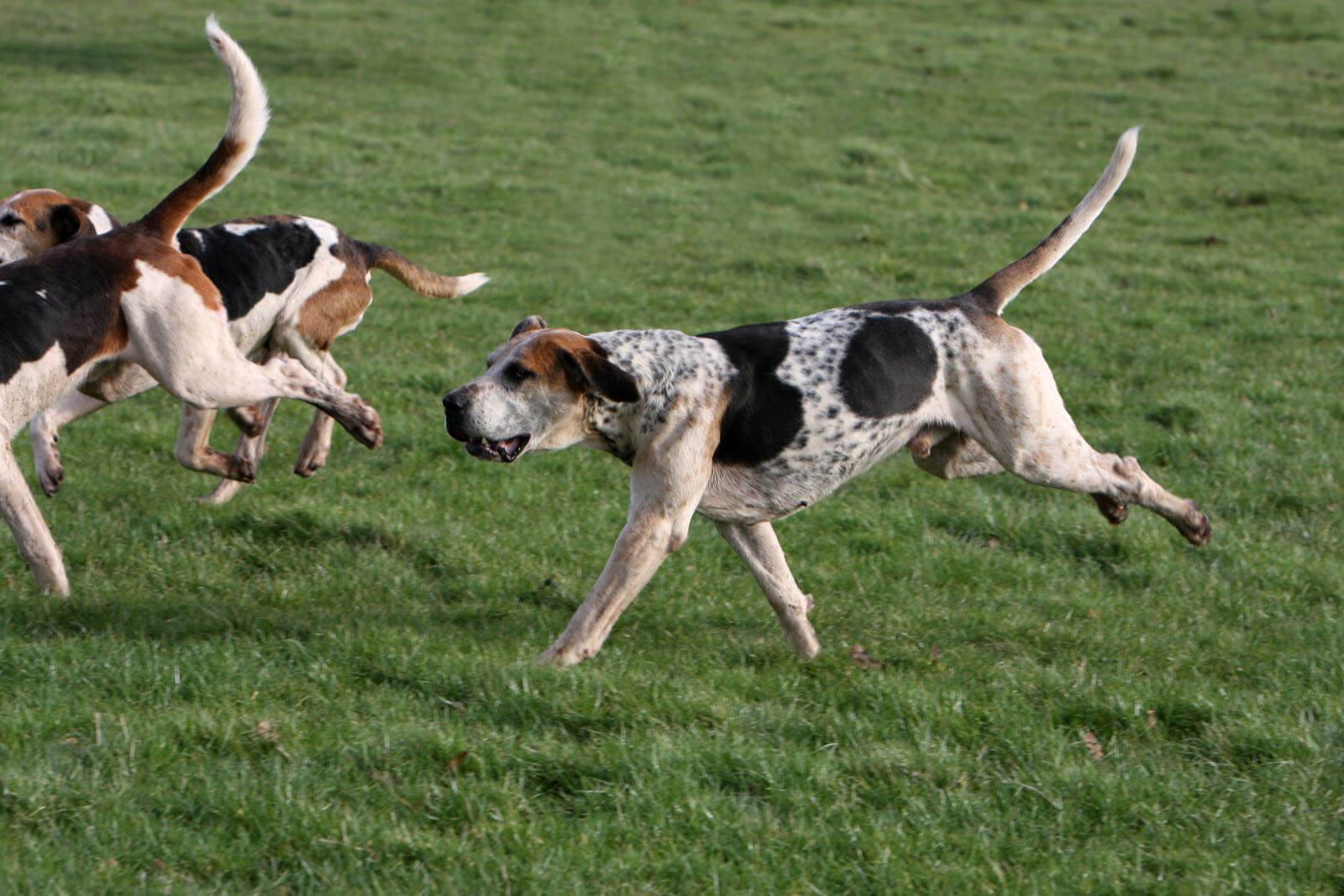
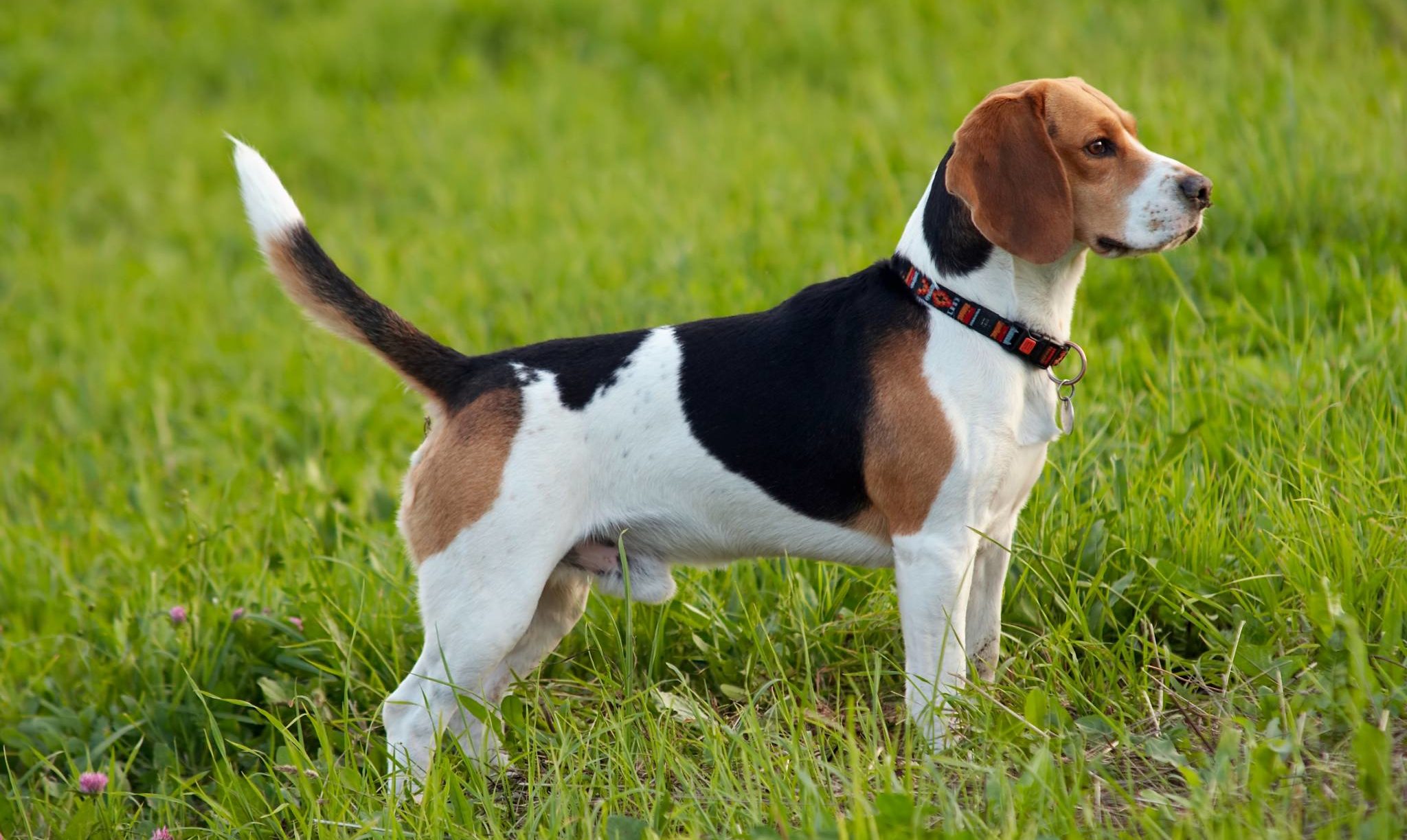
Since then, fox hunting has focused on badgers and foxes. Notable contributions to this pursuit were made by the Beagle and Foxhound (also known as the “fox runner,” from the English words fox and hound). Foxhounds are capable of long runs across various landscapes, with pursuit speeds sometimes exceeding 40-45 km/h, and even reaching up to 51 km/h. This pace is the result of selecting the fastest and most resilient dogs during breeding. Similar breeds, such as Beagle-Harrier and Harrier-Modern, were also widely used.
Today, the English Foxhound is rightly considered the most popular breed among all hunting dogs. However, it is also one of the rarest. Tracing its history back to the 1600s is impossible. It is presumed that among its ancestors are the now-extinct Talbots. Yet, it is certain that modern Foxhounds from Albion are the result of crossbreeding large hounds with keen senses and swift sighthounds.
As was common in those times, owners paid little attention to pedigree books, and documentation of mating decisions was of no interest. What mattered most was obtaining a working dog with excellent characteristics. From county to county, Foxhounds had prevailing traits that noticeably differed from each other in color, chest size, height at the withers, weight, and so on.
It was only in 1786 that the first stud book was established. This was despite the fact that by that time, the Foxhounds of England were already known in neighboring France, where they were used not only for hunting but also for developing local hunting dogs. The American Kennel Club recognized the breed in 1906.
There is an opinion that the blood of these swift hunters flows with French lineage, but the English regard them as an inherently English breed and reject all insinuations in this regard. Of course, there is much to be proud of, even though the sense of smell in Foxhounds has always taken a back seat to speed and endurance.
Appearance
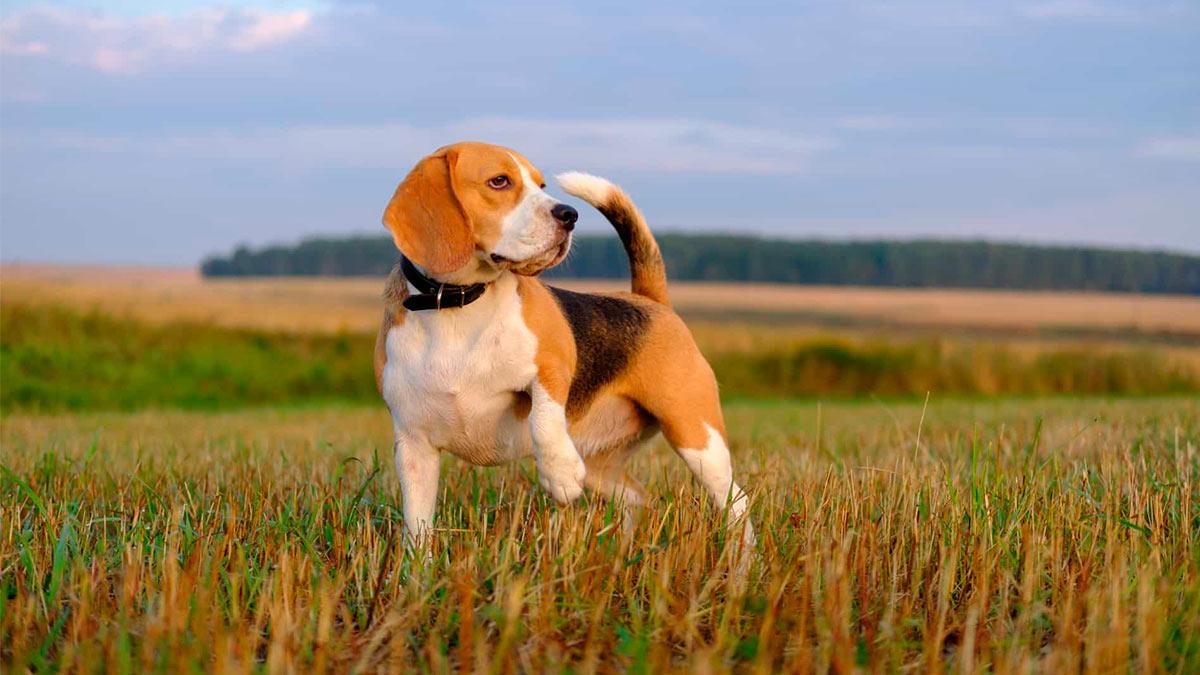
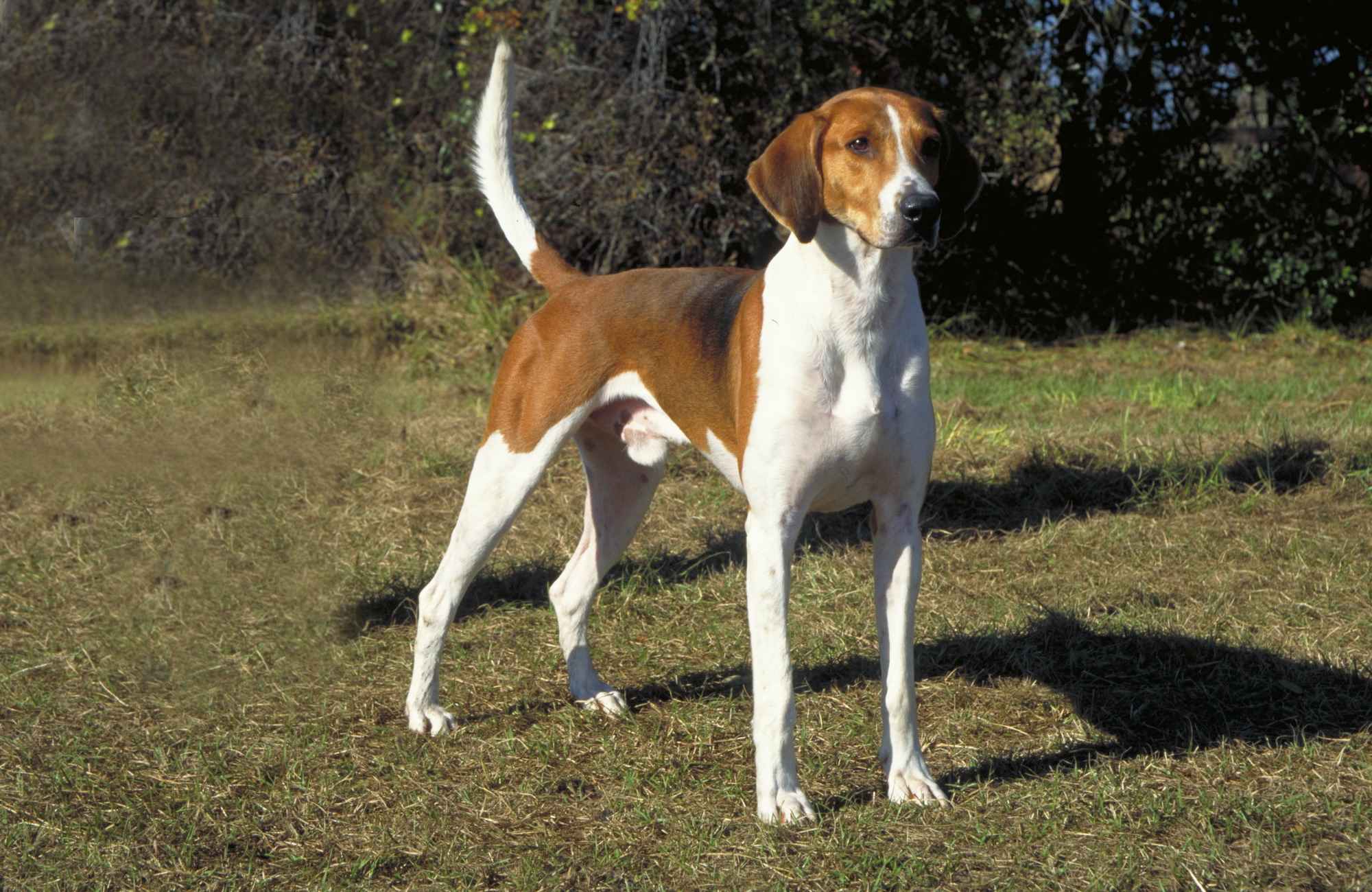
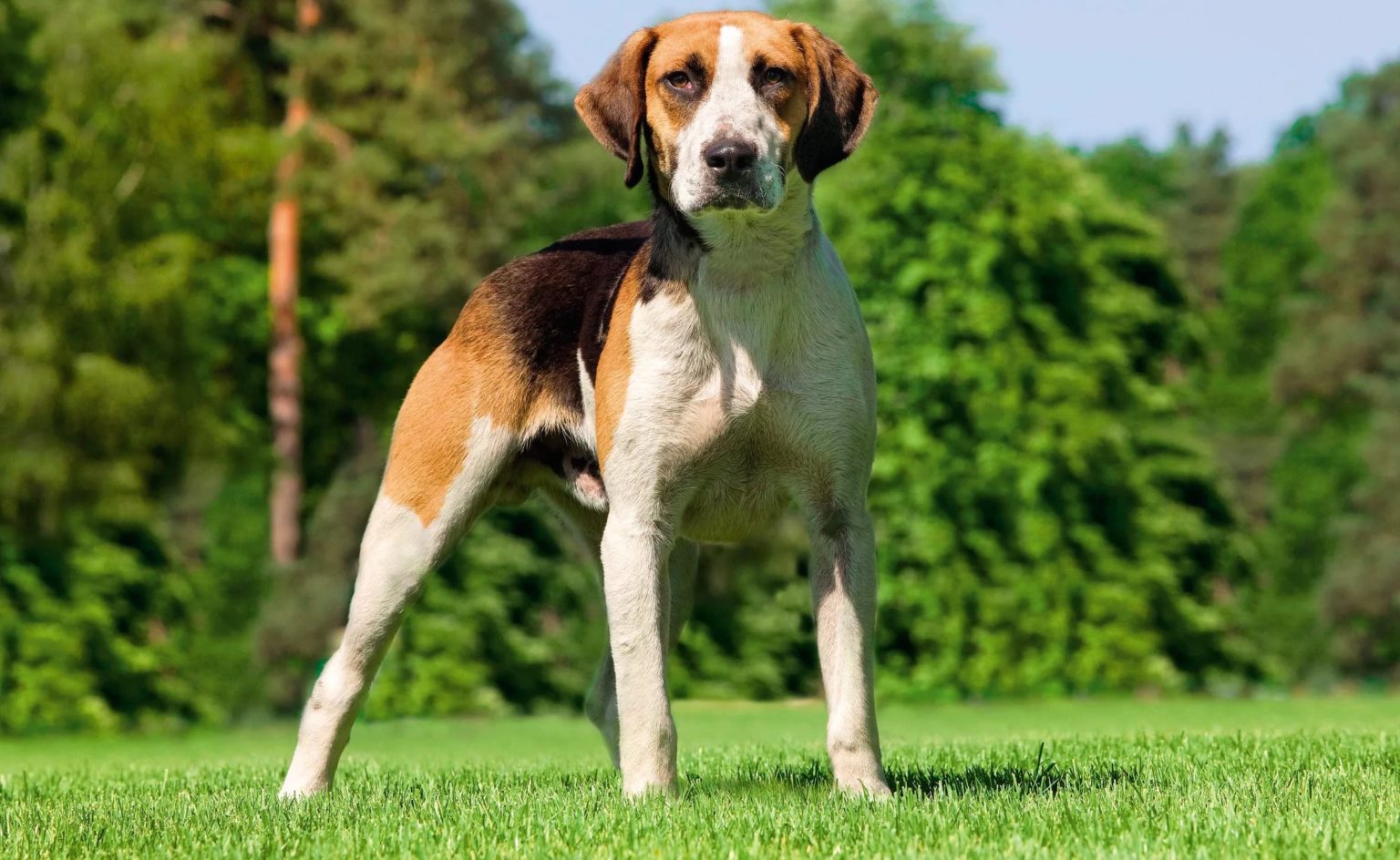
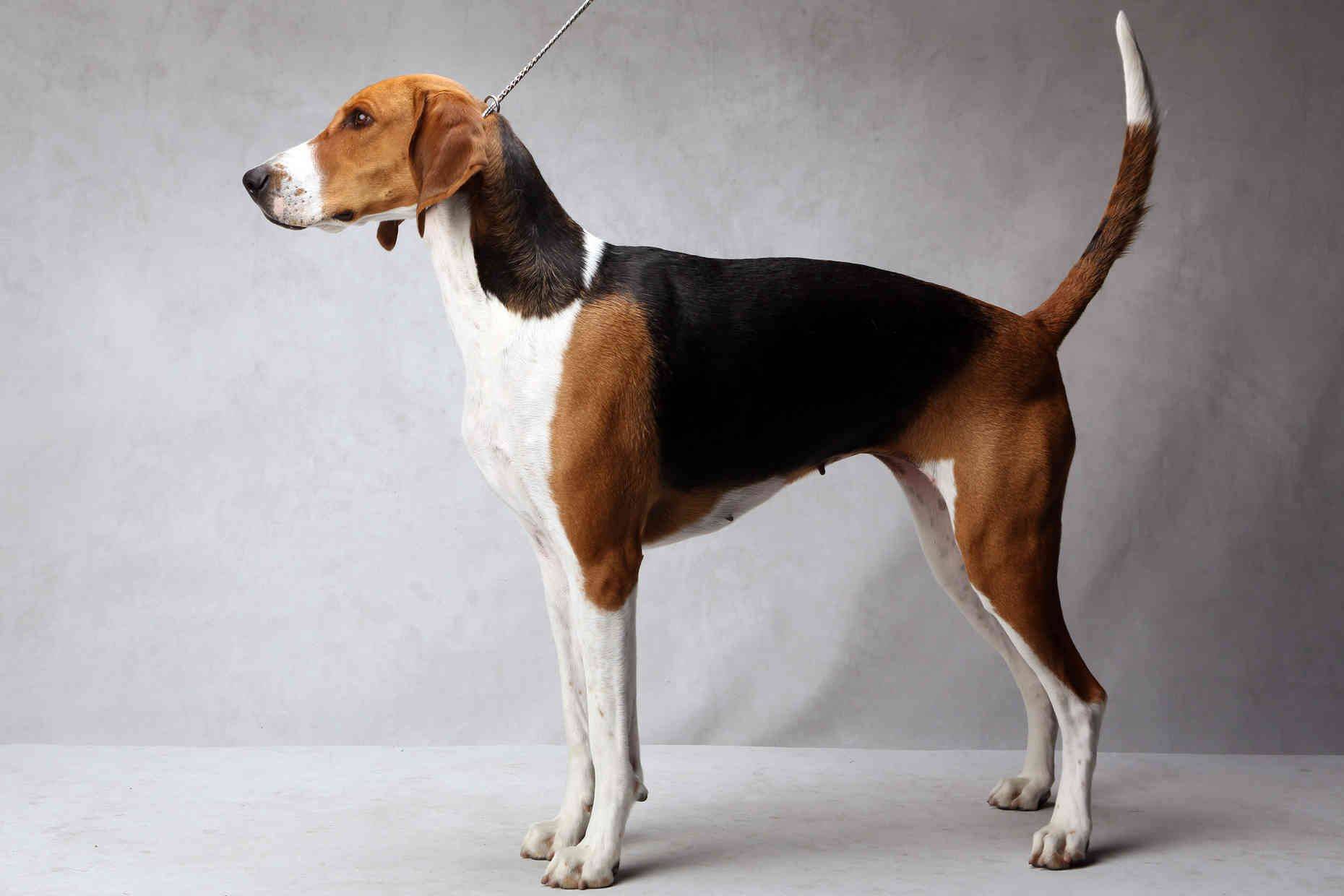
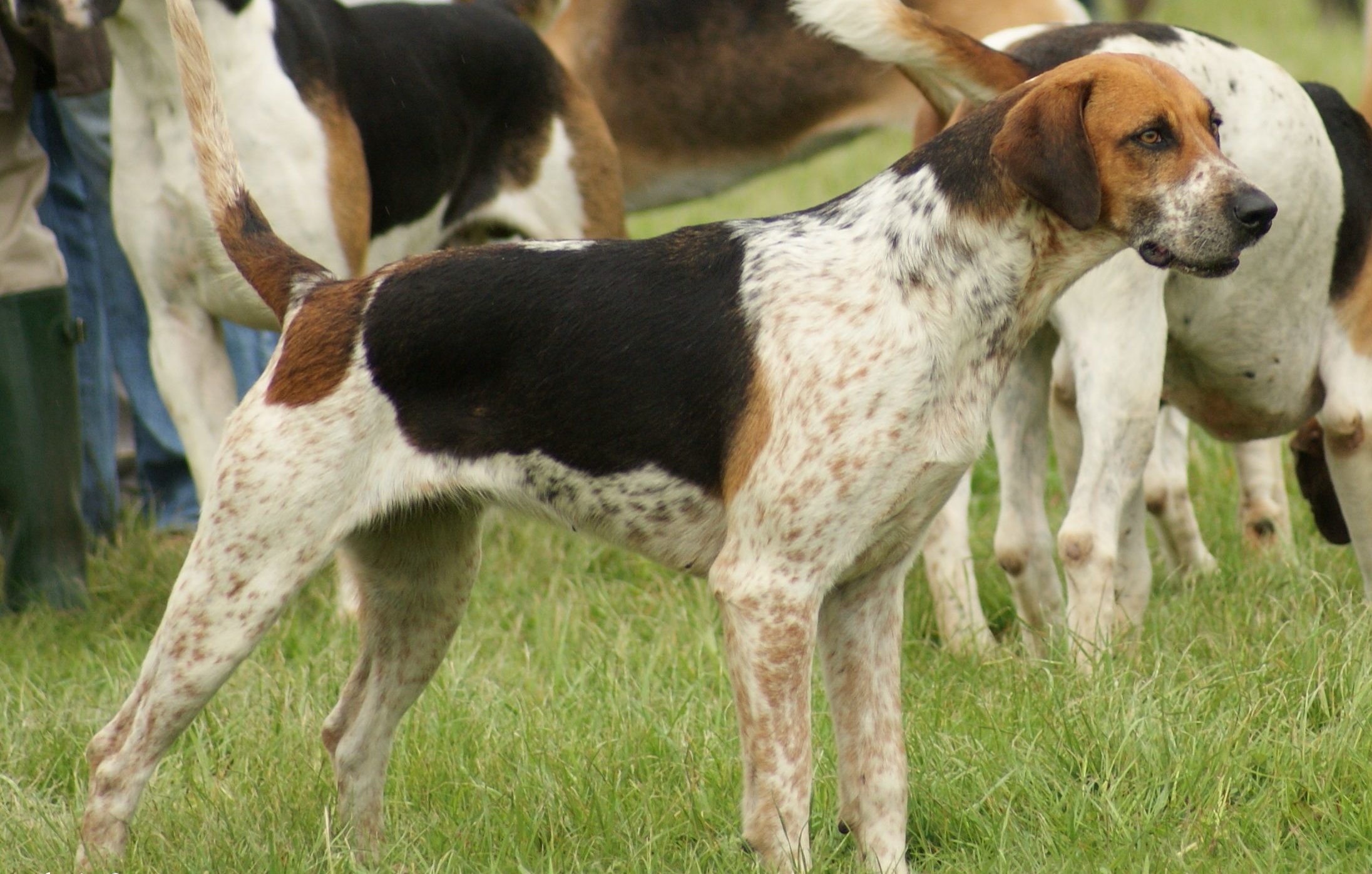
Such remarkable hunters as the English Foxhounds do not possess a distinctly athletic physique. They are rather lean, like all distance runners, rather than muscular like bull terriers. The relatively wide head with an elongated muzzle and dark eyes with a penetrating gaze instantly charm and win hearts. The drooping ears are set slightly low, emphasizing the breed’s “sportiness.”
The height at the withers for a Foxhound is about 51 – 61 cm, which can create challenges for keeping them in an urban apartment. Male and female dogs vary significantly in size. Their weight is also considerable, ranging from approximately 32 – 34 kg.
The health of the runners is also excellent, which contributes to an average lifespan of 12 to 14 years.
In general, the Foxhound embodies stability and utility. Gentle and loyal, they have a friendly temperament, making them some of the best family companions capable of bringing joy and kindness to all family members.
Today, there are four varieties of Foxhounds: the field type, which is the fastest; the hunting type, known for their loud barking when pursuing their red prey; the “athletes,” who often excel in coursing competitions; and the pack type, which is the most sociable, used for driving foxes in groups of 15 to 20 dogs.


Отличительные черты

Голова

Морда

Уши

Глаза

Зубы

Корпус

Конечности

Хвост

Шерсть

Окрас
Character
Especially resilient, possessing an innate hunting instinct, and at the same time affectionate, cheerful, and friendly – this is the English Foxhound. Notably, the American Foxhound has a harsher temperament than its English counterpart.
Very sociable dogs have proven themselves well in relation to their peers and always find worthy companions among like-minded individuals in dog parks. They are even willing to get along with cats, but only if they grew up around them. Any stray cat is a potential prey.
Without physical activity, life holds no interest, so daily runs or bike rides will always be met with loud, joyful barking. Thus, the owner will inevitably become a supporter of a healthy lifestyle when an English Foxhound comes into their home. After a bit of rest, the four-legged runner is ready for new records – that’s just in their nature.
Speaking of the Foxhound’s records, they absolutely love participating in lure coursing (races after a lure, usually a mechanical hare), but this requires special dog gear. They often take part in rally obedience competitions (a relatively new direction for dogs of any skill level), as well as basic obedience training, and they perform quite successfully in obedience tests.
With its nose to the wind, the dog can get captivated by a scent and follow the trail, forgetting everything else in the world. This fact often leads to their disappearance – it’s something to consider when letting the dog off the leash. GPS collars have proven quite effective, allowing the owner to track their pet’s location at all times.
An energetic companion is too kind and cheerful to serve as a guard or watchdog. Approaching a stranger with slight caution, the good-natured animal quickly finds almost a friend in them and shows not a hint of wariness.The lack of aggression is an excellent trait for families with children. The fun will be endless, as will the order in the house. Therefore, it’s crucial to teach them proper interaction with the dog and establish boundaries. If this recommendation is ignored, their joint play will turn the entire house upside down.Among the main downsides that can lead to disqualification are excessive timidity and bursts of aggression.
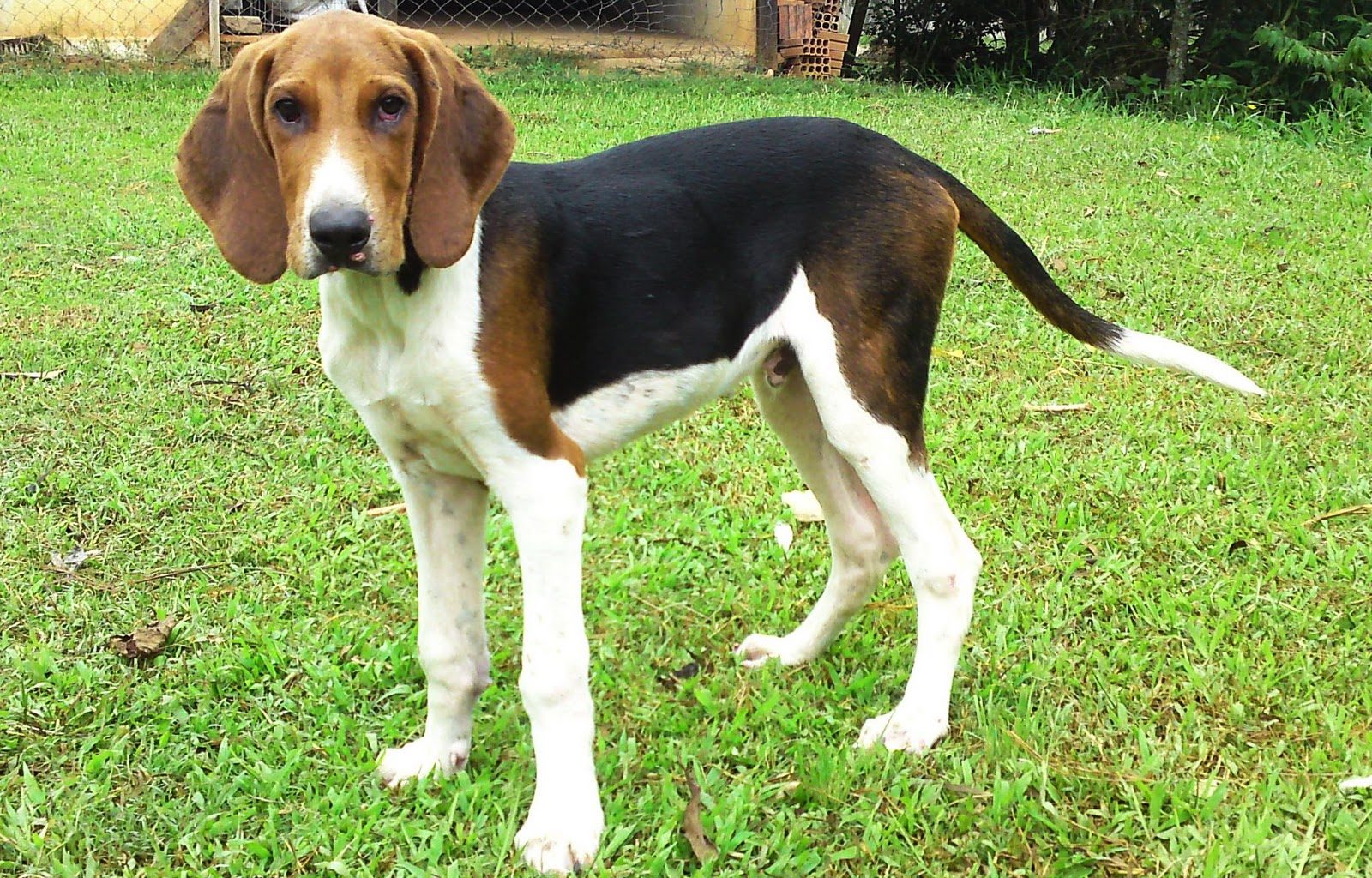
Foxhound
The Foxhound is the second name for the English Basset Hound. Dogs of this breed were primarily used for hunting foxes. However, French hunters often use Foxhounds for hunting deer and wild boars.Care and Maintenance
It can be confidently said that for people leading a sedentary, home-based lifestyle, the English Foxhound is not suitable at all, or they will have to radically change their habits. The exceptional activity level of this breed expresses itself during long walks. An adult hound must be walked at least twice a day: in the morning for a minimum of 40 minutes or more, and in the evening for 1.5 to 3 hours.
Living in the city somewhat complicates keeping an English Foxhound, as the size of an apartment will significantly restrict its movement. Additionally, a dog park may not provide enough space for it to run freely. The situation is noticeably better if walking occurs in a park-there, there is plenty of room. However, the best pastime is joint trips out of town on a bicycle. A long run will help maintain the dog’s stamina, and the owner will also receive a necessary boost of energy. Just remember to bring water for the four-legged runner.
A great way to combine leisure and training is to attend classes at specialized canine clubs. Under the supervision of professionals, the owner can teach their dog all commands, complete obedience training, and learn agility, canicross, coursing, or bikejoring. These are modern dog sports that are perfectly suited for energetic representatives of various breeds.
If the dog lives in a country house, there should be no issues with walking and space. However, a tall fence should be put up to prevent the English Foxhound from jumping over it. The same goes for the backyard-high fencing will help protect flowers.
To create a real hunter, one can use training stations and definitely under the supervision of an experienced dog trainer. If the owner possesses sufficient knowledge and experience in hunting, results can be achieved quite quickly.
When it comes to feeding, it is important to note that overfeeding should be avoided. Hyperactivity can play tricks if the animal goes on another run after eating. More and more breeders are recommending commercial dog food. It is essential to ensure the food is of premium quality and to follow the packaging recommendations for portion sizes. Additional vitamins are usually unnecessary, as the food will provide everything needed. Fresh water should always be available. Since the Foxhound is quite large, it makes sense to place food and water bowls on special stands.Regular deworming is essential. The veterinary clinic that monitors the pet will advise on the schedule for the corresponding medications. The same applies to vaccinations.Grooming includes nail trimming. It is not necessary to do this frequently, but during daily inspections of the paws, pay attention not only to the condition of the paw pads but also to the length of the nails. If they grow too long, it will cause pain during movement, causing discomfort for the dog. Approximately once every 10 to 14 days, trim the tips of the nails with a clipper, but be careful not to damage the pulp inside. O
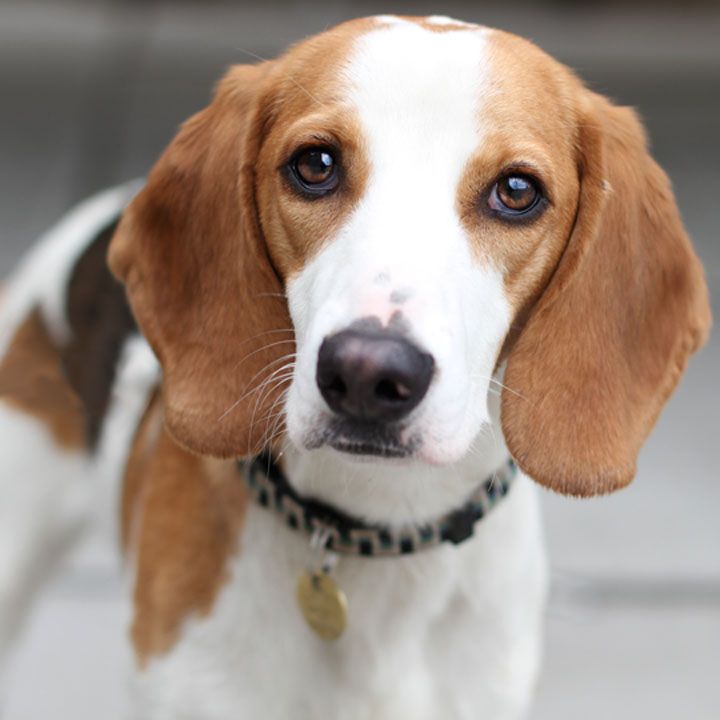
Forest lover
Foxhounds are incredible lovers of the forest; they absolutely need to run through wooded expanses. Therefore, if kept in an apartment, it is strongly recommended to take the animal out to the woods.Training and Education
It is essential to raise, train, and socialize an English foxhound from the first days of arriving in its new home. Once the puppy has settled in, the owner consistently teaches it to recognize a specific spot as its safe place. Each time the dog is near its bed, the owner should say the command “Place” and praise the dog. It should only sleep there, not wherever it pleases.
By 3 to 4 months old, the little “runner” should master basic commands and always respond to its name. These commands include “come!” (the dog must approach the owner), “no” (if the animal takes something from a stranger’s hand or from the ground), “heel” (the dog should walk beside the owner without straying), and “quiet” (essential in apartment buildings if the hound barks). Naturally, the collar and leash should not cause it any fear. For safety, it’s wise to buy a collar with a GPS sensor that will show the owner the location of the runaway if the dog takes off after a new scent during a walk.
Education lasts the entire life of the animal, but the fundamentals of proper behavior should be instilled at a young age. The dog needs to feel a leader beside it, someone it will obey. During walks, you can take breaks from running to practice previously learned commands in a playful manner. It’s crucial to do this daily and not for too long. Sometimes, your “athlete” may become stubborn. In such cases, a treat or a change in tactics can help.
The English foxhound is considered one of the most obedient breeds among all hounds. Sabaneev noted instances where certain commands brought out boys, girls, or young dogs from a pack.
In special cases, when a dog has become accustomed to inappropriate behavior, consulting an animal behaviorist or undergoing a dog obedience training course may be necessary.
To achieve the best results in agility, coursing, and other sports, a mentor is undeniably needed to help navigate the intricacies of the course. At Zooinika, they offer puppies with pedigrees and health guarantees.
The progenitor of hounds.
The English Foxhound is the ancestor of American hounds and the Russian Harrier.
How to Choose a Puppy
If you’ve decided to get a dog, that’s great. But have you weighed all the pros and cons of this step? A puppy is a living being that will grow up over time, sometimes showing willfulness and even ignoring your commands, making a mess, and in general, your life will never be the same again. You can’t return it like a pair of shoes that doesn’t fit. As Antoine de Saint-ExupГ©ry wrote, “We are responsible for those we tame…”
If your decision is firm and you’ve clearly decided to buy an English Foxhound, then you need to study the breed’s temperament, its standard, and compare your housing and financial situation with the expenses of keeping an adult animal.
Next, it is advisable to choose a few kennels, visit a dog show to personally get acquainted with their wonderful character.
Buying from a pet market is not recommended, as there is no guarantee that the dog will be purebred and healthy.
All puppies are wonderful without exception. However, it’s better to check the veterinary passport with vaccination records before purchasing. Clean eyes, a moist nose, and activity are signs of health.
Good kennels usually either brand their dogs or microchip them. And don’t forget to draw up a sales contract to ensure the legal integrity of the transaction. Want a purebred pet? At Zooinika, you can find ones with documents from verified breeders.
Health and Diseases
A fairly healthy breed with almost no genetic deviations. However, like other dogs, a Foxhound can pick up common ailments that are often easily managed without a visit to the vet.
Still, there are several ailments they suffer from more frequently than others.
Cardiomyopathy is a heart disease where the heart muscle gradually weakens, failing to pump blood to all organs. Unfortunately, it is incurable. It can arise after infections the animal has suffered or as a result of congenital issues. The first signs include lethargy, quick exhaustion, and shortness of breath even with minimal exertion. If diagnosed, the dog’s life will be under veterinarian supervision.
Hypothyroidism is a deficiency of the endocrine system. The thyroid gland does not function properly, producing insufficient hormones. It is most often inherited. Hypothyroidism typically leads to issues with the coat, which may shed partially. At the same time, excess weight occurs that cannot be managed. General weakness causes the dog to seem “to fade away.” Screening will help clarify the diagnosis, and the veterinarian will prescribe the appropriate treatment.
The hearing of “Foxhounds” is excellent, but there are also conditions that can lead to complete or partial deafness. If the dog is not deaf from birth, it is essential to notice any hearing loss promptly. This is why it is recommended to carefully examine the inner part of their hanging ears. Zooinformatics makes it easy to attract the attention of buyers.
Содержание
-
1. Описание породы
-
2. Внешний вид
- 2.1 Голова
- 2.2 Морда
- 2.3 Уши
- 2.4 Глаза
- 2.5 Зубы
- 2.6 Корпус
- 2.7 Конечности
- 2.8 Хвост
- 2.9 Шерсть
- 2.10 Окрас
-
3. Характер
-
4. Содержание и уход
-
5. Дрессировка и обучение
-
6. Как выбрать котенка
-
7. Здоровье и болезни






Comments
Only registered users can leave reviews.
Enter