
East European Shepherd





Warning: Illegal string offset 'label' in /home/panda/sites/zoonika/wp-content/themes/zoonika/template-parts/animals/animals-param-item.php on line 32
Ð


Breed Description
The history of the Eastern European Shepherd spans many years and is associated with various hunting and herding breeds that inhabited Eastern Europe. This breed was developed to create a resilient, intelligent, and powerful working dog capable of performing diverse tasks.
Originally, the Eastern European Shepherd was used as a hunter’s assistant and a guard dog on farms. It was bred by crossing local herding, hunting, and wolfhound breeds. Years of selection and breeding resulted in a breed with outstanding working qualities and a unique appearance.
During the breed’s development, emphasis was placed on energy, stamina, and loyalty. The Eastern European Shepherd was meant to cover significant distances, working on farms and protecting livestock from predators. At the same time, it needed to be smart and trainable to perform a variety of commands and tasks.
The Eastern European Shepherd also played a role during World War II. They were used in various services, including search and rescue operations, security, and police work. The resilience and bravery of this breed made it an indispensable assistant in many situations.
Today, the Eastern European Shepherd remains popular as a service dog as well as a loyal and devoted companion. It is characterized by a strong protective instinct, intelligence, and an aggressive nature towards strangers and animals. At the same time, it is very attached to its family and ready to sacrifice its life for their protection.
The emergence of the Eastern European Shepherd is closely tied to the cultural diversity of Eastern Europe and its specific needs. Through years of selective breeding, a breed was created that successfully fulfills various roles and remains one of the most versatile and resilient breeds today.The price for a puppy ranges from 10,000 to 20,000 rubles.
Appearance
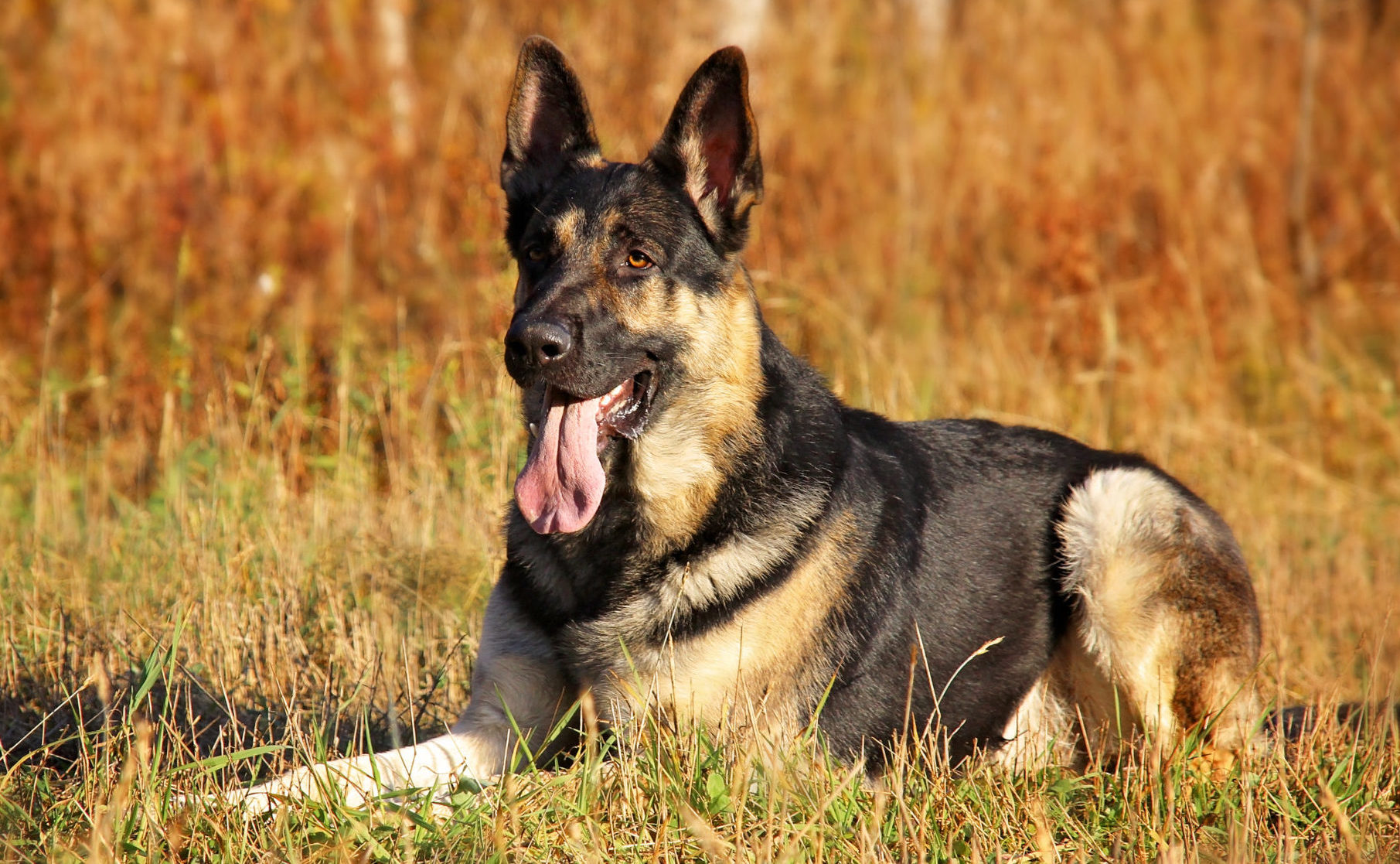
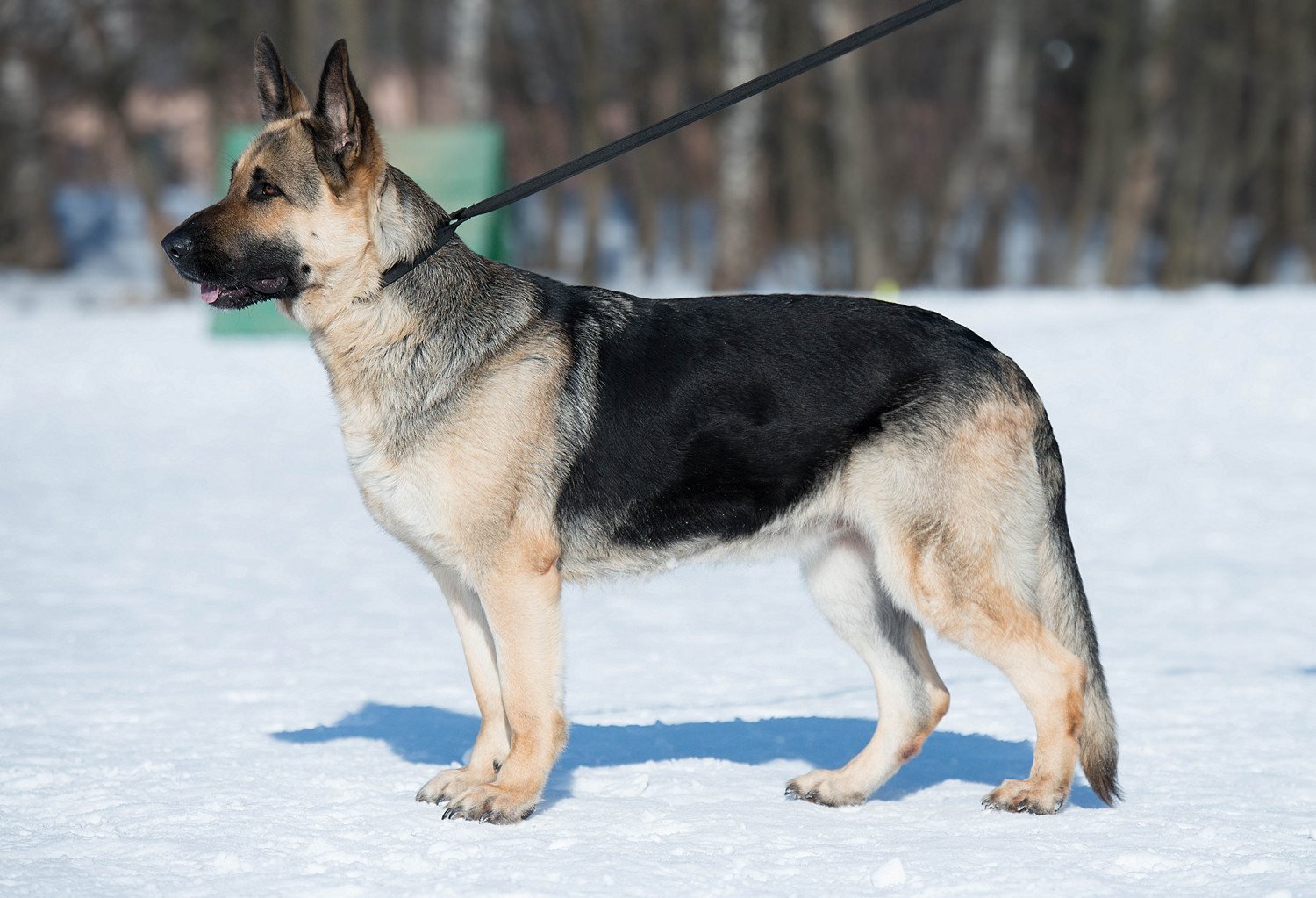
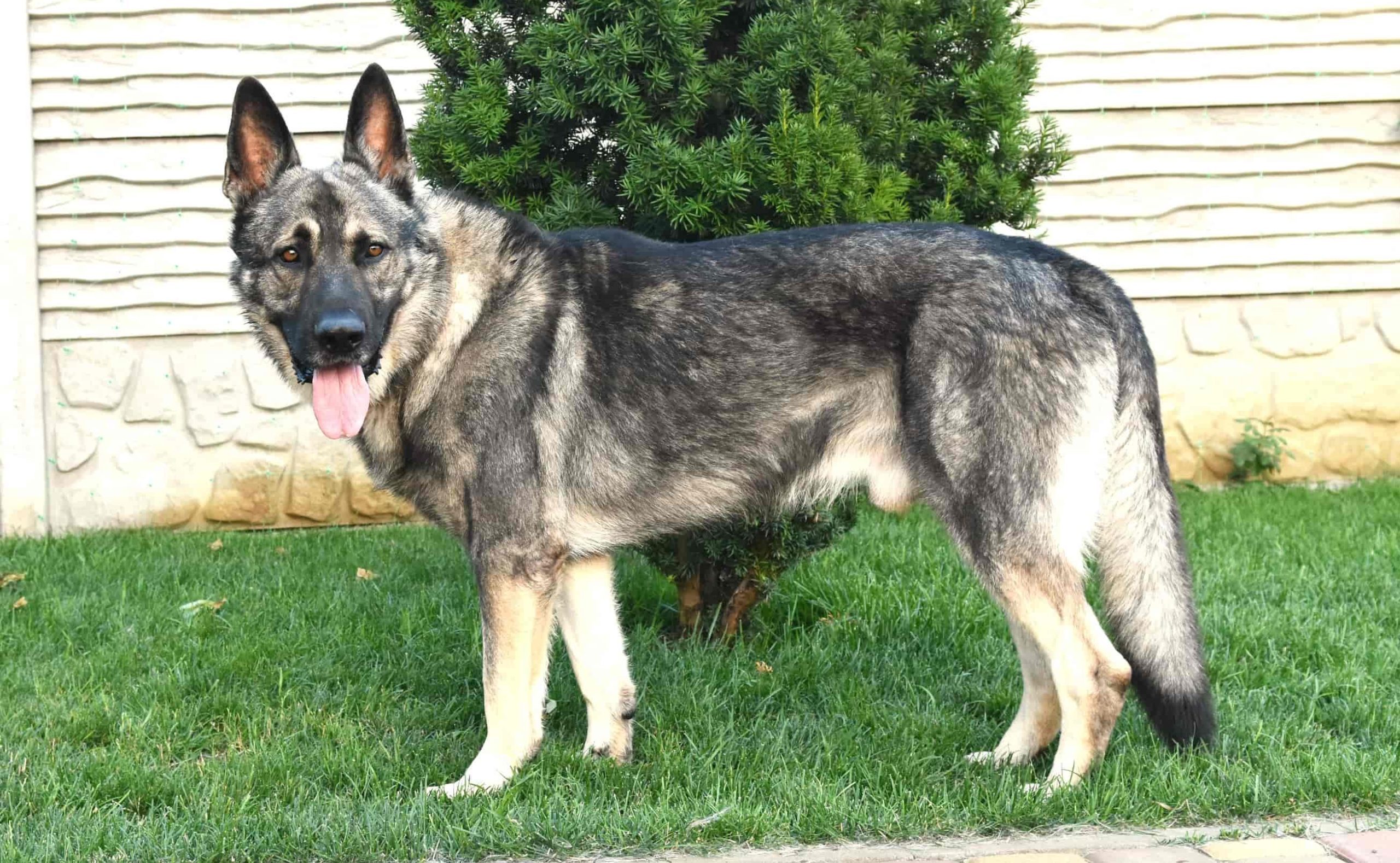
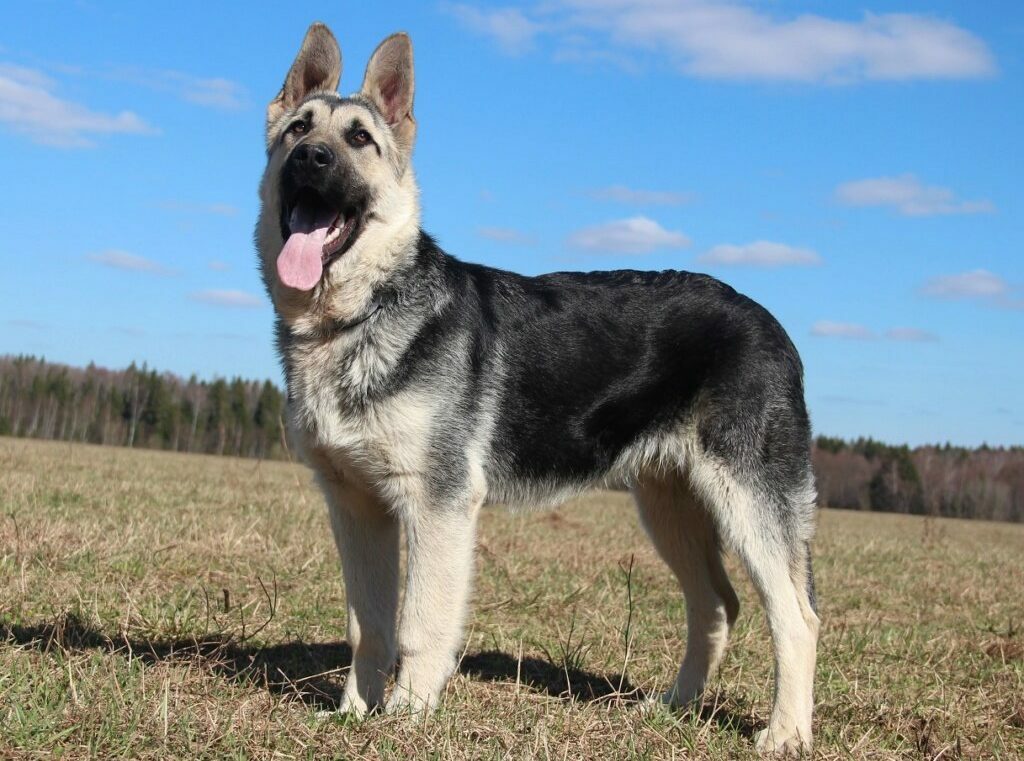
The East European Shepherd is a large and powerful dog that exudes strength and endurance, reflecting its origins and working qualities. The average height at the withers for these dogs ranges from 60 to 70 cm, depending on gender, making them a large-sized breed. Their weight typically ranges from 30 to 45 kg, which corresponds with their robust build. The lifespan of the East European Shepherd is around 12-14 years, a good indicator for dogs of this size and activity level.
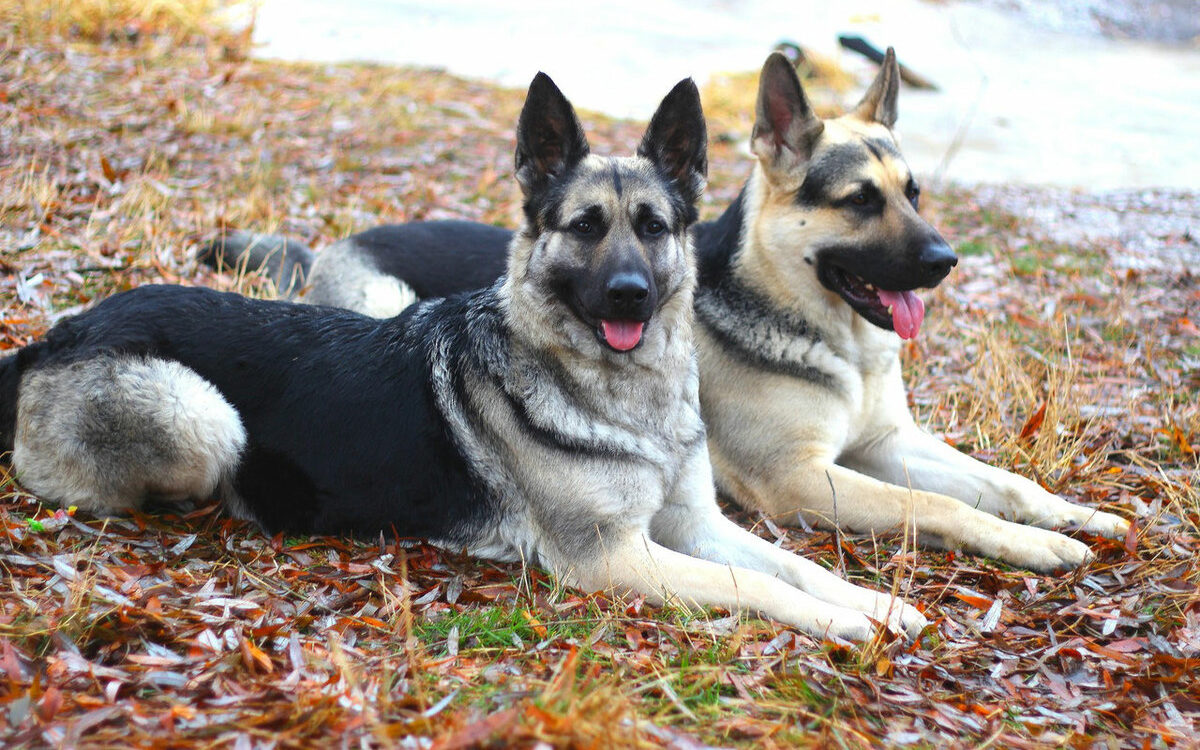
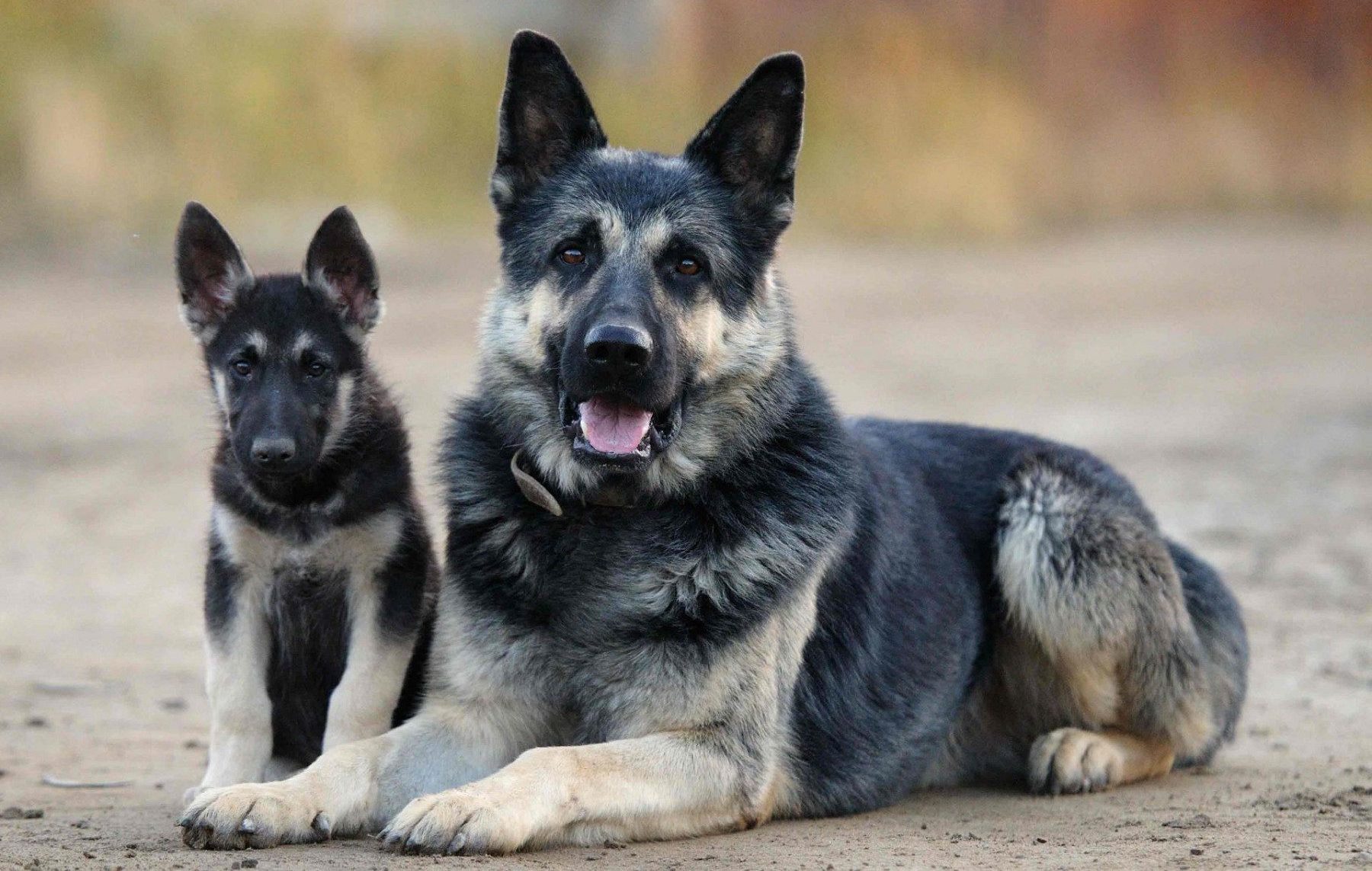
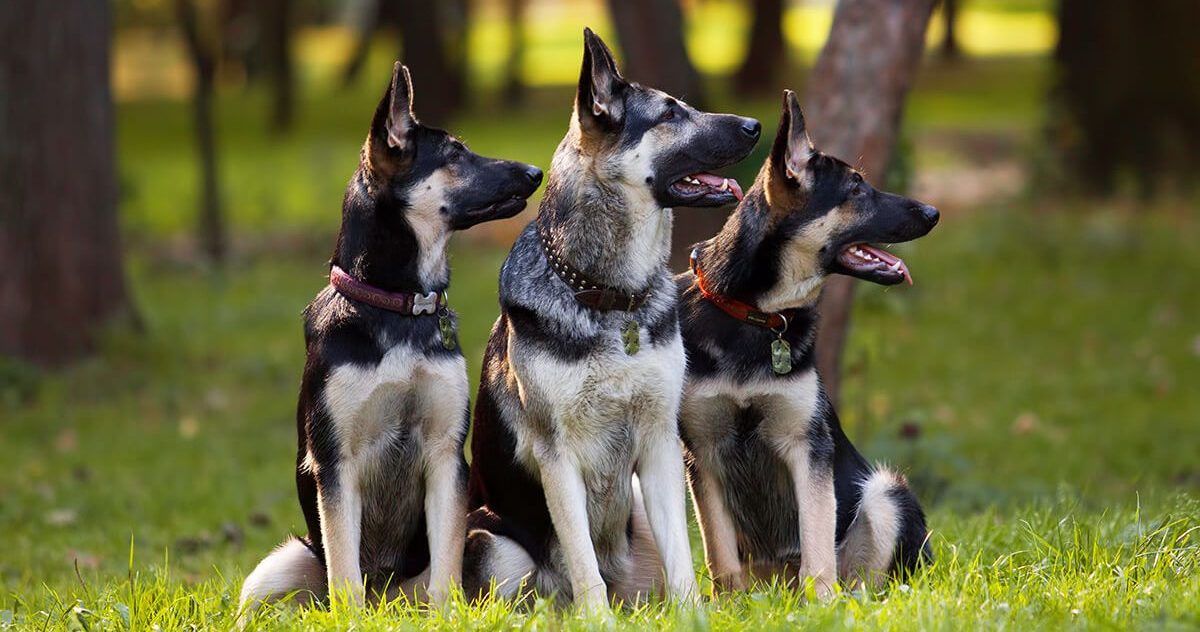
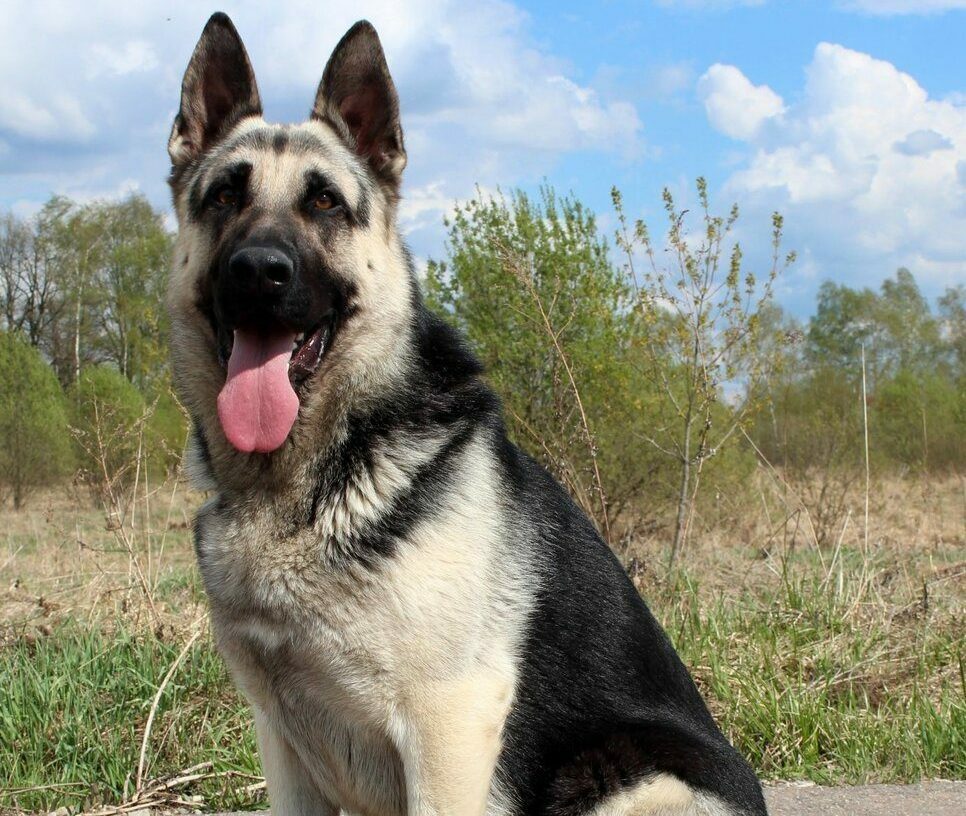
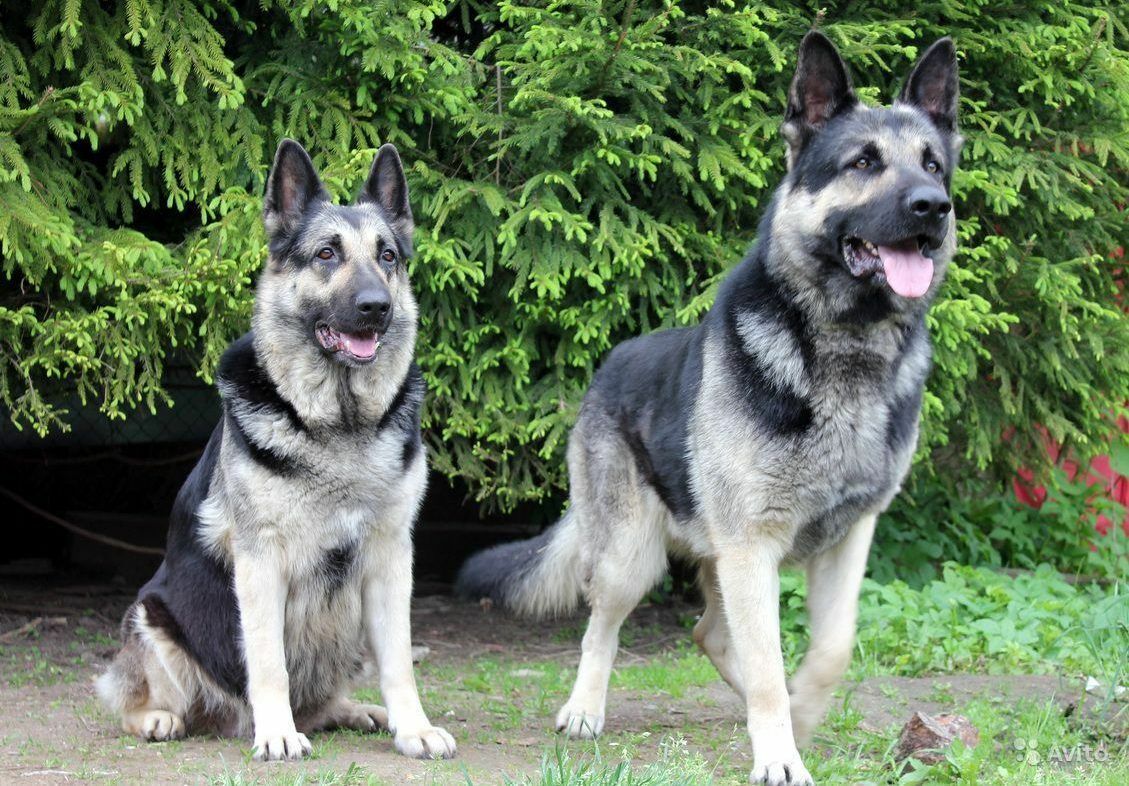
The appearance of the East European Shepherd is characterized by a strong, balanced physique with well-developed muscles and expressive features. Their coat is thick, dense, and rough, with a dense undercoat that protects them in various climatic conditions, including cold weather. The most common coloration is black and tan, although other variations such as gray-steel and red shades are also present, adding to their expressiveness and appeal. The fur around the neck and chest forms a distinctive collar that accentuates the noble and strong look of these dogs.
The head of the East European Shepherd is proportionate to its body, with a broad skull and strong jaw, giving it a confident and determined appearance. The ears are large, erect, and straight, further enhancing its masculine appearance. The eyes, typically dark, are expressive and slightly slanted, giving the dog an attentive and vigilant gaze.
The tail is of medium length, covered with thick fur and typically held horizontally or slightly below the level of the back. This breed also features a high level of activity and work efficiency, reflected in its strong, harmonious body and confident posture.
The East European Shepherd is a dog with a strong character, endurance, and noble appearance, making it ideal for work, guarding, and active families.


Отличительные черты

Голова

Морда

Уши

Глаза

Зубы

Корпус

Конечности

Хвост

Шерсть

Окрас
Character
The East European Shepherd is a breed of dog with a unique character and outstanding working qualities. This breed possesses several key personality traits:
They are powerful guards and protectors: The East European Shepherd has a strong protective instinct and is ready to defend its family and territory. They are very loyal and do not hesitate to protect their owners, making them ideal watchdogs. However, good socialization and training are necessary to manage these instincts and ensure the dog’s safety and sociability.
Impressive work potential: The East European Shepherd is a breed with working roots, and they have significant potential for various types of work. They can be successful as search and rescue dogs, serve in the police, or work on farms. Their endurance, intelligence, and loyalty make them ideal partners for various services and tasks.
Intelligence and adaptability: The East European Shepherd is an intelligent breed, capable of learning quickly and adapting to new challenges. They have good memory and understanding of instructions and commands. Dogs of this breed respond well to positive training using rewards and praise, which helps them master new skills and complete tasks more efficiently.
Family pets: The East European Shepherd is also a great family pet, demonstrating loyalty and devotion to its family. They form strong bonds and become reliable companions for all family members. They are ready to play with children, act as their protectors, and ensure a friendly and safe environment at home.
The East European Shepherd is a breed with a unique yet demanding character. They have strong qualities such as loyalty, endurance, and protective instincts, making them invaluable helpers and companions for active and experienced owners. Managing them requires patience, consistent and proper training, but the reward is a faithful, effective, and reliable partner.
Intuitive ability to work
The Eastern European Shepherd is known for its remarkable ability to sense and read people. They have an intuitive understanding of their owner's moods and desires. This breed can be an ideal partner for work as a service dog, in search and rescue operations, or as a therapy dog due to its intelligent and intuitive nature.Care and Maintenance
Caring for an East European Shepherd requires special attention and care to ensure they live a healthy and happy life. Here are some key aspects of maintaining and caring for this breed:
Physical Activity: The East European Shepherd is an energetic and active dog that needs sufficient physical activity. Regular walks, running, play, and physical training not only help them maintain good physical condition but also prevent destructive behaviors related to excess energy.
Proper Nutrition: It is important to feed the East European Shepherd a balanced and high-quality diet suitable for their age, activity level, and health status. Consulting with a veterinarian about the optimal diet and portion size is recommended. The food should contain all necessary nutrients to support good physical condition, health, and the dog’s immune system.
Coat Care: The East European Shepherd has a dense double coat. Daily brushing removes dead hair and prevents matting. During shedding season, when they lose their coat, grooming should be more frequent. It is also important to regularly check and clean the dog’s ears and teeth, as well as trim their nails.
Socialization and Training: The East European Shepherd requires active socialization and systematic training. Early exposure to various people, animals, and different situations will help them develop excellent communication skills and self-confidence. Regular training sessions based on positive reinforcement will help the dog learn commands and understand behavioral rules.
Regular Veterinary Visits: Regular veterinary visits are important for health check-ups, preventive vaccinations, and monitoring the dog’s condition. The veterinarian can keep track of the dog’s health, prevent potential issues, and prescribe necessary treatments.The East European Shepherd is a breed that requires care, attention, and active involvement from the owner. They are ideally suited for active and experienced owners who are ready to provide sufficient physical and mental stimulation, proper nutrition, and socialization to ensure a happy and healthy life.
Historical significance
The East European Shepherd has a rich history linked to herding and hunting roots. They were bred to protect livestock from predators and assist hunters in their tasks. Their reliability and intelligence have made them very popular in many Eastern European countries, where they are used in various areas of life, from agriculture to defense.Training and Education
Training and educating Eastern European Shepherds is an important process that requires patience, consistency, and understanding of the breed’s characteristics. Here are some key aspects of training and education for an Eastern European Shepherd:
Start training and educating your Eastern European Shepherd from a young age. Even in early childhood, the dog begins to learn and adapt to its environment, making this the best time to instill rules and create positive habits. Begin with simple commands, gradually increasing the difficulty according to the dog’s capabilities and level. Eastern European Shepherds respond better to positive reinforcement, such as rewards, praise, and affection. This encourages them to seek praise and strengthens the positive interaction between you and your dog. Identify desirable behaviors and reward them for properly executing commands and good behavior.
Socializing the Eastern European Shepherd with other dogs, people, and various situations is especially important. Expose them to different environments, visit places with large crowds, and meet other dogs. This will help the dog adapt to various situations and people, and reduce the likelihood of aggression or fear.
The Eastern European Shepherd is a very intelligent and energetic breed, needing both mental and physical stimulation. Regular training sessions, games, and exercises will help them learn, become resilient, and engage in productive activities. Activities such as retrieving, tracking, or protection can be effective ways to stimulate their mind and physical activity.
If you lack experience in dog training or encounter problems, don’t hesitate to seek help from a professional trainer or instructor. They can offer the right approaches and strategies for training your Eastern European Shepherd and help develop an individualized training plan.
Due to their intelligence and loyalty, Eastern European Shepherds are excellent candidates for training and education. Strive to create a positive learning environment and use the right methods to help your dog develop into a reliable and obedient partner. Patience, love, and consistency will lead to success in training your Eastern European Shepherd.
Family pets and loyal friends
Despite being designed for work and service tasks, the East European Shepherd is a wonderful companion and family member. They are very attached to their owners and show loyalty and devotion. They are ready to protect their family and children, and getting an East European Shepherd can create an unbreakable bond, providing a sense of reliability and safety.
How to Choose a Puppy
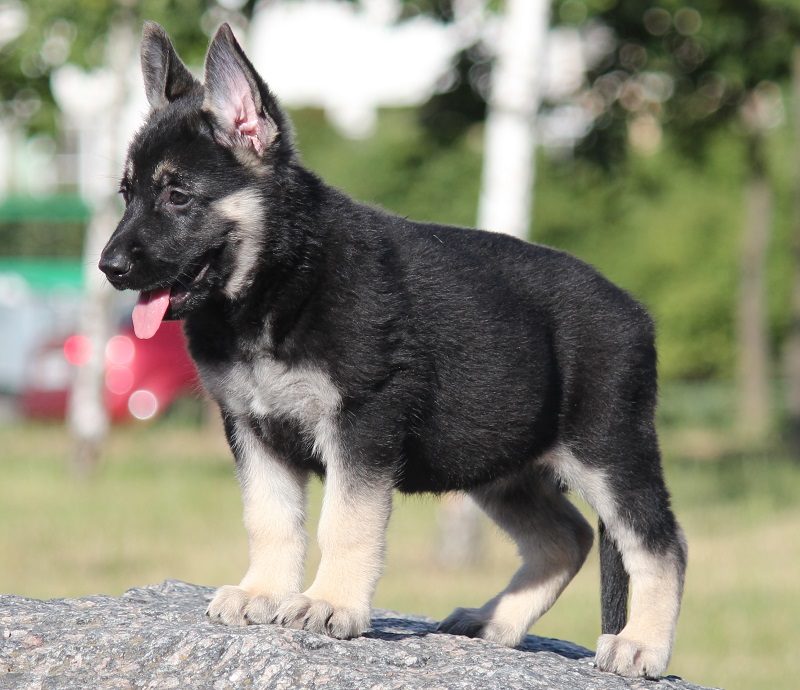
Choosing a Eastern European Shepherd puppy is a serious decision that requires time, research, and reflection. Here are some important factors to consider when selecting an Eastern European Shepherd puppy:
Before choosing a puppy, research the breed and learn about its key characteristics, needs, and training. You should be confident that the breed fits your lifestyle and sparks your interest.
Look for reputable breeders with experience in breeding Eastern European Shepherds. Review testimonials and recommendations about the breeders and contact them for more information about the litter and breeding conditions.
Familiarize yourself with the breed standards of the Eastern European Shepherd to understand the qualities and traits a puppy should possess to meet these standards. This will help you choose a puppy with the right structure and breed expression.
Learn about the health of the puppy’s parents, remembering that healthy parents increase the chances of the puppy also being healthy. Ensure that the puppy’s parents have been screened for genetic diseases, at least for hip dysplasia.
Visit the litter and observe the puppies’ behavior. Pay attention to their activity level, confidence, and socialization. Choose a puppy that fits your needs and personality, but also note that good socialization and an experienced trainer can make the dog more suitable for you.A good breeder will support you and provide assistance throughout the dog’s life. Discuss with them the possibilities for support, guidance, and answers to your questions after purchasing the puppy.Choosing an Eastern European Shepherd puppy is an important step, and it is crucial to make this decision consciously and carefully. Spend ample time on research and communication with breeders to ensure that the chosen puppy will meet your expectations and become a loyal and devoted companion for many years. Zoonyka is the best way to find a puppy with a pedigree from trusted breeders.
Health and Diseases
The health of the East European Shepherd is one of its strong aspects, and this breed generally has good resilience to diseases. However, like other breeds, they have a number of potential health issues to be aware of. Here are some key health aspects and possible diseases associated with the East European Shepherd:
Hip Dysplasia: Like many large dog breeds, hip dysplasia can be an issue in the East European Shepherd. This condition is characterized by improper development of the hip joint and can lead to pain and mobility issues. Regular check-ups and X-rays can help determine the presence or predisposition to dysplasia.
Gastrointestinal Issues: The East European Shepherd may be prone to digestive problems, such as sensitivity to certain ingredients or digestive disorders. It’s important to monitor the dog’s diet and provide a balanced meal plan, avoiding overfeeding or foods that may cause discomfort.
Allergies: The East European Shepherd can suffer from various types of allergic reactions, such as food allergies, environmental allergies, or reactions to certain substances. Symptoms may include skin rashes, itching, or gastrointestinal upset. If you notice signs of allergies in your dog, it’s important to consult a veterinarian for allergy testing and to identify the source of the problem.
Common Diseases: Like all breeds, the East European Shepherd is susceptible to common diseases such as infections, parasites, and respiratory issues. Regular check-ups, attention to health status, and appropriate preventive measures will help maintain good health and reduce the risk of developing problems.
It is important to remember that the good health of the East European Shepherd depends on proper nutrition, an active lifestyle, and attentive care. Regular visits to the veterinarian, good preventive measures, and proper training will help keep your East European Shepherd in great shape and ensure a long, healthy life. – The best site for animals where you can buy or sell a puppy.
Содержание
-
1. Описание породы
-
2. Внешний вид
- 2.1 Голова
- 2.2 Морда
- 2.3 Уши
- 2.4 Глаза
- 2.5 Зубы
- 2.6 Корпус
- 2.7 Конечности
- 2.8 Хвост
- 2.9 Шерсть
- 2.10 Окрас
-
3. Характер
-
4. Содержание и уход
-
5. Дрессировка и обучение
-
6. Как выбрать котенка
-
7. Здоровье и болезни






Comments
Only registered users can leave reviews.
Enter