
Dwarfed Pinscher





Warning: Illegal string offset 'label' in /home/panda/sites/zoonika/wp-content/themes/zoonika/template-parts/animals/animals-param-item.php on line 32
Ð


Breed Description
The Miniature Pinscher is a breed with a long and fascinating history that originates from Germany. While it is often said that the Miniature Pinscher is a scaled-down version of the Doberman, this is a misconception; in fact, the mini pinscher appeared long before its “big brother.” Its history spans over 300 years, and these dogs were bred as a working breed for guarding and eliminating rodents.
It is believed that the ancestors of the Miniature Pinscher included German smooth-haired terriers, small hounds, and even Italian Greyhounds. These breeds contributed to the mini pinscher’s unique traits: compact build, energy, and elegance. The first written mentions of Miniature Pinschers date back to the 17th century when they were referred to as “Rhineland Pinschers,” living on farms and estates. The dogs were used for hunting rats and other small pests and also served as alert guardians, warning of intruders.
In the 18th and 19th centuries, the breed began to gain popularity due to its grace, energy, and compact size, making it an ideal companion for both urban and rural dwellers. The Miniature Pinscher became a regular guest in the yards of German nobility, where it was kept not only as a guard but also as a decorative dog capable of accompanying its owner in any social setting.
The first official mention of the breed appeared in 1879 when the Miniature Pinscher was registered in Germany. Several decades later, systematic work began on breeding and standardizing the breed. A significant contribution to the development and popularization of the mini pinscher was made by the German canine organization. In the 1900s, the breed began to leave the borders of Germany and gain popularity in other European countries, and later in America.
The Miniature Pinscher won the hearts of breeders and dog lovers due to its unique traits: energy, intelligence, compactness, and fearless character. In 1925, the breed was recognized in the U.S. by the American Kennel Club, leading to even greater popularity. However, despite its decorative appearance, the Miniature Pinscher retains its working qualities, remaining an excellent guard and nimble hunter of small game.
Today, the Miniature Pinscher is not only an elegant and compact companion but also a symbol of activity and vitality. The breed has become popular worldwide, maintaining its individuality and historical connection to its German roots. It embodies a balance between elegance and practicality, making it unique among other small breeds.The price for a puppy ranges from 25,000 to 35,000 rubles.
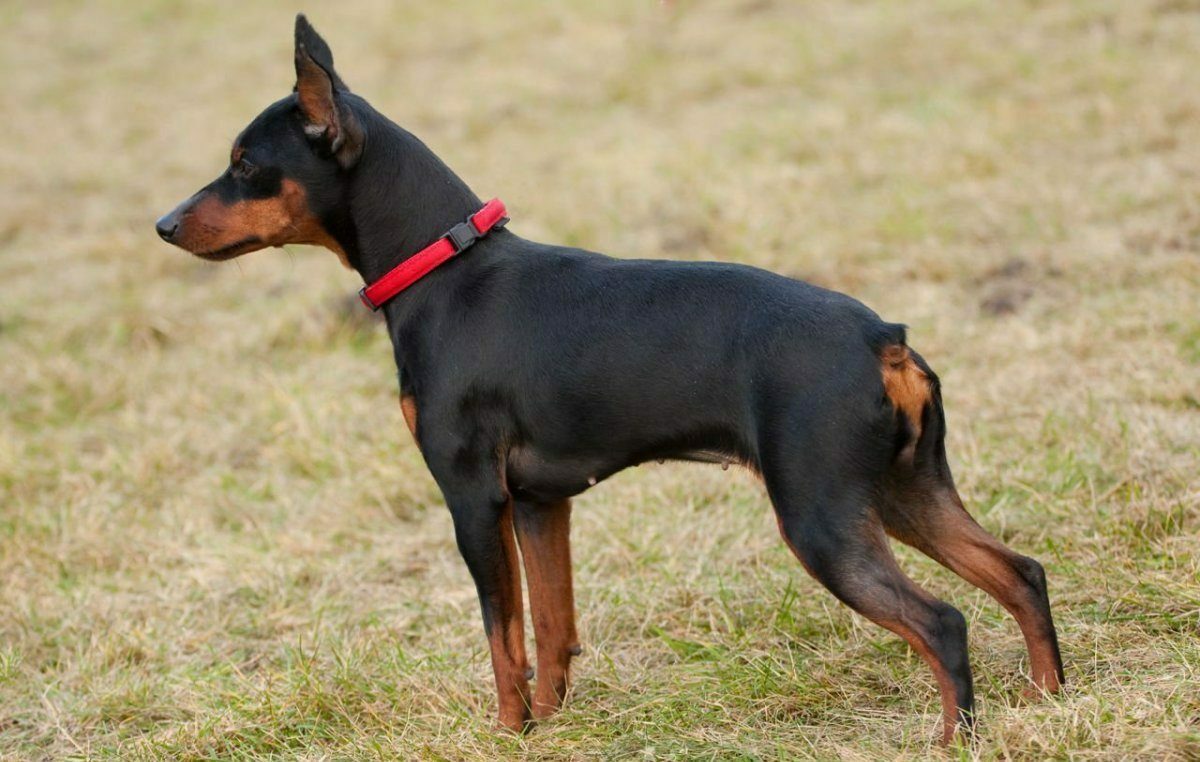
Appearance
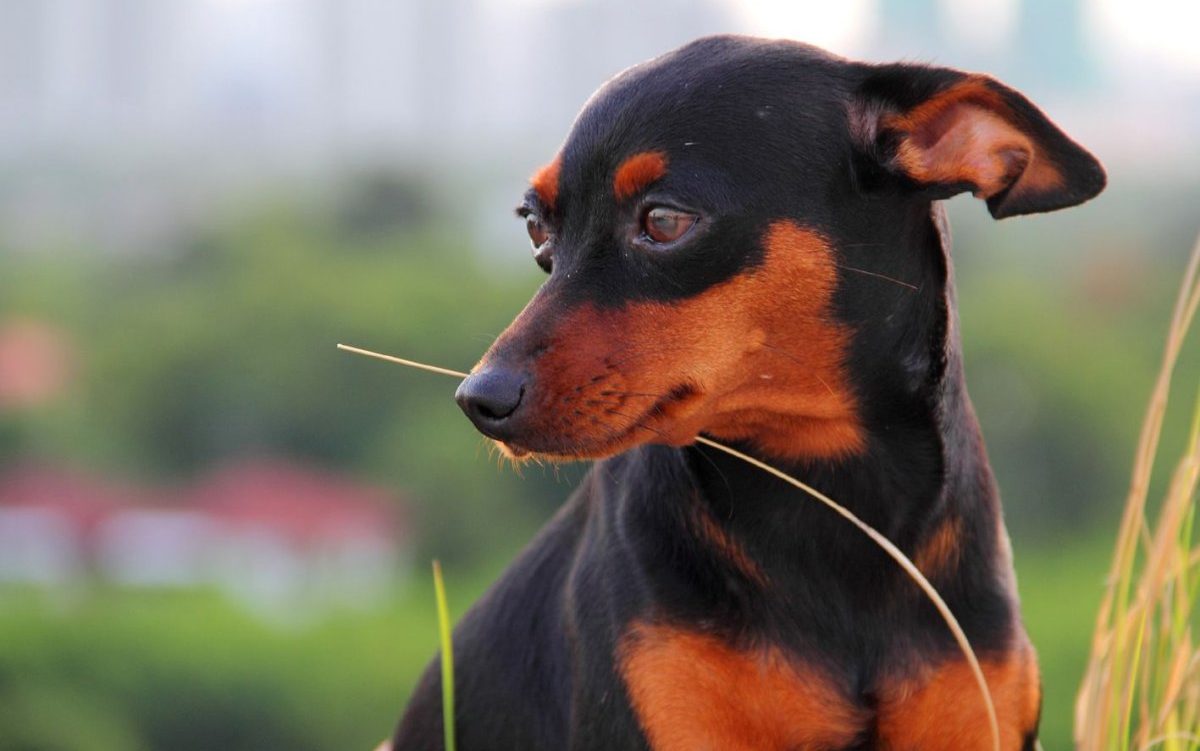
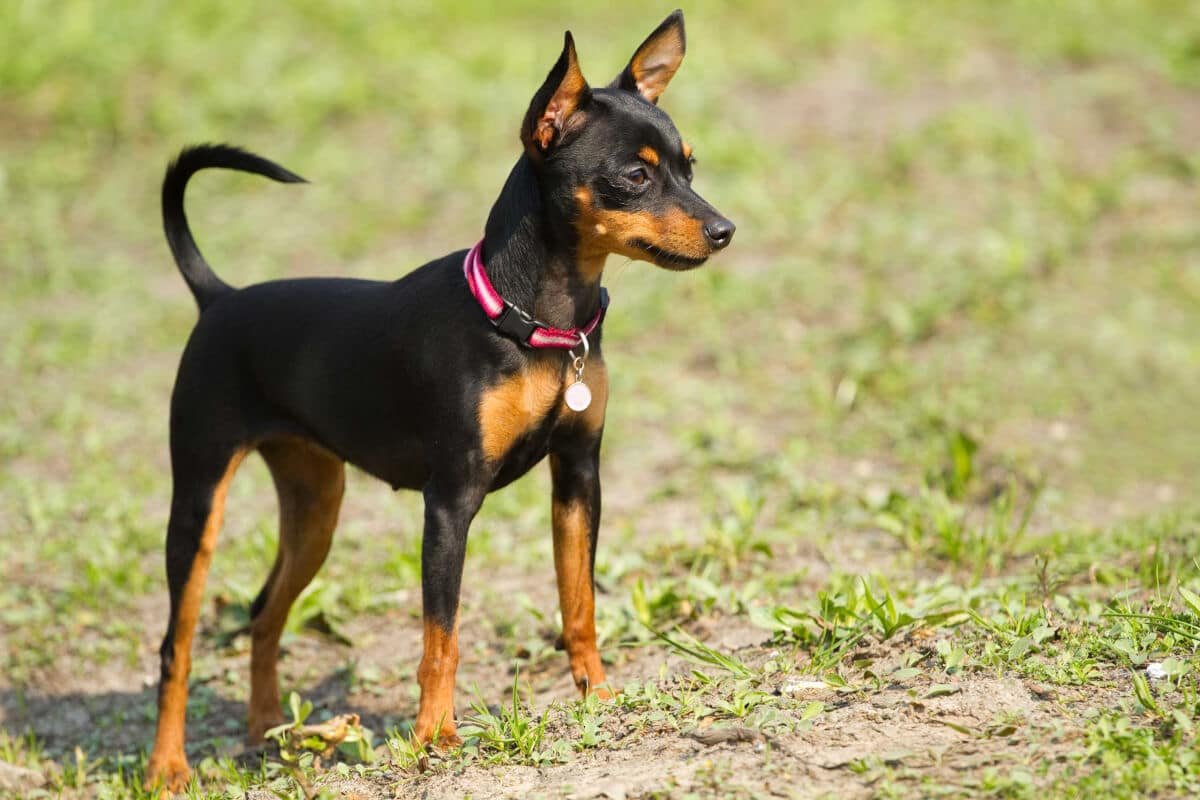
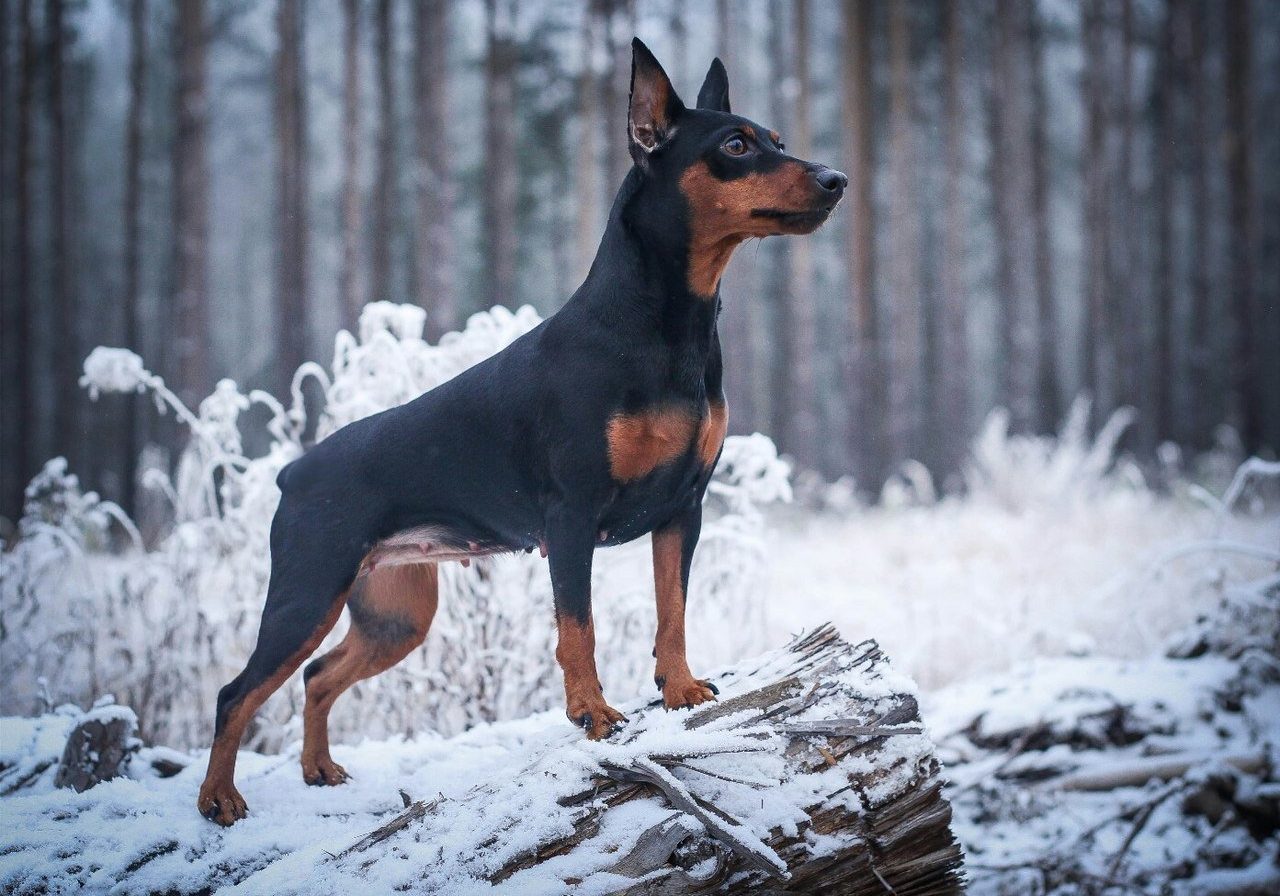
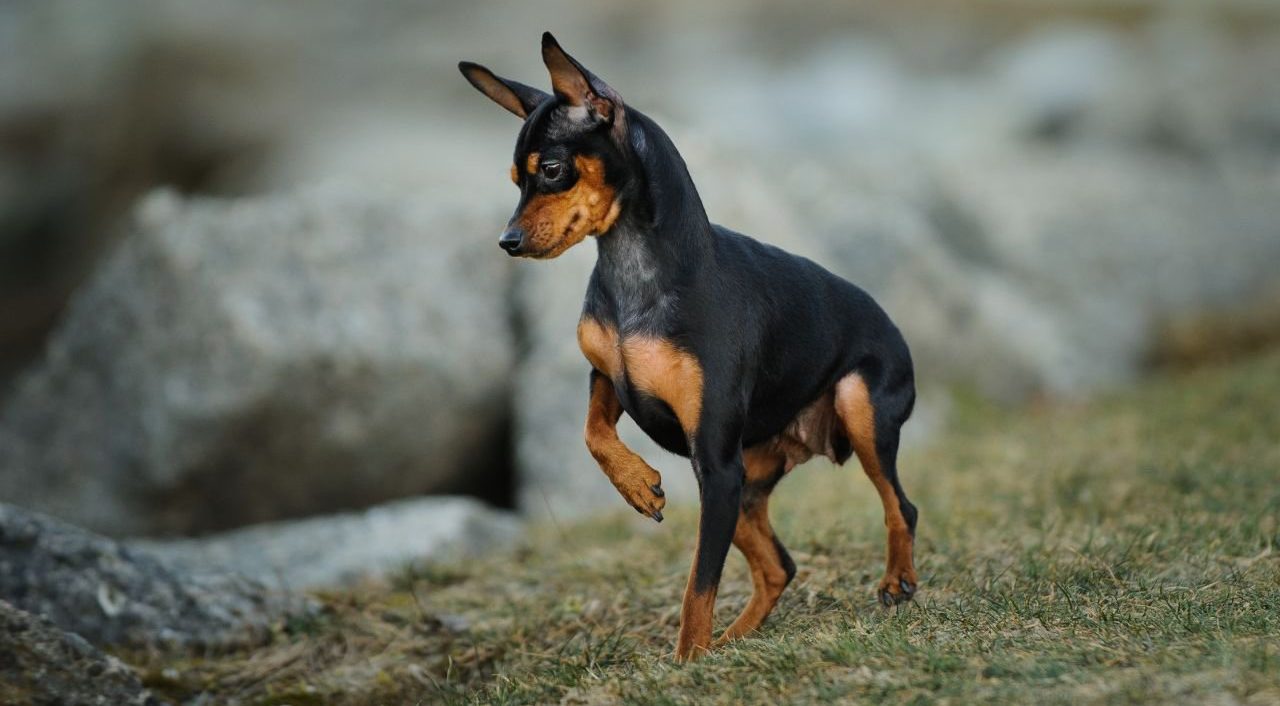
The Miniature Pinscher is a compact and elegant dog with an energetic and confident posture. Externally, it resembles a miniature version of a Doberman but has a lighter and more agile build. The average height of a Miniature Pinscher is about 25-30 cm at the withers, and its weight usually ranges between 3.5 and 5 kg. Despite its small size, these dogs have a sturdy and muscular body, which gives them resilience and endurance.
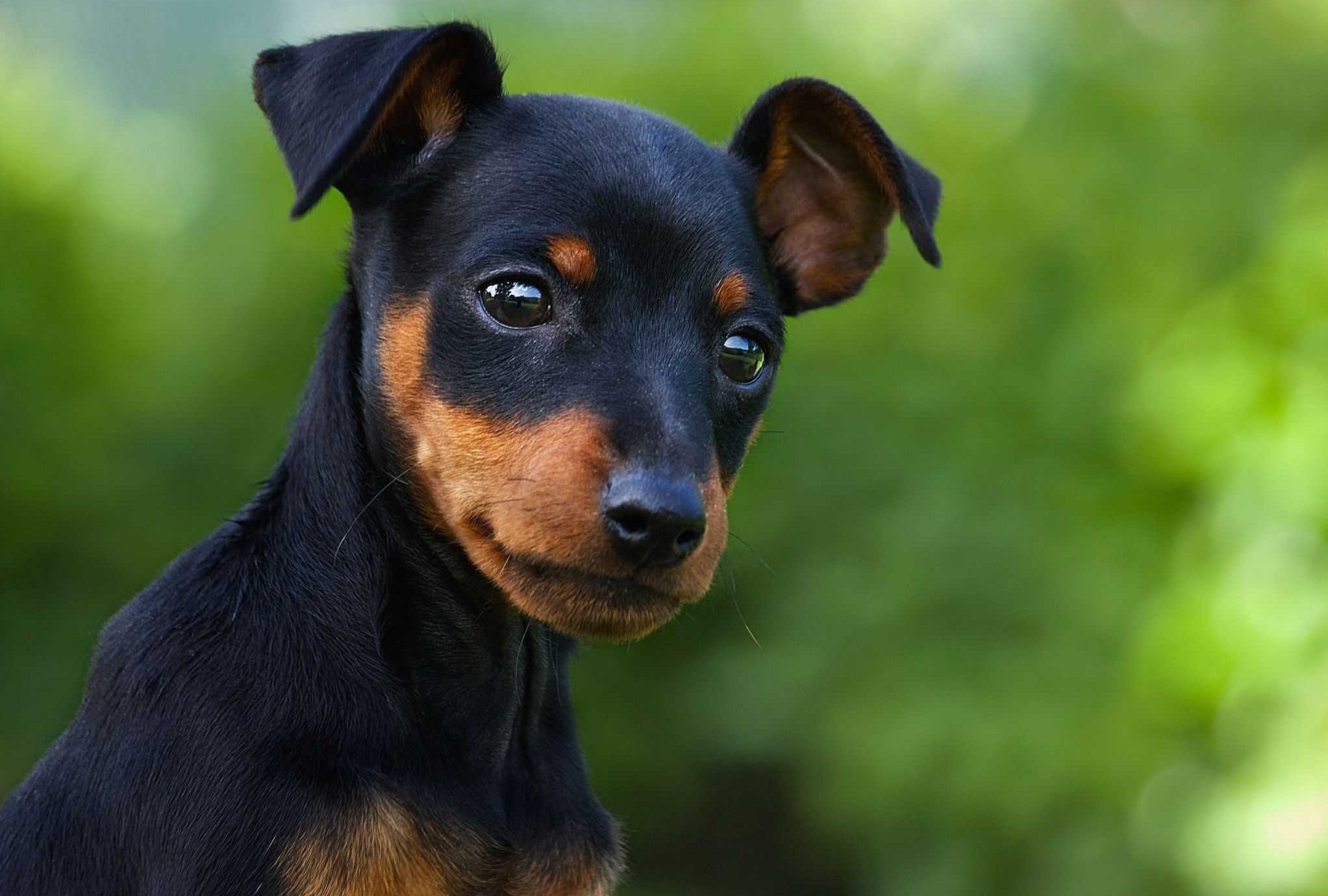
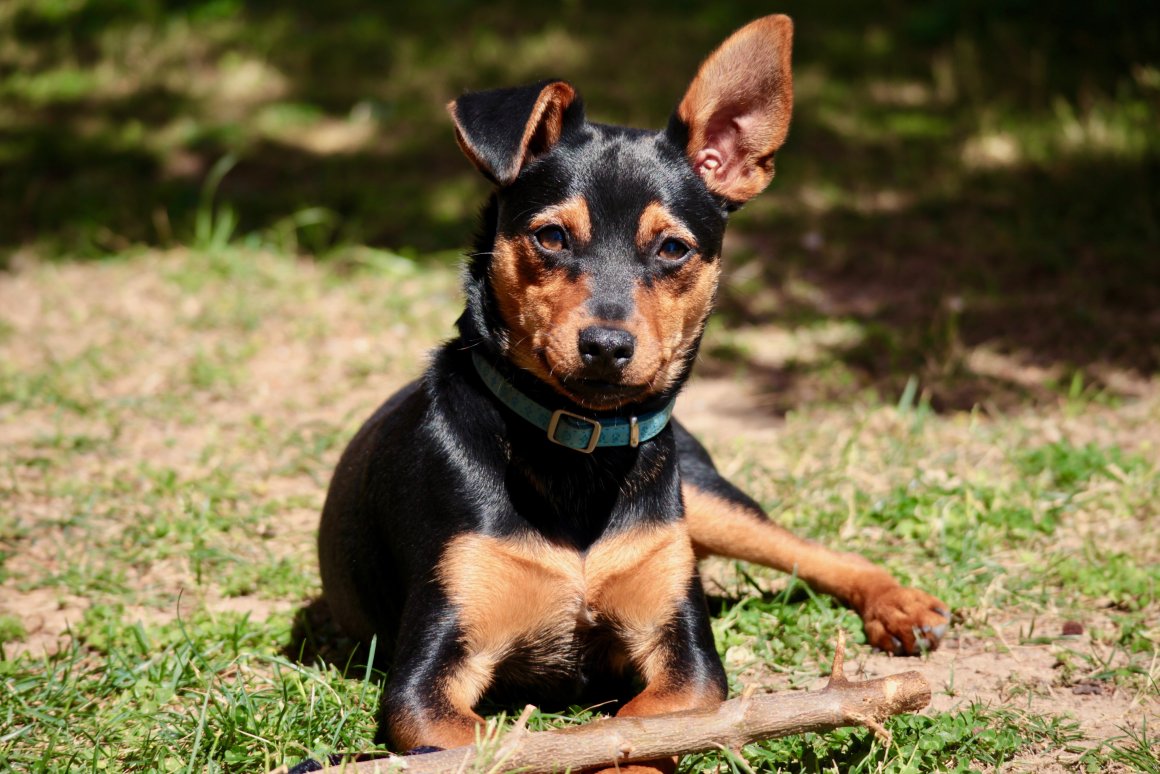
Its short, dense, and shiny coat is solid-colored, most often black and tan, but brown and dark brown shades also occur. The backline is straight, and the chest is slightly broadened, providing the dog with harmonious proportions and good mobility. A characteristic feature of its appearance is the smart and expressive face with triangular ears that can be either erect or semi-erect, along with dark eyes that give the Pinscher a lively and determined expression.
The lifespan of a Miniature Pinscher typically ranges from 12 to 15 years, which is quite long for dogs of this size. They are resilient, strong, and healthy animals that can remain active and energetic even in old age, provided they receive proper care and attention.


Отличительные черты

Голова

Морда

Уши

Глаза

Зубы

Корпус

Конечности

Хвост

Шерсть

Окрас
Character
The Miniature Pinscher is an extremely energetic and confident dog with a vibrant personality. Despite its small size, it possesses bravery and determination, often behaving like a larger breed. These dogs are exceptionally loyal to their owners but are also independent and self-sufficient, making them good guardians. They tend to be territorial and can be aggressive towards unfamiliar people or animals, which necessitates early socialization.
In everyday life, the Miniature Pinscher is an active and playful companion that loves to engage in physical activities, whether it’s walking, playing, or even training. These dogs are very intelligent, learn quickly, but can be stubborn and a bit headstrong, requiring patience and consistency from their owners. Despite their independence, the Miniature Pinscher is very attached to its owner and will always seek to be the center of attention.
Its habits also include curiosity and activity at home-the Miniature Pinscher can easily explore new places or objects, always ready to protect its territory. It does not do well with long hours of solitude and requires social interaction. It’s important to remember that it may not be suitable for families with small children or beginners in dog ownership, as its temperament demands an experienced and confident owner.
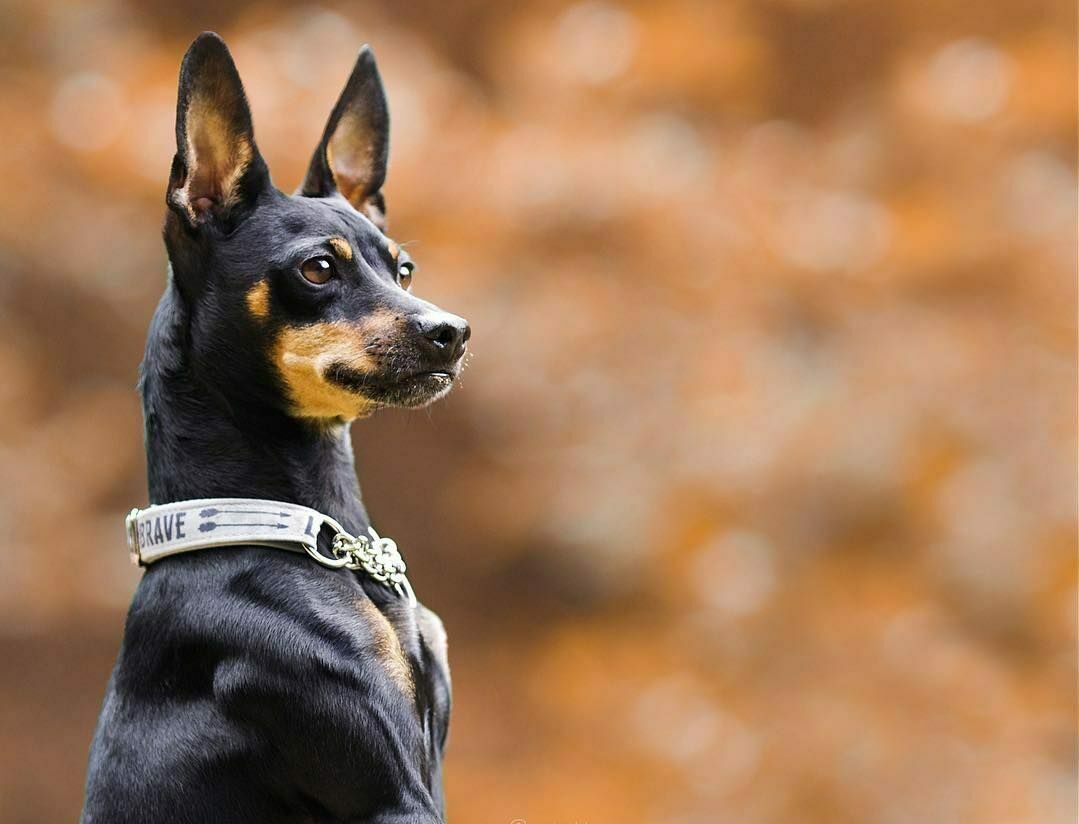
Mini defenders
Despite their small size, Miniature Pinschers possess a brave and daring character. They make excellent watchdogs, ready to defend their family and territory. Their vibrant personality and courage make them great guardians, despite their short stature.Care and Maintenance
The miniature pinscher is an active and cheerful dog, and caring for it requires attention to its high energy levels and active behavior. It’s important to ensure regular physical activity: walks, playtime, and training, so it can expend its energy. A pinscher will not be satisfied with short yard walks; it needs more activity to maintain good physical shape and emotional balance. It loves to run, play active games, and explore its surroundings, so make sure to spend time playing outdoors and engaging in a variety of physical exercises.
Its short coat requires minimal grooming. Regular brushing helps remove dead hair and keep the skin in good condition. Bathing the miniature pinscher doesn’t need to happen often-just a couple of times a year or as needed, to avoid disrupting the protective layer of its skin. It’s also important to keep an eye on its ears and teeth, cleaning them regularly to prevent dirt buildup and infections.
As for preferences, the miniature pinscher loves being the center of attention. It enjoys interacting with people and gets bored if left alone for too long. It prefers active play and loves being involved in various activities. These dogs are not inclined to lie around for extended periods; they need constant contact and participation in family life.
However, the miniature pinscher does not like being alone and can become moody or destructive if left without company for too long. It may also be sensitive to cold due to its short coat, so take care to keep it warm in chilly weather.
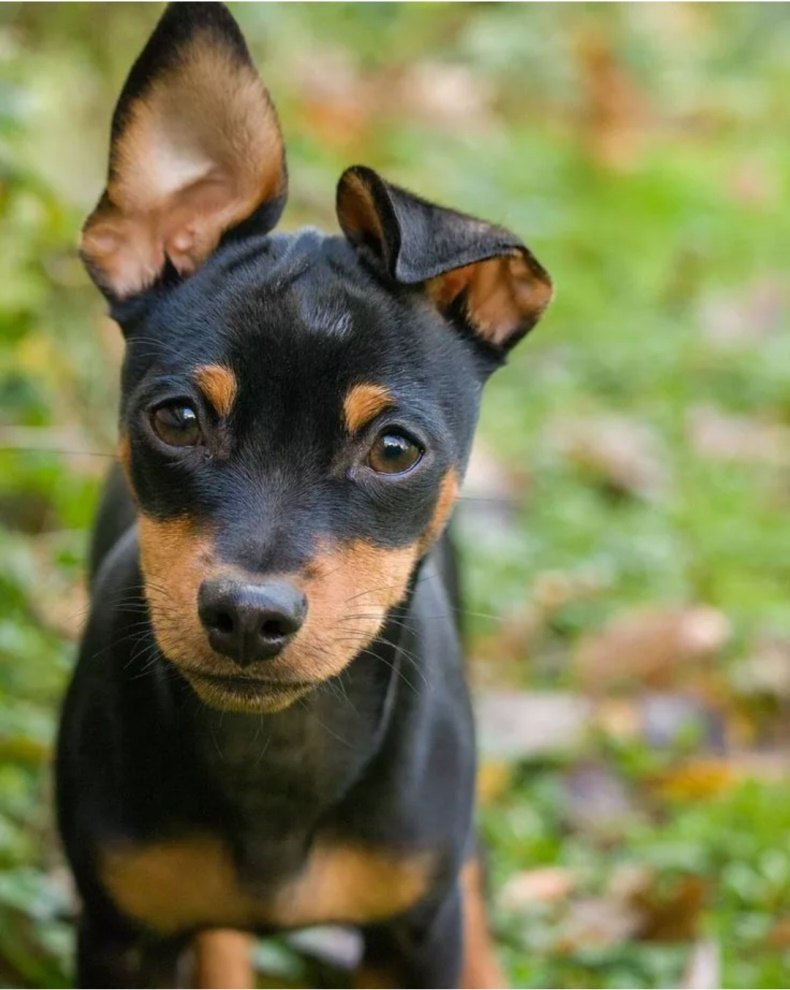
Love for activity
Dwarf Pinchers are energetic and playful dogs. They love spending time outdoors and engaging in active games. This means they will be great companions for people who lead an active lifestyle and enjoy exercising. Although they may be small, they have enough energy to participate in walks, runs, and other activities.Training and Education
The Miniature Pinscher is an intelligent and independent dog that requires firm yet kind guidance. They quickly grasp new commands, but their stubborn nature can make training challenging for beginners. It’s best for those with experience in dog handling to train this breed, as patience and persistence are essential. They demand a clear, consistent approach, as they may ignore commands if they do not perceive their owner as an authority.
An important aspect of training is socialization from an early age. The Miniature Pinscher is prone to territorial behavior and can be aggressive towards other animals and people if not properly socialized. Positive reinforcement, rewards for good behavior, and building trust are key components in the training process.
Regarding owner selection, the Miniature Pinscher typically bonds with those who show them attention, respect, and consistency. They are sensitive to human confidence and will obey those who establish clear boundaries and lead with respect. This breed is also known for its sharp mind and may make decisions on its own if they do not receive clear guidance from their owner. It’s important to recognize that this breed is not suitable for individuals looking for a dog that will follow them unquestioningly; it requires an owner with strong leadership qualities who is prepared for ongoing, mutual effort. Zooinika features the best breeders offering pedigree puppies.
Smart and demanding.
Dwarf pinchers are known for their intelligence and resourcefulness. They are very active and curious, which makes them excellent learners. They are easy to train and quickly grasp new commands and tricks. However, they can also be demanding and have a strong will, so it is important to start training and socialization from an early age.
How to Choose a Puppy
When selecting a Miniature Pinscher puppy, it is important to consider the breed’s characteristics and temperament. This dog possesses high intelligence, energy, and independence, so the future owner should choose a puppy that meets breed standards both in appearance and behavior. Start by finding a reputable breeder specializing in Miniature Pinschers who can provide complete information about the pedigree, health of the parents, and living conditions. A responsible breeder will show you the puppies and their parents, and explain which traits are inherited.
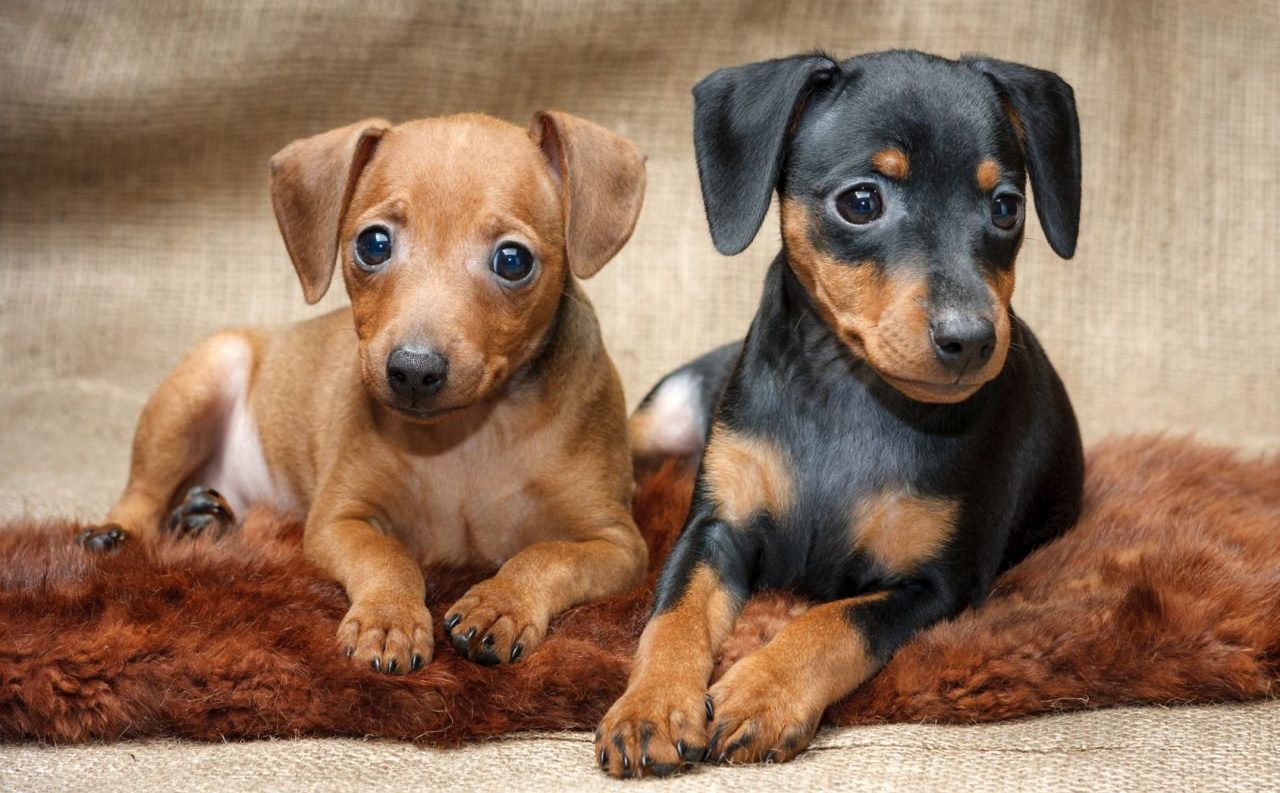
A Miniature Pinscher puppy should be active, curious, and confident. Observe its behavior: a healthy and well-rounded puppy shows interest in people and its environment, does not hide, and does not display aggression. Ensure that the puppy is not overly timid or passive, as this may indicate insufficient socialization or behavioral issues. Externally, the puppy should conform to breed standards: correct body proportions, short, shiny coat, straight limbs, and expressive eyes.
Pay attention to the puppy’s health. Its coat should be smooth and clean, eyes clear, and ears free from odor and dirt. The puppy should be well-fed but not overfed, and its movements should be light and confident. Be sure to check for a veterinary passport with entries for vaccinations and deworming. The puppy’s parents should be healthy, active, and demonstrate stable behavior, which increases the chances that the puppy will grow up similarly.
Documentation is an important element when choosing. The pedigree should confirm purity of breed and absence of inbreeding. A good breeder can also provide information about tests for hereditary diseases common to the breed, such as dysplasia or joint issues that can sometimes occur in Pinschers.
The Miniature Pinscher has a vibrant temperament, so when choosing a puppy, it’s important to evaluate whether it fits your lifestyle. This breed is for active, confident individuals ready to dedicate time to training, play, and interaction. A puppy that exhibits energy, interest in interaction, and confidence is more likely to become a well-rounded representative of the breed, capable of showcasing its best traits. By making the right choice, you will gain not only a beautiful Pinscher but also a loyal, intelligent, and energetic companion. Zoopark is the best place to choose from a variety of listings.
Health and Illnesses
The Miniature Pinscher is a breed that generally exhibits good health, but like all dogs, it is predisposed to certain conditions. One of the most common issues that Miniature Pinscher owners may encounter is hip dysplasia. Although this condition is more frequently seen in larger breeds, it can also occur in small dogs. To minimize the risk, it is important to choose a puppy from reputable breeders whose parents have undergone veterinary examinations and do not have hereditary joint diseases.
Additionally, Miniature Pinschers are prone to heart diseases, especially if there are cases of cardiomyopathy or other cardiovascular disorders in their genetic history. Therefore, regular check-ups with a veterinarian and monitoring the state of their cardiovascular system will help identify problems early and prevent serious consequences.
Don’t forget about eye diseases, such as cataracts and progressive retinopathy. These conditions can develop with age, and regular veterinary checks are necessary for early detection. Proper nutrition and immune system support will assist in maintaining eye health and the health of other organs.
Miniature Pinschers are also susceptible to certain skin conditions, such as dermatitis and allergies, particularly if their skin tends toward dryness or irritation. Pay attention to your pet’s coat and skin condition. If you notice redness, itching, or hair loss, this is a reason to consult a veterinarian.
Another characteristic of Miniature Pinschers is their tendency to become obese if they do not receive adequate physical activity. Despite their small size, these dogs require regular walks and playtime to maintain an optimal body weight. Excess weight can lead to joint problems, cardiovascular issues, and an overall decline in health.
Overall, the Miniature Pinscher is a healthy breed with minimal health problems when properly cared for and routinely checked. It is important to monitor their health, adhere to vaccination schedules and preventive procedures, and not neglect physical activity and the mental well-being of your pet.
Содержание
-
1. Описание породы
-
2. Внешний вид
- 2.1 Голова
- 2.2 Морда
- 2.3 Уши
- 2.4 Глаза
- 2.5 Зубы
- 2.6 Корпус
- 2.7 Конечности
- 2.8 Хвост
- 2.9 Шерсть
- 2.10 Окрас
-
3. Характер
-
4. Содержание и уход
-
5. Дрессировка и обучение
-
6. Как выбрать котенка
-
7. Здоровье и болезни


Комментарии
Отзывы могут оставлять только зарегистрированные пользователи
Войти