
Dwarf Schnauzer





Warning: Illegal string offset 'label' in /home/panda/sites/zoonika/wp-content/themes/zoonika/template-parts/animals/animals-param-item.php on line 32
Ð


Breed Description
Dwarfschnauzers, a dog breed, were developed in Germany in the late 1800s. Originally intended for pest hunting, they also proved to be excellent guard dogs, protecting livestock and property while assisting in herding cattle. Over time, dwarfschnauzers became one of the most popular breeds worldwide, transitioning from farms to people’s homes.
The dwarfschnauzer, along with the dwarf pinscher, is the smallest representative of the large group of schnauzers and pinschers. In the past, they were part of a common pool of working dogs widely found in Central Europe. Coachmen and traveling merchants, especially in Germany, favored these dogs as loyal companions. They were essential for drivers capable of covering great distances and providing reliable protection for wagons and cargo, even after a long day. These dogs displayed independence and confidence in guarding their owners’ property, traits that are still present in today’s little dwarfschnauzers.
Around 1870, these dogs began to be classified as either pinscher or schnauzer breeds based on their size and color. Contrary to popular belief, schnauzers are not closely related to English terriers, as confirmed by genetic analysis conducted by a team of geneticists led by Heidi Parker in 2017, which included over 100 dog breeds and over 13,000 individuals.
Today’s schnauzers descended from the common rough-coated representative within this group of dogs. Long before 1800, especially small versions of schnauzers existed that were popular among ladies as companion dogs. From them, the current affenpinschers and dwarfschnauzers emerged.
A notable figure in the world of pinschers and schnauzers at that time, Josef Bert, contributed to the recognition of the dwarfschnauzer between 1895 and 1921. However, official recognition by the FCI came only in 1955. The Pinscher-Schnauzer Club, founded in 1895, actively promoted the development and breeding of the dwarfschnauzer as the unique family and companion dog we know today. The club continues to care for the breed, which has over 13,000 individuals, and sets standards for the global community.
The dwarfschnauzer remains a popular breed in Germany, with over 1,000 puppies born each year. This popularity is attributed to many compelling reasons, explaining its status as the most popular breed in several major U.S. cities in 2020.Schnauzers are compact, sturdy, and muscular dogs with vigilant behavior. The dwarfschnauzer is a lively and active little dog that can be not only useful but also a joyful companion. These resilient, alert, and energetic little dogs exhibit boldness when protecting you against unfamiliar dogs.The dwarfschnauzer possesses intelligence and endurance, always eager to please its owners. These sociable and vocal dogs like to be included in family affairs. They demonstrate extreme loyalty, and once you earn their trust, they will closely monitor you, regardless of where you are or what you are doing. They respond quickly and alert the family to any emergencies.The price of a dwarfschnauzer puppy can range from 30,000 to 60,000 rubles.

Appearance
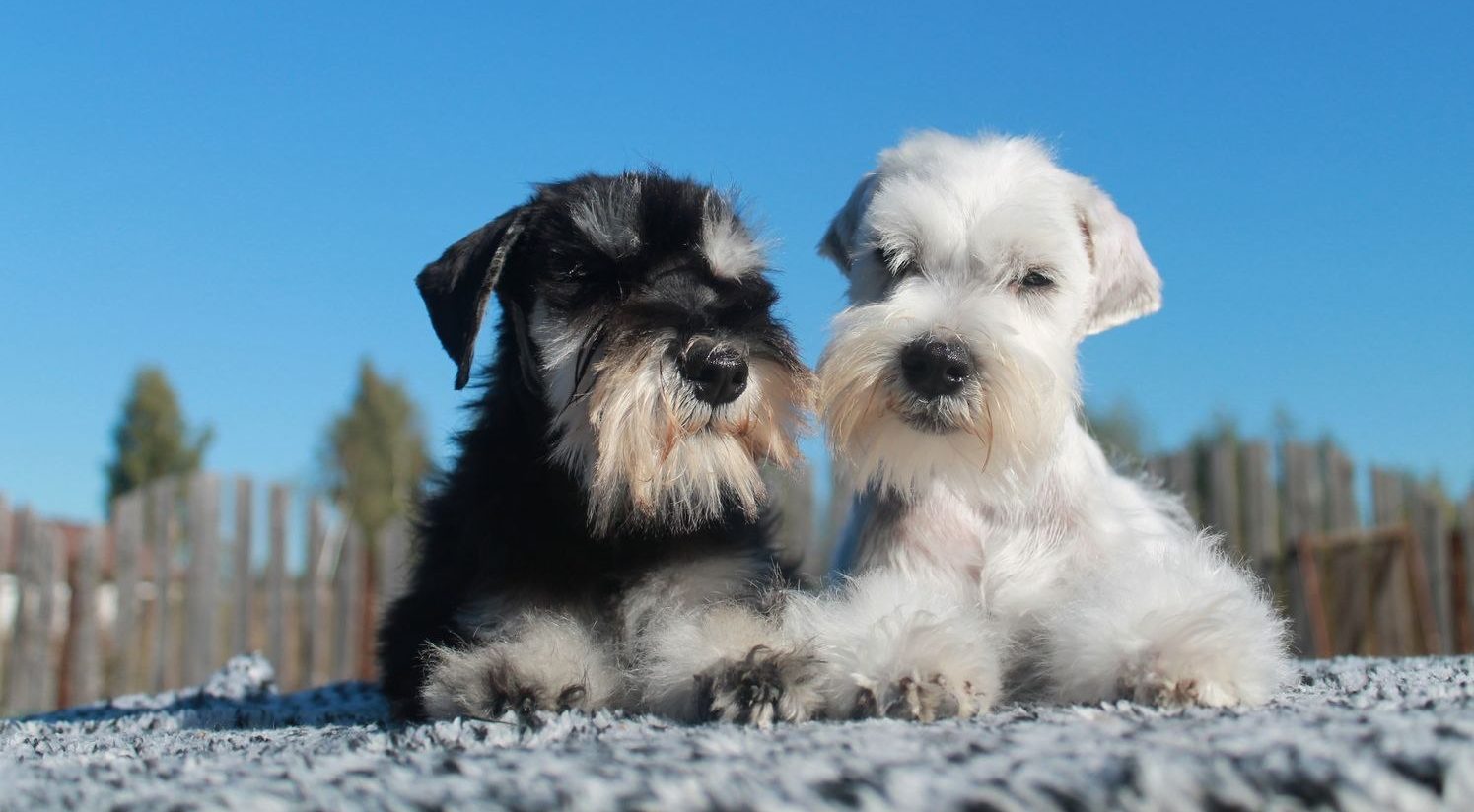
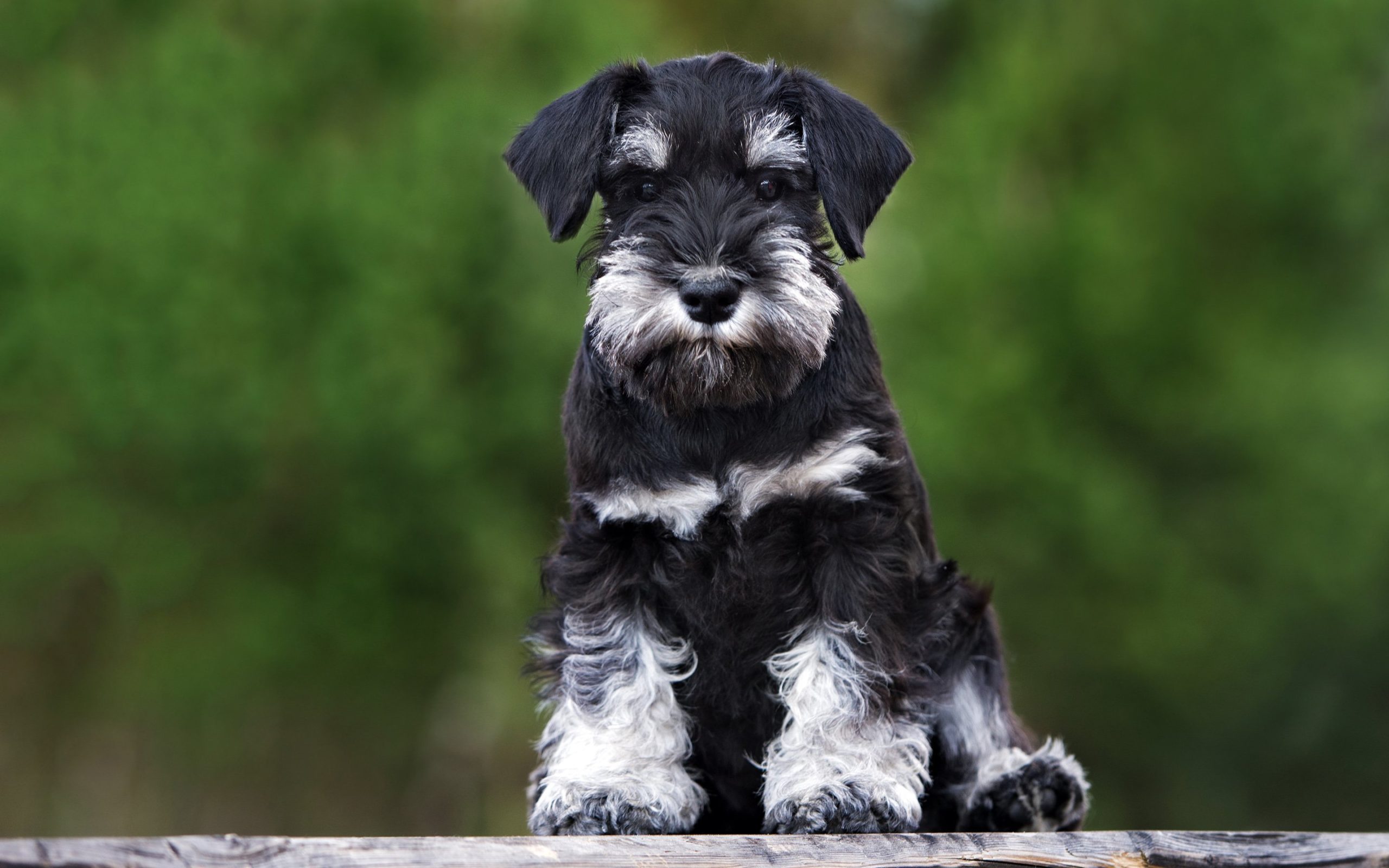
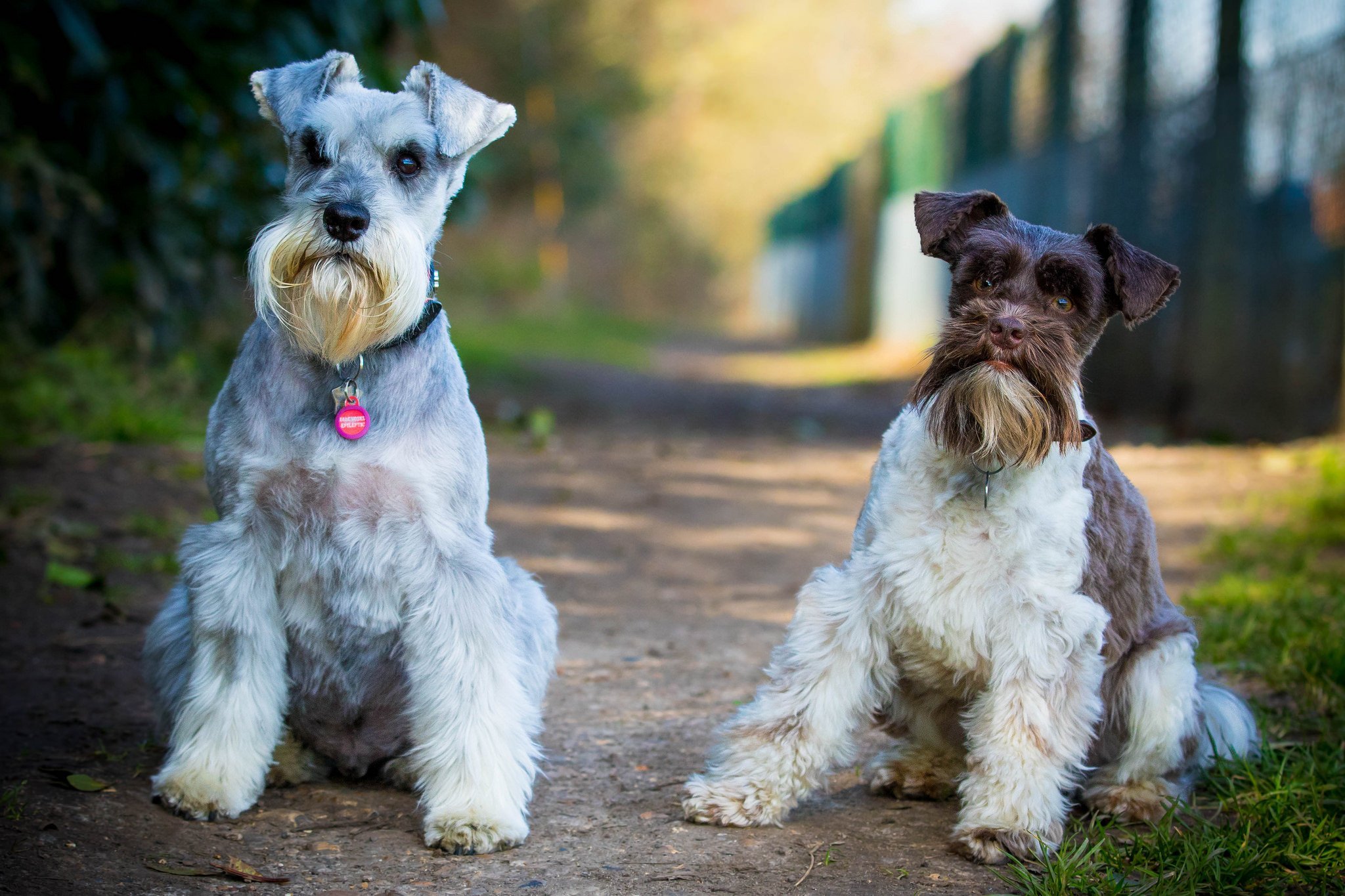
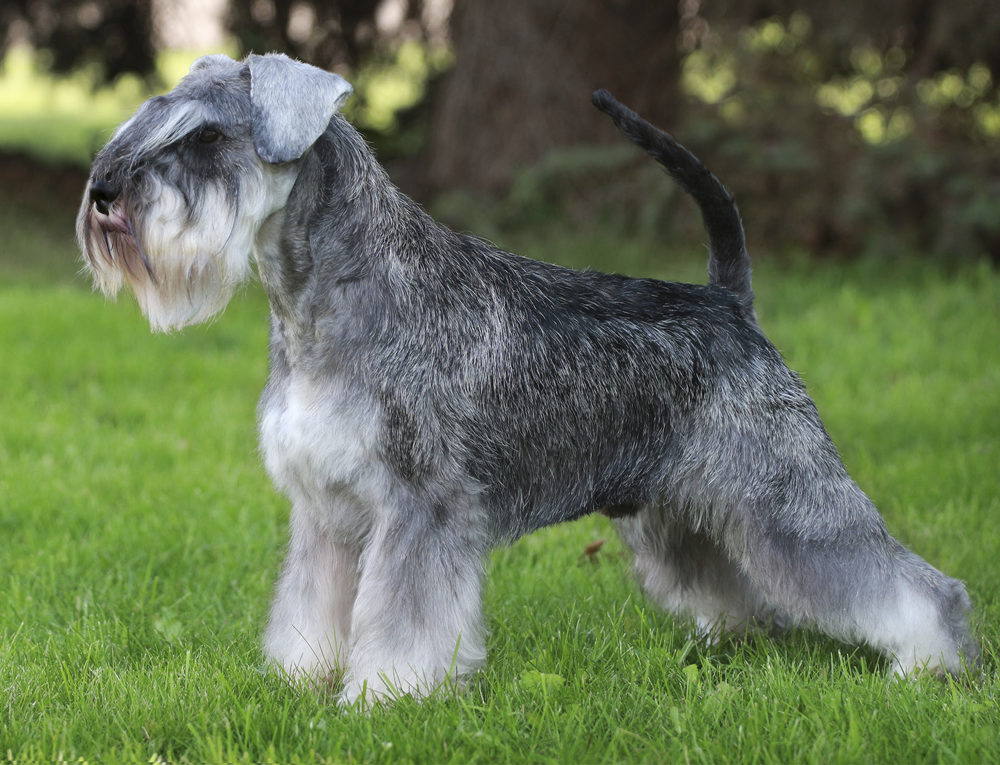
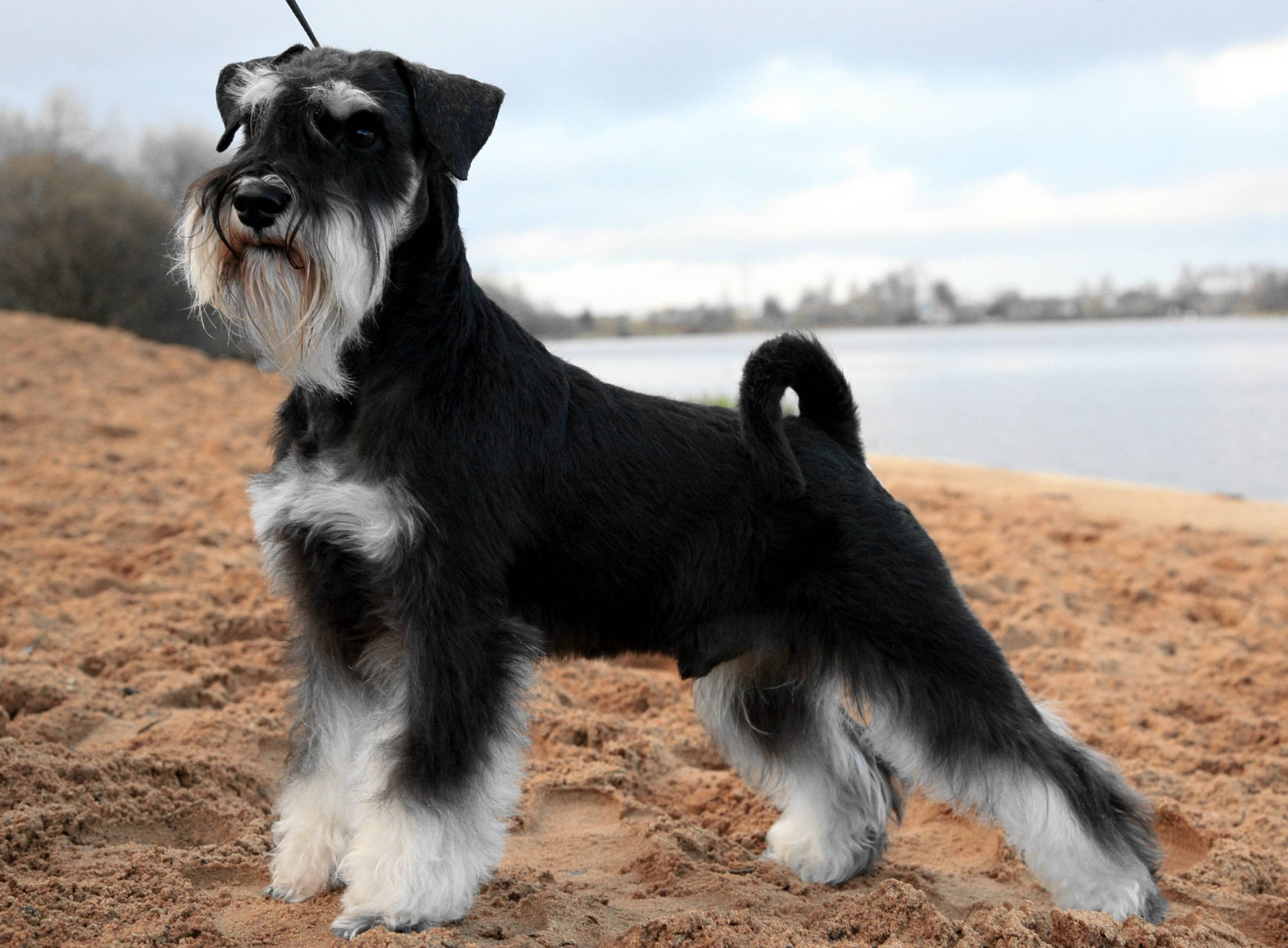
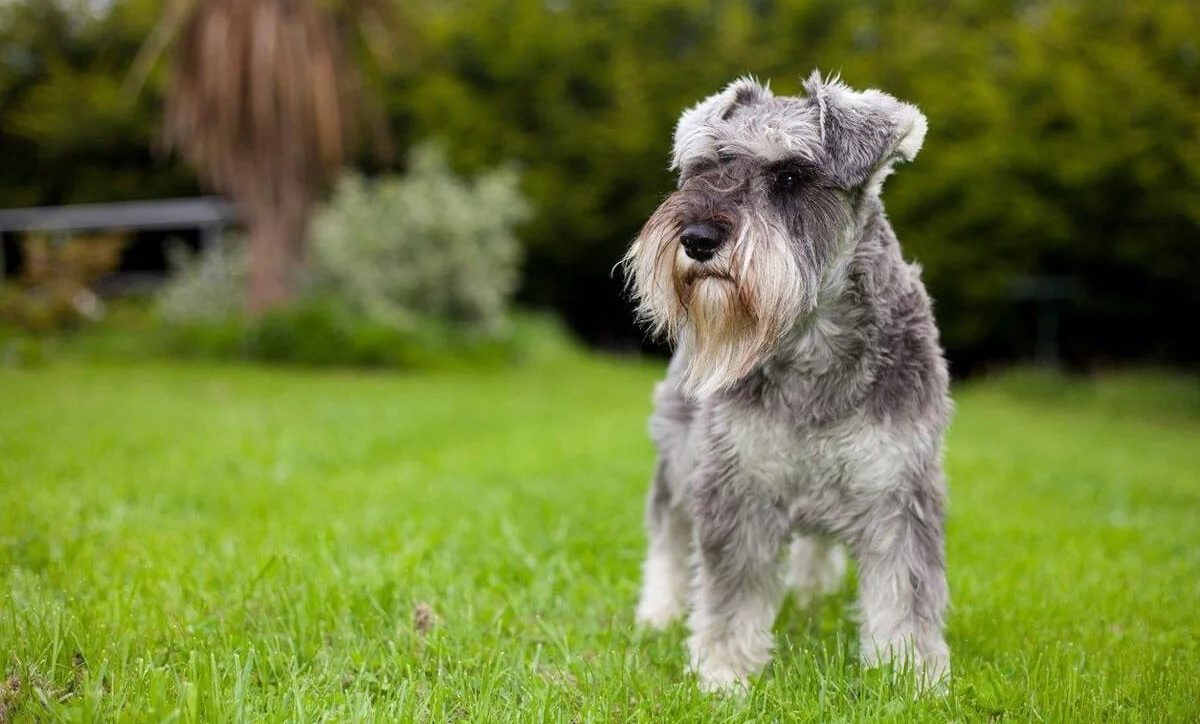
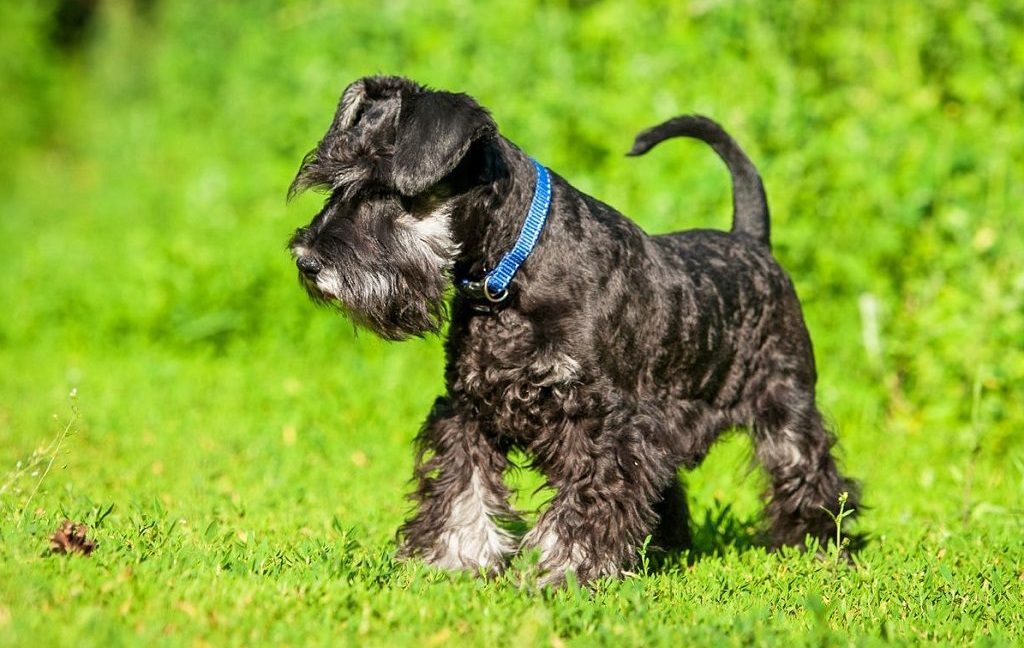
The Miniature Schnauzer is a small, fairly stocky yet energetic and spirited family companion dog. Like all Schnauzers, it has a characteristic beard made of fairly rough hair on its face and thick eyebrows. Its mustache is quite noticeable. The coat of the Miniature Schnauzer should be harsh, dense, and close-lying, but not too short. They also have a very thick undercoat. Acceptable colors include “pepper and salt,” pure black with a black undercoat, black and silver, and pure white with a white undercoat.
The character of a Miniature Schnauzer can be described as that of a larger dog, despite their smaller size. They are muscular and sturdy, with a guarded gaze. Their eyebrows, mustache, and leg hair give them a very distinctive appearance.
They have the typical look of all Schnauzers, just in a smaller format. This is clearly defined by a size of 30 to 36 centimeters and a weight of 4 to 8 kilograms. Larger specimens, ideally starting at 45 centimeters, are considered medium or standard Schnauzers.
They have a strong build, are lean, and have an almost square shape (the length of the body equals the height at the shoulders). Their facial expression is sharp, and their behavior is cautious. Proper conformation is more important than color or other purely “aesthetic” characteristics.
Ideal height: males: 36 cm; females: 33 cm. Dogs that are too small, toy-sized, are atypical and undesirable.
With proper breeding, the Miniature Schnauzer can easily reach the age of 14 years or more.


Отличительные черты

Голова

Морда

Уши

Глаза

Зубы

Корпус

Конечности

Хвост

Шерсть

Окрас
Character
The Miniature Schnauzer has a distinct character and a strong temperament. This dog is a brave, cheeky, and lively companion with a will of its own. Its playful appearance accurately reflects its inner qualities. Despite its small size, the Miniature Schnauzer remains an incorruptible guardian, loyal, enduring, and persistent. Its active curiosity about the world stems from a strong desire to move and find activities. The official breed standard clearly emphasizes their intelligence, bravery, endurance, and vigilance, making the Miniature Schnauzer an excellent choice as both a pet and a devoted guardian, easily adaptable even to life in a small apartment.
The Miniature Schnauzer has a rather low irritation threshold and may bark if it gets too bored. They are very affectionate and want to closely interact with their owner. They are well-suited for families with children, provided there is consistent guidance that reinforces house rules. This breed is an ideal companion for both single individuals and large families.
Their playful nature makes Miniature Schnauzers perfect for families with well-behaved children. Since they can live anywhere as long as they have enough space to run and play, their playful temperament has made them popular pets.
They are also known for their loyalty to their family. This gentle breed is perfect for families with children.
Miniature Schnauzers are known to be very sociable and friendly toward most pets. They enjoy making new friends and playing with them when properly socialized. They are not shy, and while they love to play, relax, and have fun, their character is very business-like when it comes to work.
In terms of characteristics, the Miniature Schnauzer is a well-balanced, intelligent, stylish, and adaptable pet. Their temperament is alert, reliable, and smart. First and foremost, they are companion dogs.
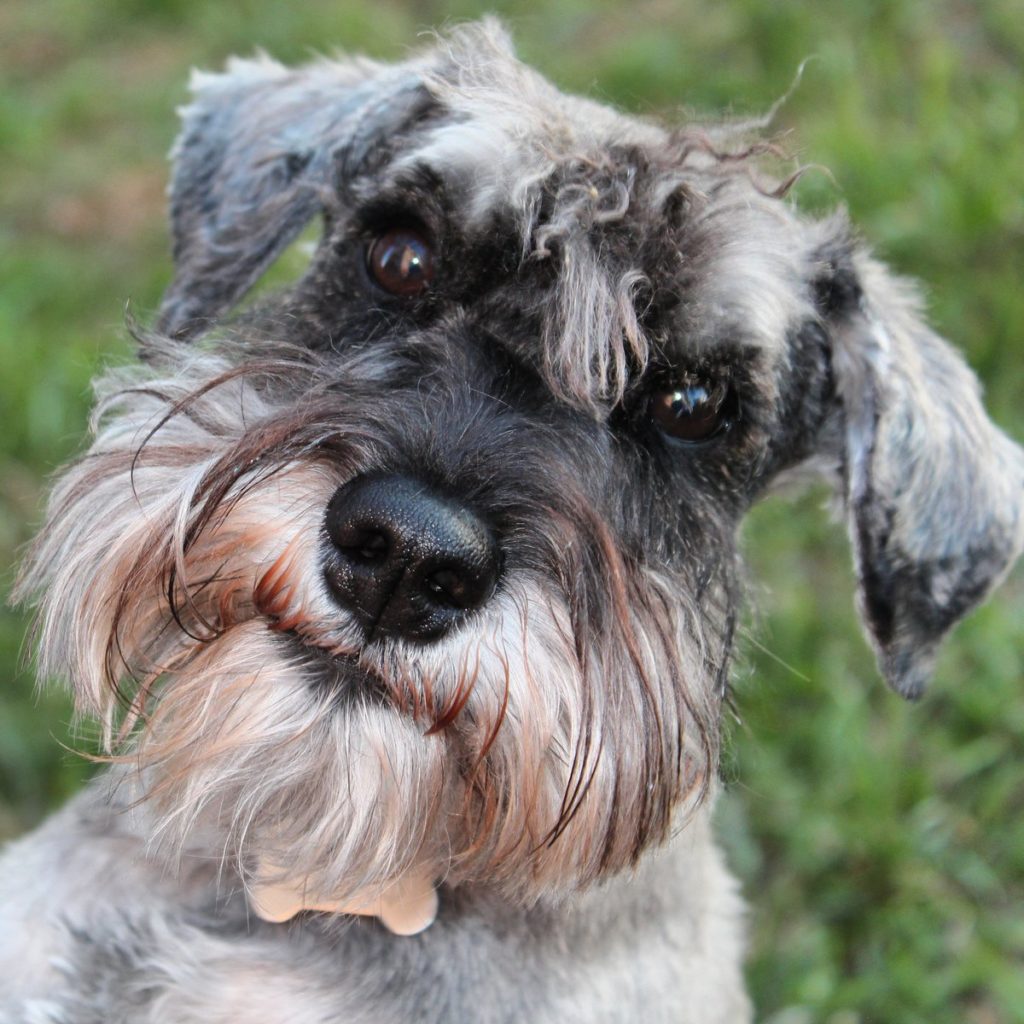
Charismatic little beard
One of the most noticeable features of the miniature schnauzer's appearance is their distinctive beard. This stylish element of fur under the nose gives these dogs a unique and often comical look. Throughout the history of the breed, the beard has not only served a decorative purpose but also helped protect the nose from falling drops of water and food, making it surprisingly functional.Care and Maintenance
The Miniature Schnauzer easily adapts to its family’s lifestyle and prefers an active way of life, especially outdoors, ideally every day. However, it can comfortably live in urban conditions and fits well in a small apartment. It will also be a great companion for other pets if socialized from an early age.
Miniature Schnauzers prove to be excellent hunters of mice, despite not being bred specifically for hunting. Compared to other breeds, they can be louder and show off their strength, but this aspect is easy to manage. They are suitable even for inexperienced owners or elderly individuals. They are easy to handle with a bit of preparation and guidance, and they impress with their good behavior.
Caring for a Miniature Schnauzer does not require significant effort. Its coat can be trimmed with clippers or using a stripping method that combines both techniques. Nails should be trimmed every month or two, unless they wear down naturally, to avoid painful tears and other issues. Regular checks of the ears for redness or unpleasant smell can help detect infections at an early stage. A careful weekly examination also aids in identifying potential health problems.
Make caring for your Miniature Schnauzer an enjoyable activity by using rewards and treats, which will pave the way for easy veterinary check-ups and other procedures in the future. The Miniature Schnauzer has a double coat consisting of a coarse outer layer and a soft undercoat, and it sheds minimally. Regular grooming during shedding periods helps remove loose hair and maintain an attractive appearance. They should be brushed once a week using a rubber glove, grooming tool, or de-shedding gloves to remove dead hair and keep them looking their best.
Miniature Schnauzers are not demanding in terms of diet, but a quality food is beneficial for their health and enjoyment. Like many other dogs, they prefer meaty beef bones. It is recommended to feed them 1 to 2 cups of high-quality dog food daily, divided into two meals. The diet should be appropriate for the dog’s age and lifestyle. Treats can be helpful during training but should be given in moderation to prevent obesity. It is important that your dog always has access to clean, fresh water.
Smart and friendly
Miniature Schnauzers are known for their high intelligence and friendly nature. These dogs not only train easily but also possess a unique sense of intuition and resourcefulness. They happily engage in play with children and become reliable companions for the entire family. Their combination of smarts and friendliness makes them ideal pets for various lifestyles.Training and Education
Training a Miniature Schnauzer needs to be taken seriously and consistently from an early age. They require clear instructions, rules, and guidance from their owner. Consistency is always essential. The Miniature Schnauzer is intelligent and lively. They notice any carelessness or inconsistency immediately. They are always curious about something new and want to explore it. They desire and are capable of learning and adapting to their owner’s preferences. This makes them an extremely pleasant and easy-going companion, who is straightforward to train.
Reward-based training is the best approach for Miniature Schnauzers. Positive reinforcement is preferable over punishment in their training. Instead of using force or negativity, this method emphasizes repetition, consistency, and constant positive reinforcement. Make their training engaging and varied to keep their minds occupied. Consistency is crucial in all training, and it is very important to continue highlighting the positive behaviors you want from your dog. They are known for their strong will, so patience and a good sense of humor will come in handy.
Miniature Schnauzers enjoy having a yard to play in, but they can also manage without one if taken out for long walks daily. They require 45 minutes of exercise per day. This is a fantastic way to engage their body and mind while helping you bond with your dog. Plenty of physical activity and active leisure will keep them happy and healthy.
Miniature Schnauzers are not just dogs; they are cheerful, intelligent, and loyal friends. Their vibrant appearance, combining elegance and courage, makes them appealing not just to the eye, but also to the heart. From their amusing facial expressions to their remarkable intellectual abilities, these dogs impress with their unique personalities and readiness to be ideal companions in life’s everyday adventures. We offer the best, who care for each puppy from the first days of their life.
Excellent watchdog qualities.
Despite their small size, Miniature Schnauzers possess outstanding qualities. They are known for their keen senses and willingness to protect their owners. This breed was developed for farm work, and they have successfully passed on their guarding instincts to their modern descendants. Miniature Schnauzers will often loyally stand watch over the home and family, making them excellent guardians.
How to Choose a Puppy
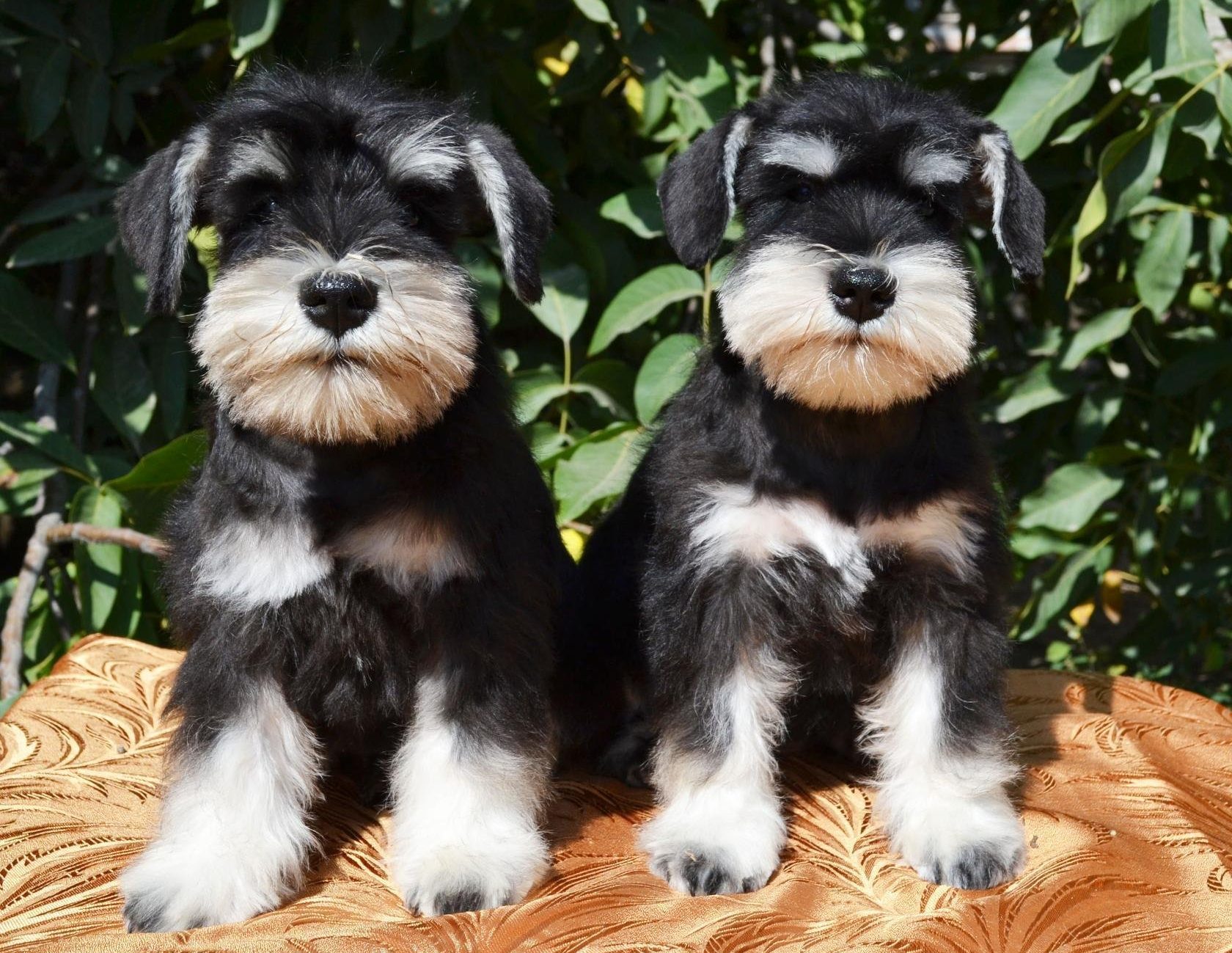
Choosing a miniature schnauzer puppy is an exciting moment that requires careful consideration and knowledge. Miniature schnauzers, with their distinctive appearance and unique personality, make wonderful companions, but to select the right puppy, several important aspects should be taken into account.
First of all, it is essential to thoroughly research the miniature schnauzer breed. Familiarize yourself with their history, character traits, grooming requirements, and activity needs. This will help you understand how well a miniature schnauzer fits into your lifestyle.
Only approach responsible breeders who prioritize the health and temperament of their dogs. A good breeder will provide you with information about the puppy’s lineage, medical tests performed, and efforts made for the puppies’ socialization.
Pay attention to the health of the puppy’s parents. Request medical test information from the breeder about the parents. This can help prevent potential genetic issues.
Visit the place where the puppies are raised. Assess their living conditions and socialization. Puppies raised in a loving and stimulating environment often have better adaptability skills.
Carefully examine the puppy you have chosen. Pay attention to its behavior, energy level, cleanliness of the coat and eyes. A healthy puppy should look lively and alert, without signs of anxiety or weakness.Spend time with the chosen puppy, observing its behavior. A good miniature schnauzer puppy will show interest in you, be playful and curious.Choose a puppy whose temperament matches your lifestyle. If you are active, consider a puppy that exhibits more energy. If you prefer a quieter life, choose a puppy with a more balanced character.Keep in touch with the breeder after the puppy enters your home. A good breeder is ready to offer support and answer questions related to the care and training of your new friend.Choosing a miniature schnauzer puppy is an important decision that will shape your life for years to come. With careful consideration and the right choice, you can enjoy the loyalty and intelligence of this wonderful breed.If you want to buy a miniature schnauzer puppy, look for a breeder who is a member of the 1895 Pinscher-Schnauzer Club. If you are lucky, you may also find your miniature schnauzer at an animal shelter. Please do not buy a miniature
Health and Illnesses
Caring for the health of a Miniature Schnauzer is an important aspect of responsible ownership of this breed. With their unique appearance, bold character, and loyalty, Miniature Schnauzers deserve special attention to ensure they live a long and happy life. Let’s explore the main health aspects and possible illnesses that a Miniature Schnauzer may encounter.
Health of the Miniature Schnauzer.
When selecting a Miniature Schnauzer puppy, it’s important to consider the lineage and any medical tests performed on the parents. This will help rule out potential genetic diseases and provide a healthy start for your pet.
Regular visits to the veterinarian are vital for health care. Veterinarians can administer necessary vaccinations, screen for parasites, and suggest a preventive care plan.
Miniature Schnauzers are energetic dogs, requiring sufficient physical activity. Regular walks and playtime will help maintain good physical condition and prevent excessive weight gain.
The health of a Miniature Schnauzer also depends on quality and balanced nutrition. Choosing the right food that meets the breed’s needs will support their physical and mental well-being.Illnesses in Miniature Schnauzers.Hypertrophic cardiomyopathy (HCM) is a heart disease that may occur in Miniature Schnauzers. It is characterized by thickening of the heart walls, which can lead to serious circulation problems. Regular visits to the veterinarian and medical evaluations can help with early detection and management of this condition.Pancreatic diseases, such as pancreatitis, can affect Miniature Schnauzers. It manifests as inflammation, which can cause vomiting, diarrhea, and loss of appetite. Adhering to a proper diet and regular veterinary visits can help prevent this disease.Due to the characteristics of their coat, Miniature Schnauzers may be susceptible to various skin diseases, such as dermatitis. Regular grooming and coat care can help prevent these issues.Some Miniature Schnauzers are prone to hereditary eye diseases, such as cataracts. Regular eye examinations by a veterinarian can help identify these problems at early stages.Veterinary c
Содержание
-
1. Описание породы
-
2. Внешний вид
- 2.1 Голова
- 2.2 Морда
- 2.3 Уши
- 2.4 Глаза
- 2.5 Зубы
- 2.6 Корпус
- 2.7 Конечности
- 2.8 Хвост
- 2.9 Шерсть
- 2.10 Окрас
-
3. Характер
-
4. Содержание и уход
-
5. Дрессировка и обучение
-
6. Как выбрать котенка
-
7. Здоровье и болезни


Комментарии
Отзывы могут оставлять только зарегистрированные пользователи
Войти