
Dwarf Pinscher





Warning: Illegal string offset 'label' in /home/panda/sites/zoonika/wp-content/themes/zoonika/template-parts/animals/animals-param-item.php on line 32
Ð


Breed Description
The Miniature Pinscher is a breed of small but energetic dogs with a unique appearance. They all possess outstanding instincts and a quick grasp, making them suitable for farm work as well as household duties. Their history spans several centuries, and while its origins are not entirely clear, it raises many intriguing questions. Today, finding a puppy from a kennel is not difficult anywhere in our country, and the popularity of small pinschers around the world is quite high.
The history of the Miniature Pinscher traces back to the times of ancient cities like Rome and Athens. In Germany, they were used for hunting rodents and as guard dogs. It is quite possible that their ancestors are the oldest types of terriers and standard pinschers.
For centuries, Miniature Pinschers were employed in hunting rats and other small rodents, as well as guarding property and assisting on farms, where they became valuable helpers. Sometimes they were taken on fox hunts. Their small size and courage allowed them to access places that larger dogs could not, making them indispensable for farmers and hunters.
While it is not precisely known when Miniature Pinschers were officially recognized as a separate breed, their emergence in Germany in the late 19th century is linked to the breeding of small pinschers for practical and decorative purposes.
The official recognition of the breed standard came in 1895 at a special exhibition in Munich. It was there that Miniature Pinschers were first showcased. This was an important step that contributed to the subsequent spread and recognition of this breed in various countries.
Today, Miniature Pinschers, known as “карликовые пинчеры” in Russian, have become popular companions and pets due to their cheerful and friendly nature. Many have proven to be excellent family dogs. Despite their small, almost fragile build, they still retain traits of both ancient guard and hunting dogs. This feature makes them unique and interesting heirs to their ancient ancestors.Even novice dog owners can appreciate all the charms of these sweet and charming dogs. The price for a purebred puppy in our country starts from 40,000 to 50,000 rubles. However, for those who find this amount high, there are advertisements for puppies with starting prices from 5,000 to 10,000 rubles.
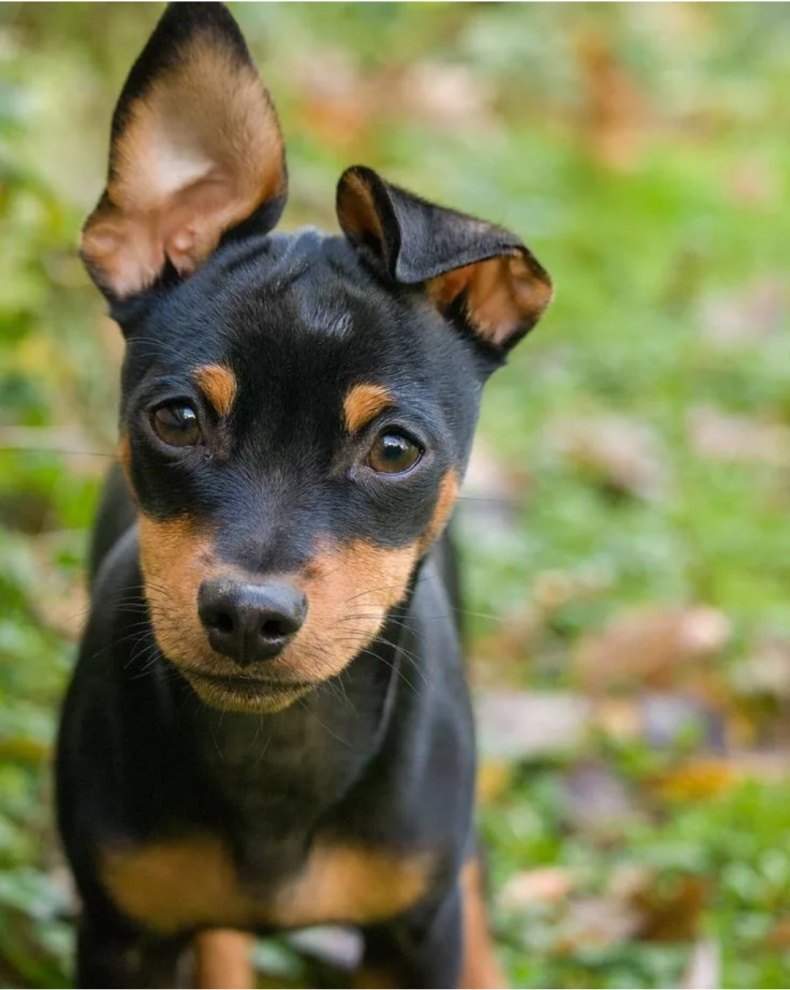
Appearance
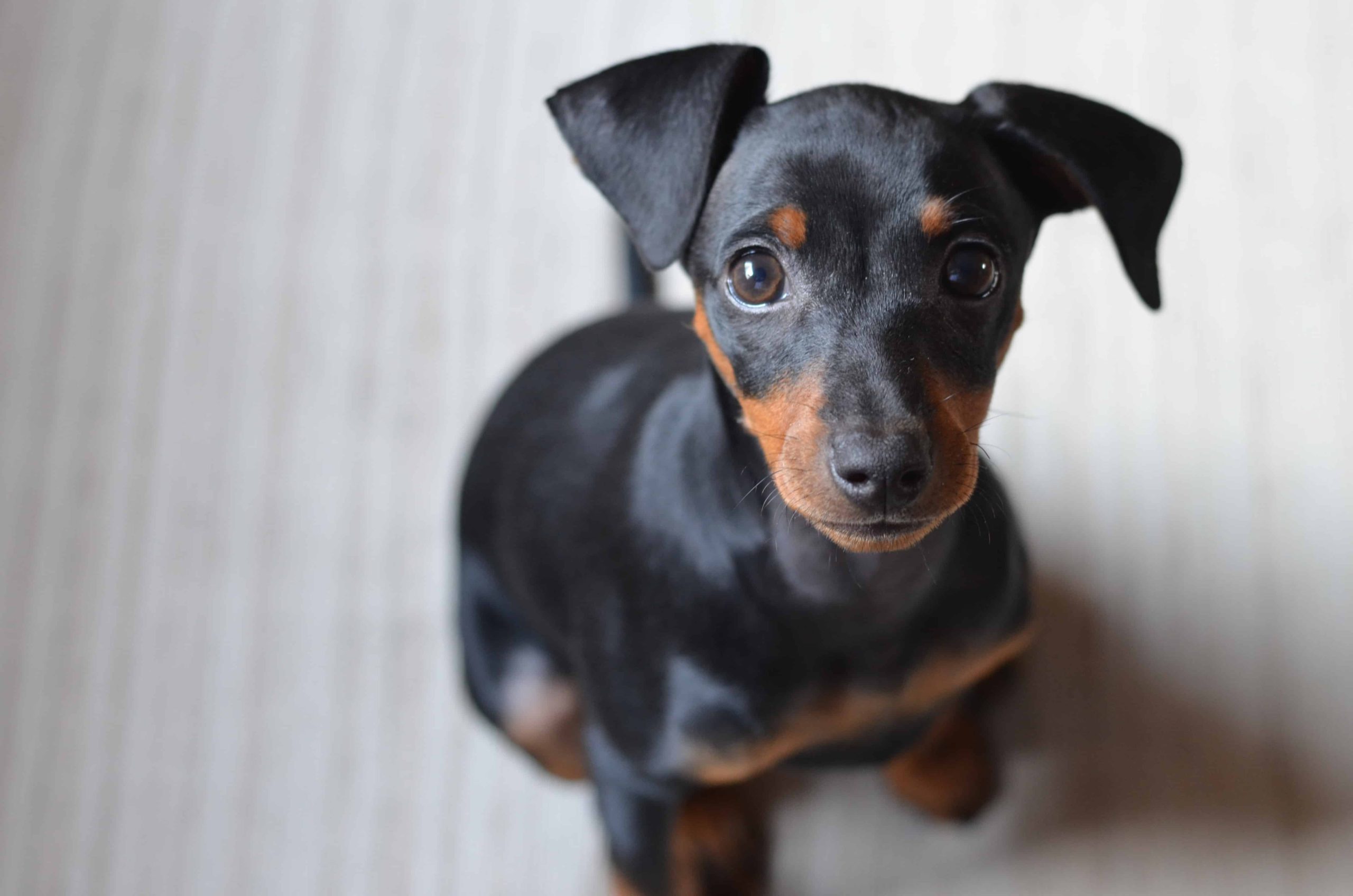
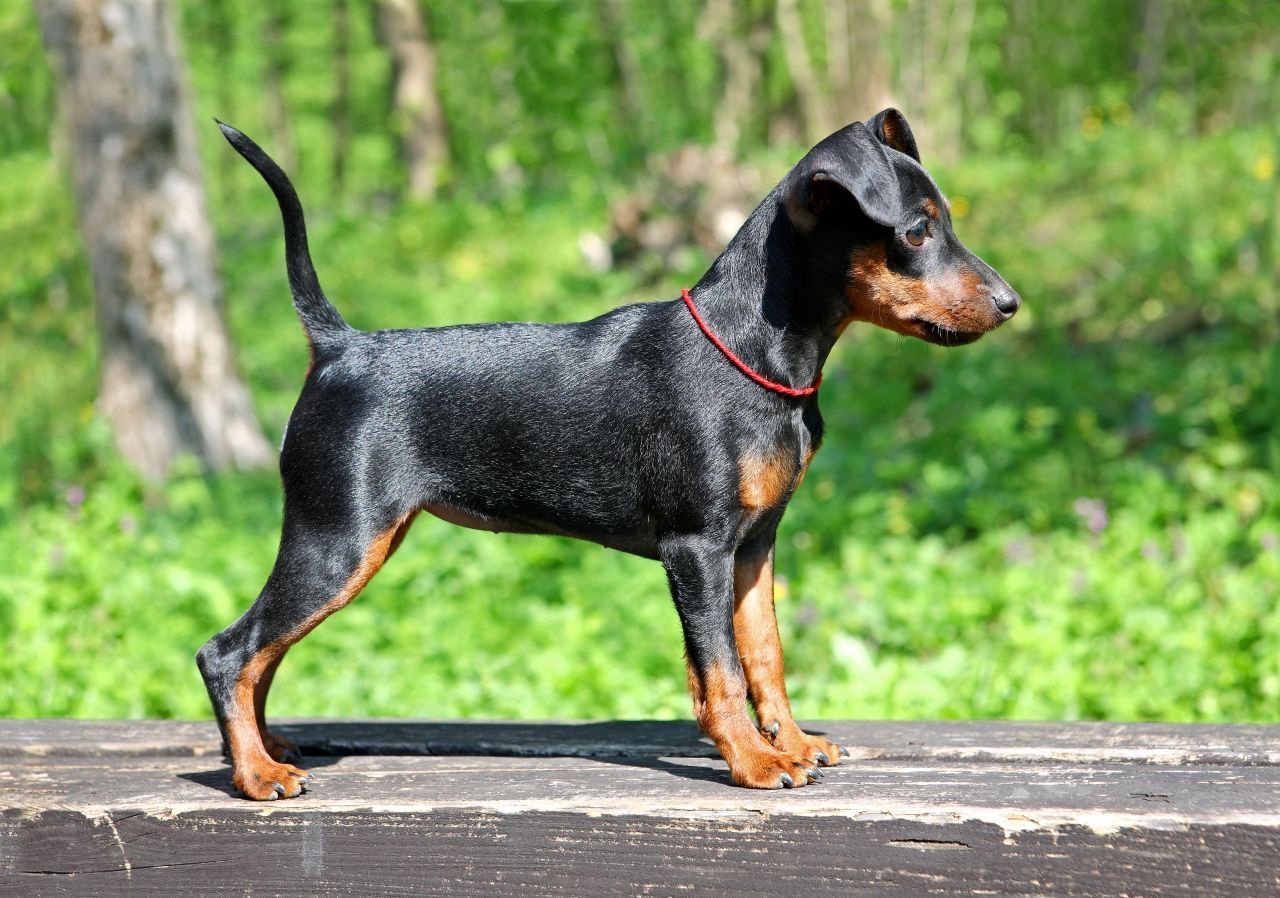
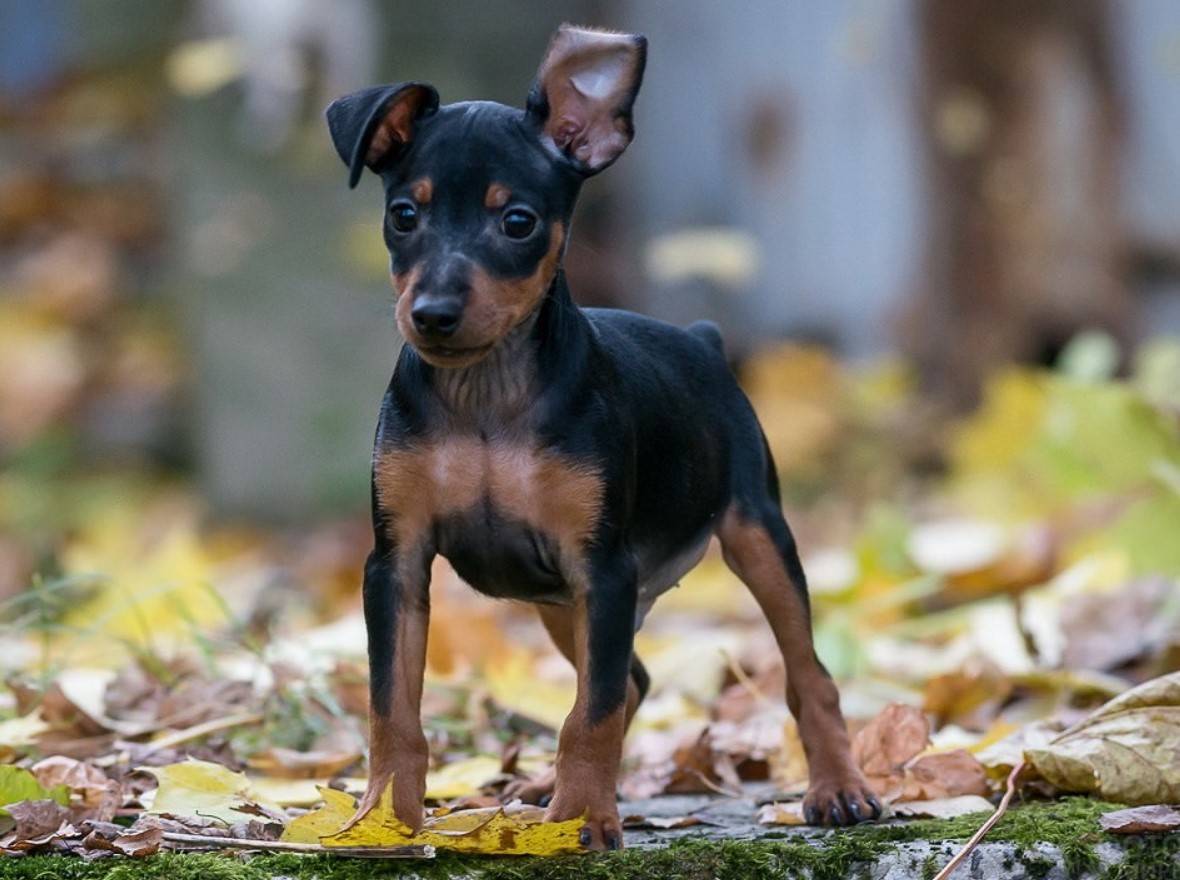
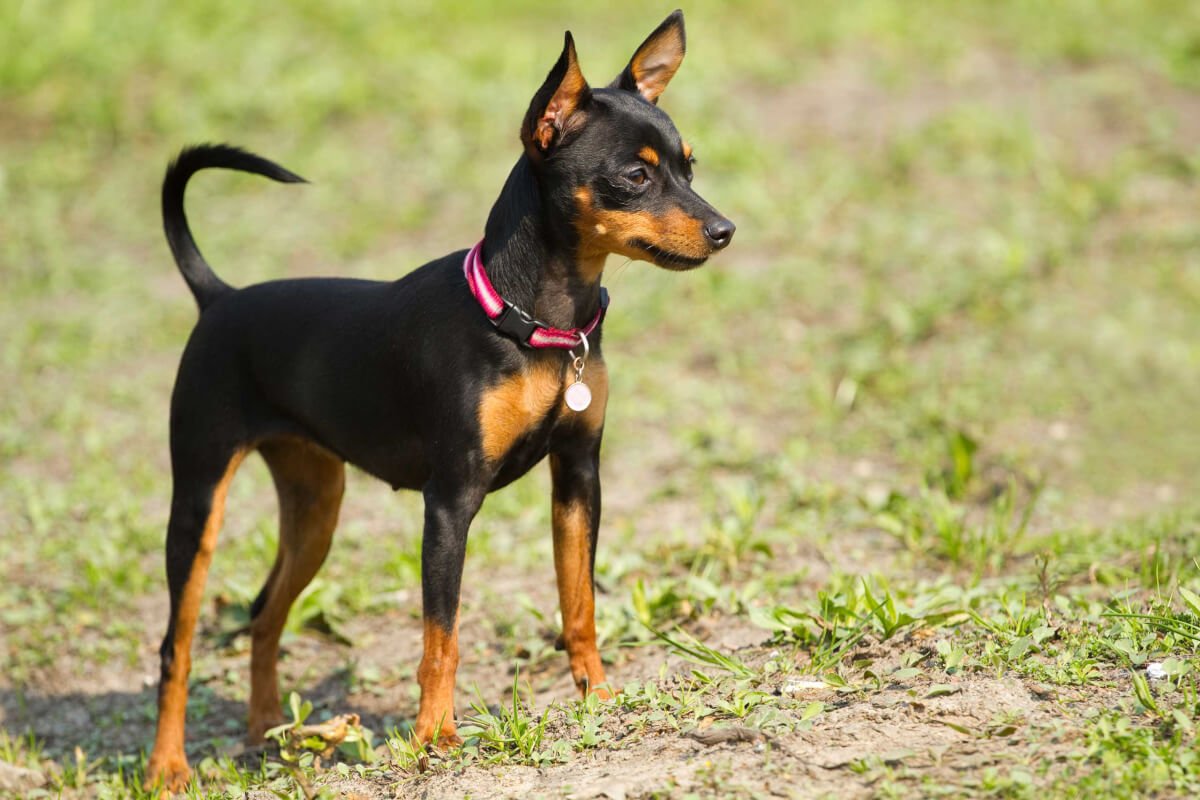
The appearance of the little one is deceptive: courage and bravery border on madness when it comes to protecting their owner. According to international standards, the dog is characterized by a distinct gait, muscular build, and a square body shape, standing small at the withers. They usually do not exceed 25-30 cm in height and weigh on average between 2 to 6 kg.
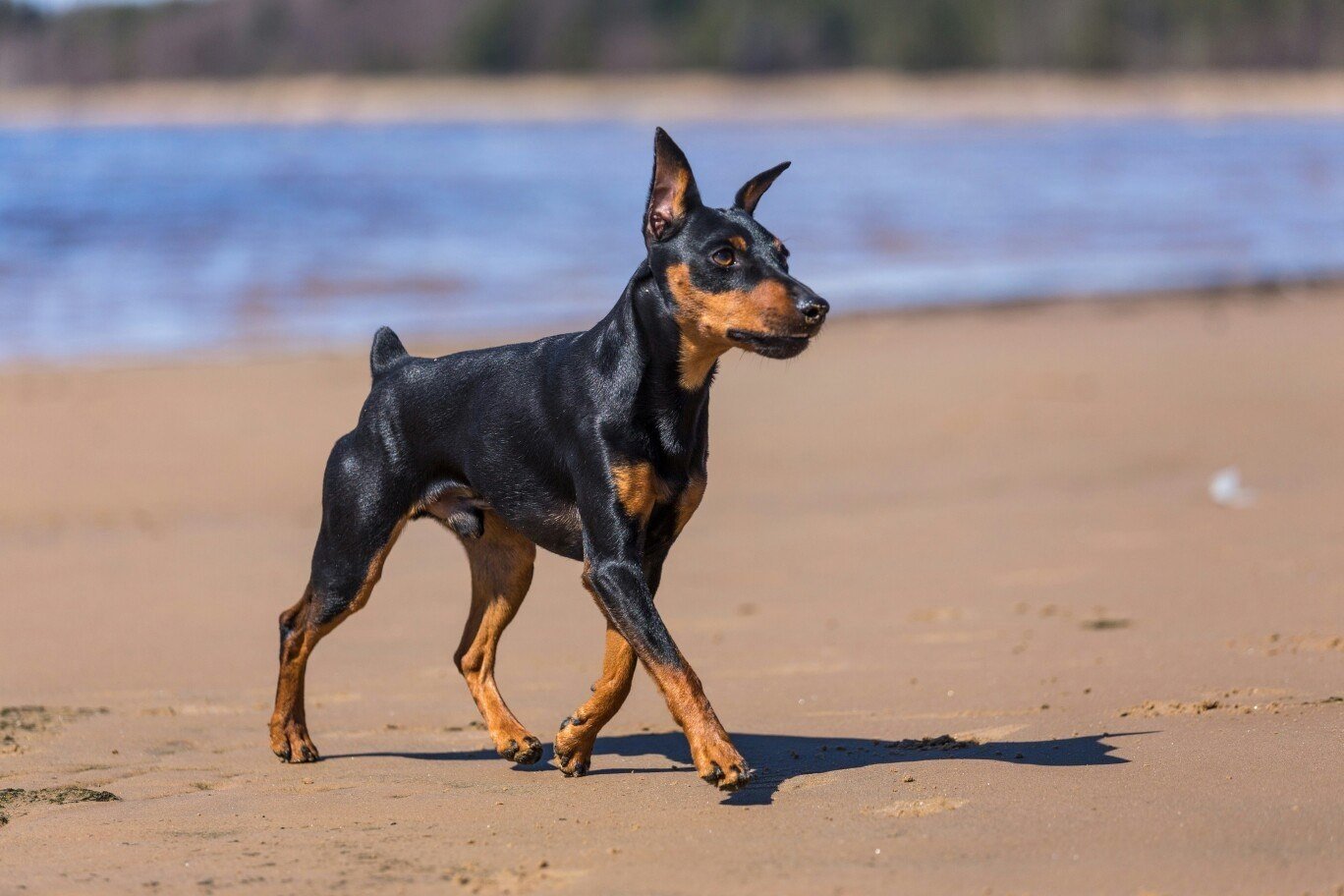
There is some difference between Scandinavian and overseas Miniature Pinschers. The Scandinavian line consists of stockier dwarfs, while those from across the Atlantic are noticeably more graceful in their movements than their European counterparts. Their gait somewhat resembles that of a horse when viewed from the side.
With proper care, their average lifespan is around 15 years, though in some cases it can be even longer. The breed is very popular and suitable for virtually any family.
All dog lovers have noted a certain resemblance between Dobermans and Miniature Pinschers, and some even affectionately call them “pocket Dobermans.”
You can choose a puppy from a kennel almost anywhere. In Russia, the average price for a purebred starts from 45,000 rubles. Smart, energetic, short-haired rascals will never back down in a fight, even against more imposing and larger dogs.


Отличительные черты

Голова

Морда

Уши

Глаза

Зубы

Корпус

Конечности

Хвост

Шерсть

Окрас
Character
The temperament of Miniature Pinschers can be described as very interesting. Energetic, fearless, playful, and curious-these traits define the Miniature Pinscher. Certain character features make them outstanding companions as pets. Despite their somewhat impulsive nature, they are well-suited for living in a city apartment. They are highly intelligent and loyal to their owners. Therefore, buying a puppy from a kennel means acquiring a devoted friend for many years.
Miniature Pinschers are known for their love of play. They are full of curiosity, making them excellent companions for active owners. However, despite their liveliness, they can also enjoy calm moments and affection. This balance makes them a fantastic choice for families of all kinds. Naturally, when a dog doesn’t get much exercise during the day, they can run freely during walks, so older owners need to use a retractable leash to prevent their little Pinscher from darting off in unknown directions.
One of the key characteristics of all Miniature Pinschers is their loyalty to their owners. They tend to form a strong bond with one family member. However, this doesn’t mean they ignore the other members of the family. They generally get along well with children, especially if they are socialized at an early age. Caution is advised with younger children, as they might not always understand the potential dangers of their actions towards the dog. With children aged 8 to 9 years and older, it is already acceptable to trust them to walk the Miniature Pinscher, provided they are briefed on proper dog handling and safety measures during walks. During fun activities, it’s important to be mindful, as one could inadvertently injure the animal or trigger its defensive reflexes if it feels pain. Typically, initial walks and subsequent play proceed without issues.
Like many other breeds, Miniature Pinschers may tend to protect their territory. This trait makes them good watchdogs, especially considering their sharp bark. With proper socialization and training from a young age, this characteristic can be managed. As a result, there will be no unpleasant discussions with neighbors about excessive barking. They generally show a friendly demeanor towards other pets, especially if interactions begin early and are part of their upbringing. Cats are no exception.
It’s important to note that Miniature Pinschers, like many small breeds, can have a tendency to bark. This trait is often utilized in training for guarding or as an alarm signal. Appropriate training and stimulation will help manage this barking habit.
Miniature Pinschers are excellent learners. They quickly grasp new commands and are capable of learning relatively simple tricks. Positive reinforcement significantly speeds up the training process.They thrive not only in city apartments but also in country houses. Their energy and curiosity allow them to enjoy active play outdoors. They can also serve as excellent guardians, always vigilantly monitoring their surroundings to protect their home from unwanted visitors. For their backyard exercises, a small fenced area is typically set up, allowing for free access during warm weather.The compact size of the adult dog and their adaptability to changing environments make it easy to take them along when traveling. Sometimes referred to as “Pocket Dobermans” for their fearlessness and bravery, they are always on alert and eager to protect their owner. Find your puppy through trusted sources.
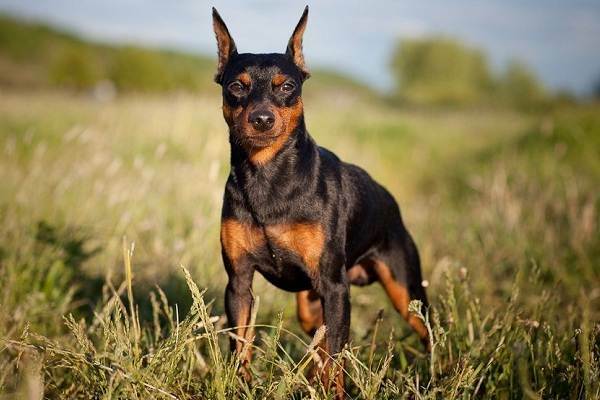
Who are you?
Some believe that the Doberman is a relative of the Miniature Pinscher, just smaller in size. In reality, this is not the case at all. These two breeds have no connection, except for a certain resemblance in appearance.Care and Maintenance
The Miniature Pinscher is a small dog with a truly strong character. As a companion, it is well suited for both city and country living. However, to ensure its health, it is important to know the specific care and maintenance needs of this breed.
Nutrition plays an important role in the life of Miniature Pinschers. Their diet should be balanced, and feeding should be regular. It is essential to choose quality food, with holistic or premium dog food for small breeds being the best option. This type of diet is easy to select even for those with more sensitive digestive systems. When choosing food, pay attention to the ingredients, which should include animal proteins, fats, carbohydrates, vitamins, trace elements, and minerals. To maintain dental health and strengthen their jaws, it is beneficial to provide Miniature Pinschers with bones or dental sticks. Ensure that your pet always has access to fresh water. Before choosing a puppy from a kennel, it is advisable to consult breed specialists.
The walking schedule for Miniature Pinschers should always be regular. Living in a city apartment, the dog needs physical activity. Long walks in the park or at a dog playground, where the Miniature Pinscher can run and play with other dogs, are beneficial. Active outdoor recreation such as running and playing ball or frisbee is also suitable.
Keeping Miniature Pinschers in a private home has its own specifics. It is important to ensure the animal’s safety to avoid injuries and accidents. Providing them with their own space where they can feel comfortable and safe is essential.
The dog’s coat is minimally prone to dirt, but regular brushing is necessary for good health and appearance. This prevents the buildup of dead hair and reduces shedding. It is recommended to use special brushes to remove excess fur. Regular bathing is not required, as excessive moisture can lead to skin irritation. However, regular tooth brushing is beneficial. The same goes for care of their nails and ears. Be sure to consult with a veterinarian on this matter.
Brief care and maintenance recommendations for the breed may be useless without considering the individual characteristics of the specific pet. It is important to spend time with the dog, observing its reactions and needs. Love, care, and attention are the factors that build a healthy and happy life for each Miniature Pinscher.Miniature Pinschers are generally friendly and sociable, making them good companions for other pets. However, it is important to gradually introduce them to other animals, especially if you already have dogs or cats. Begin with gradual introductions in a controlled environment, such as group walks in a park or similar setting. Give the dogs time to get to know each other and adjust to the other pets to avoid conflicts and stress.Do not forget that constant attention and supervision from the owner are necessary for the successful coexistence of different species of animals in the home.In special cases, when a dog’s behavior gets out of control, it is necessary to consult specialists. Animal psychologists can investigate the causes of deviant behavior and help correct the interaction between the owner and the pet. This is why it is not advisable to
Another mafia?
One of the leaders of the Cosa Nostra idolized dwarves and claimed that they were much smarter and more obedient than the members of his enemies' families.Training and Education
Dwarf Pinschers are energetic, intelligent, and devoted dogs. Despite their small size, they possess a high level of activity, as well as wit and courage, making them amazing companions for loving owners. Raising and training Dwarf Pinschers are important aspects necessary for developing stable and friendly behavior in these dogs.
Effective training of a Dwarf Pinscher begins with understanding their mental and physical needs. It’s essential to dedicate the necessary time to stimulate their mental and physical activity. Regular walks, physical exercises, and games not only bring the owner closer to their pet but also help reduce symptoms of irritability and anxiety in the dog.
When raising Dwarfs, it’s important to use positive reinforcement. They eagerly respond to praise and rewards. When a Dwarf correctly completes a task or exhibits desirable behavior, treats and praise will encourage that behavior. Conversely, punishment in the form of yelling or physical force will induce stress and negative emotions in the dog.
Training should start with basic commands, such as “Sit!”, “Lie down!”, and “Fetch!”.
The experience of raising and training Dwarf Pinschers is individual for each animal. Some may quickly learn commands, while others may take more time to understand.
The environment can also influence the upbringing of a Dwarf Pinscher. If the dog has other animals or even children in the house, it’s important to include them in the training process from the very beginning. This helps the dog realize that rules and commands must be followed in any situation and reinforces their social skills.A key aspect is consistency and patience. Raising a Dwarf Pinscher is a long process that requires constant attention and patience. Not all dogs quickly master skills and commands, and occasionally, unwanted behaviors may arise that require additional work. However, with consistency and understanding, raising a Dwarf Pinscher becomes an enriching experience for both the dog and its owner. Are you thinking about it? There is a vast selection of advertisements on the Zoonika map by cities.
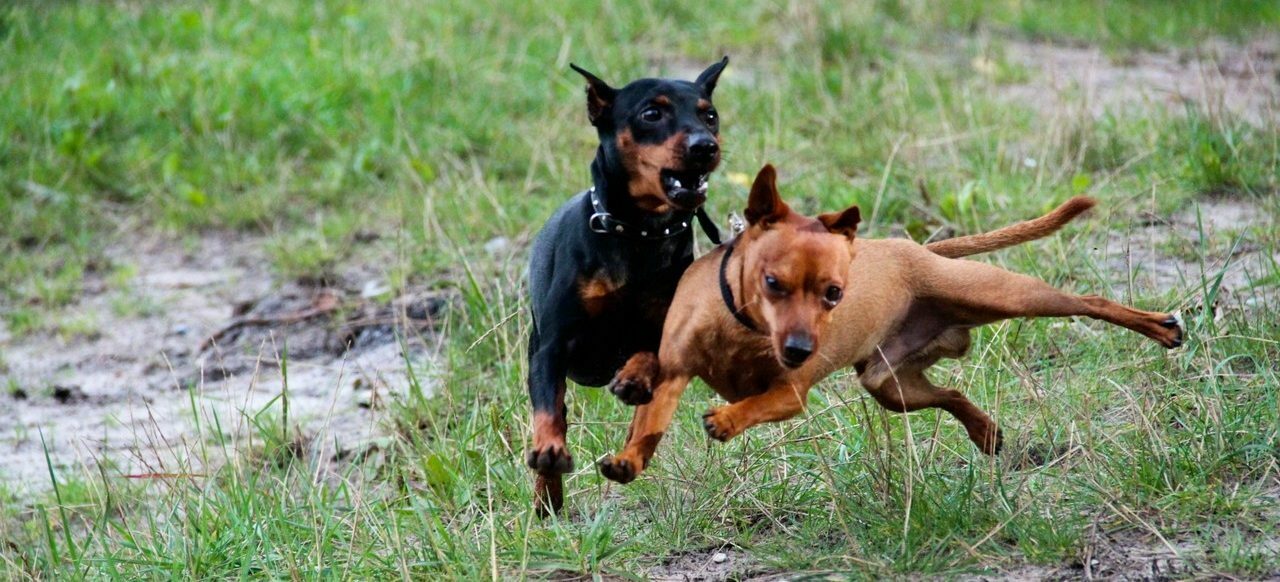
Little Napoleon
If the owner of a dachshund ever allows the pet to take the top step of the hierarchy in the house, it will be nearly impossible to reclaim the position of leader: the little “Napoleon” will dictate its own rules.
How to Choose a Puppy
Choosing a Miniature Pinscher is a responsible step that requires careful and thorough consideration.
Before you start looking for a puppy, research the Miniature Pinscher breed. Learn about their temperament and care requirements. This will help you understand whether this breed fits your lifestyle.
Don’t be swayed by ads offering puppies at low prices. Seek trusted recommendations and reviews, and look for experienced and caring breeders. The reputation of the kennel and the breeder’s attitude towards their dogs greatly influence the future pet’s health and temperament. Keep in mind that Zoonika has the best selection of kennels in Russia.
If possible, visit the kennel in person and meet the parents. Their character and demeanor can give you insight into what to expect from the offspring. Visiting the kennel is also important to ensure the dogs appear healthy.
Inspect all the puppies – they should be lively and active. Pay attention to their reactions to you.
Feel free to ask the breeder questions about the dogs. Inquire about the puppies’ parents, the living conditions, and other important details.Make sure the puppy has a veterinary certificate, pedigree, and that the veterinary passport includes all vaccination and deworming records. Check that the puppy shows no signs of illness or stress.Remember, choosing a puppy is a serious step, so take the time and attention this process deserves.
Health and Diseases
Among the most common diseases in dwarfs, there are several that deserve special mention.
Hypothyroidism is a hormonal disorder that is accompanied by alopecia (hair loss).
Legg-CalvГ©-Perthes disease results in lameness due to joint issues and muscle atrophy.
Retinal atrophy is a progressive condition that leads to gradual vision deterioration. Without proper treatment, it can result in blindness.
Due to their active nature, injuries are not uncommon, including dislocation of the kneecap. Care should be taken to prevent the puppy from jumping off sofas or chairs. Additionally, young puppies should not go down stairs for the same reasons.
Epilepsy, although less prevalent, is no less unpleasant. Seizures can occur with loss of consciousness and can be quite prolonged.Despite these issues, the breed generally has a strong immune system. Following the veterinarian’s recommendations, a proper diet, and regular exercise can significantly increase the lifespan of a miniature Doberman. Timely vaccinations and deworming with alternating medications also contribute to improving their quality of life.
Содержание
-
1. Описание породы
-
2. Внешний вид
- 2.1 Голова
- 2.2 Морда
- 2.3 Уши
- 2.4 Глаза
- 2.5 Зубы
- 2.6 Корпус
- 2.7 Конечности
- 2.8 Хвост
- 2.9 Шерсть
- 2.10 Окрас
-
3. Характер
-
4. Содержание и уход
-
5. Дрессировка и обучение
-
6. Как выбрать котенка
-
7. Здоровье и болезни


Комментарии
Отзывы могут оставлять только зарегистрированные пользователи
Войти