
Dutch Shepherd





Warning: Illegal string offset 'label' in /home/panda/sites/zoonika/wp-content/themes/zoonika/template-parts/animals/animals-param-item.php on line 32
Ð


Breed Description
The Dutch Shepherd, initially known as the “Hollandse Herdershond” and abbreviated to simply Herder, is a breed of dog from the Netherlands. This remarkable working dog and companion, distinguished by its character and work ethic, remains relatively unknown in Germany. It is larger than the other Dutch shepherd, the Schapendoes, and has a different body shape. The Dutch Shepherd is likely closest to the original German shepherds, from which both the German and Belgian shepherds descended.
Photos of the shepherd can be found in the 2000-page, two-volume work “Dogs of All Nations” by Belgian Count de Bielland from 1895. Notably and pleasantly, the dogs have hardly changed since that time. The Dutch herdershod represented in 1895 in 20 high-quality photographs is indistinguishable from today’s herdershod.
The appearance and often the character of most other dog breeds have deteriorated since the beginning of selective breeding. Just consider the sloping back lines and excessively strong angulations of the hindquarters in today’s show lines of German shepherds. As the name suggests, the Dutch Shepherd originally served as a herding dog for sheep. They also performed a variety of other tasks to assist humans. They helped herd livestock to slaughterhouses, a job later taken over by the railway. They often served as draft dogs for carts carrying goods or even for single carts. They regularly performed the duties of guard and farm dogs.
The Herder made its first appearances at dog shows, such as in Amsterdam in 1874. The breed club was officially founded in Utrecht in 1898. However, from an early stage, Belgian and German shepherds imposed strict restrictions on its spread. Since the founding of the breed club, the number of registered breeders has actually declined. The marketing of the “Herdershond” simply wasn’t good enough. In any case, this cannot be attributed to the quality of the dogs. There is no doubt in this regard when it comes to performance, character, and health, which is still true today. The breed finally received recognition from the FCI on May 11, 1955.
Dutch Shepherds are an excellent alternative to the well-known and sometimes problematic strains of German Shepherds, which may suffer from health issues and temperament weaknesses. In Germany, the Dutch Shepherd is cared for by the Dutch Shepherd Club of Germany, part of VDH, founded in 2008. Currently, fewer than 100 Dutch Shepherd puppies are registered under VDH each year. This dog breed could gain much wider distribution.
As expected, the Dutch Shepherd began its life as a working dog for shepherds. Dutch Shepherds were used to perform various duties on farms in the Netherlands. They can not only herd sheep and other animals but also keep chickens out of gardens, pull carts, and serve as guard dogs.The Dutch Shepherd is among the most brilliant breeds today, known for its adaptability and ability to excel in various tasks. They love their work and will diligently perform any role assigned to them. They are loyal and eager to please, making them an excellent breed for training.The price for a puppy ranges from 45,000 to 60,000 rubles.
Appearance
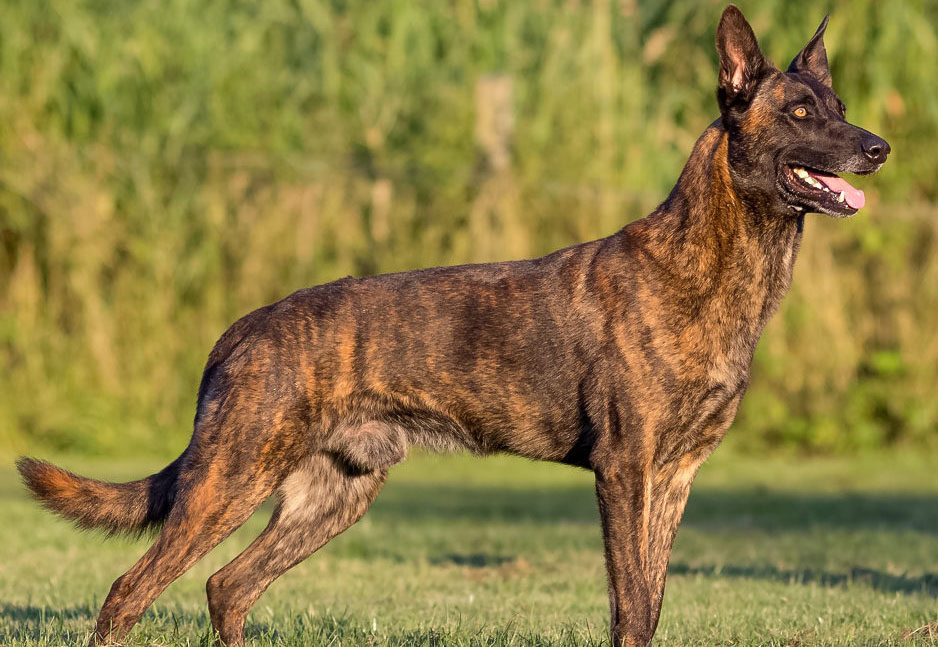
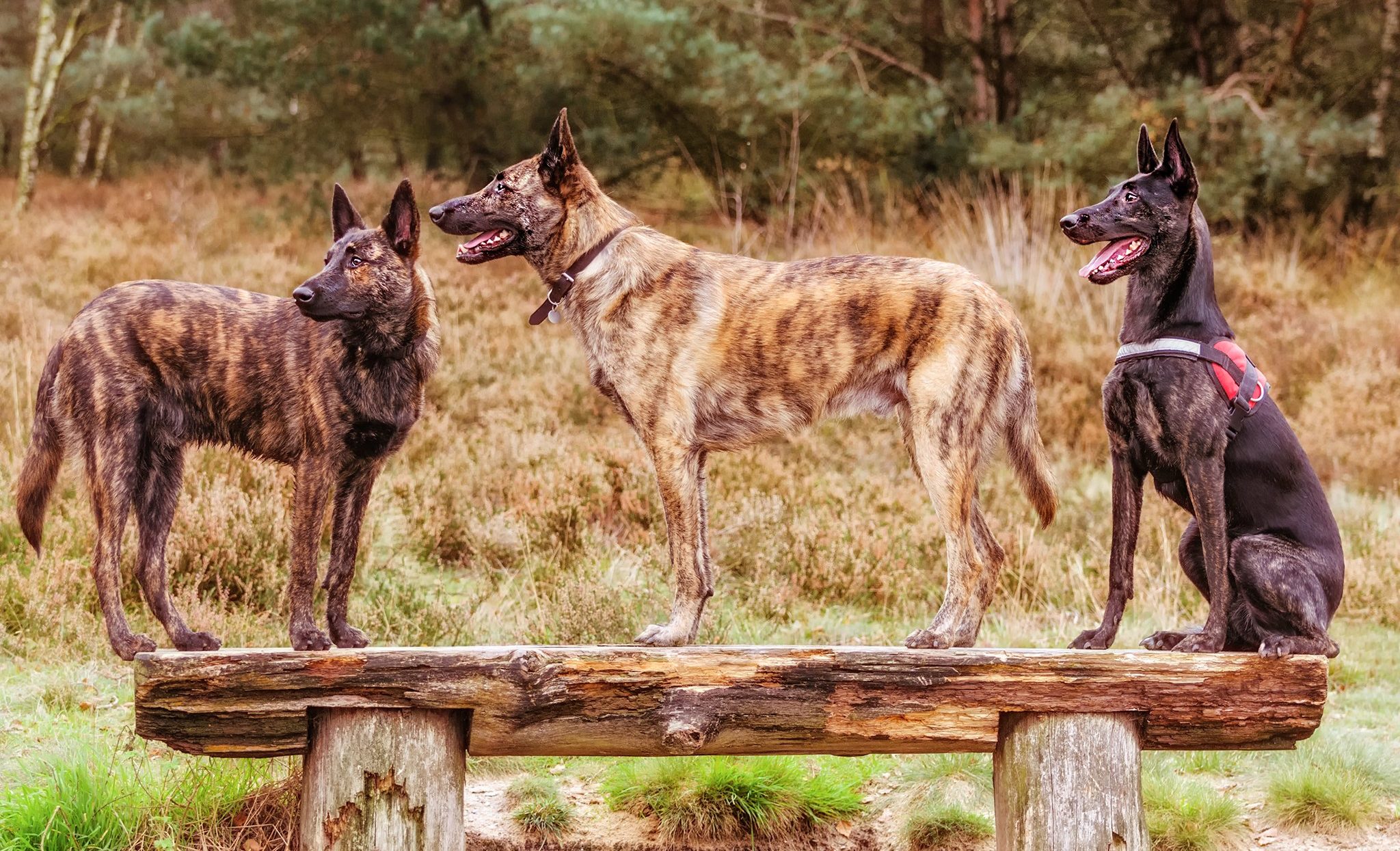
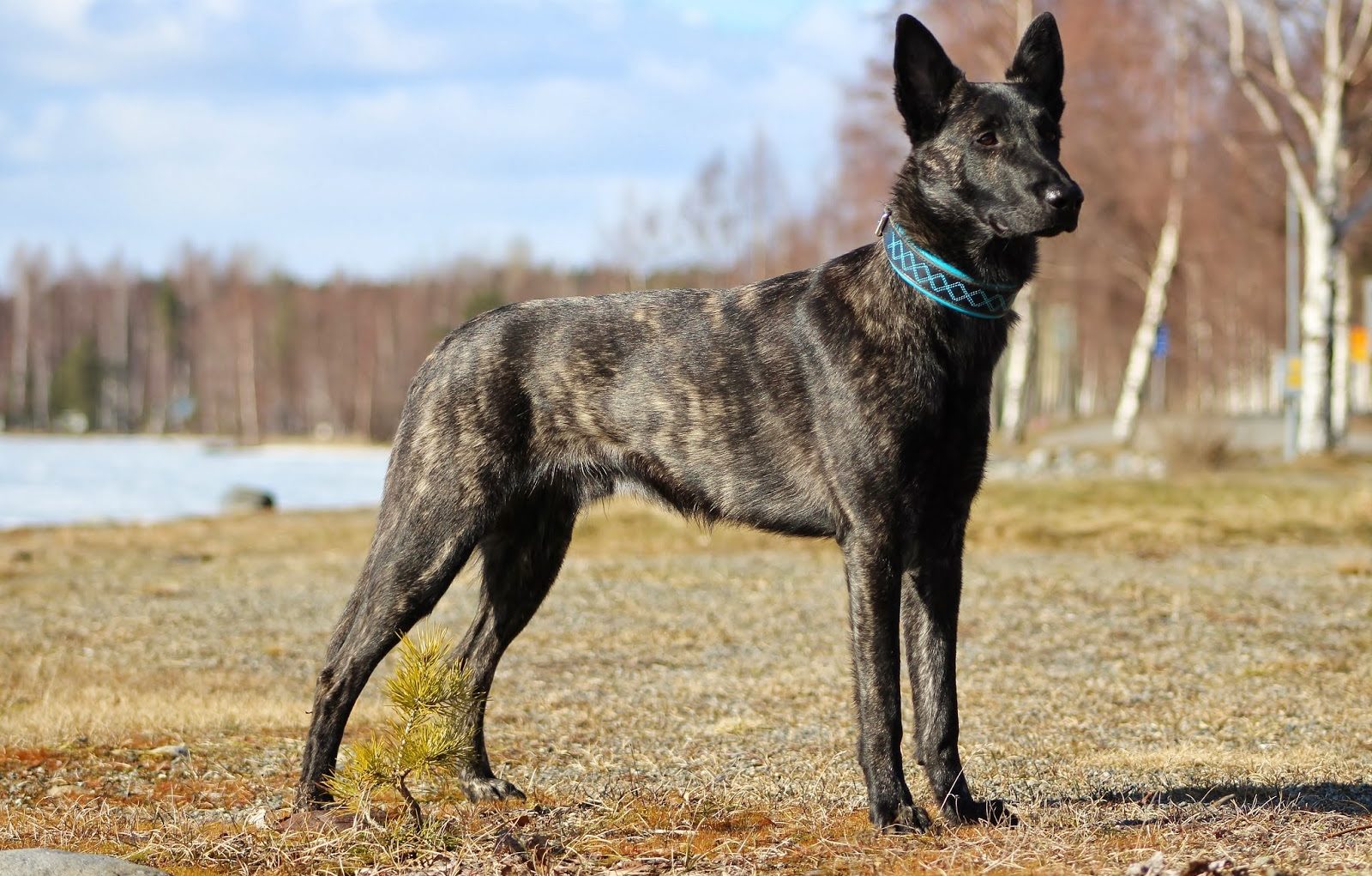
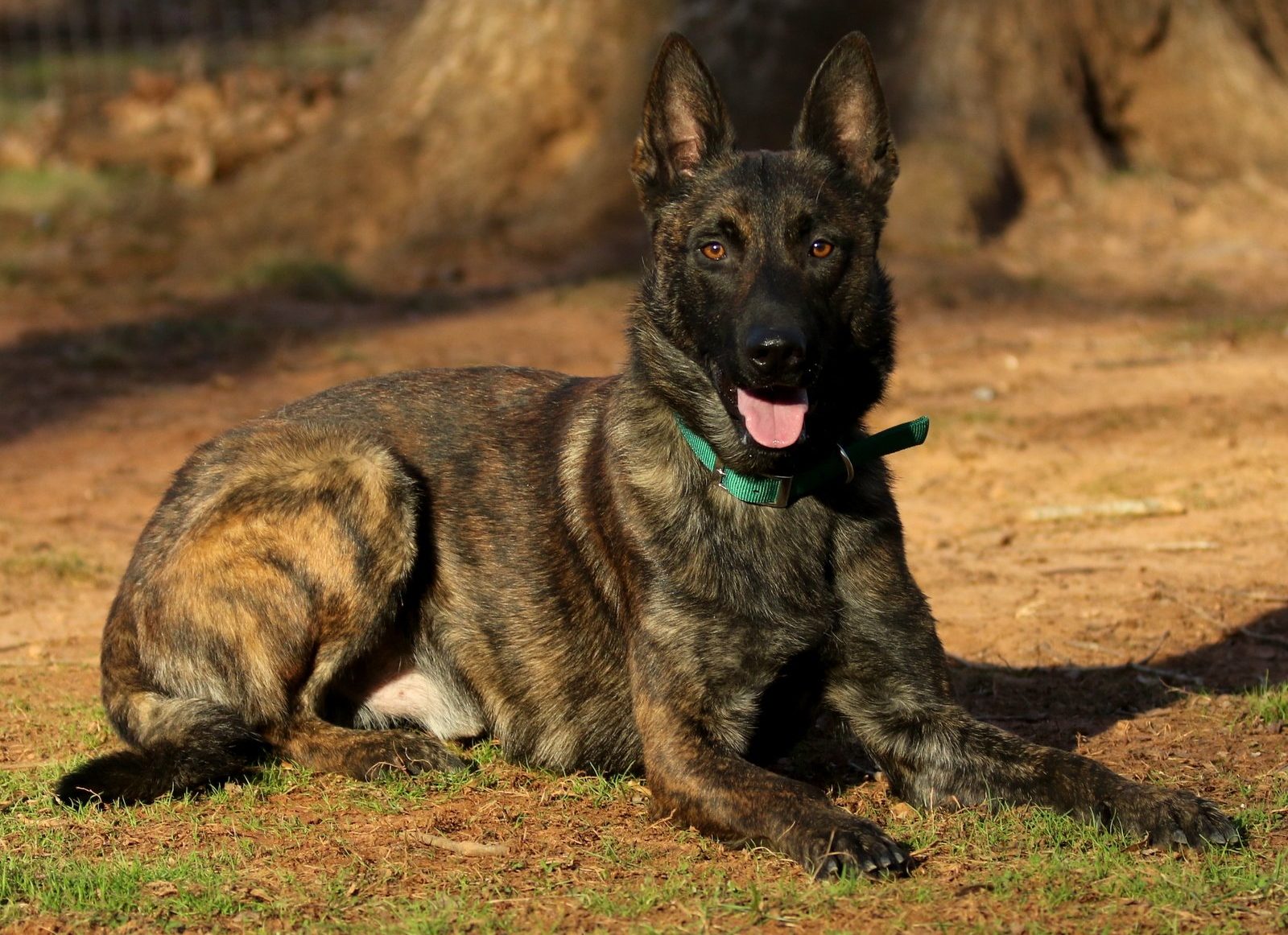
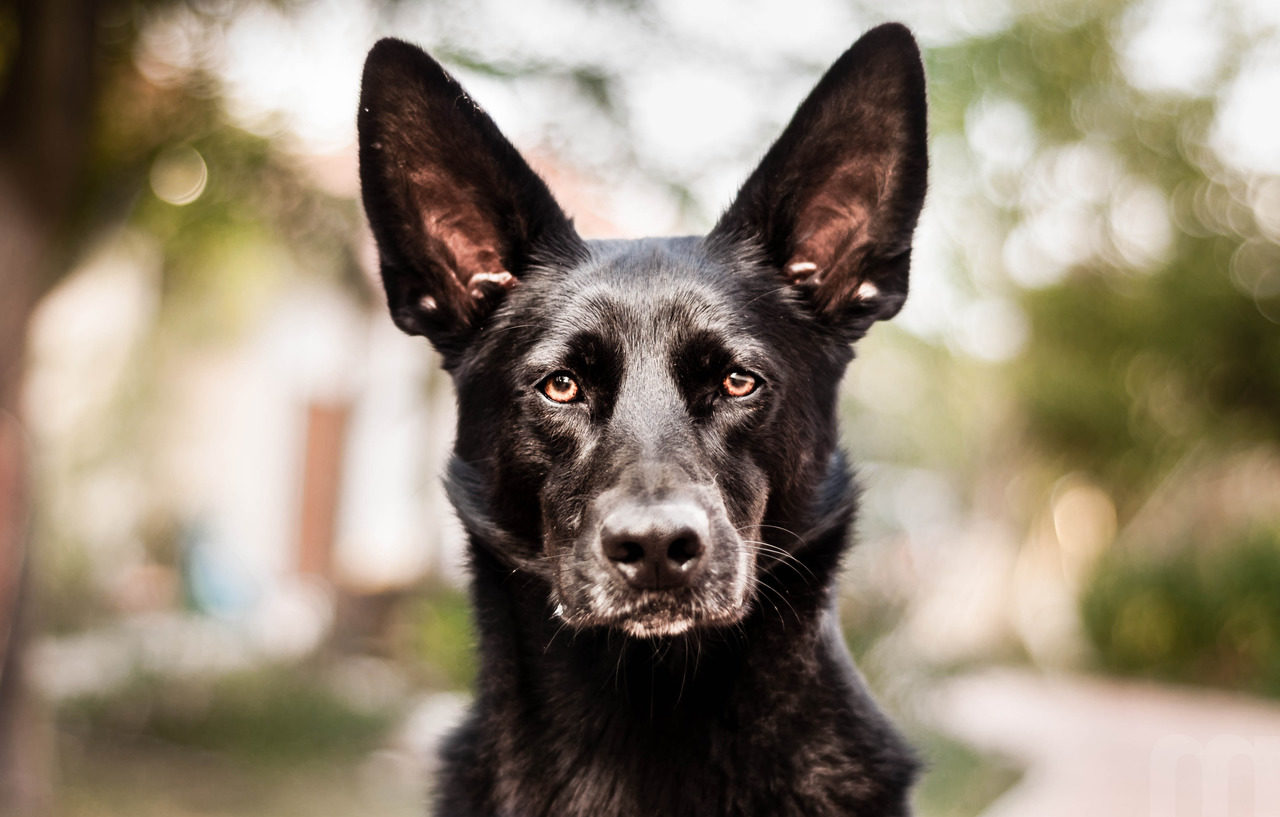
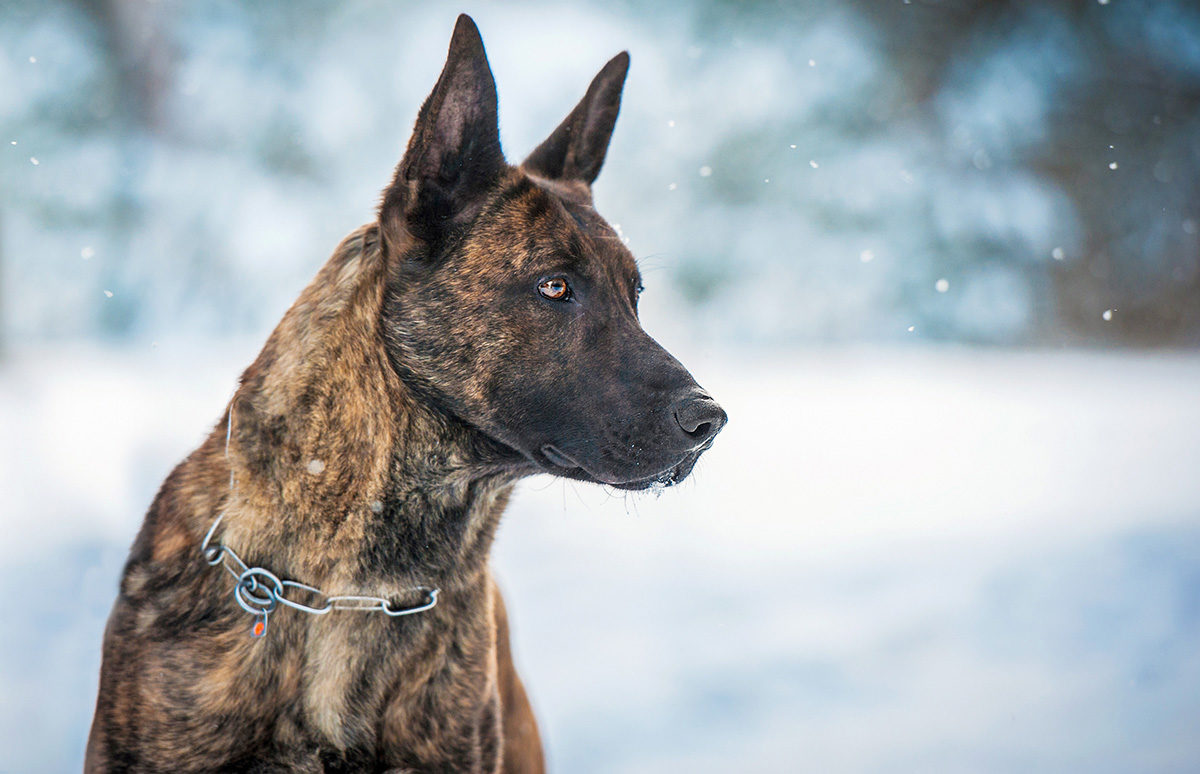
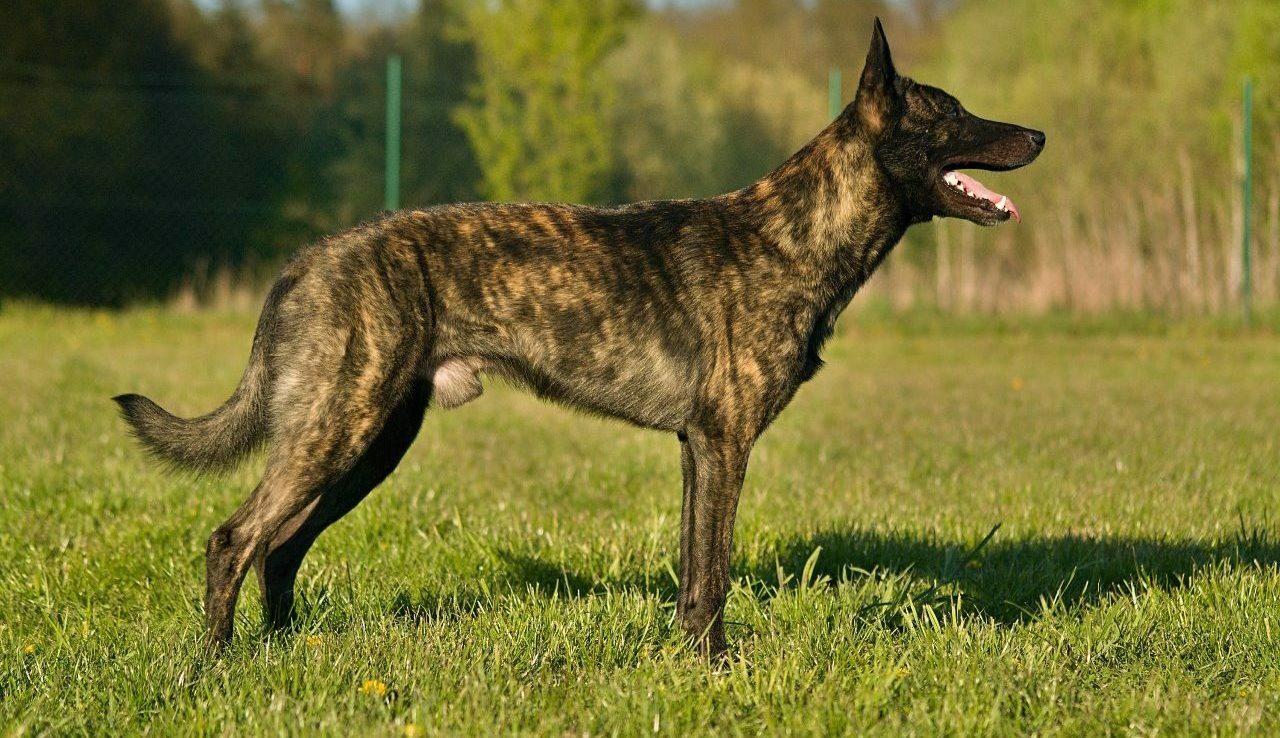
The Dutch Shepherd is a medium-sized dog. You can immediately recognize the German Shepherd in it. There are three varieties: short-haired, long-haired, and rough-haired. All dogs are brindle, with the primary colors being gold or silver. In Germany, we most often see short-haired shepherds. The desired proportions of the length of the skull to the muzzle are 1:1, meaning the muzzle should be the same length as the skull. The breed standard states: “Medium size, medium weight, muscular dog, strong, proportional build. A dog with great endurance, a lively character, and an intelligent expression.” A shepherd should not be a “beautiful” dog. Fortunately, there is no division between work and beauty either theoretically or in practice. It has been and remains a versatile working dog of the highest quality. This is always emphasized by the standard, the breed club, and the breeder, and is also upheld in practice.
The Dutch Shepherd is a dog that immediately attracts attention with its elegant and powerful appearance. They reflect the refinement and nobility of this breed and impress with their energy and mental endurance.
A dog with great endurance, a lively temperament, and an intelligent expression. Depending on the coat, the breed is categorized into short, long, and rough-haired varieties.
The Dutch Shepherd is a muscular dog of powerful and well-balanced build, medium size, weighing between 23 and 32 kilograms. Males stand 57 to 63 cm tall, while females are 55 to 60 cm. Their body should be slightly longer than their height. Their coat can be short, long, or rough (medium-length hair is called “rough-haired”). Rough-haired Dutch Shepherds are extremely rare, while short-haired Dutch Shepherds are much more common.
The Dutch shepherd has strong health and physical fitness, and can easily live to 12 years or more.


Отличительные черты

Голова

Морда

Уши

Глаза

Зубы

Корпус

Конечности

Хвост

Шерсть

Окрас
Character
The Dutch Shepherd is inherently a working dog with roots in herding and draft breeds. However, it has always had a wide range of tasks, including physically demanding work as a draft dog. This breed is extremely resilient and powerful, capable of achieving the highest results. The Dutch Shepherd has numerous applications. The official FCI standard sets high demands for its character.
Very loyal and reliable, always attentive, vigilant, active, independent, possessing great endurance, intelligent, eager to be obedient, and endowed with characteristics of a true German Shepherd. The Dutch Shepherd loves to work alongside its owner and can independently carry out any tasks assigned to it. When herding large flocks, it must be able to work with several other dogs.
Farmers appreciate a balanced, friendly demeanor towards people. It shows no signs of haste or nervousness. Thus, with proper training, it can also be an excellent family dog and companion. However, it is essential that it is actively managed. The dogs are ideally suited for various sports, but they have also proven themselves in professional use as service dogs. If you are interested in having one, you should be a very active owner who enjoys overcoming challenges alongside their four-legged friend.
Dutch Shepherds are very devoted to their families. They enjoy being with people they know, barking or behaving aggressively towards others, which makes them excellent guard dogs.
As with any breed, children should be supervised while playing with Dutch Shepherds to prevent playtime from getting out of control. To avoid accidents, children should be taught how to interact with animals. Other dogs and cats generally get along well with Dutch Shepherds.
Early socialization will help Dutch Shepherds maintain their inherent friendliness and allow them to remain calm around new people and animals.Dutch Shepherds are wonderful family dogs that get along well with children and other pets. However, they require an active lifestyle to maintain emotional and physical stimulation, or they may become bored.Early socialization will help them maintain composure in the presence of unfamiliar pets and people. Dutch Shepherds are a working breed that has existed for a long time. They are happiest when they can spend their days running, herding livestock, chasing, patrolling, and utilizing all their senses, as well as their incredible physical abilities in their work.
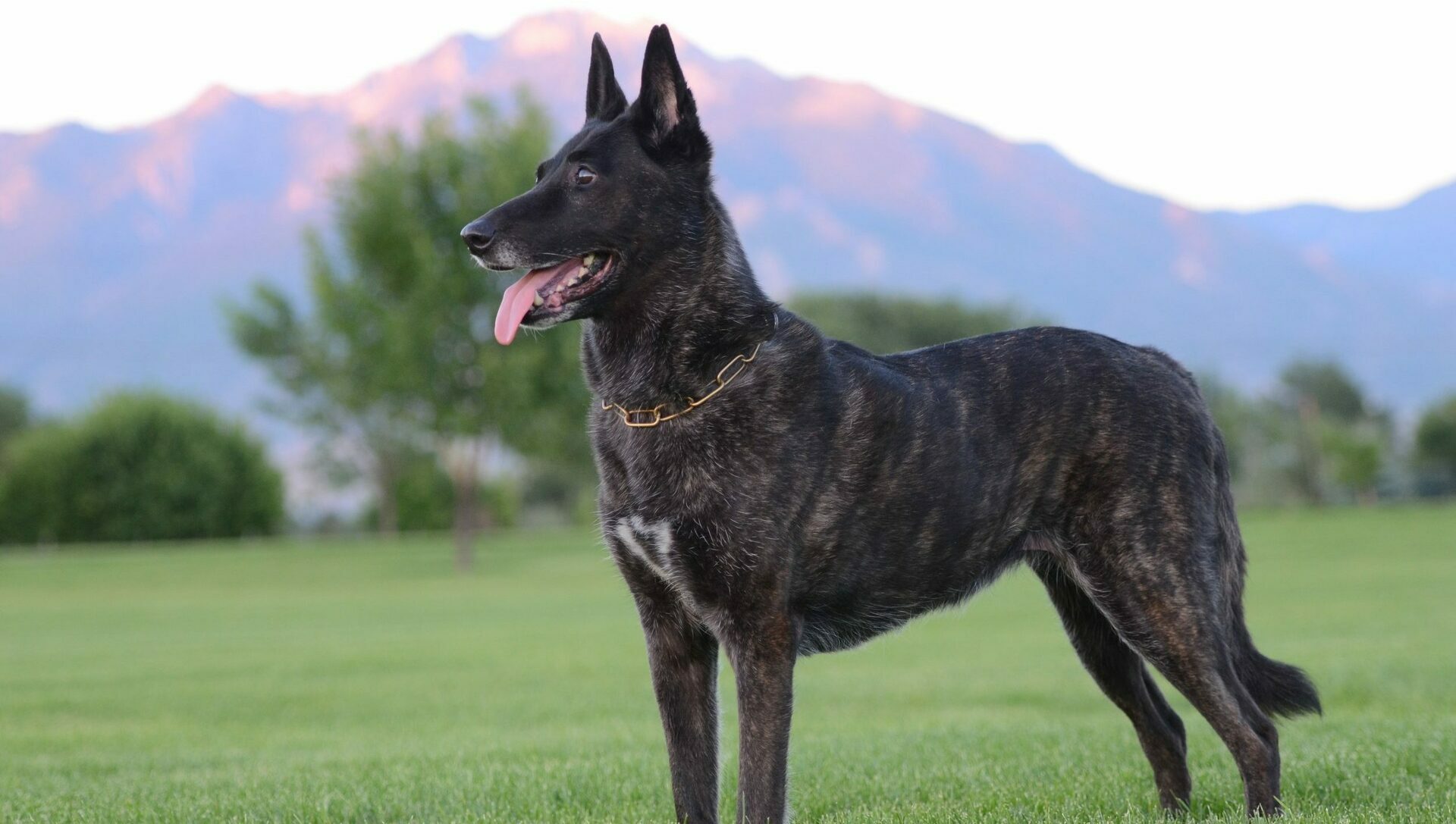
Multitasking guardians
Dutch shepherds are not just dogs - they are true multitaskers. One of the remarkable aspects of their ability to serve is their trainability and adaptability. These dogs excel not only as herders but also successfully engage in police work, rescue operations, and even as therapy dogs. Their vibrant mental activity and impressive physical qualities make them unmatched in performing a variety of tasks.Care and Maintenance
The Dutch Shepherd is not demanding regarding external living conditions. However, it requires attention when it comes to interaction. It will make an excellent companion during runs, horseback riding, or biking. Mental stimulation is essential; otherwise, it may become anxious and restless. Engaging in sports activities with dogs is ideal. Its wonderful, balanced, sociable, and uncomplicated nature makes it a true family dog. However, a small apartment in the city should not be its home unless you are willing to work with it intensively every day. A rural environment is perfect.
The Dutch Shepherd wants and can learn. It can achieve great success based on trust, an emotional bond with its owner, and friendly interaction with others. Like any dog, the Dutch Shepherd needs training. Only then can it truly develop its temperament and satisfy its need for activity. It is essential to consult with appropriate canine training specialists and seek advice from the German Dutch Shepherd Club.
The Dutch Shepherd is a physically lightweight, extremely resilient dog that does not require significant effort. Its coat requires minimal maintenance; brushing should only be done during shedding periods. Like other dogs, the long-haired variants need slightly more care.
The Dutch Shepherd can have golden or silver brindle fur. There are three coat styles: short-haired, long-haired, and rough-haired. Short-haired dogs only need occasional washing of their heads. During seasonal shedding cycles in spring and autumn, make sure to maintain regular dental cleaning.
Long-haired dogs require grooming once a week or more frequently. Rough-haired dogs need brushing once a month and should have their coats hand-trimmed twice a year. Bathing can be done at any time.
To prevent excessive growth, splitting, and breaking, their nails can be trimmed with nail clippers or a grinder if necessary. Ears should be cleaned daily to avoid the buildup of wax and debris that can lead to infections.Both the guard hairs and undercoat shed and are constantly replaced, so Dutch Shepherds shed lightly to moderately throughout the year.During seasonal shedding cycles in spring and autumn, it’s beneficial to maintain regular dental care. To manage shedding, short-haired Dutch Shepherds should be bathed every few weeks, more frequently during shedding periods.Bathing is generally only necessary after your dog has rolled in smelly mud!The diet of a Dutch Shepherd should be formulated for an active medium to large-sized dog with a fairly high energy level. You should consult your veterinarian or a professional dietitian for advice on the best products and portions suitable for your specific dog. It is also advisable to discuss adding fish oil supplements to their diet, as this will help keep their coat shiny and their skin healthy.
Masters of Sports Trials
Dutch Shepherds are true athletes among dogs. Their energy and endurance have made them popular in the world of dog sports. They excel in events such as agility, flyball, obedience training, and even winter sports like skijoring. These dogs love physical activity and competition, and their passion for sports makes them incredibly engaging for owners who share their sporting spirit.Training and Education
The Dutch Shepherd is an intelligent breed that enjoys challenges and is eager to obey. This breed thrives with shorter training sessions (with fewer repetitions) and becomes more motivated as the tasks become mentally more challenging. If not engaged, this breed can become very independent and willful, so training is strongly recommended.
This breed excels in various areas, including, among others, herding, scent detection, tracking, IPO, obedience, and agility, thanks to its genuine herding temperament.
Originally bred as a versatile farm dog, the Dutch Shepherd has also succeeded as a police and military dog. This dog distinguishes between work, play, and rest, adjusting its energy levels accordingly.
This breed seeks to be your life companion rather than just a pet. It will make an ideal companion for an active family familiar with dogs, given it receives the necessary mental and physical stimulation. The Dutch Shepherd is not a couch potato or a toy breed; it is hardworking and highly intelligent. Choose the puppy of your dreams from a reputable kennel.
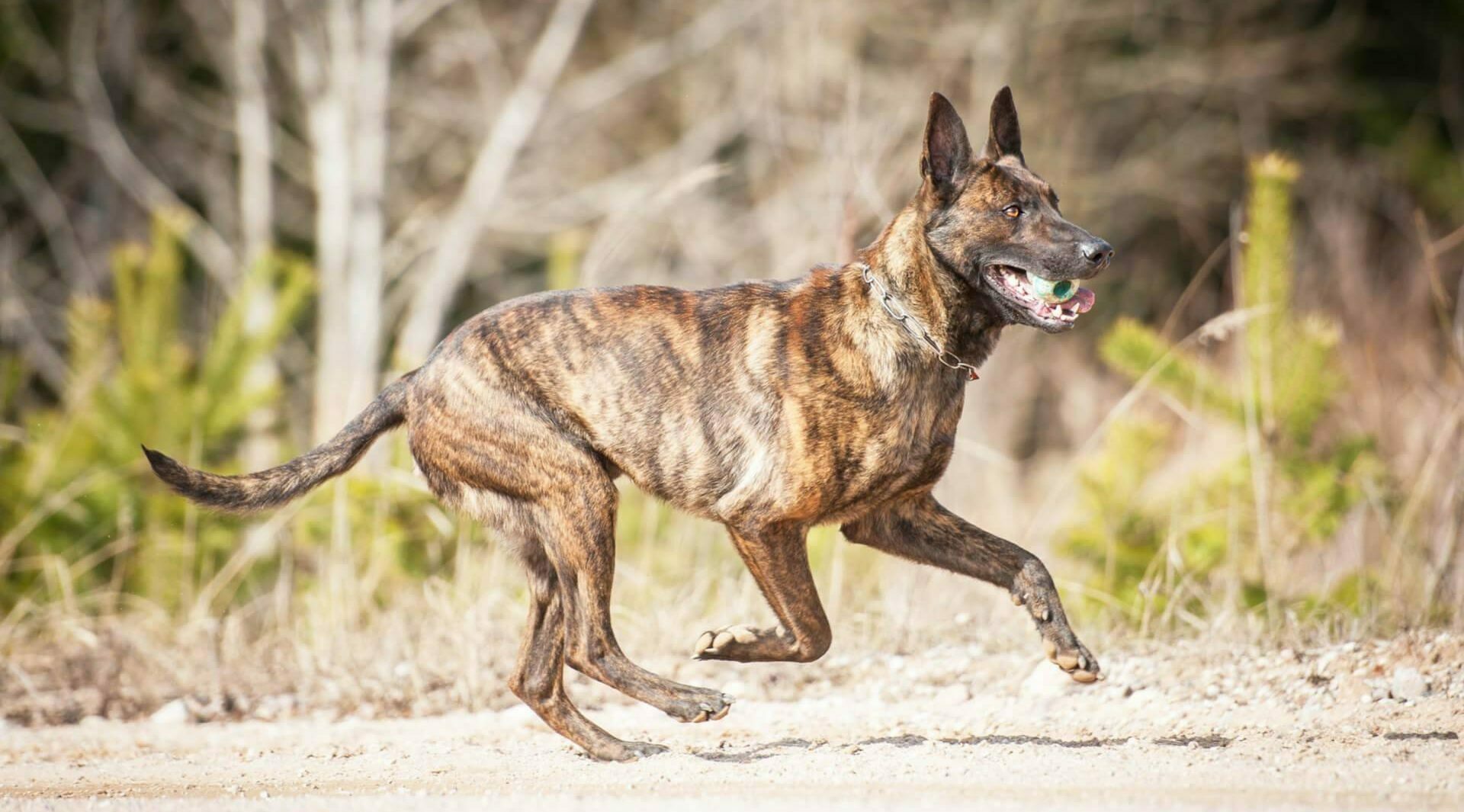
Intellectual implications
Marvelous by nature, Dutch Shepherds are distinguished not only by their physical attributes but also by their mental capabilities. They possess impressive intelligence and easily learn new commands and tricks. Their curiosity and desire to satisfy their intellectual appetite make them ideal companions for owners willing to provide them with stimulation and mental challenges.
How to Choose a Puppy
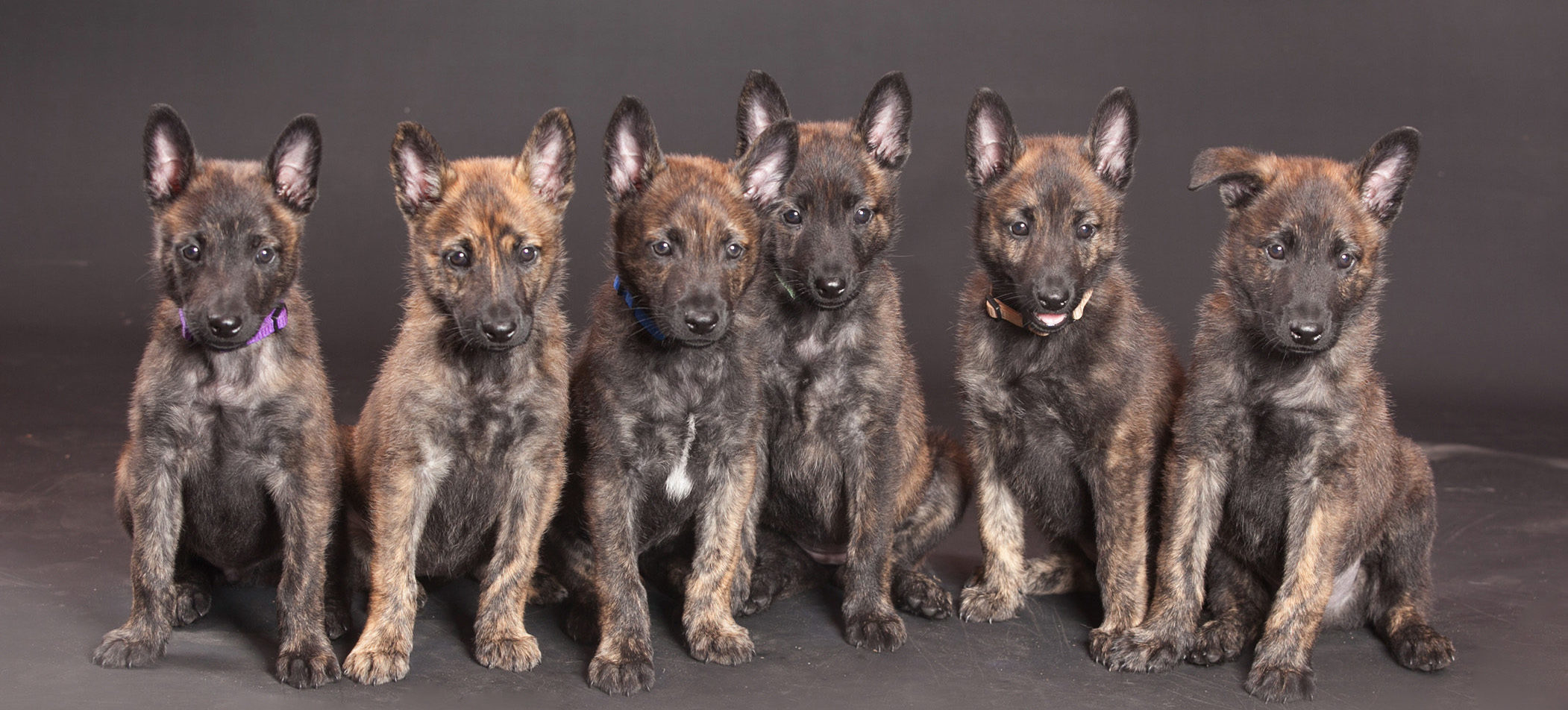
Choosing a new family member – a Dutch Shepherd puppy – is an exciting adventure filled with joy and responsibility. Like a magician selecting a faithful companion, you should carefully consider several key factors to ensure your choice is exceptional and harmonious.
Immerse yourself in the world of Dutch Shepherds by studying the breed standards. Ask yourself: What colors and patterns are permissible? What are the characteristics and structure of the breed? This will help you understand what an ideal representative of the breed looks like.
Acquire your puppy from reputable breeders. Where breeding is done by professionals, you have a better chance of getting a healthy and well-socialized puppy.
Observe the parents of the future puppy. Their behavior and appearance can give you an idea of how your puppy will grow up. This may also provide some insight regarding the genetic aspects of the breed.
Don’t hesitate to ask the breeder questions. Inquire about the puppy’s health, socialization, vaccinations, and nutrition. A caring breeder will be happy to share all necessary information.
When inspecting the puppy, pay attention to its activity level and interest in the surrounding world. A healthy puppy should be playful, curious, and show no signs of fear.It’s important to focus on the puppy’s health. Request veterinary documents and ensure that all vaccinations are up to date. This guarantees that your new friend will start life with you on a clean slate.Consider your lifestyle when choosing a puppy. Dutch Shepherds are known for their energy and intelligence, and they are best suited for those who are ready to devote time and attention to them.Ultimately, your choice of a puppy should be based on your personal feelings and affinities. Spend time with your future four-legged friend to ensure a special bond is established between you.Choosing a puppy is a magical decision, and a Dutch Shepherd will be a faithful companion in all your adventures. May your choice be filled with love, care, and joy from the magic of a new friendship. Choose the puppy of your dreams at Zoonika.
Health and Illnesses
The health of a Dutch Shepherd is like the foundation of a magical potion that shapes its strength, endurance, and longevity. These smart and energetic creatures enjoy excellent health, but, like any fairy tale, there may be challenges on the path to happiness.
One key aspect of caring for a Dutch Shepherd is physical activity. Naturally energetic, these dogs need regular exercise and play to channel their energy and maintain physical condition. Endless games can become a true elixir of health, strengthening the cardiovascular system and improving overall physical endurance.
However, like in any story, Dutch Shepherds face their challenges in the form of hereditary diseases. One such condition is hip dysplasia, where the joints do not develop properly, potentially leading to chronic pain and mobility issues. Regular vet visits and X-rays can help detect this problem in its early stages.
Another important aspect of caring for Dutch Shepherds is weight management. By nature, these dogs are lean and muscular, and excess weight can lead to undesirable problems such as joint and cardiovascular issues.
It’s also worth noting that Dutch Shepherds may be susceptible to eye diseases, such as distichiasis, which is a deviation in tear distribution that can cause eye irritation and discomfort. Regular vet visits for eye examinations and tear duct cleaning can help maintain optimal eye health.
In conclusion, caring for a Dutch Shepherd is a magical formula that includes proper nutrition, regular physical exercise, and attentive medical supervision. With the right care and attention, your Dutch Shepherd will become a true magical companion, ready to journey with you through all the mysterious roads of life. Thinking about it? There’s a wide selection of listings on the Zoonyka map across cities.
Содержание
-
1. Описание породы
-
2. Внешний вид
- 2.1 Голова
- 2.2 Морда
- 2.3 Уши
- 2.4 Глаза
- 2.5 Зубы
- 2.6 Корпус
- 2.7 Конечности
- 2.8 Хвост
- 2.9 Шерсть
- 2.10 Окрас
-
3. Характер
-
4. Содержание и уход
-
5. Дрессировка и обучение
-
6. Как выбрать котенка
-
7. Здоровье и болезни







Comments
Only registered users can leave reviews.
Enter