
Dutch schapendoe





Warning: Illegal string offset 'label' in /home/panda/sites/zoonika/wp-content/themes/zoonika/template-parts/animals/animals-param-item.php on line 32
Ð


Breed Description
The Schapendoes is a dog breed known for its elegant appearance and loyal character, boasting a rich and fascinating history. The name comes from the region of Schapendal in Belgium, where these dogs were particularly popular. The Schapendoes descends from an ancient Dutch dog that inhabited the moors near Amsterdam and remained largely unnoticed until the 1940s. Only a few original sheep poodle shepherds, from which the Schapendoes breed evolved, have survived in central Europe. Sheep poodles are relatively small, shaggy herding dogs, very quick and agile. They are easy to care for, frugal, yet intelligent, hardworking, and resilient. Once, this type of herding dog was widespread across Europe but was largely replaced by modern shepherds like the German or Belgian breeds, coinciding with a decline in the number of stray sheep.
Two canine experts, Tepel and Jungeling, recognized the significance of the Schapendoes. In 1947, the Dutch Association of Schapendoes was established, which continues to oversee this breed worldwide. In 1952, the Dutch dog breeding association “Raad van Beheer” received preliminary approval. In 1954, a breed standard was set, and a studbook was initiated. Finally, in 1991, the Schapendoes was officially recognized by the FCI.
Historically, these dogs were indispensable helpers for shepherds due to their outstanding artistry and intelligence. They were used to protect flocks from predators and served as faithful companions for their owners. The Nederlandse Schapendoes breed was developed over many years of careful selection based on its characteristics and herding performance.
Today, the Schapendoes has become an interesting and engaging companion dog and family pet. It still retains much of its abilities, reflected in its need for physical activity and love for work. However, today it is primarily a companion and family member. Around 100 puppies are born annually in Europe.
The Schapendoes remains a popular breed thanks to its balanced temperament, high intelligence, and great loyalty. They are well-suited for work as service dogs, as well as for participating in sports events, or simply as loyal friends and life companions.
The price for a puppy ranges from 60,000 to 90,000 rubles.
Appearance
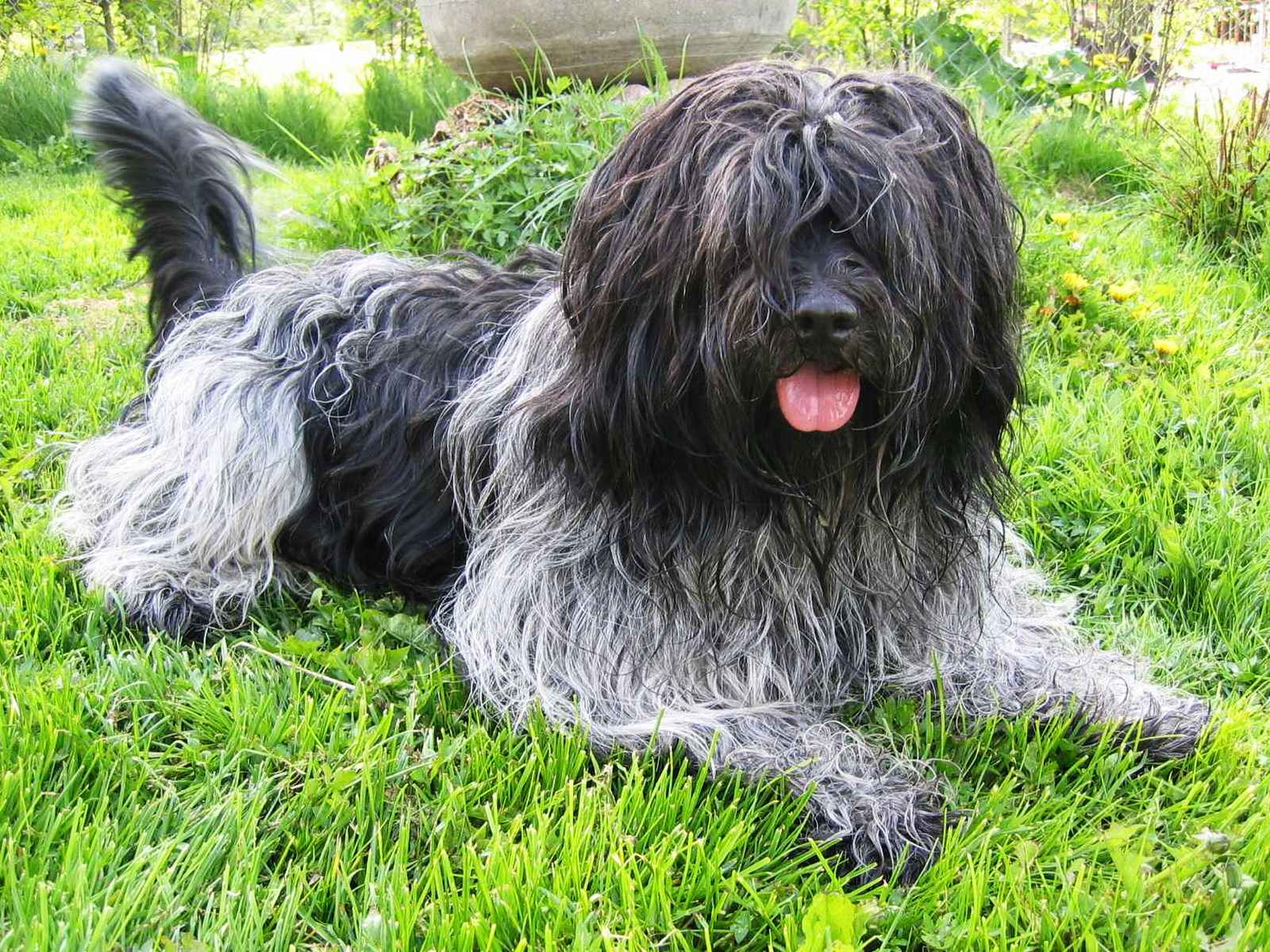
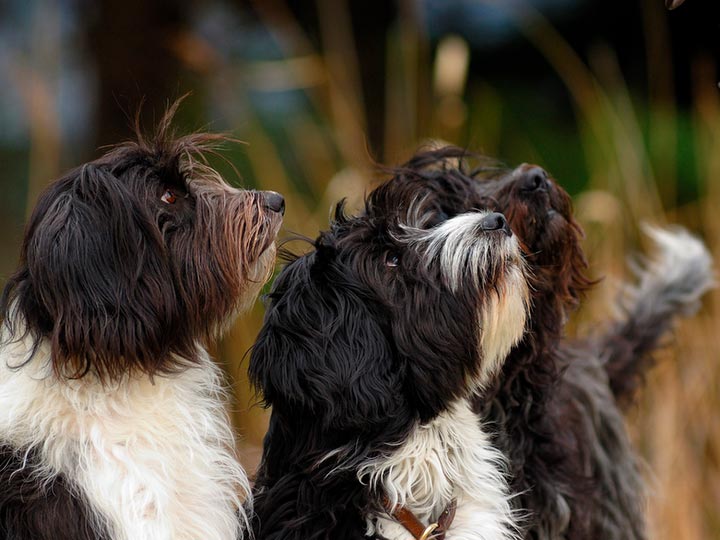
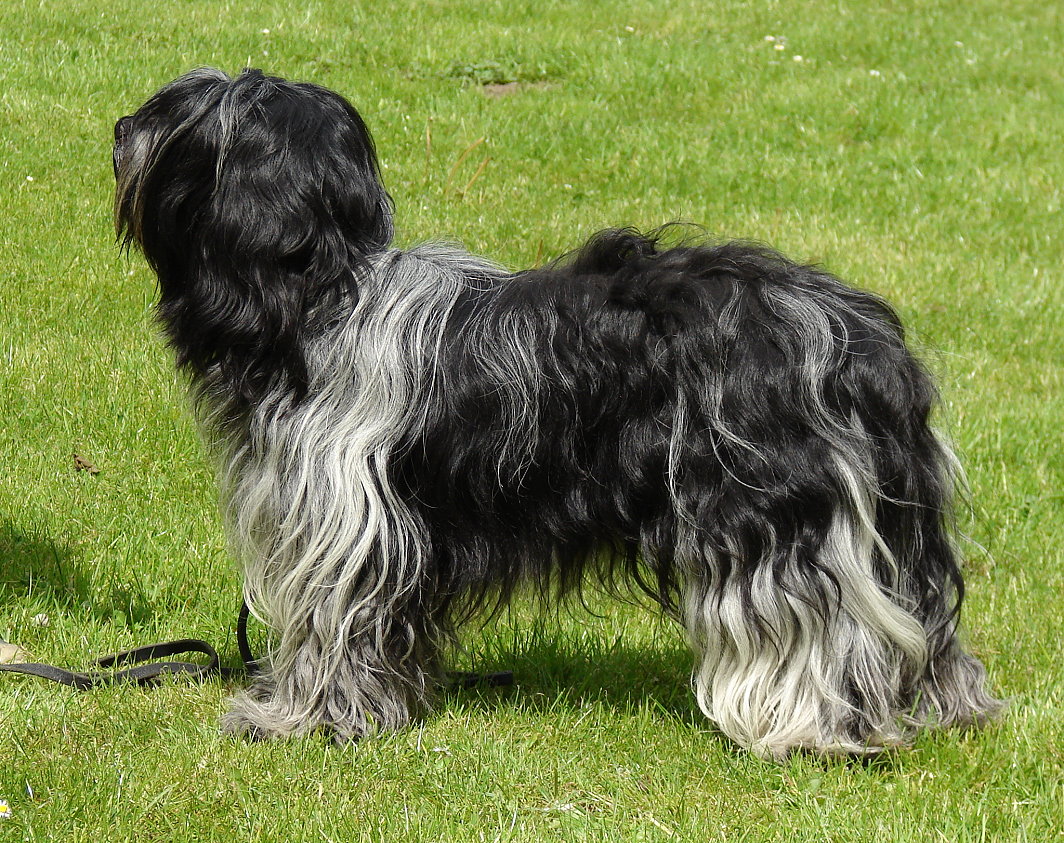
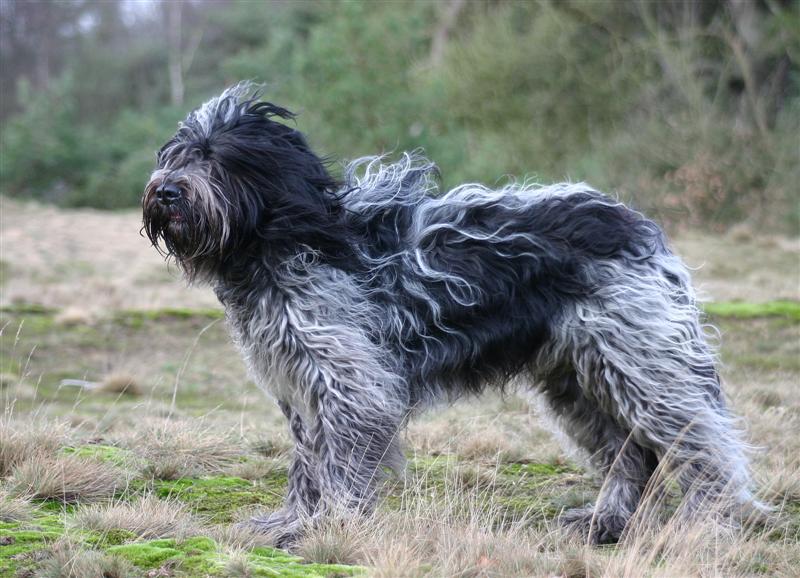
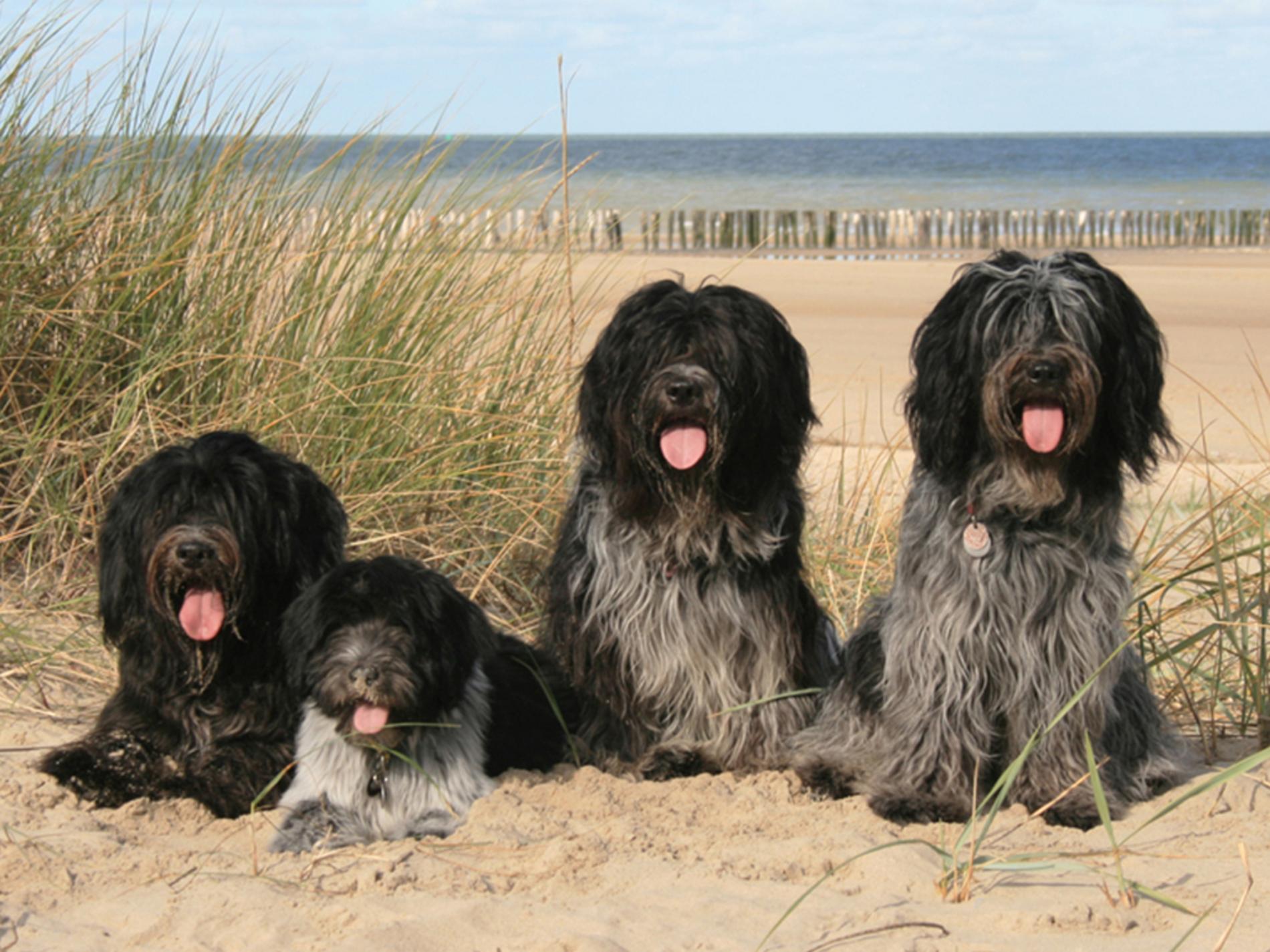
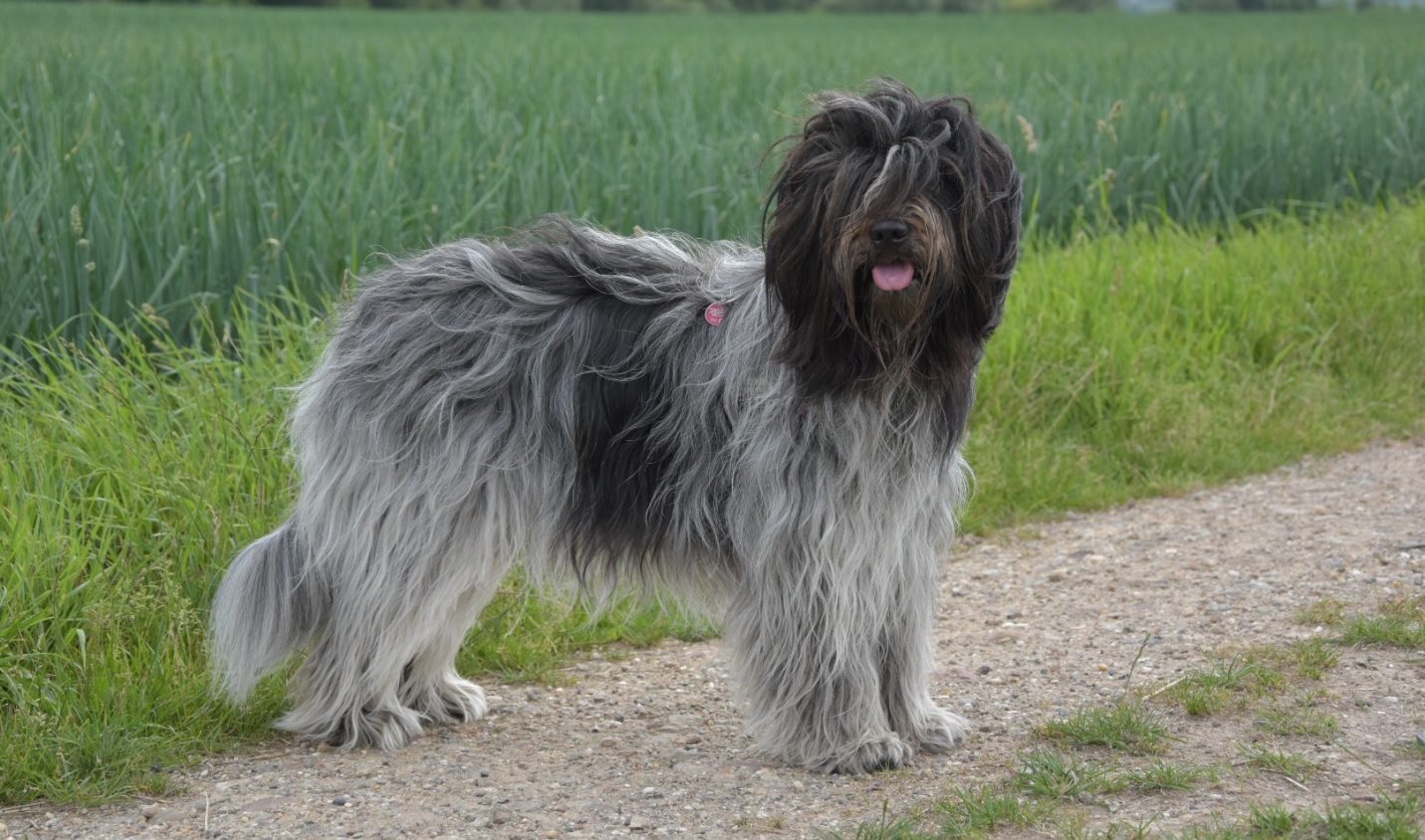
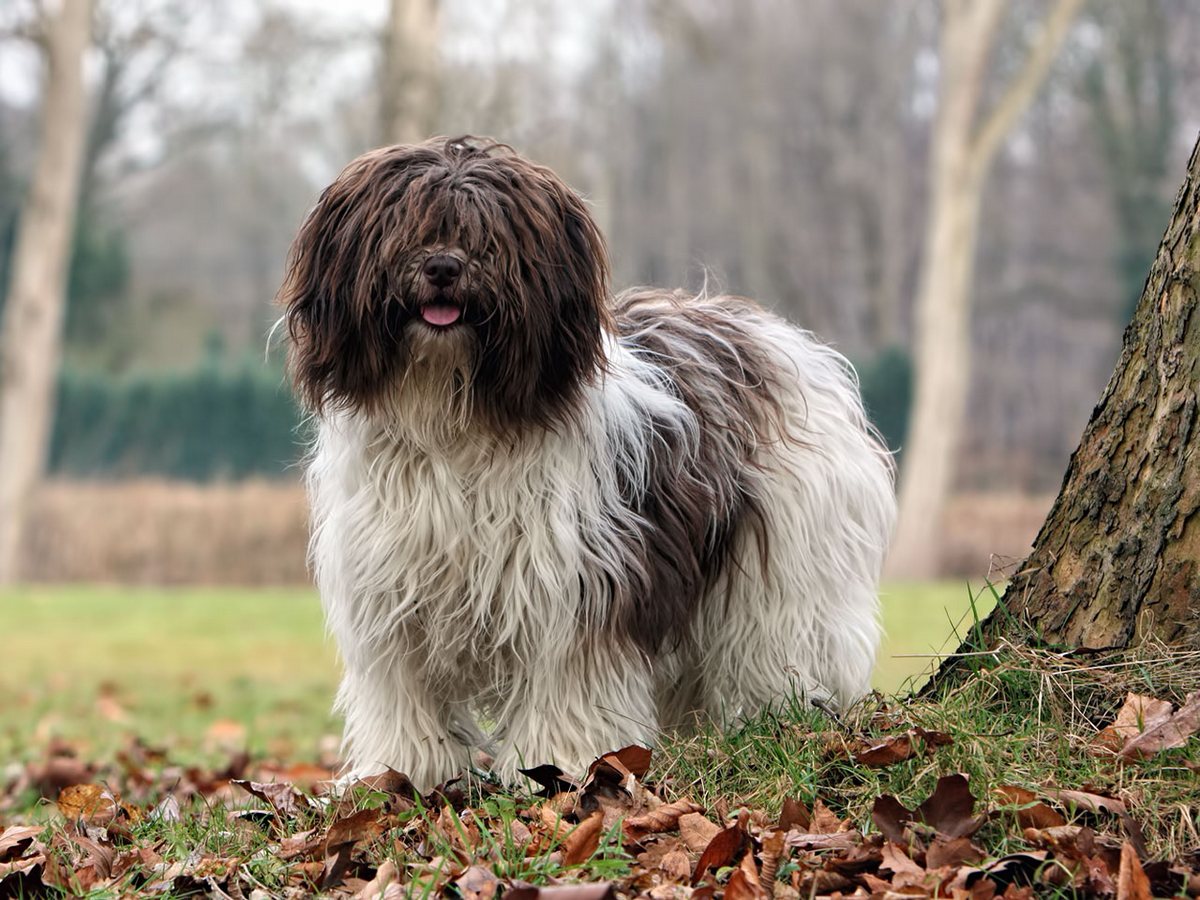
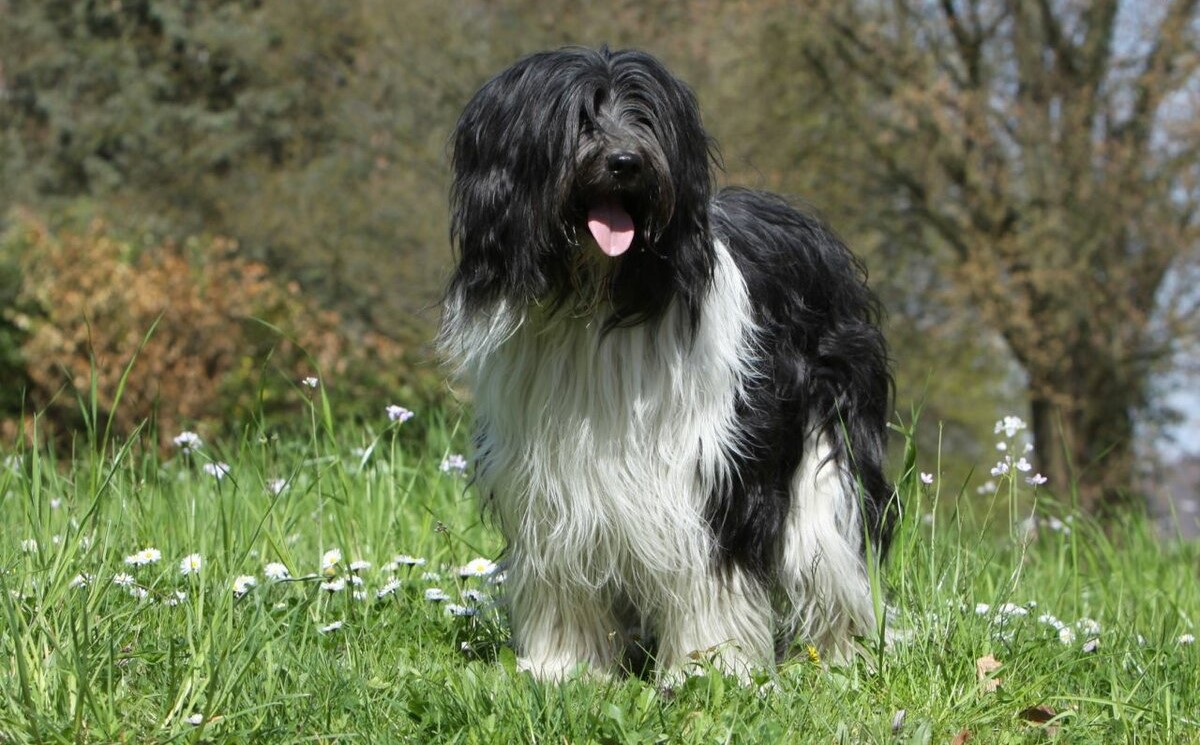
The appearance of the Schapendoe combines not only elegance and sophistication but also the strength characteristic of working dogs. The Dutch Schapendoe is a small to medium-sized dog that instantly catches the eye with its lush coat, but beneath this “fur coat” lies a well-built dog. It is said that Schapendoes are excellent jumpers. According to the standard, the coat should be dense with sufficient undercoat. The fur is long, about 7 cm or more on the hind legs. The hair structure is not smooth but slightly wavy. Highly curly hair is not permitted. The hair grows close together; it is fine and dry, but not silky. The coat tends to stick out in tufts where it is long, giving the Schapendoe a lot of volume, especially at the back. They have a large mane, mustache, and beard.
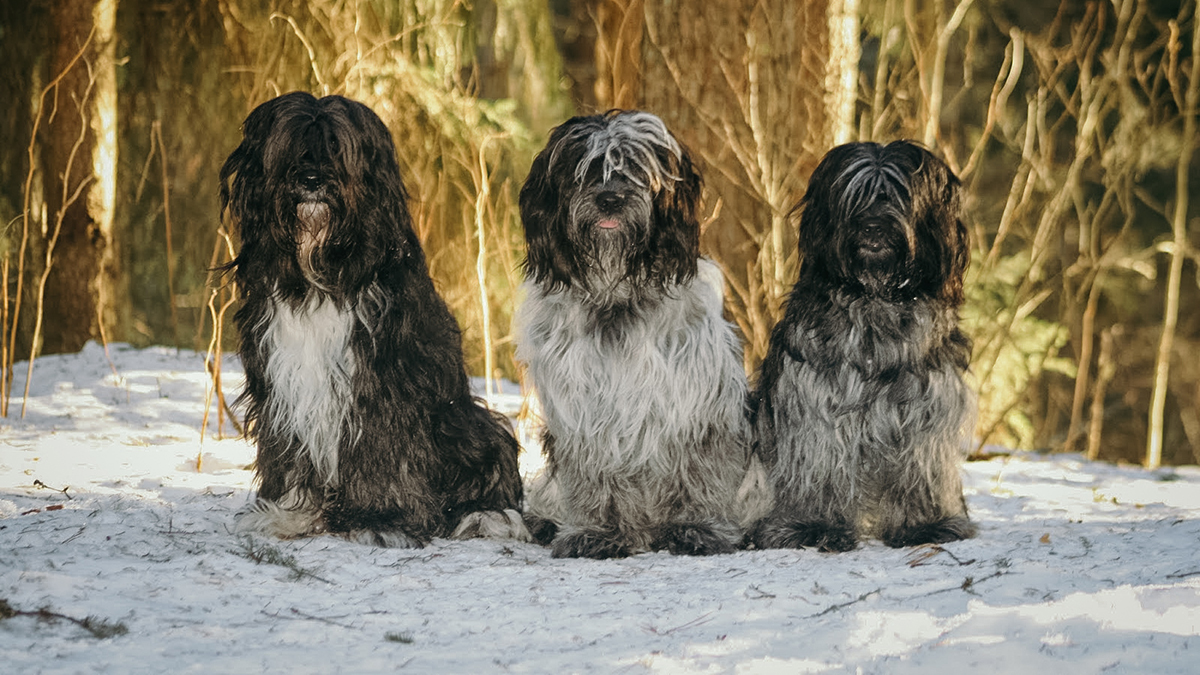
In practice, the Schapendoe’s fur is often so voluminous that it can impair the dog’s vision, negatively affecting their health and well-being. All coat colors are allowed, but shades from blue-gray to black are preferred.
The Schapendoe impresses with its slender and flexible figure. They have a muscular build, adding to their elegance and grace in movement. Their broad chest and proportional body indicate strength and endurance, making them excellent workers in various fields.
Males should have a height at the withers of 43 to 50 centimeters, while females should measure 40 to 47 centimeters. The standard does not provide any information about weight.
The expected lifespan of healthy Schapendoes should be around 12 years or more.


Отличительные черты

Голова

Морда

Уши

Глаза

Зубы

Корпус

Конечности

Хвост

Шерсть

Окрас
Character
The Schapendoe is a breed of dog that embodies an impressive combination of intelligence, loyalty, and energy. Their character is as complex and interesting as their appearance. Schapendoes represent the perfect blend of courage and obedience. They are incredibly smart, quick learners, and always ready for action.
At their core, Dutch Schapendoes remain agile herding dogs. However, they have been bred for a long time primarily as companion dogs, making them perfectly adapted to their current role as family pets and companions. Nevertheless, they are still full of energy and require work tasks. Most Schapendoes would likely still be able to perform their original herding duties if needed.
The official standard describes the breed’s temperament as follows: The Schapendoe is a well-proportioned herding dog with an attentive and brave character. It is smart, alert, cheerful, lively, friendly, and energetic. It develops a strong attachment and loyalty to familiar people.
The shaggy herding poodle from the Dutch moors still retains the character of a very intelligent and agile working dog. Its strong desire to work and ability to work independently form a significant part of its unique charm. At the same time, it is extremely close to its people and has the potential to become an excellent partner and faithful friend-if only a person allows it. In this sense, it even comes across as a budding dog.
One of the remarkable qualities of the Schapendoe is their loyalty. They form deep attachments to their owners and the entire family, becoming reliable companions and faithful friends. Being exceptionally perceptive, they quickly pick up on their owner’s mood and can offer comfort in difficult moments.
Their high energy and liveliness are also characteristic traits. Schapendoes are dogs that love an active lifestyle and need plenty of physical activity. They are ideal for sports, playing with children, and long walks outdoors.Due to their loyalty and high intelligence, Schapendoes are often used as service dogs, including for search and rescue, scent detection, and protection. They demonstrate excellent working qualities and are capable of performing various tasks with remarkable precision and effectiveness.Like any other breed, Schapendoes require ample attention and care from their owners. However, thanks to their balanced and friendly nature, they become an integral part of the family and bring a lot of joy and positive emotions.
Historical diversity
Shapendoees, although considered a Dutch breed, have a rich history that extends far beyond the Netherlands. They trace their roots back to a group of watchdog and herding dogs, known for their loyalty and devoted service to their owners.Care and Upkeep
Chapendoes require attentive and caring maintenance to remain healthy and happy. They are gentle yet energetic pets. An ideal home for them would be a country house with a large area. However, they can also be kept in an urban apartment, provided they receive intensive daily training.
Chapendoes are loving family members and excellent partners for children. However, if they become too bored, they may redirect their energy towards your furniture or start barking. Therefore, professional training and early socialization are recommended. This breed also performs well in various dog sports.
Below are recommendations for caring for this rare breed.
Chapendoes are high-energy dogs, so they need to have enough physical activity every day. Long walks, running, or sports will help the dog expend energy and maintain health.
The coat of a Chapendoes requires regular grooming. Weekly brushing will help remove dead hair and prevent mats. During the shedding period, which occurs twice a year, more frequent brushing may be necessary.
Regular care of teeth, ears, and nails is essential for the health of a Chapendoe. Daily teeth brushing and monthly checking and clipping of nails will help prevent dental and nail problems.Shapenduas are intelligent dogs that need mental stimulation and training. Regular training sessions and intellectual games will satisfy their mental development needs and keep them occupied.Regular veterinary visits for preventive check-ups, vaccinations, and treatment when necessary will help maintain your shapendua’s health and well-being.With proper care and attention, a shapendua can become a loyal and happy companion, bringing joy and satisfaction to its owners.
Universality in tasks
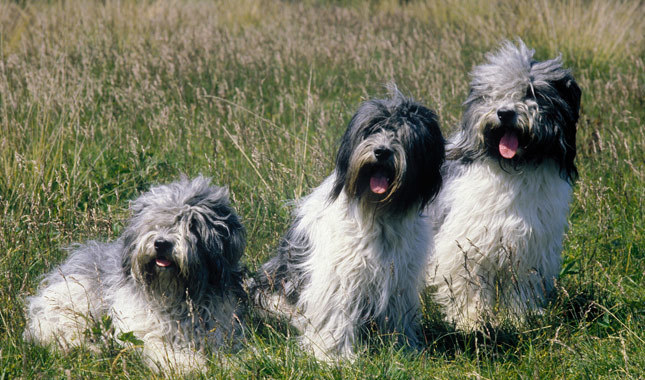
Shapendusy are known for their versatility and ability to perform various tasks. They prove to be excellent herding, guard, and service dogs. These intelligent and energetic animals are always ready for action and can successfully adapt to different fields of activity.Training and Education
The Dutch Schapendoes are known for their exceptional intelligence, wit, and high mental potential, which makes them remarkably easy to train. They are open, honest, and enjoy working with their owners. The key lies in finding the right level of consistency and leadership for this very energetic yet sensitive and clever dog. A crucial foundation is always a close emotional and trusting relationship. A certain level of workload is essential for their good behavior.
Schapendoes require a lot of exercise. A daily walk around the block is not enough for them. On the other hand, Schapendoes excel in dog sports.
Here are some key points to consider when training a Schapendoe:
Positive reinforcement: Schapendoes respond well to praise, treats, and playtime during training. Positive reinforcement helps them associate desired behavior with enjoyable experiences, speeding up the learning process.
Establishing clear and consistent commands: Schapendoes respond best to clear and consistent commands. It’s important to use the same command for one action to avoid confusion for the dog.
Starting training early: Training should begin at a young age. Early education helps them grasp the basics and develop good habits from the start.Varied training methods: Schapendoes enjoy variety and can quickly get bored with monotonous exercises. Incorporating different games, tricks, and tasks into their training program will keep them interested and motivated. Socialization: It’s vital to socialize Schapendoes with other dogs, people, and various situations from a young age. This will help them develop friendly and balanced behavior in different environments.Patience and consistency: Schapendoes can be stubborn at times, so it’s important to show patience and consistency during the training process. A gradual and systematic approach to training will yield the best results.With the right approach and patience, training a Schapendoe can be an engaging and enjoyable process that strengthens the bond between you and your pet and fosters a strong connection based on mutual respect and understanding. Zoonika brings together certified breeders offering puppies with excellent pedigrees.
Family pets
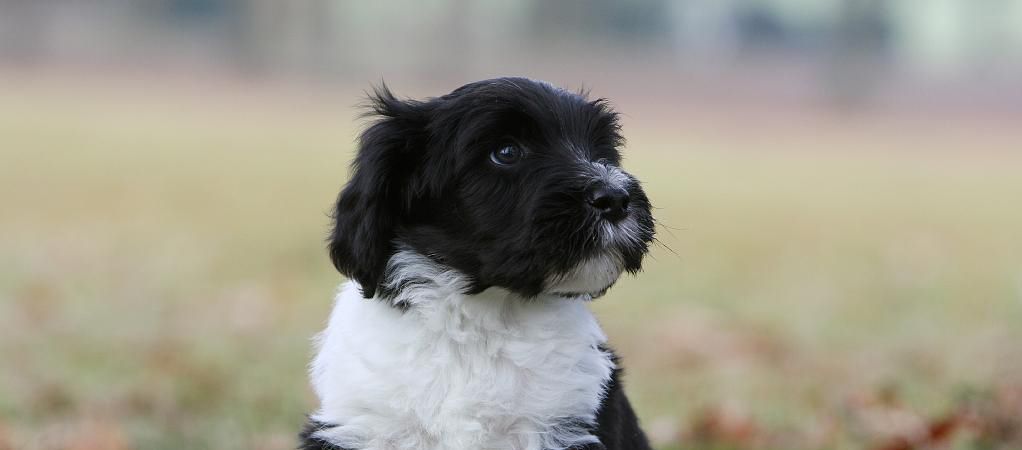
In addition to their outstanding work qualities, shapenduses also prove to be excellent pets. They have a high level of loyalty to their owners and family members, as well as friendly and affectionate natures. Well-socialized Shapendues become reliable companions for children and wonderful partners for active owners.
How to Choose a Puppy
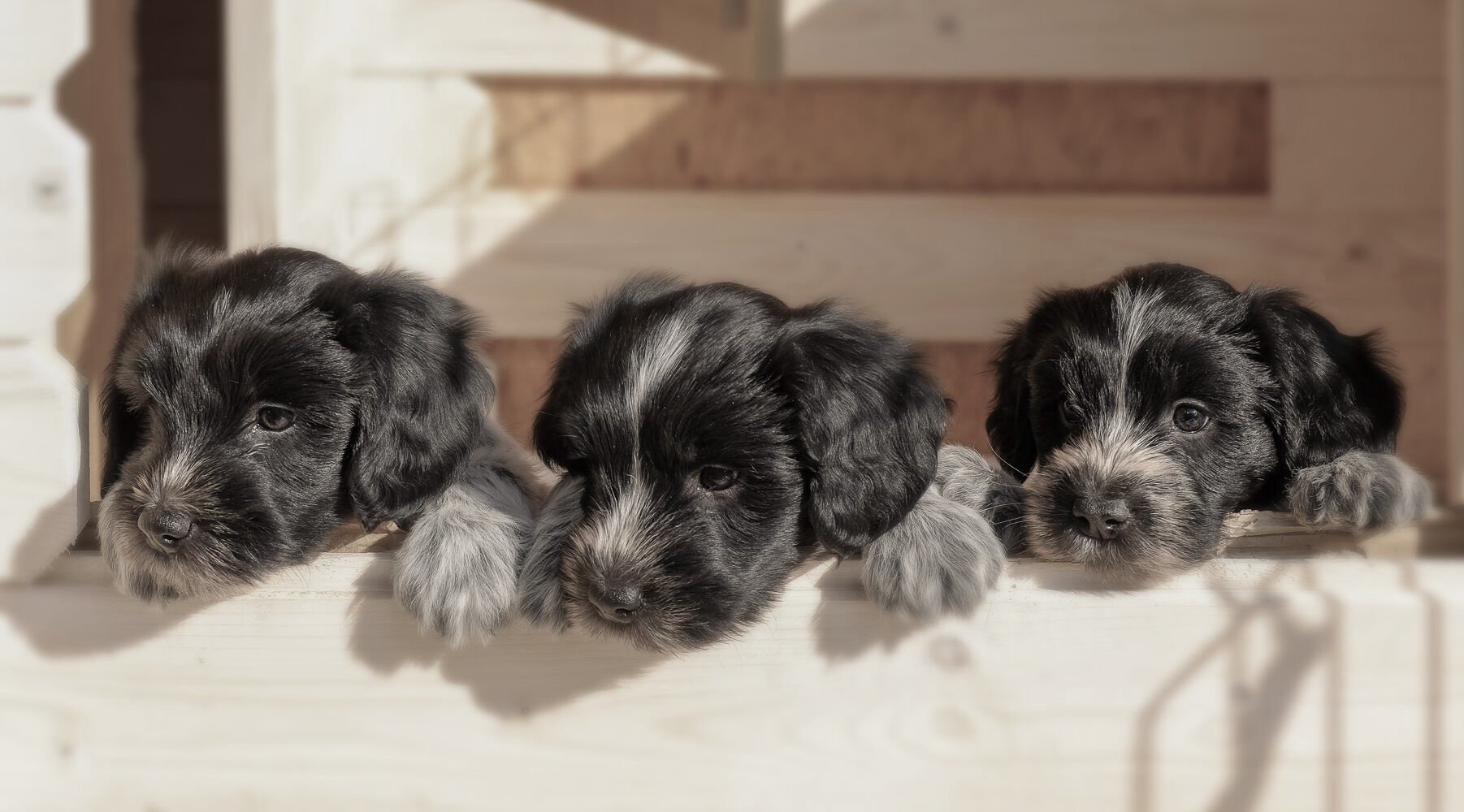
If you are interested in Schapendoes, you should look for a local Dutch Shepherd breeder in advance. The breeder must check their dogs for the risk of hereditary diseases, which is essential for serious breeding. Additionally, there should be no inbreeding, which can be assessed by the pedigree tree, ensuring no name appears twice. The breeder should document their litter thoroughly with photographs.
It is also highly recommended to pay attention to several key points when choosing a puppy of this breed:
Studying the breed: Before making a final decision, it’s important to conduct sufficient research on the breed. Learn about the character, needs, care, and training specifics of these dogs.
Finding a reputable breeder: Look for a breeder who specializes in the Schapendoes breed and has a good reputation. The dog breeder should adhere to breed standards, ensuring proper conditions for raising and caring for the puppies.
Inspecting the litter: Visit the breeder and take a look at the litter of puppies. Pay attention to their overall condition, behavior, socialization, and health. A healthy puppy should appear active, lively, and cheerful.
Meeting the parents: If possible, meet the puppy’s parents, especially the mother. This will give you an idea of the typical traits and appearance of the puppies.Obtaining medical documents: Make sure that the breeder has all necessary medical documents for the parents and puppies, confirming their health and vaccination status.Choosing based on character and needs: Select a puppy whose personality and needs align with your lifestyle and expectations. Remember that each puppy has its own unique personality, and it’s important to find one that suits you.Consulting with experts: If you have doubts or questions, don’t hesitate to seek advice from a veterinarian or experienced breeders. They can help you make the right decision and choose the right puppy.Choosing a Schapendoes puppy is an important step that can impact your life for many years to come. Therefore, take enough time and attention in this process to find the perfect pet for you and your family. Learn how at Zoonika and find a great companion.
Health and Diseases
Essentially, this is a healthy and long-lived breed of dog. The Schapendoes interest group identifies various hereditary diseases and combats them through selective breeding. For the sake of animal welfare, you should ensure that the fur on the head does not obstruct clear vision.
Schapendoes, or Dutch herding dogs, generally exhibit good health and longevity, but like all breeds, they may have their own specific traits and susceptibility to certain diseases.
Hip and elbow dysplasia are the most common conditions in Dutch herding dogs. Hip and elbow dysplasia can lead to pain, joint deformities, and mobility issues. Regular veterinary visits and weight management can help in the early detection and management of these issues.
Dutch herding dogs may experience epilepsy, which manifests as seizures and convulsions. This chronic condition requires careful medical monitoring and treatment.
Some Schapendoes may suffer from gastrointestinal issues, such as irritable bowel syndrome or food allergies. Proper nutrition, regular walks, and dietary management can help reduce the risk of these problems.
Certain individuals in the breed may experience allergic reactions to specific food ingredients or environmental irritants, leading to itching, redness, and skin inflammation. Keeping the dog clean and properly grooming its coat can help minimize the risk of skin issues.As these dogs age, they may develop osteoarthritis, resulting in pain and discomfort during movement. Regular physical activity, proper nutrition, and medication when necessary can help alleviate symptoms and improve the pet’s quality of life.Schapendoes may be susceptible to certain eye conditions, such as cataracts, distichiasis, and retinal atrophy. Regular veterinary visits for eye check-ups can aid in the early detection and treatment of these problems.It’s essential to remember that a dog’s health depends on many factors, including genetics, living conditions, nutrition, and care. Regular veterinary visits, proper nutrition, an active lifestyle, and attention will help ensure your Schapendoes a long and happy life. Zoonika is the best place to reach a wide audience and buy a puppy.
Содержание
-
1. Описание породы
-
2. Внешний вид
- 2.1 Голова
- 2.2 Морда
- 2.3 Уши
- 2.4 Глаза
- 2.5 Зубы
- 2.6 Корпус
- 2.7 Конечности
- 2.8 Хвост
- 2.9 Шерсть
- 2.10 Окрас
-
3. Характер
-
4. Содержание и уход
-
5. Дрессировка и обучение
-
6. Как выбрать котенка
-
7. Здоровье и болезни







Comments
Only registered users can leave reviews.
Enter