
Dunker




Warning: Illegal string offset 'label' in /home/panda/sites/zoonika/wp-content/themes/zoonika/template-parts/animals/animals-param-item.php on line 32
Ð


Breed Description
The Dunker breed, also known as the Norwegian Elkhound or Norwegian Hound, boasts a unique combination of energy, intelligence, and stunning appearance. They are one of Norway’s national breeds and have an ancient and rich history.
The origins of Dunker dogs date back several centuries and are linked to their use for hunting in Norway. These remarkable dogs have a long and rich history that has undergone many changes and evolution.
Dunkers descend from traditional Norwegian hunting spaniels, which were used to hunt large game such as moose and deer. Initially, these dogs were bred in the Akershus and Buskerud regions of Norway. Over time, different lines and types of Dunkers developed in various parts of the country, each with its own characteristics and standards.
For centuries, Dunkers have served as reliable helpers for Norwegian hunters. They were specifically bred to work in the mountainous, wooded, and harsh conditions of Scandinavia. With their help, hunters could track large game and retrieve their catches. Dunkers were resilient, fast, and tireless, making them valuable dogs for demanding hunts.
In the 19th century, the breed standard began to take shape, along with some selective breeding efforts. The name “Dunker” was given in honor of the Norwegian hunter and judge Jakob Traahten Dunker, who was actively involved in the breeding and selection of these dogs. He was passionate about them and worked on their refinement.
In the 20th century, Dunkers gained popularity as a breed outside of Norway. They were showcased at international dog shows and recognized as an important national treasure of the country. In 1943, the Norwegian Kennel Club (Norsk Kennel Klub) released the first breed standard for Dunkers, officially recognizing them as a national breed.Today, Dunkers are popular in many countries as reliable hunting partners as well as wonderful family pets. Their energetic nature, intelligence, and friendliness make them appealing to those who enjoy an active lifestyle and families. These beautiful dogs continue to celebrate their rich heritage and remain an important part of Norway’s culture and legacy.The temperament of Dunkers also makes them unique and attractive. They are active, energetic, and curious dogs, always ready for activity and adventure. With high intelligence and strong hunting instincts, they make excellent companions for hunting or outdoor activities.Dunkers are dogs with an appealing appearance, wonderful character, and rich historical background. They are ideal companions not only for hunting but also for an active family that loves nature and outdoor rec
Appearance
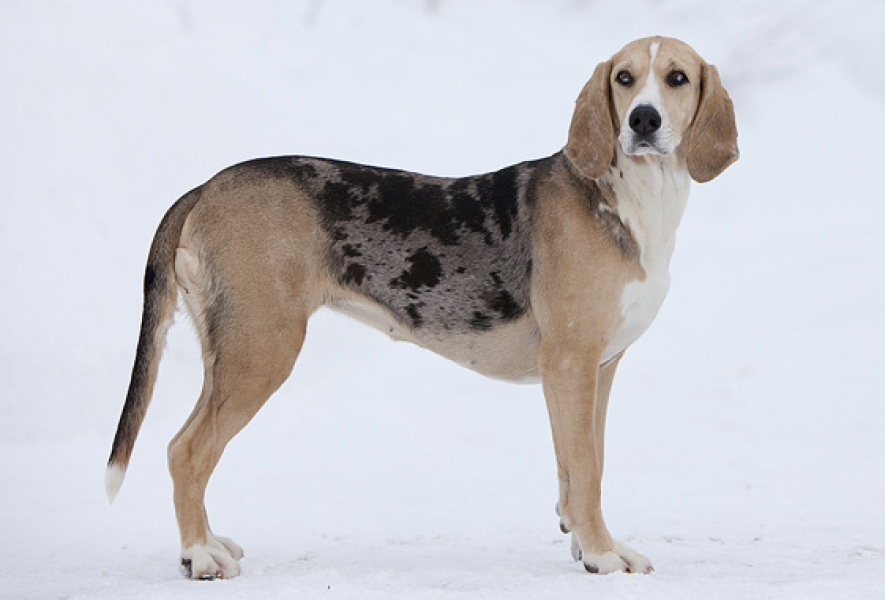
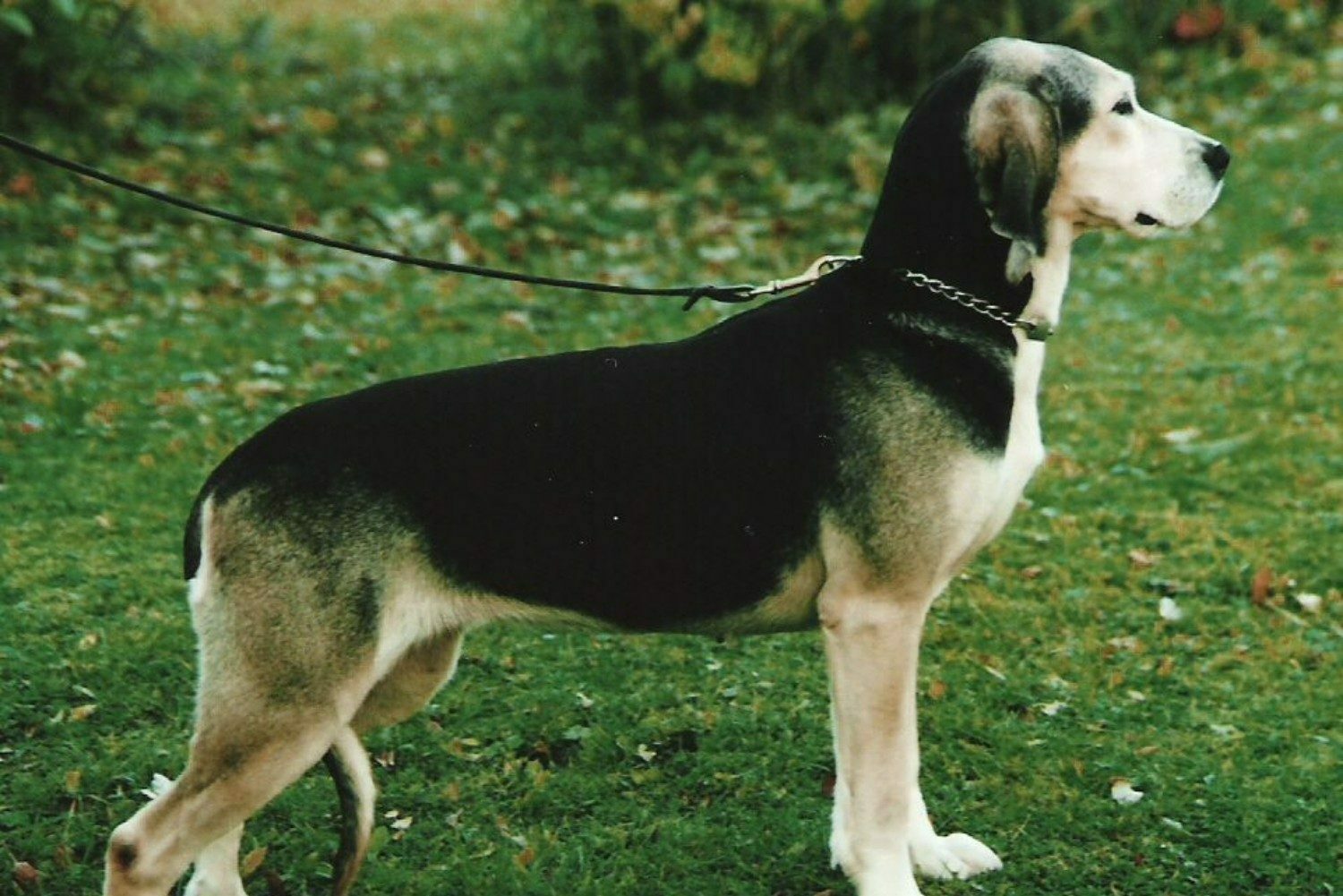
Dunker dogs have an attractive and unique appearance. They possess excellent proportions and elegance, making them one of the most recognizable breeds. Like any other breed, dunkers require care and attention to their appearance. Regular grooming, brushing, checking ears and eyes, as well as proper nutrition and physical activity will help maintain their health and beauty throughout their lives.
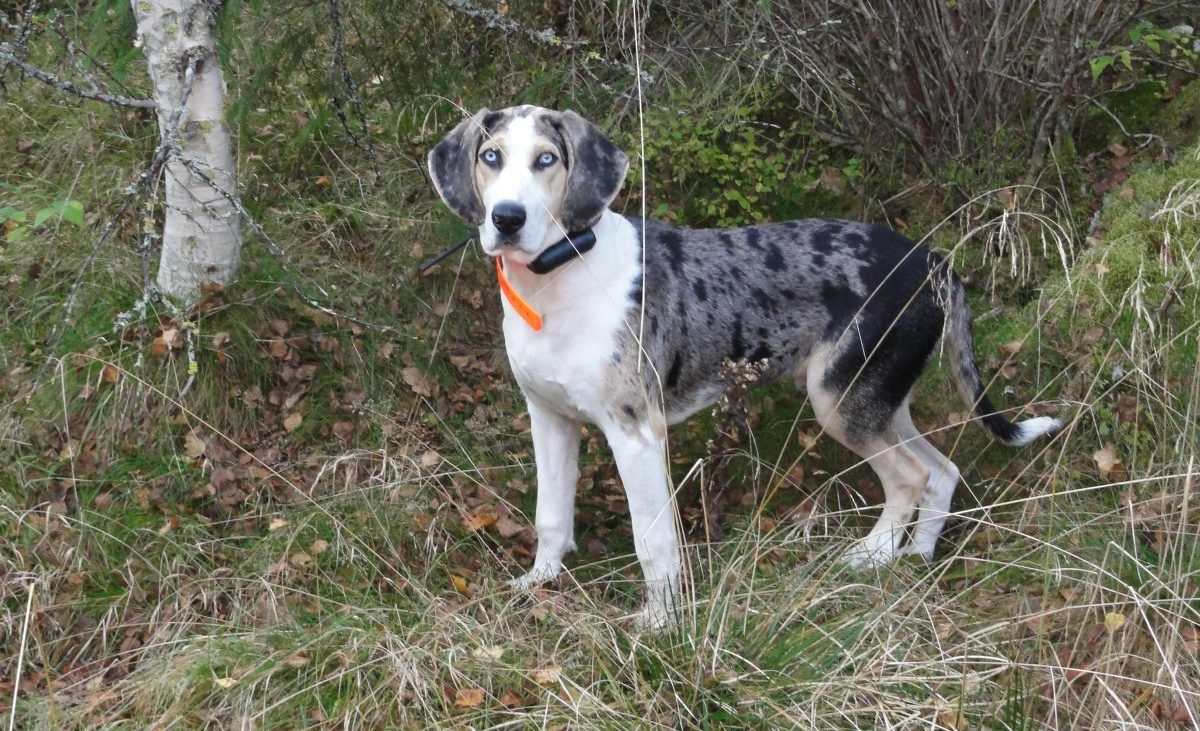
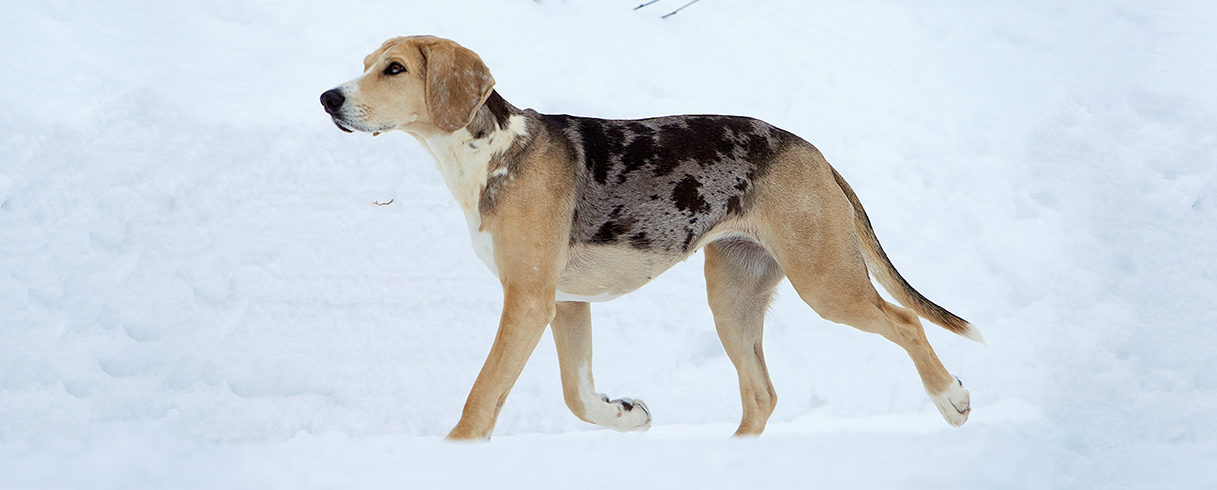
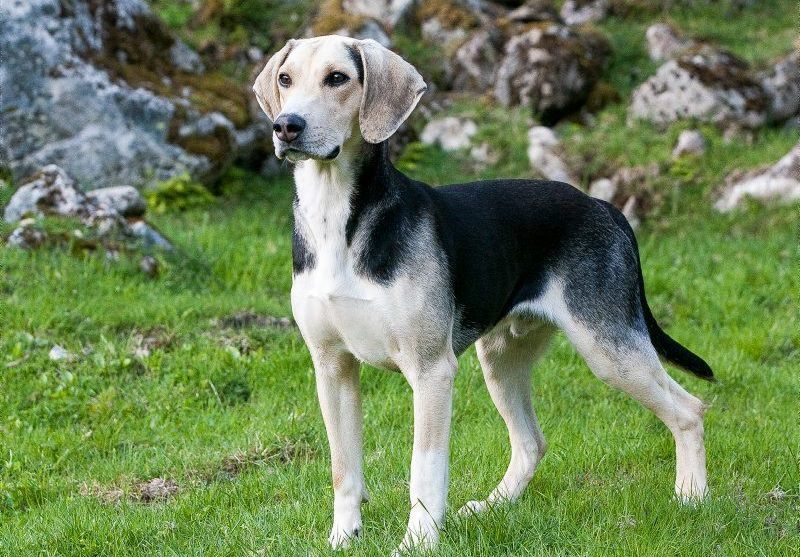
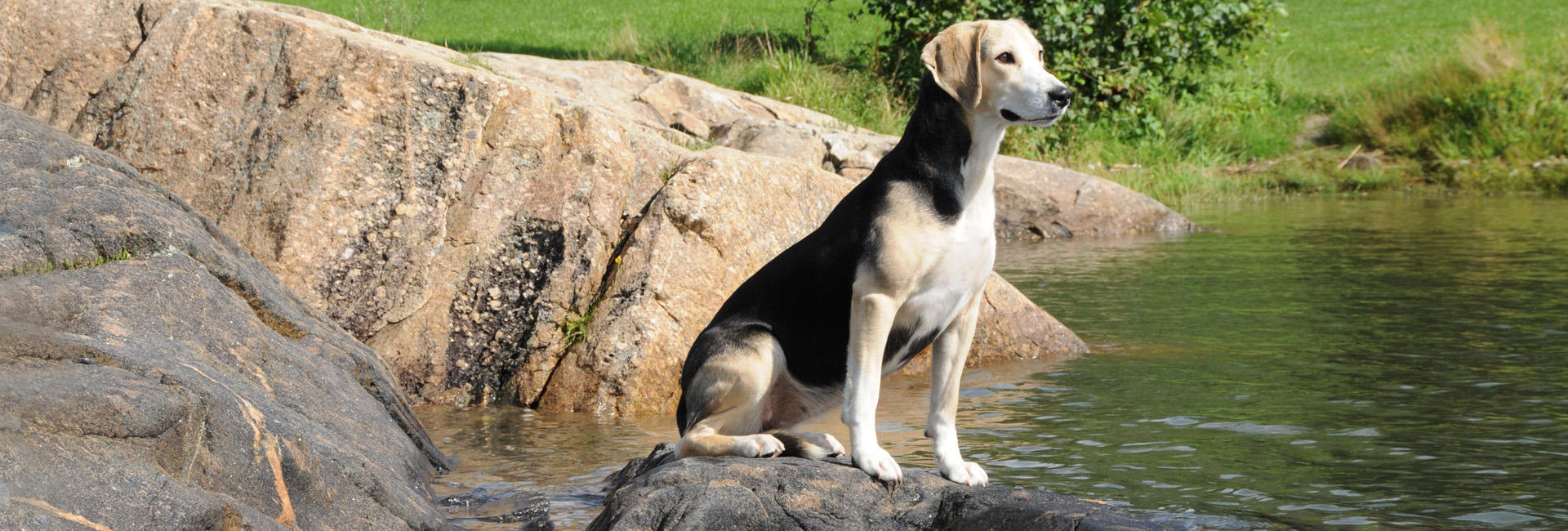
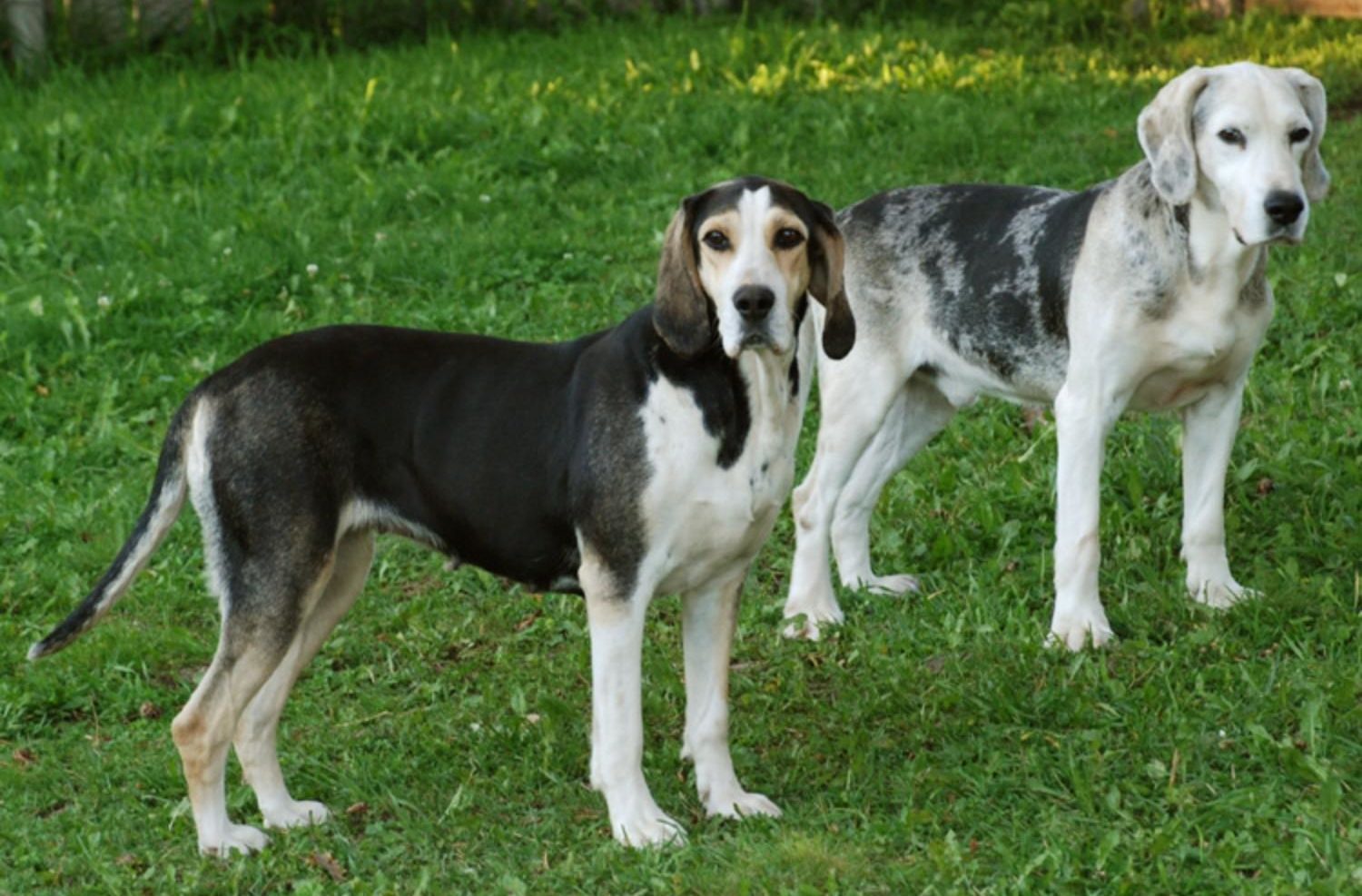
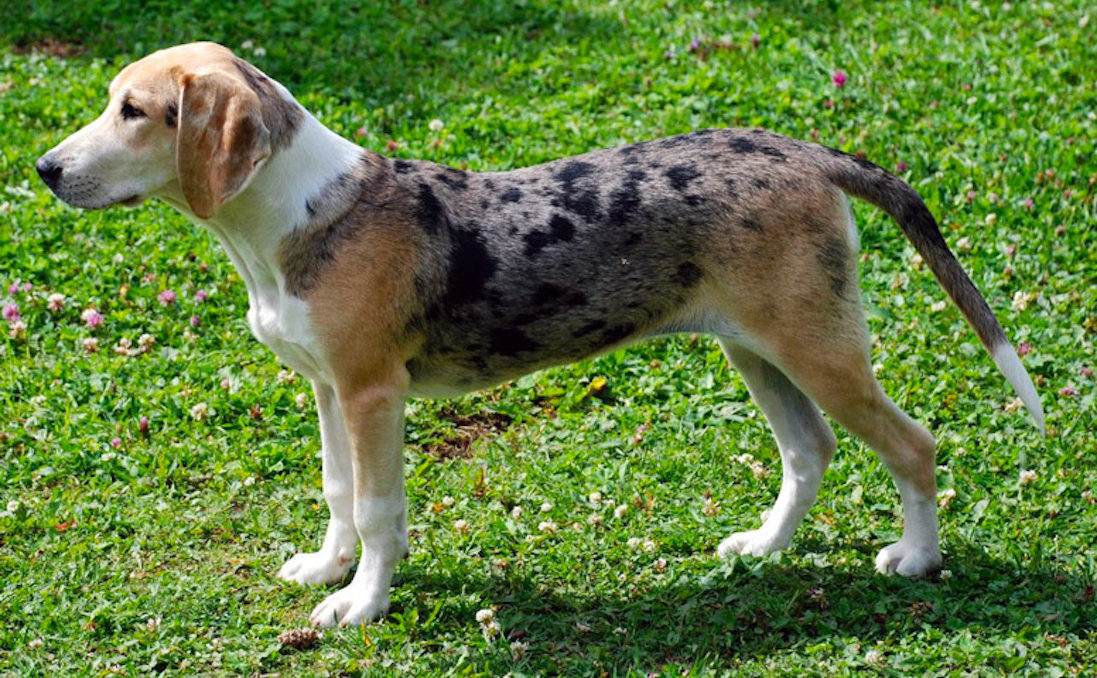
One of the noticeable features of dunkers is their coat. It is short and dense, with a stiff collar and fluffy, thick fur on the tail and ears. Dunkers can be colored in variations from black with white and brown markings to black and white. This coloration helps them camouflage in forest environments during hunting.
Dunkers have a wonderful anatomy and proportions, making them elegant and agile. They have a straight back, deep chest, and strong limbs, allowing them to move easily and quickly. Their head is round with expressive eyes and a broad skull, while their ears are triangular and slightly droop down.


Отличительные черты

Голова

Морда

Уши

Глаза

Зубы

Корпус

Конечности

Хвост

Шерсть

Окрас
Character
The character of Dunker dogs is one of their most attractive and unique aspects. They possess a number of traits that make them ideal companions and friendly pets. Here are some key personality traits of Dunkers:
Exuberance and activity: Dunkers are dogs with a tremendous amount of energy. They are always eager to engage in physical activities. They are ready for long and active walks, running, and playing with their owners. Because of this energy, they make excellent sports partners and are ideal for active individuals.
Intelligence and quick learning: Dunkers are smart and perceptive dogs. They were bred for hunting and, therefore, have a high intellectual potential. Their ability to learn quickly and master new commands and tricks makes them great candidates for various forms of training. They can easily understand and execute complex tasks.
Friendliness and sociability: Dunkers are very friendly and sociable dogs. They approach everyone without discrimination and quickly befriend new people and other pets. This makes them wonderful family pets and companions. They are always happy to be the center of attention and affection in the family.
Loyalty and protection: Dunkers are very loyal and devoted to their owners. They will always stand guard and make excellent watchdogs. Due to their instinctive protective nature, they can prevent potential threats to their family.
Resourcefulness and adaptability: Dunkers are very resourceful dogs. They quickly adapt to new situations and environments. They can adjust to unforeseen circumstances and make quick decisions. This makes them great partners for active and curious owners.The character of Dunker dogs makes them unique and appealing pets. Their energy, intelligence, and emotional bond with their owner make them wonderful companions and full-fledged family members. Dunkers are ready to bring joy and genuine loyalty to the lives of their owners.
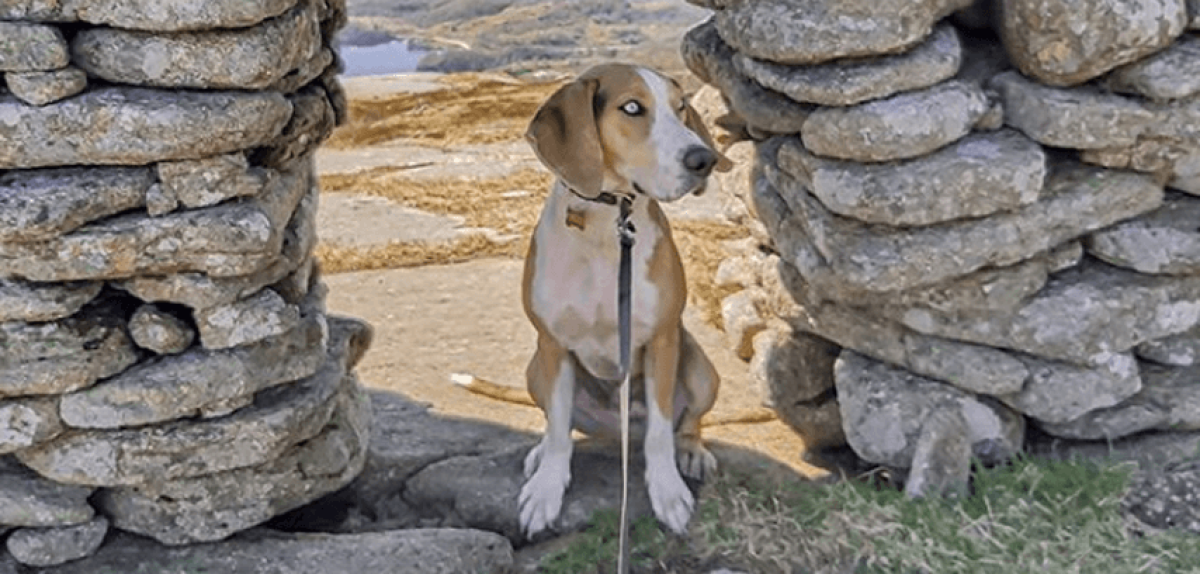
Various colorings
Dunkers are one of the few breeds with two distinct coat colors. Their distinctive feature is the combination of a white body with spots and brown or black patches. This unique coloring makes them unusual and visually appealing, and they truly are a beautiful addition to any home.Care and Maintenance
Dunkers require a balanced and quality diet. Choose high-quality dry food appropriate for their age, size, and activity level. Adjust portions to prevent excess weight and obesity.
Dunkers are active and energetic dogs, and they need regular physical exercise. Provide them with enough walking, running, and outdoor play. Physical activity helps them burn energy, maintain fitness, and prevent behavioral issues related to excess energy.
Dunker coats are short and dense, requiring minimal grooming. Regular brushing with a specialized brush will help prevent matting and reduce shedding. Baths should only be given when necessary to avoid disrupting the natural protective properties of their coat.
Regularly check and clean your dunker’s ears to prevent inflammation and infections. Dental hygiene is also important; brush your dunker’s teeth several times a week using specialized toothpaste and a toothbrush.
Regular veterinary visits will help monitor your dunker’s health and well-being. Ensure your pet receives all necessary vaccinations and preventive check-ups to avoid illnesses and detect problems early.
Dunkers have a friendly and social nature, but socialization and regular training will enhance positive behavior and confidence in various situations. Enroll in training classes or seek help from professional trainers to assist in your dunker’s training.It’s important to remember that each dunker is unique and may have its own quirks and needs. Spend time and attention on your pet to keep them healthy, happy, and well-cared-for. Gradually, you will develop a special bond and enjoy the wonderful companionship of your dunker.
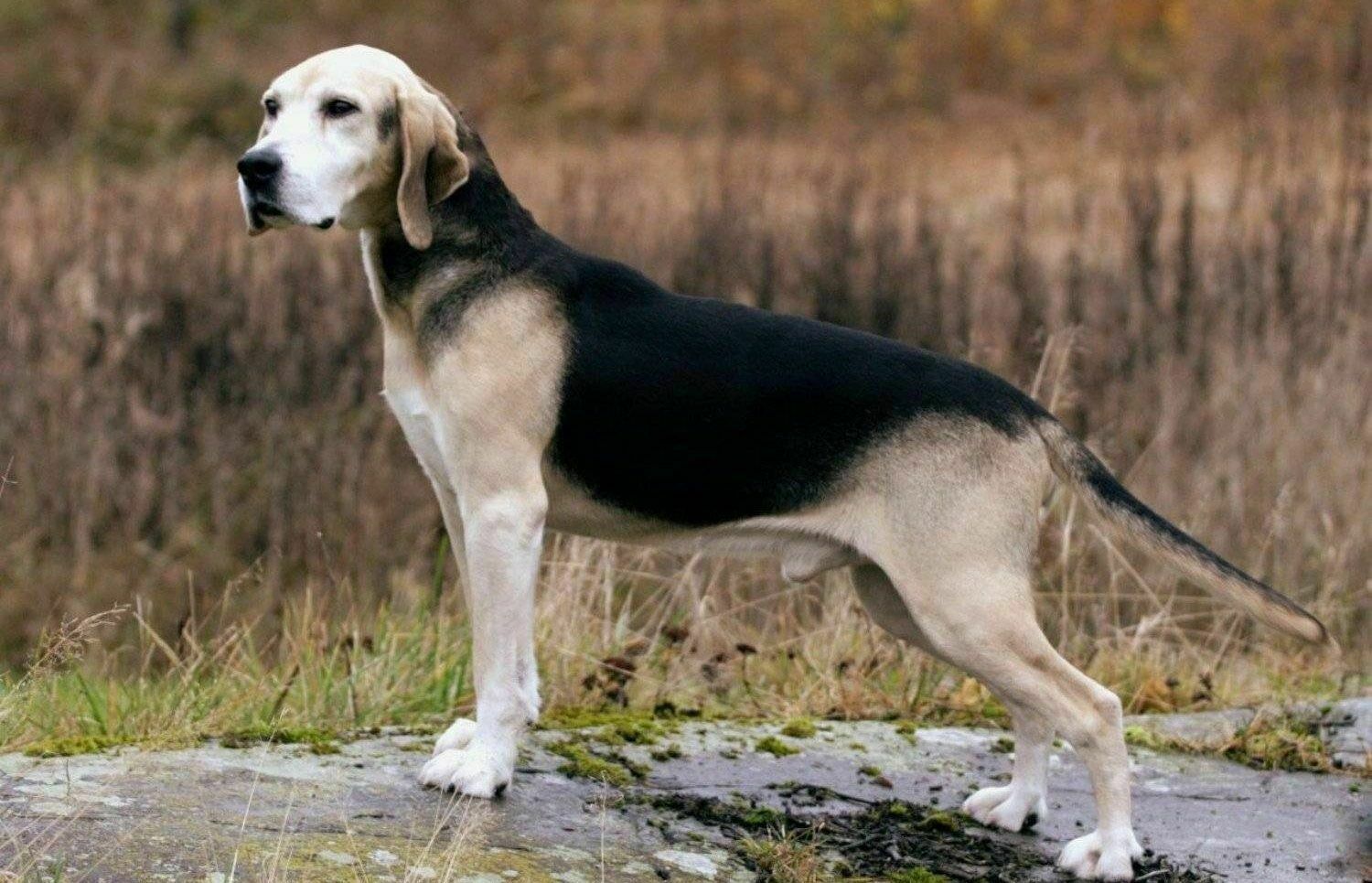
Deer hunter
Dunkers were originally used for hunting large game such as deer and moose. Their name comes from the Norwegian word "dunker," meaning "hunter." These dogs had incredible hunting abilities, including excellent scent sensitivity, speed, and great teamwork.Training and Education
Training and educating Dunker dogs is an important process that helps them develop skills and traits, becoming well-mannered and controllable pets. Dunkers were originally bred for hunting, so they possess hunting instincts and quick responses to commands. Here are some important aspects to consider when training Dunkers:
Dunkers respond positively to praise and rewards, so positive reinforcement is key in their training. Use treats, praise, and toys to encourage their good behavior and command execution.
Start with basic commands such as “sit,” “lie down,” “stand,” “fetch,” and “yes.” Establish clear and understandable cues for each command and repeat them regularly. Gradually move on to more complex tricks and commands.
Socialization is an important part of training Dunkers. Gradually expose them to different situations, meeting other dogs and people. Regular visits to training classes and exposure to new places will help enhance their socialization and communication skills.
Dunkers are very energetic and active dogs that require regular physical activity. Ensure they have enough walks, runs, and outdoor play. This will help them release energy and maintain good physical shape.
Dunkers can be stubborn and demanding, so it’s important to be patient and consistent in training. Repeat commands and exercises regularly to reinforce skills and achieve success.Each Dunker is unique, so it’s important to be flexible in your approach and adapt training to their needs and abilities. Find your puppy through reliable sources.
Best friend
Dunker dogs are known for their friendliness and amiable nature. They are active and positively engage with others, whether they are other dogs or people. Dunkers often become ideal family pets, bringing joy to their owners with their friendliness, affection, and attachment.
How to Choose a Puppy
Choosing a Dunker puppy is a responsible step that requires careful consideration and informed decision-making. The Dunker, also known as the Norwegian Elkhound, is a breed of hunting dog known for its excellent scenting abilities and active temperament. Here are several recommendations to help you select the perfect Dunker puppy:
1. Study the Breed: Before you start selecting a puppy, familiarize yourself with the features of the Dunker breed. Learn about the breed standards, their sizes, temperaments, and activity levels. This will help you understand how well this breed fits your lifestyle.
2. Choose a Breeder: Choosing a reputable breeder is crucial. Look for breeders with a good reputation who focus on the health, socialization, and training of their puppies. Reading reviews, talking to other owners, and attending dog shows can provide valuable information.
3. Pay Attention to the Parents: The puppy’s parents are a key factor in its future health and temperament. Meet the mother and father of the future puppy, and observe their behavior, appearance, and overall health.
4. Inspect the Breeding Conditions: The conditions in which the puppies were raised are important. Cleanliness, care, access to fresh air, and socialization with other dogs and people are all vital aspects at a young age.
5. Take Health into Account: Pay attention to the health of the puppies. Ensure they have the necessary vaccinations, veterinary check-ups, and health documentation. This will help you avoid potential problems later.6. Interact with the Puppies: Spend time with the puppies to assess their character and temperament. Dunkers are generally friendly and energetic. Notice the puppy’s response to you, its activity level, and degree of socialization.7. Ask the Breeder Questions: Don’t hesitate to ask the breeder questions. Inquire about the birth conditions, care, feeding, and previous owners. This will help you better understand the background and raising conditions of the particular puppy.Choosing a Dunker puppy is an important decision, and paying attention to detail will help you find the ideal pet that will become your loyal and joyful companion. With a pedigree from Zooneka, choose the puppy of your dreams.
Health and Diseases
Dunker dogs are usually healthy and resilient. However, like all breeds, they have certain health traits to be aware of. Here are some key health aspects and potential diseases related to Dunkers:
Dunkers can be prone to developing hip and elbow dysplasia, which is an inherited condition. Regular screening of the parents for this condition and examinations of the puppies can help identify issues at early stages and take appropriate measures.
Dunkers may have an increased risk of developing certain eye problems, such as cataracts or progressive retinal atrophy. Regular eye checks by a veterinarian can help detect these issues and initiate early treatment.
Some Dunkers may be prone to food allergies. It’s important to monitor their diet and avoid potential allergens to prevent allergic reactions.
Dunkers tend to gain weight with improper feeding or insufficient physical activity. Moderation in feeding and regular exercise will help maintain a healthy weight and prevent obesity-related issues.
Dunkers are susceptible to dental problems, such as tartar and plaque buildup. Regular teeth cleaning and check-ups with a veterinarian can help keep your Dunker’s teeth healthy.It’s important to remember that each Dunker is unique, and their health may vary. Regular veterinary check-ups, a balanced diet, physical activity, and proper care will help keep your Dunker in good shape. Considering? There is a vast selection of listings on the Zoonyka map across various cities.
Содержание
-
1. Описание породы
-
2. Внешний вид
- 2.1 Голова
- 2.2 Морда
- 2.3 Уши
- 2.4 Глаза
- 2.5 Зубы
- 2.6 Корпус
- 2.7 Конечности
- 2.8 Хвост
- 2.9 Шерсть
- 2.10 Окрас
-
3. Характер
-
4. Содержание и уход
-
5. Дрессировка и обучение
-
6. Как выбрать котенка
-
7. Здоровье и болезни






Comments
Only registered users can leave reviews.
Enter