
Doberman




Warning: Illegal string offset 'label' in /home/panda/sites/zoonika/wp-content/themes/zoonika/template-parts/animals/animals-param-item.php on line 32
Ð


Breed Description
The Doberman is a specially bred dog breed. Today, it is known and recognized worldwide for its superior qualities. It has established itself as a guard, watch, and police dog. It was first developed for this purpose 150 years ago in the Thuringian town of Apolda. It is named after Friedrich Louis Dobermann, who made a living as a dog catcher and tax collector in Apolda during the mid-19th century. It is said that Mr. Dobermann mixed local dogs into a fierce guard dog, a watchdog, and an optimal police dog. However, there are indications that dogs of the modern Doberman type have always been present in this region. There is also debate about whether older breeds, shepherds, or others like mastiffs are ancestors to this new dog breed.
On the genetic map of dog breeds compiled by Heidi G. Parker, we see the “Doberman Pinscher,” as it is called in the U.S., placed next to the Rottweiler and Giant Schnauzer. This fits well. Finally, Otto GГ¶ller, a local commercial breeder, shaped and established Dobermans as a stable dog breed. It was worth it.
The Doberman is one of the most popular dog breeds not only in Germany. It continues to be an excellent service dog. Today, its focus has shifted to dog sports, where it regularly achieves top results. In 1895, the Doberman breed was officially recognized in Germany. In 1955, it was finally recognized by the FГ©dГ©ration Cynologique Internationale (FCI). The Doberman is a dog breed developed in Germany, and its global standard is maintained here. It is represented in breeding by the Doberman club based in Munich. Unfortunately, this association is largely responsible for the fact that published information since 1949 regarding the hereditary heart disease DCM, which is widespread in the Doberman population, has often been ignored.
In Munich, almost at the doorstep of the Doberman Association, veterinarian Professor Kraft from Ludwig Maximilian University urgently addressed DCM in 1989. Professor Weiss and other researchers from the UK and the USA have published extensive research on this issue in recent years. Studies from American universities in Arizona and North Carolina were added only in 2020, all yielding the same evident result. The Doberman remains one of the best German working dogs. However, it has lost an average of five years of its lifespan due to breeding failures. Every year, between 500 and 800 Doberman puppies are born under the auspices of VDH.
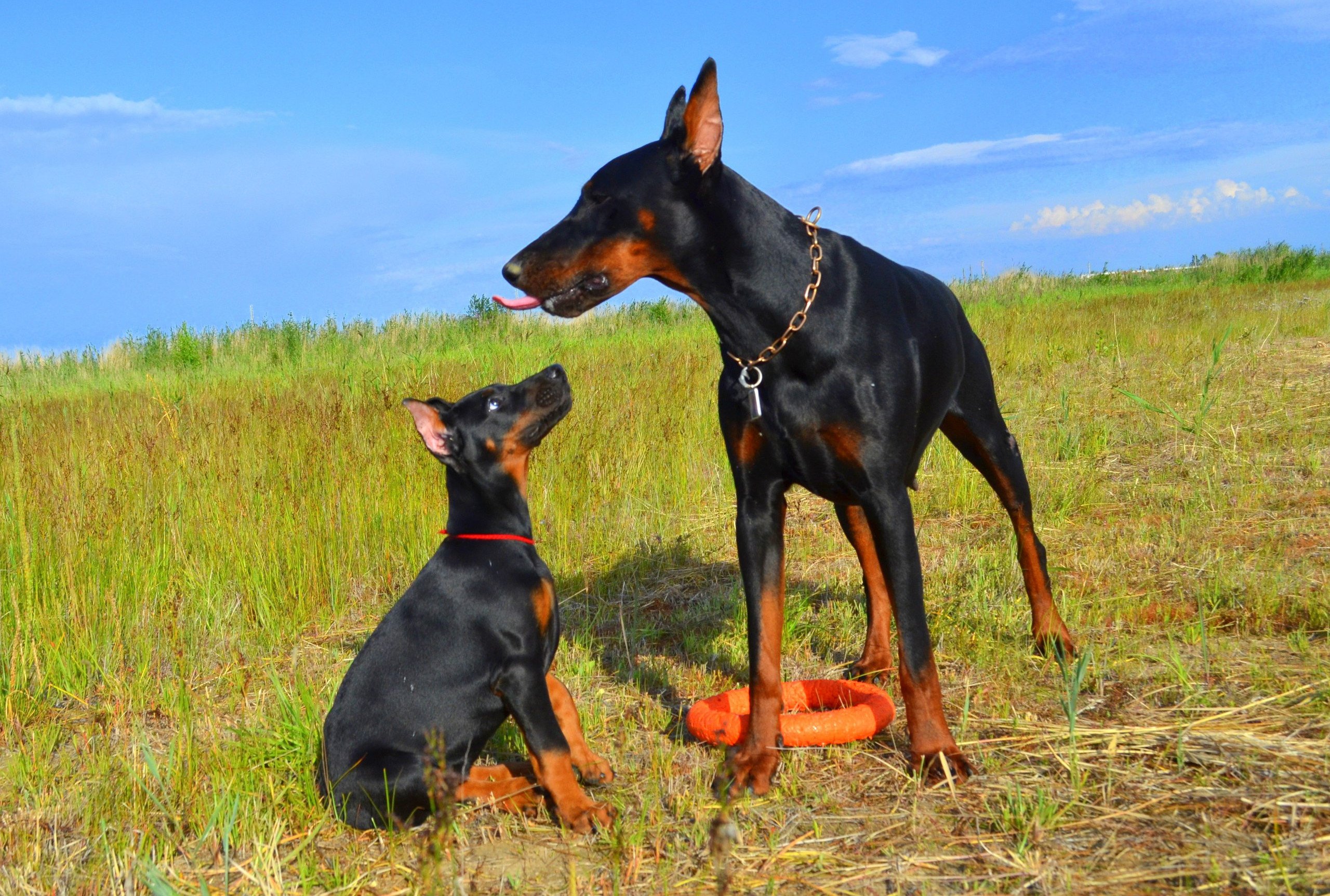
The Doberman emerged in Germany as a guard dog against thieves. Today, they are considered highly competitive in obedience trials, agility, and other sports. Their athletic build and regal appearance seem aristocratic. Their height ranges from 61 to 71 centimeters, and their weight from 27 to 36 kilograms.
Dobermans are medium-sized, athletic, and elegant dogs. They are alert, energetic, and intelligent, excelling in endurance sports, making them great family guardians and companions. Since they were originally bred as guard dogs, they protect their families very well and have a keen sense of threats and dangers.Generally, they are gentle and confident in their uniqueness. Dobermans are affectionate and people-oriented dogs. They are friendly with everyone, especially those with whom they have been socialized and properly introduced.The price for a puppy ranges from 70,000 to 80,000 rubles.
Appearance
The Doberman is an extremely elegant, athletic dog. It is of medium height, with a strong and muscular build. You can be confident in seeing that the dog has a very temperamental character. The official standard adds:
With its graceful body lines, proud posture, spirited nature, and expression of determination, it embodies the ideal image of a dog.
This statement is by no means an exaggeration. There is nothing unfavorable in its appearance. Trying to improve it would be a misguided effort. You truly feel there is no need to change anything about this dog.
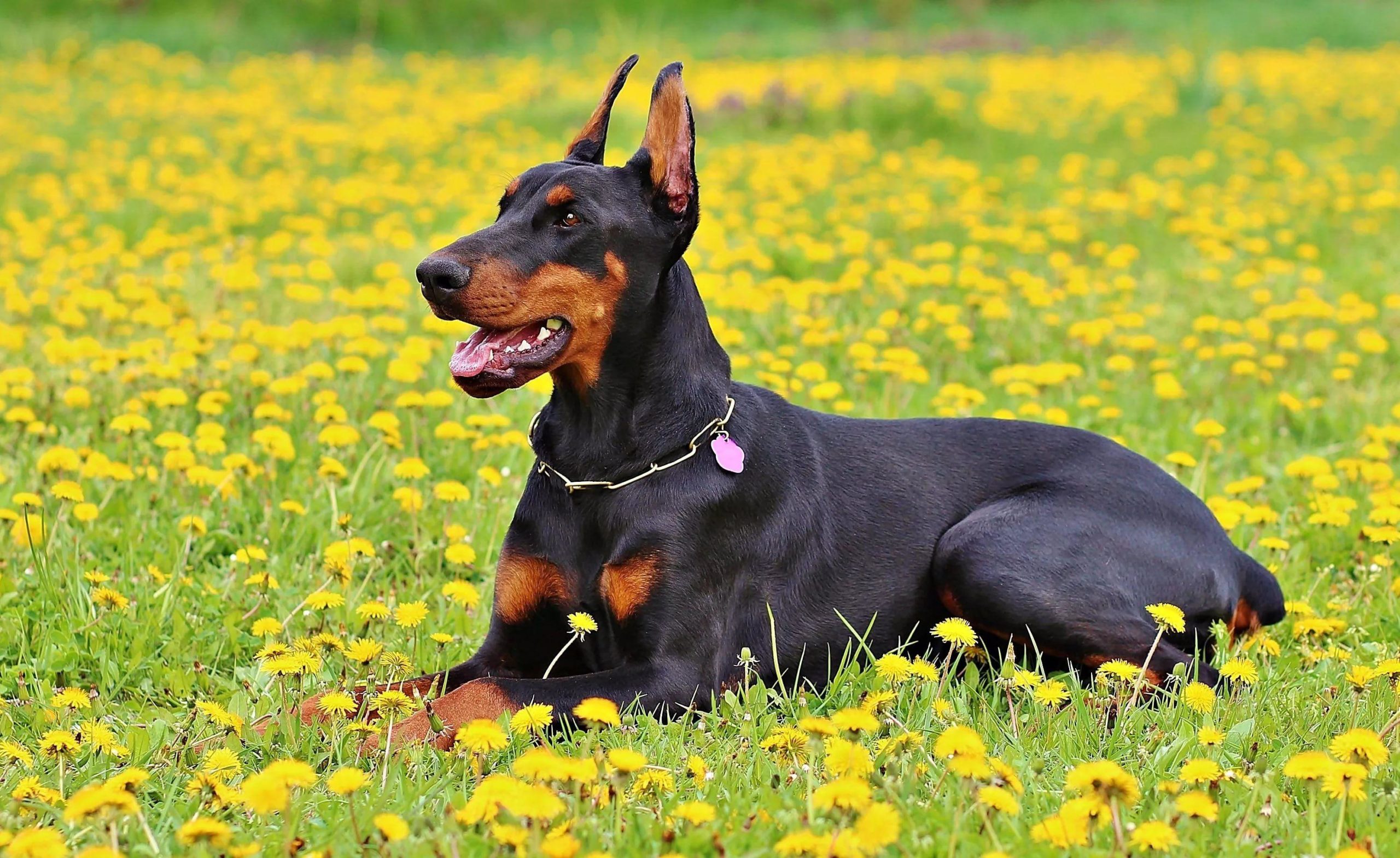
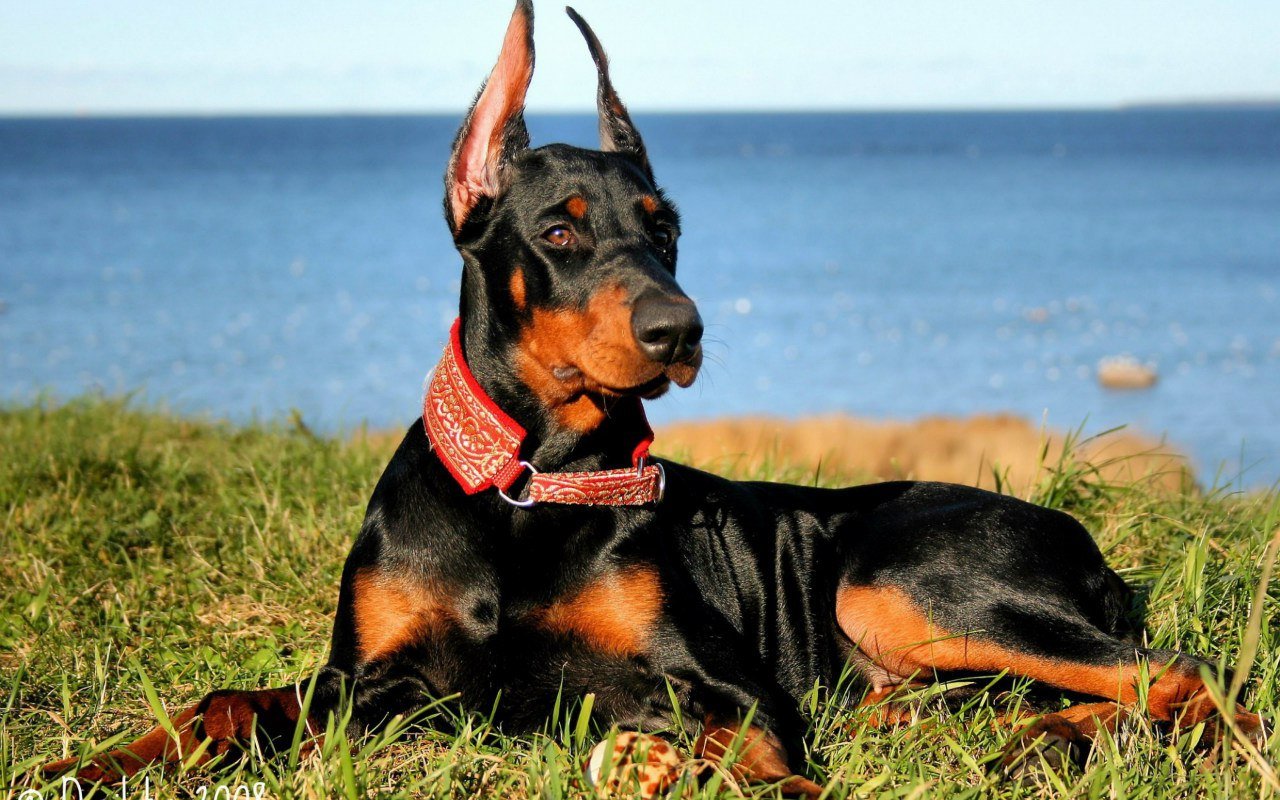
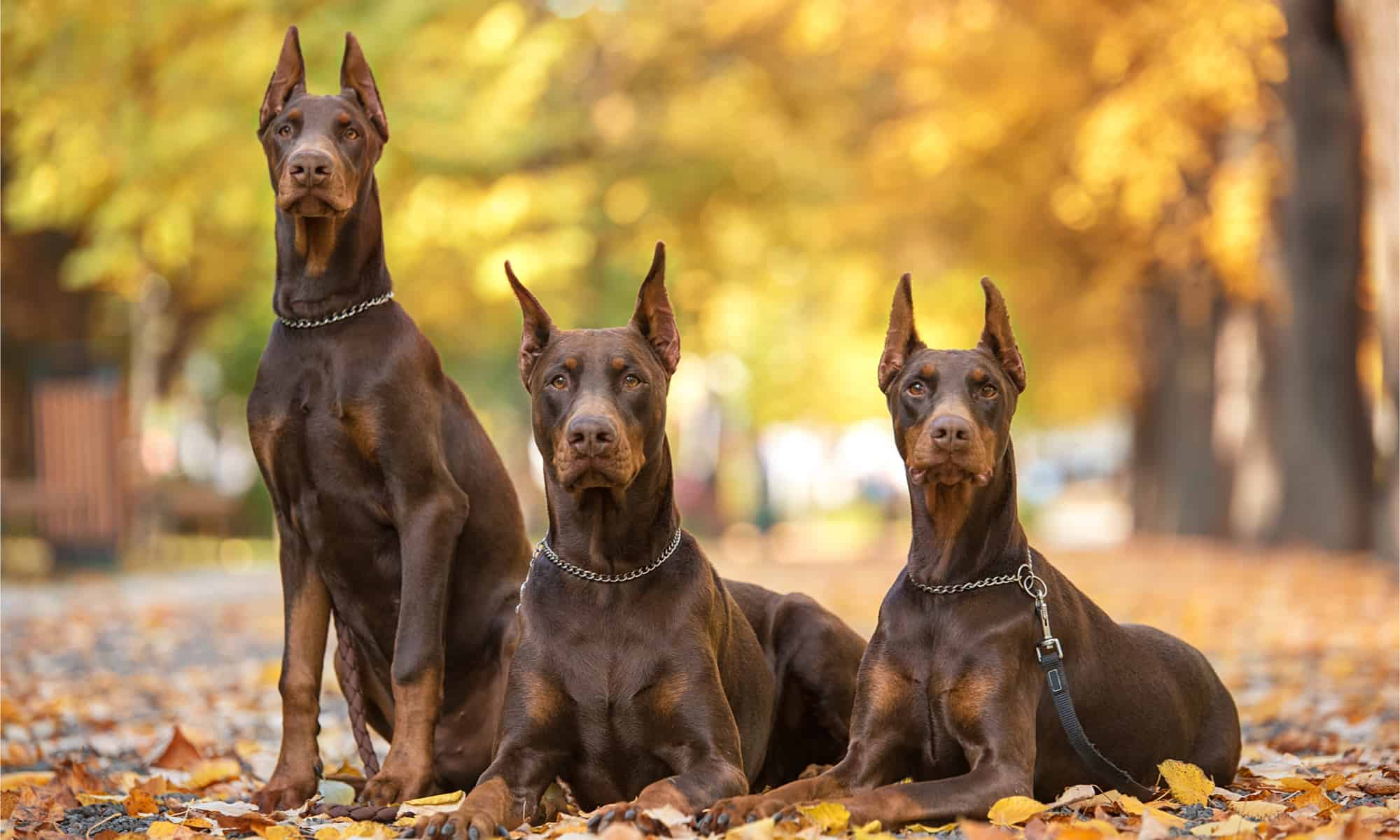
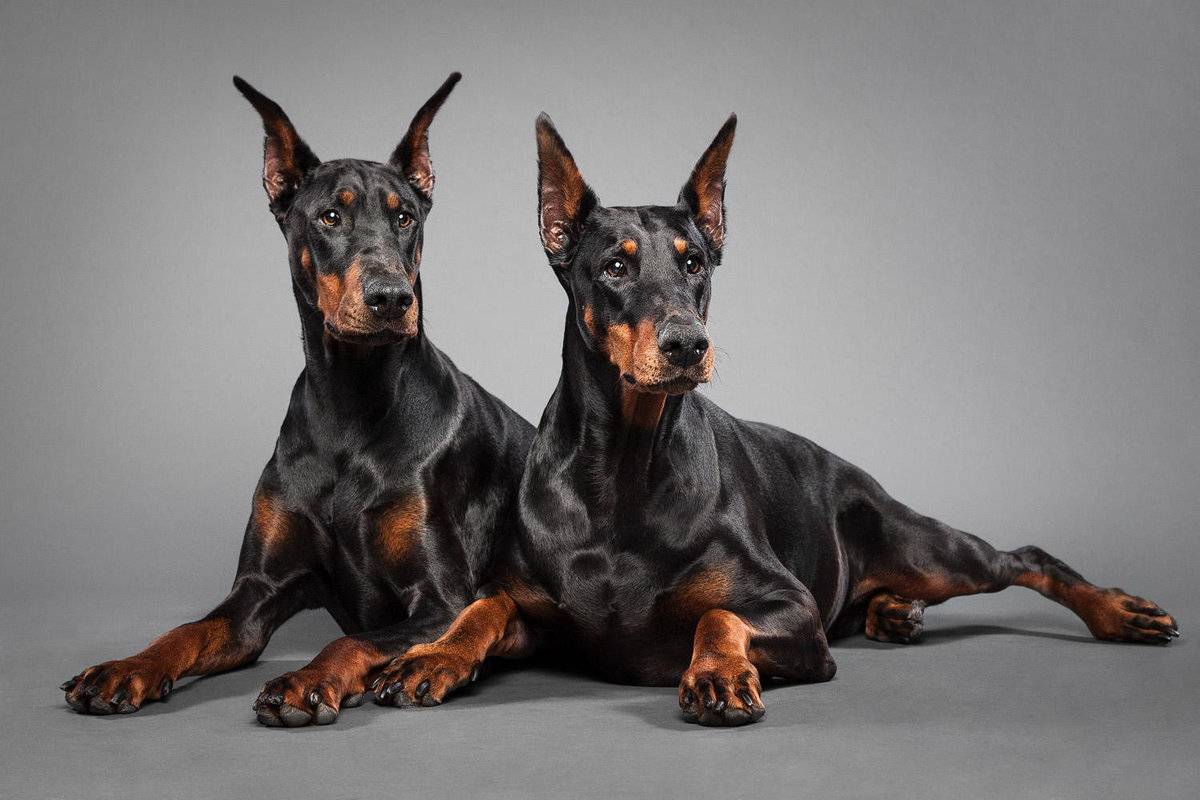
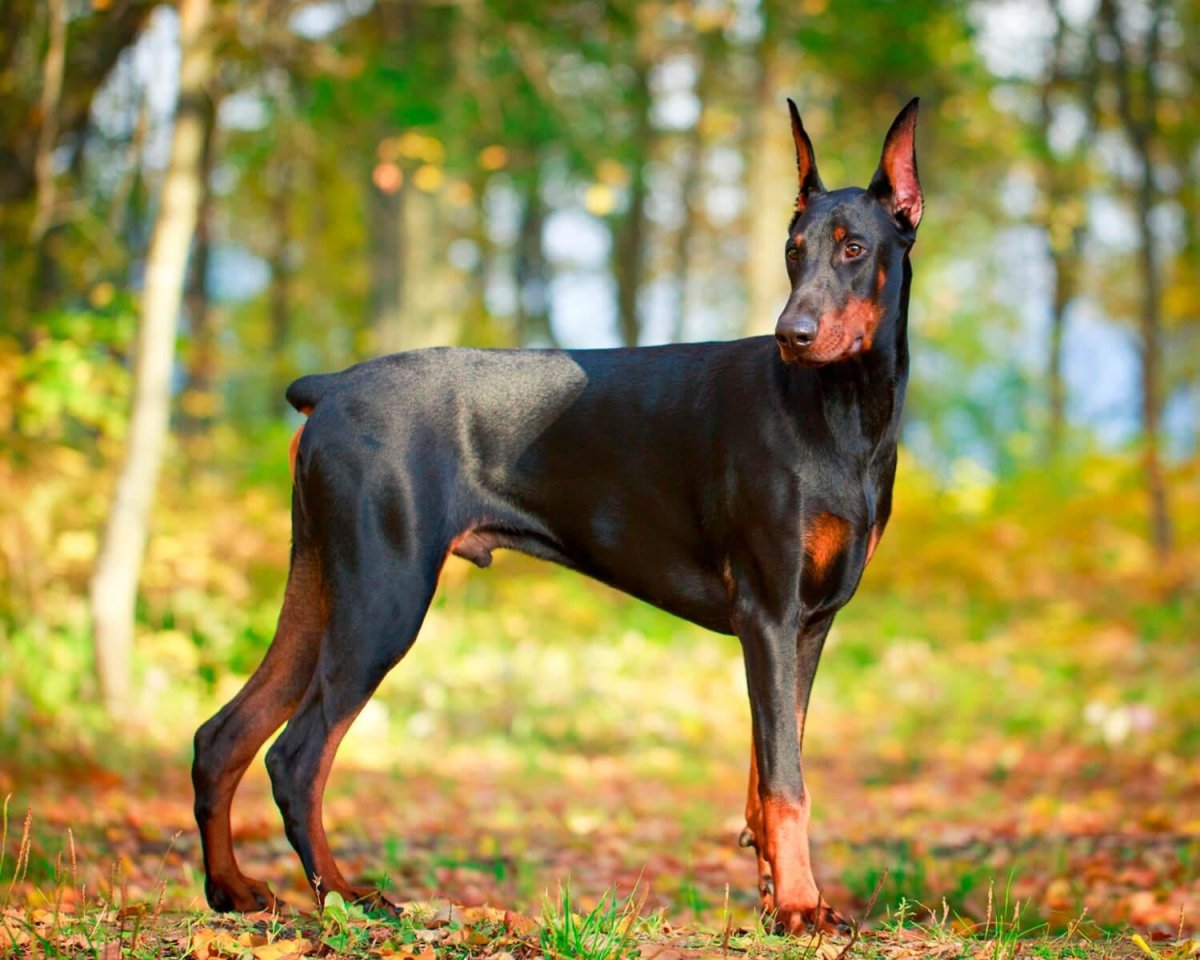
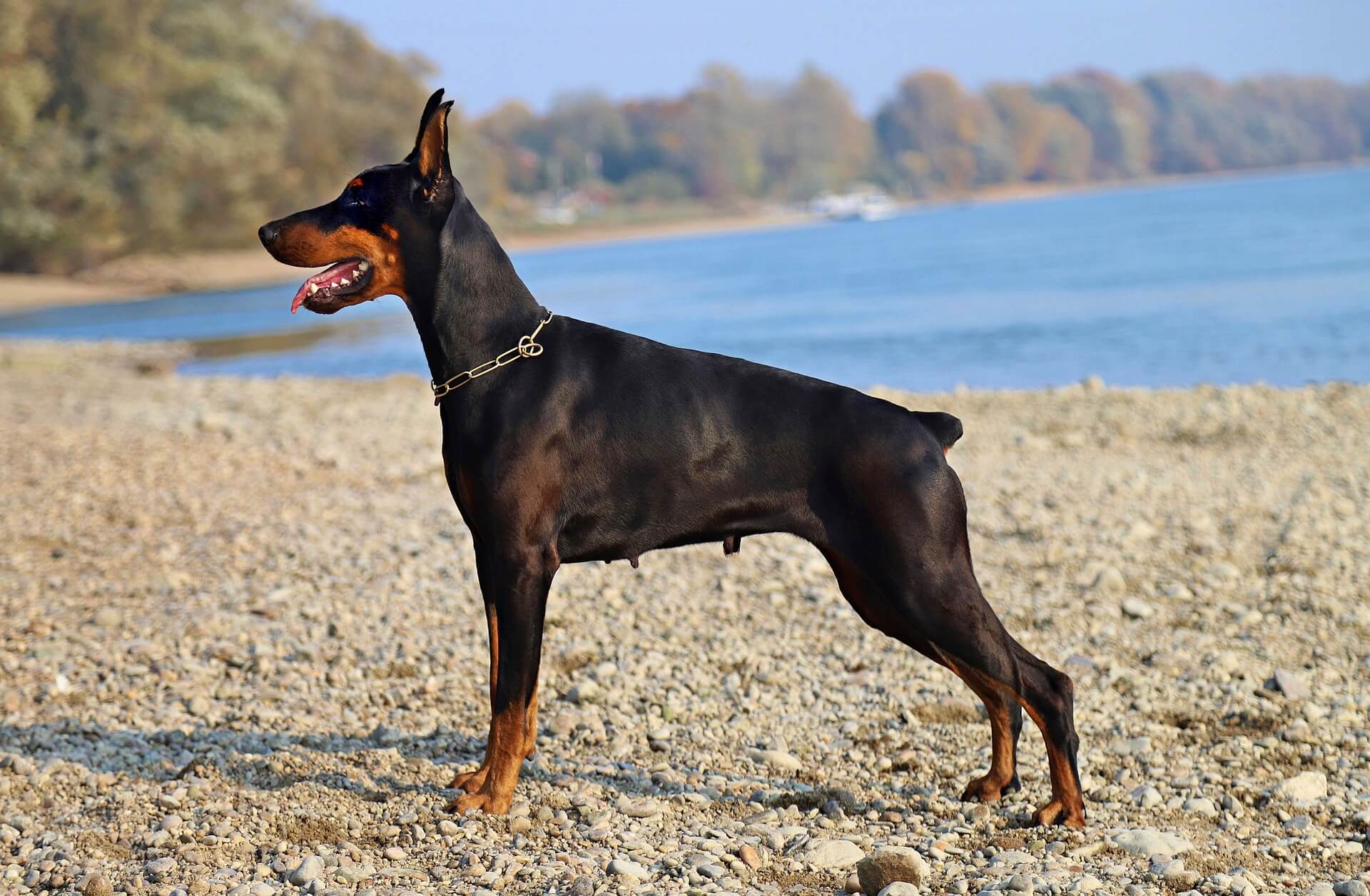
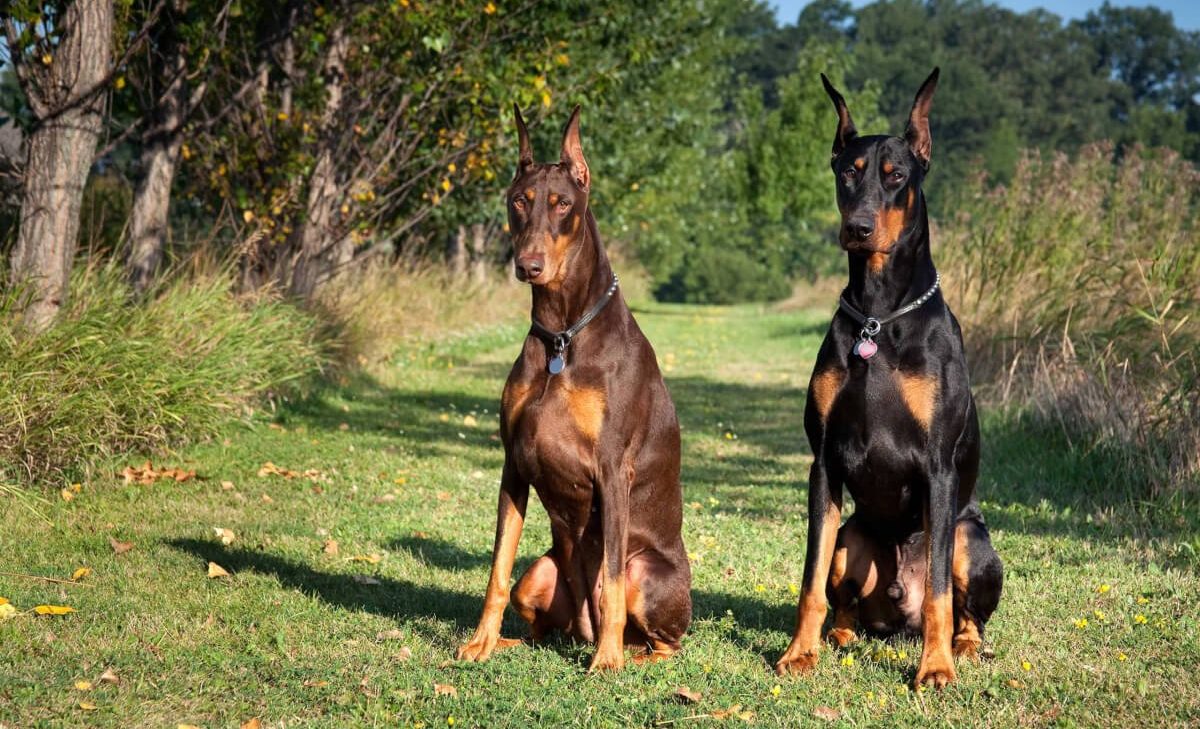
Special emphasis is placed on its gait. It should appear springy, elegant, agile, free, and spacious. The coat is short, stiff, and dense. It lies flat and smooth, evenly distributed across the surface. No undercoat is allowed. The Doberman comes in two colors: black or brown with rust-red, clearly outlined, and clean markings.
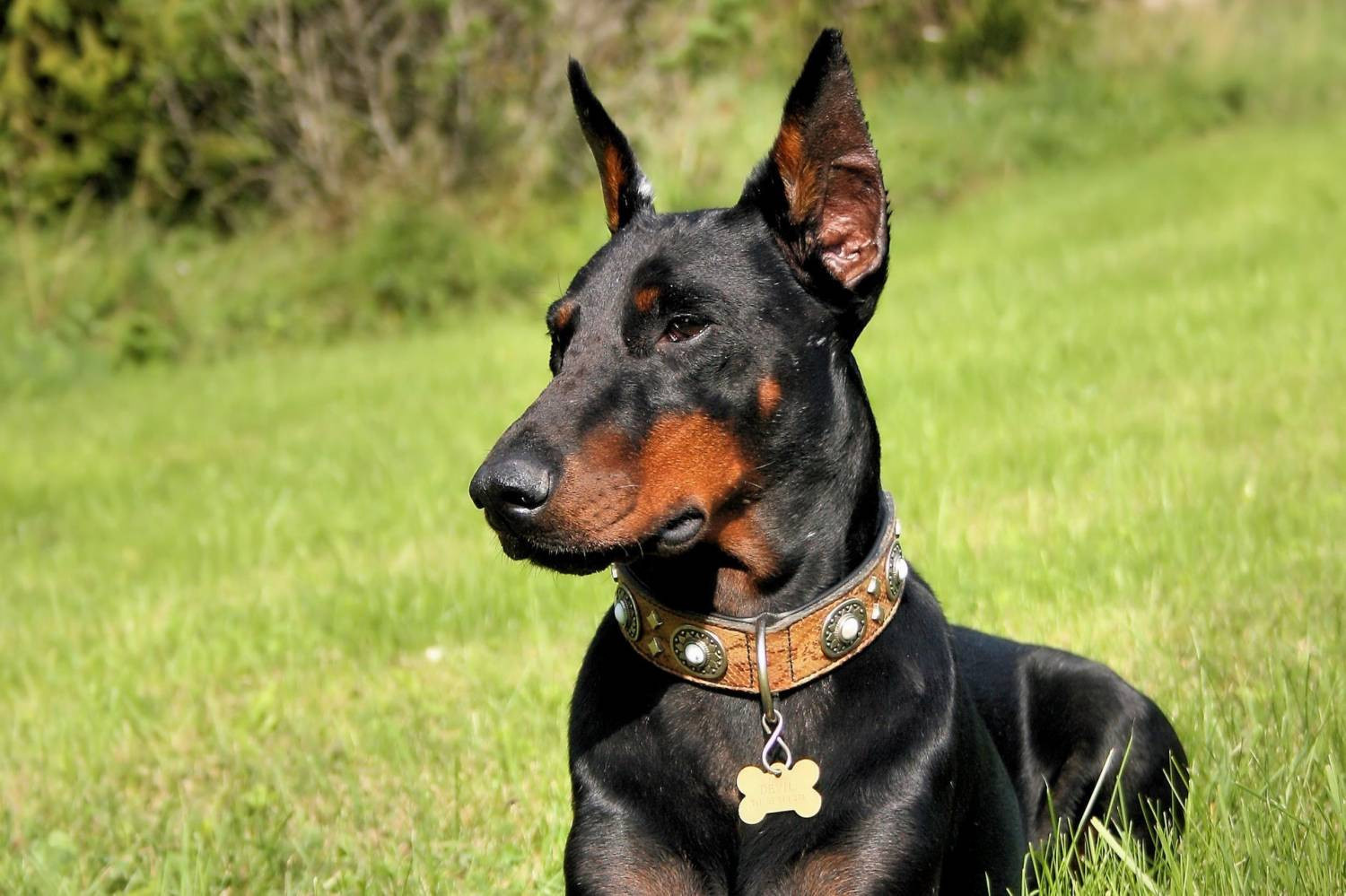
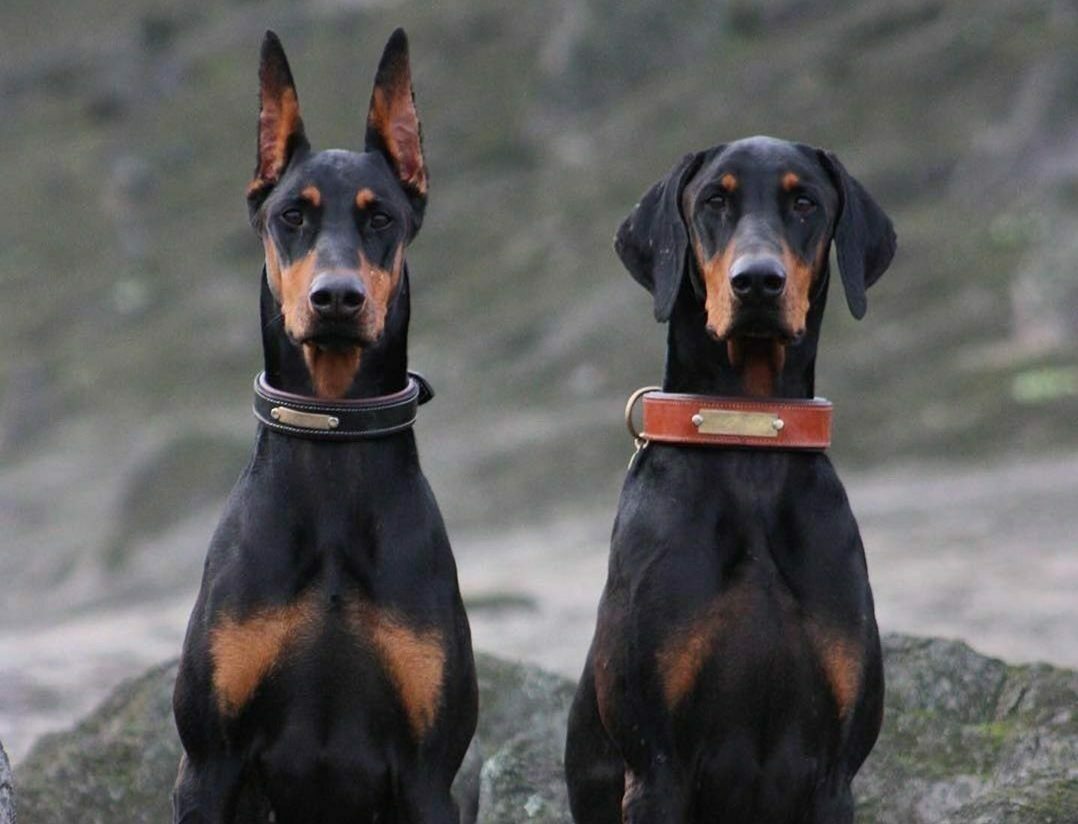
Dobermans are medium-sized, muscular, and elegant. They have a smooth coat, athletic physique, and a regal, aristocratic appearance. They are compact, sturdy, and capable of great speed. Ears are often cropped to stand upright, and the tail is usually docked short.
The dog is medium-sized, muscular, and elegant, with a well-proportioned body. A proud build, compact and robust. It is capable of reaching high speeds.How big is a Doberman?Its height at the shoulder should be between 68 to 73 centimeters for males and 61 to 71 centimeters for females. The ideal height at the shoulder is: males: 69 cm; females: 65 cm. Significant deviations from this ideal are undesirable. Each ounce of it belongs to a hardworking athlete.


Отличительные черты

Голова

Морда

Уши

Глаза

Зубы

Корпус

Конечности

Хвост

Шерсть

Окрас
Character
The Doberman is one of the ten officially recognized service dog breeds in Germany. It uniquely combines protection, strength, elegance, and speed. It takes pleasure in training and, as a result, in its work. It needs to work alongside its owner to feel comfortable. The Doberman is certainly not a homebody. At the same time, it can be very pleasant, and after the work is done, it can also occupy the couch in the living room. Thanks to its qualities as a service dog, it can be raised and trained very well. Yes, it truly requires ongoing education.
Dobermans are professionally socialized through serious breeding-they are stable and reliable. They are affectionate and loving with their families, but they can be suspicious of strangers. Territorial thinking is well-developed, so a Doberman should be introduced to other pets early in its training. Later in training, it should learn how to handle a leash properly and behave well around unfamiliar dogs.
The official standard describes its essence as follows: “The Doberman’s primary temperament is friendly, peaceful, and very affectionate within the family. It requires a medium temperament and medium sharpness. Additionally, a medium threshold for stimulation is needed. If a Doberman knows how to lead and work well, attention should be paid to its working ability, courage, and endurance. With proper attention to the environment, self-confidence and fearlessness are particularly important.”
The Doberman is intelligent and strong-willed, loyal, and obedient. The breed’s temperament is quite bold and alert. Shyness or aggression is highly undesirable.
A Doberman is an impressive partner for a person. It is an excellent family dog. However, due to its extremely high performance, it is not recommended for beginners.
Dobermans are wonderful family dogs. Their good-naturedness makes them great companions. They are loyal and caring toward their families. With proper socialization and introduction, they can become fun playmates for children! They enjoy playing with children who are old enough to treat them with respect.Dobermans can also get along well with other pets. They are friendly but can be reasonably reserved around strangers. It is best to keep them on a leash during walks, as they can display aggression towards others if they sense something unusual nearby.As for other breeds, proper and early socialization will help them learn how to behave with new friends.
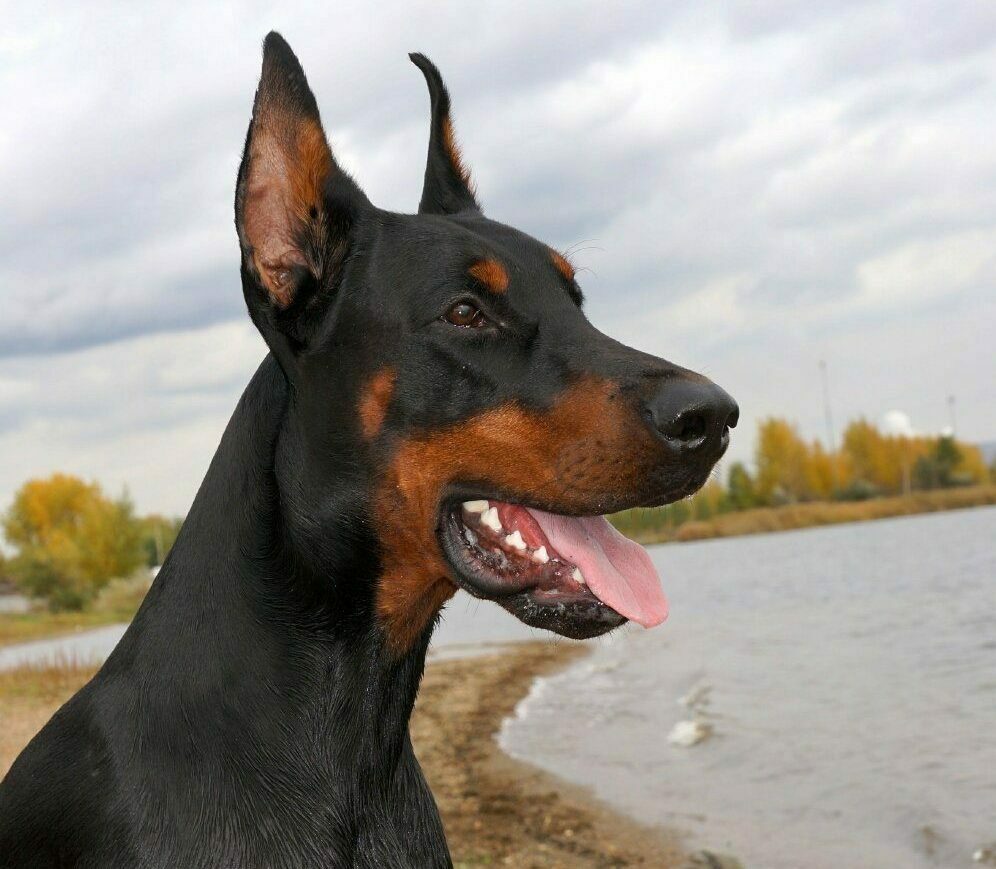
Who is a Doberman Pinscher?
In the past, in the field of cynology during the USSR, there were mentions of the breed "Doberman Pinscher." Now, however, Pinschers are considered a distinct breed resembling a miniature Doberman. But true representatives of the Doberman breed don't appreciate being called Pinschers out of habit.Care and Maintenance
Caring for a Doberman requires minimal effort to keep it clean and healthy. They have short, smooth coats that require very little grooming. A Doberman should be brushed at least once a week to maintain its coat, especially if it sheds moderately. Occasional bathing will also help keep their coat healthy, but only bathe them as needed.
To avoid dog odor, they should be bathed, but only when truly necessary. Ears are an important area to check during care, so if you notice a smell or see wax, clean the inner ear with a cotton swab using a cleanser recommended by your veterinarian.
What food is best for a Doberman?
A Doberman’s diet is straightforward. Like all large dogs, the growing and developmental phases require professional nutritional guidance. A Doberman is well-suited for professionally done BARF.
Dobermans should be fed between 2 to 4 cups of high-quality dry food each day. The amount of food they will consume depends on their size, age, activity level, metabolism, and overall health. It is also essential to monitor the pet’s weight to prevent obesity. As with other breeds, fresh and clean water should always be available.
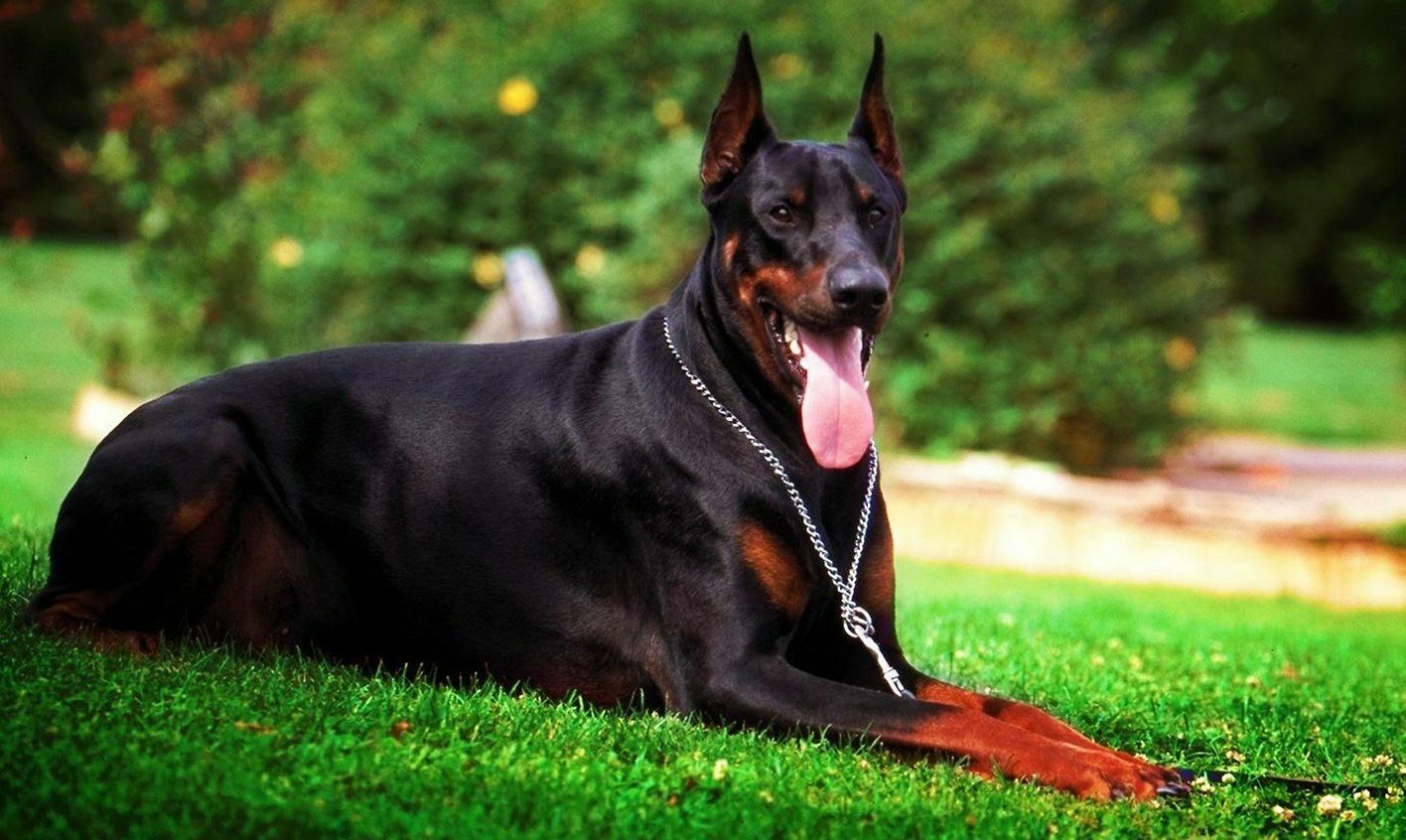
Two subtypes of Dobermans
The conversation is about comparing American and European types. "Americans" are distinguished by their refined and elegant posture, straight heads, and graceful necks, as well as a slimmer torso. In contrast, "Europeans" have a more massive and heavier build, with a wider and deeper chest, which gives their torso a shorter and more square shape.Training and Education
If you want to get a Doberman, you should have specific requirements for its care: time, space, the means, and the desire to engage in physical activity in the broadest sense. It doesn’t matter what kind of sport. The Doberman loves movement and will enthusiastically accompany you on runs, horseback riding, or cycling. Additionally, it seeks challenges in dog sports or in training and professional working tasks of all kinds.
Most Dobermans have a fairly high energy level and require a lot of exercise to stay healthy. Due to their natural athleticism, several daily walks or runs will help the Doberman maintain its excellent condition.
Dobermans are very smart and talented dogs that are quite easy to train. They strive to please their family, which makes them highly trainable.
As with other breeds, early and proper training will help them become more responsive to their owners. Treats and a reward system are also recommended!
With a Doberman, you must have a genuine desire to work with it. You should enjoy the ongoing training and education of your Doberman. It needs a strong owner with a good intuition for dogs. Strong means, first and foremost, having willpower and empathy. This is how wonderful, successful human-dog teams can develop. A Doberman does not need any means of coercion for good upbringing. Such methods only reflect the incompetence of its people.
The Doberman is the perfect companion to go through fire and water with. It behaves well everywhere. It’s best to take it with you in a suitably spacious aluminum dog crate in the car.Dobermans are not recommended as dogs for a big city. Safe, well-socialized, and well-mannered, they will know how to behave there. A Doberman is not an apartment dog. It is well suited to look after things in a rural estate with a spacious yard. This does not contradict an intimate and loyal bond with its people, whom it loves most in the world. The Doberman embodies all the good qualities of a service and working dog. Its temperament sharply requires experienced guidance and restraint. The Doberman forms a deep partnership with its owner or caretaker, whom it trusts, and thus manages all challenges. A Doberman wants to continue training after the initial stage. For this, you should join a dog sports club or look for special dog schools or trainers. Zoonik offers elite breed puppies with complete documentation.
Exceptional detectives and more.
It is well known that Dobermans are excellent tracking dogs used in police and rescue teams. However, few people know that they are also actively used as guide dogs for visually impaired individuals.
How to Choose a Puppy
A Doberman is an impressive companion for humans. Its performance and elegance are equally striking. Being able to experience a partnership with one is a gift from nature. Unfortunately, a large part of the breeding community ignores the insidious heart disease present in their population.
As a prospective Doberman owner, you should always seek positive evidence that the parent animals are not carriers of the aforementioned defective genes, particularly DCM. Otherwise, the breeding approval conditions from the Doberman Club give you a good guarantee that you will receive a fit, athletic, and mentally healthy dog. You must always remember that while a Doberman makes a good family dog, it is not an apartment dog. It needs to work and run. A healthy Doberman can easily live up to 12 years or more and remain surprisingly productive into old age. You can also find your dog in animal shelters and various initiatives.
Popular mixes.
Mixing Dobermans with other breeds or mixed breeds is not uncommon. However, they should be considered problematic, as the high potential of a Doberman requires a high threshold for stimulation and trainability to serve as a counterpoint. At Zoonika-it’s simple, fast, and safe, with a quality guarantee.
Health and Diseases
Veterinary visits are recommended for all dog breeds at least once a year for preventive care.
For Dobermans, it is essential to regularly monitor their weight, as obesity can increase the risk of other diseases. They are also prone to cervical vertebral instability (CVI) and cardiomyopathy, which are serious health concerns that negatively affect Dobermans.
It is advisable to visit the veterinarian at least twice a year. During these visits, your vet will perform physical examinations aimed at addressing common age-related issues.
The problem with this dog, as appealing as it is in both looks and performance, lies within. Due to years of neglect in breeding, the hereditary predisposition to the fatal heart disease DCM has spread throughout the population like a plague. According to a 2018 British study, the average lifespan of a Doberman has decreased to just over 7 years, whereas it should be around 12 years. This health burden is a significant depressor today. It is particularly tragic for such an agile dog when it can no longer do what it wants due to heart failure. Here, caution is vital when purchasing a puppy, and it is best to buy only from breeders who openly engage with this topic.
In principle, the health of Dobermans is quite robust and generally uneventful. Unfortunately, mistakes and ignorance in breeding have allowed hereditary diseases to spread widely in the Doberman population. Dobermans are predisposed to Wobbler Syndrome, which is characterized by severe spinal cord damage in the cervical spine. Congenital vestibular syndrome, a hereditary inner ear disease that causes balance issues and deafness, is also more commonly seen in Dobermans. However, the disease named after them, Doberman cardiomyopathy, a form of DCM (dilated cardiomyopathy), is widespread in more than half of the population and is likely the most significant hereditary disease. This genetic disease of the heart muscle causes the heart to beat weakly and enlarge. One potential consequence is sudden cardiac death in otherwise perfectly healthy dogs. Dobermans suffer from DCM more often than any other dog breed.
A list of major health issues may include the following conditions: patellar luxation, Legg-CalvГ©-Perthes disease, hip dysplasia, and heart murmurs. Considering? There is a vast selection of ads on the Zounika map by city.
Содержание
-
1. Описание породы
-
2. Внешний вид
- 2.1 Голова
- 2.2 Морда
- 2.3 Уши
- 2.4 Глаза
- 2.5 Зубы
- 2.6 Корпус
- 2.7 Конечности
- 2.8 Хвост
- 2.9 Шерсть
- 2.10 Окрас
-
3. Характер
-
4. Содержание и уход
-
5. Дрессировка и обучение
-
6. Как выбрать котенка
-
7. Здоровье и болезни


Комментарии
Отзывы могут оставлять только зарегистрированные пользователи
Войти