
Dandie Dinmont Terrier




Warning: Illegal string offset 'label' in /home/panda/sites/zoonika/wp-content/themes/zoonika/template-parts/animals/animals-param-item.php on line 32
Ð


Breed Description
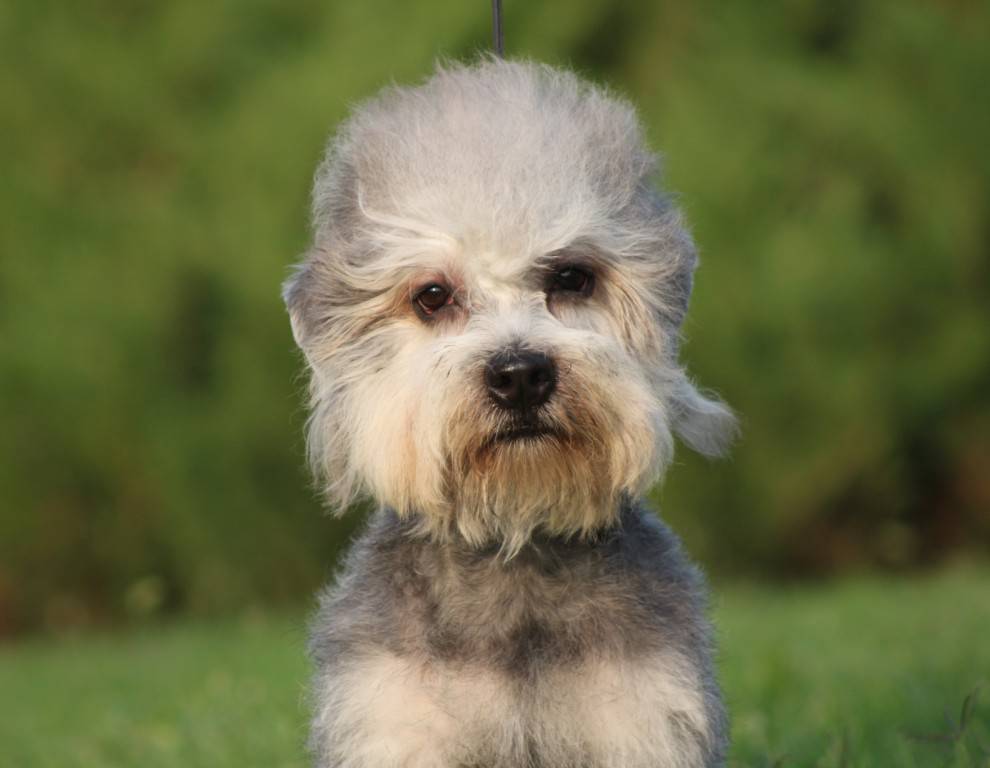
The stocky dog with a tuft of soft fur on its head always attracts the attention of dog enthusiasts both abroad and in our country. However, only a few know or have even heard the name of this breed. The history of these dogs can only be recounted by their few owners.
In the 1600s, in England, on the border of Northumberland and one of the 32 counties of Scotland, specifically in the Cheviot Hills, dogs emerged that could effortlessly retrieve otters from any pond or exterminate nearly all the badgers in the area. Other dogs were unable to accomplish such tasks at all, or the process was far less effective. Back then, for all terriers, “ability” was far more important than “appearance.”
For several centuries, these dogs were named after their owners or the farms where the packs lived. For instance, locals called them Hindley terriers, as the dogs from the Hindley farm had the best working characteristics in the region.
The independent name and recognition as a separate breed only came with Walter Scott’s immortal “Guy Mannering, or The Astrologer,” published in 1815. To be more precise, the terriers “Pepper” and “Mustard,” which belonged to one of the book’s characters named Dandie Dinmont, gave the breed its name. It’s important to understand that the literary terriers’ names reflected not the animals’ personalities but their coat colors, which have been preserved to this day.
According to some sources, in 1885, a club for admirers of Dandie Dinmont terriers was established in England, and the breed was recognized in the United States a few years later, in 1886-87.
The ancestors of these four-legged “exterminators” include Skye terriers from neighboring Scotland, otterhounds, even Bedlington terriers, and other rough-coated dogs, mostly terriers from nearby areas. However, there is no direct evidence supporting this kinship, nor any familial ties with dachshunds.There is even a version suggesting that Walter Scott himself owned one of the working dogs that were ancestors of the Dandie Dinmont terrier.The breed enjoyed immense popularity until the 30s and 40s of the 20th century, but World War II affected the number of these wonderful dogs. Today, the Kennel Club considers Dandie Dinmont terriers to be one of the rarest dog breeds on our planet.An interesting fact: in the National Gallery of Scotland, one of the prominent spots in the permanent exhibition features a portrait of a Dandie Dinmont terrier. The dog, named Callum, belonged to British philanthropist and engineer James K. Smith. According to the terms of his will, a large sum of money went to the Gallery only if this portrait was permanently displayed.
Appearance
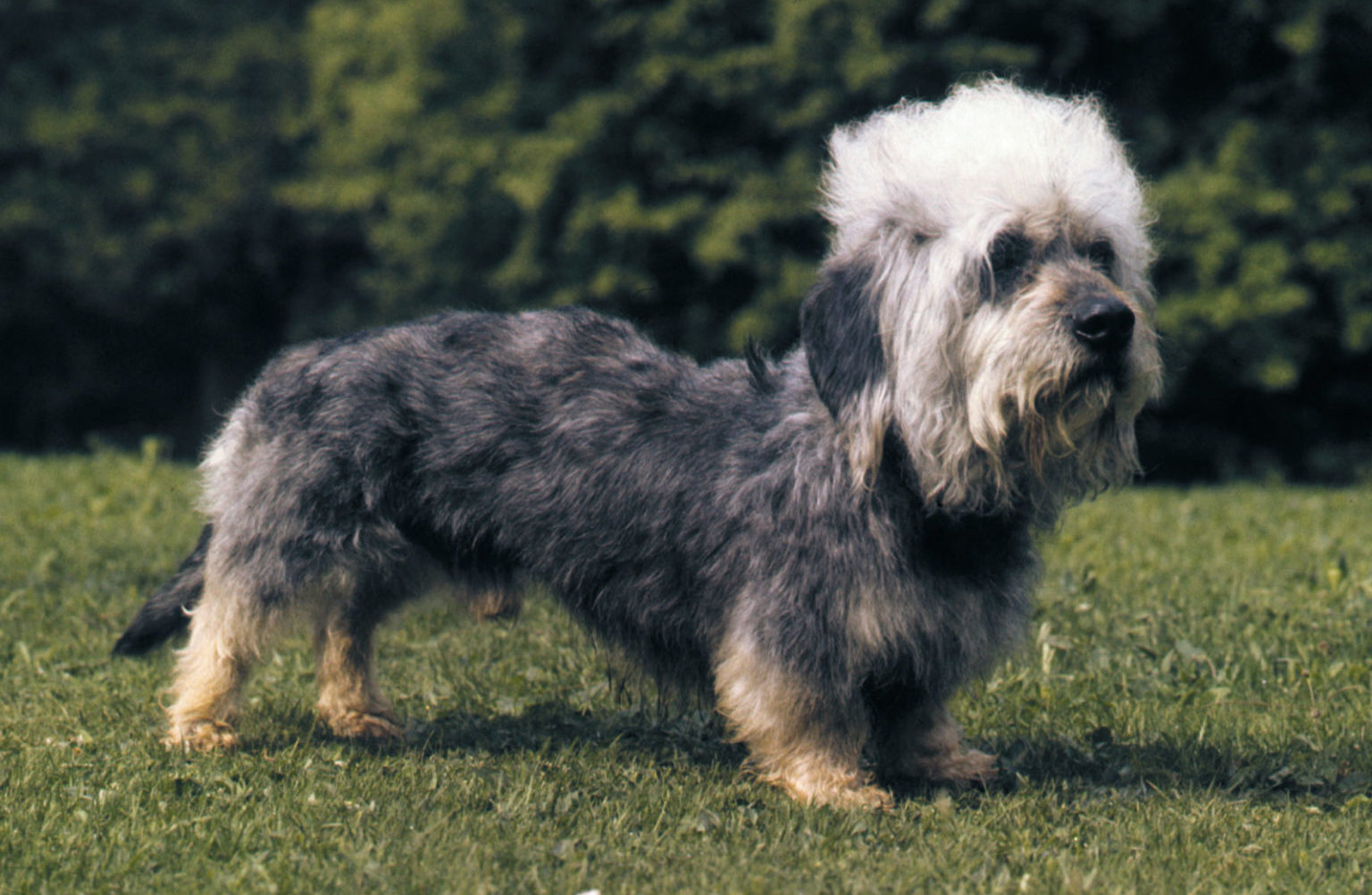
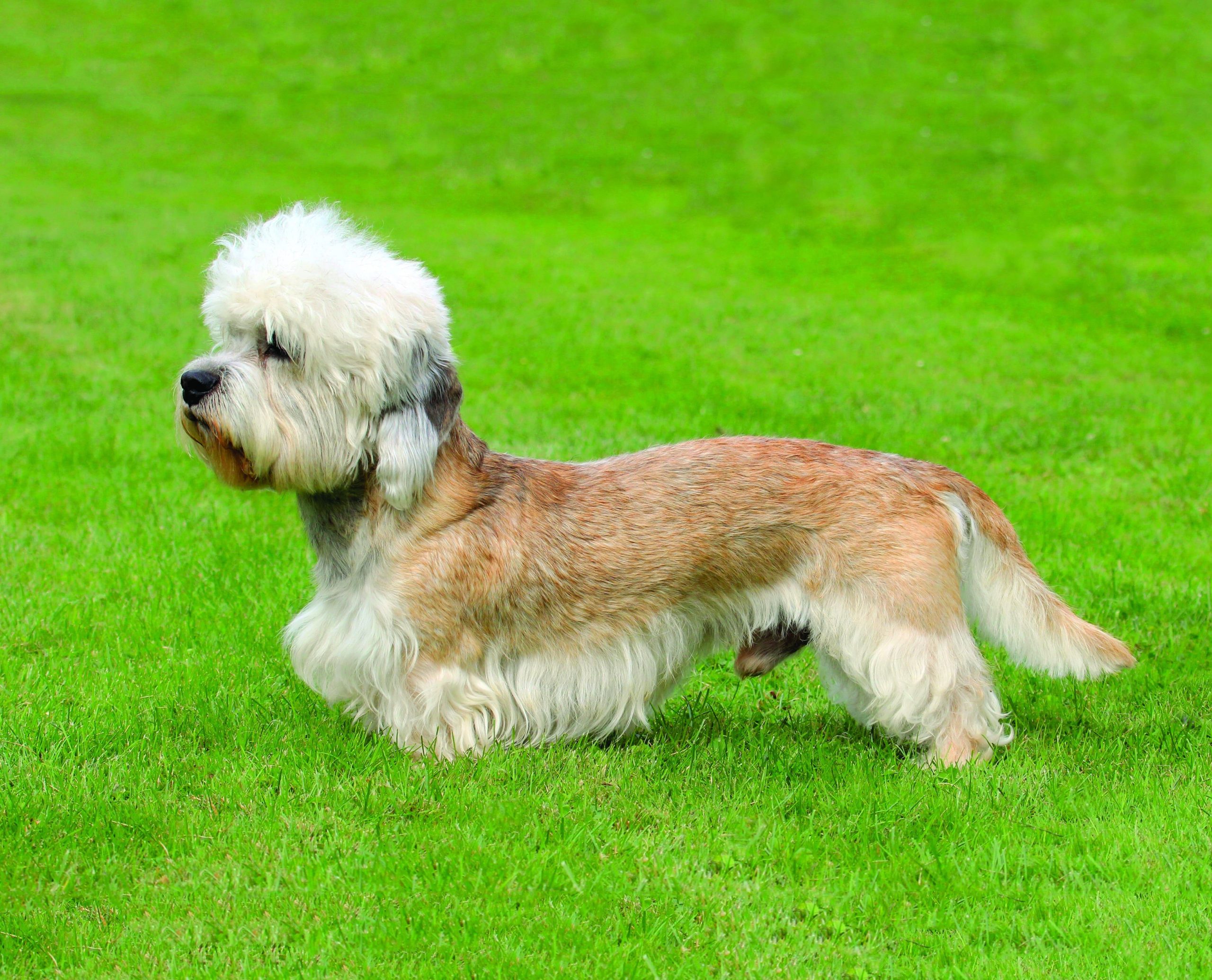
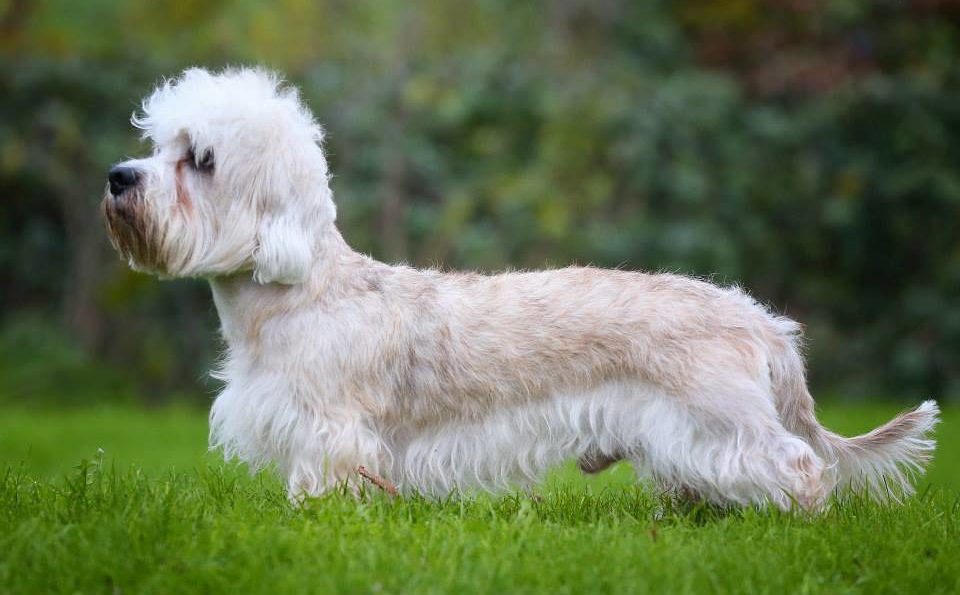
The most melancholic of all terriers is rightly considered one of the best family companions. Its elongated body and low height at the withers indicate the breed’s decorative nature, which can be initially confusing. The extraordinary mobility and boundless energy of these dogs do not match their short legs, and the children they love to play tag with are unlikely to catch this short-legged aristocrat. The endurance and tirelessness of the Dandie Dinmont (another name for the breed), coupled with the dog’s sturdy build, confirm that this is indeed a terrier, or in other words, a hunter.
The height of the Dandie is indeed small, but it is not regulated by standards. Generally, the height of a Dandie Dinmont Terrier ranges from 20 to 28 cm. Surprisingly, despite this small stature, the breed is quite robust. The weight of an adult dog can reach between 8 to 11 kg according to the standard, although preference is given to lighter Dandies. Dogs of this breed can stay close to their owners for 12 to 14 years, remaining active even in their later years.
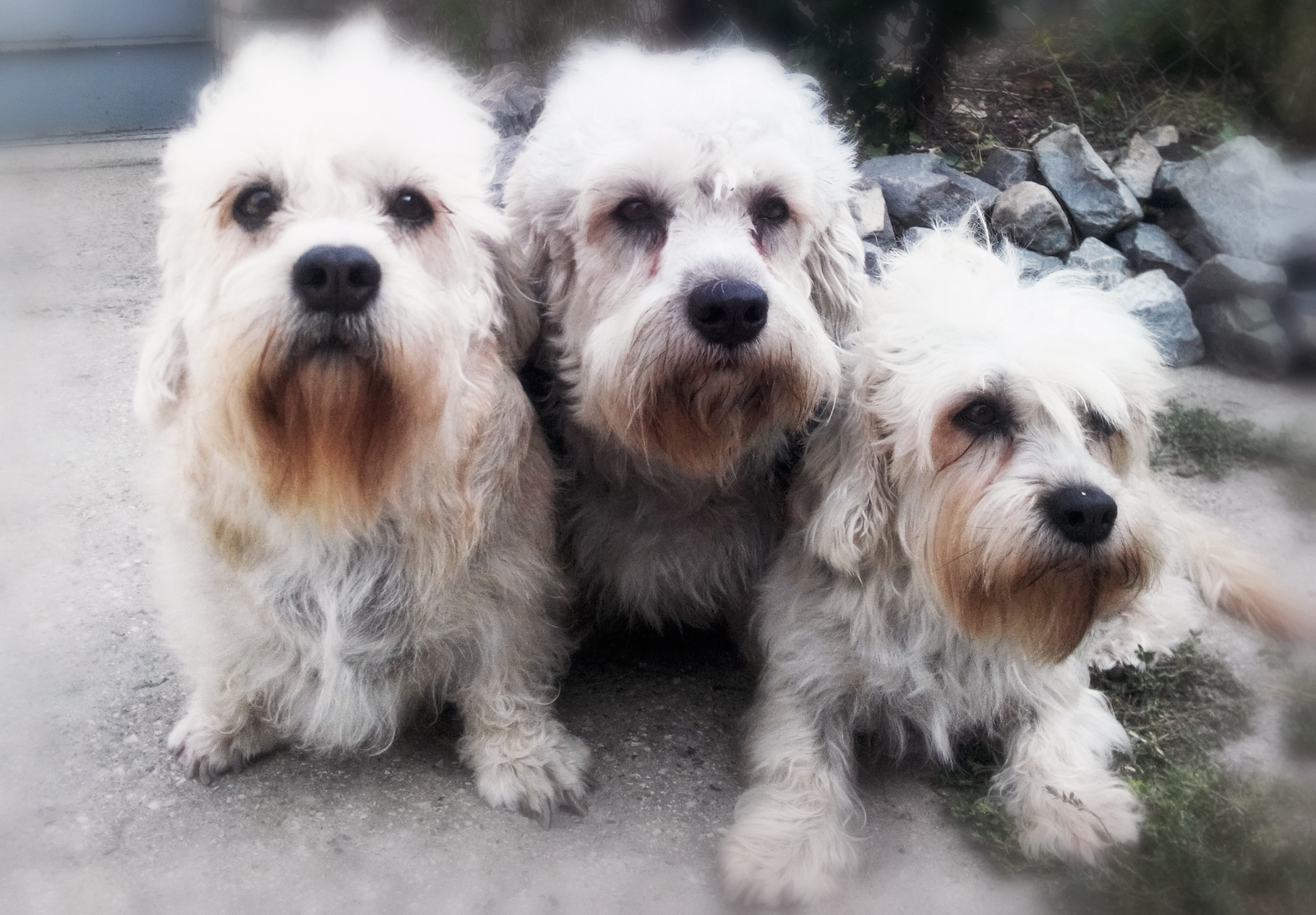
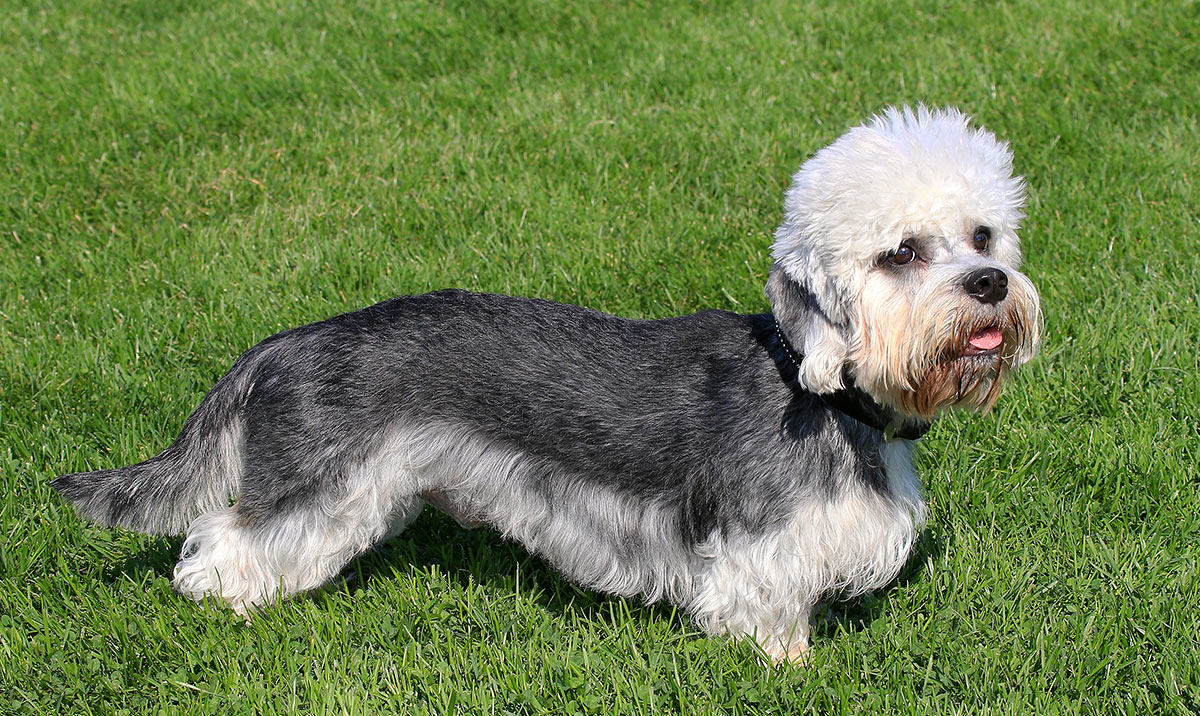
The “headpiece” made of soft fur on the top of the animal always attracts the attention of those around. By the age of two, the dog’s ears develop unique “earrings” made of fur nearly identical to that on its head.


Отличительные черты

Голова

Морда

Уши

Глаза

Зубы

Корпус

Конечности

Хвост

Шерсть

Окрас
Character
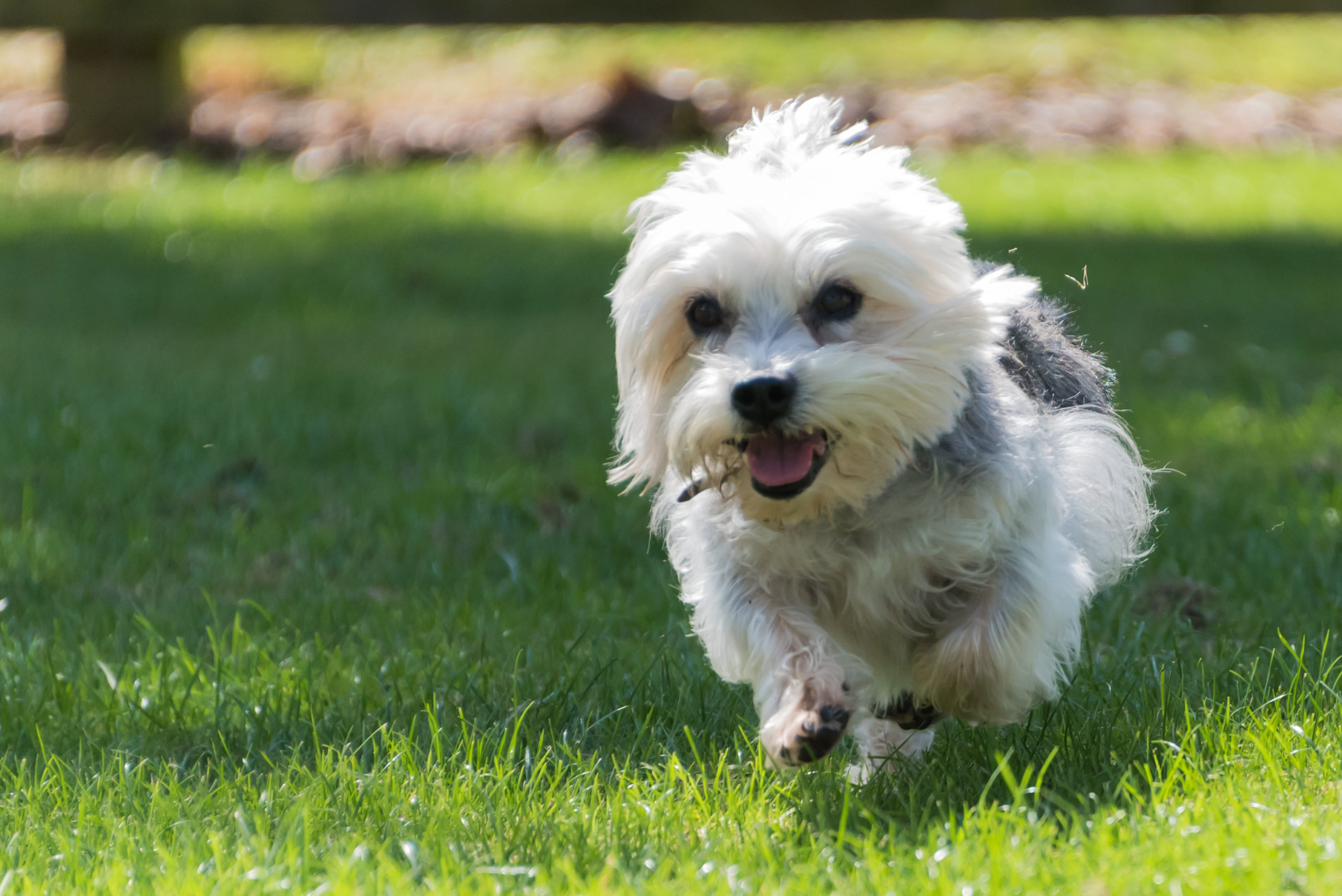
Throughout their existence, the Dandy Dinmont Terriers have primarily served as hunting dogs, used for eliminating rodents, foxes, otters, and martens, as well as acting as guardians. A pack of these dogs was quite capable of not only alerting their owners to unexpected guests but also deterring them from their territory. However, starting from the 20th century to the present day, the breed has mostly taken on the role of a companion dog and caretaker for young children. Their cheerful and carefree nature has undoubtedly elevated these lovely dogs to beloved pets.
Despite their terrier roots, Dandy Dinmonts are generally peaceful and tactfully avoid fights with other dogs. Naturally, if a confrontation is unavoidable, they will stand their ground rather than retreat, but they are not the initiators of conflicts. When it comes to strangers, these dogs behave with restraint, even displaying some distrust, but not hostility. They can quickly understand that frequent visitors to their home are not enemies and will behave quite calmly in their presence. Often, they allow guests to play with them, although they tend to keep a certain distance internally.
The bravery associated with all burrowing breeds from the Misty Albion makes Dandy Dinmonts decent watchdogs, and their teeth can even act as protectors. This is especially evident when a dog perceives a real threat to its owner or family members.
Their sweet appearance and peaceful demeanor may, however, give way to hunting instincts if a Dandy Dinmont spots a cat or rodent within reach. Early socialization can generally mitigate this issue. However, it’s best not to have guinea pigs or rats if a terrier is already living in your home, as the fate of the smaller pets is likely sealed.
Independence and self-reliance, which can turn into stubbornness, are characteristics found in some individuals of the breed. This trait cannot be generalized across all. Often, it’s the owner’s behavior that is less than ideal, and the clever Dandy Dinmont takes advantage of this, trying to dictate its own rules.
One should treat breed members as equal family members: talk to them and give them plenty of attention. Indeed, intense physical activity and training have a very positive effect on the dog, enhancing the best aspects of its character, and vice versa.As for the relationship between the dog and children, a better duo is hard to find: their peaceful nature, small size, and developed intelligence make playing with the dog possible even for very young children. Short-legged pups are much more patient with children’s “explorations” and absolutely love playing both outdoors and in home settings.
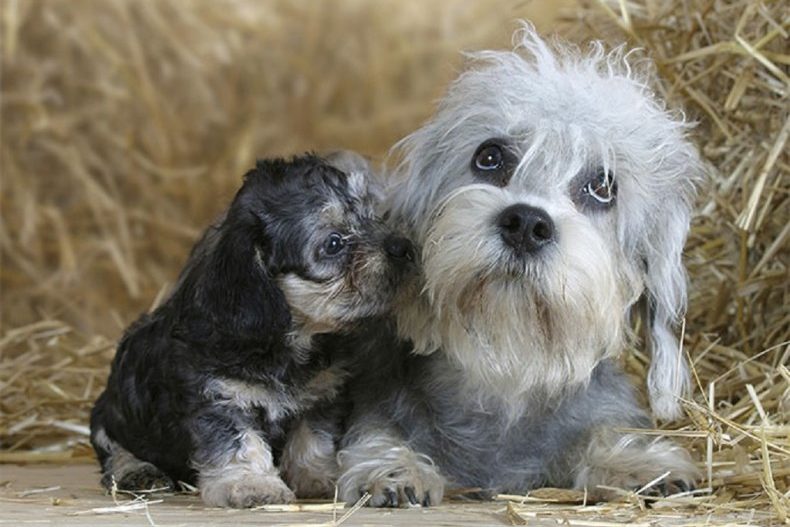
Black puppies
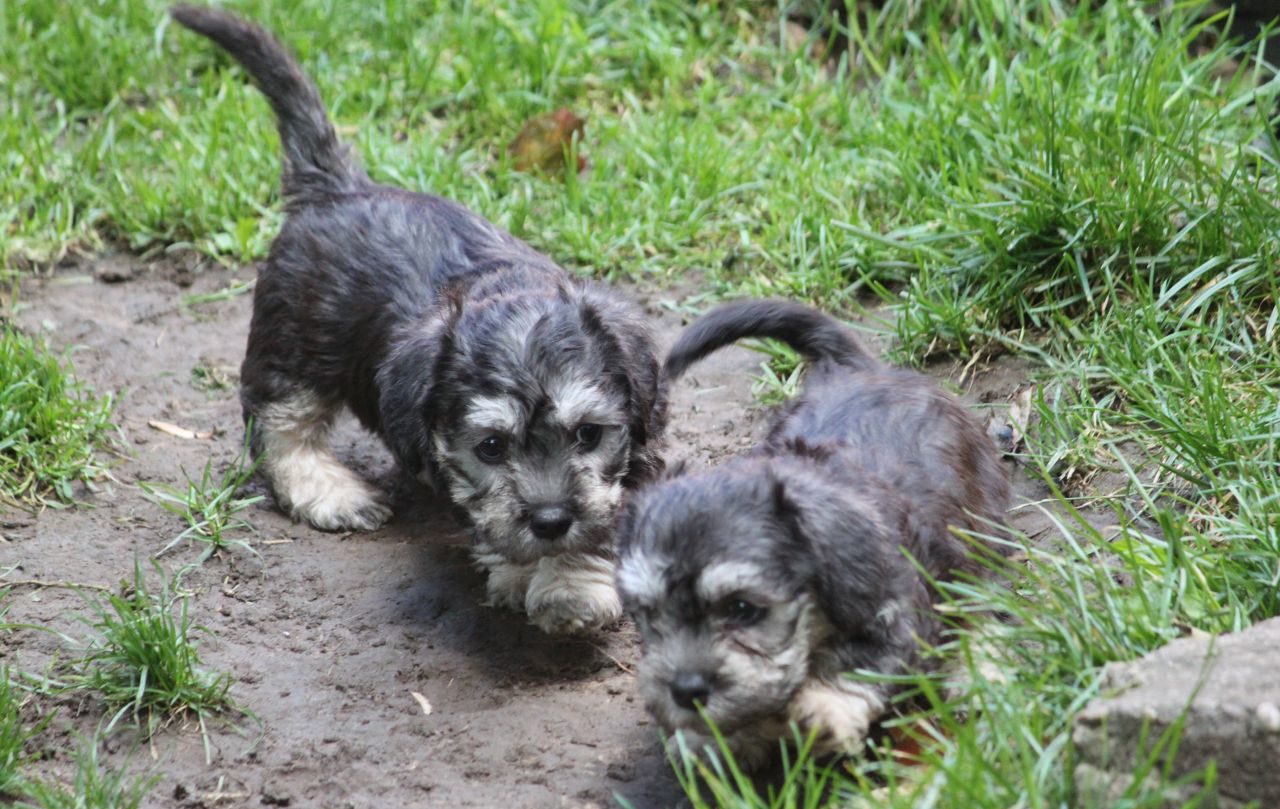
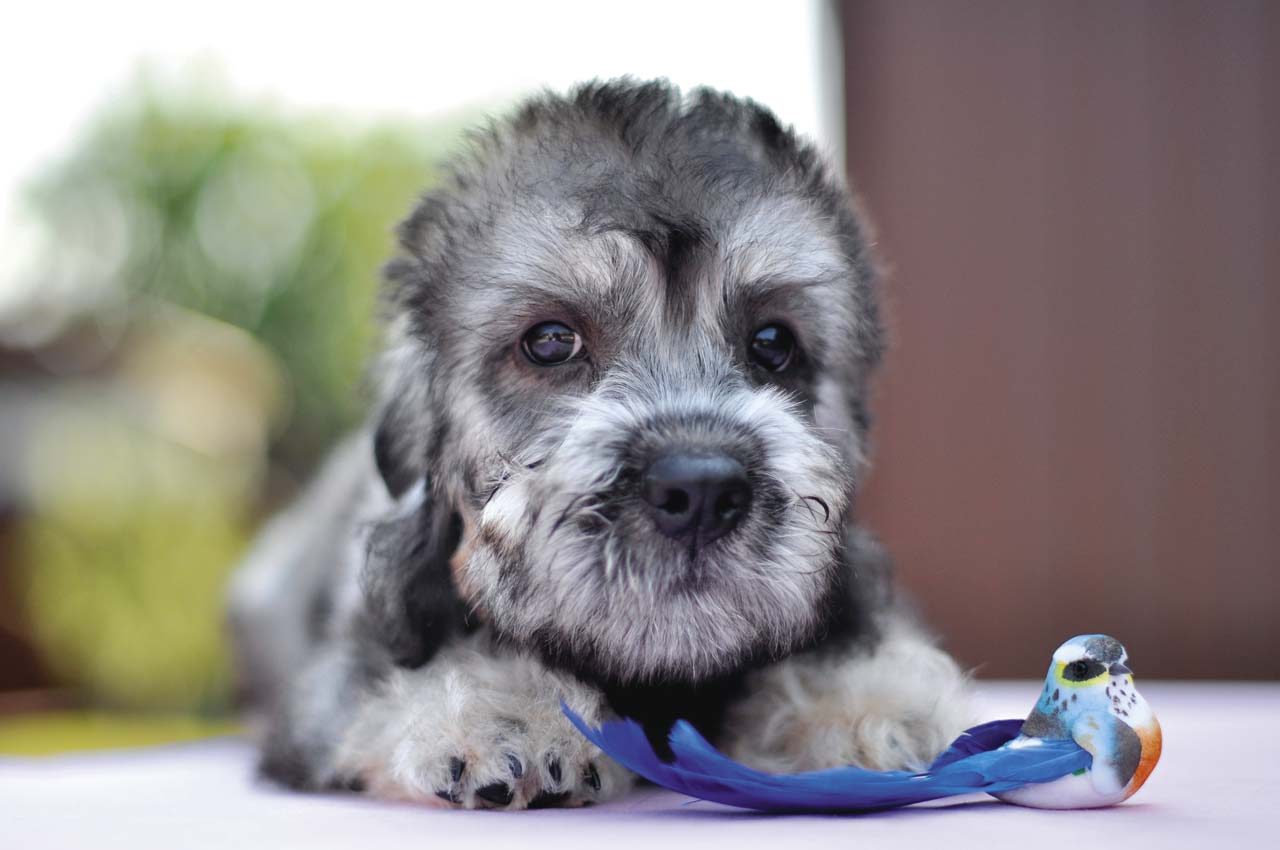
Dandie Dinmont Terrier puppies are always born with pure black fur. As they grow, the color of their coat changes to the breed's characteristic silver.Care and Maintenance
One of the most low-maintenance breeds of terriers is the Dandie Dinmont Terrier. The size of an adult dog makes it suitable for traveling, even on long trips. Its character is adaptable to its environment. The warm undercoat provides comfort during the autumn chill.
These dogs feel great not only in the city and apartments but also in private country homes. In winter, it’s only worth purchasing a dog suit with insulated lining when temperatures drop well below freezing. During the damp, chilly autumn weather, the dog can cope with the cold and moisture on its own. However, to keep the dog cleaner during walks, some owners put special raincoats on their Dandies.
Nevertheless, the dog’s coat requires the most attention. Thick and water-repellent, it needs regular grooming. At least twice a week (preferably more often), the sides and back should be brushed with special brushes that have fine combs. The soft, long hair on the dog’s head and ears needs more frequent grooming, even daily, as it grows much faster. If these areas are neglected, a dog with an incredibly charming appearance can resemble an unclear mix of terrier and dachshund.
Two to three times a year, it is customary to pluck out dead hairs. This procedure is called trimming, and it’s not very complicated. A caring owner can easily trim the dog at home. A cosmetic trim is usually done on the belly, legs, and beard to give the dog its signature silhouette. However, if you want your Dandie to look like a true “dandy,” it’s best to call in a professional groomer or visit a specialized salon.
Strangely enough, the breed is prone to gaining excess weight. To maintain their weight, veterinarians and breeders often recommend choosing specialized super-premium food. The vitamins and minerals that manufacturers include in their foods help keep the dog’s coat in good condition. Additionally, there is a wide range of foods available today that cater to the size and age of the animal, or take into account specific digestive issues. From a practical point of view, such foods also greatly simplify the dog’s daily routine. Adult Dandie Dinmonts usually eat twice a day with a time restriction. For example, after ten minutes, the food bowl is removed even if the dog hasn’t finished eating. This method positively influences their discipline. It’s very important that clean drinking water is always accessible to the dog.
The nails on their short legs are typically trimmed about once every ten days. However, this schedule is merely a guideline. Each dog has its own nail growth rate and the natural wear from walks. Therefore, it’s important to frequently check the dog’s paws and establish an individual schedule. Nails are trimmed with special clippers to about one-third of their length. Care must be taken not to damage the sensitive pulp inside the nail, which contains nerve endings and blood vessels.The dog’s eyes should also be checked daily, and if there is excessive tearing or cloudy discharge, it is advisable to visit a veterinary clinic.The dog’s ears are usually cleaned with a cotton swab or sponge at least once a week. Some dogs have hair removed from inside their ears, but this is not necessary. It’s much more important to ensure that moisture and dirt do not get inside the ear, and in the summer, to keep out ticks. During ear cleaning, it’s essential to pay attention to any unpleasant odors. Their presence indicates the beginning of an infection, which can lead to serious consequences. It’s best to avoid self-treatment and consult a veterinarian.
Fame by W. Scott
The breed gained the most popularity after the novels of Walter Scott, in which the dandy dinmont terriers featured prominently.Training and Education
Daily mental exercises for Dandy Dinmont Terriers are essential and should last for 15 to 20 minutes. Following this recommendation greatly benefits the animal’s nervous system. Additionally, achieving complete harmony in family relationships is a prerequisite for keeping representatives of this breed.
Early socialization will help raise a true terrier aristocrat and protect your property from the dog’s substantial teeth. Never allow a puppy or adult dog to do what is prohibited. For instance, the puppy’s cute eyes and pitiful whimpering may tempt you to relax your rules. In reality, this is a common trick that clever dogs use. Once you show weakness and allow them to, for example, lie in bed with you, it will be your downfall, and you will be dethroned from your position in the family hierarchy with no chance to regain control in your home.
As for training, a dog best responds to commands when praised and rewarded rather than forced to comply. This is the key to success. Common forms of praise include the puppy’s favorite toys, a biscuit, or a treat to which the dog has an irresistible attraction.
The first thing your Dandy should learn is its name and place in the new home. Then, you need to train the puppy to always use the designated toilet area. This will significantly simplify care for you as an owner. Until it develops immunity post-vaccination, it should not go outside. In the meantime, you can independently teach the puppy basic commands without the help of trainers. These commands include “come,” “no,” “sit,” “not allowed,” and “speak.” Be sure to get your Dandy accustomed to a collar and leash before its first outing.
If you plan to participate in competitive sports, such as agility, it makes sense to visit a canine center and take a specialized training course. Raising a hunting dog cannot be done without a trainer, and this is usually done at training stations. Zoonika offers puppies with documentation and health guarantees.
Hunter by nature.
The breed was originally developed as a helper for hunters. These small dogs with short legs easily squeezed into burrows and retrieved animals.
How to Choose a Puppy
The Dandy Dinmont Terrier, or Hindley Terrier, is a very beautiful breed with unique characteristics. Unfortunately, by the 21st century, there are very few of these dogs left in the world. The breed is on the brink of extinction, making it quite difficult to find a purebred Dandy Dinmont Terrier.
It is definitely not recommended to buy a puppy at a bird market. This will likely lead to acquiring a dog of unclear lineage, whose health will be a mystery not only to you but also to the seller.
There are few breeders of Dandies in our country, and you will probably have to get in line to wait for your puppy. If you don’t want to wait long, you might try to find a breeder in nearby countries, but purchasing there comes with its own complications that should be considered.
When choosing a puppy from a breeder, make sure to check all available documents. Ideally, you should see the mother of the puppies and evaluate her appearance and temperament. Discuss all relevant questions regarding the care, upkeep, and training of your dog with the breeder in advance. Ensure that the puppy has a collar or chip, and check for tests for genetic diseases.
Choose the most cheerful, yet not aggressive or overly noisy puppy of the desired gender and color. Pay attention to how well it meets breed standards, as well as the condition of its fur, eyes, and the inside of its ears. Make sure that the nose is moist and cool, and that the puppy does not shy away from you or bump into surrounding objects. These are basic principles for choosing a puppy of any breed, and they apply to any kennel. Elite breeds at Zooinika are your ideal choice for purchasing a pet.
Health and Diseases
The centuries-old history of Dandy Dinmont Terriers has blessed the breed with very robust health. In essence, it is one of the healthiest breeds today. Undoubtedly, all living beings can become ill, and Dandy Dinmonts are no exception to this axiom. However, timely deworming and vaccination significantly impact a dog’s lifespan and quality of life.
Generally, parasites are expelled every 3 to 6 months. The vaccination schedule will be advised by the breeder or at the veterinary clinic where the dog will be monitored.
A low pain threshold is not a disease but a breed characteristic that can sometimes lead to delayed detection of injuries. This should be taken into account, and you should carefully check your pup after each walk.
Despite a strong immune system, there are several breed-specific diseases: epilepsy (a fairly rare condition that can lead to fatal outcomes); elbow and hip dysplasia (care should be taken with jumping, especially at a young age); glaucoma (unfortunately, it can lead to the dog’s blindness); and problems with intervertebral discs (a common ailment related to the dog’s structure – it’s essential to control the load on the dog’s back, particularly during play with children and walks).
Thinking it over? There is a vast selection of advertisements on the Zoonica map based on city locations.
Содержание
-
1. Описание породы
-
2. Внешний вид
- 2.1 Голова
- 2.2 Морда
- 2.3 Уши
- 2.4 Глаза
- 2.5 Зубы
- 2.6 Корпус
- 2.7 Конечности
- 2.8 Хвост
- 2.9 Шерсть
- 2.10 Окрас
-
3. Характер
-
4. Содержание и уход
-
5. Дрессировка и обучение
-
6. Как выбрать котенка
-
7. Здоровье и болезни






Comments
Only registered users can leave reviews.
Enter