
Dalmatian





Warning: Illegal string offset 'label' in /home/panda/sites/zoonika/wp-content/themes/zoonika/template-parts/animals/animals-param-item.php on line 32
Ð


Breed Description
The Dalmatian is one of the most recognizable dog breeds in the world due to its unique spotted coat, but the origin of this breed is surrounded by mystery and debate. The breed’s name is linked to the region of Dalmatia, located in modern-day Croatia; however, evidence of spotted dogs can be found in older sources, prompting thoughts about its deeper roots.
The first mention of spotted dogs can be found in Egyptian frescoes and ancient Greek mosaics, where animals resembling Dalmatians were depicted. It is believed that their ancestors accompanied nomadic tribes, spreading across various territories, including Eastern Europe, India, and the Mediterranean. Dogs with spotted coats were popular due to their unusual appearance and versatility: they could be used for hunting, guarding, and as companions.
The connection between Dalmatians and Dalmatia became evident in the 17th and 18th centuries when European travelers began to mention these dogs as a local attraction. In this region, spotted dogs were used as guardians and companions for horse-drawn carriages, which later became their famous role. They not only accompanied the carriages, protecting them from vagrants or wild animals but also adorned processions with their striking appearance.
The breed gained official status in England, where Dalmatians became particularly popular as “coach dogs.” They were trained to run alongside horses in rhythm and guard the carriage while the owners were away. English aristocrats valued these dogs for their elegance and intelligence. Dalmatians became a symbol of wealth and refined taste. At the same time, the breed began to be standardized, and its standards were established.
An important part of Dalmatian history was their involvement in fire service. In the 19th century, they were often kept at fire stations, where they accompanied horse-drawn water carts. Due to their endurance and natural discipline, they helped clear the way through crowds, alerting people to the approach of firefighters.
With its striking appearance, versatility, and unique history, the Dalmatian has become one of the most recognizable breeds in the world. Its journey from ancient nomadic dogs to a symbol of aristocracy and a helper of firefighters highlights the exceptional significance of this breed in the culture and history of various countries.The price for a puppy ranges from 25,000 to 40,000 rubles.
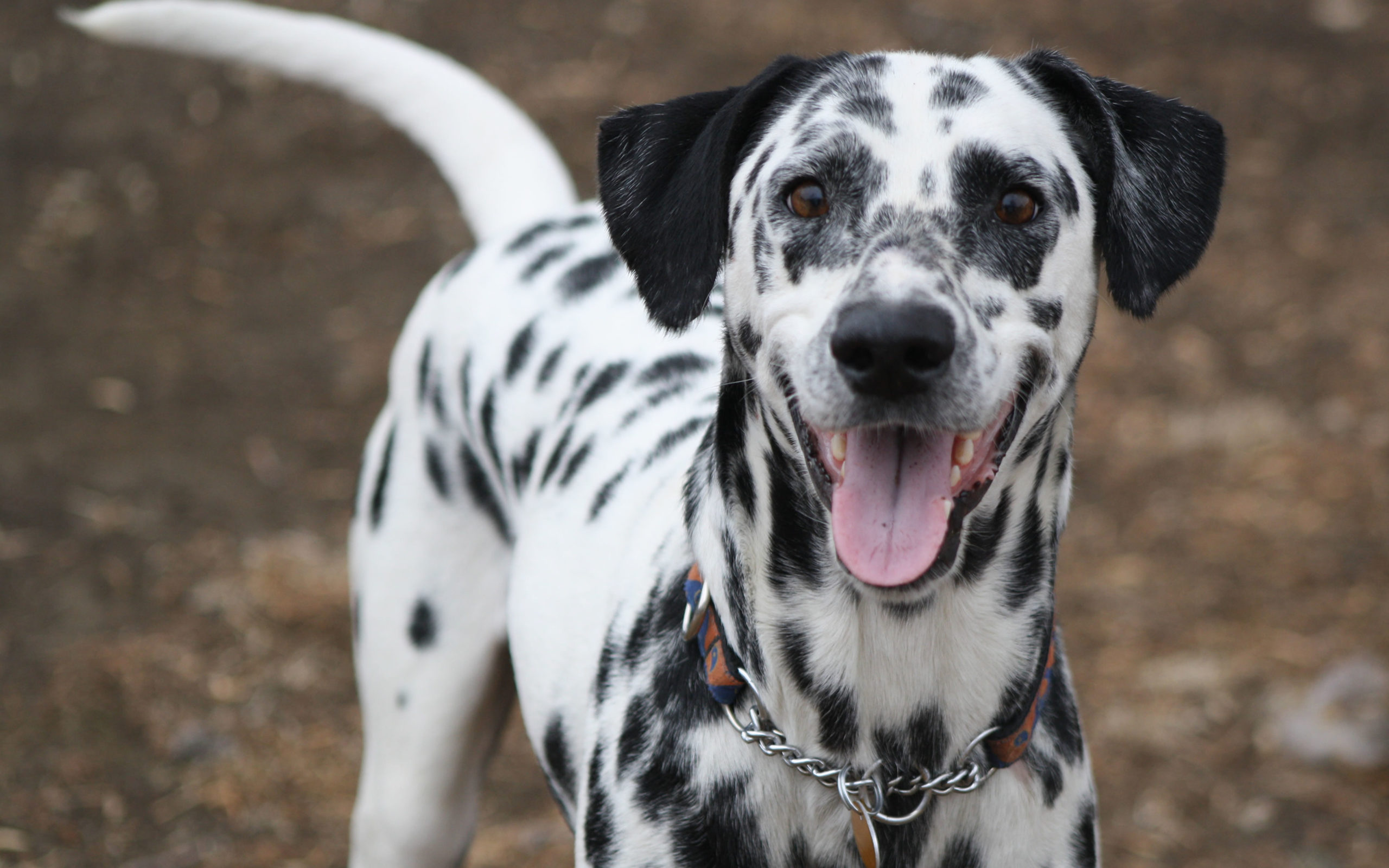
Appearance
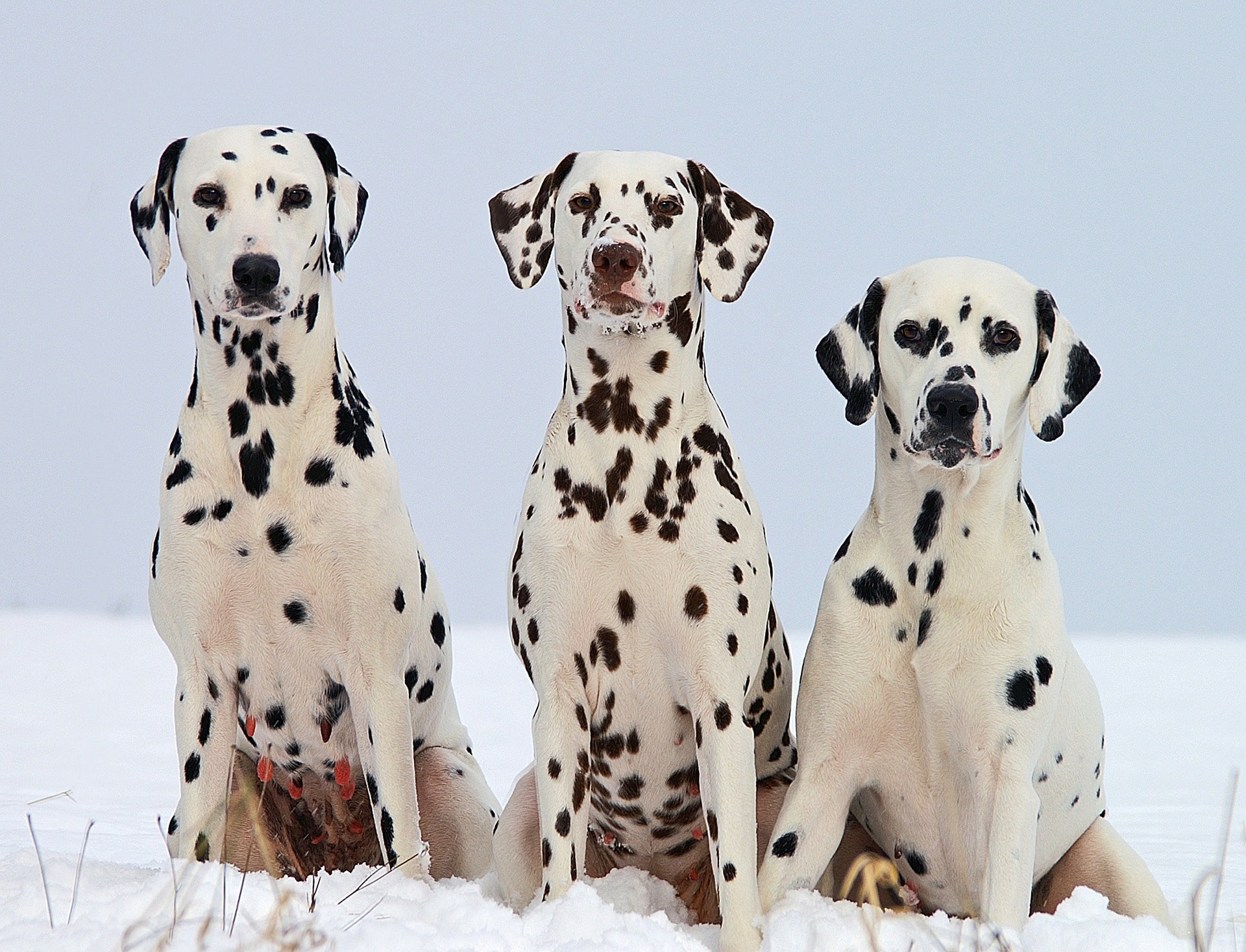
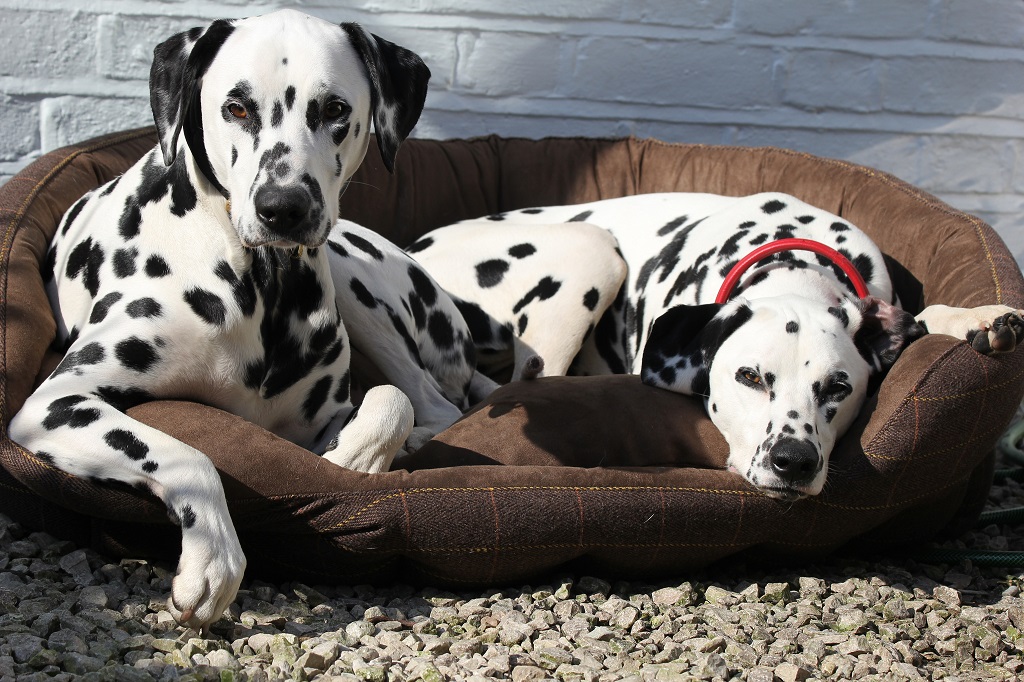
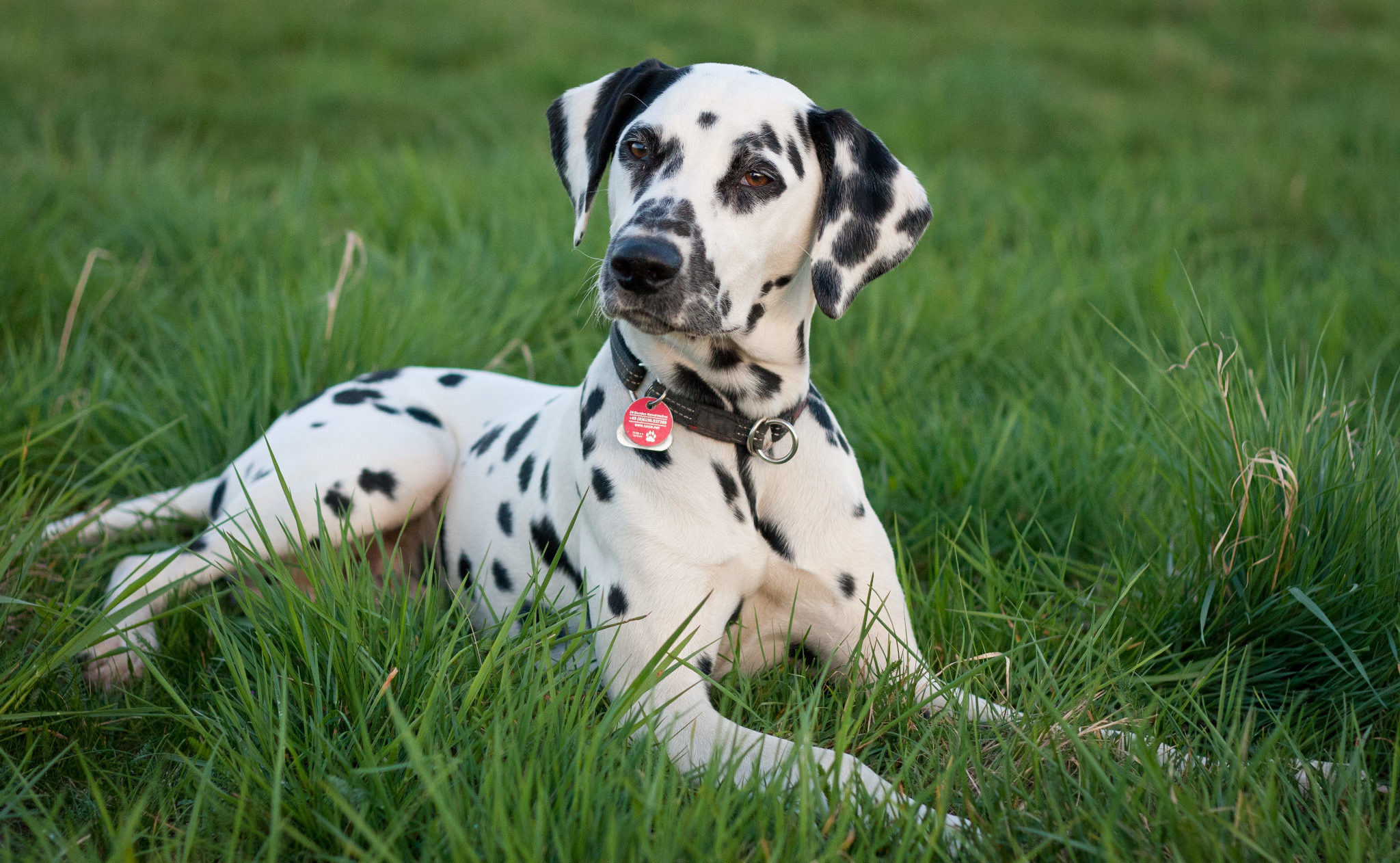
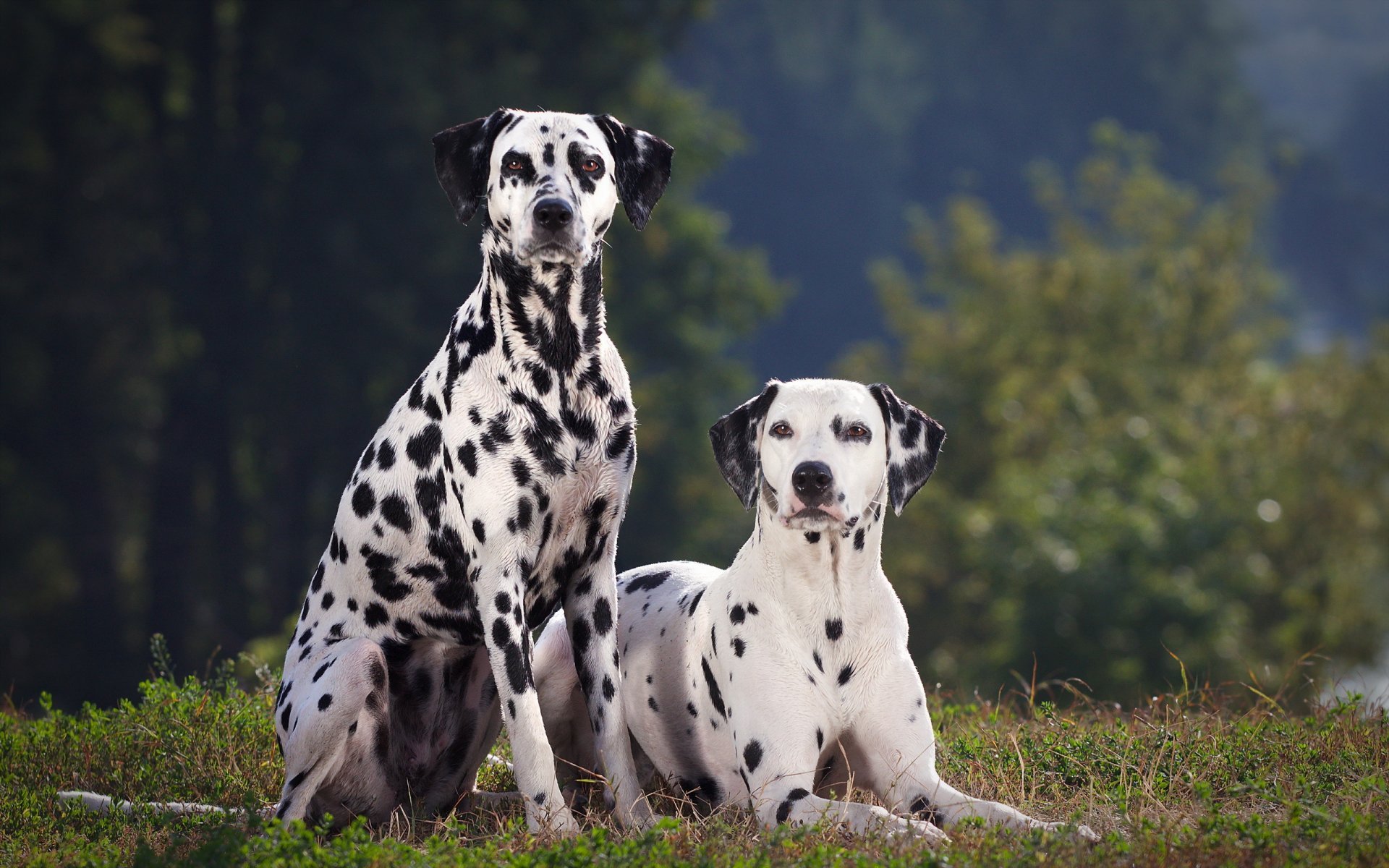
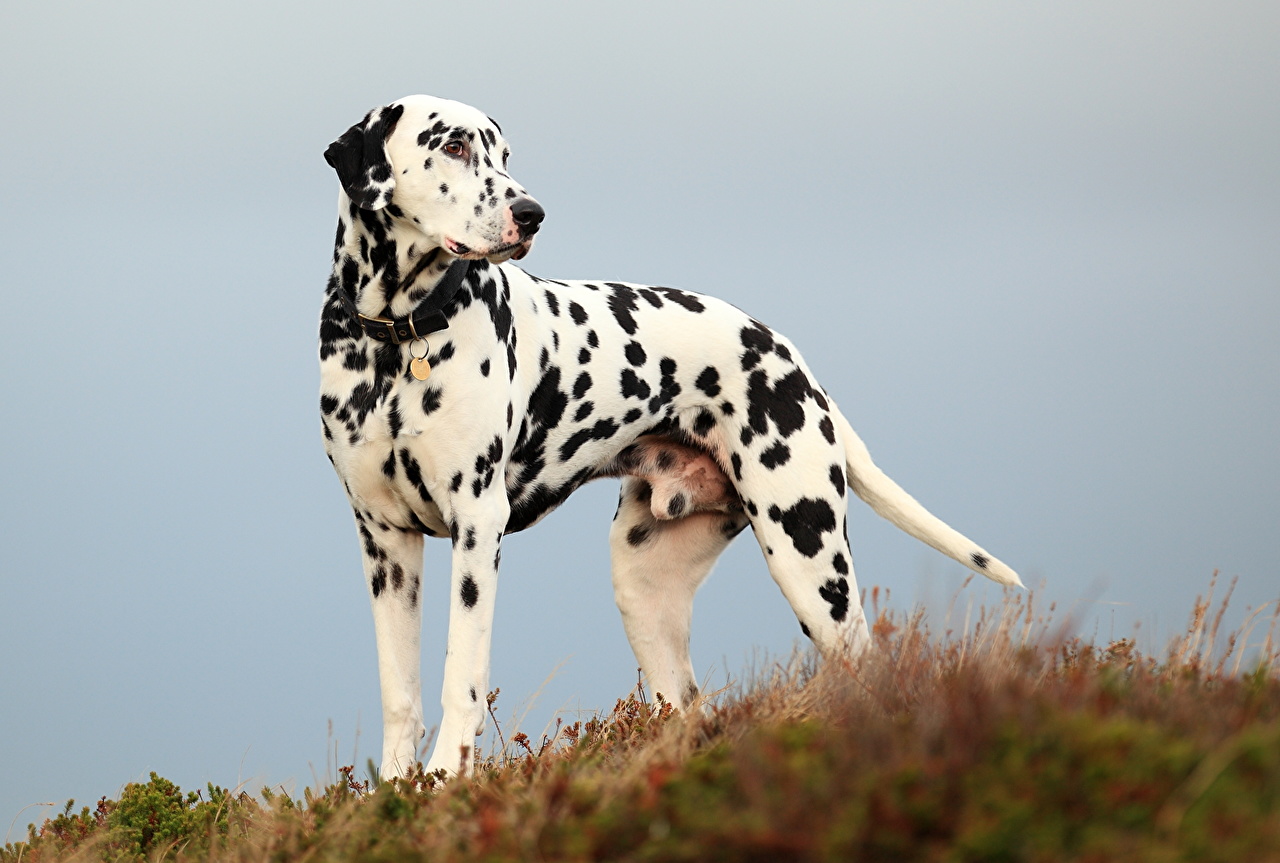
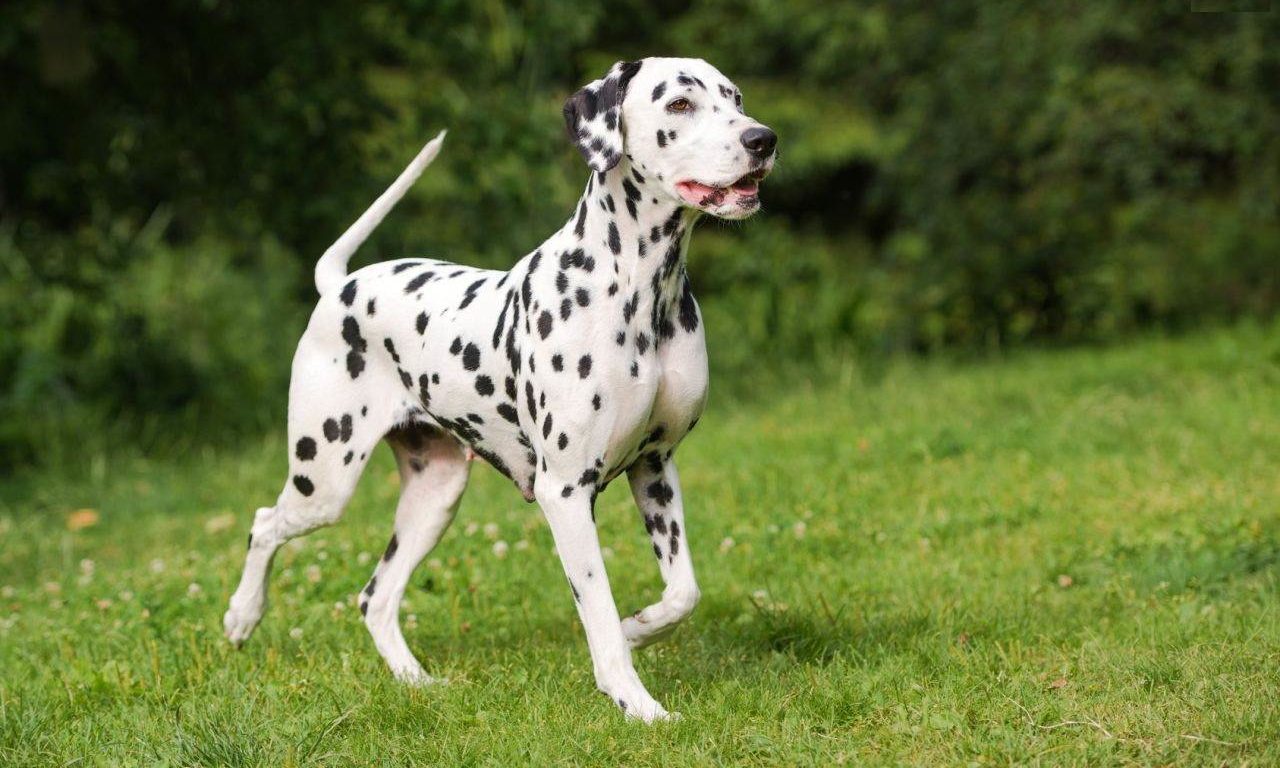
The Dalmatian is an elegant and athletically built dog, whose appearance is easily recognizable thanks to its distinctive spotted coat. Its proportional body structure, long legs, and confident movements highlight its energy and natural grace. The Dalmatian’s coat is short, smooth, and shiny, lying close to the body, which adds to its refined appearance. The spots, ranging from black to brown, are evenly distributed over a white background, giving the breed a unique and expressive look.
The average height of a Dalmatian is 56-61 cm for males and 54-59 cm for females. The weight typically ranges from 24 to 32 kg, making the dog sufficiently large for active physical activities while maintaining lightness and agility. This body structure allows the Dalmatian to be resilient and energetic, which is reflected in its character and behavior.
The average lifespan of a Dalmatian is 12-16 years. With proper care and a balanced diet, these dogs remain active and vibrant into old age. The appearance of the Dalmatian symbolizes a balance between beauty and functionality, and its unique spotted coat makes it one of the most striking breeds in the world.


Отличительные черты

Голова

Морда

Уши

Глаза

Зубы

Корпус

Конечности

Хвост

Шерсть

Окрас
Character
The Dalmatian is an active, cheerful, and intelligent dog with a strong personality and natural friendliness. They are known for their energy and love of movement, making them happiest when alongside active people who can provide them with long walks, playtime, and physical activity. These dogs are very curious and love to explore the world around them, making them excellent companions for travel and outdoor activities.
Dalmatians are incredibly devoted to their families and quickly form a close emotional bond with their owners. They dislike being left alone for extended periods, preferring to be the center of attention and participate in family activities. Their sociability extends to children, with whom they get along well due to their tolerance and friendly nature. However, due to their energy, they can be a bit noisy and demand attention.
These dogs have developed intelligence, making them trainable, although they can sometimes be stubborn. They respond best to positive reinforcement, and training should be consistent and patient. A Dalmatian may be wary of strangers, but with proper socialization, they become friendly and confident.
Dalmatians’ habits often relate to their natural energy. They love to run, play with a ball, or simply follow their owner. They enjoy being helpful and readily take on tasks that require cleverness. They also have a strong guarding instinct and can be attentive watch dogs. However, it’s important to remember that Dalmatians can be sensitive and do not tolerate harshness, so they should be treated gently but confidently. These dogs are ideal for active families willing to meet their physical and emotional needs.

Born white.
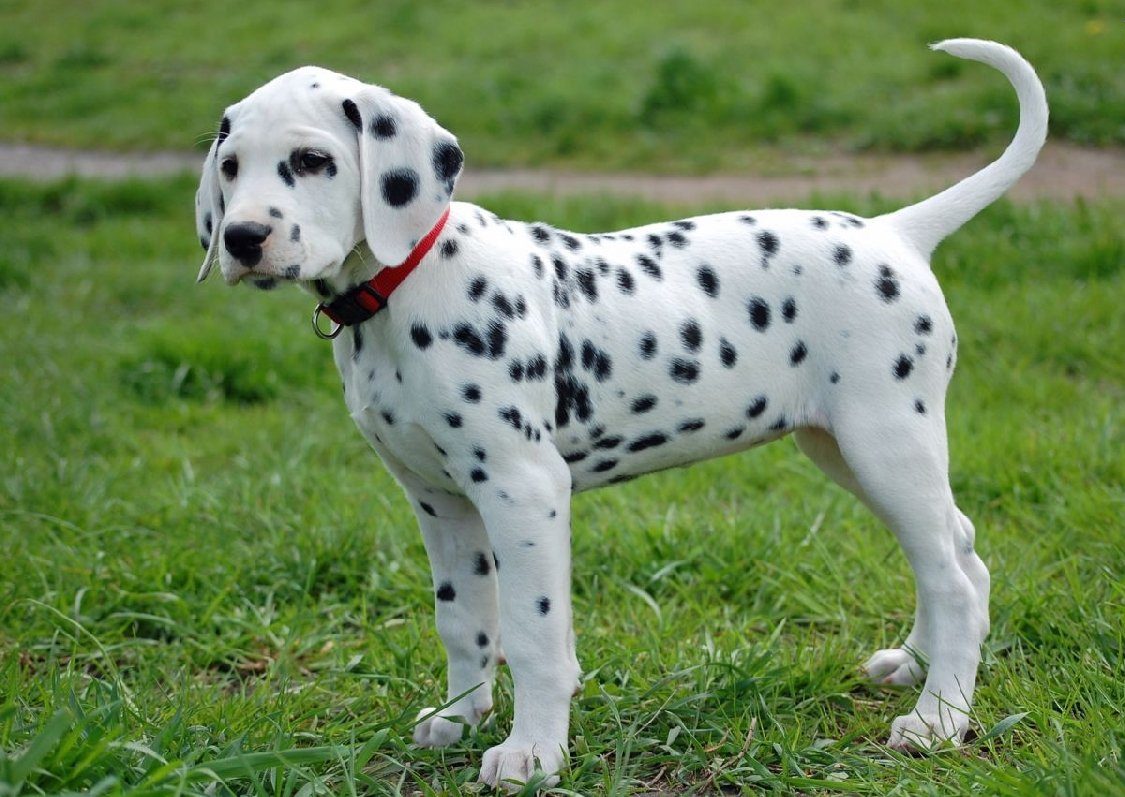
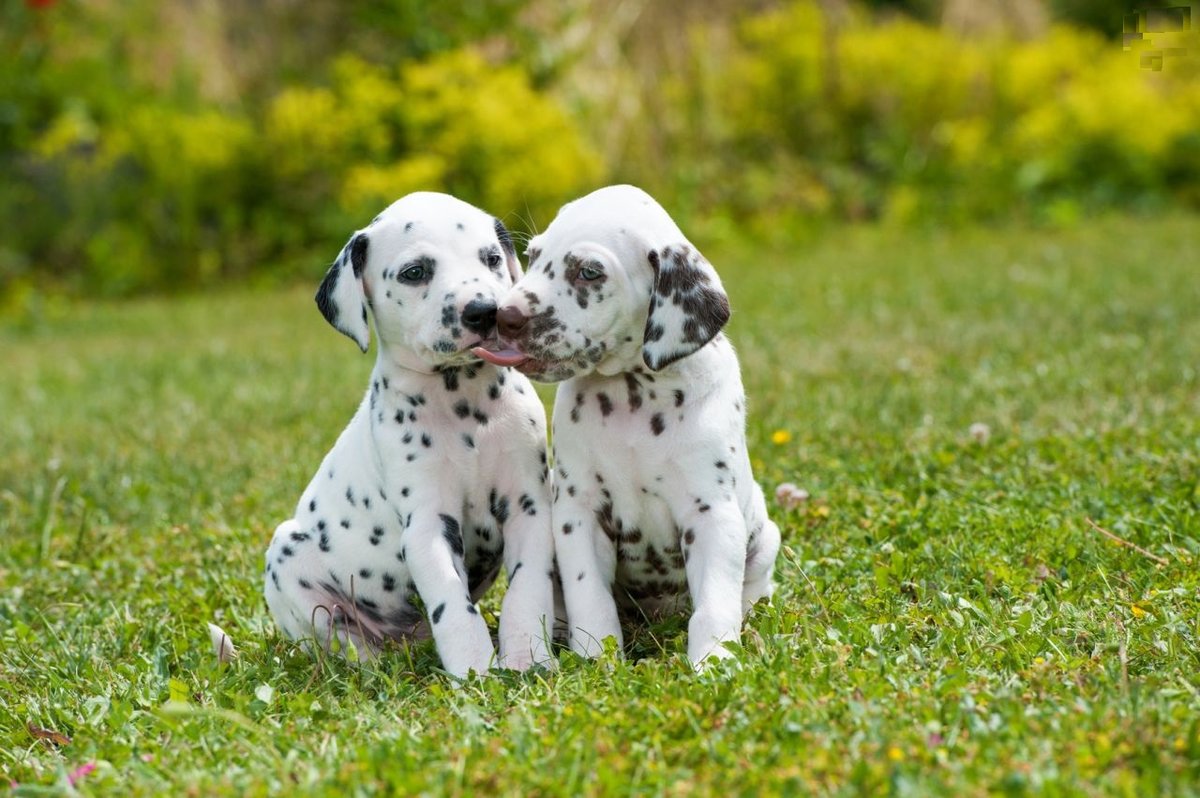
Dalmatian puppies are born pure white. The black spots on their bodies start to appear after two weeks of age.Care and Maintenance
Taking care of a Dalmatian is relatively straightforward but requires regular attention to their physical and emotional needs. This breed has short, smooth fur, so it doesn’t need complex grooming. However, it’s important to regularly brush the dog with a rubber brush or special glove to remove dead hairs and maintain the coat’s shine. Dalmatians should be bathed as needed, since frequent washing can damage the natural oil layer of their skin. Special attention should be given to their ears, checking them regularly for dirt and inflammation to prevent infections.
Dalmatians are energetic dogs that require long daily walks and active playtime. They love to run, jump, and participate in any activity where they can expend their energy. Outdoor walks or agility training will bring a Dalmatian true joy. They enjoy their owner’s attention, seek to be near them, and actively participate in family life. It’s also important to provide them with mental stimulation: Dalmatians like solving puzzles, learning new commands, and playing intellectual games.
These dogs do not tolerate solitude and can suffer from boredom if left alone for too long. A lack of attention can make them destructive, often manifesting as chewed furniture or belongings. Moreover, Dalmatians are sensitive to harshness and unfair treatment. They do not respond well to strict discipline and react much better to a friendly and consistent approach. This breed also requires careful consideration of their diet: Dalmatians are prone to urinary stones, so their diet should be balanced and low in purines. They dislike irregular feeding schedules and prefer stability.
Dalmatians are dogs that thrive in an atmosphere of love, activity, and respect. They need to feel like part of the family and receive enough attention to remain happy and healthy.
Unique pattern
The spotted markings on the body are unique to each individual and never repeat; they are like fingerprints. However, the color of the spots on the body and the color of the nose should always be identical.Training and Education
The Dalmatian is an intelligent and energetic dog that requires a consistent and patient training approach. They quickly grasp commands but can show stubbornness if the training becomes too boring or monotonous. The best way to train a Dalmatian is to use positive reinforcement in the form of praise, treats, or play. These dogs highly value emotional contact with their owner, so training sessions should be both productive and enjoyable for the dog. It is recommended to start training as early as possible to establish a foundation of obedience and good manners.
Dalmatians need a variety of tasks, as they quickly lose interest in repetitive actions. Their energy and intelligence make them an excellent candidate for activities such as agility or coursing. Socialization is also extremely important; a puppy should be introduced to different people, sounds, and situations to grow up confident and well-balanced.
This breed tends to choose its owner based on emotional connection. A Dalmatian listens best to someone who demonstrates love, care, and consistency in their actions. They respect those who remain calm and confident, without aggression. A strong emotional bond makes Dalmatians especially loyal, but it also means they do not tolerate injustice or rudeness. They can easily sense a person’s mood and may become stubborn if they feel uncertainty or irritation from their owner.
Dalmatians are best suited to active individuals or families who can devote time to their physical and mental activity. They love being involved in family matters and feeling useful. A dog will listen to and respect an owner who creates a balance between discipline and affection. This breed values kindness and fairness, and in return, they show exceptional loyalty and obedience. At Zoonika, puppies are offered with documentation and a health guarantee.
Service dogs
Dalmatians are truly service dogs, with a high level of intelligence and enormous potential for learning. It is precisely because of these qualities that police, firefighters, and rescuers include them in their teams.
How to Choose a Puppy
Choosing a Dalmatian puppy requires careful consideration to ensure it grows into a well-rounded representative of the breed. The first step is to consult a reputable kennel with a good reputation. Make sure the breeder provides a clean, safe environment for the puppies and their parents and is ready to answer all your questions about the breed, care, and temperament of the dogs. The kennel should be registered with a canine organization such as the FCI or its national affiliates.
The puppy should appear active, curious, and friendly. Pay attention to its coat-it should be shiny and smooth, with evenly distributed spots. The eyes should be clear, the ears clean, and the nose moist and cool. A healthy puppy will show interest in the surrounding world, play, and interact with people. It’s also important to observe how the puppy moves: its gait should be steady, without signs of limping or clumsiness.
Documents are an important aspect of the selection process. The puppy’s registration certificate should include information about its pedigree, including the names and achievements of its parents. This will help you understand whether the parents meet breed standards and hold titles. You should also check the puppy’s veterinary passport, which should list vaccinations, parasite treatments, and overall health status. Find out if the parents have been tested for genetic diseases, such as the predisposition to kidney stones, which are common in Dalmatians.
If possible, meet the puppy’s parents. Their behavior and appearance will give you an idea of how your pet may grow up. The parents should be well-balanced, healthy, and meet breed standards. A good breeder will not only provide all necessary information but also offer advice on the puppy’s care, upbringing, and nutrition. Choosing a Dalmatian puppy requires thorough attention to ensure you end up with a healthy, balanced, and vibrant dog.
Health and Diseases
Dalmatians are generally a strong and resilient breed, but they do have a predisposition to certain specific diseases that owners should be aware of. One of the most well-known issues is the tendency towards urinary stones. This is related to the breed’s metabolic characteristics, which can lead to an excess of uric acid in the body. To prevent this, it’s important to monitor their diet by excluding foods high in purines, such as organ meats, and ensuring the dog has access to plenty of fresh water.
Dalmatians also sometimes experience congenital deafness, related to the genetic traits associated with their spotted coat. Up to 10% of puppies may be born completely or partially deaf. Therefore, it is important to test a puppy’s hearing at an early age, which can be done using a special BAER test. Responsible breeders conduct these tests before selling puppies, and the results should be documented.
Another issue common in Dalmatians can be skin dermatitis. Due to their short hair and sensitive skin, they may be prone to irritations and allergic reactions. Regular grooming, proper nutrition, and protection from parasites can help prevent these issues.
Some Dalmatians may suffer from hip dysplasia, which is typical for medium and large breeds. To reduce the risk, it’s important to avoid excessive physical exertion during puppyhood and to choose a puppy from parents screened for this condition.
The health of a Dalmatian largely depends on proper care, regular veterinary check-ups, timely vaccinations, and parasite prevention. When all these conditions are met, the breed remains active, cheerful, and healthy for 11-16 years. A responsible approach to nutrition, physical activity, and genetic predisposition ensures a long and happy life for the pet.
Содержание
-
1. Описание породы
-
2. Внешний вид
- 2.1 Голова
- 2.2 Морда
- 2.3 Уши
- 2.4 Глаза
- 2.5 Зубы
- 2.6 Корпус
- 2.7 Конечности
- 2.8 Хвост
- 2.9 Шерсть
- 2.10 Окрас
-
3. Характер
-
4. Содержание и уход
-
5. Дрессировка и обучение
-
6. Как выбрать котенка
-
7. Здоровье и болезни







Comments
Only registered users can leave reviews.
Enter