
Dachshund






Warning: Illegal string offset 'label' in /home/panda/sites/zoonika/wp-content/themes/zoonika/template-parts/animals/animals-param-item.php on line 32
Ð


Breed Description
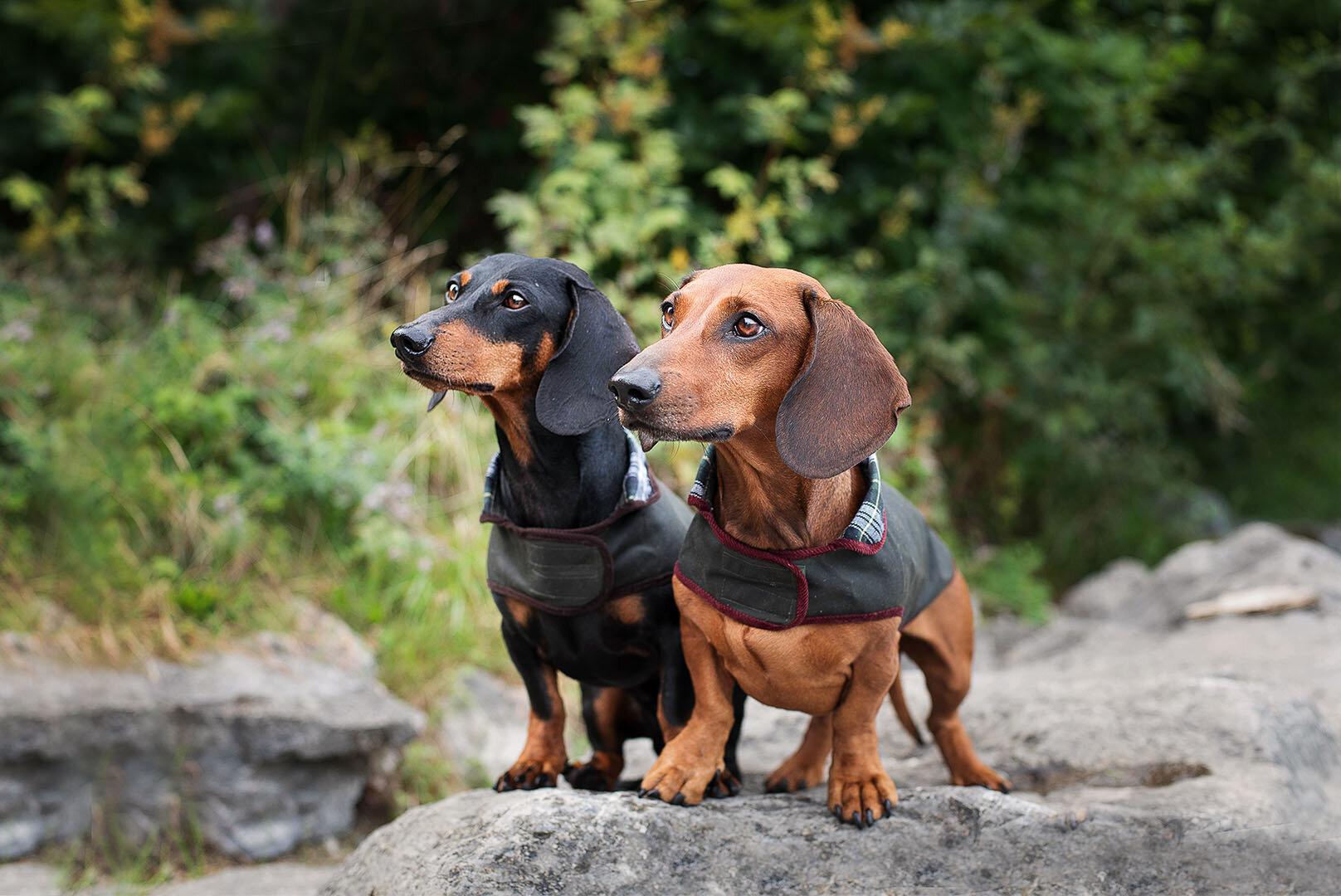
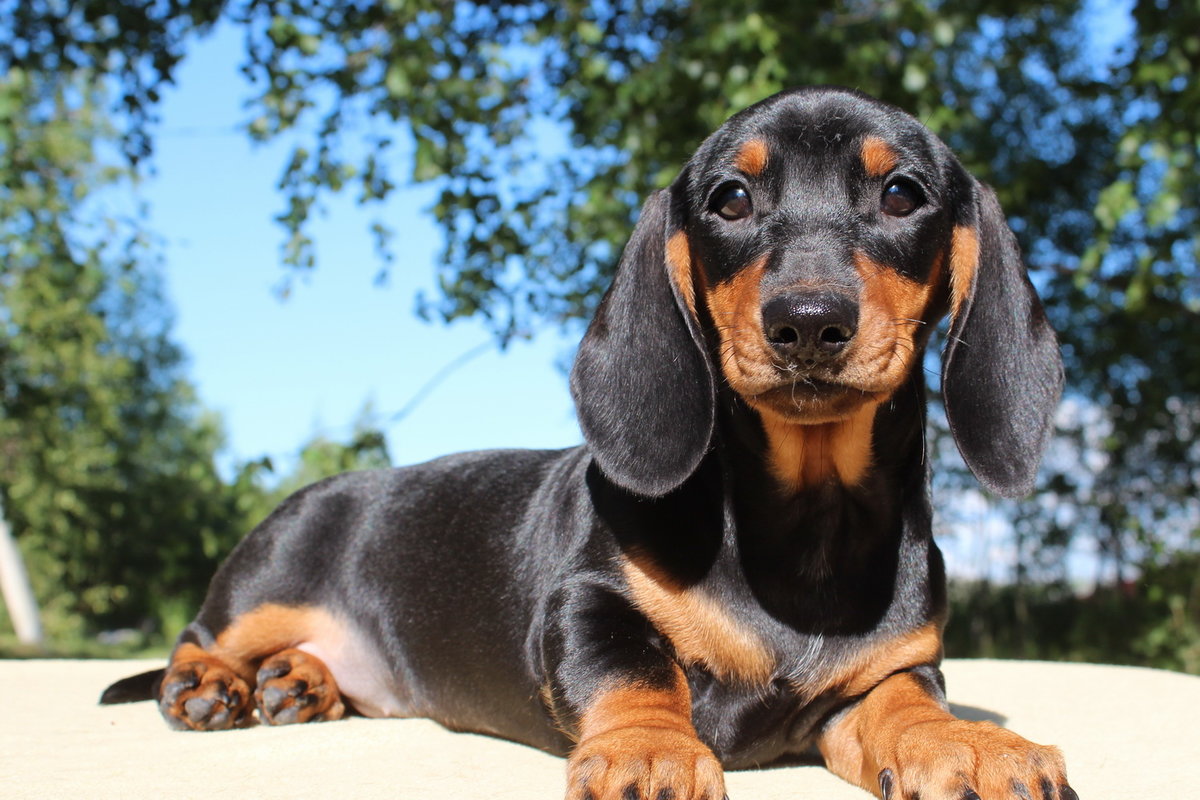
The Dachshund is a small dog with a long body and short legs that is unmistakable. Its history began in Germany, where these dogs were bred specifically for hunting badgers, foxes, and other burrowing animals. Their task was to enter narrow burrows, pursue the prey, and signal the hunter with loud barks. Their unique build and courage made the Dachshund an indispensable helper and, over time, a beloved companion in homes around the world.
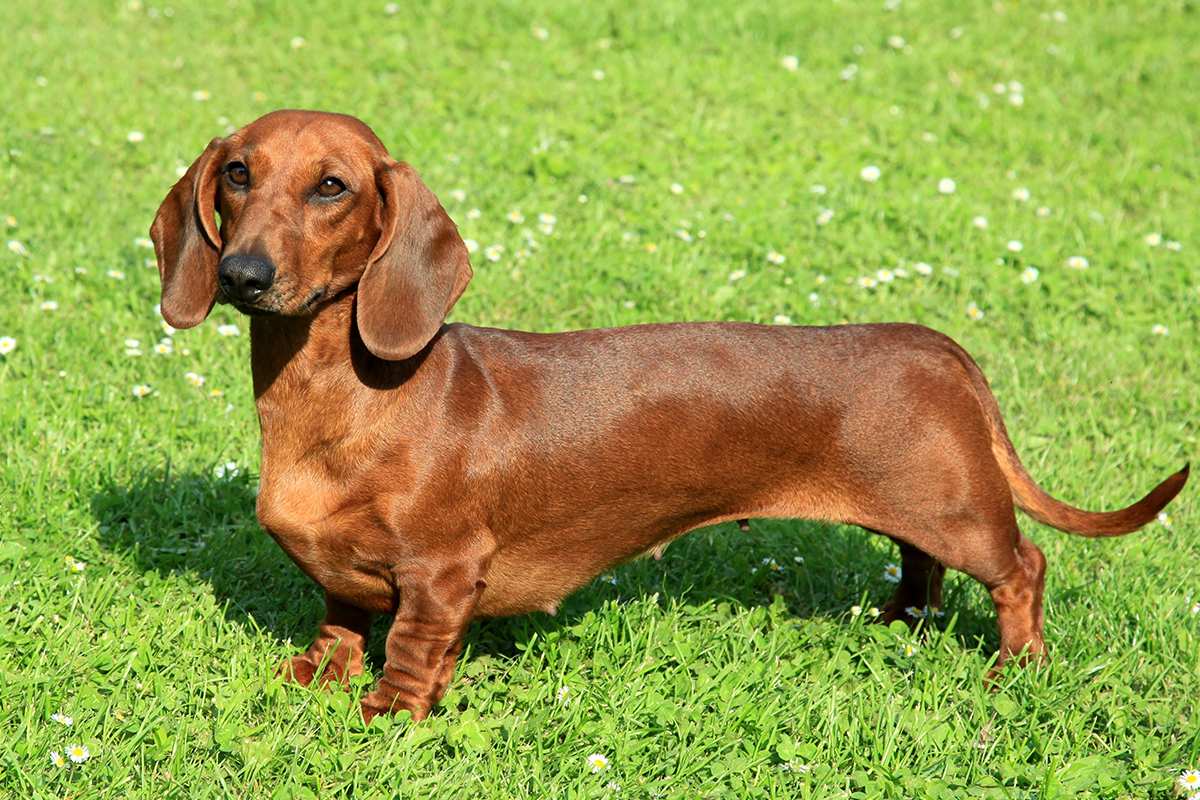
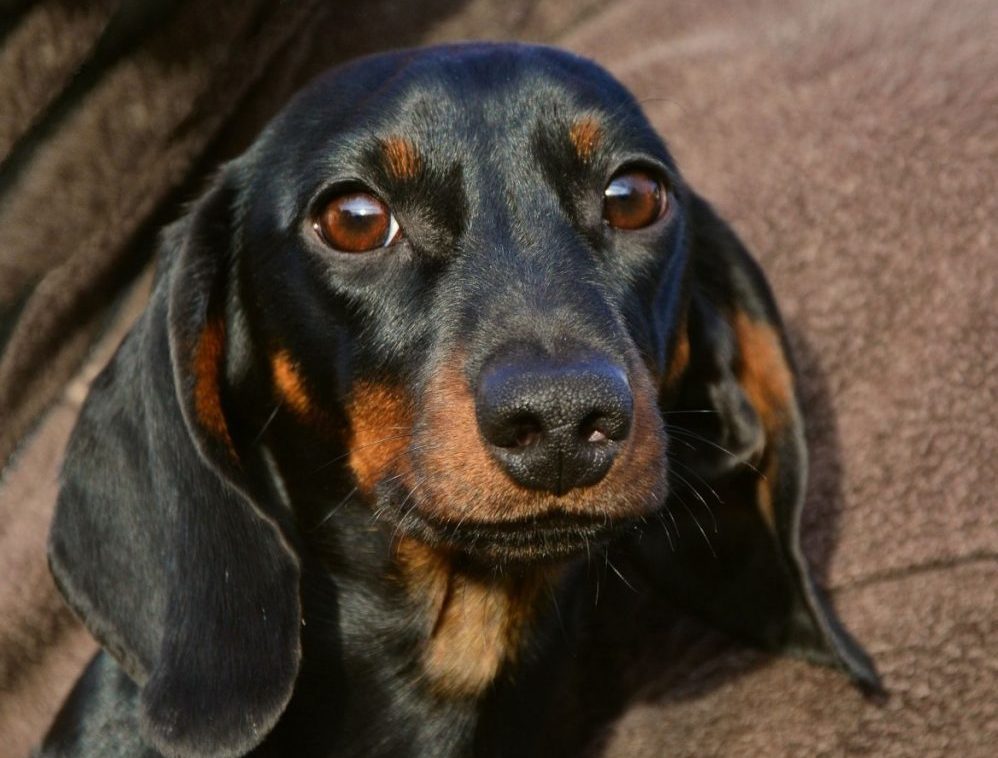
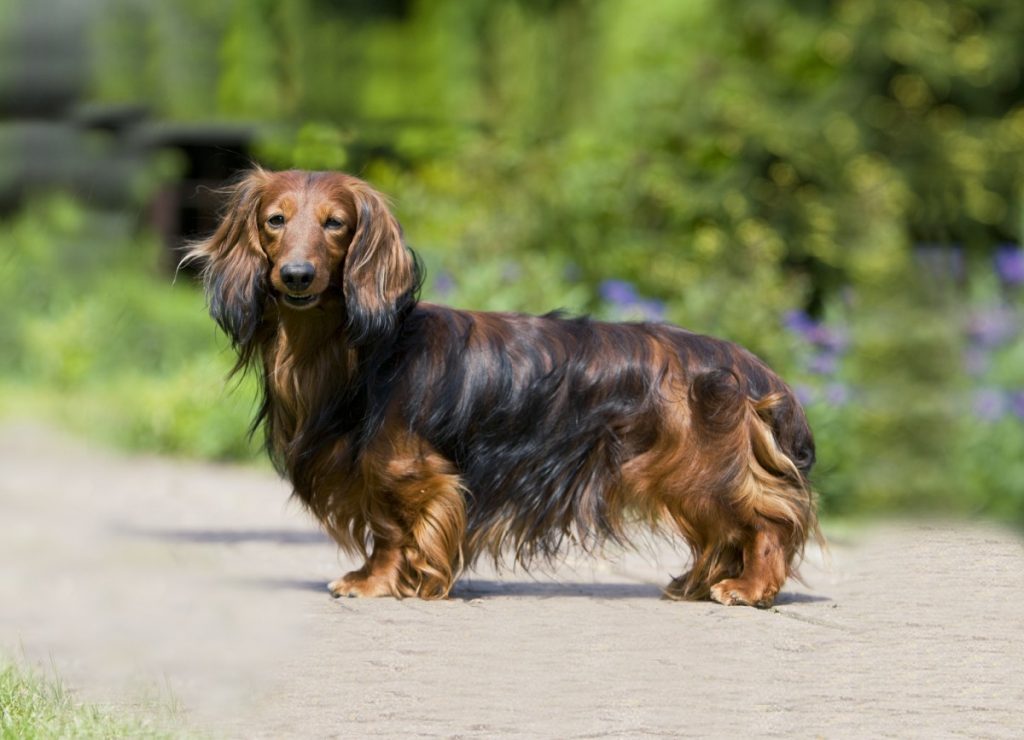
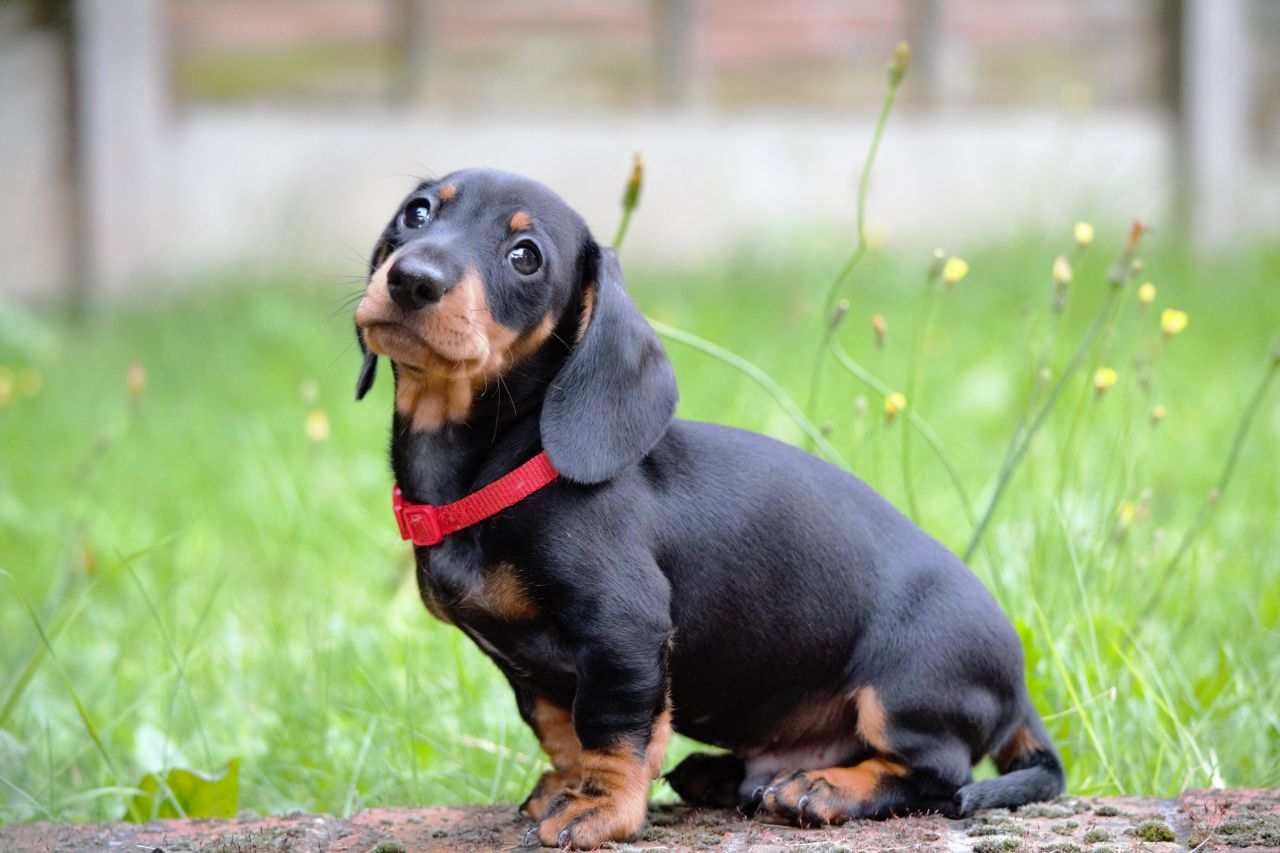
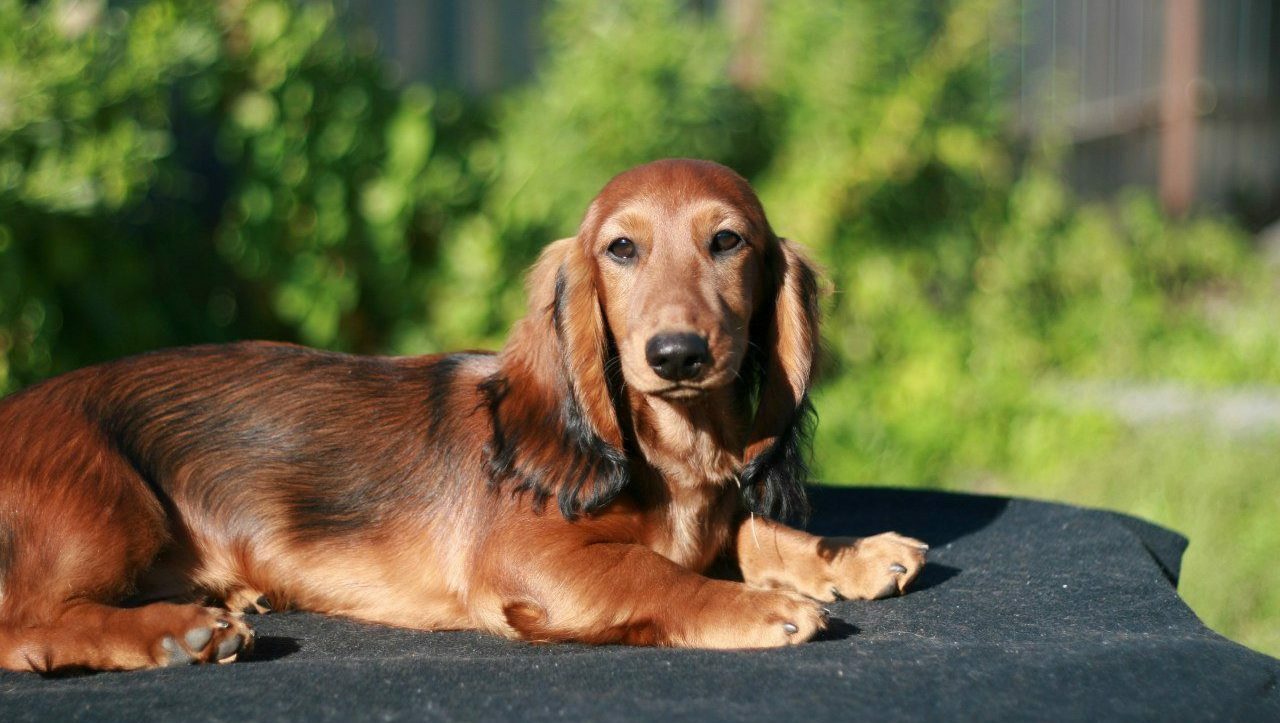
The breed is divided into several varieties: by size (standard, miniature, and rabbit) and by coat type (smooth, longhaired, and wirehaired). This variety allows for the selection of a dog suitable for different living conditions and owner preferences.
The Dachshund embodies traits of both a hunter and a loyal friend. Despite its compact size, it is a brave, persistent, and independent dog. It loves to be the center of attention and actively participates in family life. Thanks to its intelligence and lively temperament, Dachshunds make excellent companions, feeling comfortable both in urban apartments and country homes.
The average lifespan of a Dachshund is 12-16 years. With proper care and prevention of hereditary diseases, they remain lively and active into old age. The Dachshund is a choice for those who want a dog with charisma, character, and a vibrant personality.
Appearance
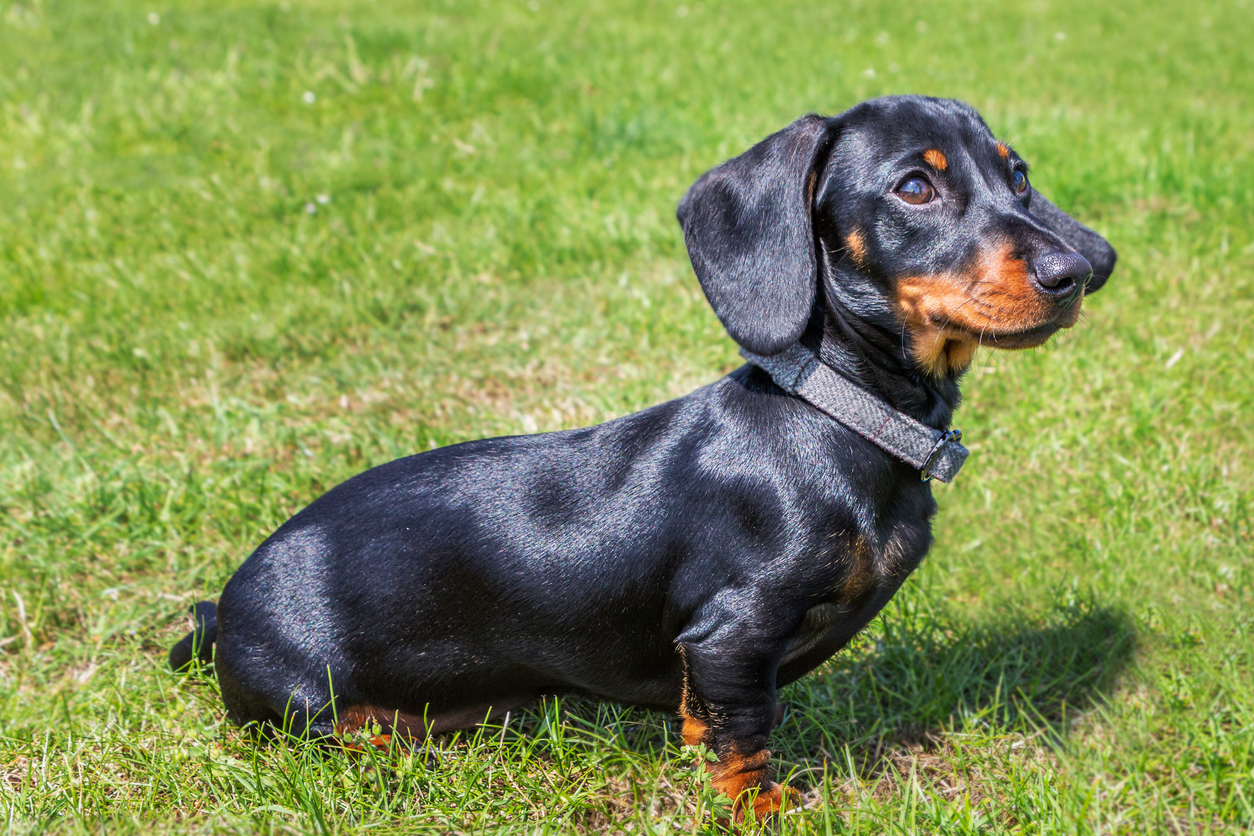
The appearance of the Dachshund is unique and easily recognizable. It has an elongated body, short yet strong legs, and a deep chest. The proportions are unusual: the length of the body noticeably exceeds the height at the withers. Despite this, the Dachshund looks harmonious, giving the impression of a dog designed for work. Its movements are springy, confident, and powered by a strong push from the hind legs. Due to its specific body structure and endurance, the Dachshund can move for long periods without tiring. Overall, its exterior combines the functionality of a hunter with the elegance of a companion.


Отличительные черты

Голова

Морда

Уши

Глаза

Зубы

Корпус

Конечности

Хвост

Шерсть

Окрас
Character
The Dachshund is a dog that combines the courage of a hunter, the cleverness of a companion, and the charm of a comedian all in one. It is intelligent, persistent, and independent, yet it forms a strong bond with its owner and genuinely enjoys spending time by their side. Owners often note that the Dachshund can “read” human emotions and subtly adjust to their mood. If the owner is cheerful, the dog will engage in play; if the owner is sad, it will lie down beside them, resting its head on their lap.
One of the dachshund’s unique traits is its sense of humor. This breed loves to be silly and attract attention. Dachshunds can feign ignorance of a command only to execute it later with a sly look, as if to say, “I got it; I just wanted you to have some fun.” They can make funny faces, produce comical sounds, and even act hurt if they feel ignored.
Another characteristic is independence. The Dachshund loves to make its own decisions, which should be considered in training. However, with the right approach, this independence becomes an asset: the dog quickly learns to navigate new situations and find solutions.
Dachshunds are highly observant. They notice even the slightest changes in their surroundings and respond with a loud bark. Because of this, the dog makes an excellent alarm in a home or apartment. Their bark is clear and varied: experienced owners claim that you can easily tell by the tone whether the dog is “talking” to you, inviting you to play, or warning you of a stranger.
These dogs are born hunters, and their hunting instincts manifest in everyday life. A Dachshund can spend hours watching pigeons or digging in the park, with squeaky toys often seen as prey. An interesting fact: Dachshunds can “dig air”-if they catch a scent but can’t find the source, they start digging energetically even on pavement.
Dachshunds are great for families with children, provided they are socialized correctly from an early age. They are patient but dislike roughness: children need to learn that they can’t treat a dog like a toy. In return, the dachshund will be a loyal friend, playing, protecting, and even “educating” the child in its own doggy way.Their relationships with other animals vary. Dogs and cats raised with a Dachshund often become friends. However, small animals like hamsters or guinea pigs should be kept separately, as the hunting instinct may prevail.The Dachshund’s standout feature is its stubbornness. Once the dog decides to do something, convincing it otherwise can be difficult. However, this is the secret of training: finding the right motivation. Once a Dachshund sees a benefit for itself, it can become an excellent learner.Another trait is their ability to “manipulate.” Dachshunds quickly learn how to get what they want: a pathetic look, a funny sound, or feigned “tiredness” can help them obtain treats or attention. It’s important for owners to distinguish these tricks to avoid raising a spoiled pet.In daily life, a Dachshund is always a source of activity and emotions. It
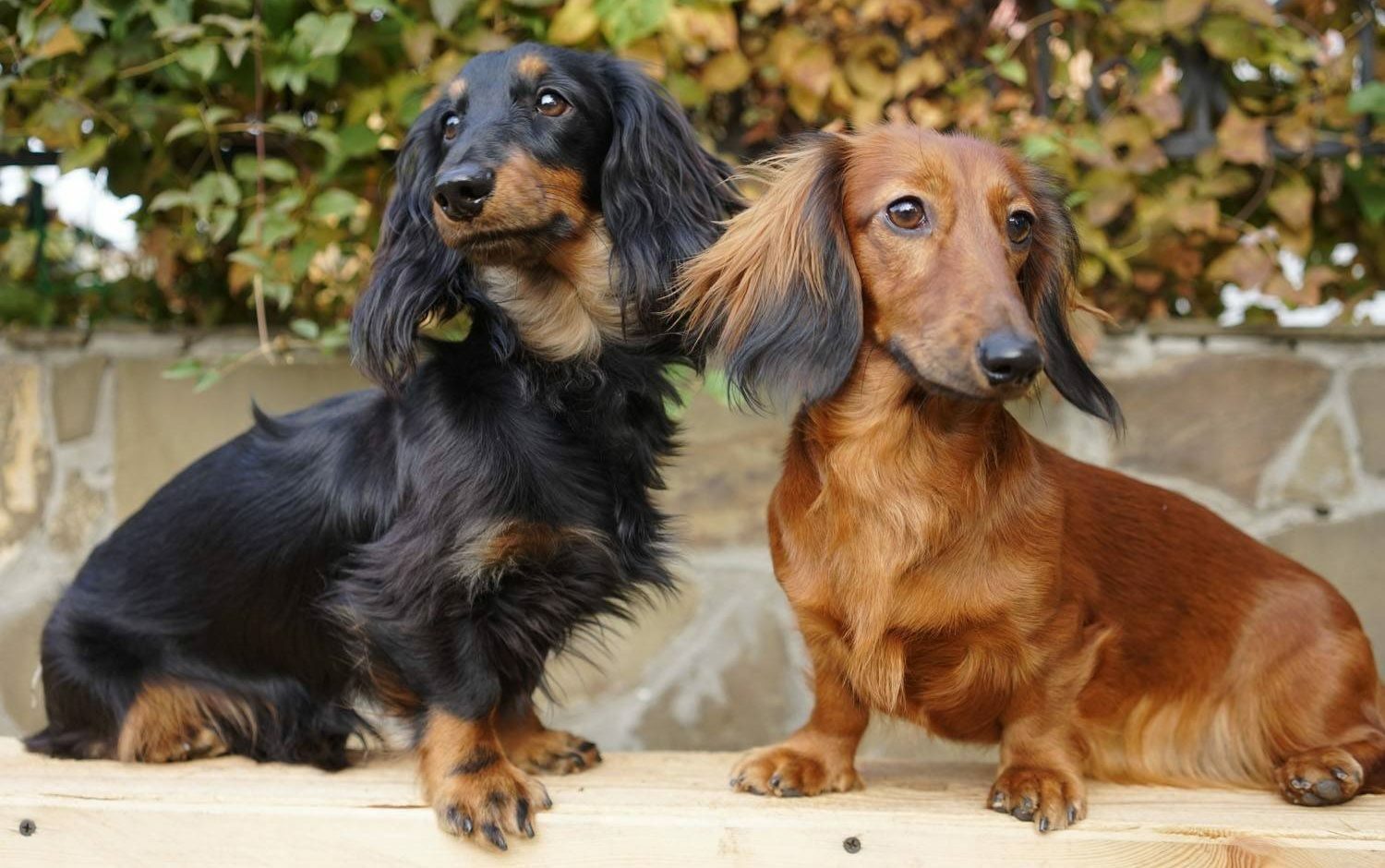
The first cloned dog.
Scientists in South Korea have cloned a 12-year-old dachshund named Winnie. The resulting puppy completely resembles its "parent" both in appearance and personality. At the age of 6 months, the puppy was returned to Winnie's owner.Care and Maintenance
The Dachshund is a versatile breed that can live in both urban apartments and country houses, but in either case, the dog requires attention and sensible organization of daily life. The main principle is weight control and load management. Dachshunds are prone to obesity, and extra weight quickly affects their spine and legs. Therefore, daily walks and strict portion control of treats are not a luxury, but a foundation for health.
In an apartment, a Dachshund feels comfortable even in a small space, as long as it receives sufficient walks and playtime. They don’t need a large area, but it’s important to create a cozy corner: a soft bed placed in a quiet, warm spot where the dog can rest and feel safe. It’s better to choose beds with sides, as Dachshunds love to “dive” into hiding spots and feel protected. It’s advisable to use ramps or steps to sofas and beds so the dog doesn’t jump on its own. The floors should not be slippery: mats and runners help reduce pressure on the back.
In a private house, a Dachshund has more opportunities for activity but also more risks. This breed easily picks up scents and can become engrossed in chasing game, wandering too far. Therefore, even in a fenced yard, the Dachshund should be supervised: they can dig and create tunnels under the fence. It’s optimal to equip the area with a secure net that is buried in the ground. For play outside, it’s helpful to designate a “permitted” digging area – the Dachshund can satisfy its instinct without destroying flower beds.
On city walks, the Dachshund should always be on a leash. Their short legs make them vulnerable in crowds and near bicycles or scooters. The dog may suddenly dart towards another animal upon catching a scent, which is dangerous for both the dog and those around it. In the park, it’s best to avoid playgrounds and areas with many dogs, as the Dachshund may behave overly bravely. For safety, it’s wise to use a harness that evenly distributes pressure and does not injure the neck.
In the forest, the Dachshund’s hunting instinct is particularly pronounced. They can follow a trail and disappear from sight in mere minutes. Therefore, “free roaming” without a leash in the woods is highly undesirable. Even well-trained Dachshunds may ignore commands if they come across an interesting scent. The optimal solution is a long retractable leash or a sturdy rope 10-15 meters long: the dog can explore the area while remaining under control. In the forest, it’s important to regularly check the ears and coat for ticks, especially in long-haired and wire-haired individuals.
Free roaming is a categorical “no.” Dachshunds are not a breed that can be let off-leash. Their curiosity and hunting drive make such a decision extremely dangerous. The dog might chase a cat, bird, or rodent, end up under a car, wander too far, or get into conflicts with other animals. Additionally, a short-statured Dachshund can easily find itself in danger even on a quiet street: a child on a bicycle, a large dog without a leash, or a pack of strays can pose serious threats. Therefore, the responsibility for the Dachshund’s safety always rests with the owner.Additional tips:Dachshunds need walks at least twice a day, totaling 1 to 2 hours. The best outdoor activities include ball games, scent work, and searching for treats in the grass. This helps tire the dog both physically and mentally. In hot weather, it’s best to avoid asphalt: due to their short legs, Dachshunds overheat faster than taller dogs. In freezing weather, warm clothing is necessary: a jacket or overall protects the belly, while booties guard against road treatments. Dachshunds are companion dogs that thrive in both metropolitan and rural settings. However, they require attention, supervision, and d
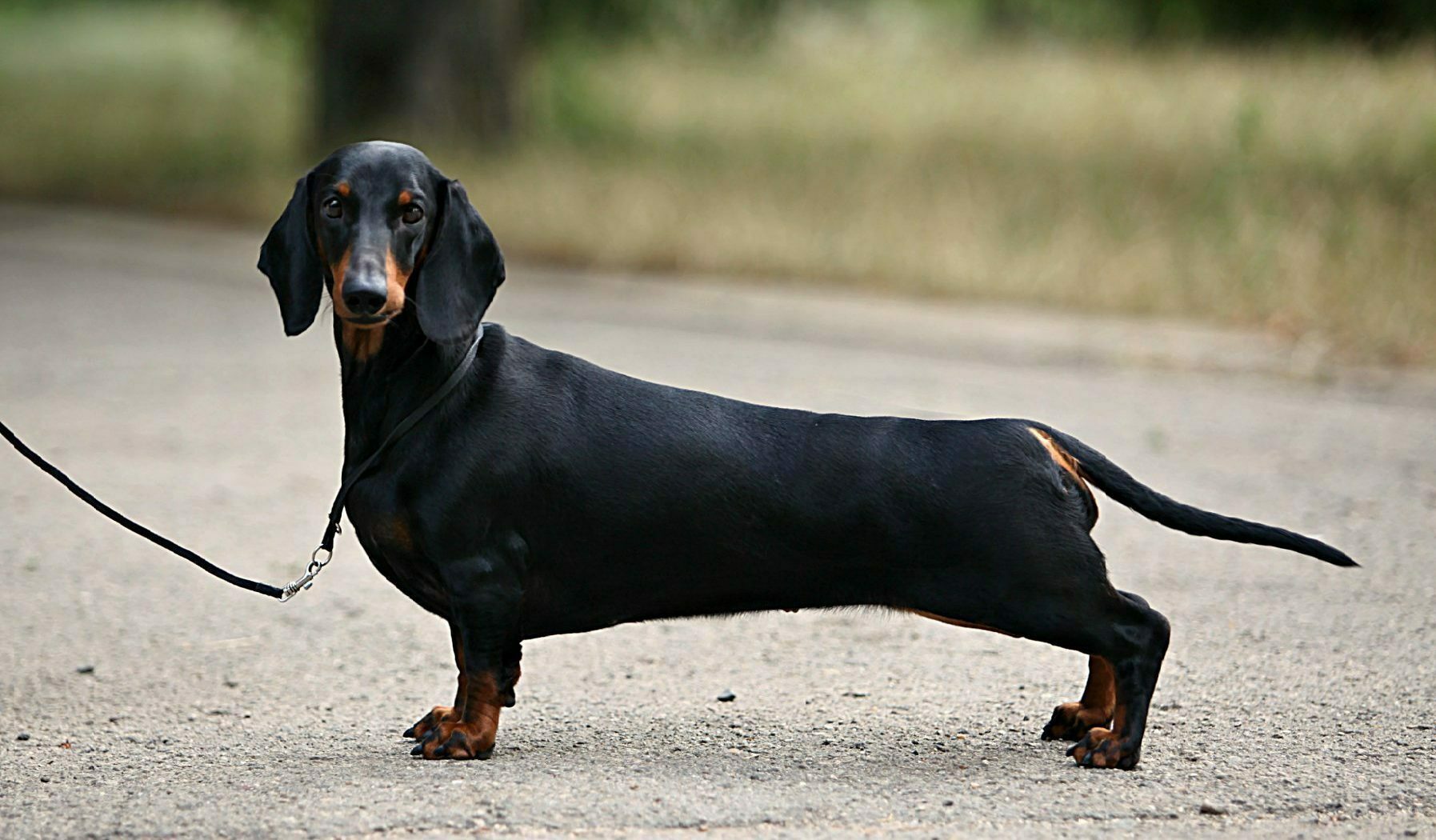
The first mascot of the Olympics
The world's first Olympic mascot is a dachshund. For the 1972 Olympic Games in West Germany, a dachshund was chosen as the symbol of the Olympics. The route for the race was designed to resemble the shape of a dachshund's body.Training and Education
A Dachshund is not a soldier executing commands mechanically. They are smart but prefer to make decisions on their own. This makes training an interesting process that requires patience and creativity.
Initially, it’s important to explain to the owner: harsh methods don’t work here. A Dachshund can become offended and lose trust. The key to success is gentle persistence, play, and a system of rewards.
To achieve obedience, sessions should be short and varied. The Dachshund needs to see a benefit: a treat, a toy, praise. Only in this way can you capture their attention. It’s essential to establish eye contact-without it, the dog quickly gets distracted.
After establishing contact, you can move on to basic commands: “Sit!”, “Lie down!”, “Come!”, “Heel!”, “Wait!” These commands ensure the dog’s safety and control in any situation. For a Dachshund, the “Wait!” command is especially important to curb the urge to bolt.
Adding games that involve searching for objects is a great complement. Dachshunds love to use their noses and will eagerly search for toys or treats by scent. This stimulates their minds and helps release energy.
ZooNika unites certified breeders offering puppies with excellent pedigrees.
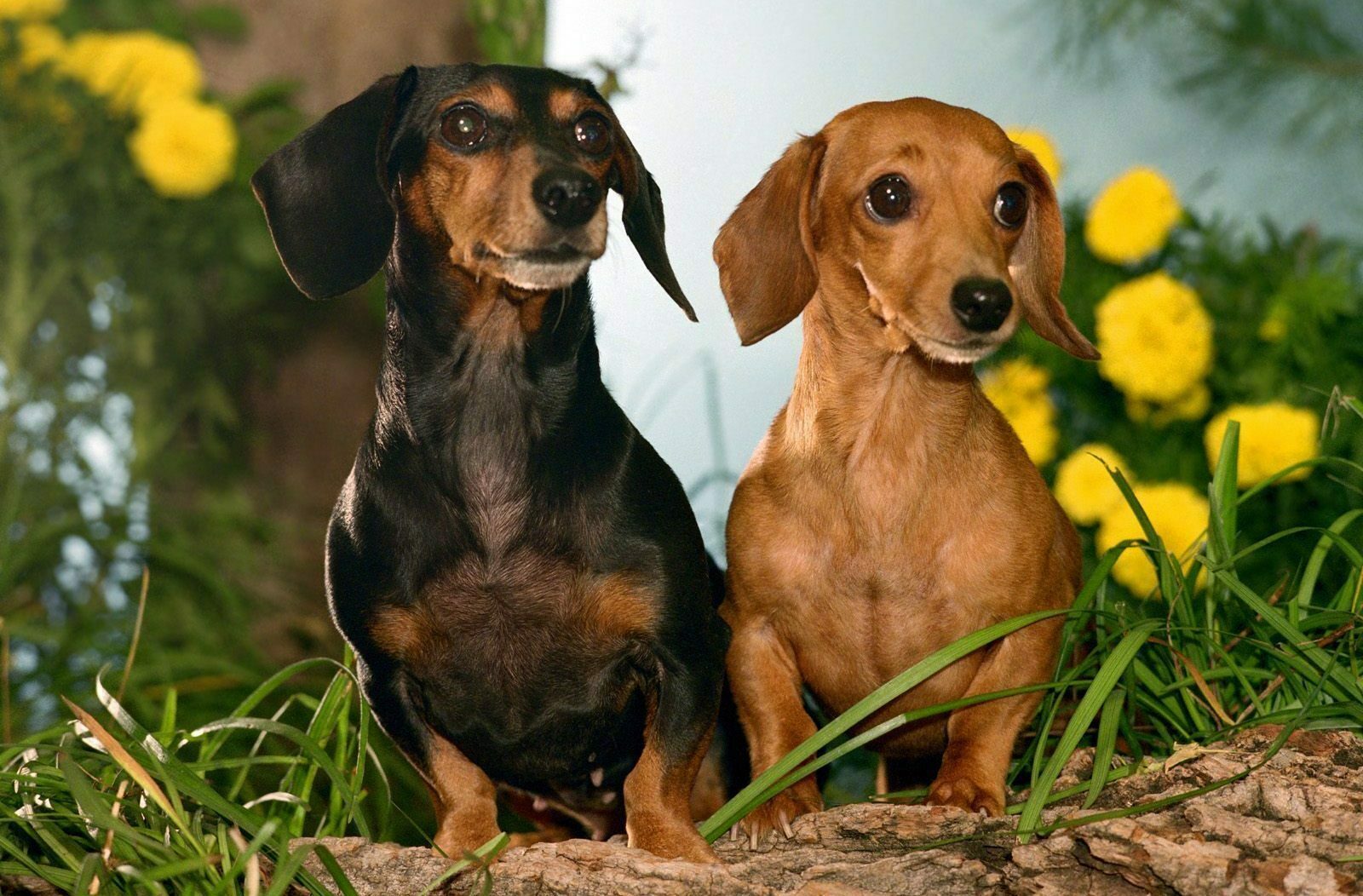
A true long-liver.
A long carefree life is just what dachshunds are known for. The Guinness World Records has documented several examples of dachshunds living long lives: one lived for 21 years, another for 22 years.
How to Choose a Puppy
Choosing a Dachshund puppy requires careful attention. The safest option is to buy a pet from a reputable kennel.
Practical Tips:
Observe the puppy’s activity: it should be curious and cheerful.
Check the bite – it should be scissor-like.
Examine the paws – they should be strong and properly positioned.
Ask the breeder about the genetic test results of the parents (PRA, Lafora, dysplasia).Clarify which vaccinations have already been given.Check the coat and skin – they should be clean, free of flakes and bald spots.Watch the litter: healthy puppies play and actively respond to people.This approach will help avoid problems and choose a healthy, promising puppy that will become a true friend. From the best kennels in the country – find your pet on Zounika.
Health and Diseases
Dachshunds live long lives, but they are predisposed to various health issues. The most common problem is intervertebral disc disease (IVDD), which is related to the structure of their spine and manifests as pain, limping, and sometimes paralysis. To reduce risks, it is important to manage their weight and avoid jumping.
Additionally, the breed may also experience progressive retinal atrophy, a hereditary eye disease that leads to blindness. Cataracts and glaucoma are more frequently found in older dogs.
Miniature and rabbit varieties are prone to patellar luxation. Wire-haired Dachshunds may suffer from Lafora epilepsy, causing myoclonic seizures. This disease can be detected through genetic testing, so puppies should only be obtained from responsible breeders.
Dachshunds are also prone to obesity. Even an extra half-kilogram can place additional strain on their spine, so their diet needs to be strictly monitored.
With proper prevention and attentive care, most Dachshunds remain lively and active into old age, maintaining their spirited and cheerful nature.
Содержание
-
1. Описание породы
-
2. Внешний вид
- 2.1 Голова
- 2.2 Морда
- 2.3 Уши
- 2.4 Глаза
- 2.5 Зубы
- 2.6 Корпус
- 2.7 Конечности
- 2.8 Хвост
- 2.9 Шерсть
- 2.10 Окрас
-
3. Характер
-
4. Содержание и уход
-
5. Дрессировка и обучение
-
6. Как выбрать котенка
-
7. Здоровье и болезни






Comments
Only registered users can leave reviews.
Enter