
Czechoslovakian Wolfdog




Warning: Illegal string offset 'label' in /home/panda/sites/zoonika/wp-content/themes/zoonika/template-parts/animals/animals-param-item.php on line 32
Ð


Breed Description
The wolf has always had a special impact on humans. Sometimes it evokes deep fear, as in the tales of the wicked wolf that devours Little Red Riding Hood in one bite. Today, most people feel a friendly attraction to the wolf. The wolf radiates a certain allure, an aura of the wild and the natural roots of our own lives. The thought of a wolf with the advantages of a dog is mesmerizing. Therefore, there are constant attempts to turn this dream into reality. However, evolution cannot be deceived. It took thousands of years for the wolf to become our dog, the faithful companion of humanity. Yet people remain reluctant to abandon this idea.
There is another, more pragmatic approach. It concerns the performance of dogs. Periodic attempts are made to enhance a dog’s abilities, such as in running or sensory organs, through crossbreeding with wolves. These attempts invariably fail. The peoples of the Polar Circle, who have known dogs and wolves for millennia, would quickly tell us: crossbreeding with wolves deteriorates the working qualities of dogs rather than enhancing them. Wolves simply do not possess the patience and particularly the stress resilience to work with and for humans. Dogs, specially optimized for specific tasks, always surpass wolves in these disciplines.
The military of former Czechoslovakia went through a similar experience. In 1955, a task was assigned to develop a particularly productive dog for border protection. Under scientific supervision, a breeding program was initiated. It was decided to cross a German shepherd with a Carpathian wolf. However, there was no success. Although some hybrids displayed excellent working qualities, this was only possible with intensive care from puppyhood. Most remained timid and had too low a frustration threshold that could quickly lead to aggression. The program was discontinued in 1971. The wolfdogs were killed or discarded. However, some managed to get into the hands of enthusiasts who wanted to raise them as domestic dogs. This was successful. Thus, the Czechoslovakian wolfdog breed was born. In 1999, it was officially recognized by the FГ©dГ©ration Cynologique Internationale (FCI).
The Czechoslovakian wolfdog is a true dog. It has nothing to do with hybrids, which are the crossbreeding of dogs and wolves. Therefore, having it in the hands of specialists is entirely appropriate and offers a unique experience of connection with nature.
The price for a puppy ranges from 50,000 to 60,000 rubles.
Appearance
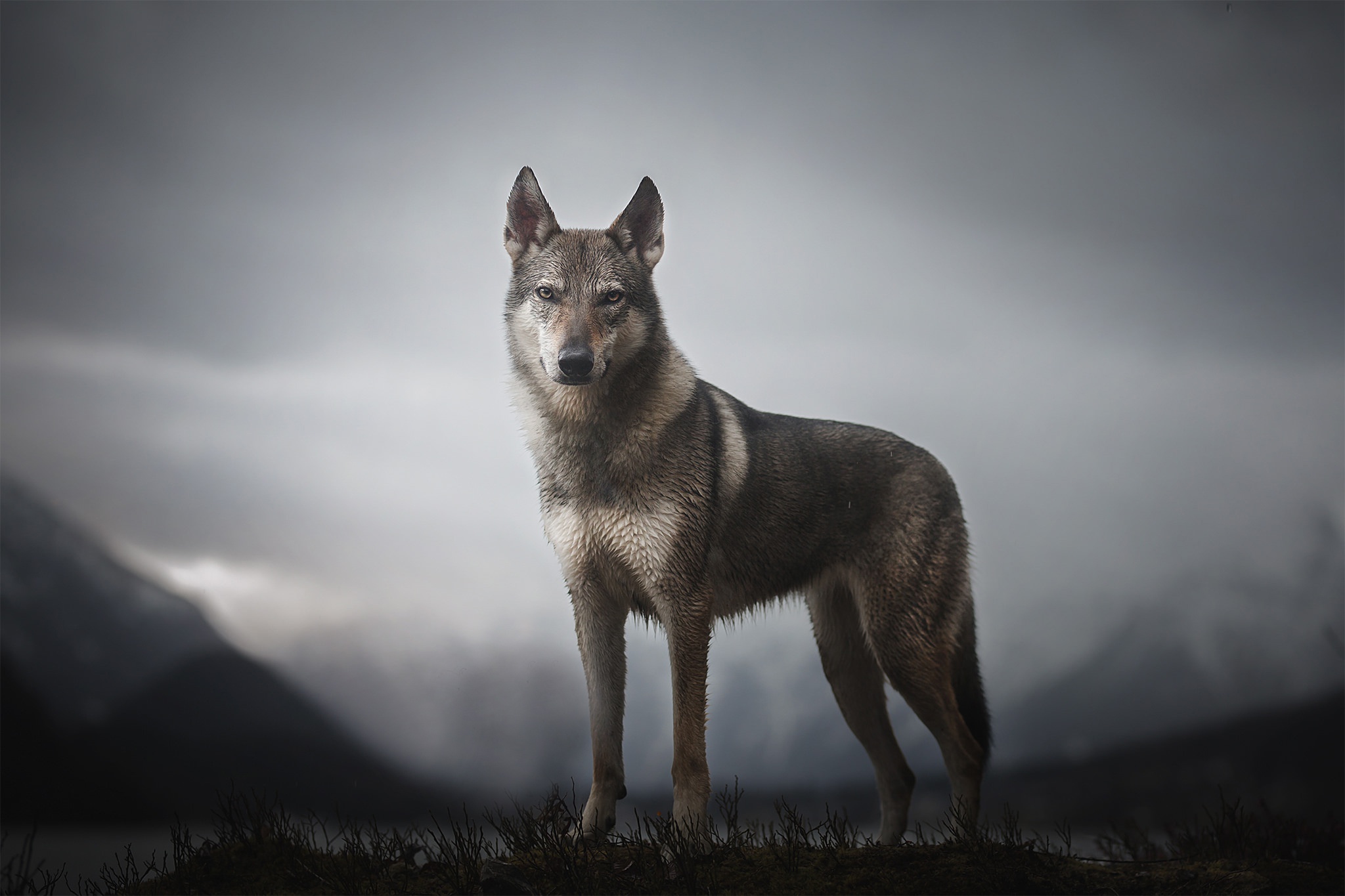
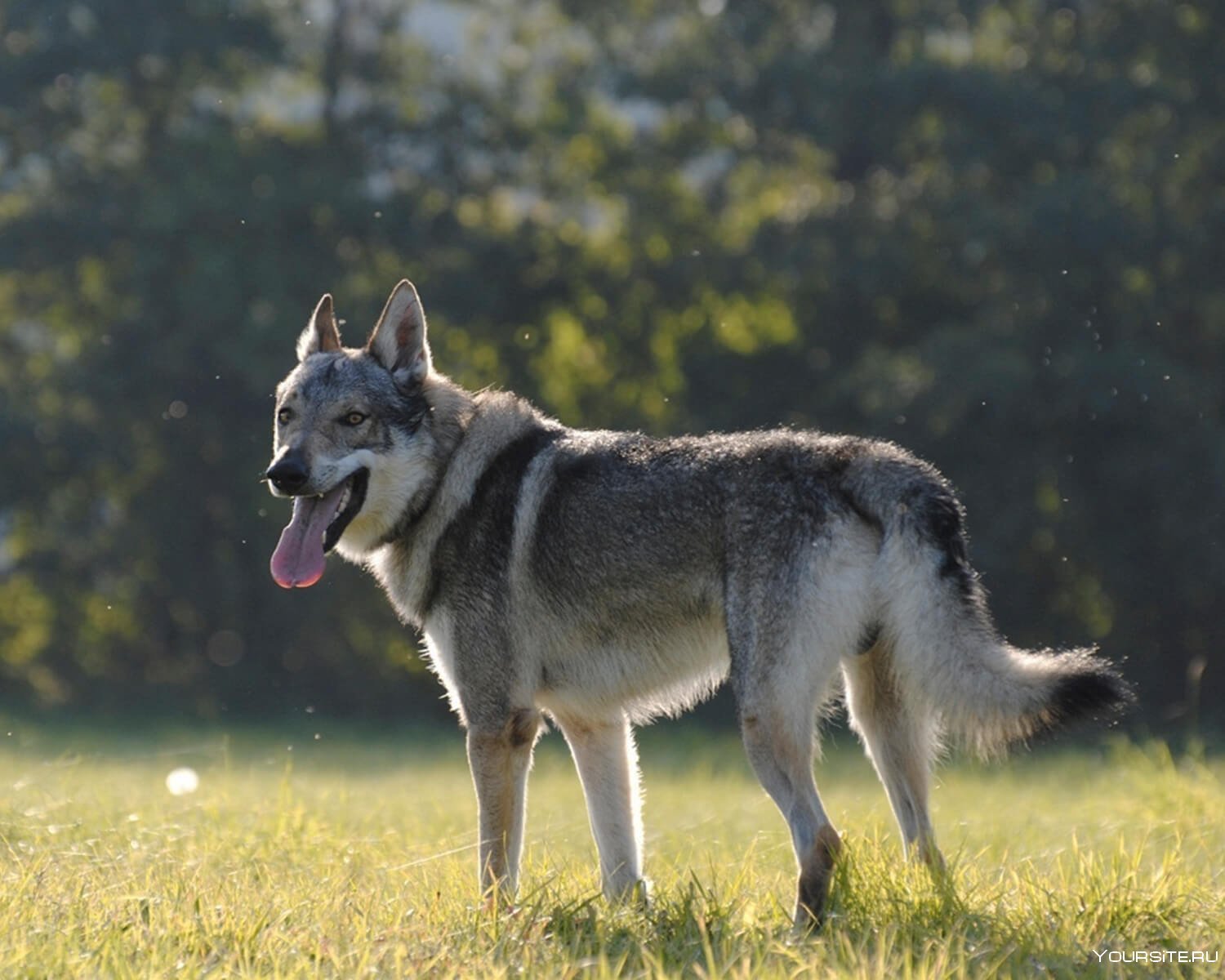
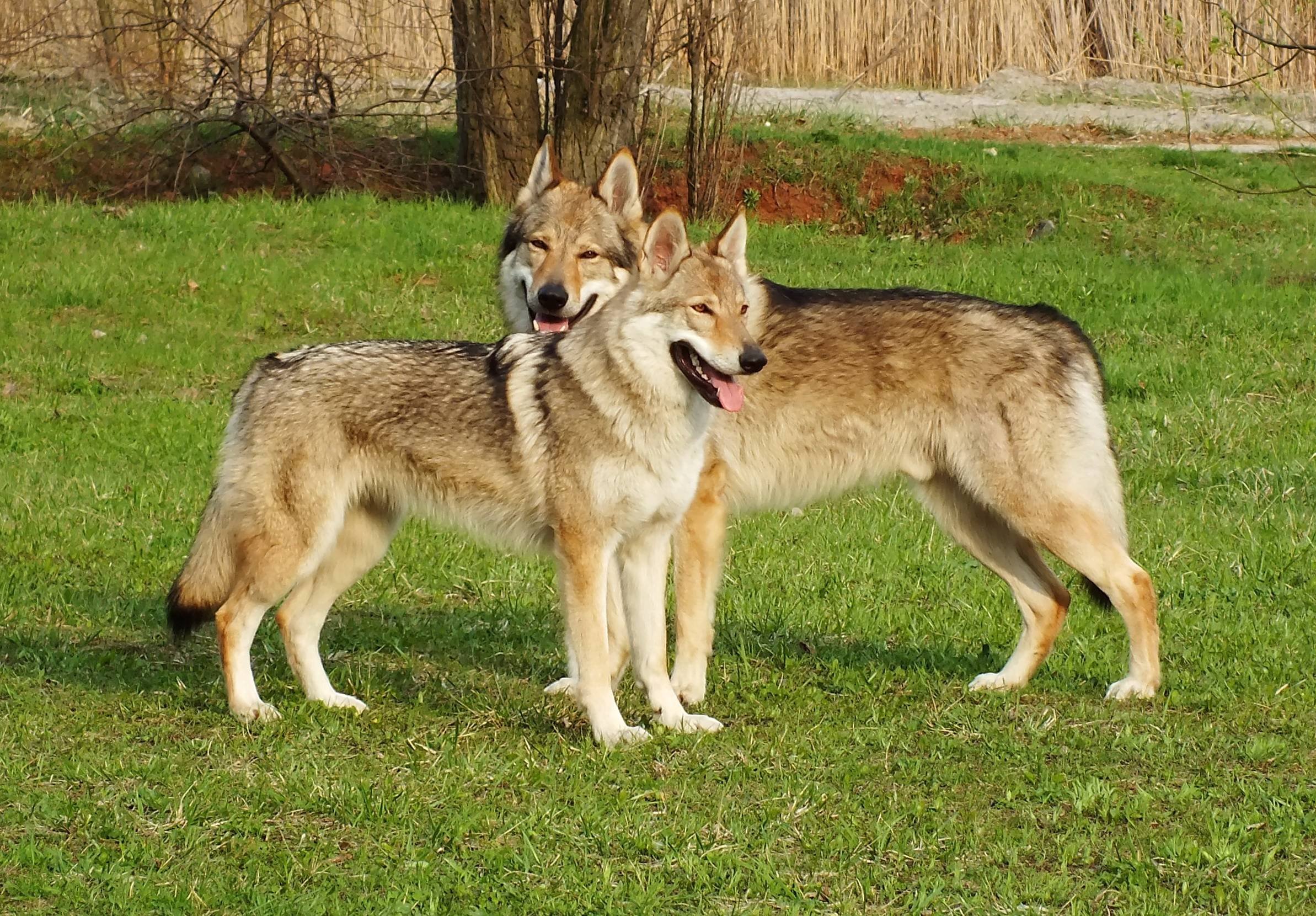
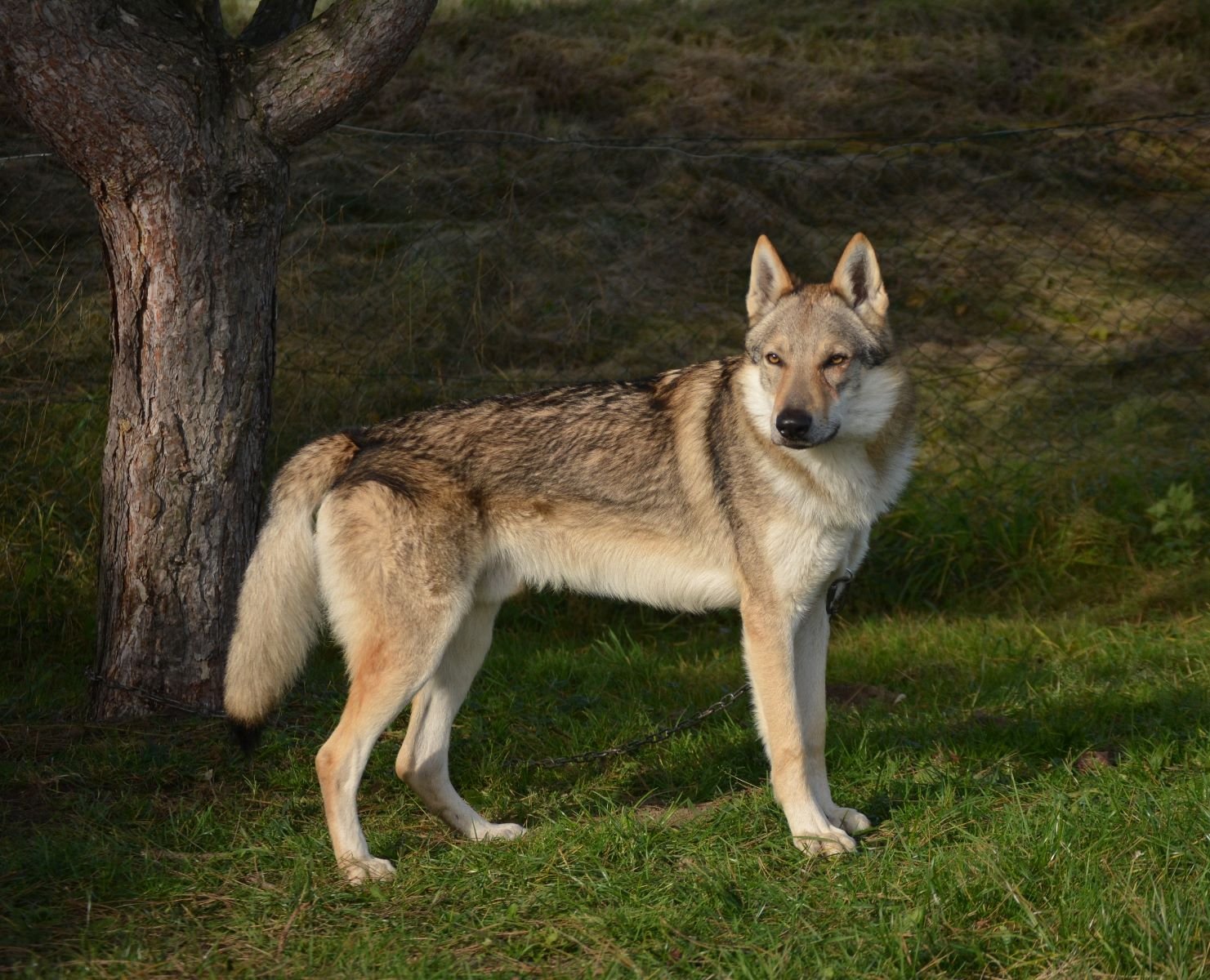
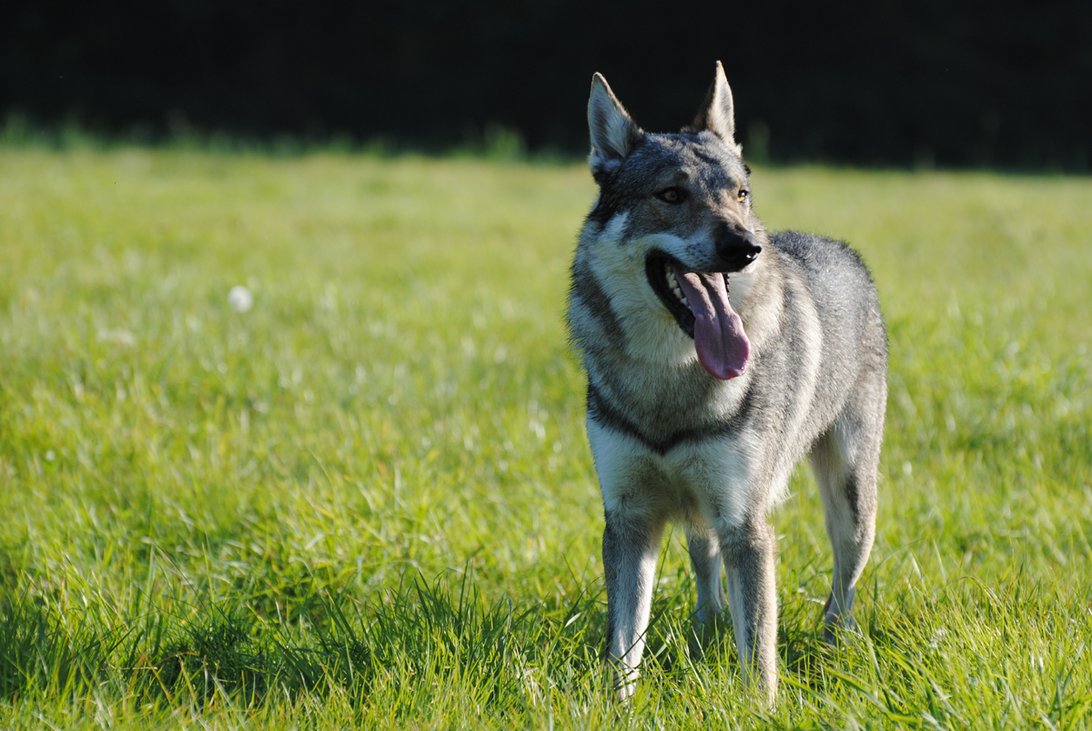
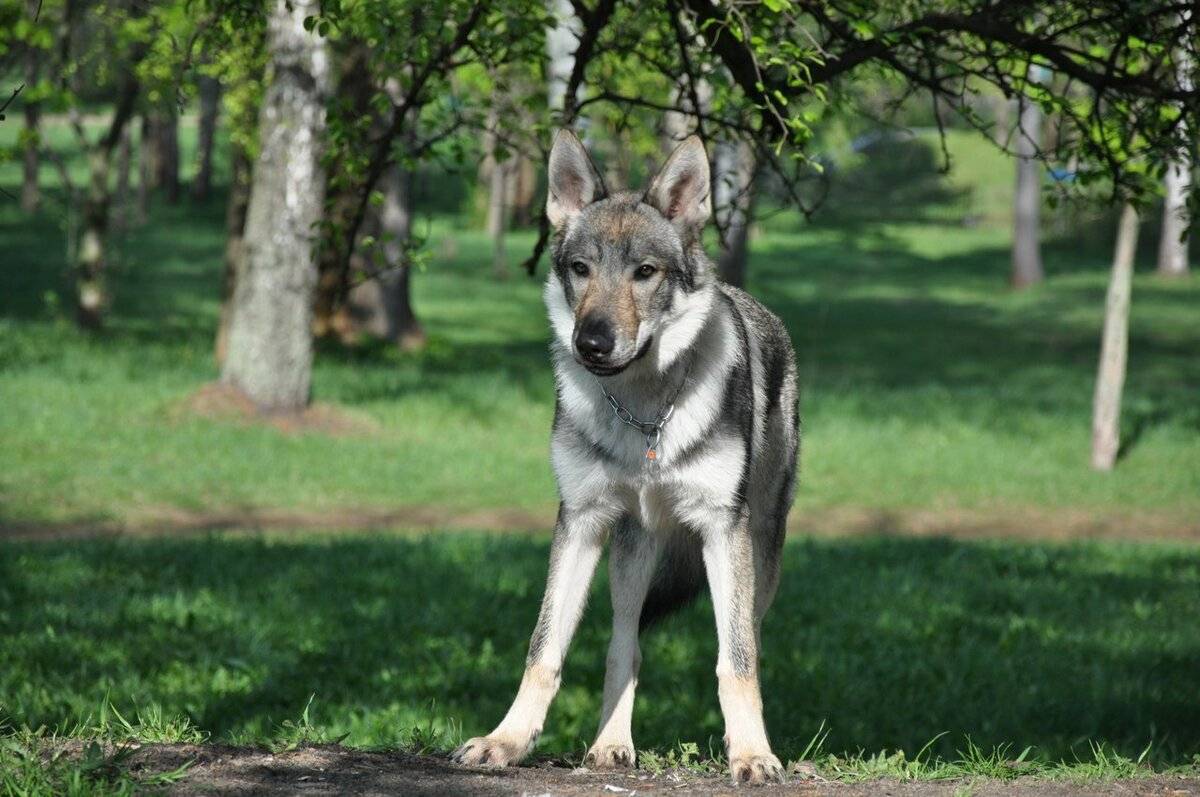
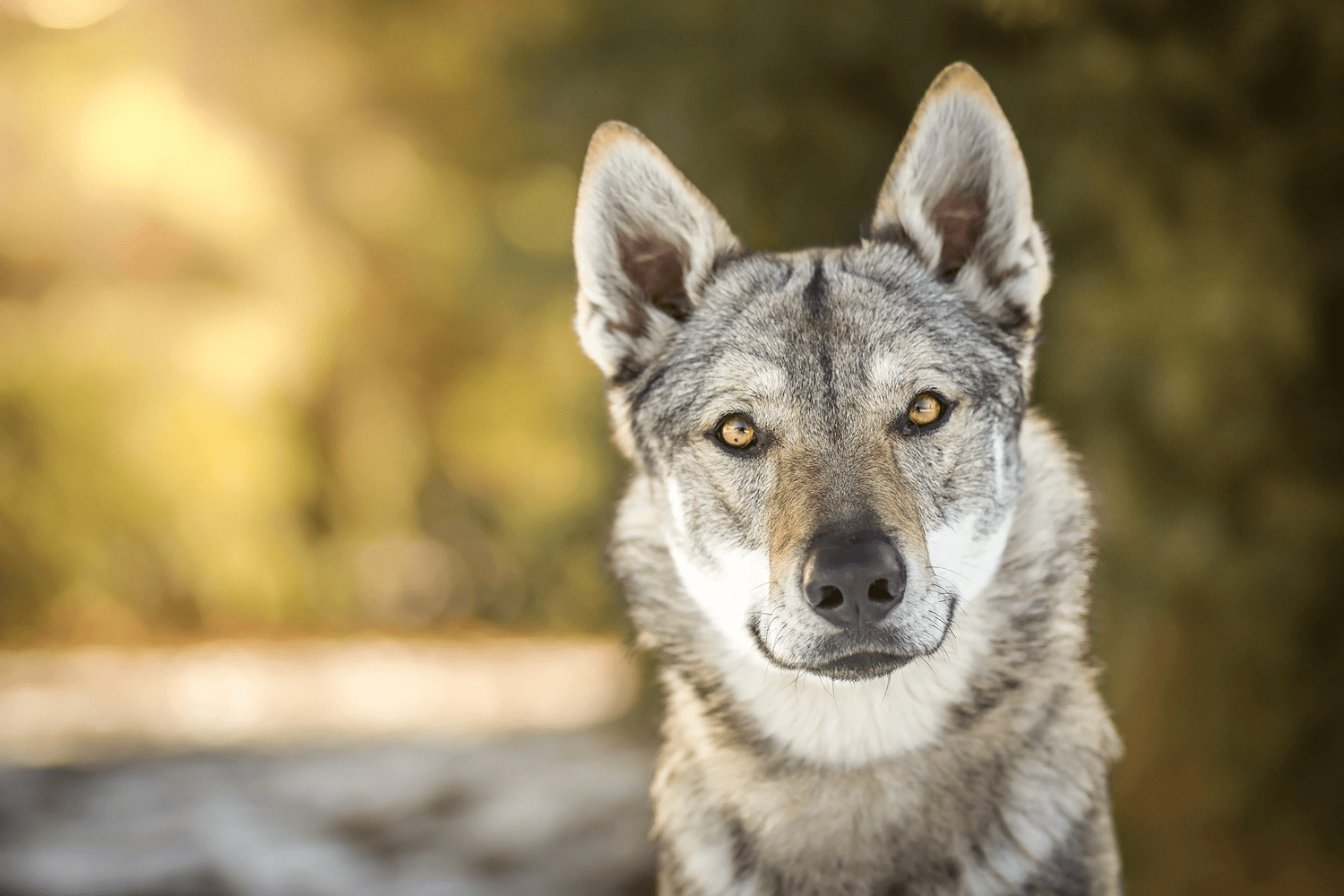
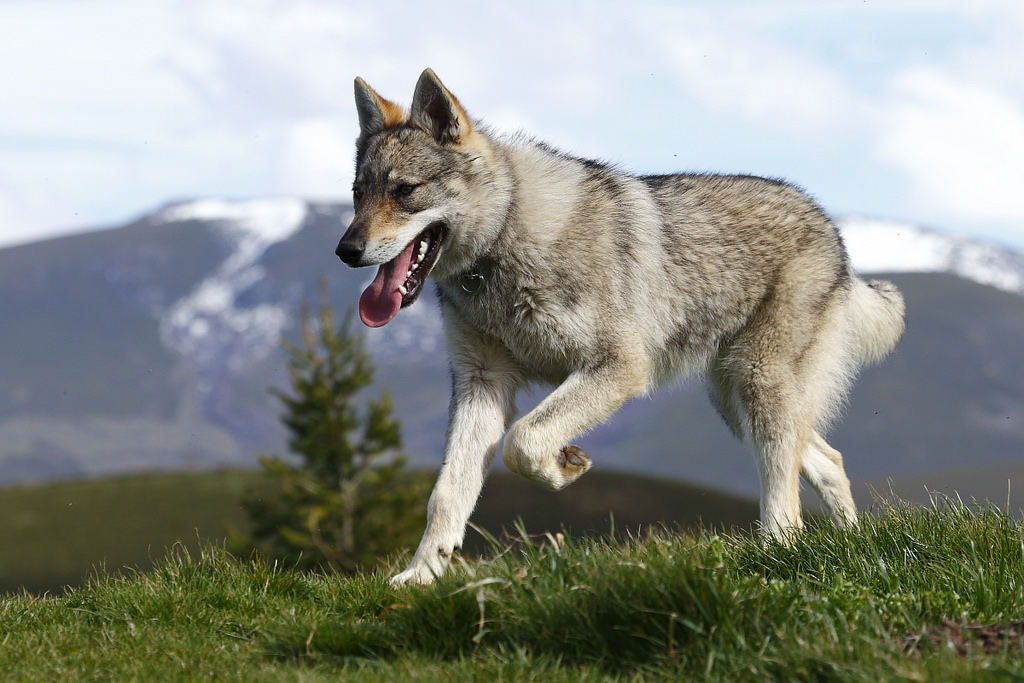
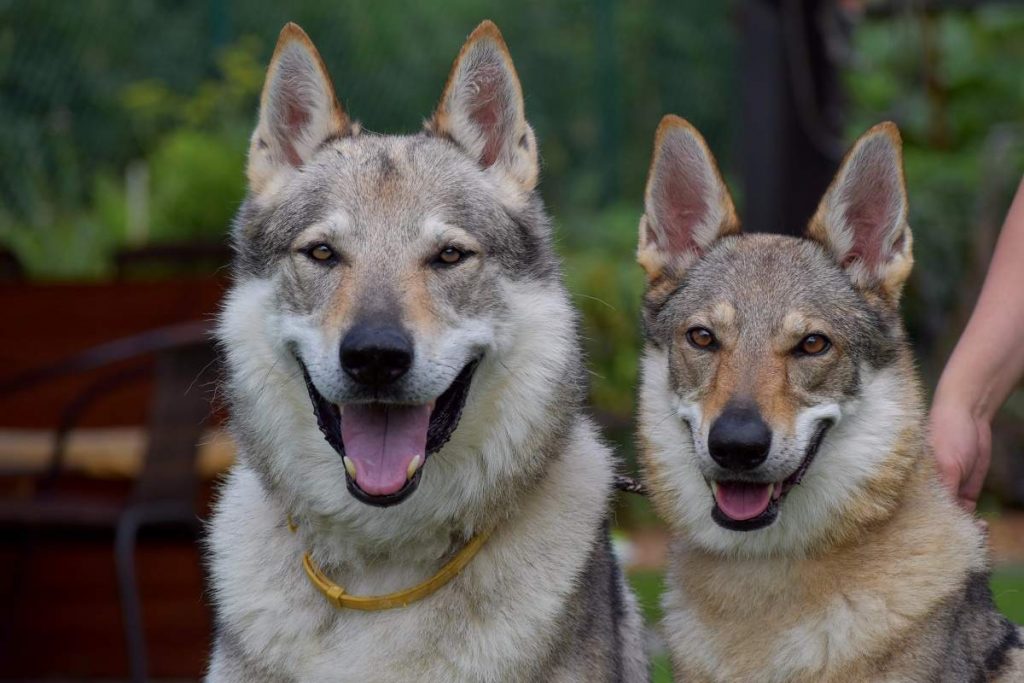
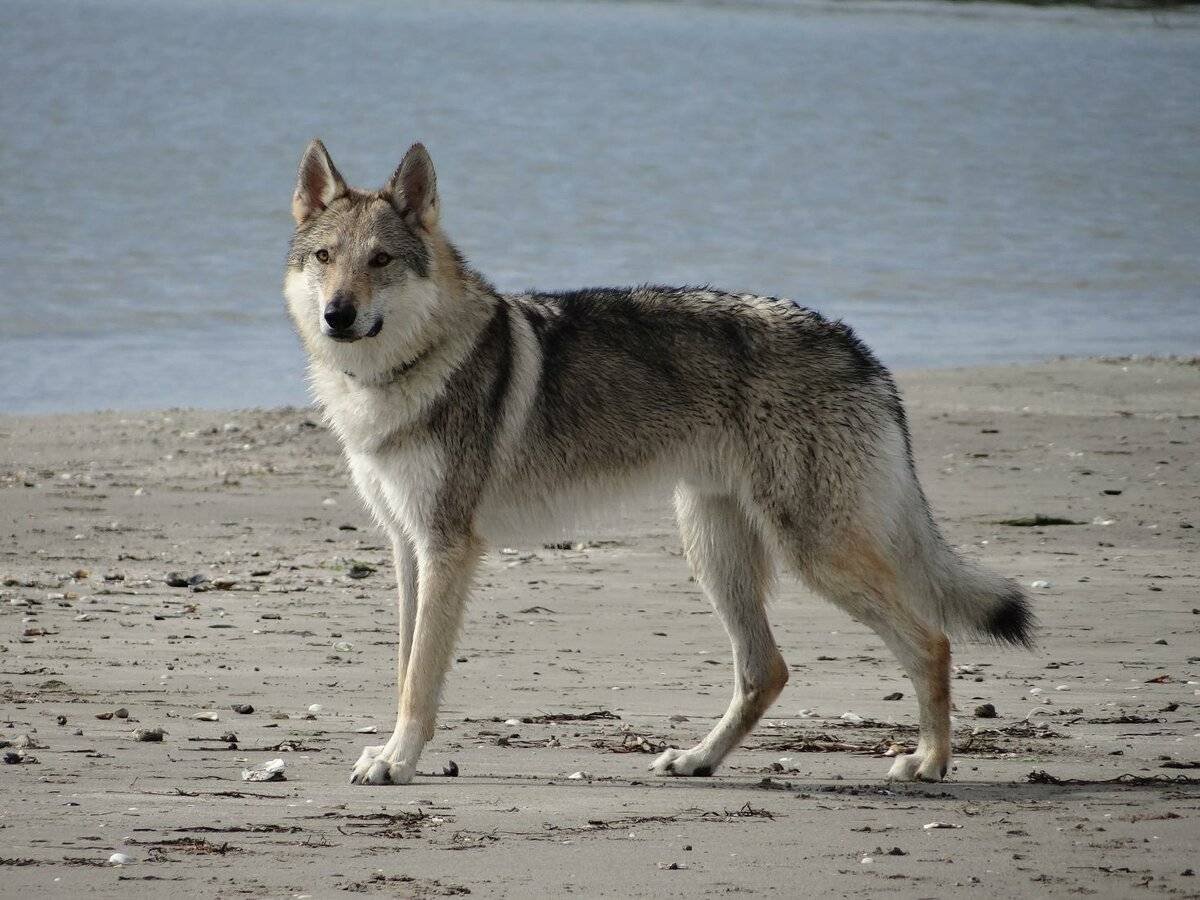
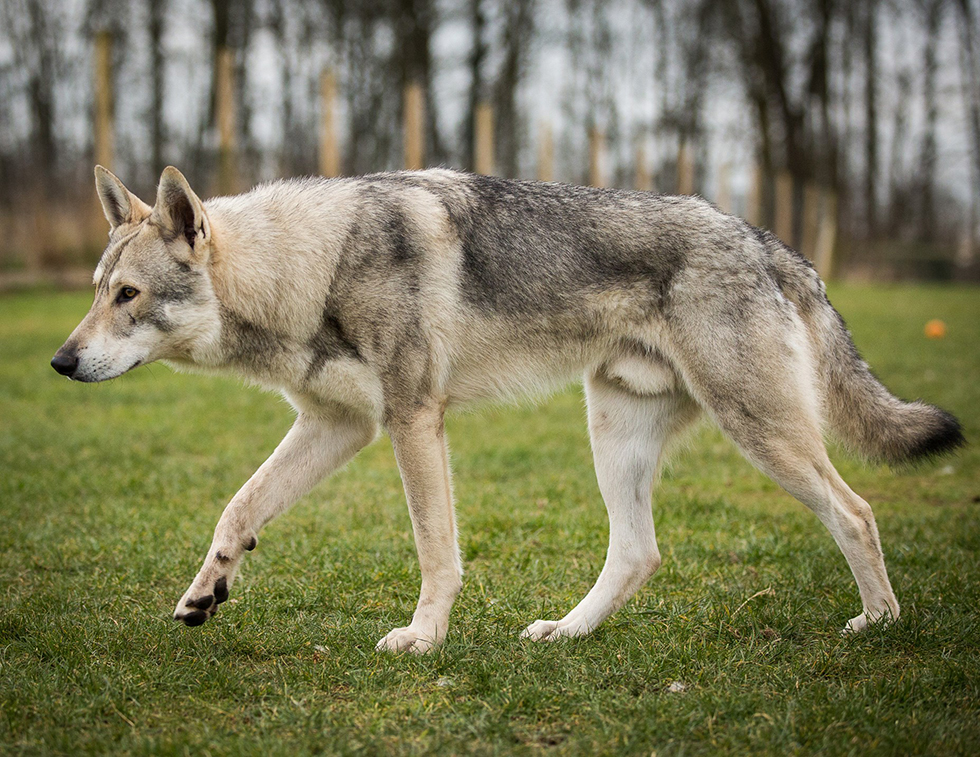
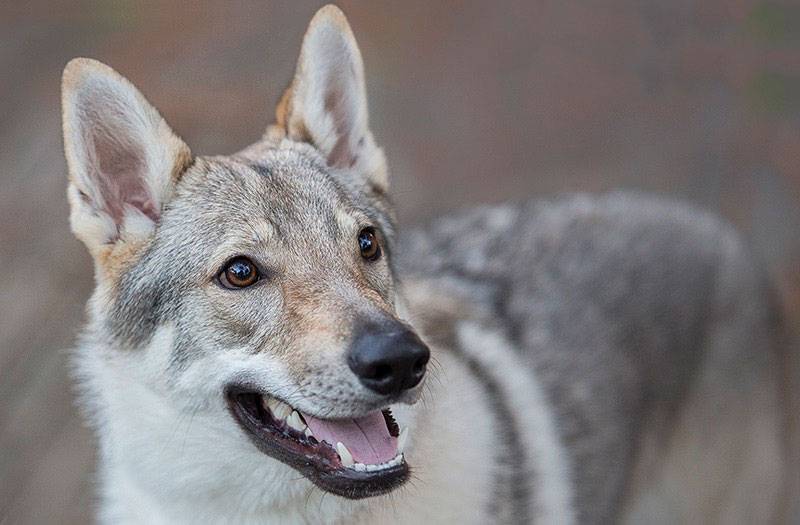
Czechoslovakian Wolfdogs – officially known as the ДЊesky-SlovenskГЅ VlДЌГЎk – and Saarlooswolfdog are the only wolfdogs with official recognition. These two breeds are the only officially recognized ones that we can recommend as companion dogs, household pets. Both breeds have an impressive, captivating appearance that is barely distinguishable from that of a wolf to the untrained eye. Externally, they resemble wolves, but internally, they are dogs. Their wolf ancestry is evident and felt, even though they have been dogs for many generations. Their coat color and texture resemble that of the wild European wolf, Canis lupus. These wolfdogs differ from breeds like the Irish Wolfhound and the Russian (known as Borzoi). The Irish Wolfhound and Borzoi were specifically bred in the Middle Ages for hunting wolves, hence their name “wolfhound.” In this case, we are discussing dogs that resemble wolves, not those intended for hunting them. Officially, Czechoslovakian Wolfdog and Saarlooswolfdog are spelled without the letter “s” between “wolf” and “dog.” However, this is not common practice in German, so the spelling “Wolfshund” is used in practice.
Their weight ranges from 25 to 45 kilograms, and their height at the shoulder is at least 60 centimeters. According to the standard, Saarlooswolfdogs are slightly larger and heavier than Czechoslovakian Wolfdogs, but in practice, it depends on the individual dogs.
Despite the unfortunately prevalent inbreeding, their lifespan is about 12 years.


Отличительные черты

Голова

Морда

Уши

Глаза

Зубы

Корпус

Конечности

Хвост

Шерсть

Окрас
Character
The charm of the wolf does not manifest in the confidence and majesty of the mastiff. Breeds like Saint Bernards or Leonbergers possess a more convincing, calm, and effortless allure. The wolf, as a wild animal, inherently avoids closeness to humans. This behavior has been ingrained over centuries. The wolf is shy and sensitive to loud sounds, chaos, and especially large crowds, which cause it significant stress. Reducing this stress level throughout evolution has been a key factor that allowed the wolf to become man’s best friend, now embedded in its genes.
Through crossbreeding with wolves, a certain evolutionary regression can be observed in the mastiff breed. Most mastiffs exhibit a degree of fear towards unfamiliar and new things. However, with proper breeding, especially through careful socialization and strong bonds with their owners, this fear can be mitigated or completely overcome. Mastiffs can become wonderful and loyal partners in a person’s life, opening up new horizons. But this requires specific knowledge, extensive experience with dogs, a significant amount of time, and appropriate living conditions.
Czechoslovakian and Saarloos wolfdogs can certainly be regarded as dogs. This does not apply to direct crossbreeding between wolves and dogs, which are often irresponsibly imported from the USA and sold. Keeping such hybrids constitutes animal cruelty and also threatens the natural wolf population, as these mixed beings cannot be maintained in quality conditions and are regularly abandoned or discarded.
Unusual experiment
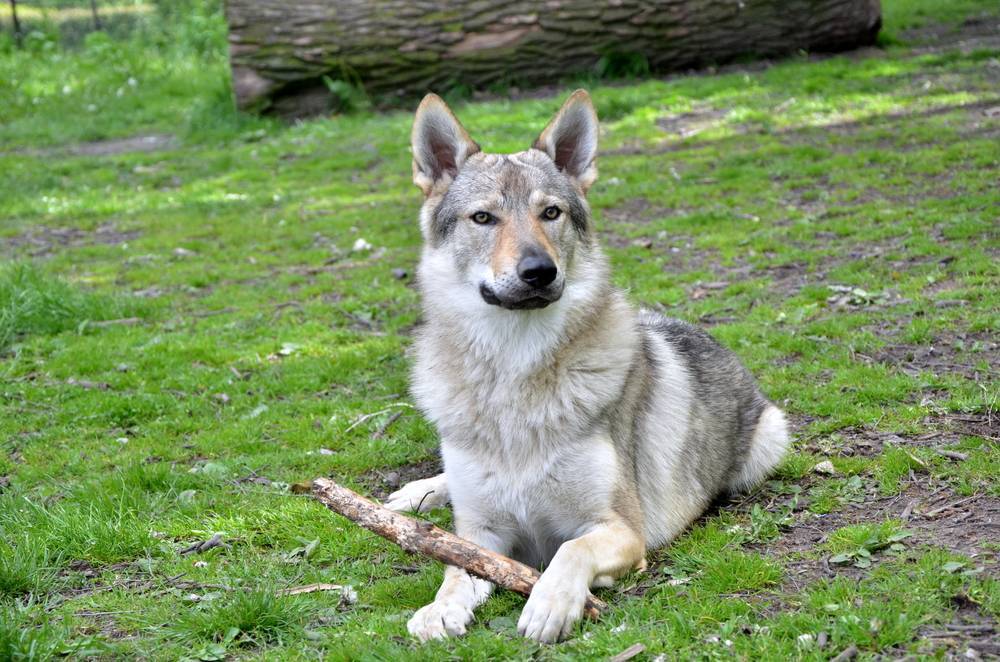
The Czechoslovakian Wolfdog was created as a result of an unusual experiment started in 1955 in former Czechoslovakia. The experiment aimed to develop a new breed that combined the best qualities of the German Shepherd and the Carpathian wolf. The resulting breed was intended to be characterized by endurance, strength, and excellent working traits. The outcome of the crossbreeding was the emergence of a unique dog that possessed the appearance of a wolf and the intelligence of a German Shepherd, making it ideal for use in the military and police. This unique genetic makeup also explains their unusual appearance and behavior.Content and Care
Czechoslovakian and Saarloos wolfdogs are not suitable for novice dog owners, for living in apartments or urban conditions, and for people who are away from home for eight or more hours five times a week. If these conditions are not met, these dogs cannot be properly cared for. They reveal new dimensions in life, creating emotional bridges to the wild, which is rarely encountered in Central Europe today. Both breeds deserve to exist, but only in the hands of owners ready to fully dedicate themselves to this worthwhile adventure and capable of ensuring its sustainability.
Almost all dogs of these breeds possess a very pronounced hunting instinct and the ability, like wolves, to collectively and professionally bring it to life. This instinct is difficult to control verbally. These expressed instincts can only be satisfied through appropriate substitute activities. As mentioned, a wolfdog cannot always go just anywhere. It is essential to respect the individuality of the dog. If all the aforementioned factors are observed, wolfdogs can indeed become family pets. There are wolfdogs that are unfazed by events with dozens of unfamiliar people and loud music. But again, it all depends on the individual dog.
The foundation of educating a wolfdog lies in deep trustful relationships with the owner and a high degree of professional knowledge. Naive admiration of the wolf is inappropriate here. With respect for the challenge, respect for the individuality of each dog, a significant amount of time, and shared experiences, a wonderful, unique partnership can be built-if there is a desire and the means. Such investments pay off many times over. From an early age, it should be clear to the dog who the leader is.
The Czechoslovakian wolfdog does not require special care. However, the overall upkeep of such an animal demands much time and effort, as described above.
The Czechoslovakian wolfdog needs high-quality food. Like most dogs, it enjoys meaty bones and fresh meat. The Czechoslovakian wolfdog is well-suited for feeding using the BARF method (biologically appropriate raw feeding).
Intelligence and learnability
One of the most remarkable qualities of the Czechoslovakian Wolfdog is their high intelligence and ability to learn. These dogs are incredibly smart and can quickly grasp new commands and tasks. They have an excellent memory and can remember a large number of commands. This makes them excellent service and working dogs. However, despite their intelligence, they require an experienced owner who can provide the proper training and socialization. Their natural independence and strong character can be challenging for an inexperienced owner, but in the hands of a professional, these dogs demonstrate outstanding results.Training and Education
The Czechoslovakian Wolfdog is a breed that requires a special approach to training and upbringing. These dogs are distinguished by their high intelligence, activity, and independence. For effective training, it is essential to consider numerous factors, from training methods to the individual traits of each dog.
Early Socialization
Socialization is the foremost and most crucial stage in training a Czechoslovakian Wolfdog. Puppies of this breed should start interacting with various people, animals, sounds, and environments as early as possible. This helps them become confident and calm adult dogs. Begin the socialization process with walks in different places, visits to parks, and meetings with other dogs and people. Gradually increase the complexity of situations so that the puppy gets used to new conditions and learns to adapt to them.
Positive Reinforcement
Czechoslovakian Wolfdogs are very sensitive to training methods. Positive reinforcement is the best way to train these dogs. Use treats, praise, and play as rewards for correctly following commands. Avoid using harsh methods and punishments, as this can lead to fear and distrust in the dog. Remember that Czechoslovakian Wolfdogs have strong personalities, and the right approach to training will help establish a trusting relationship between you and your pet.
Consistency and RegularityConsistency and regularity are key elements of successful training. Set clear rules and stick to them. Conduct training sessions regularly, focusing on essential commands and skills. Each training session should be short but intense to keep the dog’s interest. Repeat commands and exercises until the dog fully grasps them. Gradually increase the difficulty of tasks by adding new elements and challenges.Consider Individual TraitsEvery wolfdog is unique, making it important to consider personal characteristics during training. Some pets may be more independent, while others may be more obedient. Approach the training process by taking into account your dog’s temperament, activity level, and inclinations. For instance, if your pet shows a tendency for guarding, include elements related to protection in the training program. If the dog enjoys running and playing, incorporate these preferences into the training.Development of Physical and Mental SkillsCzechoslovakian Wolfdogs require regular physical activity and mental challenges. Incorporate various activities into the training program, such as agility, trekking, searching for items, and focus g
High level of endurance.
Czechoslovakian Wolfdogs possess incredible endurance and physical strength. They inherited this quality from their wild ancestors. These dogs are capable of covering long distances and withstanding extended physical exertion. They are perfect for activities such as long-distance running, trekking, and various dog sports. Their physical condition and endurance also make them excellent companions for active individuals who enjoy spending a lot of time outdoors. Czechoslovakian Wolfdogs require regular physical exercise and active play to maintain their health and well-being.
How to Choose a Puppy
Hybrid breeds with the Czechoslovakian Wolfdog are quite rare. Don’t confuse them with hybrids of dogs and wolves that have become popular in recent years. The Czechoslovakian Wolfdog has been bred as a dog for over 50 years. In contrast, hybrids are a completely different story and are not suitable as pets. They cannot live with humans or in the wild. Such “breeding” constitutes animal cruelty.
Choosing a Czechoslovakian Wolfdog puppy is an important and responsible decision that requires careful thought and preparation. This breed has unique characteristics and needs special care and training. Here are some key aspects to consider when selecting a Czechoslovakian Wolfdog puppy.
Before starting your search for a puppy, it is advisable to thoroughly research information about the breed. Czechoslovakian Wolfdogs have high energy levels, intellectual capabilities, and require significant attention and time for training and socialization. Therefore, it’s essential to evaluate your own abilities and readiness for such responsibilities.
A crucial step in selecting a puppy is finding a reliable breeder. Avoid buying a puppy from random sellers or online sources, as this may lead to health and behavioral issues. Look for breeders with a good reputation who can provide all necessary documents confirming the health of the parents and the puppies.
Visit the breeder in person and assess the living conditions of the dogs. Puppies should grow up in a clean and safe environment, receive quality food, and have sufficient physical activity. Pay attention to the behavior of the puppies-they should be active, curious, and show no signs of fear or aggression.
Ask the breeder for veterinary certificates and results of tests for genetic diseases. Czechoslovakian Wolfdogs can be prone to conditions such as hip dysplasia, so it’s important to ensure that the puppy and its parents are healthy. The breeder should also provide information about vaccinations and parasite treatments.When choosing a puppy, pay attention to its physical condition: the coat should be clean and shiny, the eyes bright, and the ears free from signs of inflammation. Check how the puppy reacts to people and other dogs. The ideal choice would be a puppy that shows interest and friendliness but is not overly pushy.After selecting a puppy, it’s important to ensure proper socialization. Start introducing the puppy to various people, animals, and environments from a young age. This will help to develop confidence and adaptability in different situations.Prepare your home for the arrival of the puppy. Provide a comfortable sleeping area, toys for development, and a safe play zone. Consider establishing a daily routine that includes time for play, training, and rest.Choosing a Czechoslovakian Wolfdog puppy is a process that requires time and attention. By
Health and Illnesses
The Czechoslovakian Wolfdog, or Czechoslovakian Wolfhound, is a unique breed that possesses high physical and mental abilities. However, like any breed, it is prone to certain health issues and diseases that must be considered when caring for and maintaining them. This text will thoroughly explore the main aspects of the health of Czechoslovakian Wolfdogs, as well as prevention and treatment methods for potential illnesses.
The Czechoslovakian Wolfdog is characterized by robust health and endurance. These dogs have a good immune system and rarely suffer from infectious diseases, especially when receiving regular vaccinations and proper care. Nevertheless, this breed has predispositions to a number of genetic diseases that must be considered when selecting a puppy and in its ongoing care.
Genetic Diseases
Hip and Elbow Dysplasia. One of the most common genetic diseases in Czechoslovakian Wolfdogs. Dysplasia causes improper joint development, leading to pain and lameness. To prevent dysplasia, regular veterinary check-ups, monitoring the dog’s weight, and avoiding excessive physical activity at a young age are recommended.
Degenerative Myelopathy. This is a progressive disease of the spinal cord that leads to impaired coordination and paralysis of the hind limbs. The condition has a genetic basis, and it is recommended to conduct genetic testing on the puppy’s parents for early identification.
Epilepsy. Some Czechoslovakian Wolfdogs may suffer from epileptic seizures. This condition also has a genetic predisposition. Special medications and regular veterinary check-ups are used to manage epilepsy.To maintain the health of a Czechoslovakian Wolfdog, it is essential to provide proper nutrition, regular physical activity, and adequate care.Nutrition. The diet should be balanced and include all necessary vitamins and minerals. Czechoslovakian Wolfdogs require high-quality food rich in proteins and fats. Many owners prefer to feed their dogs natural products such as meat, fish, vegetables, and fruits.Physical Activity. These dogs require significant physical exercise. Daily long walks, running, and outdoor play are necessary for maintaining their physical shape and mental health. Czechoslovakian Wolfdogs are also well-suited for activities like agility and trekking.Coat and Skin Care. The coat of the Czechoslovakian Wolfdog is thick and dense, with a well-developed undercoat. Regular brushing, especially during shedding season, is sufficient to keep it in good condition. It’s also important to monitor the skin and ears to prevent infections.Regular Veterin
Содержание
-
1. Описание породы
-
2. Внешний вид
- 2.1 Голова
- 2.2 Морда
- 2.3 Уши
- 2.4 Глаза
- 2.5 Зубы
- 2.6 Корпус
- 2.7 Конечности
- 2.8 Хвост
- 2.9 Шерсть
- 2.10 Окрас
-
3. Характер
-
4. Содержание и уход
-
5. Дрессировка и обучение
-
6. Как выбрать котенка
-
7. Здоровье и болезни






Comments
Only registered users can leave reviews.
Enter