
Czechoslovakian Terrier




Warning: Illegal string offset 'label' in /home/panda/sites/zoonika/wp-content/themes/zoonika/template-parts/animals/animals-param-item.php on line 32
Ð


Breed Description
The Czech Terrier is an intelligent, energetic, and loyal breed of dog with an interesting history. Originally, these dogs were bred for hunting rats and other pests in the Czech Republic.
According to some sources, the history of the Czech Terrier began in 1949 when Czech dog breeder Friedrich Richter started crossing various breeds, including Scottish Terriers and English Bulldogs, to create a new breed capable of effectively dealing with rodents on farms. Ultimately, this led to the development of a new and unique breed called the “Czech Terrier.” Another name for it is the Bohemian Terrier, as the western part of modern-day Czech Republic was historically known as Bohemia.
Other accounts suggest that Czech geneticist FrantiЕЎek HorГЎk was involved in the development of the breed, aiming to create a terrier that could work cohesively in a pack while hunting foxes and large rodents, without conflicts among its members. The main goal was to rid the surroundings of Prague of the large number of foxes that had literally overrun the forests in those times, posing a significant threat to local farms.
Regardless of its origin, the breed gained considerable popularity in the United Kingdom. They are commonly kept as companion dogs. Their sociability and non-aggressive demeanor towards other dogs make the Czech Terrier very popular. They are often recommended for therapy in families with individuals who have health limitations. In some nursing homes, Czech Terriers serve as therapy animals for patients with multiple sclerosis and Parkinson’s disease.
The uniqueness of the breed lies in its rarity worldwide. The competition among terriers in Europe is very high, making it quite a feat to find a puppy in a kennel outside of the Czech Republic and the UK. In the United States, despite the limited number of kennels, the American Kennel Club recognized the breed in 2011. In Russia, Zoonica offers the best selection of kennels that breed a variety of dog breeds, including the Czech (Bohemian) Terrier. The cost of a purebred puppy in Russia is quite high and is usually discussed only after a personal meeting with the breeder and the potential owner.
Appearance
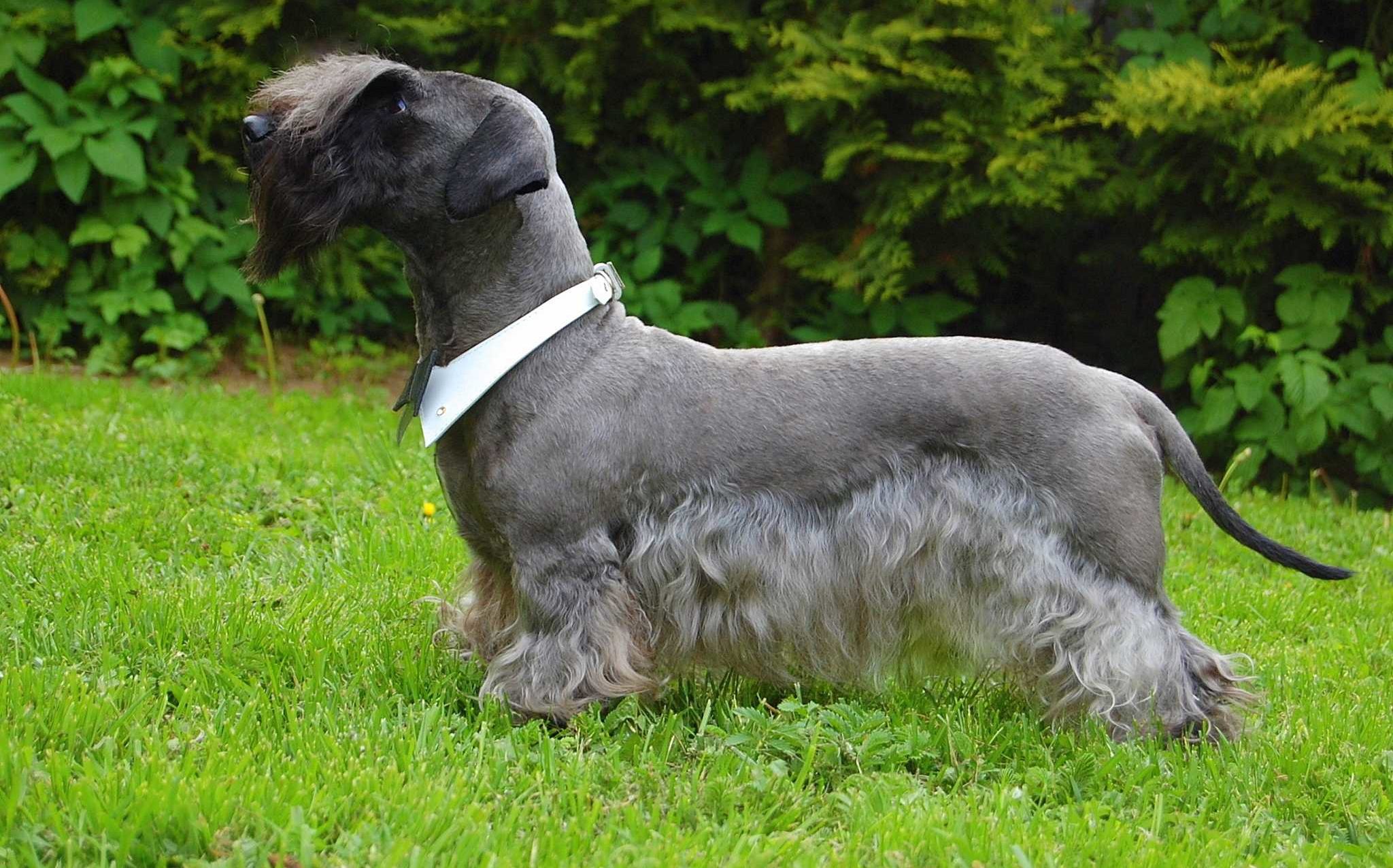
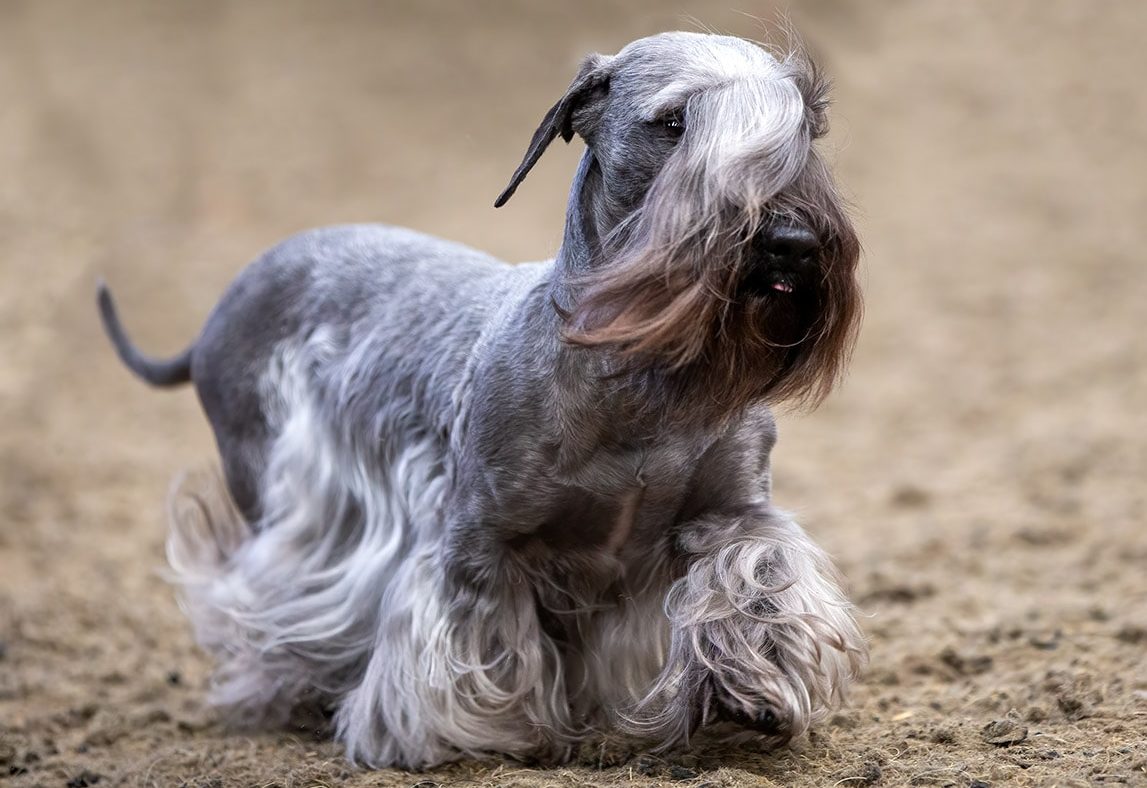
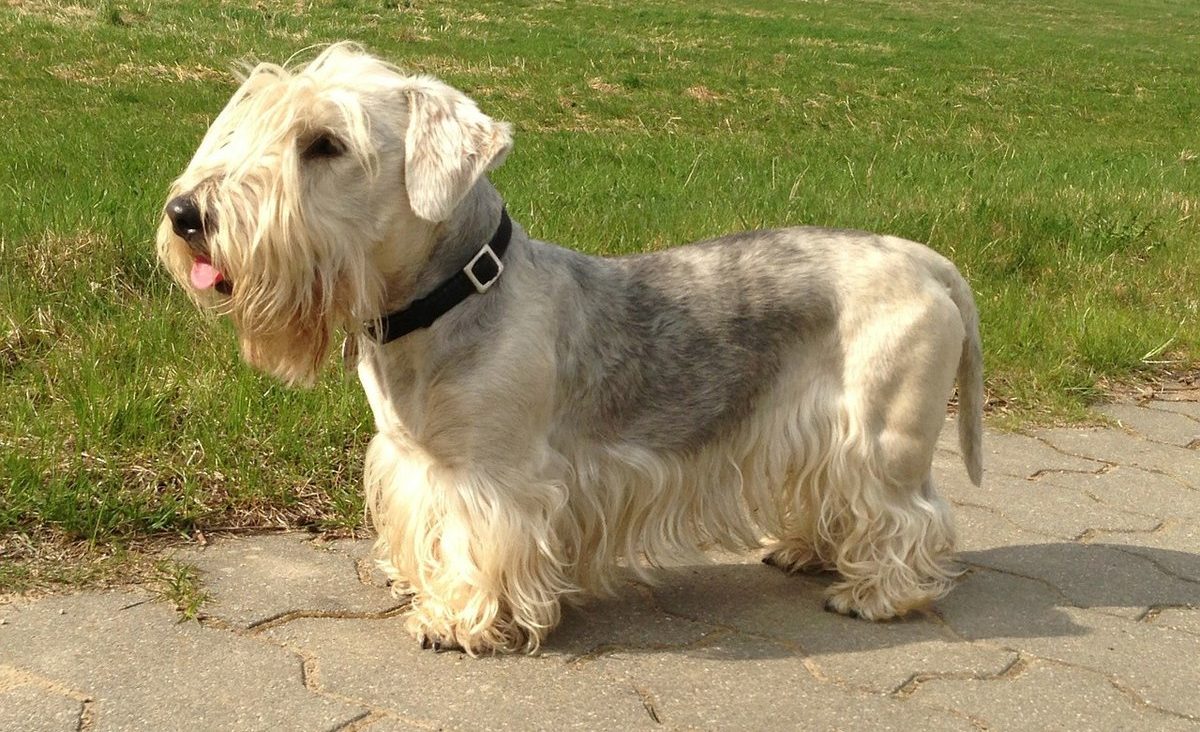
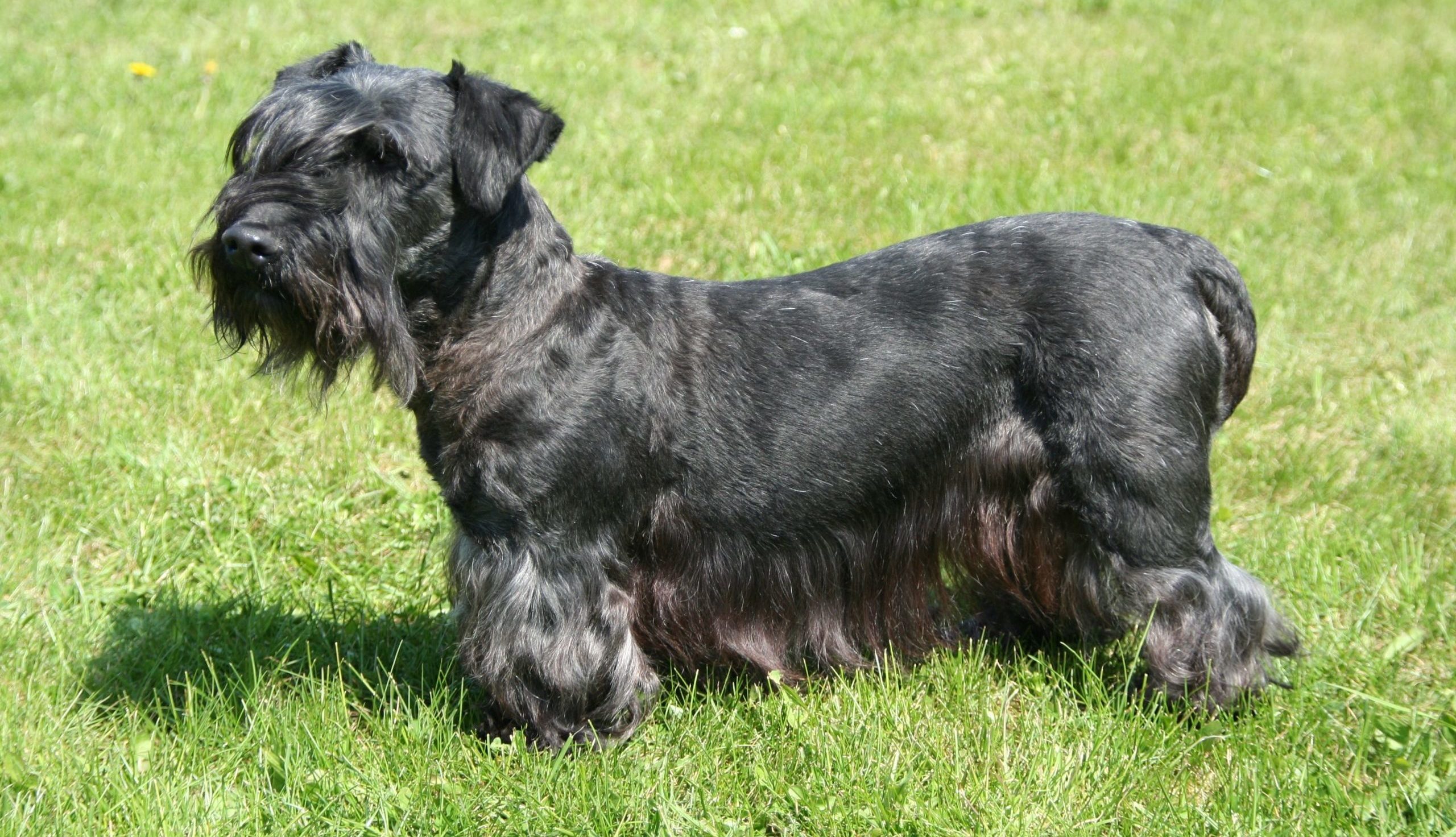
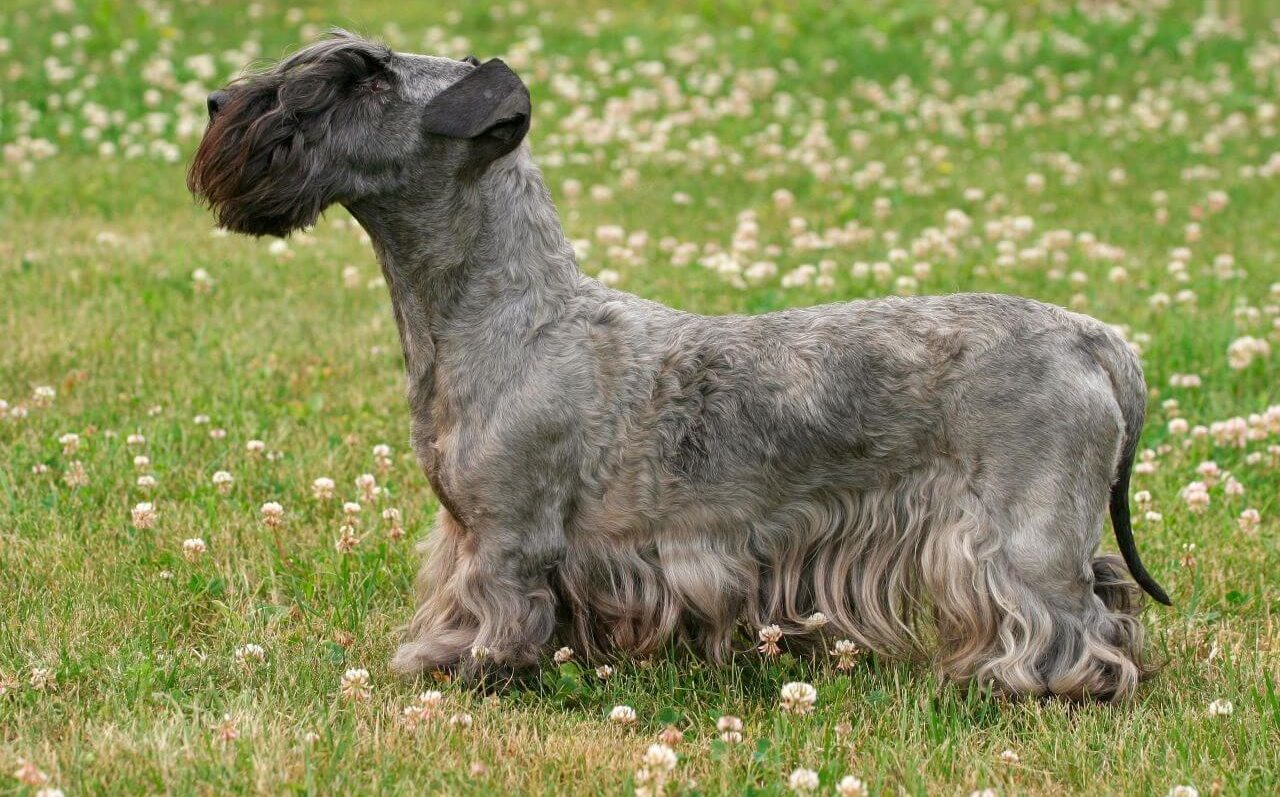
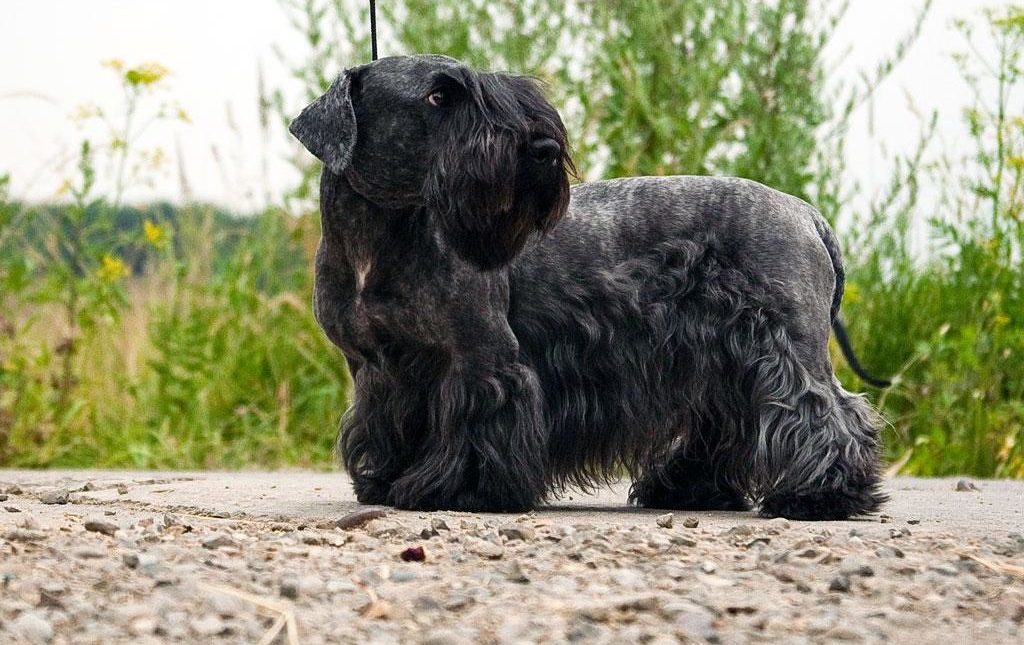
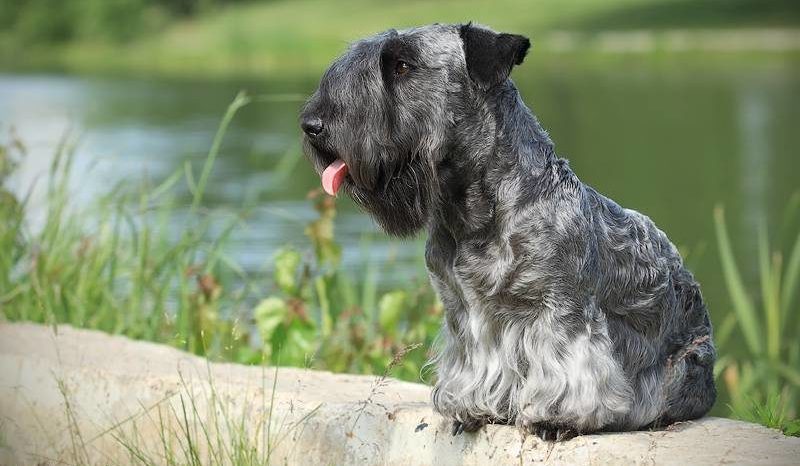
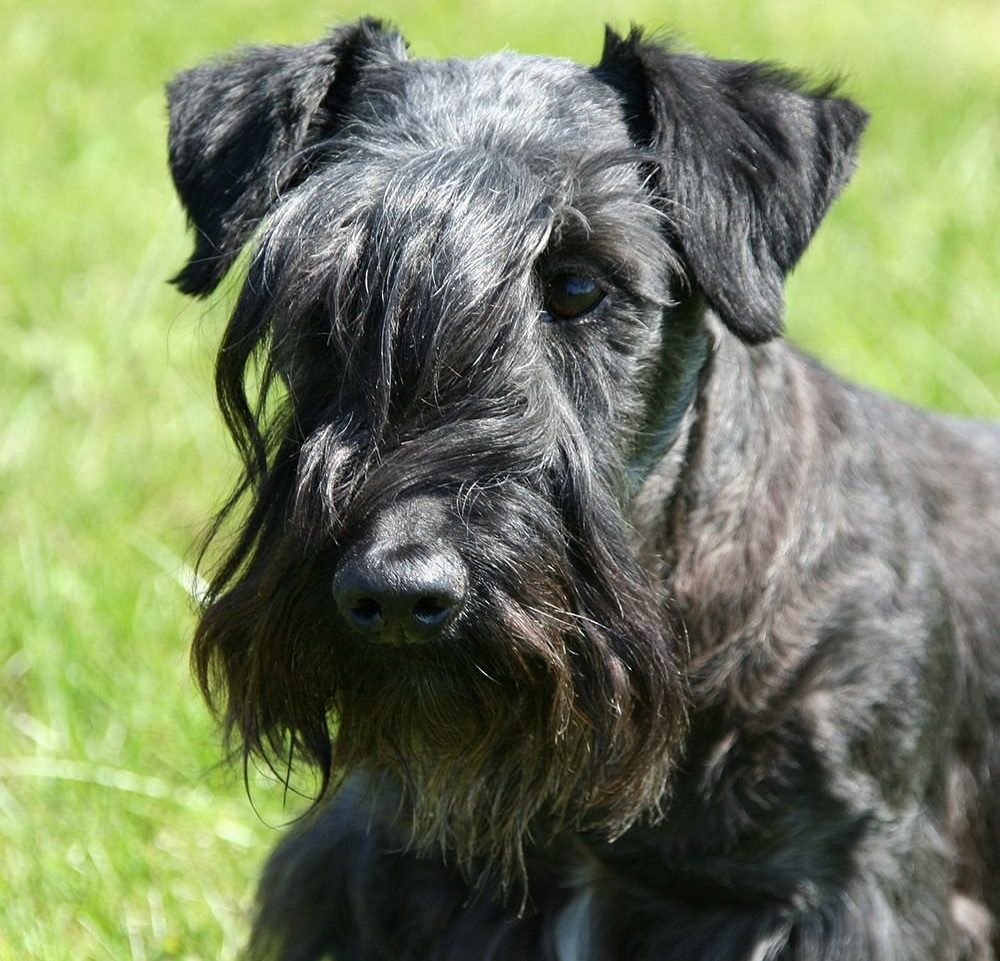
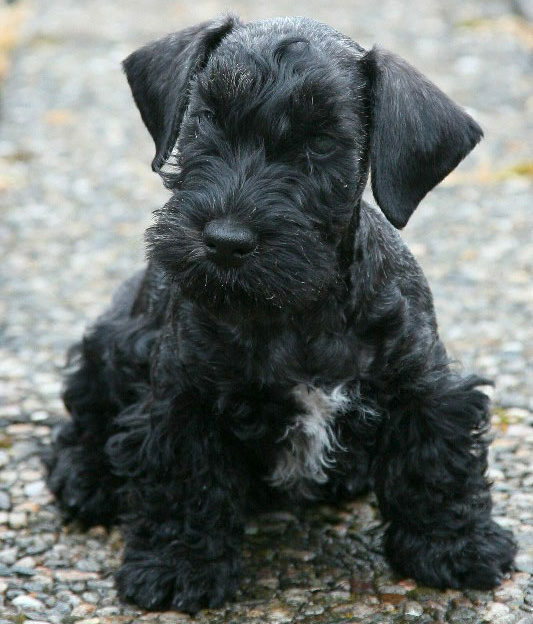
It should be noted that these elongated, somewhat short dogs bear a strong resemblance to modern Scottish terriers. The elongated head with a thick beard and eyebrows only enhances the similarity between these two completely different hunting breeds. At the same time, the triangular ears, playfully folded forward, draw us toward the Irish terrier with its cap-like ears. Nevertheless, this is a completely unique and rare breed, with a maximum weight not exceeding 9-5 kg for adult males and about 6-6.5 kg for females. The height at the withers is approximately 30-32 cm for males and 23-25 cm for females over 2 years of age.
Bohemian (Czech) terriers are most commonly found in their homeland, England, and the USA. However, buying a puppy from a kennel is not easy even in these countries, as the gene pool is only gradually developing and increasing. In the CIS countries, there are only a few breeders of these dogs. Despite the fact that Zooinca offers the best selection of kennels in Russia, where you can choose a puppy from a Czech terrier kennel, such offers are very rare. The average lifespan of Czech beardies can reach 13-15 years. Their cost can sometimes exceed 2-2.5 thousand US dollars when converted to rubles.

Отличительные черты

Голова

Морда

Уши

Глаза

Зубы

Корпус

Конечности

Хвост

Шерсть

Окрас
Character
The Bohemian Terrier, more commonly known as the Czech Terrier, has an interesting and unusual personality that makes it a unique breed among other dogs. These small, yet intelligent and energetic dogs possess many wonderful qualities that make them excellent companions. Have you decided to choose a puppy from a kennel? Great! They are kind and balanced and adapt well to even the simplest urban apartments as well as country houses, but they do require attention and care.
The first thing to note about the character of the Bohemian Terrier is its intelligence and resourcefulness. They have a bright mind and quick understanding, making them excellent learners during training. They quickly grasp commands and find new ways to solve problems. However, this also means that the Czech Terrier can be stubborn and have its own opinions, which requires patience and consistency in training.
Energy and activity are another characteristic of this breed. Bohemian Terriers have an incredible amount of energy and love being the center of attention. They adore playing, running, and exercising. Therefore, they need regular physical activity and playtime to satisfy their need for movement.
Additionally, the Bohemian Terrier is a loyal and considerate companion. They enjoy spending time with their owners, love attention and affection. They can become great friends and companions not only for active people, but they can also be suitable partners for older owners who lead a more sedentary lifestyle. In any case, they need attention and time from their owners.
The Czech Terrier is also known for its determination and independence. They have a strong character and are not afraid to defend their territory or their owners, making them decent watchdogs. To achieve the best results, early socialization and proper training from the first months of the puppy’s life are required.
Thus, Bohemian (Czech) Terriers are intelligent, energetic, and devoted dogs that can be wonderful companions for an active and caring family. However, they require a moderate yet consistent approach to upbringing and training, as well as constant attention and care from their owners. If provided with all the necessary conditions, the Bohemian Terrier will become a faithful and loving friend, bringing a lot of joy and positive emotions into your life.

Bearded wanderer
It should be remembered that Czech terriers are so eager when it comes to chasing prey and exploring their surroundings that they can get carried away during walks and lose their way.Care and Maintenance
The Czech terrier is an intelligent, energetic, and devoted breed of dog. Unlike other terriers, it is less demanding when it comes to active play, making it a better fit for families who lead a calm lifestyle. However, choosing a puppy from a kennel is a significant responsibility because, like any other dog, the Bohemian terrier requires care and attention from its owners. In this article, we will discuss how to properly care for a Czech terrier, focus on their integration in families with children, and share care tips for this breed.
Caring for a Czech terrier includes grooming, regular walks, and physical activities, as well as a well-balanced diet and attention to the dog’s health. Let’s delve into the main aspects of caring for this breed.
The coat of the Czech terrier has a smooth texture and does not require complicated grooming. Regular brushing removes dead guard hairs and helps maintain your dog’s skin health. This is usually done several times a week to prevent matting. Wait until the dog settles down after eating and lies down to rest nearby. It is important to start brushing your dog from puppyhood. You can use special dog brushes or grooming gloves. It is also advisable to regularly trim their nails, at least once every 10 days. Keep an eye on this, as overly long nails can cause pain to the dog. Ear and dental care involves regular examination and cleaning as needed.
The Czech terrier is considered a fairly active breed, so it requires regular walks and physical activity. A minimum of one hour of active walking each day will help satisfy their need for movement and play. This also decreases the likelihood of excessive excitement or irritability in the dog, as physical activity helps release excess energy.
However, intellectual stimulation is equally important. Games, training, and mental challenges will help the dog develop its mental abilities and strengthen its bond with the owner, while also preventing boredom.
An essential part of caring for a Bohemian terrier is proper nutrition. Each dog is unique, so it is important to choose high-quality food that is appropriate for the dog’s age, activity level, and health. You should also monitor feeding schedules and control food intake to prevent obesity.Families with children considering a Czech terrier should take into account the unique traits of this breed. Energetic and playful Czech terriers need active play and constant attention. They get along well with children and can become wonderful companions for active kids. However, as with any other breed, it is important to supervise children’s interactions with the dog, teach them correct handling, and pay special attention to safety.Additionally, it’s crucial to train the dog to behave properly in the presence of children and monitor play sessions to avoid any misunderstandings. It’s also important to dedicate sufficient time and attention to the dog to prevent situations where the animal may become overly jealous or unhappy.In conclusion, the Czech terrier is an intelligent, energetic, and devoted breed that requires attentive care and attention. Proper care, health ma
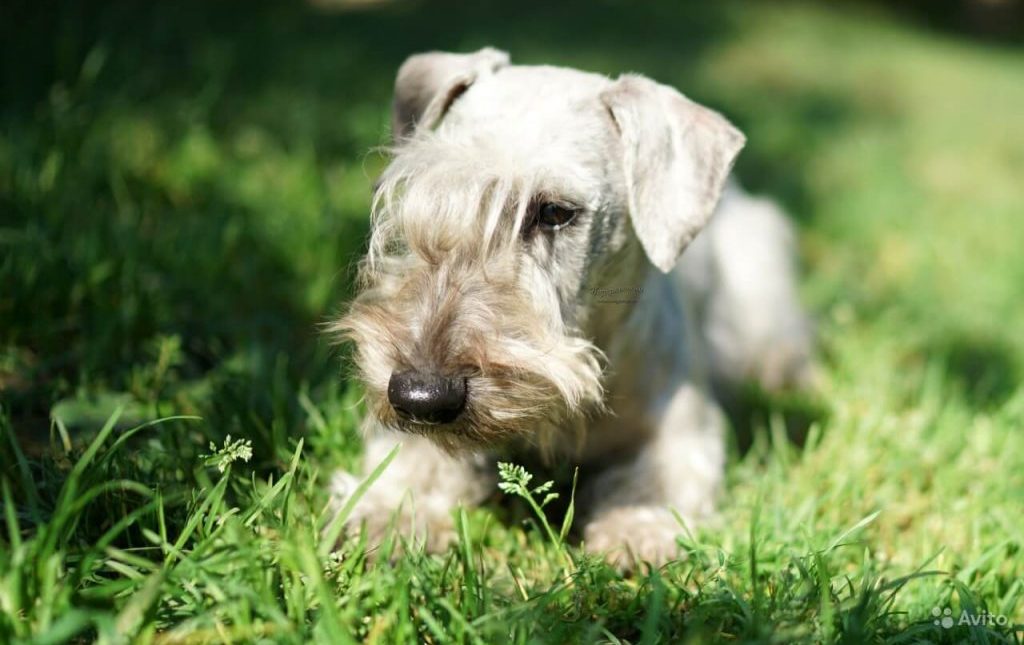
Not a hunter, but a model.
Despite being a hunting breed, in the UK, Bohemian terriers are mainly kept as home companions or for participating in dog shows. For hunting, however, the British prefer local breeds.Training and Education
Czech Terriers are intelligent, energetic, and loyal dogs that can become excellent companions if properly raised and educated. Training and education for Czech Terriers are crucial and integral parts of their care, as mental stimulation is just as important to them as physical activity.
One of the main tasks in training a Bohemian Terrier is mastering the basic commands, which are the essentials for any well-behaved dog. These commands include: “Close!”, “Come!”, “Sit!”, “Place!”, “No!” and can be expanded upon depending on the dog’s use. For example, hunters will need to teach their “Czech” specific behaviors for hunting. In this case, it makes sense to consult specialists. These commands not only help maintain order and discipline but also strengthen the bond between the dog and its owner.
To begin training, it is important to establish authority in the eyes of the Czech Terrier. They tend to be independent and persistent, so you will need to demonstrate firmness and consistency for them to recognize you as a leader. This can be achieved through positive reinforcement for good behavior and correction for disobedience. However, it’s essential to remember that punishment should not be verbal shouting or physical; it should never instill fear or aggression in your pet.
Socialization should be approached as early as possible. Introduce your puppy to other dogs and animals, and monitor the appropriate behavior of all participants. If you wish, you can teach your Czech Terrier special tricks. This can be a very engaging process for owners who have the time to dedicate. For instance, various tricks with favorite toys, fetching, and other elements of mental stimulation help maintain the dog’s physical fitness and strengthen the bond with its owner.
There are no universal tips since each individual has its own unique characteristics and personality traits. Therefore, when preparing for training and education, it is necessary to tailor the approach to each specific dog. Patience, calmness, and love are the keys to successful training and education of your Czech Terrier.
Remember: training a Czech Terrier is a process that requires time and patience. It is not just a way to shape the desired behavior but also an opportunity to strengthen the relationship with your loyal dog. At Zoonyka, the best breeders offering puppies with pedigree are gathered.
The dog and the mail.
Czechia is so proud of this breed that they even immortalized it on postage stamps.
How to Choose a Puppy
Choosing a Czech Terrier puppy is a responsible and important step that requires careful consideration of many aspects to find the perfect pet for your family. Here are some recommendations for selecting a Czech Terrier puppy.
Take the time to study the breed characteristics. Understanding what you expect from your future pet will help you make the right choice. Find a reputable breeder who specializes in Czech Terriers. Visit the kennel, talk to the breeder, and ensure they have a good reputation and experience in breeding this breed. For example, at ZoРѕnika, you can find the best kennels in Russia, each with an excellent reputation. Inquire about the health of the puppy’s parents. Purebred dogs can be prone to certain hereditary diseases, so it’s important to ensure that the parents have no such issues. Make sure the puppy has undergone necessary veterinary examinations and vaccinations. This will give you confidence in the health and well-being of your future pet.
Spend time with the puppy to observe its behavior and temperament. A well-socialized and cheerful Czech Terrier puppy will be a great choice for your family. Keep in mind that Czech Terriers need proper training and socialization. Acquiring a puppy with good foundational skills and character will make the training process easier for you.
Remember that Bohemian (Czech) Terriers are energetic and active, so they require plenty of physical activity and mental stimulation. Ensure that your lifestyle allows you to meet their needs in these areas. Choosing a Czech Terrier puppy is a serious decision that requires time, education on dog care, and careful consideration. Align your financial capabilities with the costs associated with caring for this rare breed. By following these recommendations, you can select the ideal Czech Terrier puppy from a kennel. Undoubtedly, they will enrich your life and bring joy and happiness to you and your family for many years. At Zoоnika, it’s simple, quick, and safe, with a quality guarantee.
Health and Diseases
The Czech Terrier is a breed with good health, but like any dog, it is prone to certain diseases that owners should be aware of. The main concern for this breed is the predisposition to progressive retinal atrophy (PRA), which can lead to impaired vision or blindness. Regular veterinary check-ups and genetic testing of the puppy’s parents help reduce the risk.
Czech Terriers may also experience patellar luxation, which is common in small breeds. This condition manifests as limping or discomfort when moving, so it’s important to monitor the dog’s activity and avoid overloading it with physical exertion.
The breed is also prone to allergies that can be triggered by food, dust, or other irritants. Symptoms include skin itching, redness, or hair loss. Identifying and eliminating the source of the allergy can help prevent complications.
Czech Terriers sometimes suffer from dental and gum diseases, such as tartar buildup or gingivitis. Regular teeth cleaning and the use of special toys or treats for oral care help maintain dental health.
Thyroid problems, such as hypothyroidism, can also occur in this breed. This condition affects metabolism and can lead to weight gain, loss of energy, or changes in coat condition. Treatment involves regular medication prescribed by a veterinarian.
The average lifespan of a Czech Terrier is 12-15 years. A balanced diet, regular physical activity, and timely visits to the veterinarian help maintain the dog’s health at a high level and prevent many possible diseases. A caring approach to care ensures a long and active life for the pet. Considering it? A wide selection of listings on the Zoonika map by city.
Содержание
-
1. Описание породы
-
2. Внешний вид
- 2.1 Голова
- 2.2 Морда
- 2.3 Уши
- 2.4 Глаза
- 2.5 Зубы
- 2.6 Корпус
- 2.7 Конечности
- 2.8 Хвост
- 2.9 Шерсть
- 2.10 Окрас
-
3. Характер
-
4. Содержание и уход
-
5. Дрессировка и обучение
-
6. Как выбрать котенка
-
7. Здоровье и болезни

Комментарии
Отзывы могут оставлять только зарегистрированные пользователи
Войти