
Czech Shepherd Dog




Warning: Illegal string offset 'label' in /home/panda/sites/zoonika/wp-content/themes/zoonika/template-parts/animals/animals-param-item.php on line 32
Ð


Breed Description
The Czech Shepherd Dog, also known as the Chodský Shepherd, is a breed that stands out for its friendly character, remarkable endurance, and loyalty. The breed was developed in the Czech Republic and has deep historical roots in the region’s herding dogs. It combines traits characteristic of the best shepherd dogs in Europe, making it an ideal helper for shepherds and farmers.
The history of the Czech Shepherd Dog dates back to the Middle Ages when herding dogs played a crucial role in agriculture. The first mentions of dogs similar to modern Czech Shepherds appear in chronicles from the 15th century. These dogs were used for guarding flocks of sheep and cattle, as well as for protecting farmland.
In the 17th century, with the development of agriculture, the need for more specialized breeds increased. Herding dogs became the focus of breeding aimed at enhancing their working qualities. During this period, targeted breeding of the Czech Shepherd Dog began to create the ideal shepherd’s companion, possessing both physical endurance and high intelligence.
The modern Czech Shepherd Dog developed through the mixing of local herding breeds with shepherds brought in from neighboring countries. In the 19th century, Czech cynologists began systematic efforts to standardize the breed, which included strict selection of breeders and detailed record-keeping of lineage. Special attention was paid to the working qualities of the dogs: their trainability, resilience to adverse weather conditions, and endurance. These traits made the Czech Shepherd Dog indispensable in the harsh climate and difficult terrain of the Czech Republic.
Today, the Czech Shepherd Dog is popular not only in the Czech Republic but also beyond its borders. It is widely used as a working dog on farms, as well as a companion and sports dog. Thanks to its qualities, it frequently participates in agility competitions, herding trials, and other canine sports. The preservation and development of the breed remain important tasks for modern Czech cynologists. Regular exhibitions and competitions are held to promote the Czech Shepherd Dog and draw attention to its unique qualities.
The Czech Shepherd Dog is a breed with a rich history and outstanding working qualities, deserving its place among the best shepherd dogs in the world.The price for a puppy ranges from 35,000 to 50,000 rubles.
Appearance
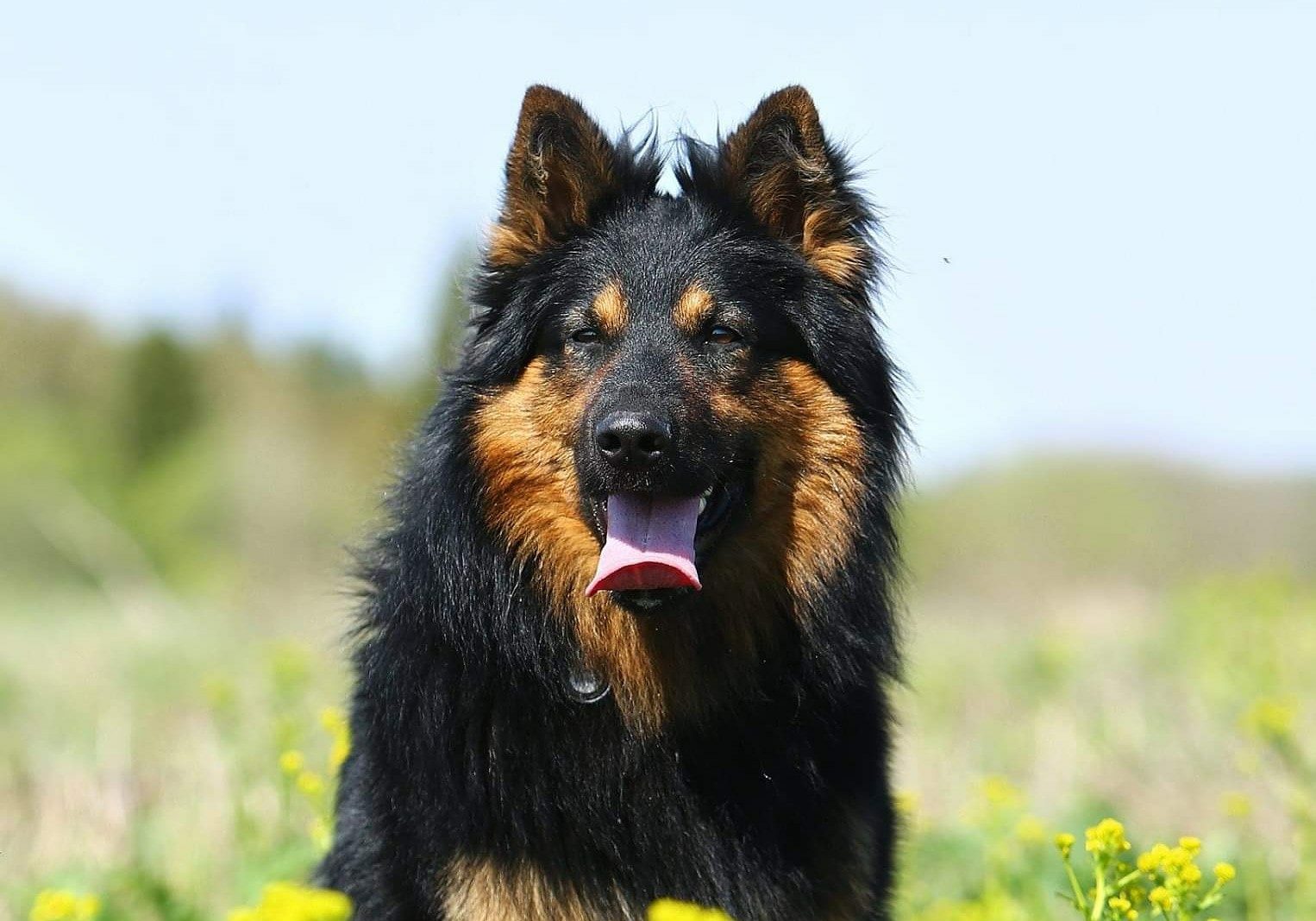
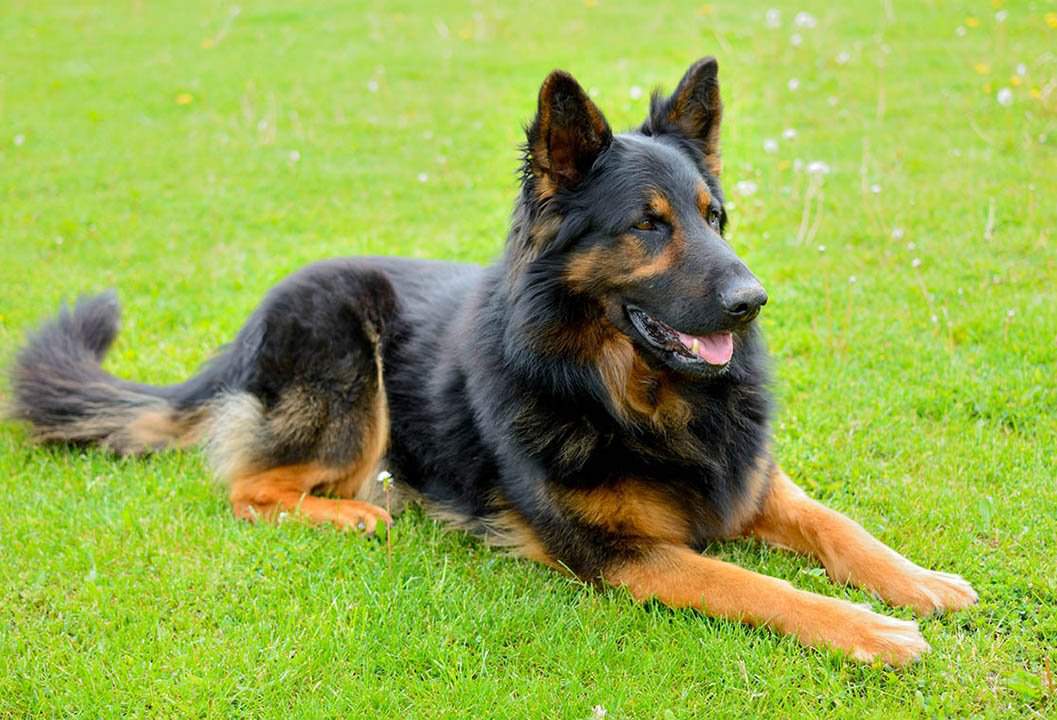
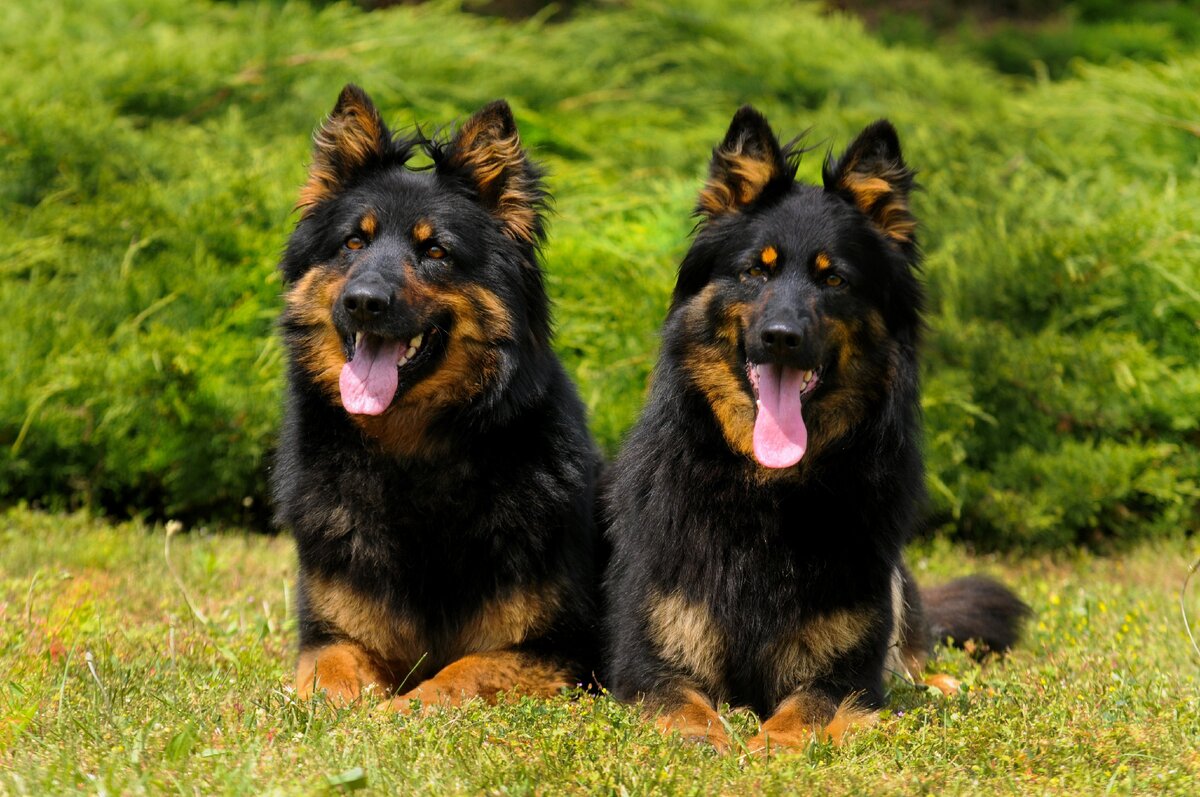
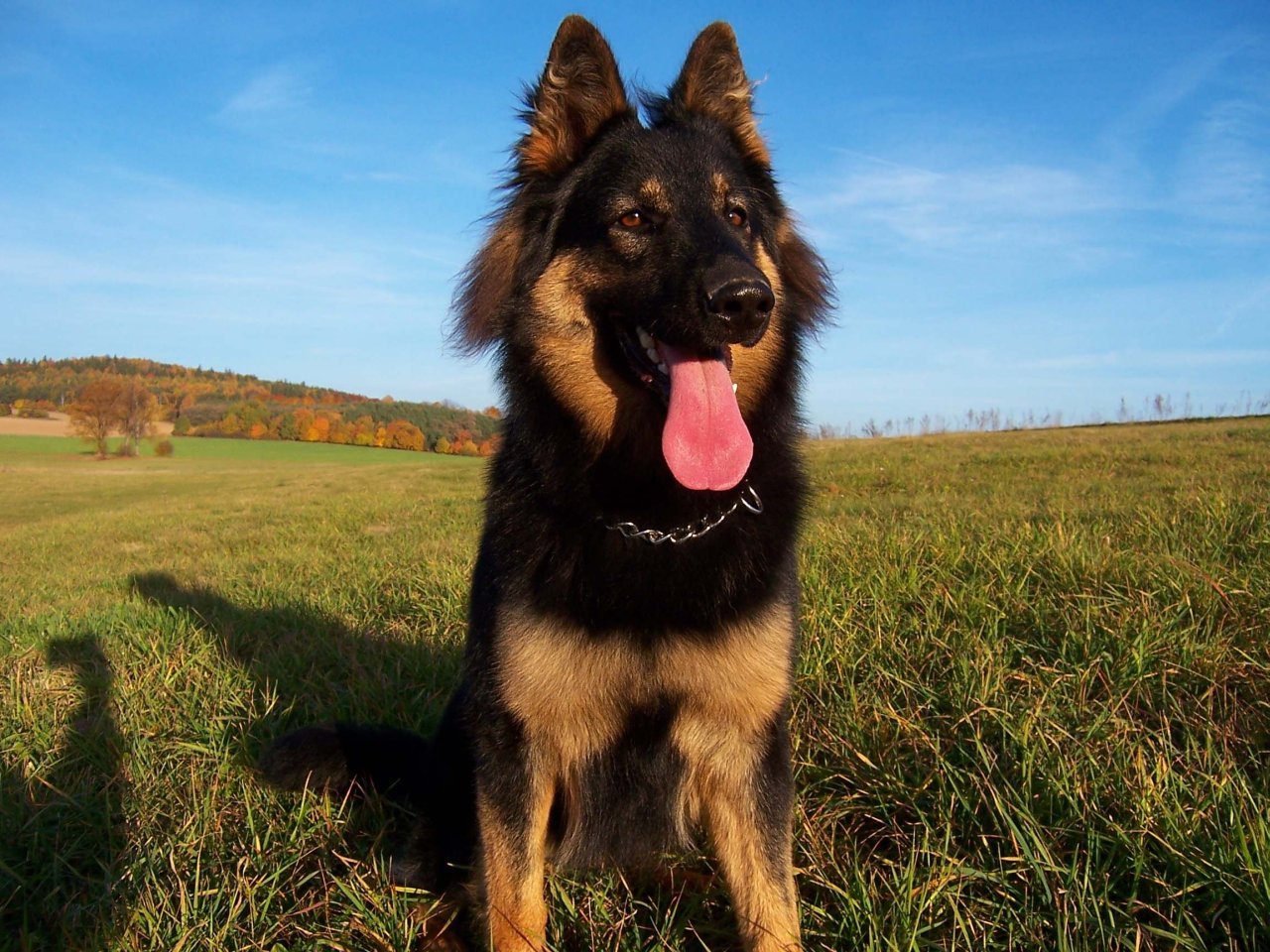
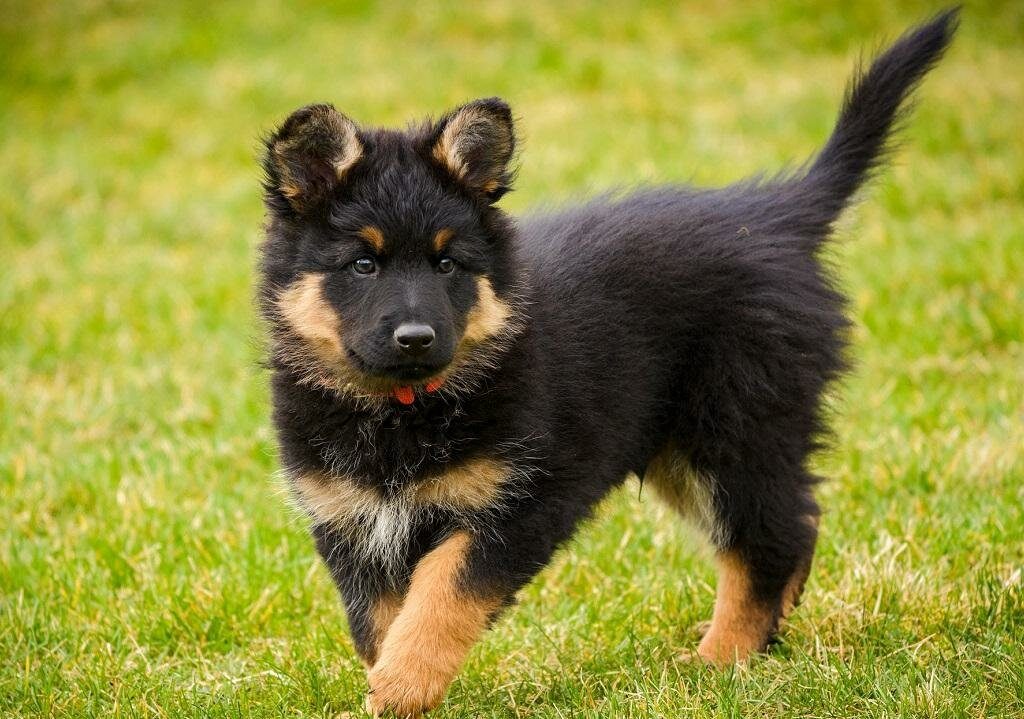
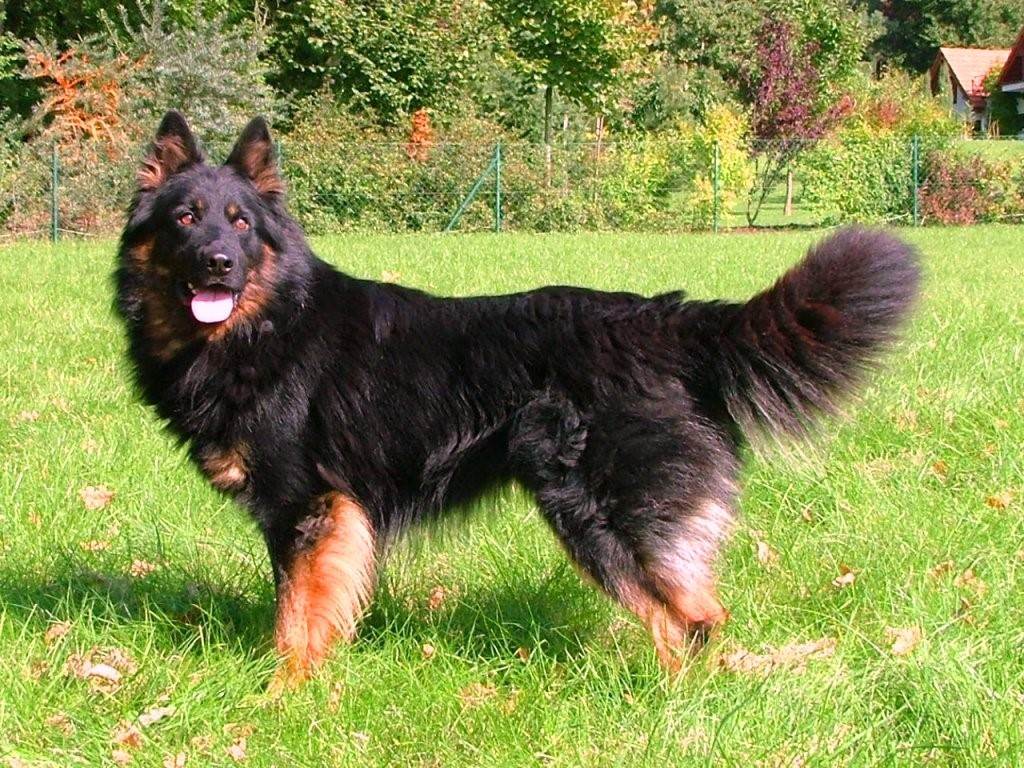
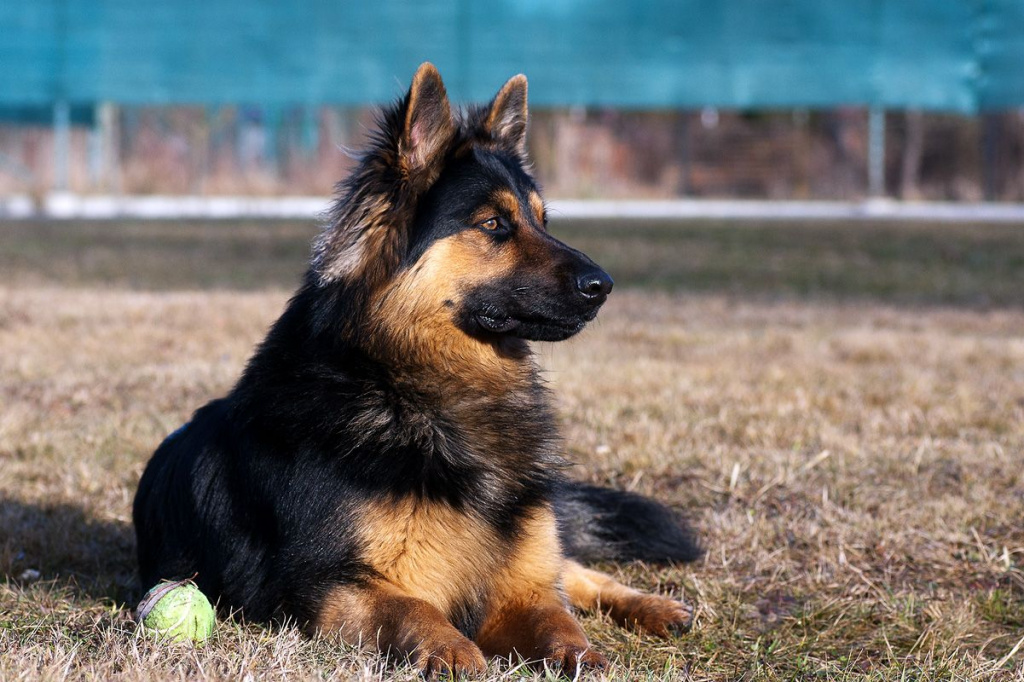
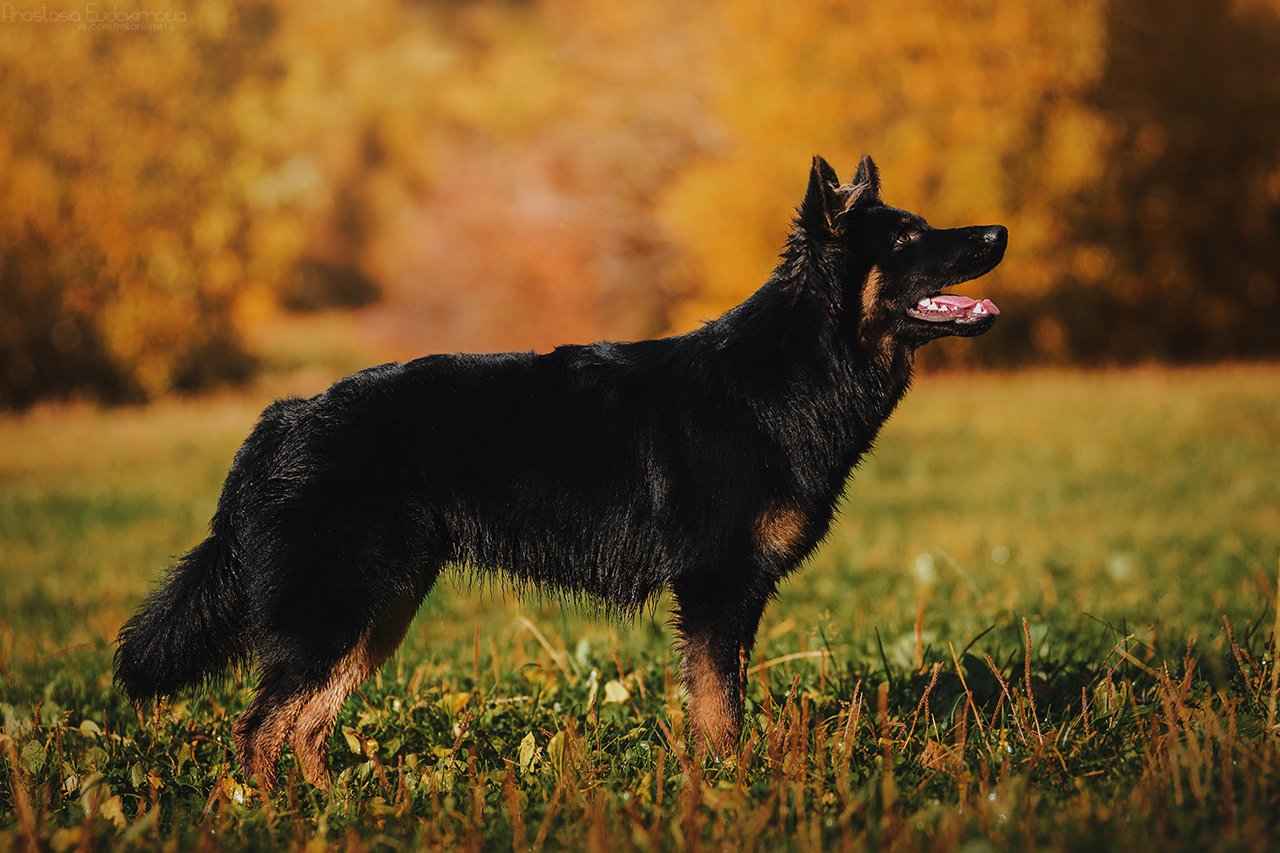
The Czech Shepherd Dog is a medium-sized dog with a strong and harmoniously built physique that emphasizes its endurance and natural agility. Its appearance combines working qualities with elegance. The coat is of medium length, dense, and closely fitting, providing reliable protection in any weather conditions. The expression on its face is intelligent and friendly, highlighting its bond with humans.
The average height of a Czech Shepherd Dog is 48-55 cm at the withers for males and 45-52 cm for females. The weight typically ranges from 16 to 25 kg, making it compact enough for work, yet strong and resilient. These dimensions are ideal for performing herding duties and leading an active life.
The lifespan of a Czech Shepherd Dog is 12-15 years. With proper care, a balanced diet, and regular physical activity, it remains active and vigorous into old age. Its appearance underscores its versatility, natural charm, and excellent combination of strength and flexibility.


Отличительные черты

Голова

Морда

Уши

Глаза

Зубы

Корпус

Конечности

Хвост

Шерсть

Окрас
Character
The Czech Shepherd is famed for its outstanding character, making it an ideal companion for both work and family life. This breed embodies traits that are particularly valued in shepherd dogs: intelligence, endurance, loyalty, and calmness.
The Czech shepherd stands out for its high intelligence, which makes it easy to train. It quickly grasps new commands and tasks, demonstrating excellent memory and cleverness. This quality not only makes it a great herder but also a participant in various sports, such as agility and freestyle. One of the key traits of the Bohemian shepherd is its devotion to its owner. These dogs become strongly attached to their families and strive to spend as much time as possible with people. They are always ready to protect their owners and their property, making them excellent guard dogs. The loyalty of the Czech shepherd also shows in its tolerance for children, making it a good choice for families.
The Czech shepherd has a calm and balanced character. It rarely shows aggression and tries to avoid conflicts. This quality makes it suitable for urban living, where it easily adapts to the environment and does not show anxiety in noisy places. Despite its calmness, the Bohemian shepherd is very active and energetic. It requires regular physical exercise and mental stimulation. Long walks, outdoor games, and task-oriented activities are necessary for this breed to maintain health and a good mood. Without sufficient activity, the dog may become bored and even destructive.
The Czech shepherd is friendly and social. It gets along well with other dogs and animals, especially if properly socialized from a young age. Its sociability makes it a good companion not only for people but also for other pets. These dogs possess a certain degree of independence and can make decisions on their own, which is important for their herding work. They can assess a situation and act accordingly without constant guidance from their owner. This trait makes them confident and reliable in fulfilling their duties.
The Czech shepherd exhibits high stress resistance and tolerance to adverse conditions. They can work in challenging weather and difficult terrains without losing effectiveness. This quality renders them indispensable in agricultural work. Their strong protective instinct makes the Czech shepherd an excellent guardian. It is always alert and ready to protect its territory and loved ones from any threats. At the same time, they are not prone to excessive aggression and always assess a situation before taking action.
The Czech shepherd possesses a unique combination of qualities that make it a sought-after breed. Its intelligence, loyalty, calmness, energy, and friendliness make it an ideal companion for both work and family life. These dogs require attention and care, but in return, they offer their unwavering loyalty and protection.
Local symbol
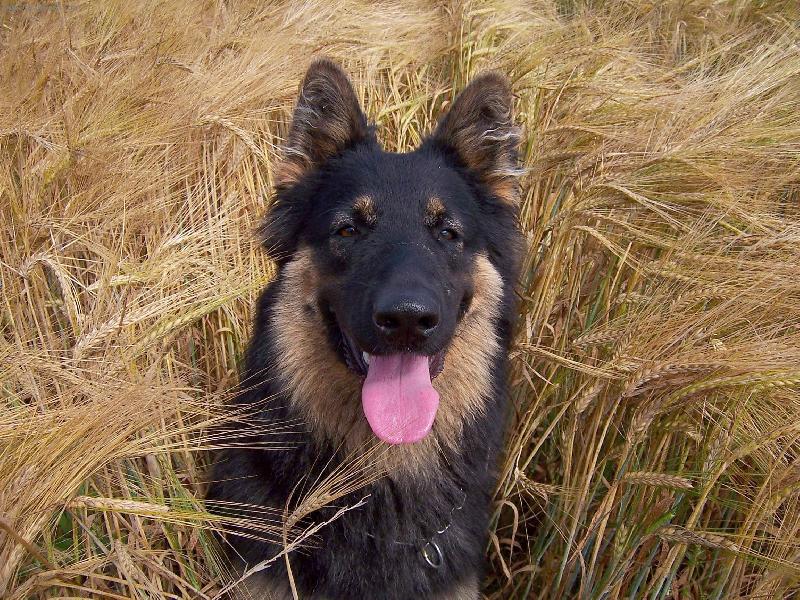
Czech writer A. Jirasek described the heroic uprisings of the people in his works, with the Bohemian Shepherd as their symbol. This breed has become an integral part of their culture and spirit. Nowadays, Czech scouts proudly wear badges featuring this dog, emphasizing its importance and connection to historical traditions.Care and Maintenance
The Czech Shepherd Dog requires special attention in its care and maintenance to preserve its working and companion qualities. Proper care for this breed includes several aspects, such as a proper diet, physical activity, hygiene procedures, and grooming.
The Bohemian Shepherd is a very active and energetic breed that requires daily exercise. Regular walks, outdoor play, and training are essential. The herding instincts of these dogs necessitate opportunities for work or participation in sports events, such as agility, freestyle, or herding competitions. A lack of physical activity can lead to boredom and destructive behavior, making it important to provide enough time for active pursuits.
Hygiene procedures involve regular care of teeth, ears, eyes, and nails. Teeth cleaning is recommended at least two to three times a week to prevent tartar buildup and maintain gum health. Ears should be checked and cleaned regularly to avoid infections and dirt accumulation. Eyes also require attention: they should be examined and wiped with a damp cotton pad as needed. Nails should be trimmed as necessary to prevent excessive growth and possible injuries.
The coat of the shepherd dog requires regular grooming to maintain its healthy and well-groomed appearance. Regular brushing (two to three times a week) helps prevent tangling and removes dead hair. During shedding season, more frequent brushing is recommended to reduce the amount of hair left in the house. Bathing should be done as needed, using specialized dog shampoos to maintain the natural protective layer of the skin and coat.
The Hodavac Shepherd has strong guarding instincts, so it is important to ensure its safety and control. Reliable fencing around the yard and proper training will help prevent escapes and unwanted incidents. It is also important to remember the need for socialization to help the dog learn to properly react to other animals and people.
The psychological well-being of the Czech dog is just as important as its physical health. These dogs require constant interaction with their family and owner. They do not tolerate long periods of solitude and may suffer from separation anxiety. Training, play, and attention will help maintain their mental activity and emotional balance.Regular visits to the veterinarian are an essential part of caring for the Czech Shepherd Dog. It is important to carry out vaccinations, preventive check-ups, and parasite testing on time. Veterinary examinations can help identify and prevent potential diseases in their early stages, ensuring a long and healthy life for your pet.
Participation in rescue operations
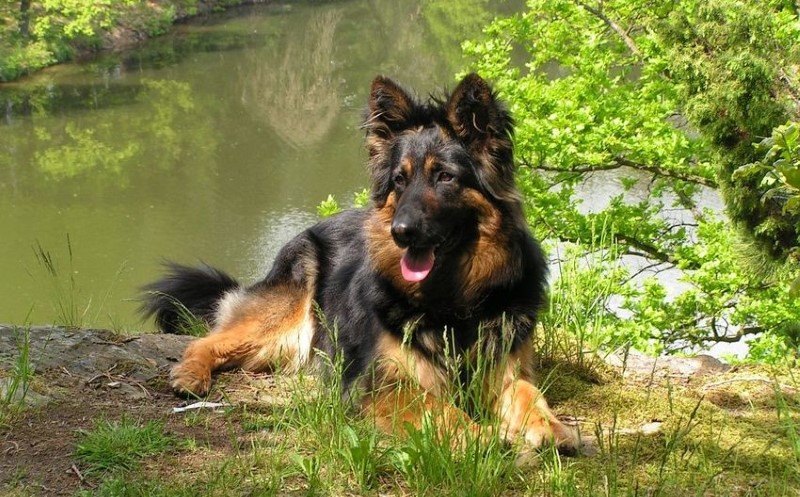
Modern Czech herding dogs actively participate in rescue operations due to their sharp minds and exceptional trainability. These dogs often become part of rescue teams involved in searching for people trapped under debris after natural disasters, such as earthquakes or landslides. Their ability to quickly respond to commands and navigate challenging conditions makes them indispensable helpers for rescuers. Additionally, they are used in search and rescue operations in the mountains, where their endurance and keen sense of smell aid in finding lost hikers.Training and Education
Training and education of the Czech shepherd dog are important aspects that require attention and consistency. This breed is known for its intelligence, endurance, and desire to please its owner, making it an excellent candidate for training. However, to achieve success, it is essential to consider the characteristics and behavior of these dogs.
Basic Principles of Training
Socialization should begin in the first months of the dog’s life. Familiarizing the Czech shepherd dog with different people, animals, and situations helps it become confident and well-balanced. Visiting parks, walking in busy streets, and participating in puppy groups all contribute to socialization development.
One of the key principles of successful training is consistency. Commands should be given in the same manner, and the expectations for their execution should remain unchanged. It is important for all family members to adhere to the same rules and commands.
The Czech shepherd dog responds well to positive reinforcement. Using treats, praise, and play as rewards for correctly following commands helps achieve success more quickly and strengthens the bond between the dog and the owner.
Basic Commands and SkillsThe “Sit” command. This is one of the first commands that should be taught to the dog. It helps control behavior and can be used in various situations. Positive reinforcement is used to train this command; when the dog sits, it is rewarded with treats and praise.The “Come” command. This important command ensures the dog’s safety. The training method involves “positive attraction”: the owner calls the dog while showing a treat and rewards it for approaching.The “Heel” command. This command helps control the dog during walks. Training starts with short distances and gradually increases the length. Using a leash and rewards is important to reinforce this skill.The “Lie Down” command. This useful command helps calm the dog and control its behavior. Training begins with the “Sit” command, then the owner helps the dog lie down using treats as a guiding object.The Czech shepherd dog has a high energy level and needs regular physical exercise. Games and sports activities help maintain its physical condition and mental health.Agility exercises not only develop the dog’s physical qualities but also improve its obedience and coordination. Overcomi
International recognition
The Czech shepherd dog has gained recognition not only in its home country but also at international exhibitions and competitions. These dogs regularly participate in agility, freestyle, and other sports, showcasing their physical abilities and high intelligence. At exhibitions, the Czech shepherd dog often receives high scores for its harmonious appearance and excellent working qualities. This confirms its status not only as a working dog but also as a breed with outstanding aesthetic characteristics.
How to Choose a Puppy
Choosing a puppy of the Czech Shepherd breed is a responsible step that requires careful consideration and attention to detail. This breed is renowned for its herding abilities, high intelligence, and loyalty, making it an excellent choice for both work and family life. To find the perfect puppy, it’s important to consider several key factors and follow recommendations.
Before starting the process of choosing a puppy, it’s essential to define the purpose of acquiring one. This could be:
– Working on a farm or in agriculture,
– Participating in sports events and competitions,
– A companion for family and other pets.
The purpose of acquiring a puppy will help determine the requirements for its temperament, physical characteristics, and working abilities.Choosing a reliable breeder is one of the most crucial steps. The breeder should have a good reputation and be a member of a kynological organization. The breeder should have experience in breeding Czech Shepherds and positive feedback from previous buyers. Ensure that the puppies are kept in good conditions, have access to clean water, and receive quality nutrition. Request health documents for the puppy’s parents, including genetic disease test results.When selecting a particular puppy, it’s important to consider its temperament and behavior. Spend time with each puppy to better understand its personality. Pay attention to the following characteristics:- Activity and energy: The puppy should be active and energetic but not hyperactive. An ideal balance between playfulness and calmness is a good sign.- Social skills: The puppy should be friendly and easily establish contact with people. Observe its reactions to new people and situations.- Confidence: Look for a puppy that shows confidence and is not afraid to explore ne
Health and Illnesses
Bohemian dogs are known for their resilience and robust health; however, like any breed, they may be susceptible to certain diseases. Proper care, regular veterinary check-ups, and attentive monitoring of the dog’s health can help prevent many issues.
General Health Condition
The Czech Herding Dog, due to its sturdy physique and good genetics, generally enjoys good health. These dogs are active, resilient, and rarely fall ill if properly cared for. Nevertheless, it’s important to be aware of some common diseases that may occur in this breed and take measures for their prevention and treatment.
Inherited Diseases
Some hereditary conditions can be found in Czech Herding Dogs. Awareness of these issues will help owners be prepared for potential challenges and seek veterinary care in a timely manner.
Hip Dysplasia: This condition is one of the most common problems in large dog breeds, including the Czech Herding Dog. Hip dysplasia leads to abnormal joint development, which can cause pain and limit mobility. Regular veterinary examinations and radiographic studies can help identify the issue at an early stage.Elongated Myelopathy: This progressive spine disease causes degeneration of the spinal cord. Symptoms include weakness in the hind limbs and loss of coordination. It’s essential to have regular check-ups and consult a veterinarian at the first signs of illness.Common IllnessesIn addition to hereditary conditions, the Czech Herding Dog may face general health issues common to all dogs.Dental and Gum Diseases: Regular tooth brushing and veterinary check-ups can help prevent plaque formation, gingivitis, and other problems. Using specialized toothpaste and dental toys also contributes to oral health.Allergies: Czech Herding Dogs can suffer from various allergies due to food, environmental factors, or chemicals. Symptoms include itching, skin redness, and respiratory problems. It is crucial to identify the source of the allergy and eliminat
Содержание
-
1. Описание породы
-
2. Внешний вид
- 2.1 Голова
- 2.2 Морда
- 2.3 Уши
- 2.4 Глаза
- 2.5 Зубы
- 2.6 Корпус
- 2.7 Конечности
- 2.8 Хвост
- 2.9 Шерсть
- 2.10 Окрас
-
3. Характер
-
4. Содержание и уход
-
5. Дрессировка и обучение
-
6. Как выбрать котенка
-
7. Здоровье и болезни






Comments
Only registered users can leave reviews.
Enter