
Chesapeake Bay Retriever





Warning: Illegal string offset 'label' in /home/panda/sites/zoonika/wp-content/themes/zoonika/template-parts/animals/animals-param-item.php on line 32
Ð


Breed Description
The Chesapeake Bay Retriever is an American breed developed from British dogs, originally used as a water dog. It originates from the bay of the same name, which stretches over 100 kilometers along the western coast of the Atlantic, opposite Washington. In the past, they hunted and retrieved ducks and other birds in the cool corners of the Chesapeake Bay in Maryland. Their sturdy build, endurance, and energy make them ideal for this work. Their primary task is to retrieve ducks and geese from the icy waters of the ocean after the shot. They are capable of working in the harshest weather conditions and are still used for hunting, especially in the USA and Germany.
The Chesapeake Bay Retriever is also a wonderful companion and family dog, but it requires having a job. This is a true hunting dog with a sweet and friendly nature, making it ideal for companion life. The breed has a long history: it has existed since the early 19th century, with its first mentions dating back to 1845, although documents have been recorded since 1803. The first Chesapeake was registered with the American Kennel Club in 1878, and the American Chesapeake Bay Retriever Club was established in 1918. In 1964, the breed was recognized by the FГ©dГ©ration Cynologique Internationale and was declared the state dog of Maryland. In Russia, Chesapeake Bay Retrievers are a rarity, with about 50 puppies born each year. However, their cousins, such as the Labrador Retriever, are more popular. Elegant Chesapeakes are versatile hunting, working, companion, and family dogs that deserve more attention and distribution.
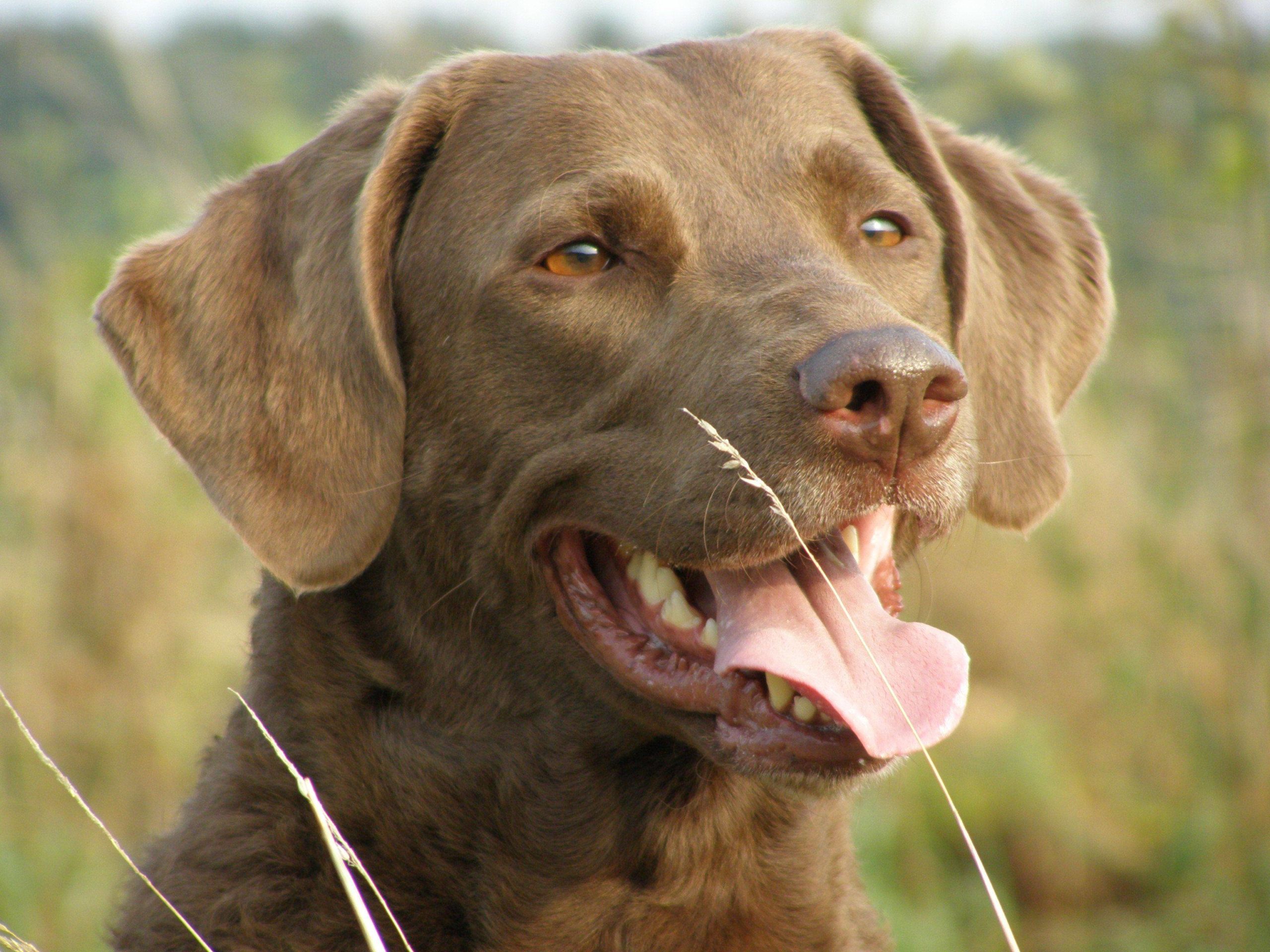
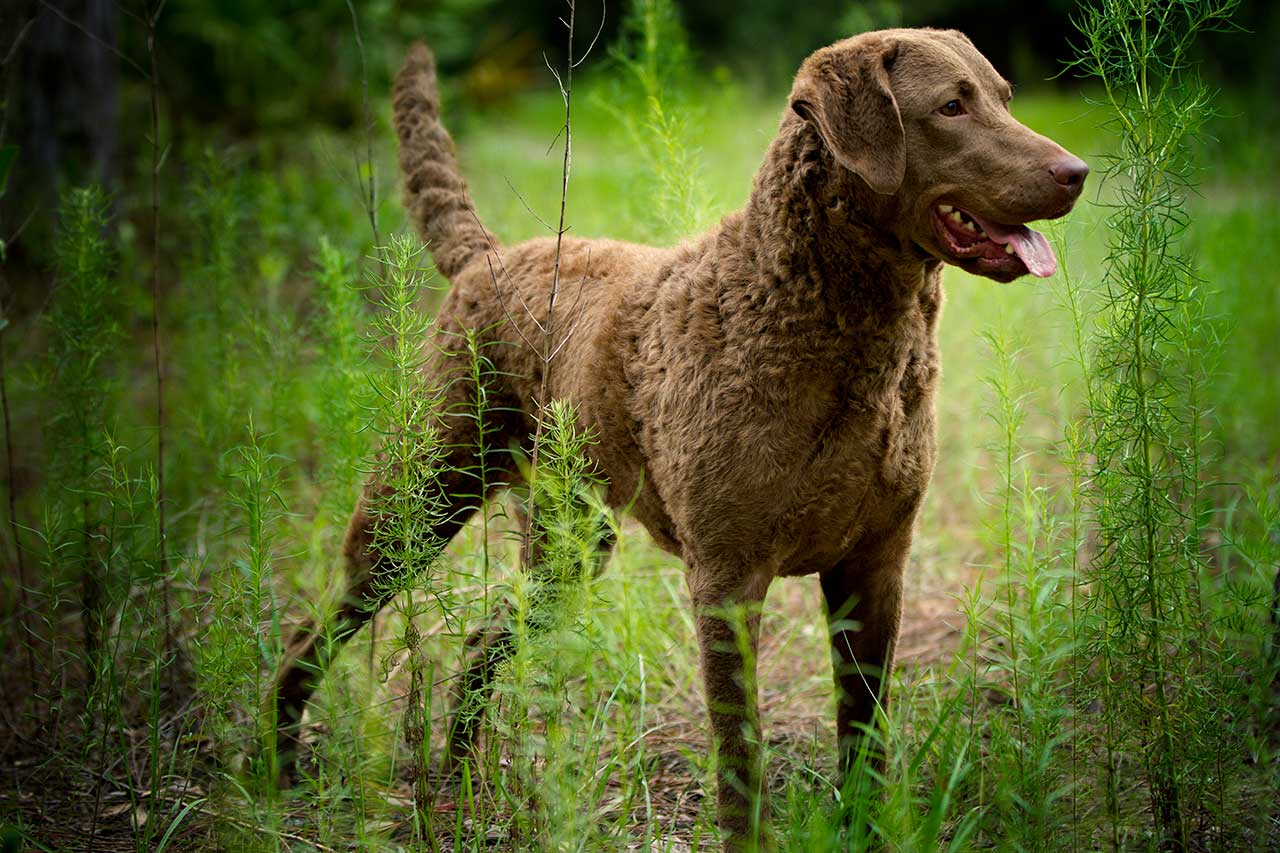
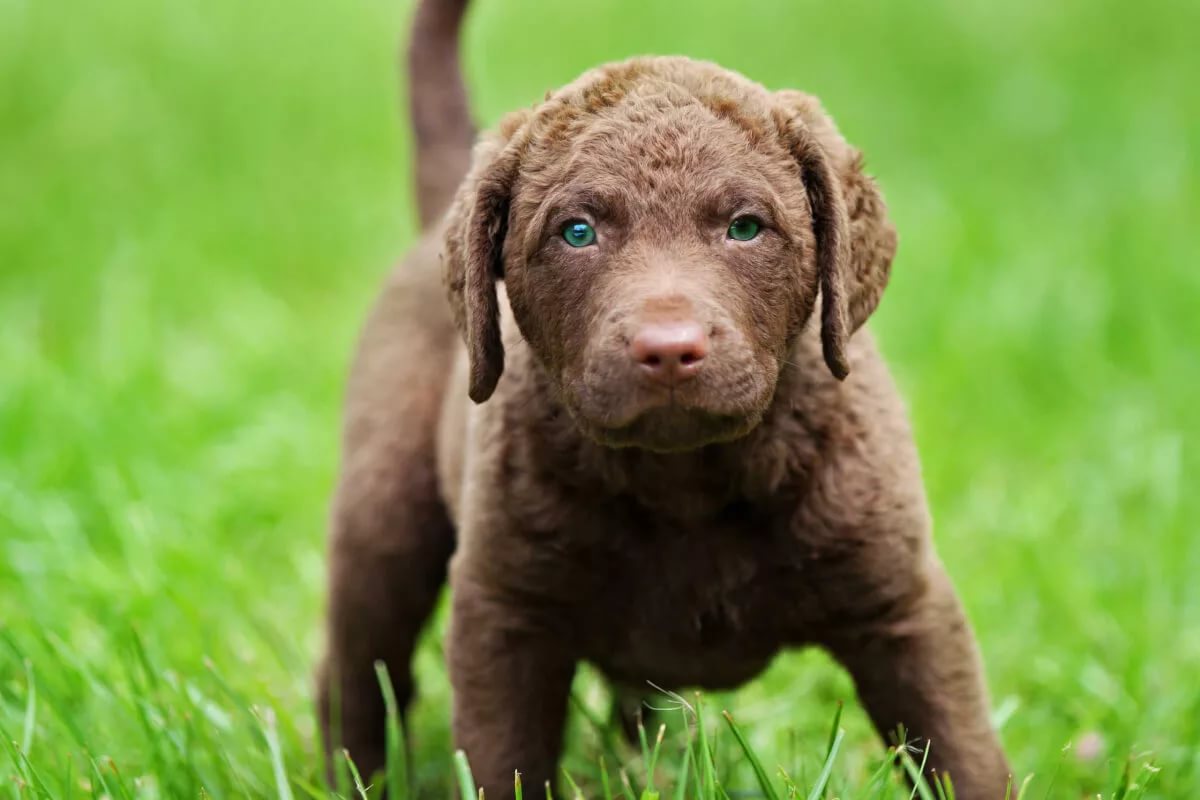
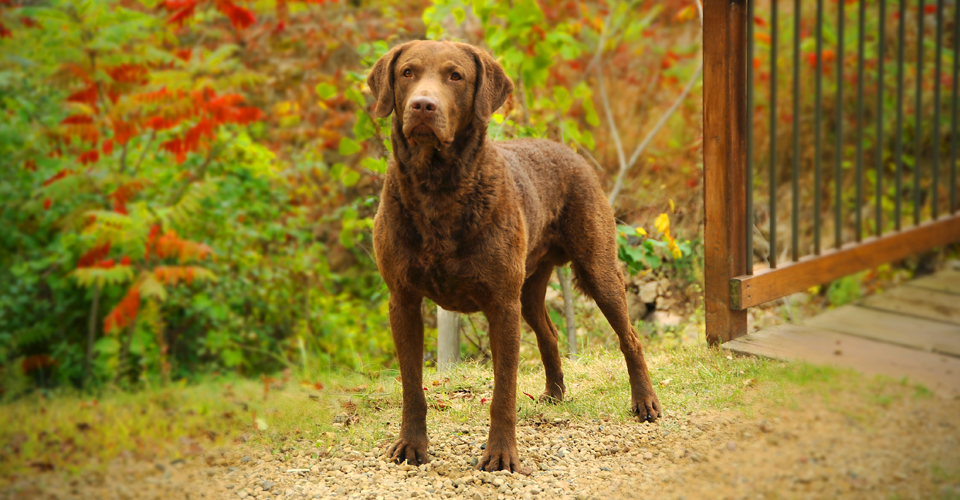
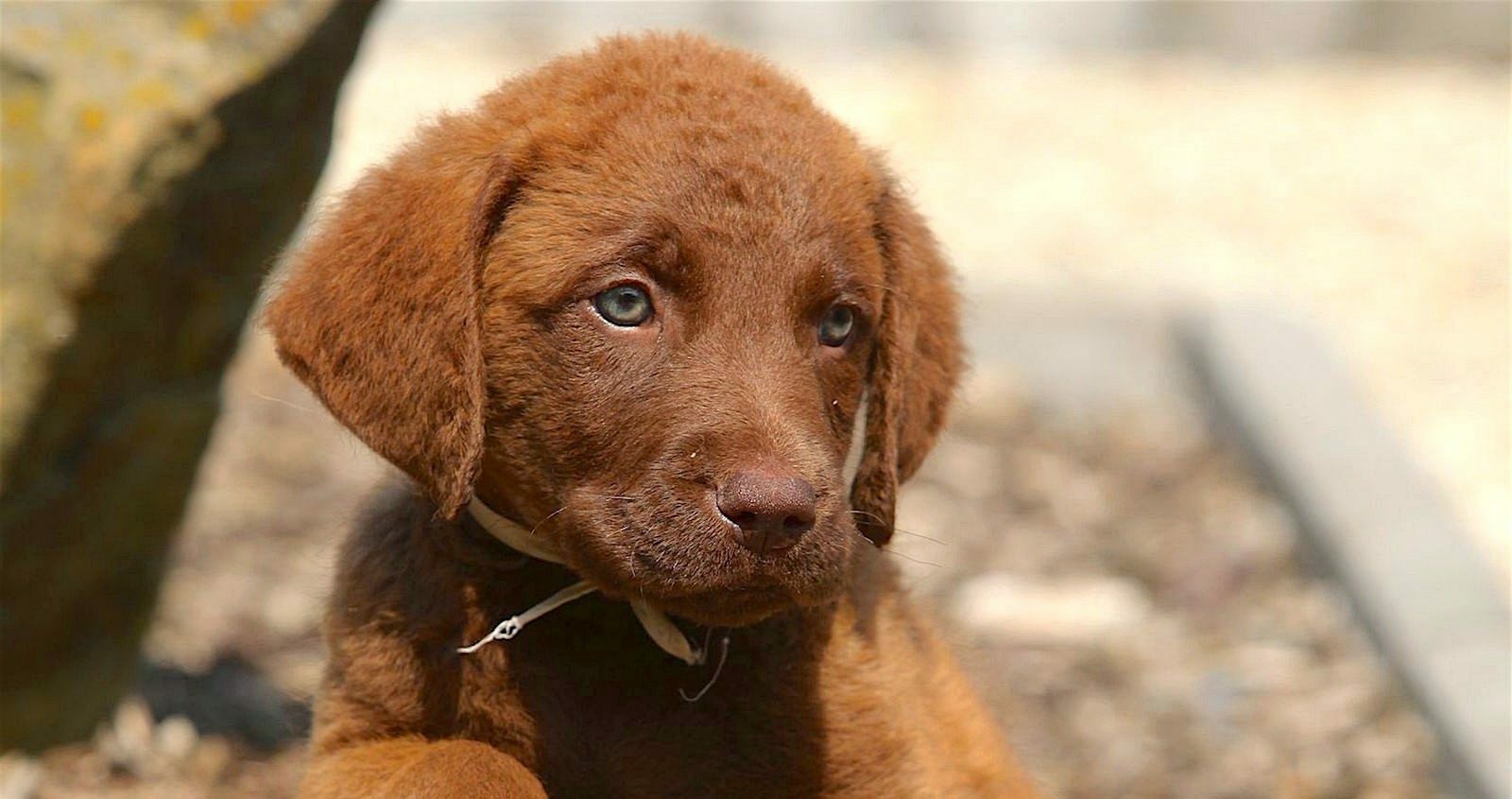
“Chessies,” as they are commonly called, stand between 53 to 66 centimeters tall at the shoulder and weigh between 25 to 36 kilograms. Their distinctive features include bright amber-colored eyes and a double, dense coat composed of short, coarse, slightly wavy guard hair and a thick, fine, soft undercoat enriched with natural oils. This coat is perfectly suited for extreme icy conditions in which the dogs must work. They remain excellent hunting dogs and great companions for active families who can meet their physical activity needs. Chessies are very caring and devoted to their families, ready to protect them from outsiders.
They are also well-suited as companions and family pets for people willing to engage in hunting, work, or dog competitions alongside them.
The price of a puppy can range from 35,000 to 50,000 rubles.
Appearance
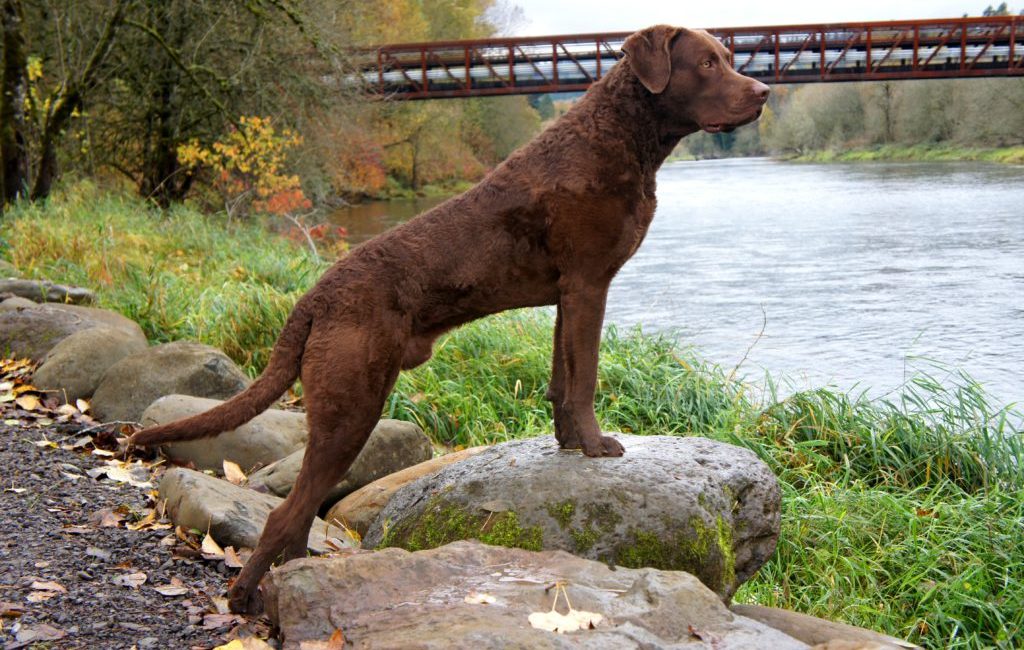
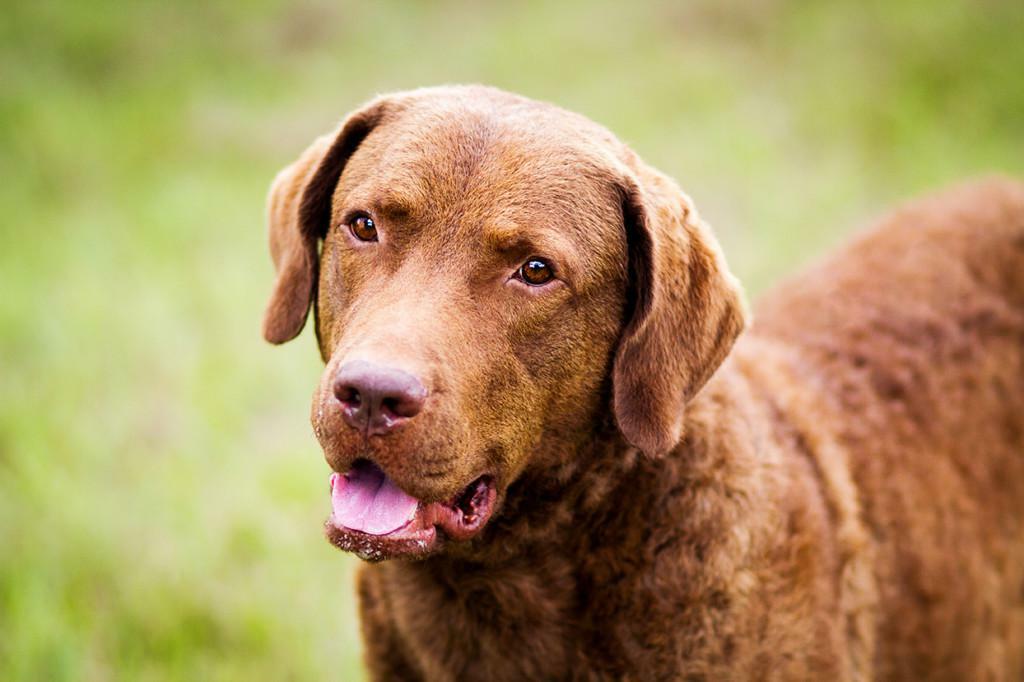
The Chesapeake Bay Retriever is a typical medium-sized retriever with a strong and powerful build, while still maintaining balance and agility. One of the distinctive features of Chesapeake Bay Retrievers is their slight waviness in the topcoat, combined with a dense undercoat found on the shoulders, neck, back, and lower back. Retrievers often have amber or yellowish eye irises, and their hind legs are either taller than or approximately level with their shoulders, giving them a unique appearance.
It is important to note that the length of the coat on these dogs should never be excessive, as it can hinder their ability to perform in cold water. The dense undercoat makes their fur almost “oily,” protecting their skin from water. They come in a variety of colors: from light shades of greenish to dark browns typical of the Chesapeake Bay area. The ears of Chessies, like those of most retrievers, are droopy.
Chesapeake Bay Retrievers are strong, well-balanced medium-sized dogs with deep and wide chests that allow for free movement. Their build should be powerful, but not so much as to impair their agility and endurance. Accordingly, male Chesapeake Bay Retrievers have a height at the withers ranging from 58 to 66 centimeters, while females range from 53 to 61 centimeters. Males typically weigh between 30 to 36 kilograms, and females between 25 to 32 kilograms.
According to the American Kennel Club, the expected lifespan of a Chesapeake Bay Retriever is between 10 to 13 years.


Отличительные черты

Голова

Морда

Уши

Глаза

Зубы

Корпус

Конечности

Хвост

Шерсть

Окрас
Character
Chesapeakes today retain their true purpose as hunting dogs, and their passion lies in retrieving downed birds from the water. However, their abilities can also be applied on land, and one should not underestimate their readiness to work. This retriever requires active engagement and thrives best when utilized according to their natural tendencies, which have been honed and developed over generations.
In hunting, their tasks include searching for and tracking downed game, as well as assisting in finding and tracking before the shot. Furthermore, Chesapeake Bay Retrievers can be valuable in various other areas unrelated to hunting, thanks to their unique traits such as a lively and cheerful disposition, intelligence, calm behavior, and protective nature.
It is important to consider these qualities when selecting and breeding Chesapeake Bay Retrievers, as they define their abilities as friendly companions, family friends, and partners for children. A well-trained Chesapeake Bay Retriever walks easily on a leash, is friendly towards other dogs, and has a balanced temperament.
Despite their known toughness, Chesapeake Bay Retrievers also have their softer sides. They are affectionate and sociable, especially if properly socialized from a young age. While they may seem stubborn at times, they are actually excellent learners, and their bright and cheerful nature, along with their willingness to work, makes them wonderful companions in various activities.
American origin with English roots
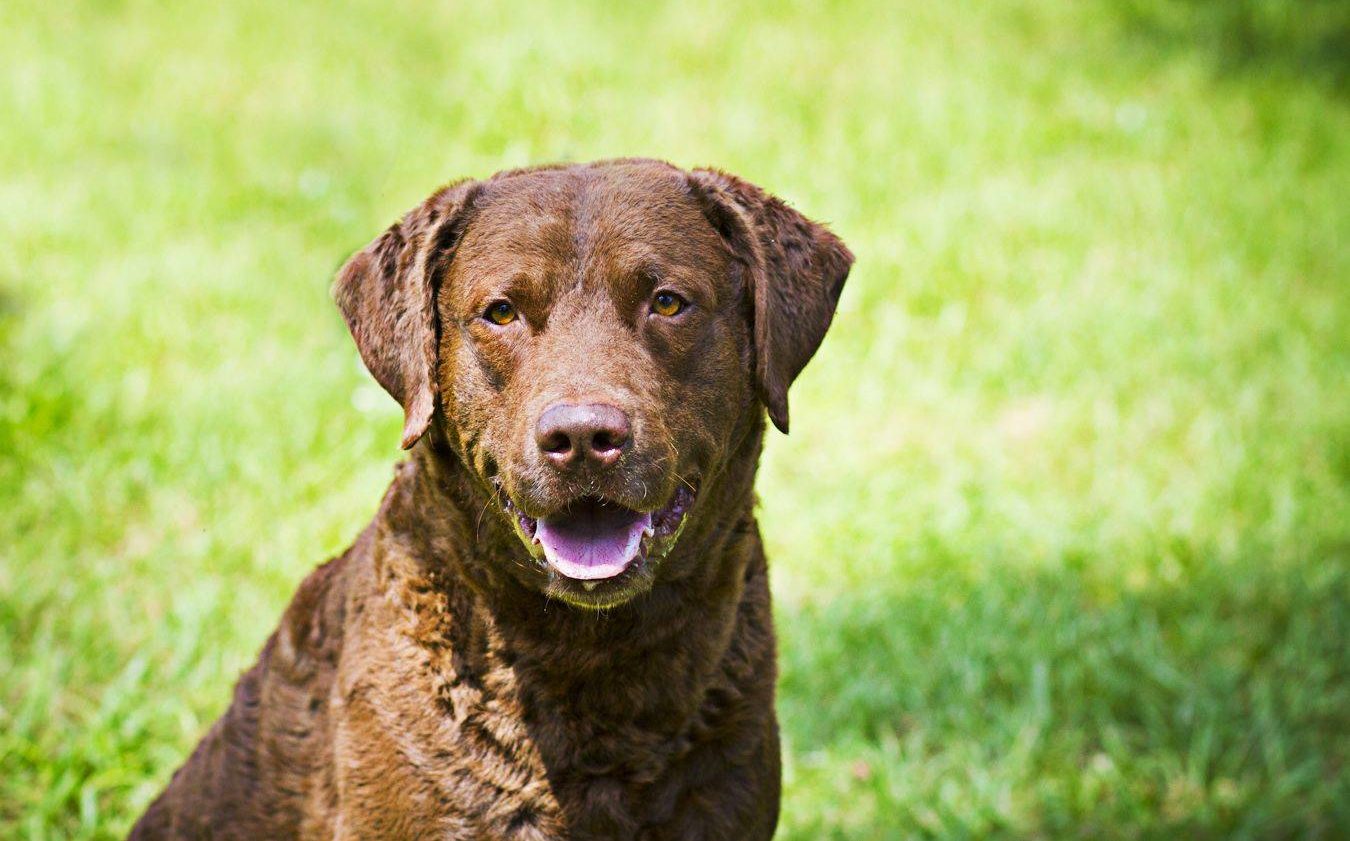
Chesapeake Bay Retrievers are one of the few breeds developed in the United States, and their history dates back to the American colonial era. These elegant dogs were bred in Maryland for work along the marshy shores of Chesapeake Bay. Their ancestors, English retrievers, were brought to the New World, where they adapted to local conditions and became the foundation for the new breed.Care and Maintenance
Taking care of Chihuahuas is relatively simple but requires consistency. To keep their fur in great condition and manage its oiliness, it’s advisable to brush it regularly with a rubber brush. It’s important to remember that frequent washing is not recommended, as it can damage the waterproof layer of their coat. Aim to bathe your dog only when absolutely necessary, being careful not to disrupt the structure of their fur.
In addition to this, regular veterinary check-ups are important for detecting early signs of illness or problems. Check their lips, ears, nose, throat, eyes, and paws for sores, rashes, or other symptoms. Ears should smell pleasant and be clean, and eyes should be free of inflammation or discharge.
To create a positive grooming experience for your dog, use praise and rewards. This will help establish a foundation for easy veterinary examinations and other procedures in the future. Maintain the cleanliness of their coat by bathing periodically and doing weekly grooming with specialized tools to remove dead hair.
It is also essential to pay attention to their diet. Feed your dog high-quality dry food, divided into two meals a day. Tailor the nutrition to your pet’s needs and monitor their weight to avoid health issues.
Chihuahuas are loyal and devoted family pets that can be excellent companions for children. However, their energy needs to be properly channeled through training and socialization. Be cautious when interacting with other animals, as Chihuahuas can be aggressive during play. With the right training and socialization, they will become friendly and affectionate towards neighbors and other pets.

Excellent swimmers with unusual fur.
Chesapeake Retrievers are known for their unique water-resistant coat, which allows them to stay in icy water for extended periods. This makes them ideal companions for hunting waterfowl, as they can easily swim and retrieve game even in the most challenging conditions.Training and Education
The Chesapeake Bay Retriever is a dog designed for hunting and work, requiring an active and athletic owner. It also needs close family bonds. Training this breed must be taken seriously, regardless of weather conditions. A special crate is recommended for transportation, and there is no need to worry too much about cleanliness, as their readiness to work in any weather is incompatible with a pristine appearance. The friendly nature of the Chesapeake, its quick learning ability, and high motivation make it psychologically resilient, forgiving mistakes made during training. Thus, a loving, somewhat athletic novice with a sense of humor can handle this breed. It interacts easily with other animals and can be a great companion for travel, restaurants, or hotels-provided you have the right preparation. Overall, the Chesapeake Bay Retriever is easy to raise and train. It is open to learning and eager to please its owners. At the same time, thanks to its intelligence and sometimes a bit of stubbornness, it can present challenges during training. However, with experience, consistency, and love from its owners, these difficulties can be easily overcome. This sociab
The Chesapeake Bay Retriever is a working and hunting dog that seeks challenges and is ready to tackle them at the highest level. The opportunities for this breed are limitless: agility, work with dummies, hunting, obedience, competitions in dog sports, rescue operations, and much more. Energetic and focused, they can easily become bored with monotony, so it is recommended to structure their day in a varied and interesting way.
Among all retrievers, the Chesapeake Bay possesses the strongest character. Its hunting roots make it appealing for water sports, but it also enjoys long hikes! It requires a lot of physical exercise, so regular neighborhood walks are simply not enough. Various forms of physical activity are necessary to keep them fit and satisfy their working instincts.
Training Chesapeake Bay Retrievers is an engaging process, opening up numerous opportunities for growth and development. However, several key aspects should be considered:
Positive Approach: Use encouragement and positive reinforcement during training, avoiding harsh methods.
Socialization: Start socializing from a young age to ensure your pet is confident around other dogs and people.Building Connection: Develop a strong bond with your pet through play, training, and setting clear expectations.Regular Training: Conduct training regularly, using diverse methods and approaches.Mental Stimulation: Provide your pet with mental challenges, such as puzzle toys.Find your puppy through verified sources.
Universal helpers and loyal friends
In addition to their magnificent hunting abilities, Chesses also prove to be excellent companions and reliable friends. They have a wonderful disposition, being loyal and affectionate towards their owners. They possess a high level of intelligence and are easy to train, making them ideal family pets and helpers.
How to Choose a Puppy
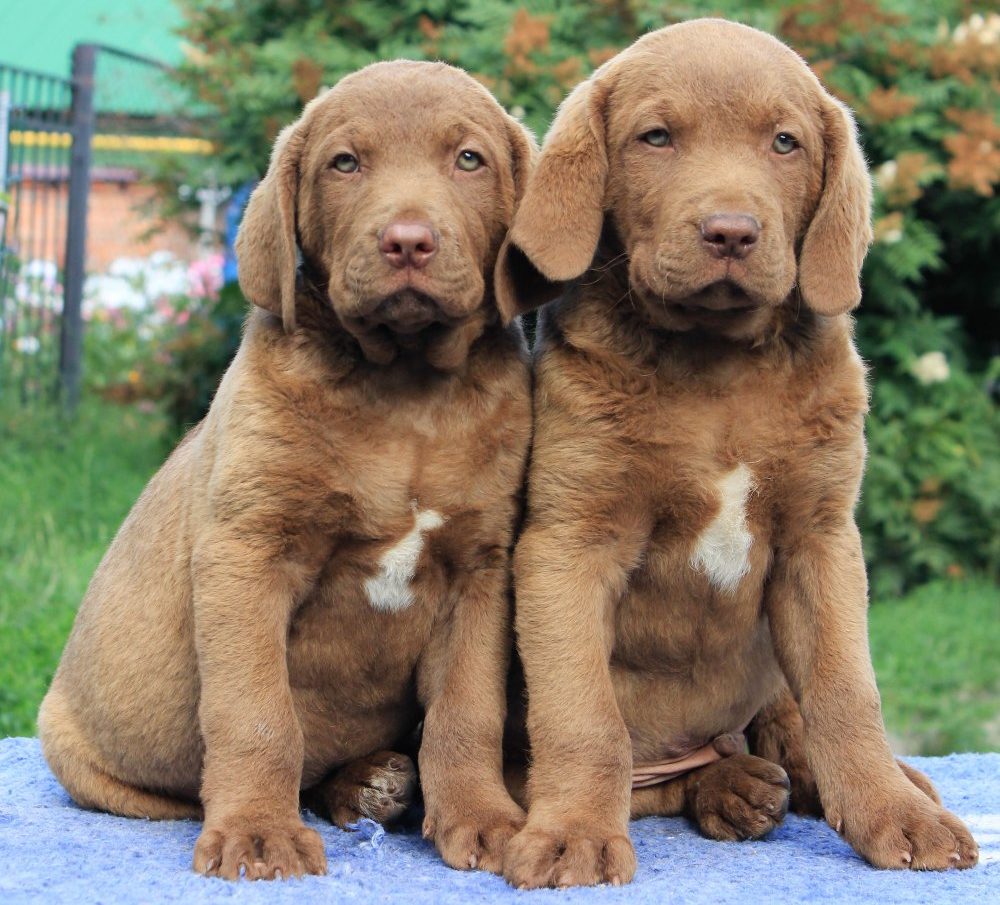
If you want to introduce a Chesapeake Bay Retriever into your life, you should carefully study all the characteristics of this hunting breed. In any case, you should buy a puppy only from a breeder who is associated with the Retriever Club. The federal portal Zooinika lists verified breeders from all over Russia.
Crossbreeds of Chesapeake Bay Retrievers are extremely rare, so the breed’s purity has been preserved to this day.
Choosing a Chesapeake Bay Retriever puppy is an important and responsible step that requires careful consideration of various aspects. Here are some key points to keep in mind when selecting a new family member:
Before starting your search for a puppy, it’s essential to thoroughly research the Chesapeake Bay Retriever breed. Understanding their characteristics, care needs, and temperament will help you make a more informed decision and choose a dog that best fits your lifestyle.
Finding a reputable breeder plays a crucial role in obtaining a healthy and well-socialized puppy. Reputable breeders will monitor the health of their dogs, ensure they meet breed standards, and provide necessary information about lineage and veterinary procedures.
Meeting the puppy’s parents can give you an insight into what your future pet will be like. Pay attention to their temperament, behavior, and health condition. This will also provide an opportunity to assess how well the dogs conform to breed standards.When choosing a puppy, observe their behavior, activity levels, and attitude towards you. A healthy puppy should be curious, playful, and socialized. Also, pay attention to their appearance; check the condition of their coat, eyes, ears, and skin.Before making a final decision to purchase a Chesapeake Bay Retriever puppy, it’s recommended to consult with a veterinarian. They can evaluate the puppy’s health and condition, as well as provide recommendations on care and training.Choosing a Chesapeake Bay Retriever puppy is a long-term commitment, and it’s important to approach this process with awareness and responsibility. The right choice will help create a strong and harmonious bond with your new pet for many years. Find out how to do so at Zooinika and get an excellent companion.
Health and Diseases
Chesapeake Bay Retrievers are a resilient breed. Common hereditary conditions, such as degenerative myelopathy and progressive spinal cord deterioration, are effectively managed through responsible breeding practices.
Veterinary care is essential for the health and well-being of the dog; however, the frequency of treatments and check-ups will vary depending on the individual dog. Scheduled visits to the veterinarian every six months are important for ensuring their health and happiness at all stages of life.
Regular grooming of the Chesapeake allows you to monitor its growth and development, discuss any issues with your veterinarian, and form a key part of preventive care.
The health of Chesapeake Bay Retrievers plays a vital role in their overall well-being and quality of life. Here’s an overview of the main health aspects and potential issues that this breed may face:
Joint Conditions and Hip Dysplasia: Chesapeakes are at risk for hip dysplasia. Regular veterinary check-ups and appropriate physical activity can help reduce the risk of this condition.
Heart Problems: Some lines of Chesapeake Bay Retrievers may be prone to various heart conditions, such as mitral stenosis or aortic stenosis. Regular veterinary visits for monitoring heart function and maintaining a healthy lifestyle can help manage these risks.Potential Allergies: In some cases, Chesapeake Bay Retrievers may develop allergies to certain food items or environmental allergens. These may manifest as itching, skin rashes, or breathing issues. Proper nutrition and careful grooming can help reduce the risk of allergic reactions.Obesity and Digestive Issues: Chesapeakes may be prone to weight gain and obesity, which can lead to various health problems, such as arthritis, cardiovascular diseases, and even diabetes. Regular exercise and a balanced diet can help prevent obesity and maintain optimal health.It’s important to remember that while Chesapeake Bay Retrievers may have their unique health concerns, proper care, regular veterinary visits, and a healthy lifestyle can significantly decrease the risk of developing diseases and ensure a long, happy life.
Содержание
-
1. Описание породы
-
2. Внешний вид
- 2.1 Голова
- 2.2 Морда
- 2.3 Уши
- 2.4 Глаза
- 2.5 Зубы
- 2.6 Корпус
- 2.7 Конечности
- 2.8 Хвост
- 2.9 Шерсть
- 2.10 Окрас
-
3. Характер
-
4. Содержание и уход
-
5. Дрессировка и обучение
-
6. Как выбрать котенка
-
7. Здоровье и болезни







Comments
Only registered users can leave reviews.
Enter