
Central Asian Shepherd Dog





Warning: Illegal string offset 'label' in /home/panda/sites/zoonika/wp-content/themes/zoonika/template-parts/animals/animals-param-item.php on line 32
Ð


Description of the Breed
The Central Asian Shepherd Dog, also known as Alabai, is a very ancient breed whose origins trace back to Central Asia. For thousands of years, these dogs have been used by nomadic peoples to guard livestock and homes. They represent one of the oldest dog breeds, shaped by harsh climatic conditions and a constant threat from predators. The primary purpose of Alabais was to protect sheep from wolves and other predators, as well as to safeguard the owner’s home and property. The breed evolved naturally, without human intervention, which accounts for its exceptional working qualities and remarkable endurance.
The history of Central Asian Shepherds is linked to the territories of modern Turkmenistan, Kazakhstan, Uzbekistan, and other countries in the region. These dogs underwent a sort of “baptism by fire” in environments where only the strongest and most resilient survive. They participated in bloody battles with wolves, leopards, and other dangerous animals, which shaped their unique character and abilities over hundreds of years. Alabais are known for their bravery, intelligence, and independence, leading renowned breeders to call them ideal guard dogs.
Different breeding groups of Alabais have maintained their unique characteristics, resulting in diversity within the breed. Depending on the region, one can find dogs with varying coat structures. Moreover, nearly every breeder of guard dogs stands out from others based on the size and proportions of their Alabais. However, despite these differences, all representatives of the breed share common traits-powerful build, endurance, ability to withstand extremely harsh climatic conditions, and an unyielding character.
Central Asian Shepherds continue to be renowned for their loyalty to their owner and family members, showing a readiness to die for them at any moment. These giants are also intelligent; they differ from many other breeds in their ability to make independent decisions. They can assess situations and respond to threats without requiring additional commands from humans. These qualities make them indispensable as guardians of large territories and objects. At the same time, Alabais require respectful treatment and proper training. They tend to dominate, so it is crucial to establish the right hierarchy in the relationship with the dog.
Appearance
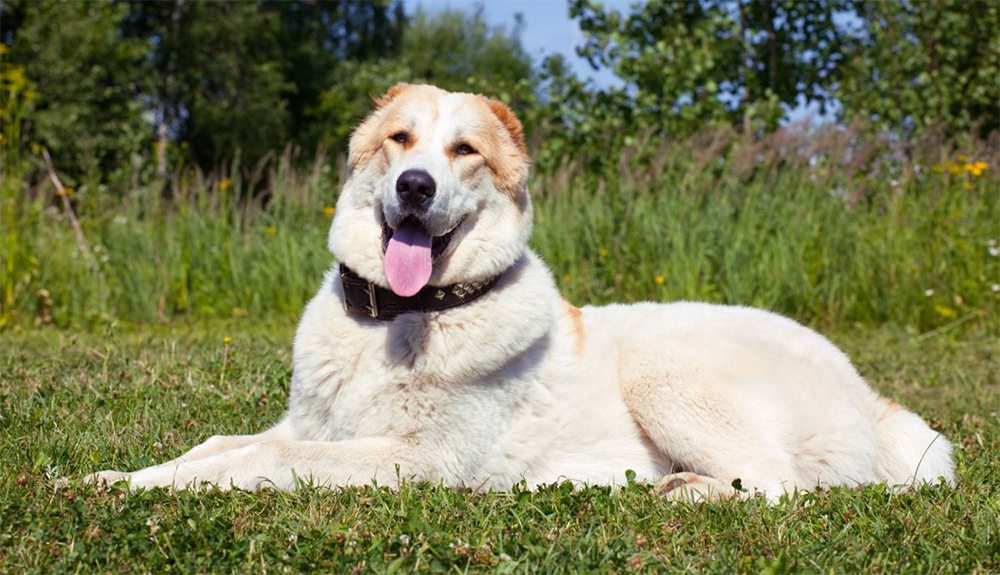
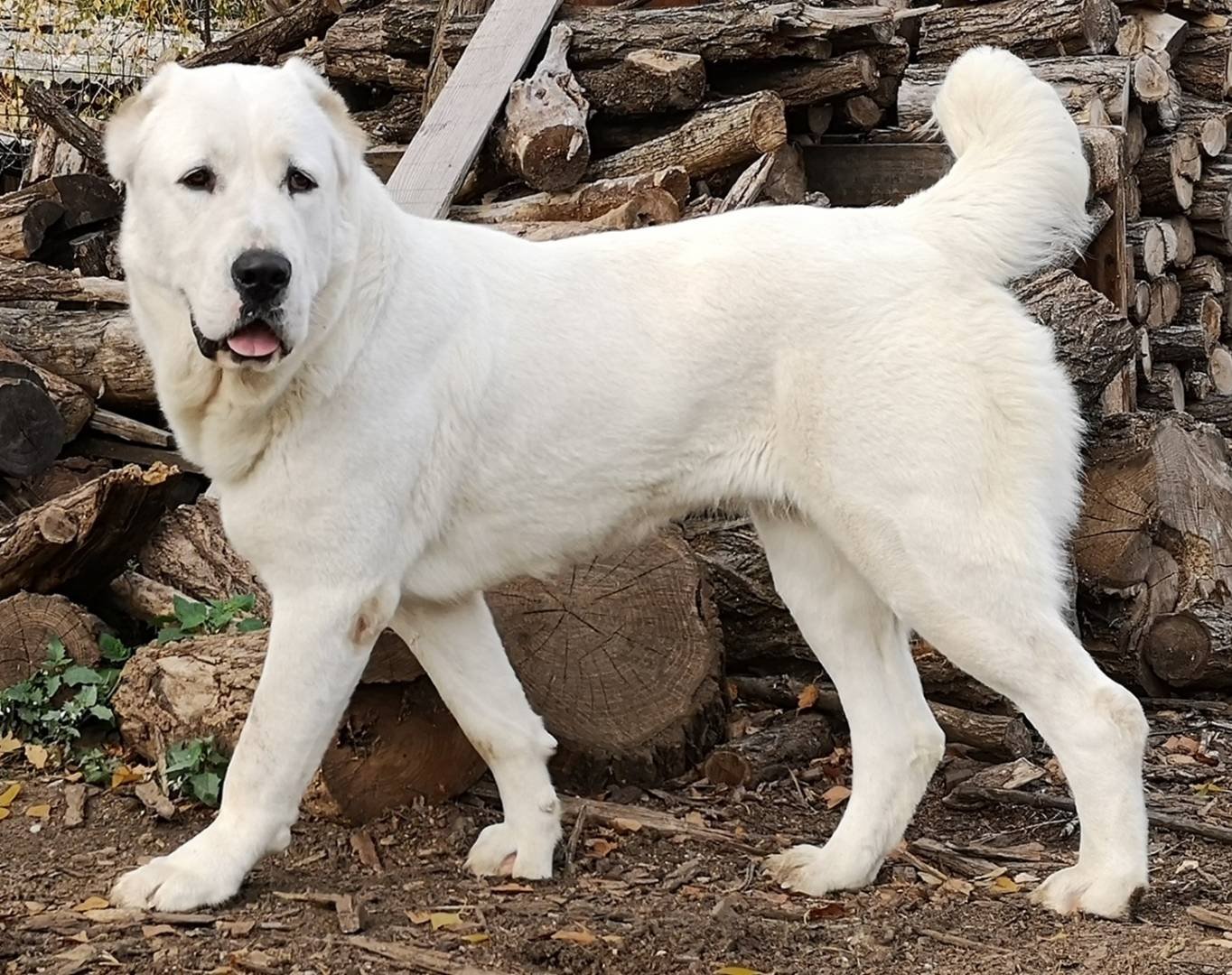
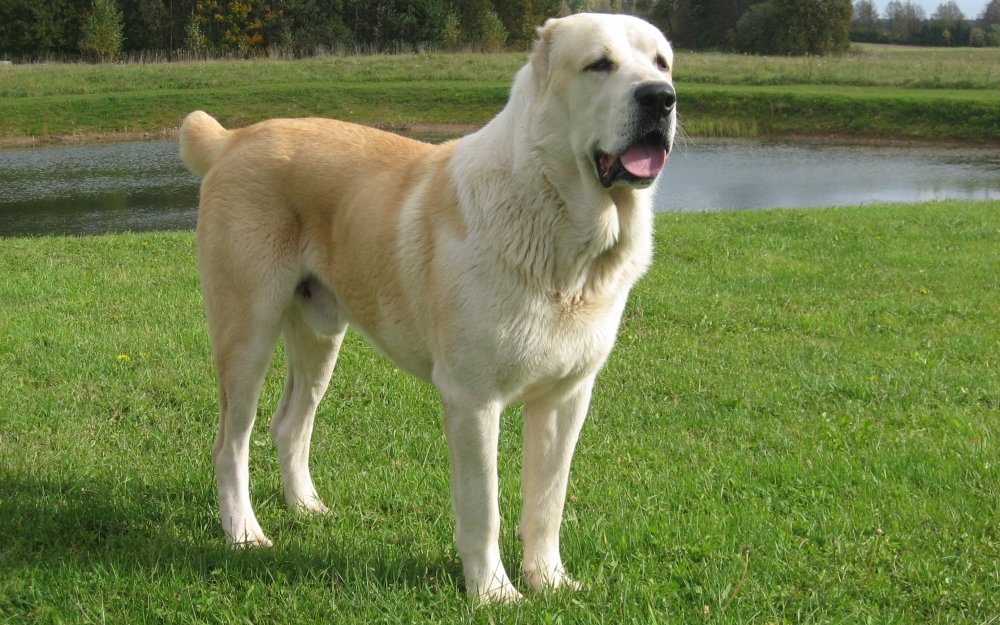
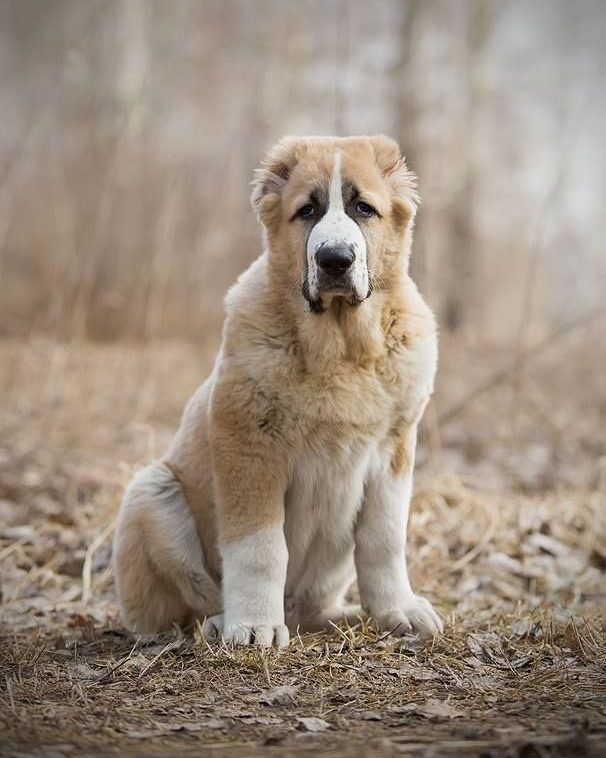
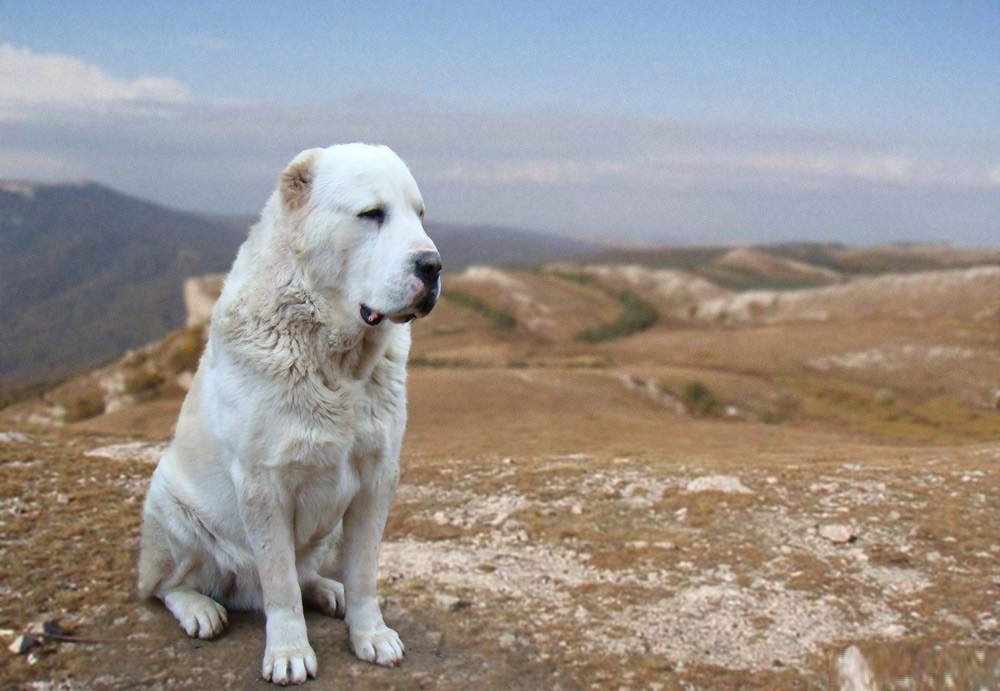
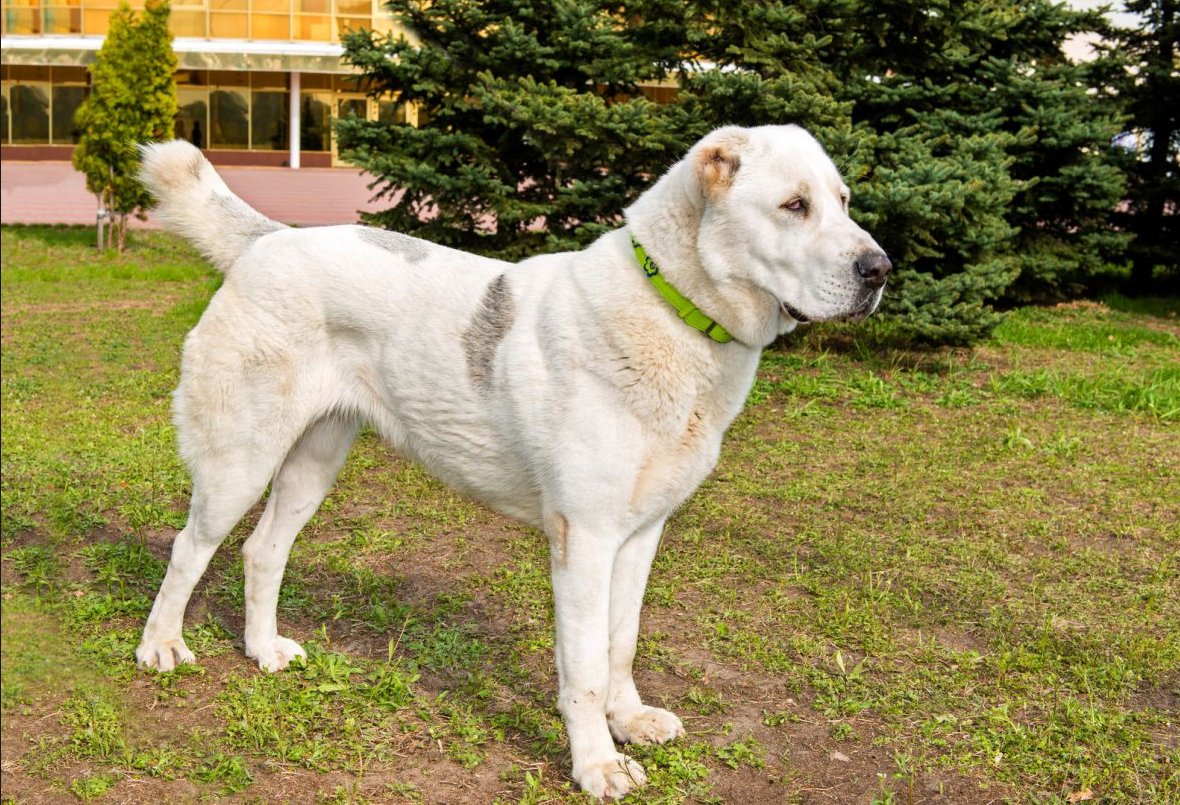
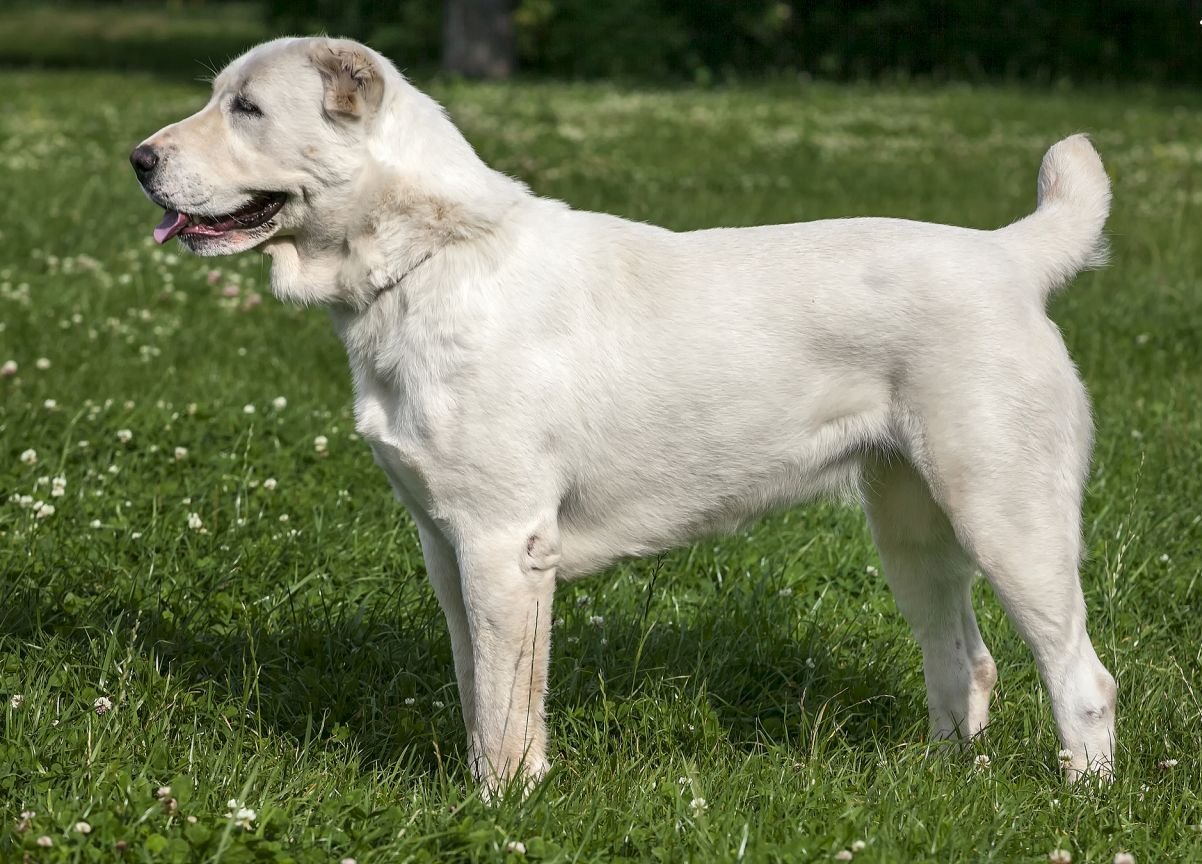
Central Asian Shepherds are large, powerful dogs with a sturdy build. They convey an impression of strength and endurance. Males reach a height of 70-90 cm at the withers, while females are slightly shorter, at 65-80 cm. Their weight varies from 40 to 80 kg, depending on gender and breeding line. These giants have well-developed musculature, a broad chest, and strong limbs. Their bodies are rectangular in shape, providing optimal stability and endurance.
The neck of the Alabai is powerful and short, smoothly transitioning into the shoulders. The back is wide, straight, and well-muscled. The croup is slightly sloped, which gives the dog good shock-absorbing qualities when running and jumping. The tail is thick at the base, typically saber-shaped, and hangs down when at rest. The limbs are strong, with well-developed joints and sturdy bones. The paws are large, rounded, with tightly gathered toes.
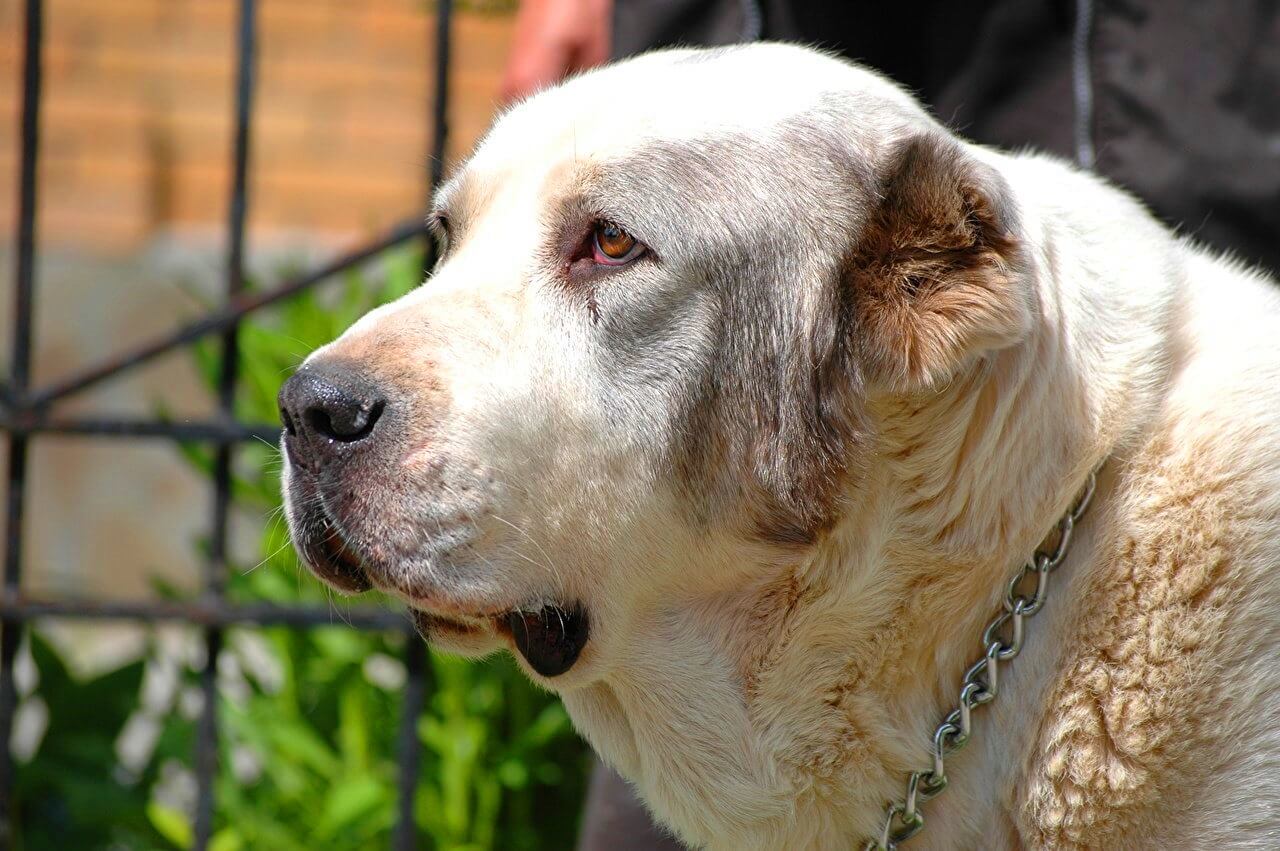
The coat of the Central Asian Shepherd can be short or of medium length, with a dense undercoat, allowing the dogs to easily tolerate both heat and cold. Coat colors range from white to black, with striped, fawn, and spotted variants also present. The nose and lips are always black, regardless of the primary coat color. The eyes of the shepherds are small, oval-shaped, positioned wide and deep, giving them a distinctive expression.


Отличительные черты

Голова

Морда

Уши

Глаза

Зубы

Корпус

Конечности

Хвост

Шерсть

Окрас
Character
The character of the Central Asian Shepherd Dog combines independence, courage, and loyalty. These dogs have a high level of intelligence and a developed sense of dignity. They tend to make independent decisions and possess strong guarding instincts. As reputed breeders assert, the Central Asian Shepherd is always ready to protect its family and territory from any threats. They require respectful treatment from the very first weeks of life and proper upbringing. They will not tolerate cruelty and injustice, which can lead to aggression and distrust towards humans. Given the size, weight, and power of these giants, the outcome of an outburst of aggression towards an offender can be devastating.
Socialization and training of the Alabai should begin at an early age. It is important to establish proper boundaries and teach the dog to obey commands. If you decide to purchase a puppy from a kennel, you should keep in mind that these dogs tend to be dominant, so the owner must be confident and consistent in their actions. Despite being among the top 10 most dangerous breeds in the world, Alabai get along quite well with children and other animals if properly socialized and trained. However, due to their large size and strength, they may accidentally injure small children, so interactions between the dog and child should be supervised by adults. It is not uncommon for an adult dog to carry a small child on its back and treat the owner’s children as its own, guarding them and acting as a nanny.
Central Asian Shepherds possess a calm and balanced temperament. They are not prone to excessive aggression or barking without cause. These dogs prefer to assess the situation first and only then take action. This level-headedness makes them excellent guard dogs, capable of effectively protecting their territory and family. For this reason, a puppy can be sold by both a shepherd dog breeder and a kennel specializing in guard breeds. Alabai are very loyal to their owners and are willing to follow them in any situation. They form a strong bond with the family and can be jealous of outsiders, requiring additional control from the owner.
Undoubtedly, the breed is valued not only for its work capabilities but also for its character, which allows these dogs to become beloved family members.
Guard or killer?
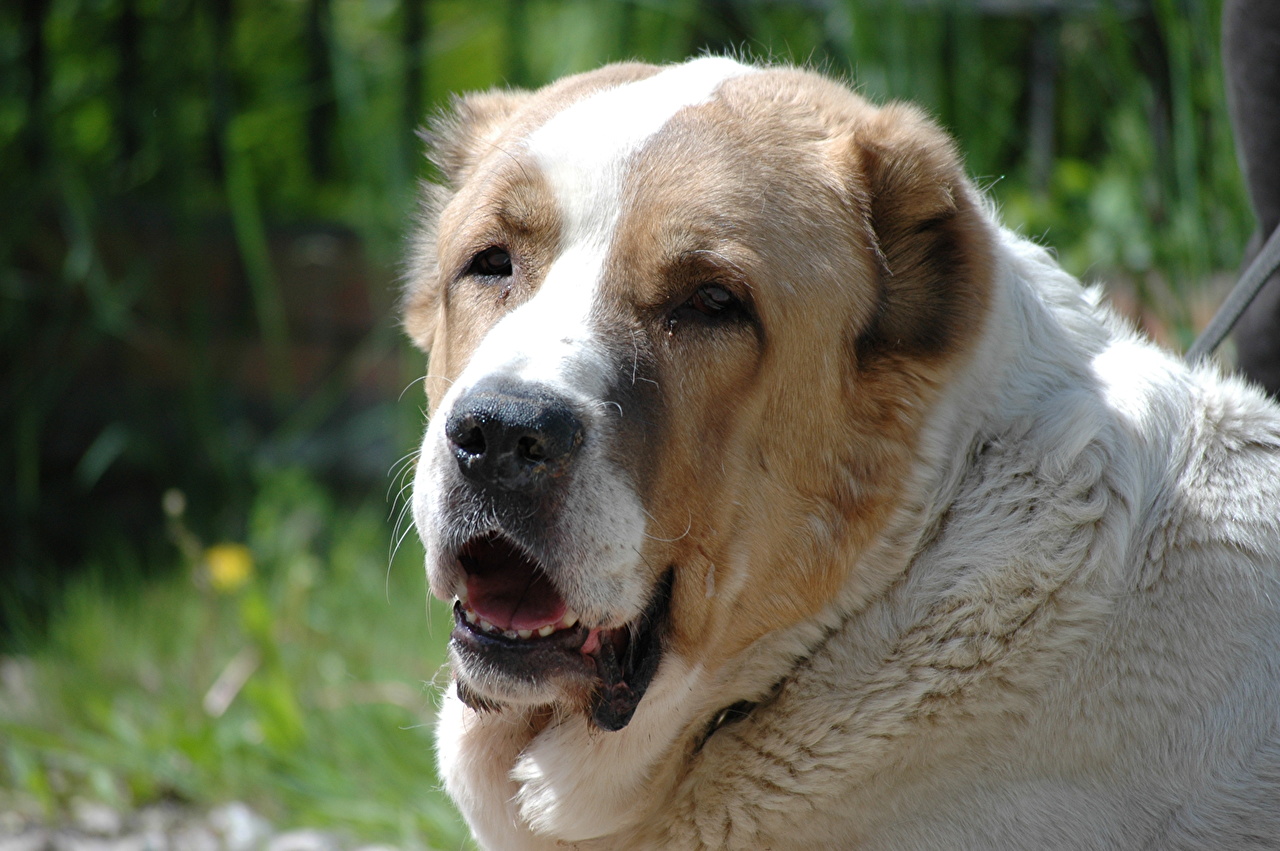
The Central Asian Shepherd dog, or Alabai, is among the TOP-10 most dangerous dog breeds in the world. It is not recommended to keep such dogs for individuals with a weak character or psychological issues.Care and Maintenance
The Central Asian Shepherd is a unique breed that requires special conditions for care and maintenance. These dogs thrive best in large spaces where they can move freely and perform their protective functions. Alabay breed dogs do poorly in city apartments due to their size and high activity levels. It’s essential to understand that an Alabay can be compared to a lion in a dog’s skin. Can such a giant feel comfortable in a confined space? According to dog breeders in Russia, an ideal living situation for a Central Asian Shepherd would be a country house with a spacious yard or a farm.
The bodies of these powerful animals are capable of withstanding harsh conditions. It is recommended to prepare for the new resident by setting up a heated kennel for the dog. In the summer heat, proper ventilation in this space must be ensured. At night, many dog breeding establishments allow their loyal guardians to patrol the territory, bringing them back into the kennel in the morning.
Caring for a Central Asian Shepherd involves regular and thorough brushing, especially during heavy shedding periods, to prevent mats and to improve coat quality. Bathing should be done as necessary using special dog shampoos. However, it should not be done too often, as cleaning products wash away the natural protective layer produced by the animal. While the coat may look better externally, it will significantly lose functionality. For working shepherds, functionality is far more important than appearance. Moreover, the owner must keep a close eye on the condition of the skin and coat to prevent parasites and fungal diseases, as well as dermatitis. Poorly dried fur can negatively affect temperature regulation, and the dog may catch a cold in cold weather. Special attention should be given to the ears and eyes, cleaning them of dirt and checking for inflammation.
An Alabay’s diet must be balanced and nutritious. The diet should include proteins, fats, carbohydrates, vitamins, and minerals in the right proportions. This breed is prone to weight gain, so it is necessary to monitor the quantity and quality of food, avoiding overfeeding. High-quality food for large breeds is recommended or homemade food can be prepared with a veterinarian’s consultation. If the dog is on a natural diet, it is forbidden to feed it smoked products, sweets, or salty and spicy foods. Additionally, fatty foods, baked goods containing starch, fatty pork, tubular bones, river fish, and sausages should also be avoided. It’s best to refrain from giving potatoes and bread, except for crusts of dark bread.
The Central Asian Shepherd requires significant physical activity. Puppy breeders of this breed recommend daily long walks, games, and training sessions that help keep the pet in good physical condition and prevent behavioral issues. These dogs cannot thrive without active play. Despite their toughness, they can participate in various dog sports, such as agility or tracking.
Regular veterinary visits are necessary for maintaining an Alabay’s health. It is important to closely monitor dental hygiene and gums, conducting regular cleaning and checking for tartar and diseases. Vaccinations and parasite treatments should be administered according to a schedule set by the veterinarian.
Another giant!
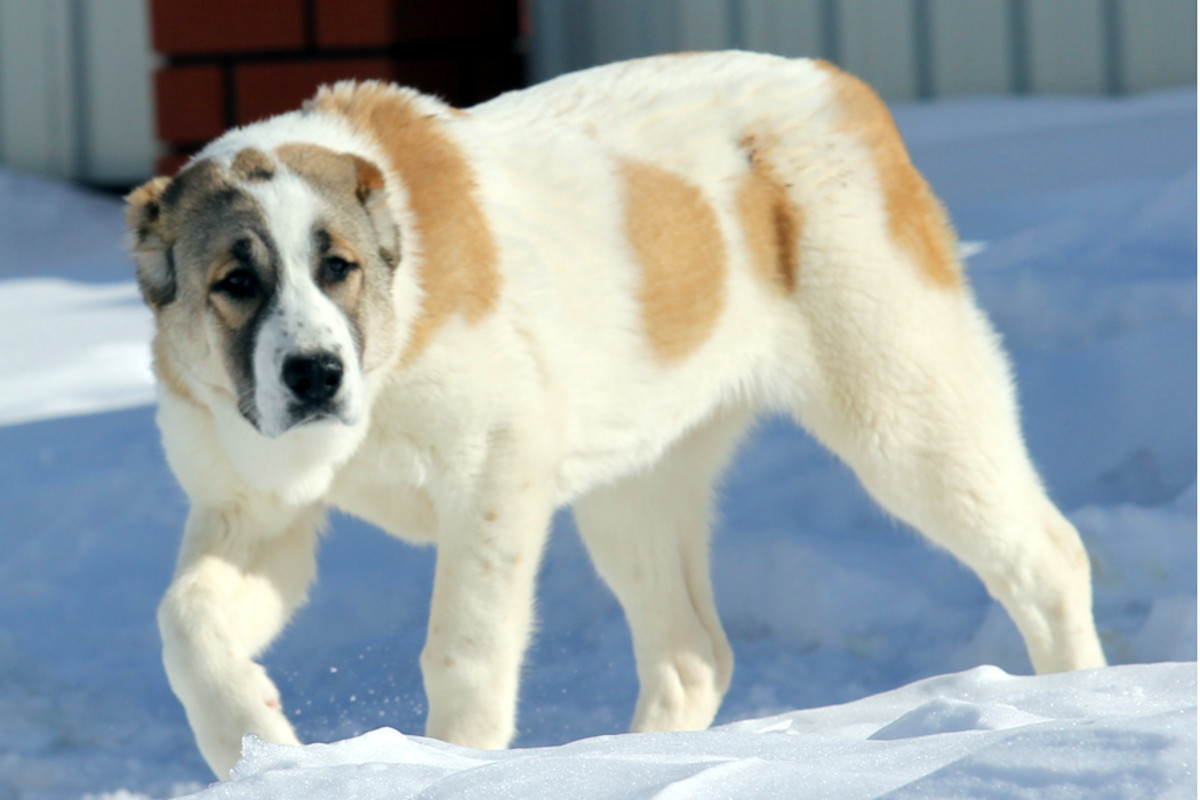
Along with the Irish Wolfhound, the Central Asian Shepherd Dog is one of the largest dog breeds in the world.Training and Education
Training and educating a Central Asian Shepherd requires patience, consistency, and experience. Inexperienced or uncertain owners are better off seeking help from a professional dog trainer. These dogs possess high intelligence and can quickly learn commands, but they can also show stubbornness and independence. It is important to start training at an early age to lay the foundation for obedience and socialization.
The initial steps in training should include teaching basic commands such as “Sit!”, “Lie down!”, “Come!”, “Place!”, “Heel!”, “No!”, “Don’t!”, “Stop!”, and “Okay!”. Positive reinforcement in the form of praise and treats will help reinforce desired behavior. Avoid harsh methods and punishments, as these can lead to aggression and distrust in the dog.
Since the breed is on the list of the most dangerous dog breeds in the world, it is essential that they complete the Mandatory Training Course (OKD). Otherwise, there is no guarantee that an adult dog will not pose a real threat to others.
Socialization is a key aspect of raising a Alabai. Dogs of this breed must be able to interact with people and other animals without excessive aggression. Gradually exposing them to new situations, places, and objects will help reduce stress levels and build the dog’s confidence. Alabai tend to protect their territory and family, so it is important to teach them to distinguish between real and perceived threats. Consulting a professional dog trainer can assist in this.
Advanced stages of training may also include specialized skills such as guarding, patrolling territory, and working with livestock. Central Asian Shepherds have innate guarding instincts that can only be developed and refined through proper training and upbringing. The working qualities of these dogs make them invaluable allies in agriculture and security.
Our website will help you find a healthy Central Asian Shepherd puppy with a stable psyche.
Working while sleeping
Since ancient times, these dogs have worked at night, protecting sheep herds. To this day, breed representatives perform their duties during nighttime to guard properties. However, if you are planning something nefarious and encounter a sleeping Central Asian Shepherd, it is better not to take the risk, as their sleep is very light, they assess situations quickly, and they spring into action instantaneously.
How to Choose a Puppy
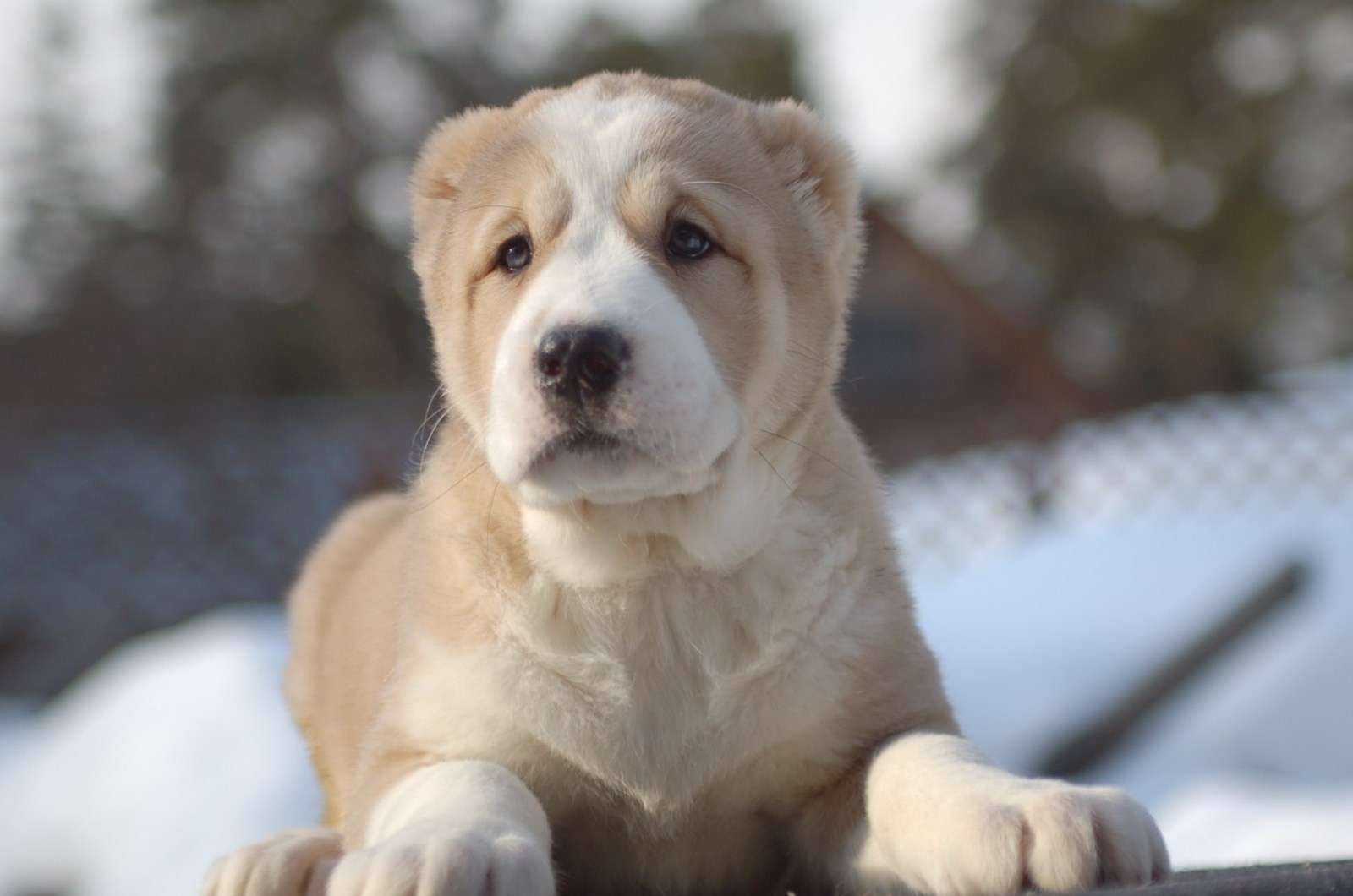
How should you choose a Central Asian Shepherd puppy? This is a very responsible process that requires attention to detail and an understanding of the breed’s characteristics. When selecting a puppy, it’s important to consider not only its appearance but also its behavior, health, and lineage. It’s advisable to consult reputable breeders who can provide complete information about the puppy’s parents, their working traits, and health issues.
The first step in choosing a puppy is finding a kennel. You can find dog kennels, their addresses, and contact numbers on our website. Evaluating the conditions in which the dogs are kept and their care is also the future owner’s responsibility. Be wary of ads selling puppies in markets. The best option is to choose a kennel with up-to-date photos and prices and pay a visit to one of them. Alabai puppies are active, curious, and sociable. Pay close attention to the coat, the condition of the eyes, and the cleanliness of the ears and skin-there should be no signs of inflammation or parasites. A healthy puppy will have a good appetite and a normal weight for its age.
It’s equally important to review the puppy’s pedigree. The parents should possess good working qualities, be healthy, and meet breed standards. The breeder should provide information about vaccinations and parasite treatments, as well as medical records. Zoonika offers favorable options depending on the breed and pedigree.
Health and Diseases
Central Asian Shepherds are a strong and resilient breed. Despite this, they are prone to a number of health issues typical of large breeds. Among the most common problems are hip and elbow dysplasia. This condition often leads to mobility issues due to pain and requires regular monitoring and treatment. The tendency for dysplasia is genetically inherited, so it is important to choose puppies from parents with tested joints.
Another potential issue can be cardiovascular problems, such as cardiomyopathy. Regular check-ups at the veterinary clinic and a proper diet can reduce the risk of developing such diseases. Additionally, pay attention to the skin and coat condition, as Central Asian Shepherds are susceptible to dermatitis and allergic reactions. Regular grooming and monitoring of skin cleanliness can help avoid these problems.
Epilepsy is another condition that can occur in Central Asian Shepherds. At the first signs of seizures or unusual behavior, it is essential to see a veterinarian immediately for diagnosis. Timely veterinary assistance allows for the management of the condition and ensures the Central Asian Shepherd leads a comfortable life. Considering this? There is a vast selection of listings on the map by city at Zooinika.
Содержание
-
1. Описание породы
-
2. Внешний вид
- 2.1 Голова
- 2.2 Морда
- 2.3 Уши
- 2.4 Глаза
- 2.5 Зубы
- 2.6 Корпус
- 2.7 Конечности
- 2.8 Хвост
- 2.9 Шерсть
- 2.10 Окрас
-
3. Характер
-
4. Содержание и уход
-
5. Дрессировка и обучение
-
6. Как выбрать котенка
-
7. Здоровье и болезни







Comments
Only registered users can leave reviews.
Enter